3D Printers for Rapid Prototyping
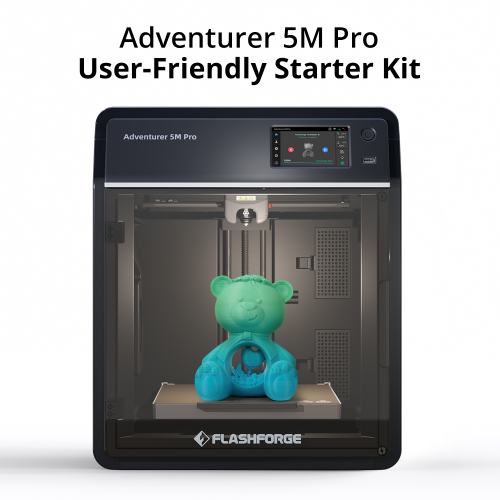
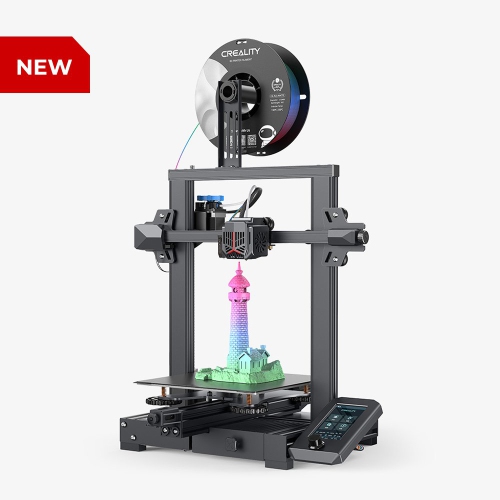
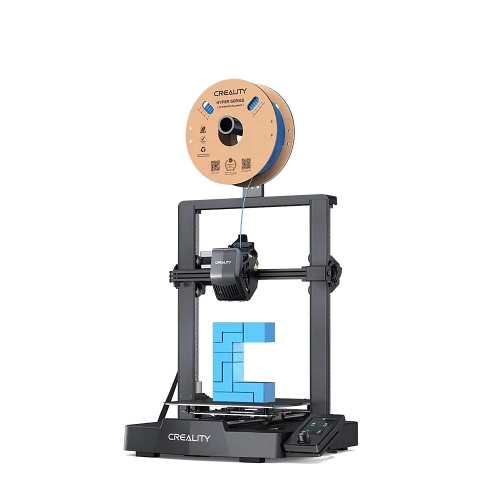
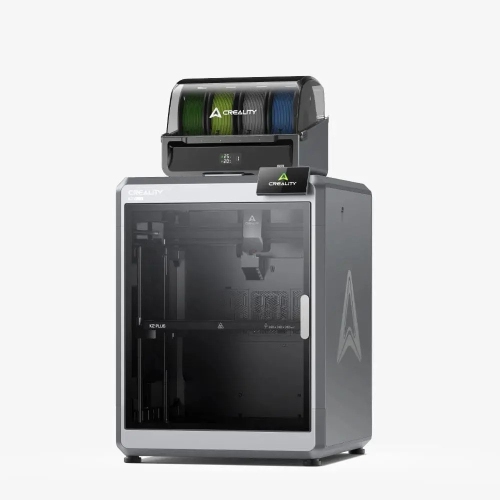
Explore 3D printers for rapid prototyping to turn digital designs into physical models, check fit and form, and refine parts before production. Compare options by build volume, material compatibility, print resolution, and speed to find a printer suited to your prototype sizes and design workflow.

FAQ
Common types include fused deposition modelling (FDM) printers, which build parts from melted filament, and resin printers, which use light to cure liquid resin layer by layer. Selective laser sintering (SLS) printers fuse powdered material and are typically used in professional prototyping workflows.
STL and 3MF are common formats for transferring 3D models into printing software. STL describes a model’s surface geometry, while 3MF can also store details such as units and material assignments. A slicer then converts the model into instructions compatible with the printer.
Material choices depend on the printer’s technology and compatibility. FDM printers commonly use filaments such as PLA, PETG, ABS, and TPU. Resin printers use compatible photopolymer resins, while SLS printers often use nylon powders. Each printer has specific material requirements.
Slicing software divides a digital model into layers and prepares the printer’s build instructions. It lets you adjust settings such as part orientation, layer height, infill, and support structures. Some printers include their own slicer, while others work with compatible third-party software.
Post-processing varies by printing method and material. Filament prints may require support removal, sanding, or assembly. Resin prints typically require washing and post-curing according to the material’s specifications. Powder-based prints require removal of loose powder and may undergo additional surface finishing.
Top selling and popular products
Discover more categories related to 3D Printers for Rapid Prototyping
Some products may be subject to Environmental Handling Fees (EHF) depending on your province. Learn more about EHFs.