85 Inch TVs for Home Theatre
Explore 85-inch TVs for home theatre and compare large-screen options for your viewing space. Consider picture quality, viewing distance, and connectivity for movie nights, sports, or gaming. Check each model’s dimensions, stand or wall-mount requirements, and compatibility with your sound system and other devices to help plan your setup.












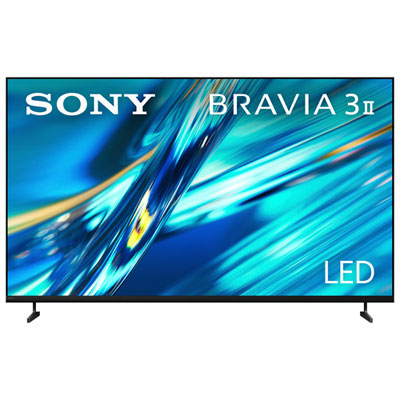

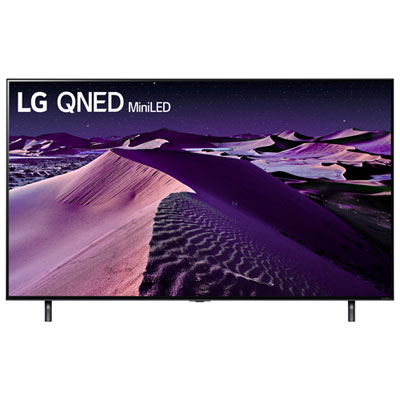


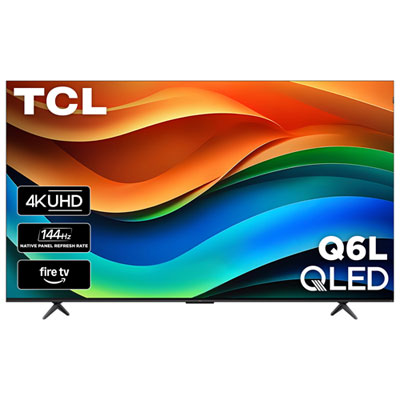
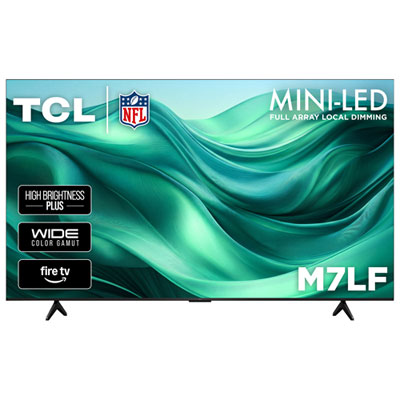













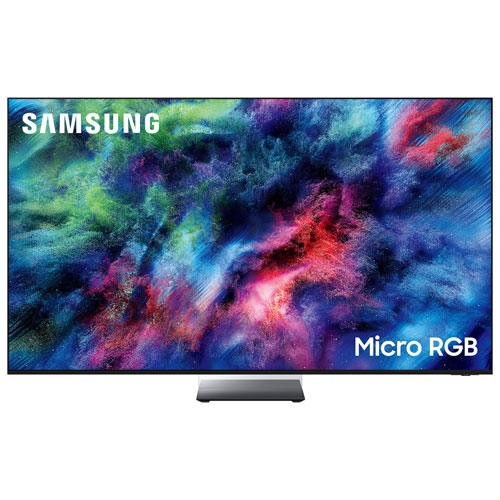
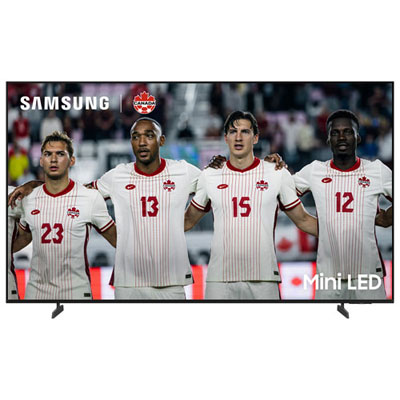
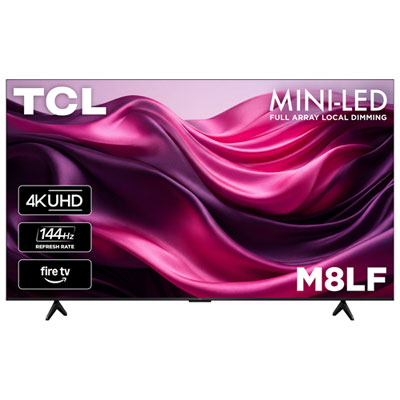


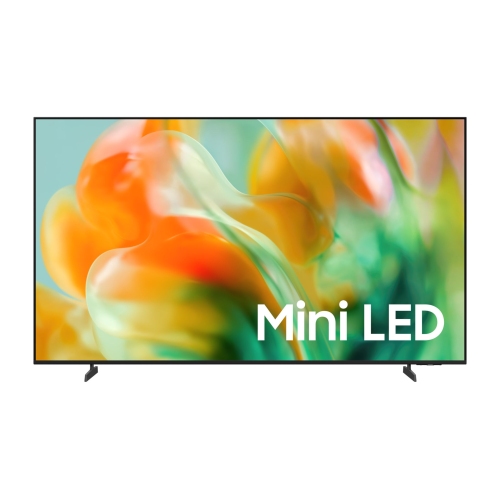
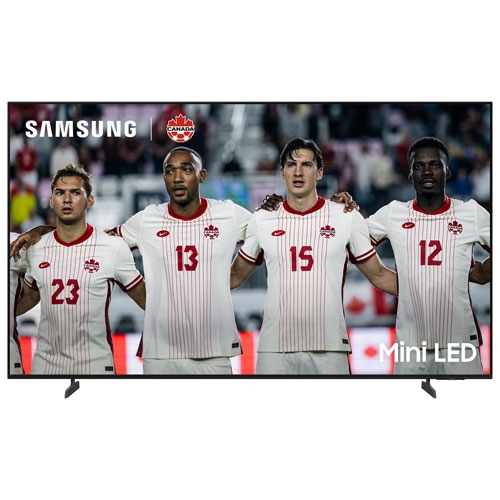
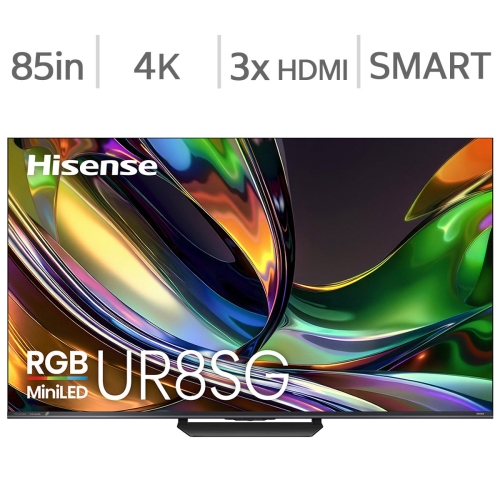
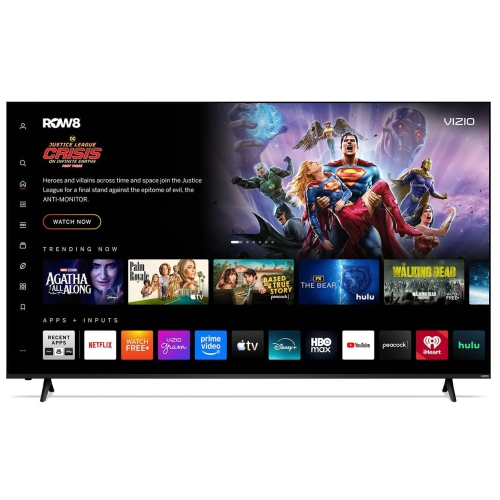
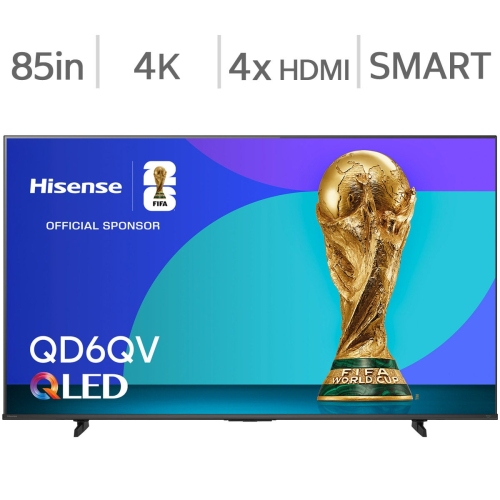











FAQ
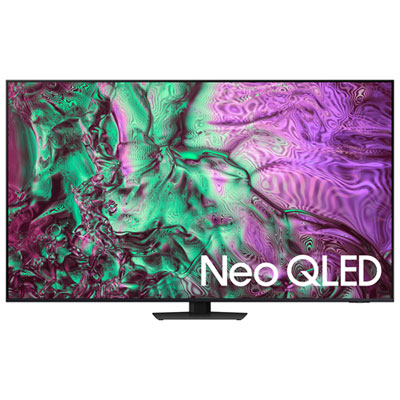
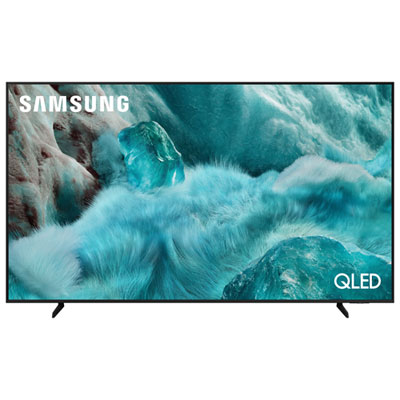
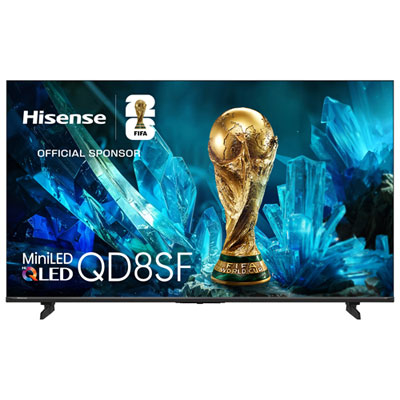
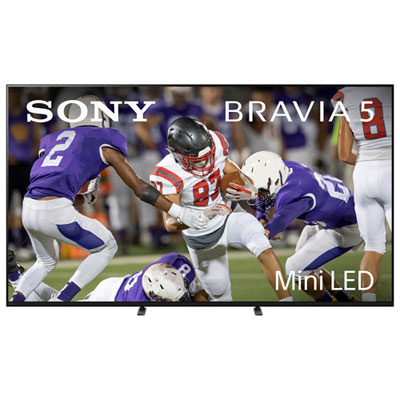
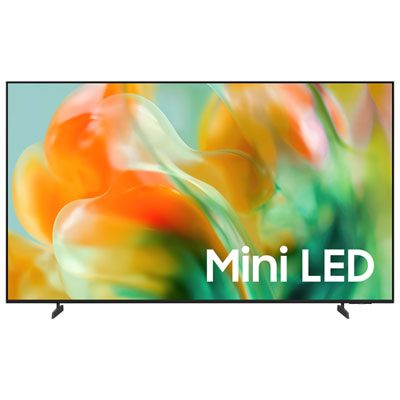
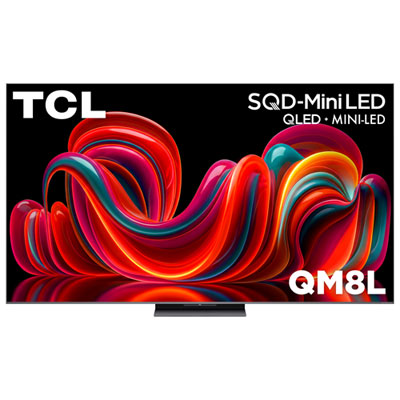
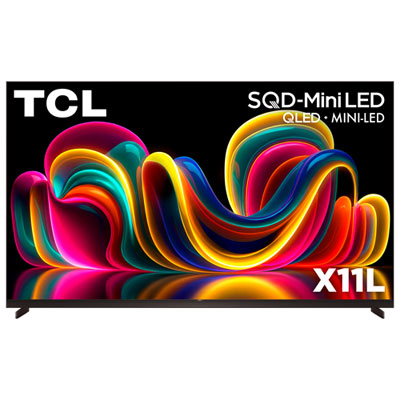
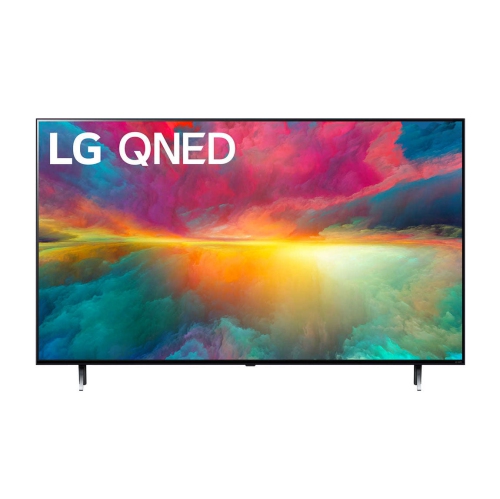
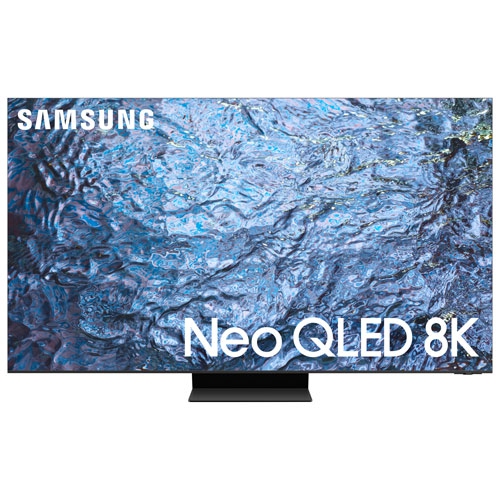
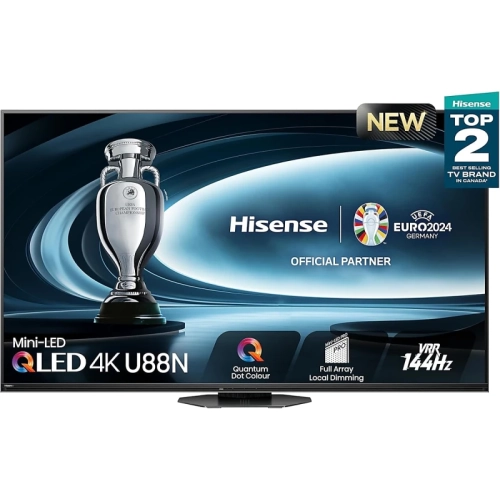
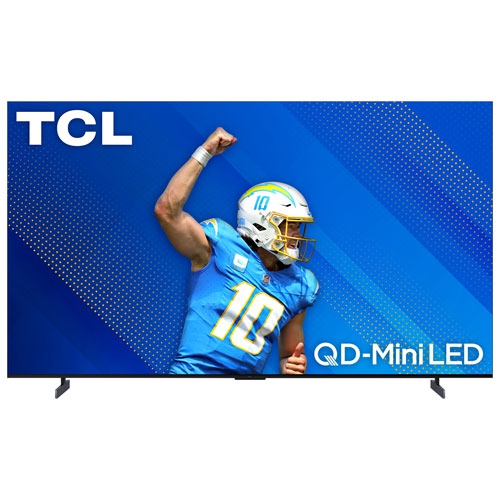
OLED TVs use pixels that produce their own light. QLED TVs typically use an LCD panel with a quantum-dot layer and LED backlighting. Mini-LED refers to a type of LCD backlighting that uses many small LEDs. A TV can combine QLED and Mini-LED technology.
These are high dynamic range formats used in movies, shows, and other video content. HDR10 uses static metadata, while HDR10+ and Dolby Vision support dynamic metadata that can change throughout a programme. Format support varies by TV, playback device, streaming service, and title.
HDMI eARC sends audio from a TV to a compatible sound bar or AV receiver through an HDMI connection. It can carry audio from built-in TV apps and devices connected to the TV. Both the TV and audio system need compatible ports, and supported audio formats depend on the equipment.
Smart TV platforms commonly include streaming apps, content search, and customizable home screens. Some also support voice control or casting from compatible devices. Available apps and account requirements vary by platform and region, and streaming services may require separate subscriptions. Internet connectivity may use Wi-Fi or Ethernet, depending on the TV.
A Blu-ray player typically connects to a TV through HDMI, either directly or through a compatible AV receiver. Standard Blu-ray discs require a Blu-ray player, while 4K Ultra HD Blu-ray discs require an Ultra HD Blu-ray player. Disc region compatibility and supported video and audio formats vary by equipment.
Top selling and popular products
Discover more categories related to 85 Inch TVs for Home Theatre
Some products may be subject to Environmental Handling Fees (EHF) depending on your province. Learn more about EHFs.