Air Conditioners And Fans

Find air conditioners and fans to match your space and cooling needs. Air conditioners lower room temperature, while fans keep air moving to help you feel cooler. Consider room size, available space and noise level when comparing options for your home.
Read More

Sort

A cooling breeze isn’t the same as cooler air

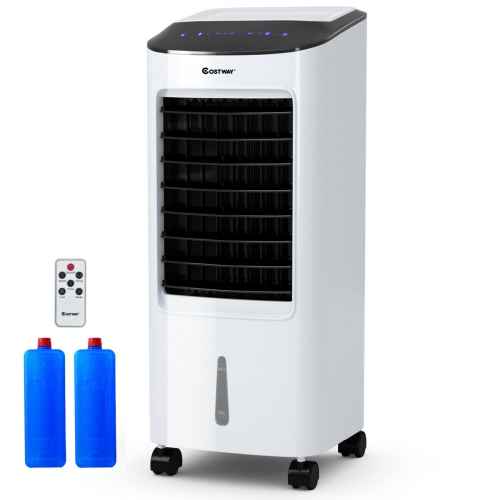
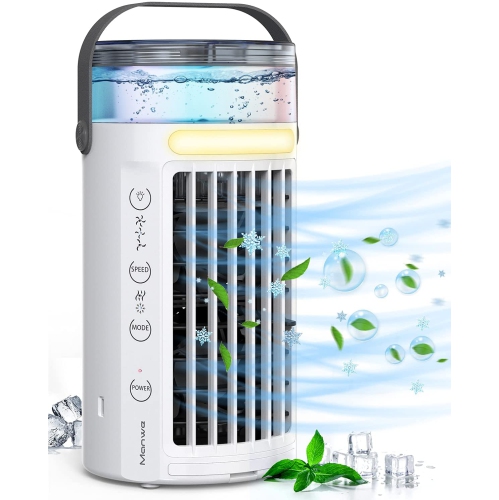
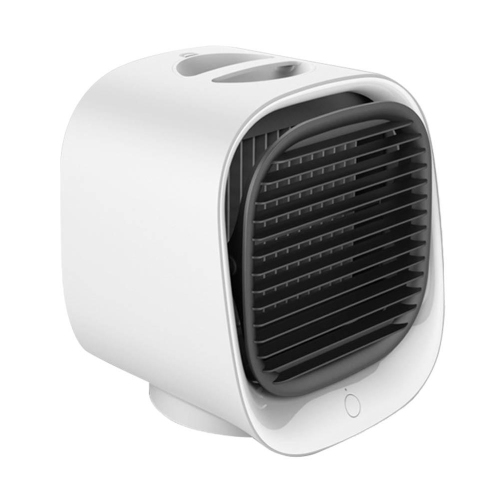
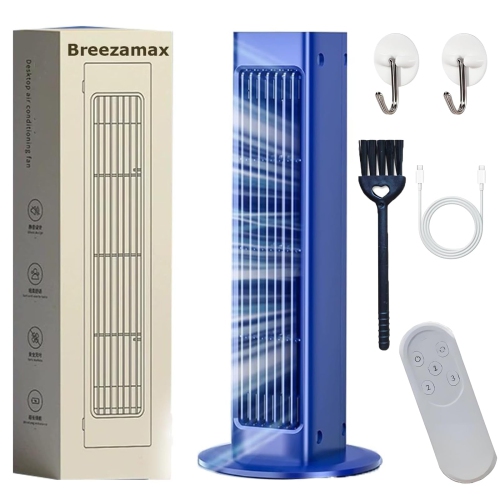
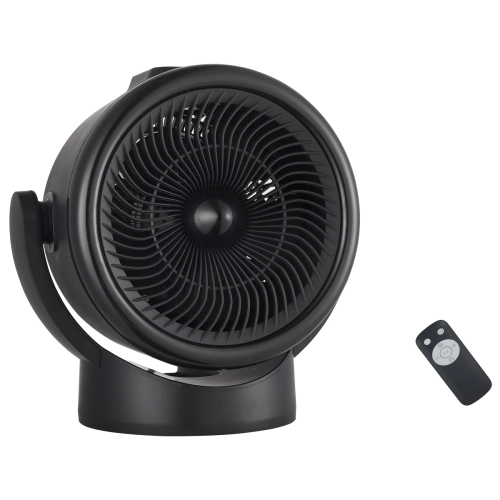
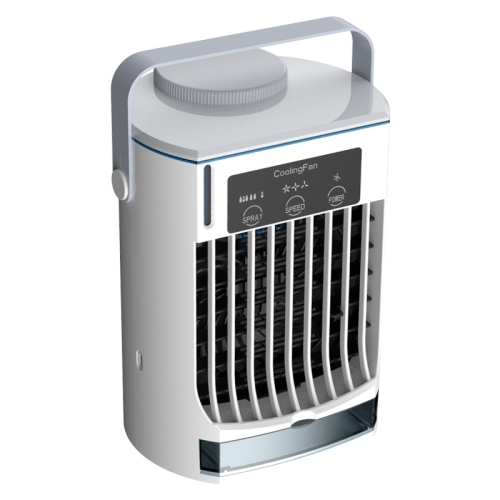
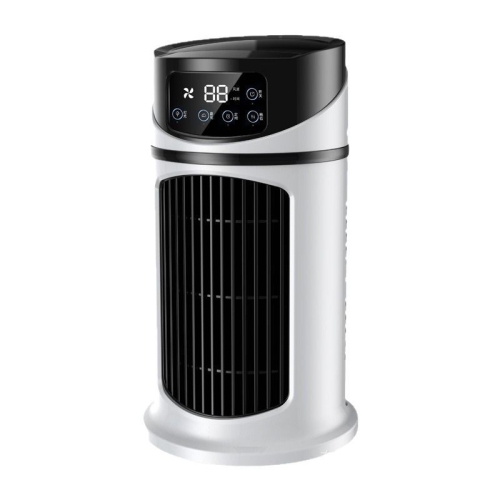
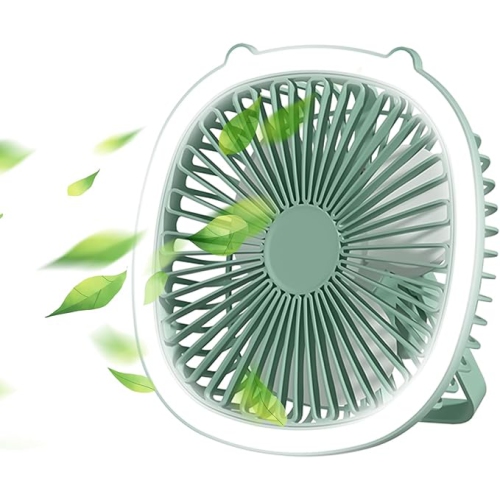
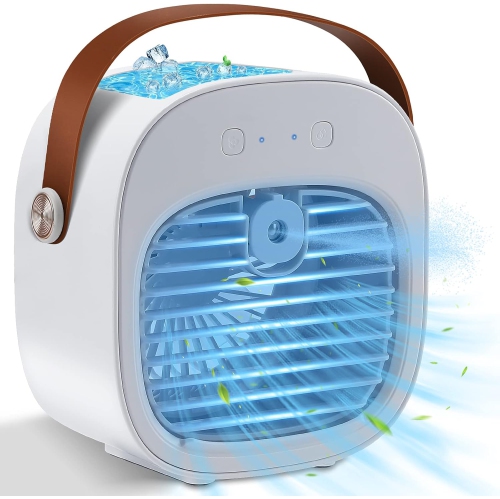
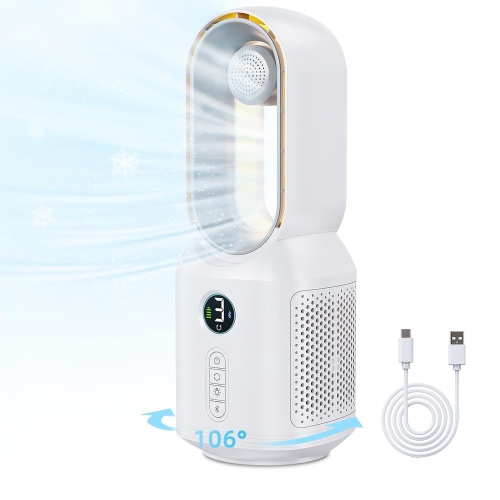
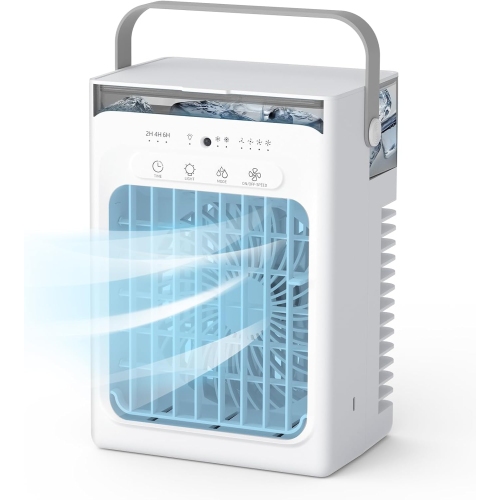
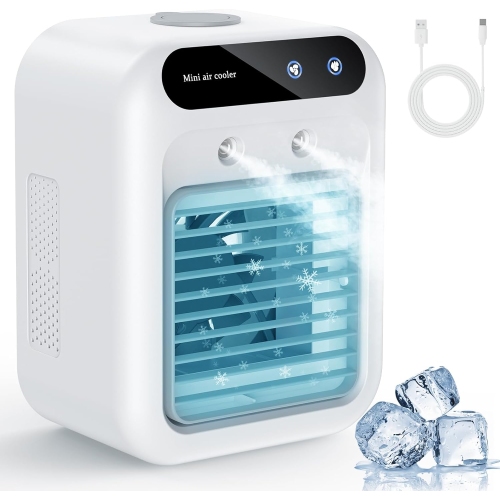
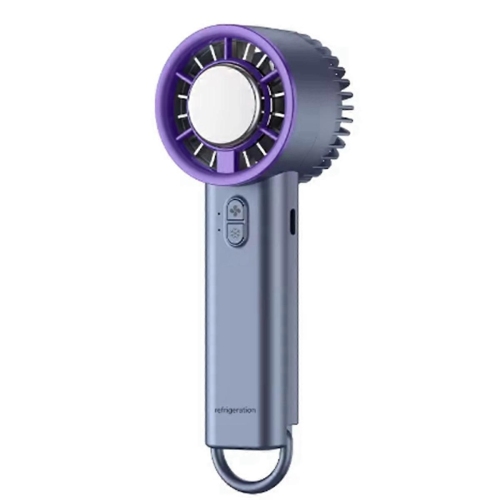
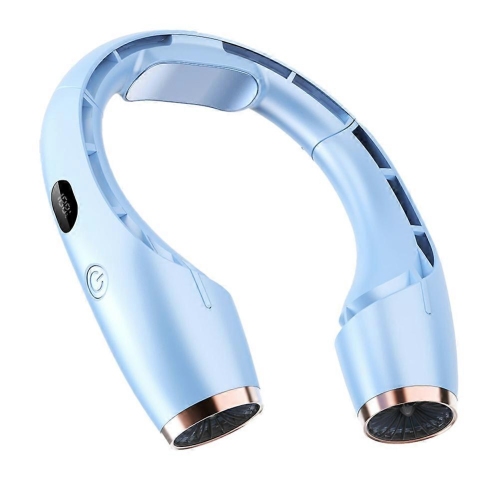
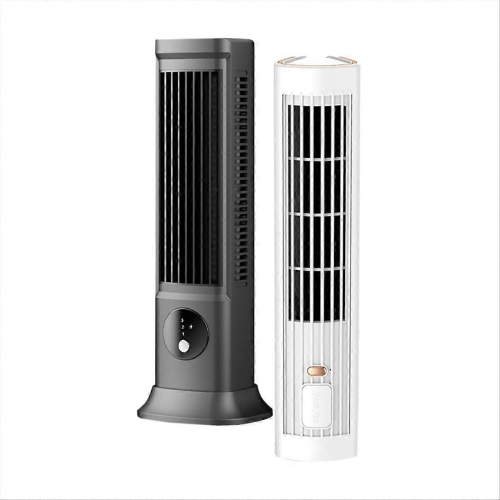
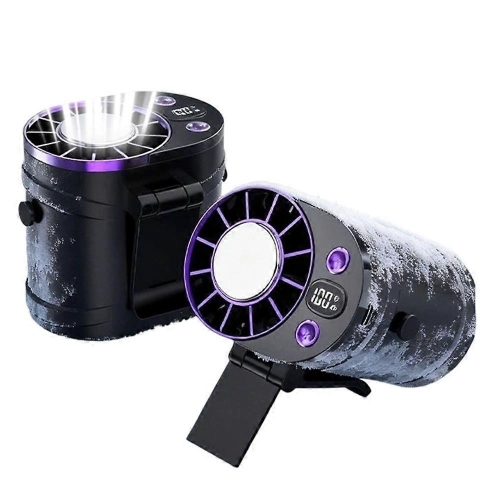
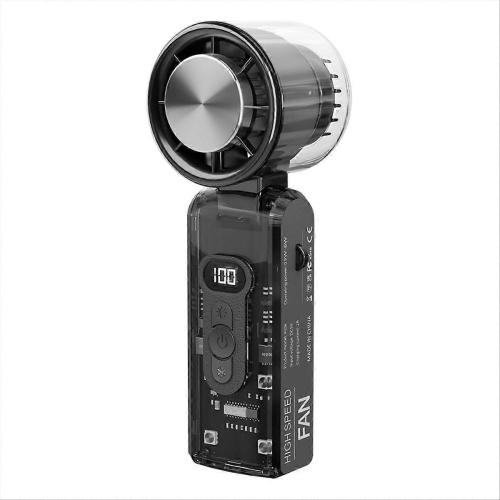
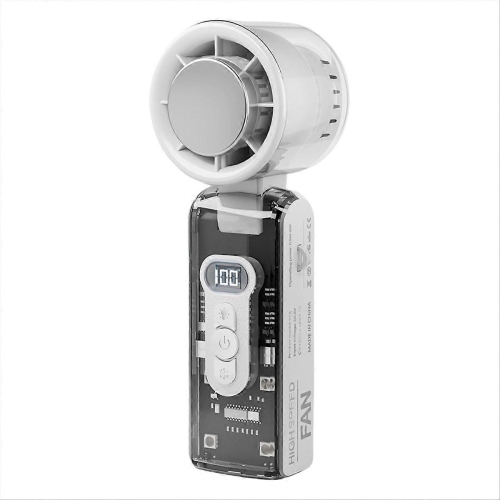
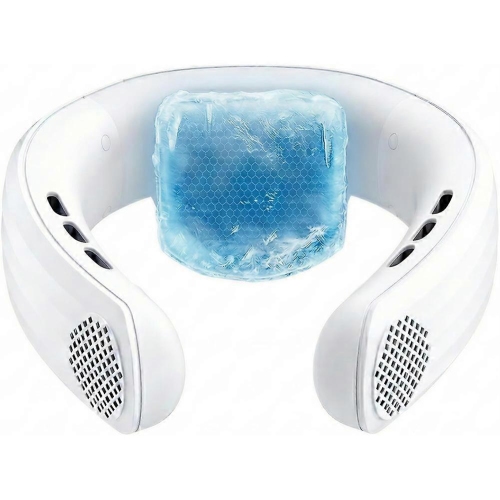
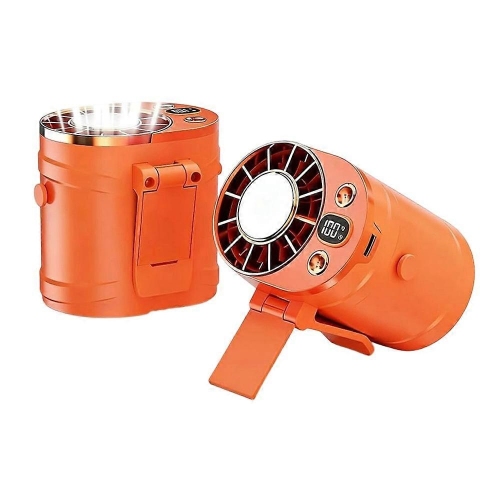
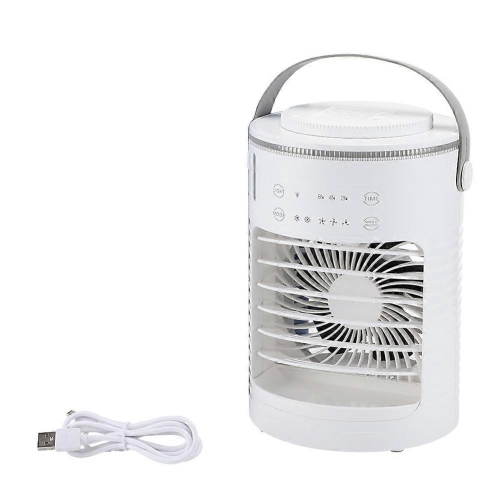
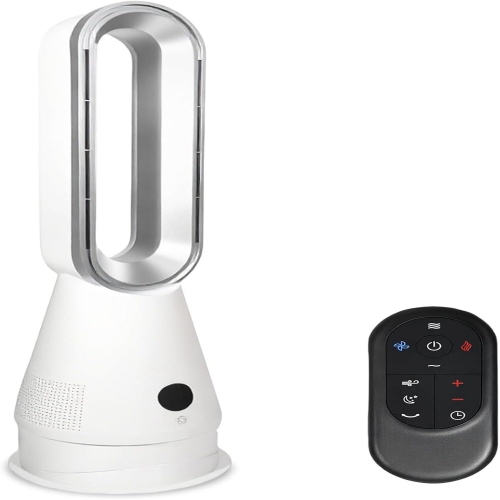
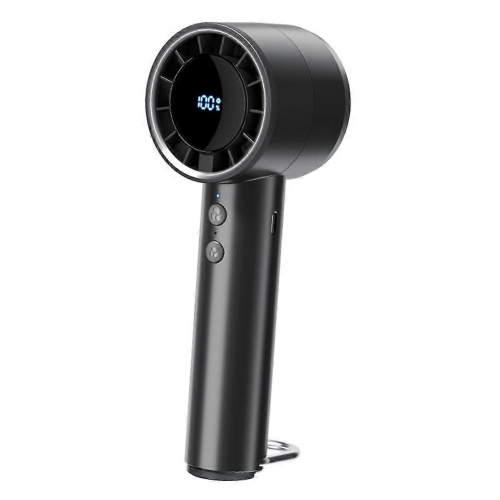
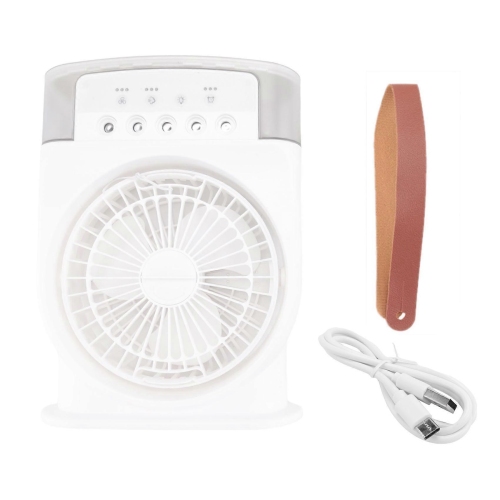
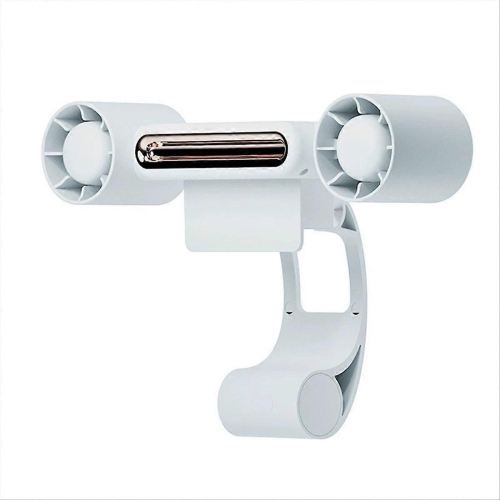
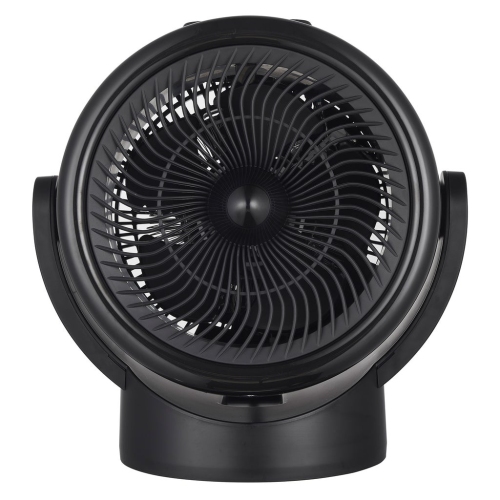
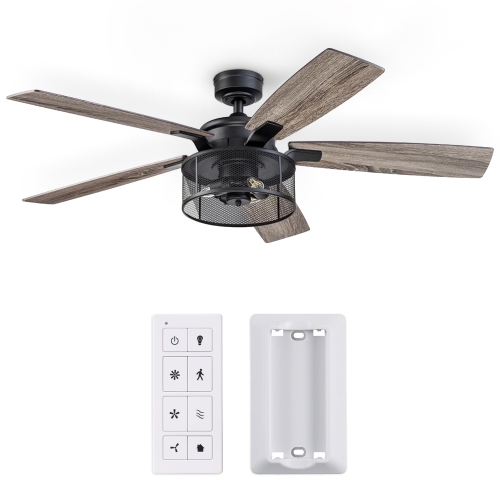
Air conditioners and fans offer two different ways to make indoor spaces feel more comfortable. An air conditioner removes heat from indoor air and transfers it outside, lowering the room’s actual temperature. A fan moves air across the skin to create a cooling sensation, but it does not lower the room temperature on its own. That distinction matters in everyday spaces: a fan can provide a welcome breeze beside a desk, while an air conditioner is better suited to a bedroom that holds heat long after sunset. The two can also work together, with a fan helping distribute cooled air beyond the area immediately around an air conditioner. Room size, layout, window access, noise preferences, and the amount of direct sunlight all influence which arrangement makes sense. A compact home office has different needs from an open living and dining area, especially when high ceilings or wide doorways make it harder to keep cooled air within one space. Fans come in several practical formats to suit those differences. Desk fans bring airflow close to a seated person, pedestal fans offer adjustable height, and tower fans fit into narrow stretches of floor beside furniture. Larger floor fans can move air across a broader area, while ceiling fans provide circulation without taking up floor or tabletop space. Oscillation spreads airflow from side to side, whereas a fixed position keeps the breeze directed at one spot. For someone reading on a sofa, a gentle setting may be enough; a shared living room may benefit from wider coverage. Controls also affect daily comfort. Several speed settings allow for a softer breeze during a video call or stronger circulation after a room has become stuffy. A remote control can be useful when the fan sits across the room, and a timer suits people who prefer airflow while settling down to sleep without leaving it running all night. These details help distinguish personal cooling from whole-room cooling without treating either as a replacement for the other.

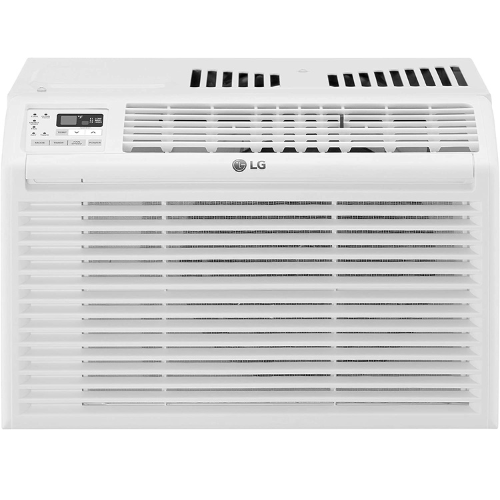
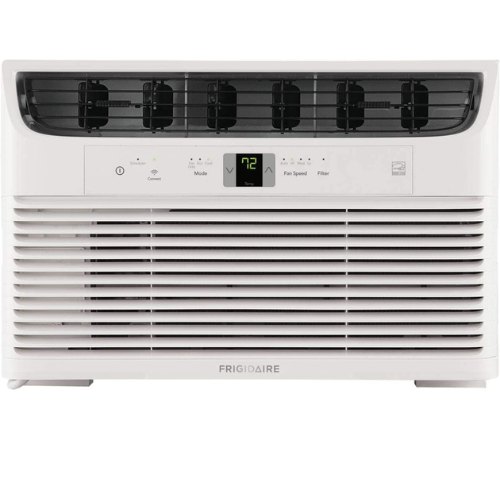
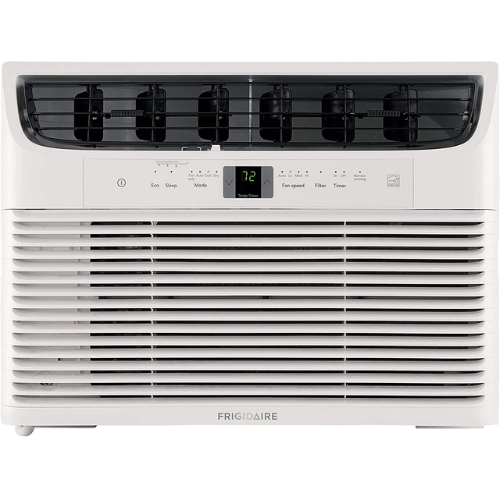
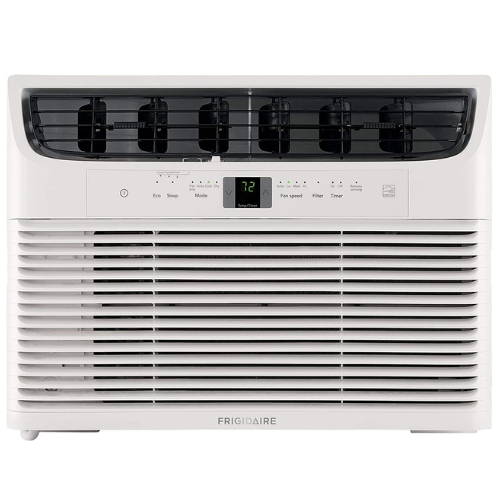
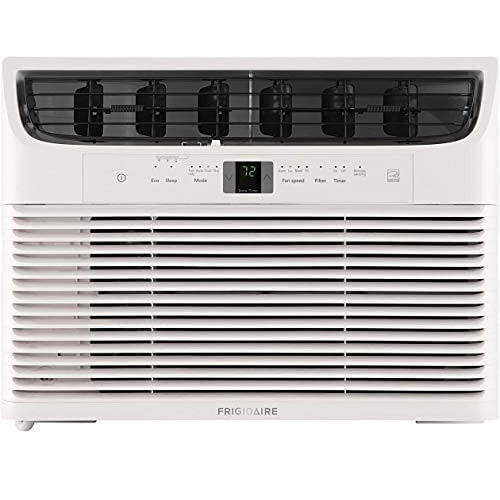
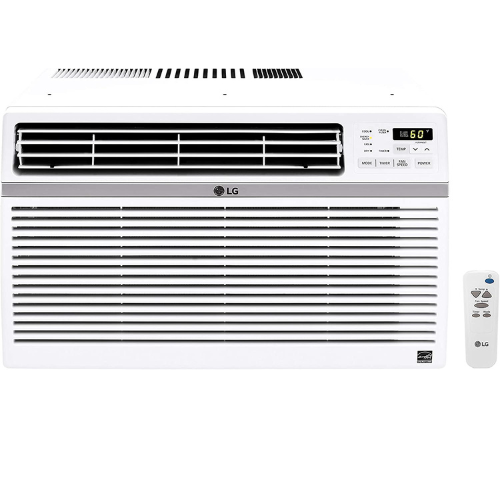
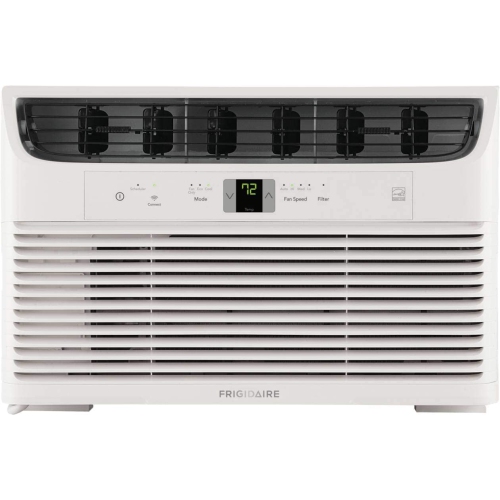
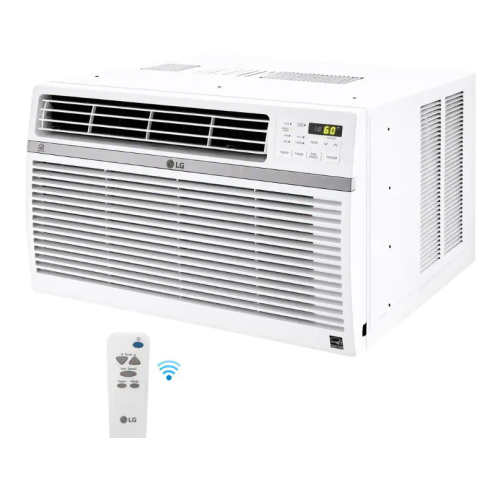
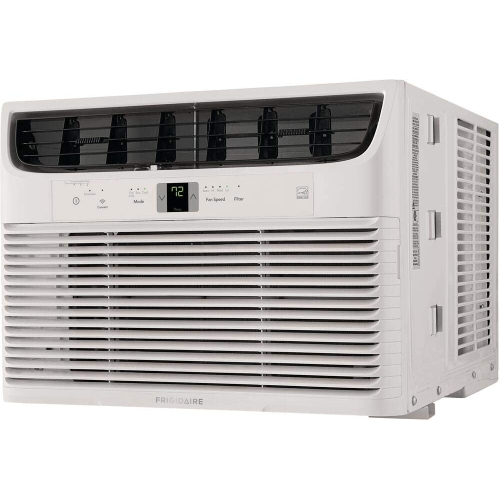
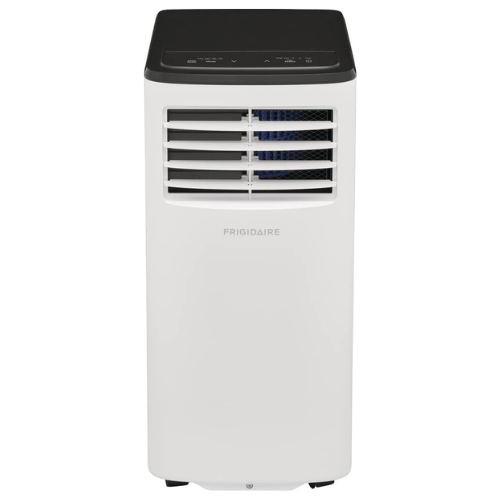
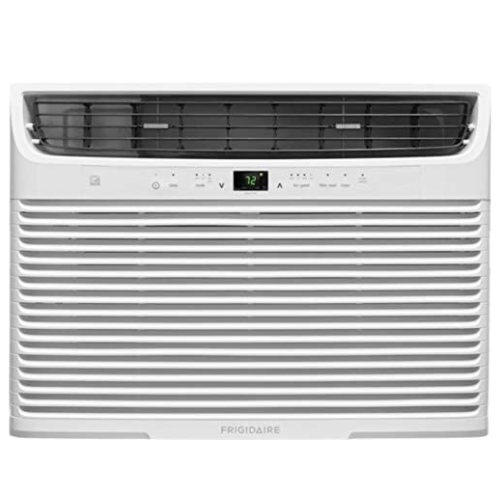
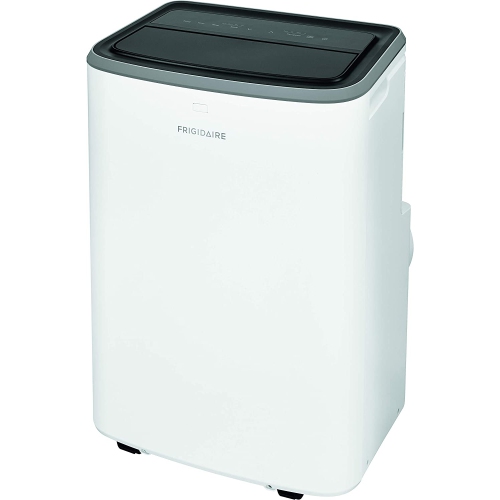
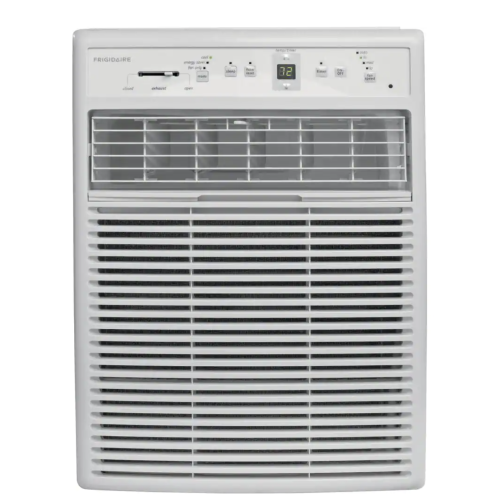
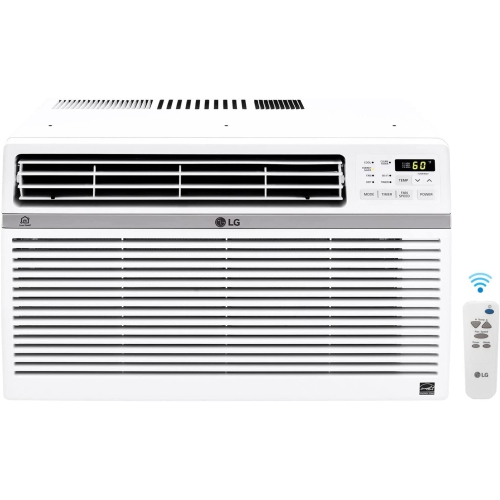
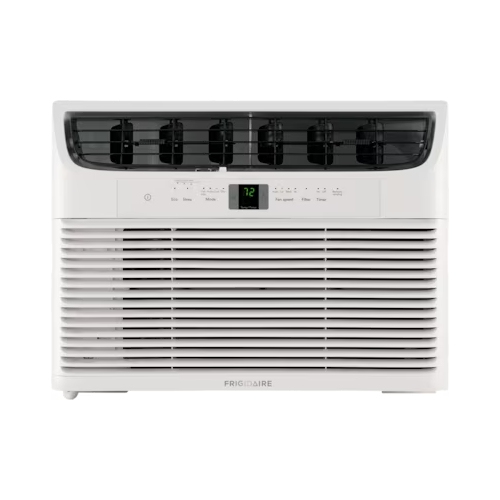
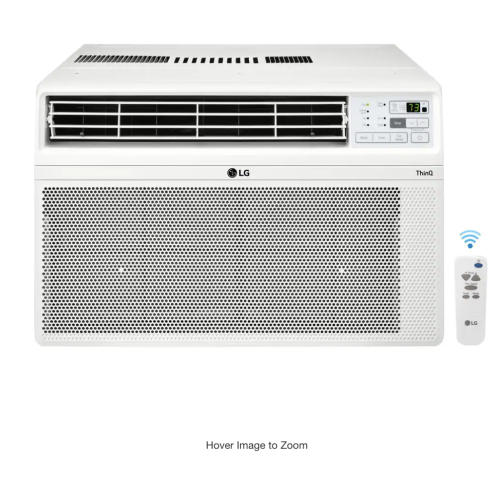
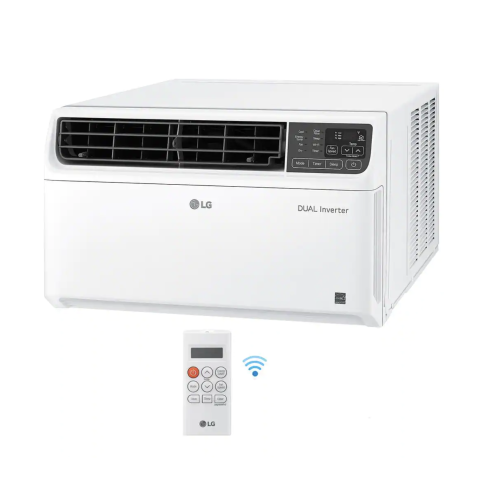
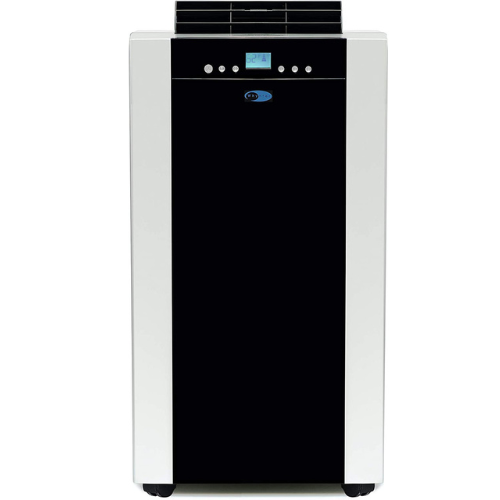
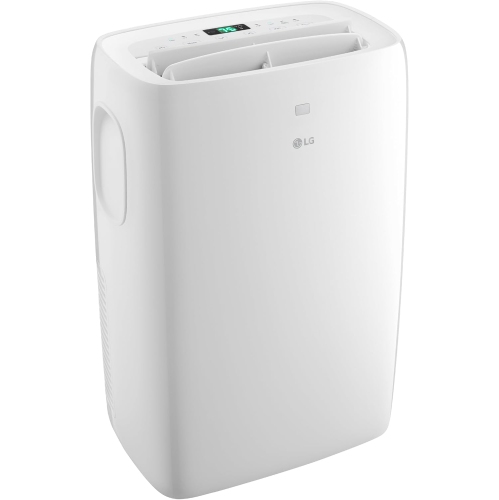
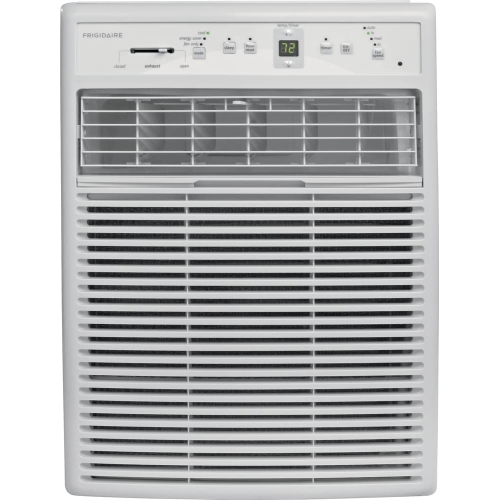
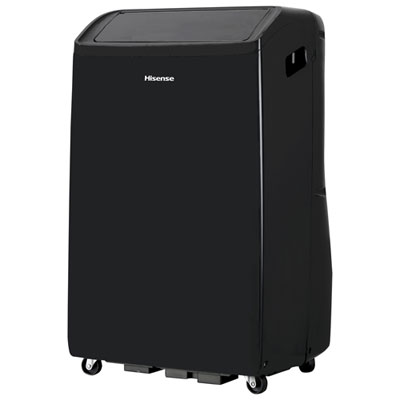
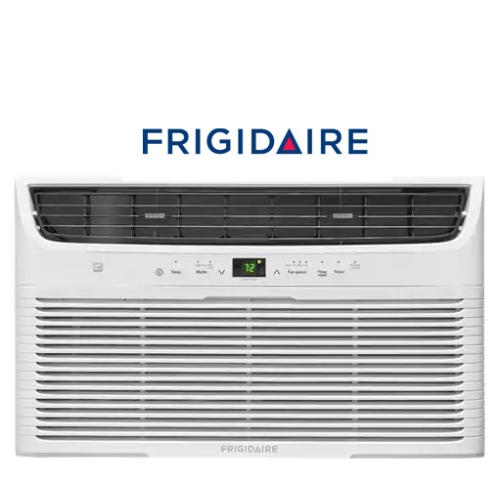
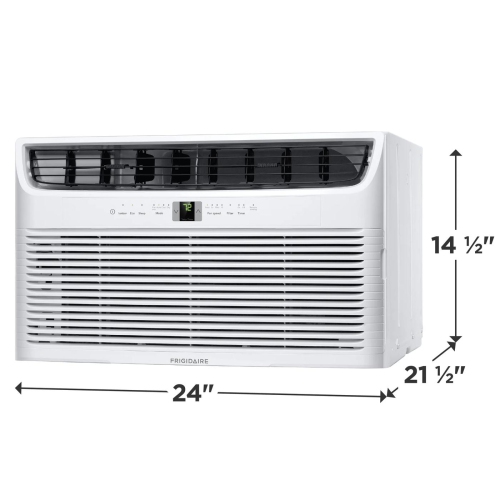
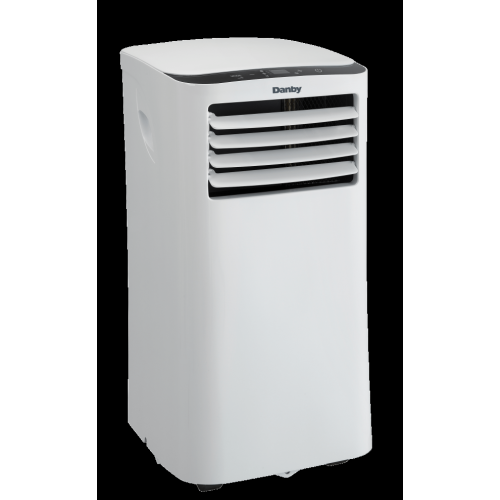
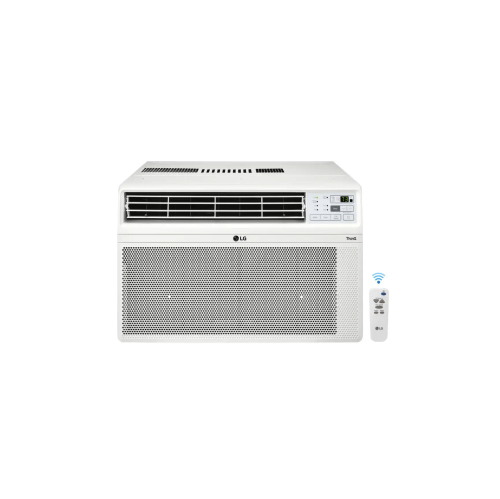
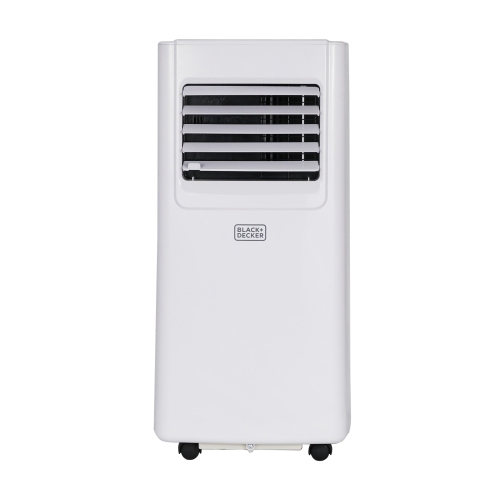
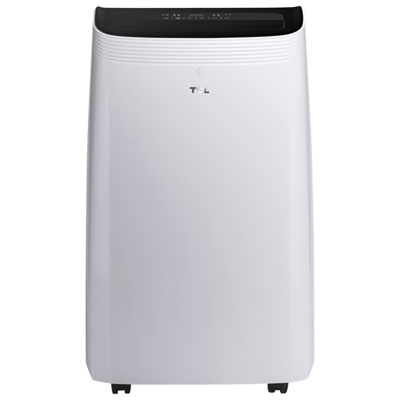
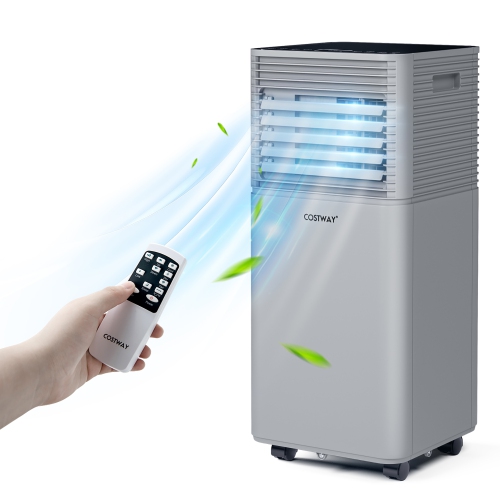
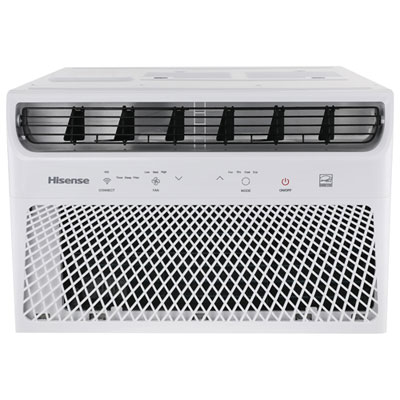
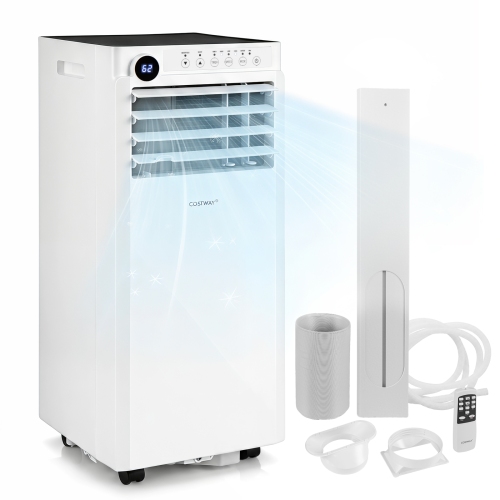
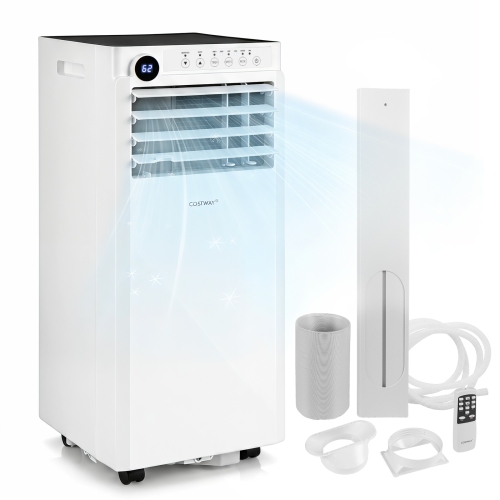
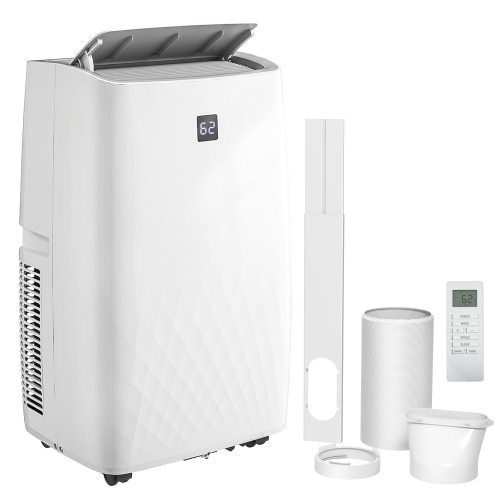
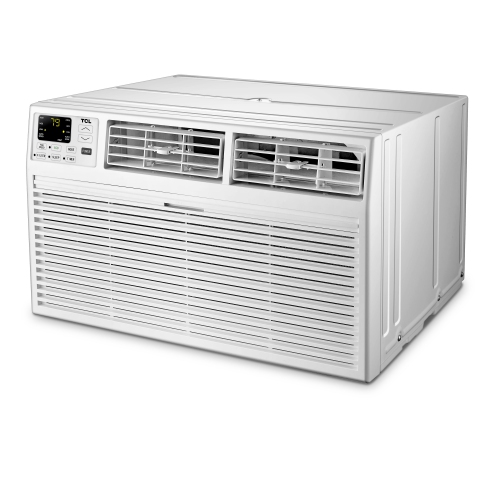
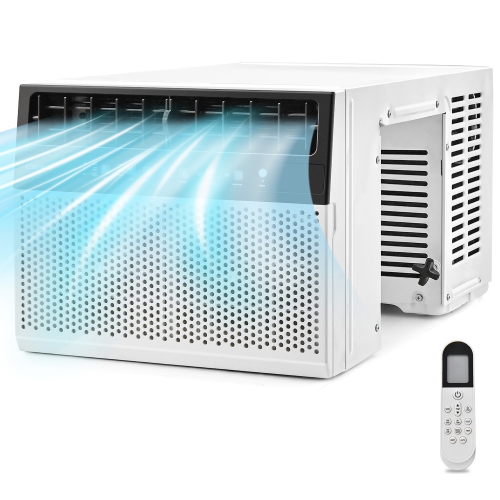
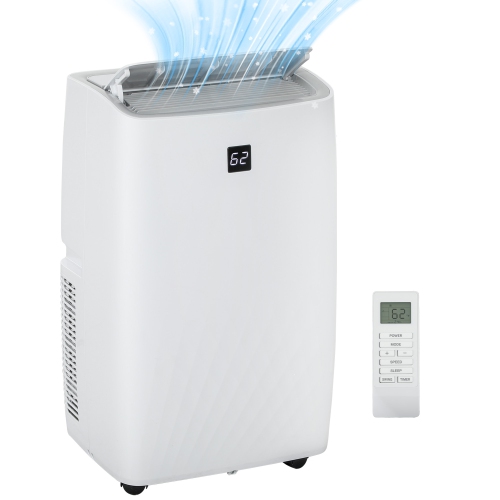
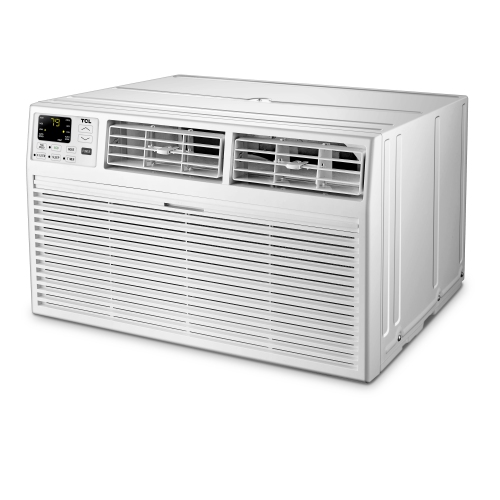
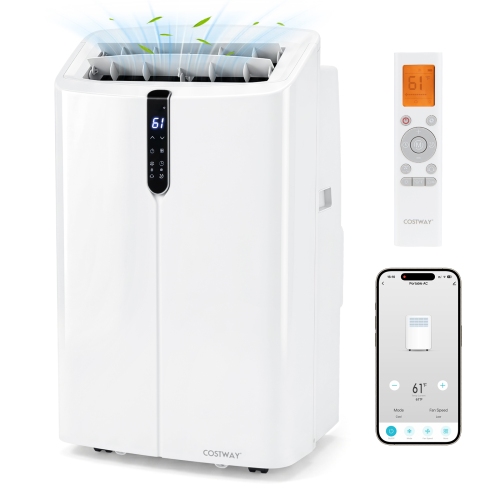
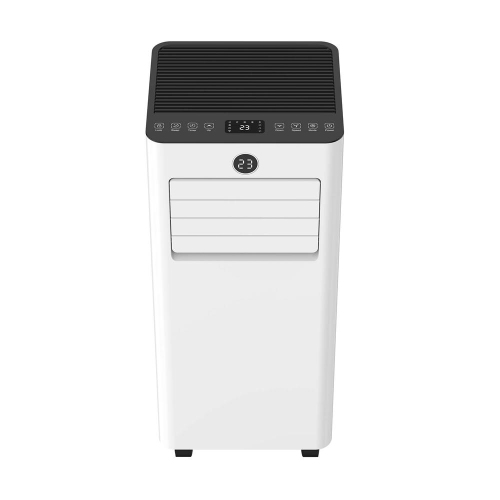
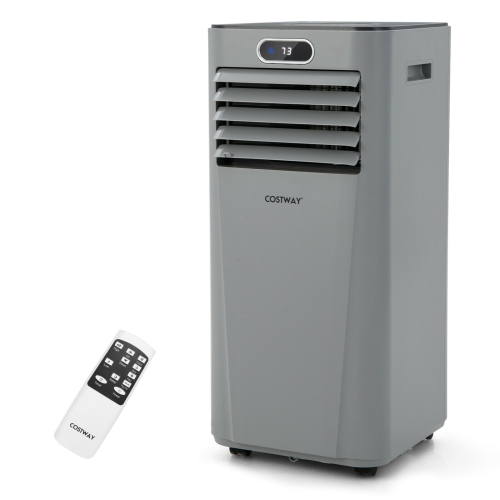
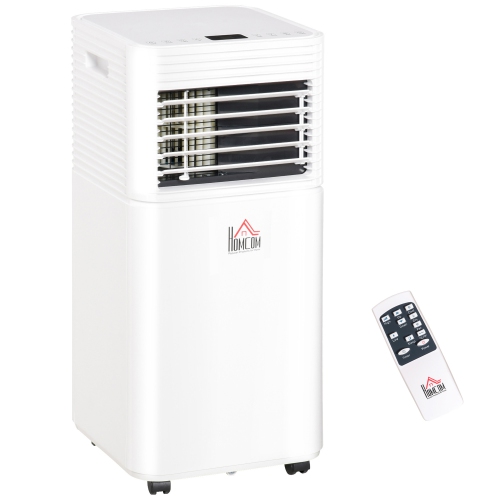
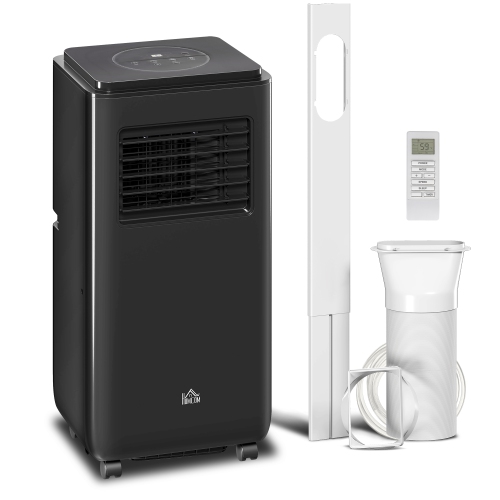
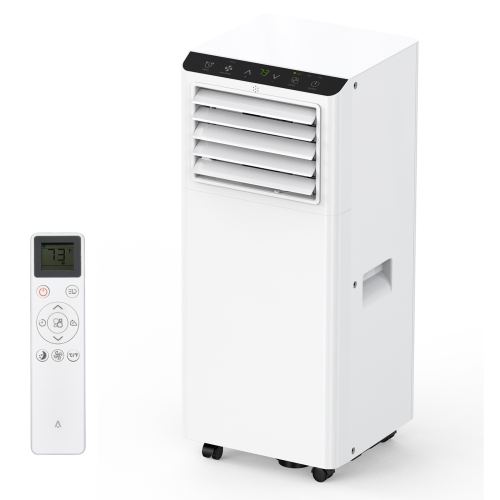
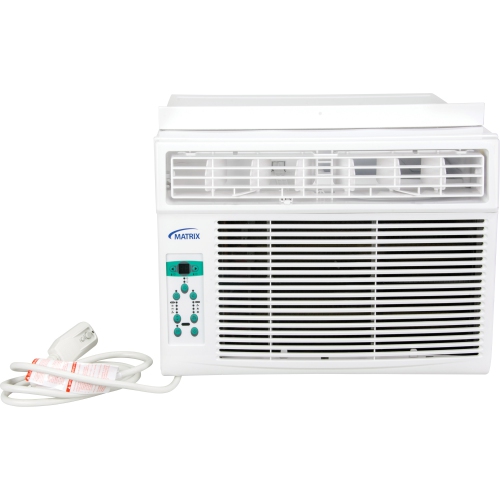
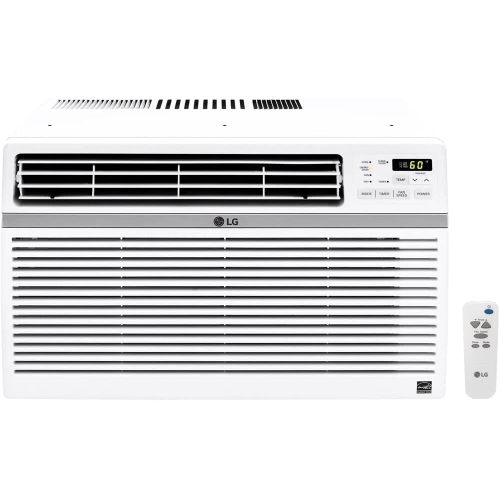
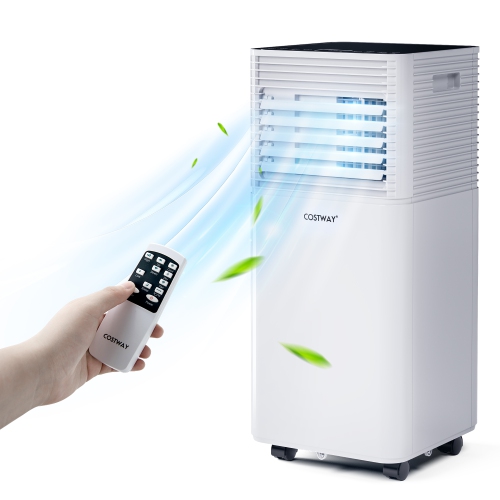
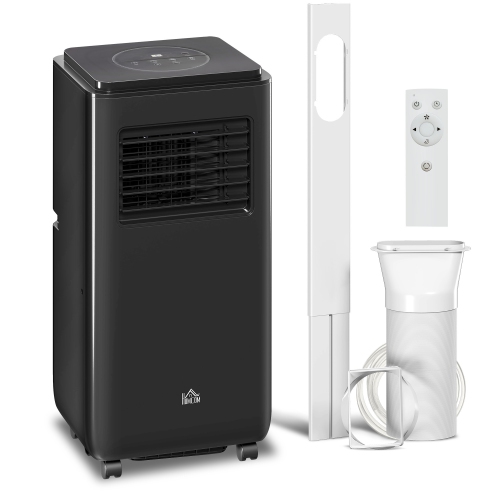
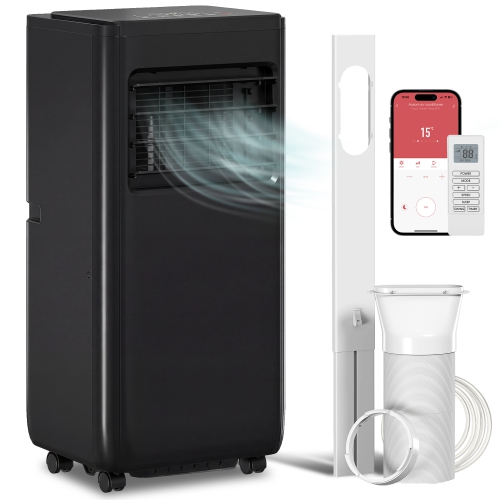
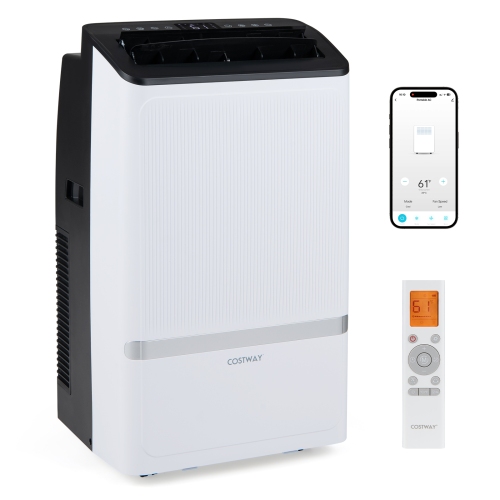
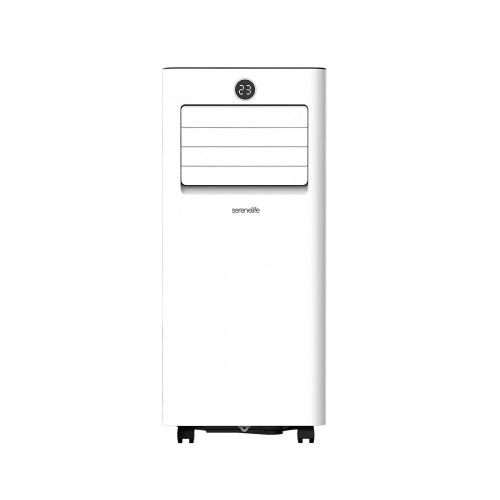
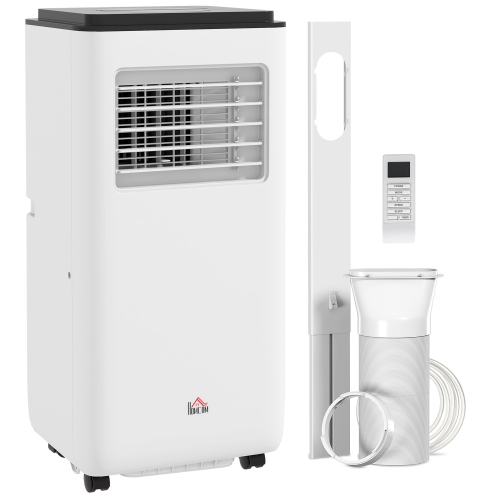
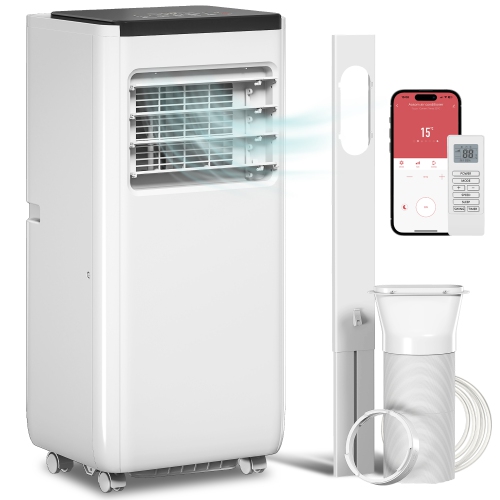
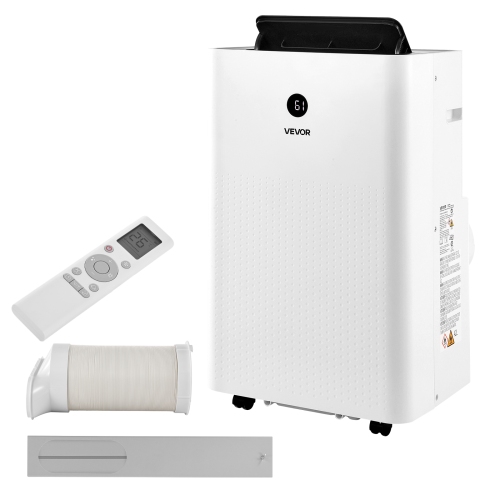
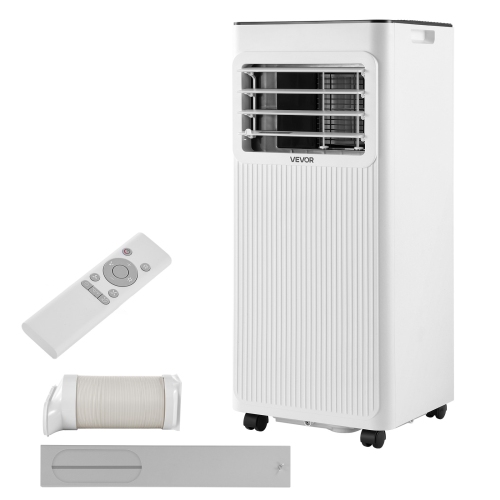
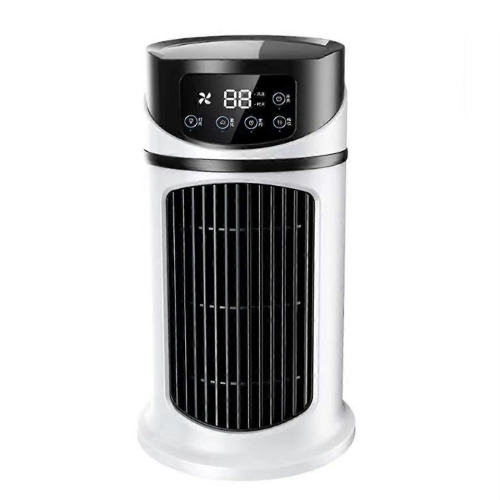
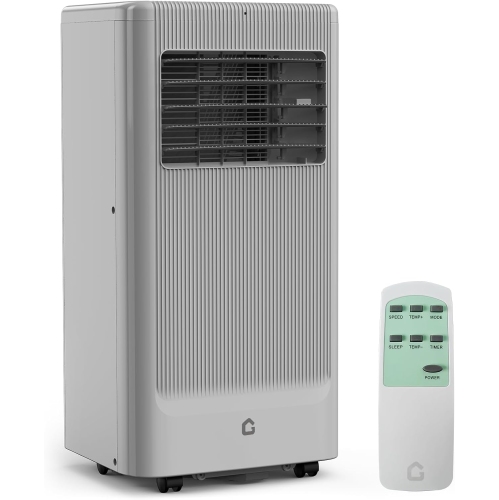
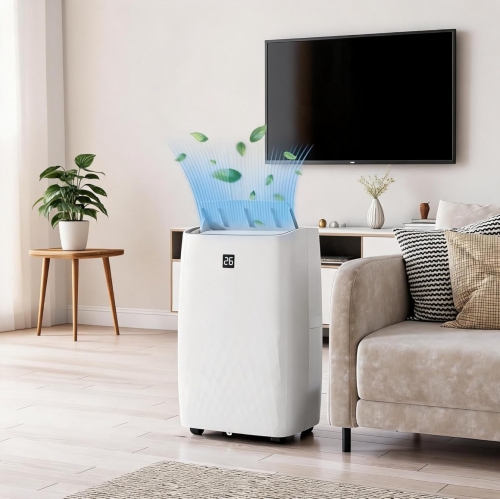
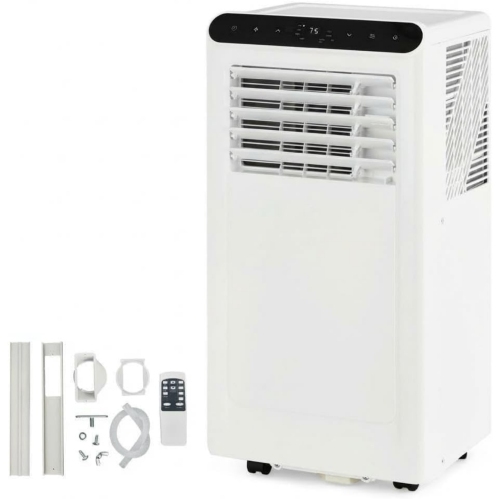
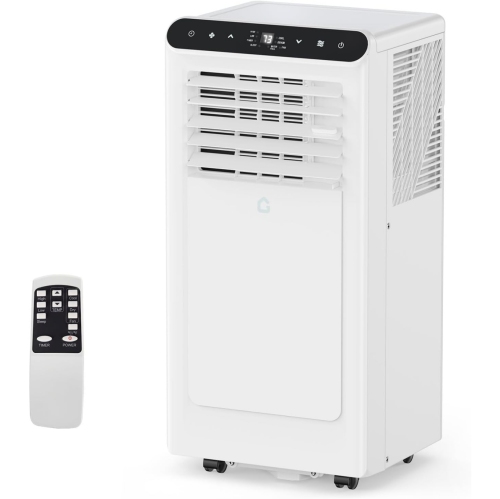
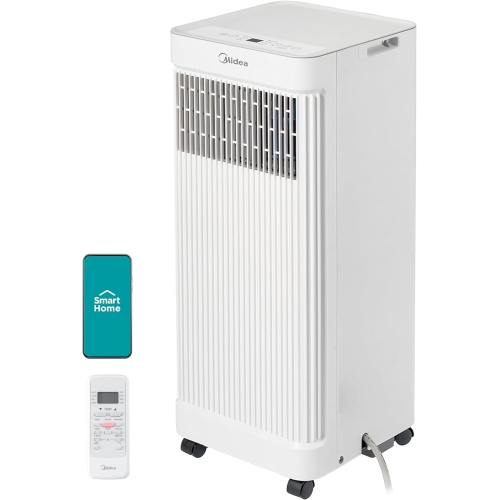
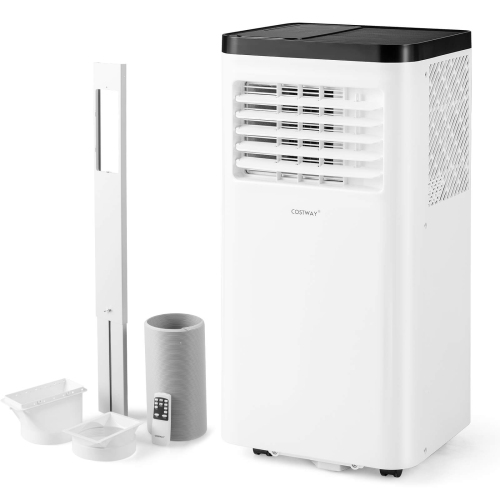
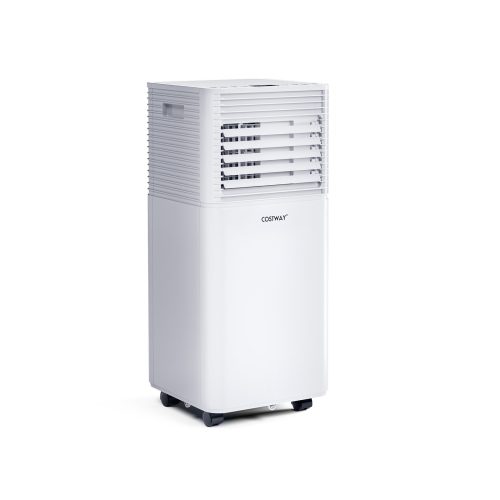
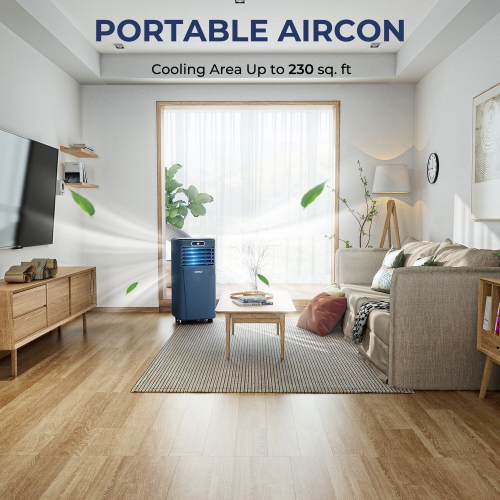
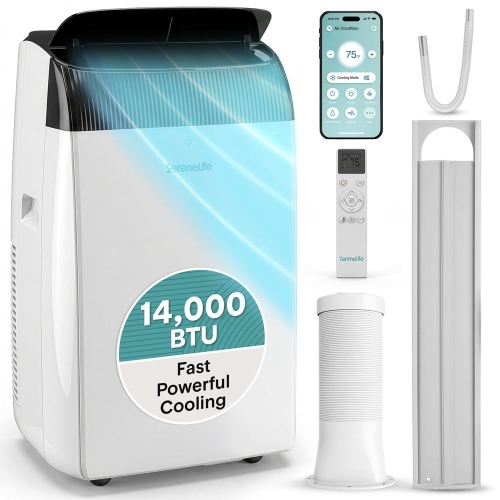
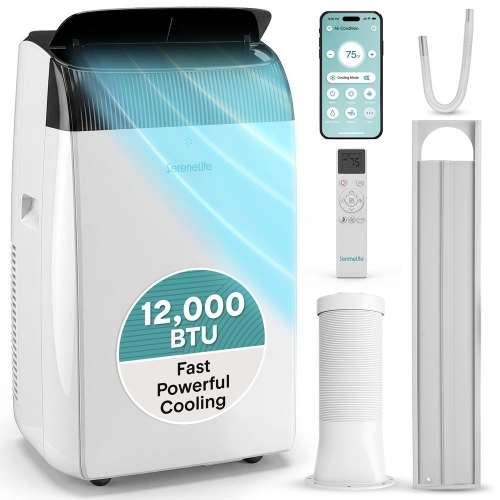
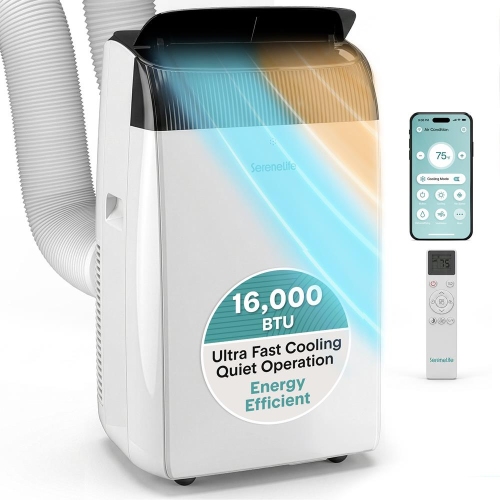
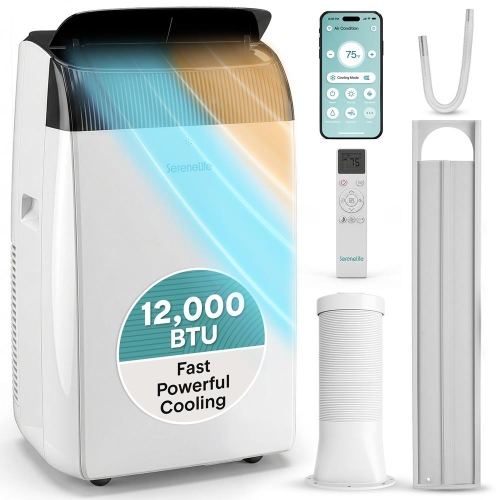
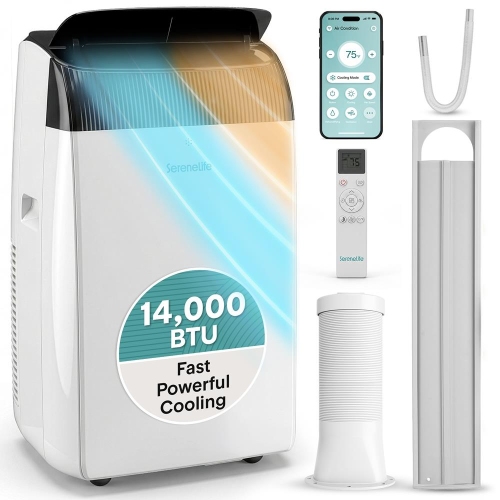
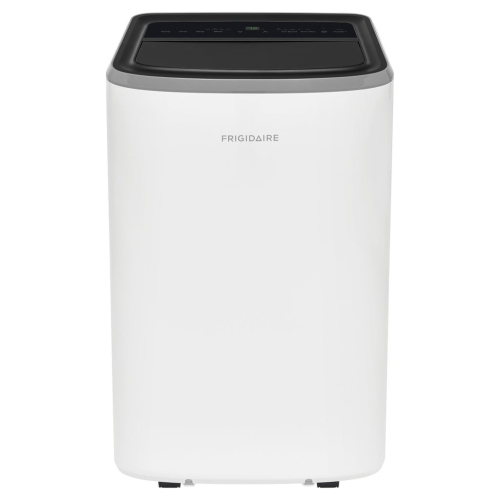
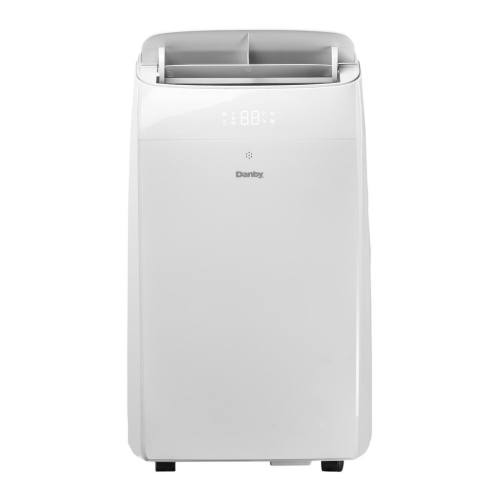
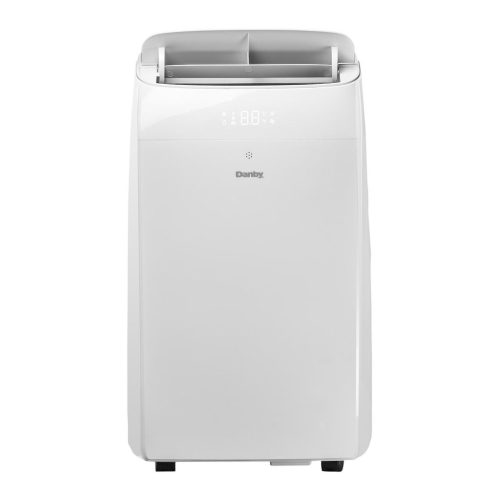
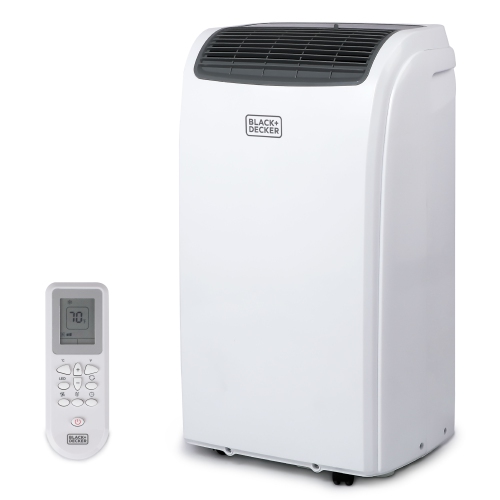
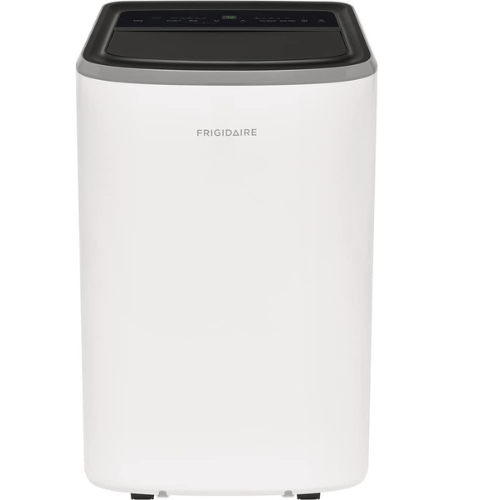
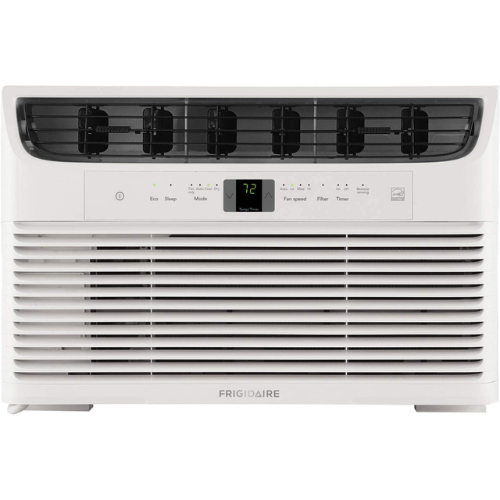
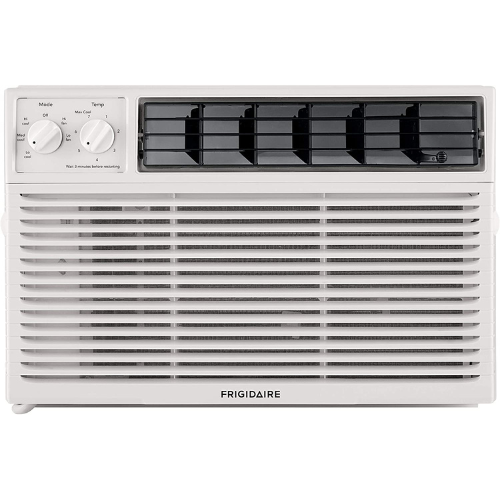
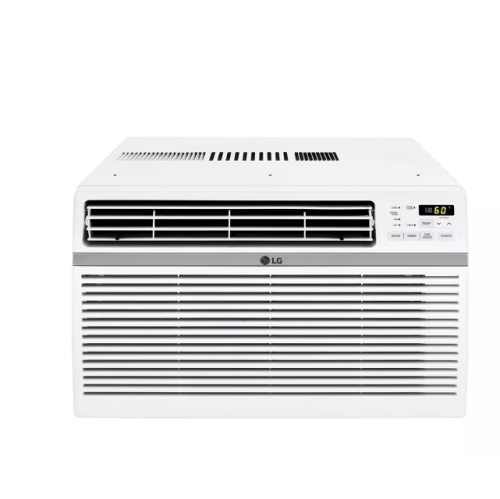
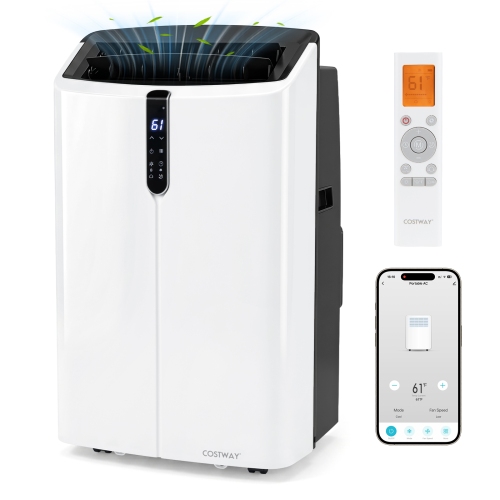
Air conditioner fit involves both cooling capacity and installation space. Capacity is commonly expressed in British thermal units, or BTUs, and the appropriate range depends on more than floor area alone. Sun exposure, ceiling height, insulation, occupancy, and heat from nearby appliances can all affect the cooling a room needs. Too little capacity may leave the unit running for long periods without reaching the desired temperature, while too much can lead to short cycles that provide less consistent moisture removal. Portable air conditioners may display more than one capacity rating, so comparing ratings measured under the same system gives a clearer picture. Window air conditioners sit within a suitable window opening and release heat through the outdoor-facing section. Their dimensions, support requirements, and compatibility with the window style are as important as their cooling capacity. Portable air conditioners stand on the floor but still need an exhaust connection to the outdoors, usually through a hose and window kit. They also need clearance around their air intake and enough room for the hose to follow the manufacturer’s permitted routing. Casters make repositioning easier on a level surface, although moving between rooms still involves reconnecting the exhaust setup. For shoppers interested in cooling and air circulation from the same appliance, portable air conditioners with fans combine refrigerated cooling with a separate fan mode. Fan-only operation circulates air without actively cooling it, and a dehumidifying mode, where included, removes moisture under the conditions specified for the appliance. Condensate handling varies: some designs collect water in a tank, some support a drain hose, and others evaporate much of the collected moisture during operation. Drainage requirements can change with humidity and operating mode. In a rental apartment or condominium, building rules and window restrictions may also shape the installation options. Electrical requirements deserve equal attention, including the specified outlet type and circuit capacity, with the appliance connected as directed in its instructions rather than through an unsuitable extension cord or power bar.

Materials, construction, and everyday upkeep influence how well air conditioners and fans fit into a home over time. Moulded plastic housings keep many fans relatively light, while metal grilles and frames can add rigidity; neither material alone determines durability. A stable base, secure adjustment points, well-fitted controls, and protected moving parts matter when a fan is used frequently or repositioned between a bedroom and a workspace. Slim designs can be easier to place beside a dresser, but they still need a clear air path and a location where they will not be knocked over. In homes with children or pets, grille openings, cord placement, and access to controls deserve particular attention, and a protective grille is not a substitute for safe placement. Noise is another detail that becomes more noticeable with daily use. The sound that blends into a busy kitchen may be distracting beside a bed, and an air conditioner’s compressor adds a different sound from its circulating fan. Where noise measurements are provided, the operating speed and test conditions help put the figures in context. Displays that dim, clearly marked buttons, and controls that are easy to reach can make an appliance more comfortable to live with after dark. Care is generally straightforward but varies by design. Dust on fan blades and grilles can affect airflow, while an air conditioner’s filter needs attention at the intervals described by the manufacturer. Washable filters must be fully dry before reinstallation, and filters intended for replacement should not be treated as washable. Cleaning is safest with the appliance switched off and unplugged, without allowing water into the motor or electrical components. Before longer storage, an air conditioner may need draining and drying according to its care instructions. Keeping hoses, window panels, and fasteners together makes future setup less frustrating. These practical details matter for students furnishing a room, people setting up a home office, and households managing comfort across several spaces. The most suitable arrangement matches the cooling task, fits safely into the room, and remains convenient to operate and maintain.
Read More

FAQ

Some products may be subject to Environmental Handling Fees (EHF) depending on your province. Learn more about EHFs.