Best Cameras for Sports Photography

Capture fast-paced action with the best cameras for sports photography, ranked by user review ratings. Whether you’re shooting a hockey game or a track meet, features like fast autofocus, rapid burst shooting, and strong low-light performance can help you keep up with the action. Explore options for your skill level and budget, with feedback from fellow photographers to help guide your choice.

Read More

What to look for in cameras for sports photography

1. Autofocus and Subject Tracking

Look for continuous autofocus with reliable subject tracking to help keep athletes sharp as they move across the frame. Wide autofocus coverage can make it easier to follow unpredictable action without keeping your subject centred.

2. Burst Speed and Buffer Capacity

Fast burst shooting captures more frames per second, giving you more chances to catch a key moment. Check whether the camera maintains autofocus and auto-exposure at its advertised speed, and how many shots its buffer holds before shooting slows. Electronic shutters can offer faster bursts, but may distort fast-moving subjects or produce banding under some artificial lighting.

3. Low-Light Image Quality

Indoor arenas and evening games often require high ISO settings to maintain fast shutter speeds. Look for a camera that preserves detail with manageable noise at higher ISO settings, especially if you frequently photograph sports in dim lighting.

4. Lens Compatibility and Reach

Choose a camera system with telephoto lenses that suit your sport, shooting distance, and budget. A lens with a wide maximum aperture helps capture action in low light, while a telephoto zoom gives you flexibility as players move closer or farther away.
Citrus catapult arrow
  1. 1

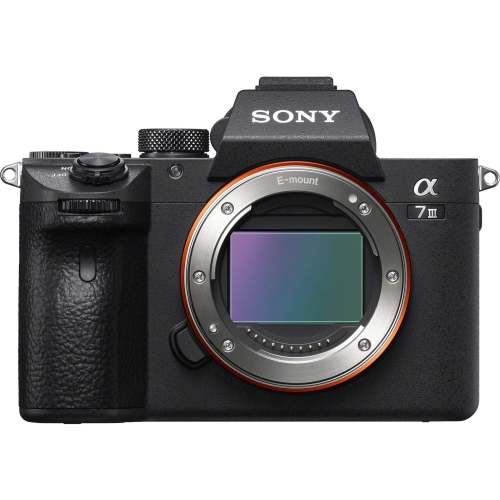
    SONY A7 Iii Ilce7M3/b Full-Frame Mirrorless Interchangeable-Lens Camera With 3-Inch Lcd, Body Only, Base (Black) -Open Box

    About this product

    A full-frame mirrorless camera body in black featuring a 3-inch LCD for versatile photography.

    What customers like

    • Versatile lens compatibility and customizability
    • Outstanding low-light performance
    • Fast and reliable autofocus with eye detection
    • Great battery life and comfortable handling
    • Excellent image quality and sharpness
    (1,411)
    $1,899.00 Your price for this item is $1899
  2. 2

    NIKON D7500 Dx-Format Digital Slr Body - International Version W/seller Warranty

    About this product

    A versatile DSLR featuring a 20.9MP sensor, 4K video, tilting touchscreen, and advanced autofocus system.

    What customers like

    • Lightweight and comfortable design
    • Excellent image and video quality
    • User-friendly touchscreen and controls
    • Fast performance and autofocus
    • Versatile features and connectivity
    (482)
    $1,199.95
    SAVE $599
    Your price for this item is $1199.95
  3. 3

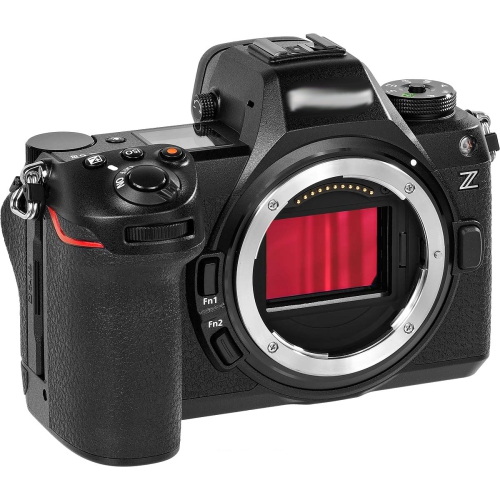
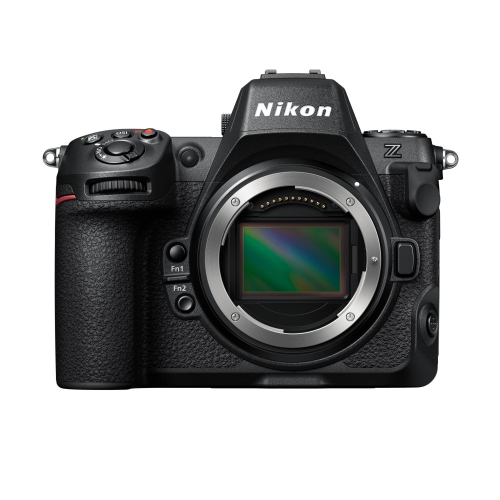
    NIKON Z6 Iii Mirrorless Camera (Body) - 1890

    About this product

    A powerful mirrorless camera featuring a 24.5MP sensor, 6K video, AI autofocus, and tilting touchscreen.

    What customers like

    • Fast and accurate autofocus with AI features
    • Versatile features and easy-to-use controls
    • Outstanding low light and high ISO performance
    • Robust build and ergonomic design
    • Excellent image and video quality
    (98)
    $3,159.95
    SAVE $339
    Your price for this item is $3159.95
  4. 4

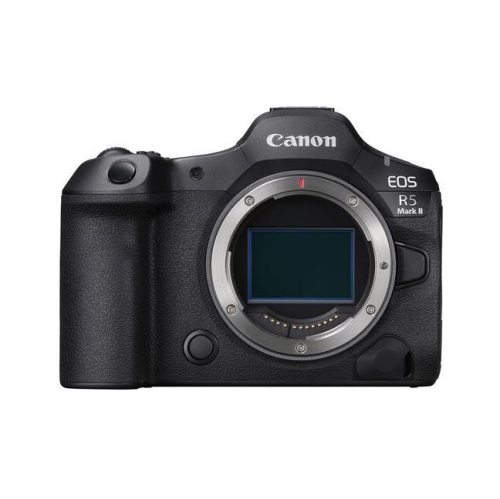
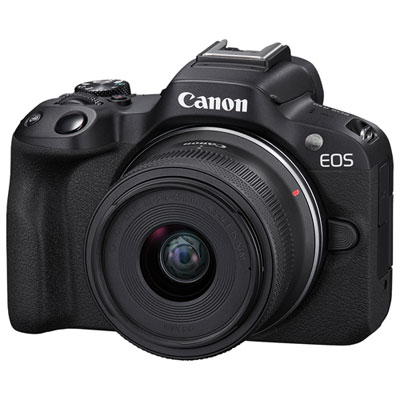
    CANON Eos R5 Mkii Body

    About this product

    A high-performance camera delivering exceptional still and video quality, ideal for sports and wildlife photography.

    What customers like

    • High performance and responsiveness
    • Fast and accurate autofocus system
    • Exceptional image and video quality
    • Versatile features for sports and wildlife photography
    • User-friendly interface and ergonomics
    (79)
    $5,399.00
    SAVE $500
    Your price for this item is $5399
  5. 5

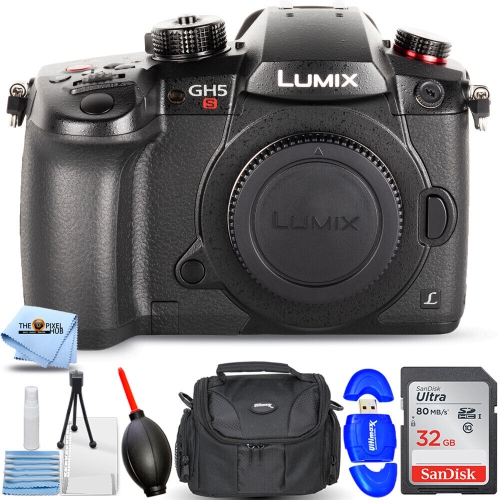
    PANASONIC Lumix Dc-Gh5S Mirrorless Micro 4/3 Digital Camera + 32GB Bundle

    About this product

    A mirrorless camera bundle featuring a 10.28MP sensor, 4K60p video, OLED viewfinder, and 32GB card.

    $2,559.95
    SAVE $388
    Your price for this item is $2559.95
  6. 6

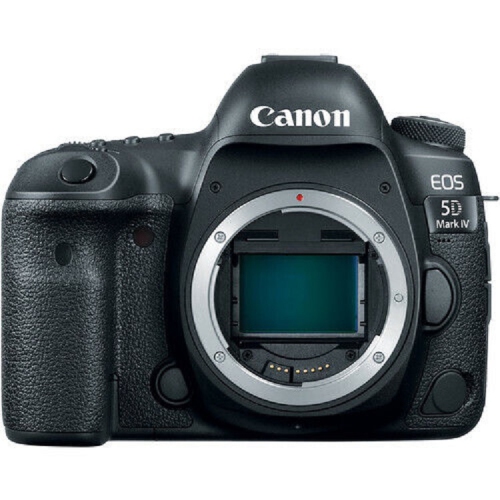
    CANON Eos 5D Mark Iv Dslr Camera (Body Only) - With Seller's Warranty

    About this product

    A professional DSLR featuring a 30.4MP full-frame sensor, 4K video, Wi-Fi, NFC, and GPS connectivity.

    $3,310.95 Your price for this item is $3310.95
  7. 7

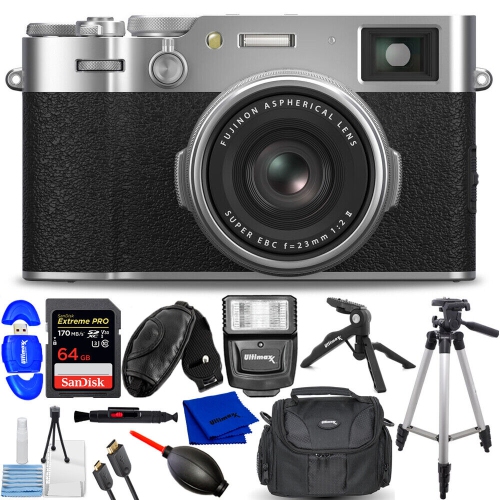
    FUJIFILM X100Vi Digital Camera (Silver) 16821822 - 12PC Accessory Kit

    About this product

    A silver digital camera with 40.2MP sensor, 23mm f/2 lens, in-body stabilization, and 12 accessories.

    $3,649.95
    SAVE $1140
    Your price for this item is $3649.95
  8. 8

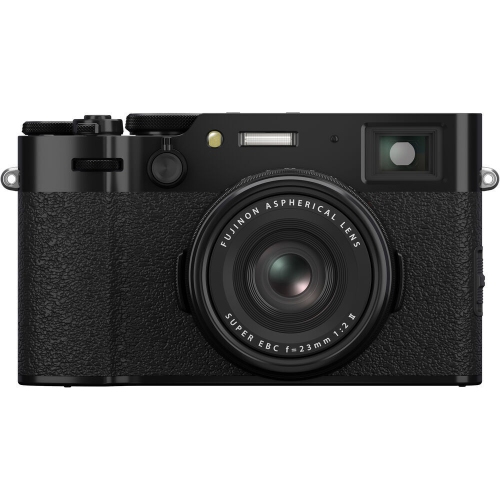
    FUJIFILM X100Vi Digital Camera (Black) - 16821913

    About this product

    A black digital camera featuring a 40.2MP sensor, 23mm f/2 lens, and advanced image stabilization.

    $3,359.95
    SAVE $640
    Your price for this item is $3359.95
  9. 9

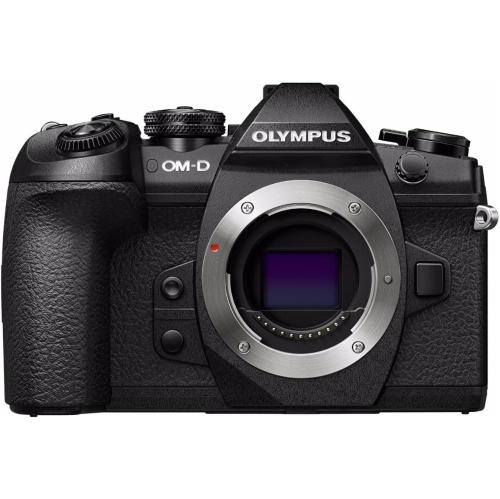
    OLYMPUS Refurbished (Excellent) - Om-D E-M1 Mark Ii Mirrorless Camera (Body Only)

    About this product

    A lightweight magnesium alloy mirrorless camera body with 18fps shooting, 121-point autofocus, and in-body stabilization.

    $1,297.85
    SAVE $299
    Your price for this item is $1297.85
  10. 10

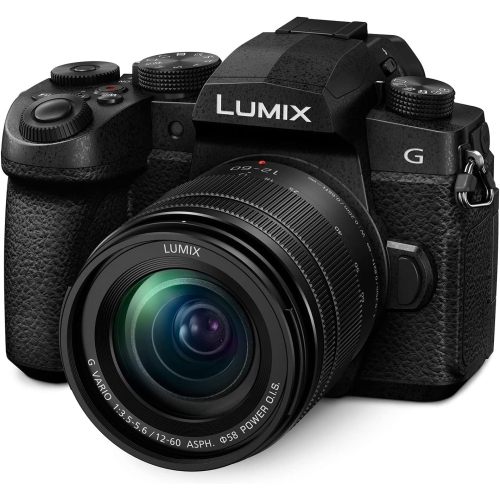
    PANASONIC Refurbished (Excellent) - Lumix G95D 20.3 Megapixel Mirrorless Camera, 12-60MM F3.5-5.6 Micro Four Thirds Lens, 5-Axis Dual I.s. 2, 4K 24P

    About this product

    A versatile mirrorless camera with 20.3MP sensor, 12-60mm lens, 5-axis stabilization, and 4K video.

    $1,974.25
    SAVE $25
    Your price for this item is $1974.25

Sharp action shots take more than megapixels

The best cameras for sports photography combine fast, reliable autofocus, responsive continuous shooting, and image quality that holds up when the action moves into shade or under arena lights. Capturing a hockey player cutting across the crease or a runner leaning towards the finish line depends on more than a high megapixel count. The camera needs to find the subject quickly, keep it sharp as the distance changes, and respond when the decisive moment arrives. Continuous autofocus with subject tracking can help follow an athlete through a sequence, while face and eye detection can be useful when the person is large enough in the frame. Performance varies with the sport, lighting, lens, and obstacles between the camera and subject; a helmet, fence, or crowded pack of players can challenge even sophisticated tracking systems. Burst shooting increases the chance of catching a ball just before contact or both feet clear of the track. Rates of 10 frames per second or more can be useful for many sports, while faster bursts provide more closely spaced images of rapid movement. However, the headline burst rate does not tell the whole story. Full autofocus and exposure tracking, file format, shutter type, and buffer capacity all affect how useful that speed is during a game. A generous buffer allows longer sequences before shooting slows, and a compatible, fast memory card helps clear those files. Shutter speed matters separately: around 1/1000 of a second is a common starting point for freezing action, with faster settings often needed for quick swings, flying snow, or racing wheels. Electronic shutters can offer quiet operation and rapid bursts, but some can distort fast-moving subjects or produce banding under artificial lights. Mechanical shutters and flicker-reduction features may offer alternatives, depending on the camera and venue. A clear viewfinder with little interruption during bursts also makes it easier to keep a moving subject framed rather than losing it between shots.

Sensor size, lens compatibility, and shooting distance shape how a sports camera performs in everyday use. Full-frame cameras can offer strong low-light image quality, which is helpful for indoor basketball, evening football, and dimly lit community rinks. APS-C and Micro Four Thirds cameras use a smaller portion of the image projected by a lens, producing a narrower field of view at the same focal length. That framing can be useful when photographing distant athletes, although it does not change the lens’s actual focal length. A higher-resolution sensor leaves more room to crop a loose composition, but larger files place greater demands on memory cards, storage, and editing hardware. For many photographers, a balanced combination of detail, manageable file sizes, and dependable focus is more useful than maximum resolution alone. Lens choice is equally important. A telephoto zoom suits changing distances along a sideline, while a wide-aperture lens lets in more light for faster shutter speeds indoors. Wider apertures can also soften a busy background, helping a skater or cyclist stand out, though the shallower depth of field makes accurate focus especially important. Image stabilization helps reduce blur from camera movement, particularly when framing with a long lens, but it does not freeze an athlete’s motion. Outdoor field sports often call for greater telephoto reach, whereas courtside photography may suit a shorter zoom that can include nearby action. Mirrorless cameras offer features such as exposure previews and broad autofocus coverage; digital SLR cameras can still suit sports with responsive focusing, optical viewfinders, and compatible lenses. For families photographing weekend games, a manageable camera and versatile lens may be easier to carry and use than a larger setup. Dedicated enthusiasts and working photographers may place greater importance on configurable controls, dual memory card slots, and consistent performance across long sequences. The broader Cameras for Sports selection brings this range of sporting uses into focus, from local competitions to fast-paced outdoor pursuits.

Comfort and durability become especially noticeable after several periods at the rink or an afternoon beside a muddy pitch. A secure grip, reachable buttons, and a well-positioned viewfinder help the camera feel steady with a telephoto lens attached. Body dimensions and total carrying weight matter as much as the camera’s weight alone, particularly for someone moving between viewing areas or holding the lens up for repeated bursts. A deeper grip may suit larger hands, while clearly spaced controls can be easier to operate with light gloves during the cooler months. Camera bodies may use reinforced composites, metal alloys, or a combination of materials; construction quality, sealing, and the suitability of the lens all contribute to durability. Weather resistance can provide added protection against dust and light moisture, but it is not the same as waterproofing, and its effectiveness depends on the complete camera-and-lens combination. A fitted rain cover, padded bag, and protective lens hood can help during unsettled conditions. After an outing, removing surface dust with suitable cleaning tools and wiping exterior moisture with a soft, dry cloth helps keep equipment ready for the next event. Lens changes are best made away from blowing grit or precipitation, and delicate sensor cleaning requires appropriate tools and care. Moving a cold camera into a warm building can cause condensation; keeping it in a closed bag while it gradually warms can help limit moisture exposure. Battery life also deserves attention because low temperatures, frequent image review, and sustained bursts can shorten shooting time. Spare charged batteries and sufficient memory card capacity are useful for tournaments and full-day meets. For parents, student photographers, club volunteers, and experienced sports enthusiasts, the right setup makes it easier to stay involved in the event while capturing meaningful moments. As a gift, a sports photography camera is most useful when it matches the recipient’s existing lenses, preferred sports, and comfort with camera controls. Reliable performance and a comfortable fit help turn split-second expressions, close finishes, and shared celebrations into photographs worth keeping.
Read More

FAQ

Some products may be subject to Environmental Handling Fees (EHF) depending on your province. Learn more about EHFs.