Air Coolers For Utility Rooms

Air coolers for utility rooms offer a way to make laundry and household tasks more comfortable in warm spaces. Compare cooling capacity, dimensions, and controls to find a unit that fits around appliances and storage. If you’re considering an evaporative air cooler, check ventilation and humidity levels first, as these units add moisture and work best in dry, well-ventilated rooms.
Read More

Sort

Air Coolers For Utility Rooms

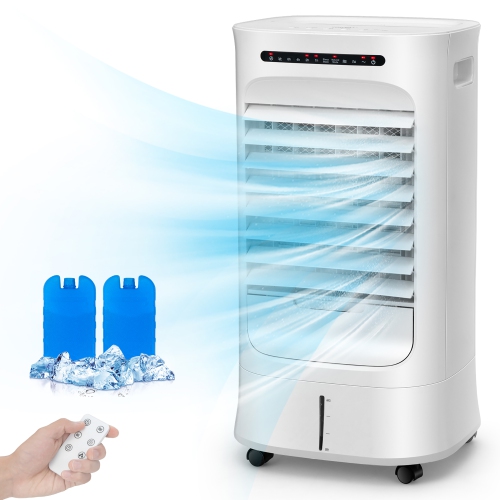
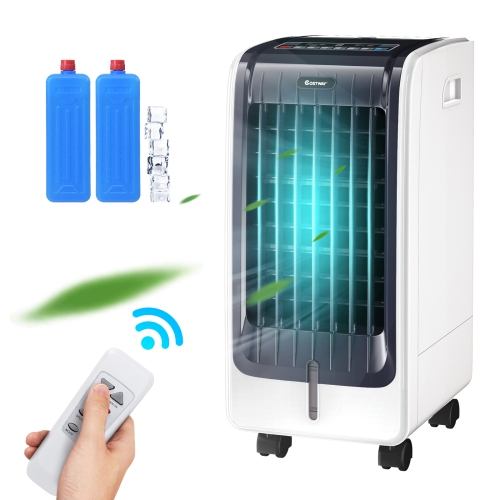
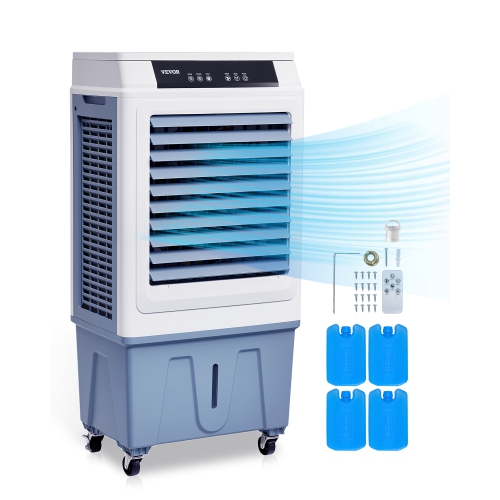
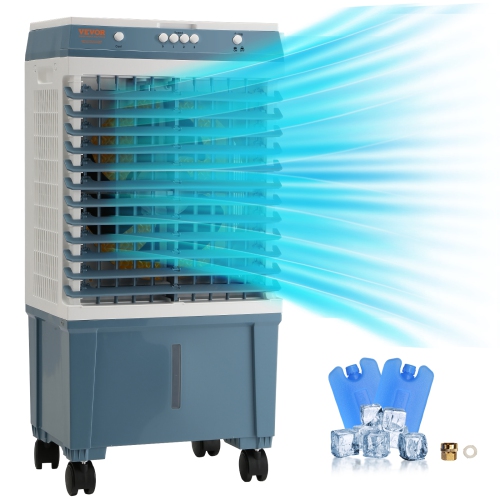
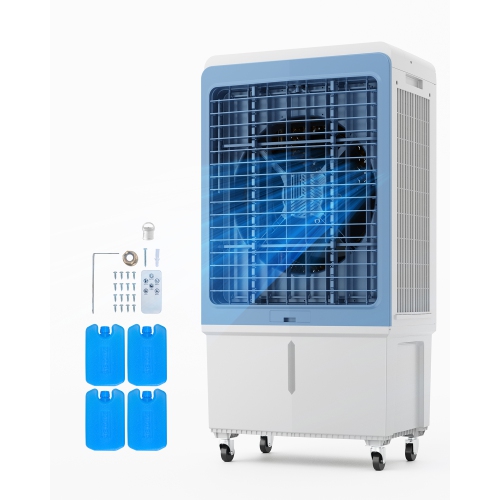
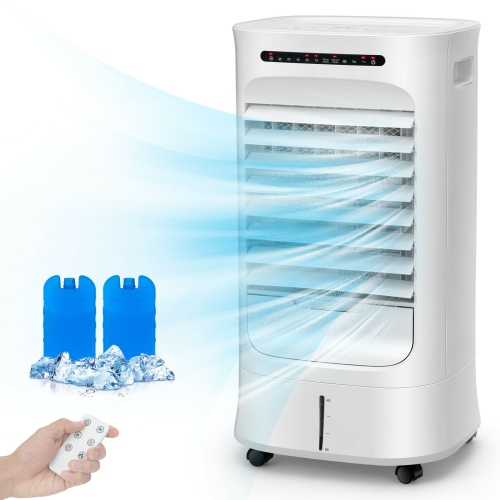
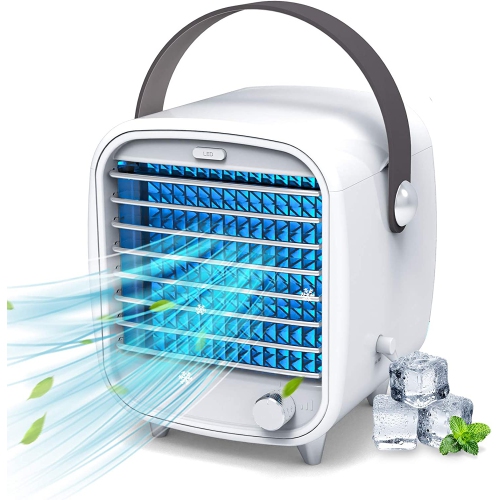
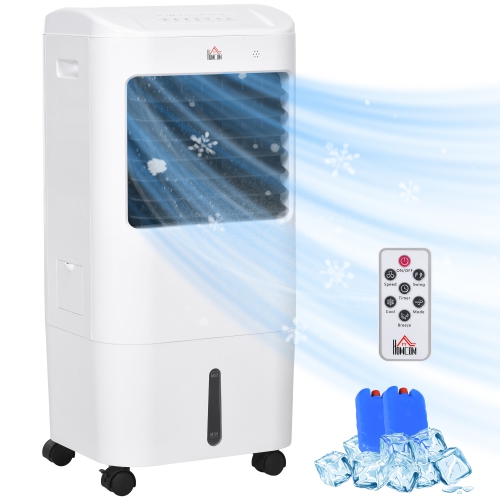
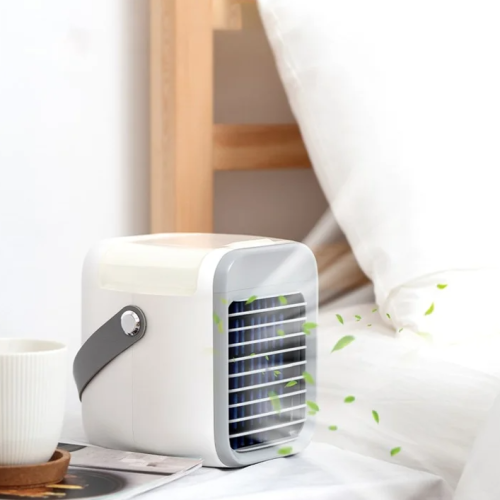
Air Coolers for Utility Rooms can make everyday chores more comfortable, especially when the room warms up during a load of laundry or an afternoon of sorting and tidying. In a space shared by a washer, dryer, storage shelves, and a folding station, a well-placed air cooler can provide a welcome stream of cooler air where you spend the most time. The right choice depends on more than the size of the room: existing moisture levels, available ventilation, and the amount of clear floor space all matter. Many portable air coolers use evaporative cooling, drawing air through water-saturated media before circulating it back into the room. These models work best in dry conditions with a supply of fresh air; they are not the same as refrigerant-based air conditioners and do not remove moisture. For a utility room that already feels damp, has condensation on the windows, or struggles to dry hanging laundry, adding moisture may not be the right fit. Checking the cooling method and the manufacturer’s recommended operating conditions helps you choose an option suited to the space rather than relying on the product name alone.

Think about how you actually move through your utility room before choosing a size and layout. A compact footprint can be useful beside a folding counter, but there still needs to be enough clearance for airflow, appliance doors, and the path you take with a full laundry basket. Adjustable fan speeds and directional louvers let you aim the airflow towards a work area without sending it straight into shelves of loose supplies. Oscillation can spread that airflow across a broader area, while a lower speed may be more pleasant when you are standing nearby matching socks or treating stains. Compare recommended room coverage alongside airflow specifications, and remember that high ceilings, heat from running appliances, and room layout can affect results. Noise is worth considering, too, particularly if the utility room opens onto a kitchen or sits beside a home office. Castors and carrying handles can make repositioning easier, although any movement should follow the manufacturer’s directions, especially when a water tank is filled. Position the unit on a suitable level surface, away from splashes and traffic, and keep appliance vents, service access, and required clearances unobstructed.

Day-to-day upkeep often makes the biggest difference between an air cooler that gets used regularly and one that stays tucked in a corner. For evaporative models, look at how easily the tank can be reached, filled, drained, and cleaned. A larger water capacity may mean fewer refills, but it can also mean more weight to handle; a clear water-level indicator makes it easier to check the supply at a glance. Accessible filters and cooling pads are particularly useful in utility rooms, where lint and dust can build up, and their cleaning or replacement requirements should be part of the purchase decision. Timers, straightforward controls, and remote operation can add convenience during longer chores, though available features vary by model. These practical details make air coolers worth considering for homeowners or renters setting up a laundry workspace, as well as for someone who spends time pressing clothes, organising household supplies, or maintaining a busy family’s wash routine. As a housewarming gift, an air cooler is most useful when you already know the recipient’s room conditions and available space. A model matched to both can bring a little more comfort to the familiar rhythm of warm towels, full baskets, and freshly folded linens.

Read More

FAQ

Some products may be subject to Environmental Handling Fees (EHF) depending on your province. Learn more about EHFs.