Air Purifiers for Small Spaces
Air purifiers are an excellent way to keep your home healthy and clean. They can remove dust, pollen, pet dander, smoke, odours and other airborne pollutants from the air in your home. They also help to improve the smell and quality of the air by removing impurities.
Sort
![LEVOIT Core 300 True Hepa Air Purifier In White [Employee of bestbuy] Still run great ,love it](https://multimedia.bbycastatic.ca/multimedia/products/500x500/171/17157/17157111.webp)

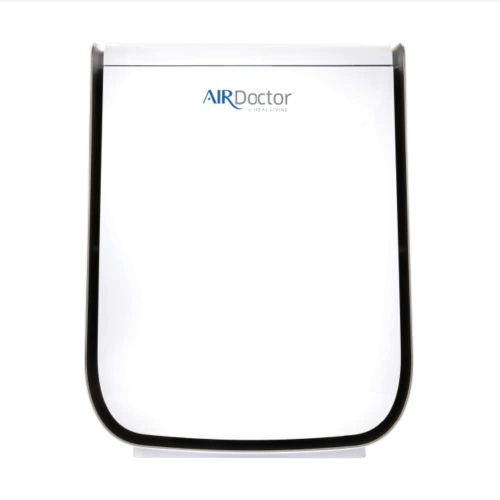
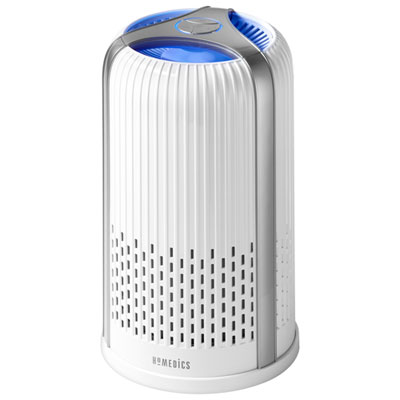
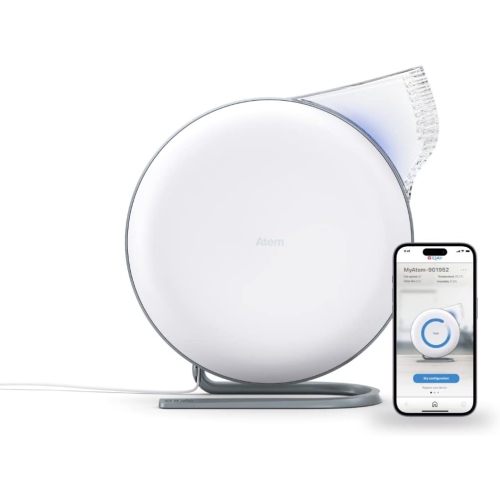
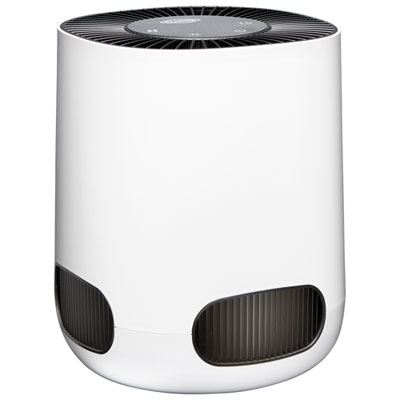
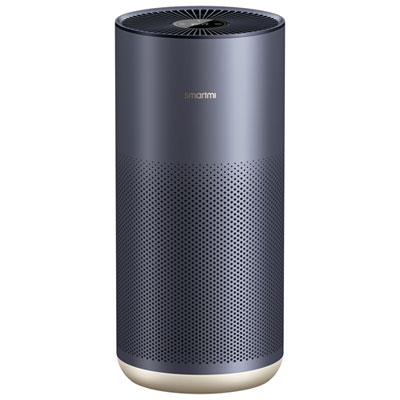
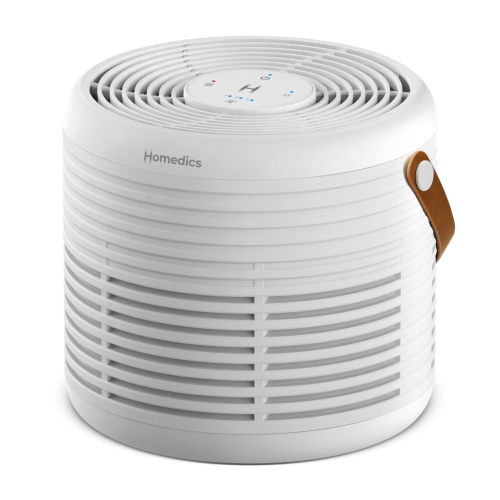
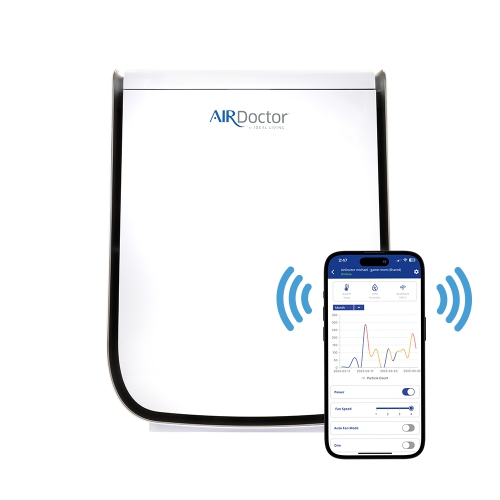
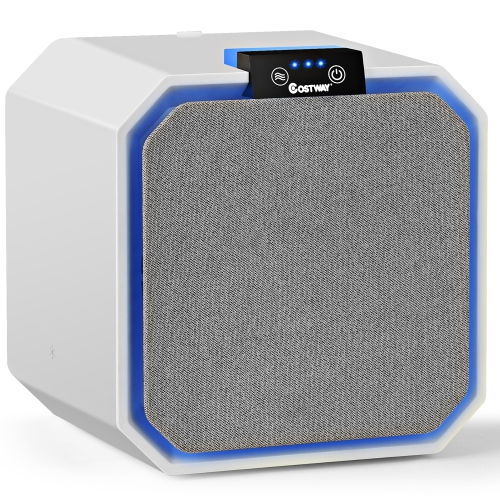


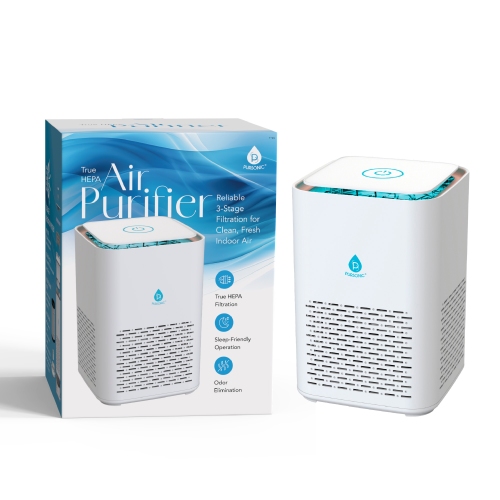
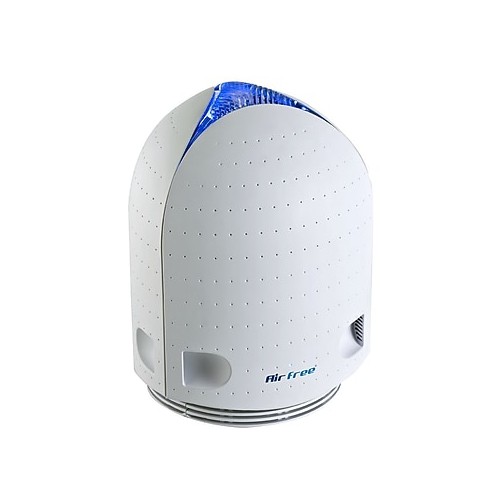
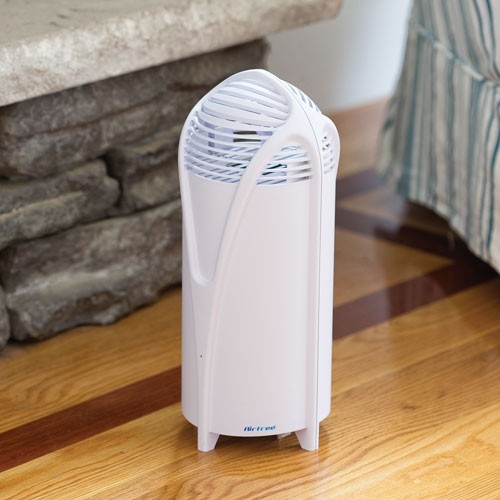
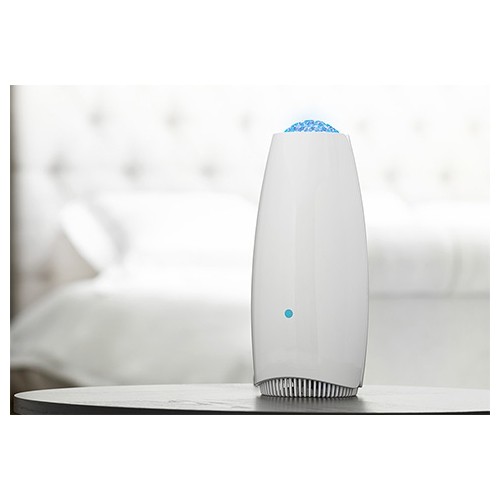


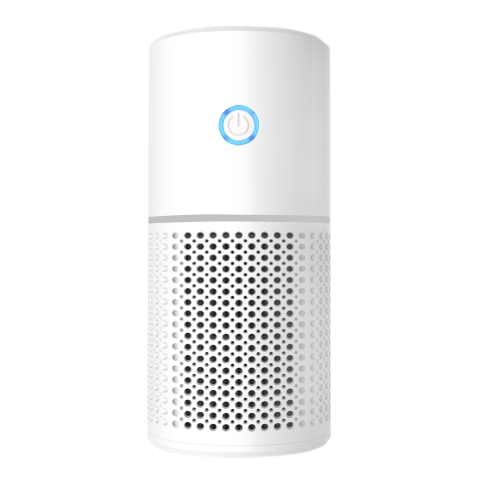
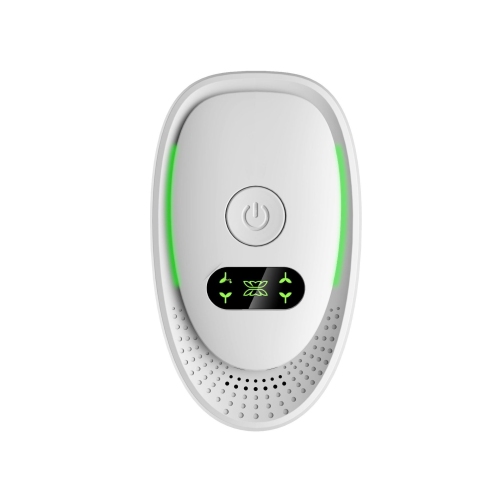
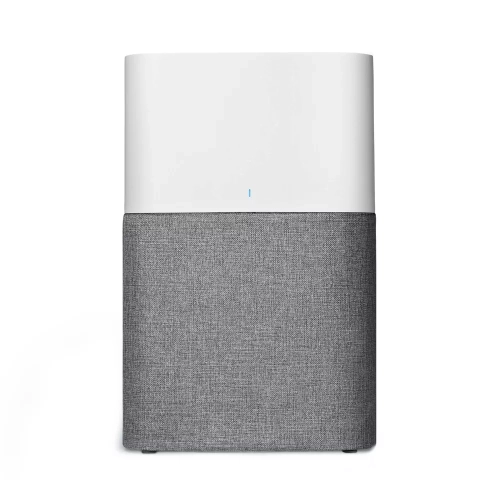
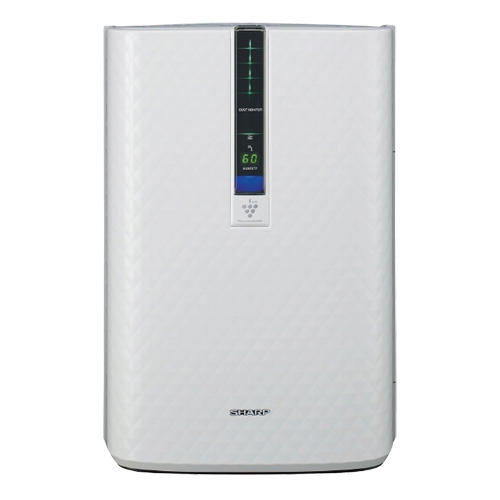
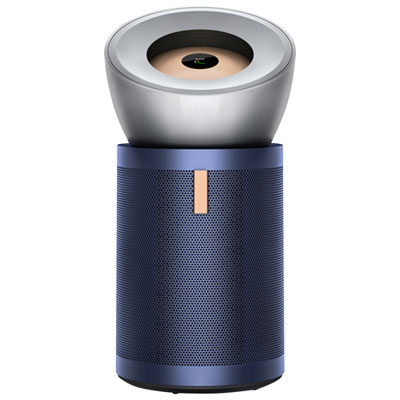
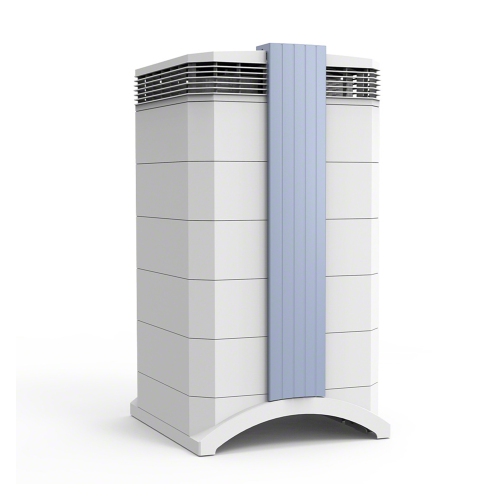
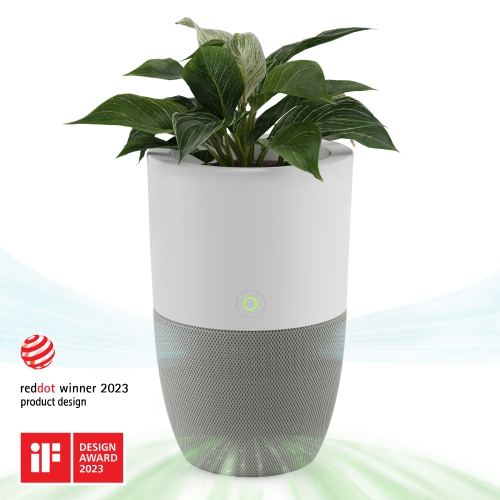
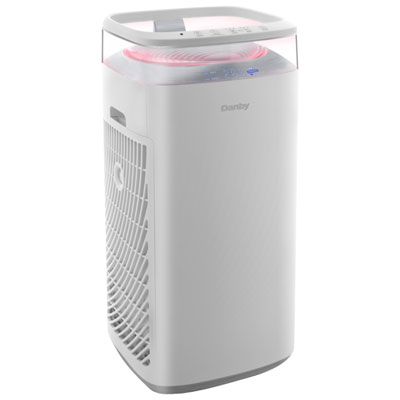
What to know about compact filtration and quiet operation
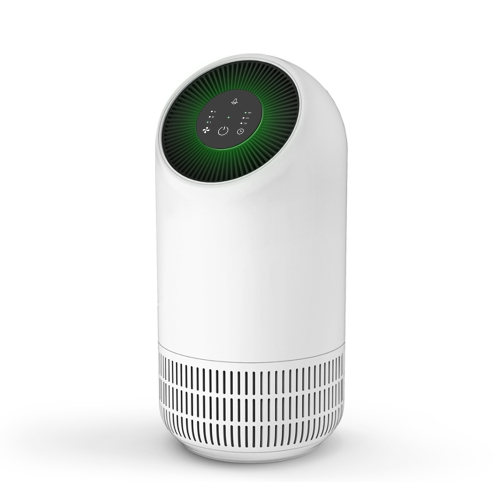
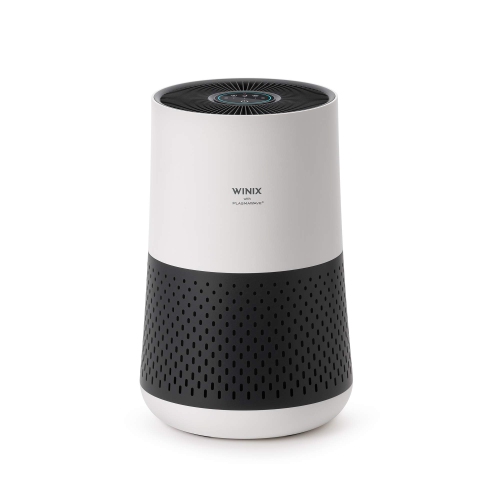
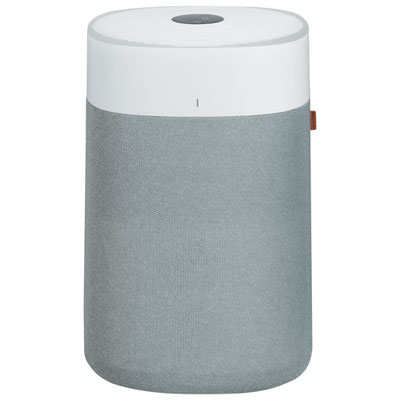
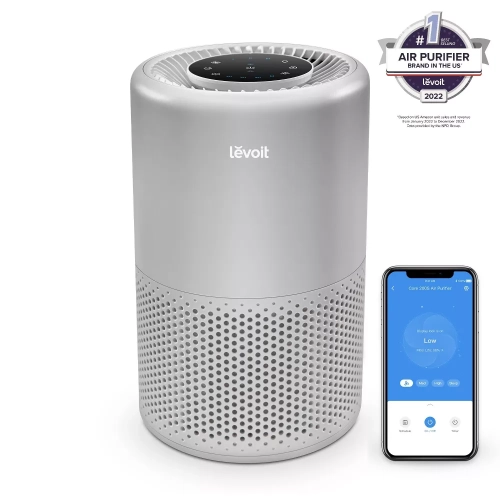
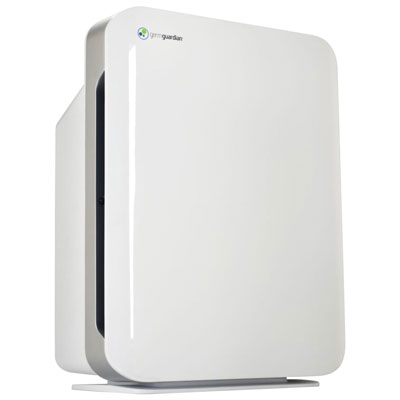
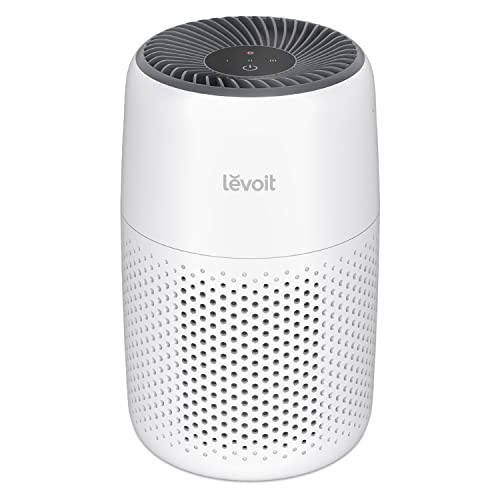
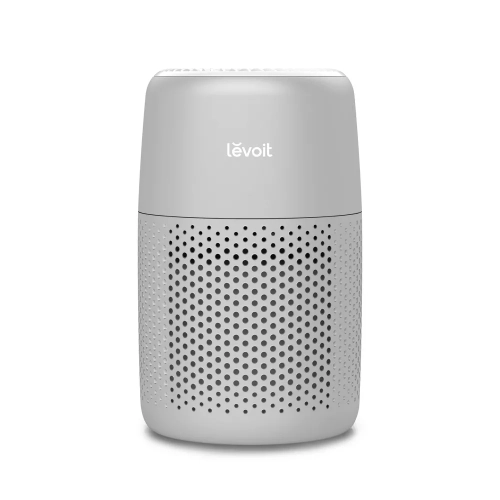
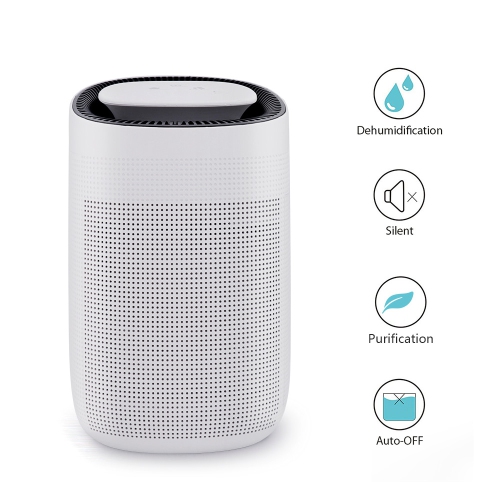
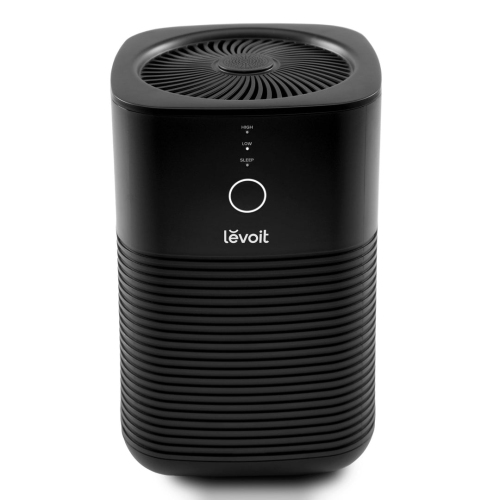
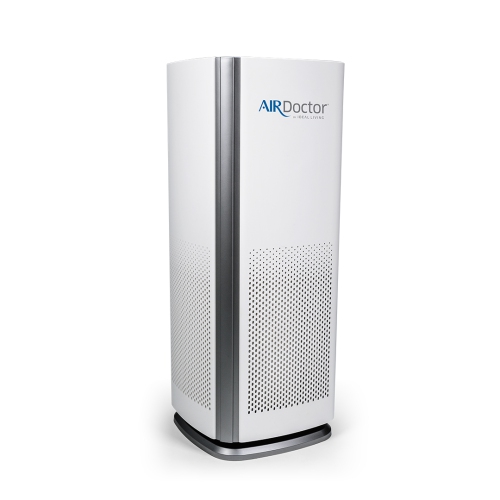
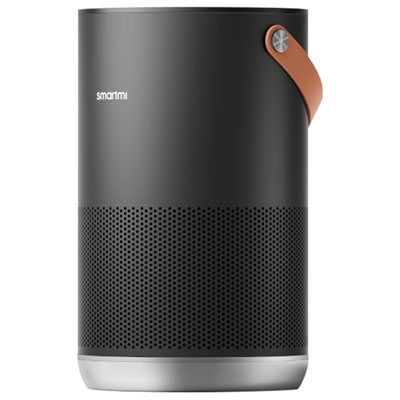
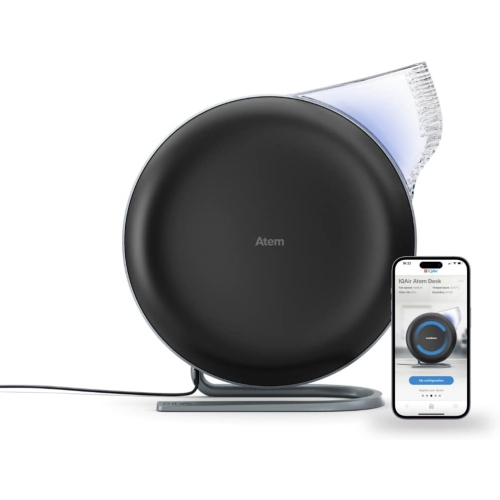
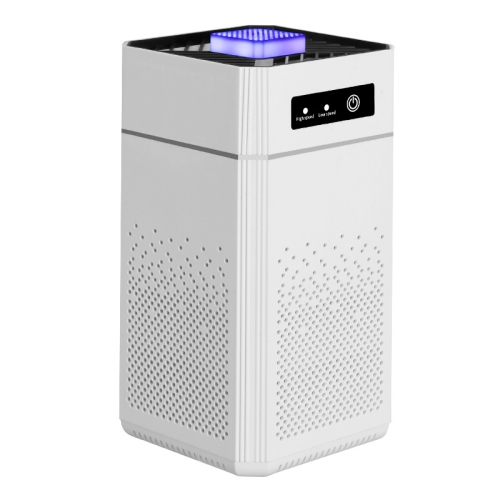
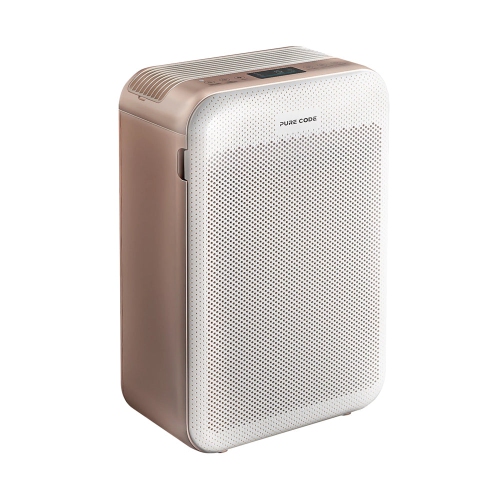
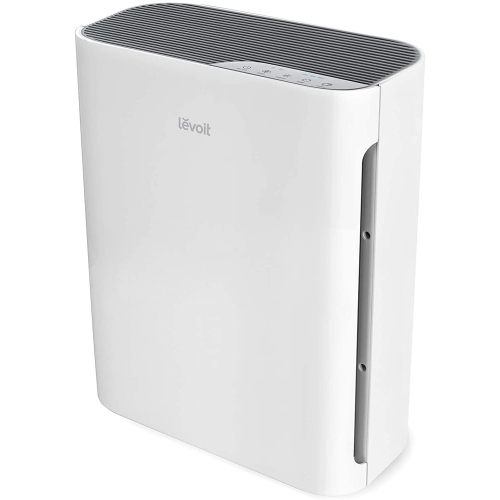
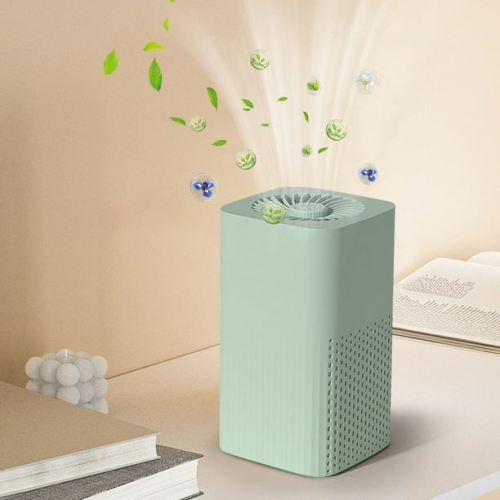
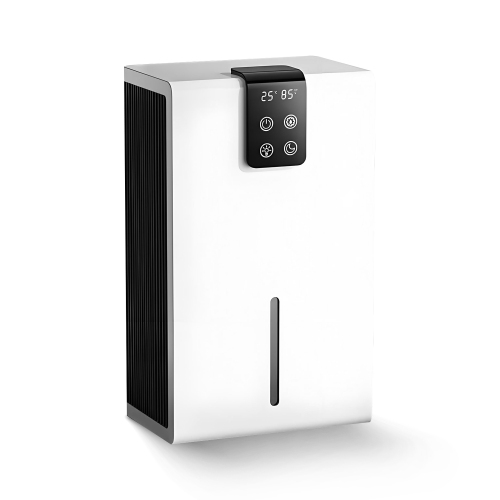
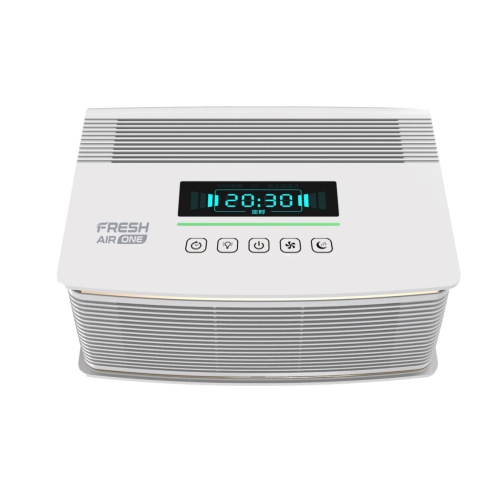
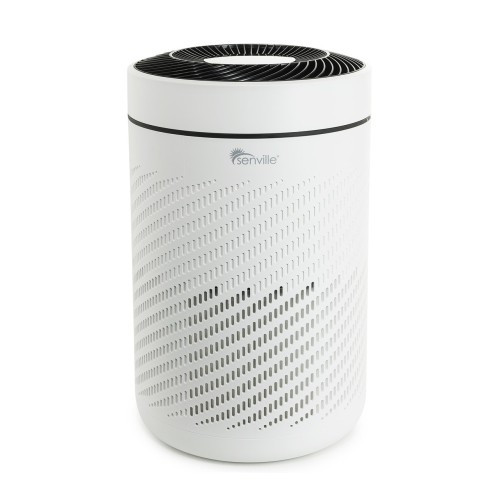
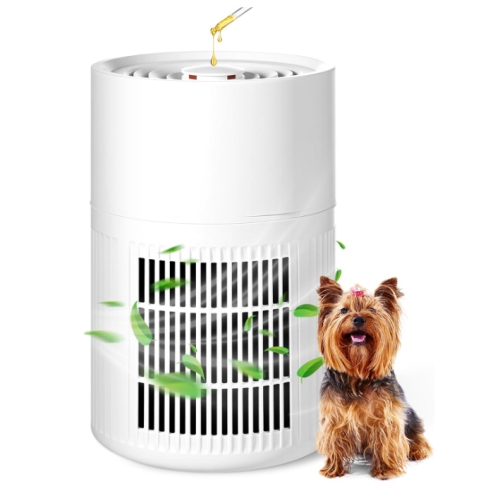
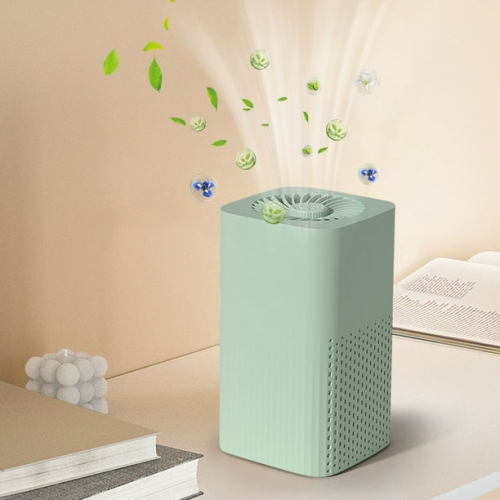
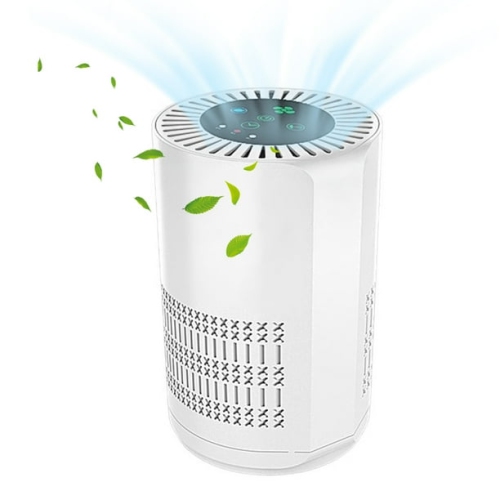
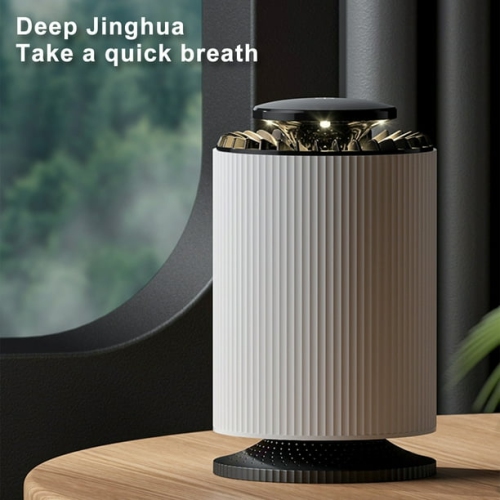
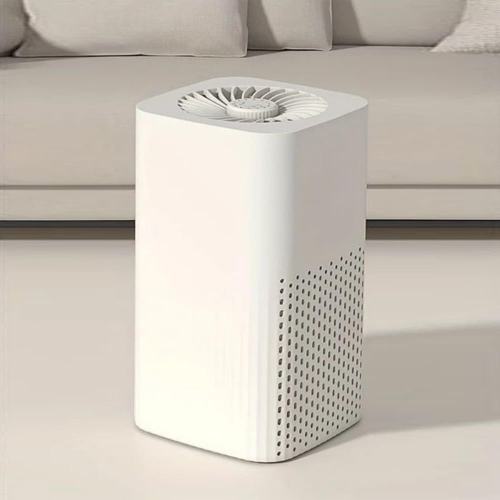
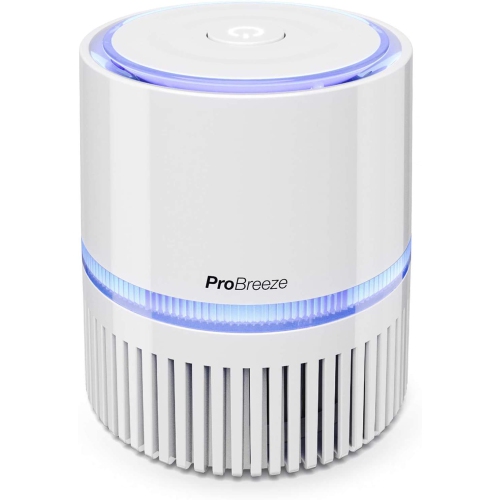
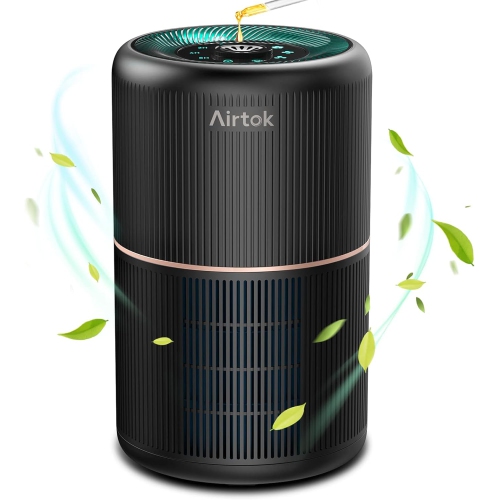
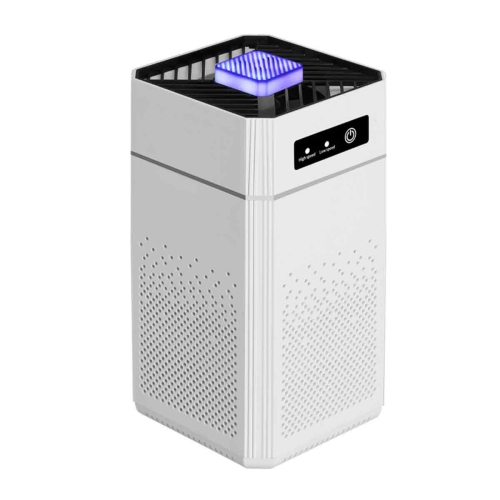
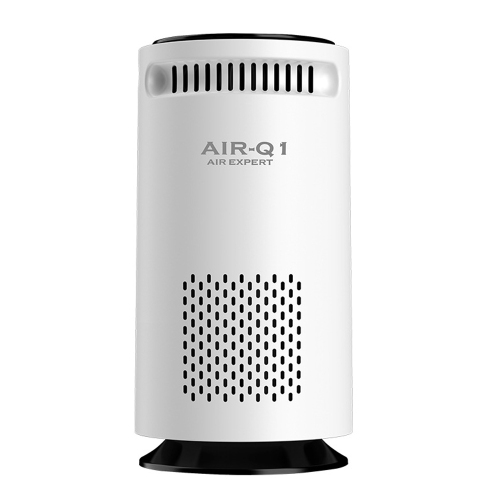
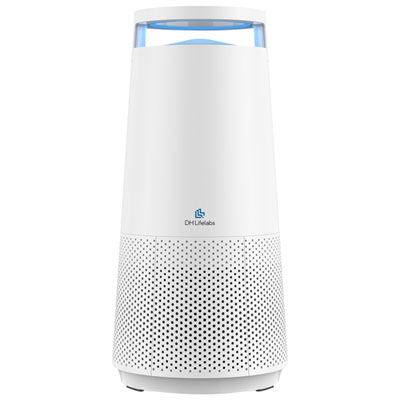
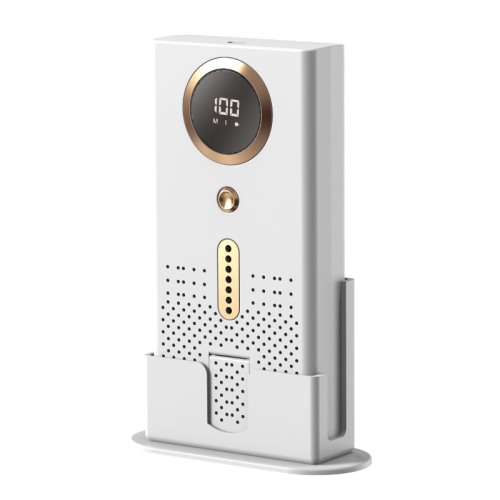
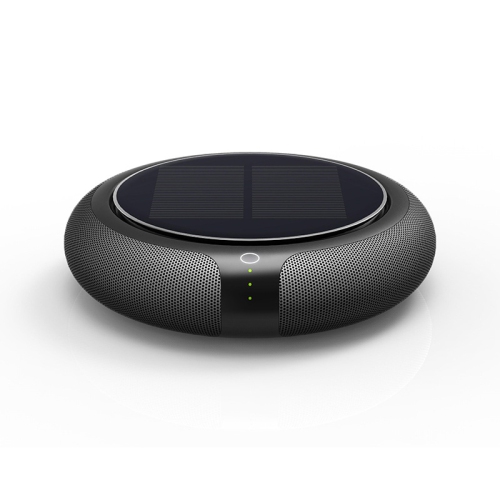
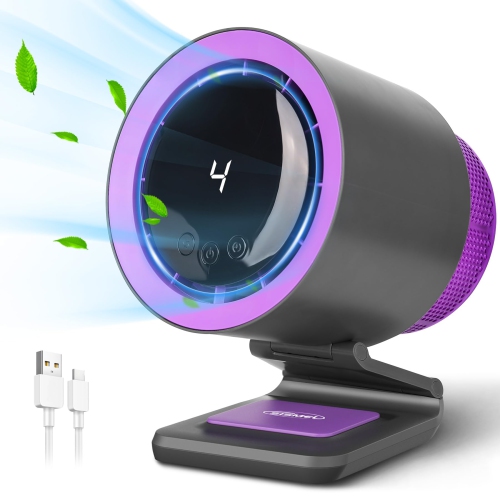
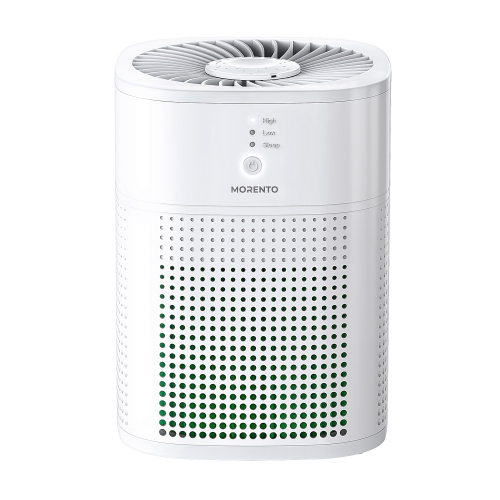
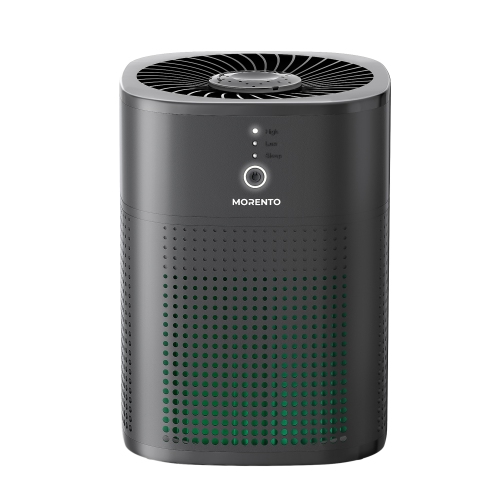
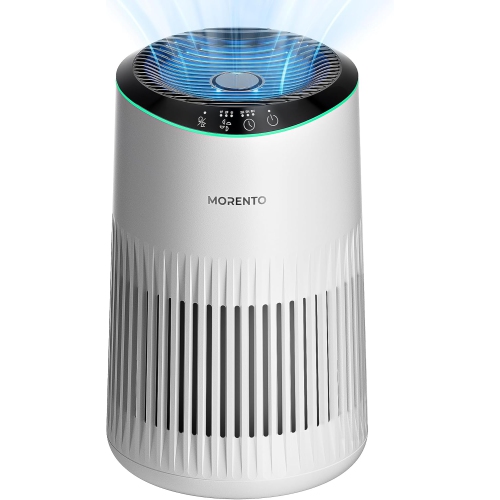
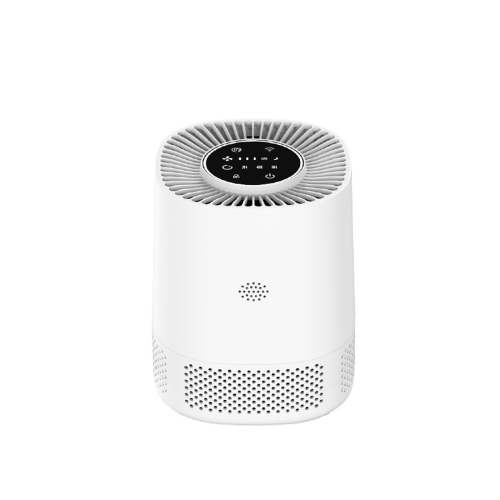
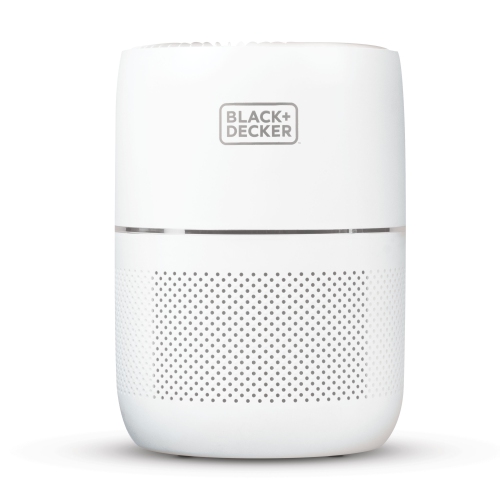
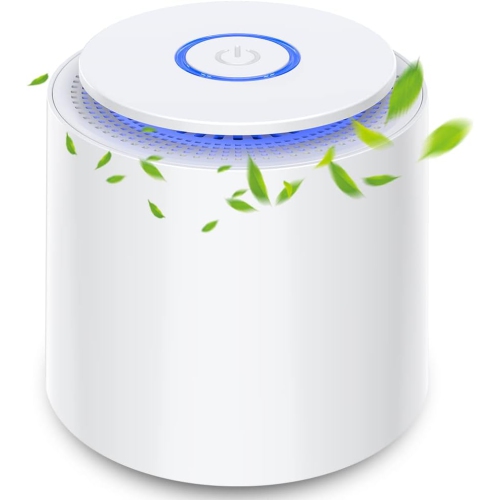
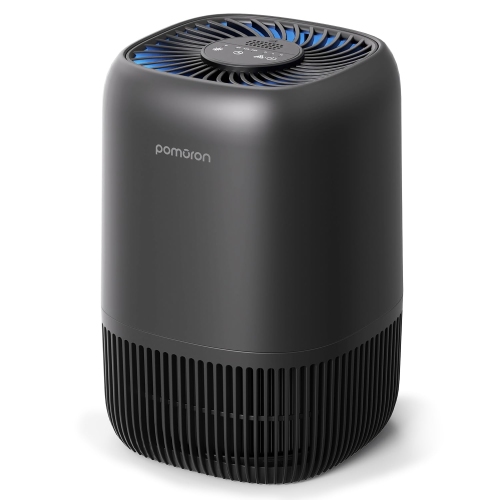
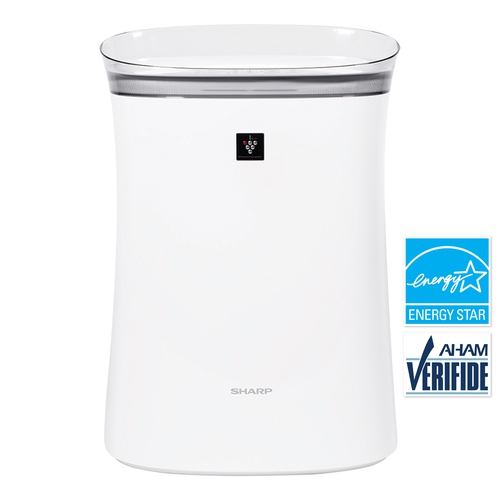
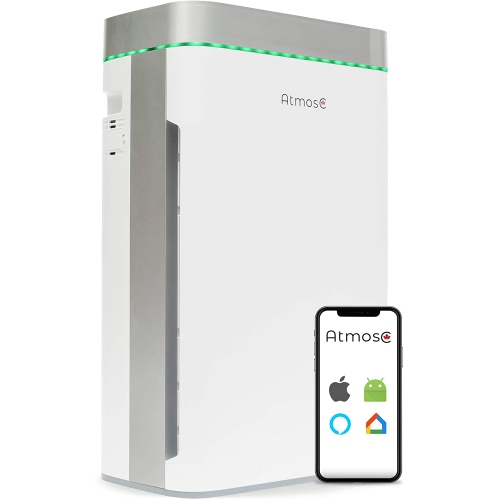
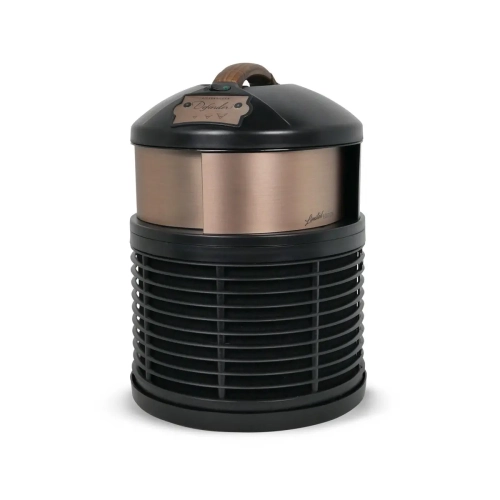
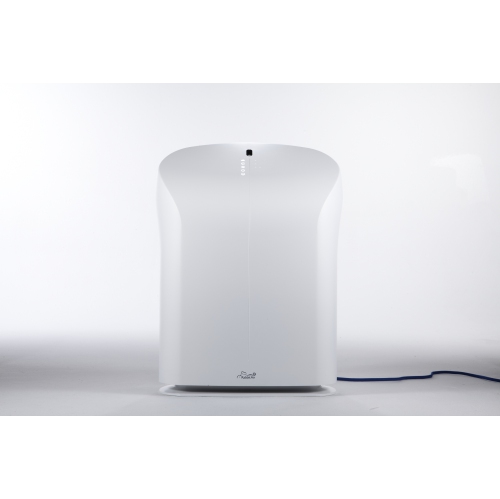
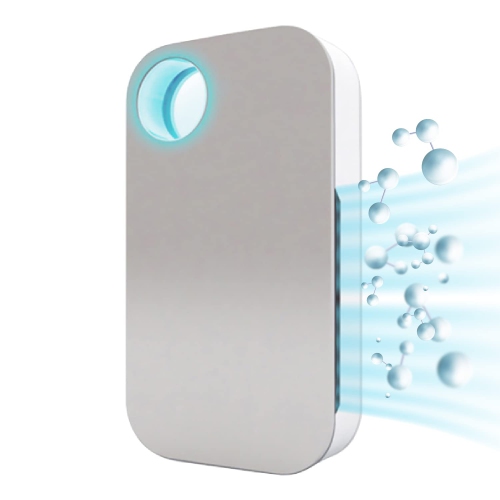
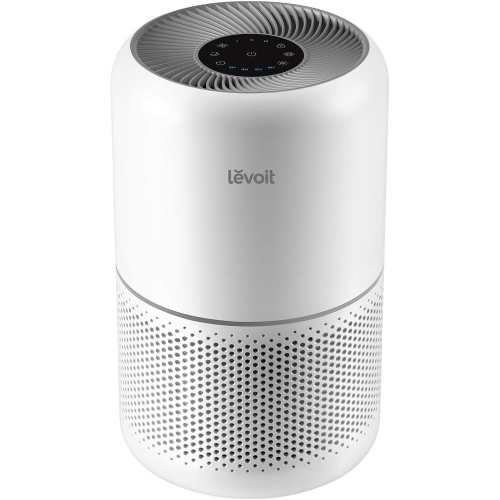
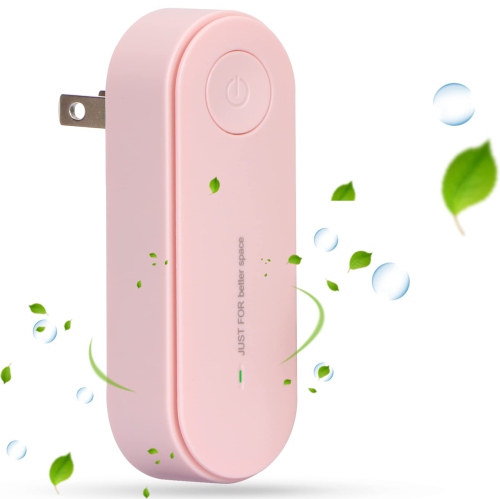
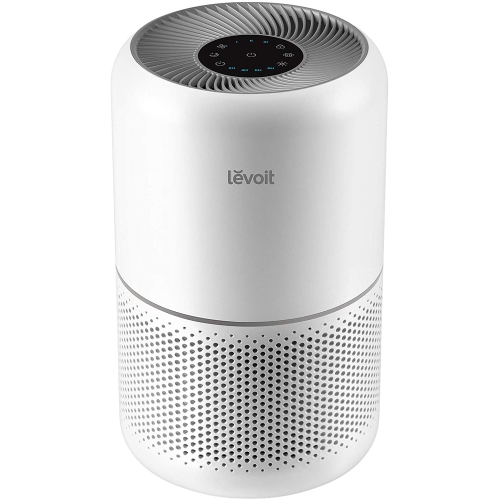
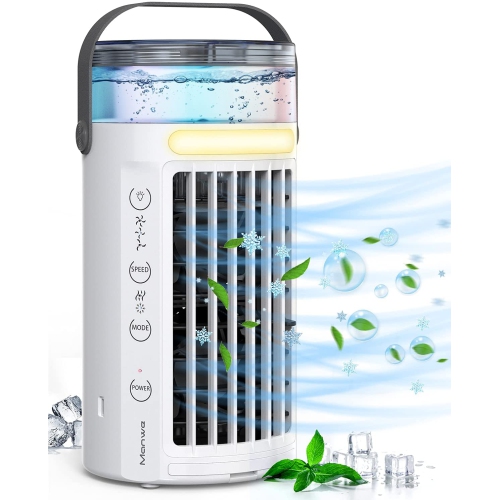
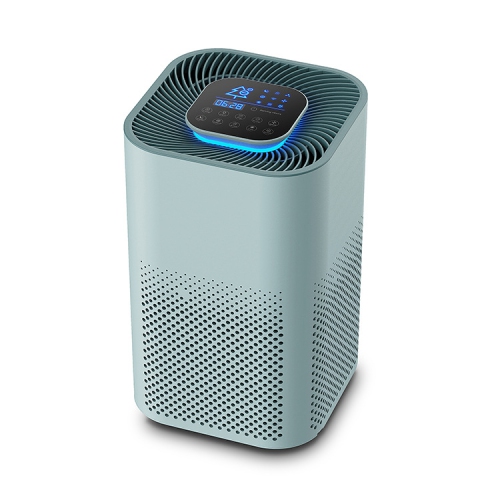
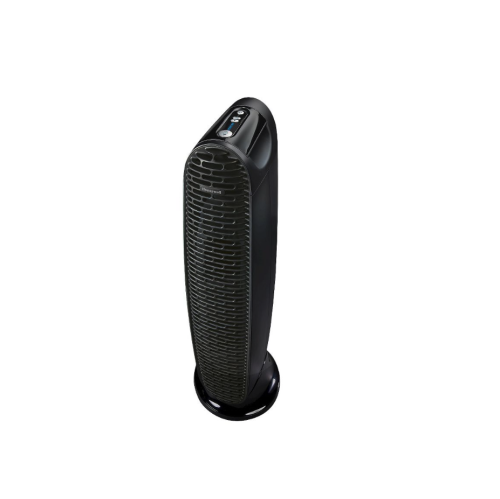
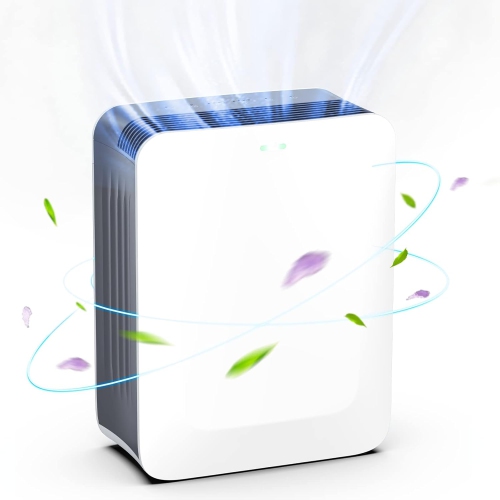
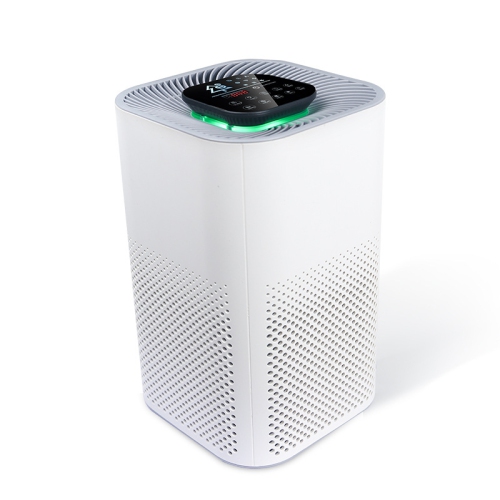
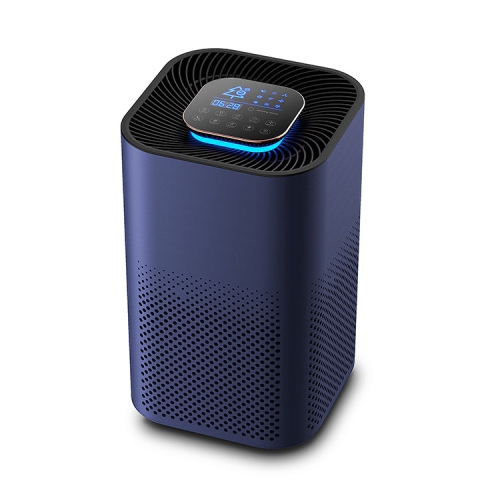
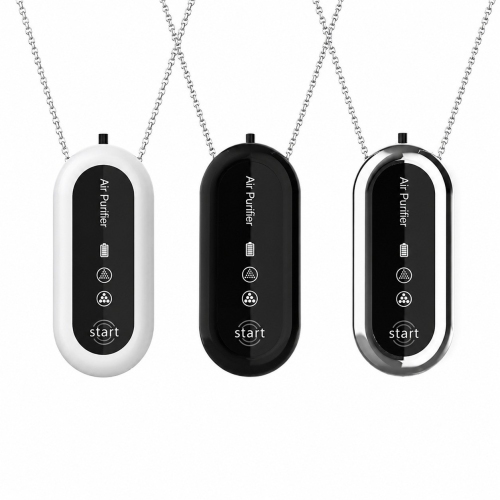
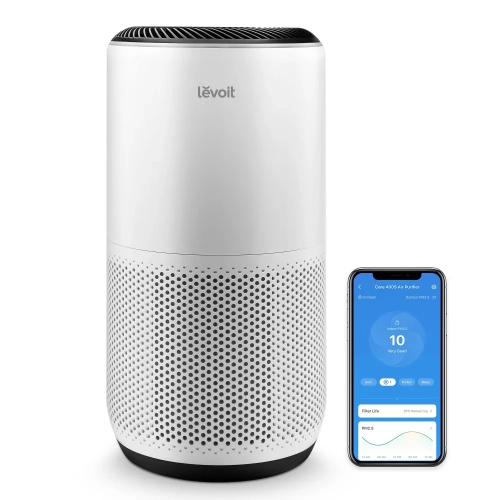
Air purifiers for small spaces can make a noticeable difference in bedrooms, home offices, nurseries, studio apartments, entryways and other rooms where every square foot matters. Compact models are designed to fit comfortably on a nightstand, desk, shelf or side table while circulating air through a series of filters. Many use a pre-filter to catch larger particles such as dust and hair, a True HEPA filter to capture very small airborne particles, and an activated carbon layer to help reduce certain household odours. True HEPA filtration is commonly rated to capture 99.97% of particles measuring 0.3 microns under standard test conditions, including fine dust, pollen and pet dander. This can be useful during the cooler months, when windows may stay closed for longer and indoor air can feel stale, or as the weather changes and seasonal pollen becomes more noticeable. A small air purifier may be especially helpful for people who share a room with a shedding pet, wake up congested, work in a compact office or simply prefer a fresher-feeling sleeping area. It is important to choose a unit according to the room where it will be used rather than the size of the entire home. Coverage ratings vary, so measure the space in square feet and compare that figure with the manufacturer’s recommended room size. A purifier rated for a small bedroom may not circulate enough filtered air for an open-concept living area, while a larger unit may take up more room and produce more sound than necessary in a quiet personal space. For dorms and similarly compact living areas, browse Air Purifiers for Small Dorm Rooms to find options suited to tight quarters.
Clean Air Delivery Rate, or CADR, is another useful specification when comparing air purifiers for small spaces. CADR indicates how quickly a purifier can deliver filtered air, with separate figures sometimes provided for dust, smoke and pollen. A higher CADR generally means faster air circulation, but the best choice depends on the room’s dimensions, ceiling height and how often the purifier will run. In a compact bedroom or office, quiet operation can be just as important as airflow. Models that operate below 30 dB on their lowest setting are often well suited to sleep, reading or video calls, although sound levels can rise at higher fan speeds. Look for multiple fan settings, sleep mode, dimmable controls or a display that can be turned off if light and noise are distracting after bedtime. An onboard air-quality sensor may automatically adjust the fan when it detects a change, while a timer can help limit operation to the hours when the room is occupied. Placement also affects performance. Leave space around the air intake and outlet, avoid covering the vents with curtains or bedding, and keep the unit on a stable, dry surface with the airflow directed into the room. A purifier near a pet bed, desk or doorway can be convenient, but it should not be pushed tightly into a corner. For odours from cooking, litter, paint or smoke, activated carbon can complement particle filtration, though carbon performance depends on the amount and quality of carbon used. Air purifiers do not remove every source of indoor pollution, and they are not a substitute for appropriate ventilation, cleaning, moisture control or following the instructions for any household materials. Instead, they work as part of a practical routine that can include regular dusting, washing bedding, vacuuming floors and keeping filters in good condition.
Filter maintenance is central to getting dependable performance from a compact air purifier. Check the care instructions before choosing a model, since replacement schedules vary according to usage, indoor conditions and filter design. A pre-filter that can be vacuumed or washed, where permitted, may help prevent larger particles from reaching the main filter. Sealed filters should be replaced rather than opened, and a filter indicator can make it easier to keep track of service needs. Homes with pets, frequent cooking or visible dust may require more frequent attention than a lightly used guest room. When selecting an air purifier as a gift, consider the recipient’s space, routines and sensitivities. A quiet unit can be a thoughtful choice for a student, remote worker, new parent or light sleeper, while a compact design may suit someone moving into a smaller apartment or setting up a first home office. Controls that are simple to understand are helpful for anyone who does not want to manage complicated settings, and a lightweight design can make it easier to move the purifier between a bedroom and workspace. During the cooler months, a purifier can sit discreetly beside a bed or desk and run in the background while doors and windows remain closed; during milder weather, it can be moved to a room where dust, pollen or pet dander is more noticeable. Consider the purifier’s dimensions, cord length, filter availability, energy use, controls and warranty alongside its filtration claims. The most suitable option is one that fits the room, runs comfortably at the preferred sound level and can be maintained without fuss. With the right placement and regular filter care, air purifiers for small spaces can provide convenient, targeted air circulation wherever a full-size appliance would feel out of place.
Clean Air Delivery Rate, or CADR, is another useful specification when comparing air purifiers for small spaces. CADR indicates how quickly a purifier can deliver filtered air, with separate figures sometimes provided for dust, smoke and pollen. A higher CADR generally means faster air circulation, but the best choice depends on the room’s dimensions, ceiling height and how often the purifier will run. In a compact bedroom or office, quiet operation can be just as important as airflow. Models that operate below 30 dB on their lowest setting are often well suited to sleep, reading or video calls, although sound levels can rise at higher fan speeds. Look for multiple fan settings, sleep mode, dimmable controls or a display that can be turned off if light and noise are distracting after bedtime. An onboard air-quality sensor may automatically adjust the fan when it detects a change, while a timer can help limit operation to the hours when the room is occupied. Placement also affects performance. Leave space around the air intake and outlet, avoid covering the vents with curtains or bedding, and keep the unit on a stable, dry surface with the airflow directed into the room. A purifier near a pet bed, desk or doorway can be convenient, but it should not be pushed tightly into a corner. For odours from cooking, litter, paint or smoke, activated carbon can complement particle filtration, though carbon performance depends on the amount and quality of carbon used. Air purifiers do not remove every source of indoor pollution, and they are not a substitute for appropriate ventilation, cleaning, moisture control or following the instructions for any household materials. Instead, they work as part of a practical routine that can include regular dusting, washing bedding, vacuuming floors and keeping filters in good condition.
Filter maintenance is central to getting dependable performance from a compact air purifier. Check the care instructions before choosing a model, since replacement schedules vary according to usage, indoor conditions and filter design. A pre-filter that can be vacuumed or washed, where permitted, may help prevent larger particles from reaching the main filter. Sealed filters should be replaced rather than opened, and a filter indicator can make it easier to keep track of service needs. Homes with pets, frequent cooking or visible dust may require more frequent attention than a lightly used guest room. When selecting an air purifier as a gift, consider the recipient’s space, routines and sensitivities. A quiet unit can be a thoughtful choice for a student, remote worker, new parent or light sleeper, while a compact design may suit someone moving into a smaller apartment or setting up a first home office. Controls that are simple to understand are helpful for anyone who does not want to manage complicated settings, and a lightweight design can make it easier to move the purifier between a bedroom and workspace. During the cooler months, a purifier can sit discreetly beside a bed or desk and run in the background while doors and windows remain closed; during milder weather, it can be moved to a room where dust, pollen or pet dander is more noticeable. Consider the purifier’s dimensions, cord length, filter availability, energy use, controls and warranty alongside its filtration claims. The most suitable option is one that fits the room, runs comfortably at the preferred sound level and can be maintained without fuss. With the right placement and regular filter care, air purifiers for small spaces can provide convenient, targeted air circulation wherever a full-size appliance would feel out of place.
Top selling and popular products
-
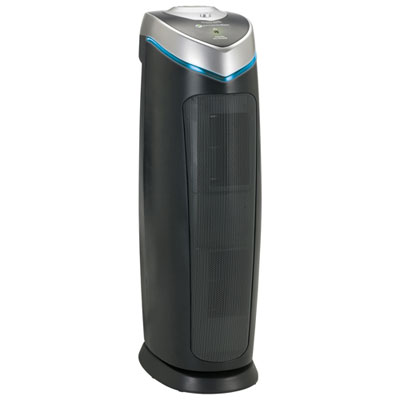 Your price for this item is $139.99
 -
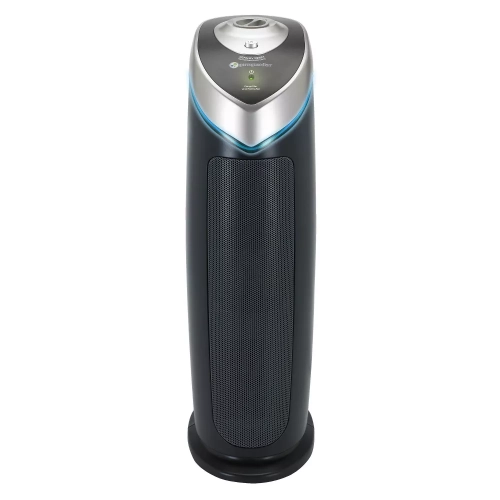 Your price for this item is $323.72
 -
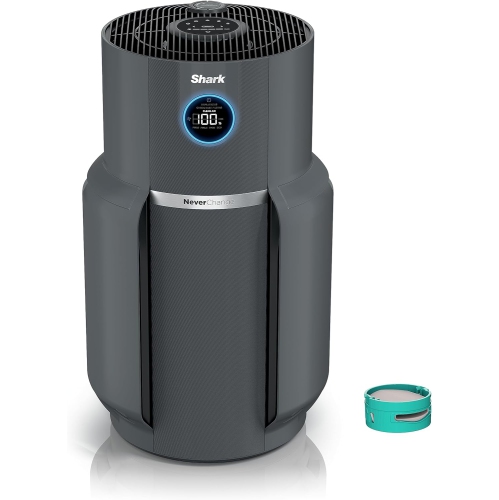 Your price for this item is $999.99
 -
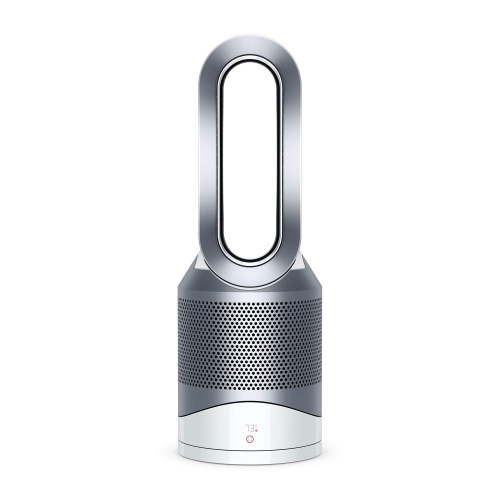 Your price for this item is $729.99
 -
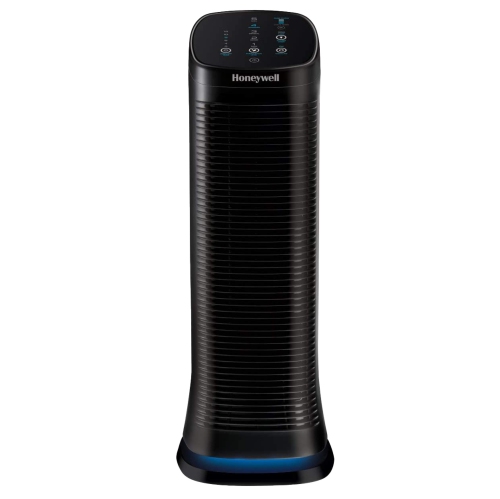 Your price for this item is $583.14
 -
 Your price for this item is $719.39
 -
 Your price for this item is $699.99
 -
 Your price for this item is $229.95
Discover more categories related to Air Purifiers for Small Spaces
Top Collections:
Pokemon Centers, Kindle Devices, Apple iPhones 16, Samsung Galaxy Phones, Canon G7X Cameras, iPhone 15 Apple, Flip Phones, Apple Wired Earphones, Best Budget Office Chairs, Refurbished Apple Laptops
Some products may be subject to Environmental Handling Fees
(EHF) depending on your province.
Learn more about EHFs.