13000 BTU Portable Air Conditioners
13000 BTU Portable Air Conditioners offer a convenient way to keep your space cool and comfortable during hot weather. Designed for easy mobility and efficient cooling, these units are ideal for bedrooms, living rooms, offices, or any area where flexible temperature control is needed. With a 13000 BTU capacity, they provide powerful performance to help you maintain your preferred indoor climate. Explore a wide selection of 13000 BTU Portable Air Conditioners to find the perfect solution for your cooling needs.
Sort
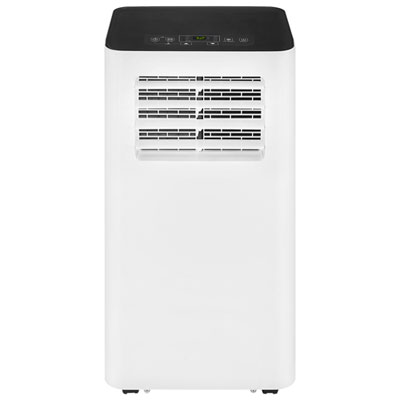
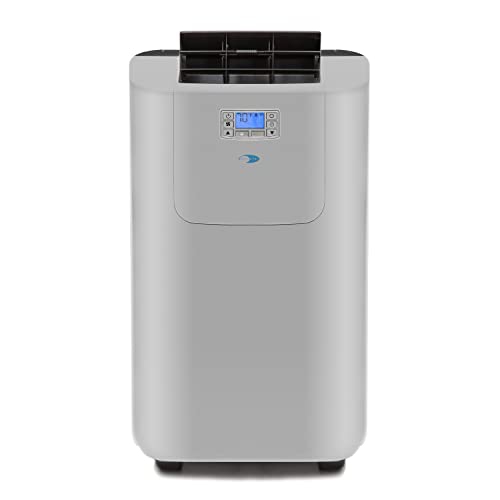
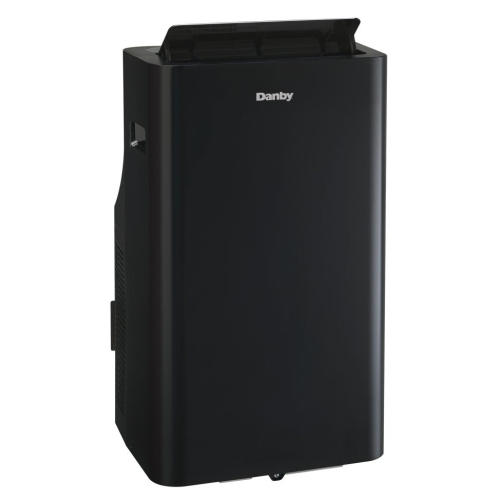
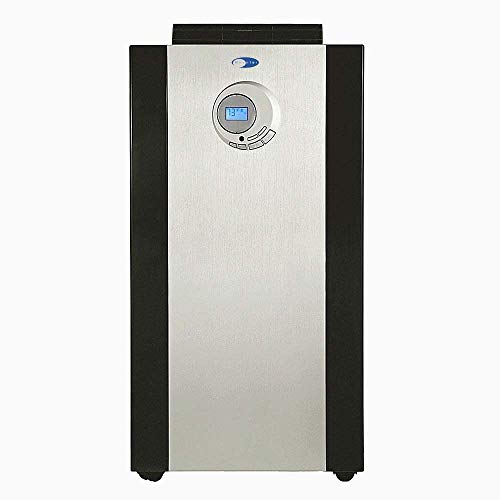
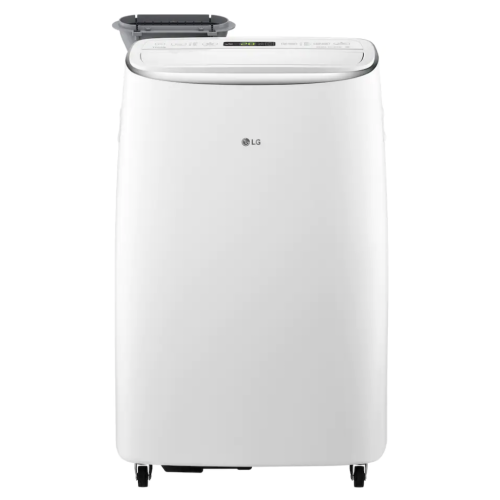
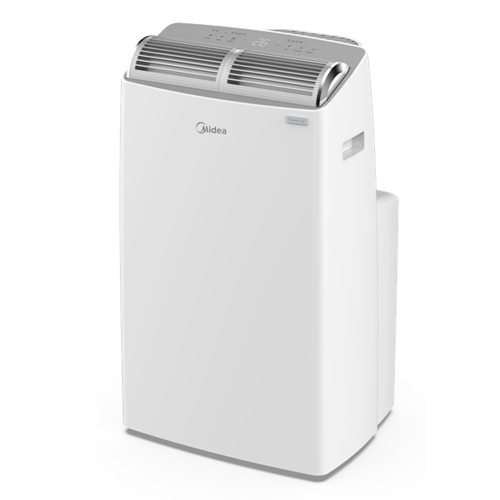
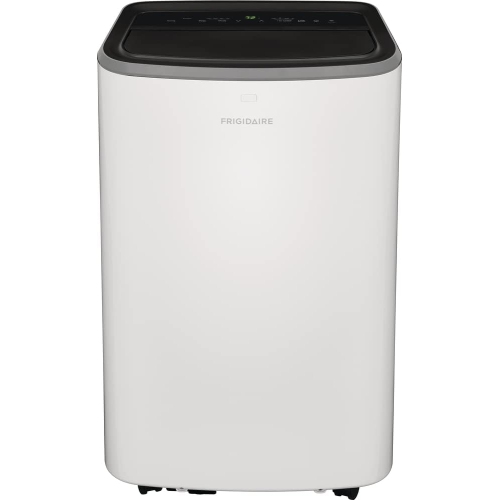
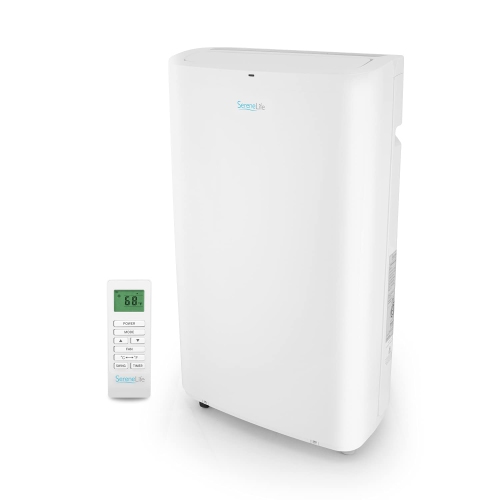
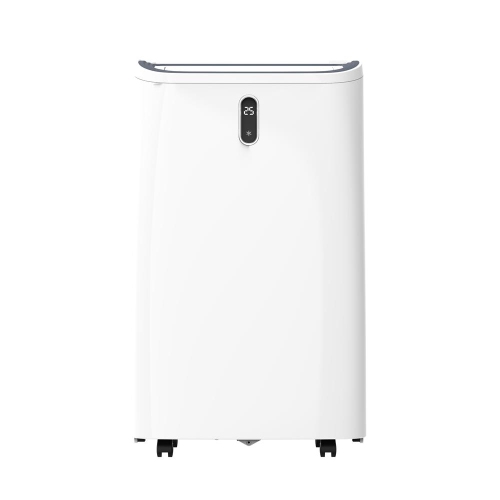
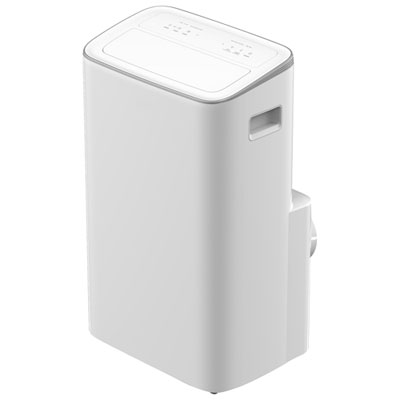
Room-by-room cooling depends on more than BTU ratings
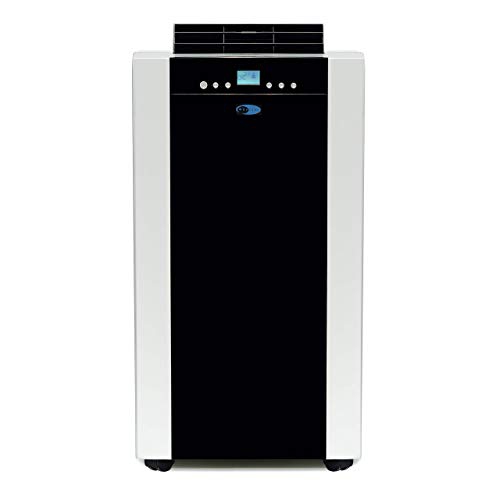
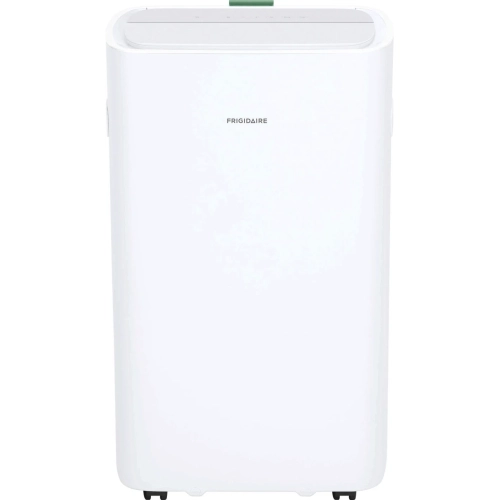
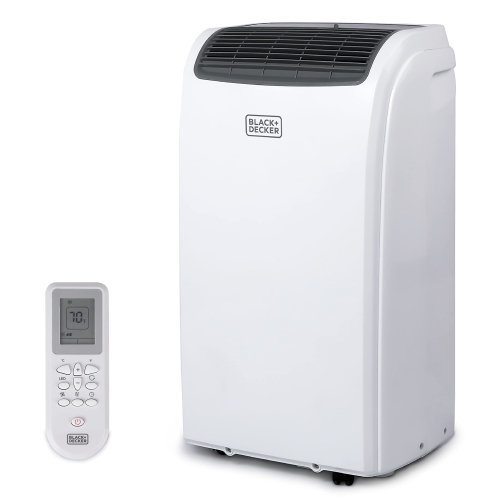
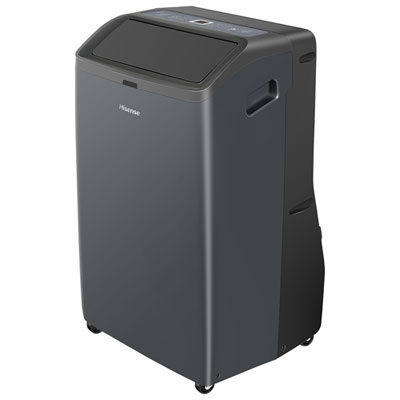
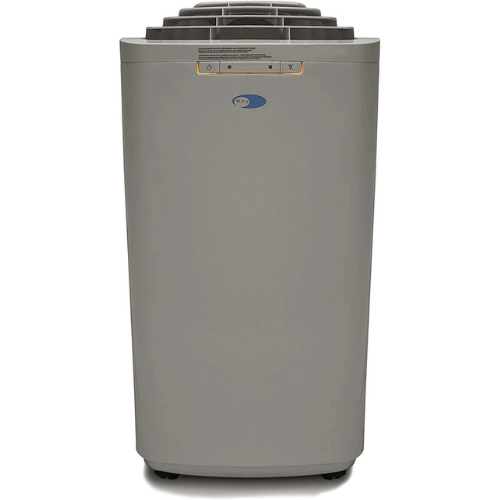
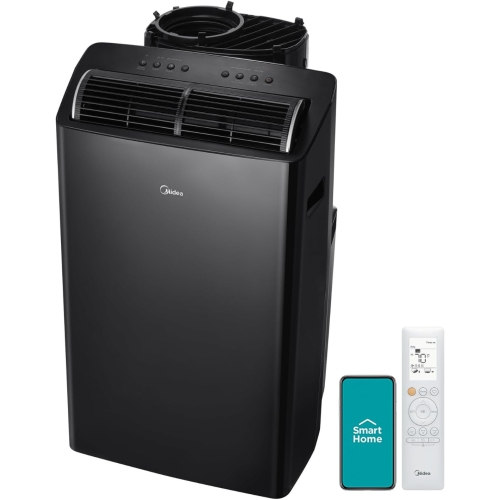
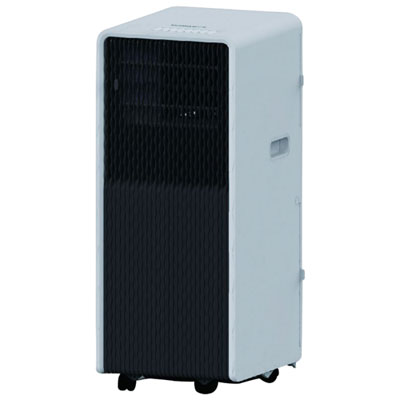
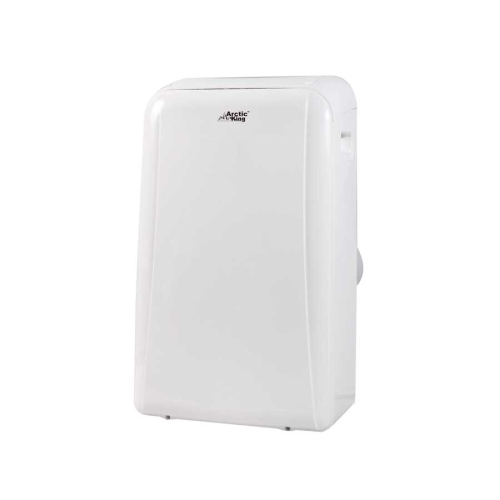
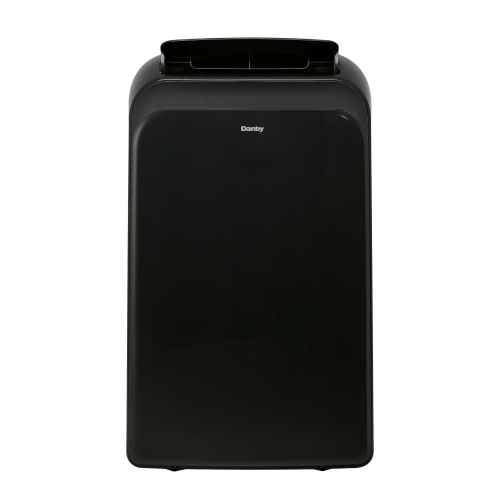
13,000 BTU portable air conditioners provide room-by-room cooling for spaces where a permanent installation is impractical or central air does not deliver enough comfort. Depending on the manufacturer’s rating, room layout, and operating conditions, this capacity may suit approximately 400 to 600 square feet, making it relevant to living rooms, larger bedrooms, home offices, and some open-plan apartments. That coverage is a starting point rather than a guarantee: a sun-facing room with broad windows, high ceilings, or an adjoining kitchen can need more cooling than a shaded room with the same floor area. BTU stands for British thermal unit, and an air conditioner’s BTU rating describes its cooling capacity, not its electricity consumption. Portable units can carry both an ASHRAE rating and a seasonally adjusted cooling capacity, or SACC, rating. SACC accounts for factors such as heat entering through the exhaust hose and outside air drawn into the room, so it is generally lower than the ASHRAE figure. A unit labelled 13,000 BTU under one test method should not be treated as equivalent to a unit with that rating under another. Comparing the same rating type, along with the manufacturer’s recommended coverage, gives a clearer picture of suitability. In daily use, this category works best for a defined space rather than an entire home with several closed rooms. A living area that becomes uncomfortable in direct afternoon sunlight or a workspace filled with heat-producing equipment can benefit from targeted cooling without changing the rest of the home’s settings. Cooling capacity also needs to be balanced with moisture removal; an oversized unit may cool the room quickly without running long enough to manage humidity effectively. For spaces with greater cooling demands, 14000 BTUAir Conditioners offer a related capacity category to compare, using the same rating standard and room-coverage information rather than the headline number alone.
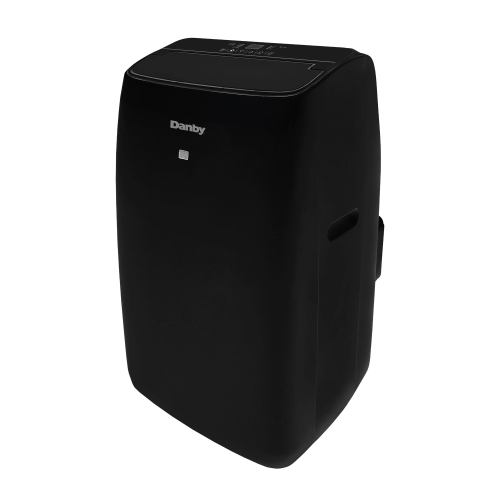
The portable format combines the cooling equipment in a floor-standing cabinet, usually with castors and handles to help with repositioning. It still needs a suitable exhaust route: in cooling mode, hot air must be discharged outdoors through a hose and a properly fitted window kit. Sliding and double-hung windows often accommodate standard adjustable panels, while casement windows may require a compatible alternative kit. Window opening dimensions, hose reach, and the space needed around the cabinet all affect the fit. A unit placed beside a sofa needs enough clearance for its intake and outlet, and a hose stretched across a walkway can make an otherwise convenient location unsuitable. Keeping the exhaust hose as short and straight as the manufacturer allows helps limit airflow restrictions and heat transfer back into the room. Sealing gaps around the window panel also helps keep outside air from entering. Single-hose designs exhaust room air, which can draw replacement air in through gaps elsewhere in the home. Dual-hose designs use a separate outdoor air intake for the condenser, helping reduce that pressure imbalance; actual performance still depends on the design and installation. The cabinet is commonly made from rigid moulded plastic, with metal components inside and a flexible exhaust hose, so durability depends partly on protecting the housing, castors, and hose connections from impacts or strain. Castors make movement easier on smooth floors, but thick rugs, thresholds, and stairs can be challenging. Moving between rooms generally means relocating or refitting the window connection as well, rather than simply rolling the cabinet into place. Weight matters particularly in multi-level homes, where carrying the unit may require another person. Electrical access is another practical consideration: the appliance should connect to a suitable grounded wall outlet that meets its stated requirements, with any circuit limitations observed. Extension cords and power bars are generally unsuitable for these appliances. For renters and condo residents, window compatibility and building rules can be just as important as floor space when deciding where a portable air conditioner belongs.
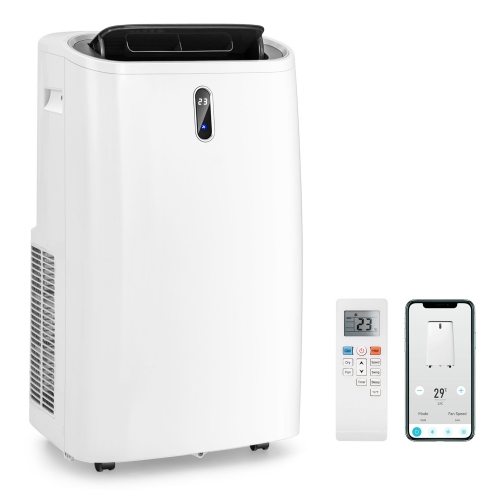
Comfort depends on how a 13,000 BTU portable air conditioner behaves once it is installed, not just how much cooling it can produce. Adjustable fan speeds and directional louvers help distribute air across a seating area or away from a desk, while a thermostat maintains a chosen temperature within the unit’s operating limits. Programmable timers can schedule operation, and sleep settings may adjust temperature or fan behaviour overnight. A remote control is useful when the cabinet sits across the room; Wi-Fi connectivity, where supported, adds app-based control, subject to network and device compatibility. Noise deserves particular attention in bedrooms and shared workspaces because the compressor and fan are inside the room. Published sound ratings are most useful when the measurement conditions and operating speeds are comparable. A low fan setting does not necessarily mean the compressor will be equally quiet, and nearby hard surfaces can make operating sounds more noticeable. Some designs use inverter-driven compressors to vary output instead of relying only on repeated on-and-off cycles, though sound and power use remain model-dependent. Additional modes can extend the appliance’s role: fan mode circulates air without active cooling, dehumidification removes moisture, and certain units include heating. These features are not universal, and heating capability should not be assumed from the BTU cooling rating. Moisture handling also varies. Some systems exhaust much of the collected moisture during cooling, but humid conditions or particular modes may still require tank emptying or a continuous drain connection. Regular care keeps everyday operation more dependable. Washable filters need cleaning at the intervals stated in the manual and should be fully dry before refitting; blocked filters can restrict airflow and reduce performance. A soft cloth is generally suitable for the exterior, while the hose, window seals, and drainage fittings benefit from periodic checks for damage or leaks. Before storage, draining residual water and drying the appliance as directed helps prevent musty odours. Stored upright in a dry location with its fittings together, a portable air conditioner is easier to set up again when room cooling is needed.
The portable format combines the cooling equipment in a floor-standing cabinet, usually with castors and handles to help with repositioning. It still needs a suitable exhaust route: in cooling mode, hot air must be discharged outdoors through a hose and a properly fitted window kit. Sliding and double-hung windows often accommodate standard adjustable panels, while casement windows may require a compatible alternative kit. Window opening dimensions, hose reach, and the space needed around the cabinet all affect the fit. A unit placed beside a sofa needs enough clearance for its intake and outlet, and a hose stretched across a walkway can make an otherwise convenient location unsuitable. Keeping the exhaust hose as short and straight as the manufacturer allows helps limit airflow restrictions and heat transfer back into the room. Sealing gaps around the window panel also helps keep outside air from entering. Single-hose designs exhaust room air, which can draw replacement air in through gaps elsewhere in the home. Dual-hose designs use a separate outdoor air intake for the condenser, helping reduce that pressure imbalance; actual performance still depends on the design and installation. The cabinet is commonly made from rigid moulded plastic, with metal components inside and a flexible exhaust hose, so durability depends partly on protecting the housing, castors, and hose connections from impacts or strain. Castors make movement easier on smooth floors, but thick rugs, thresholds, and stairs can be challenging. Moving between rooms generally means relocating or refitting the window connection as well, rather than simply rolling the cabinet into place. Weight matters particularly in multi-level homes, where carrying the unit may require another person. Electrical access is another practical consideration: the appliance should connect to a suitable grounded wall outlet that meets its stated requirements, with any circuit limitations observed. Extension cords and power bars are generally unsuitable for these appliances. For renters and condo residents, window compatibility and building rules can be just as important as floor space when deciding where a portable air conditioner belongs.
Comfort depends on how a 13,000 BTU portable air conditioner behaves once it is installed, not just how much cooling it can produce. Adjustable fan speeds and directional louvers help distribute air across a seating area or away from a desk, while a thermostat maintains a chosen temperature within the unit’s operating limits. Programmable timers can schedule operation, and sleep settings may adjust temperature or fan behaviour overnight. A remote control is useful when the cabinet sits across the room; Wi-Fi connectivity, where supported, adds app-based control, subject to network and device compatibility. Noise deserves particular attention in bedrooms and shared workspaces because the compressor and fan are inside the room. Published sound ratings are most useful when the measurement conditions and operating speeds are comparable. A low fan setting does not necessarily mean the compressor will be equally quiet, and nearby hard surfaces can make operating sounds more noticeable. Some designs use inverter-driven compressors to vary output instead of relying only on repeated on-and-off cycles, though sound and power use remain model-dependent. Additional modes can extend the appliance’s role: fan mode circulates air without active cooling, dehumidification removes moisture, and certain units include heating. These features are not universal, and heating capability should not be assumed from the BTU cooling rating. Moisture handling also varies. Some systems exhaust much of the collected moisture during cooling, but humid conditions or particular modes may still require tank emptying or a continuous drain connection. Regular care keeps everyday operation more dependable. Washable filters need cleaning at the intervals stated in the manual and should be fully dry before refitting; blocked filters can restrict airflow and reduce performance. A soft cloth is generally suitable for the exterior, while the hose, window seals, and drainage fittings benefit from periodic checks for damage or leaks. Before storage, draining residual water and drying the appliance as directed helps prevent musty odours. Stored upright in a dry location with its fittings together, a portable air conditioner is easier to set up again when room cooling is needed.
Top selling and popular products
-
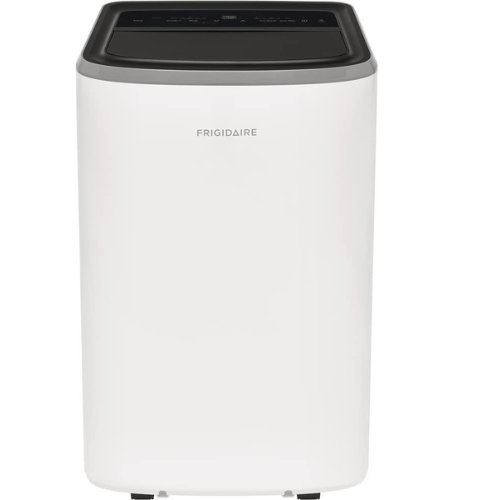 Your price for this item is $860
 -
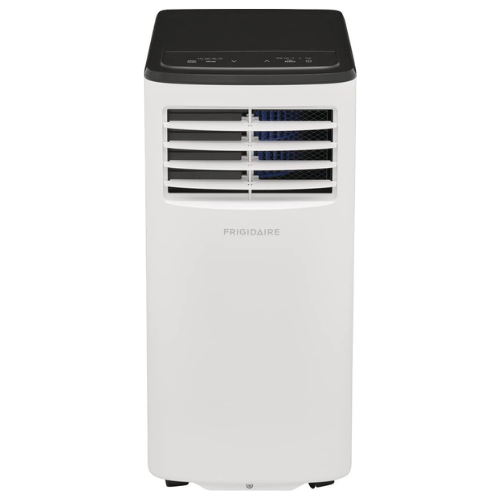 Your price for this item is $599
 -
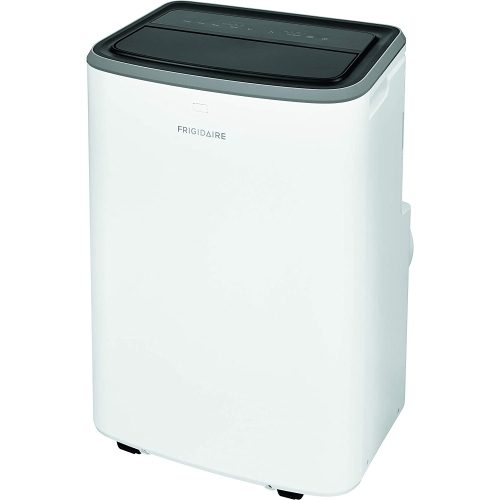 Your price for this item is $1000
 -
 Your price for this item is $999
 -
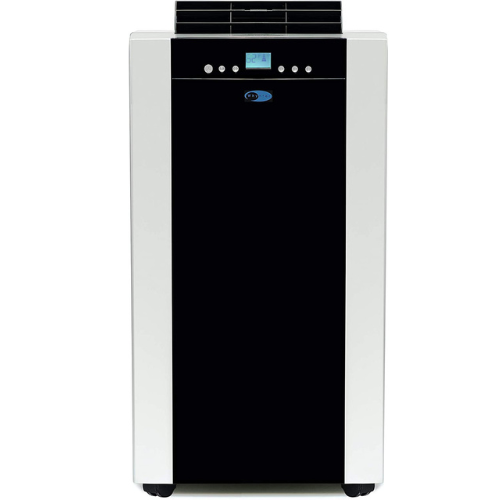 Your price for this item is $1089
 -
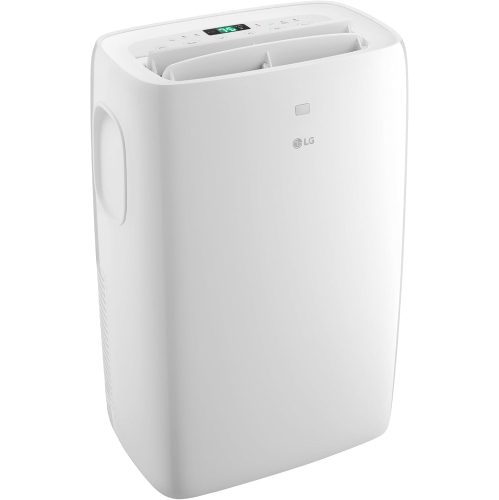 Your price for this item is $839.68
 -
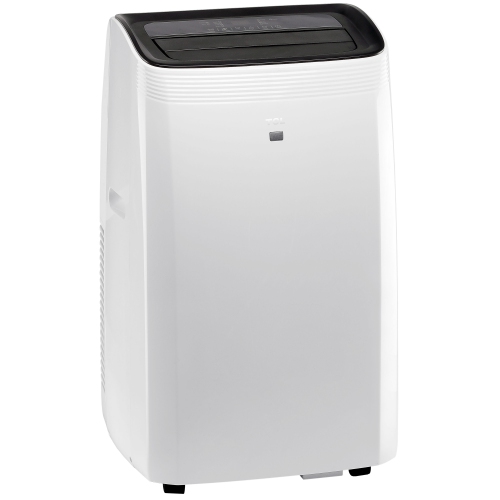 Your price for this item is $549.99
 -
 Your price for this item is $519.99
Discover more categories related to 13000 BTU Portable Air Conditioners
Top Collections:
Pokemon Centers, Kindle Devices, Best Budget Office Chairs, Apple iPhones 16, Best Laptops for Writers, iPhone 15 Apple, Canon G7X Cameras, Refurbished Apple Laptops, Alarm Clock, Motorola Razr Phones
Some products may be subject to Environmental Handling Fees
(EHF) depending on your province.
Learn more about EHFs.