220V Small Kitchen Appliances
If you're looking to buy small kitchen appliances, you've come to the right place. We've rounded up some of the best small kitchen appliances that can help you get more done in less time. Here are some great 220v small kitchen appliances options for you.
Sort
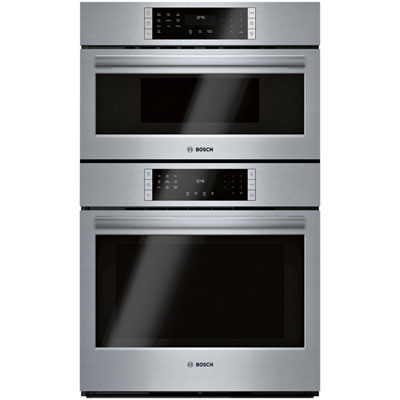

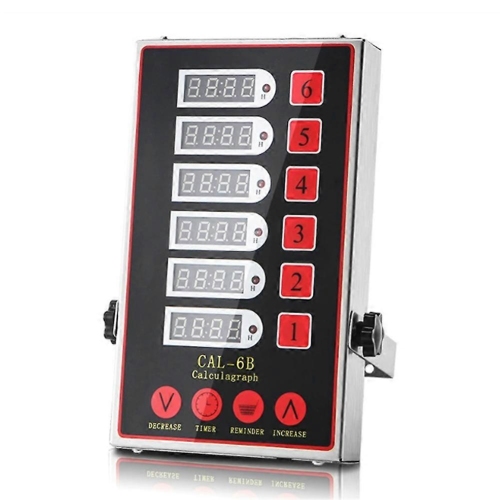

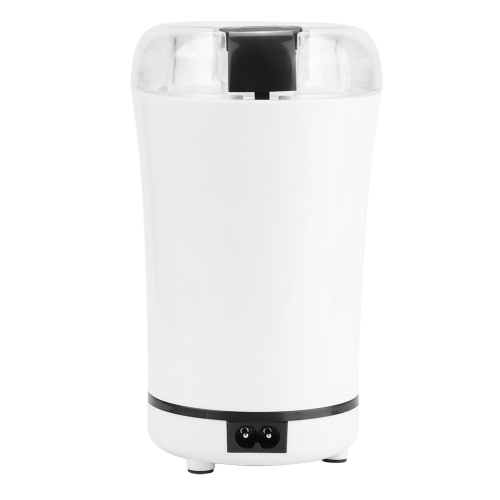
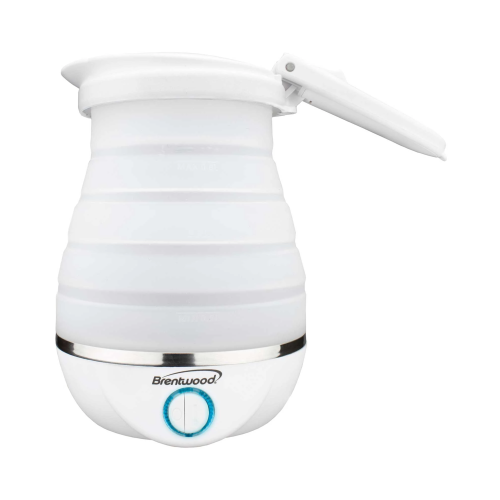
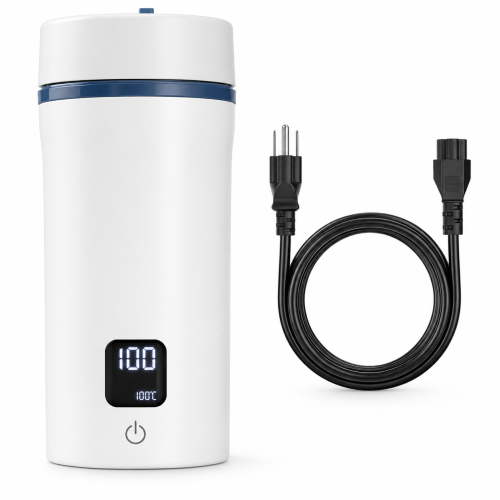

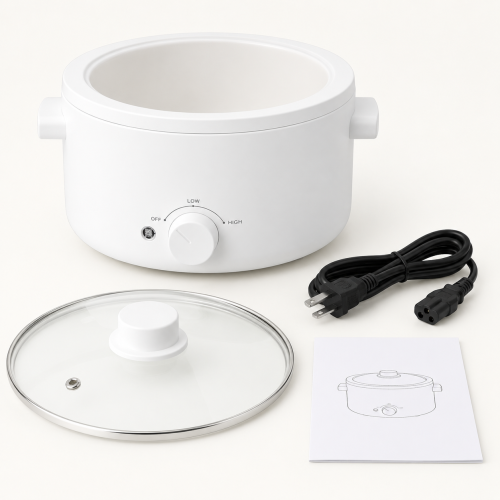
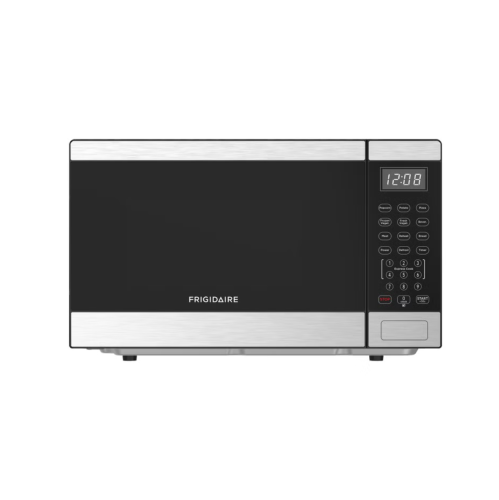


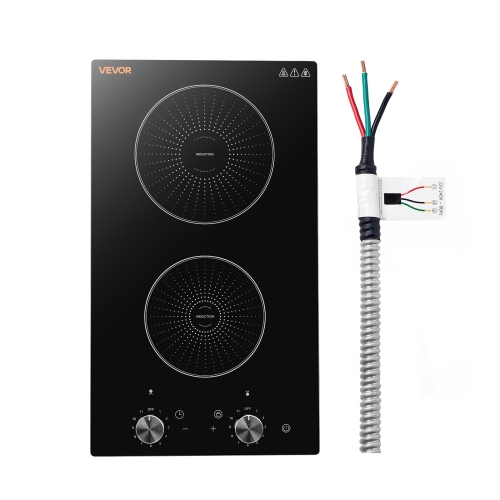





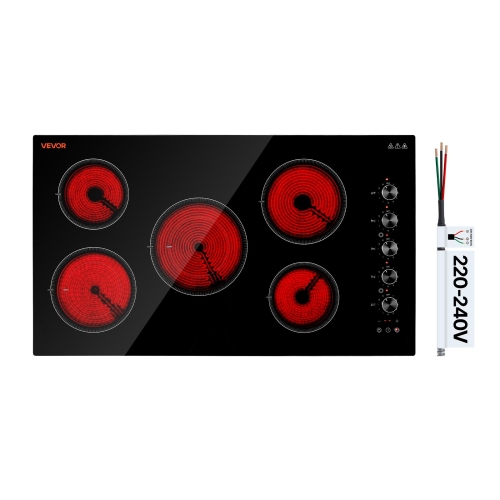
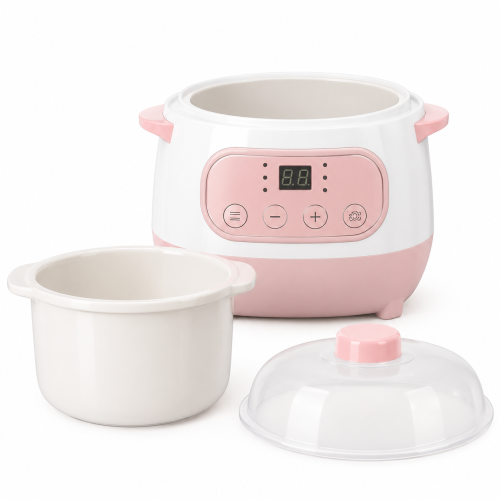

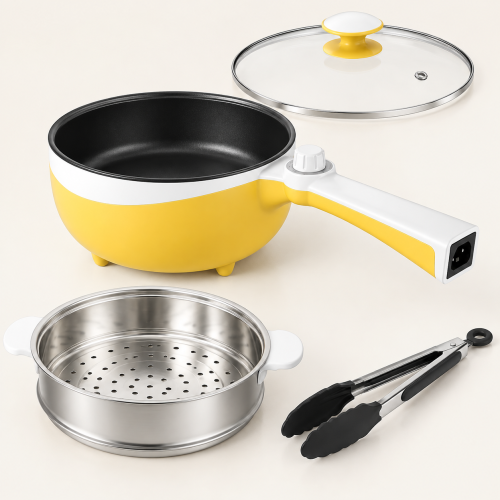


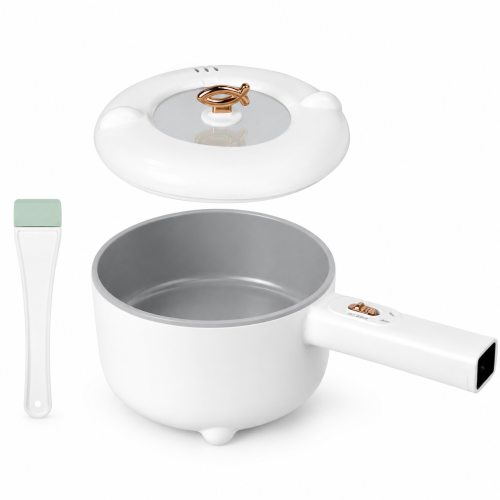
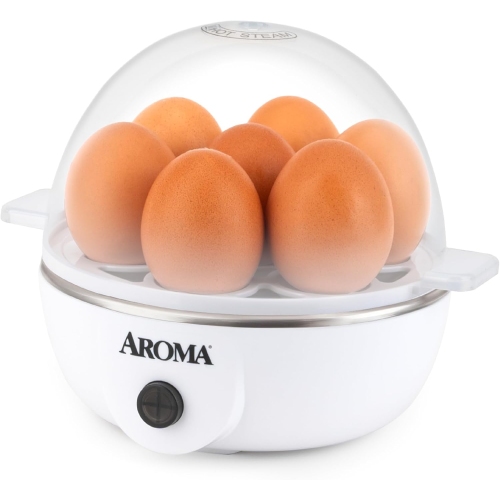

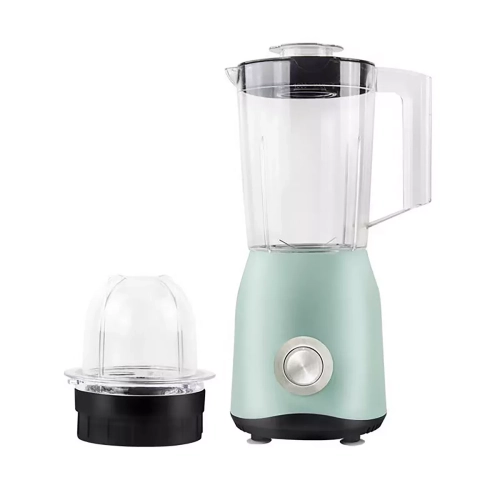

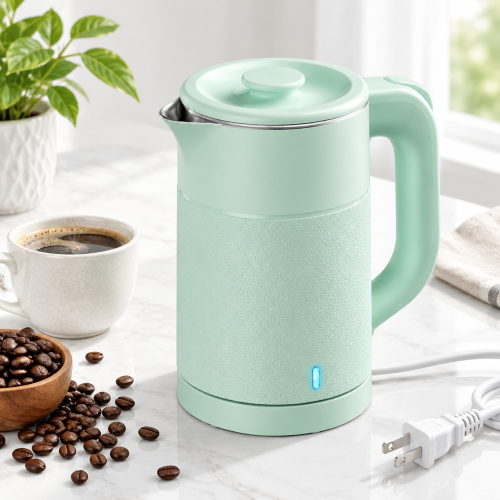
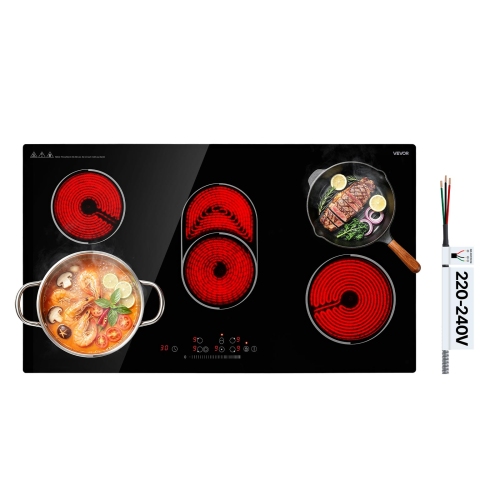
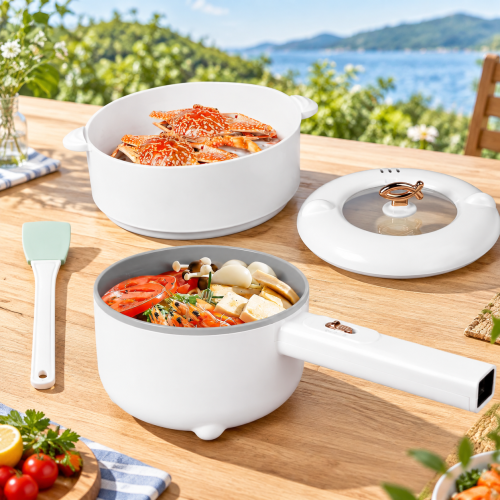

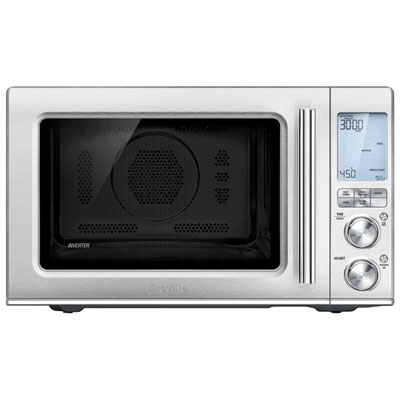
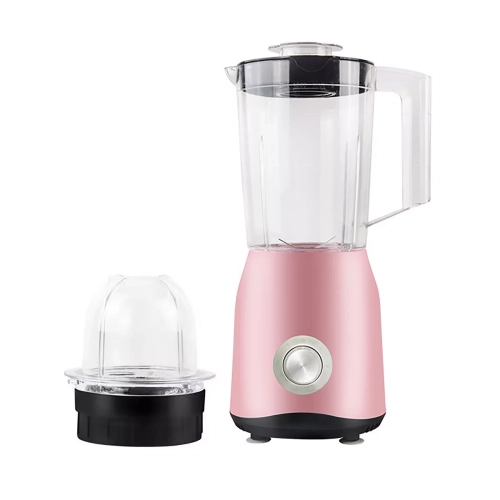
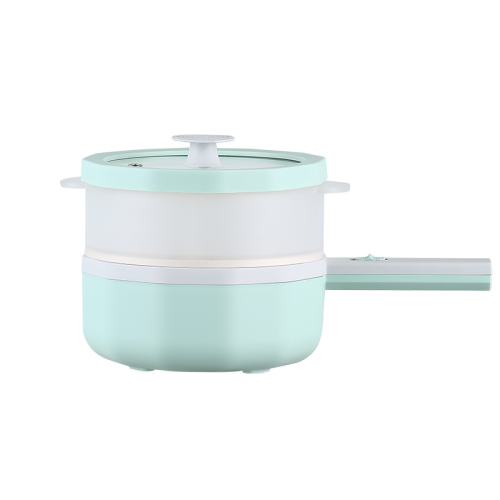
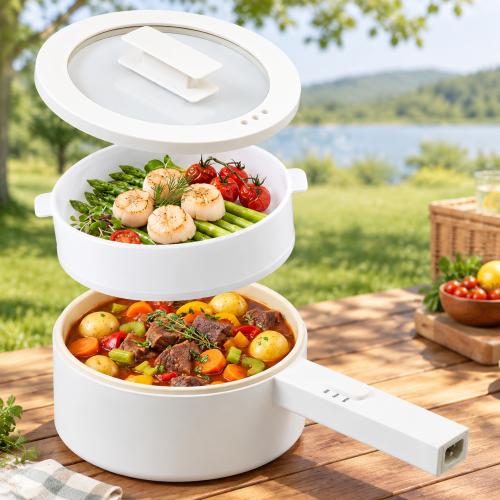

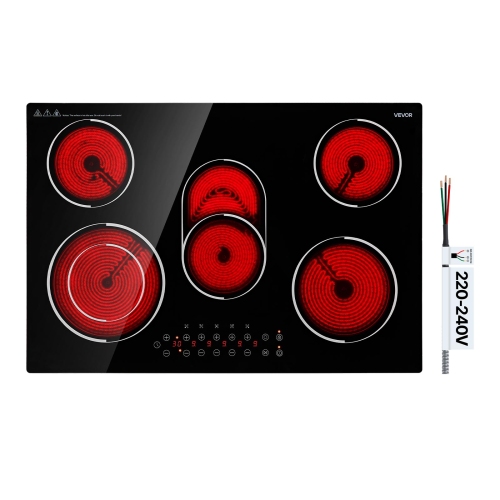
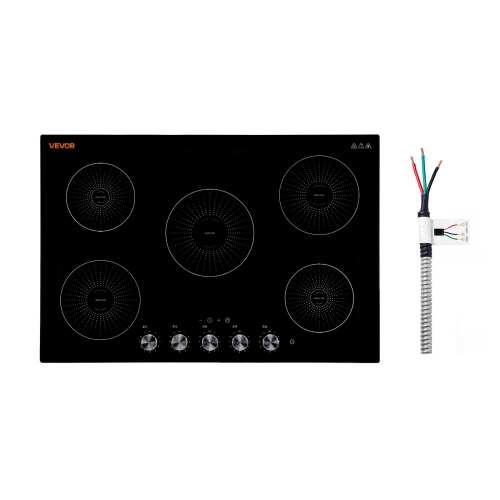
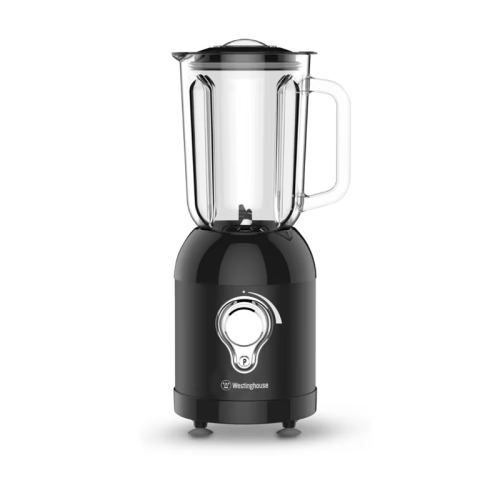
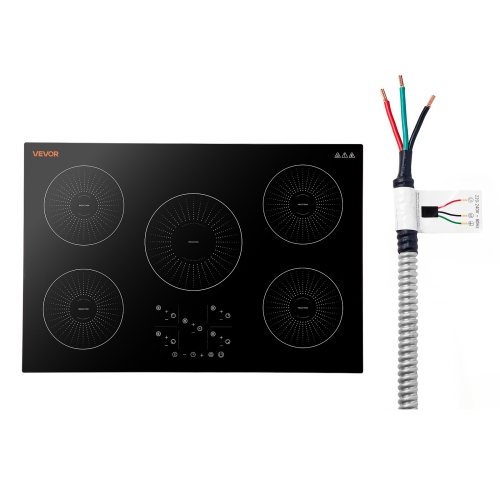
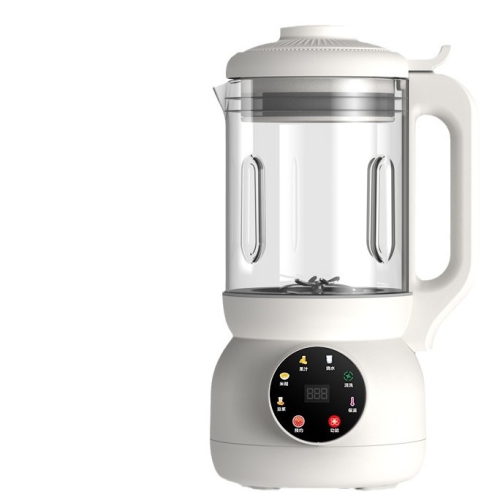
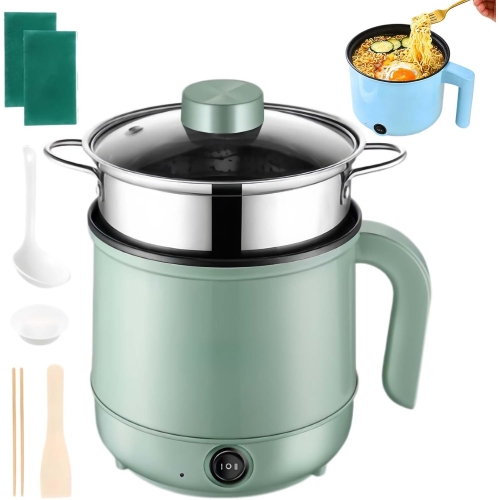
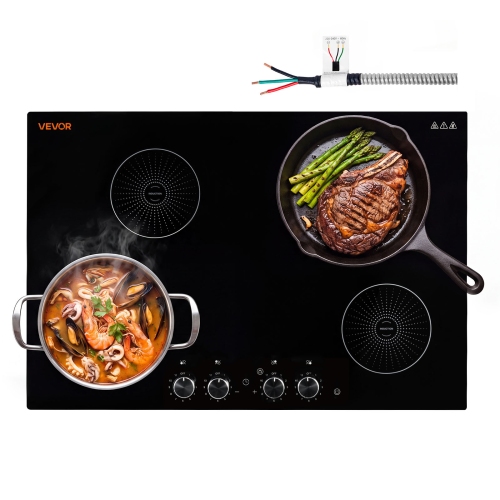
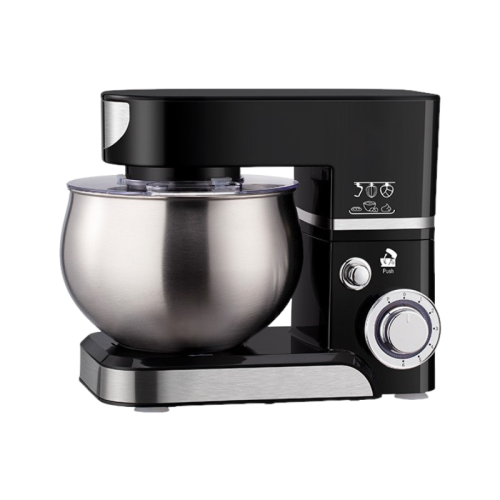
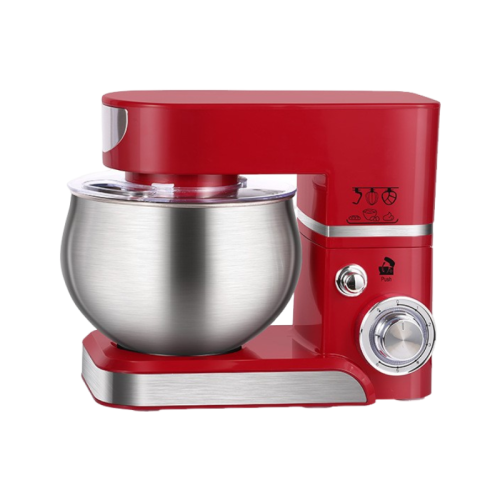
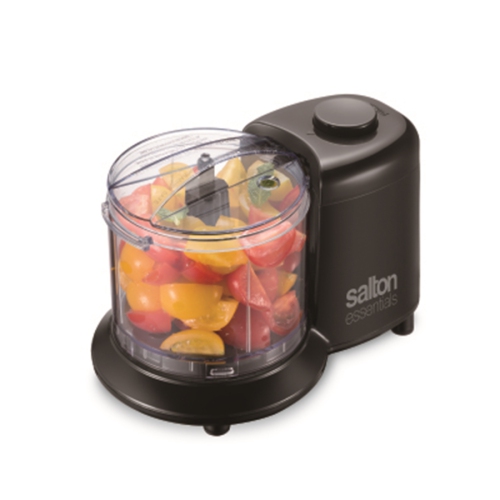

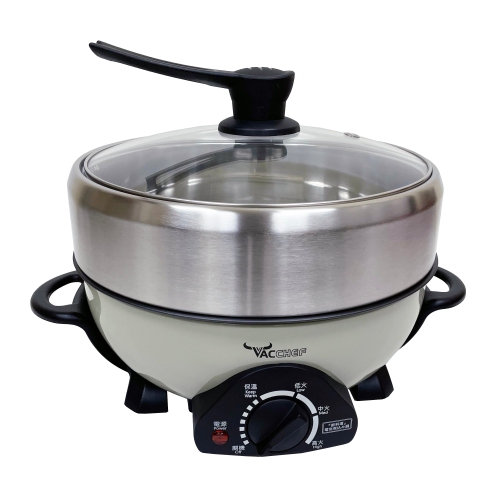
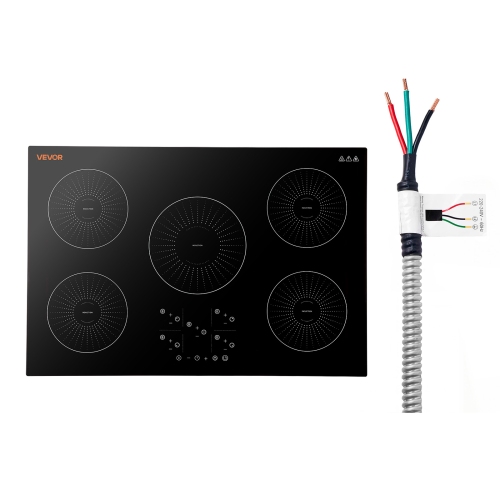
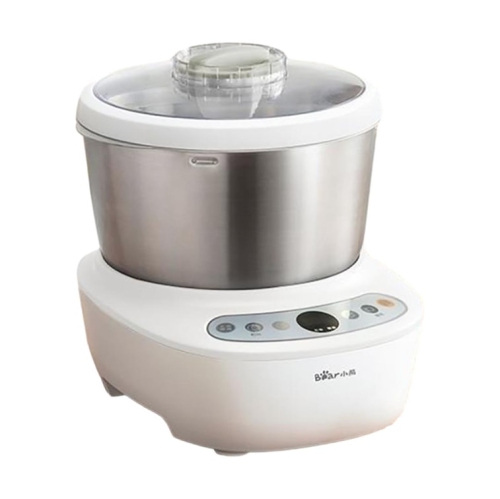
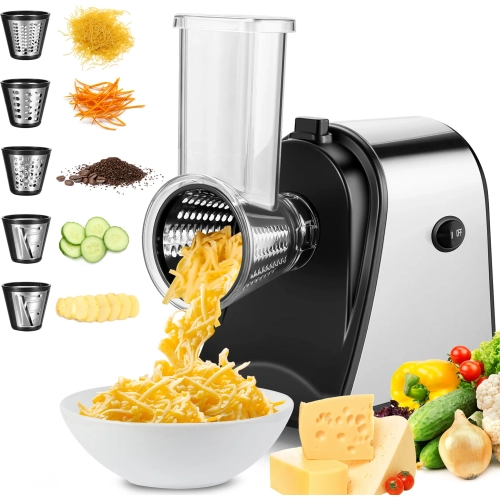


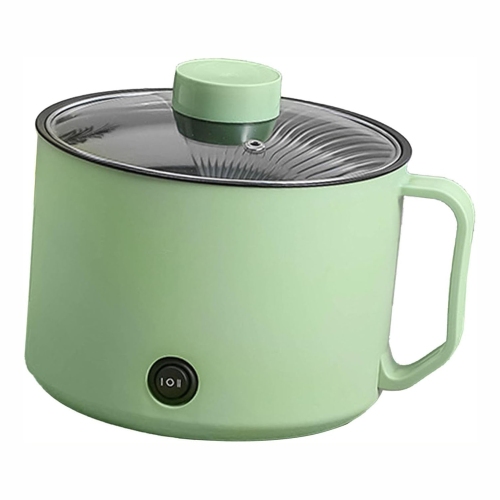
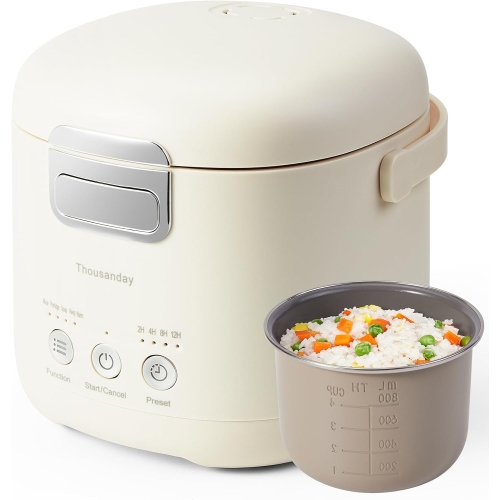


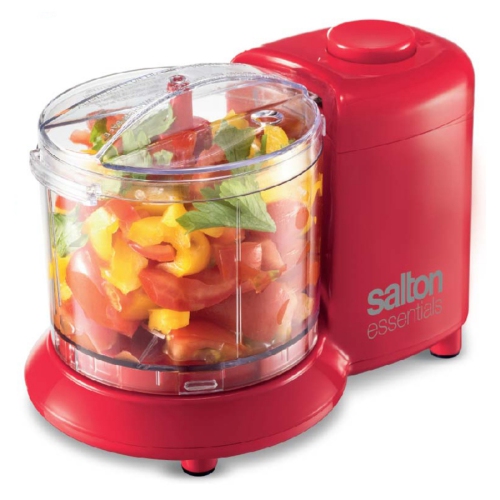
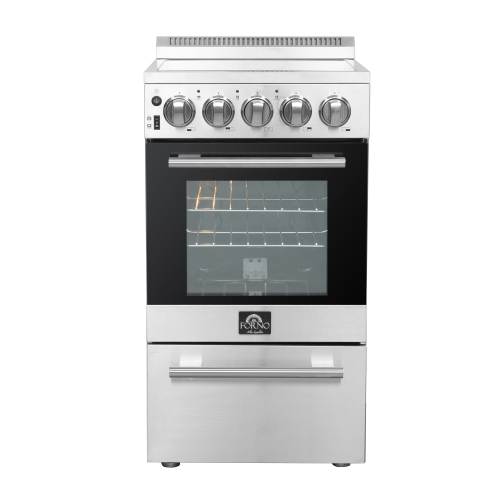
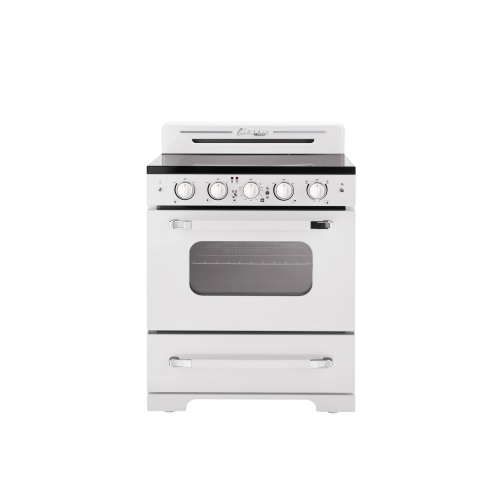
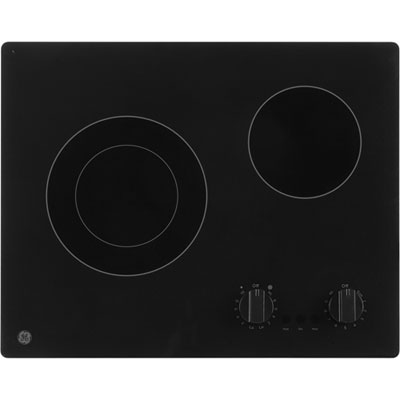
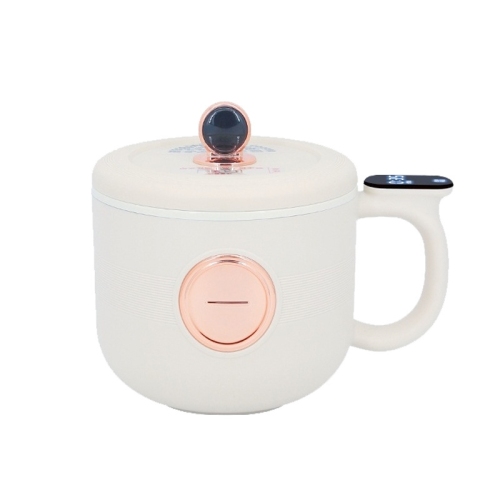
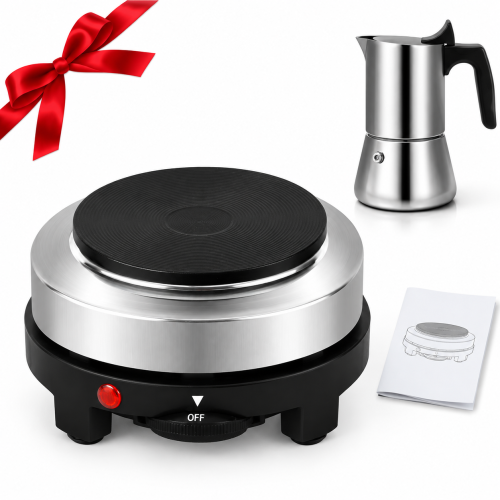
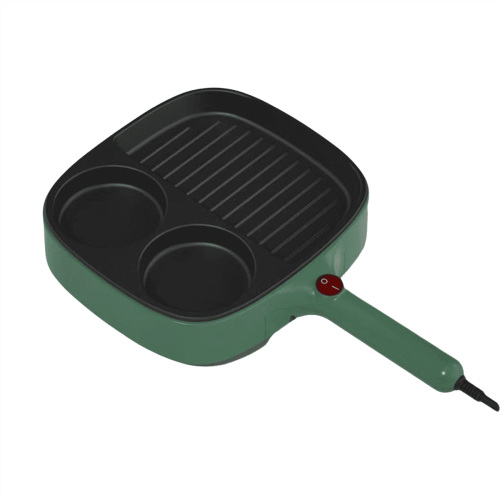
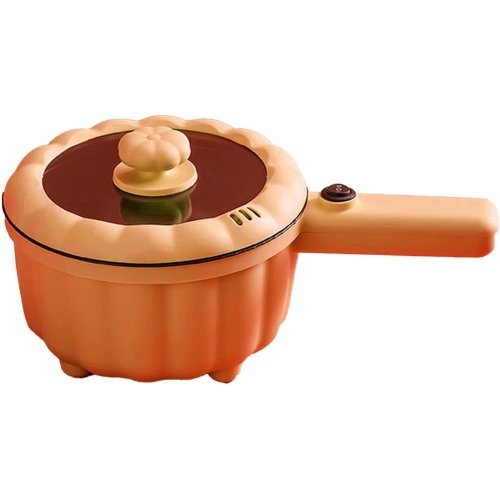
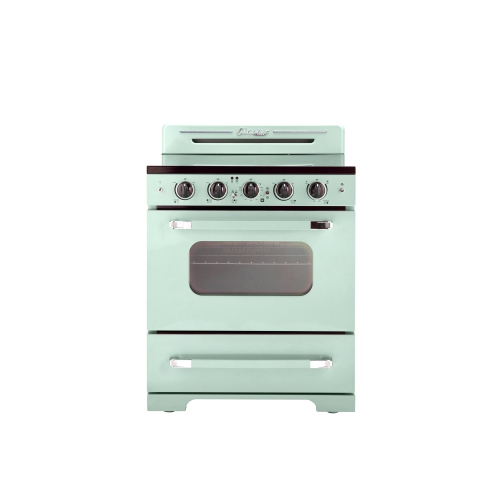
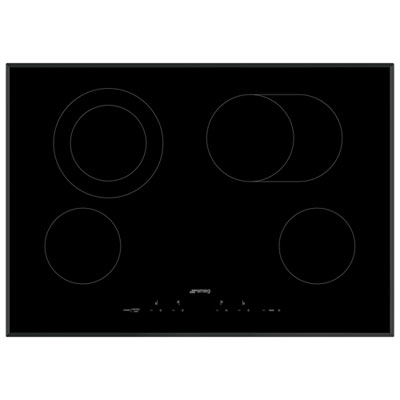


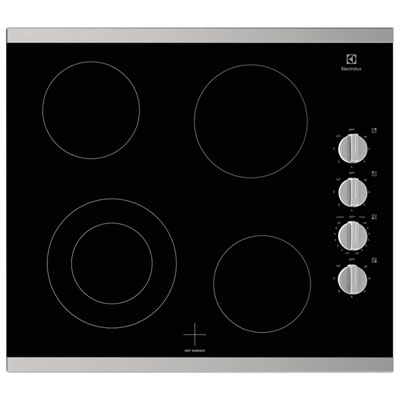
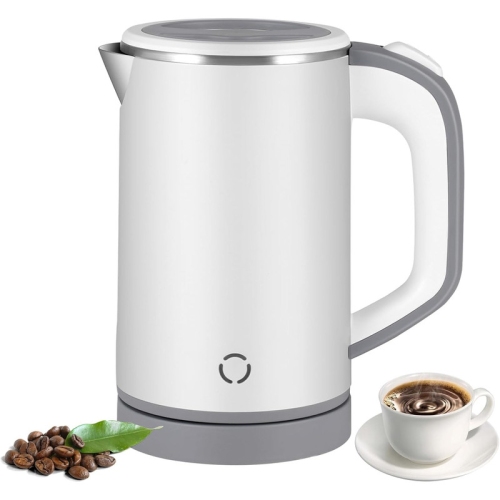
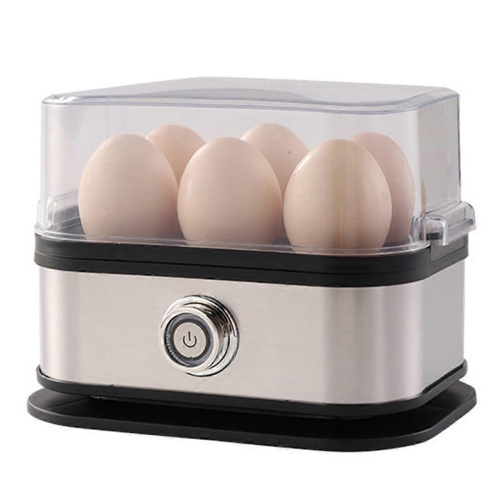
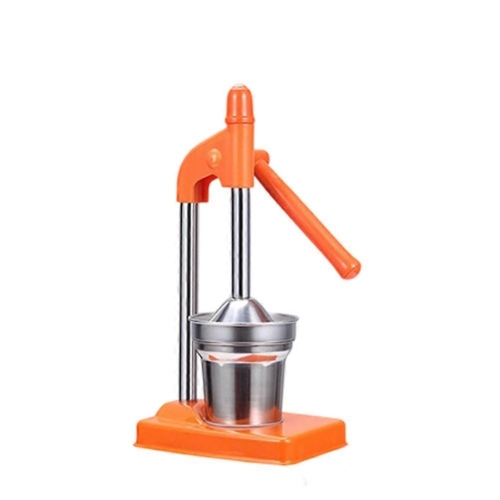

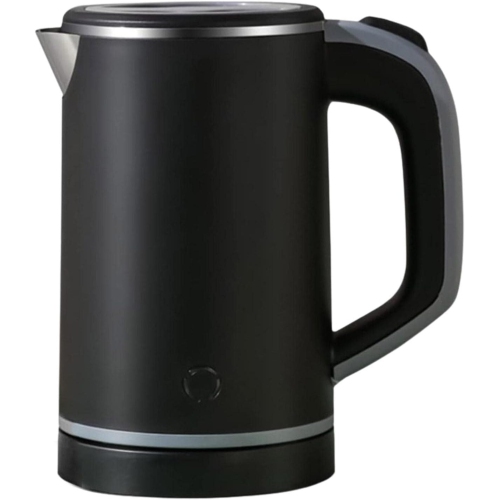
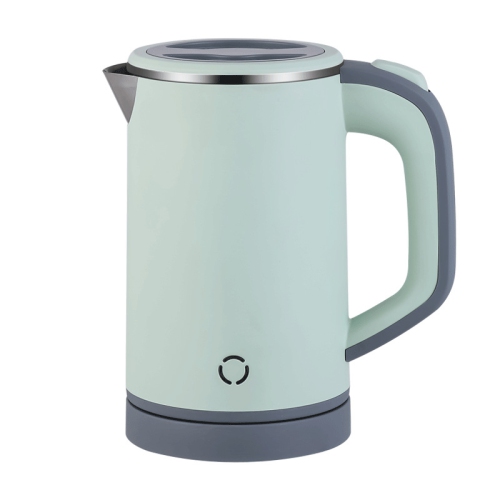

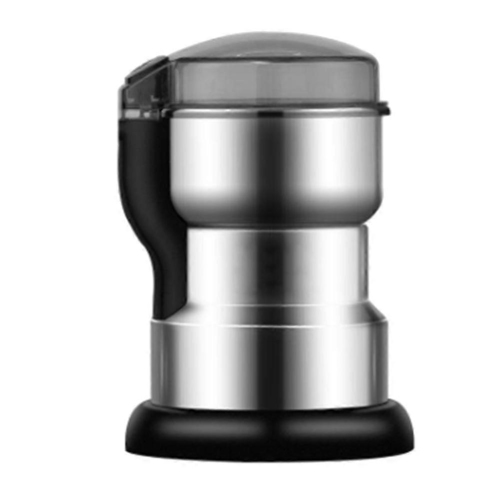

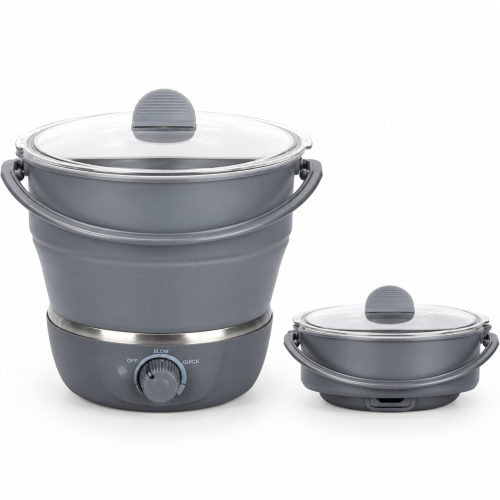
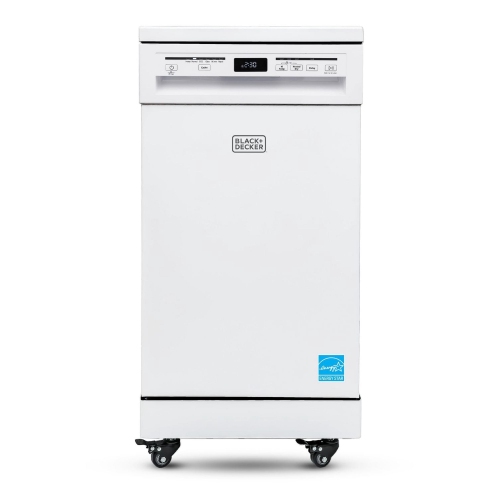
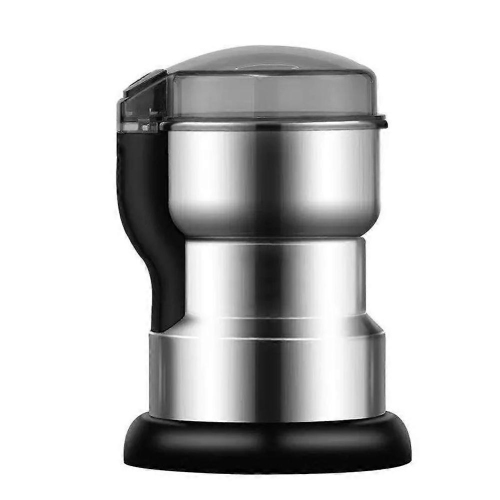
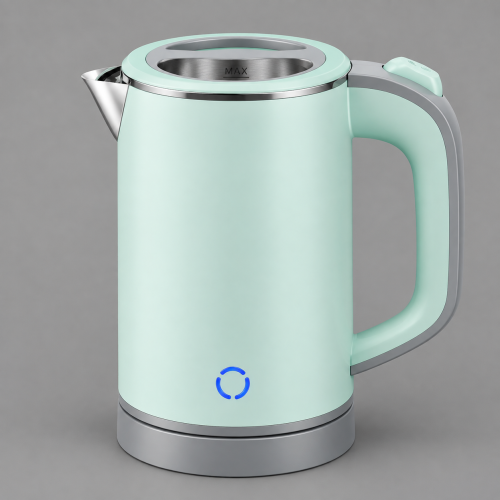
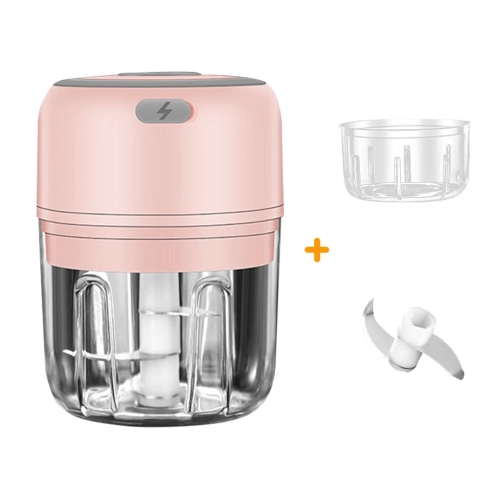

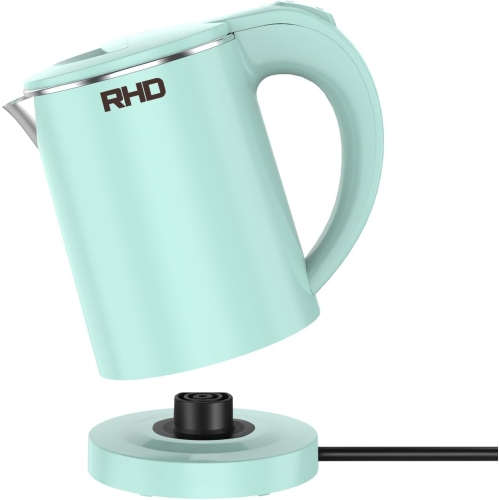
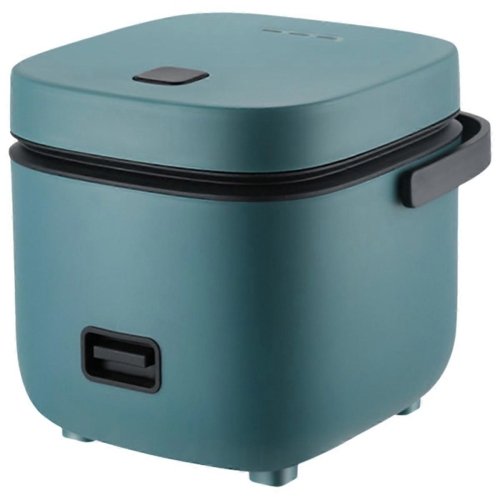
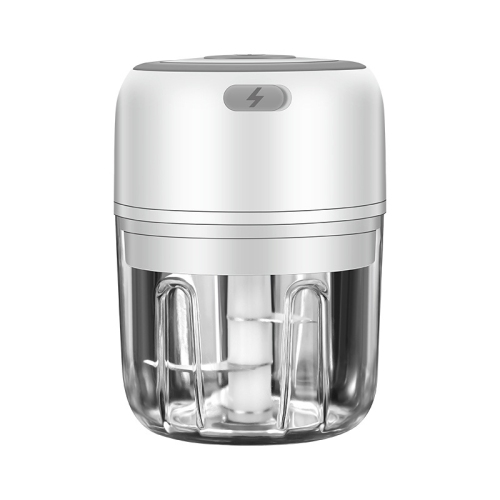
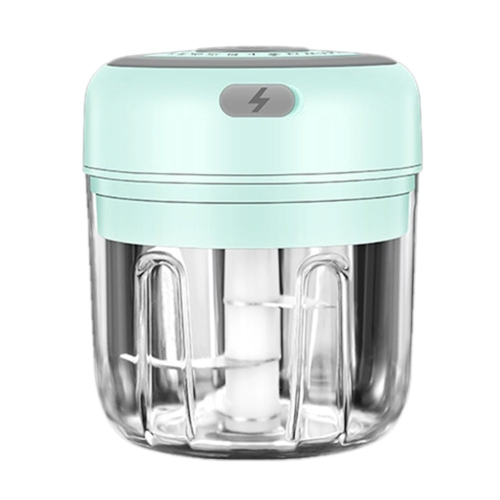



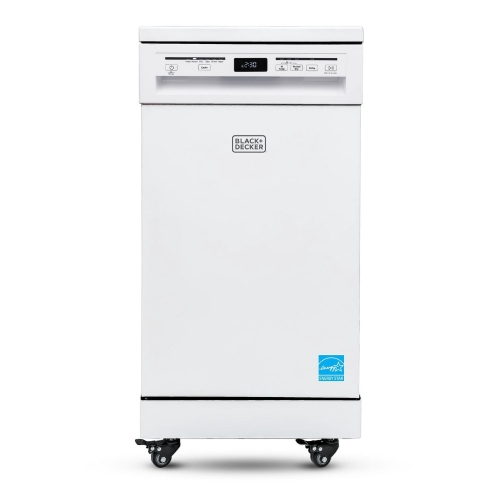

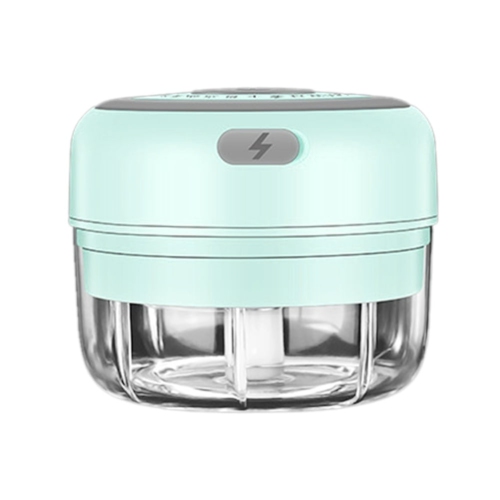
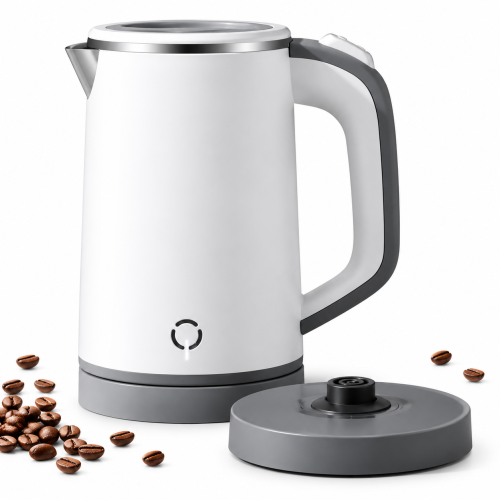
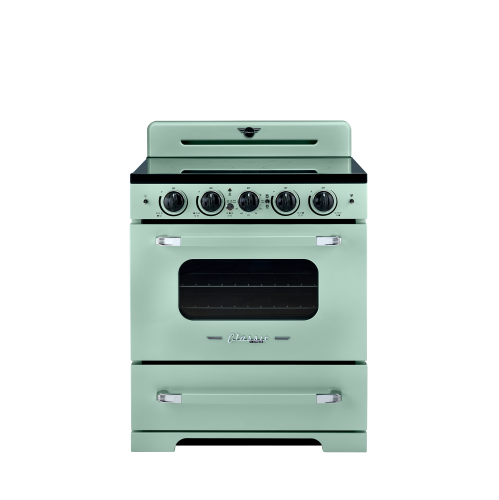



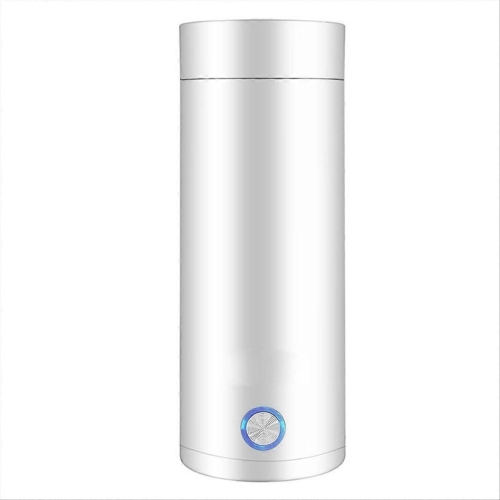
Important voltage and frequency considerations for kitchens abroad
220V small kitchen appliances are designed for electrical systems that supply approximately 220–240 volts, a standard found in many homes across Europe, Asia, Africa, Oceania and other regions. In Canada, ordinary household outlets generally provide 120 volts, so voltage compatibility should be the first consideration before choosing an appliance for a kitchen, suite, workshop, cottage or travel setup. A plug-shape adapter only changes the physical connection; it does not change the electricity supplied to the appliance. Using a 220V appliance in a 120V outlet without the proper equipment can prevent it from operating correctly and may create a safety hazard. A step-up transformer may be suitable for some situations, but it must be rated for the appliance’s wattage and intended use, with additional capacity for products that draw more power when heating, blending, grinding or starting a motor. A dedicated 220V outlet installed by a qualified electrician may be the more appropriate option for a fixed kitchen arrangement. Always read the electrical label, instruction manual and manufacturer’s specifications before plugging anything in, and look for wording such as “220–240V,” “dual voltage” or “100–240V.” The frequency rating is just as important as the voltage: many 220V regions use 50Hz, while Canada commonly uses 60Hz. A motor-driven appliance may run at the wrong speed, produce excess heat or suffer premature wear when the frequency does not match, even if a transformer corrects the voltage. Heating appliances may be less sensitive to frequency, but their wattage, plug type, grounding requirements and operating instructions still need to be checked carefully. For a move, renovation, international household or destination abroad, buying an appliance made for the electrical system where it will be used is often simpler than relying on converters. For a Canadian kitchen that does not require 220V compatibility, the broader selection of Everyday Small Kitchen Appliances may offer a more suitable starting point.
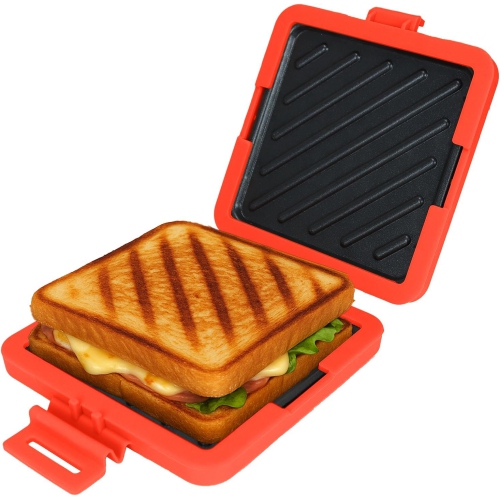
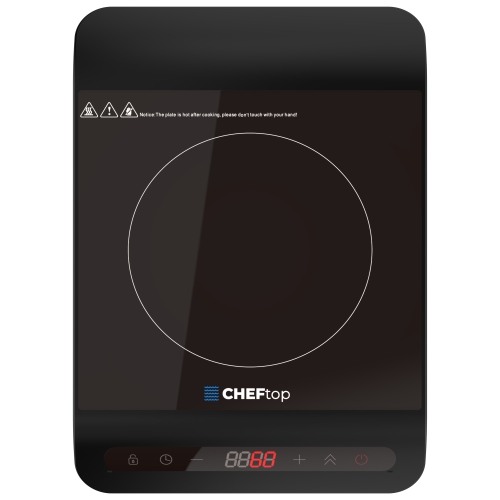
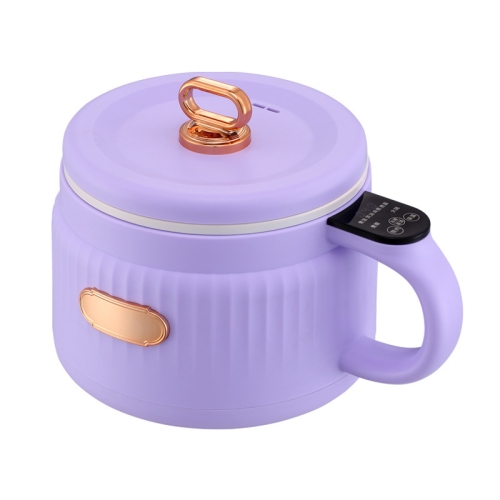
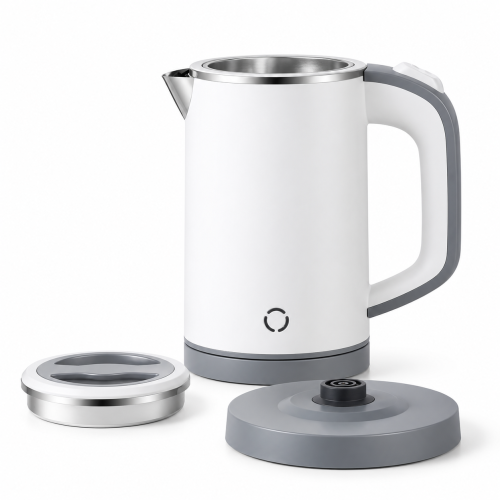
The appeal of 220V small kitchen appliances is their ability to bring familiar routines to places where the local electrical standard is different. A compact kettle can make a quiet morning easier in a furnished apartment, while a countertop cooking appliance can help prepare rice, grains, soups or one-pot meals when the main kitchen is limited. Beverage makers, blenders, juicers, food processors, stand mixers, toaster-style appliances, hot plates and multi-cookers can each help with a particular task without taking up the space or installation time required by a full-size appliance. They can be especially useful for international students, newcomers setting up a home, travellers staying in long-term accommodation, property owners furnishing a rental overseas or families maintaining a kitchen in more than one country. They may also make practical gifts for someone moving abroad, provided the voltage, frequency, plug and local regulations have been confirmed first. A useful gift is one that can be unpacked and used confidently rather than one that requires a complicated electrical workaround. Size and storage deserve attention as well: measure the counter, cabinet and cupboard space, allowing room around vents and controls, and consider whether the appliance will be left out or packed away after each use. Capacity should match the household, since a compact device can be convenient for one or two people but frustrating for larger batches, while a larger model may be unnecessary in a small kitchenette. Look at controls that are easy to understand, readable markings, removable parts, cleaning instructions and the availability of replacement components in the destination country. For motorized appliances, consider operating noise and the effect of the wrong frequency; for heated appliances, check power consumption and whether the transformer or circuit can safely support the load. Confirm that the plug and grounding arrangement suit the intended outlet, and avoid extension cords or power strips that are not rated for the appliance. During the warmer part of the year, compact appliances can support lighter preparation and drinks without requiring lengthy cooking, while during cooler months they can be useful for warm breakfasts, comforting soups and shared meals prepared in a small space. Whichever category fits the routine, careful attention to electrical specifications, capacity, counter space, cleaning and local support helps ensure that a 220V appliance is convenient from the first use and remains dependable throughout everyday cooking.
The appeal of 220V small kitchen appliances is their ability to bring familiar routines to places where the local electrical standard is different. A compact kettle can make a quiet morning easier in a furnished apartment, while a countertop cooking appliance can help prepare rice, grains, soups or one-pot meals when the main kitchen is limited. Beverage makers, blenders, juicers, food processors, stand mixers, toaster-style appliances, hot plates and multi-cookers can each help with a particular task without taking up the space or installation time required by a full-size appliance. They can be especially useful for international students, newcomers setting up a home, travellers staying in long-term accommodation, property owners furnishing a rental overseas or families maintaining a kitchen in more than one country. They may also make practical gifts for someone moving abroad, provided the voltage, frequency, plug and local regulations have been confirmed first. A useful gift is one that can be unpacked and used confidently rather than one that requires a complicated electrical workaround. Size and storage deserve attention as well: measure the counter, cabinet and cupboard space, allowing room around vents and controls, and consider whether the appliance will be left out or packed away after each use. Capacity should match the household, since a compact device can be convenient for one or two people but frustrating for larger batches, while a larger model may be unnecessary in a small kitchenette. Look at controls that are easy to understand, readable markings, removable parts, cleaning instructions and the availability of replacement components in the destination country. For motorized appliances, consider operating noise and the effect of the wrong frequency; for heated appliances, check power consumption and whether the transformer or circuit can safely support the load. Confirm that the plug and grounding arrangement suit the intended outlet, and avoid extension cords or power strips that are not rated for the appliance. During the warmer part of the year, compact appliances can support lighter preparation and drinks without requiring lengthy cooking, while during cooler months they can be useful for warm breakfasts, comforting soups and shared meals prepared in a small space. Whichever category fits the routine, careful attention to electrical specifications, capacity, counter space, cleaning and local support helps ensure that a 220V appliance is convenient from the first use and remains dependable throughout everyday cooking.
Top selling and popular products
-
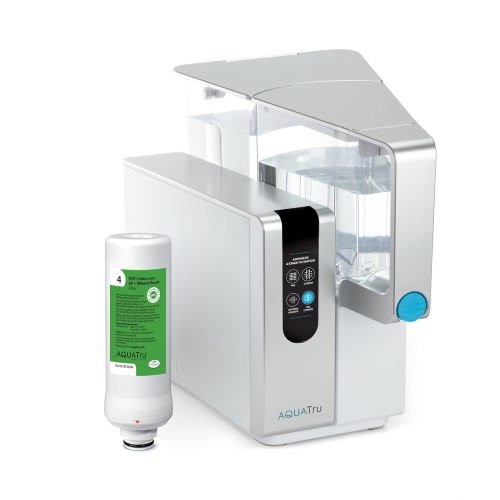 Your price for this item is $684.88
-
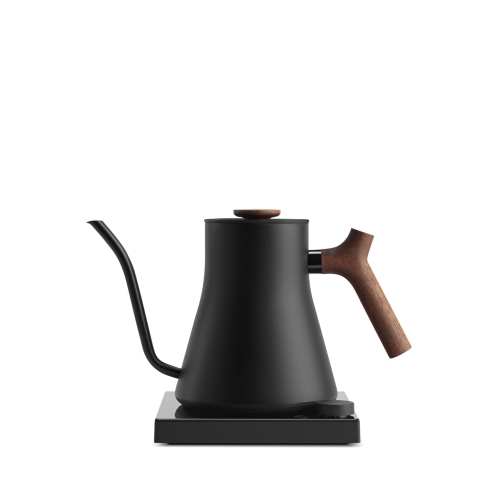 Your price for this item is $325
-
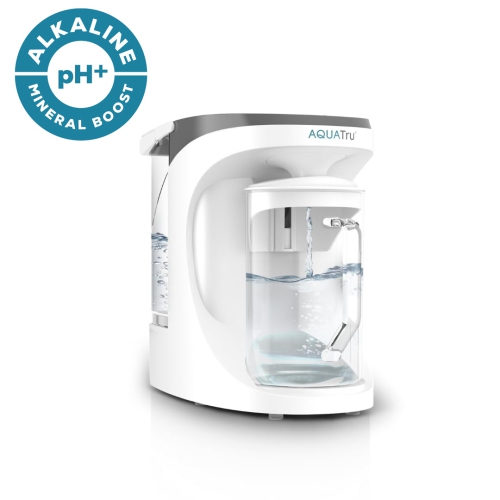 Your price for this item is $543.42
-
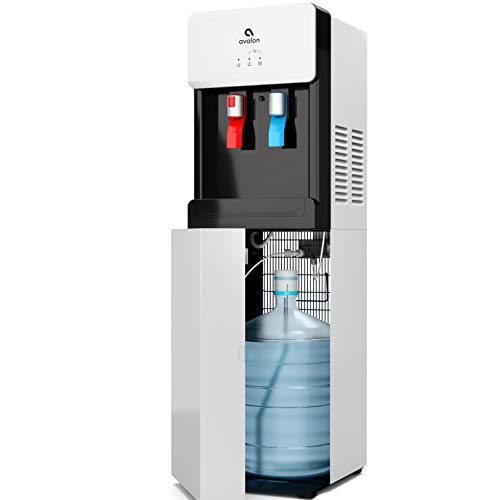 Your price for this item is $480
-
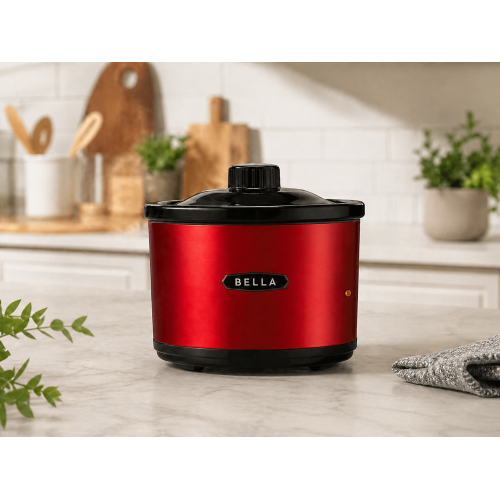 Your price for this item is $69.99
-
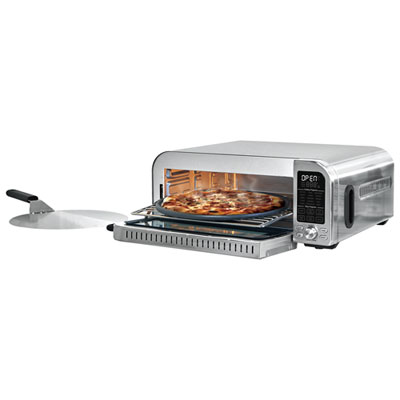 Your price for this item is $449.99
-
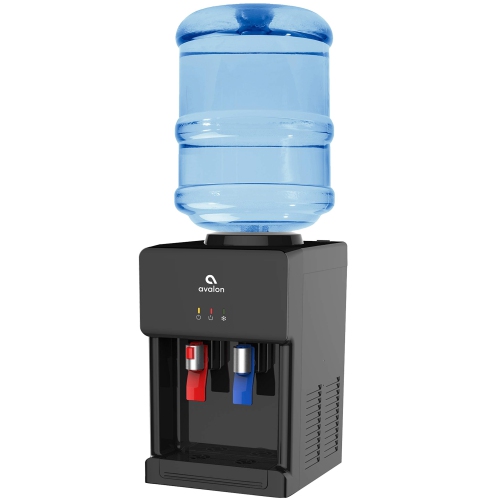 Your price for this item is $245.68
-
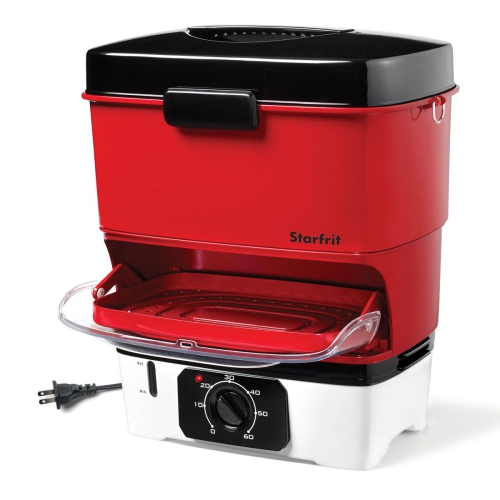 Your price for this item is $99.99
Discover more categories related to 220V Small Kitchen Appliances

Top Collections:
Pokemon Centers, Kindle Devices, Best Budget Office Chairs, Canon G7X Cameras, Apple iPhones 16, Samsung Galaxy Phones, Refurbished Apple Laptops, Laptops for Students, iPhone 15 Apple, Budget Smartphones
Some products may be subject to Environmental Handling Fees
(EHF) depending on your province.
Learn more about EHFs.