33 Inch French Door Refrigerators
Upgrade your kitchen with sleek and spacious 33-inch french door refrigerators. Whether you're hosting a dinner party or simply stocking up on essentials, these refrigerators offer the perfect blend of efficiency and elegance for your everyday needs. Here are some great options for you.
Sort

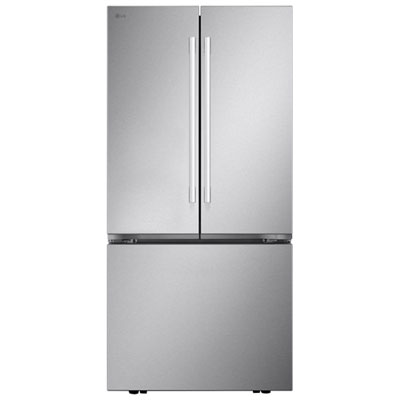
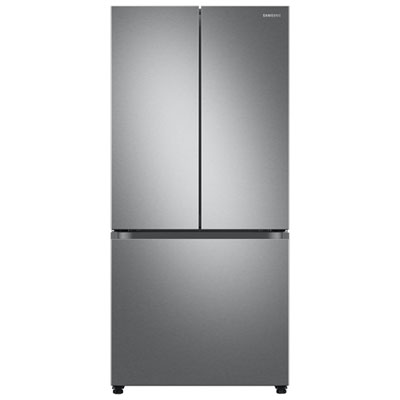
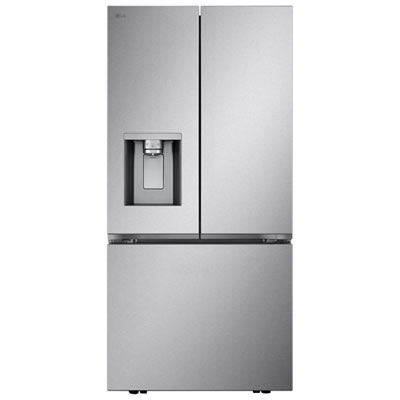
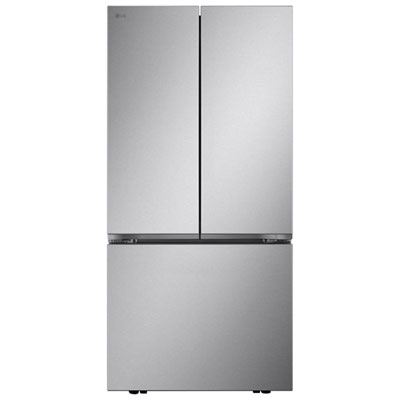
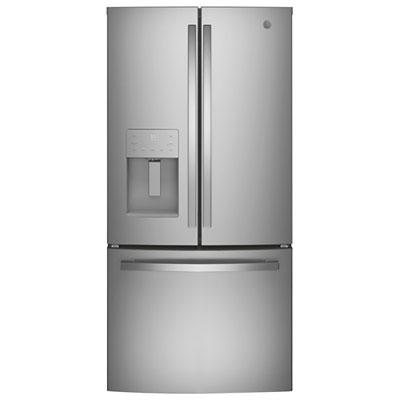
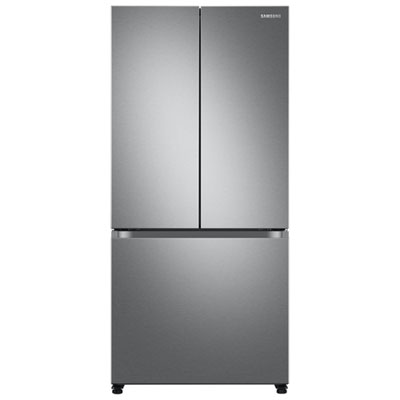
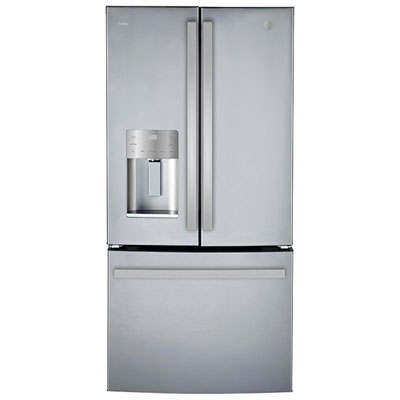
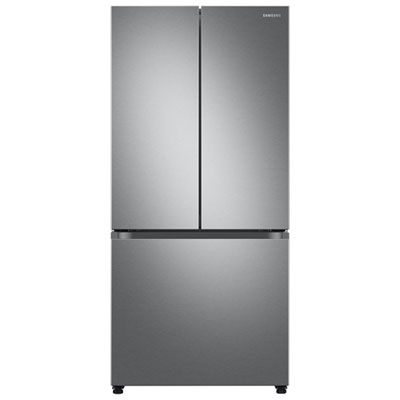
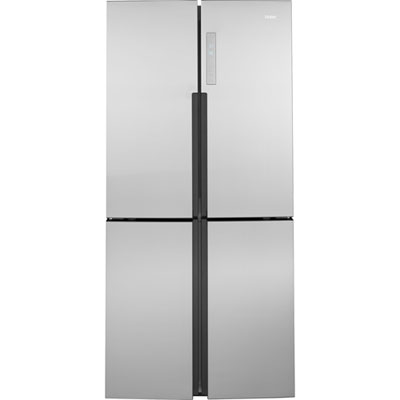
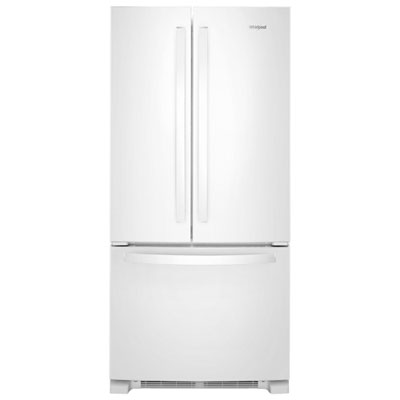
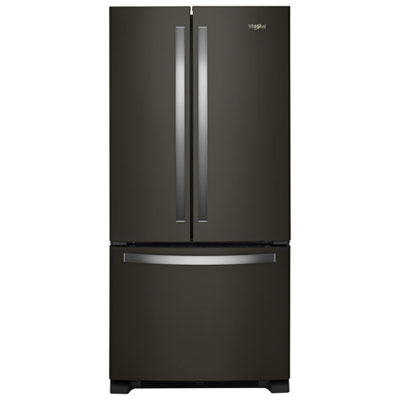
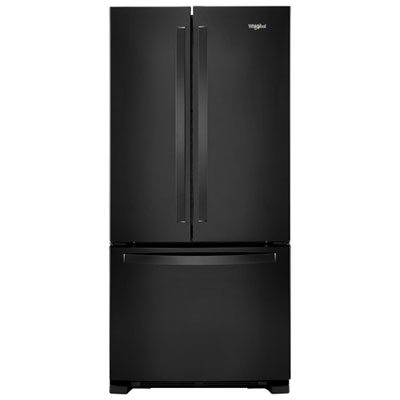
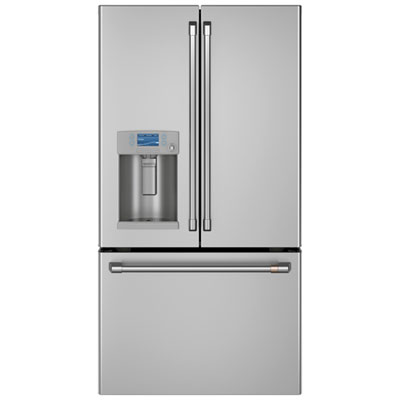
Room for wider dishes without a wider opening
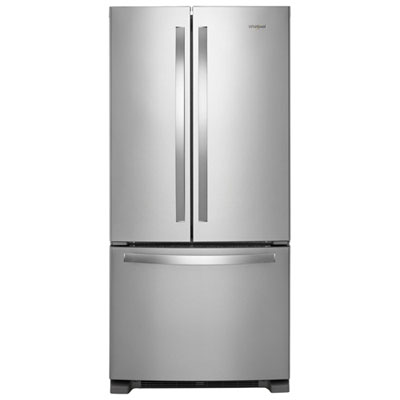
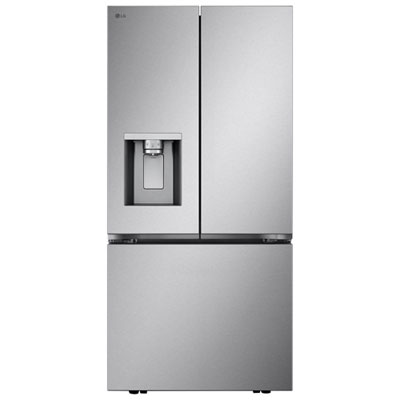
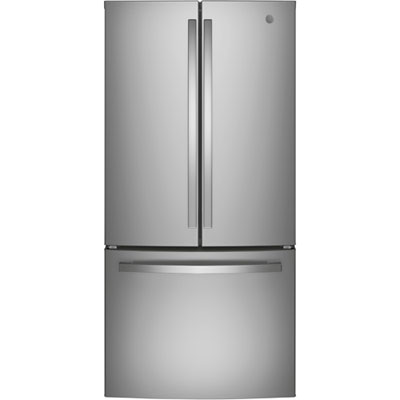
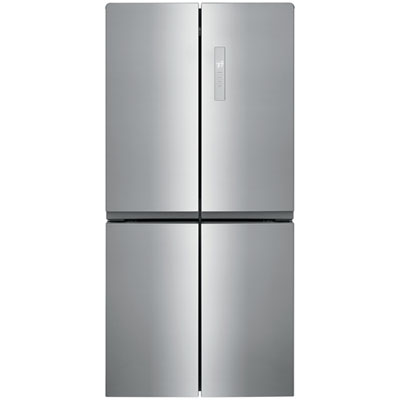
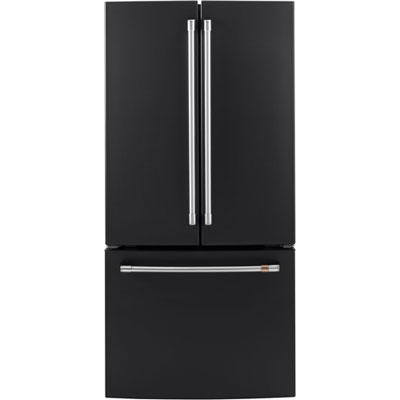
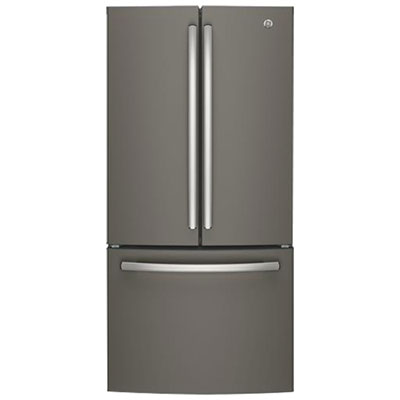
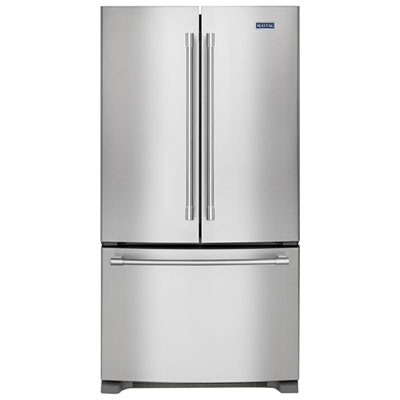
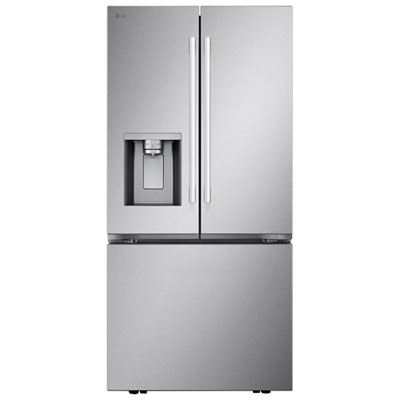
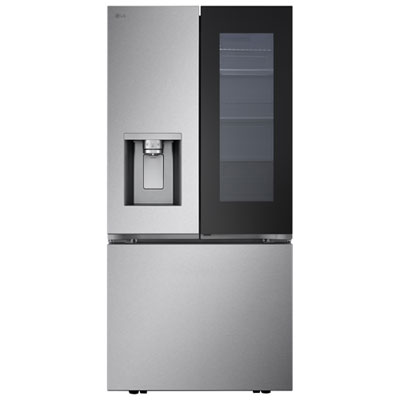
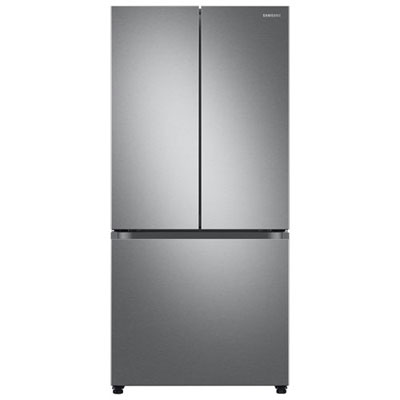
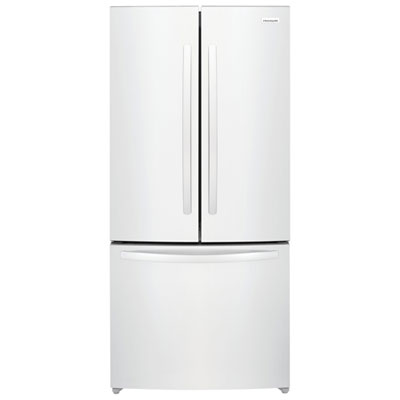
33-inch French door refrigerators combine two side-by-side fresh-food doors with a freezer below, bringing a wide refrigerated compartment to kitchens with a narrower appliance opening. This layout keeps frequently used foods near eye level while making room for wider dishes that can be awkward to store in a narrow, vertical compartment. A covered casserole, a tray of prepared vegetables, or a platter for a family meal can sit across a shelf, depending on the interior dimensions and shelf arrangement. For households replacing a fridge in an older kitchen, the 33-inch width category can offer a practical balance between storage and fit without requiring a wider cabinet opening. It can also suit compact kitchens where a larger refrigerator would take up too much room beside a pantry or preparation area. Capacity varies by design, with many refrigerators in this width category offering approximately 18 to 25 cubic feet of total storage. That total includes both the refrigerator and freezer, so the division between the two matters as much as the overall number. A household that cooks mostly with fresh ingredients may value generous produce drawers and flexible shelves, while someone who freezes batch-cooked meals may place more importance on freezer baskets and dividers. Counter-depth versions have shallower cabinets for a more streamlined fit alongside kitchen cabinetry, often with less storage than standard-depth designs. Their doors and handles may still extend beyond the counter, so counter-depth does not necessarily mean completely flush. Standard-depth refrigerators project farther into the kitchen but generally provide more usable depth for groceries. The better fit depends on both the kitchen layout and everyday routines: room for a large weekly grocery shop may matter more than a closely aligned cabinet front, or a clearer walkway may take priority over additional shelf depth. French doors also have a narrower individual swing than a single full-width refrigerator door, which can be helpful near an island, although sufficient opening clearance is still essential.
The width category is only the starting point when assessing fit. A 33-inch French door refrigerator is not guaranteed to fit every opening described as 33 inches wide; actual appliance dimensions and the manufacturer’s required ventilation clearances determine the space needed. Width measurements at the top, middle, and bottom of the opening can reveal uneven walls or cabinetry, while the height measurement needs to account for hinges and any cupboard above the fridge. Depth deserves particular attention because specifications may distinguish between the cabinet alone, the appliance with doors, and the full depth including handles. Baseboards, a water connection, or a protruding outlet can also affect how far back the refrigerator can sit. Near a side wall, a door may open far enough to reach a carton of milk but not far enough to remove a crisper drawer for cleaning. The required door-opening angle and side clearance are therefore useful details to check before settling on a layout. There should also be enough space in front to extend the freezer drawer comfortably without blocking a busy passage through the kitchen. Delivery access matters just as much as the final opening, particularly in homes with narrow entranceways, tight stair landings, or a lift. Where the kitchen has a genuinely wider appliance opening, 36-inch French door refrigerators offer another width category to consider, but the same clearance checks still apply. Inside a 33-inch design, adjustable shelves, split shelves, and movable door bins can make the space more adaptable. A shelf that slides or folds back may accommodate a tall pitcher without rearranging the entire compartment. Deep door bins can hold condiments and suitable beverage containers, leaving main shelves clearer for meal ingredients. Humidity-controlled crispers help separate produce with different storage needs, while a full-width drawer can keep packaged deli foods or serving trays together. Drawer temperature controls, where included, add flexibility, though their settings and intended uses vary. Clear sightlines and well-positioned lighting can be especially useful when several people share the fridge and groceries need to be easy to find.
Materials, finish, and upkeep influence how well a refrigerator fits into daily life long after installation. Stainless steel provides a metallic finish that coordinates with many kitchen appliances, while coated and painted finishes offer other looks. Fingerprint-resistant surfaces can make everyday marks less noticeable, but they still need cleaning with products suitable for the specific finish. A soft cloth and the manufacturer’s approved cleaning method help prevent scratches or damage to protective coatings; abrasive pads are best avoided. Inside, glass shelves provide a smooth surface for wiping up spills, and shelves with raised edges can help contain small leaks. Removable bins and drawers make deeper cleaning easier, provided there is room to take them out. Cold glass should be allowed to warm before washing in warmer water to reduce the risk of cracking from a sudden temperature change. Durable everyday use also depends on handling: door bins should stay within their stated load limits, drawers should move freely without being forced, and packages should not obstruct interior vents. Leaving airflow paths clear helps the appliance maintain its intended temperatures. Door seals benefit from gentle cleaning so crumbs and sticky residue do not interfere with closing. Water and ice features introduce another set of practical considerations. An external dispenser offers access without opening the fresh-food doors, while an internal dispenser keeps the exterior simpler. Dispenser and ice-making hardware can take up storage space, and connected systems generally require a suitable water supply, installation provisions, and ongoing filter care where applicable. For households that rarely use chilled filtered water or ice, a simpler configuration may better match everyday needs. Sound is another consideration in open-plan homes: compressor operation, fans, and ice dropping into a bin can all be noticeable during quiet periods. Accessible controls, comfortable handles, and smooth freezer-drawer movement also deserve attention, particularly when the appliance serves people of different heights or mobility levels. Whether holding school lunches, fresh ingredients for evening meals, or containers of soup during the cooler months, a well-matched 33-inch French door refrigerator should make those routines easier through suitable proportions, useful storage, and straightforward care.
The width category is only the starting point when assessing fit. A 33-inch French door refrigerator is not guaranteed to fit every opening described as 33 inches wide; actual appliance dimensions and the manufacturer’s required ventilation clearances determine the space needed. Width measurements at the top, middle, and bottom of the opening can reveal uneven walls or cabinetry, while the height measurement needs to account for hinges and any cupboard above the fridge. Depth deserves particular attention because specifications may distinguish between the cabinet alone, the appliance with doors, and the full depth including handles. Baseboards, a water connection, or a protruding outlet can also affect how far back the refrigerator can sit. Near a side wall, a door may open far enough to reach a carton of milk but not far enough to remove a crisper drawer for cleaning. The required door-opening angle and side clearance are therefore useful details to check before settling on a layout. There should also be enough space in front to extend the freezer drawer comfortably without blocking a busy passage through the kitchen. Delivery access matters just as much as the final opening, particularly in homes with narrow entranceways, tight stair landings, or a lift. Where the kitchen has a genuinely wider appliance opening, 36-inch French door refrigerators offer another width category to consider, but the same clearance checks still apply. Inside a 33-inch design, adjustable shelves, split shelves, and movable door bins can make the space more adaptable. A shelf that slides or folds back may accommodate a tall pitcher without rearranging the entire compartment. Deep door bins can hold condiments and suitable beverage containers, leaving main shelves clearer for meal ingredients. Humidity-controlled crispers help separate produce with different storage needs, while a full-width drawer can keep packaged deli foods or serving trays together. Drawer temperature controls, where included, add flexibility, though their settings and intended uses vary. Clear sightlines and well-positioned lighting can be especially useful when several people share the fridge and groceries need to be easy to find.
Materials, finish, and upkeep influence how well a refrigerator fits into daily life long after installation. Stainless steel provides a metallic finish that coordinates with many kitchen appliances, while coated and painted finishes offer other looks. Fingerprint-resistant surfaces can make everyday marks less noticeable, but they still need cleaning with products suitable for the specific finish. A soft cloth and the manufacturer’s approved cleaning method help prevent scratches or damage to protective coatings; abrasive pads are best avoided. Inside, glass shelves provide a smooth surface for wiping up spills, and shelves with raised edges can help contain small leaks. Removable bins and drawers make deeper cleaning easier, provided there is room to take them out. Cold glass should be allowed to warm before washing in warmer water to reduce the risk of cracking from a sudden temperature change. Durable everyday use also depends on handling: door bins should stay within their stated load limits, drawers should move freely without being forced, and packages should not obstruct interior vents. Leaving airflow paths clear helps the appliance maintain its intended temperatures. Door seals benefit from gentle cleaning so crumbs and sticky residue do not interfere with closing. Water and ice features introduce another set of practical considerations. An external dispenser offers access without opening the fresh-food doors, while an internal dispenser keeps the exterior simpler. Dispenser and ice-making hardware can take up storage space, and connected systems generally require a suitable water supply, installation provisions, and ongoing filter care where applicable. For households that rarely use chilled filtered water or ice, a simpler configuration may better match everyday needs. Sound is another consideration in open-plan homes: compressor operation, fans, and ice dropping into a bin can all be noticeable during quiet periods. Accessible controls, comfortable handles, and smooth freezer-drawer movement also deserve attention, particularly when the appliance serves people of different heights or mobility levels. Whether holding school lunches, fresh ingredients for evening meals, or containers of soup during the cooler months, a well-matched 33-inch French door refrigerator should make those routines easier through suitable proportions, useful storage, and straightforward care.
Top selling and popular products
-
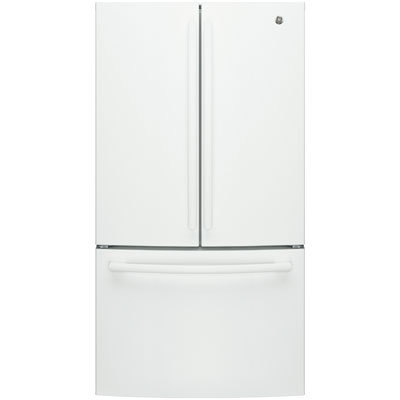 Your price for this item is $3299.99
 -
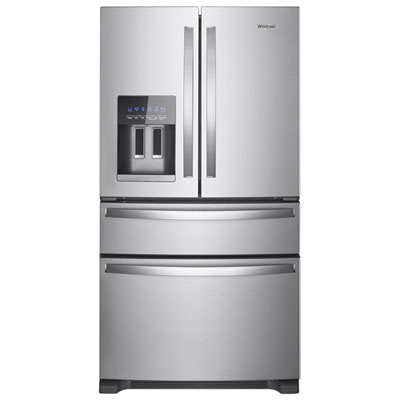 Your price for this item is $2999.99
 -
 Your price for this item is $2899.99
 -
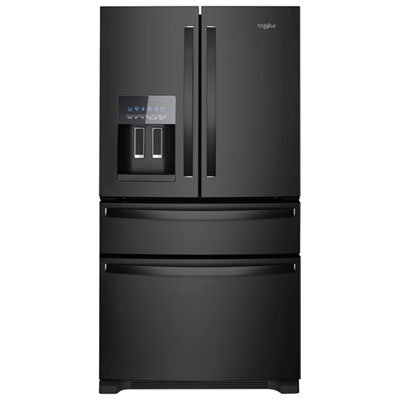 Your price for this item is $2949.99
 -
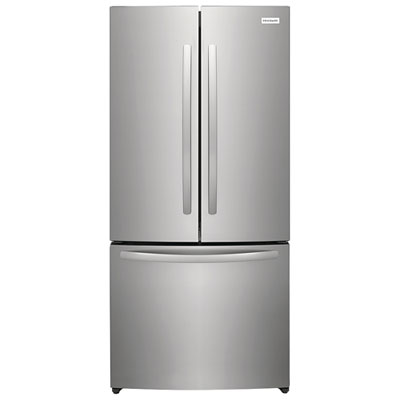 Your price for this item is $1599.99
 -
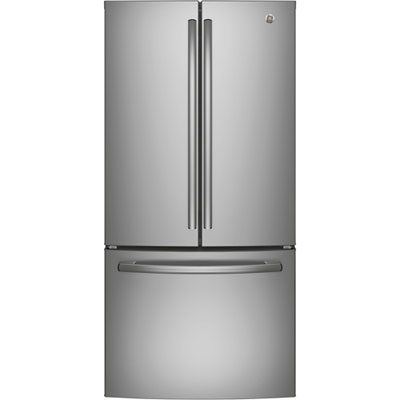 Your price for this item is $2399.99
 -
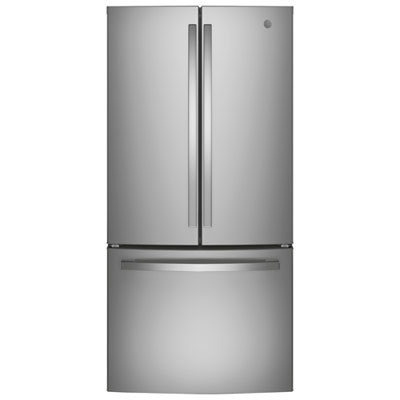 Your price for this item is $2499.99
 -
 Your price for this item is $1949.99
Discover more categories related to 33 Inch French Door Refrigerators
Top Collections:
Pokemon Centers, Kindle Devices, Best Budget Office Chairs, Apple iPhones 16, Best Laptops for Writers, iPhone 15 Apple, Canon G7X Cameras, Refurbished Apple Laptops, Alarm Clock, Motorola Razr Phones
Some products may be subject to Environmental Handling Fees
(EHF) depending on your province.
Learn more about EHFs.