Air Purifiers for Dorm Room
Creating a comfortable and healthy living space is essential for any student, and an air purifier for dorm room use can be a game-changer in achieving this goal. These compact and efficient devices are designed to improve air quality by reducing common pollutants, making them perfect for smaller spaces like dorms. Whether you're dealing with allergens, dust, or simply want to ensure a fresher environment, an air purifier can help create a more inviting atmosphere for studying, relaxing, and socializing. Explore this selection to find the ideal solution that fits seamlessly into your dorm room lifestyle.
Sort
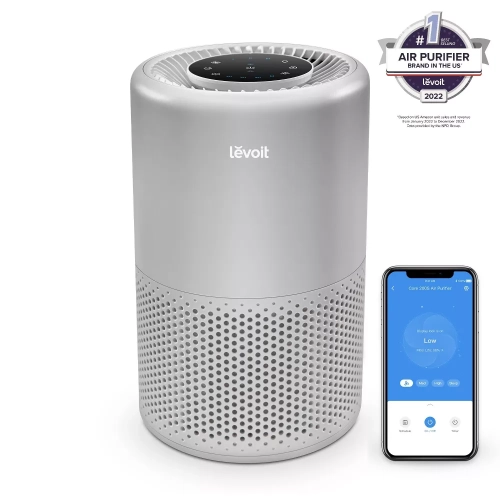
![LEVOIT Core 300 True Hepa Air Purifier In White [Employee of bestbuy] Still run great ,love it](https://multimedia.bbycastatic.ca/multimedia/products/500x500/171/17157/17157111.webp)

What matters most when comparing dorm-room air purifiers
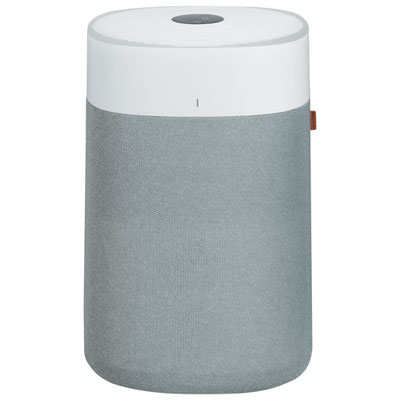
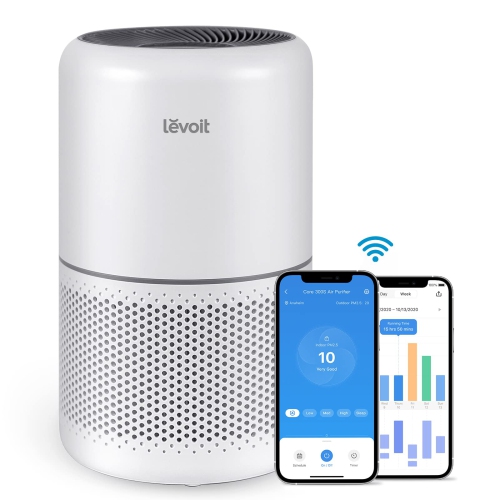
An air purifier can be a practical addition to a dorm room, especially when a small space serves as a bedroom, study area, lounge and storage spot all at once. With limited ventilation, shared hallways and plenty of daily activity nearby, dorm rooms can collect airborne dust, pollen, lint and other particles that settle on bedding, desks and electronics. An air purifier for a dorm room is designed to circulate the room’s air through one or more filters, helping reduce the amount of unwanted material moving through the space. Compact models are often well suited to typical dorm rooms of approximately 150 to 200 square feet, with footprints that can fit on a dresser, desk, shelf or a clear section of floor. When comparing options, look for the recommended room size and clean air delivery rate, often listed as CADR, rather than choosing based on appearance alone. A higher CADR generally means the purifier can move and filter air more quickly, while a smaller unit may be a better match for a compact room where space and sound levels are the main priorities. For anyone moving into residence, an air purifier can be a thoughtful housewarming or back-to-school gift that supports a more comfortable personal space without requiring a complicated installation. It can also be useful for students who spend long hours studying in their room, people who share a building with pets, or anyone who notices seasonal pollen, household dust or lingering odours becoming more noticeable indoors.
Filtration is one of the most important details to review before choosing an air purifier for a dorm room. A True HEPA filter is designed to capture up to 99.97% of particles as small as 0.3 microns under controlled test conditions, including many airborne dust particles, pollen and other fine particles. This does not mean that every air purifier removes every irritant, or that it replaces regular cleaning, ventilation or medical treatment, but it can be a useful part of a broader indoor-air routine. Many units also include an activated carbon filter, which helps reduce certain odours from sources such as cooking, damp fabrics, gym shoes or busy shared living areas. Pre-filters can catch larger particles before they reach the main filter and may help extend filter life when they are cleaned according to the manufacturer’s instructions. Filter replacement schedules vary, so check the expected lifespan, replacement cost and availability before buying. In a dorm, quiet operation matters just as much as filtration. A sleep mode or low fan setting can help keep the sound from competing with lectures, music, video calls or a full night’s rest; some quiet models operate below roughly 26 decibels on their lowest setting. Automatic modes and built-in air-quality sensors can adjust fan speed when the purifier detects a change, while timer functions can limit operation to study periods or overnight use. Wi-Fi or app controls may be convenient for checking settings from a phone, but they are optional features rather than essential requirements. A straightforward control panel can be the better fit for a student who wants reliable operation without adding another connected device to manage.
Placement and daily use also influence how well an air purifier performs. Leave space around the air intake and outlet, and avoid pushing the unit tightly against a wall, curtain or stack of belongings. A clear, stable surface with access to a suitable electrical outlet is preferable to a crowded floor where the purifier could be knocked over. If the room has a desk and bed on opposite sides, positioning the unit where air can circulate freely may provide more even coverage than placing it in a corner behind furniture. Keep doors and windows in mind as well: opening a window can bring in fresh outdoor air, but it can also introduce pollen, smoke or other outdoor particles, depending on local conditions. An air purifier should not block a heater, cover a vent or be placed where moisture could reach it. Follow the instructions for filter cleaning and replacement, and remember that a purifier works continuously as air passes through it; it does not instantly clear an entire room after one short cycle. During the warmer seasons, it may help with pollen and dust brought in on clothing, while during cooler months it can be useful when windows stay closed and indoor odours linger longer. Students moving into a first residence, parents preparing a room for a new semester, and roommates looking for a quieter way to improve the feel of a shared space can all compare options through Air Purifiers for Small Dorm Rooms. Consider the room’s square footage, the purifier’s airflow rating, filter type, noise level, controls, maintenance requirements and available placement before making a selection. The right balance of compact size, steady circulation and manageable upkeep can make an air purifier a useful part of a dorm-room routine without taking over valuable living space.
Filtration is one of the most important details to review before choosing an air purifier for a dorm room. A True HEPA filter is designed to capture up to 99.97% of particles as small as 0.3 microns under controlled test conditions, including many airborne dust particles, pollen and other fine particles. This does not mean that every air purifier removes every irritant, or that it replaces regular cleaning, ventilation or medical treatment, but it can be a useful part of a broader indoor-air routine. Many units also include an activated carbon filter, which helps reduce certain odours from sources such as cooking, damp fabrics, gym shoes or busy shared living areas. Pre-filters can catch larger particles before they reach the main filter and may help extend filter life when they are cleaned according to the manufacturer’s instructions. Filter replacement schedules vary, so check the expected lifespan, replacement cost and availability before buying. In a dorm, quiet operation matters just as much as filtration. A sleep mode or low fan setting can help keep the sound from competing with lectures, music, video calls or a full night’s rest; some quiet models operate below roughly 26 decibels on their lowest setting. Automatic modes and built-in air-quality sensors can adjust fan speed when the purifier detects a change, while timer functions can limit operation to study periods or overnight use. Wi-Fi or app controls may be convenient for checking settings from a phone, but they are optional features rather than essential requirements. A straightforward control panel can be the better fit for a student who wants reliable operation without adding another connected device to manage.
Placement and daily use also influence how well an air purifier performs. Leave space around the air intake and outlet, and avoid pushing the unit tightly against a wall, curtain or stack of belongings. A clear, stable surface with access to a suitable electrical outlet is preferable to a crowded floor where the purifier could be knocked over. If the room has a desk and bed on opposite sides, positioning the unit where air can circulate freely may provide more even coverage than placing it in a corner behind furniture. Keep doors and windows in mind as well: opening a window can bring in fresh outdoor air, but it can also introduce pollen, smoke or other outdoor particles, depending on local conditions. An air purifier should not block a heater, cover a vent or be placed where moisture could reach it. Follow the instructions for filter cleaning and replacement, and remember that a purifier works continuously as air passes through it; it does not instantly clear an entire room after one short cycle. During the warmer seasons, it may help with pollen and dust brought in on clothing, while during cooler months it can be useful when windows stay closed and indoor odours linger longer. Students moving into a first residence, parents preparing a room for a new semester, and roommates looking for a quieter way to improve the feel of a shared space can all compare options through Air Purifiers for Small Dorm Rooms. Consider the room’s square footage, the purifier’s airflow rating, filter type, noise level, controls, maintenance requirements and available placement before making a selection. The right balance of compact size, steady circulation and manageable upkeep can make an air purifier a useful part of a dorm-room routine without taking over valuable living space.
Top selling and popular products
-
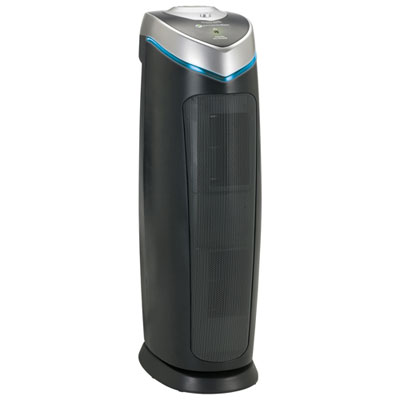 Your price for this item is $139.99
 -
 Your price for this item is $296.99
 -
 Your price for this item is $999.99
 -
 Your price for this item is $729.99
 -
 Your price for this item is $534.99
 -
 Your price for this item is $659.99
 -
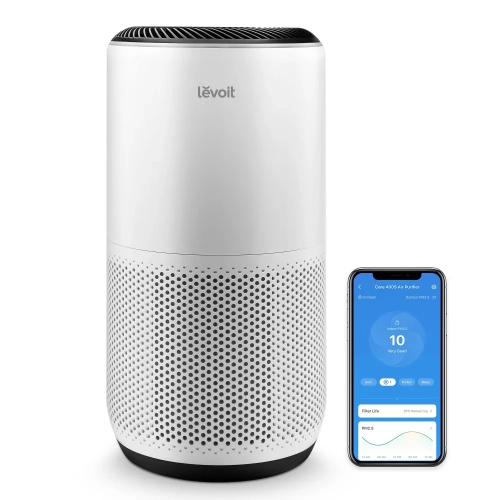 Your price for this item is $699.99
 -
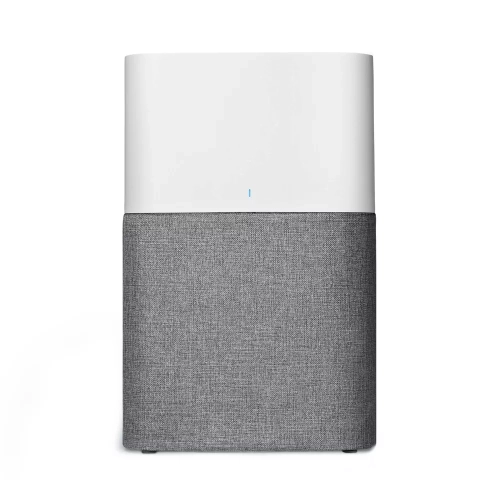 Your price for this item is $989.99
Discover more categories related to Air Purifiers for Dorm Room

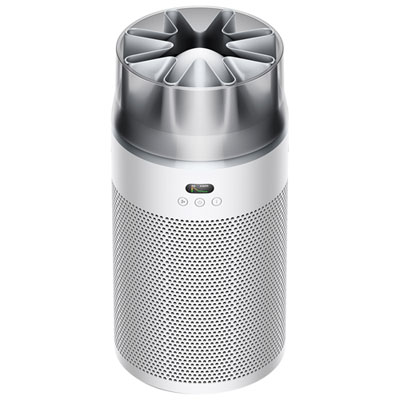
Top Collections:
Pokemon Centers, Kindle Devices, Best Budget Office Chairs, Apple iPhones 16, Best Laptops for Writers, iPhone 15 Apple, Canon G7X Cameras, Refurbished Apple Laptops, Alarm Clock, Motorola Razr Phones
Some products may be subject to Environmental Handling Fees
(EHF) depending on your province.
Learn more about EHFs.