Battery Operated Lanterns Outdoor
Illuminate your outdoor adventures with our selection of battery-operated lanterns designed to brighten up your camping trips, backyard gatherings, or emergency situations. These portable and versatile lanterns offer convenient lighting solutions without the need for electricity, making them perfect for on-the-go use. Whether you're looking for a compact option for hiking or a powerful lantern for your patio, we have a variety of styles and features to suit your needs. Browse through our collection to find the perfect companion for your next outdoor escapade.
Sort
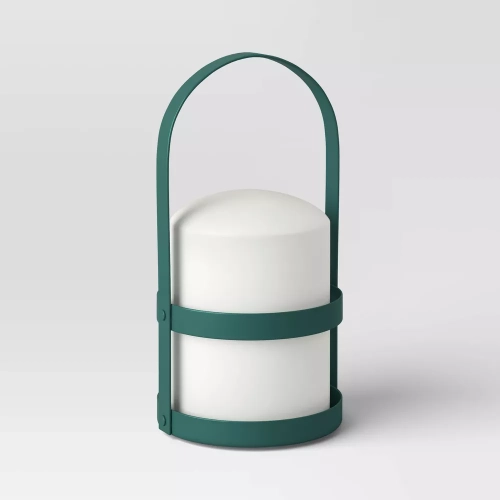
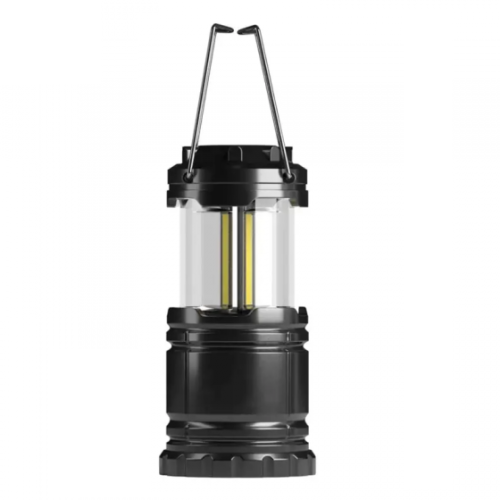
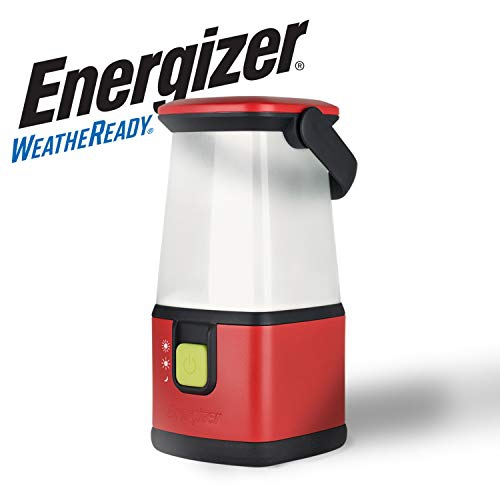
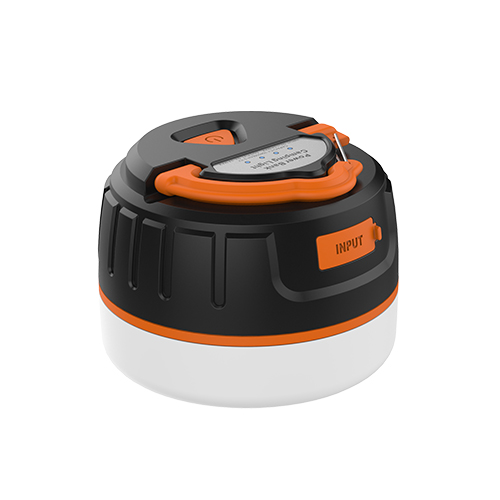
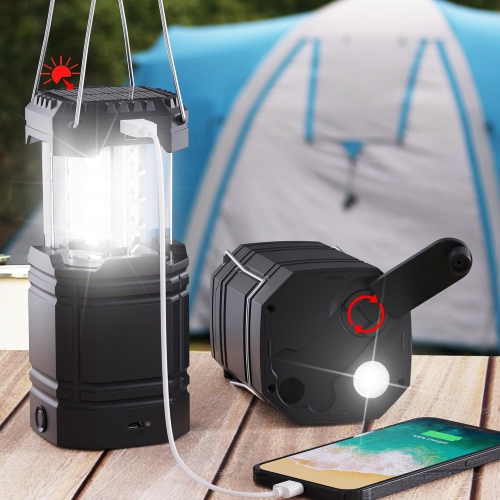
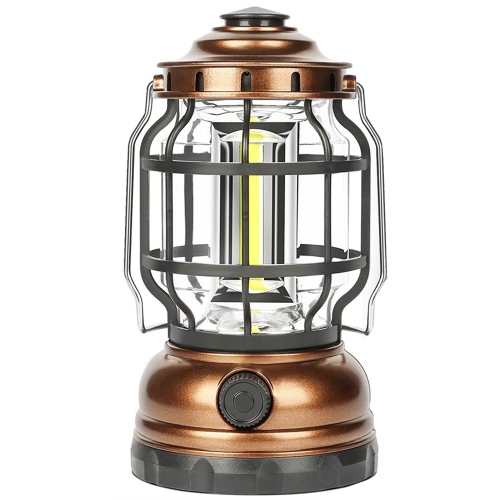
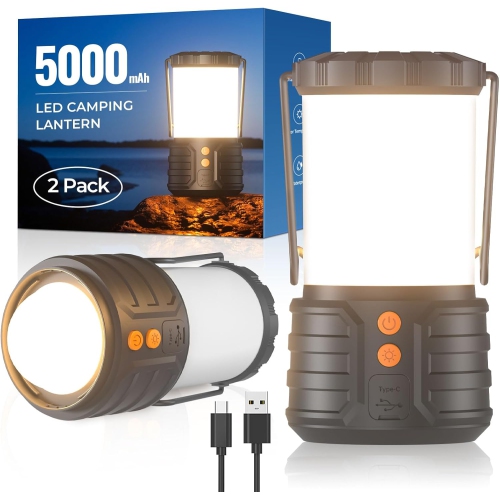
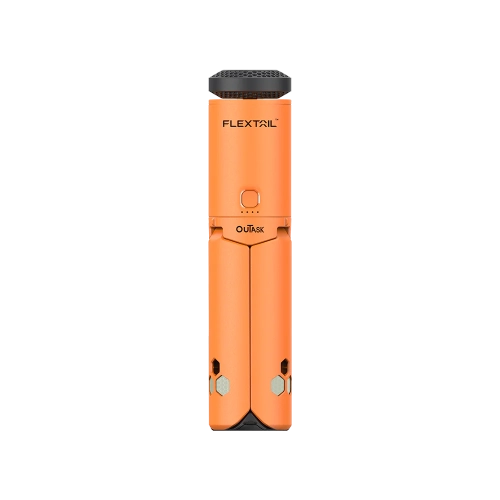
![GREEN SCENIC Outdoor Camping Light Portable Multi-Function Led Camping Light Tent Light - Battery Type [Black]](https://multimedia.bbycastatic.ca/multimedia/products/500x500/193/19327/19327907.jpeg)
![GREEN SCENIC Outdoor Camping Light Portable Multi-Function Led Camping Light Tent Light - Battery Type [Military Green]](https://multimedia.bbycastatic.ca/multimedia/products/500x500/193/19327/19327905.jpeg)
![GREEN SCENIC Outdoor Camping Light Portable Multi-Function Led Camping Light Tent Light - Battery Type [Ivory White]](https://multimedia.bbycastatic.ca/multimedia/products/500x500/193/19327/19327903.jpeg)
![GREEN SCENIC Outdoor Camping Light Portable Multi-Function Led Camping Light Tent Light - Battery Type [Red]](https://multimedia.bbycastatic.ca/multimedia/products/500x500/193/19327/19327910.jpeg)
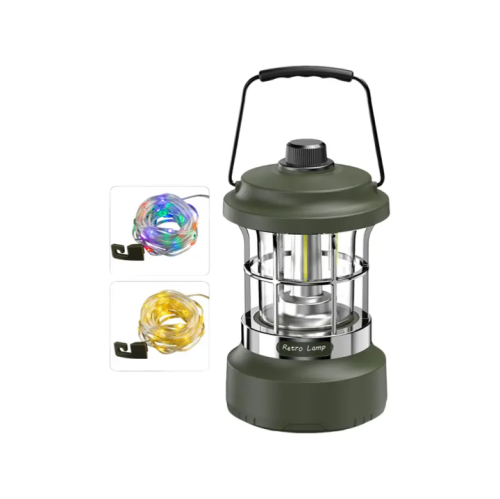
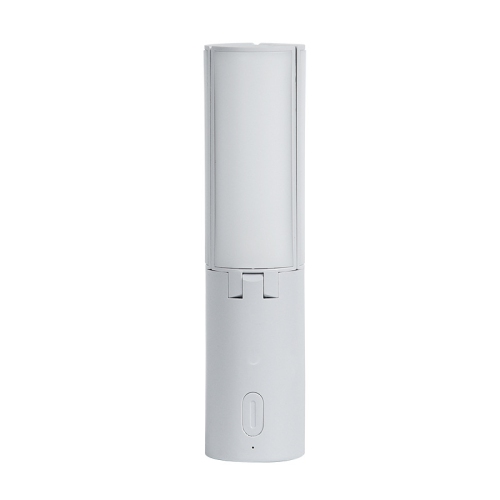
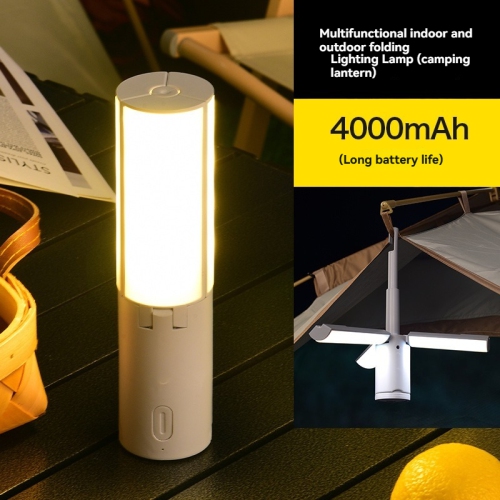
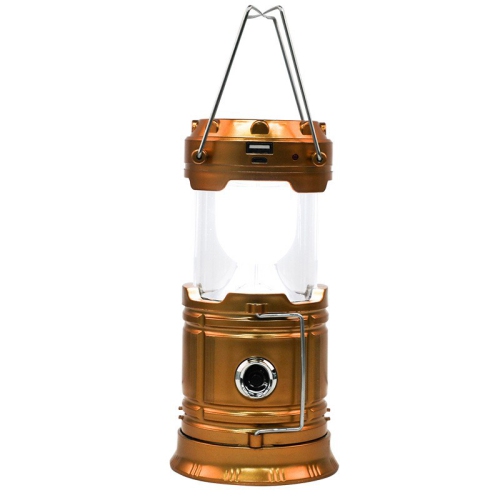

![VECELOLIBILIS Camping Light [5 Pack], 4 Lighting Modes Led Camping Lantern Bulbs w Clip Hooks, Waterproof Portable Battery Operated Emergency Tent](https://multimedia.bbycastatic.ca/multimedia/products/500x500/193/19351/19351103.jpeg)
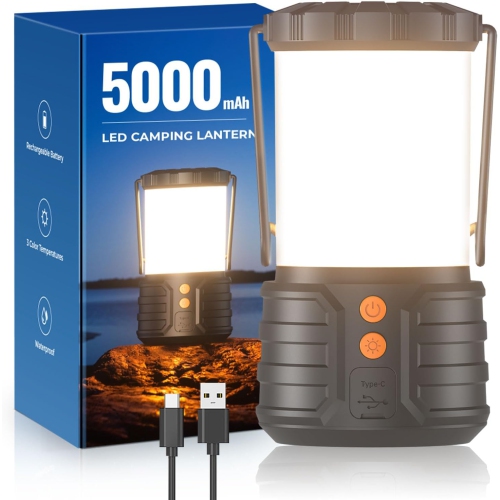
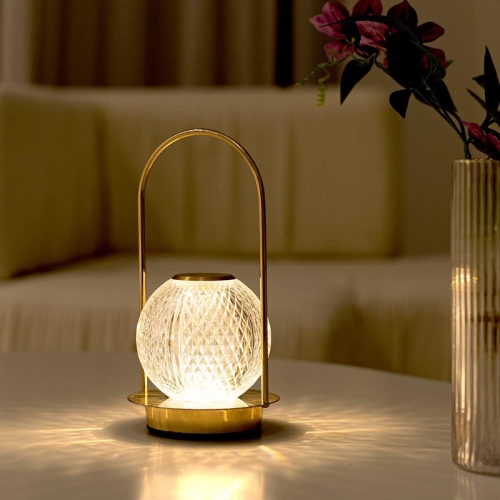
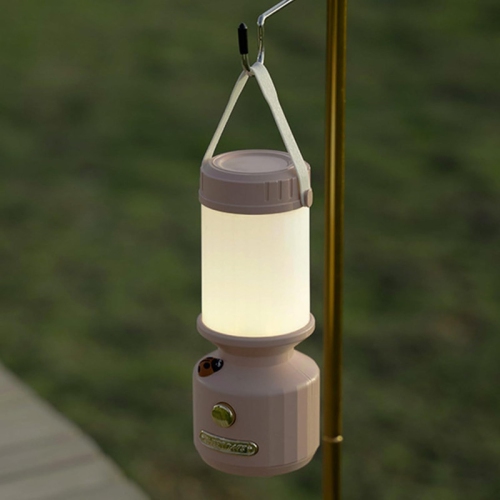
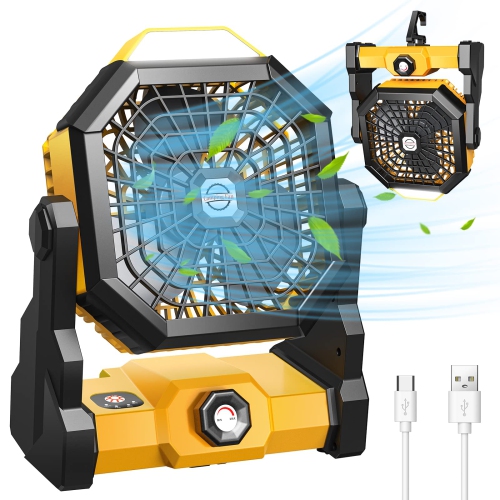
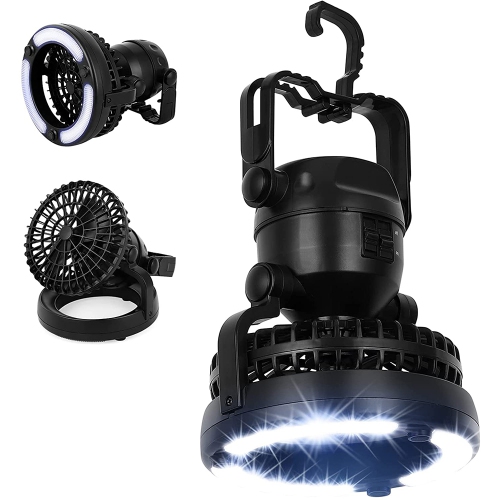
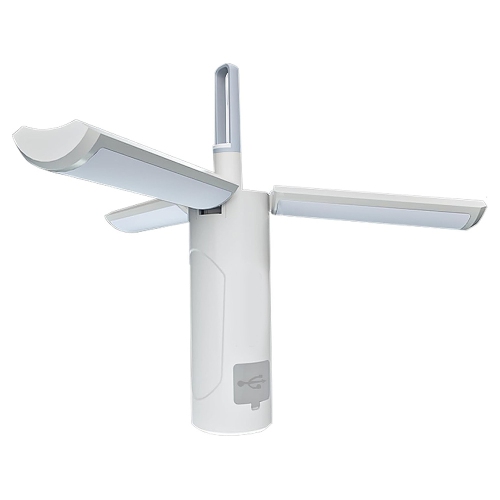

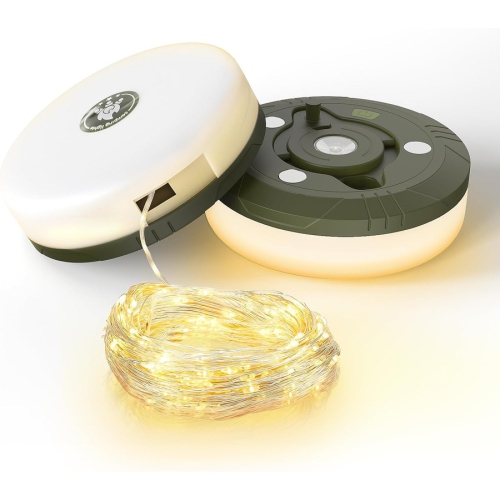
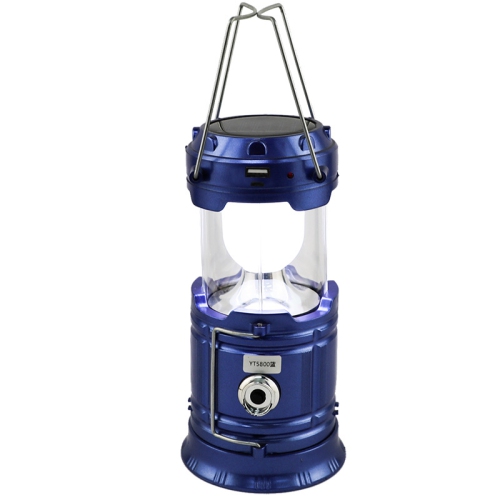
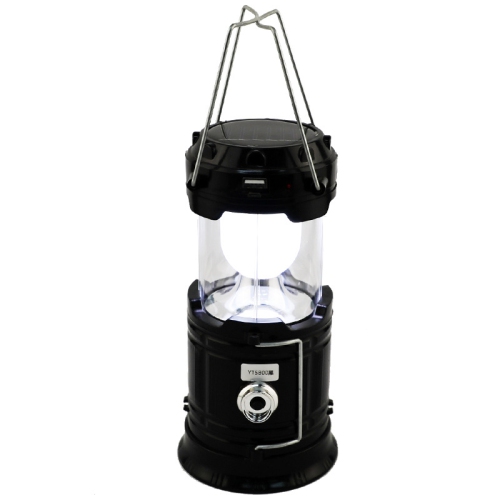
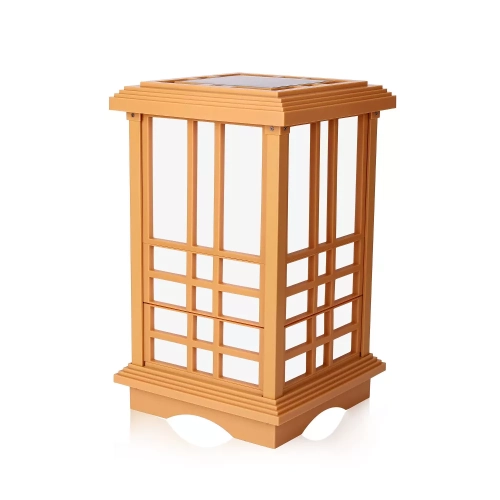
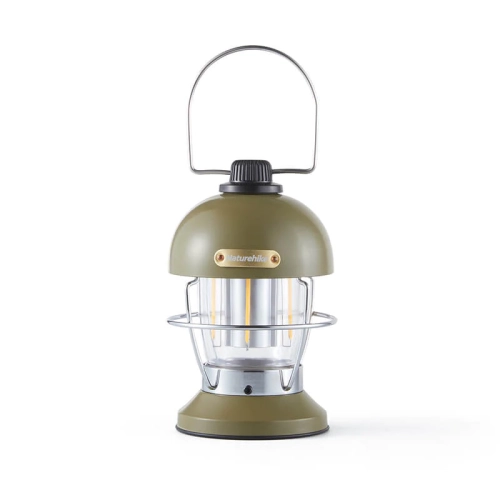
Cord-free light for campsite tasks and patio evenings
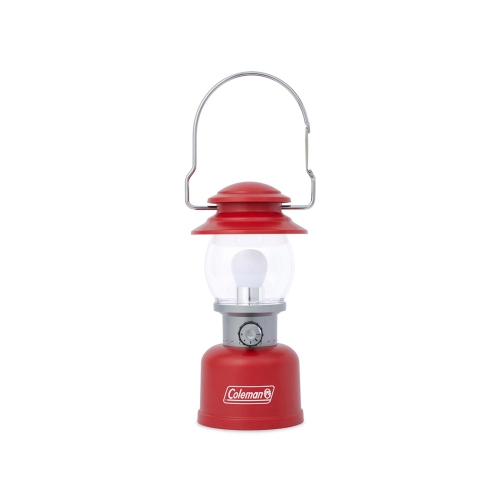
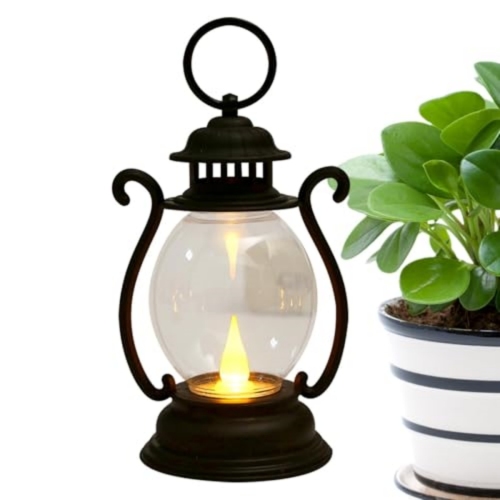
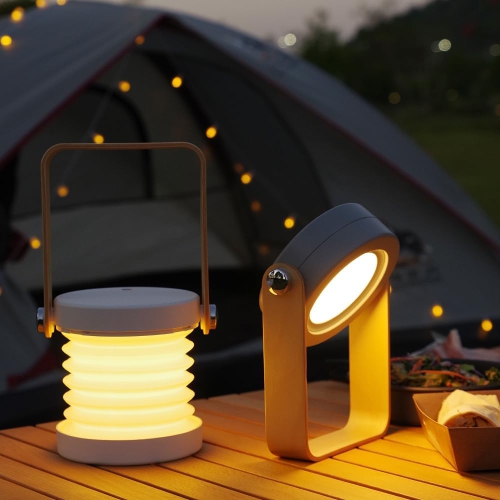
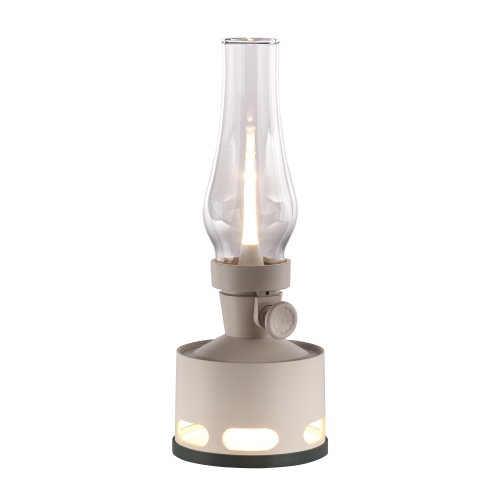
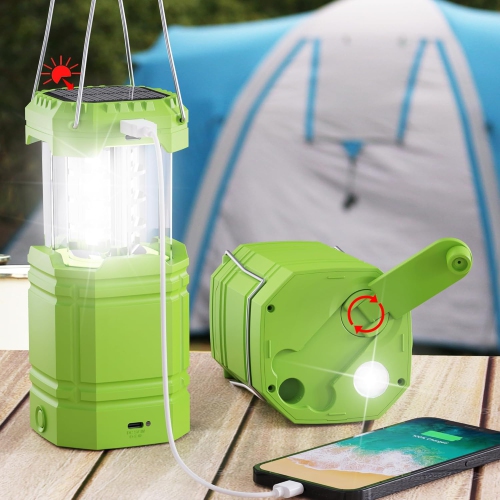
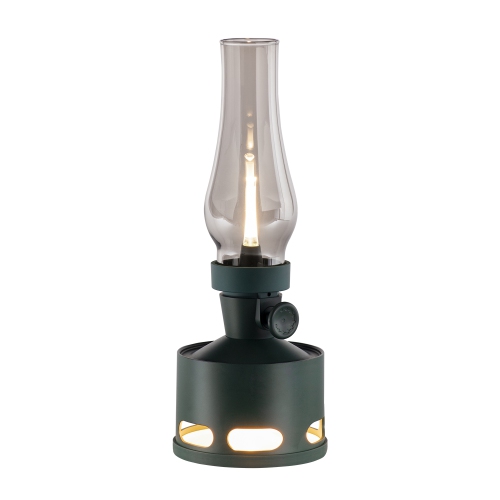
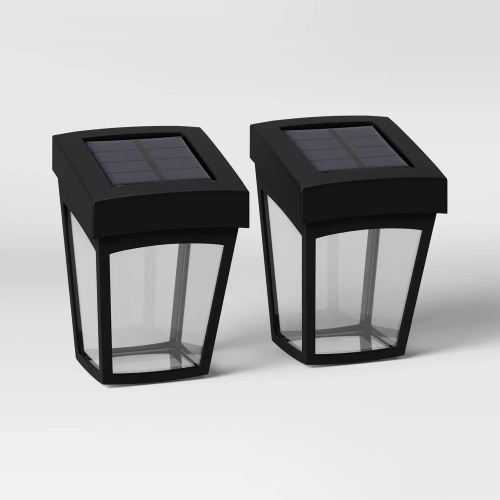
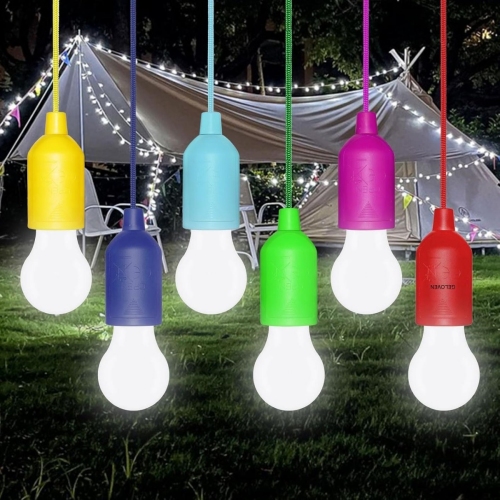
Battery-operated outdoor lanterns bring portable, cord-free light to patios, backyards, balconies, and campsites without needing a nearby electrical outlet. They can illuminate a picnic table, add a gentle glow beside outdoor seating, or provide practical light while unpacking camping gear after dark. Within the broader range of Outdoor Lanterns, battery-powered designs serve two main purposes: functional lighting for tasks and movement, and decorative lighting for atmosphere. Functional lanterns typically use LEDs behind a clear or frosted housing, with handles or hooks that make them easy to carry and position. Many spread light around the lantern rather than directing a narrow beam, helping several people share the same lit space. Decorative versions may place a flameless candle, small string of LEDs, or another light source inside a metal frame or glass enclosure. Their appeal comes from the shape of the lantern and the glow it casts across a tabletop, railing, or seating area. A candle-style lantern can add a flickering effect without an exposed flame, although its softer output is generally better suited to accent lighting than preparing food or finding small objects. Brightness is measured in lumens, but the way a lantern distributes light matters as much as its stated output. A frosted diffuser can soften glare at eye level, while a clear lens may create a more direct, intense appearance. Adjustable brightness lets the same lantern provide stronger light for sorting equipment and a gentler setting for conversation. Warm white light often suits relaxed dining and lounging spaces; a more neutral white can make printed instructions and gear labels easier to read. For shared tables, a lantern with a shaded top or diffused sides can keep the light comfortable for people sitting nearby. The most useful design is not always the brightest one: it is the one that lights the intended space without overwhelming it.
Power source and run time shape how a battery-operated lantern fits into everyday use. Replaceable-battery designs commonly use household battery formats such as AA or D cells, depending on the lantern. They allow a fresh set to be fitted when power runs low, which can be useful at a campsite without charging access or in an emergency kit. Rechargeable lanterns instead use batteries that can be charged between outings, often through a USB connection. Some have a built-in battery, while others use a removable rechargeable pack; these arrangements are not interchangeable, so battery compatibility matters. Rechargeable household cells should only be used when the lantern manufacturer permits them. For a patio lantern that comes indoors after each evening, a regular charging routine may be convenient. For longer trips, the ability to carry spare batteries may be more practical than relying on a charging source. Published run times need to be read alongside brightness settings because a lantern may run much longer on low than on high. A maximum run-time claim does not necessarily describe how long the brightest setting lasts, and output may decrease as the battery drains. Dimming controls, battery-level indicators, and clearly labelled modes make power easier to manage. Some rechargeable lanterns also offer a USB output for charging a phone, but that feature draws from the same stored power used for lighting. Automatic shut-off timers can be useful for decorative lanterns, particularly when they are placed around a seating area and might otherwise be left on. Controls deserve attention, too: a raised button or simple dial can be easier to locate in the dark than a small, flush switch. A lock function helps prevent accidental activation inside a packed bag. For emergency use, keeping a lantern in an accessible place and checking its batteries periodically is more dependable than leaving it untouched until it is needed. Spare batteries should remain dry, protected from loose metal objects, and stored according to their instructions.
Materials, construction, and placement determine how well an outdoor battery lantern suits its surroundings. Plastic housings are often lightweight and easy to carry, while metal frames can provide a substantial feel and complement outdoor furniture. Glass panels offer a clear view of a candle-style light source, but they add weight and need protection during transport. Polycarbonate lenses and protective outer frames can be practical for camping or frequent handling, although impact resistance varies by design. A broad base helps a lantern sit securely on a table, and a comfortable handle makes it easier to move between a deck and a garden seating area. Hanging hooks or loops offer another placement option when used with a secure support and within the manufacturer's instructions. Compact, collapsible designs take up less space in a gear bag; taller decorative styles need enough clearance that they will not be knocked by chairs or passing feet. Weather protection should be assessed from the stated rating rather than appearance alone. An IPX4 rating indicates resistance to splashing water, not immersion, and it does not establish a dust-protection rating. Battery doors, seals, and charging-port covers must be properly closed for the intended protection. An outdoor designation also does not automatically mean a lantern can be left exposed indefinitely; operating and storage limits still apply. Routine care usually involves wiping the housing with a soft cloth, drying it before storage, and checking seals for trapped dirt or damage. Charging should follow the manufacturer's directions, with ports and connections kept dry. For longer storage, removable batteries may need to be taken out to reduce the risk of leakage. These details make lanterns useful gifts for campers, cottage visitors, people who enjoy outdoor dining, or anyone assembling practical household supplies. A lightweight utility lantern suits frequent packing and carrying, while a softly lit decorative design can become part of a patio arrangement. Matching the lantern's light, power system, and construction to those routines gives it a clear purpose beyond appearance alone.
Power source and run time shape how a battery-operated lantern fits into everyday use. Replaceable-battery designs commonly use household battery formats such as AA or D cells, depending on the lantern. They allow a fresh set to be fitted when power runs low, which can be useful at a campsite without charging access or in an emergency kit. Rechargeable lanterns instead use batteries that can be charged between outings, often through a USB connection. Some have a built-in battery, while others use a removable rechargeable pack; these arrangements are not interchangeable, so battery compatibility matters. Rechargeable household cells should only be used when the lantern manufacturer permits them. For a patio lantern that comes indoors after each evening, a regular charging routine may be convenient. For longer trips, the ability to carry spare batteries may be more practical than relying on a charging source. Published run times need to be read alongside brightness settings because a lantern may run much longer on low than on high. A maximum run-time claim does not necessarily describe how long the brightest setting lasts, and output may decrease as the battery drains. Dimming controls, battery-level indicators, and clearly labelled modes make power easier to manage. Some rechargeable lanterns also offer a USB output for charging a phone, but that feature draws from the same stored power used for lighting. Automatic shut-off timers can be useful for decorative lanterns, particularly when they are placed around a seating area and might otherwise be left on. Controls deserve attention, too: a raised button or simple dial can be easier to locate in the dark than a small, flush switch. A lock function helps prevent accidental activation inside a packed bag. For emergency use, keeping a lantern in an accessible place and checking its batteries periodically is more dependable than leaving it untouched until it is needed. Spare batteries should remain dry, protected from loose metal objects, and stored according to their instructions.
Materials, construction, and placement determine how well an outdoor battery lantern suits its surroundings. Plastic housings are often lightweight and easy to carry, while metal frames can provide a substantial feel and complement outdoor furniture. Glass panels offer a clear view of a candle-style light source, but they add weight and need protection during transport. Polycarbonate lenses and protective outer frames can be practical for camping or frequent handling, although impact resistance varies by design. A broad base helps a lantern sit securely on a table, and a comfortable handle makes it easier to move between a deck and a garden seating area. Hanging hooks or loops offer another placement option when used with a secure support and within the manufacturer's instructions. Compact, collapsible designs take up less space in a gear bag; taller decorative styles need enough clearance that they will not be knocked by chairs or passing feet. Weather protection should be assessed from the stated rating rather than appearance alone. An IPX4 rating indicates resistance to splashing water, not immersion, and it does not establish a dust-protection rating. Battery doors, seals, and charging-port covers must be properly closed for the intended protection. An outdoor designation also does not automatically mean a lantern can be left exposed indefinitely; operating and storage limits still apply. Routine care usually involves wiping the housing with a soft cloth, drying it before storage, and checking seals for trapped dirt or damage. Charging should follow the manufacturer's directions, with ports and connections kept dry. For longer storage, removable batteries may need to be taken out to reduce the risk of leakage. These details make lanterns useful gifts for campers, cottage visitors, people who enjoy outdoor dining, or anyone assembling practical household supplies. A lightweight utility lantern suits frequent packing and carrying, while a softly lit decorative design can become part of a patio arrangement. Matching the lantern's light, power system, and construction to those routines gives it a clear purpose beyond appearance alone.
Top selling and popular products
-
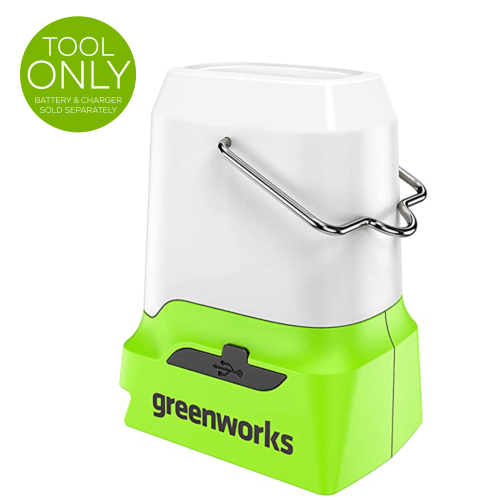 Your price for this item is $34.99
 -
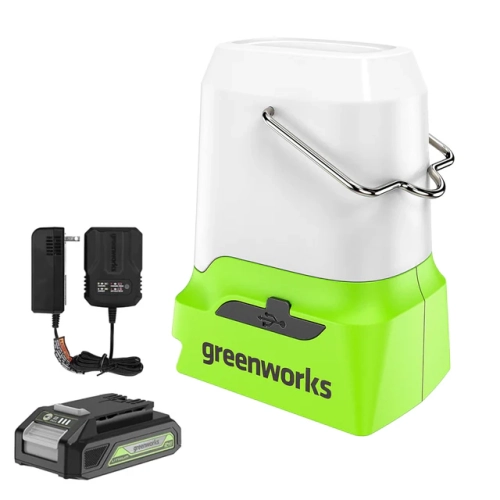 Your price for this item is $89.99
 -
 Your price for this item is $44.98
 -
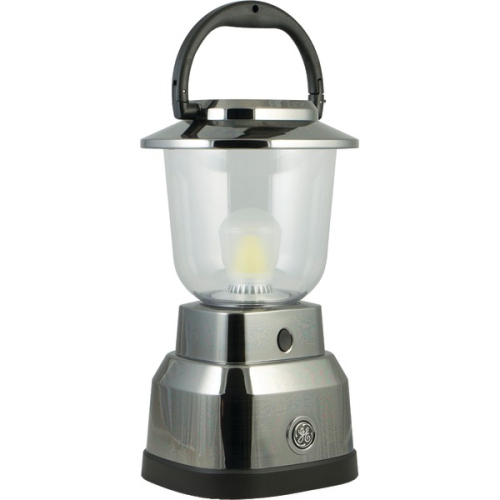 Your price for this item is $167.4
 -
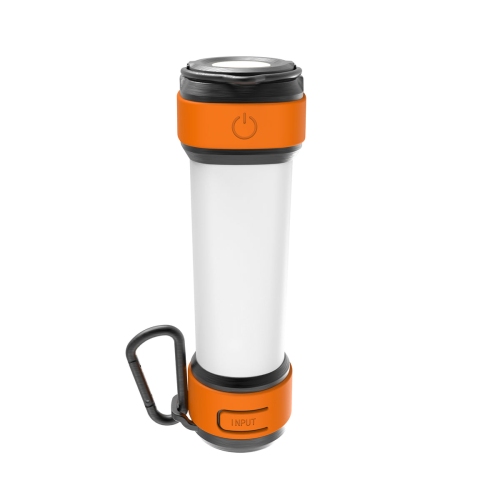 Your price for this item is $79.99
 -
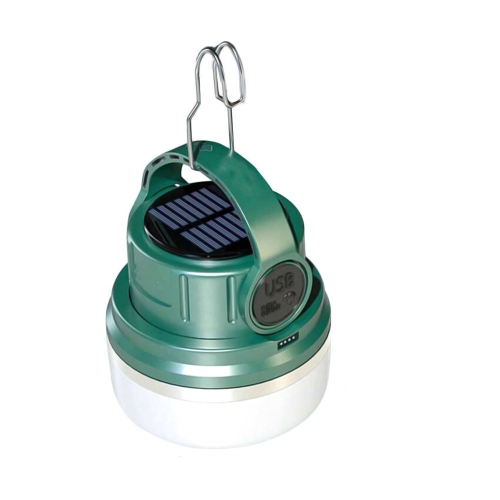 Your price for this item is $19.99
 -
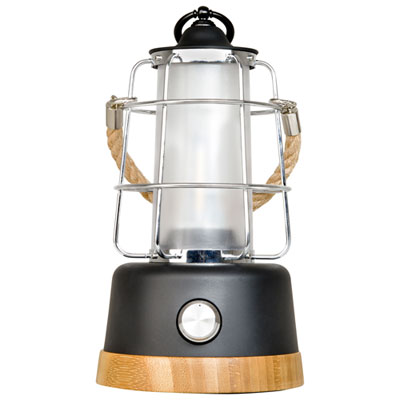 Your price for this item is $68.99
 -
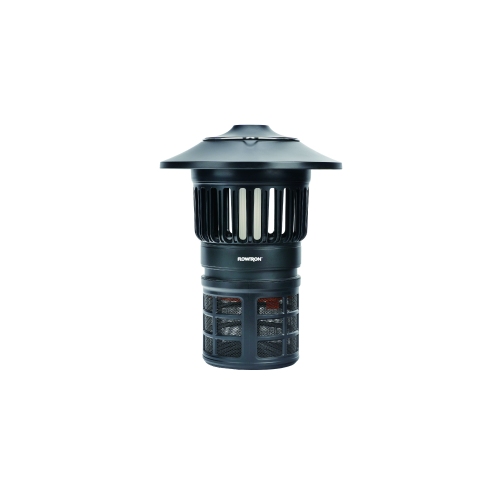 Your price for this item is $129.99
Discover more categories related to Battery Operated Lanterns Outdoor
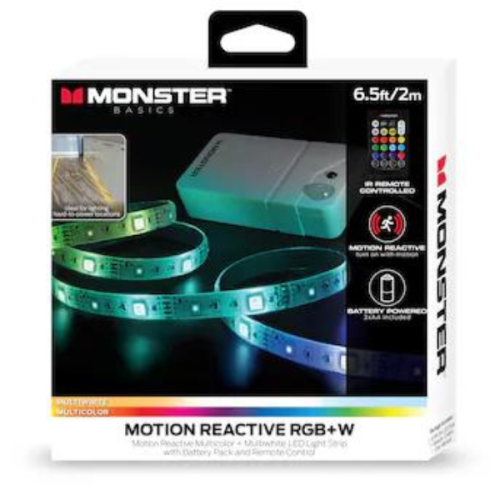
Top Collections:
Pokemon Centers, Kindle Devices, Best Budget Office Chairs, Apple iPhones 16, Best Laptops for Writers, iPhone 15 Apple, Canon G7X Cameras, Refurbished Apple Laptops, Alarm Clock, Motorola Razr Phones
Some products may be subject to Environmental Handling Fees
(EHF) depending on your province.
Learn more about EHFs.