Commercial Range Hoods
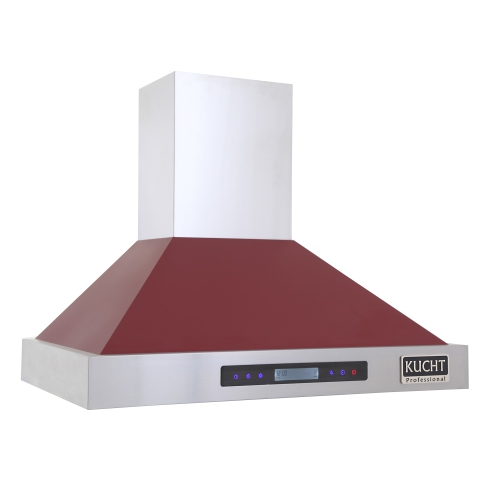
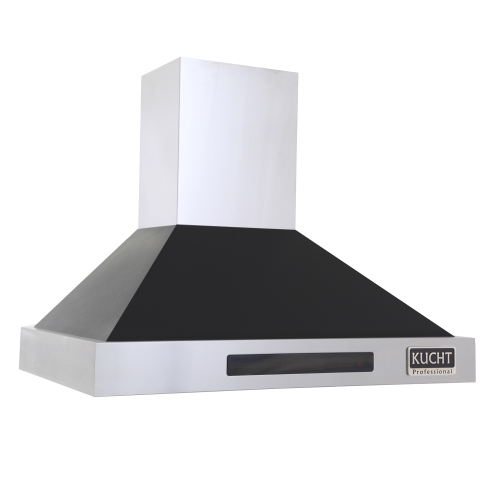
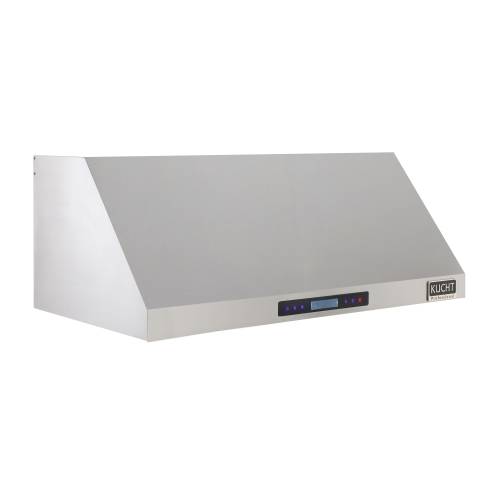
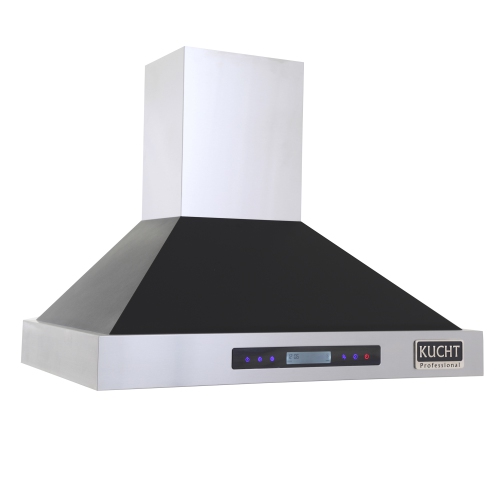
Looking for a powerful and efficient solution to keep your commercial kitchen clean and smoke-free? Look no further than our selection of commercial range hoods. These essential appliances are designed to effectively remove smoke, grease, and odors, ensuring a safe and comfortable cooking environment. Whether you run a bustling restaurant or a small cafe, our range hoods are built to deliver exceptional performance and durability. Here are some great options available.
Sort


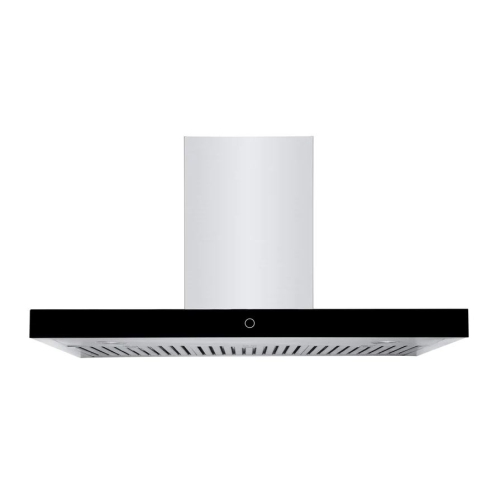
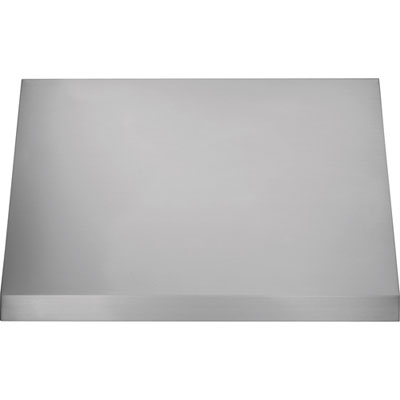
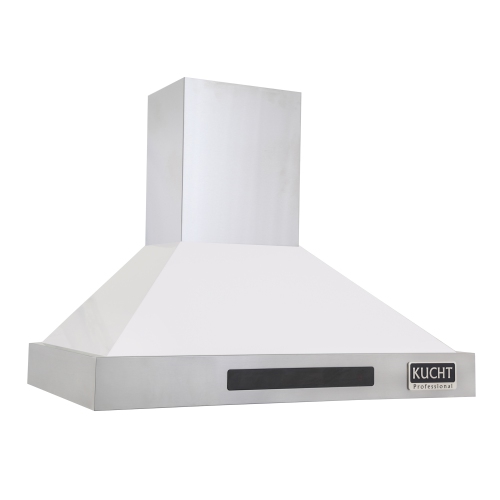
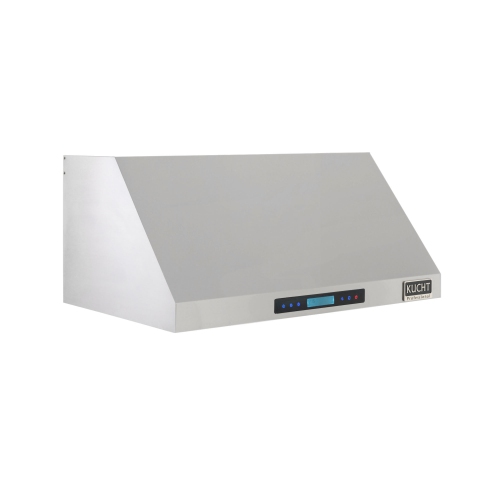
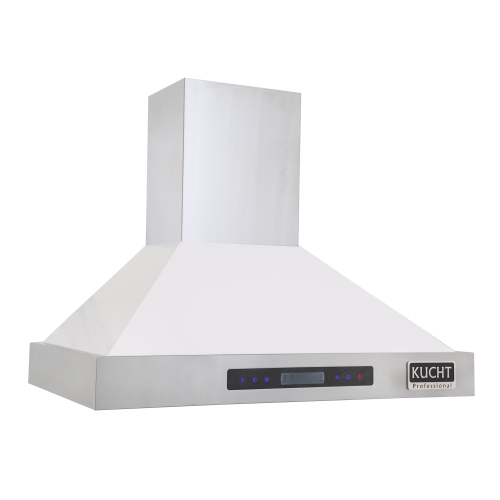
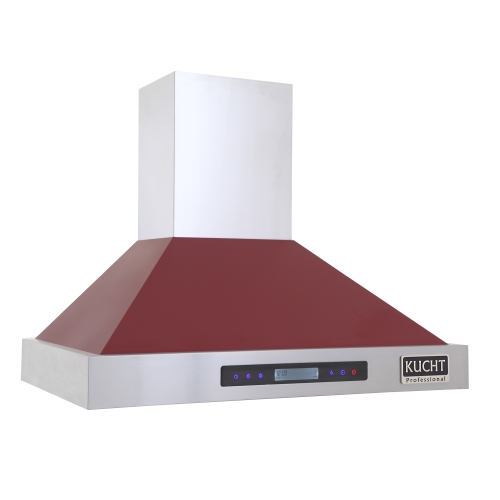
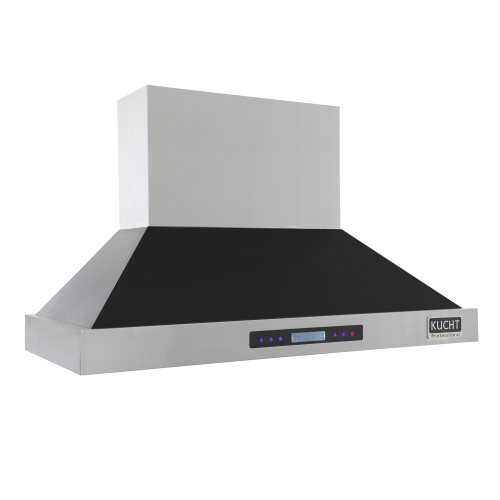
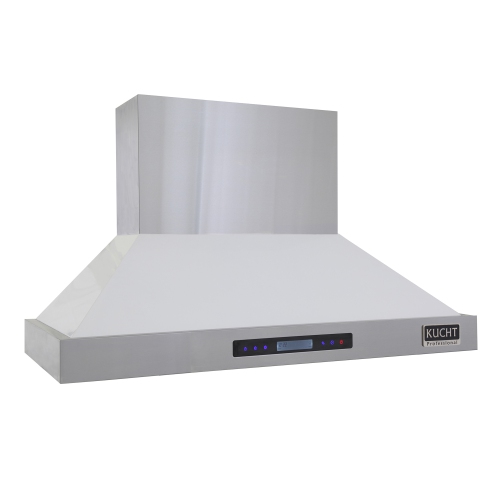
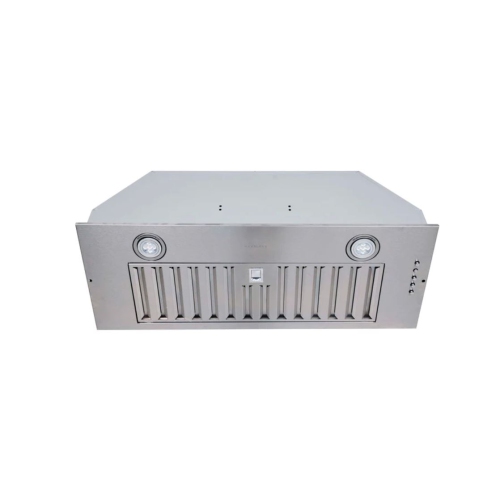
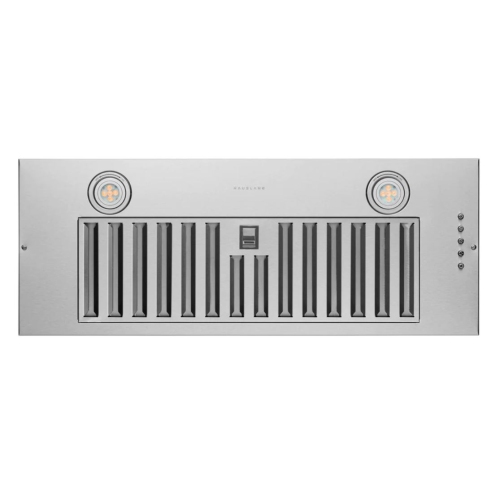
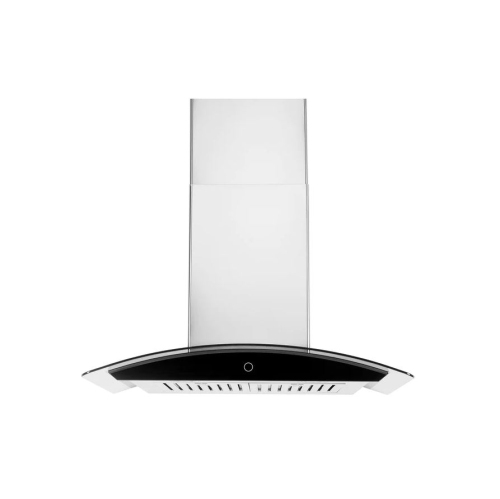
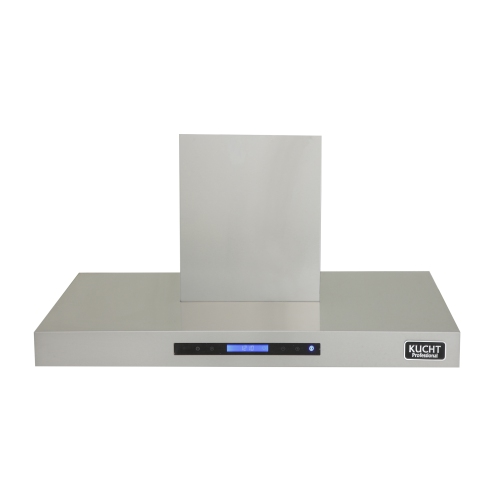
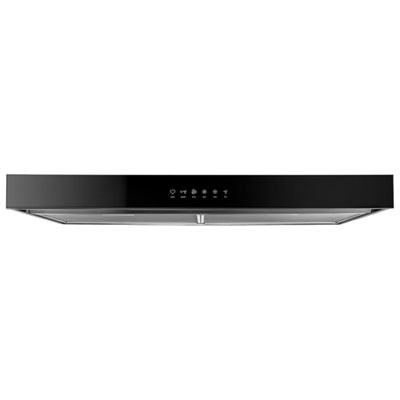
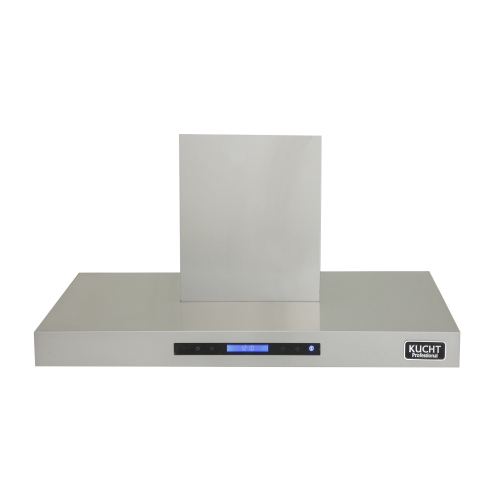
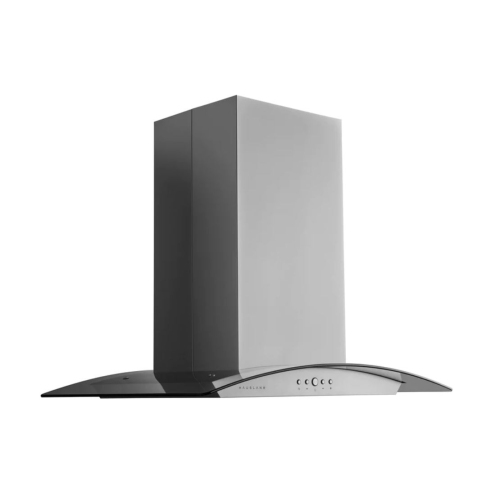
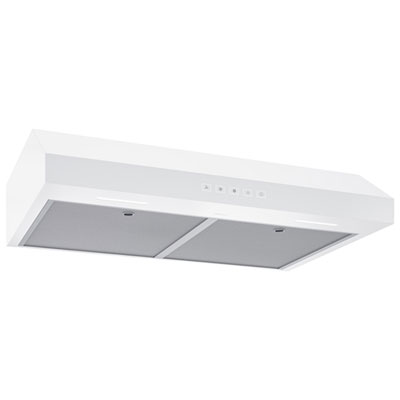
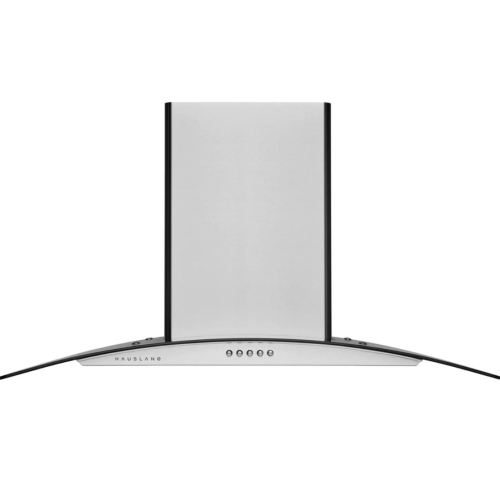
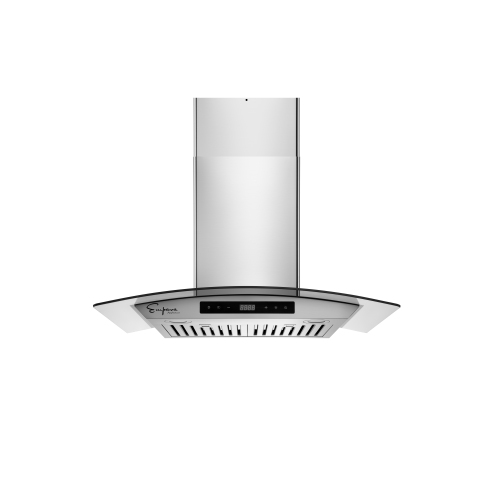
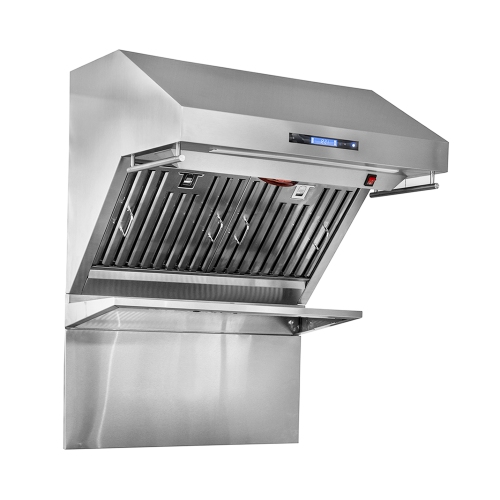
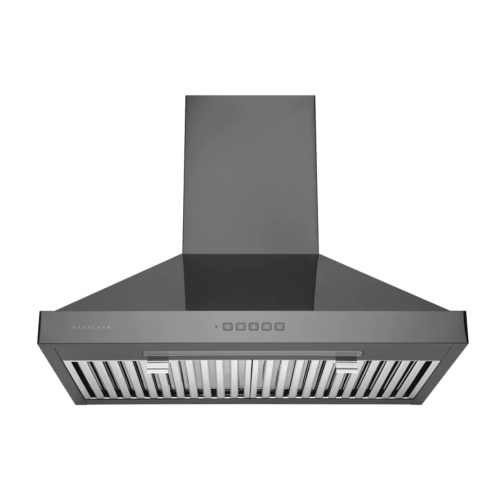
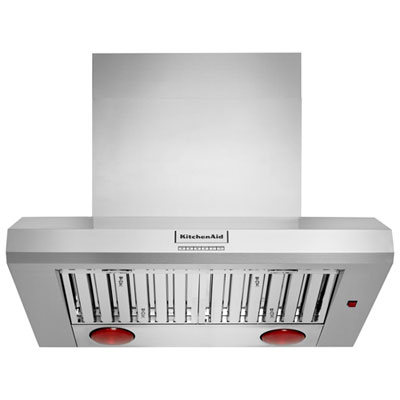
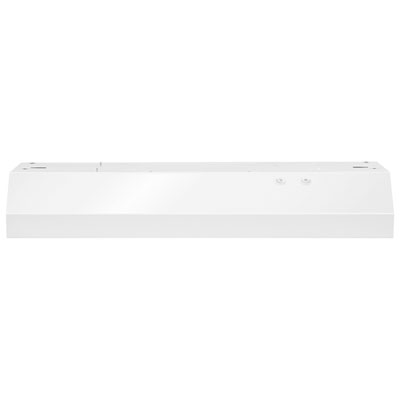
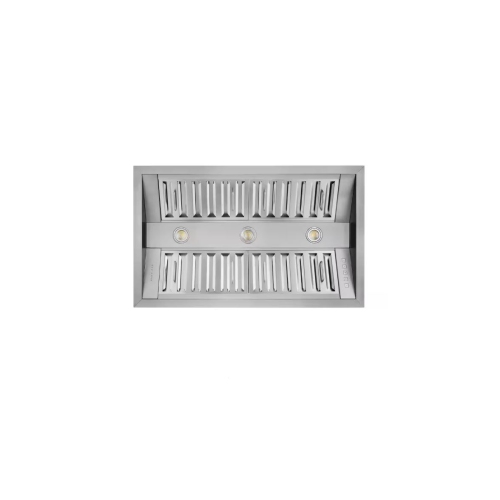
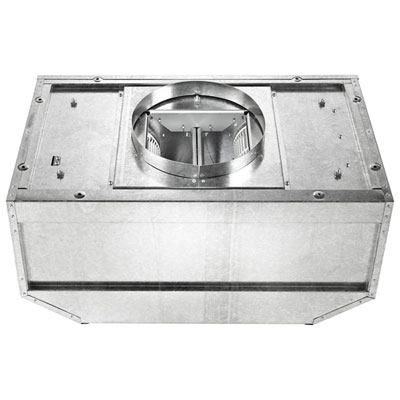

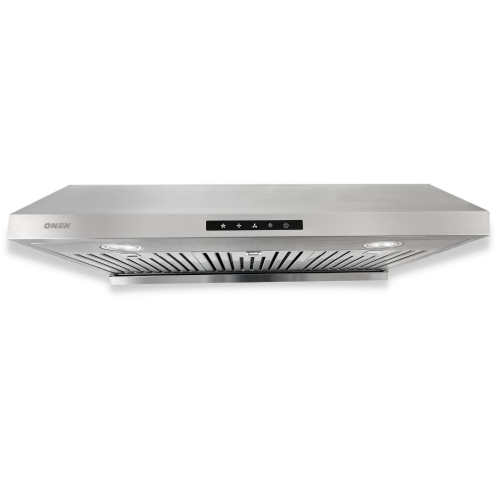
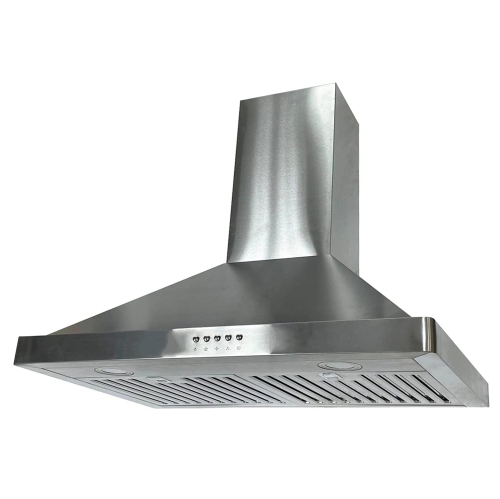
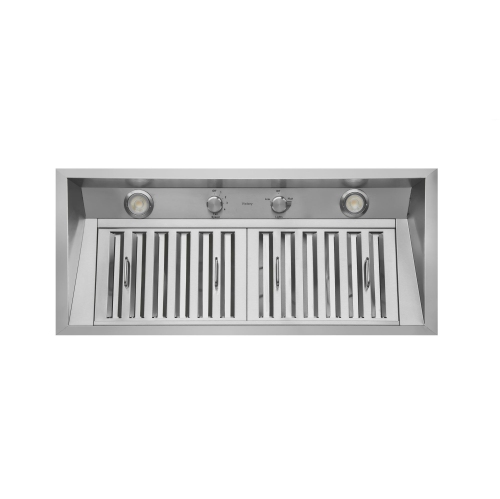
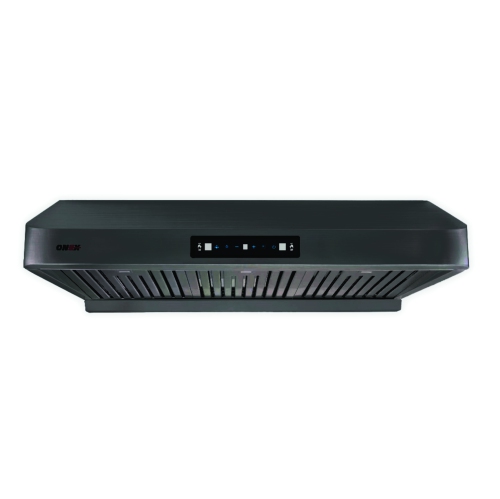
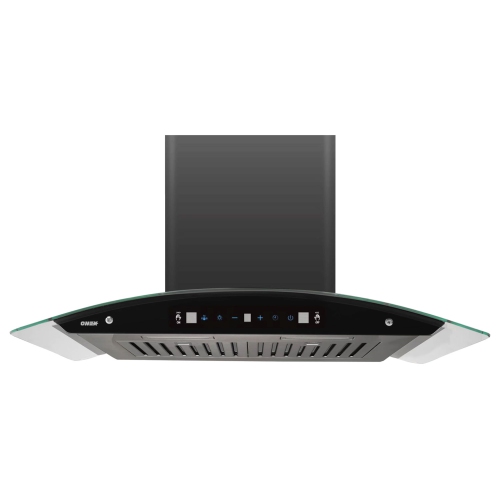
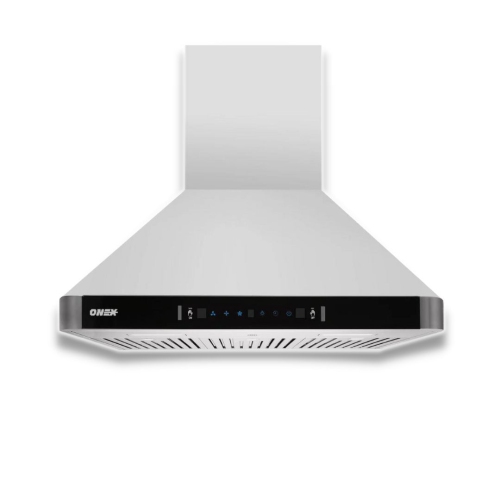
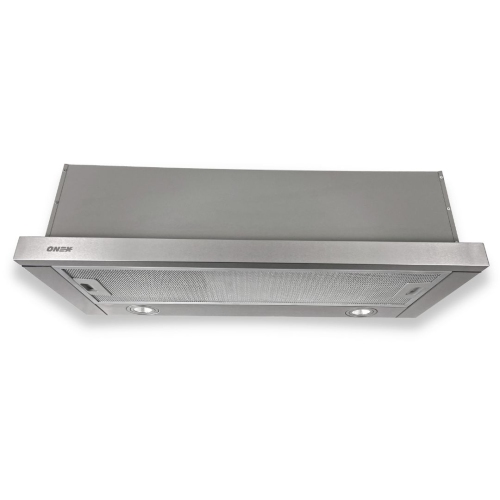
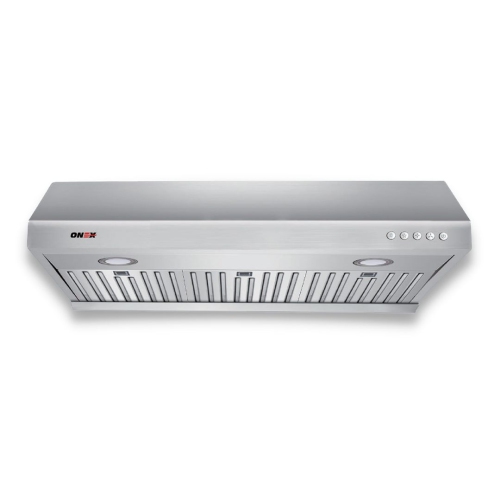

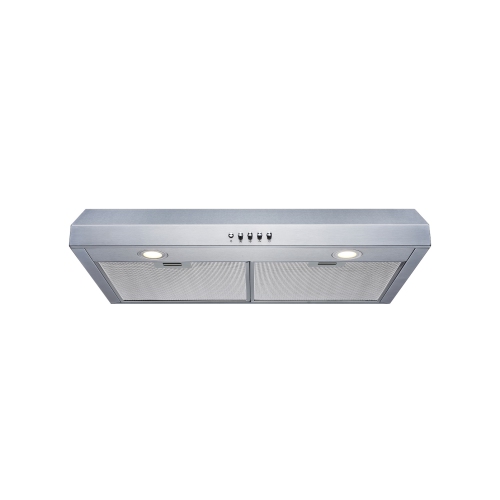
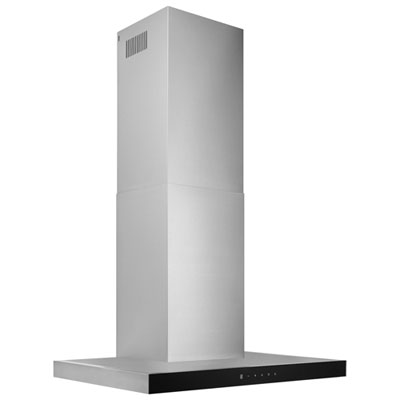
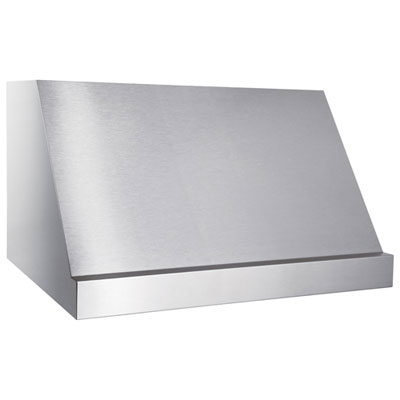
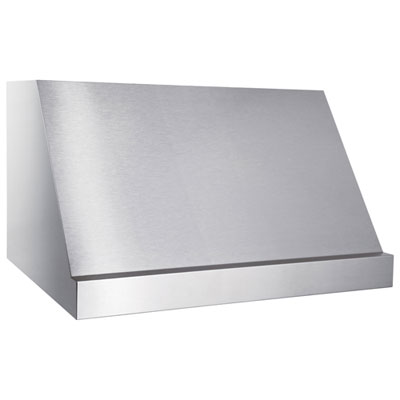

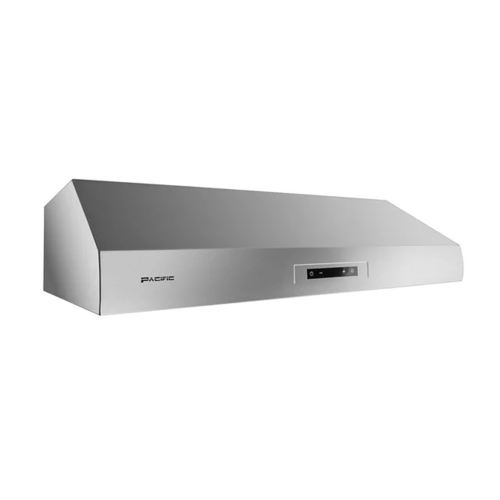
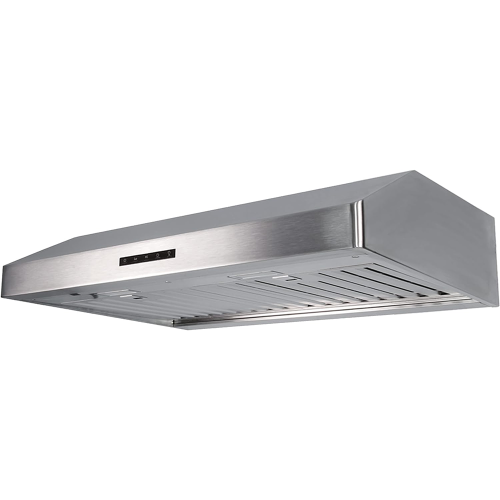
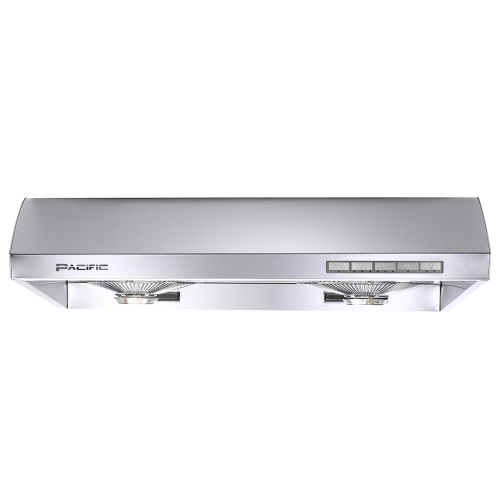
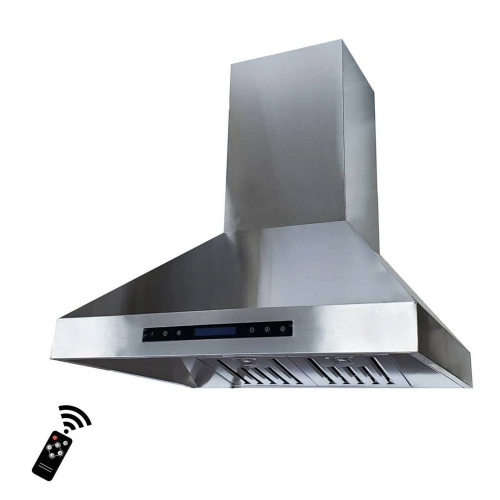
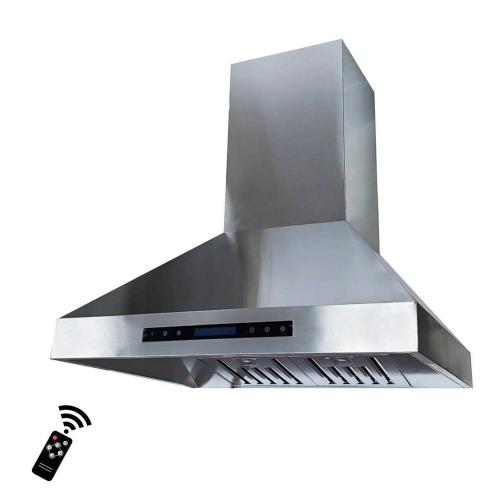
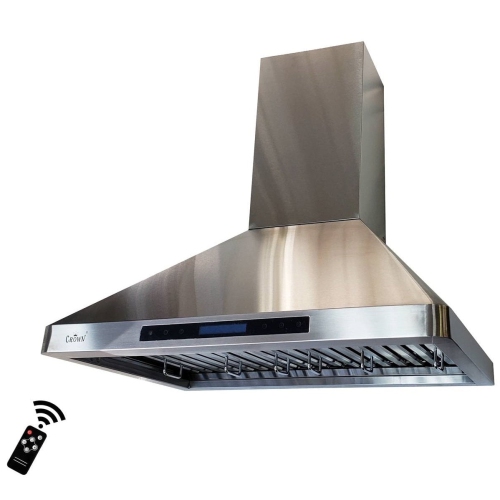
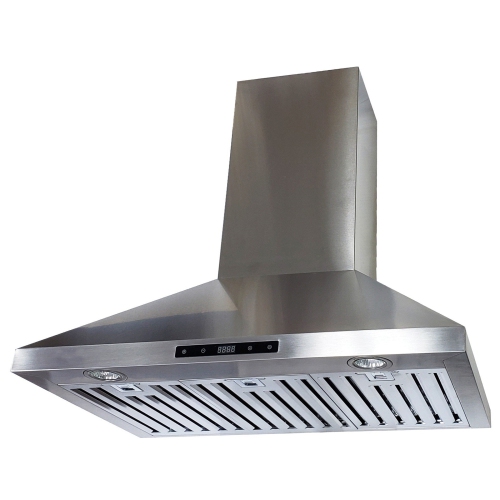
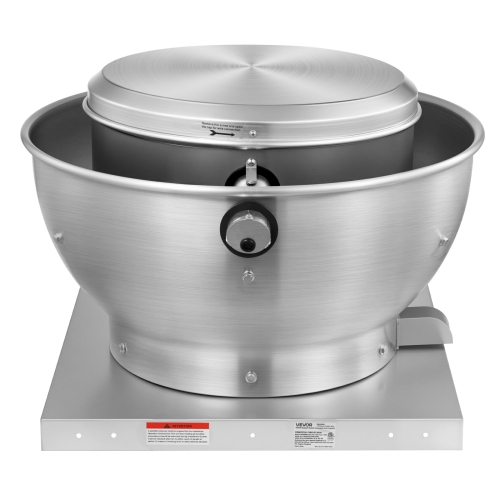
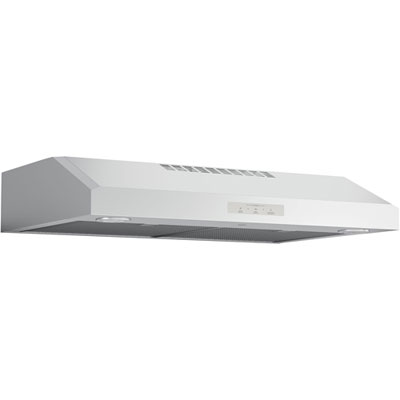

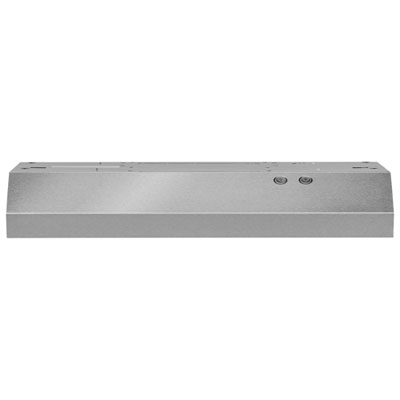
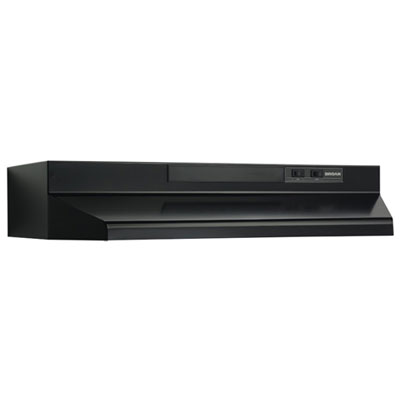
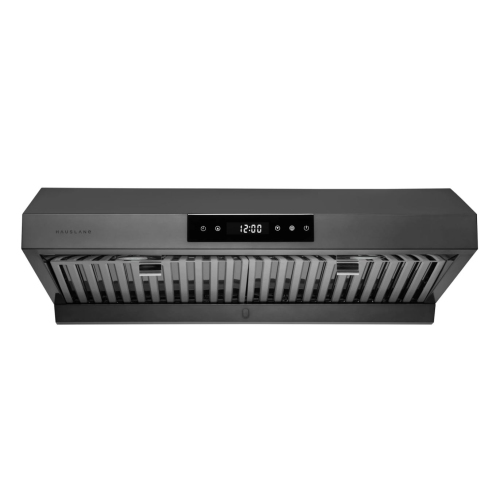
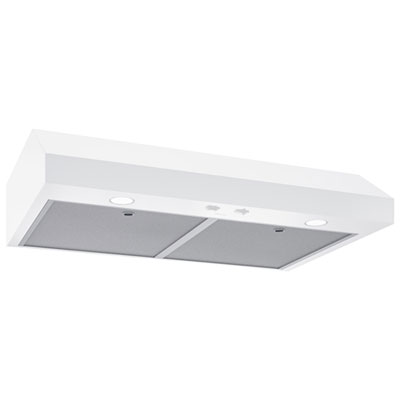
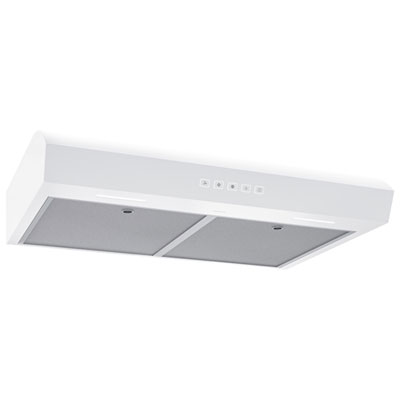
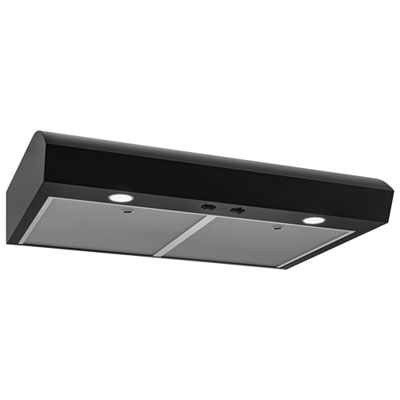
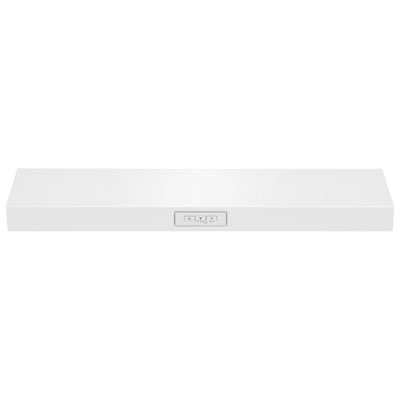
Why professional kitchen ventilation starts with the cooking equipment
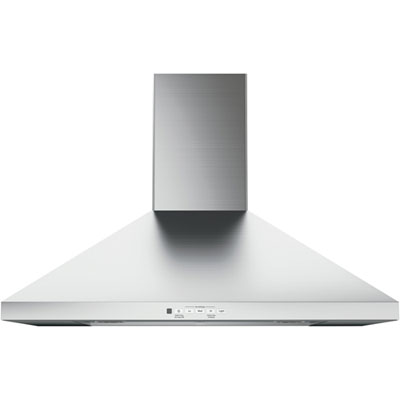
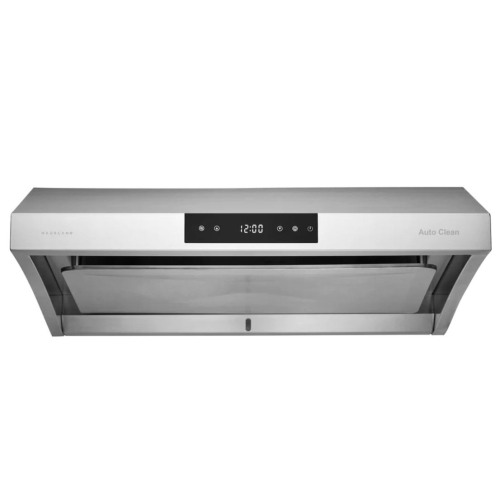
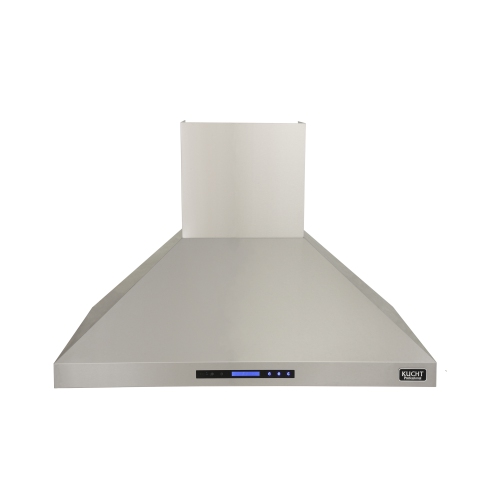
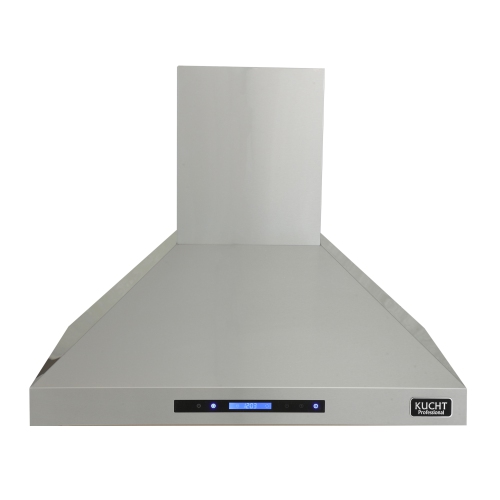
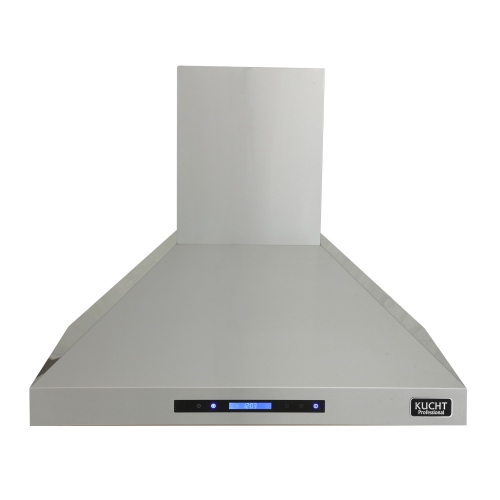
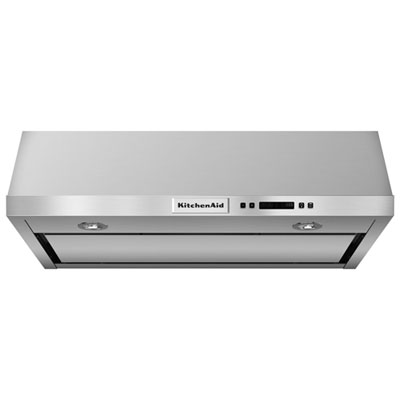
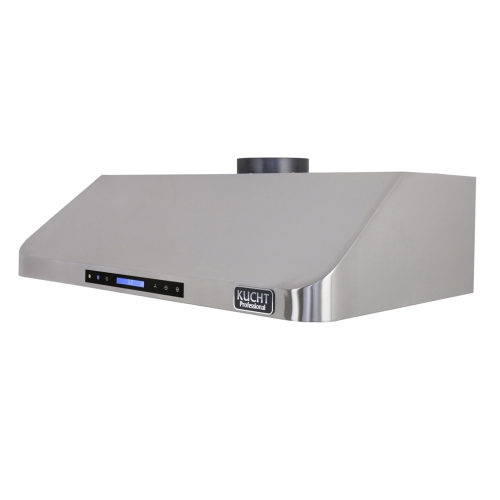
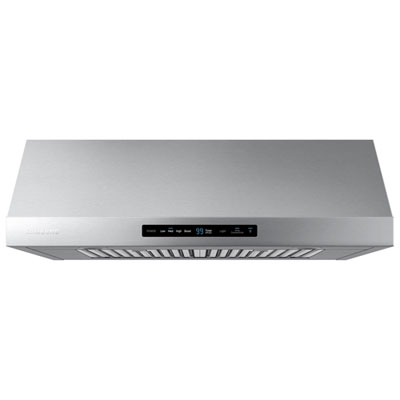
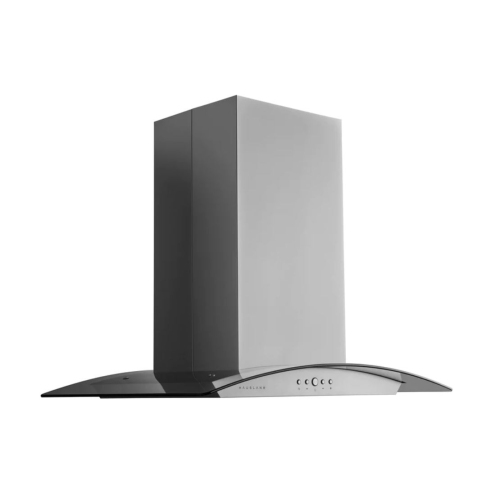
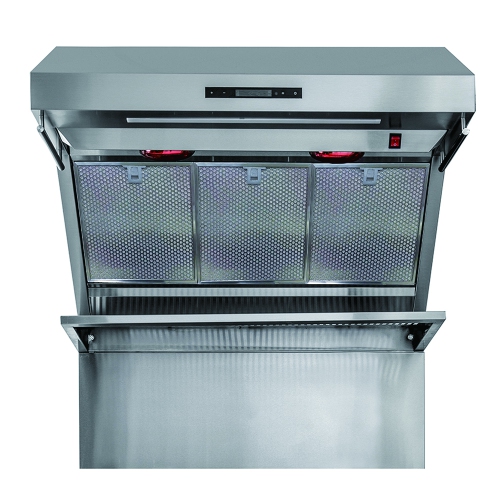
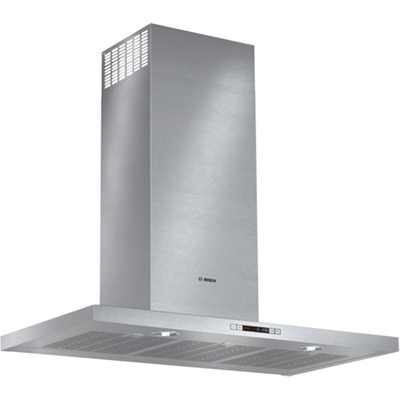
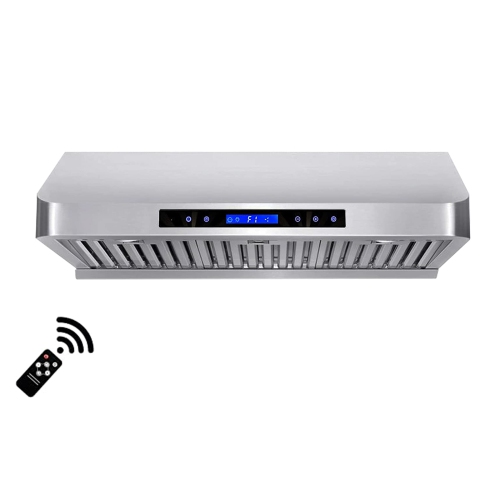
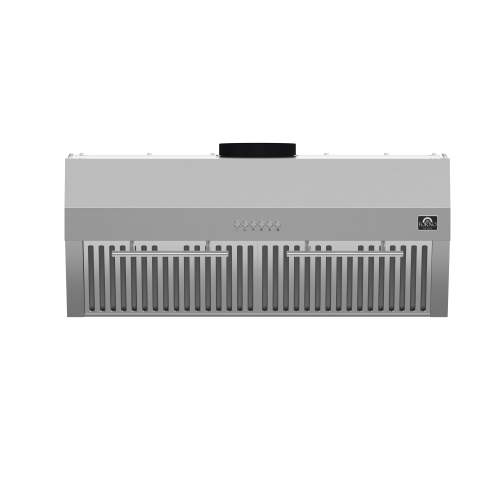
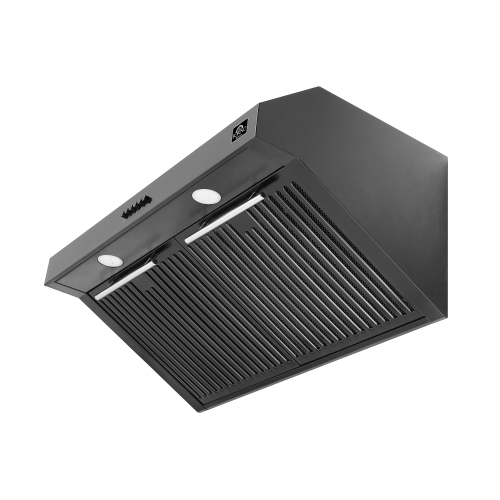
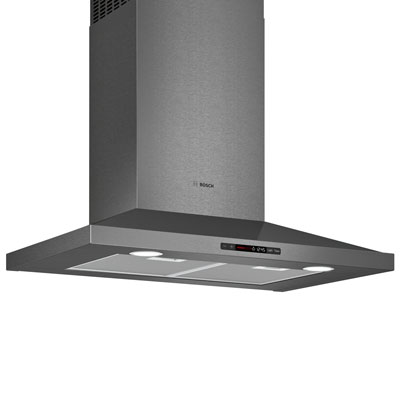
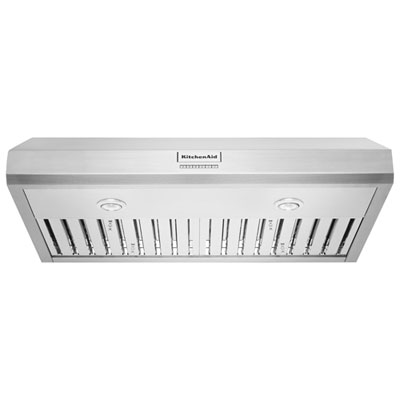
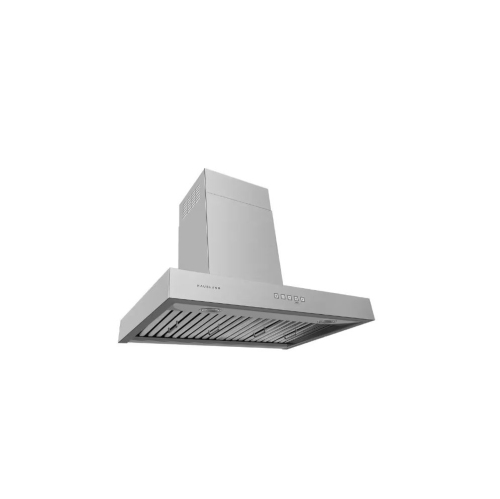
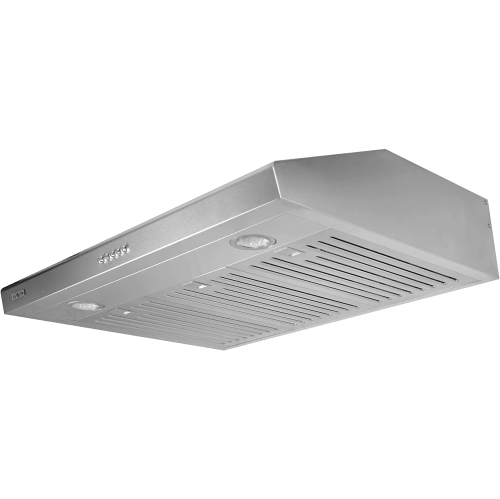
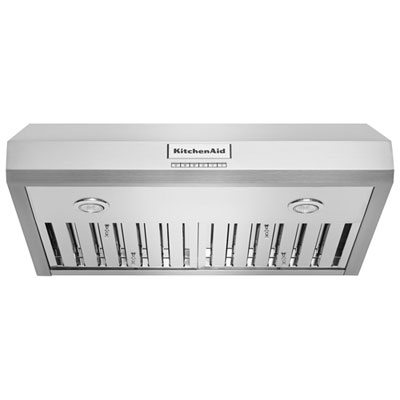
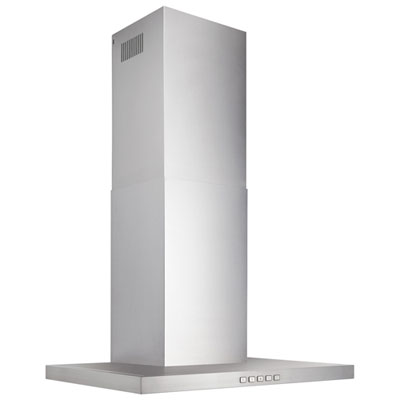
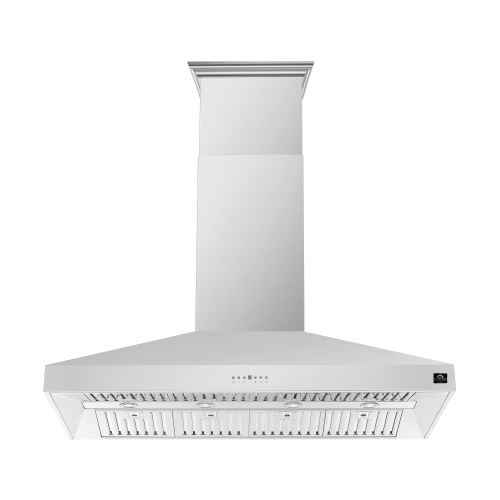
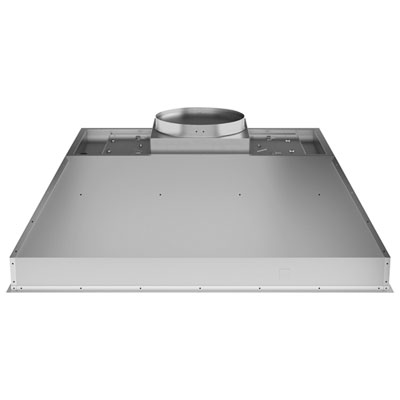
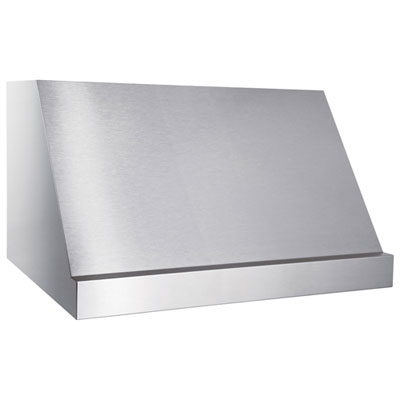
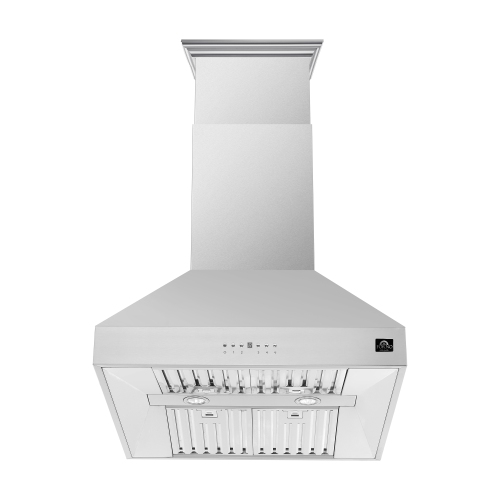
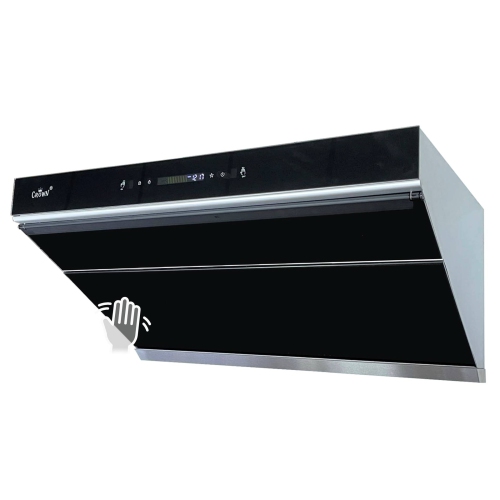
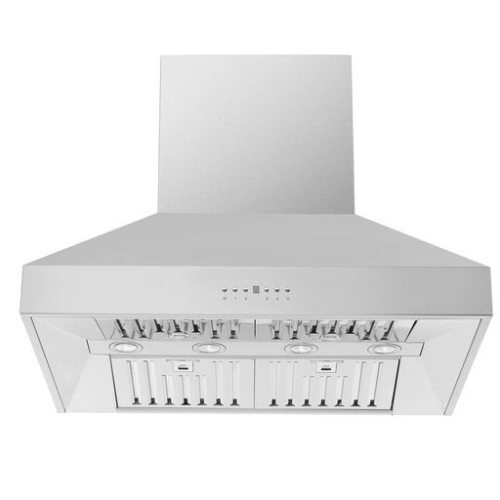
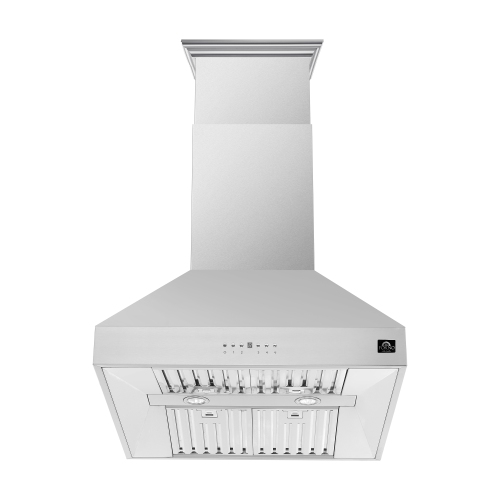
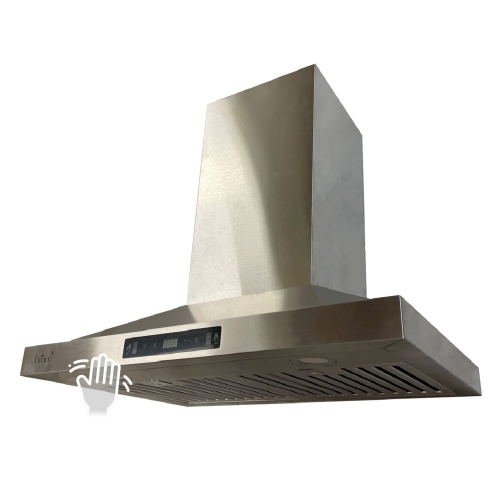
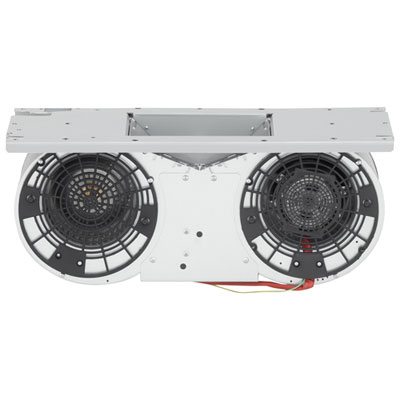
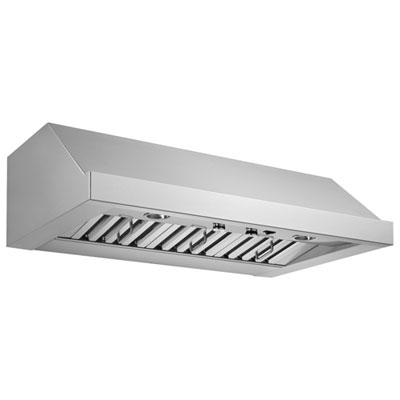
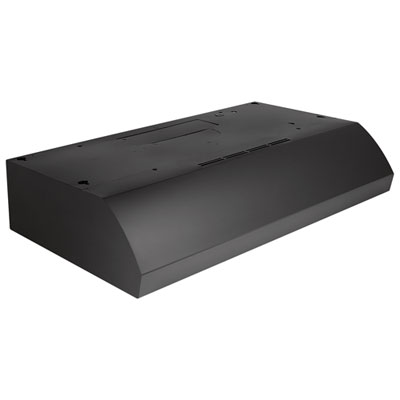
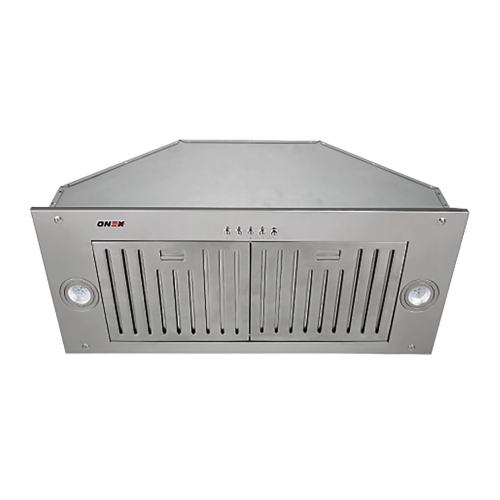
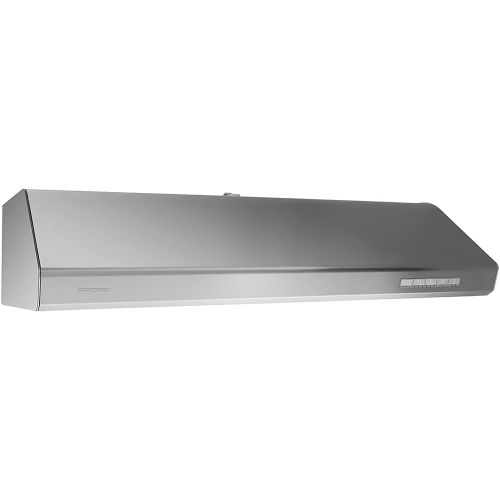
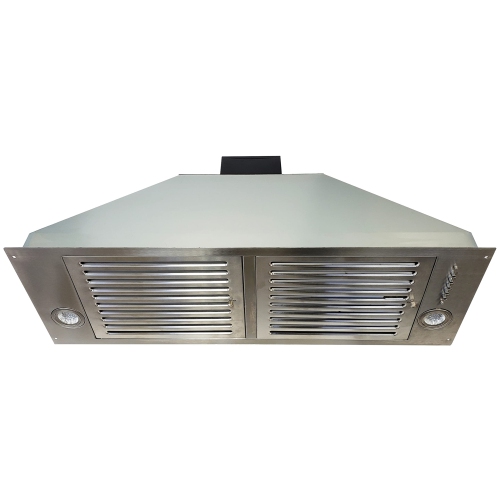
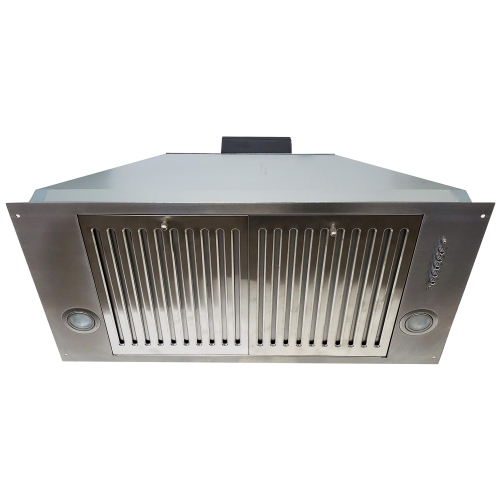
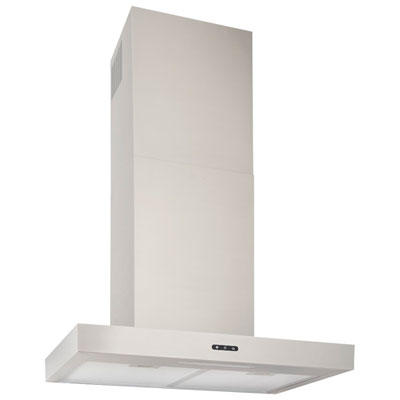
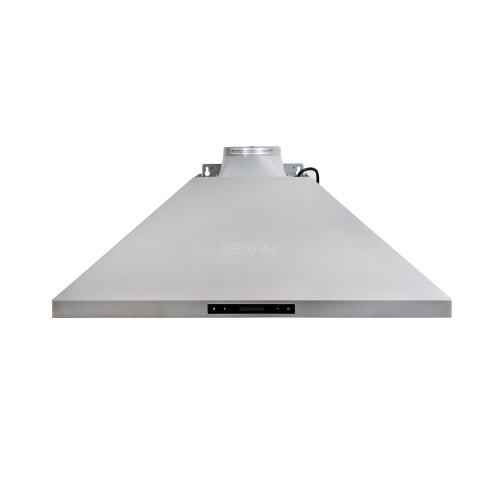
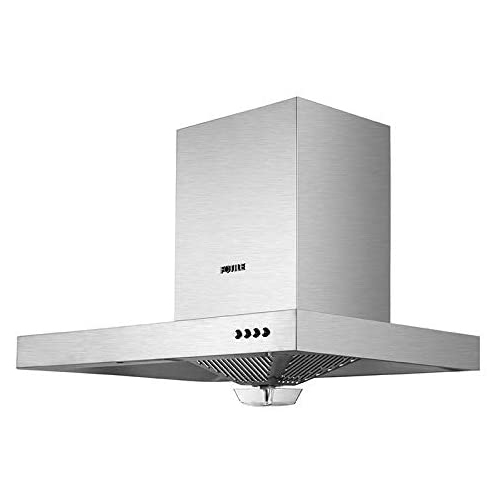
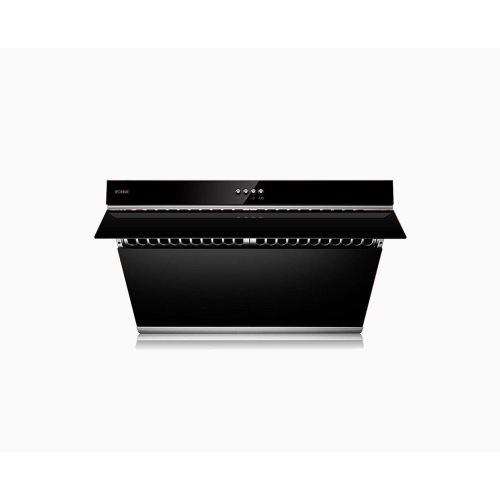
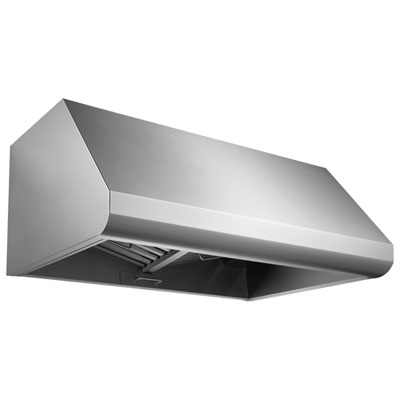
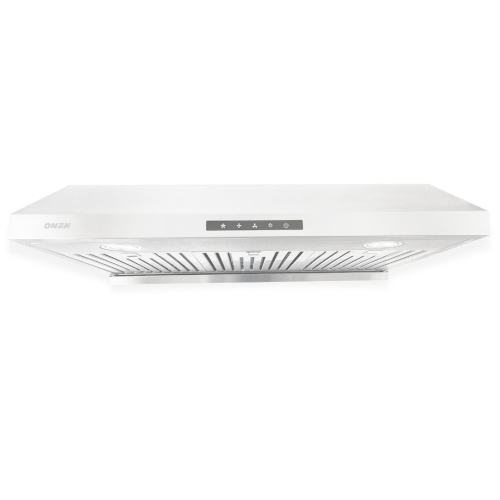
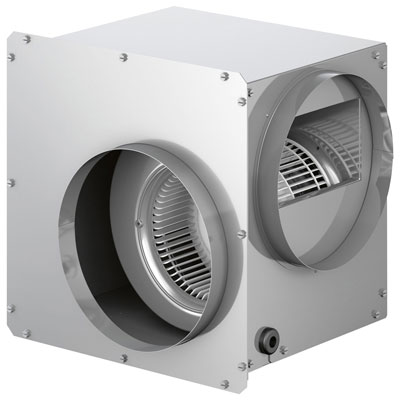
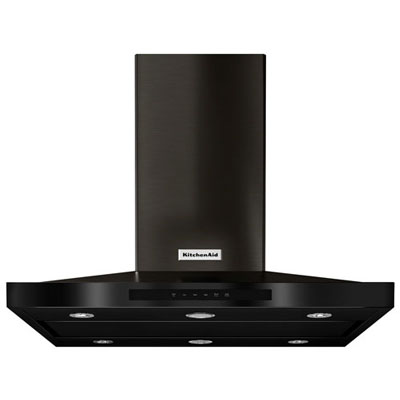
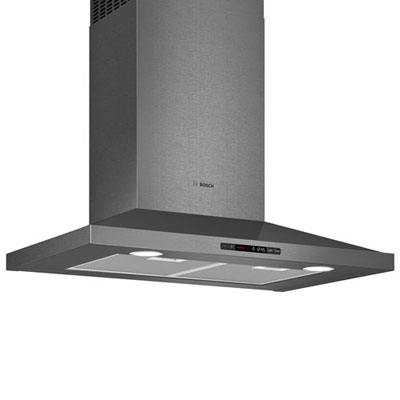
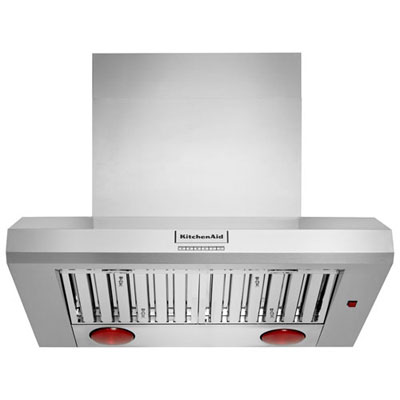
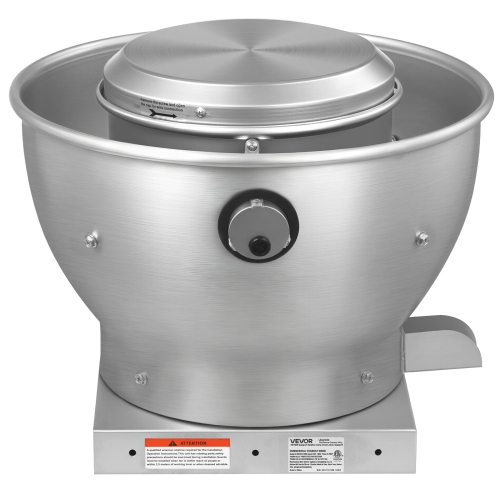
Commercial range hoods are heavy-duty ventilation systems designed to capture grease-laden vapours, smoke, heat, and odours above cooking equipment in professional kitchens. They serve restaurants, cafés, catering facilities, institutional kitchens, and other spaces where repeated cooking demands more than a typical household ventilation setup. A hood’s job begins at the cooking surface: its canopy captures the rising plume and directs it into an exhaust system before it spreads through the kitchen. Commercial hoods generally fall into two categories, with the distinction based on what the equipment beneath them produces. Type I hoods are intended for cooking that generates grease or smoke, such as frying, griddling, and charbroiling. These systems use grease filters and require an appropriate grease exhaust arrangement; an approved fire suppression system is generally required, subject to the equipment and applicable local codes. Type II hoods handle heat, steam, and moisture from equipment that does not produce grease-laden vapours, such as certain dishwashers and steam-producing appliances. They are not a substitute for Type I protection over grease-producing cooking equipment. The difference matters in everyday operation: a busy griddle releasing a steady plume of cooking grease presents a different ventilation task from a dishwasher sending out clouds of steam. Hood selection therefore starts with the appliances, cooking methods, and volume of use, rather than canopy appearance alone. A small kitchen with intensive frying may have more demanding exhaust needs than a larger preparation space with limited hot cooking. The hood is also only one part of the installation. Exhaust fans, ductwork, replacement air, controls, and any required fire protection must work together as a complete system. A commercial-looking residential hood should not be assumed suitable for restaurant use, and a commercial hood is not automatically appropriate for a home. The intended application, certification, and installation requirements establish whether a ventilation system fits the space and its cooking demands.
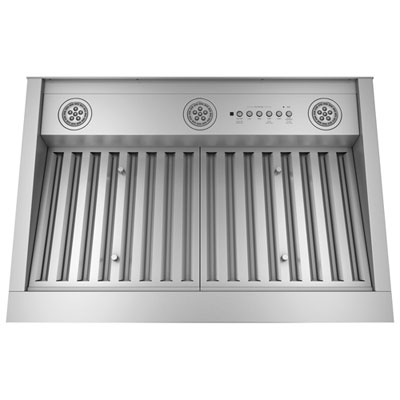
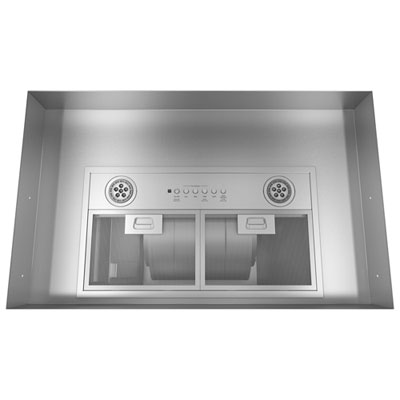
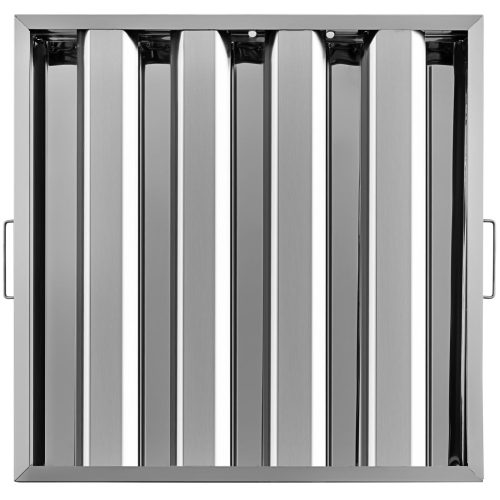
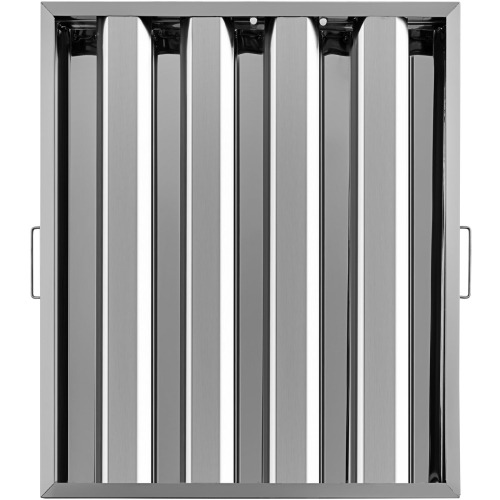
Materials and construction make a noticeable difference when a hood is exposed to grease, steam, frequent wiping, and long operating hours. Stainless steel is widely used for commercial hood canopies because it offers durability, corrosion resistance, and a surface that can be cleaned thoroughly. The grade of steel, quality of the seams, rigidity of the canopy, and access to internal surfaces all matter alongside the finish. Smooth, accessible surfaces help keep grease from collecting in difficult corners, while removable filters and accessible grease collection components simplify routine care. Many Type I systems use metal baffle filters, which redirect airflow to separate grease droplets from the exhaust stream. Filters must be suitable for the system and installed correctly; substituting an unsuitable filter can affect performance and safety. Physical fit involves more than matching the width of a range. Hood length, depth, mounting height, and the required overhang beyond the cooking equipment all influence capture, and those dimensions depend on the appliance layout, hood design, and applicable requirements. A wall-mounted canopy benefits from having a wall behind the cooking line, while an island canopy is exposed to air movement on more sides and may need a different capture and airflow arrangement. Low ceilings, overhead services, doorways, and the route to an exterior discharge point can also shape the installation. In a compact food-service space, a hood that fits above the appliances may still leave too little room for safe servicing or the required duct clearances. Airflow, often expressed in cubic feet per minute, should be assessed with the entire exhaust design rather than treated as a stand-alone measure of quality. More airflow is not automatically better: excessive exhaust without properly designed replacement air can create pressure problems, interfere with doors, and affect combustion appliances. Cross-draughts from supply vents or nearby openings can pull smoke away from the canopy before it is captured. Professional sizing helps bring these factors together so the hood suits both the cooking line and the building.
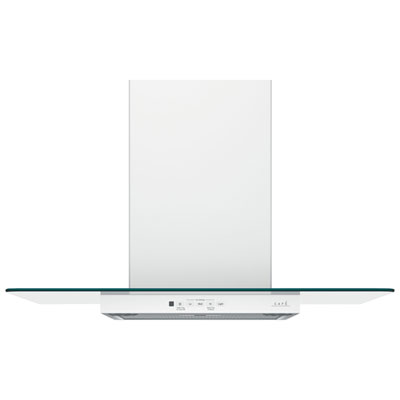
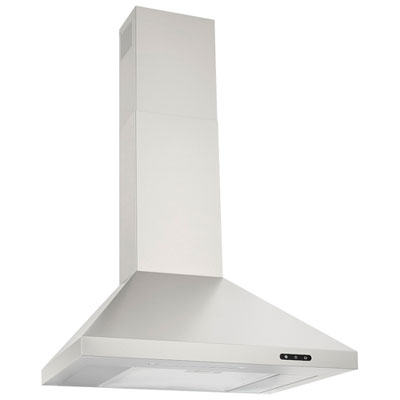
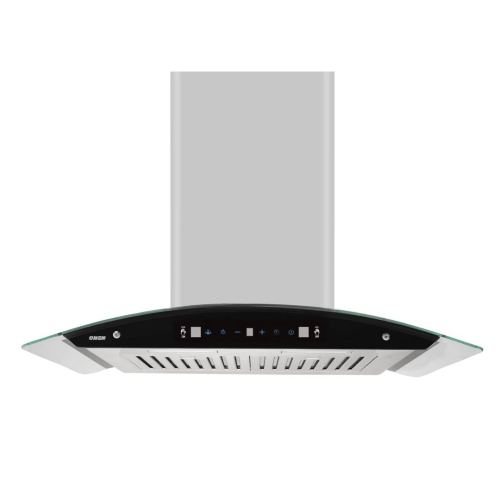
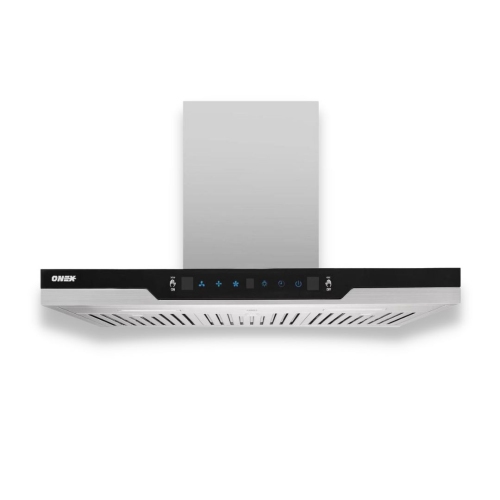
Day-to-day usability becomes especially important during a busy service, when several appliances may be operating at once and staff need clear access to the cooking line. Suitable task lighting helps make pan surfaces, food colour, and equipment controls easier to see, while accessible switches and clearly identified controls support straightforward operation. Noise depends on more than the canopy: fan selection, duct layout, airflow velocity, and vibration isolation all contribute to what staff hear. A well-planned installation accounts for communication across the kitchen as well as capture performance. Cleaning access deserves equal attention. Grease filters, collection trays, and exposed canopy surfaces need a maintenance schedule based on cooking volume, the manufacturer’s directions, and applicable fire safety requirements. Heavy frying and charbroiling can create deposits much faster than lighter cooking, so appearance alone is not a reliable measure of when the full exhaust system needs attention. Accessible duct inspection points and serviceable components make professional cleaning and inspection more practical. Stainless steel surfaces generally benefit from suitable non-abrasive cleaners and wiping in the direction of the grain, with cleaning methods matched to the manufacturer’s care instructions. Harsh chemicals, abrasive tools, and neglected grease deposits can damage finishes or compromise service life. For kitchen owners planning a replacement, the existing canopy dimensions are only a starting point; changes to cooking equipment can also change ventilation and fire protection needs. Adding a fryer beneath a hood previously serving non-grease equipment, for example, calls for a fresh assessment rather than a simple appliance swap. Qualified ventilation installers and the local authority having jurisdiction can establish the applicable requirements for duct routing, discharge location, replacement air, electrical connections, and fire suppression. For a residential kitchen where the interest is in an exposed vertical flue and a prominent canopy, Chimney Range Hoods represent a different ventilation category; that styling alone does not indicate commercial suitability. In a professional setting, the strongest fit is a hood system matched to the actual cooking process, built for regular cleaning, and planned around safe operation throughout the working day.
Materials and construction make a noticeable difference when a hood is exposed to grease, steam, frequent wiping, and long operating hours. Stainless steel is widely used for commercial hood canopies because it offers durability, corrosion resistance, and a surface that can be cleaned thoroughly. The grade of steel, quality of the seams, rigidity of the canopy, and access to internal surfaces all matter alongside the finish. Smooth, accessible surfaces help keep grease from collecting in difficult corners, while removable filters and accessible grease collection components simplify routine care. Many Type I systems use metal baffle filters, which redirect airflow to separate grease droplets from the exhaust stream. Filters must be suitable for the system and installed correctly; substituting an unsuitable filter can affect performance and safety. Physical fit involves more than matching the width of a range. Hood length, depth, mounting height, and the required overhang beyond the cooking equipment all influence capture, and those dimensions depend on the appliance layout, hood design, and applicable requirements. A wall-mounted canopy benefits from having a wall behind the cooking line, while an island canopy is exposed to air movement on more sides and may need a different capture and airflow arrangement. Low ceilings, overhead services, doorways, and the route to an exterior discharge point can also shape the installation. In a compact food-service space, a hood that fits above the appliances may still leave too little room for safe servicing or the required duct clearances. Airflow, often expressed in cubic feet per minute, should be assessed with the entire exhaust design rather than treated as a stand-alone measure of quality. More airflow is not automatically better: excessive exhaust without properly designed replacement air can create pressure problems, interfere with doors, and affect combustion appliances. Cross-draughts from supply vents or nearby openings can pull smoke away from the canopy before it is captured. Professional sizing helps bring these factors together so the hood suits both the cooking line and the building.
Day-to-day usability becomes especially important during a busy service, when several appliances may be operating at once and staff need clear access to the cooking line. Suitable task lighting helps make pan surfaces, food colour, and equipment controls easier to see, while accessible switches and clearly identified controls support straightforward operation. Noise depends on more than the canopy: fan selection, duct layout, airflow velocity, and vibration isolation all contribute to what staff hear. A well-planned installation accounts for communication across the kitchen as well as capture performance. Cleaning access deserves equal attention. Grease filters, collection trays, and exposed canopy surfaces need a maintenance schedule based on cooking volume, the manufacturer’s directions, and applicable fire safety requirements. Heavy frying and charbroiling can create deposits much faster than lighter cooking, so appearance alone is not a reliable measure of when the full exhaust system needs attention. Accessible duct inspection points and serviceable components make professional cleaning and inspection more practical. Stainless steel surfaces generally benefit from suitable non-abrasive cleaners and wiping in the direction of the grain, with cleaning methods matched to the manufacturer’s care instructions. Harsh chemicals, abrasive tools, and neglected grease deposits can damage finishes or compromise service life. For kitchen owners planning a replacement, the existing canopy dimensions are only a starting point; changes to cooking equipment can also change ventilation and fire protection needs. Adding a fryer beneath a hood previously serving non-grease equipment, for example, calls for a fresh assessment rather than a simple appliance swap. Qualified ventilation installers and the local authority having jurisdiction can establish the applicable requirements for duct routing, discharge location, replacement air, electrical connections, and fire suppression. For a residential kitchen where the interest is in an exposed vertical flue and a prominent canopy, Chimney Range Hoods represent a different ventilation category; that styling alone does not indicate commercial suitability. In a professional setting, the strongest fit is a hood system matched to the actual cooking process, built for regular cleaning, and planned around safe operation throughout the working day.
Top selling and popular products
-
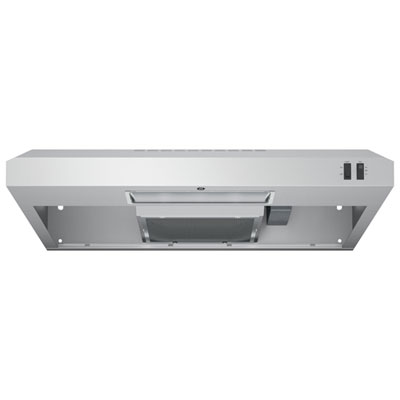 Your price for this item is $249.99
 -
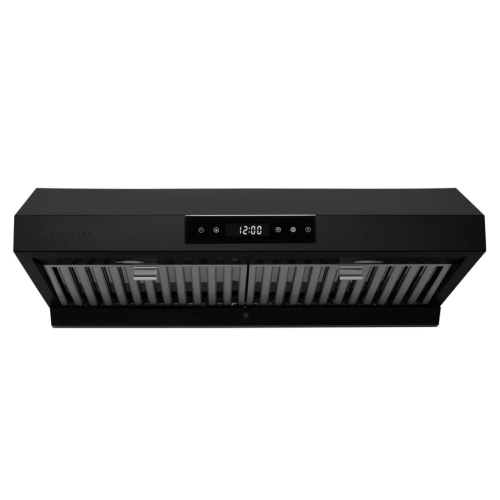 Your price for this item is $598.49
 -
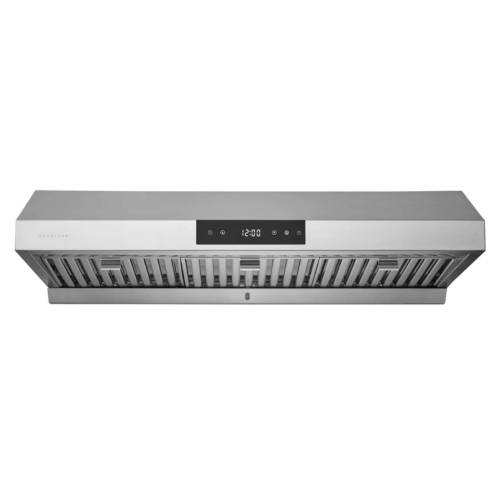 Your price for this item is $645.99
 -
 Your price for this item is $645.99
 -
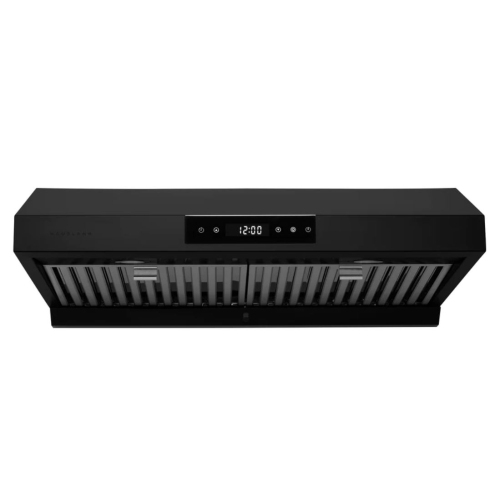 Your price for this item is $645.99
 -
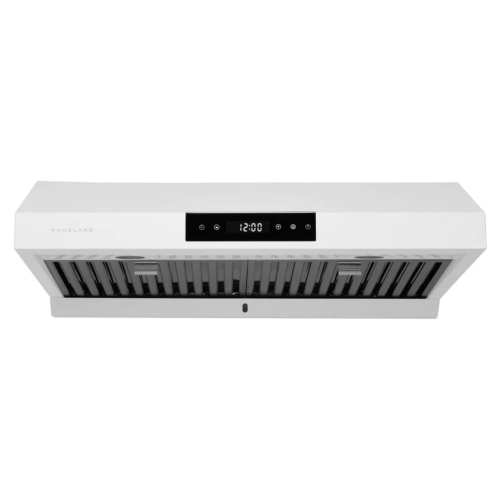 Your price for this item is $598.49
 -
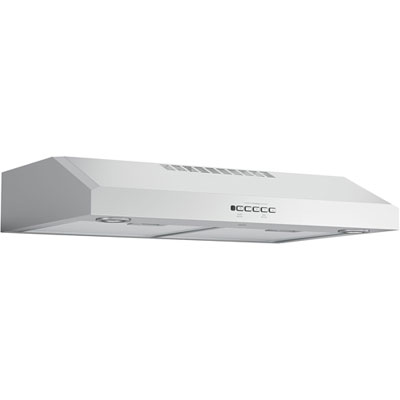 Your price for this item is $449.99
 -
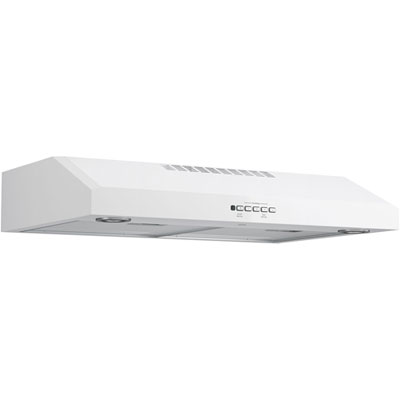 Your price for this item is $399.99
Discover more categories related to Commercial Range Hoods
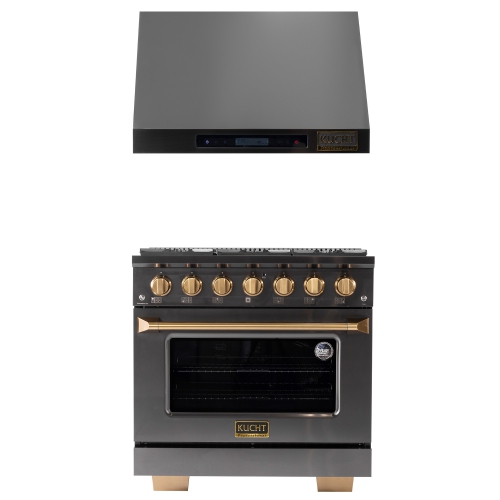
Top Collections:
Pokemon Centers, Kindle Devices, Best Budget Office Chairs, Apple iPhones 16, Best Laptops for Writers, iPhone 15 Apple, Canon G7X Cameras, Refurbished Apple Laptops, Alarm Clock, Motorola Razr Phones
Some products may be subject to Environmental Handling Fees
(EHF) depending on your province.
Learn more about EHFs.