Commercial Rice Warmers
When it comes to keeping large quantities of rice warm and ready for serving in a commercial setting, having a reliable rice warmer is essential. Commercial rice warmers are designed to maintain the perfect temperature and consistency of cooked rice for extended periods, ensuring that your customers can enjoy delicious, fluffy rice with every meal. Whether you run a bustling restaurant, catering business, or food service establishment, investing in a high-quality commercial rice warmer can streamline your operations and help you deliver consistent results to your patrons. Explore our selection of commercial rice warmers to find the perfect solution for your business needs.
Sort
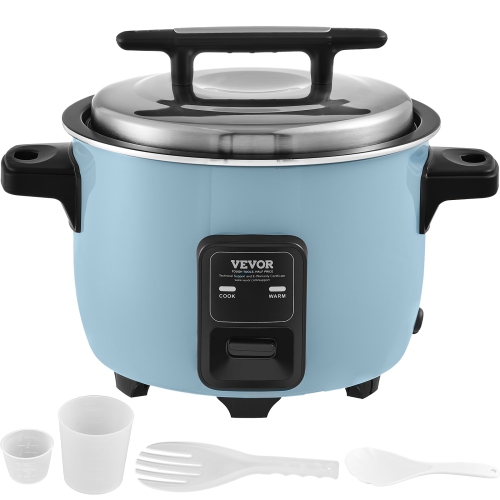
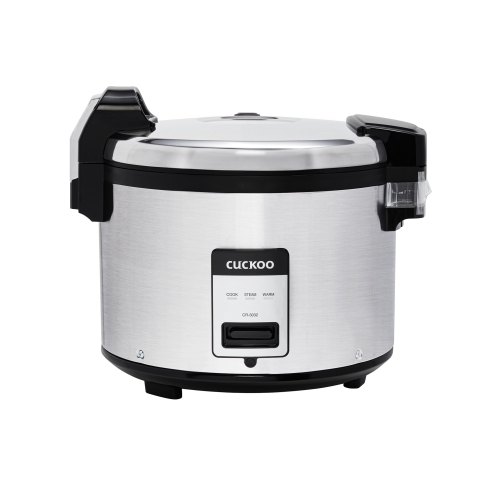
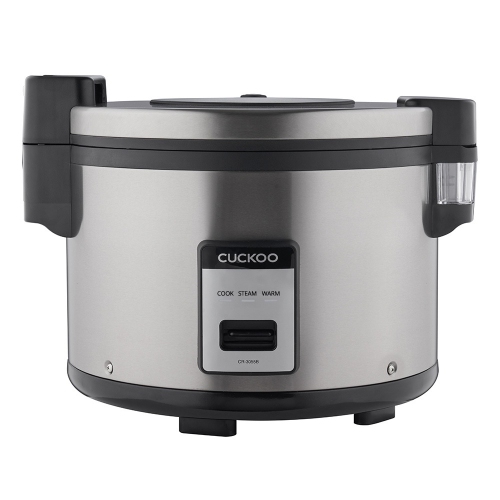
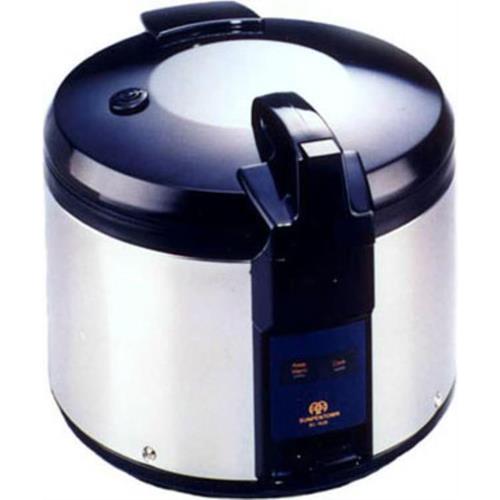
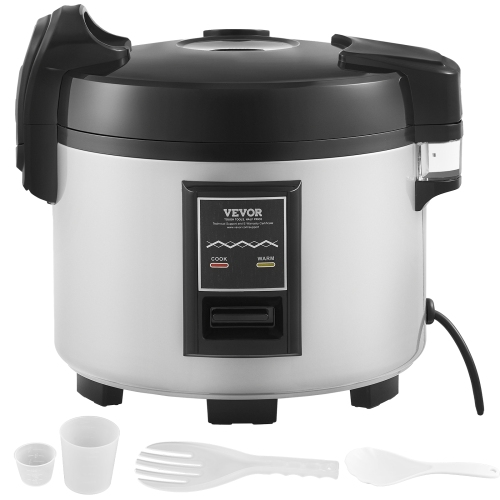
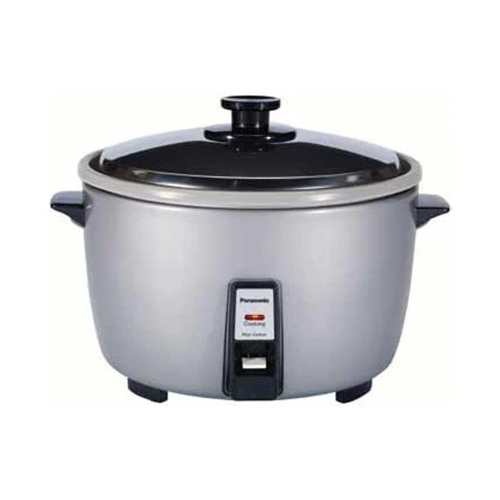
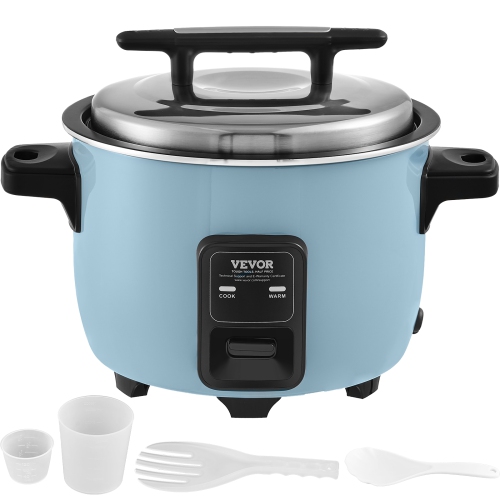
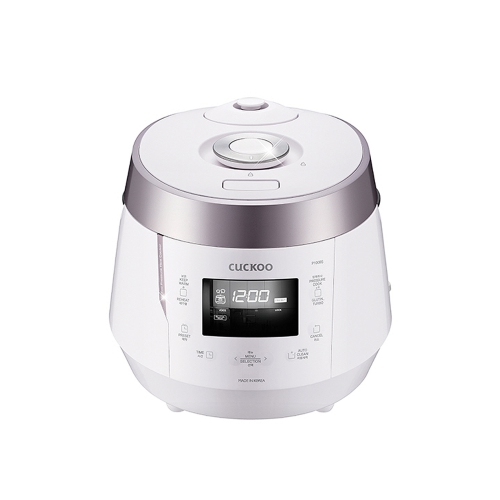
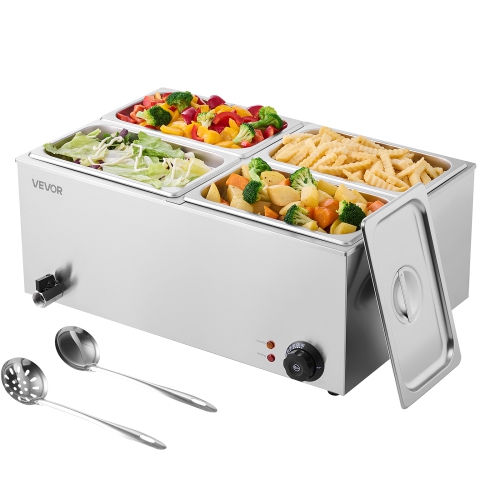
Hot rice ready when the lunch rush hits
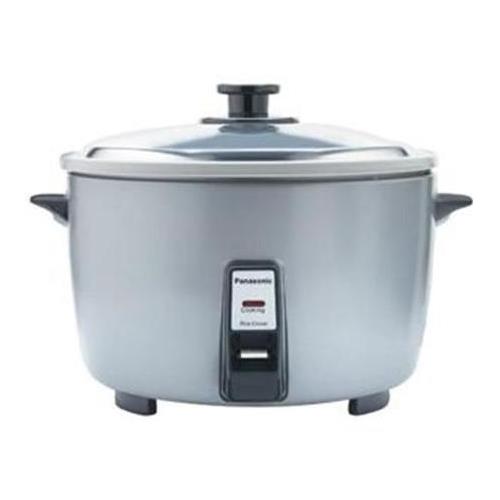
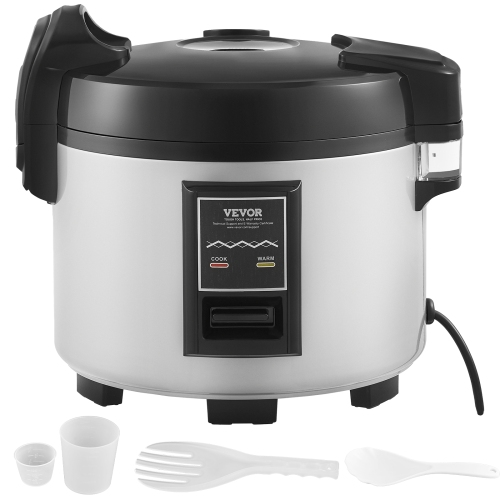
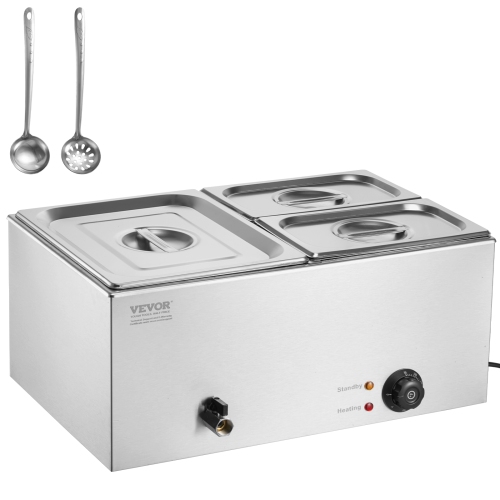
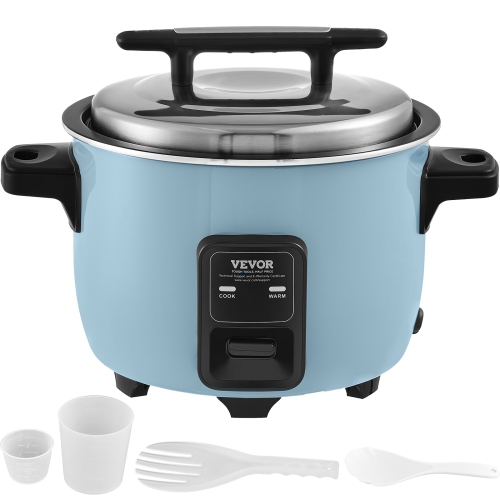
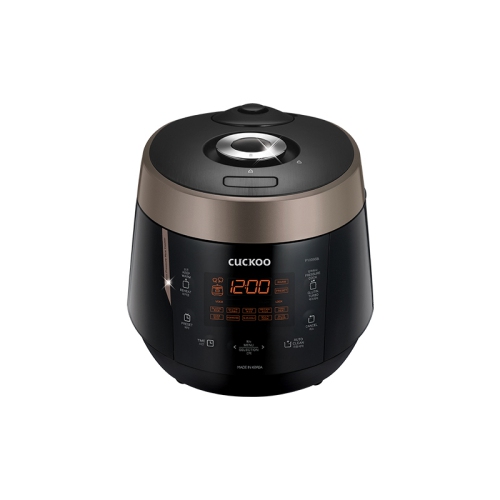
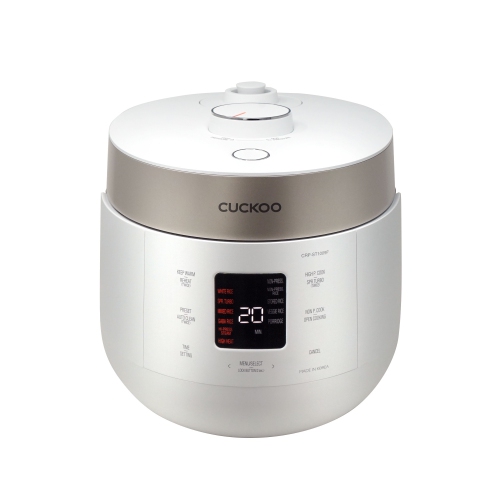
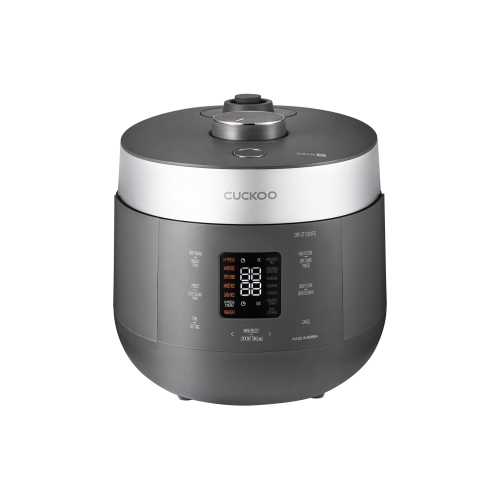
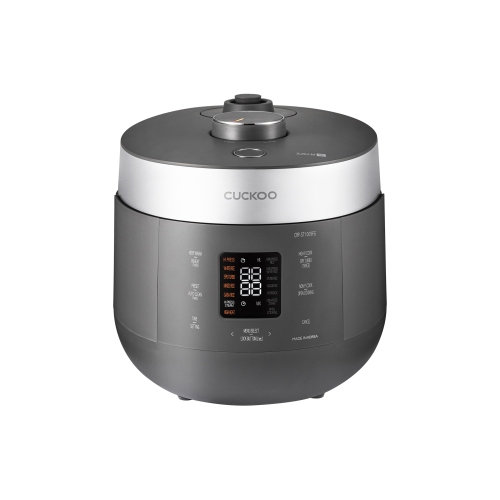
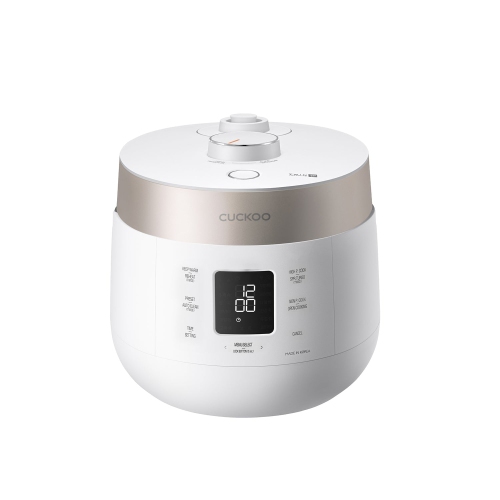
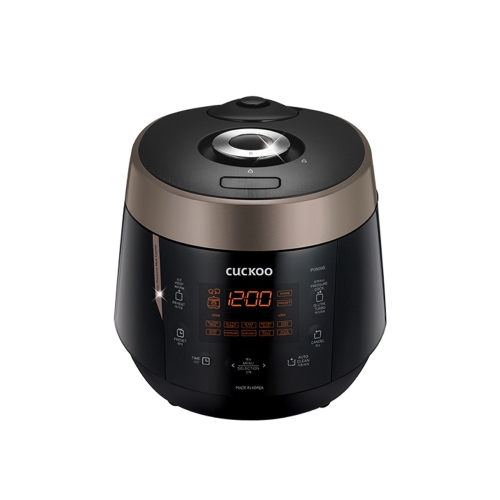
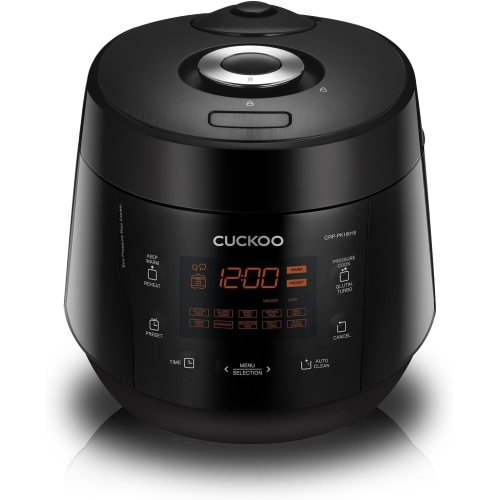
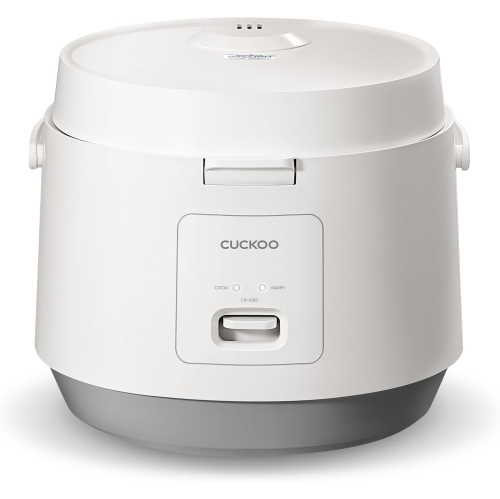
Commercial rice warmers are countertop foodservice appliances designed to hold cooked rice hot and ready for serving after preparation. They help restaurants, caterers, cafeterias, and buffet operators manage batches between the cooking station and the plate, with less need to prepare rice for every order. A dedicated rice warmer holds already-cooked rice; it does not cook raw grains or replace equipment intended to reheat chilled food. Commercial rice cooker-warmer combinations serve a different role, preparing rice before switching to a holding mode. That distinction matters in a kitchen where a separate cooker already handles production and the main need is somewhere to keep the finished batch ready for service. At a busy lunch counter, for example, a warmer can sit near the bowl assembly station so staff can portion rice alongside vegetables and proteins without crossing the kitchen. At a catered dinner, it can provide a central supply for attendants replenishing serving dishes. Enclosed lids and controlled heating help retain warmth and moisture, although results depend on the appliance, the rice variety, the batch size, and the length of the holding period. Long-grain rice served with grilled dishes, short-grain rice used in bowls, and brown rice offered as a side each have different textures worth preserving. A warmer supports that consistency, but it cannot prevent every change that occurs during extended holding. Rice should enter the unit fully cooked and hot, with batch sizes planned around expected demand rather than simply filling the pot to its maximum. For operations serving several hot dishes, rice warmers can complement Commercial Food Warmers used elsewhere along the service line. The benefit is a more organized workflow: cooking equipment remains focused on preparation, while the holding station keeps rice close to where it is portioned. This separation can be useful wherever rice is a regular part of the menu, from a small takeaway counter to a larger institutional dining operation.
Capacity is one of the most important differences between commercial rice warmers, but cup figures need careful interpretation. A stated capacity may refer to cooked rice, uncooked rice, or a measuring cup supplied with the appliance, depending on whether the unit is a dedicated warmer or a cooker-warmer combination. Comparing those figures without checking their meaning can lead to a unit that is too small for the busiest service or unnecessarily large for everyday batches. Cooked-rice capacity, usable pot volume, and the operation’s actual portion size provide a clearer basis for planning. A counter serving modest side portions has different needs from a restaurant building generous rice bowls, even if both serve a similar number of guests. Physical fit matters just as much as batch volume. The countertop needs to support the loaded appliance, leave room for ventilation specified by the manufacturer, and allow the lid to open fully beneath shelves or other fixtures. Staff also need enough space to lift out the inner pot and scoop comfortably without reaching across hot equipment. Electrical requirements deserve attention, particularly where several appliances share a service area; the plug type, voltage, and circuit requirements should match the intended installation. Stainless-steel exteriors are common in commercial foodservice equipment because they tolerate frequent wiping and everyday handling, though finish quality, seams, and the construction of handles and hinges also affect long-term practicality. Removable inner pots may feature a non-stick coating that helps with portioning and cleaning, while other interiors require a different approach to utensils and care. A rice paddle suitable for the pot surface helps staff reach the sides without scratching the finish. Insulated bodies, secure lids, clearly visible indicators, and accessible controls can make a warmer easier to use during a rush. Handles are useful for positioning a cooled, empty unit, but should not be assumed to make a full, hot appliance safe to carry. For catering operations, transport arrangements and access to suitable power at the venue remain separate considerations from holding capacity.
Daily use and cleaning have a strong influence on how well a commercial rice warmer fits into kitchen routines. A lid that closes easily between servings helps limit moisture loss, while an opening wide enough for comfortable scooping can reduce spills around the rim. Frequent opening, very small batches in a large pot, and long holding periods can all affect the finished rice, so practical performance depends on more than the stated capacity. During a steady service, preparing smaller replacement batches may deliver better texture than holding one oversized batch throughout the day. Fresh rice should not simply be mixed into an older batch without a defined food-safety procedure, since doing so makes holding times harder to track. Hot-held rice generally needs to remain at $60°C or above under Canadian food-safety guidance; a clean, suitable food thermometer helps verify the food’s temperature rather than relying only on an indicator light. Local requirements and the appliance manufacturer’s directions should govern operation, including preheating, filling limits, and any permitted holding duration. A warmer is not a substitute for safe cooling, refrigeration, or reheating procedures. Once service is finished, unplugging the unit and allowing it to cool as directed makes routine cleaning safer. Removable pots and approved detachable lid components can simplify access to starchy residue, but dishwasher suitability varies and should be checked rather than assumed. Soft cleaning tools help protect coated surfaces, and the electrical base should never be immersed in water. Lid seals, hinges, handles, and power cords also benefit from regular checks, especially in kitchens where equipment is opened, wiped, and moved repeatedly. Access to compatible replacement pots or other serviceable parts can matter for long-term use. Features such as a simple control layout, an easy-to-clean rim, and a pot that lifts out comfortably may prove more valuable in daily operation than extra settings that staff rarely use. For foodservice teams, a well-matched commercial rice warmer brings together appropriate batch capacity, dependable hot holding, manageable cleaning, and a layout that supports quick, orderly portioning throughout service.
Capacity is one of the most important differences between commercial rice warmers, but cup figures need careful interpretation. A stated capacity may refer to cooked rice, uncooked rice, or a measuring cup supplied with the appliance, depending on whether the unit is a dedicated warmer or a cooker-warmer combination. Comparing those figures without checking their meaning can lead to a unit that is too small for the busiest service or unnecessarily large for everyday batches. Cooked-rice capacity, usable pot volume, and the operation’s actual portion size provide a clearer basis for planning. A counter serving modest side portions has different needs from a restaurant building generous rice bowls, even if both serve a similar number of guests. Physical fit matters just as much as batch volume. The countertop needs to support the loaded appliance, leave room for ventilation specified by the manufacturer, and allow the lid to open fully beneath shelves or other fixtures. Staff also need enough space to lift out the inner pot and scoop comfortably without reaching across hot equipment. Electrical requirements deserve attention, particularly where several appliances share a service area; the plug type, voltage, and circuit requirements should match the intended installation. Stainless-steel exteriors are common in commercial foodservice equipment because they tolerate frequent wiping and everyday handling, though finish quality, seams, and the construction of handles and hinges also affect long-term practicality. Removable inner pots may feature a non-stick coating that helps with portioning and cleaning, while other interiors require a different approach to utensils and care. A rice paddle suitable for the pot surface helps staff reach the sides without scratching the finish. Insulated bodies, secure lids, clearly visible indicators, and accessible controls can make a warmer easier to use during a rush. Handles are useful for positioning a cooled, empty unit, but should not be assumed to make a full, hot appliance safe to carry. For catering operations, transport arrangements and access to suitable power at the venue remain separate considerations from holding capacity.
Daily use and cleaning have a strong influence on how well a commercial rice warmer fits into kitchen routines. A lid that closes easily between servings helps limit moisture loss, while an opening wide enough for comfortable scooping can reduce spills around the rim. Frequent opening, very small batches in a large pot, and long holding periods can all affect the finished rice, so practical performance depends on more than the stated capacity. During a steady service, preparing smaller replacement batches may deliver better texture than holding one oversized batch throughout the day. Fresh rice should not simply be mixed into an older batch without a defined food-safety procedure, since doing so makes holding times harder to track. Hot-held rice generally needs to remain at $60°C or above under Canadian food-safety guidance; a clean, suitable food thermometer helps verify the food’s temperature rather than relying only on an indicator light. Local requirements and the appliance manufacturer’s directions should govern operation, including preheating, filling limits, and any permitted holding duration. A warmer is not a substitute for safe cooling, refrigeration, or reheating procedures. Once service is finished, unplugging the unit and allowing it to cool as directed makes routine cleaning safer. Removable pots and approved detachable lid components can simplify access to starchy residue, but dishwasher suitability varies and should be checked rather than assumed. Soft cleaning tools help protect coated surfaces, and the electrical base should never be immersed in water. Lid seals, hinges, handles, and power cords also benefit from regular checks, especially in kitchens where equipment is opened, wiped, and moved repeatedly. Access to compatible replacement pots or other serviceable parts can matter for long-term use. Features such as a simple control layout, an easy-to-clean rim, and a pot that lifts out comfortably may prove more valuable in daily operation than extra settings that staff rarely use. For foodservice teams, a well-matched commercial rice warmer brings together appropriate batch capacity, dependable hot holding, manageable cleaning, and a layout that supports quick, orderly portioning throughout service.
Top selling and popular products
-
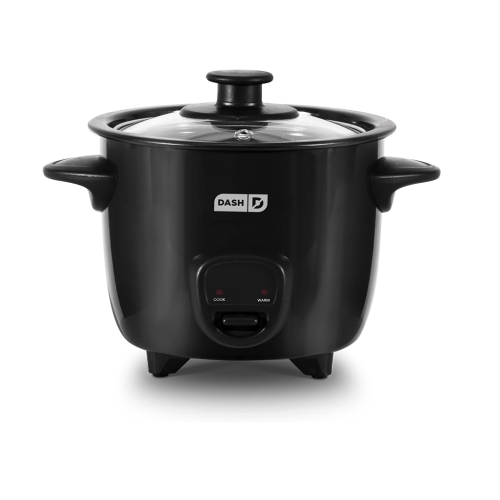 Your price for this item is $91.11
 -
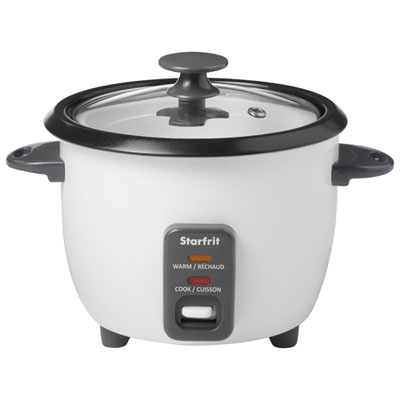 Your price for this item is $24.99
 -
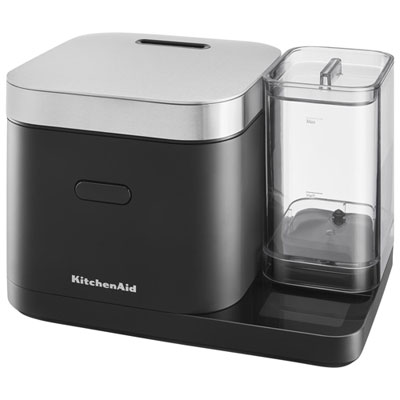 Your price for this item is $309.98
 -
 Your price for this item is $29.99
 -
 Your price for this item is $226.6
 -
 Your price for this item is $29.99
 -
 Your price for this item is $39.99
 -
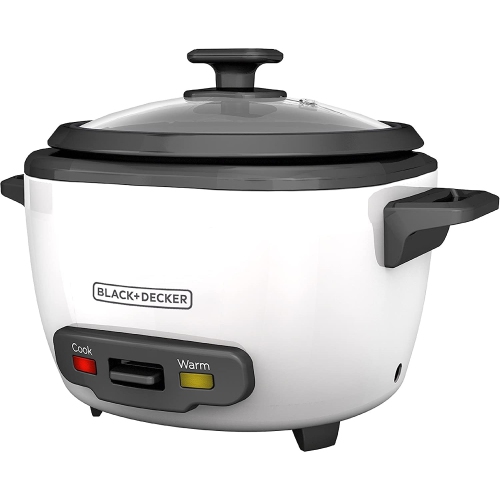 Your price for this item is $28.99
Discover more categories related to Commercial Rice Warmers

Top Collections:
Pokemon Centers, Kindle Devices, Best Budget Office Chairs, Apple iPhones 16, Canon G7X Cameras, iPhone 15 Apple, Alarm Clock, Refurbished Apple Laptops, Flip Phones, Best Laptops for Writers
Some products may be subject to Environmental Handling Fees
(EHF) depending on your province.
Learn more about EHFs.