Ductless Mini Split Systems
Dive into the world of ductless mini-split systems, the modern way to achieve personalized comfort in any room. Say goodbye to bulky ductwork and hello to zoned climate control that puts you in charge of your indoor environment. Whether you're looking to cool down a stuffy bedroom or warm up a chilly living room, these compact systems offer flexibility, energy savings, and whisper-quiet operation. Explore our selection of ductless mini-split systems to find the perfect fit for your home today.
Sort
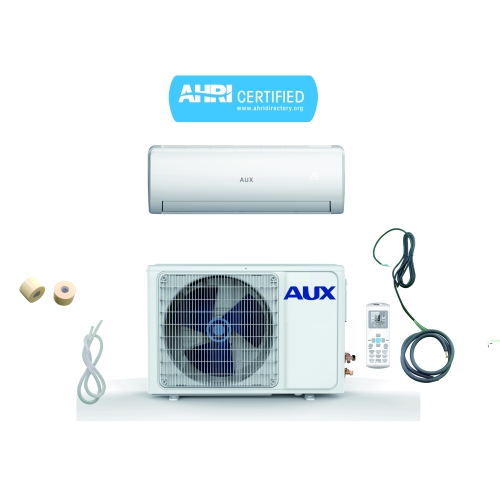
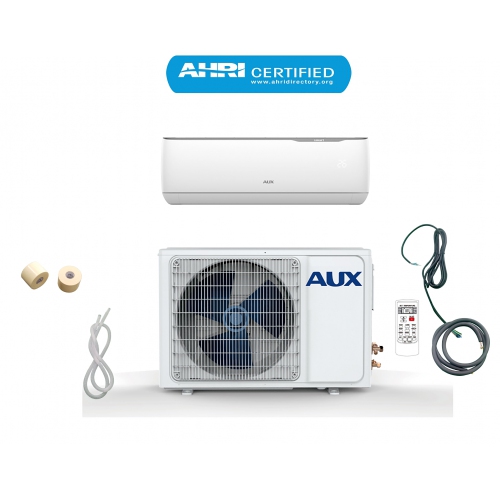
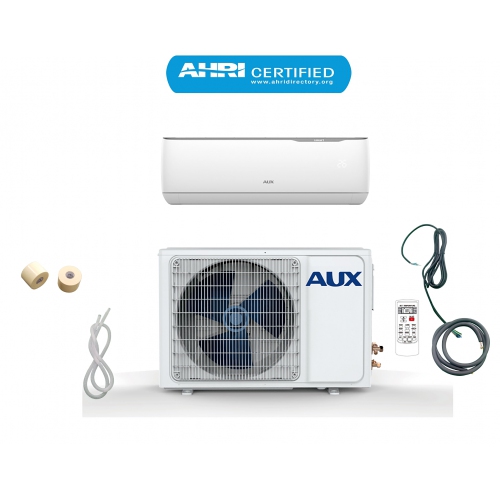
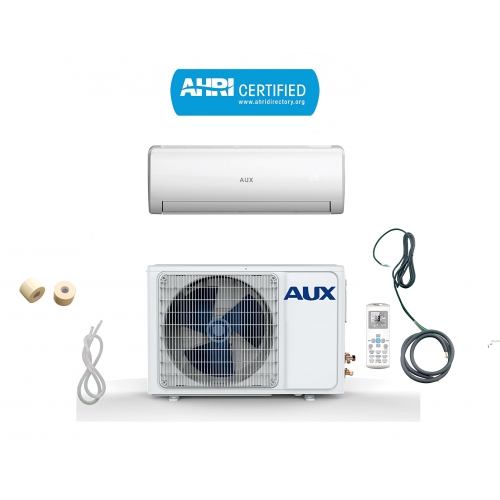
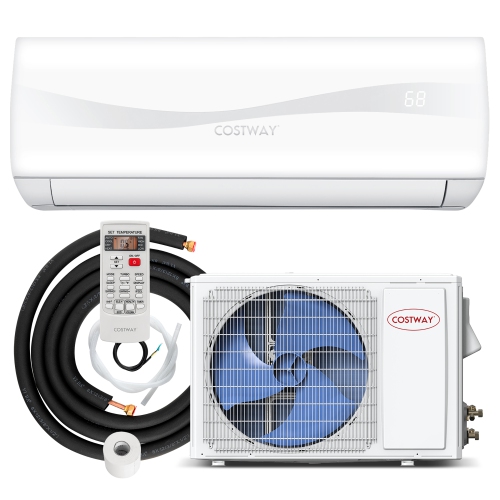
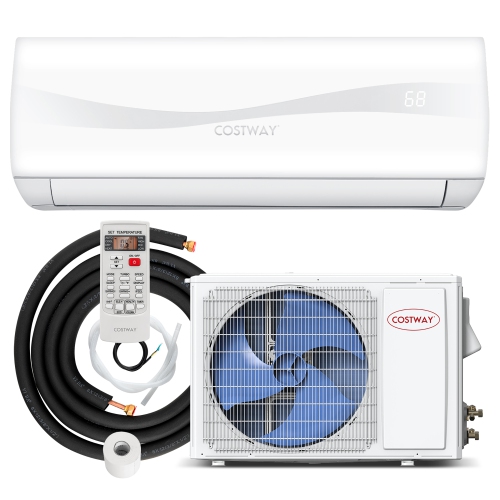
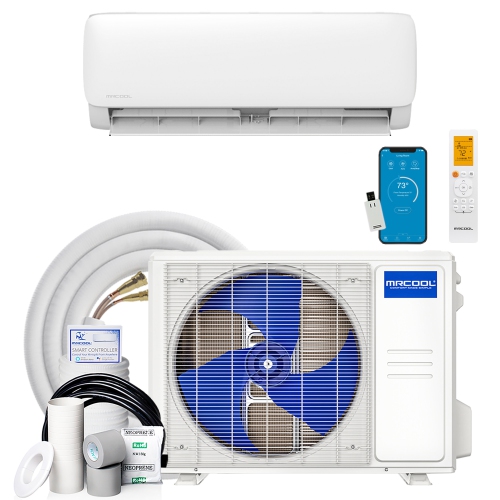
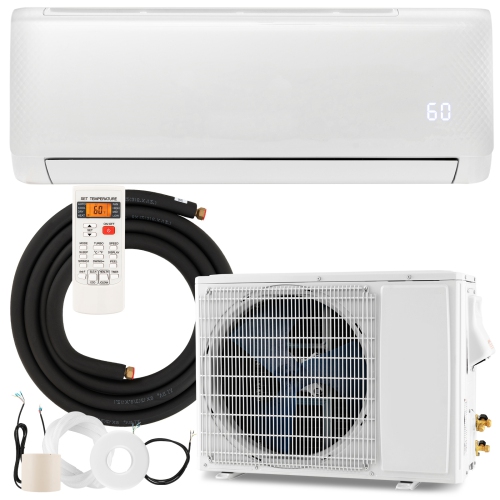
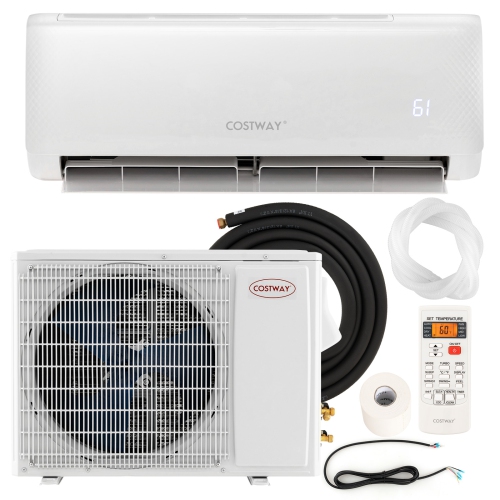
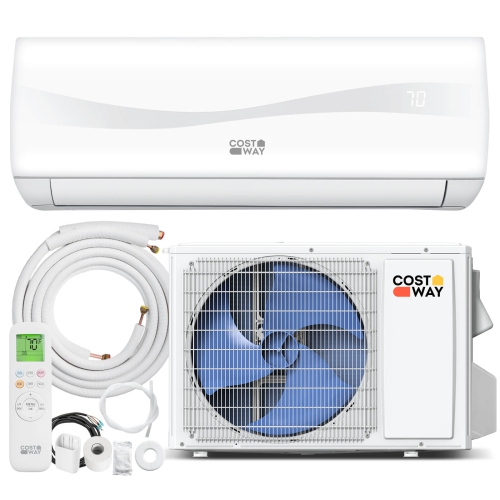
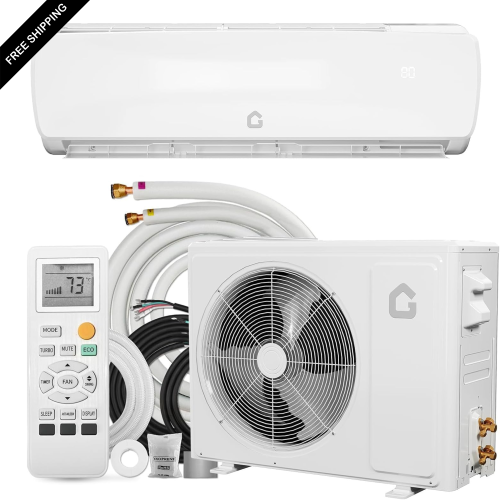
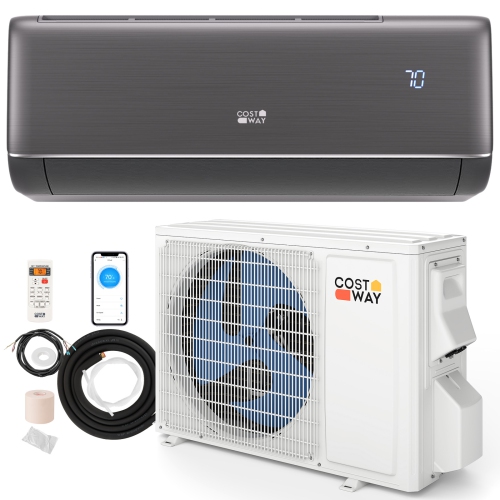
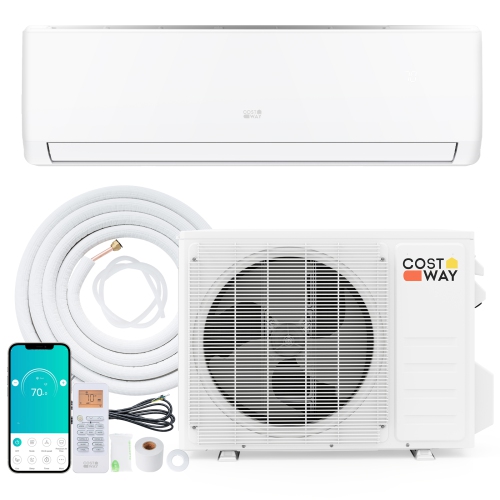
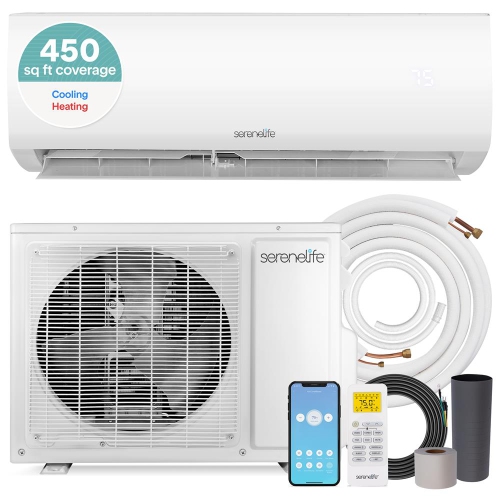
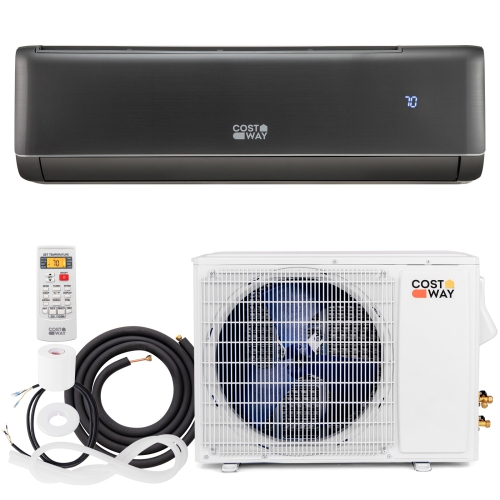

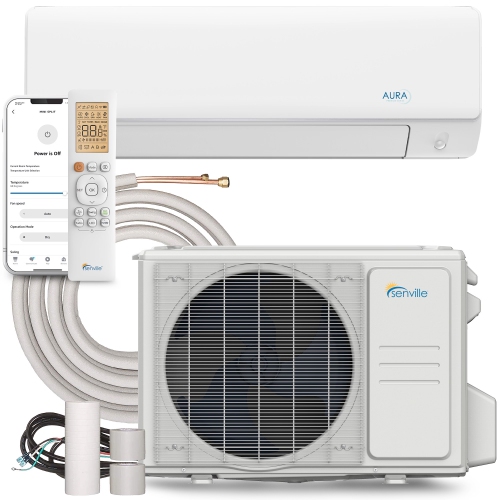
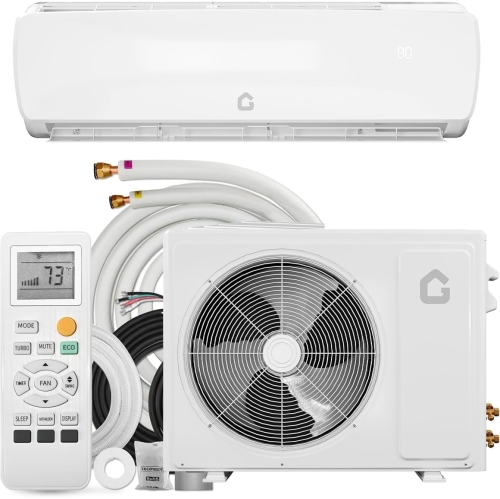
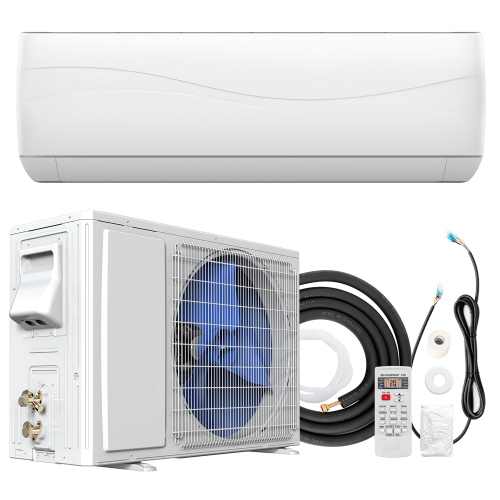
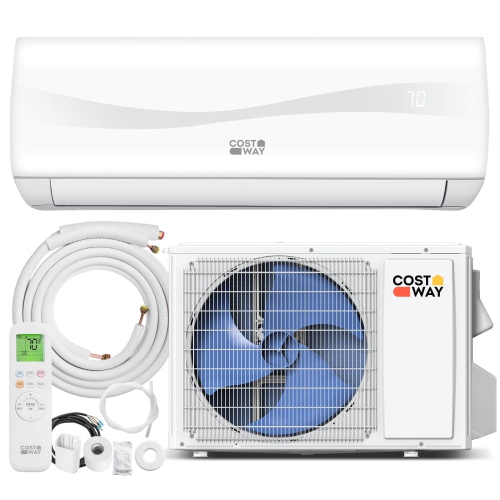
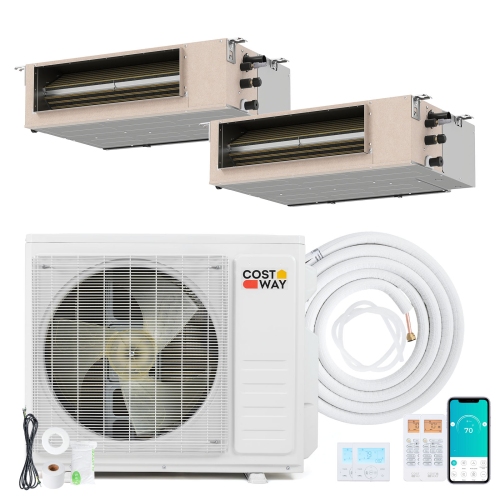
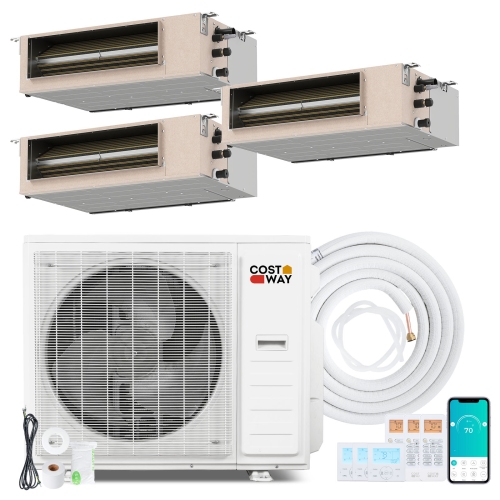
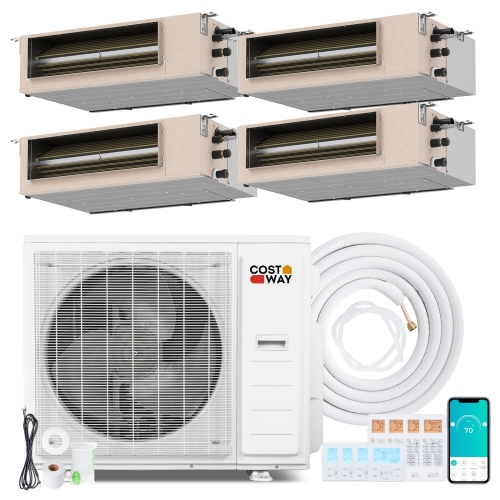
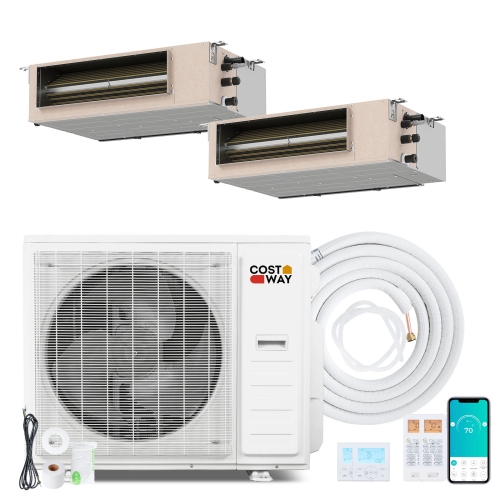
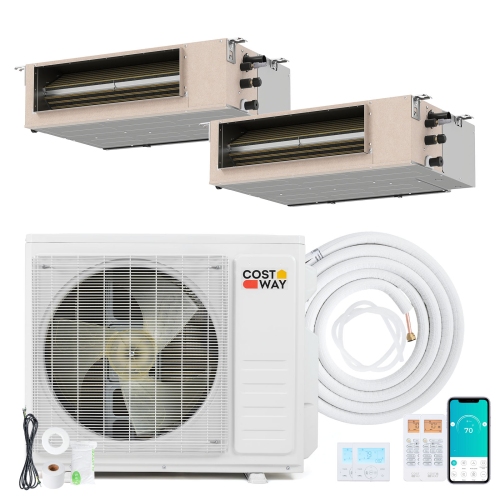
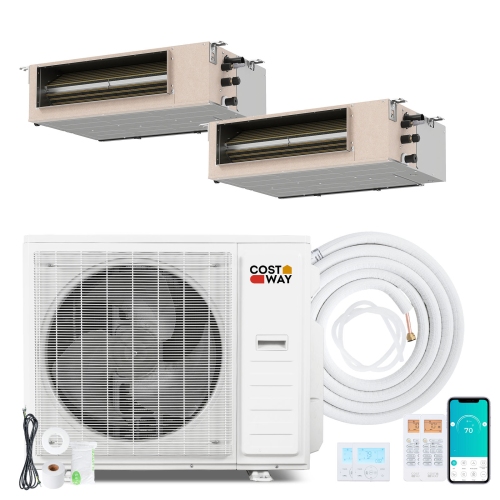
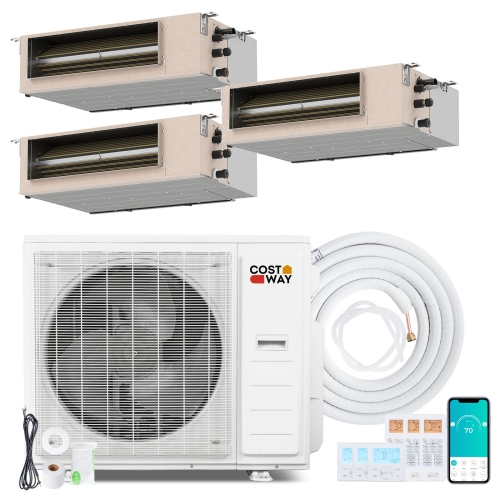
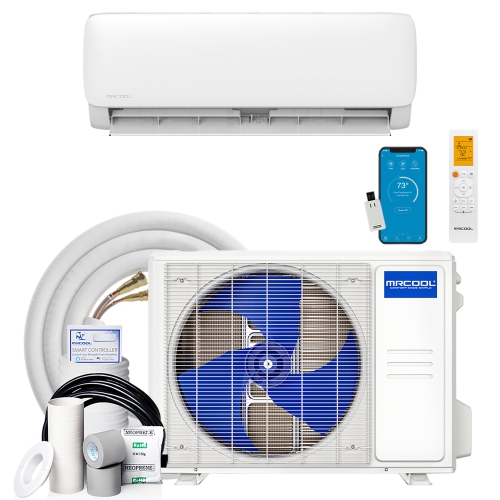

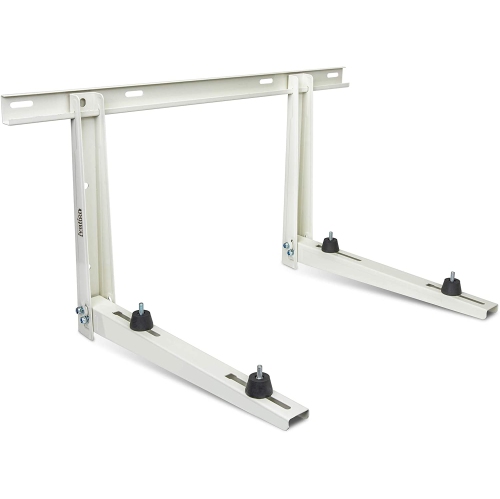
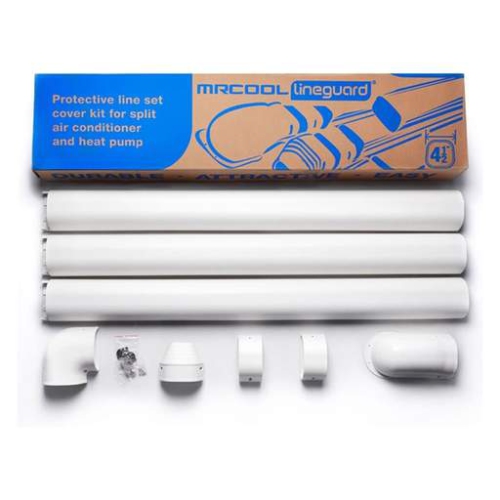
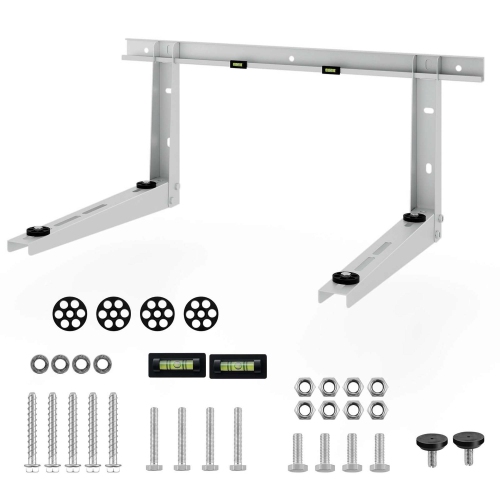
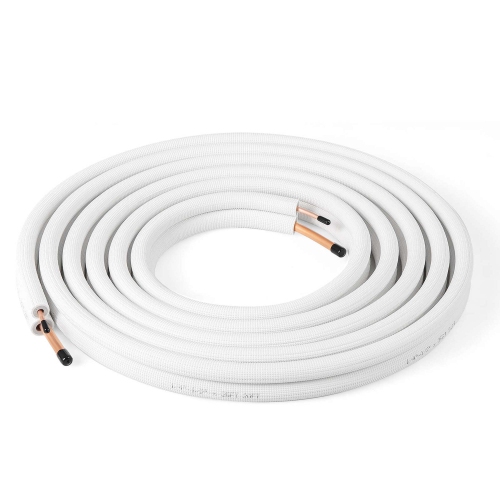
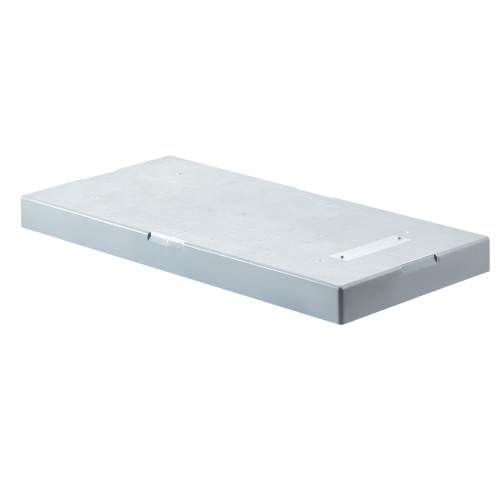
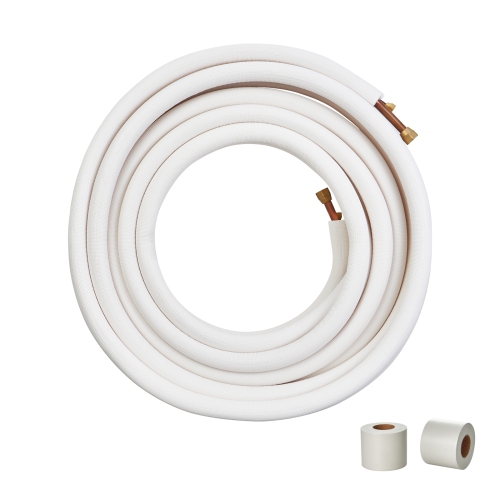
Room-by-room comfort without extending traditional ductwork
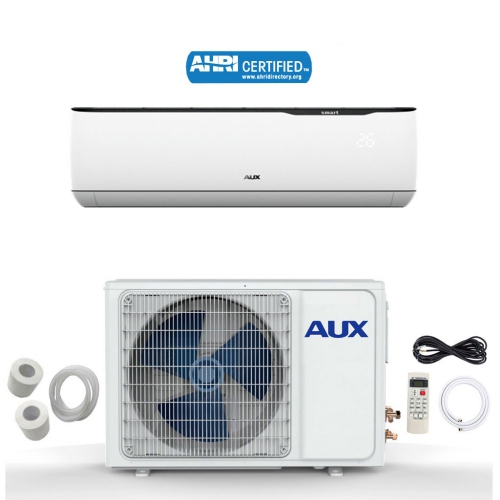
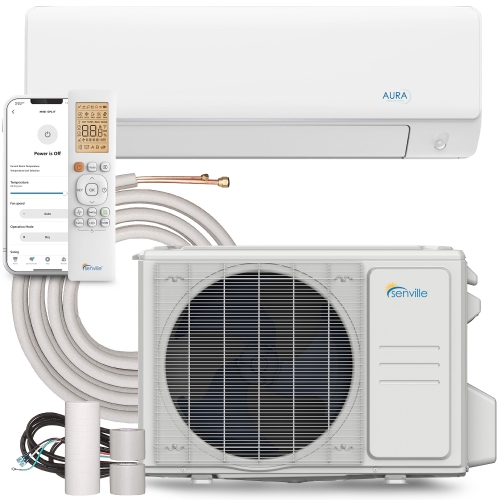
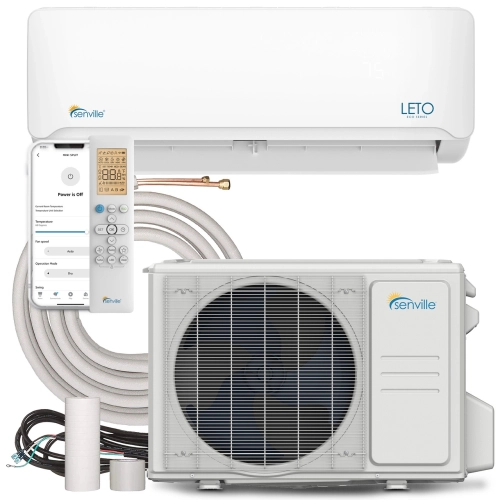
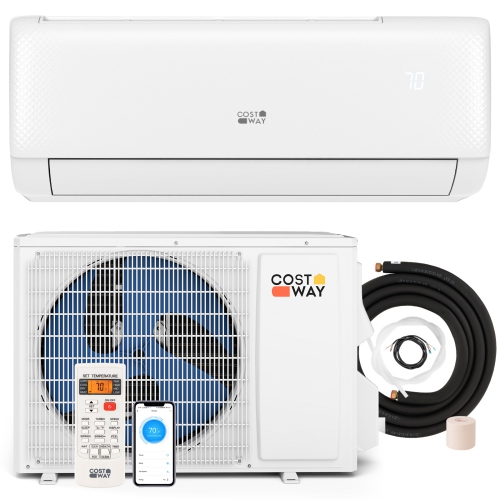
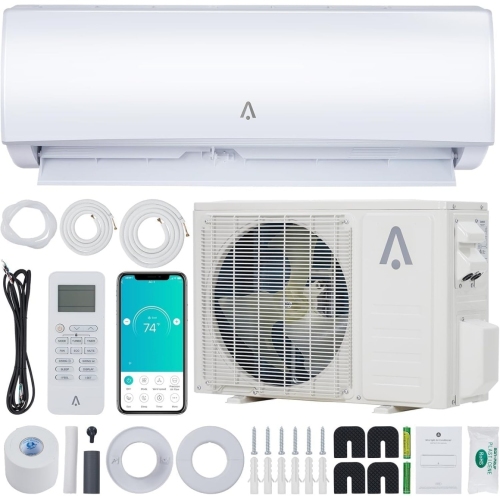
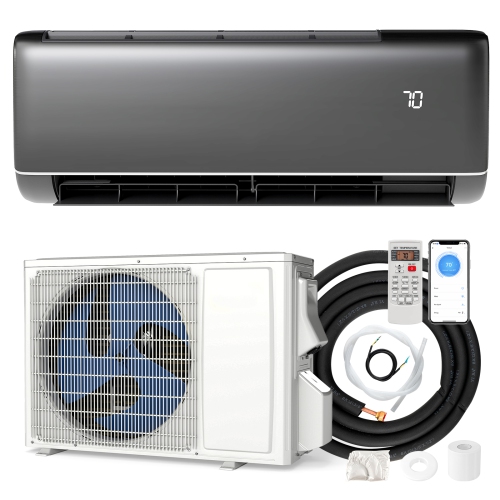
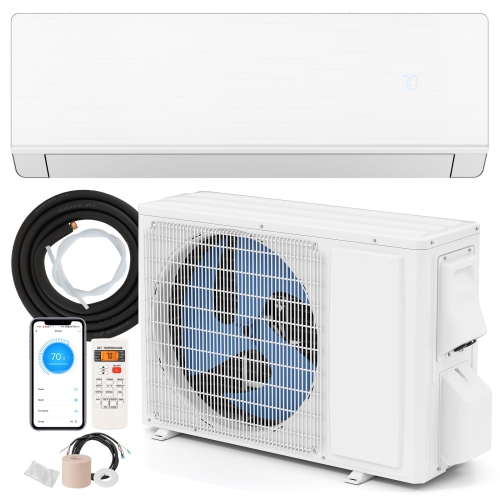
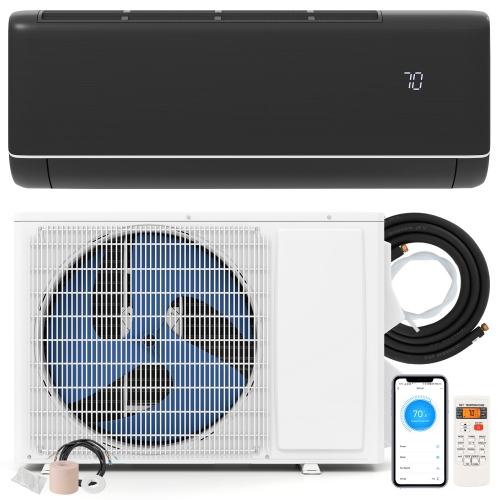
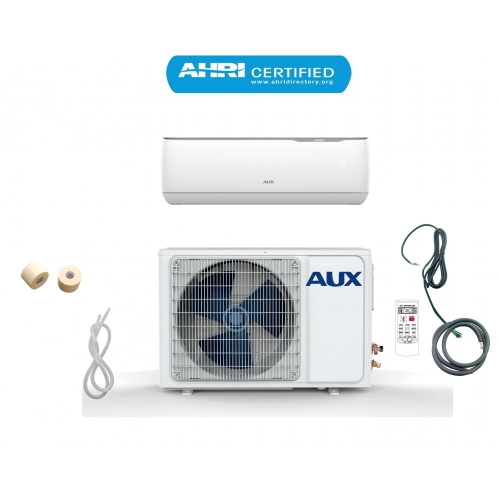
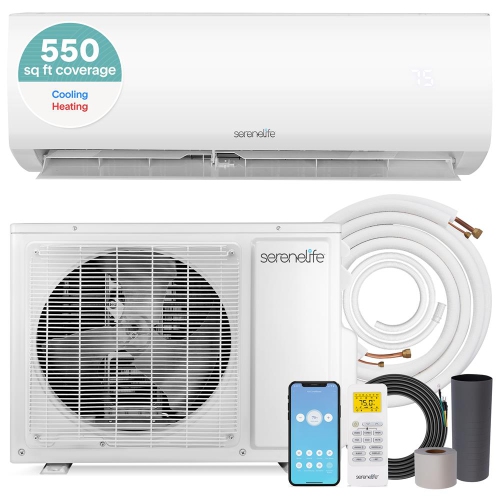
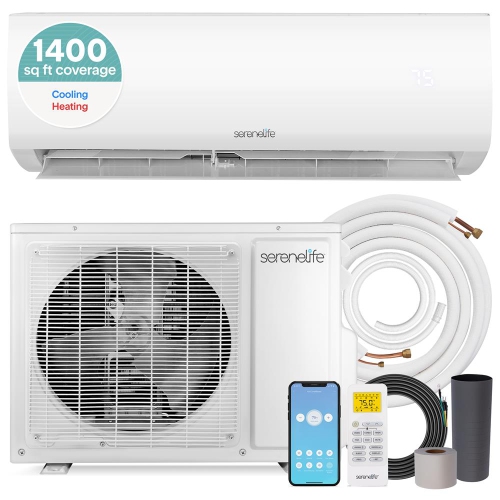
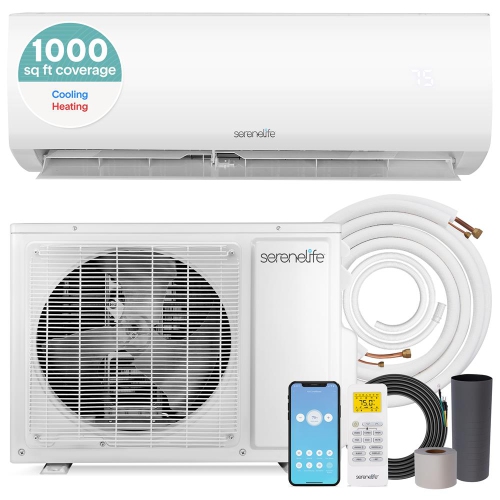
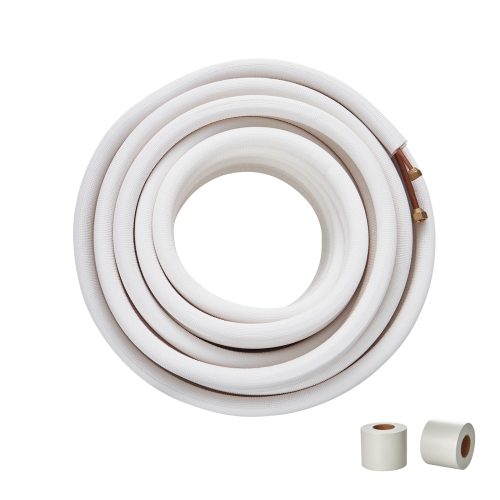
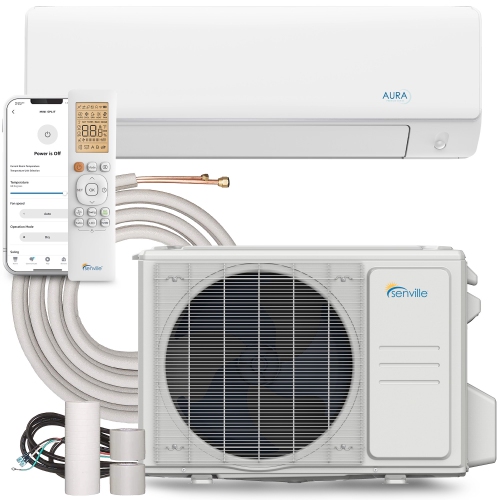
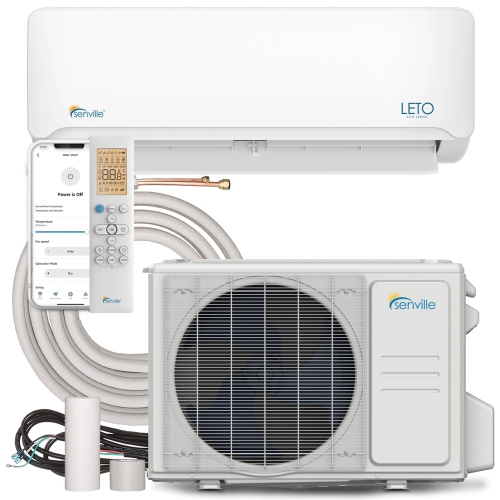
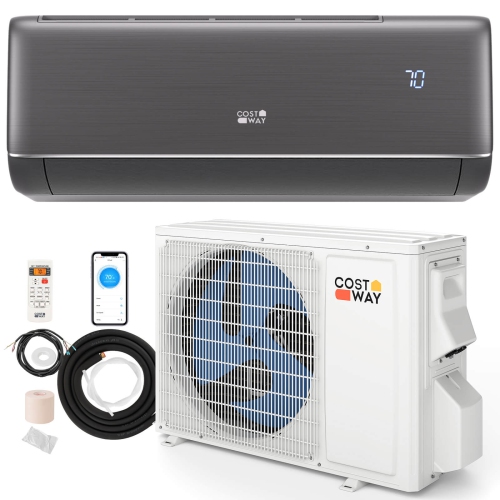
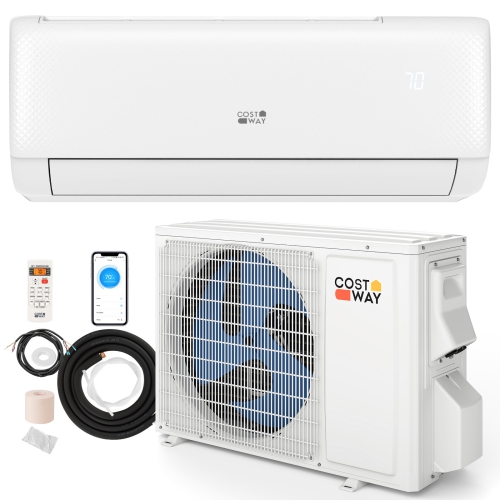
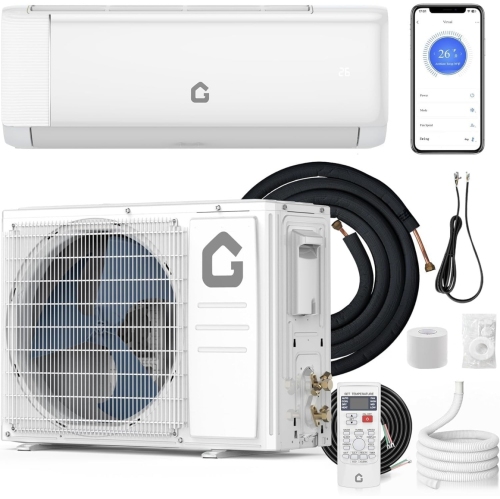
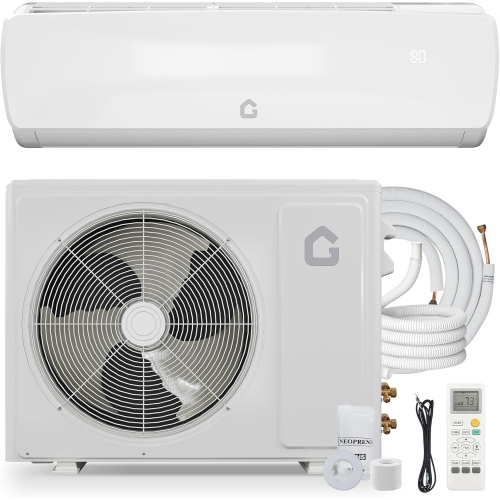
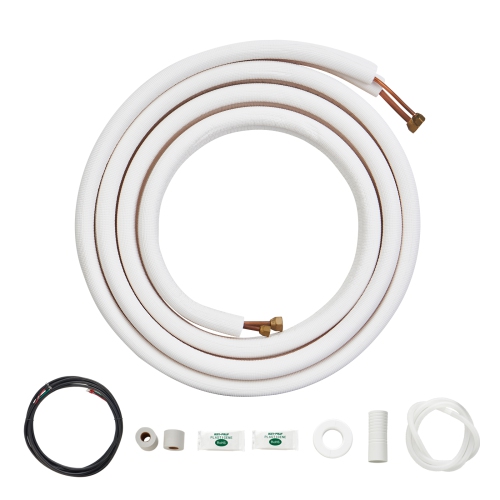
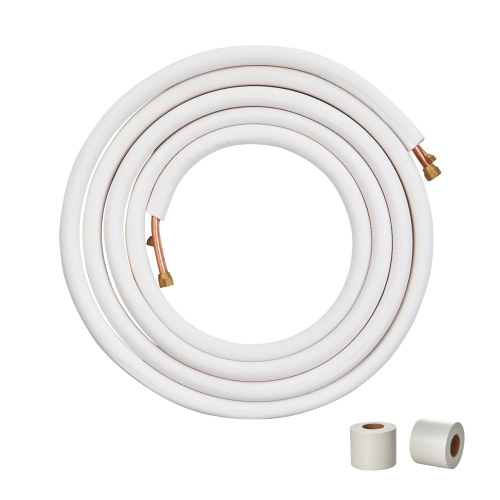
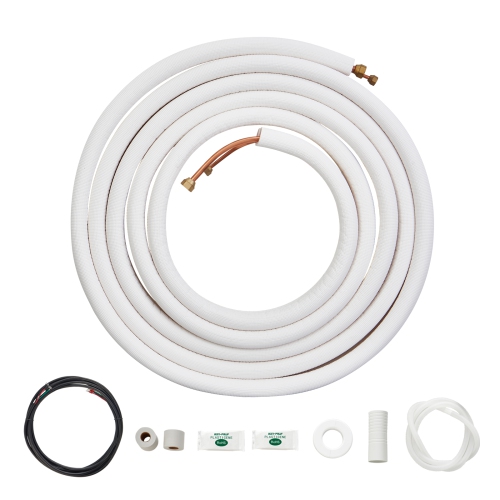
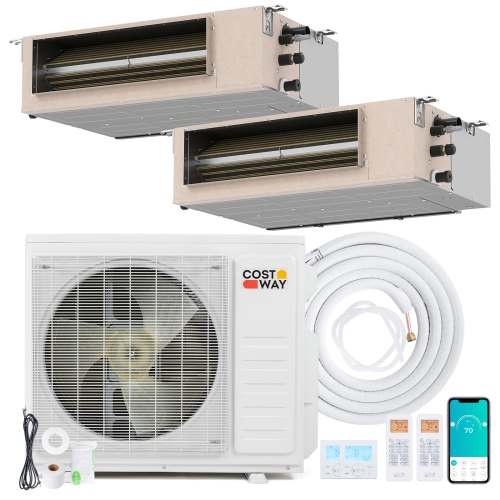
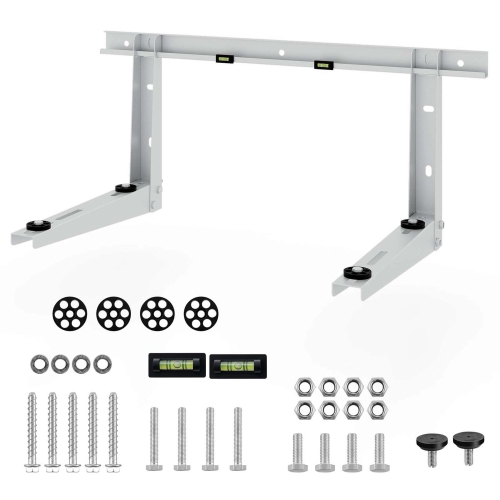
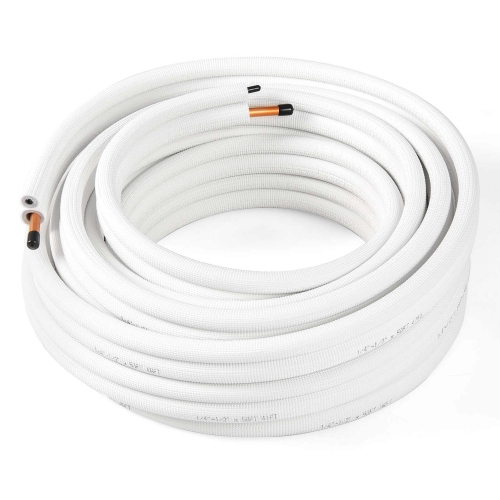
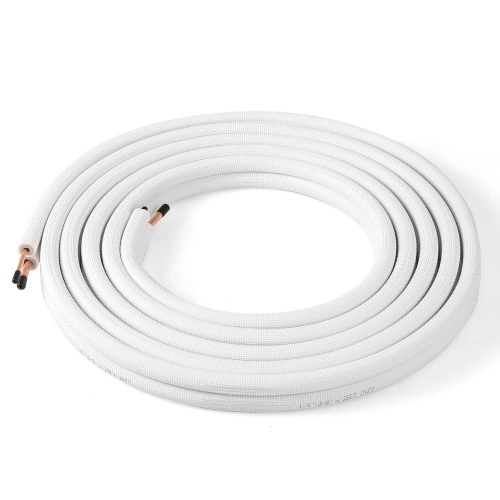
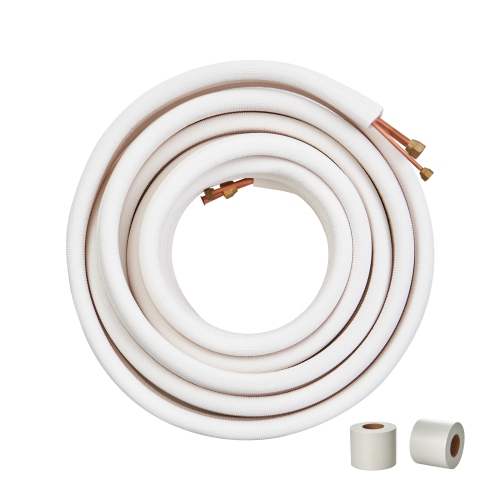
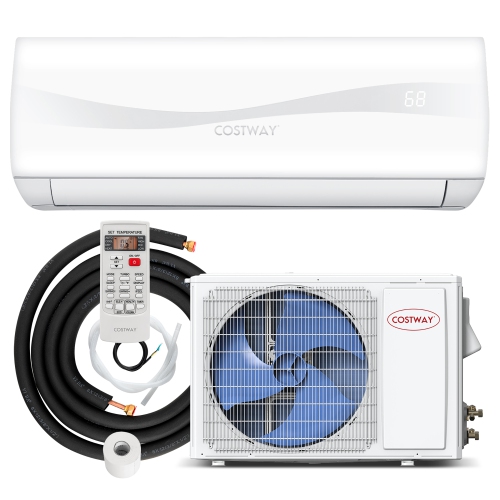
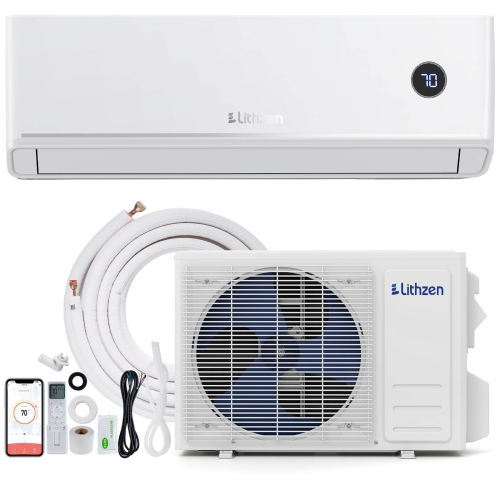
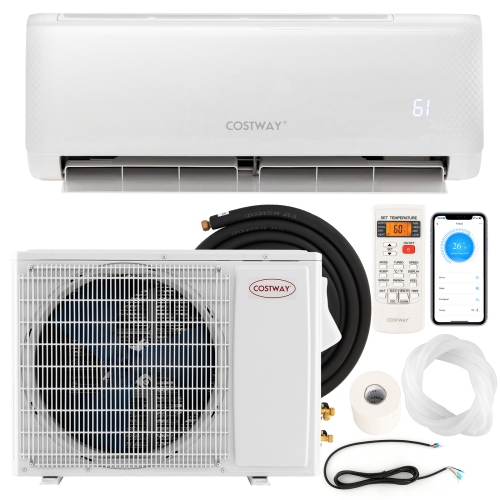
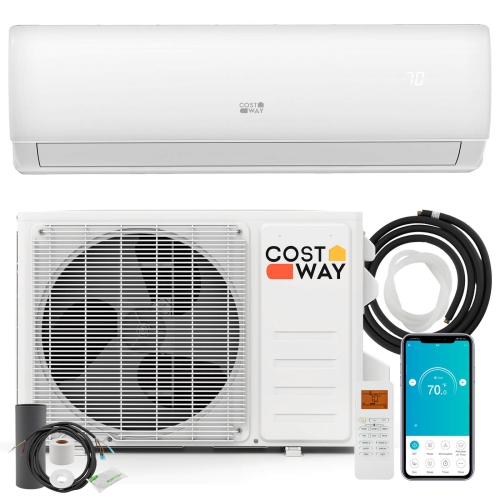
Ductless mini split systems provide targeted heating and cooling without the need for a central duct network. A typical setup has an outdoor unit containing the compressor and fan, one or more indoor air handlers, and refrigerant lines that connect the two through a small opening in an exterior wall. Because conditioned air is delivered directly into the room, these systems can be a practical choice for older homes, additions, garages, workshops, finished basements, sunrooms, detached spaces, and other areas where extending ductwork would be difficult or disruptive. They can also complement an existing furnace or central air system by giving frequently used rooms their own temperature control. During warmer weather, a cooling-only model can help manage indoor heat, while a heat pump-style system can provide both cooling and heating through the changing seasons. When the temperature drops, many models are designed to continue providing heat, although performance depends on the unit’s specifications and local weather conditions. For additional shopping options, explore Ductless Air Conditioners. Indoor air handlers are usually mounted high on a wall or installed in another suitable location, allowing them to circulate air across the room without taking up floor space. Some systems support multiple indoor units connected to one outdoor unit, making it possible to create separate zones for bedrooms, living areas, offices, or other rooms. This arrangement can be especially useful in a home where one person prefers a cooler sleeping space while another spends the day in a warmer office or family room.
Choosing the right ductless mini split starts with the spaces you want to condition. Count the number of rooms or zones, measure their approximate square footage, and consider how each space is used throughout the day. A small bedroom, large open living area, insulated workshop, and enclosed porch can have very different heating and cooling requirements even when their floor areas are similar. Ceiling height, window size, insulation, sun exposure, exterior walls, and the number of people who regularly use the room can all affect the required capacity. Look at the system’s BTU rating and recommended room size, but treat those figures as a starting point rather than a complete sizing assessment. Oversized equipment may cycle on and off more often than necessary, while an undersized system may run continuously without reaching the desired temperature. Multi-zone systems should be selected with the combined needs of all connected spaces in mind, along with the outdoor unit’s capacity and permitted combinations of indoor air handlers. Inverter technology can adjust the compressor’s output rather than simply switching between full power and off, helping the system maintain a steadier indoor temperature and operate with less abrupt cycling. Adjustable fan speeds, sleep settings, programmable timers, remote controls, and Wi-Fi connectivity can make everyday use more convenient, particularly in rooms that are occupied at different times. Pay attention to the sound ratings for both indoor and outdoor components if the system will be installed near a bedroom, study area, patio, or neighbouring property. Features such as washable filters, filter-cleaning reminders, air direction controls, and dehumidification modes may also be valuable for routine comfort and upkeep.
Installation is an important part of selecting a ductless mini split system. Although some kits are marketed for do-it-yourself installation, refrigerant lines, electrical connections, wall penetrations, drainage, and commissioning require careful handling. Professional installation can help confirm that the system is correctly sized, securely mounted, properly sealed, and set up for reliable operation. Before purchasing, check whether the product includes the required indoor and outdoor components, line sets, mounting hardware, remote controls, and other accessories, as inclusions vary. Verify the electrical requirements and make sure the intended installation location has suitable clearance for airflow and service access. The outdoor unit needs a stable base or wall bracket, sufficient space around it, and protection from falling snow, ice, leaves, and other obstructions. Indoor units should be positioned where air can move freely through the room, away from blocked corners, heat sources, and locations where condensate drainage would be difficult. In a multi-zone home, think about how each room connects to the others and whether independent controls will make the space more comfortable. Regular care generally includes cleaning or replacing filters, keeping the outdoor coil and surrounding area clear, checking drainage, and arranging service when performance changes. As the weather warms, cooling can make a bright upstairs bedroom or enclosed living area more comfortable; during the cooler months, a heat pump system can help take the chill out of a basement, addition, or frequently used room. These systems are often considered by homeowners renovating an older property, adding a room, improving a cottage, setting up a home office, or creating a more comfortable space for family members who have different temperature preferences. They can also be a thoughtful practical housewarming choice when purchased as part of a larger home improvement plan, though installation and sizing should be arranged with the recipient’s property and intended rooms in mind. With the right capacity, placement, and maintenance routine, a ductless mini split can provide room-by-room comfort while avoiding the extensive wall openings and construction often associated with adding traditional ductwork.
Choosing the right ductless mini split starts with the spaces you want to condition. Count the number of rooms or zones, measure their approximate square footage, and consider how each space is used throughout the day. A small bedroom, large open living area, insulated workshop, and enclosed porch can have very different heating and cooling requirements even when their floor areas are similar. Ceiling height, window size, insulation, sun exposure, exterior walls, and the number of people who regularly use the room can all affect the required capacity. Look at the system’s BTU rating and recommended room size, but treat those figures as a starting point rather than a complete sizing assessment. Oversized equipment may cycle on and off more often than necessary, while an undersized system may run continuously without reaching the desired temperature. Multi-zone systems should be selected with the combined needs of all connected spaces in mind, along with the outdoor unit’s capacity and permitted combinations of indoor air handlers. Inverter technology can adjust the compressor’s output rather than simply switching between full power and off, helping the system maintain a steadier indoor temperature and operate with less abrupt cycling. Adjustable fan speeds, sleep settings, programmable timers, remote controls, and Wi-Fi connectivity can make everyday use more convenient, particularly in rooms that are occupied at different times. Pay attention to the sound ratings for both indoor and outdoor components if the system will be installed near a bedroom, study area, patio, or neighbouring property. Features such as washable filters, filter-cleaning reminders, air direction controls, and dehumidification modes may also be valuable for routine comfort and upkeep.
Installation is an important part of selecting a ductless mini split system. Although some kits are marketed for do-it-yourself installation, refrigerant lines, electrical connections, wall penetrations, drainage, and commissioning require careful handling. Professional installation can help confirm that the system is correctly sized, securely mounted, properly sealed, and set up for reliable operation. Before purchasing, check whether the product includes the required indoor and outdoor components, line sets, mounting hardware, remote controls, and other accessories, as inclusions vary. Verify the electrical requirements and make sure the intended installation location has suitable clearance for airflow and service access. The outdoor unit needs a stable base or wall bracket, sufficient space around it, and protection from falling snow, ice, leaves, and other obstructions. Indoor units should be positioned where air can move freely through the room, away from blocked corners, heat sources, and locations where condensate drainage would be difficult. In a multi-zone home, think about how each room connects to the others and whether independent controls will make the space more comfortable. Regular care generally includes cleaning or replacing filters, keeping the outdoor coil and surrounding area clear, checking drainage, and arranging service when performance changes. As the weather warms, cooling can make a bright upstairs bedroom or enclosed living area more comfortable; during the cooler months, a heat pump system can help take the chill out of a basement, addition, or frequently used room. These systems are often considered by homeowners renovating an older property, adding a room, improving a cottage, setting up a home office, or creating a more comfortable space for family members who have different temperature preferences. They can also be a thoughtful practical housewarming choice when purchased as part of a larger home improvement plan, though installation and sizing should be arranged with the recipient’s property and intended rooms in mind. With the right capacity, placement, and maintenance routine, a ductless mini split can provide room-by-room comfort while avoiding the extensive wall openings and construction often associated with adding traditional ductwork.
Top selling and popular products
-
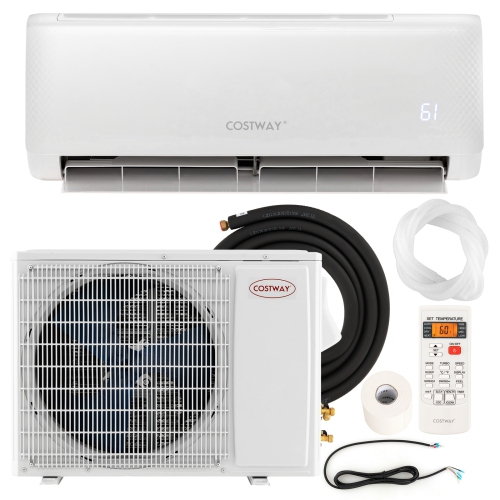 Your price for this item is $807.99
 -
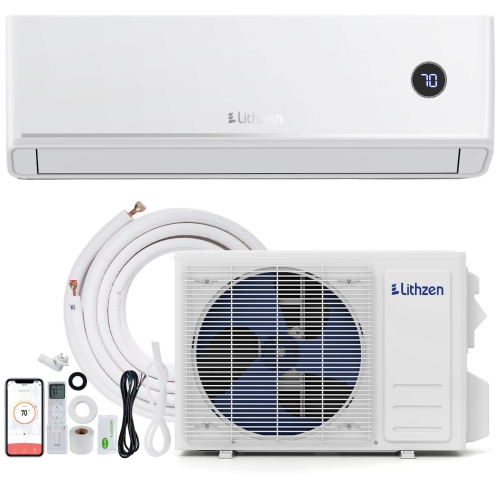 Your price for this item is $679.99
 -
 Your price for this item is $768.99
 -
 Your price for this item is $699.99
 -
 Your price for this item is $1499.99
 -
 Your price for this item is $709.99
 -
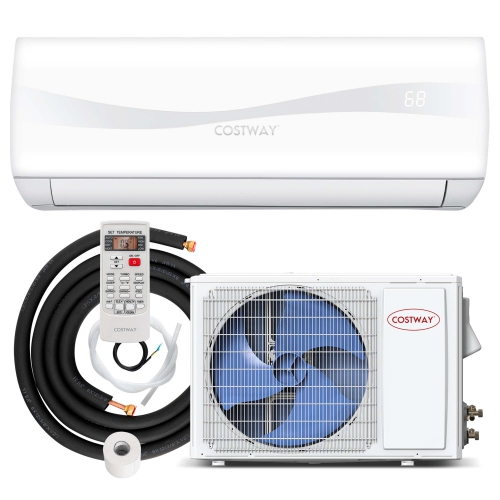 Your price for this item is $757.99
 -
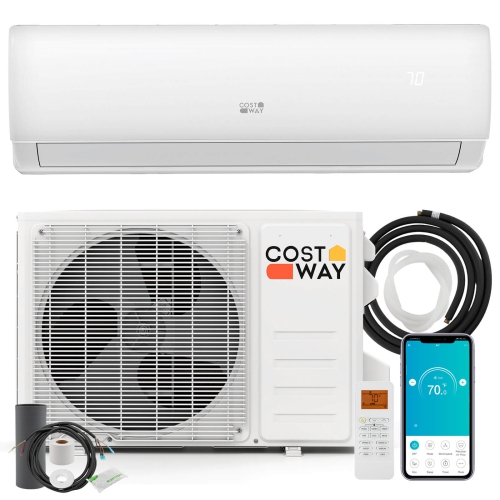 Your price for this item is $1369.99
Discover more categories related to Ductless Mini Split Systems
Top Collections:
Pokemon Centers, Kindle Devices, Best Budget Office Chairs, Apple iPhones 16, Best Laptops for Writers, iPhone 15 Apple, Canon G7X Cameras, Refurbished Apple Laptops, Alarm Clock, Motorola Razr Phones
Some products may be subject to Environmental Handling Fees
(EHF) depending on your province.
Learn more about EHFs.