Home Wine Cellars
Create a stylish and sophisticated wine storage solution with our selection of home wine cellars. Whether you're a seasoned wine enthusiast or just starting to build your collection, our range of wine cellars offers the perfect blend of functionality and elegance to showcase your favorite bottles. From compact countertop options to spacious freestanding units, find the ideal wine cellar to complement your home decor and keep your wines at their optimal temperature for enjoyment. Browse our collection now and elevate your wine storage experience.
Sort
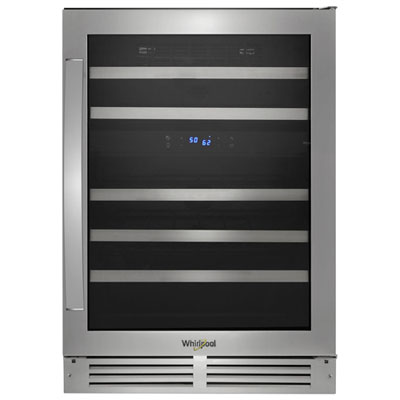
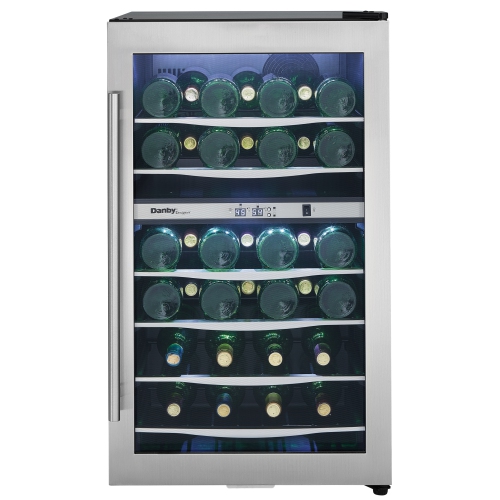
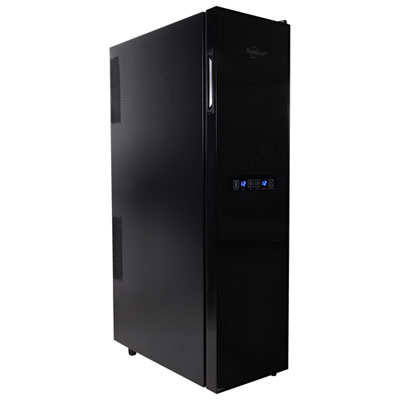
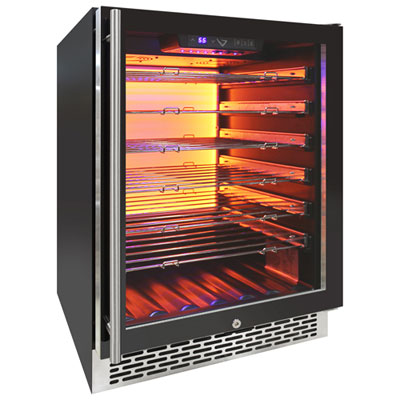

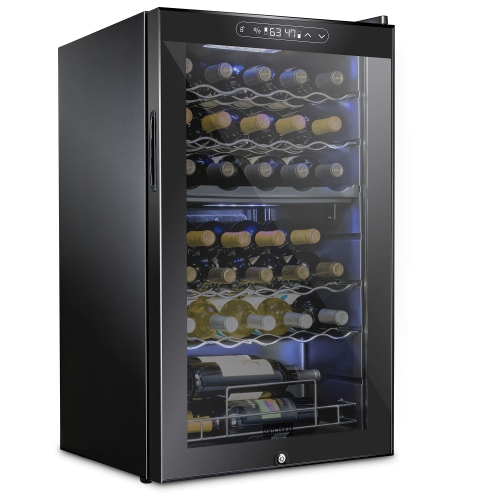
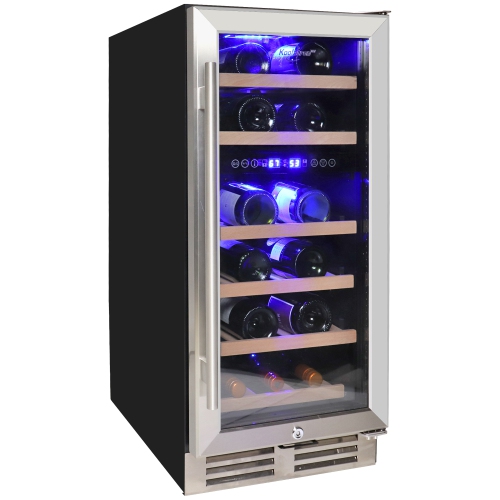
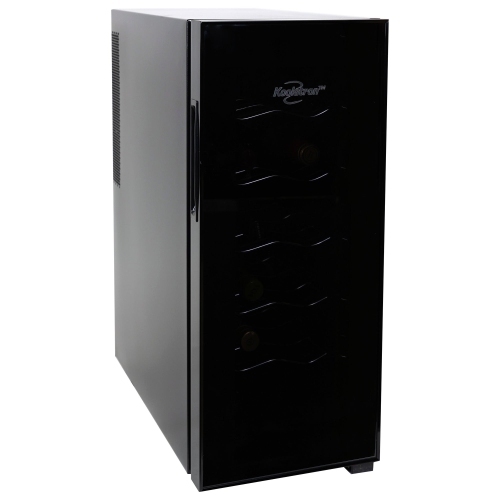

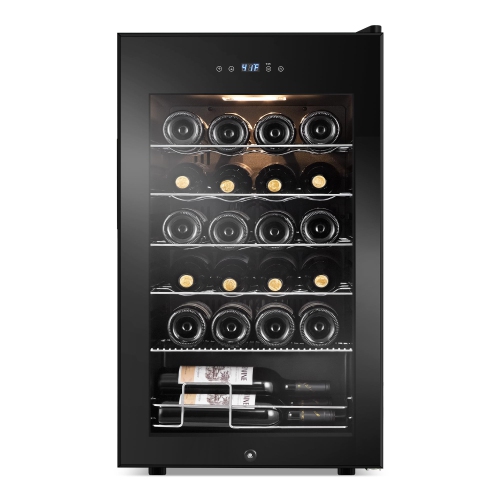



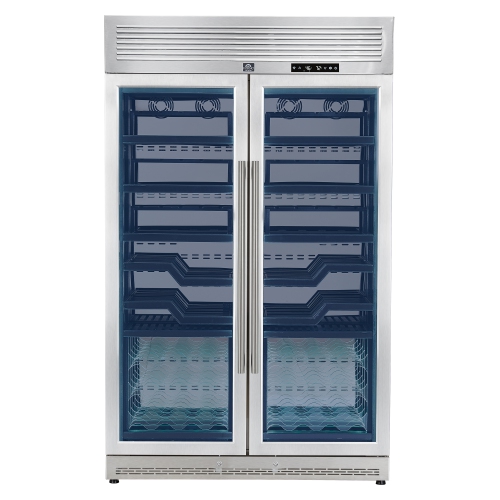
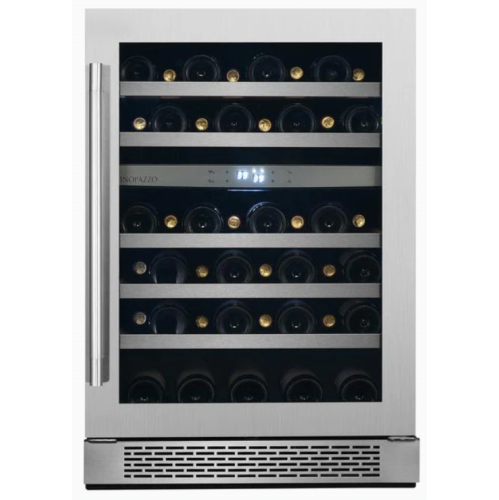
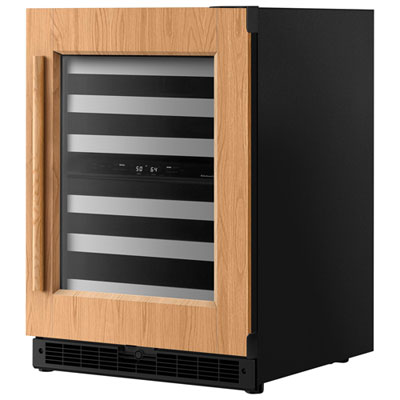
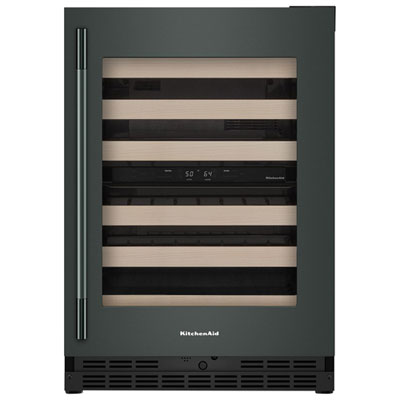



Why good wine storage goes beyond keeping bottles cool
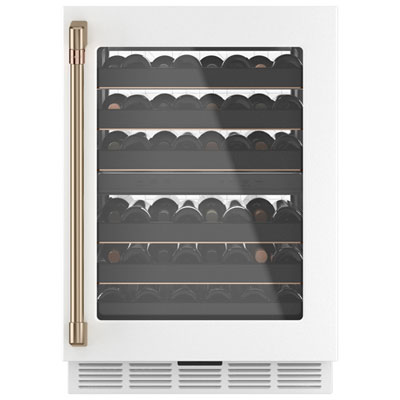
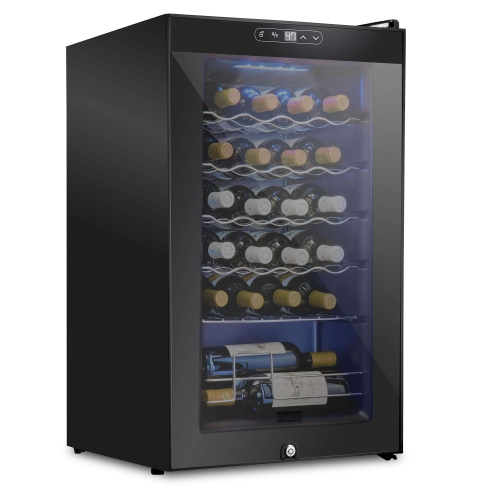
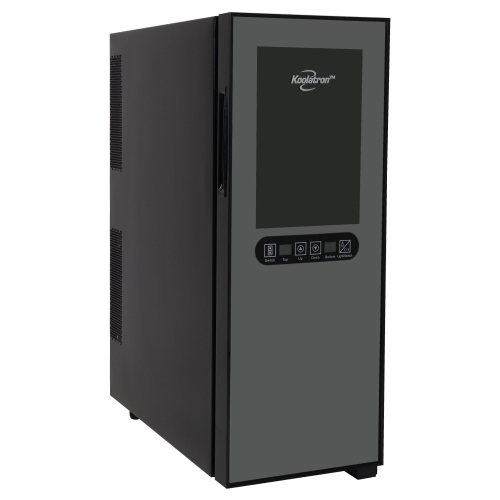
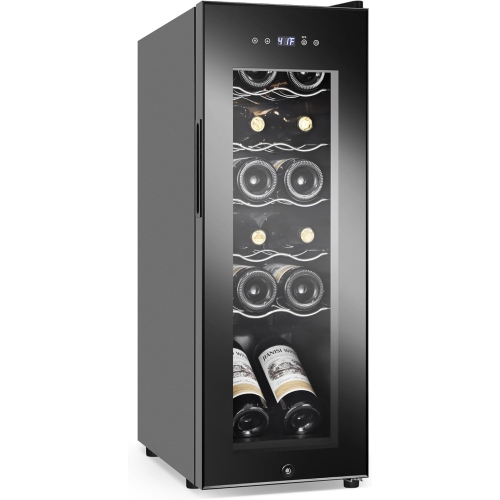
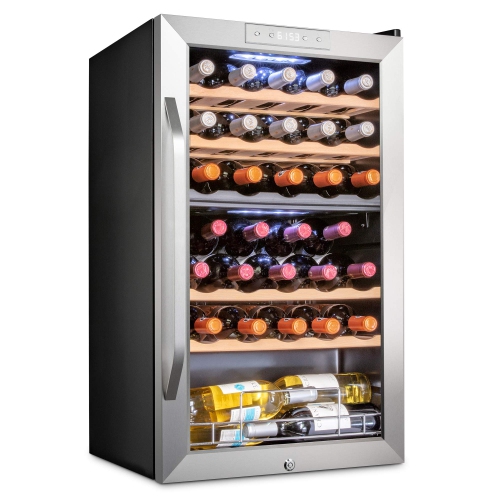
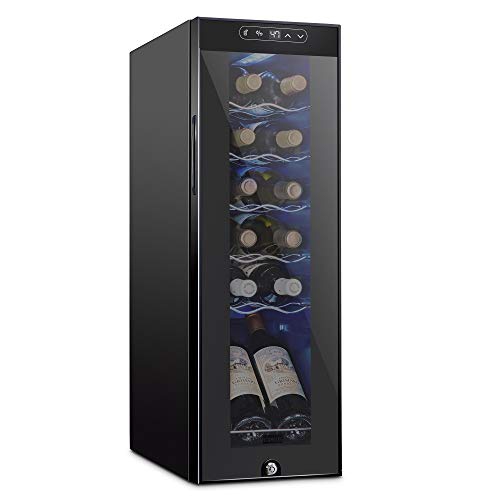
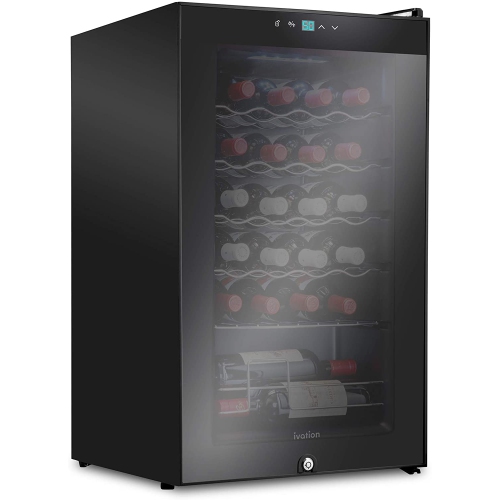
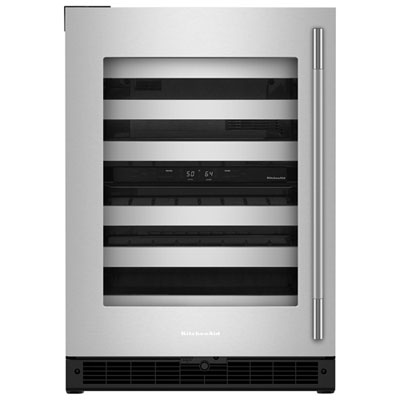
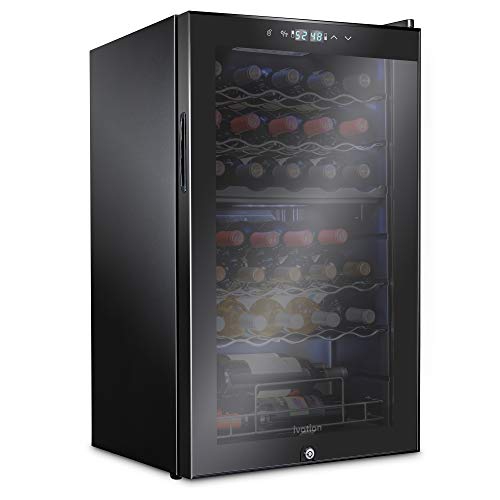
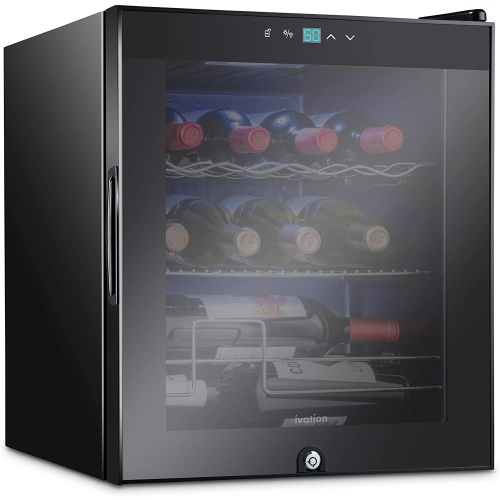
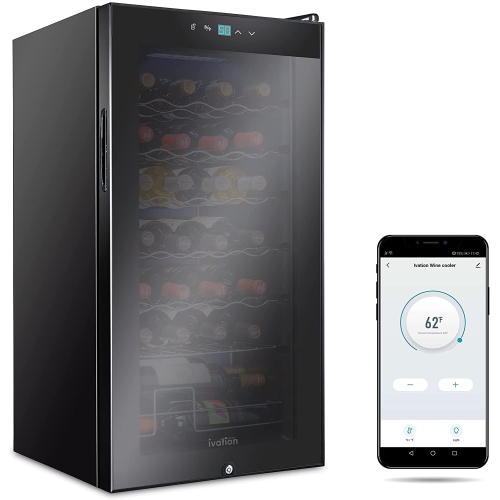
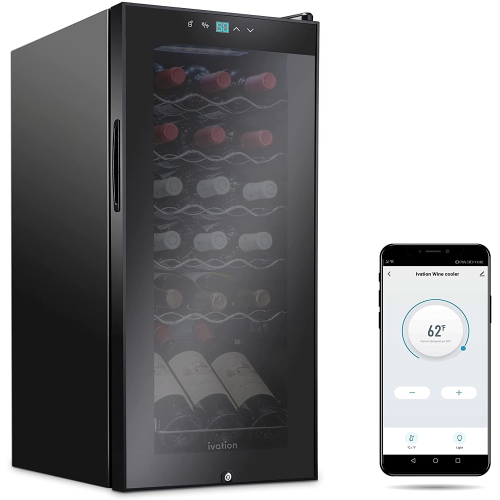
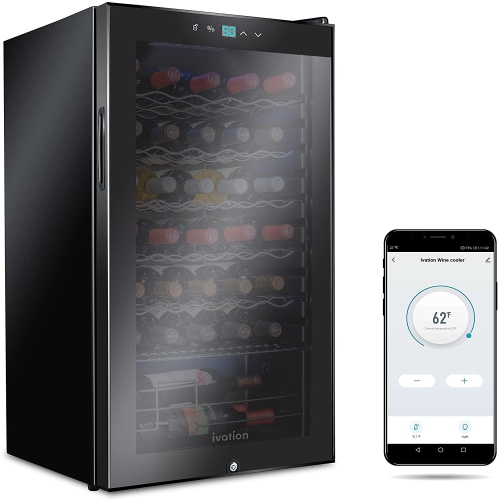
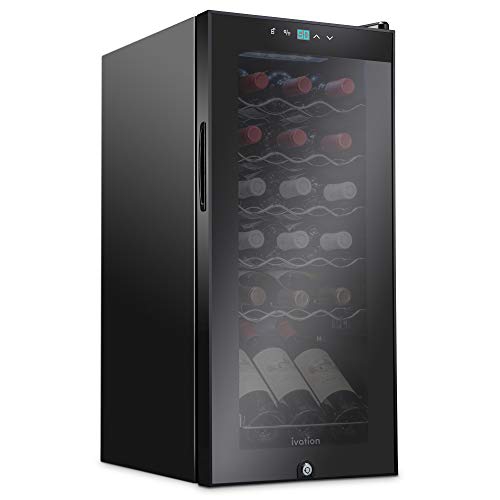
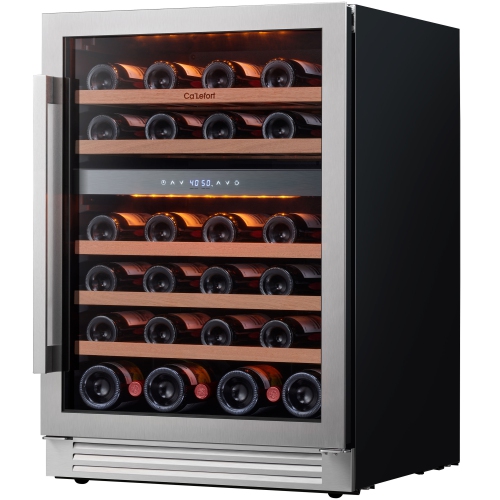
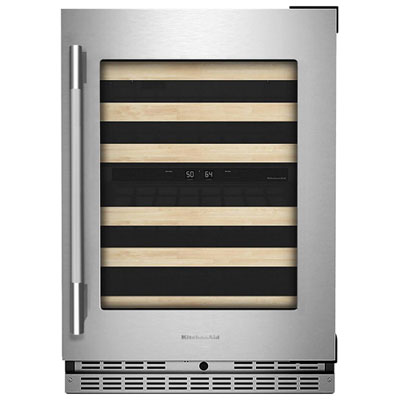
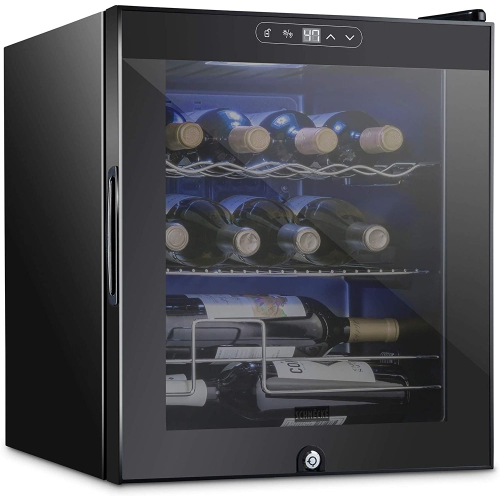
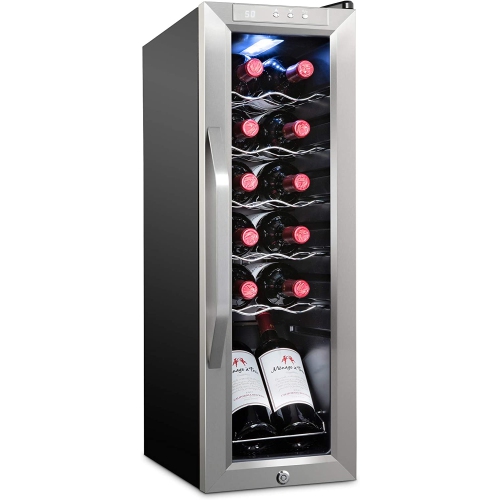
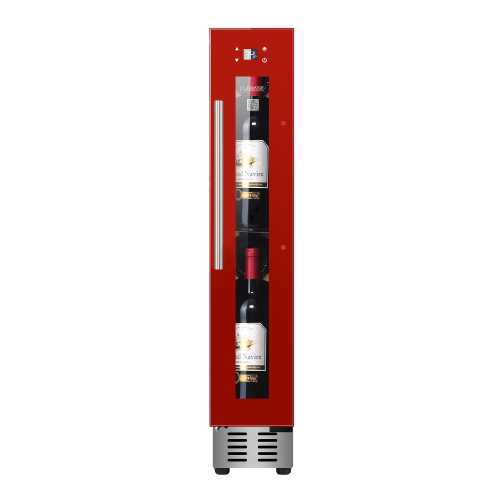
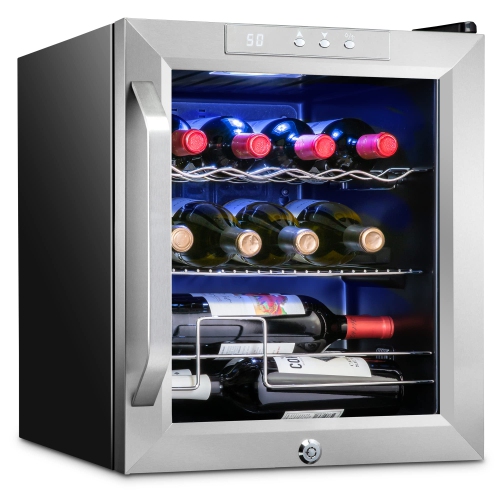
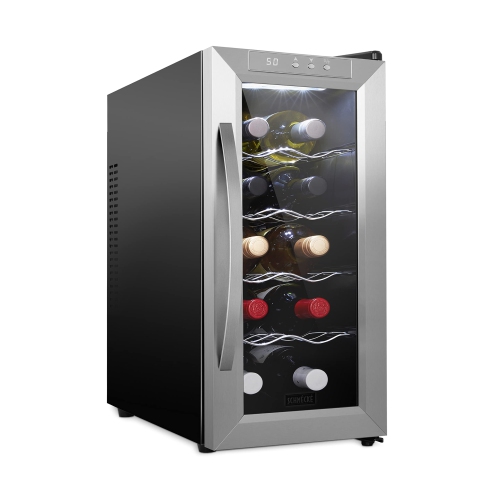
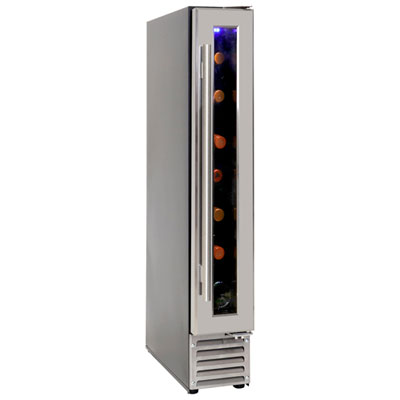
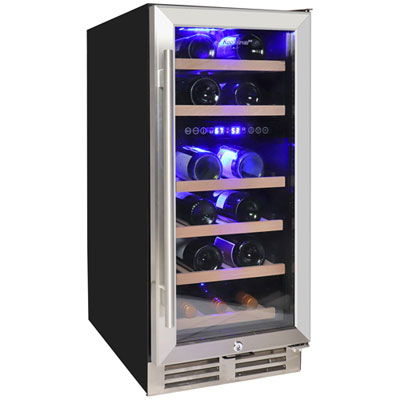
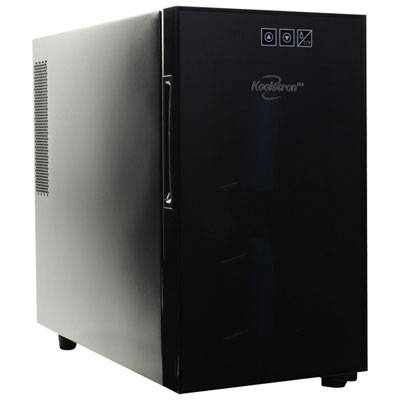
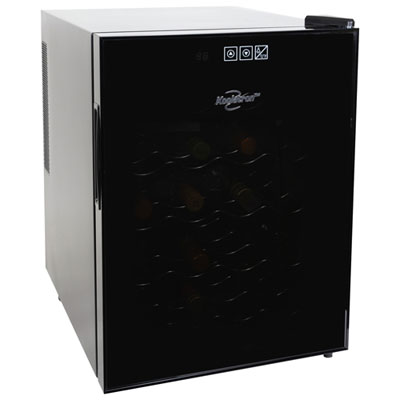
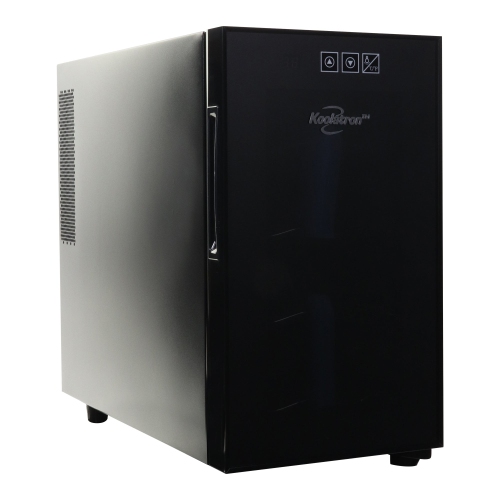
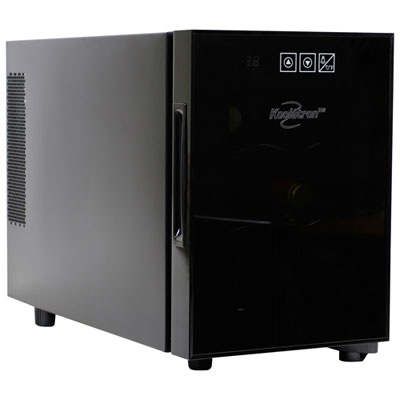
Home wine cellars give a collection a dedicated place to settle, whether that means a compact wine fridge beside the dining area or a larger storage arrangement in a finished basement. The purpose is more than keeping bottles cool: good wine storage limits temperature fluctuations, light exposure, and unnecessary movement so wine stays in suitable conditions until it is opened. For bottles intended for longer-term ageing, a steady temperature around 13°C is a common target for both reds and whites. That differs from serving temperature, which varies with the style of wine and personal preference. A bottle of white may need additional chilling before dinner, while a red taken from storage may benefit from a little time outside the cellar. In a dedicated wine storage room, relative humidity of roughly 50–70% is commonly used to help protect natural corks without encouraging excessive dampness; not every wine fridge actively controls humidity, so that feature deserves a closer look when comparing options. Bottles sealed with natural cork are generally stored horizontally to keep wine in contact with the cork, while screw-cap bottles do not have that same requirement. Darkness also matters, particularly when storage extends beyond a few weeks. Solid doors limit light exposure, while glass doors with UV protection offer a view of the collection with some protection from ultraviolet light. Neither makes direct sunlight a suitable location. For someone who enjoys choosing a bottle to match a slow-cooked meal, keeping a few favourites ready for guests, or setting aside a meaningful vintage, the appeal is practical as much as visual. A well-organized cellar makes it easier to see what is available and leave special bottles undisturbed. The Wine Cellar selection brings this kind of dedicated storage into homes with different layouts, from condos where floor space is precious to houses with room for a growing collection.
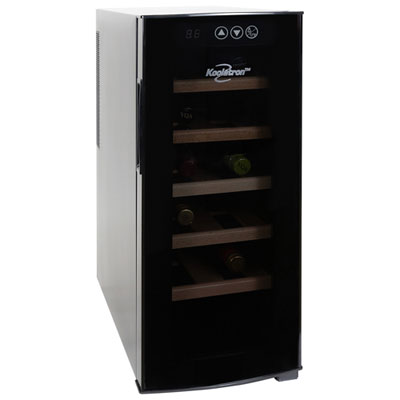
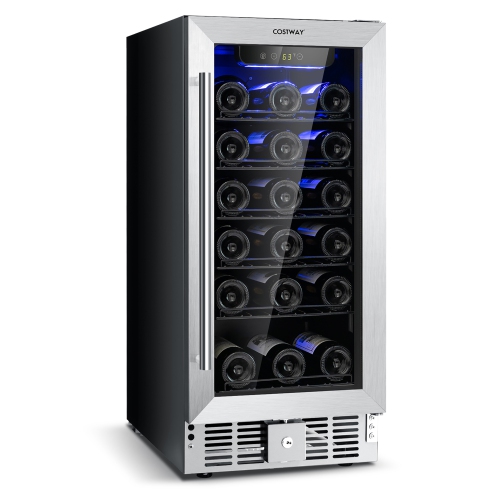
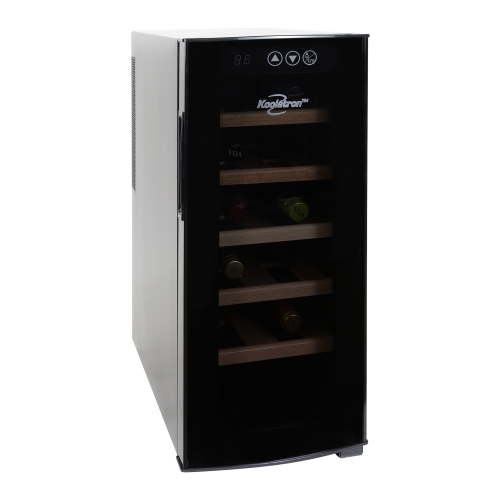
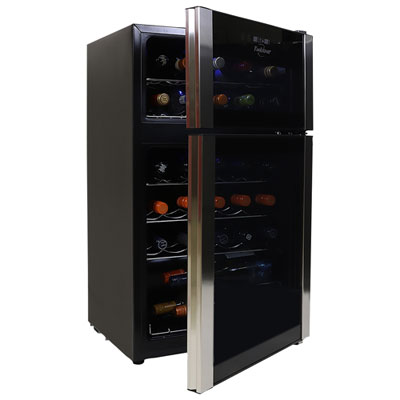
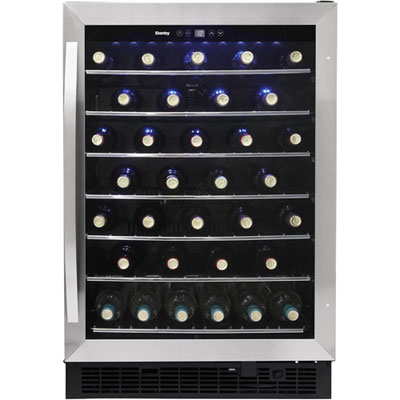
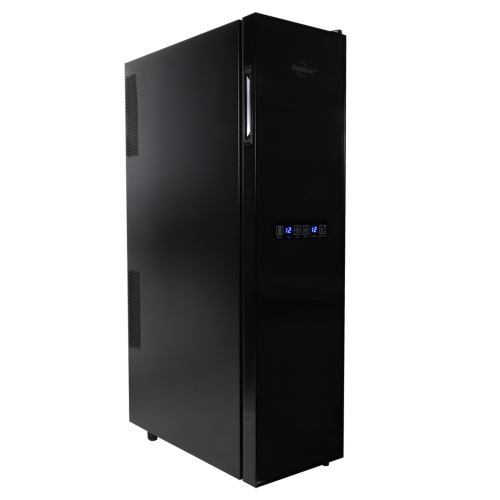
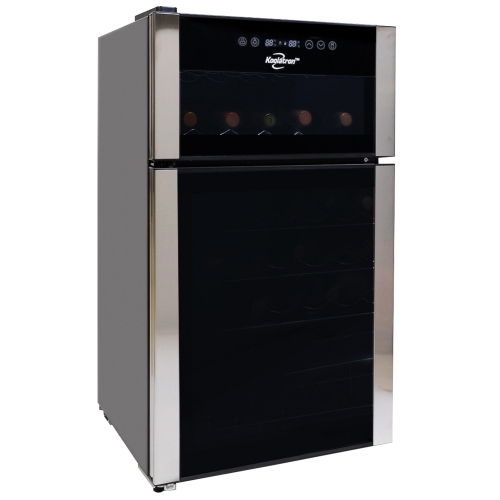
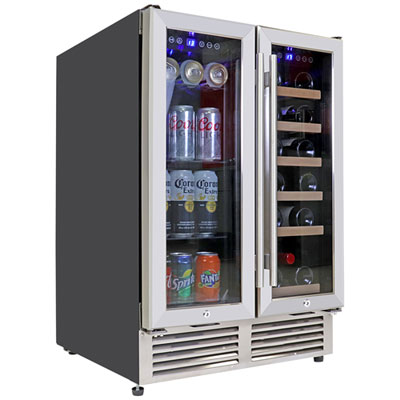
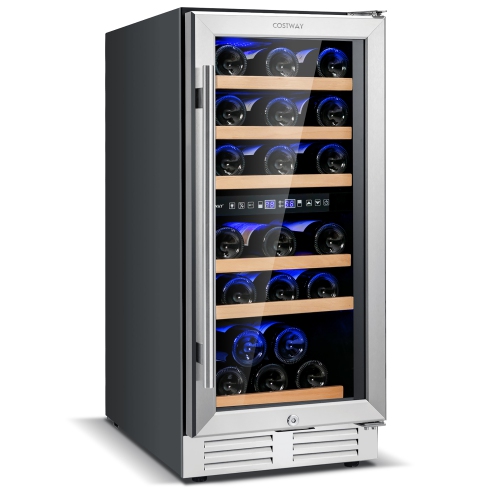
Capacity is often the first purchase consideration, but the number on the specification sheet tells only part of the story. Bottle ratings are commonly based on standard Bordeaux-style bottles arranged in a particular configuration. Wider sparkling-wine bottles, sloping-shouldered bottles, and larger formats can reduce usable capacity, especially when shelves must be removed to accommodate them. Think about the bottles that actually come home with you, along with enough spare space for gifts, a mixed case, or wines you would like to keep longer. A small collection bought for regular enjoyment has different needs from one that includes several vintages waiting for the right occasion. Shelving should support bottles securely and allow labels to be found without repeatedly rearranging everything. Sliding shelves can make bottles at the back easier to reach, although their extension and weight limits vary. Adjustable shelves offer flexibility, and clear interior lighting helps with selection; lighting that switches off when it is not needed is useful for storage. Temperature zones are another important distinction. A single-zone wine cooler suits bottles kept at one consistent storage temperature, including a mixed collection of reds and whites intended for ageing. A dual-zone design is useful when the goal includes keeping different wines closer to their preferred serving temperatures, but the available range and permitted temperature difference between zones depend on the appliance. Separate compartments should not be assumed to have independent humidity control. Digital controls, temperature alarms, door-open alerts, and a lock can add convenience, particularly where bottles are valuable or the cellar is in a busy household. Noise matters, too. A unit near a sofa or dining table may be more noticeable than one in a utility area, and published sound levels can help set expectations. During the cooler months, when dinners linger and guests gather indoors, being able to find and retrieve a bottle without searching through crowded cupboards is a small convenience that gets plenty of use.
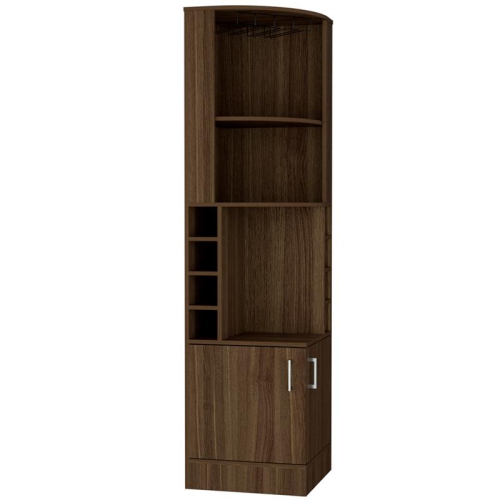
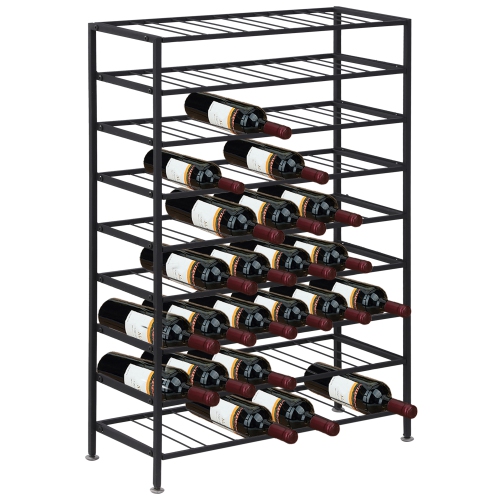
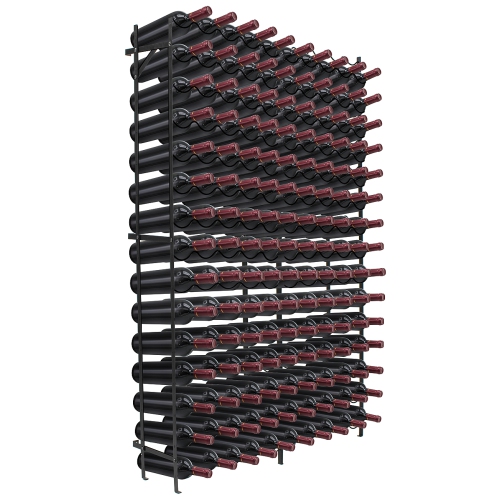
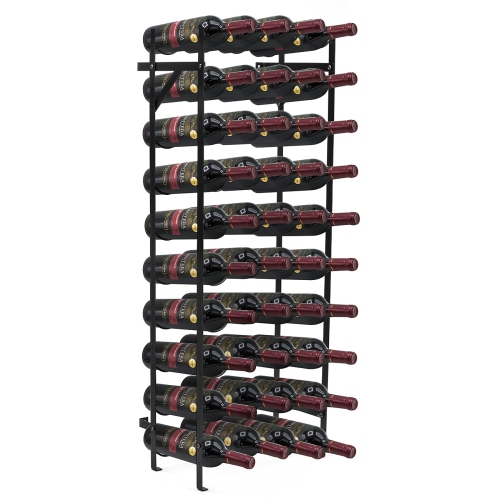
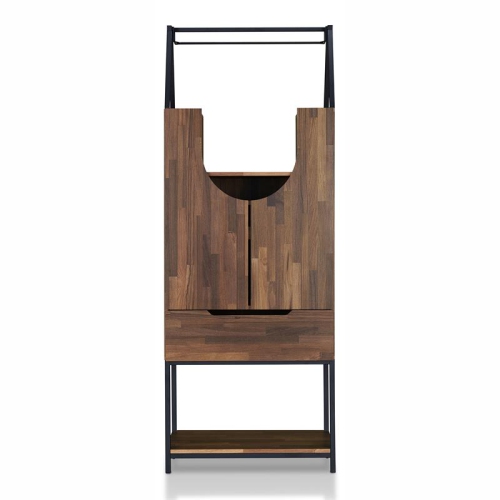
Placement determines which home wine cellar products will work comfortably in the space. Freestanding wine fridges need the clearances specified by the manufacturer and should not be enclosed in cabinetry unless explicitly approved for that installation. Built-in models are designed for fitted spaces, often with front ventilation, but still require the correct opening dimensions and unobstructed airflow. Measure width, height, and depth carefully, then allow for the handle, door swing, and enough clearance to pull shelves out fully. A door that opens against a wall may prevent a shelf from sliding forward, even when the appliance itself fits neatly. Check the approved room-temperature range as well: an unheated garage or a space that becomes very cold in winter may fall outside the operating limits. Cooling equipment releases heat into the surrounding space, so ventilation remains important even in a cool basement. For a full wine storage room, insulation, air sealing, moisture management, and a properly sized cellar cooling system all work together; those requirements are different from placing a self-contained wine fridge in an existing room. Professional assessment is worthwhile before converting an under-stair nook or basement corner into temperature-controlled storage, especially where condensation could affect walls or finishes. Wine racks provide organization but do not regulate temperature or humidity on their own. Their material, bottle support, stability, and anchoring requirements matter as much as their appearance. Wood can bring warmth to a dining space, while metal offers a clean-lined look and open visibility. In either case, a sturdy arrangement with accessible shelves is more useful than a display that makes every bottle difficult to reach. Home wine storage can also be a thoughtful gift for an adult wine enthusiast, a couple establishing a shared home, or someone marking a retirement, provided the size and installation needs are agreed on beforehand. The best fit is not necessarily the largest cellar. It is the one that suits the owner's drinking habits, leaves room for a few discoveries, and keeps bottles easy to enjoy without compromising the conditions they need.
Capacity is often the first purchase consideration, but the number on the specification sheet tells only part of the story. Bottle ratings are commonly based on standard Bordeaux-style bottles arranged in a particular configuration. Wider sparkling-wine bottles, sloping-shouldered bottles, and larger formats can reduce usable capacity, especially when shelves must be removed to accommodate them. Think about the bottles that actually come home with you, along with enough spare space for gifts, a mixed case, or wines you would like to keep longer. A small collection bought for regular enjoyment has different needs from one that includes several vintages waiting for the right occasion. Shelving should support bottles securely and allow labels to be found without repeatedly rearranging everything. Sliding shelves can make bottles at the back easier to reach, although their extension and weight limits vary. Adjustable shelves offer flexibility, and clear interior lighting helps with selection; lighting that switches off when it is not needed is useful for storage. Temperature zones are another important distinction. A single-zone wine cooler suits bottles kept at one consistent storage temperature, including a mixed collection of reds and whites intended for ageing. A dual-zone design is useful when the goal includes keeping different wines closer to their preferred serving temperatures, but the available range and permitted temperature difference between zones depend on the appliance. Separate compartments should not be assumed to have independent humidity control. Digital controls, temperature alarms, door-open alerts, and a lock can add convenience, particularly where bottles are valuable or the cellar is in a busy household. Noise matters, too. A unit near a sofa or dining table may be more noticeable than one in a utility area, and published sound levels can help set expectations. During the cooler months, when dinners linger and guests gather indoors, being able to find and retrieve a bottle without searching through crowded cupboards is a small convenience that gets plenty of use.
Placement determines which home wine cellar products will work comfortably in the space. Freestanding wine fridges need the clearances specified by the manufacturer and should not be enclosed in cabinetry unless explicitly approved for that installation. Built-in models are designed for fitted spaces, often with front ventilation, but still require the correct opening dimensions and unobstructed airflow. Measure width, height, and depth carefully, then allow for the handle, door swing, and enough clearance to pull shelves out fully. A door that opens against a wall may prevent a shelf from sliding forward, even when the appliance itself fits neatly. Check the approved room-temperature range as well: an unheated garage or a space that becomes very cold in winter may fall outside the operating limits. Cooling equipment releases heat into the surrounding space, so ventilation remains important even in a cool basement. For a full wine storage room, insulation, air sealing, moisture management, and a properly sized cellar cooling system all work together; those requirements are different from placing a self-contained wine fridge in an existing room. Professional assessment is worthwhile before converting an under-stair nook or basement corner into temperature-controlled storage, especially where condensation could affect walls or finishes. Wine racks provide organization but do not regulate temperature or humidity on their own. Their material, bottle support, stability, and anchoring requirements matter as much as their appearance. Wood can bring warmth to a dining space, while metal offers a clean-lined look and open visibility. In either case, a sturdy arrangement with accessible shelves is more useful than a display that makes every bottle difficult to reach. Home wine storage can also be a thoughtful gift for an adult wine enthusiast, a couple establishing a shared home, or someone marking a retirement, provided the size and installation needs are agreed on beforehand. The best fit is not necessarily the largest cellar. It is the one that suits the owner's drinking habits, leaves room for a few discoveries, and keeps bottles easy to enjoy without compromising the conditions they need.
Top selling and popular products
-
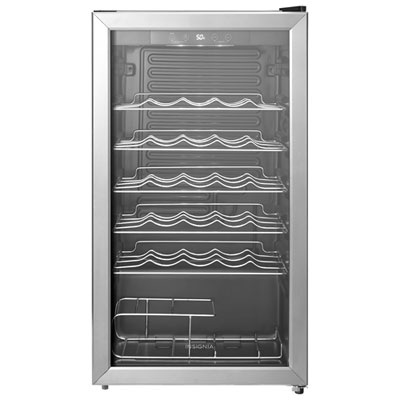 Your price for this item is $299.99
 -
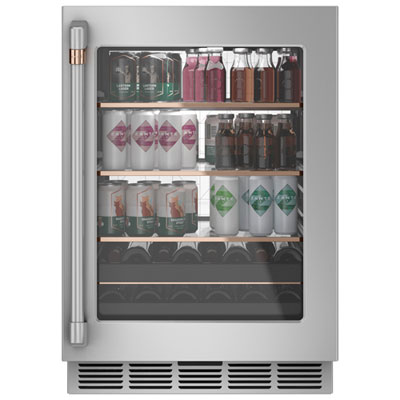 Your price for this item is $4499.99
 -
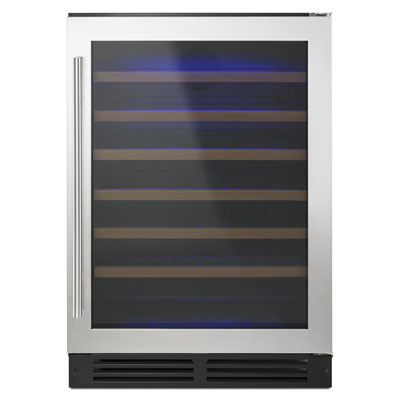 Your price for this item is $1799.99
 -
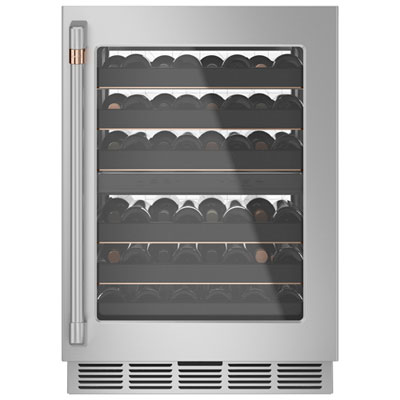 Your price for this item is $4599.99
 -
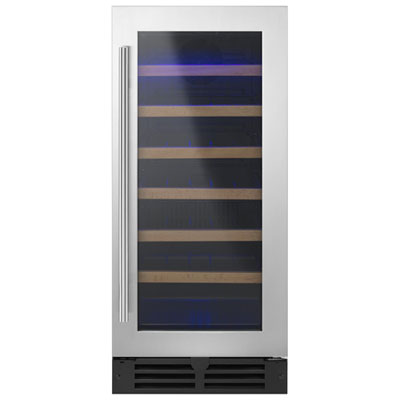 Your price for this item is $1649.99
 -
 Your price for this item is $499.99
 -
 Your price for this item is $399.99
 -
 Your price for this item is $1792.98
Discover more categories related to Home Wine Cellars
Top Collections:
Pokemon Centers, Kindle Devices, Best Budget Office Chairs, Apple iPhones 16, Best Laptops for Writers, iPhone 15 Apple, Canon G7X Cameras, Refurbished Apple Laptops, Alarm Clock, Motorola Razr Phones
Some products may be subject to Environmental Handling Fees
(EHF) depending on your province.
Learn more about EHFs.