Island Range Hoods With Multiple Speed Settings for Flexibility
Our collection of island range hoods with multiple speed settings provides the ultimate flexibility in your kitchen. Whether you're whipping up a quick weekday meal or hosting a gourmet dinner party, these range hoods allow you to easily adjust the ventilation to suit your needs. With sleek designs and powerful performance, our island range hoods will not only enhance the aesthetics of your kitchen but also ensure a clean and fresh cooking environment. Say goodbye to unwanted odors and hello to a more enjoyable culinary experience with our selection of island range hoods with multiple speed settings.
Sort


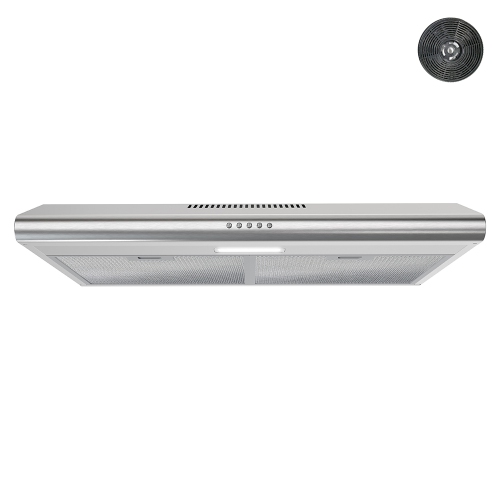
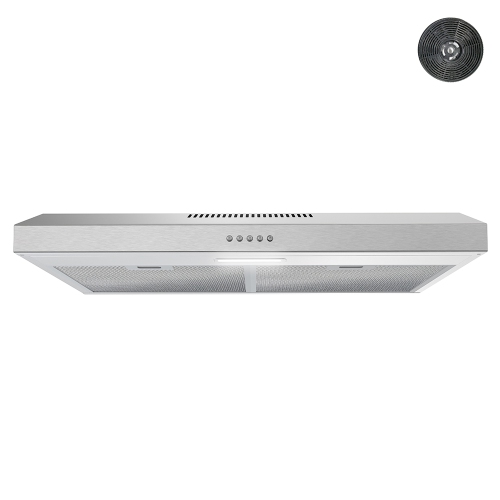
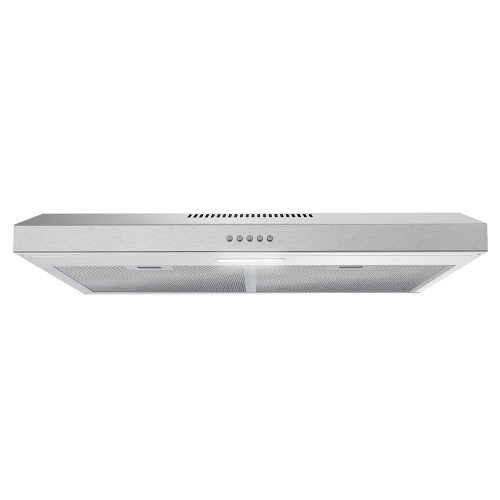
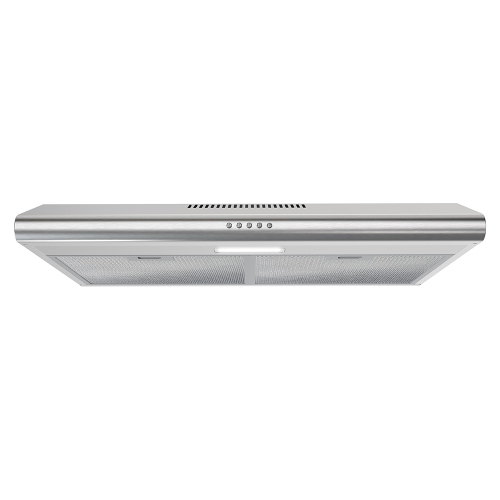
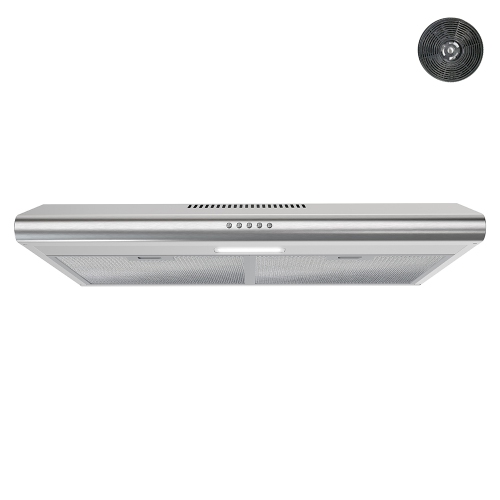
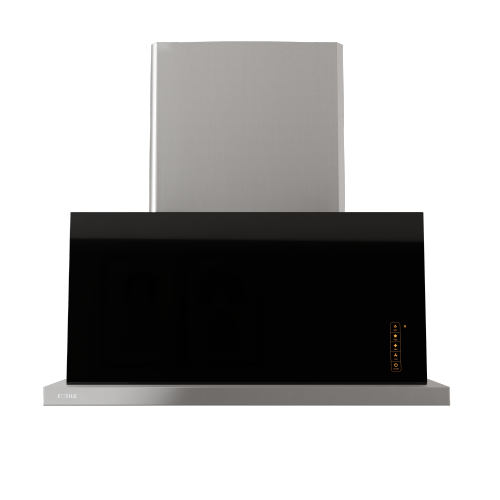
Why simmering and searing need different fan speeds
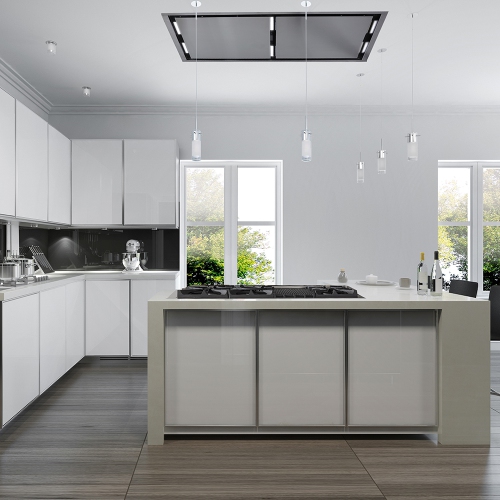
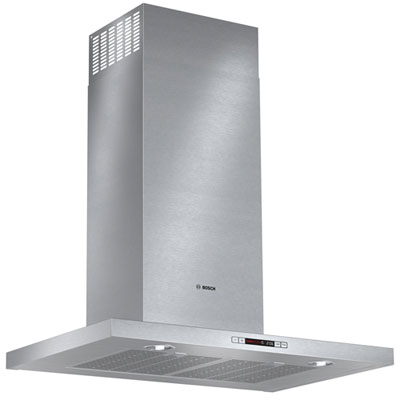
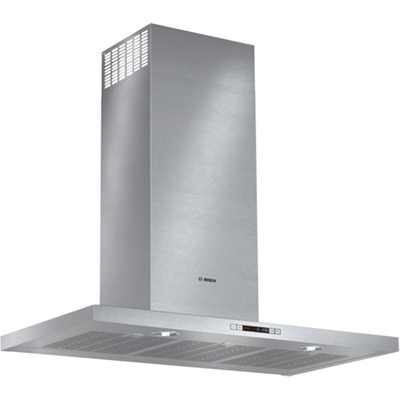
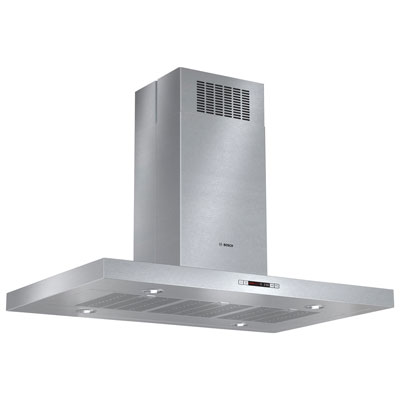
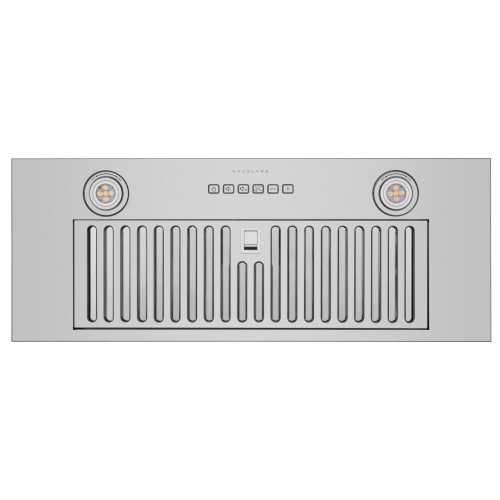
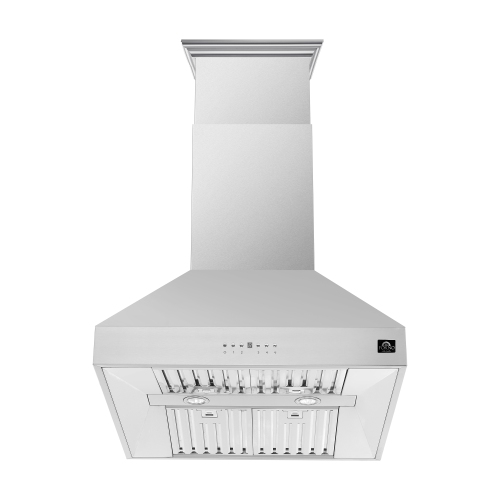
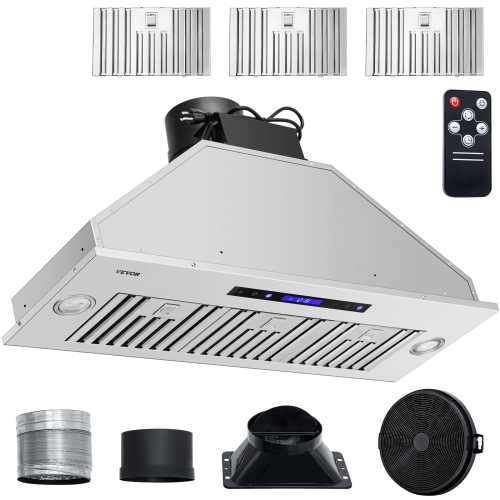
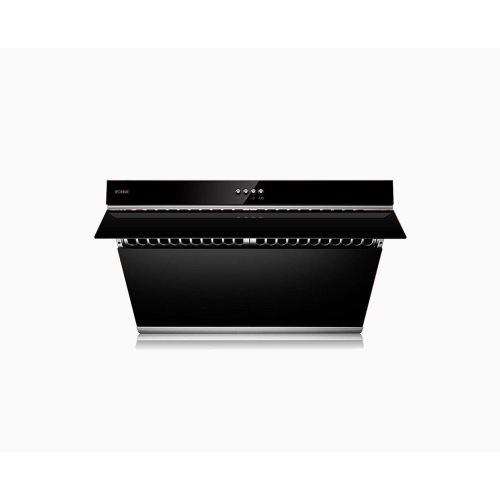
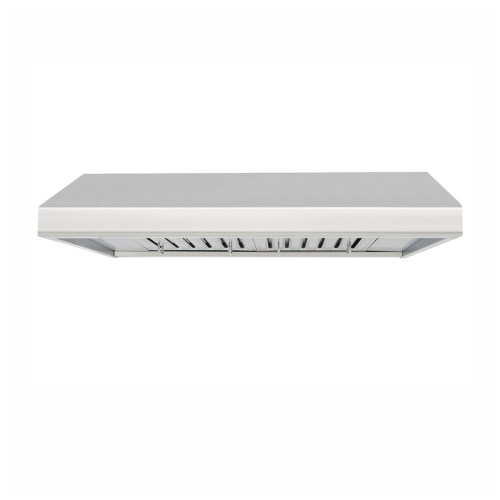
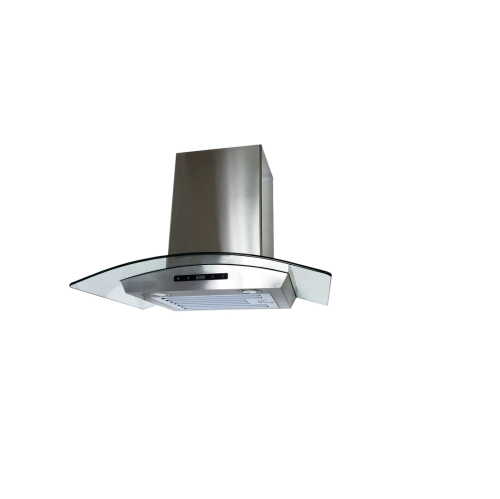
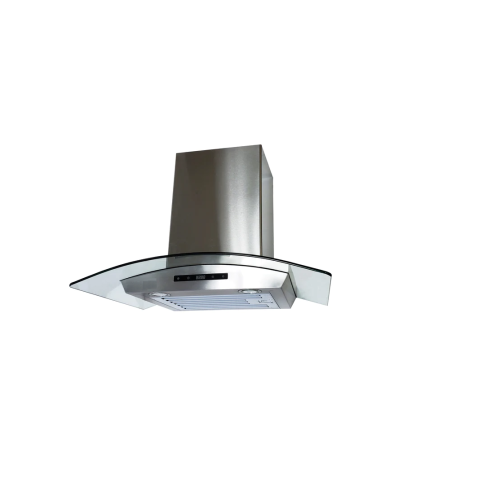
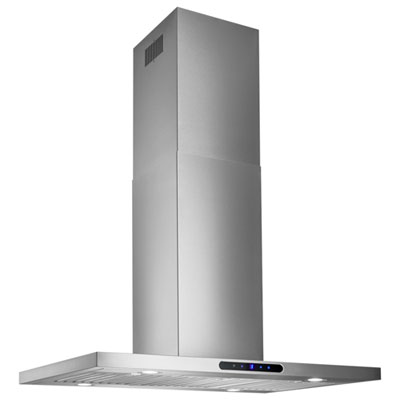
Island range hoods with multiple speed settings offer flexible control over cooking fumes, grease and odours above a cooktop positioned away from the wall. Suspended over a kitchen island, they draw rising vapours towards a filter while leaving the cooking area accessible from several sides. Adjustable fan speeds let you match extraction to the task rather than run the blower at full power for every meal. A lower setting may suit a gently simmering saucepan, while a middle setting can handle steam from boiling pasta or several pots cooking together. Higher settings provide stronger airflow for frying, searing and other cooking that produces more smoke or airborne grease. The appropriate setting depends on the food, cooking method and amount of vapour, not simply the number of burners in use. This flexibility is especially useful in open-concept kitchens, where the cooktop shares space with a dining table, seating area or homework spot. Turning the fan down when less extraction is needed can make conversation easier, although actual noise levels vary by hood design and installation. Three- and four-speed controls provide distinct steps between lighter and heavier ventilation, while some designs offer additional adjustments or a temporary boost setting. Airflow is commonly expressed in cubic feet per minute, or CFM; this describes air movement rather than how quiet a hood will be or how effectively it will capture every plume. Sound ratings, where provided, help put blower noise into context, particularly when comparing ratings measured at the same operating speed. Starting the fan before cooking helps establish airflow, and leaving it running briefly afterwards can help clear lingering vapours. A delayed shut-off feature, where included, handles that final stretch without another trip to the controls. For households that alternate between quick breakfasts, batch cooking and meals with several dishes on the go, adjustable ventilation makes the hood useful across a broad range of everyday routines.
Fit matters just as much as the number of fan settings, because an island hood has no wall immediately behind the cooking surface to help contain rising vapours. Its canopy needs to be properly sized and centred over the cooktop, with enough coverage to capture emissions from the front and rear burners. Hood width is a useful starting point, but canopy depth, mounting height and the relationship between the hood and cooking surface also affect performance. Follow both the cooktop and hood installation requirements for clearances, especially when comparing gas and electric cooking appliances. A hood mounted too high may struggle to capture vapours before they spread, while an installation below the specified clearance can create safety and usability problems. Ceiling height also influences the fit of the chimney cover, and sloped ceilings or unusually tall spaces may require compatible installation components. Because island hoods hang from above, secure structural support is essential; ceiling finishes alone are not a suitable mounting base. The route for ductwork deserves equal attention. A ducted island range hood carries extracted air outdoors through an appropriately sized duct, while a ductless configuration passes air through grease and odour filters before returning it to the room. Recirculation does not remove moisture or combustion gases as outdoor exhaust does, so these configurations are not interchangeable in every kitchen. Ductless operation should only be used where the hood supports it and applicable requirements allow it. Shorter, straighter duct routes generally place less resistance on airflow than routes with numerous bends, but the manufacturer's specifications should determine duct size and installation details. Higher-capacity exhaust systems may also require make-up air under local building requirements. A qualified installer can assess these factors alongside electrical connections and ceiling support. Planning the installation around the room, rather than choosing on maximum CFM alone, helps ensure the speed settings deliver meaningful flexibility instead of compensating for an unsuitable layout.
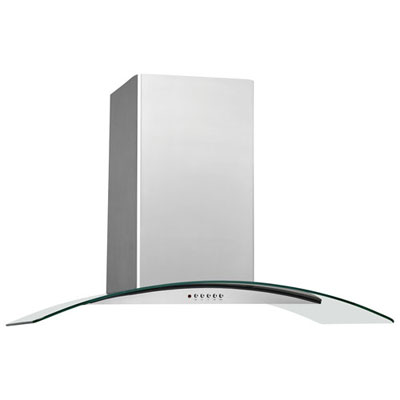
Materials and everyday details shape how an island hood looks and feels long after installation. Stainless steel is a common choice for its durability, resistance to corrosion under normal kitchen conditions and compatibility with a wide range of appliance finishes. Glass canopy elements can give the hood a lighter visual presence, although fingerprints, grease specks and streaks may be more noticeable on transparent surfaces. Since an island hood is visible from the living and dining areas as well as the kitchen, its proportions and finish influence the room from several angles. A broad canopy can make a deliberate focal point above a large island, while a slimmer profile may preserve clearer sightlines across a compact space. Shoppers drawn to a metal finish can also explore stainless steel range hoods with adjustable fan speeds for versatile use, checking that the mounting style suits an island installation. Controls should be easy to reach and read from the usual cooking position, with clear differences between fan settings. Integrated lighting helps illuminate the cooking surface, making it easier to watch onions brown or check the edges of a pancake without relying solely on overhead room lighting. Where offered, separate light and fan controls let each function work as needed. Care is another practical consideration: removable metal grease filters need regular cleaning according to the manufacturer's instructions, and dishwasher cleaning is appropriate only when explicitly permitted. Odour filters used for recirculating operation generally need replacement at specified intervals unless their care instructions state otherwise. Accessible filter releases and smooth surfaces make routine maintenance less awkward above an island. Wiping stainless steel with a soft cloth and an approved cleaner, following the grain where applicable, helps maintain its finish without abrasive scrubbing. Keeping grease from building up on the filters supports consistent airflow and reduces a potential fire hazard. For frequent cooks, busy families and people who enjoy preparing meals while guests gather nearby, a well-fitted island hood brings ventilation, task lighting and a considered visual finish to the centre of the kitchen.
Fit matters just as much as the number of fan settings, because an island hood has no wall immediately behind the cooking surface to help contain rising vapours. Its canopy needs to be properly sized and centred over the cooktop, with enough coverage to capture emissions from the front and rear burners. Hood width is a useful starting point, but canopy depth, mounting height and the relationship between the hood and cooking surface also affect performance. Follow both the cooktop and hood installation requirements for clearances, especially when comparing gas and electric cooking appliances. A hood mounted too high may struggle to capture vapours before they spread, while an installation below the specified clearance can create safety and usability problems. Ceiling height also influences the fit of the chimney cover, and sloped ceilings or unusually tall spaces may require compatible installation components. Because island hoods hang from above, secure structural support is essential; ceiling finishes alone are not a suitable mounting base. The route for ductwork deserves equal attention. A ducted island range hood carries extracted air outdoors through an appropriately sized duct, while a ductless configuration passes air through grease and odour filters before returning it to the room. Recirculation does not remove moisture or combustion gases as outdoor exhaust does, so these configurations are not interchangeable in every kitchen. Ductless operation should only be used where the hood supports it and applicable requirements allow it. Shorter, straighter duct routes generally place less resistance on airflow than routes with numerous bends, but the manufacturer's specifications should determine duct size and installation details. Higher-capacity exhaust systems may also require make-up air under local building requirements. A qualified installer can assess these factors alongside electrical connections and ceiling support. Planning the installation around the room, rather than choosing on maximum CFM alone, helps ensure the speed settings deliver meaningful flexibility instead of compensating for an unsuitable layout.
Materials and everyday details shape how an island hood looks and feels long after installation. Stainless steel is a common choice for its durability, resistance to corrosion under normal kitchen conditions and compatibility with a wide range of appliance finishes. Glass canopy elements can give the hood a lighter visual presence, although fingerprints, grease specks and streaks may be more noticeable on transparent surfaces. Since an island hood is visible from the living and dining areas as well as the kitchen, its proportions and finish influence the room from several angles. A broad canopy can make a deliberate focal point above a large island, while a slimmer profile may preserve clearer sightlines across a compact space. Shoppers drawn to a metal finish can also explore stainless steel range hoods with adjustable fan speeds for versatile use, checking that the mounting style suits an island installation. Controls should be easy to reach and read from the usual cooking position, with clear differences between fan settings. Integrated lighting helps illuminate the cooking surface, making it easier to watch onions brown or check the edges of a pancake without relying solely on overhead room lighting. Where offered, separate light and fan controls let each function work as needed. Care is another practical consideration: removable metal grease filters need regular cleaning according to the manufacturer's instructions, and dishwasher cleaning is appropriate only when explicitly permitted. Odour filters used for recirculating operation generally need replacement at specified intervals unless their care instructions state otherwise. Accessible filter releases and smooth surfaces make routine maintenance less awkward above an island. Wiping stainless steel with a soft cloth and an approved cleaner, following the grain where applicable, helps maintain its finish without abrasive scrubbing. Keeping grease from building up on the filters supports consistent airflow and reduces a potential fire hazard. For frequent cooks, busy families and people who enjoy preparing meals while guests gather nearby, a well-fitted island hood brings ventilation, task lighting and a considered visual finish to the centre of the kitchen.
Top selling and popular products
-
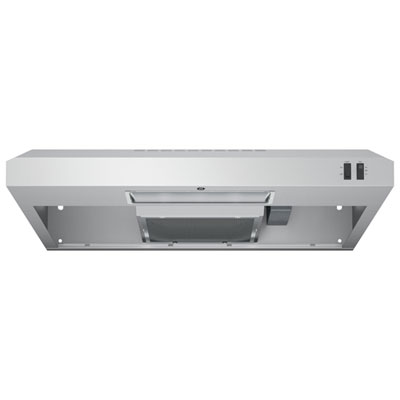 Your price for this item is $249.99
 -
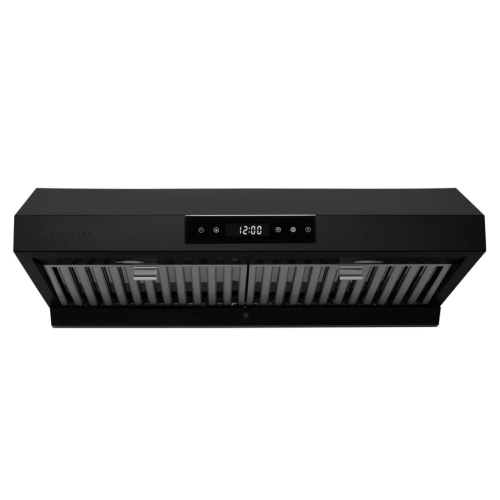 Your price for this item is $598.49
 -
 Your price for this item is $645.99
 -
 Your price for this item is $645.99
 -
 Your price for this item is $645.99
 -
 Your price for this item is $598.49
 -
 Your price for this item is $449.99
 -
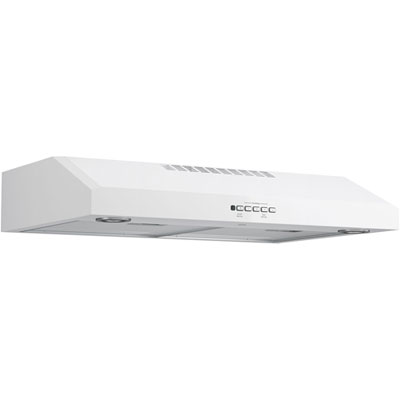 Your price for this item is $399.99
Discover more categories related to Island Range Hoods With Multiple Speed Settings for Flexibility
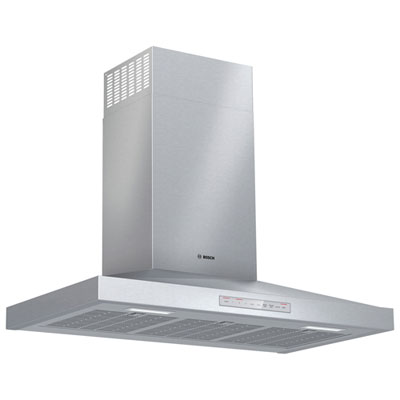
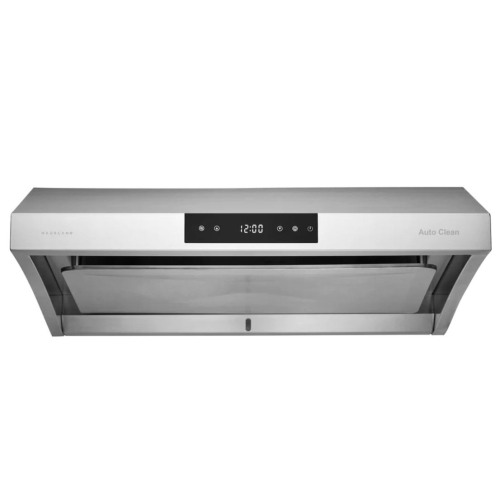
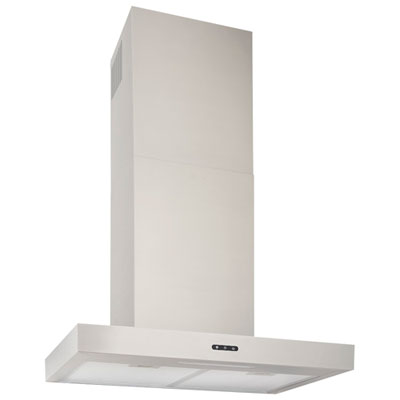
Top Collections:
Pokemon Centers, Kindle Devices, Best Budget Office Chairs, Apple iPhones 16, Best Laptops for Writers, iPhone 15 Apple, Canon G7X Cameras, Refurbished Apple Laptops, Alarm Clock, Motorola Razr Phones
Some products may be subject to Environmental Handling Fees
(EHF) depending on your province.
Learn more about EHFs.