Manual Espresso Machines
A manual espresso machine allows for a more hands-on and customizable espresso-making experience, giving the user more control over the brewing process and the ability to adjust the extraction to their liking. Additionally, manual machines tend to be more durable and have fewer parts that can break or malfunction. Here are some of the manual espresso machines that we offer:
Sort
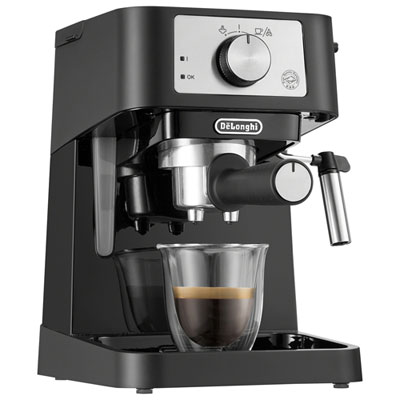
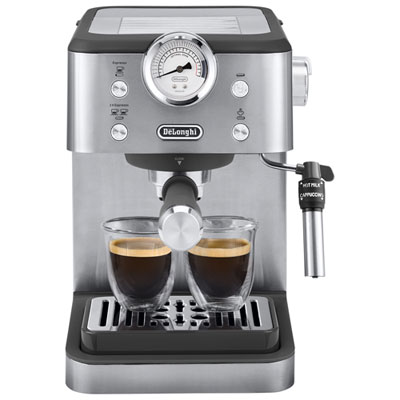
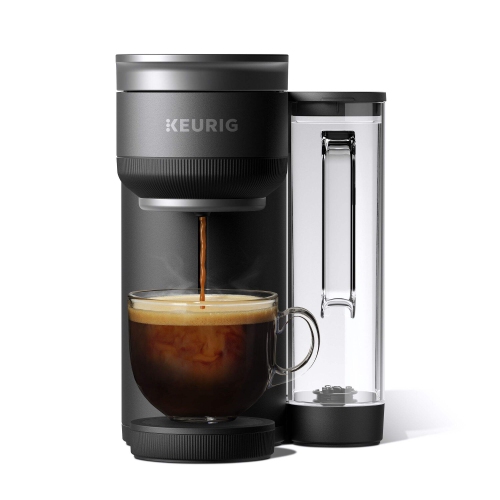
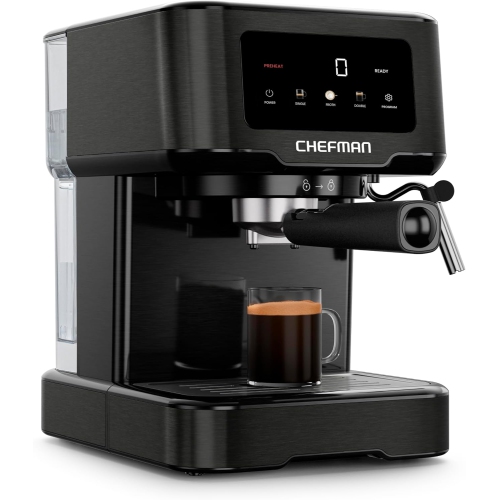
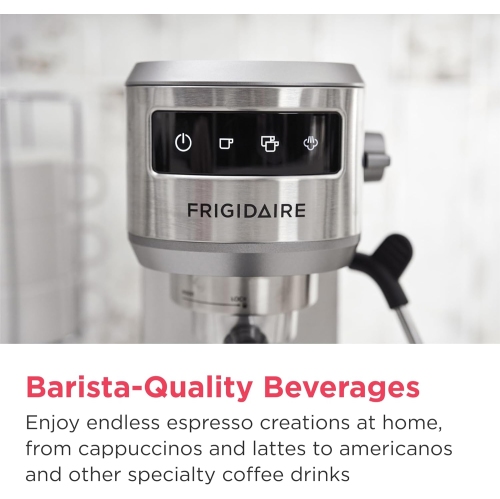
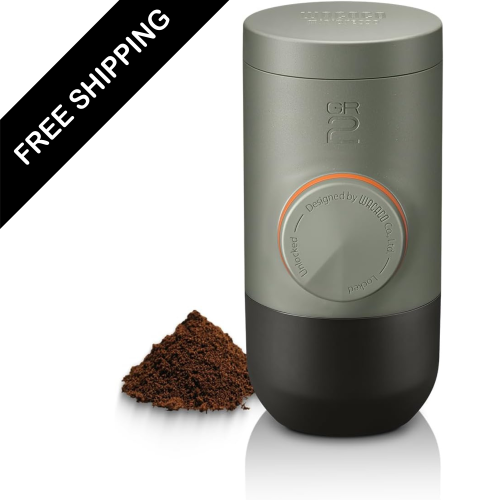
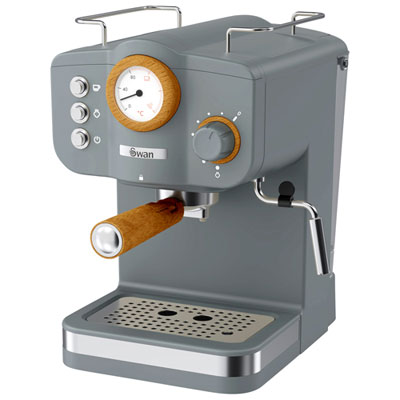
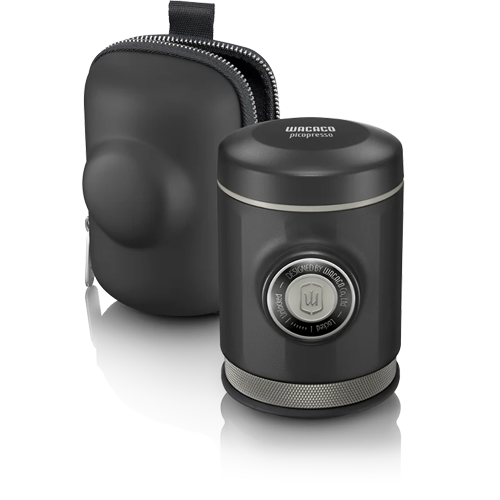
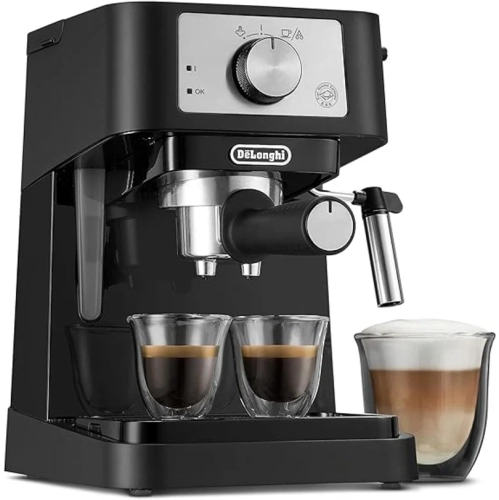
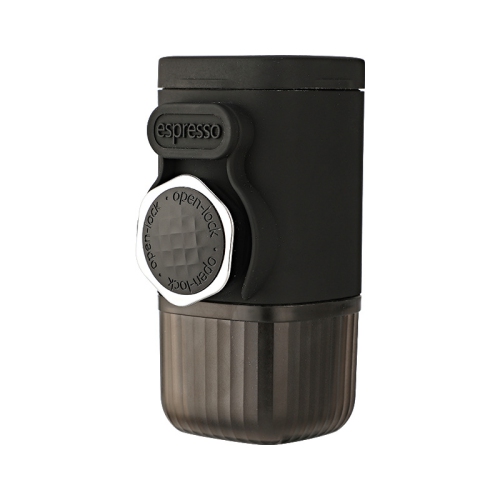
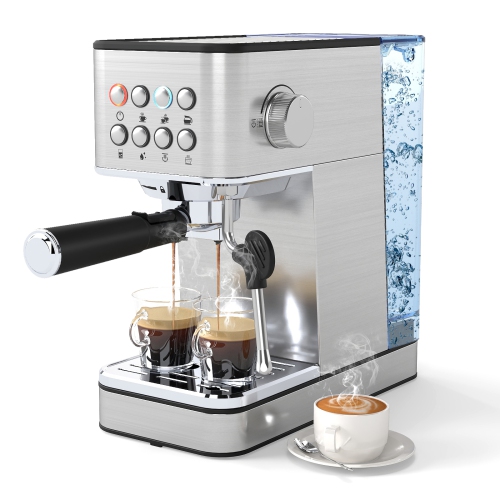
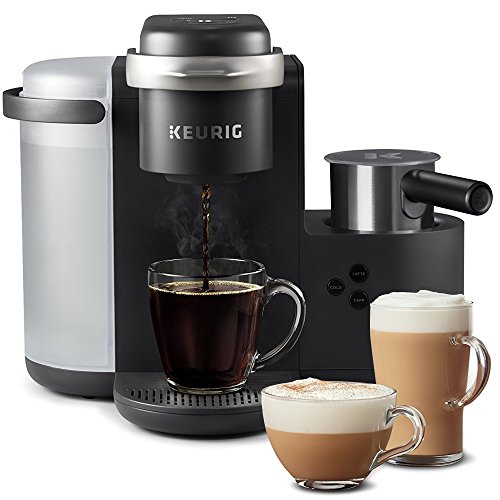
How hands-on pressure shapes each espresso shot
Manual espresso machines put the work of building brewing pressure in the hands of the person making the coffee. Rather than relying on an electric pump to drive water through a compact bed of finely ground coffee, these machines use a lever, piston, or hand-operated pumping mechanism. Some operate entirely without electricity and require water heated separately, while others use electricity to heat water but still rely on manual pressure for extraction. That distinction matters when choosing between a dedicated countertop setup and a compact espresso maker that can travel. Direct-lever designs let the user influence pressure through the force applied to the handle; spring-lever designs use a loaded spring to deliver much of the brewing force. Hand-pump models build pressure through repeated movements, with the amount of control varying by design. Depending on the machine, this hands-on approach can allow adjustments to pre-infusion, the initial wetting of the grounds, as well as pressure and flow during the shot. A pressure gauge can make those adjustments easier to follow, although not every manual machine includes one. Around nine bars is a familiar espresso brewing reference, not a requirement that every shot must meet. Grind size, coffee dose, water temperature, and the amount of espresso in the cup all influence the result. For someone who enjoys adjusting a recipe and tasting the difference, the appeal is tangible: a small change in grind or lever pressure can change the balance between bright acidity, sweetness, and bitterness. Manual espresso machines suit home coffee enthusiasts who want an involved brewing routine, as well as people who prefer a compact, mechanically straightforward setup. They are less about pressing a button and walking away than about participating in each shot. The reward is the ability to shape a concentrated coffee base for straight espresso, an Americano, or a milk drink, with a level of involvement that varies from one machine design to another.
The most useful differences between manual espresso makers often show up in everyday handling. A heavy base and a comfortable lever can help a countertop machine stay steady while pressure is applied, while a smaller hand-powered brewer may be easier to pack but require a firm grip throughout extraction. Handle clearance matters just as much as the footprint: a machine that fits beneath a cupboard when closed may need more room when its lever is raised. Cup clearance, access to the brew chamber, and the space needed for a scale also affect how comfortably the setup fits a kitchen or coffee station. Materials contribute to both feel and upkeep. Stainless steel is commonly used for baskets and brewing components because it tolerates repeated contact with hot water and is straightforward to clean. Aluminium can keep portable designs lighter, while heat-resistant plastics and silicone seals serve practical roles in grips, housings, and pressure connections. Material alone does not determine longevity; construction quality, correct use, and access to replacement seals or other wear parts are important too. Fewer electronic components can simplify a machine, but moving joints, gaskets, and brewing surfaces still need attention. The basket design also deserves a close look. A non-pressurized basket generally demands a suitably fine, consistent grind and careful preparation, while a pressurized basket can be more forgiving of some variation in grind. An espresso-capable burr grinder is therefore an important companion for many manual setups, alongside a correctly sized tamper and a scale for measuring dose and beverage yield. A bottomless portafilter, where included, exposes the underside of the basket and can make uneven flow visible, though it does not correct uneven preparation on its own. For machines without a heated brew group, preheating according to the manufacturer’s directions helps limit heat loss during extraction. These details make a noticeable difference when the goal is a repeatable morning espresso rather than an occasional experiment.
Intended use helps determine which features deserve the most attention. For a single espresso before work, a compact machine with a simple filling and cleaning routine may be a comfortable fit. Making several drinks for guests places more emphasis on basket capacity, the ease of removing spent grounds, and the time needed to refill or reheat the brewing chamber. A larger water chamber does not necessarily mean a machine can prepare several shots without being reset, so the brewing cycle matters more than dimensions alone. Milk-drink fans should also distinguish espresso extraction from milk preparation: many fully manual machines have no steam wand, making a separate milk frother necessary for cappuccinos or lattes. Electrically heated lever machines may offer steaming, but heating capacity and operating procedures differ. A hand-powered travel brewer can suit a small kitchenette or a trip where luggage space is limited, provided there is access to suitable hot water, ground coffee, and a safe, stable place to brew. Compact size does not remove the need to handle hot components carefully or release pressure as directed before opening the chamber. For cafés, catering operations, or workplaces serving drinks repeatedly, Commercial Espresso Machines represent a different category, where service capacity and suitability for business use take priority over portability or a leisurely single-shot routine. At home, care is usually centred on removing coffee residue, rinsing removable brewing parts, and allowing components to dry before storage. Dishwasher suitability, detergent compatibility, lubrication, and descaling requirements depend on the machine, particularly whether it contains a boiler. Abrasive tools and unsuitable cleaners can damage finishes or seals, so model-specific care directions are worth keeping close. Manual espresso machines can also make thoughtful gifts for coffee hobbyists who enjoy tactile equipment and already have, or want to build, a suitable grinding setup. The best fit reflects the recipient’s habits: the person who enjoys weighing each dose and refining a recipe may value adjustable brewing control, while someone short on counter space may appreciate a lighter, simpler design. Comfortable operation, manageable cleaning, and a workflow that suits the household are what turn hands-on espresso making into a lasting daily ritual.
The most useful differences between manual espresso makers often show up in everyday handling. A heavy base and a comfortable lever can help a countertop machine stay steady while pressure is applied, while a smaller hand-powered brewer may be easier to pack but require a firm grip throughout extraction. Handle clearance matters just as much as the footprint: a machine that fits beneath a cupboard when closed may need more room when its lever is raised. Cup clearance, access to the brew chamber, and the space needed for a scale also affect how comfortably the setup fits a kitchen or coffee station. Materials contribute to both feel and upkeep. Stainless steel is commonly used for baskets and brewing components because it tolerates repeated contact with hot water and is straightforward to clean. Aluminium can keep portable designs lighter, while heat-resistant plastics and silicone seals serve practical roles in grips, housings, and pressure connections. Material alone does not determine longevity; construction quality, correct use, and access to replacement seals or other wear parts are important too. Fewer electronic components can simplify a machine, but moving joints, gaskets, and brewing surfaces still need attention. The basket design also deserves a close look. A non-pressurized basket generally demands a suitably fine, consistent grind and careful preparation, while a pressurized basket can be more forgiving of some variation in grind. An espresso-capable burr grinder is therefore an important companion for many manual setups, alongside a correctly sized tamper and a scale for measuring dose and beverage yield. A bottomless portafilter, where included, exposes the underside of the basket and can make uneven flow visible, though it does not correct uneven preparation on its own. For machines without a heated brew group, preheating according to the manufacturer’s directions helps limit heat loss during extraction. These details make a noticeable difference when the goal is a repeatable morning espresso rather than an occasional experiment.
Intended use helps determine which features deserve the most attention. For a single espresso before work, a compact machine with a simple filling and cleaning routine may be a comfortable fit. Making several drinks for guests places more emphasis on basket capacity, the ease of removing spent grounds, and the time needed to refill or reheat the brewing chamber. A larger water chamber does not necessarily mean a machine can prepare several shots without being reset, so the brewing cycle matters more than dimensions alone. Milk-drink fans should also distinguish espresso extraction from milk preparation: many fully manual machines have no steam wand, making a separate milk frother necessary for cappuccinos or lattes. Electrically heated lever machines may offer steaming, but heating capacity and operating procedures differ. A hand-powered travel brewer can suit a small kitchenette or a trip where luggage space is limited, provided there is access to suitable hot water, ground coffee, and a safe, stable place to brew. Compact size does not remove the need to handle hot components carefully or release pressure as directed before opening the chamber. For cafés, catering operations, or workplaces serving drinks repeatedly, Commercial Espresso Machines represent a different category, where service capacity and suitability for business use take priority over portability or a leisurely single-shot routine. At home, care is usually centred on removing coffee residue, rinsing removable brewing parts, and allowing components to dry before storage. Dishwasher suitability, detergent compatibility, lubrication, and descaling requirements depend on the machine, particularly whether it contains a boiler. Abrasive tools and unsuitable cleaners can damage finishes or seals, so model-specific care directions are worth keeping close. Manual espresso machines can also make thoughtful gifts for coffee hobbyists who enjoy tactile equipment and already have, or want to build, a suitable grinding setup. The best fit reflects the recipient’s habits: the person who enjoys weighing each dose and refining a recipe may value adjustable brewing control, while someone short on counter space may appreciate a lighter, simpler design. Comfortable operation, manageable cleaning, and a workflow that suits the household are what turn hands-on espresso making into a lasting daily ritual.
Top selling and popular products
-
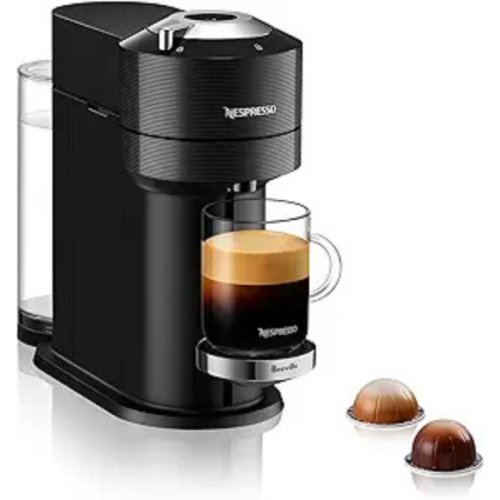 Your price for this item is $279
 -
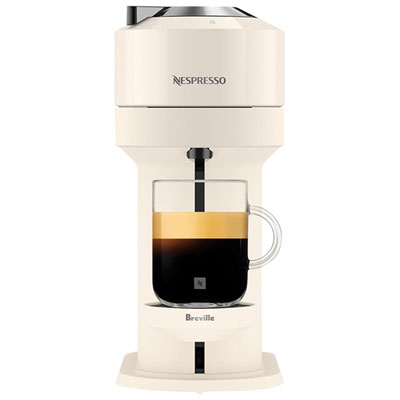 Your price for this item is $249.99
 -
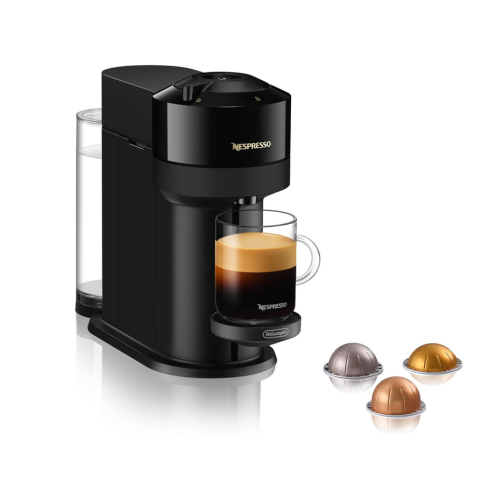 Your price for this item is $196
 -
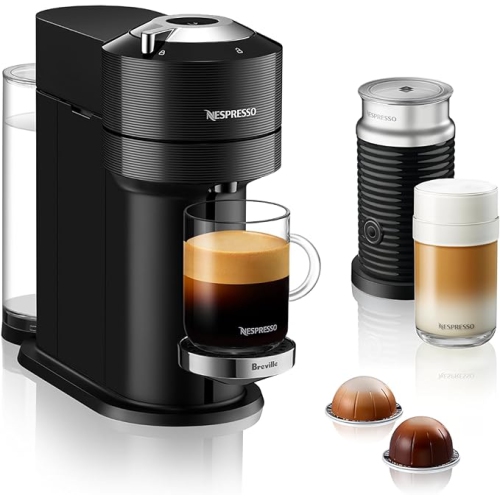 Your price for this item is $279.89
 -
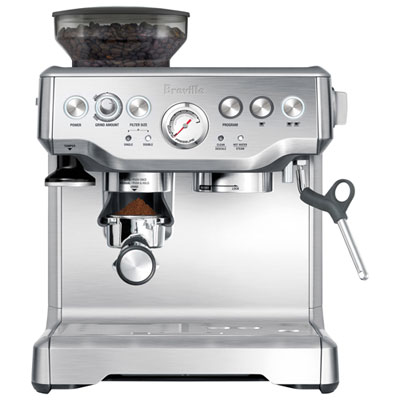 Your price for this item is $749.99
 -
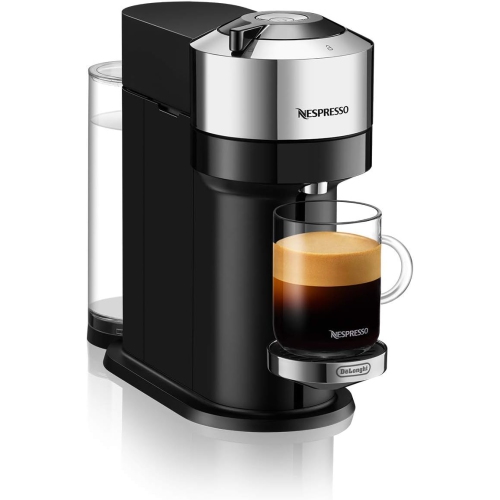 Your price for this item is $109.99
 -
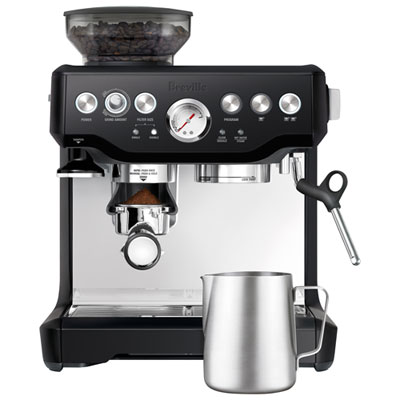 Your price for this item is $749.99
 -
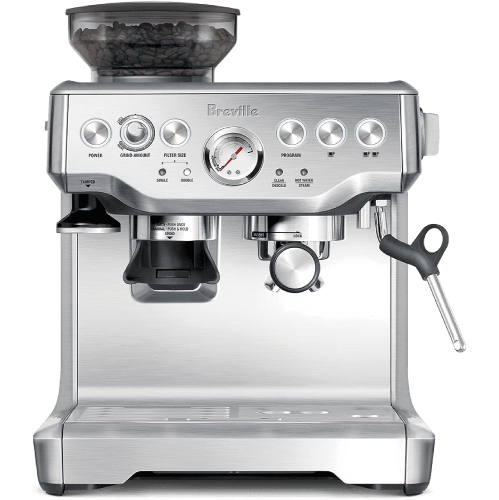 Your price for this item is $849
Discover more categories related to Manual Espresso Machines
Top Collections:
Pokemon Centers, Kindle Devices, Best Budget Office Chairs, Apple iPhones 16, Best Laptops for Writers, iPhone 15 Apple, Canon G7X Cameras, Refurbished Apple Laptops, Alarm Clock, Motorola Razr Phones
Some products may be subject to Environmental Handling Fees
(EHF) depending on your province.
Learn more about EHFs.