Multi Surface Vacuums
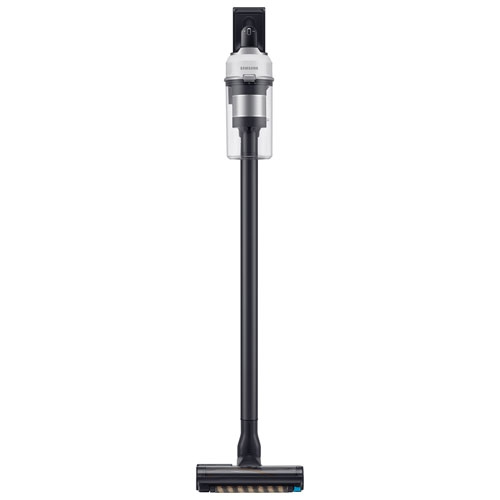
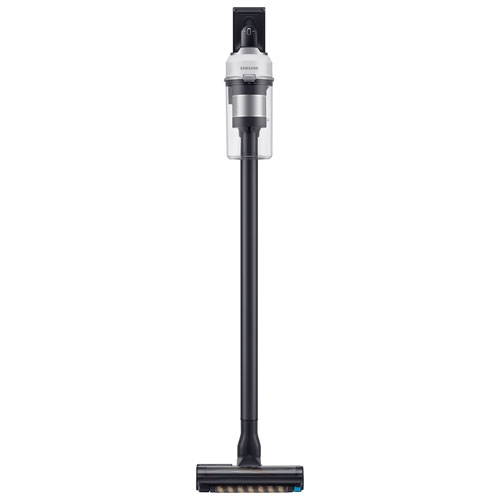
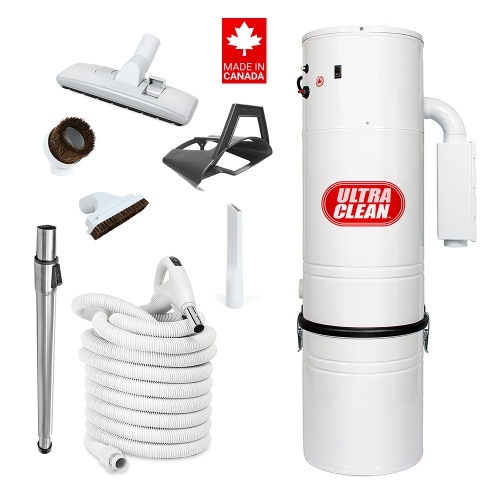
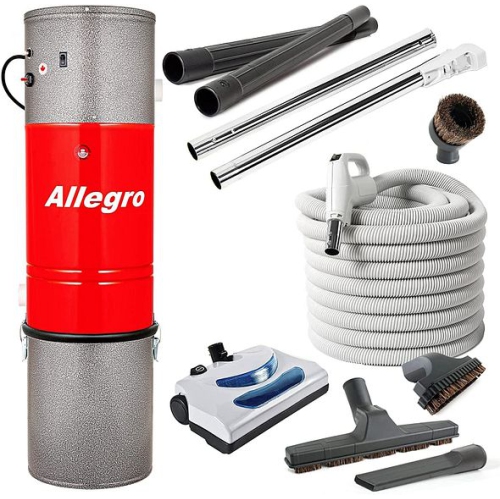
A multi-surface vacuum is a new type of vacuum that can be used on both hardwood floors and carpeting. It has a combination of features that make it ideal for cleaning both types of flooring. The multi-surface vacuum is designed to have strong suction, be easy to use, and be lightweight. Here are some of our favorites.
Sort
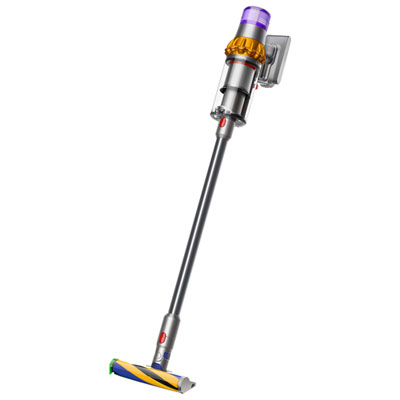
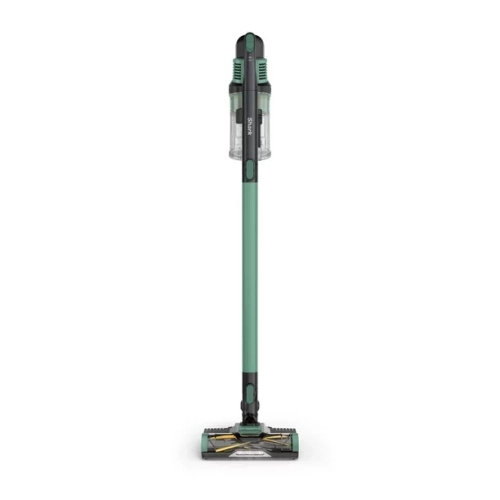
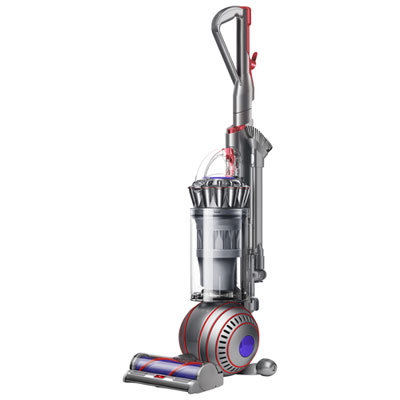
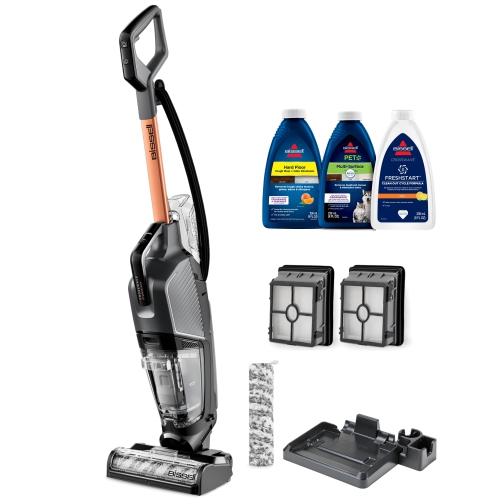
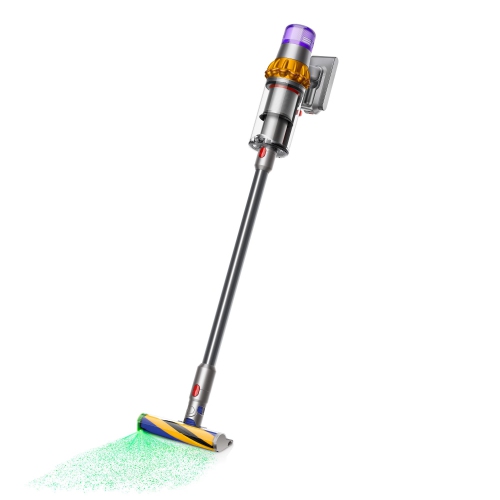
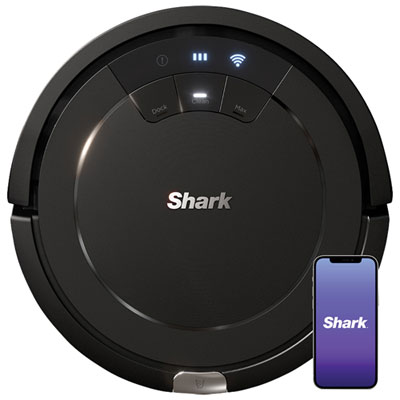
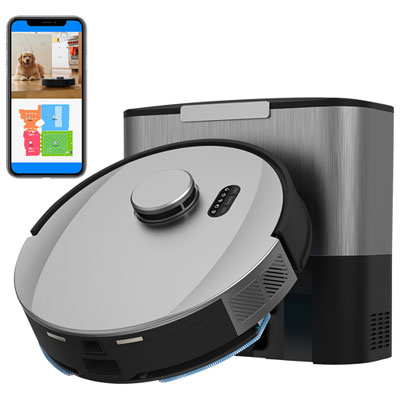
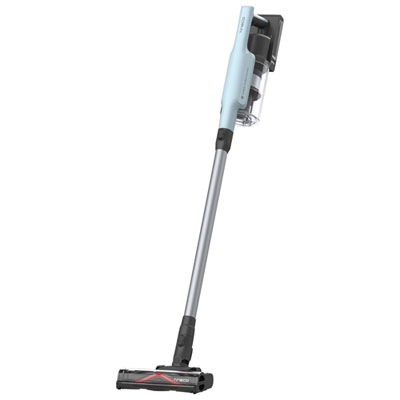
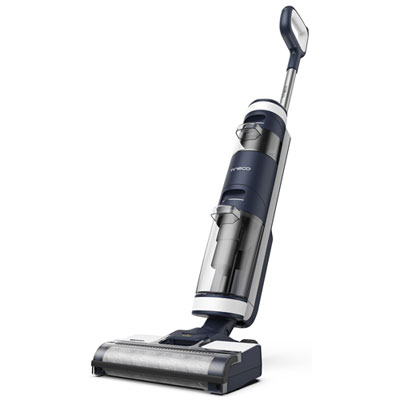
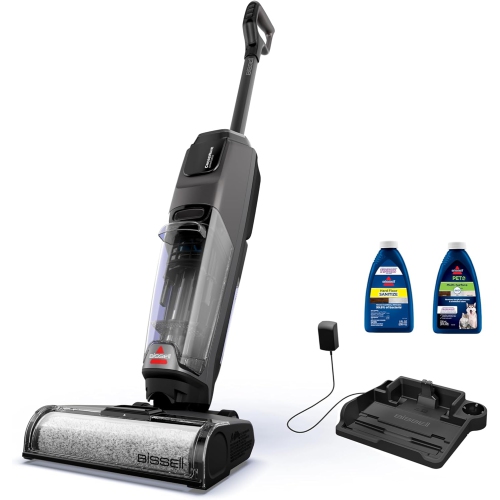
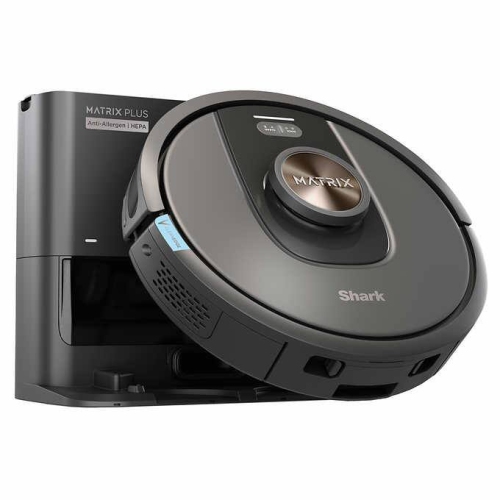
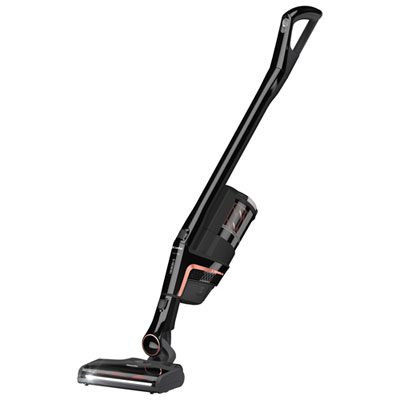
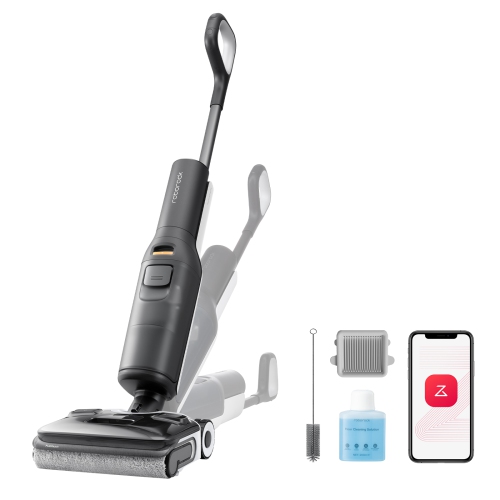
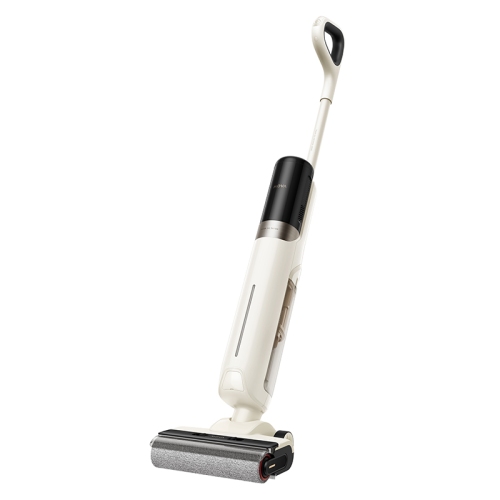
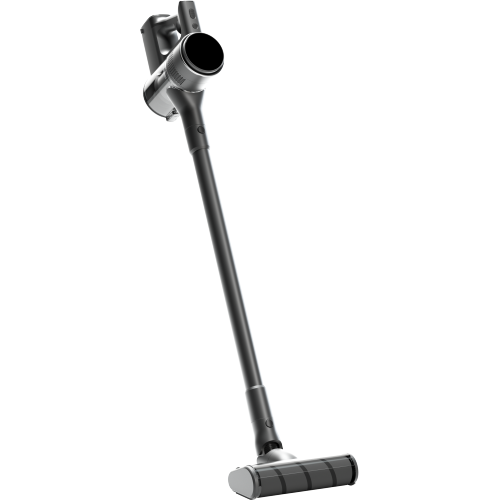
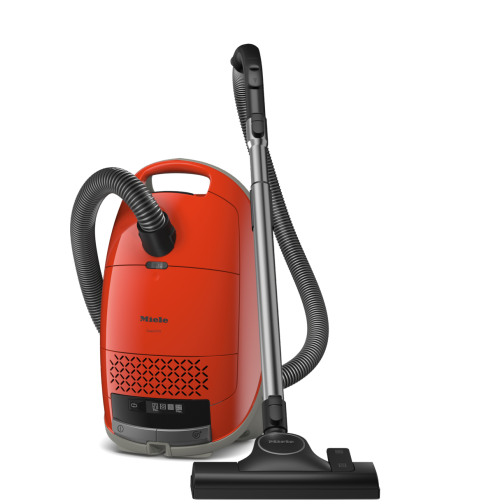

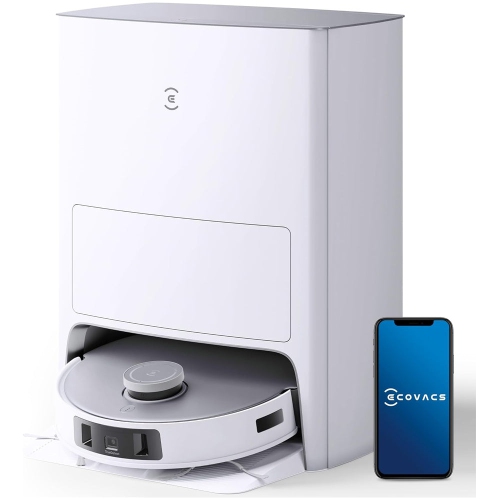
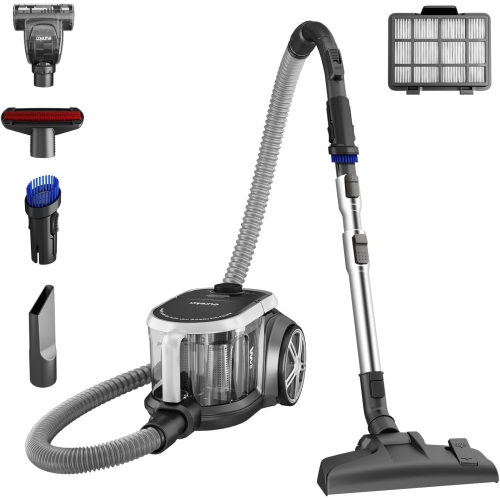
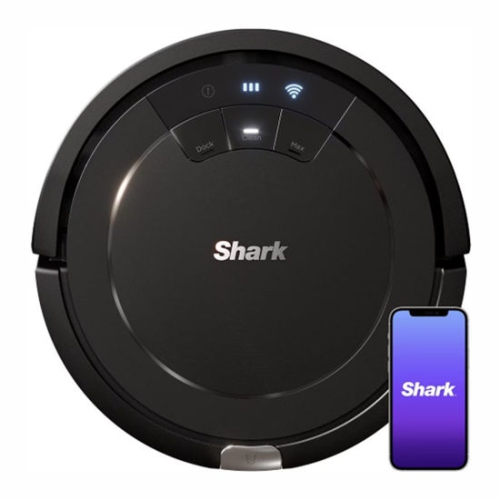
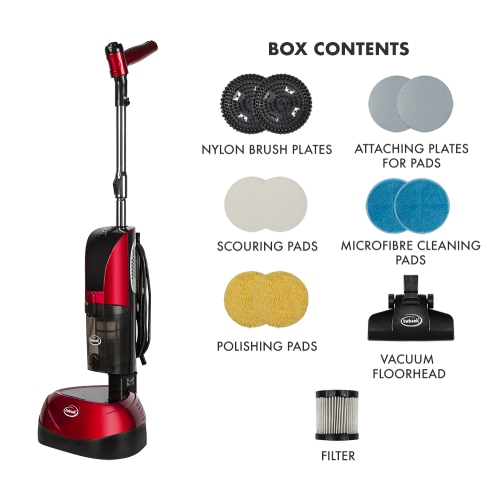
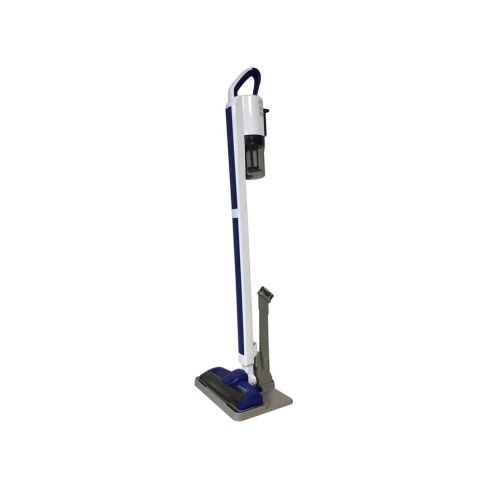
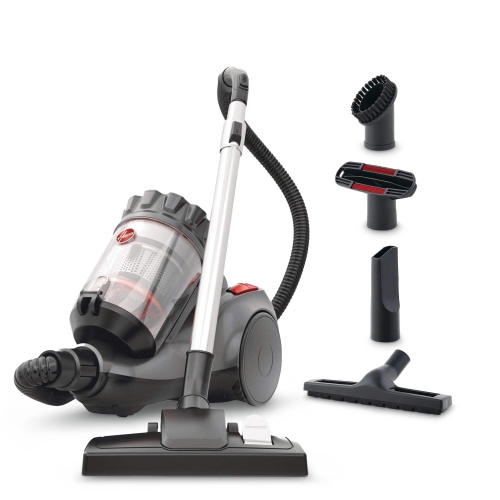
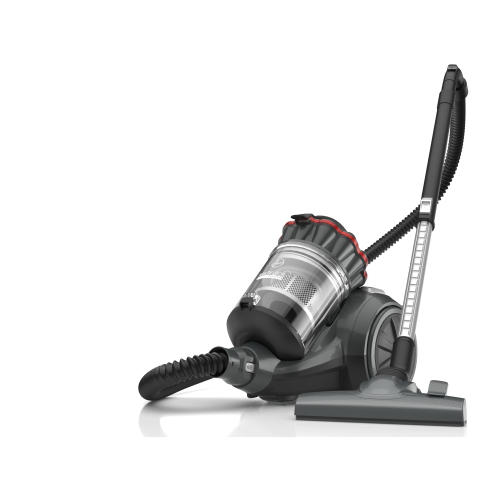
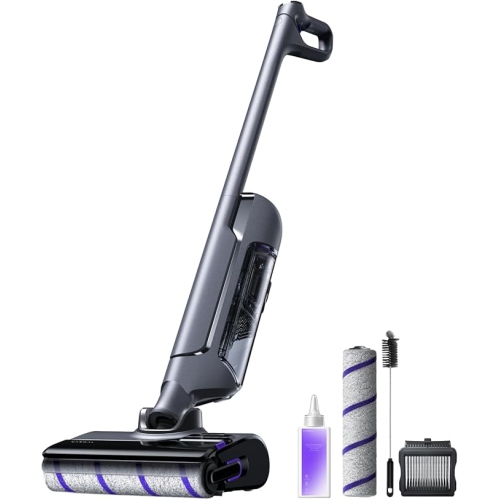
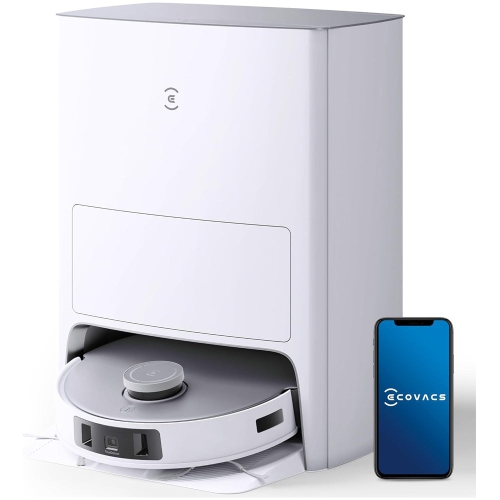
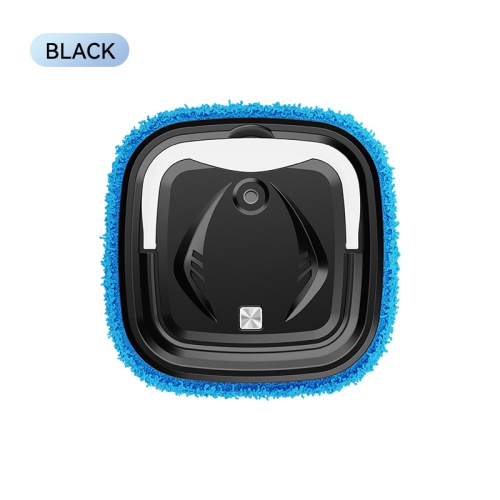
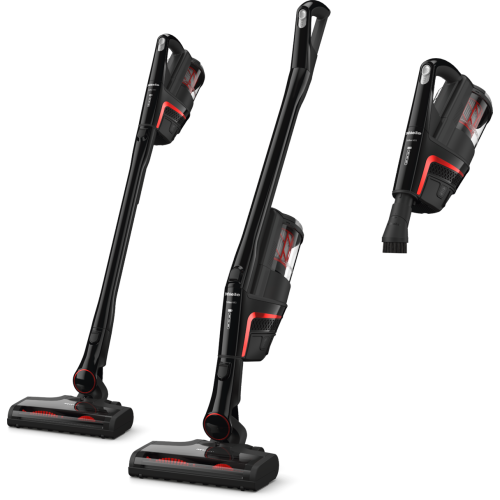
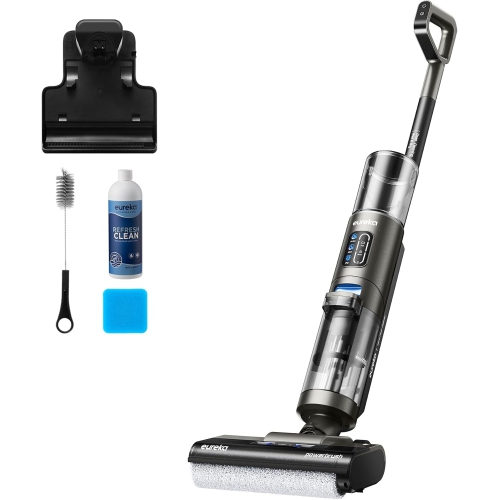
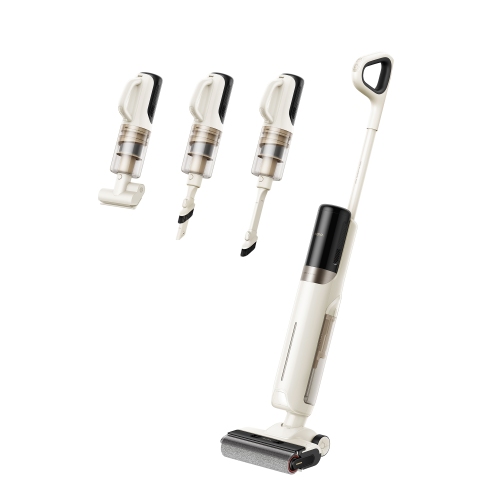
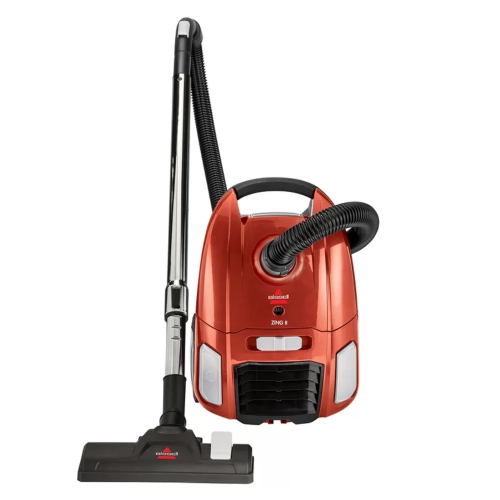
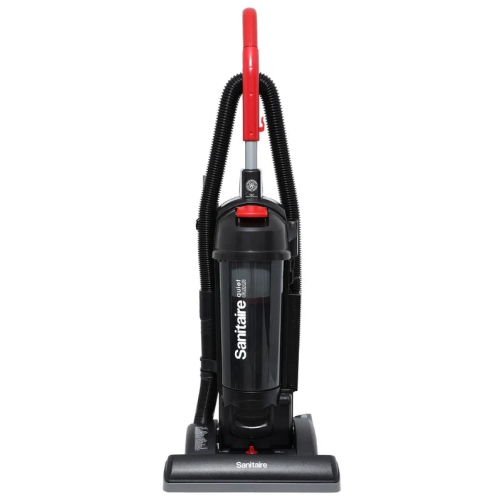
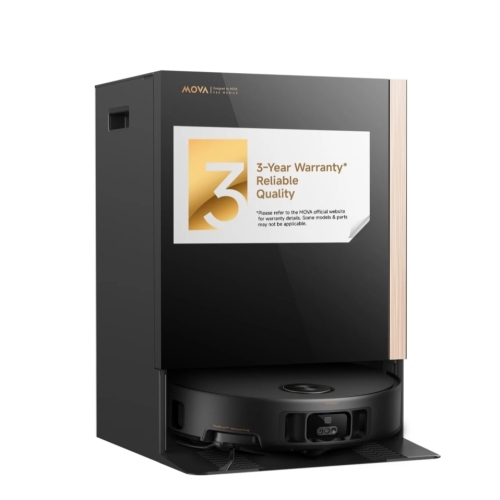
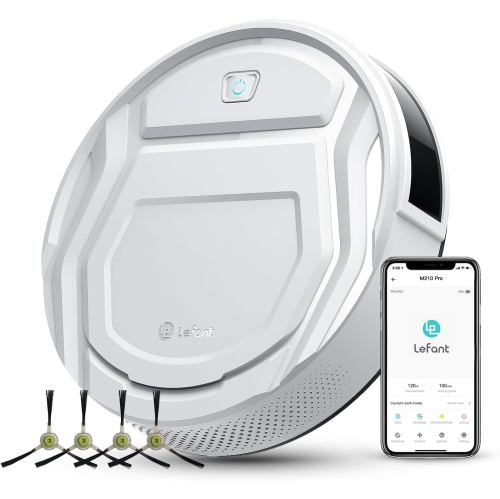
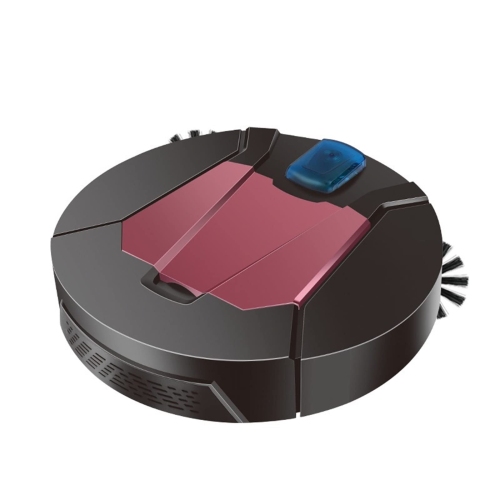
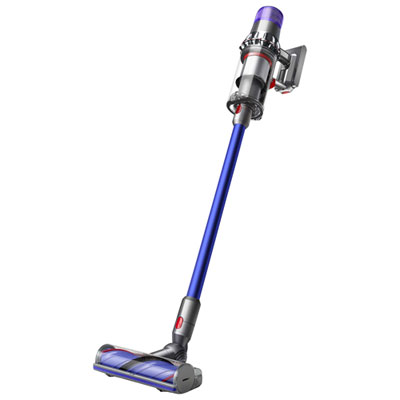
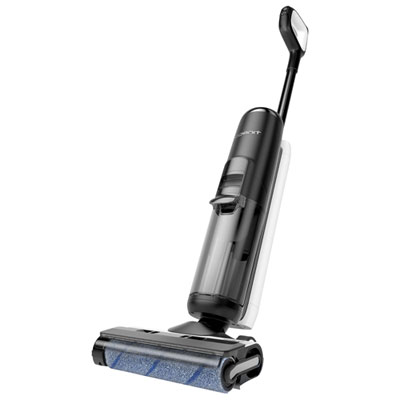
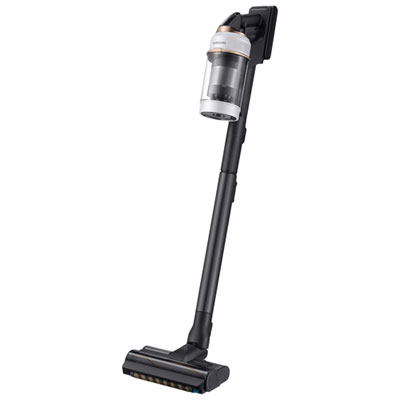
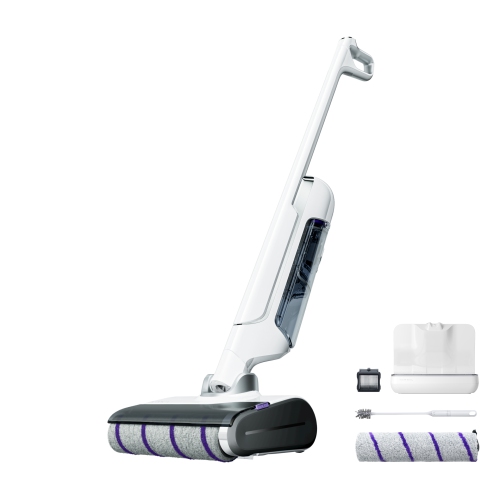
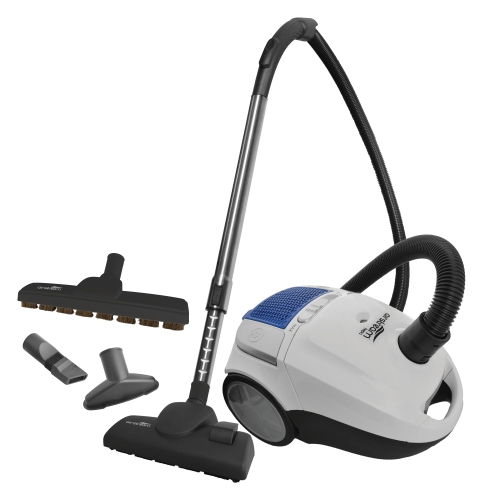
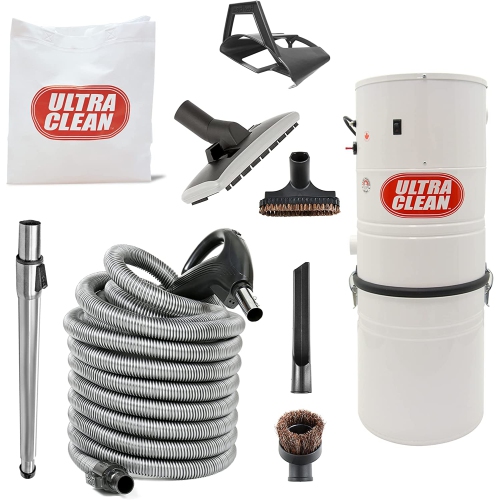
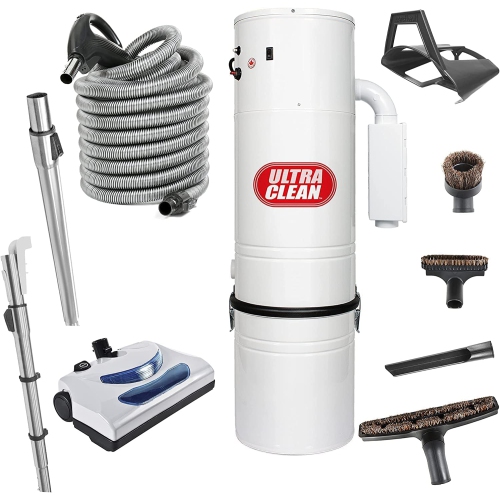
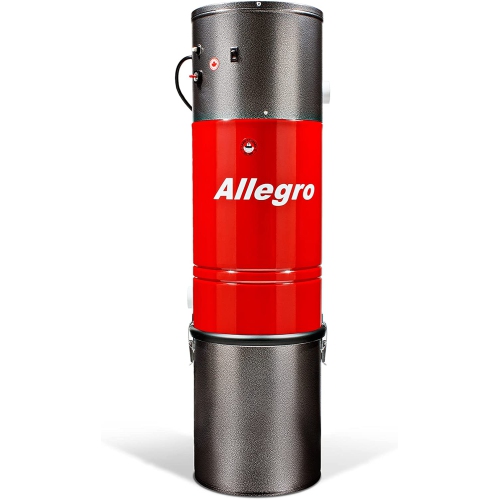
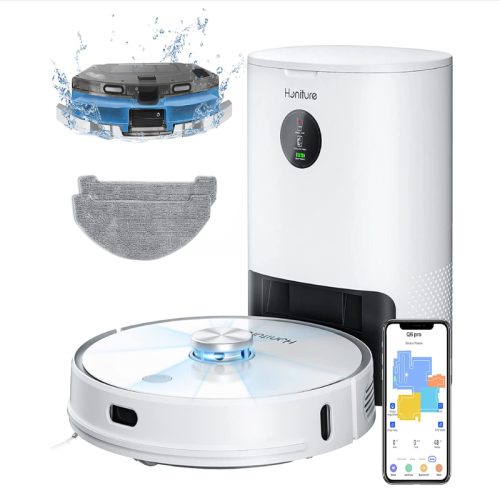

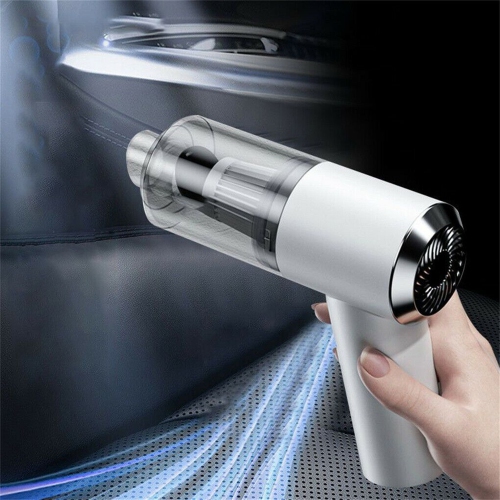
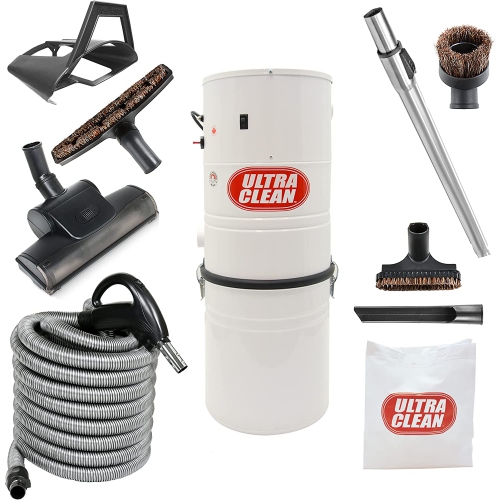
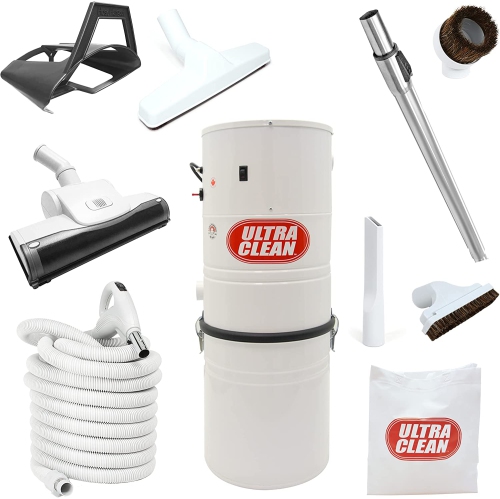
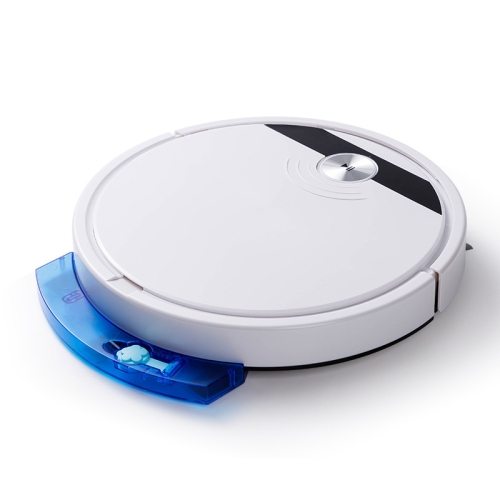
Different floors call for more than strong suction
Multi-surface vacuums are designed to clean more than one type of flooring, such as hardwood, tile, laminate, vinyl, and carpet, using compatible floor heads, brush settings, or attachments. They suit homes where a single cleaning session might move from crumbs beneath the kitchen table to pet hair on a living room rug and dust along a carpeted hallway. The most useful features depend on those surfaces: suction adjustment, brush-roll control, floor-head height, and a design that moves comfortably between rooms. On bare floors, a suitable head helps collect loose debris without scattering it, while soft contact points and clean wheels help protect the finish. Carpet often benefits from a powered brush that lifts dirt from the fibres, although delicate rugs and some carpet constructions require a gentler approach. A brush-roll shutoff or dedicated hard-floor attachment can be valuable when moving from carpet to wood. For high-pile carpet, adjustable suction and head height may help prevent the floor head from feeling difficult to push; the carpet manufacturer's care requirements remain important. Low-pile rugs present a different challenge, especially when lightweight corners lift under strong suction. A vacuum's suitability therefore depends on more than motor power alone. Floor-head design, airflow, filtration, and the ability to adjust cleaning settings all affect how it handles everyday debris. Larger crumbs need an opening that can admit them, fine dust needs effective collection and filtration, and hair needs a brush system that can pick it up without excessive wrapping. Homes with shedding pets may benefit from a powered upholstery tool as well as a floor head designed for hair pickup. Around dining chairs, sofa legs, and narrow gaps beside furniture, a swivelling head and a low profile can make the difference between reaching the dust and having to move everything first. Multi-surface capability does not mean every floor covering is suitable for every attachment, so compatibility with the home's actual flooring matters more than a broad feature label. For mixed-floor households, convenient transitions between surfaces are a central part of the appeal.
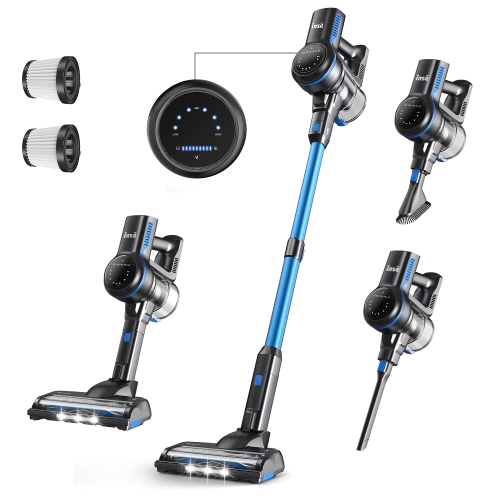
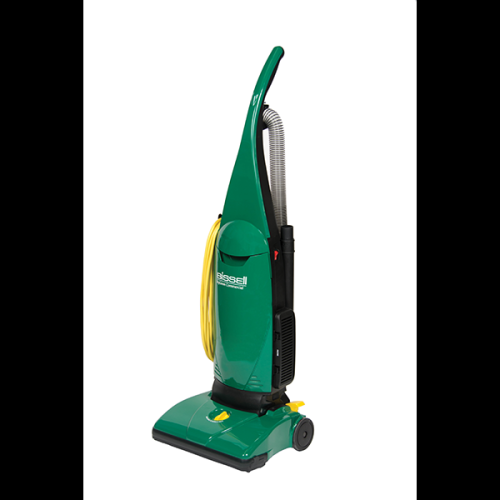
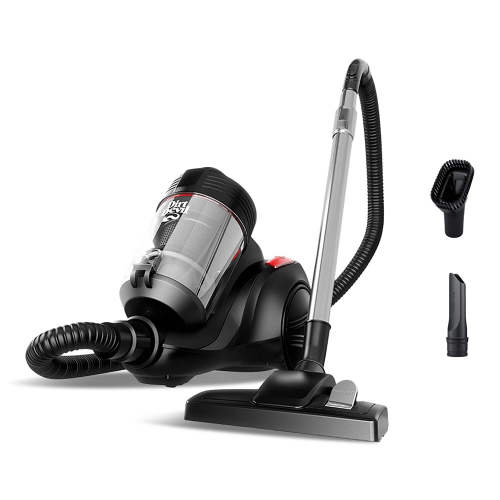
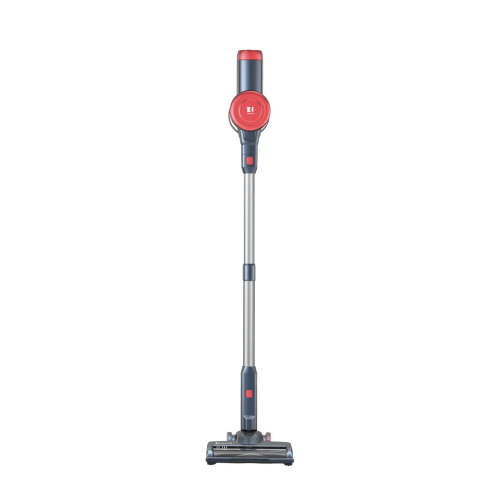
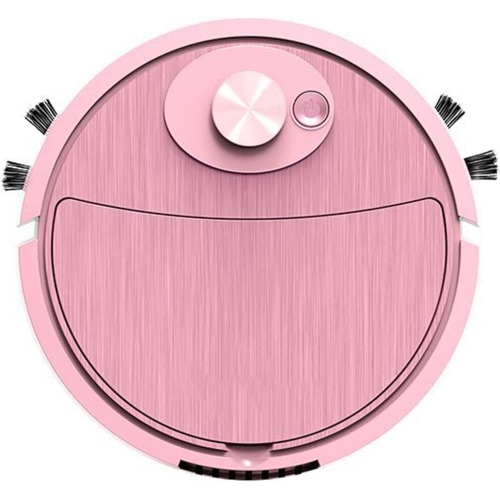
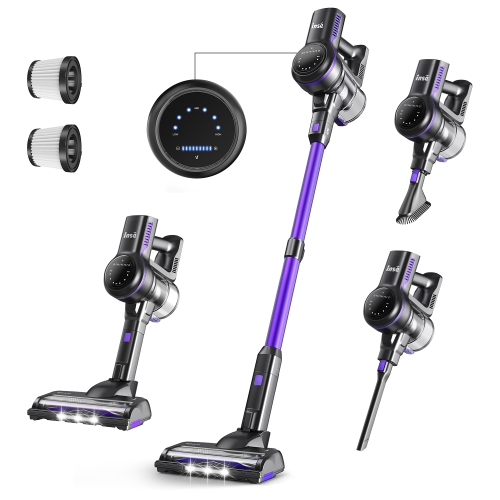
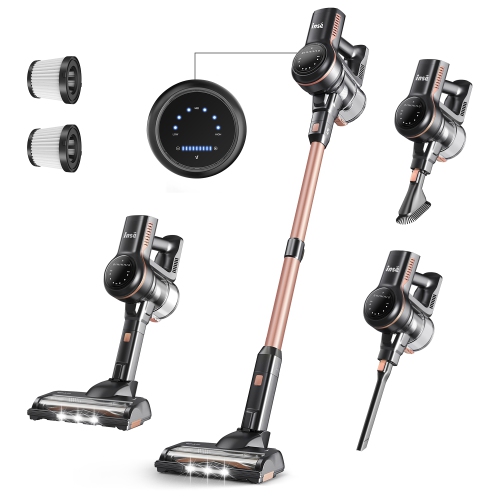
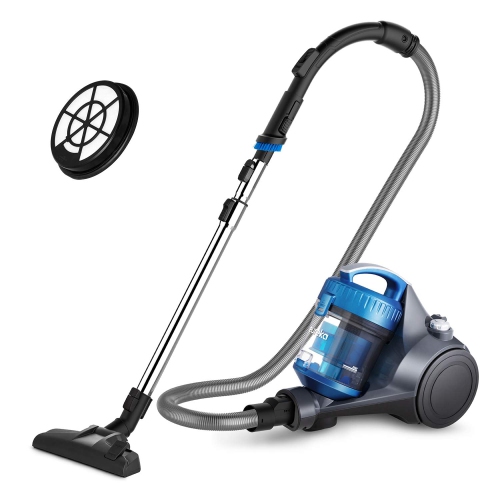
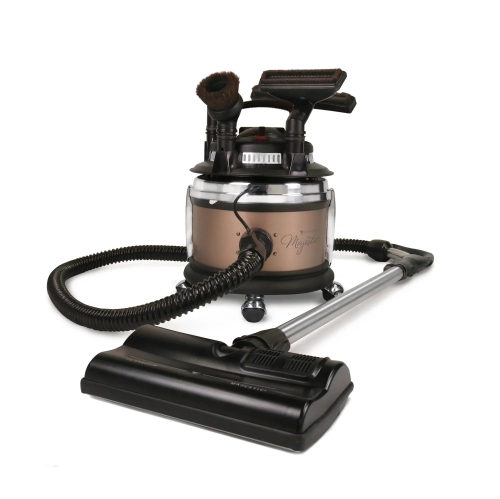
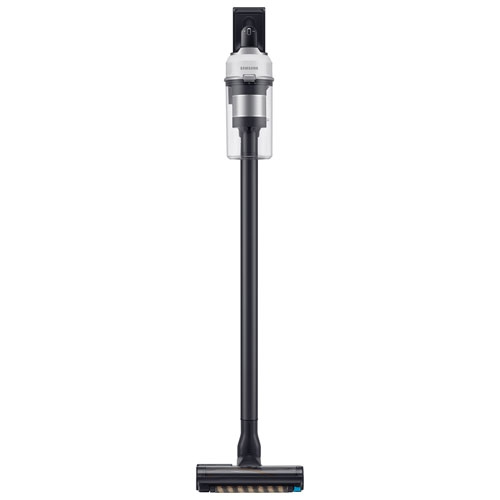
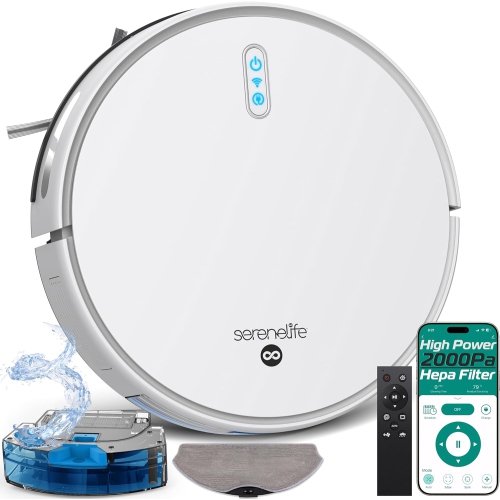
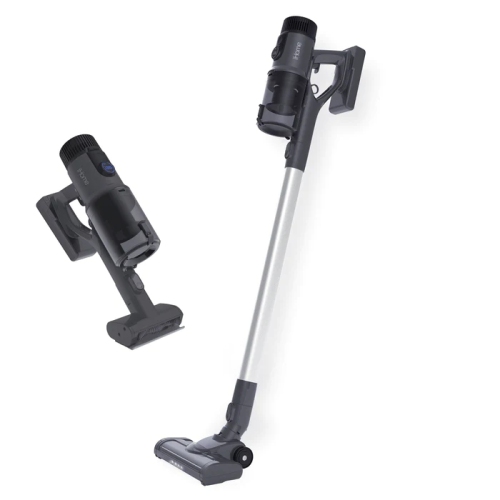
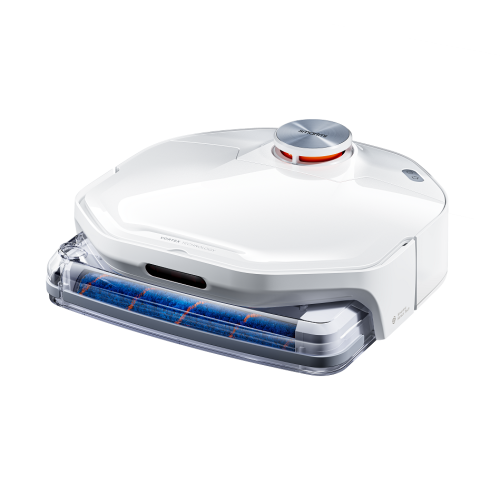
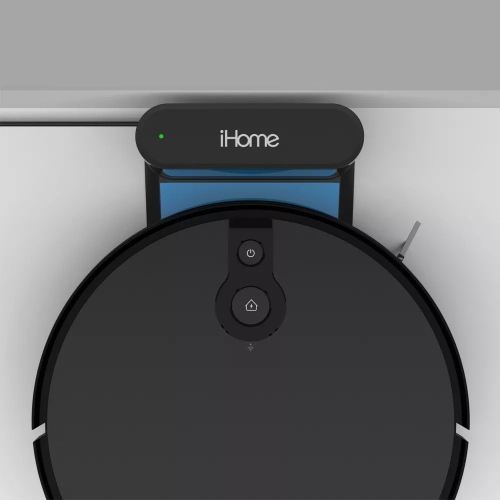
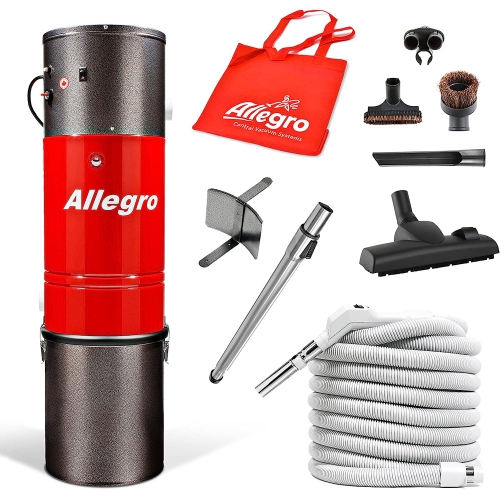
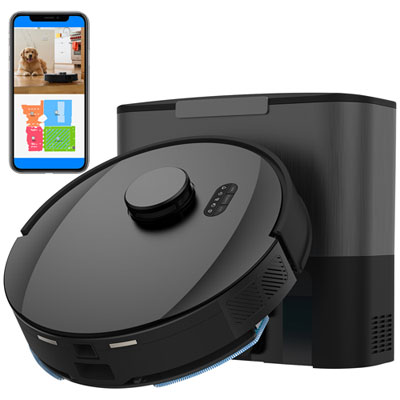
Upright, canister, stick, and robotic designs offer different ways to handle that mixed-floor routine. Upright vacuums can suit larger carpeted areas, particularly when their floor heads provide appropriate brush and height controls, while a detachable hose extends their reach to edges and upholstery. Canister vacuums separate the collection unit from the wand and floor head, which can make it easier to clean beneath furniture or use an attachment on stairs. Their total weight, hose flexibility, and carrying handle matter when moving between levels. Stick vacuums offer a compact shape for smaller rooms and frequent touch-ups, and some convert to a handheld format for cushions, stair treads, and tight spaces. For cordless designs, battery runtime should be considered alongside the power setting and attachment in use, since a powered head or higher suction setting can shorten a cleaning session. Charging time and a replaceable battery, where supported, also affect everyday convenience. Corded designs avoid battery-runtime limits, but cord length and outlet placement influence how smoothly cleaning moves from room to room. Weight alone does not tell the whole story: handle balance, wheel movement, and resistance at the floor head affect how comfortable a vacuum feels in use. A crevice tool reaches the line of dust beside a baseboard, a soft dusting brush suits appropriate shelves and trim, and an upholstery attachment helps clean fabric seating. Bagged designs collect debris in a replaceable bag, while bagless designs use a bin that needs regular emptying; either benefits from a disposal method that keeps dust contained. Filtration is another consideration, especially where fine dust is a concern, and a sealed air path helps limit leakage around the filter. For routine automated floor pickup, Robotic Vacuums With Multi-Surface Cleaning Technology offers another approach to cleaning across compatible surfaces. Robotic designs vary in their ability to cross thresholds, navigate rug edges, and manage carpet alongside hard flooring. They can complement a manual vacuum, which remains useful for stairs, upholstery, corners, and areas an automated cleaner cannot reach.
Wet-cleaning capability is a separate consideration from multi-surface dry vacuuming. Many multi-surface vacuums are intended only for dry debris and must not be used to collect liquids. Vacuum-and-mop combinations may wash compatible sealed hard floors, but carpet or area-rug cleaning should only be assumed when the manufacturer explicitly supports it. Sealed wood, laminate, and vinyl can have different moisture restrictions, so the floor manufacturer's care instructions matter as much as the appliance's features. Unsealed wood and moisture-sensitive surfaces need particular caution. For a kitchen with sticky spills, a supported washing function can serve a different purpose from the dry pickup needed on a nearby rug; those tasks should not be treated as interchangeable. Long-term performance also depends on straightforward maintenance. Emptying a dust bin before it exceeds its fill line, or replacing a full bag, helps maintain airflow and leaves room for collected debris. Hair and thread can wrap around brush rolls, while small objects can obstruct a hose or floor-head opening. Corded vacuums should be unplugged before blockages are cleared or attachments are changed, and cordless designs should be switched off with the battery removed where the instructions require it. Filters should be cleaned or replaced at the recommended intervals, and only filters identified as washable should be rinsed. Washed filters need to dry fully before reinstallation. For wet-cleaning designs, emptying dirty-water tanks and cleaning rollers as directed helps prevent lingering odours. Durability involves the parts handled most often: hose connections, wand locks, bin latches, wheels, and brush bearings all contribute to dependable use. Lightweight housings can ease carrying, while sturdy joints and accessible replacement parts support ongoing upkeep. Storage matters too, whether the vacuum stands in a utility cupboard or uses a wall-mounted charging dock. A design that fits the available space, keeps attachments together, and reaches the home's mix of floors is easier to keep ready for everyday messes.
Upright, canister, stick, and robotic designs offer different ways to handle that mixed-floor routine. Upright vacuums can suit larger carpeted areas, particularly when their floor heads provide appropriate brush and height controls, while a detachable hose extends their reach to edges and upholstery. Canister vacuums separate the collection unit from the wand and floor head, which can make it easier to clean beneath furniture or use an attachment on stairs. Their total weight, hose flexibility, and carrying handle matter when moving between levels. Stick vacuums offer a compact shape for smaller rooms and frequent touch-ups, and some convert to a handheld format for cushions, stair treads, and tight spaces. For cordless designs, battery runtime should be considered alongside the power setting and attachment in use, since a powered head or higher suction setting can shorten a cleaning session. Charging time and a replaceable battery, where supported, also affect everyday convenience. Corded designs avoid battery-runtime limits, but cord length and outlet placement influence how smoothly cleaning moves from room to room. Weight alone does not tell the whole story: handle balance, wheel movement, and resistance at the floor head affect how comfortable a vacuum feels in use. A crevice tool reaches the line of dust beside a baseboard, a soft dusting brush suits appropriate shelves and trim, and an upholstery attachment helps clean fabric seating. Bagged designs collect debris in a replaceable bag, while bagless designs use a bin that needs regular emptying; either benefits from a disposal method that keeps dust contained. Filtration is another consideration, especially where fine dust is a concern, and a sealed air path helps limit leakage around the filter. For routine automated floor pickup, Robotic Vacuums With Multi-Surface Cleaning Technology offers another approach to cleaning across compatible surfaces. Robotic designs vary in their ability to cross thresholds, navigate rug edges, and manage carpet alongside hard flooring. They can complement a manual vacuum, which remains useful for stairs, upholstery, corners, and areas an automated cleaner cannot reach.
Wet-cleaning capability is a separate consideration from multi-surface dry vacuuming. Many multi-surface vacuums are intended only for dry debris and must not be used to collect liquids. Vacuum-and-mop combinations may wash compatible sealed hard floors, but carpet or area-rug cleaning should only be assumed when the manufacturer explicitly supports it. Sealed wood, laminate, and vinyl can have different moisture restrictions, so the floor manufacturer's care instructions matter as much as the appliance's features. Unsealed wood and moisture-sensitive surfaces need particular caution. For a kitchen with sticky spills, a supported washing function can serve a different purpose from the dry pickup needed on a nearby rug; those tasks should not be treated as interchangeable. Long-term performance also depends on straightforward maintenance. Emptying a dust bin before it exceeds its fill line, or replacing a full bag, helps maintain airflow and leaves room for collected debris. Hair and thread can wrap around brush rolls, while small objects can obstruct a hose or floor-head opening. Corded vacuums should be unplugged before blockages are cleared or attachments are changed, and cordless designs should be switched off with the battery removed where the instructions require it. Filters should be cleaned or replaced at the recommended intervals, and only filters identified as washable should be rinsed. Washed filters need to dry fully before reinstallation. For wet-cleaning designs, emptying dirty-water tanks and cleaning rollers as directed helps prevent lingering odours. Durability involves the parts handled most often: hose connections, wand locks, bin latches, wheels, and brush bearings all contribute to dependable use. Lightweight housings can ease carrying, while sturdy joints and accessible replacement parts support ongoing upkeep. Storage matters too, whether the vacuum stands in a utility cupboard or uses a wall-mounted charging dock. A design that fits the available space, keeps attachments together, and reaches the home's mix of floors is easier to keep ready for everyday messes.
Top selling and popular products
-
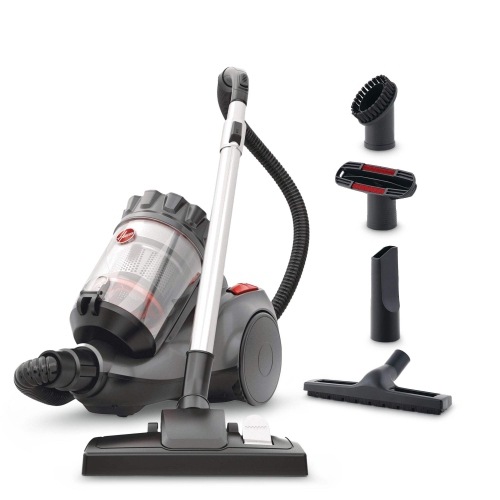 Your price for this item is $204.72
 -
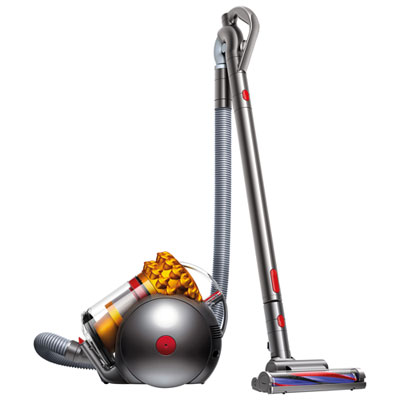 Your price for this item is $499.99
 -
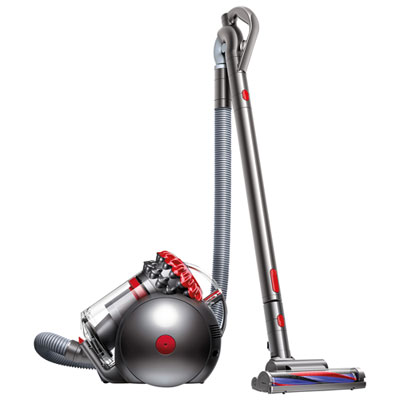 Your price for this item is $699.99
 -
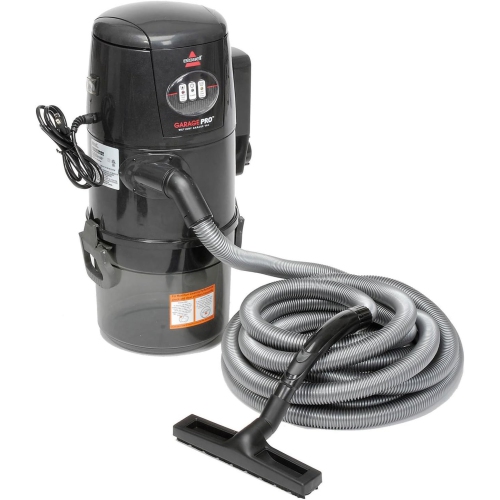 Your price for this item is $312
 -
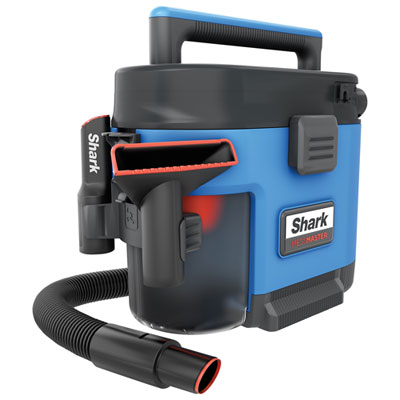 Your price for this item is $159.99
 -
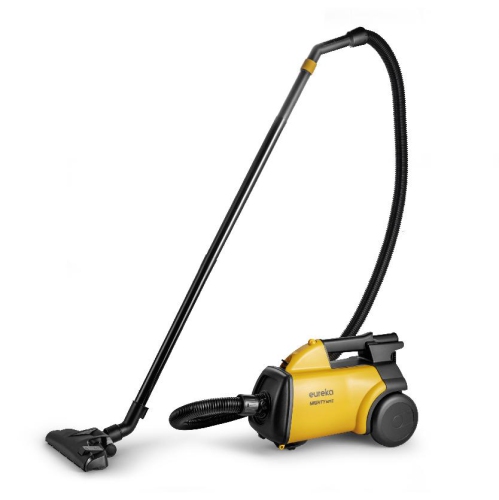 Your price for this item is $90
 -
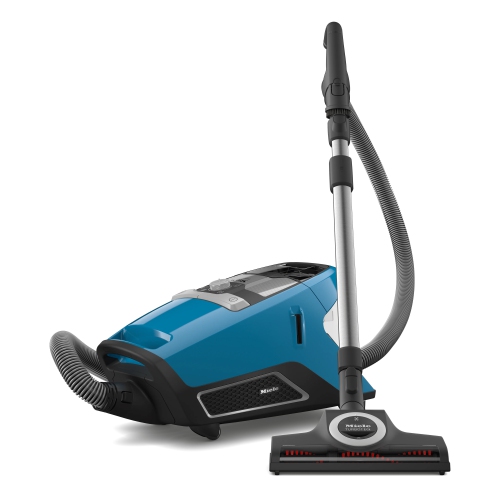 Your price for this item is $799.99
 -
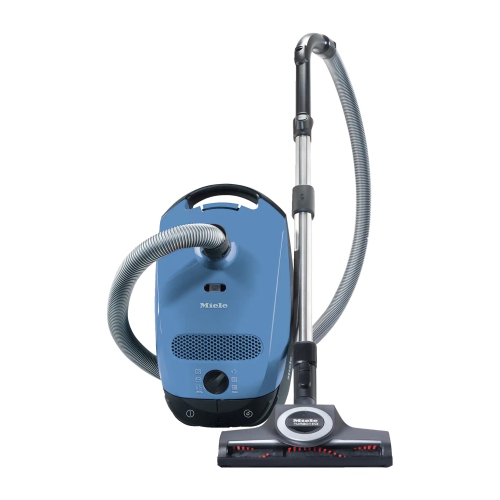 Your price for this item is $599.99
Discover more categories related to Multi Surface Vacuums
Top Collections:
Pokemon Centers, Kindle Devices, Best Budget Office Chairs, Apple iPhones 16, Canon G7X Cameras, iPhone 15 Apple, Alarm Clock, Refurbished Apple Laptops, Flip Phones, Best Laptops for Writers
Some products may be subject to Environmental Handling Fees
(EHF) depending on your province.
Learn more about EHFs.