Nespresso Models
Indulge in the art of coffee making with a selection of premium espresso machines designed to elevate your at-home brewing experience. Perfect for coffee enthusiasts and novices alike, these models offer a seamless blend of style and functionality, ensuring every cup is crafted to perfection. Whether you crave a rich espresso shot or a creamy cappuccino, these machines cater to all your coffee desires with ease and efficiency. Explore a variety of options that promise convenience and sophistication, transforming your kitchen into a personal café with just the touch of a button.
Sort
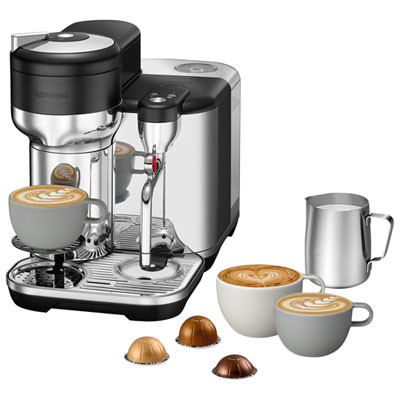
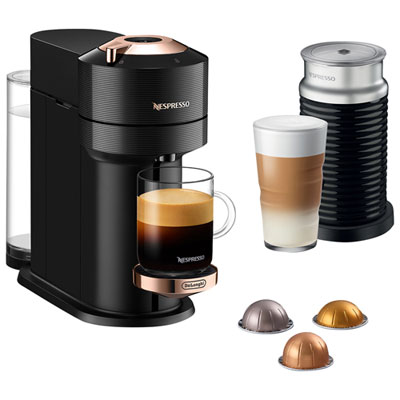
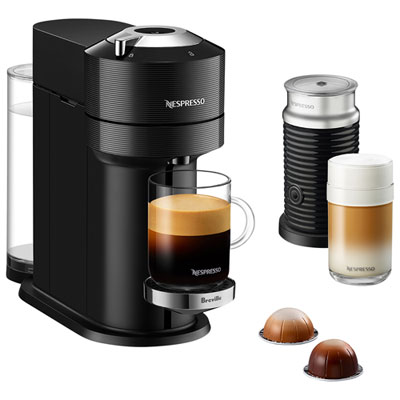
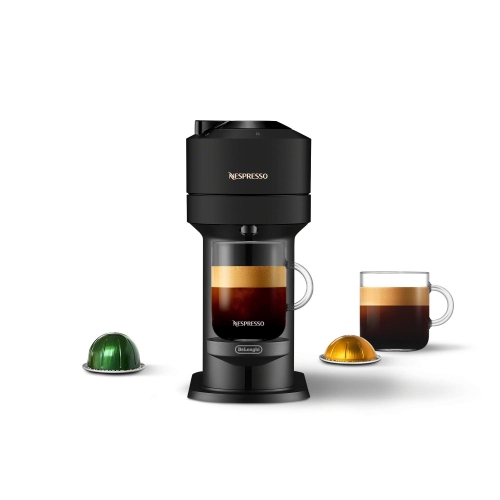
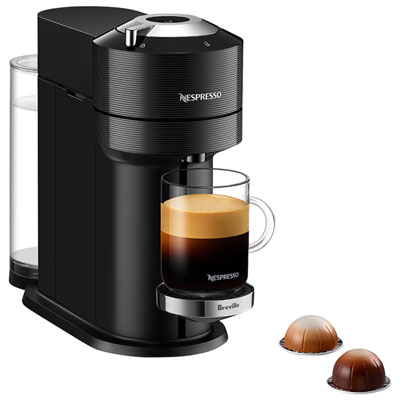
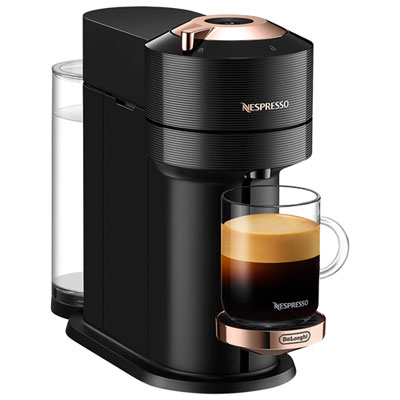
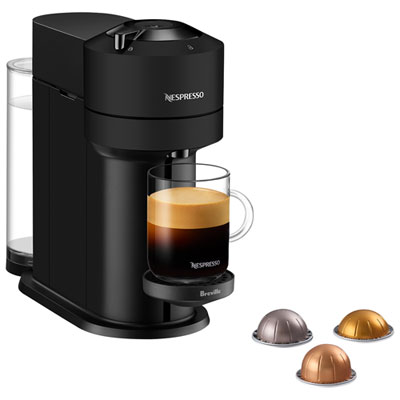
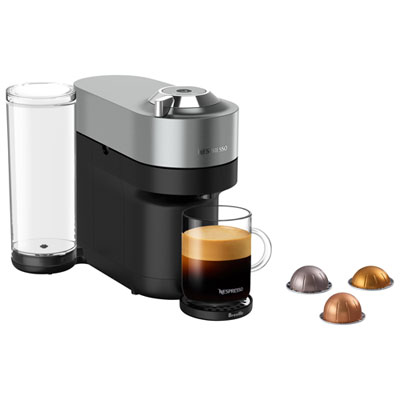
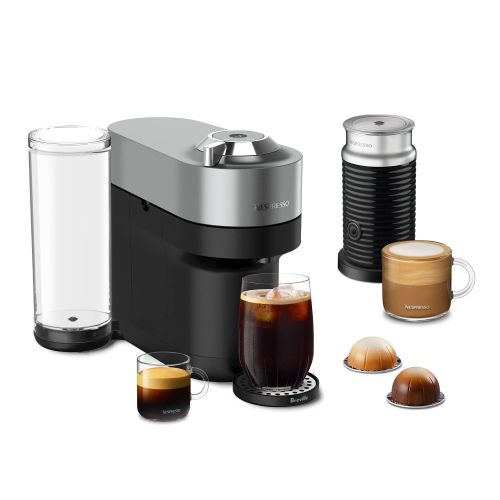
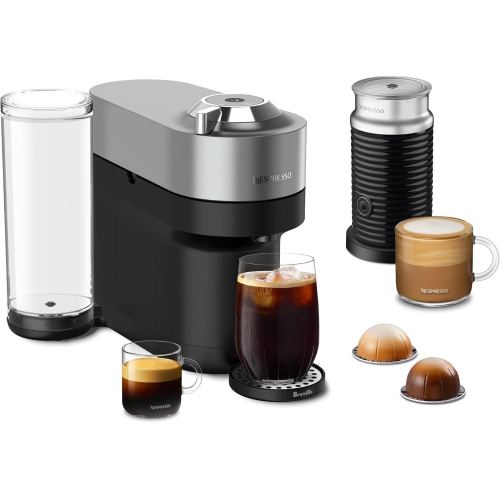
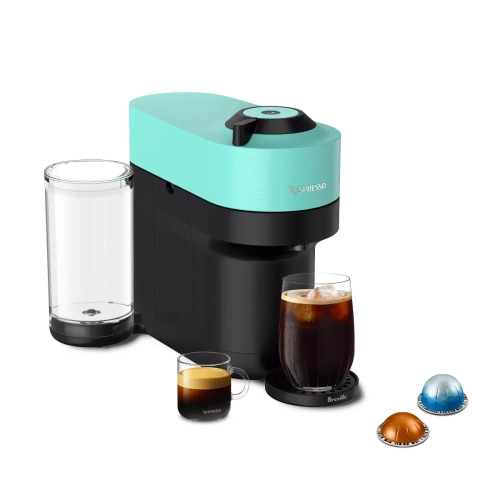
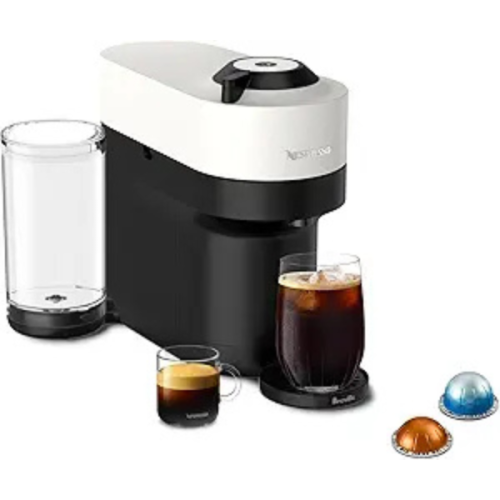
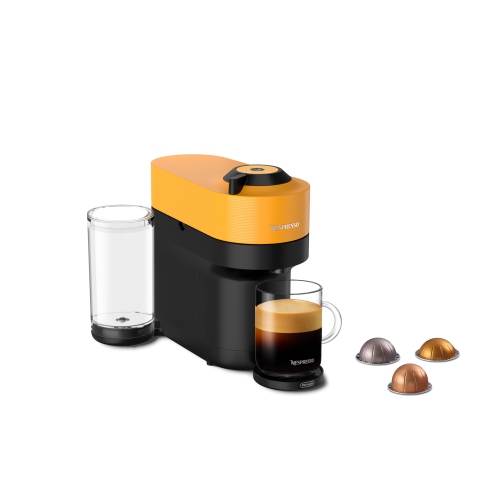
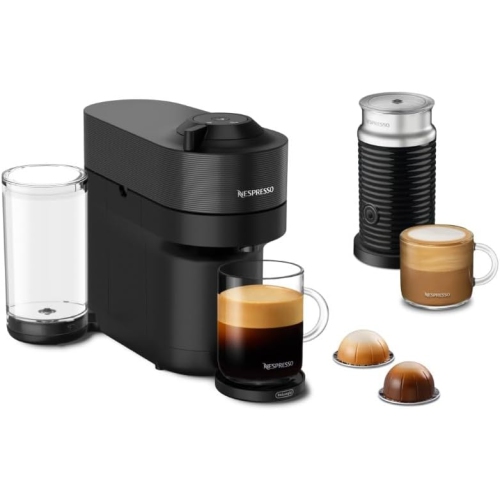
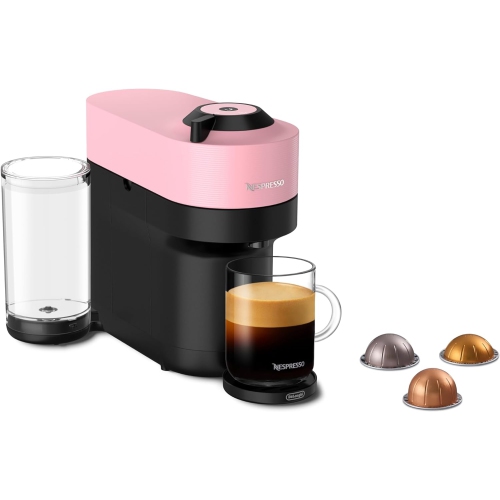
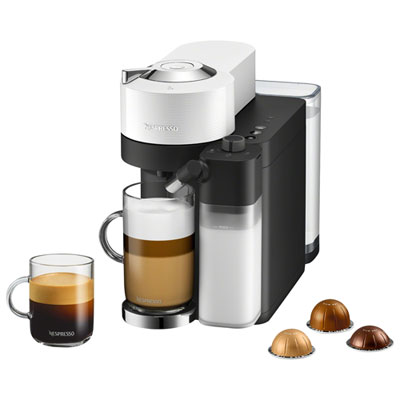
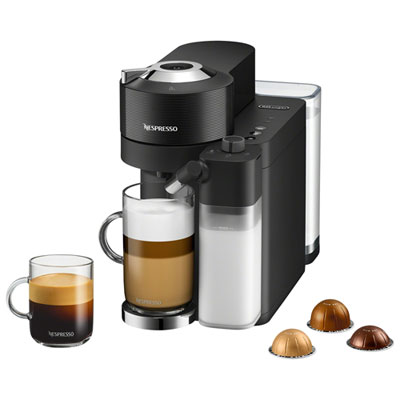
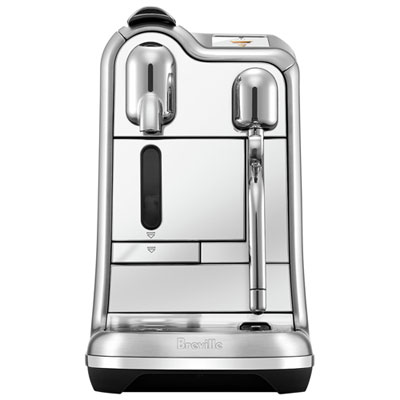
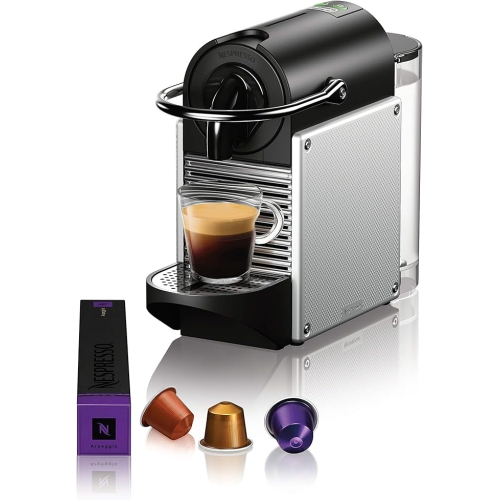
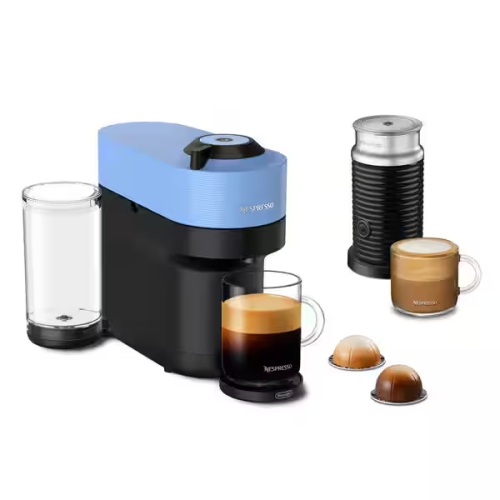
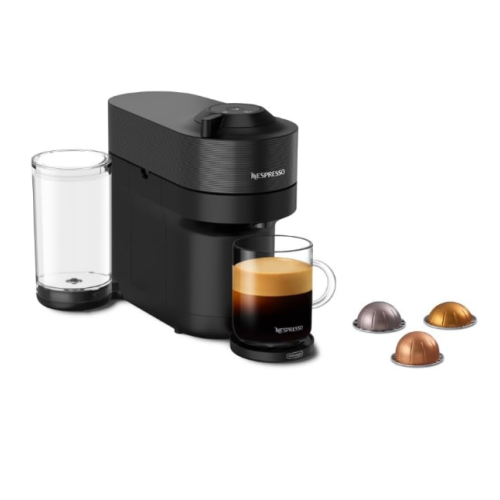
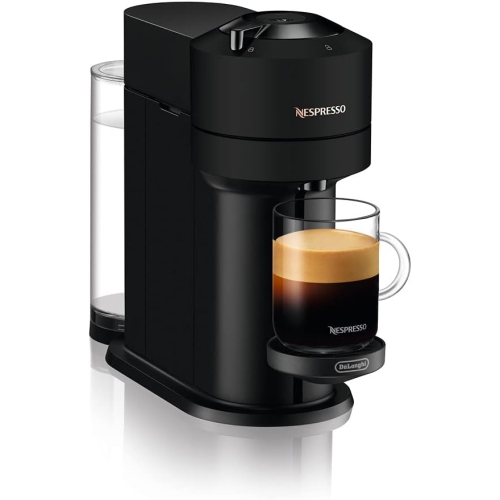

Why capsule systems matter as much as machine size
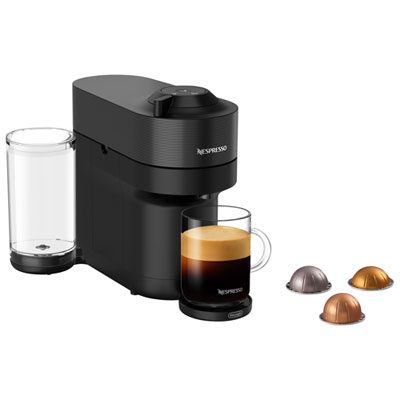
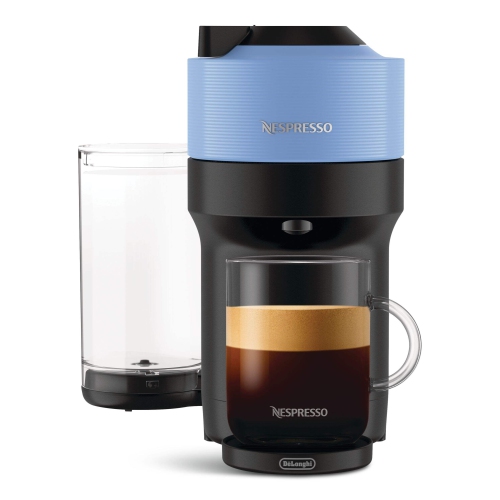
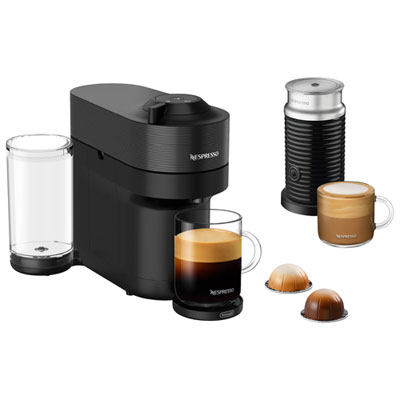
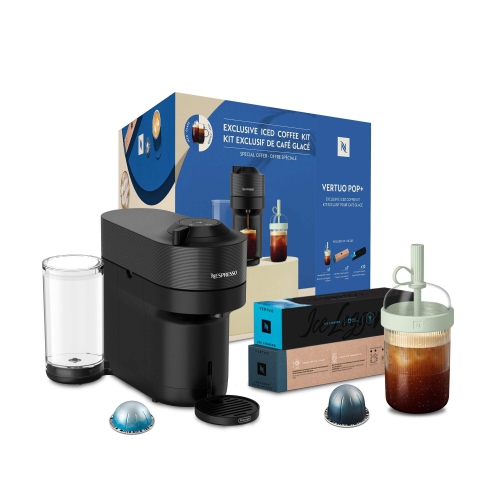
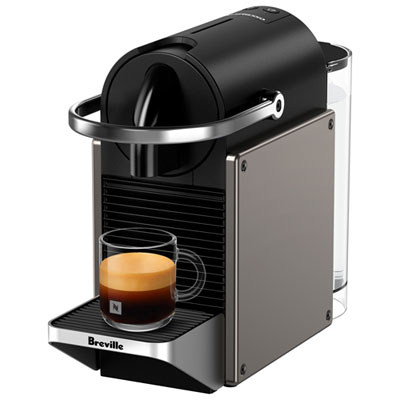
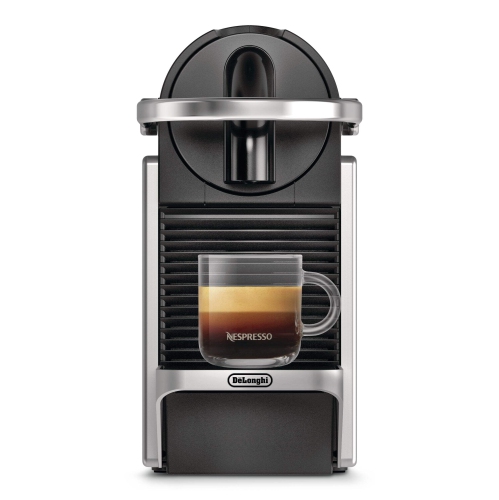
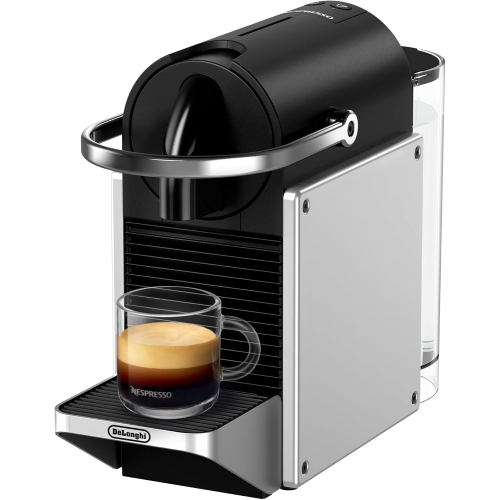
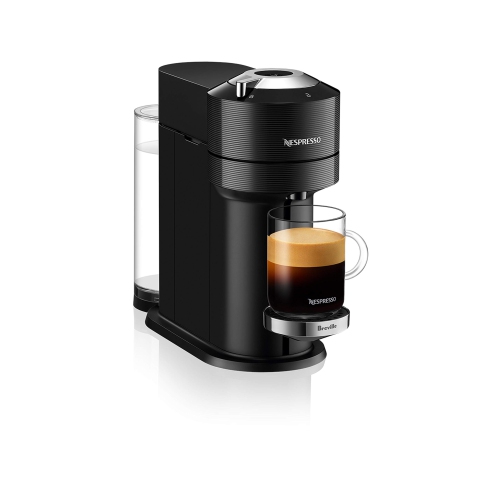
Capsule coffee machines bring a range of brewing styles into the kitchen, from short, concentrated espresso to a full mug for a slower morning. The most important distinction between models is the capsule system: some machines focus on espresso and lungo, while others prepare espresso and larger coffees using compatible capsules and programmed brewing settings. Espresso-focused systems typically use a high-pressure pump to push hot water through the ground coffee inside a capsule. Some systems designed for a wider range of cup sizes read information on the capsule and use a spinning brewing process, adjusting preparation to suit the selected coffee. These approaches are not interchangeable, and capsules that fit one system will not necessarily fit another. Certain espresso capsule formats also have compatible options from third-party coffee makers, while other systems require capsules designed specifically for that platform. Compatibility matters as much as the machine’s appearance, particularly for households with established coffee preferences. Someone who enjoys a small espresso after dinner may value a straightforward machine with a compact footprint, while a household that alternates between concentrated shots and larger morning coffees may appreciate a broader range of serving sizes. A lungo uses more water during extraction than a standard espresso; an Americano combines espresso with added hot water. Neither is quite the same drink as coffee brewed specifically for a larger cup. The capsule, programmed serving size, and brewing method all influence strength, texture, and the balance of flavours. For shoppers interested in the system that accommodates both espresso and larger coffees, the Best Nespresso Vertuo Coffee Machines page brings that machine family into focus. Within any capsule family, supported cup sizes vary by model, so a machine’s listed capabilities matter more than its overall size. A larger water tank allows more drinks between refills, but it does not automatically mean the machine can brew a larger individual serving.
How a coffee machine fits into everyday life often comes down to the details around the brew. A narrow body can leave useful preparation space beside a toaster or chopping board, but width alone does not tell the whole story. The capsule compartment may need clearance above the machine, a rear-mounted water tank may be awkward to reach beneath a cupboard, and a separate milk frother needs its own place on the counter. Depth also matters when a plug and cord sit behind the appliance. An adjustable or removable cup support can accommodate different vessels, although a tall travel mug still needs enough clearance beneath the spout. For a small kitchen, a light, compact machine with a removable tank can be practical to refill at the sink. In a shared household, a larger tank and used-capsule container can reduce interruptions when several people make coffee in succession. Manual levers and motorized opening mechanisms offer different handling experiences; accessible controls and easy-to-grip components may be particularly useful for someone with limited hand strength. Milk preparation introduces another meaningful distinction. A standalone electric frother prepares milk separately, an integrated milk system dispenses it through the machine, and a steam wand offers more direct control over texture but takes practice and attention. Cappuccino drinkers may prefer a thicker layer of foam, while latte drinkers often enjoy a smoother texture that blends easily with espresso. Not every frother produces the fine microfoam used for detailed latte art, and not every machine heats or dispenses milk. Dairy milk and plant-based beverages can behave differently when heated, so the beverage’s formulation and the frother’s instructions both matter. During the cooler months, a warm mug and a milk-based coffee can make an ordinary breakfast feel more leisurely, but the most useful features are the ones that suit the drinks made regularly. Straightforward controls, convenient refilling, and a manageable cleaning routine often contribute more to daily satisfaction than a long menu of settings.
Materials and construction influence both the look of a capsule coffee machine and the experience of living with it. Moulded plastic housings can keep an appliance lighter and easier to move, while metal panels add a different finish and feel. Neither housing material alone establishes how long a machine will last: secure fittings, dependable moving parts, proper care, and access to service are also important. Glossy surfaces may show fingerprints readily, while textured finishes can need extra attention around seams and controls. Removable drip trays, accessible capsule containers, and water tanks with generous openings make routine cleaning less fiddly. Used capsules should be emptied regularly, spills wiped away, and removable parts washed according to the manufacturer’s instructions; dishwasher suitability varies by component. Milk-contact parts need particular attention after use because residue can collect in tubes, lids, and dispensing outlets. A quick exterior wipe is not a substitute for the specified milk-system cleaning process. Mineral deposits from water can also affect performance over time, making descaling an important part of ownership. The appropriate interval depends on water hardness, frequency of use, and the machine’s instructions or alerts. Using the specified descaling solution and following the full rinse cycle helps protect the internal brewing path without relying on household cleaning shortcuts. Fresh drinking water and a clean tank support a consistent-tasting cup, especially when the machine has been idle. These practical considerations are worth keeping in mind for gifts as well as personal use. A capsule coffee machine can suit a housewarming, a shared kitchen, or someone who wants a familiar coffee routine without measuring loose grounds each morning. For a recipient who already enjoys a particular capsule format, matching that format is more useful than choosing by colour alone. Counter space, preferred cup size, comfort with milk preparation, and willingness to clean the appliance all help determine a good fit. The result is a coffee setup shaped around real habits, whether that means a quick espresso before leaving home or a larger cup enjoyed alongside breakfast.
How a coffee machine fits into everyday life often comes down to the details around the brew. A narrow body can leave useful preparation space beside a toaster or chopping board, but width alone does not tell the whole story. The capsule compartment may need clearance above the machine, a rear-mounted water tank may be awkward to reach beneath a cupboard, and a separate milk frother needs its own place on the counter. Depth also matters when a plug and cord sit behind the appliance. An adjustable or removable cup support can accommodate different vessels, although a tall travel mug still needs enough clearance beneath the spout. For a small kitchen, a light, compact machine with a removable tank can be practical to refill at the sink. In a shared household, a larger tank and used-capsule container can reduce interruptions when several people make coffee in succession. Manual levers and motorized opening mechanisms offer different handling experiences; accessible controls and easy-to-grip components may be particularly useful for someone with limited hand strength. Milk preparation introduces another meaningful distinction. A standalone electric frother prepares milk separately, an integrated milk system dispenses it through the machine, and a steam wand offers more direct control over texture but takes practice and attention. Cappuccino drinkers may prefer a thicker layer of foam, while latte drinkers often enjoy a smoother texture that blends easily with espresso. Not every frother produces the fine microfoam used for detailed latte art, and not every machine heats or dispenses milk. Dairy milk and plant-based beverages can behave differently when heated, so the beverage’s formulation and the frother’s instructions both matter. During the cooler months, a warm mug and a milk-based coffee can make an ordinary breakfast feel more leisurely, but the most useful features are the ones that suit the drinks made regularly. Straightforward controls, convenient refilling, and a manageable cleaning routine often contribute more to daily satisfaction than a long menu of settings.
Materials and construction influence both the look of a capsule coffee machine and the experience of living with it. Moulded plastic housings can keep an appliance lighter and easier to move, while metal panels add a different finish and feel. Neither housing material alone establishes how long a machine will last: secure fittings, dependable moving parts, proper care, and access to service are also important. Glossy surfaces may show fingerprints readily, while textured finishes can need extra attention around seams and controls. Removable drip trays, accessible capsule containers, and water tanks with generous openings make routine cleaning less fiddly. Used capsules should be emptied regularly, spills wiped away, and removable parts washed according to the manufacturer’s instructions; dishwasher suitability varies by component. Milk-contact parts need particular attention after use because residue can collect in tubes, lids, and dispensing outlets. A quick exterior wipe is not a substitute for the specified milk-system cleaning process. Mineral deposits from water can also affect performance over time, making descaling an important part of ownership. The appropriate interval depends on water hardness, frequency of use, and the machine’s instructions or alerts. Using the specified descaling solution and following the full rinse cycle helps protect the internal brewing path without relying on household cleaning shortcuts. Fresh drinking water and a clean tank support a consistent-tasting cup, especially when the machine has been idle. These practical considerations are worth keeping in mind for gifts as well as personal use. A capsule coffee machine can suit a housewarming, a shared kitchen, or someone who wants a familiar coffee routine without measuring loose grounds each morning. For a recipient who already enjoys a particular capsule format, matching that format is more useful than choosing by colour alone. Counter space, preferred cup size, comfort with milk preparation, and willingness to clean the appliance all help determine a good fit. The result is a coffee setup shaped around real habits, whether that means a quick espresso before leaving home or a larger cup enjoyed alongside breakfast.
Top selling and popular products
-
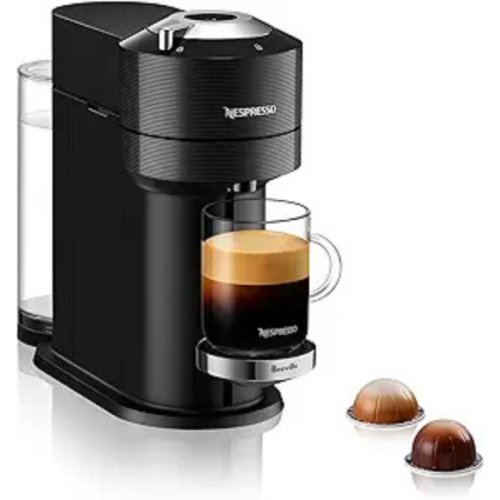 Your price for this item is $279
 -
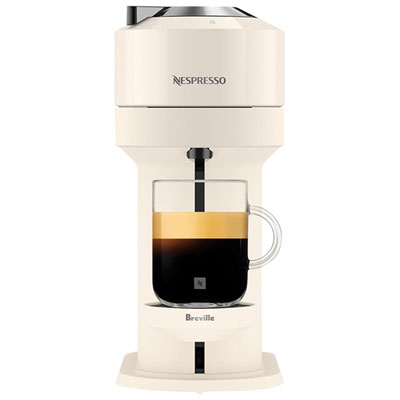 Your price for this item is $249.99
 -
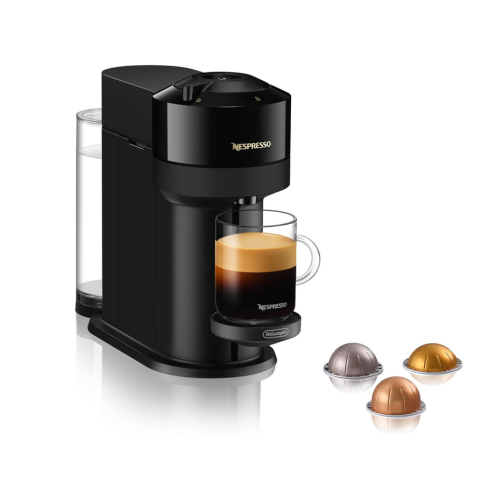 Your price for this item is $196
 -
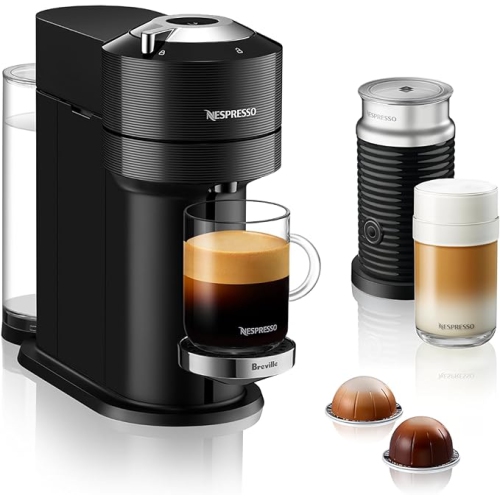 Your price for this item is $279.89
 -
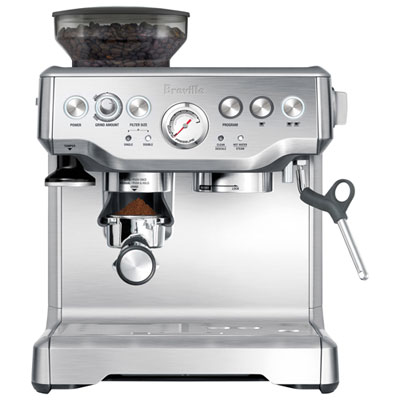 Your price for this item is $749.99
 -
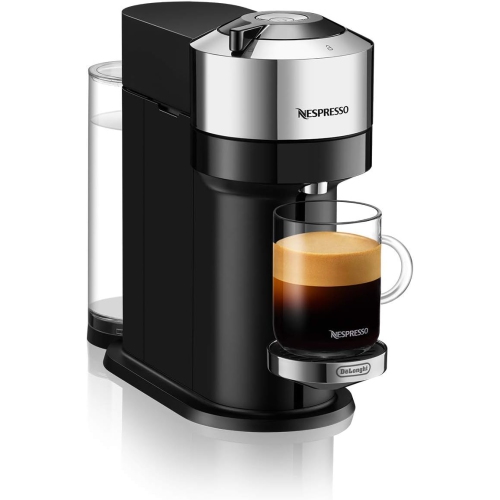 Your price for this item is $109.99
 -
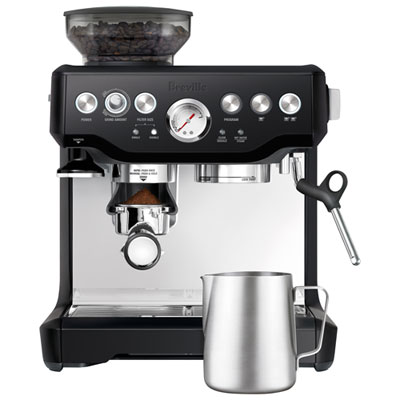 Your price for this item is $749.99
 -
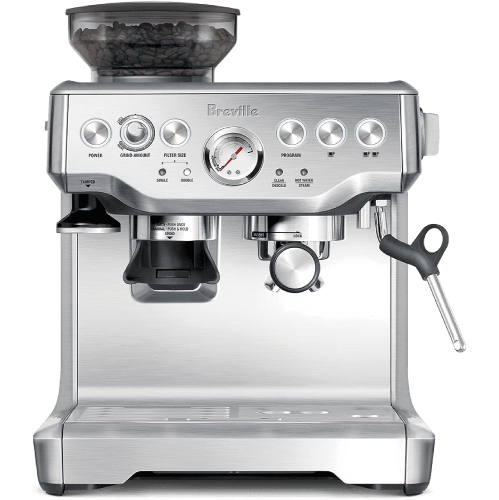 Your price for this item is $849
Discover more categories related to Nespresso Models
Top Collections:
Pokemon Centers, Kindle Devices, Best Budget Office Chairs, Apple iPhones 16, Canon G7X Cameras, iPhone 15 Apple, Alarm Clock, Refurbished Apple Laptops, Flip Phones, Best Laptops for Writers
Some products may be subject to Environmental Handling Fees
(EHF) depending on your province.
Learn more about EHFs.