Portable Clothes Washers for Apartment
Doing laundry in an apartment can sometimes be a challenge, especially if you don't have access to a traditional washer and dryer setup. That's where portable clothes washers come in handy. These compact and efficient appliances are designed specifically for apartment living, allowing you to conveniently clean your clothes without the need for a large laundry room or shared facilities. Whether you're a busy professional, a student, or simply looking for a convenient laundry solution, a portable clothes washer can make your life easier and more efficient. Discover the benefits of owning one and find the perfect option to suit your needs right here at Best Buy Canada.
Sort

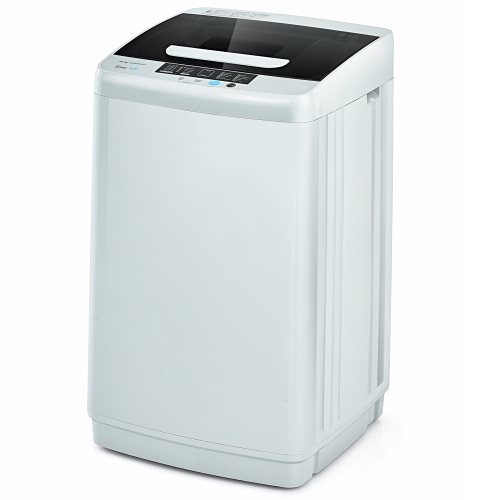
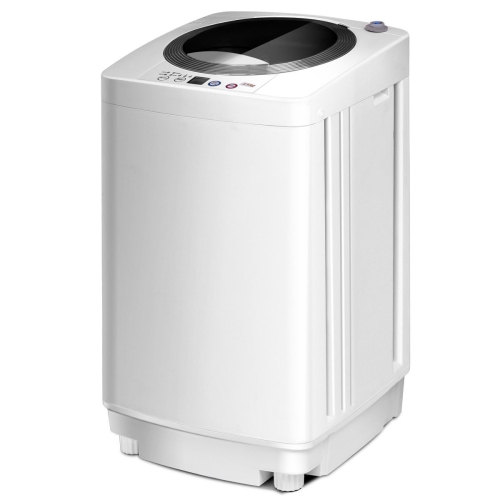
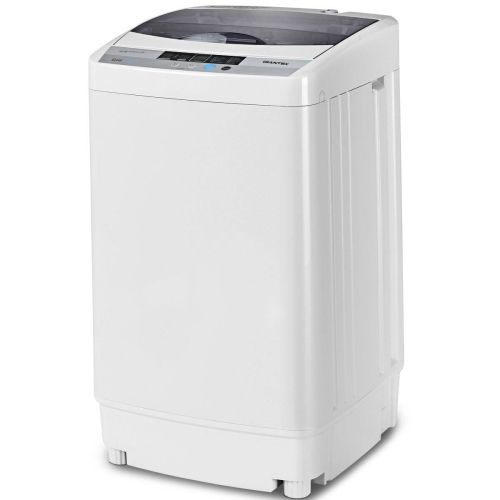
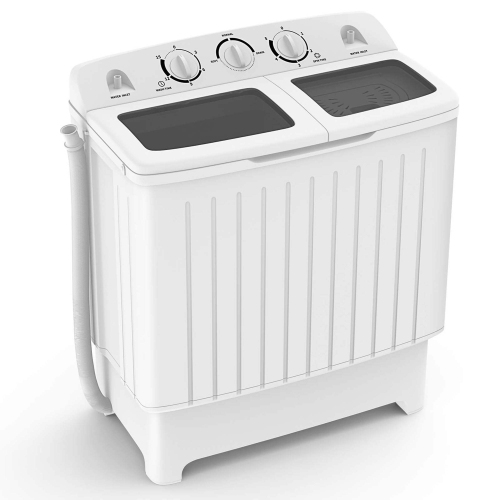
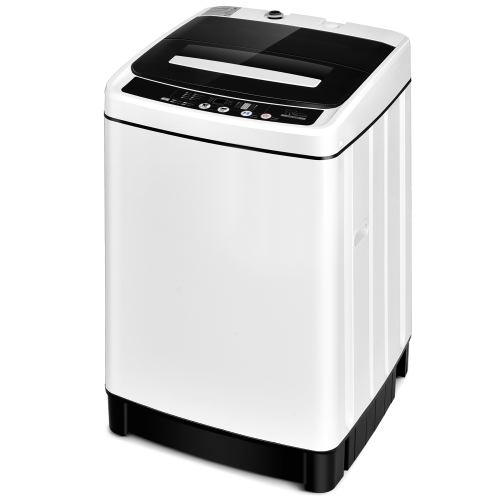
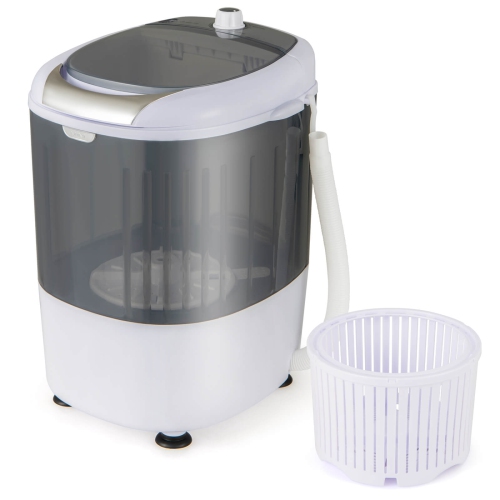
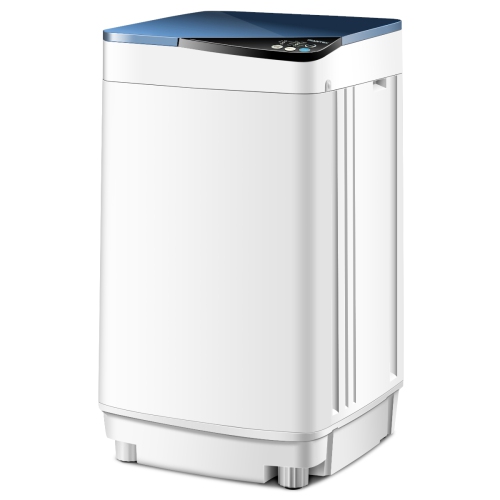
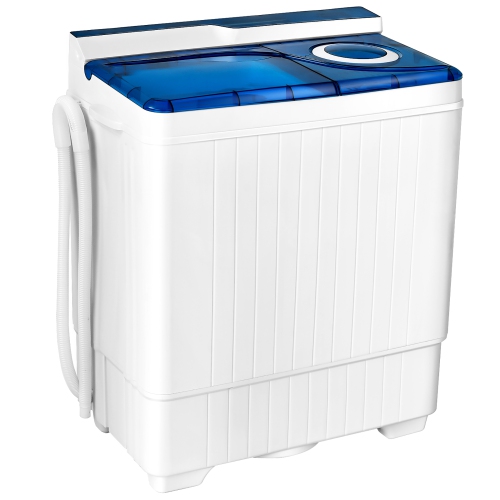
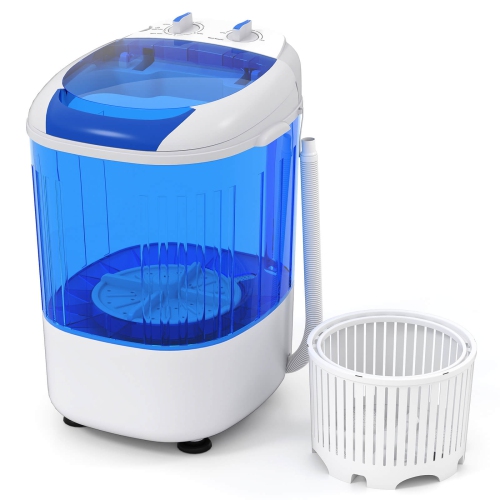
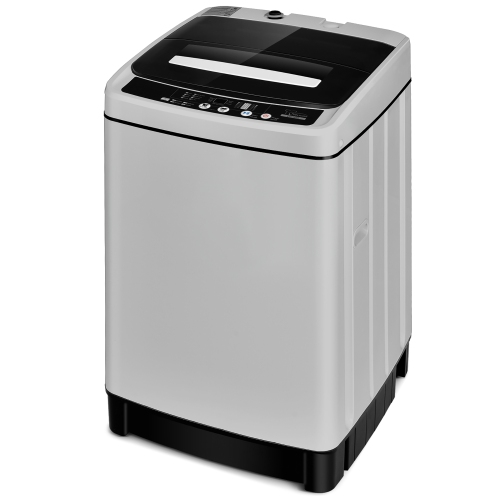
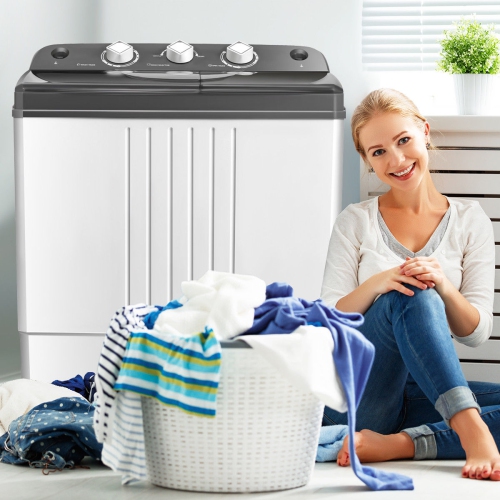
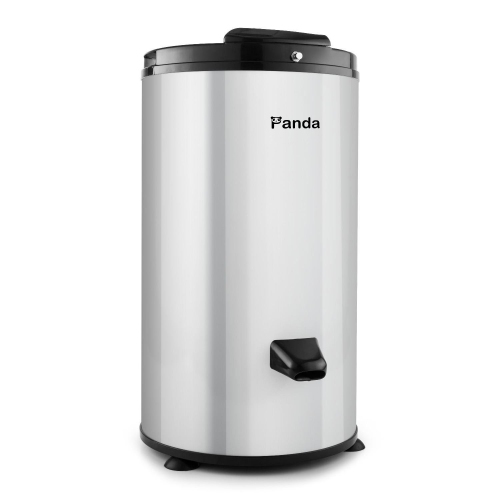
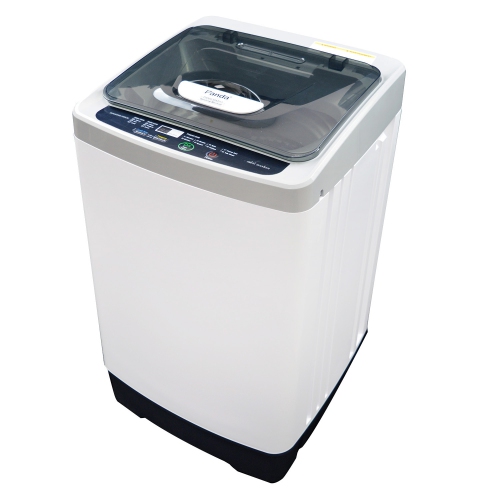
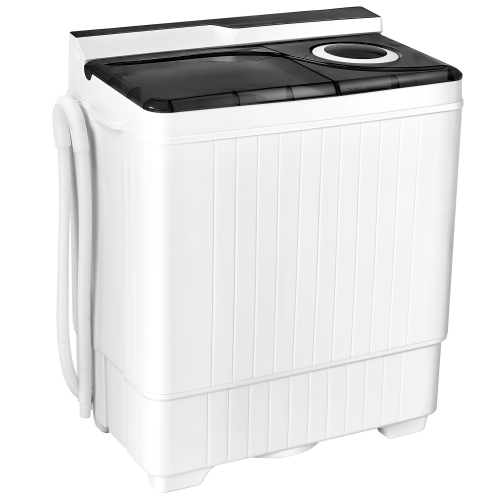
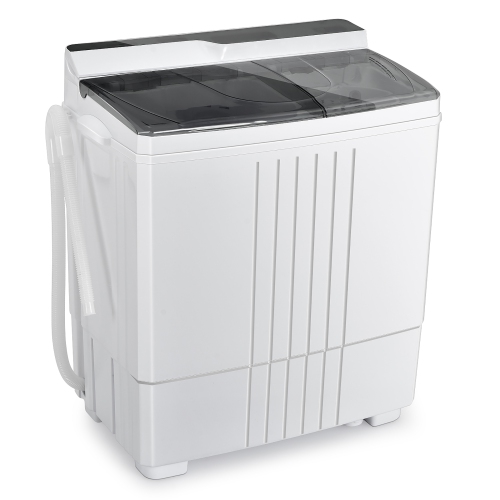
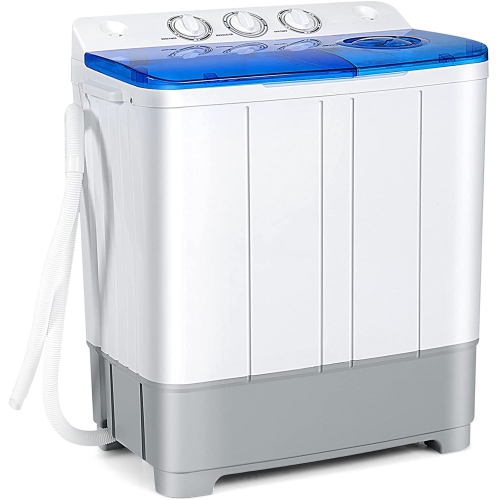
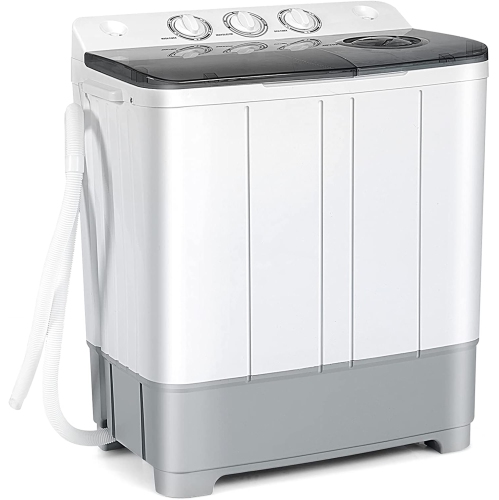
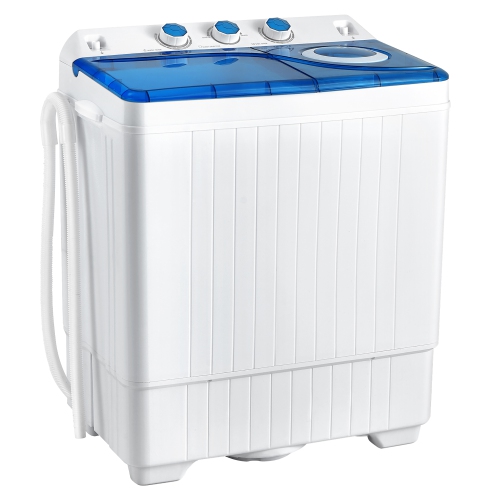
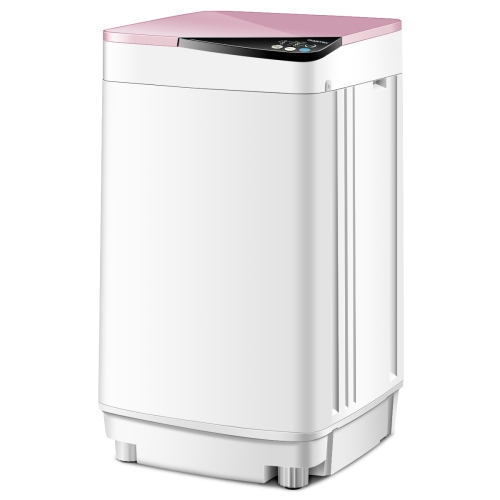
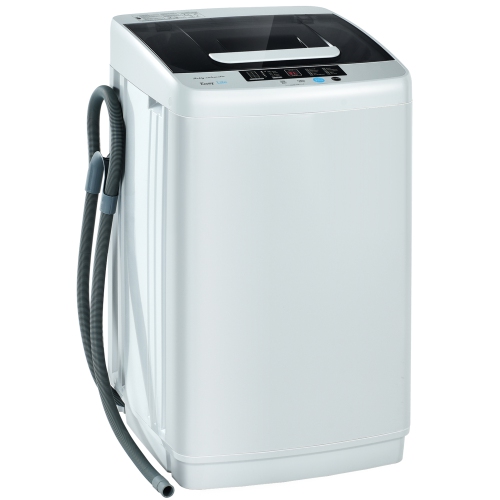
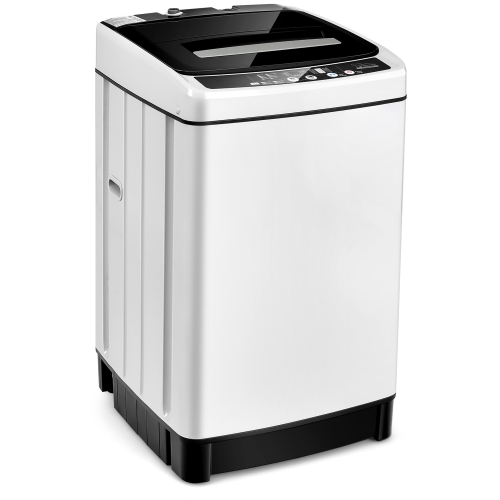

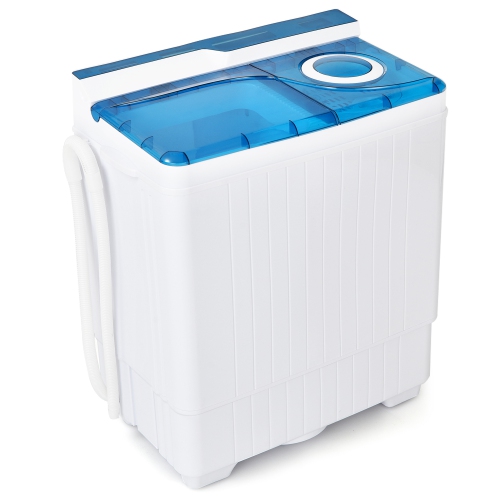
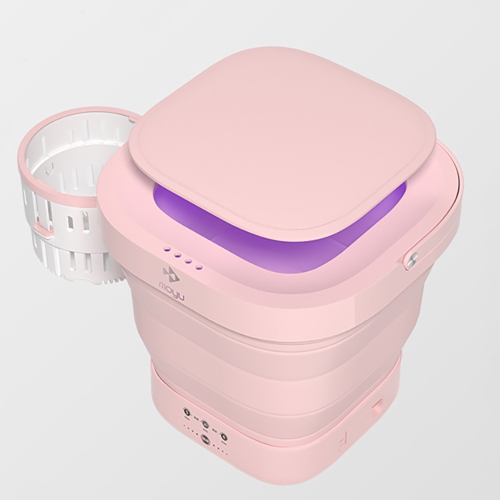
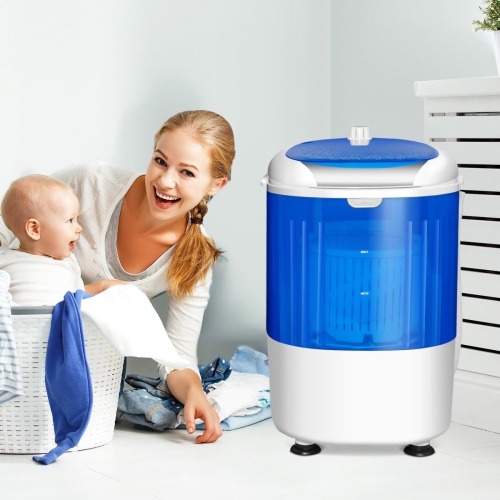
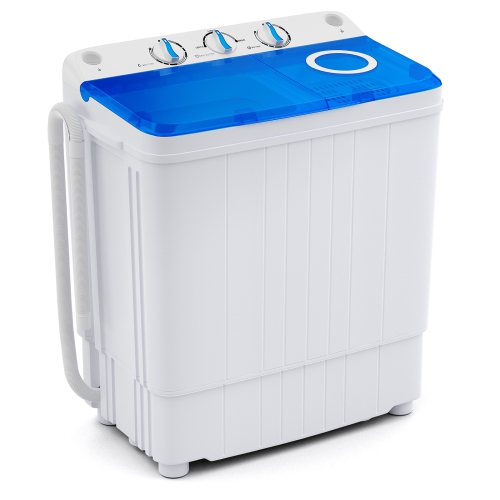
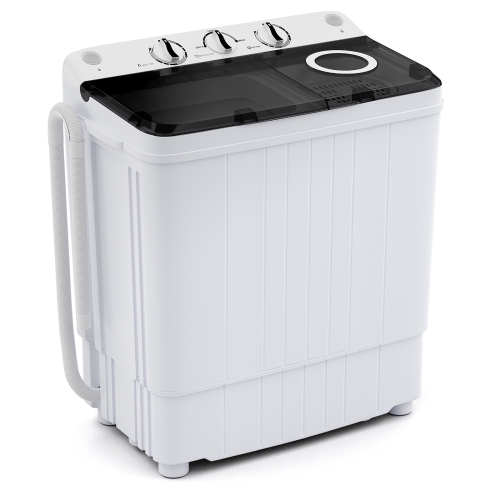
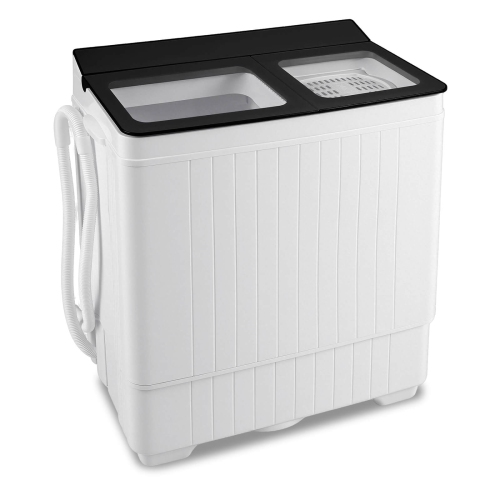
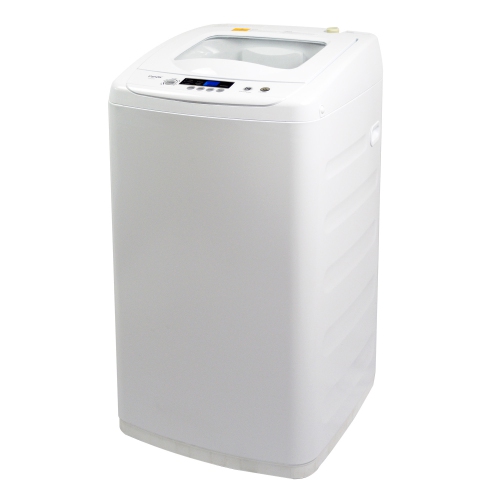
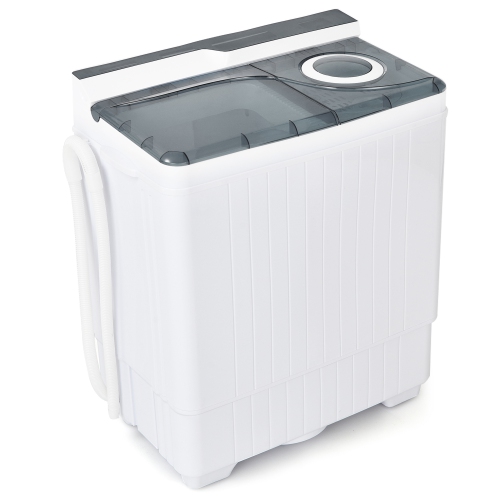
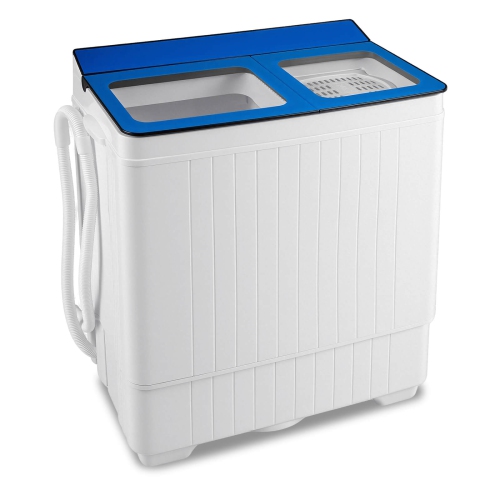
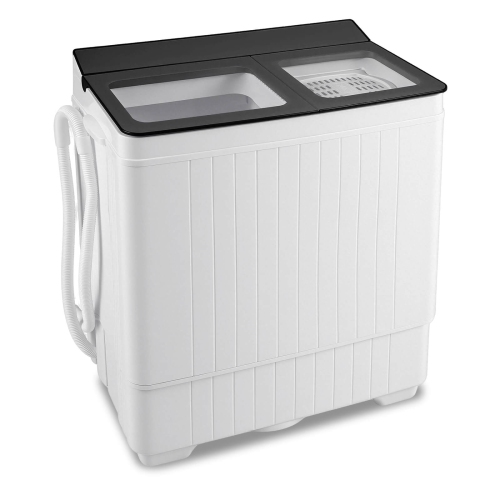
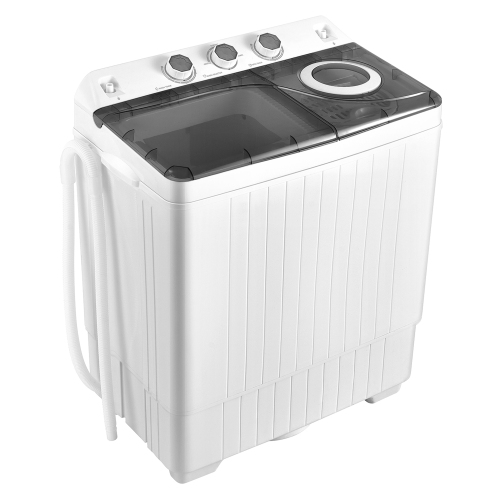
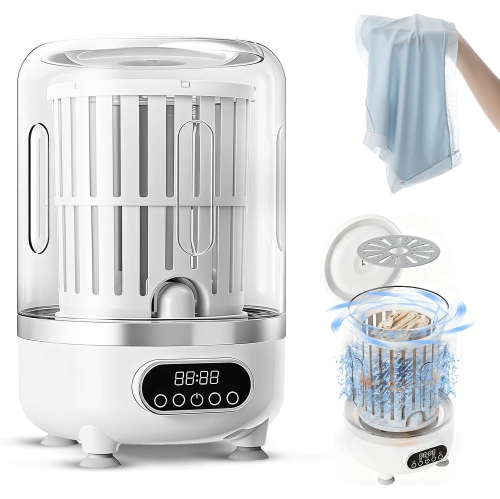
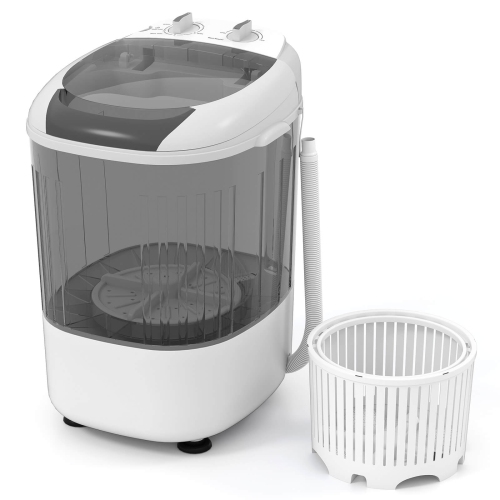
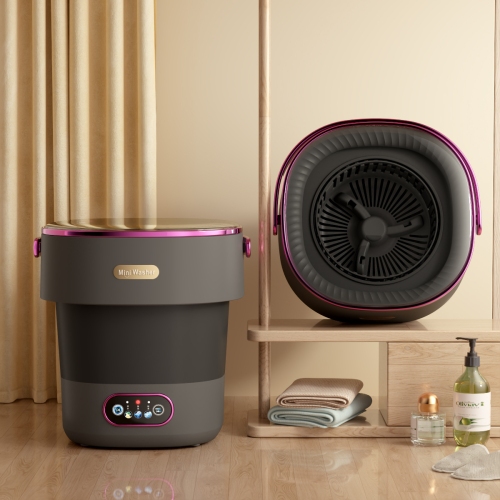
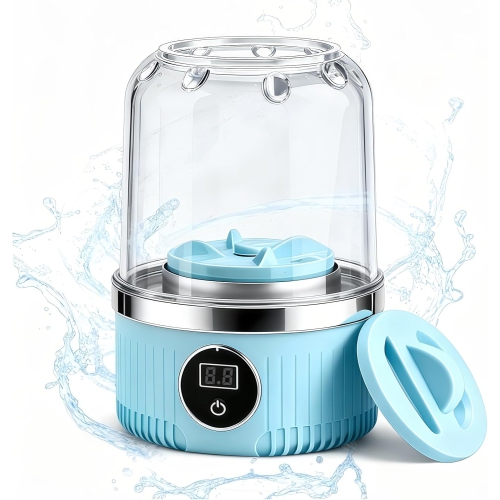
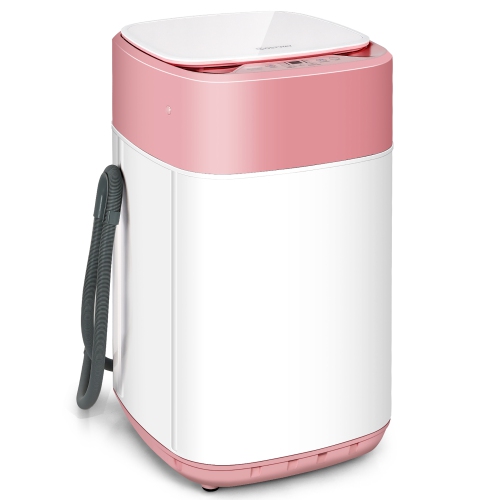
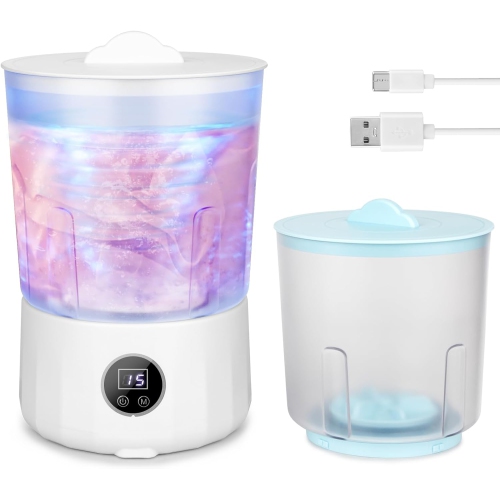
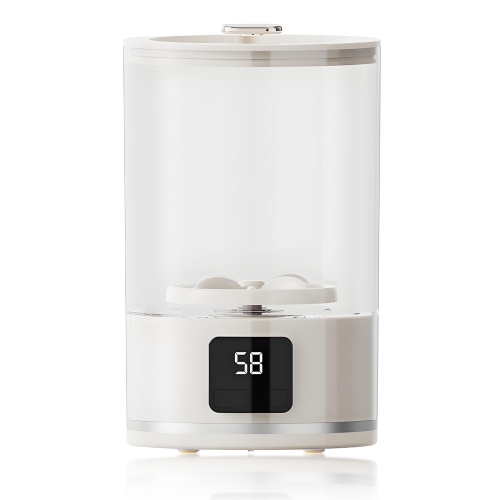
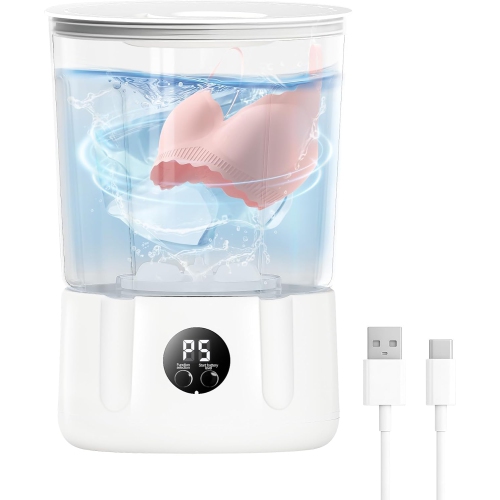
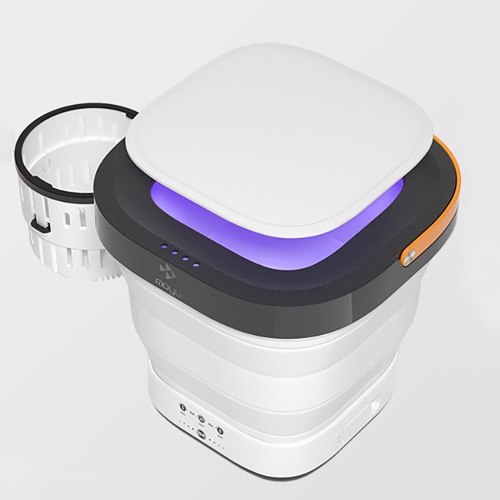
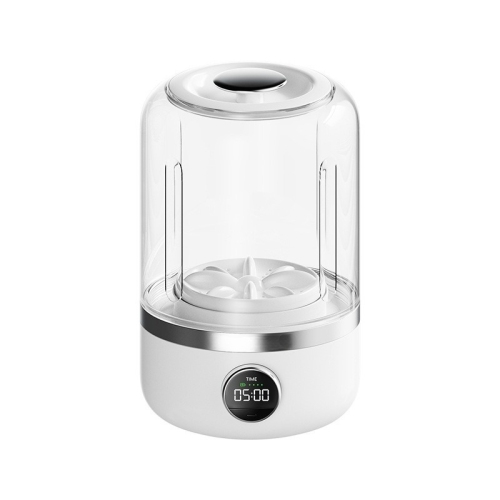
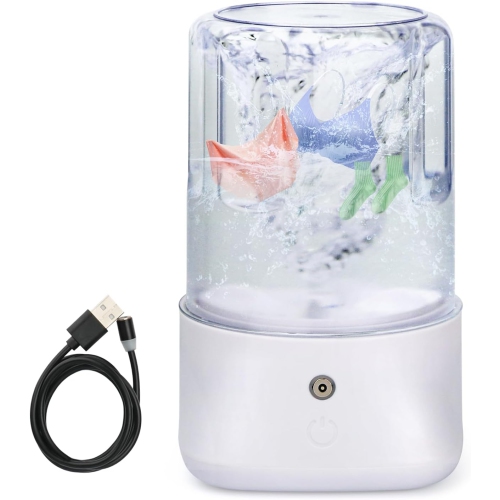
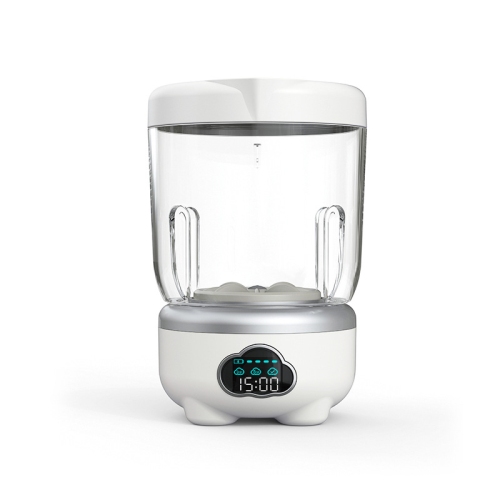
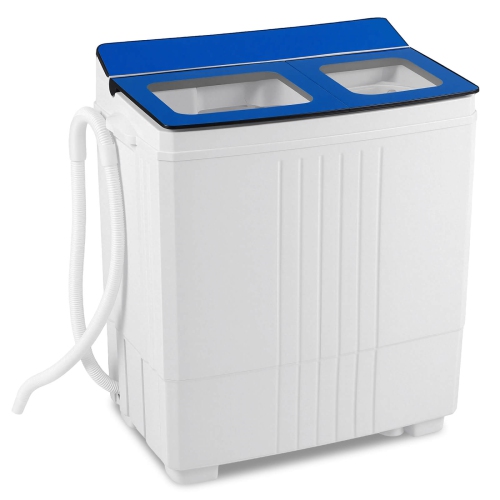
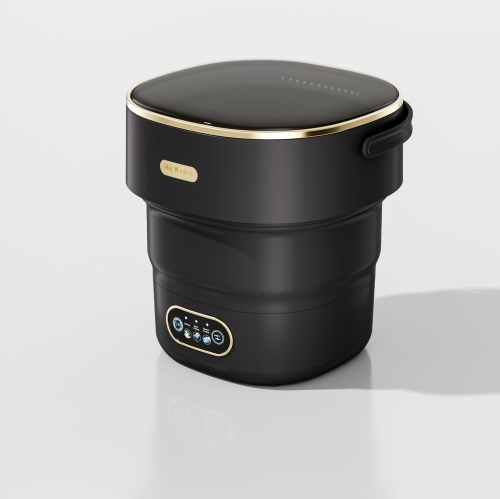
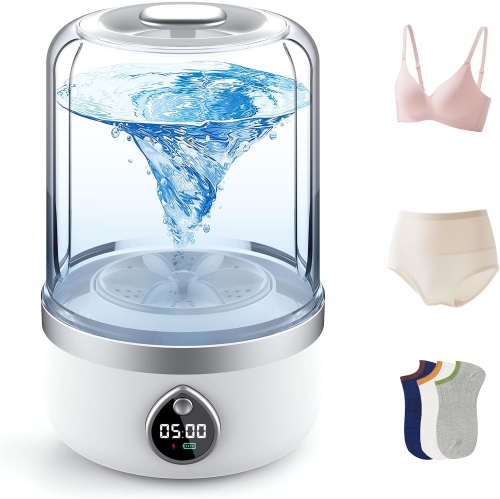
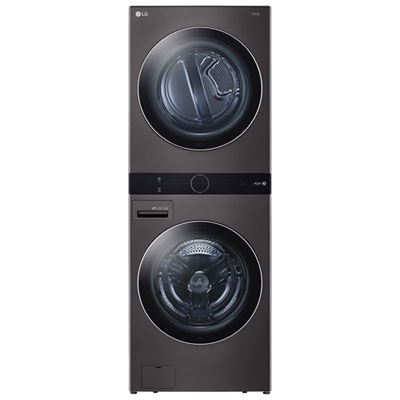
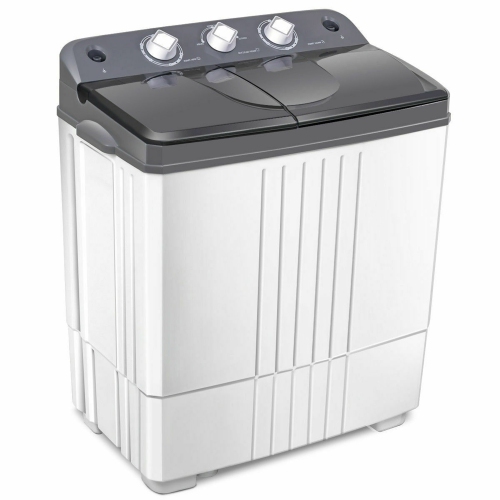
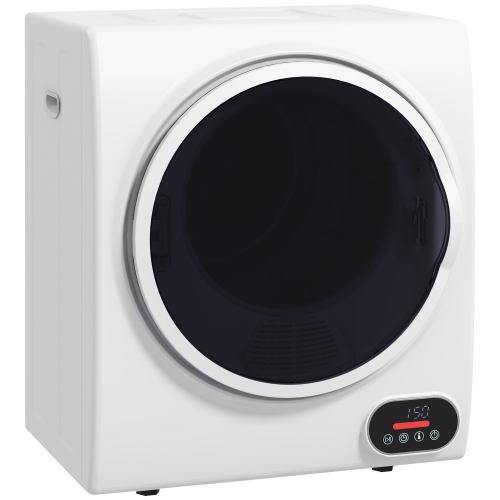
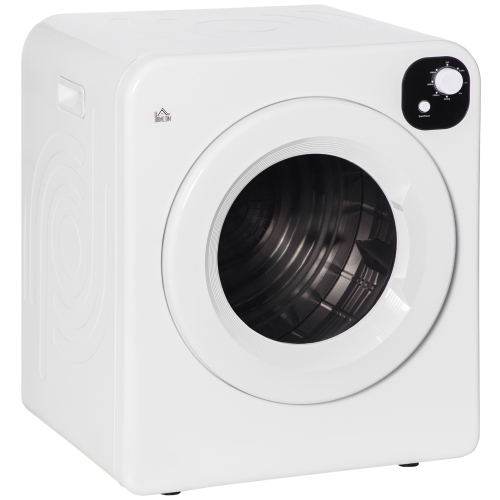
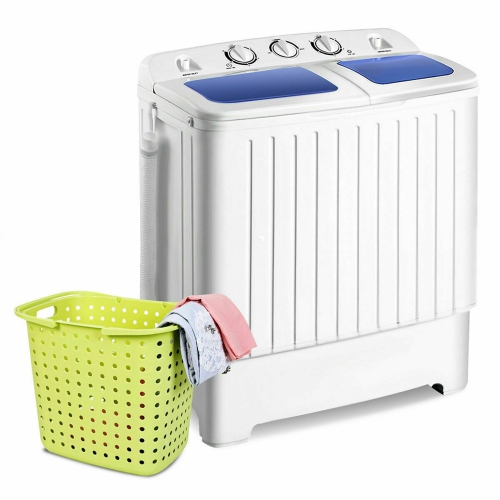
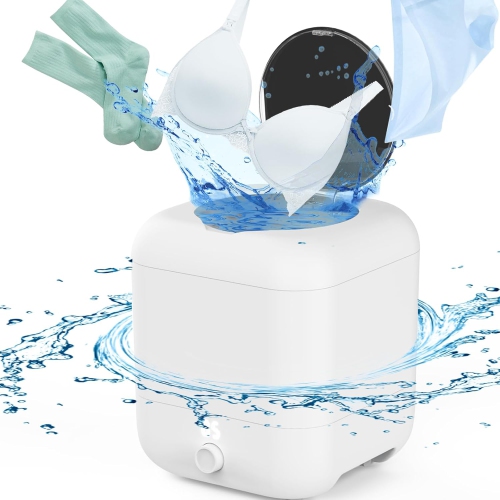
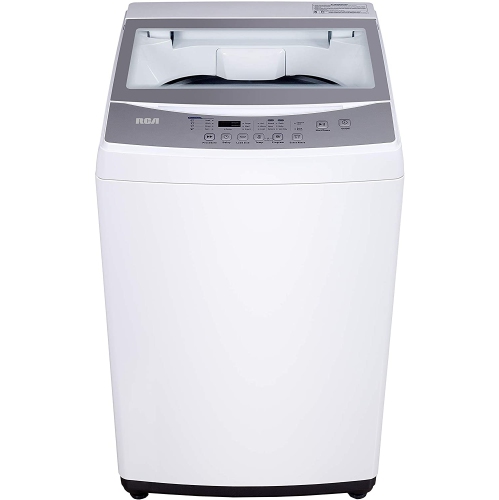
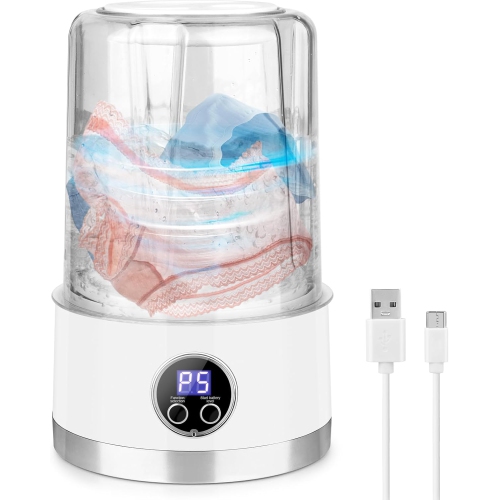
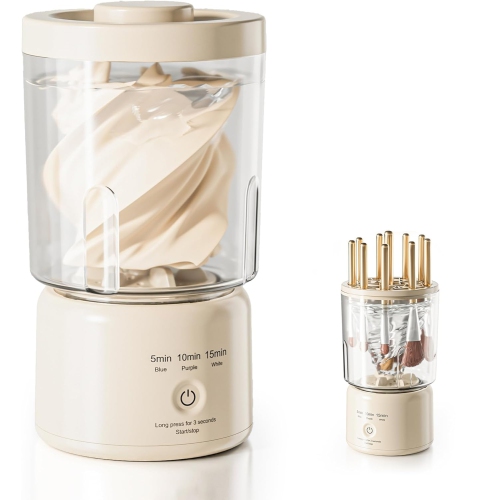
Small laundry loads without the shared laundry room
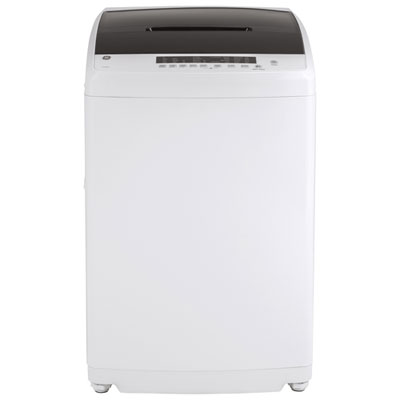
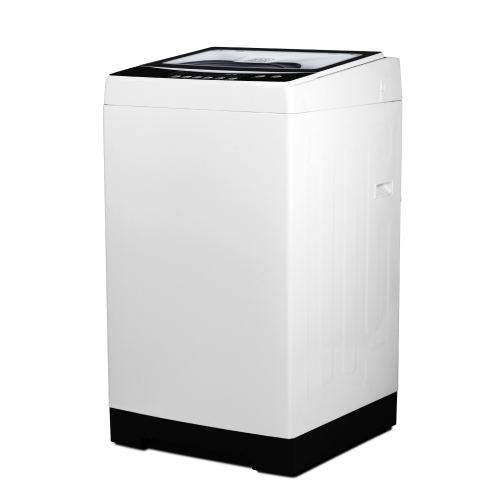
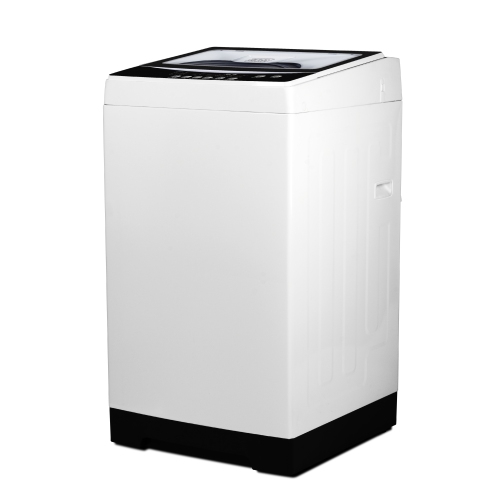
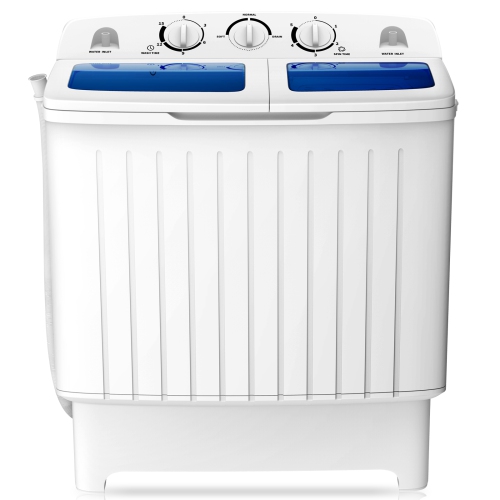
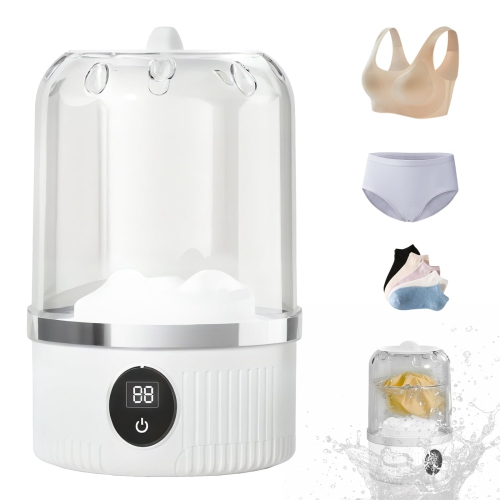
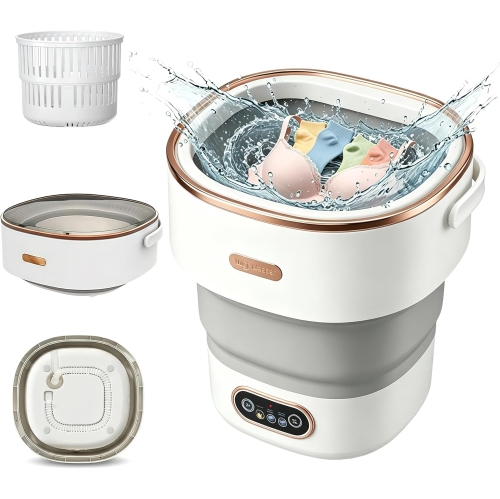
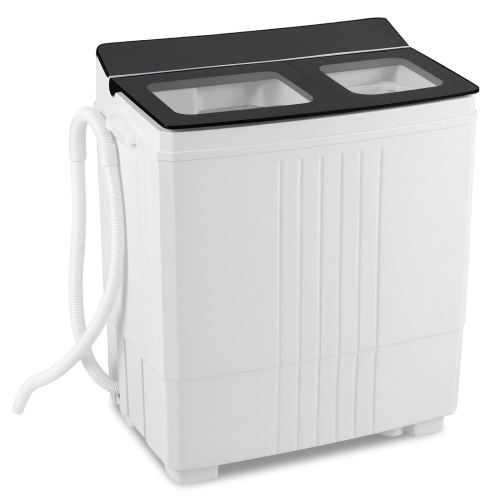
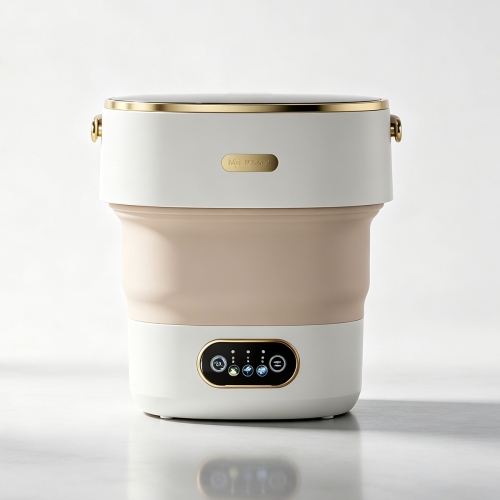
Portable clothes washers for apartments bring everyday laundry into homes where a full laundry pair or permanent washer hookup may not fit. These smaller appliances suit renters, condo residents, students living off campus, and anyone who wants to wash manageable loads without carrying a basket to a shared laundry room. Many portable washing machines connect to a compatible sink faucet using a fill hose and adapter, then drain through a hose secured at the sink. Other designs require manual filling or a different connection, so portability does not mean every washer works with every apartment sink. Fully automatic portable washers can fill, wash, rinse, and spin through a selected cycle once correctly connected, while semi-automatic twin-tub machines typically require clothes to be moved from the washing compartment to a separate spin basket. Small manually operated designs offer another approach for light loads, with more hands-on involvement. The practical appeal is having room for the laundry that builds up between larger wash days: a few T-shirts, socks, underwear, lightweight sleepwear, or washable kitchen cloths. Capacity varies considerably, and a compact tub intended for small garments may not accommodate thick towels, bedding, or bulky sweatshirts comfortably. Published capacity can describe tub volume or laundry weight; on twin-tub designs, the spin compartment may hold less than the wash compartment. That distinction matters when a single wash load needs to be spun in smaller batches. Garments need enough room to move through the water rather than being packed tightly into the drum. For apartment households, a portable washer can serve as the main appliance for modest laundry needs or handle smaller loads between trips to a larger machine. Most portable clothes washers remove water through spinning rather than drying with heat, leaving clothing damp and ready for a drying rack or a separate dryer. An apartment laundry setup therefore needs space for both washing and drying, not just a place to store the machine.
The right fit involves more than the washer’s width and depth. A top-loading design needs clearance above the lid, and hoses need enough room to reach their connections without sharp bends or tension. A machine that fits inside a cupboard may still need an open, level floor area during use, along with a clear route between storage and the sink. Built-in wheels and handles can make that movement easier on some designs, but they are not universal features, and the appliance’s empty weight remains important when crossing doorway thresholds or moving over carpet. Portable washers should be drained before moving, following the manufacturer’s directions. Faucet compatibility also deserves close attention: some threaded faucets accept an adapter, while pull-out sprayers, unusual spouts, and certain fixtures may not support the required connection. The permitted water supply and pressure depend on the appliance, and hot-water compatibility should never be assumed. Drainage arrangements differ as well. A washer with a drain pump may discharge into a sink at an approved height, whereas a gravity-drain design needs an outlet positioned according to its instructions. A securely positioned drain hose helps prevent it from slipping out as water flows, and the receiving sink must drain freely. Nearby electrical access should meet the appliance’s stated requirements, with the cord and outlet kept away from splashing water. Lease terms, condo rules, and building requirements may restrict portable laundry appliances even when no permanent plumbing changes are planned. Shared walls and floors make vibration another consideration: a stable surface, proper levelling where supported, and evenly distributed loads can help limit movement during spinning. For homes with a dedicated installation space, the Compact Washing Machine for Apartments category offers a related way to explore smaller laundry appliances. Compact and portable are not interchangeable terms, however; a small washer may still require fixed plumbing and may not be designed to move between uses.
Construction, controls, and everyday care help determine how well an apartment washer fits into a household’s routine. Stainless steel wash baskets are valued for their resistance to rust and their smooth surfaces, while plastic tubs can keep appliance weight down and are also resistant to rust. Overall durability depends on more than tub material: secure hose fittings, sturdy lids, sound hinges, and a stable base all contribute to regular use. Simple controls may suit someone who mainly washes similar everyday garments, while adjustable water levels, selectable wash times, or gentler cycles can offer flexibility for mixed laundry needs. These features vary by design, and a gentle setting does not replace the directions on a garment’s care label. Machine-washable knitwear, fine fabrics, and clothing with straps or hooks may need a mesh laundry bag and a smaller load; hand-wash-only or dry-clean-only pieces require their specified care. Detergent type and quantity should match the washer’s instructions, since excess suds can make rinsing difficult in a small tub. High-efficiency detergent is appropriate when required by the appliance, rather than something to assume for every portable design. Lint filters, where fitted, need regular cleaning, and pockets should be emptied before clothing goes into the wash. After use, draining residual water, wiping accessible surfaces, and allowing the tub to air out as directed can help limit odours. Hoses also benefit from routine checks for cracks, worn seals, and loose connections, particularly when they are attached and detached frequently. In daily use, the most comfortable setup leaves space for a laundry basket, access to the controls, and somewhere to hang damp clothes without blocking a walkway. A stronger spin may shorten the time garments spend on a rack, but it will not make them ready to fold straight from the tub. For one person washing work shirts and essentials, frequent small loads may fit naturally into the week. For a larger household, the same appliance may be better suited to supplementary washing, with bulky linens handled separately. Matching capacity, connection requirements, and care needs to those routines makes a portable washer a practical addition to apartment living.
The right fit involves more than the washer’s width and depth. A top-loading design needs clearance above the lid, and hoses need enough room to reach their connections without sharp bends or tension. A machine that fits inside a cupboard may still need an open, level floor area during use, along with a clear route between storage and the sink. Built-in wheels and handles can make that movement easier on some designs, but they are not universal features, and the appliance’s empty weight remains important when crossing doorway thresholds or moving over carpet. Portable washers should be drained before moving, following the manufacturer’s directions. Faucet compatibility also deserves close attention: some threaded faucets accept an adapter, while pull-out sprayers, unusual spouts, and certain fixtures may not support the required connection. The permitted water supply and pressure depend on the appliance, and hot-water compatibility should never be assumed. Drainage arrangements differ as well. A washer with a drain pump may discharge into a sink at an approved height, whereas a gravity-drain design needs an outlet positioned according to its instructions. A securely positioned drain hose helps prevent it from slipping out as water flows, and the receiving sink must drain freely. Nearby electrical access should meet the appliance’s stated requirements, with the cord and outlet kept away from splashing water. Lease terms, condo rules, and building requirements may restrict portable laundry appliances even when no permanent plumbing changes are planned. Shared walls and floors make vibration another consideration: a stable surface, proper levelling where supported, and evenly distributed loads can help limit movement during spinning. For homes with a dedicated installation space, the Compact Washing Machine for Apartments category offers a related way to explore smaller laundry appliances. Compact and portable are not interchangeable terms, however; a small washer may still require fixed plumbing and may not be designed to move between uses.
Construction, controls, and everyday care help determine how well an apartment washer fits into a household’s routine. Stainless steel wash baskets are valued for their resistance to rust and their smooth surfaces, while plastic tubs can keep appliance weight down and are also resistant to rust. Overall durability depends on more than tub material: secure hose fittings, sturdy lids, sound hinges, and a stable base all contribute to regular use. Simple controls may suit someone who mainly washes similar everyday garments, while adjustable water levels, selectable wash times, or gentler cycles can offer flexibility for mixed laundry needs. These features vary by design, and a gentle setting does not replace the directions on a garment’s care label. Machine-washable knitwear, fine fabrics, and clothing with straps or hooks may need a mesh laundry bag and a smaller load; hand-wash-only or dry-clean-only pieces require their specified care. Detergent type and quantity should match the washer’s instructions, since excess suds can make rinsing difficult in a small tub. High-efficiency detergent is appropriate when required by the appliance, rather than something to assume for every portable design. Lint filters, where fitted, need regular cleaning, and pockets should be emptied before clothing goes into the wash. After use, draining residual water, wiping accessible surfaces, and allowing the tub to air out as directed can help limit odours. Hoses also benefit from routine checks for cracks, worn seals, and loose connections, particularly when they are attached and detached frequently. In daily use, the most comfortable setup leaves space for a laundry basket, access to the controls, and somewhere to hang damp clothes without blocking a walkway. A stronger spin may shorten the time garments spend on a rack, but it will not make them ready to fold straight from the tub. For one person washing work shirts and essentials, frequent small loads may fit naturally into the week. For a larger household, the same appliance may be better suited to supplementary washing, with bulky linens handled separately. Matching capacity, connection requirements, and care needs to those routines makes a portable washer a practical addition to apartment living.
Top selling and popular products
-
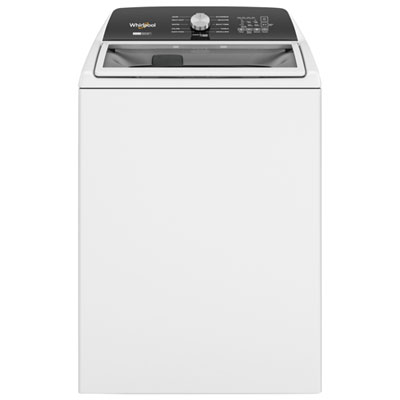 Your price for this item is $899.99
 -
 Your price for this item is $549.99
 -
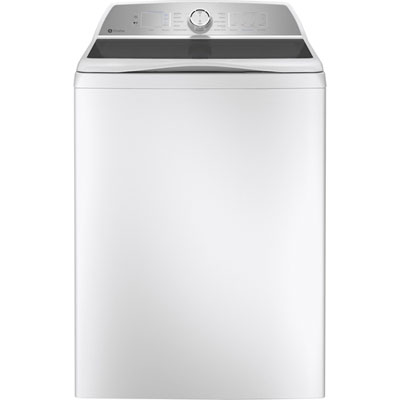 Your price for this item is $1499.99
 -
 Your price for this item is $1249.99
 -
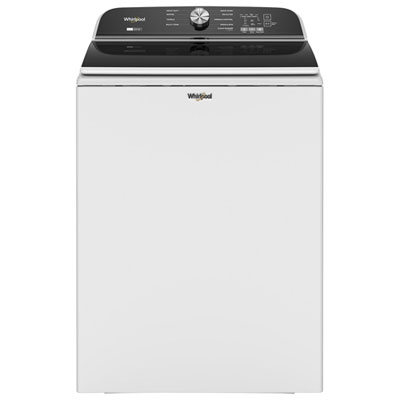 Your price for this item is $1099.99
 -
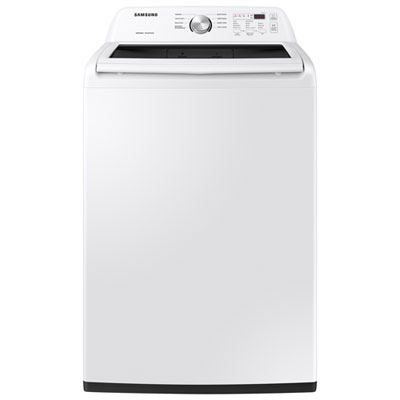 Your price for this item is $745.99
 -
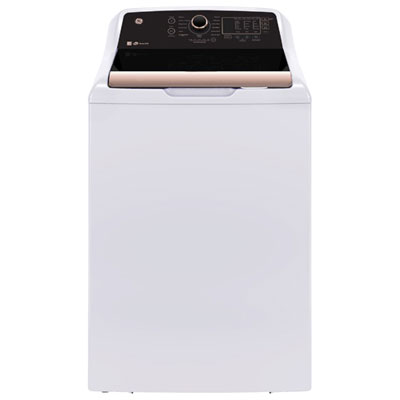 Your price for this item is $1499.99
 -
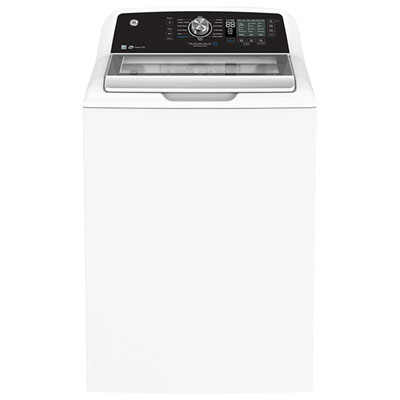 Your price for this item is $1349.99
Discover more categories related to Portable Clothes Washers for Apartment
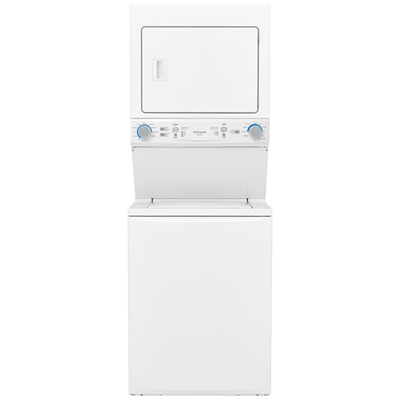
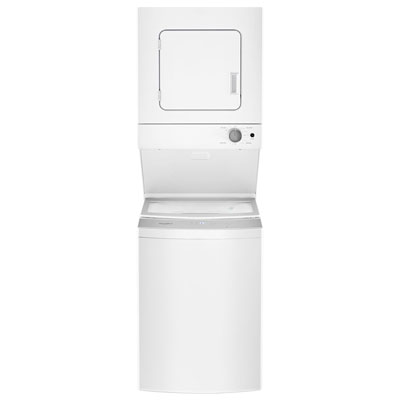
Top Collections:
Pokemon Centers, Kindle Devices, Best Budget Office Chairs, Apple iPhones 16, Best Laptops for Writers, iPhone 15 Apple, Canon G7X Cameras, Refurbished Apple Laptops, Alarm Clock, Motorola Razr Phones
Some products may be subject to Environmental Handling Fees
(EHF) depending on your province.
Learn more about EHFs.