Refrigerator Filters
Looking to keep your refrigerator running smoothly and your water tasting fresh? Look no further than our selection of refrigerator filters. These essential accessories are designed to remove impurities and contaminants from your water, ensuring that every sip is clean and refreshing. With a variety of options available, you can easily find the perfect filter for your specific refrigerator model. Say goodbye to funky odors and unpleasant tastes – our refrigerator filters are here to deliver pure and crisp water straight to your glass.
Sort
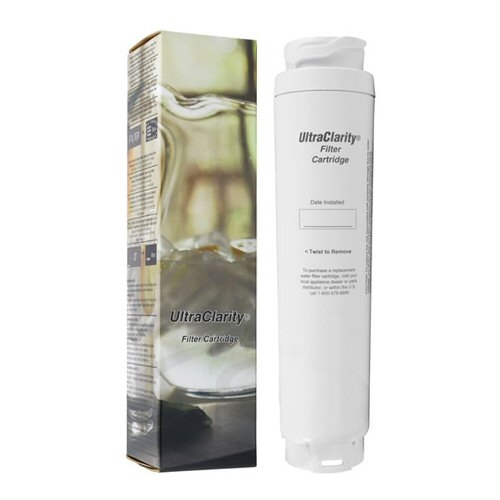
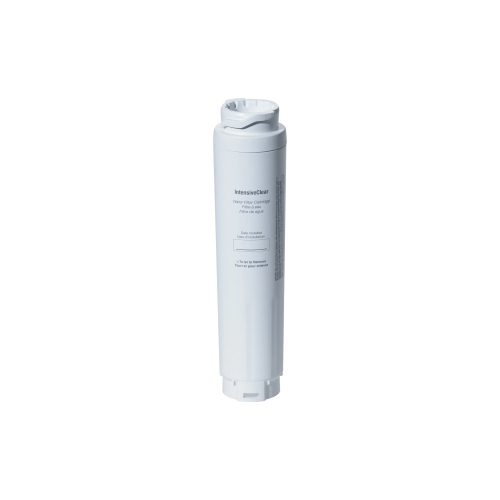
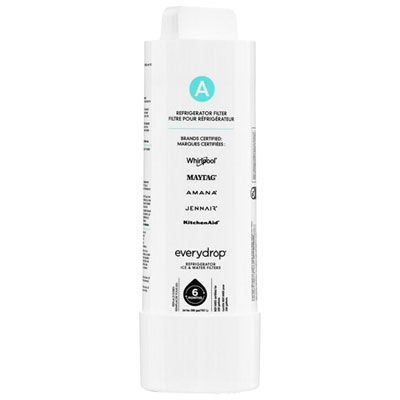
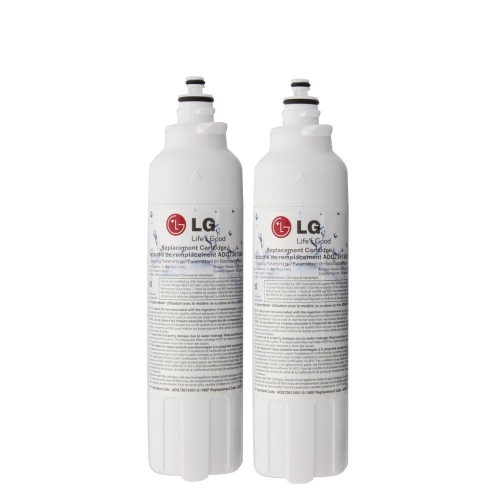
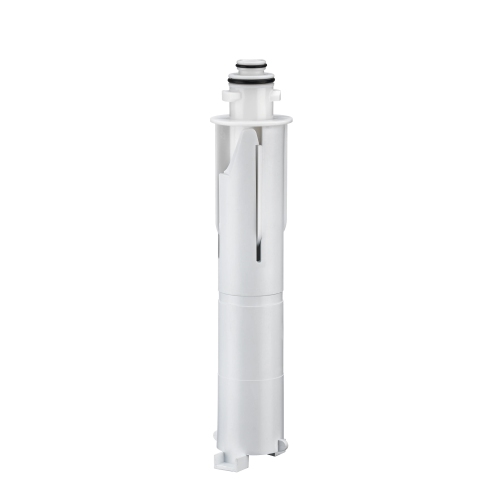
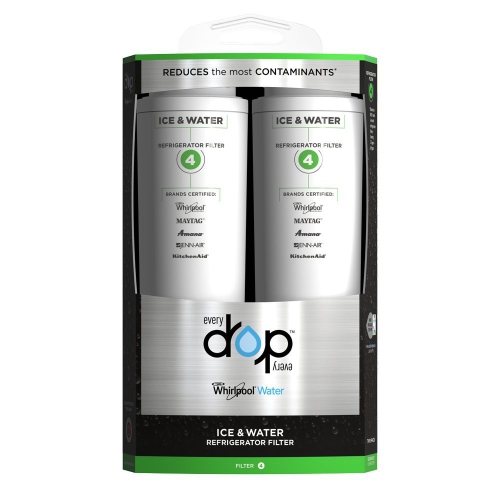
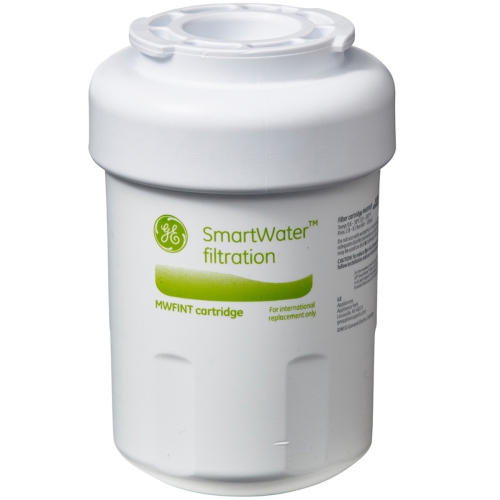
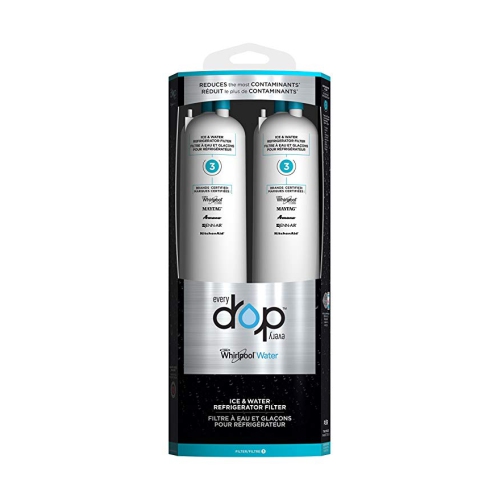
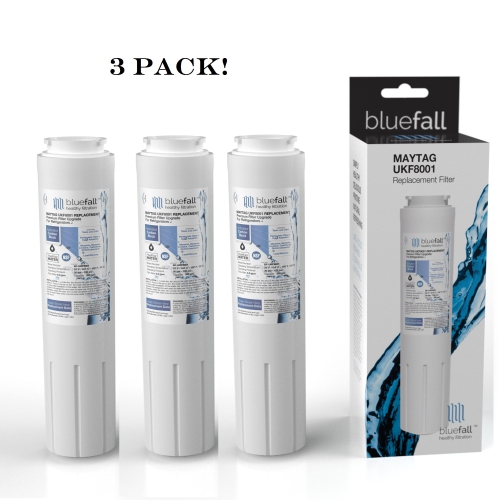
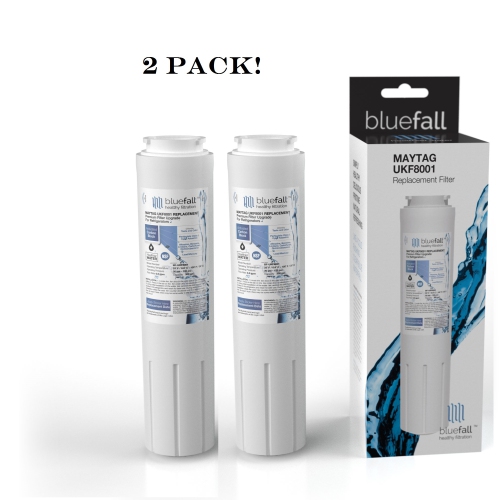
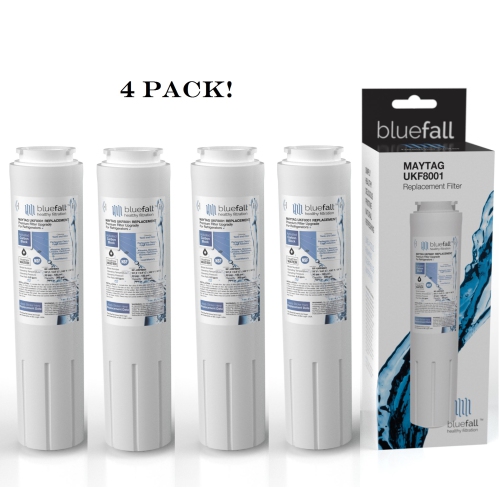
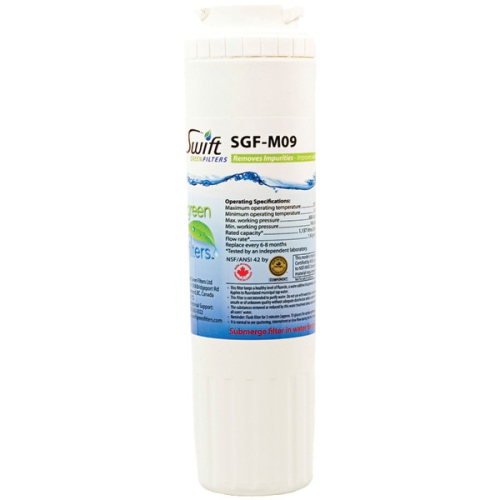
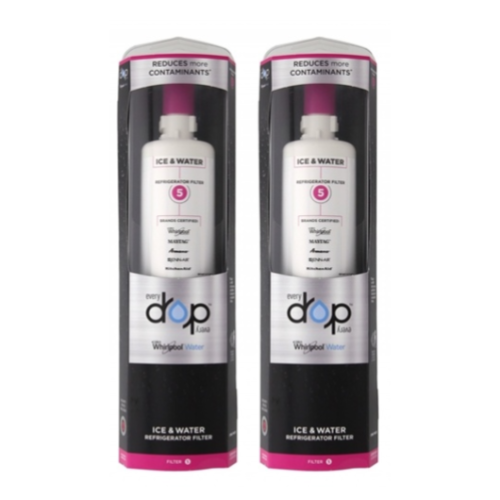
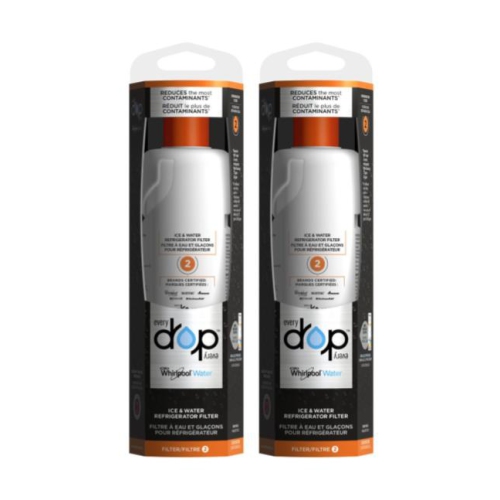
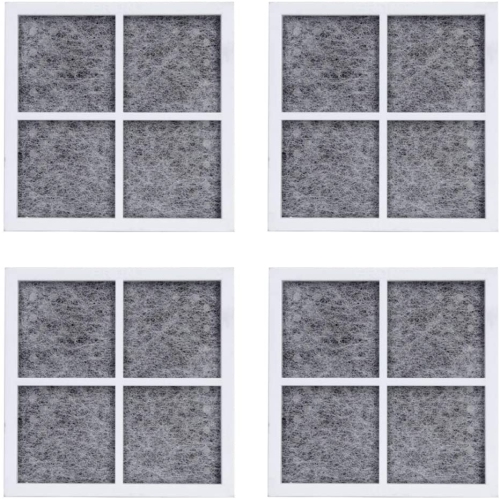
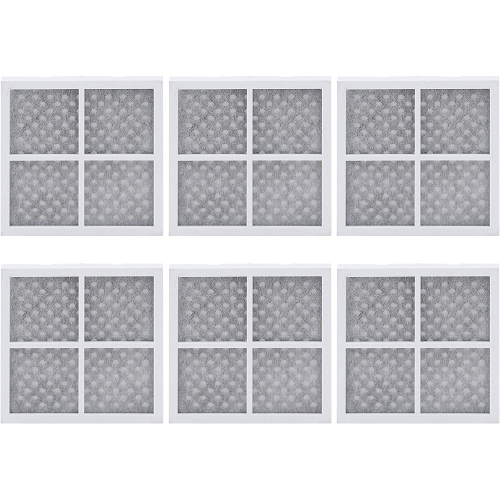

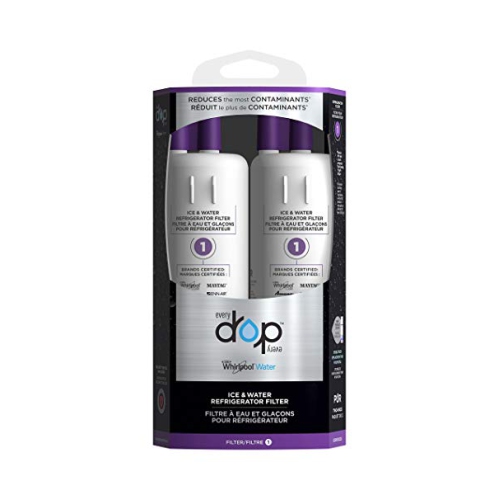
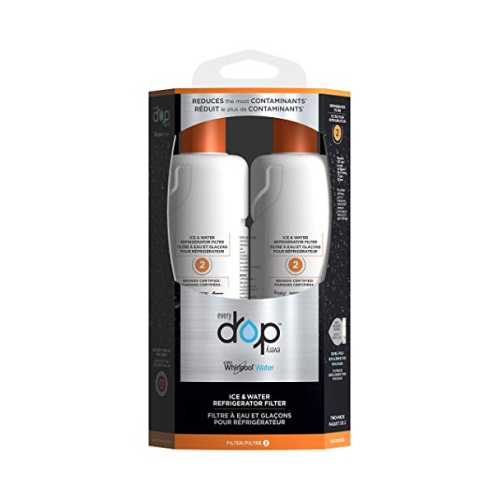
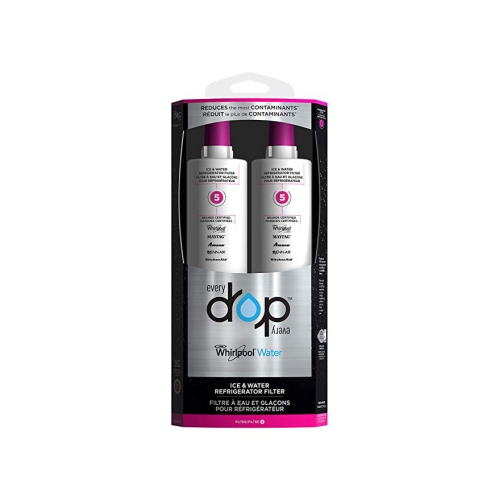

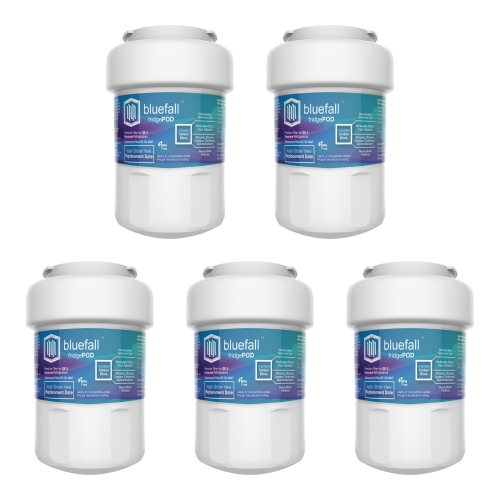
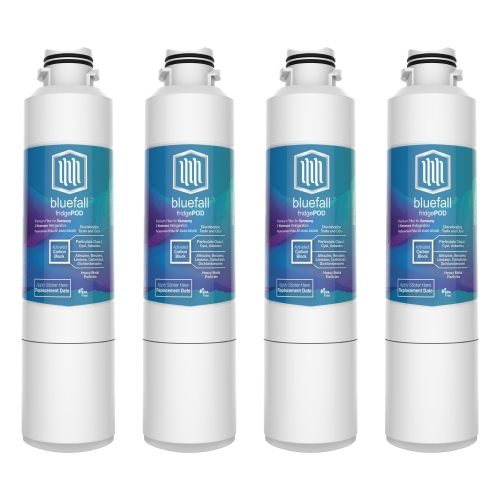
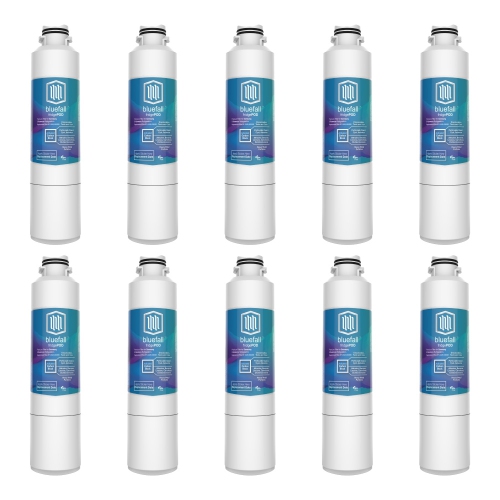
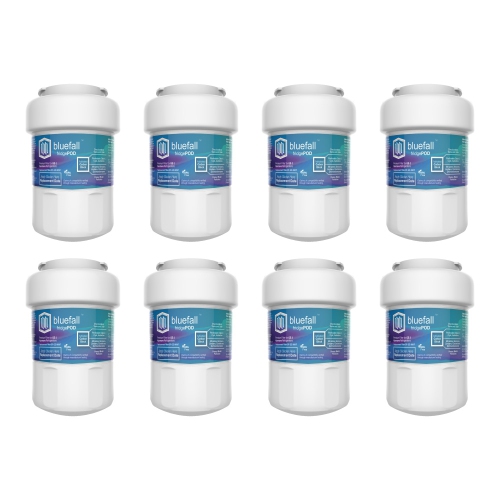


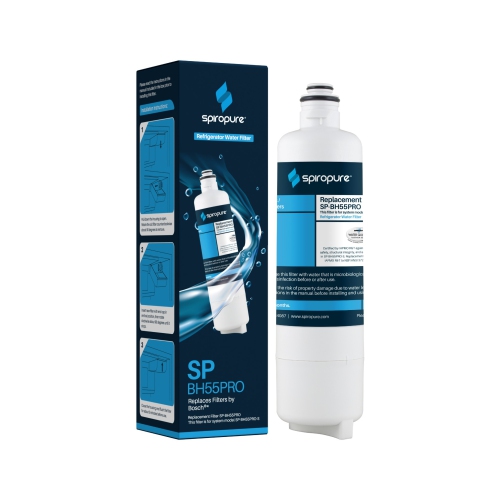
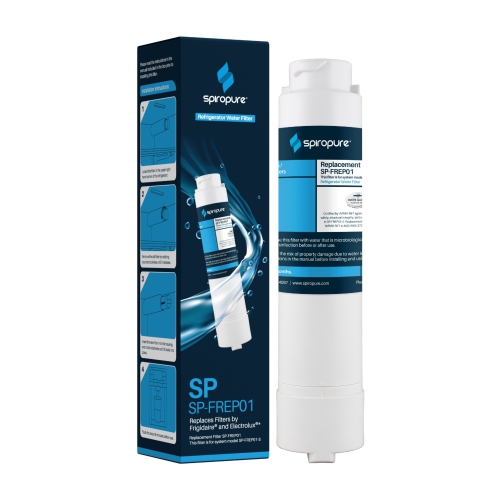
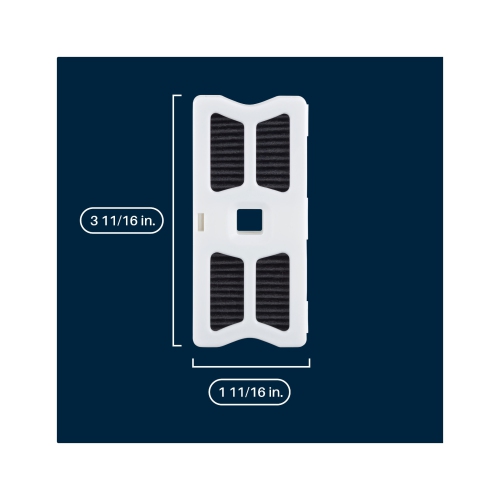
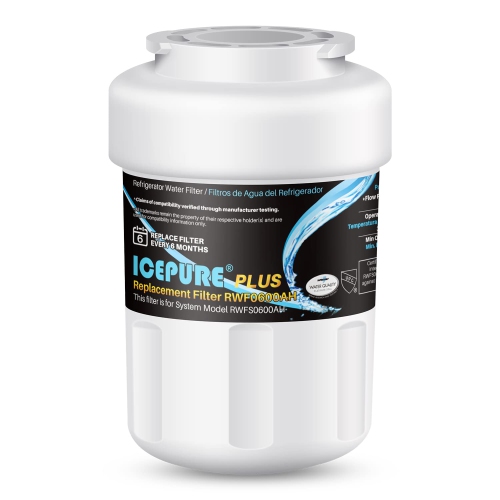

What to know about fit, certification, and replacement timing
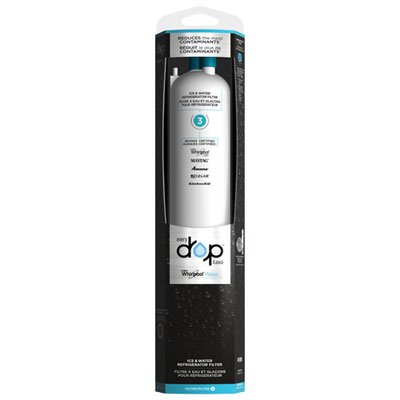
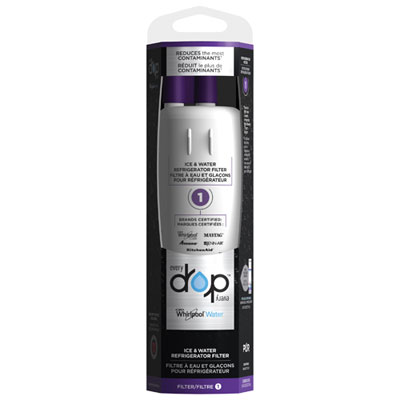
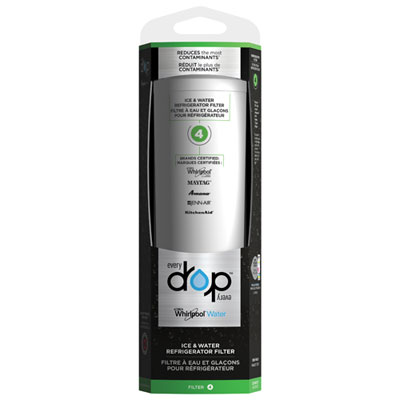
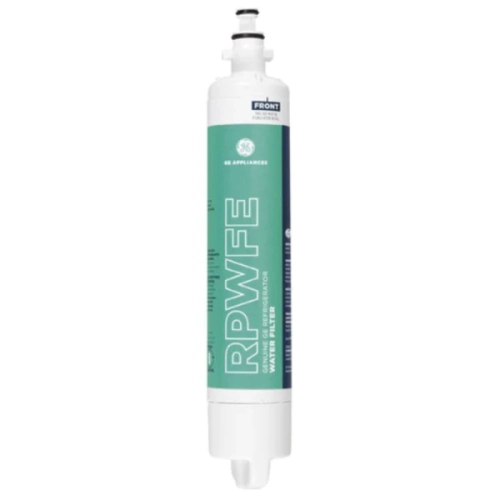
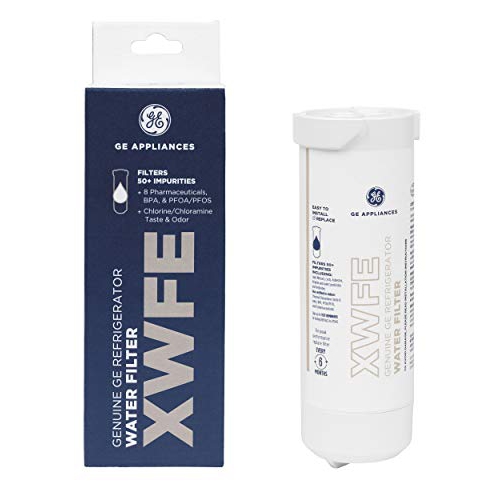
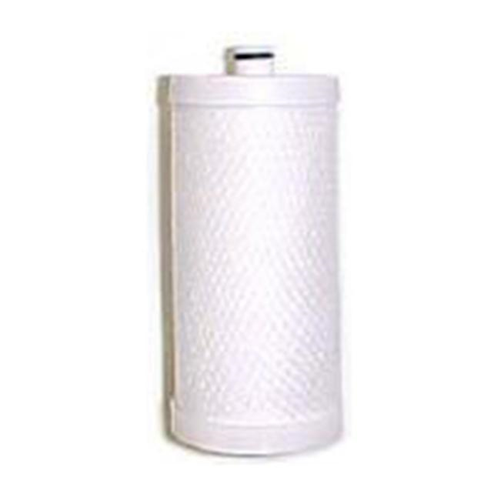
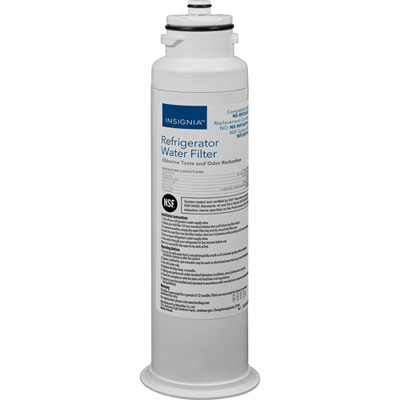
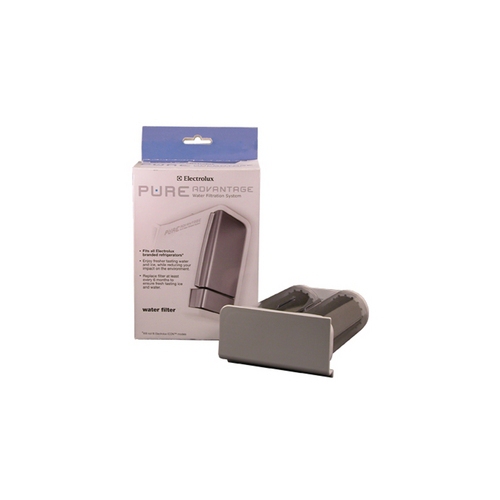
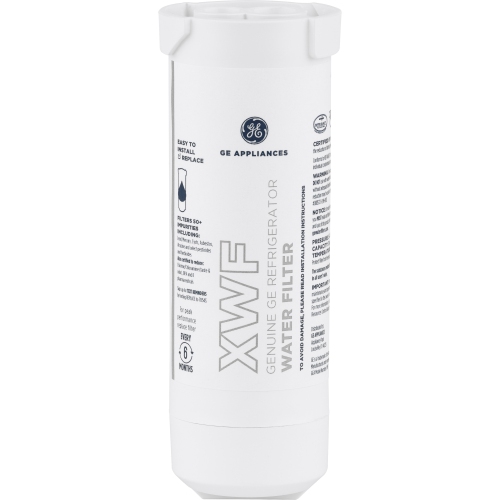
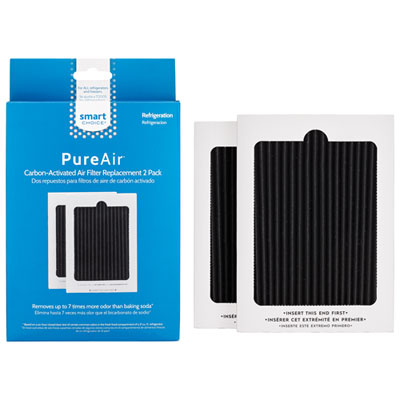
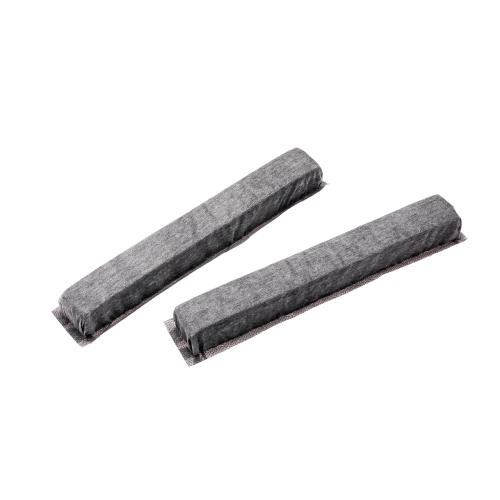
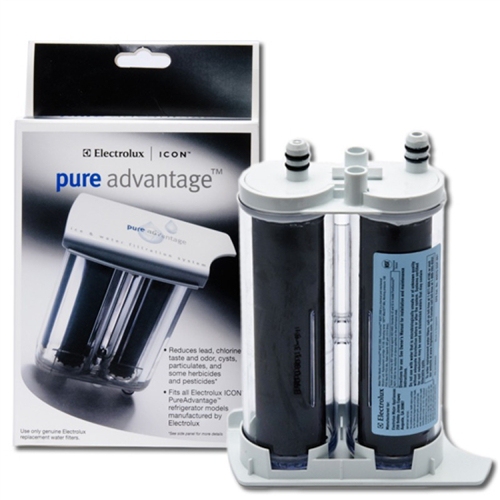
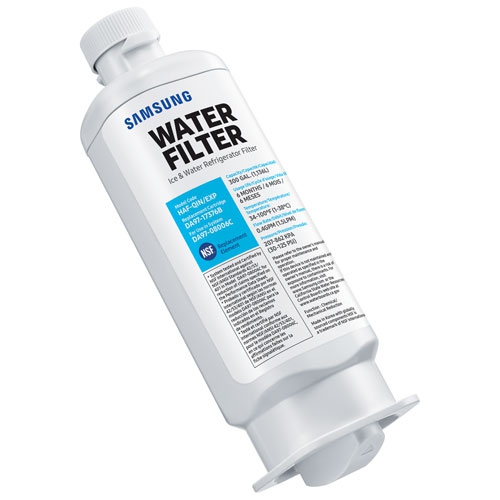
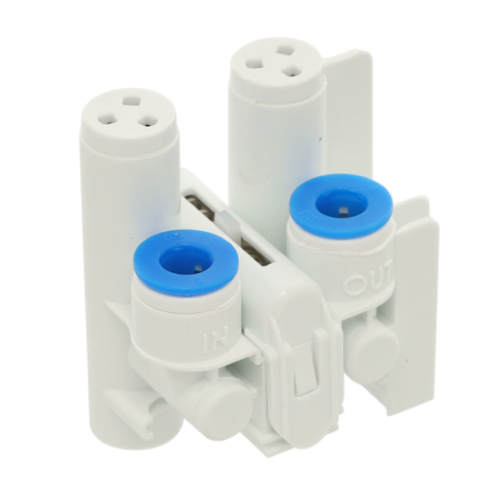
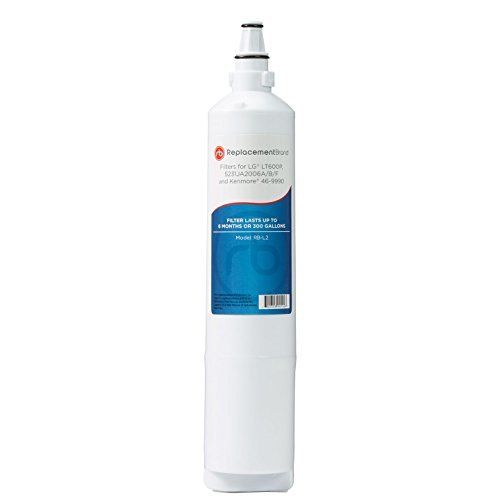
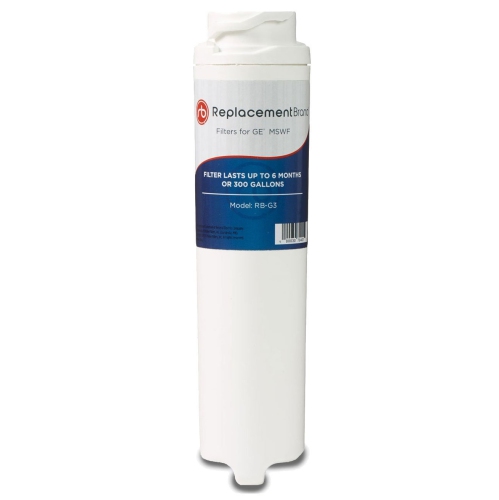
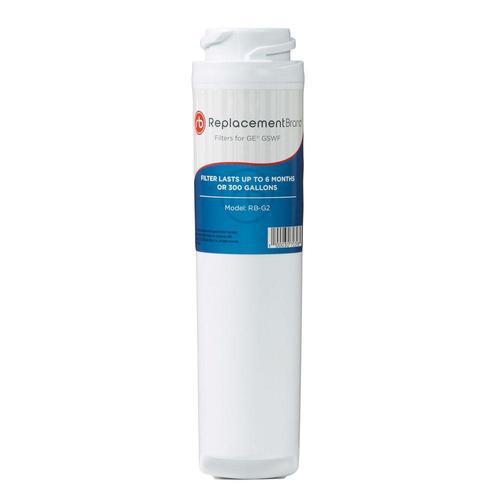
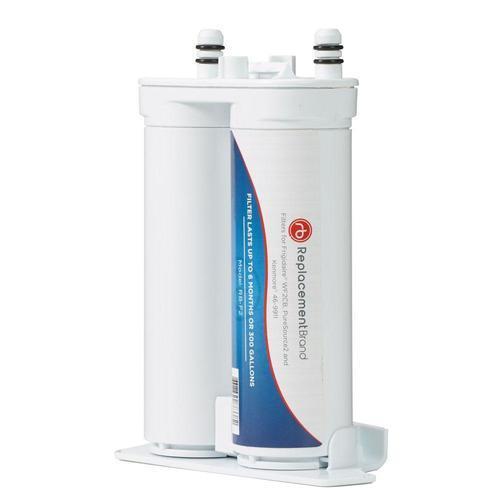
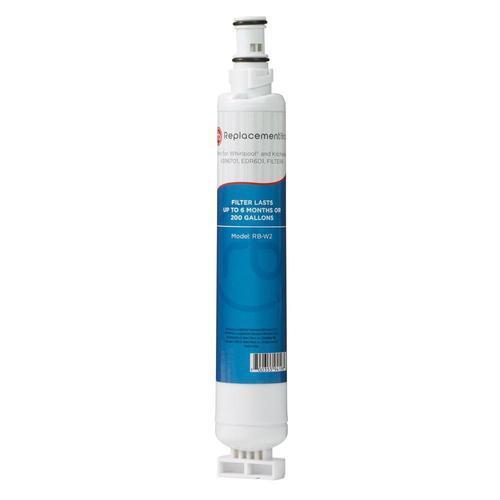
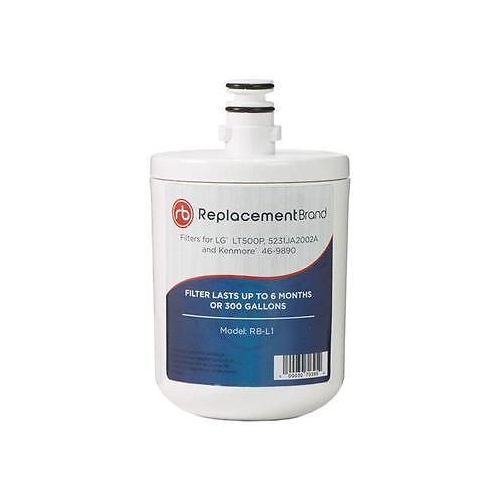
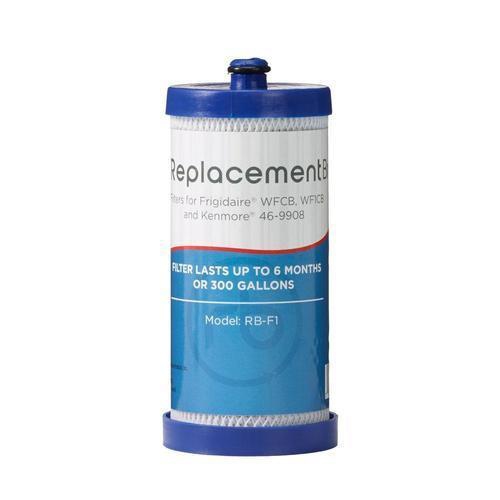
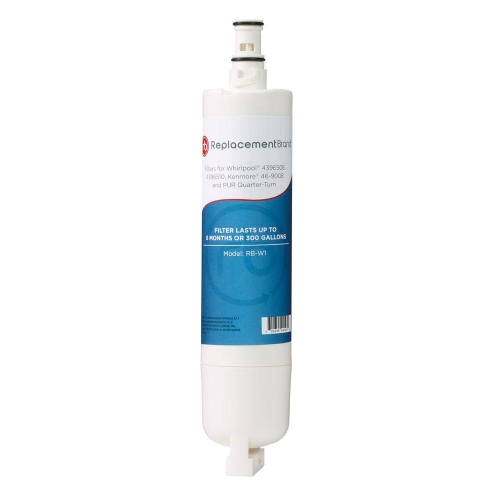
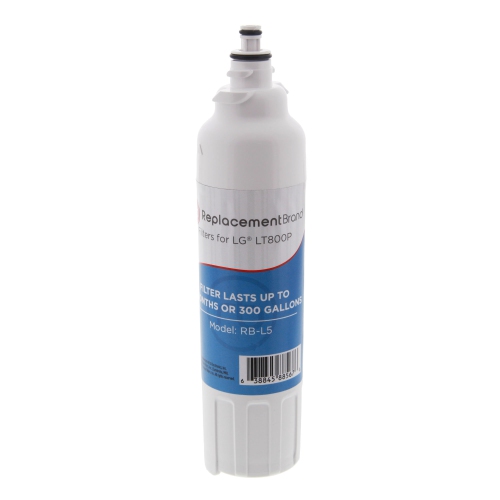
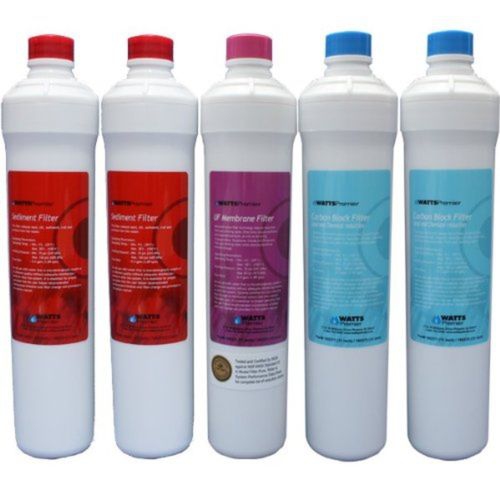
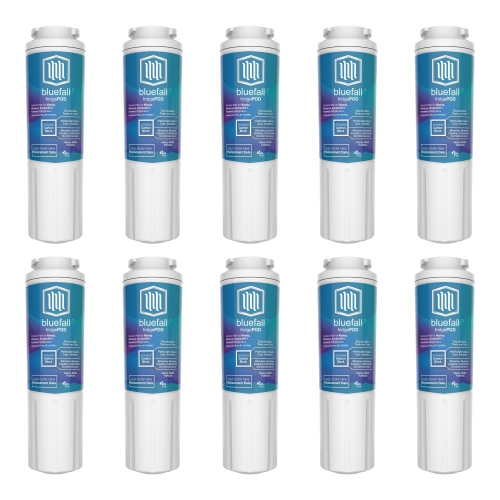
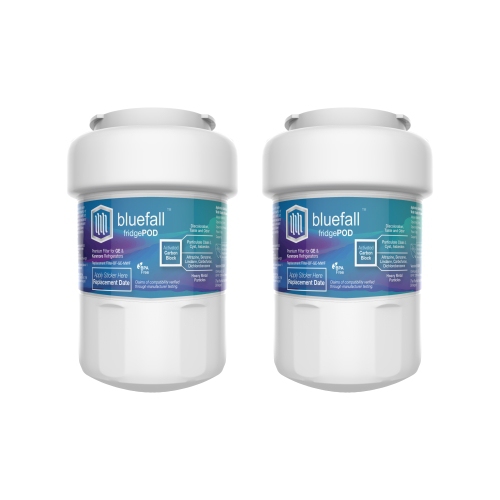
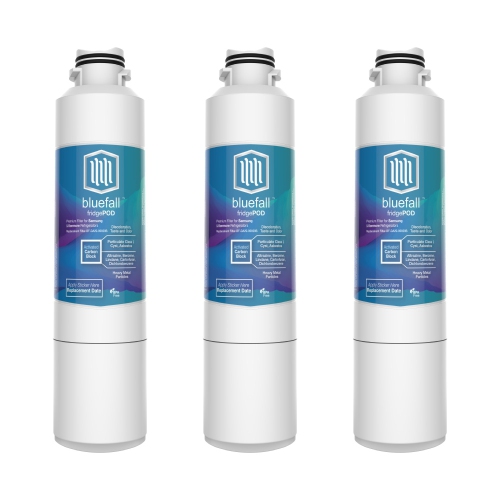
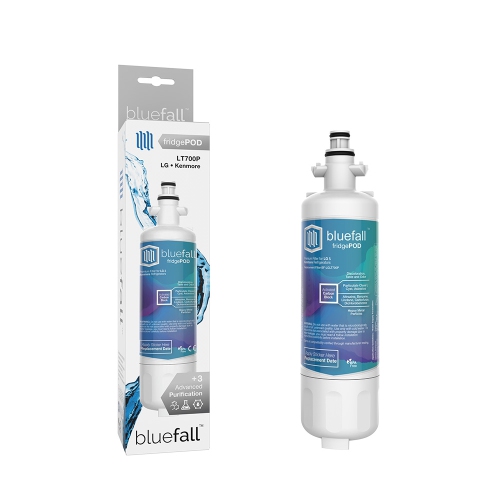
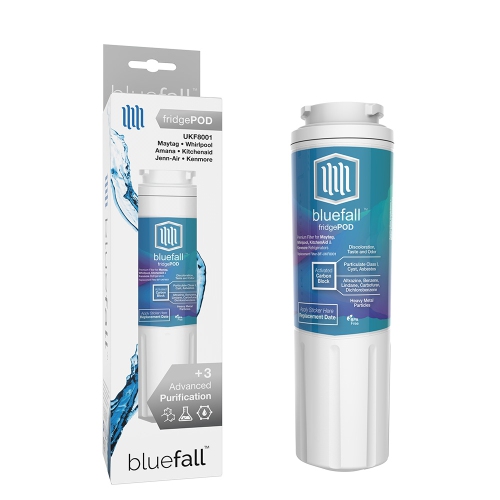
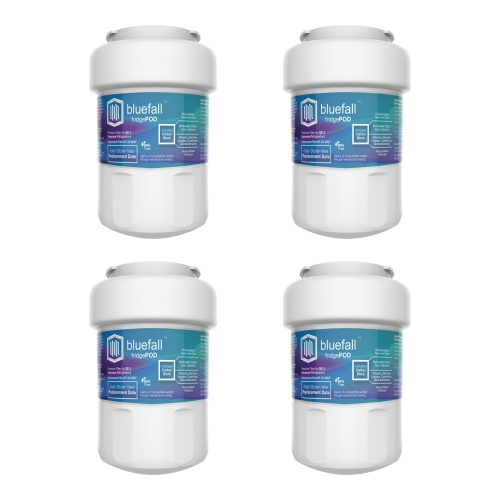
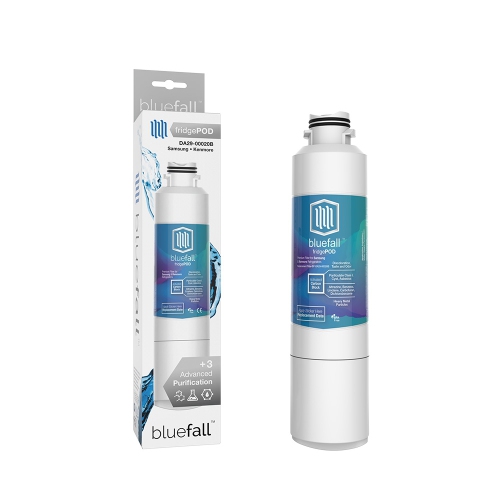
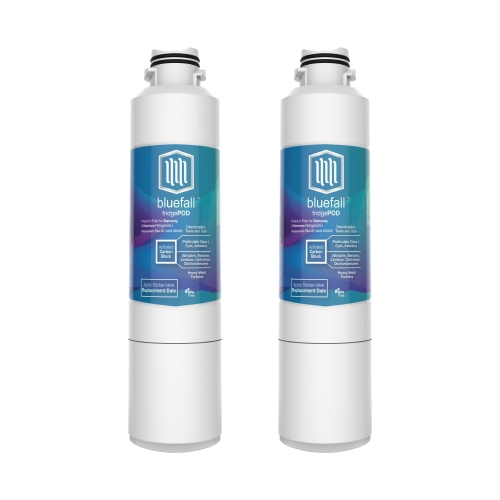
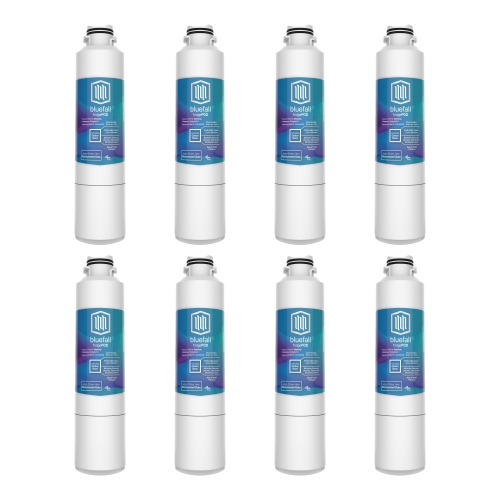
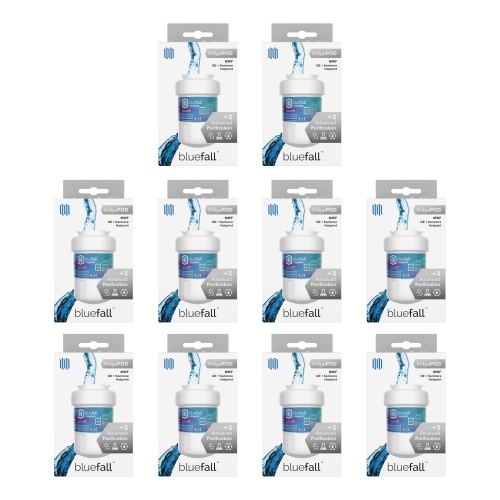
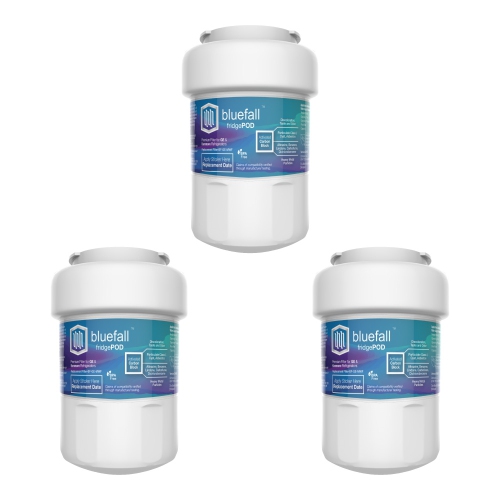
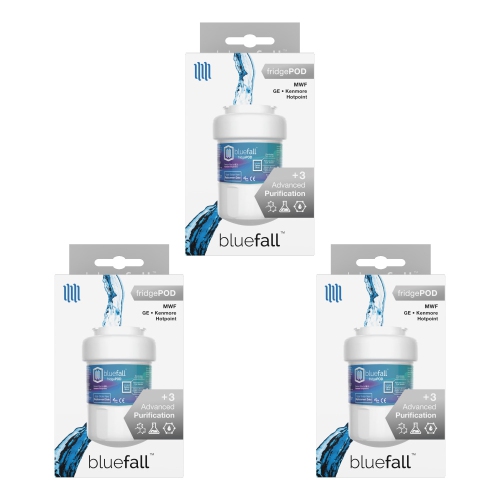
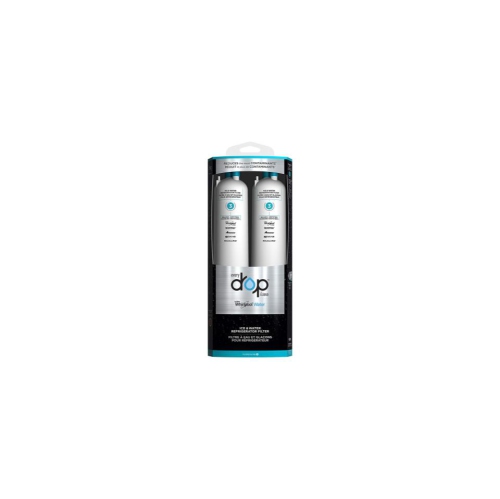
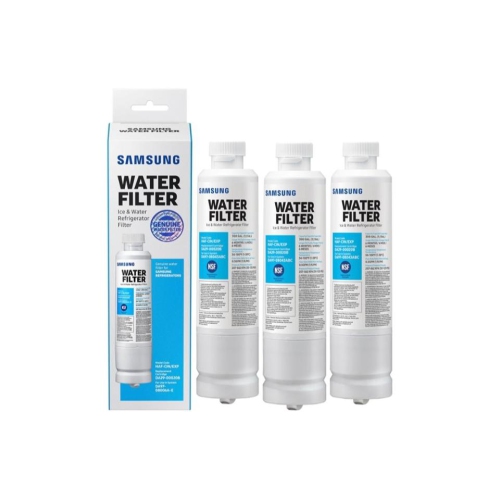
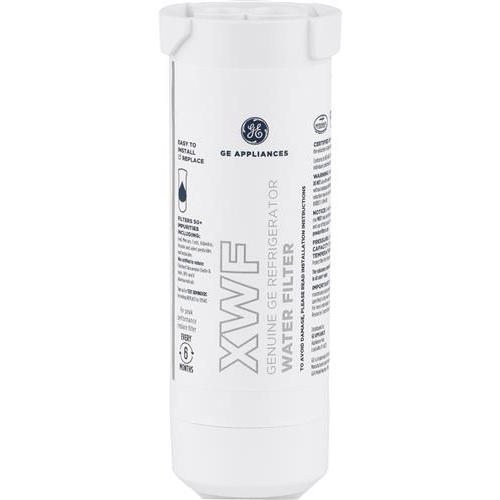
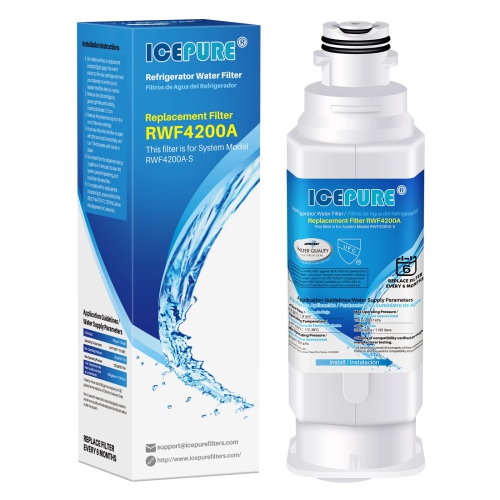
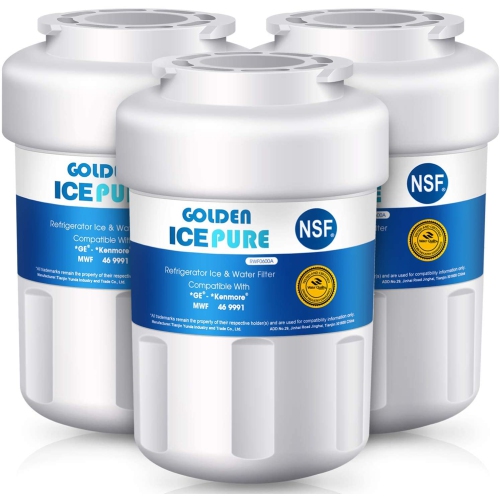
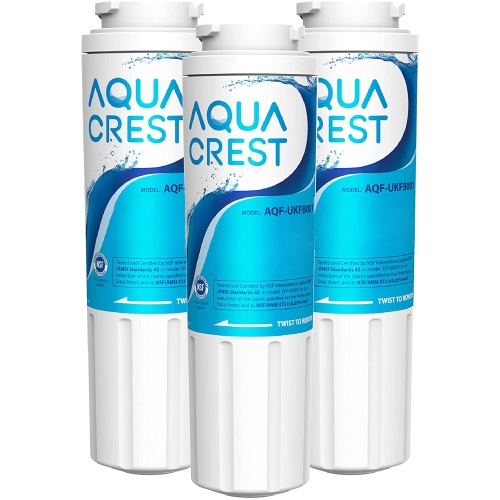
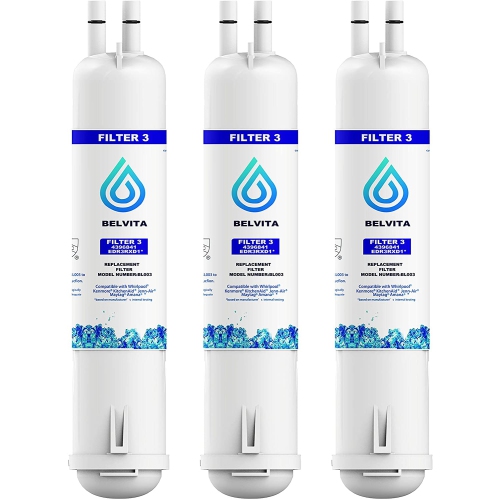
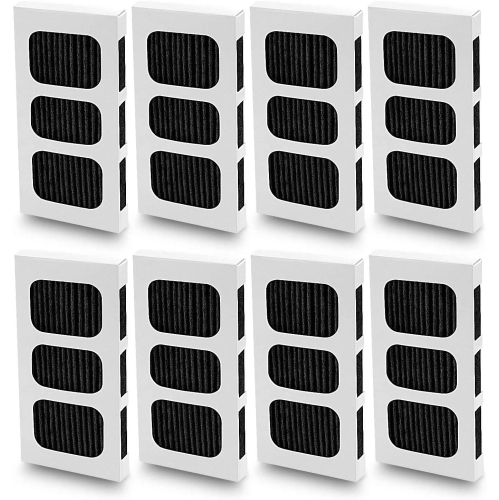
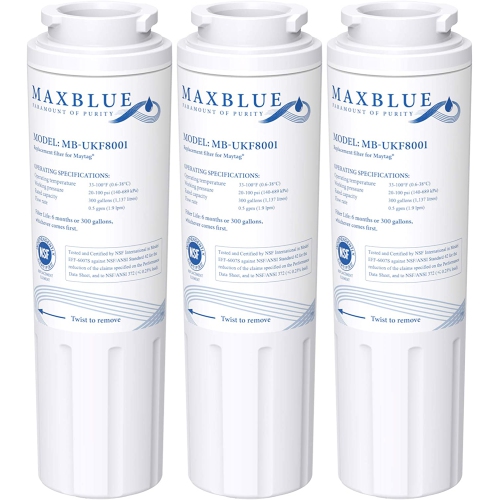
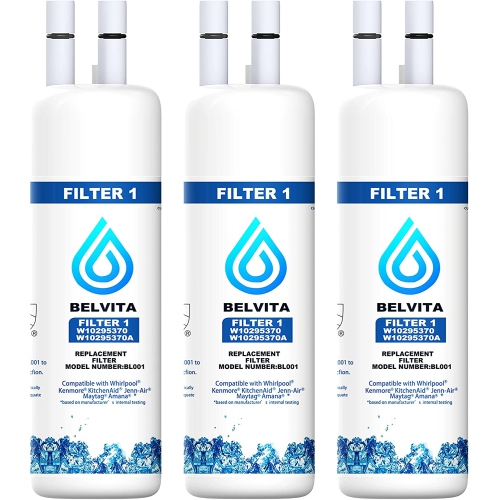
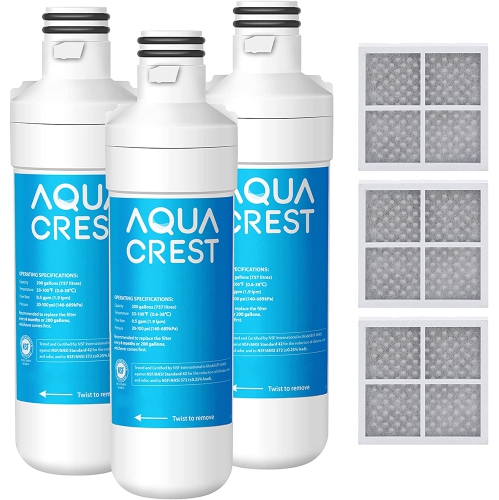
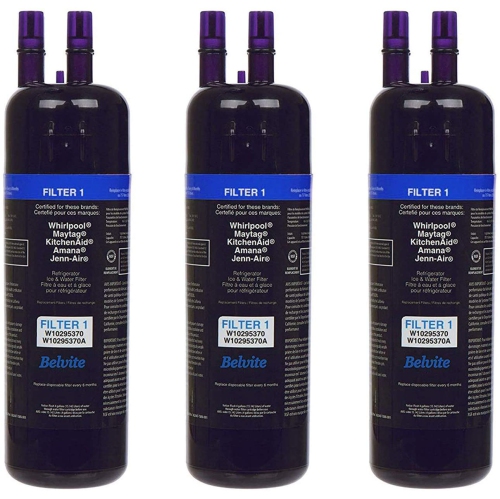
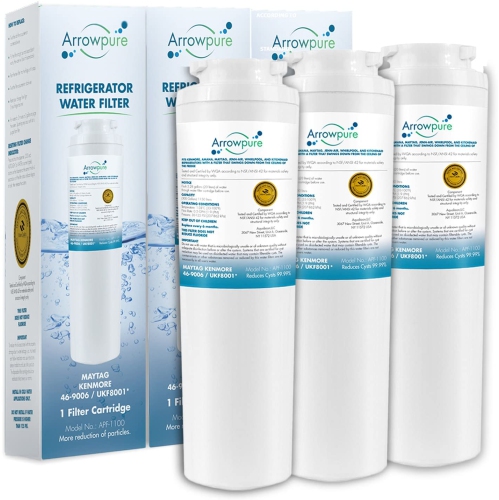
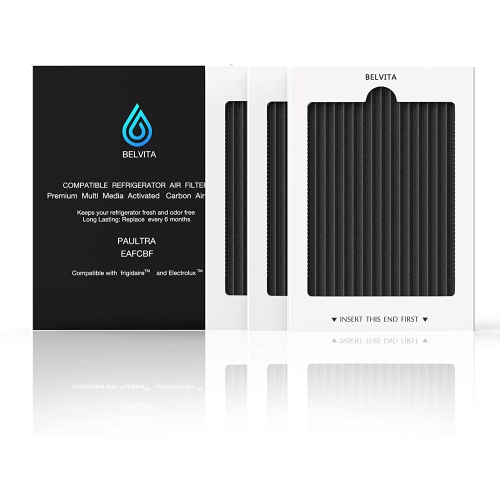
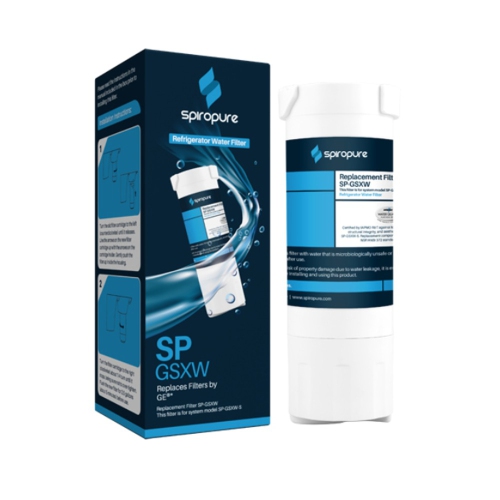
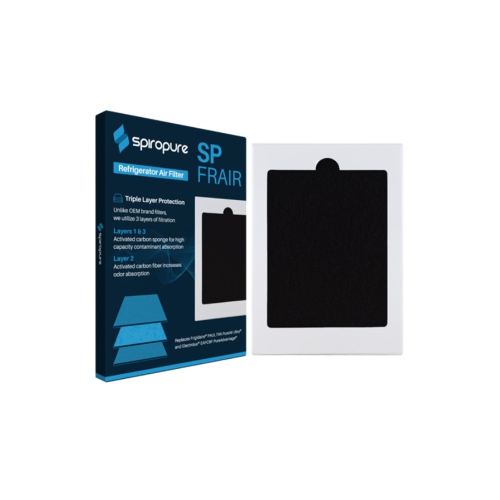
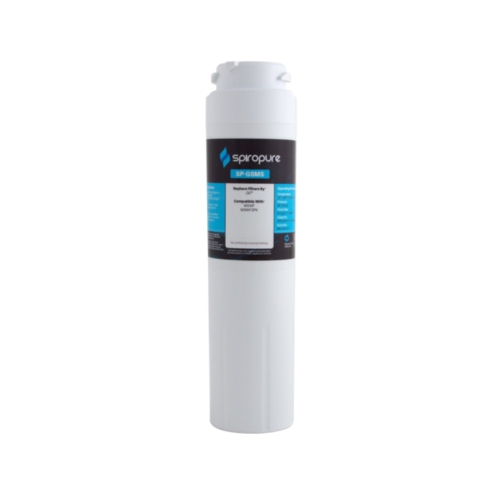
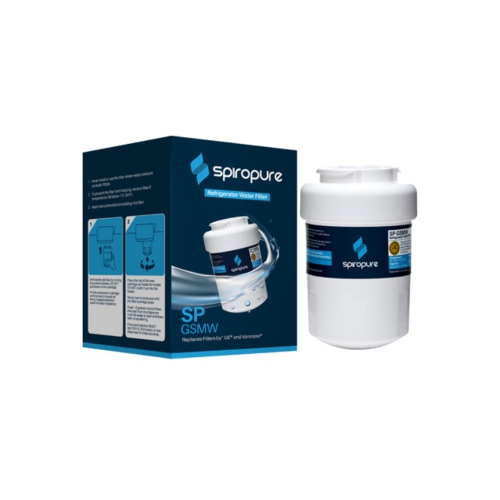
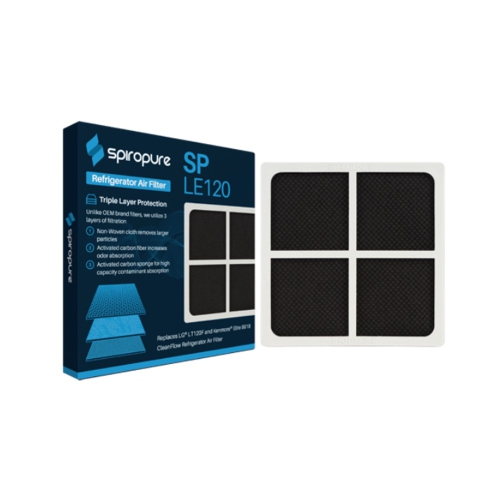
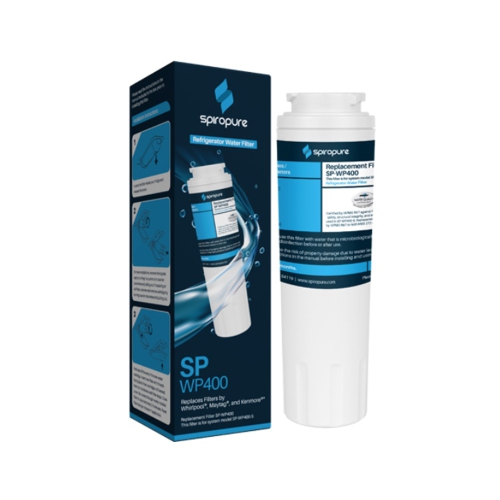
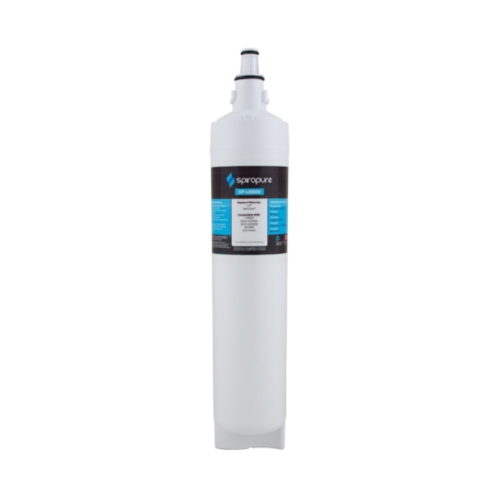
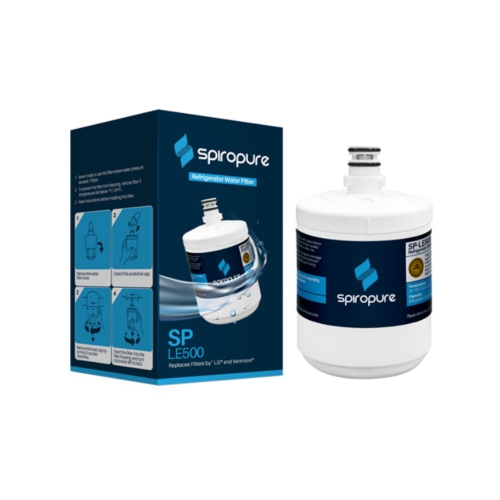
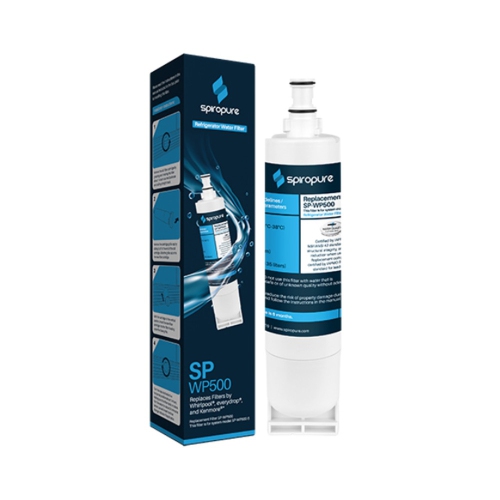
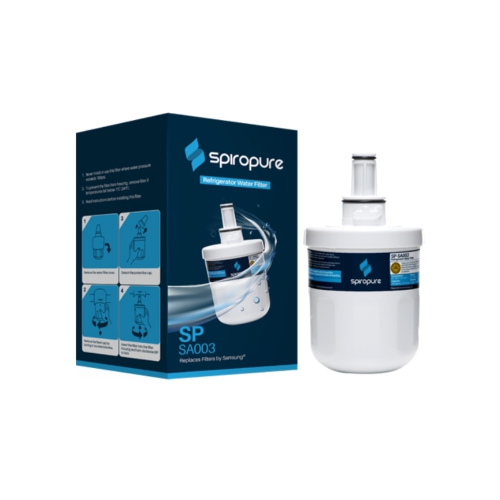
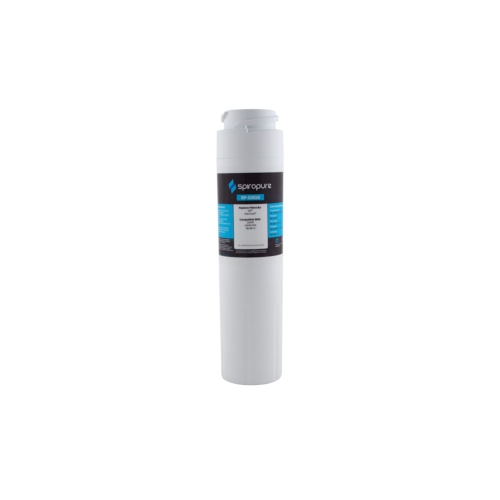
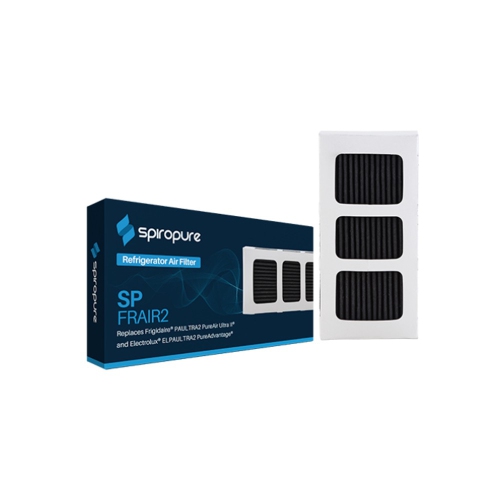
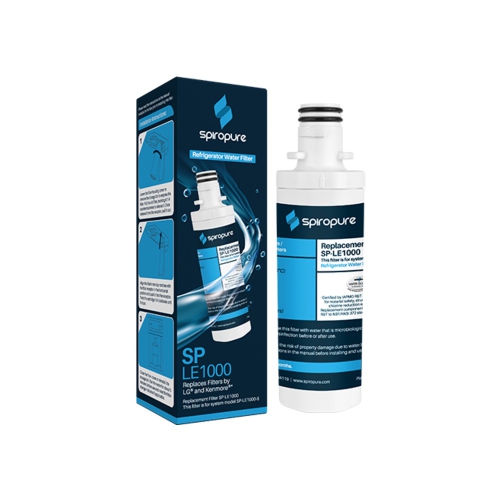
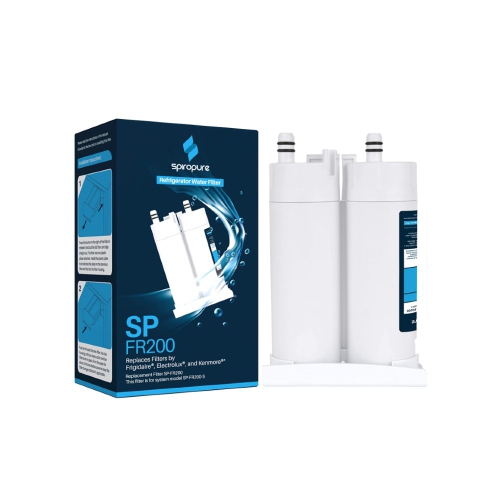
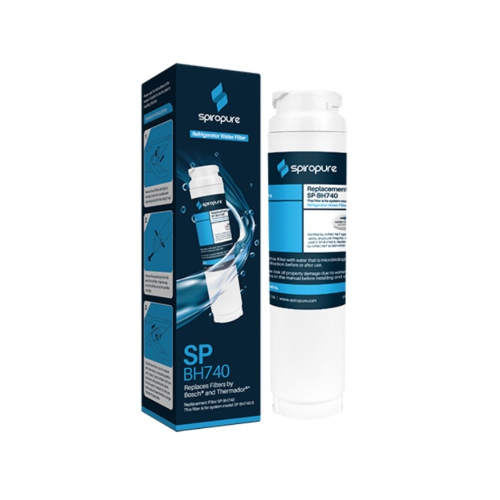
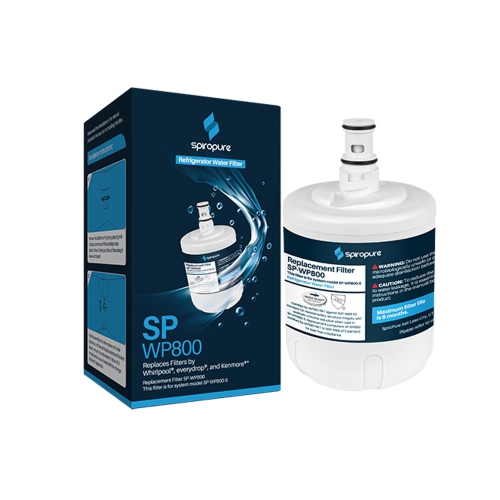
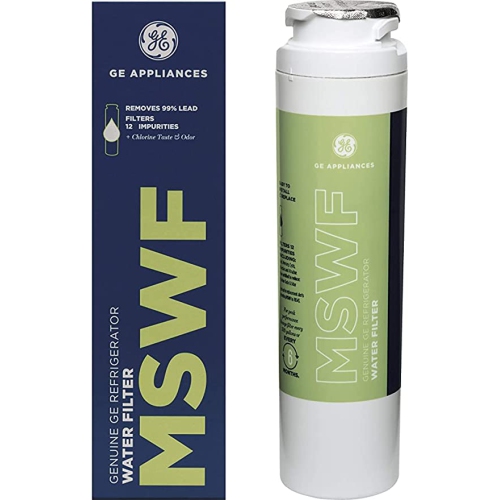
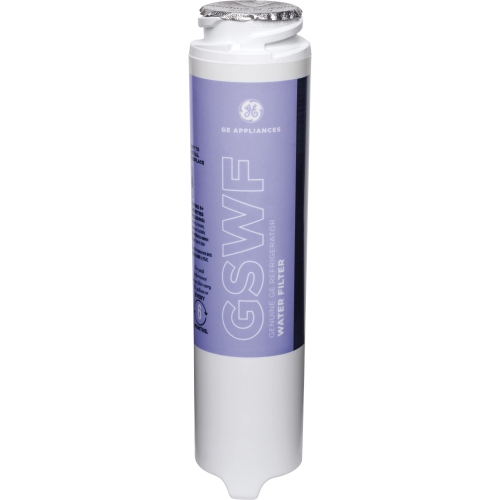
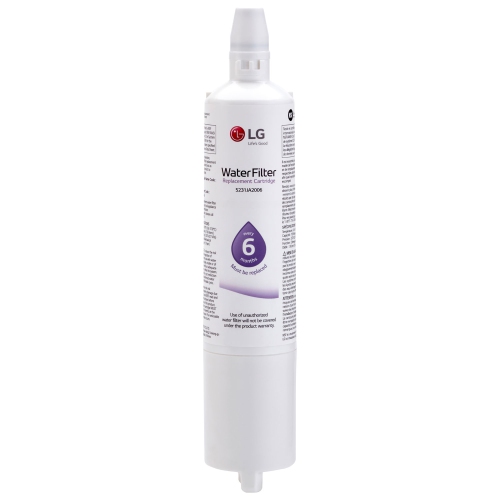
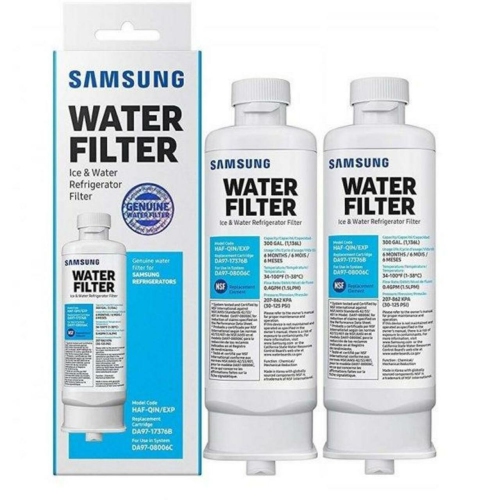
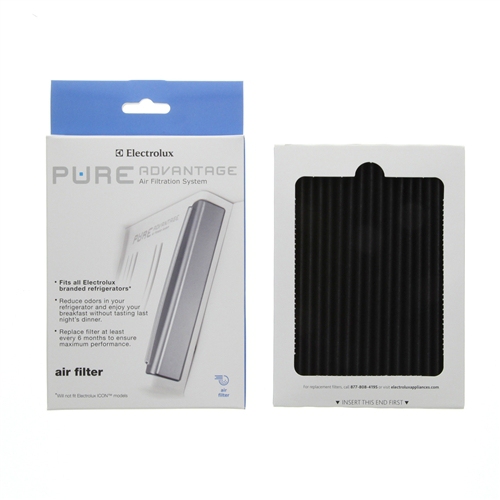
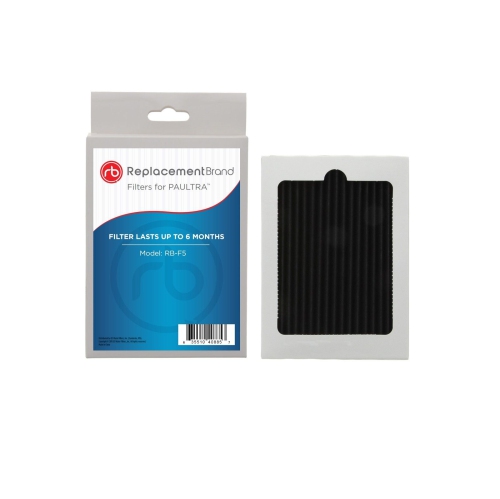
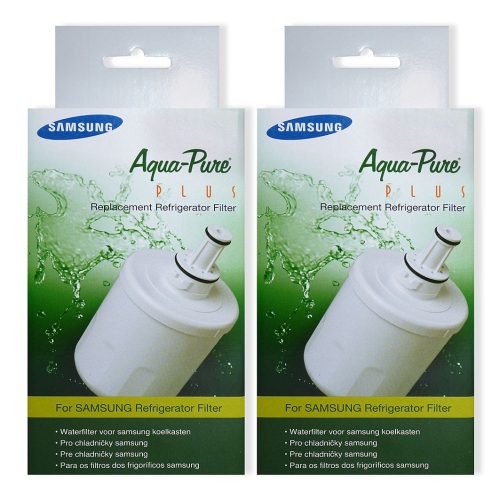
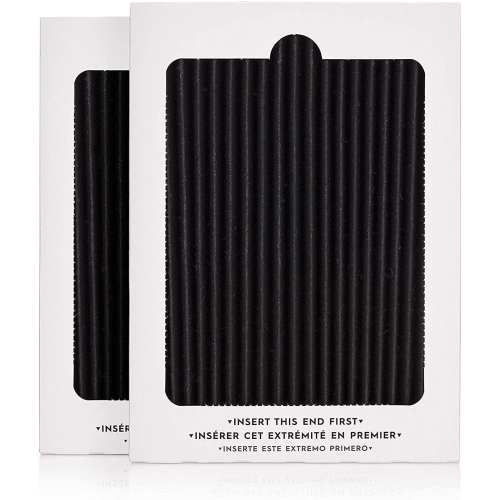
Refrigerator filters help keep dispensed water and ice tasting fresh by reducing unwanted chlorine taste, odour, sediment, and other substances identified by the filter’s certification and manufacturer specifications. They are commonly used in refrigerators with built-in water dispensers or ice makers, making them a practical replacement item for family kitchens, shared homes, offices, cottages, and entertaining spaces. A fresh filter can be especially welcome during the cooler months, when the refrigerator and ice maker may be working steadily while people spend more time preparing meals, filling water bottles, and hosting guests indoors. Filtered water can also make everyday routines more pleasant, from filling a kettle in the morning to preparing a pitcher of water for the dinner table. When browsing refrigerator filters, begin with the exact refrigerator model number or the part number printed on the filter already installed. The filter may be positioned inside the refrigerator compartment, near the upper corner, along a side wall, behind a small cover, or behind the lower grille, depending on the refrigerator design. Checking the existing filter, owner’s manual, or appliance documentation is usually more reliable than choosing based only on appearance, since filters that look similar may use different connections, dimensions, locking mechanisms, or flow specifications. If the original part is not available, consult the refrigerator’s model information and compare the replacement’s compatibility details carefully. Shoppers looking for alternatives to original equipment replacements can explore Compatible Refrigerator Water Filters while confirming that the selected filter is intended for their specific appliance.
Many refrigerator water filters are designed to be replaced about every six months or after filtering approximately 200 gallons, or 757 litres, although the proper interval depends on the refrigerator, household water quality, usage, and the instructions supplied with the filter. A household that fills several large bottles each day may reach its filter’s capacity sooner than a home that uses the dispenser occasionally. A refrigerator’s filter indicator can provide a useful reminder, but changes in taste, odour, water flow, or ice production may also suggest that the filter needs attention. Reduced flow can occur when a filter is nearing the end of its service life, while a sudden change may point to an installation issue or another appliance concern. Certification markings can help shoppers compare intended filtration performance. NSF/ANSI Standard 42 generally relates to aesthetic concerns such as chlorine, taste, and odour, while NSF/ANSI Standard 53 addresses certain health-related contaminants, such as lead or cysts, when the specific reduction claim has been tested and certified. Not every filter reduces every contaminant, so the package information should be read carefully rather than assuming that one certification covers all water concerns. Municipal water reports and local guidance can provide additional context, particularly for households with special water-quality considerations. Refrigerator filters are also useful for people who want a convenient alternative to filling and storing separate water pitchers, as well as for households where children can easily access chilled water from the door dispenser. They can be a thoughtful housewarming or practical kitchen gift when the recipient has a compatible refrigerator, provided the appliance model and filter type are confirmed first. A small detail such as matching the part number can make the difference between a useful replacement and an item that cannot be installed.
Replacing a refrigerator filter is often a straightforward maintenance task, but following the correct sequence helps prevent leaks and unusual taste. Before removing the old filter, turn off the water supply if the refrigerator instructions call for it, or follow the appliance’s built-in release procedure. Some filters twist into place, while others slide into a housing or use a push-button release, so forcing the part can damage the housing or seal. After installing the replacement, make sure it is fully seated and locked according to the refrigerator instructions, then reset the filter indicator if the appliance has one. It is normal for a new carbon filter to release a small amount of trapped air or fine carbon dust during the first few uses. Dispense and discard approximately 2 gallons, or 7.6 litres, of water after installation, unless the manufacturer specifies a different flushing amount. The first batches of ice may also be discarded if the appliance instructions recommend it. Check around the filter housing and connections for drips before returning to normal use, and keep an eye on the dispenser during the first day after replacement. Storing a spare filter in a clean, dry place can make routine maintenance easier, particularly before periods of heavier cooking or gatherings during the cooler seasons. It is best to keep the replacement sealed until needed and to record the installation date on a calendar or household maintenance list. With the correct fit, suitable certification, and regular replacement schedule, a refrigerator filter can support a dependable source of chilled water and ice without adding much effort to the weekly kitchen routine.
Many refrigerator water filters are designed to be replaced about every six months or after filtering approximately 200 gallons, or 757 litres, although the proper interval depends on the refrigerator, household water quality, usage, and the instructions supplied with the filter. A household that fills several large bottles each day may reach its filter’s capacity sooner than a home that uses the dispenser occasionally. A refrigerator’s filter indicator can provide a useful reminder, but changes in taste, odour, water flow, or ice production may also suggest that the filter needs attention. Reduced flow can occur when a filter is nearing the end of its service life, while a sudden change may point to an installation issue or another appliance concern. Certification markings can help shoppers compare intended filtration performance. NSF/ANSI Standard 42 generally relates to aesthetic concerns such as chlorine, taste, and odour, while NSF/ANSI Standard 53 addresses certain health-related contaminants, such as lead or cysts, when the specific reduction claim has been tested and certified. Not every filter reduces every contaminant, so the package information should be read carefully rather than assuming that one certification covers all water concerns. Municipal water reports and local guidance can provide additional context, particularly for households with special water-quality considerations. Refrigerator filters are also useful for people who want a convenient alternative to filling and storing separate water pitchers, as well as for households where children can easily access chilled water from the door dispenser. They can be a thoughtful housewarming or practical kitchen gift when the recipient has a compatible refrigerator, provided the appliance model and filter type are confirmed first. A small detail such as matching the part number can make the difference between a useful replacement and an item that cannot be installed.
Replacing a refrigerator filter is often a straightforward maintenance task, but following the correct sequence helps prevent leaks and unusual taste. Before removing the old filter, turn off the water supply if the refrigerator instructions call for it, or follow the appliance’s built-in release procedure. Some filters twist into place, while others slide into a housing or use a push-button release, so forcing the part can damage the housing or seal. After installing the replacement, make sure it is fully seated and locked according to the refrigerator instructions, then reset the filter indicator if the appliance has one. It is normal for a new carbon filter to release a small amount of trapped air or fine carbon dust during the first few uses. Dispense and discard approximately 2 gallons, or 7.6 litres, of water after installation, unless the manufacturer specifies a different flushing amount. The first batches of ice may also be discarded if the appliance instructions recommend it. Check around the filter housing and connections for drips before returning to normal use, and keep an eye on the dispenser during the first day after replacement. Storing a spare filter in a clean, dry place can make routine maintenance easier, particularly before periods of heavier cooking or gatherings during the cooler seasons. It is best to keep the replacement sealed until needed and to record the installation date on a calendar or household maintenance list. With the correct fit, suitable certification, and regular replacement schedule, a refrigerator filter can support a dependable source of chilled water and ice without adding much effort to the weekly kitchen routine.
Top selling and popular products
-
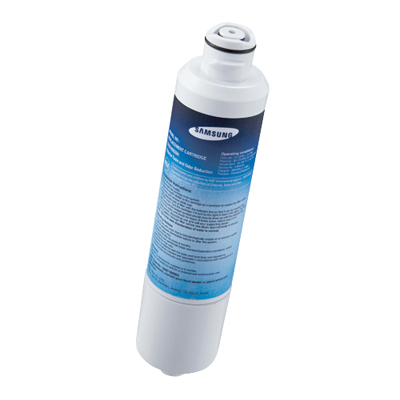 Your price for this item is $49.99
 -
 Your price for this item is $75
 -
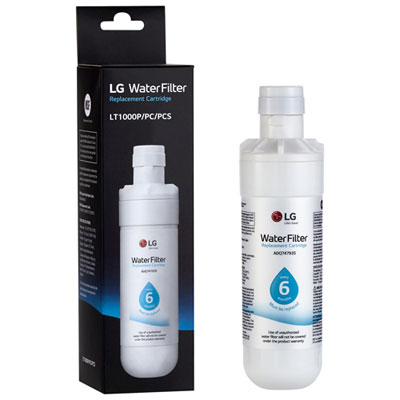 Your price for this item is $49.99
 -
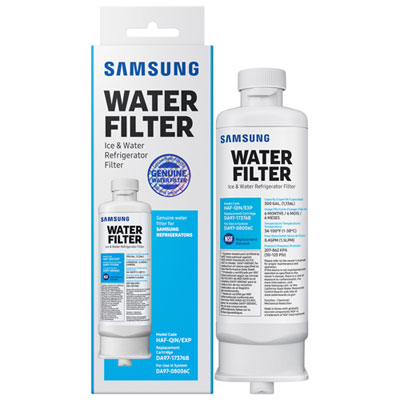 Your price for this item is $49.99
 -
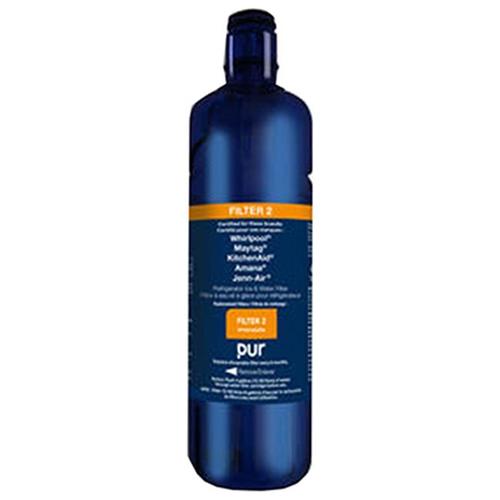 Your price for this item is $60.95
 -
 Your price for this item is $53.95
 -
 Your price for this item is $120
 -
 Your price for this item is $50.95
Discover more categories related to Refrigerator Filters
Top Collections:
Pokemon Centers, Kindle Devices, Best Budget Office Chairs, Apple iPhones 16, Best Laptops for Writers, iPhone 15 Apple, Canon G7X Cameras, Refurbished Apple Laptops, Alarm Clock, Motorola Razr Phones
Some products may be subject to Environmental Handling Fees
(EHF) depending on your province.
Learn more about EHFs.