Samsung Home Appliances
Upgrade your living space with Samsung home appliances designed to bring convenience and style to every room. Discover a wide selection of innovative solutions for the kitchen, laundry room, and beyond, all crafted to make daily tasks easier and more enjoyable. Whether you're outfitting a new home or looking to refresh your current setup, Samsung home appliances offer reliable performance and modern design that fit seamlessly into any lifestyle. Explore options that help you create a comfortable and efficient home environment.
Sort
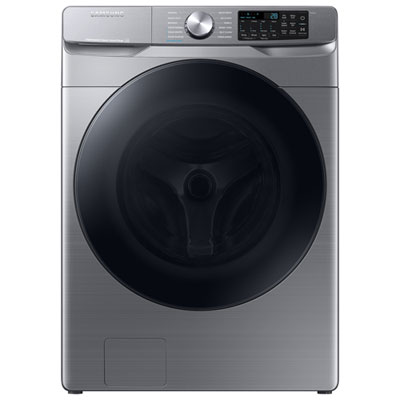
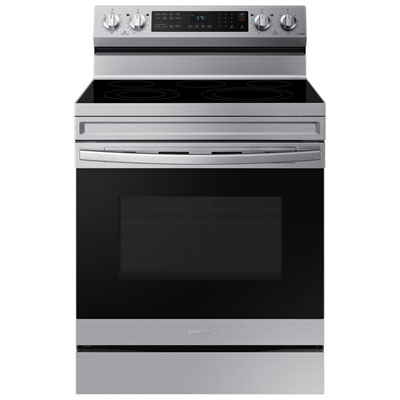
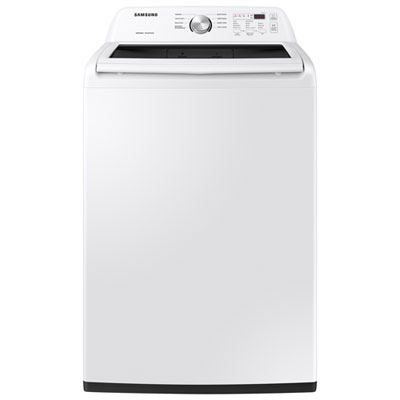
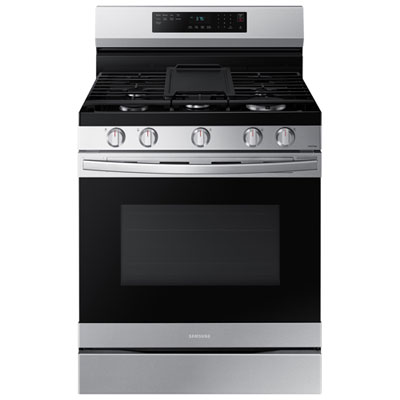


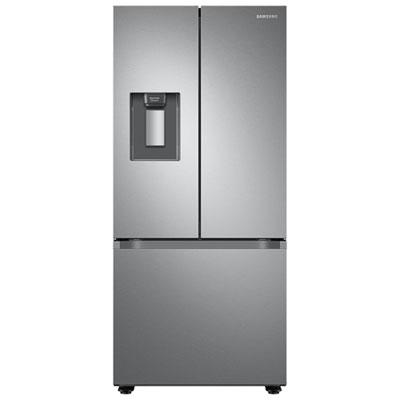

How appliance layouts fit your space and routines
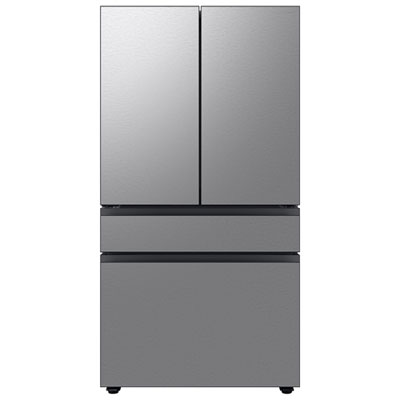
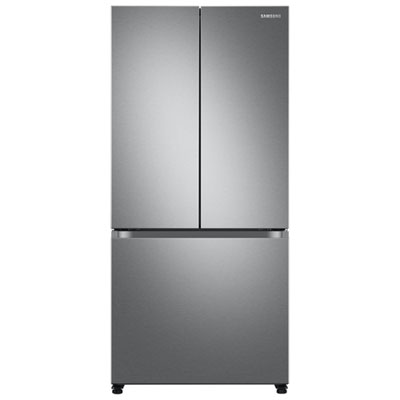
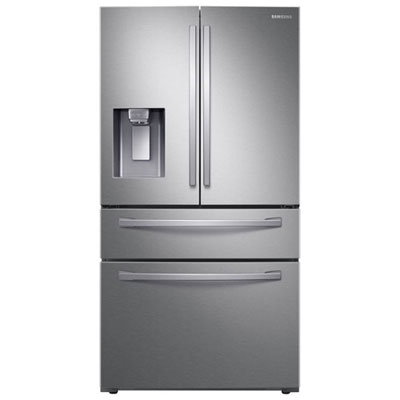
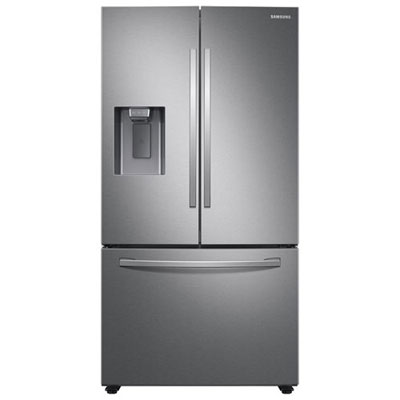
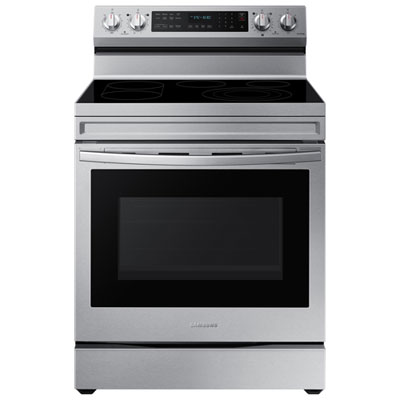
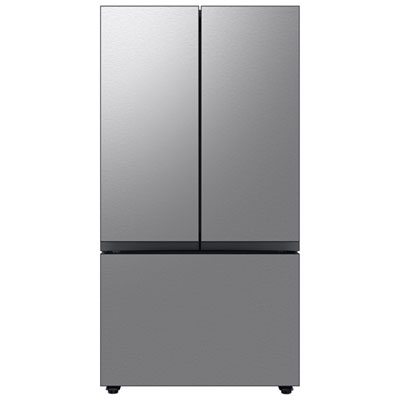
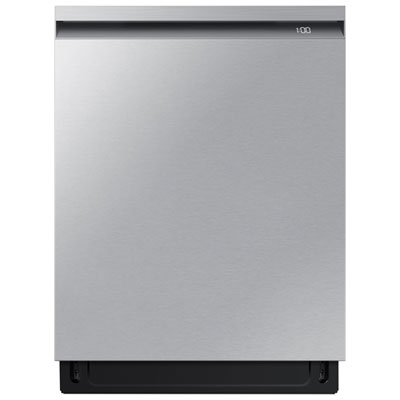
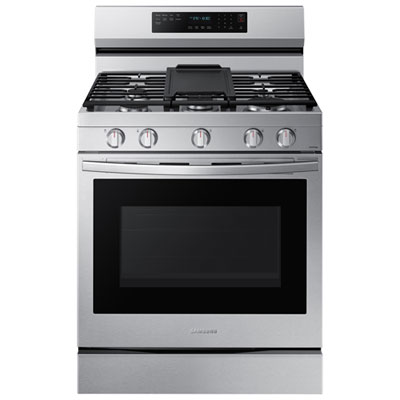
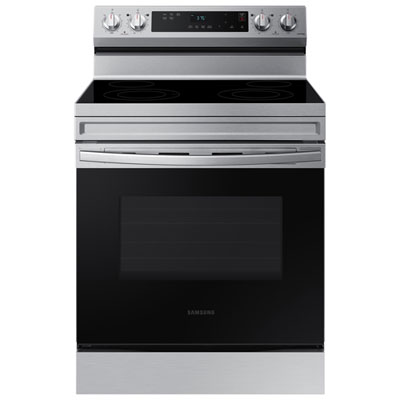
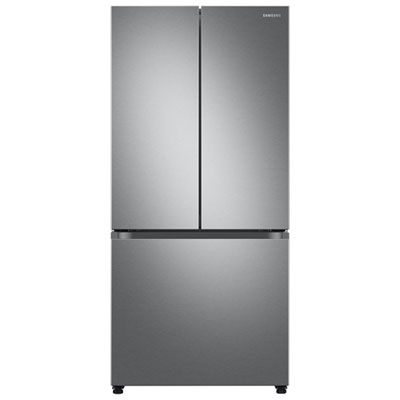
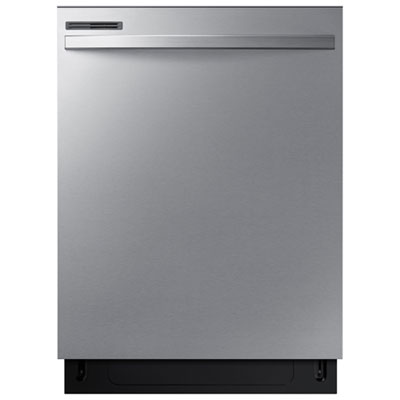
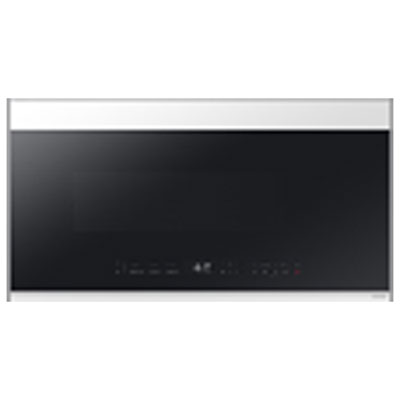
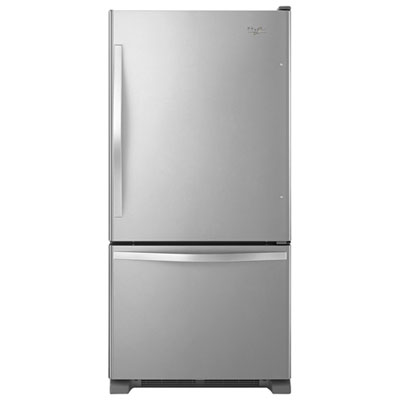
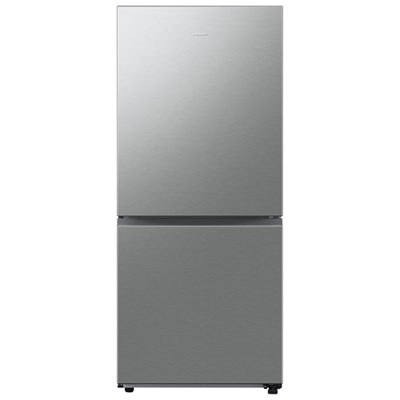
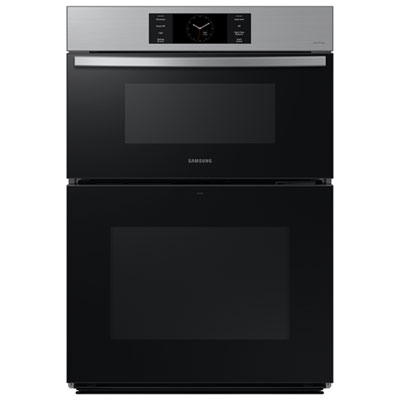
Home appliances bring food storage, cooking, dishwashing, laundry, and everyday cleaning together, with designs that suit everything from a compact condo to a busy family home. Kitchen appliances typically include refrigerators, ranges, wall ovens, cooktops, microwaves, and dishwashers, while laundry appliances include washers, dryers, and combination units. The most useful features are often the ones that address a familiar routine: refrigerator shelves that make room for a tall pitcher, an oven large enough for two baking dishes, or a dishwasher rack that accommodates the bowls used every day. French door refrigerators offer wide fresh-food compartments, while side-by-side and bottom-freezer layouts provide different ways to organize groceries. Counter-depth designs can sit closer to surrounding cabinetry, although usable capacity and installation clearances still need attention. Adjustable shelving, door bins, and separate drawers help keep ingredients visible and accessible, particularly in households where several people share the kitchen. Cooking appliances offer similarly practical choices. An induction cooktop requires compatible magnetic cookware, while electric cooking surfaces and gas burners have their own installation and care requirements. A slide-in range can create a more integrated appearance between cabinets; a separate wall oven and cooktop allow greater flexibility in kitchen planning but require suitable cabinetry and connections. Convection cooking, flexible oven settings, and straightforward controls may help with meals that involve several dishes, though functions vary by appliance. For dishwashers, rack layout can matter as much as the stated capacity. Fold-down tines, adjustable upper racks, and dedicated cutlery space can make it easier to load mixing bowls, lunch containers, and long utensils without crowding the wash area. Sound ratings are also worth considering in an open-plan home, where the kitchen may share space with a dining table or television. Coordinated appliance packages can simplify the look of a kitchen, but each component should still suit the household’s cooking habits, storage needs, and room layout.
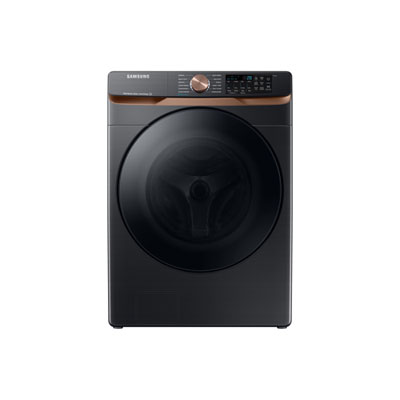
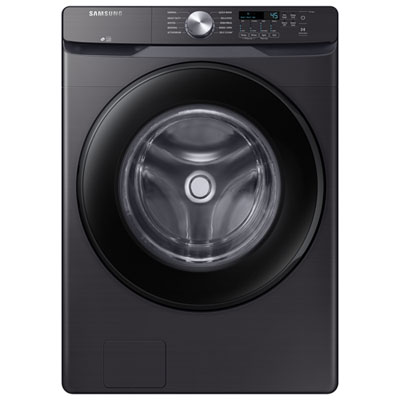
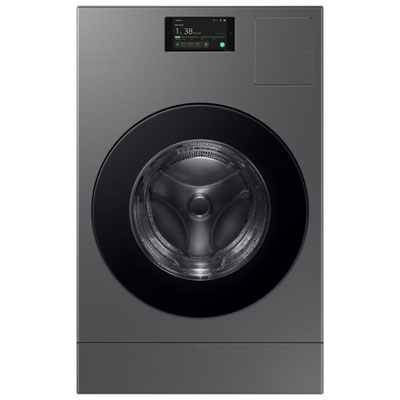
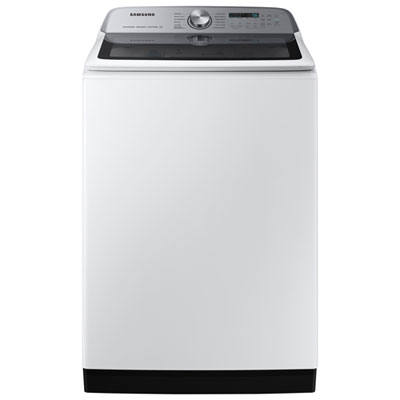
Laundry and floor-care appliances support a different set of daily demands, from washing bedding to collecting crumbs beneath the breakfast table. Front-load washers can offer a convenient layout for paired or stacked installations, provided the appliances are approved for stacking and use the correct kit. Top-load washers provide access from above and need sufficient clearance for the lid to open fully. Capacity is best considered alongside the types of loads a household regularly washes: towels and sheets take up space differently from shirts, and bulky bedding needs room to move rather than being compressed into the drum. A washer and dryer pairing should have compatible capacities so that a normal wash load can move through the laundry routine without unnecessary splitting. Combination washer-dryers bring both functions into one appliance and can be useful where floor space is limited, although wash and dry capacities may differ and a complete cycle can take longer than expected. Dryer installation also depends on the design. Vented appliances require a suitable exhaust route, while ventless designs have their own placement, drainage, and maintenance requirements. Moisture-sensing functions can adjust drying time to the load, and fabric-specific settings may help accommodate everyday cottons, activewear, or more delicate garments when used according to their care labels. Reachable controls, clear displays, and comfortable loading heights can make a noticeable difference for people who do laundry frequently or have limited mobility. Floor-care choices depend on surfaces and cleaning habits rather than size alone. Cordless stick vacuums can be convenient for stairs, entryways, and quick cleanups around furniture, while suitable attachments help reach upholstery and narrow gaps. Weight, balance, dustbin access, and brush maintenance all affect ease of use. Homes with pets may benefit from tools designed to collect hair, but brushes and filters still need regular attention. Battery runtime varies with the power setting and attachment in use, so the way a vacuum performs during a brief kitchen cleanup may differ from a full-home session.
Materials, dimensions, connectivity, and care help determine how well appliances fit into a home over time. Stainless steel, coated metal, glass, and moulded interior components each have different cleaning needs, and finishes that look similar in photographs may not match exactly when placed beside one another. Fingerprint-resistant surfaces can reduce visible marks, but they still require cleaning with products approved for the finish. Customizable exterior panels, where supported, offer another way to coordinate appliances with cabinetry and other furnishings; panel compatibility should be confirmed rather than assumed. Before choosing a size, measure the installation opening, delivery route, doorways, and any tight turns between the entrance and the room. Allow for hoses, plugs, ventilation, and doors or drawers that need to open beyond the appliance’s footprint. A refrigerator handle that clears a wall and a dishwasher door that does not block a walkway are small details with a lasting effect on everyday comfort. Water connections, electrical requirements, gas connections where applicable, and drainage arrangements should be checked against the installation instructions, with qualified help used where required. Connected appliances can add convenience through compatible apps, including cycle notifications, status checks, and selected remote functions. Features vary, and some require Wi-Fi, an account, additional setup, or activation at the appliance before remote operation is possible. Clear physical controls remain important for anyone who prefers to start a cycle directly or shares the appliance with other household members. Long-term care is equally practical: refrigerator door seals need to stay clean, dishwasher filters need periodic attention, and dryer lint filters should be cleared as directed. Regular cleaning, correct loading, and prompt attention to leaks or unusual sounds can help keep appliances working as intended. Accessible filters, replaceable parts, warranty terms, and service arrangements are useful considerations when assessing durability. For a broader view of kitchen, laundry, and cleaning categories, All Home Appliances brings these household essentials together, making it easier to consider how each appliance fits the space and the routines it will serve.
Laundry and floor-care appliances support a different set of daily demands, from washing bedding to collecting crumbs beneath the breakfast table. Front-load washers can offer a convenient layout for paired or stacked installations, provided the appliances are approved for stacking and use the correct kit. Top-load washers provide access from above and need sufficient clearance for the lid to open fully. Capacity is best considered alongside the types of loads a household regularly washes: towels and sheets take up space differently from shirts, and bulky bedding needs room to move rather than being compressed into the drum. A washer and dryer pairing should have compatible capacities so that a normal wash load can move through the laundry routine without unnecessary splitting. Combination washer-dryers bring both functions into one appliance and can be useful where floor space is limited, although wash and dry capacities may differ and a complete cycle can take longer than expected. Dryer installation also depends on the design. Vented appliances require a suitable exhaust route, while ventless designs have their own placement, drainage, and maintenance requirements. Moisture-sensing functions can adjust drying time to the load, and fabric-specific settings may help accommodate everyday cottons, activewear, or more delicate garments when used according to their care labels. Reachable controls, clear displays, and comfortable loading heights can make a noticeable difference for people who do laundry frequently or have limited mobility. Floor-care choices depend on surfaces and cleaning habits rather than size alone. Cordless stick vacuums can be convenient for stairs, entryways, and quick cleanups around furniture, while suitable attachments help reach upholstery and narrow gaps. Weight, balance, dustbin access, and brush maintenance all affect ease of use. Homes with pets may benefit from tools designed to collect hair, but brushes and filters still need regular attention. Battery runtime varies with the power setting and attachment in use, so the way a vacuum performs during a brief kitchen cleanup may differ from a full-home session.
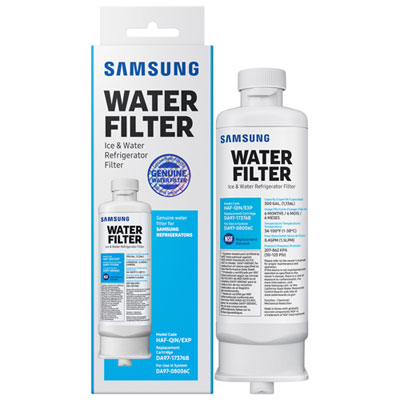
Materials, dimensions, connectivity, and care help determine how well appliances fit into a home over time. Stainless steel, coated metal, glass, and moulded interior components each have different cleaning needs, and finishes that look similar in photographs may not match exactly when placed beside one another. Fingerprint-resistant surfaces can reduce visible marks, but they still require cleaning with products approved for the finish. Customizable exterior panels, where supported, offer another way to coordinate appliances with cabinetry and other furnishings; panel compatibility should be confirmed rather than assumed. Before choosing a size, measure the installation opening, delivery route, doorways, and any tight turns between the entrance and the room. Allow for hoses, plugs, ventilation, and doors or drawers that need to open beyond the appliance’s footprint. A refrigerator handle that clears a wall and a dishwasher door that does not block a walkway are small details with a lasting effect on everyday comfort. Water connections, electrical requirements, gas connections where applicable, and drainage arrangements should be checked against the installation instructions, with qualified help used where required. Connected appliances can add convenience through compatible apps, including cycle notifications, status checks, and selected remote functions. Features vary, and some require Wi-Fi, an account, additional setup, or activation at the appliance before remote operation is possible. Clear physical controls remain important for anyone who prefers to start a cycle directly or shares the appliance with other household members. Long-term care is equally practical: refrigerator door seals need to stay clean, dishwasher filters need periodic attention, and dryer lint filters should be cleared as directed. Regular cleaning, correct loading, and prompt attention to leaks or unusual sounds can help keep appliances working as intended. Accessible filters, replaceable parts, warranty terms, and service arrangements are useful considerations when assessing durability. For a broader view of kitchen, laundry, and cleaning categories, All Home Appliances brings these household essentials together, making it easier to consider how each appliance fits the space and the routines it will serve.
Top selling and popular products
-
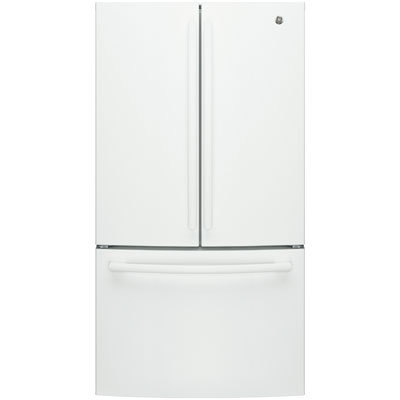 Your price for this item is $3299.99
 -
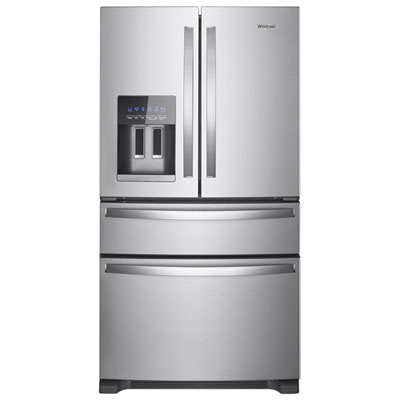 Your price for this item is $2999.99
 -
 Your price for this item is $2899.99
 -
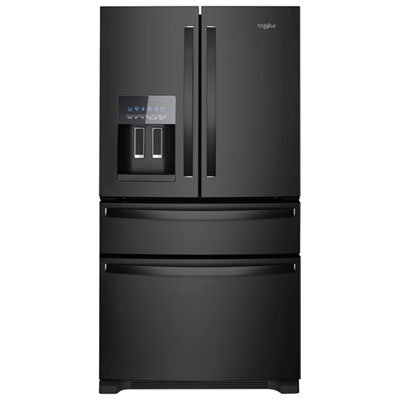 Your price for this item is $2949.99
 -
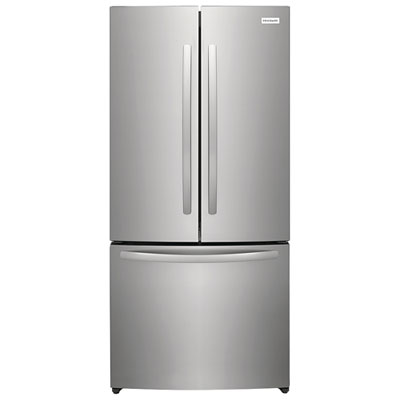 Your price for this item is $1599.99
 -
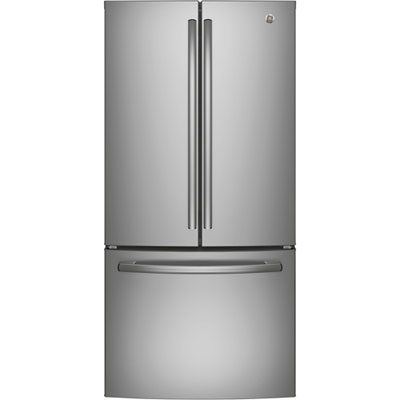 Your price for this item is $2399.99
 -
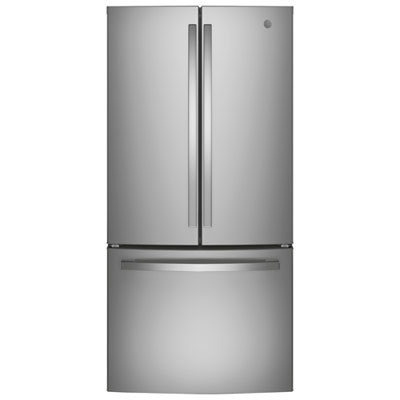 Your price for this item is $2499.99
 -
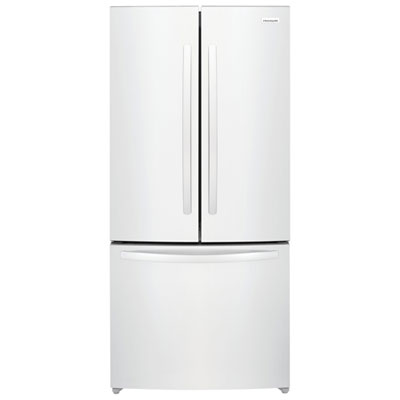 Your price for this item is $1949.99
Discover more categories related to Samsung Home Appliances
Top Collections:
Pokemon Centers, Kindle Devices, Best Budget Office Chairs, Apple iPhones 16, Best Laptops for Writers, iPhone 15 Apple, Canon G7X Cameras, Refurbished Apple Laptops, Alarm Clock, Motorola Razr Phones
Some products may be subject to Environmental Handling Fees
(EHF) depending on your province.
Learn more about EHFs.