Stainless Steel Range Hoods With Baffle Filters for Easy Cleaning
Upgrade your kitchen with stainless steel range hoods featuring baffle filters for effortless cleaning. Say goodbye to the hassle of scrubbing and hello to a sleek and functional addition to your cooking space. These range hoods are designed to effectively remove smoke, grease, and odors while providing a stylish touch to your kitchen decor. With their durable stainless steel construction and easy-to-clean baffle filters, maintaining a fresh and inviting atmosphere in your home has never been easier. Discover the perfect stainless steel range hood with baffle filters that combine practicality and aesthetics, elevating your culinary experience to new heights.
Sort

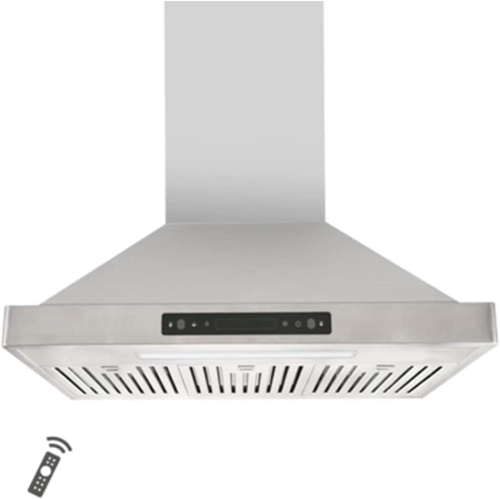

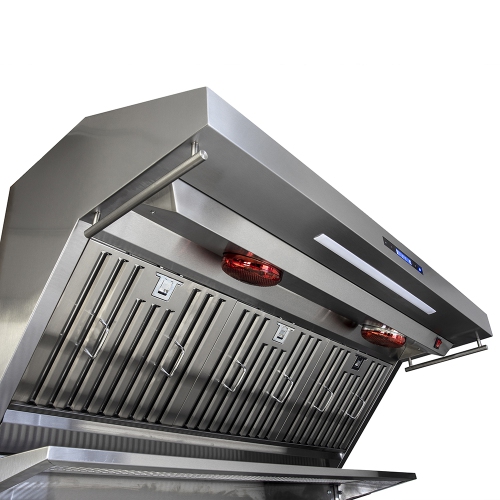
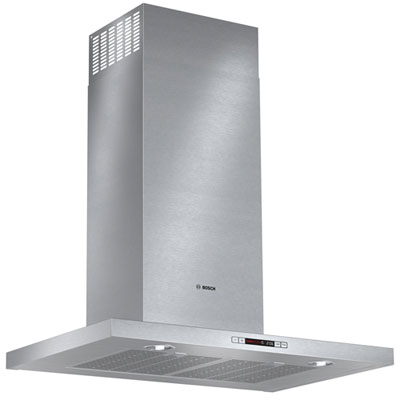
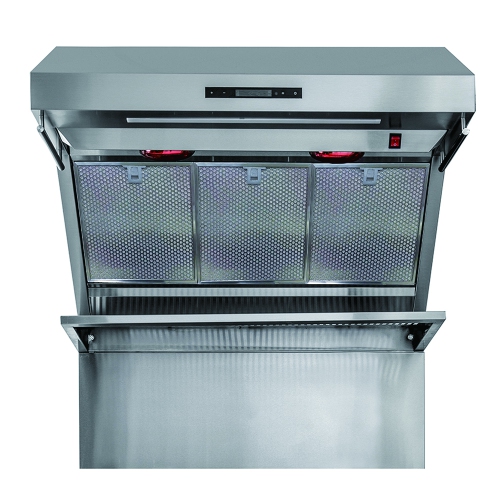
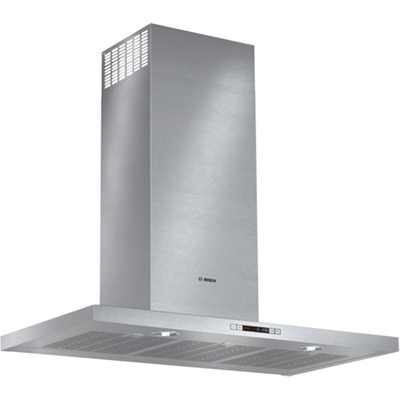
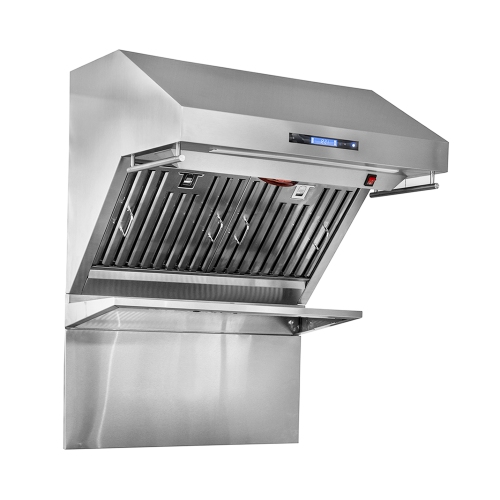
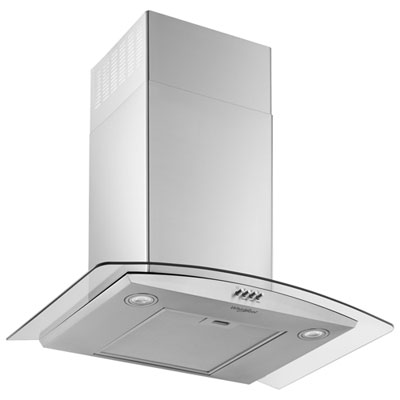
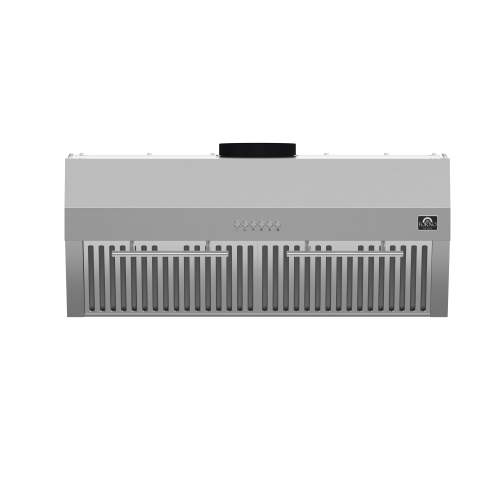
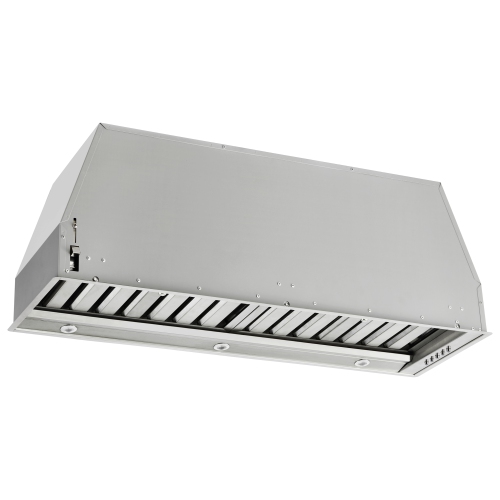
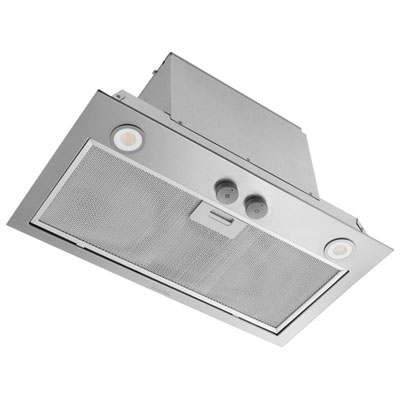
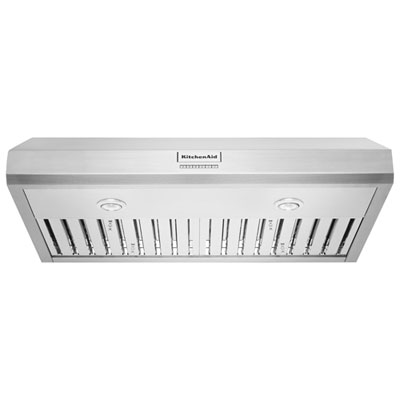
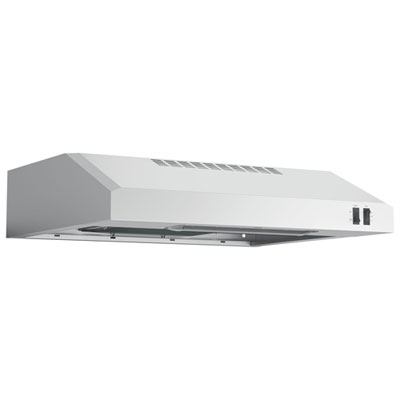
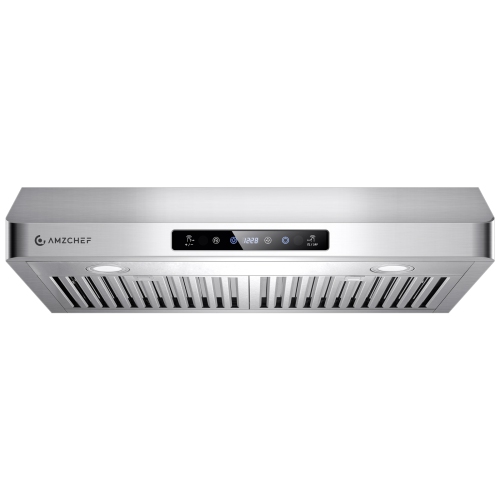
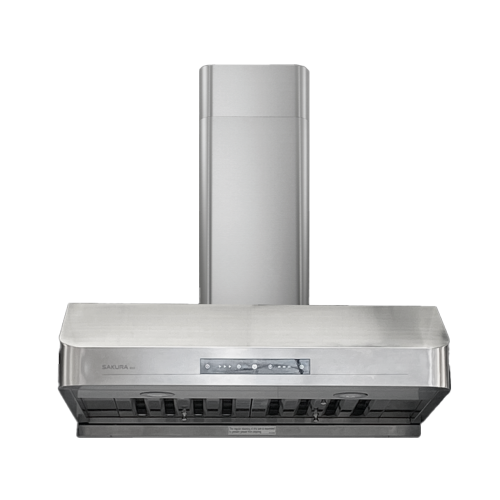
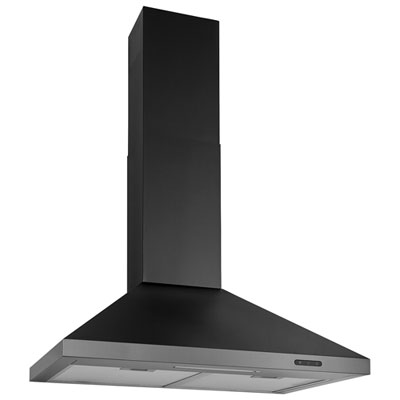
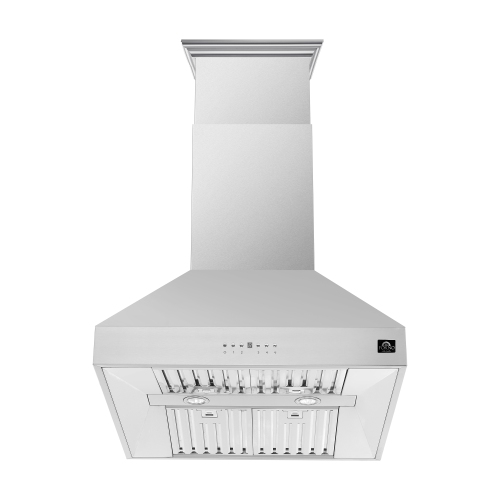
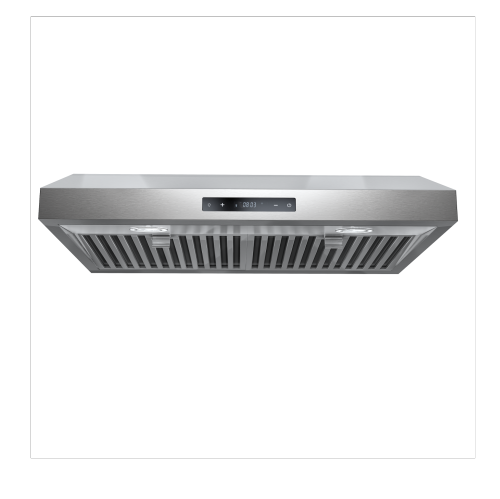
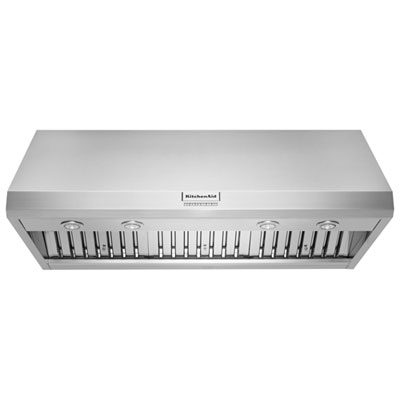
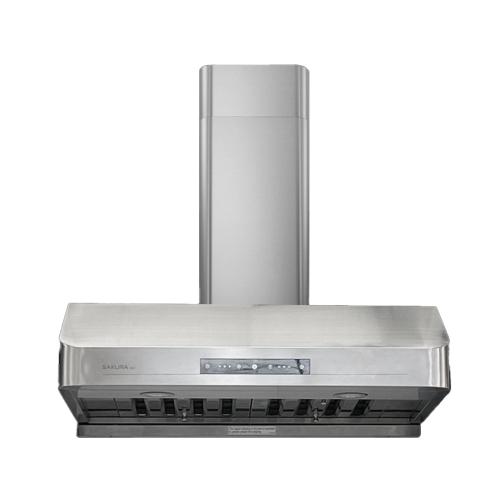
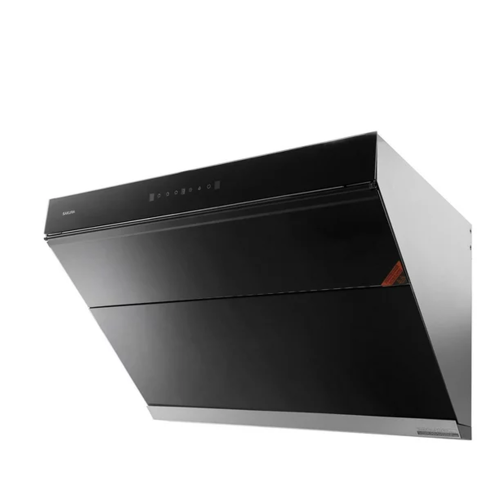
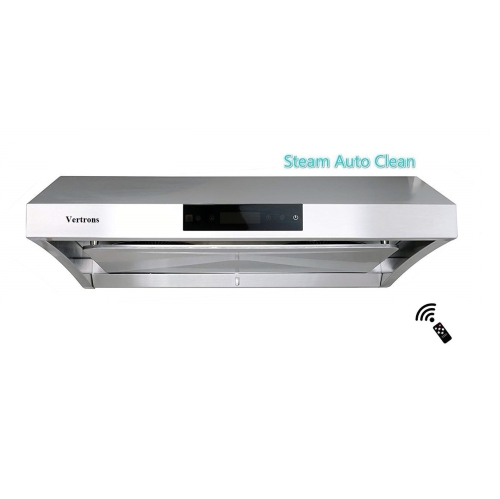
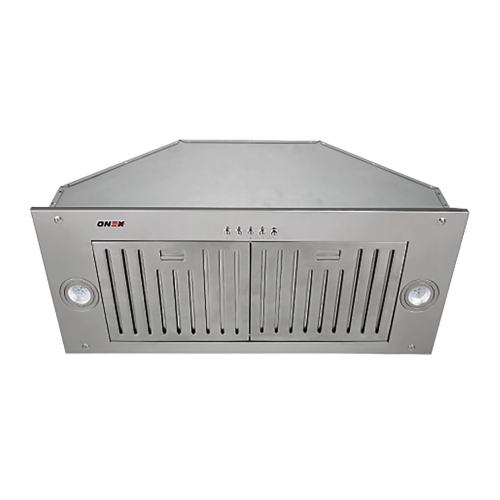
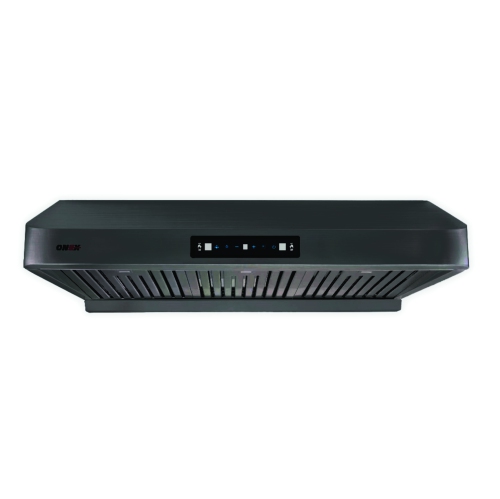
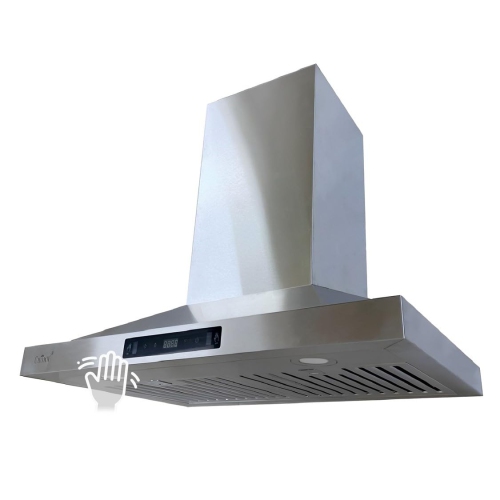
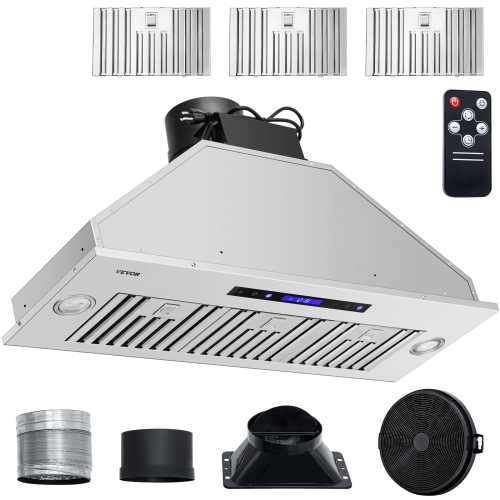
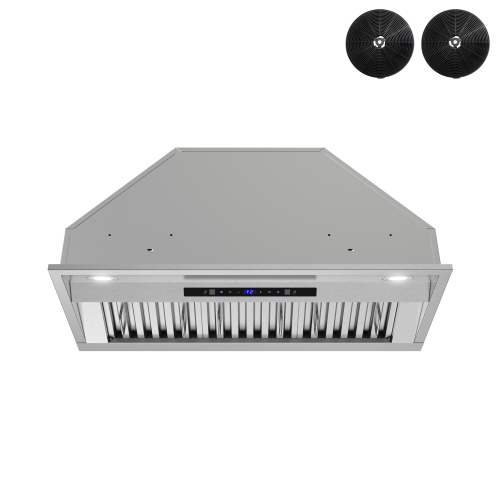
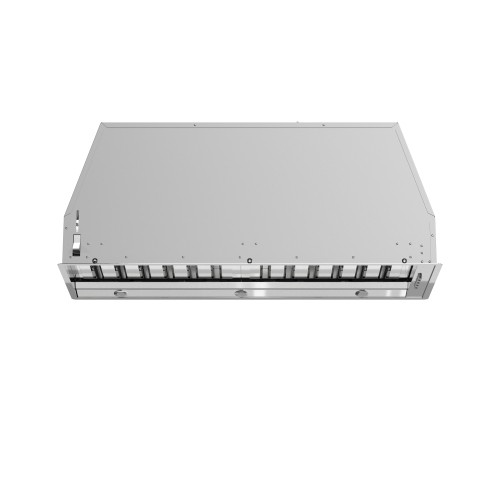
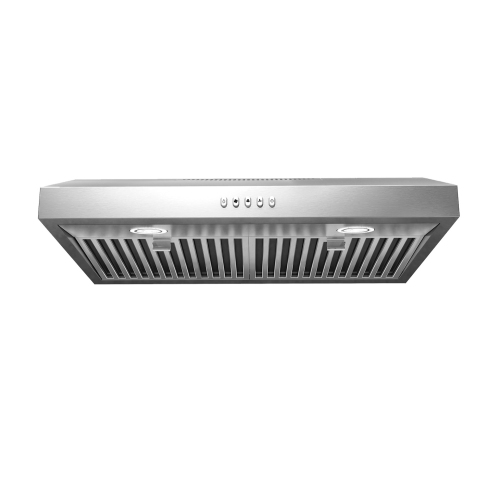
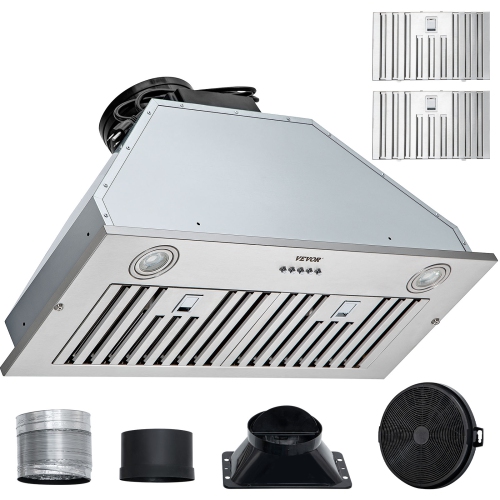
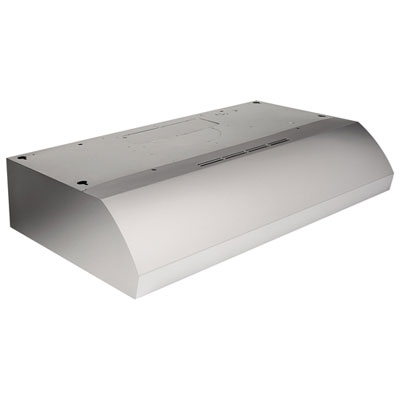
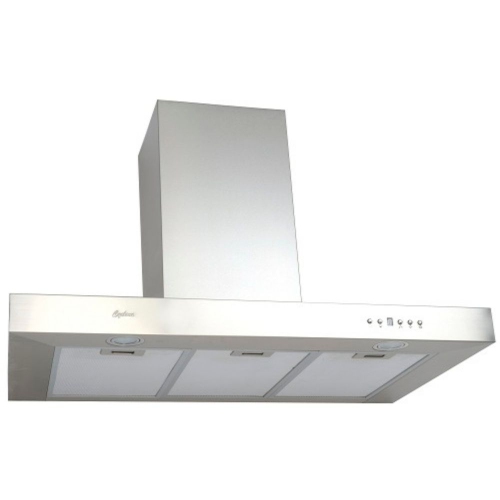
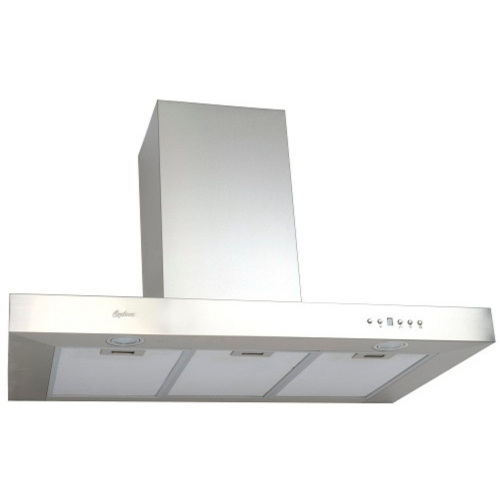
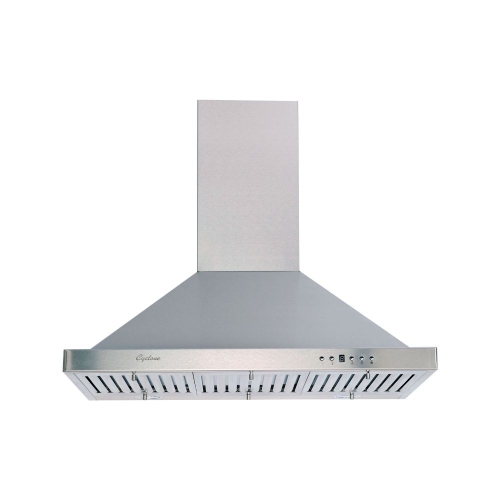

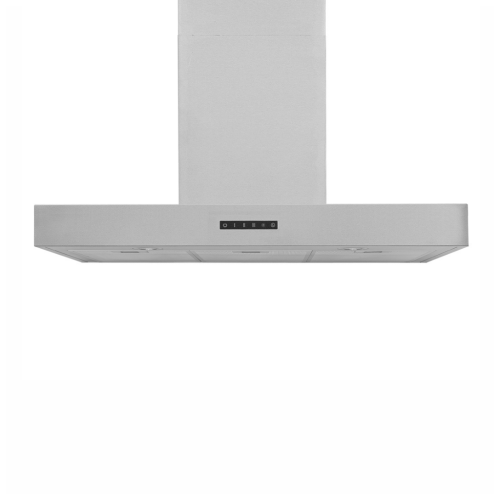
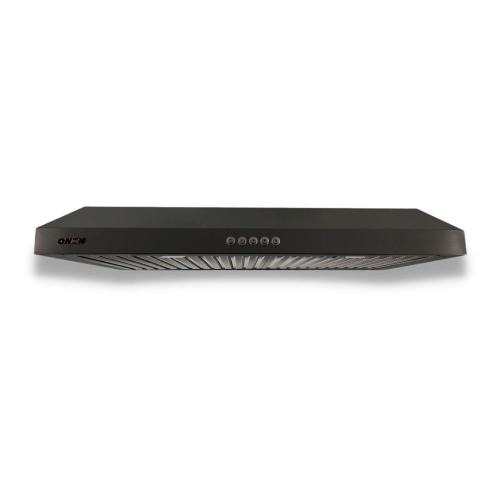
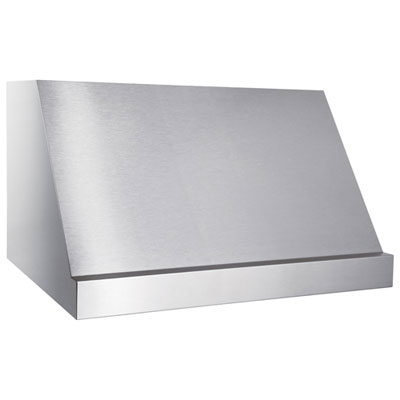
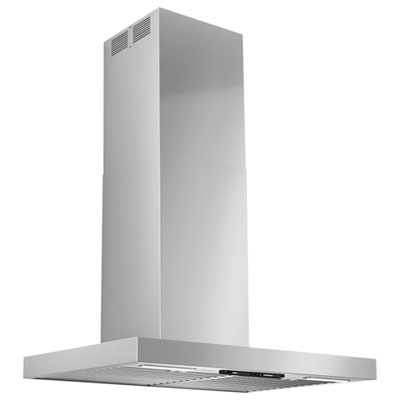
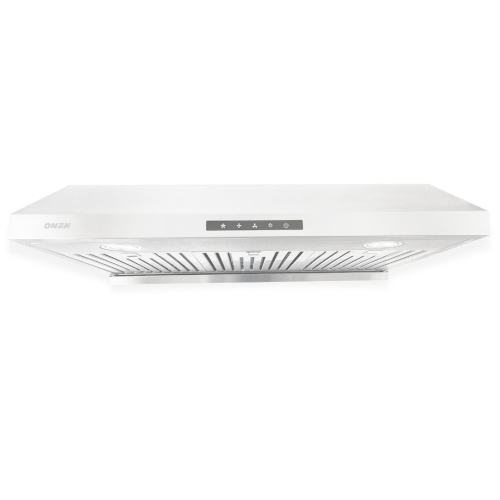
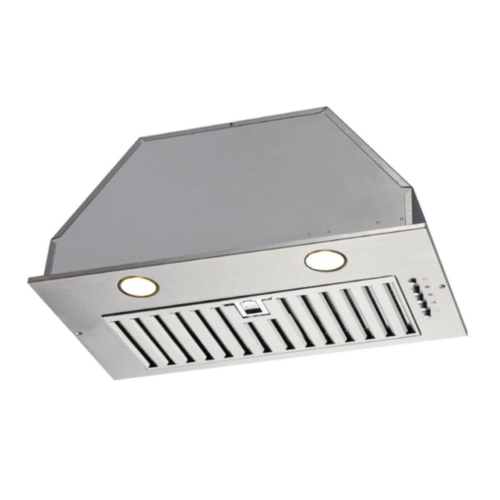
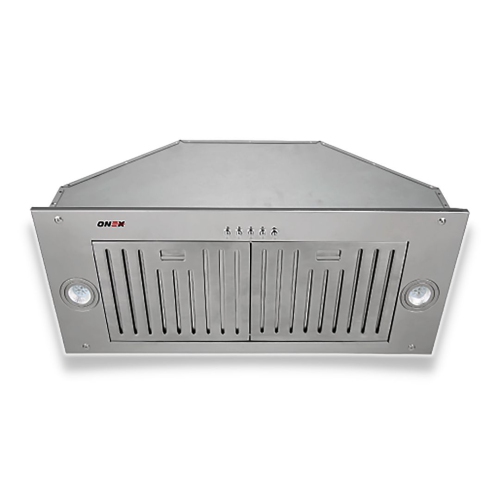
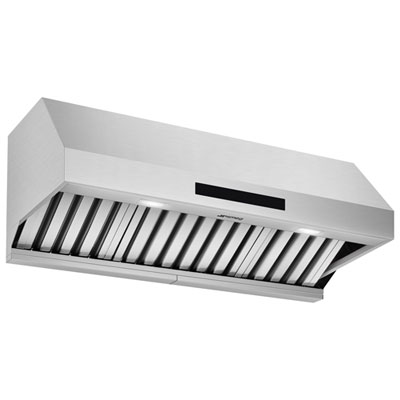
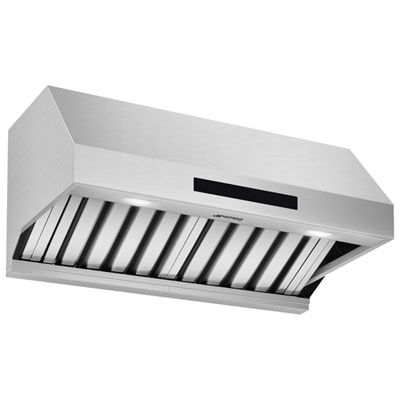
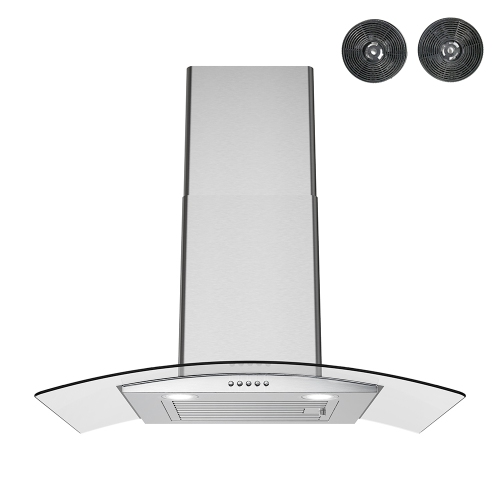
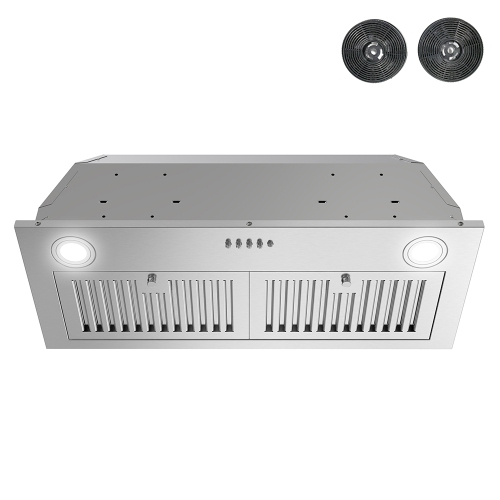
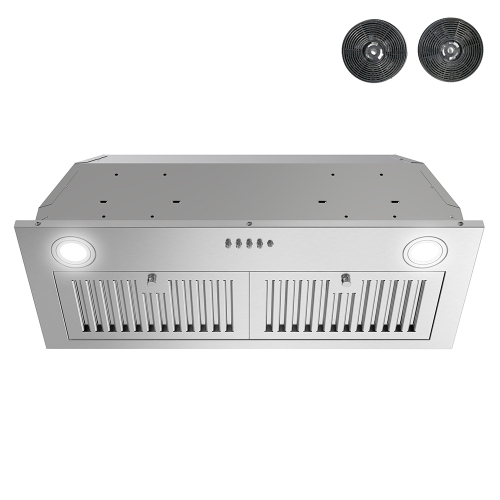
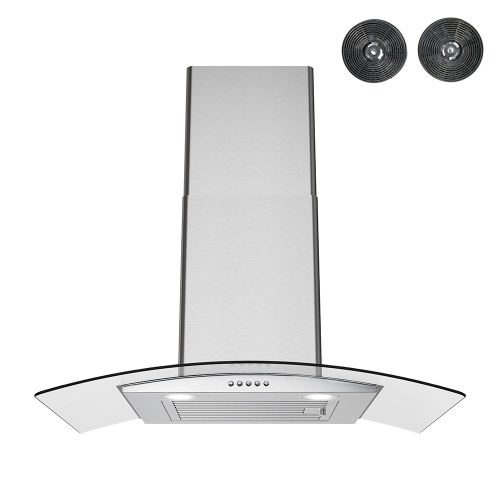
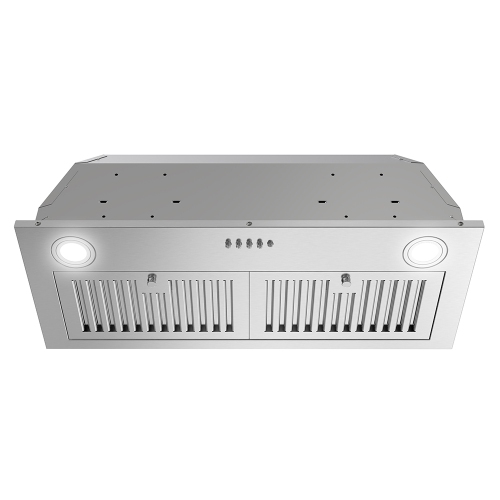
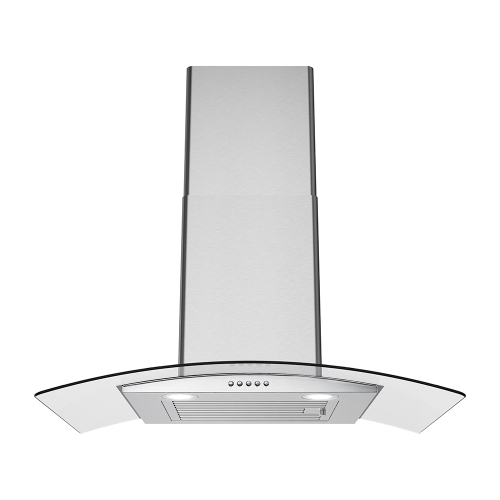
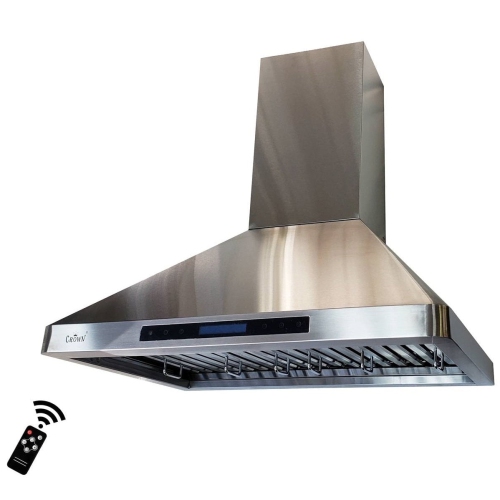
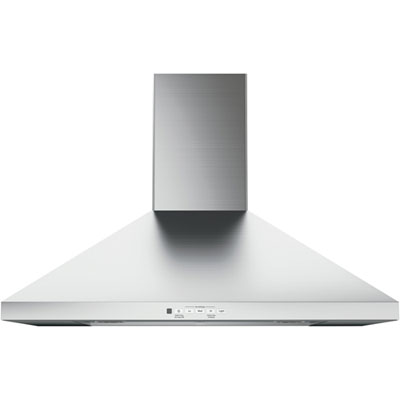
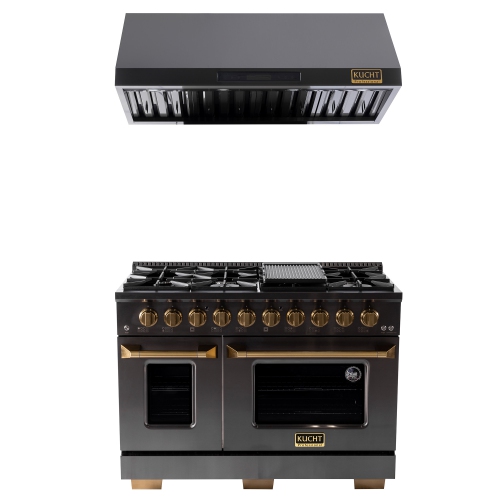
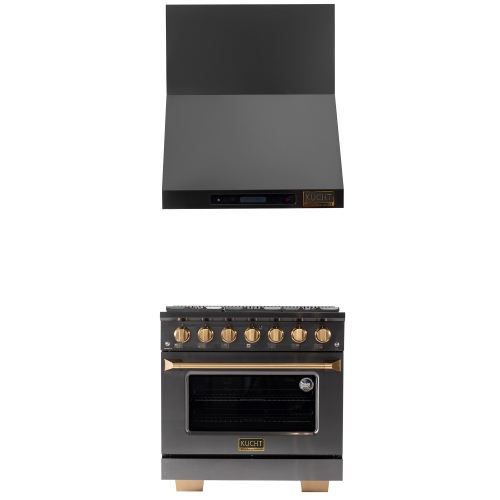
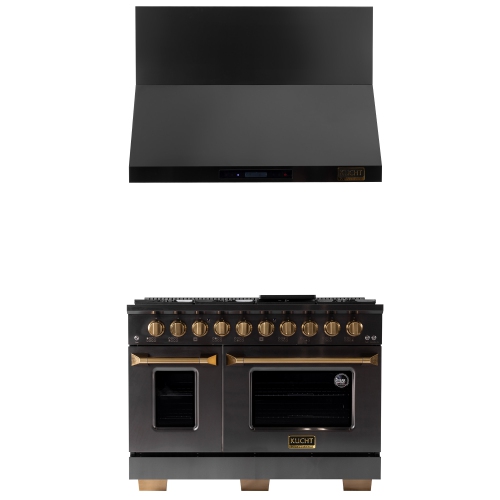
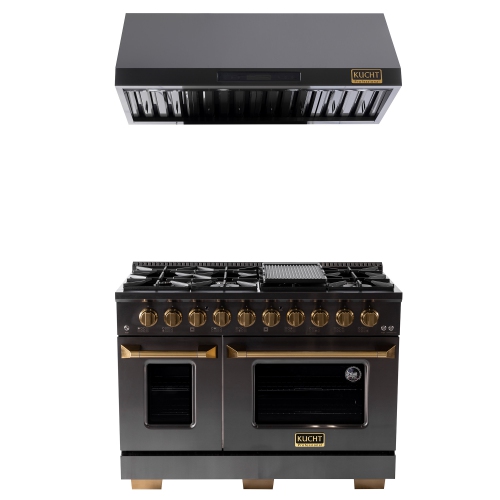
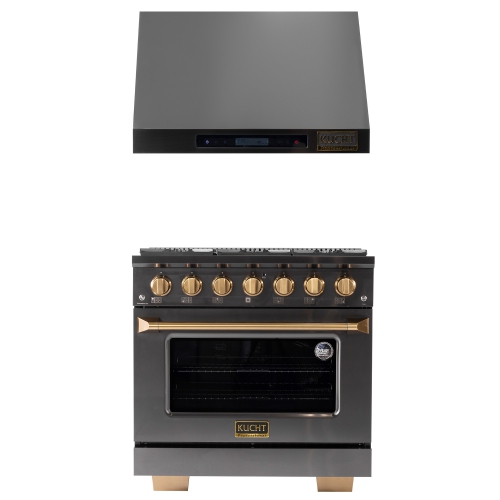
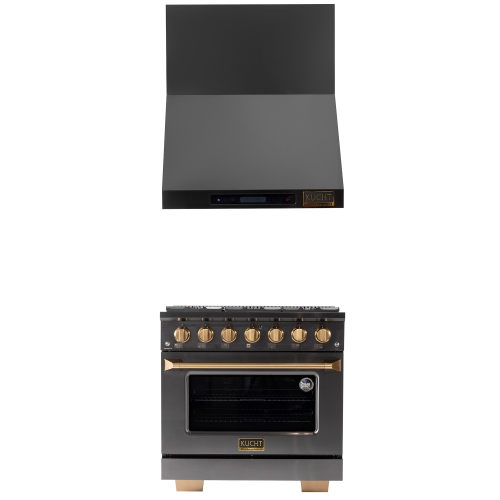
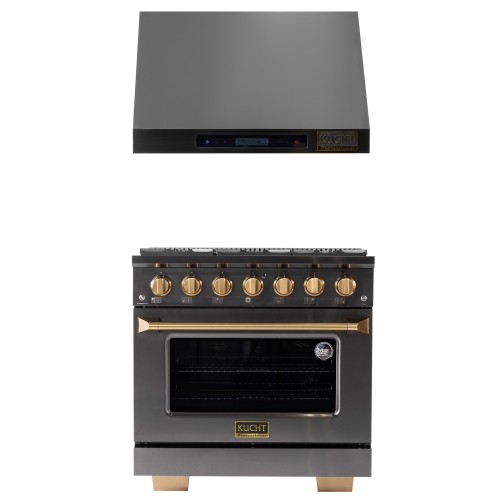
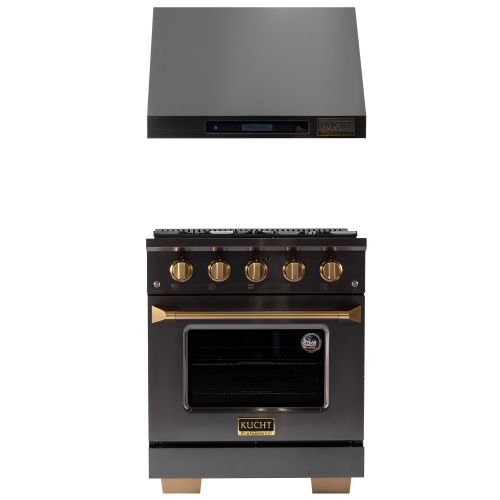
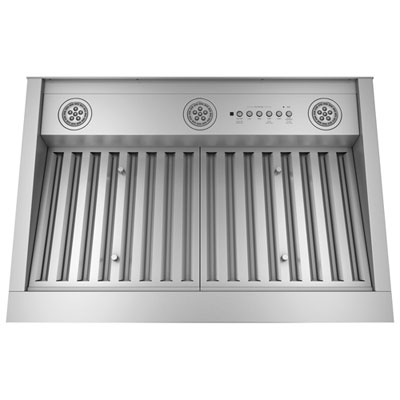


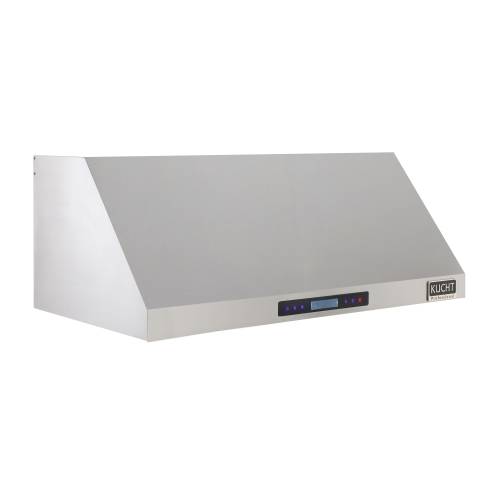
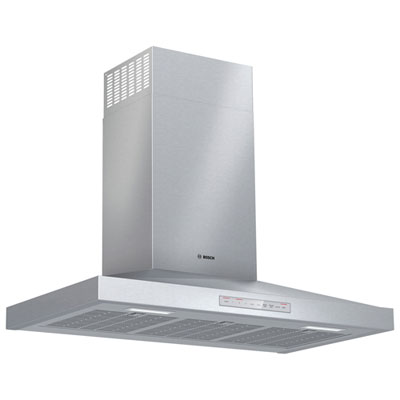
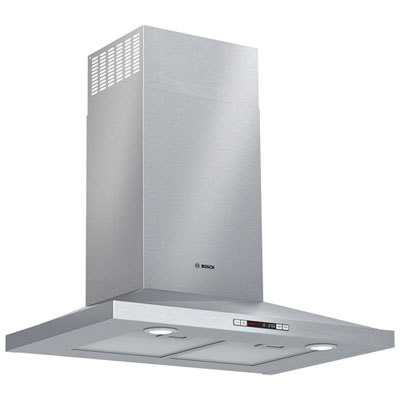
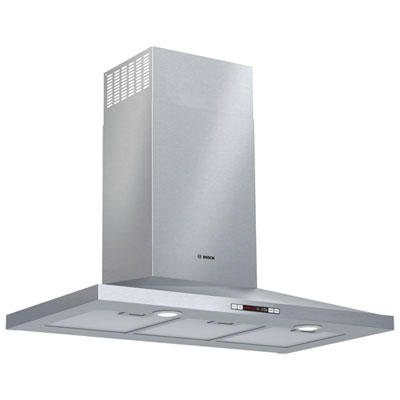
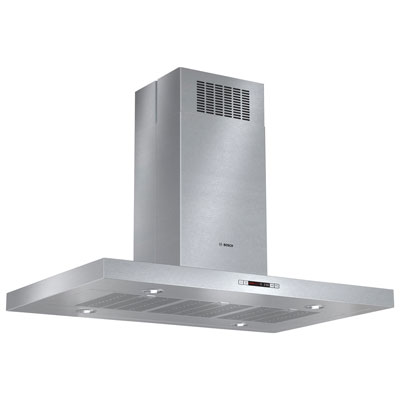
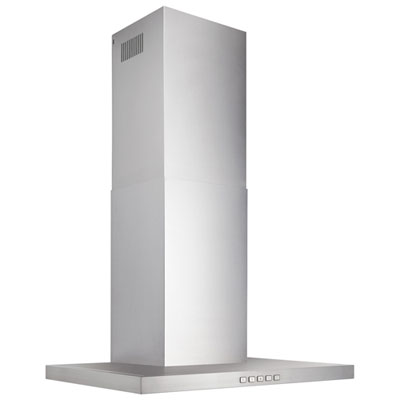
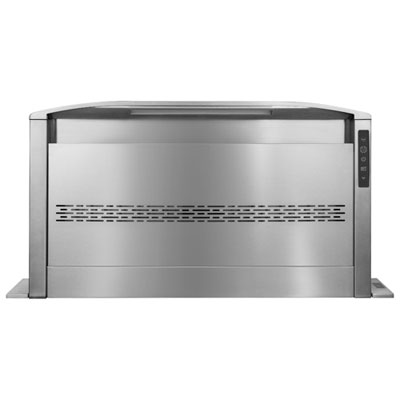

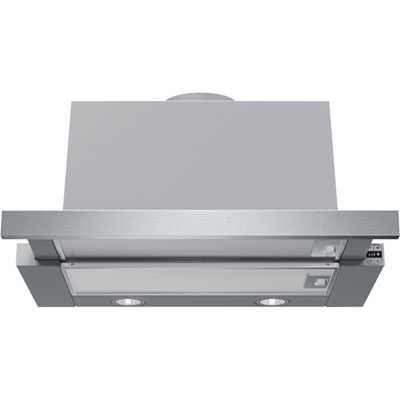
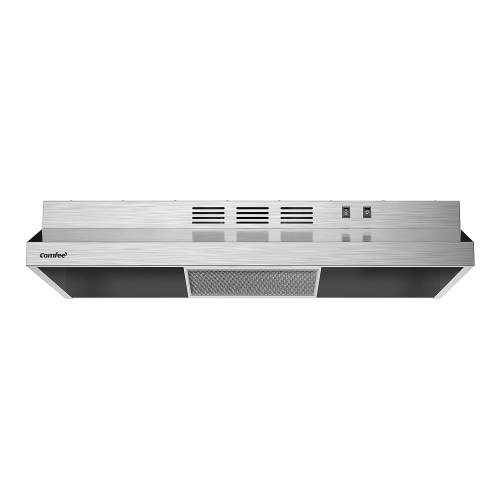
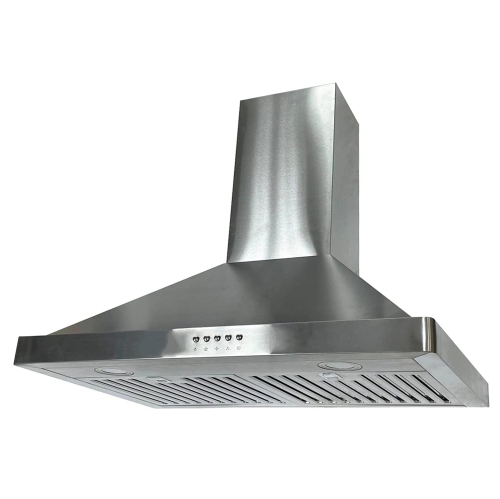
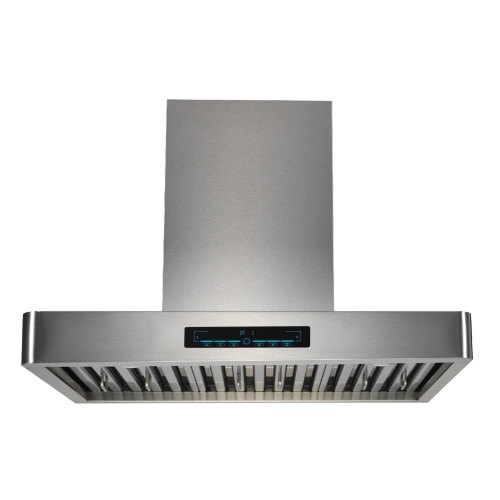
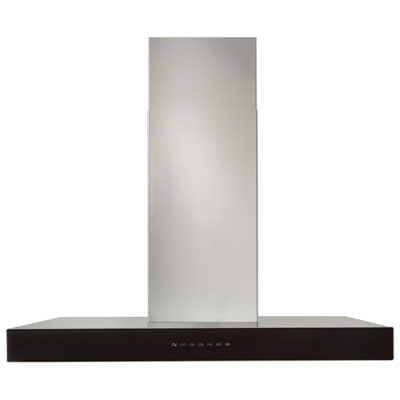
How baffle filters simplify ventilation and kitchen cleanup
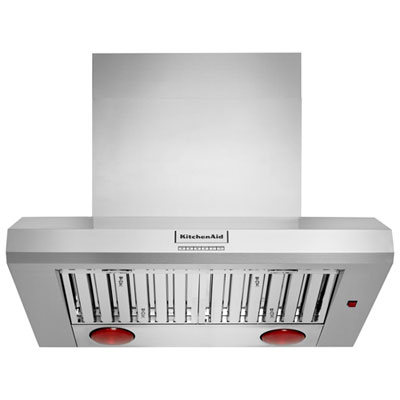
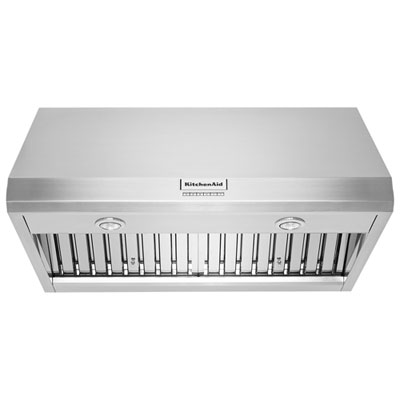
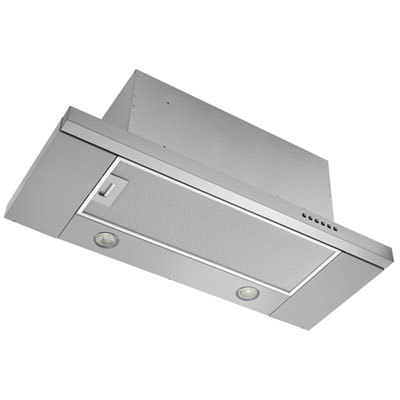
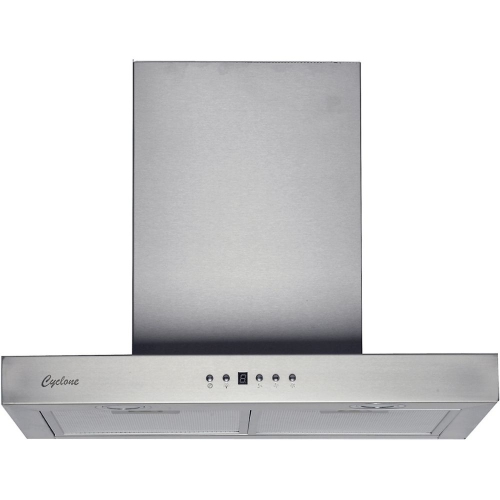
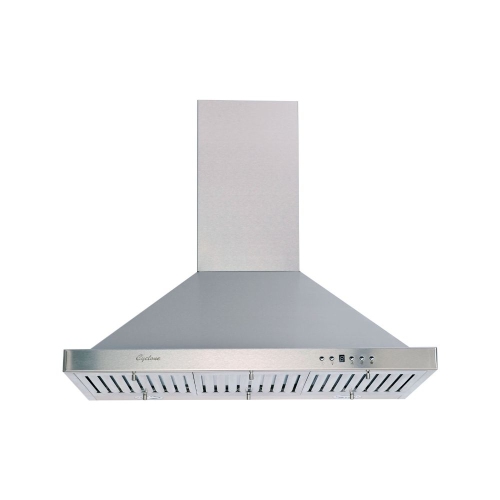
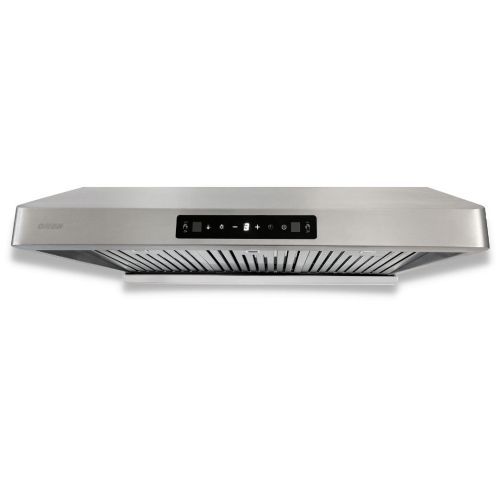
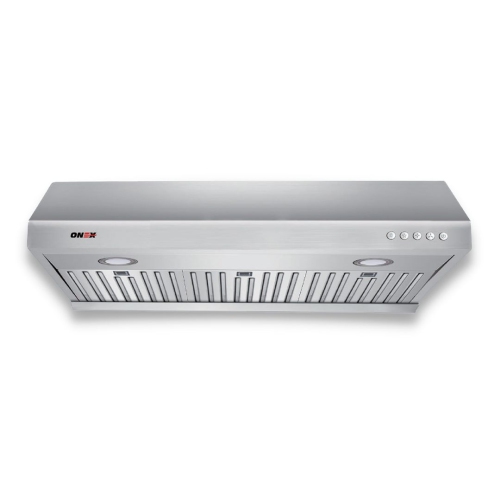
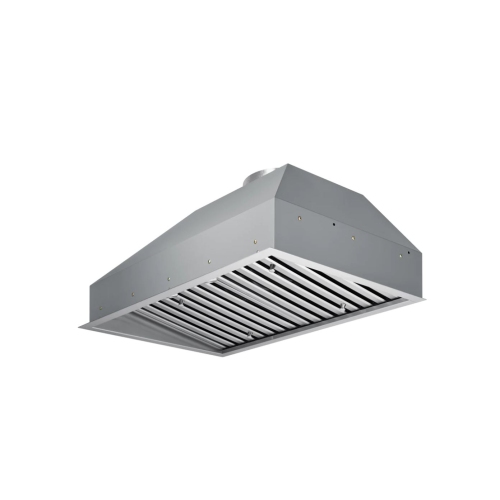
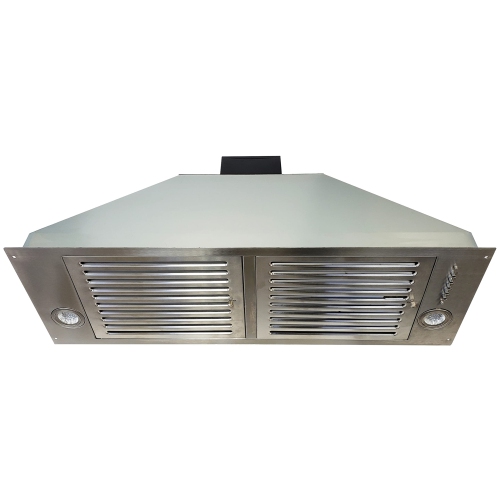
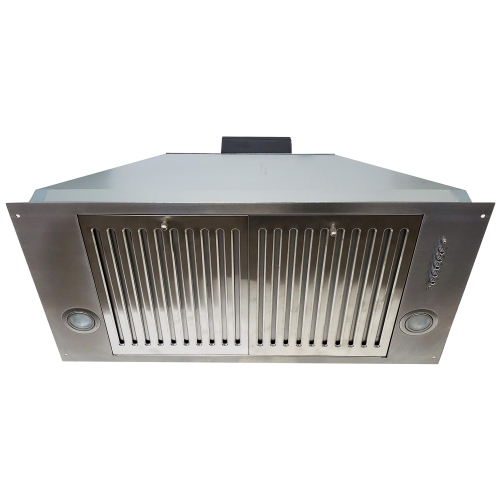
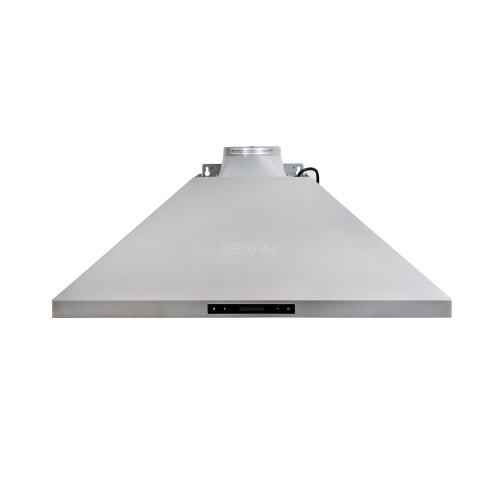
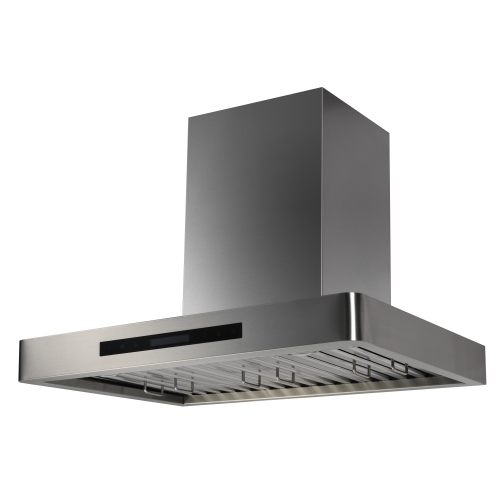
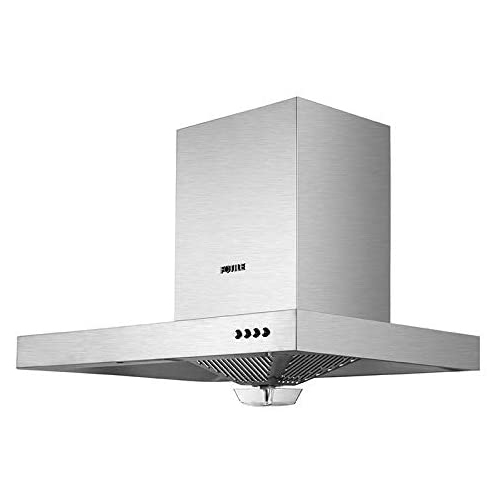
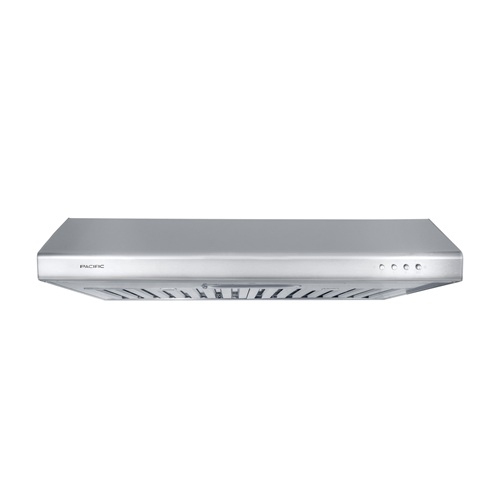
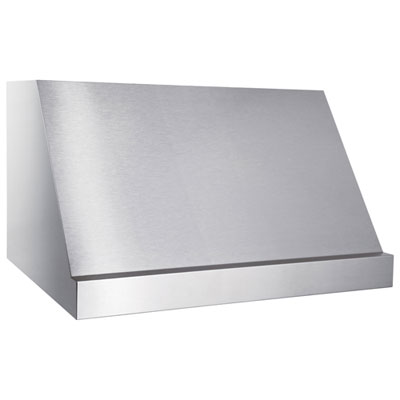
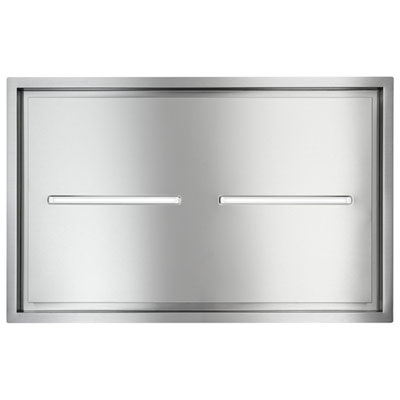
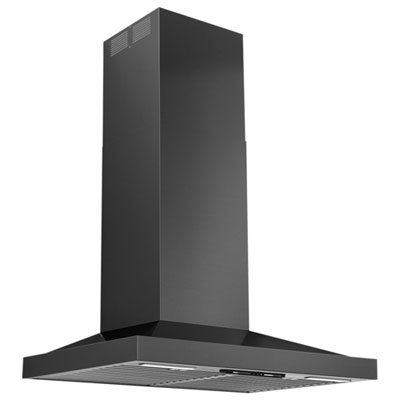
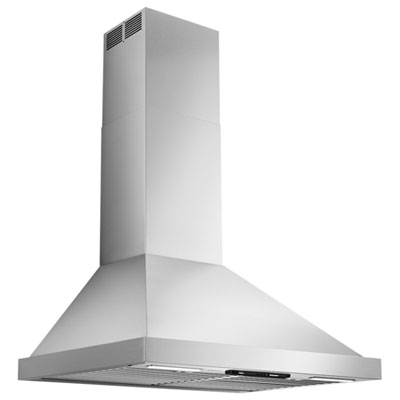
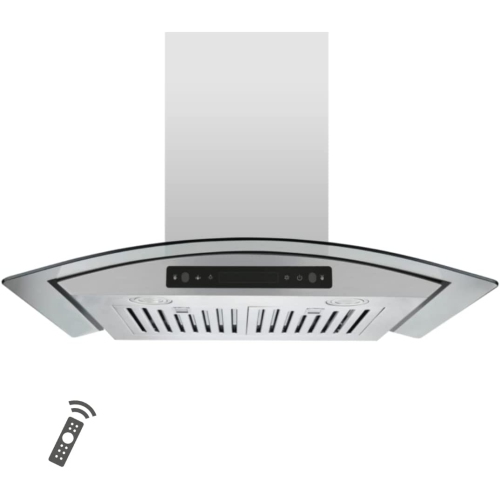
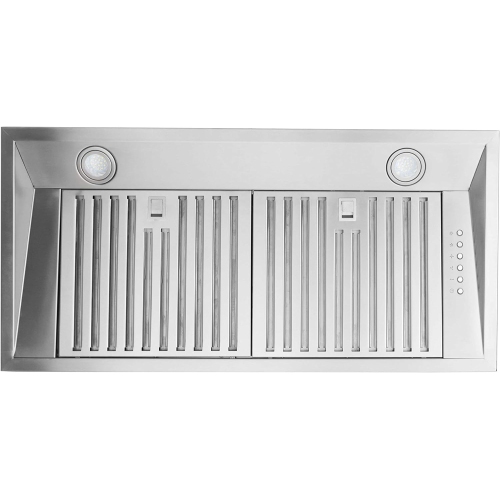
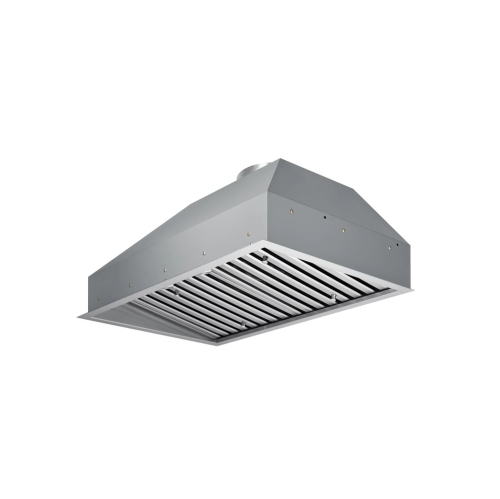
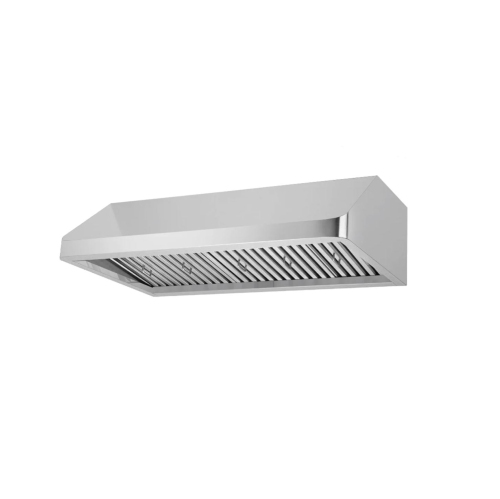
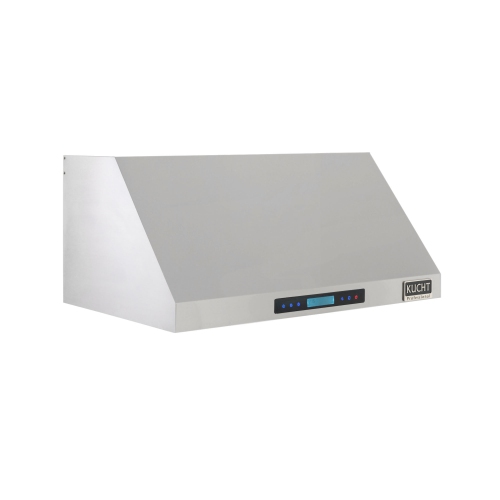
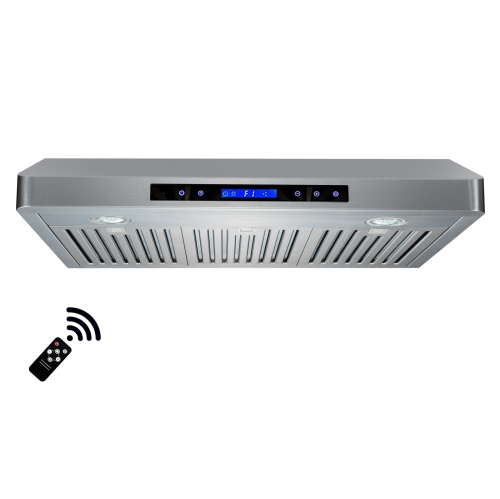
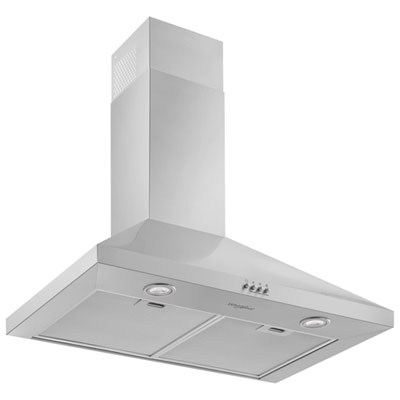
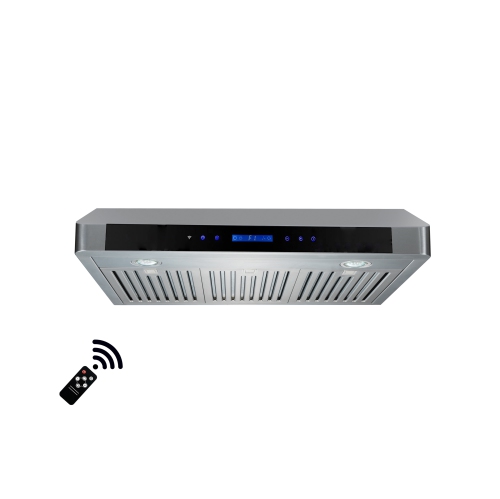
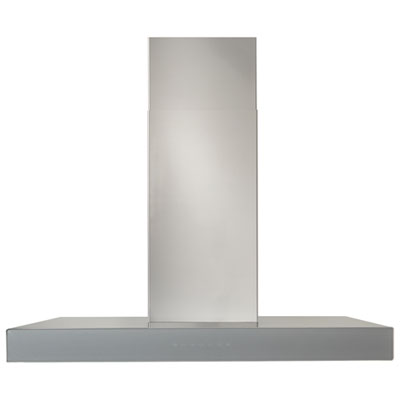
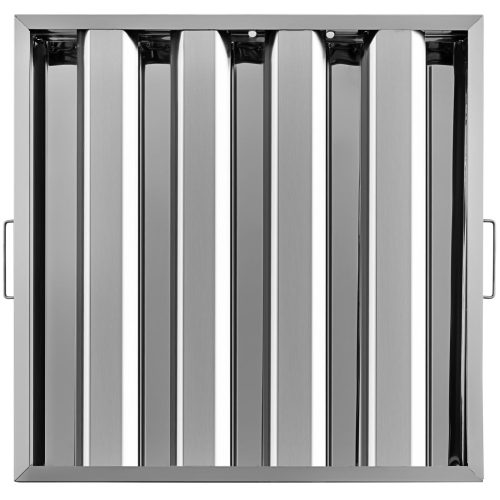
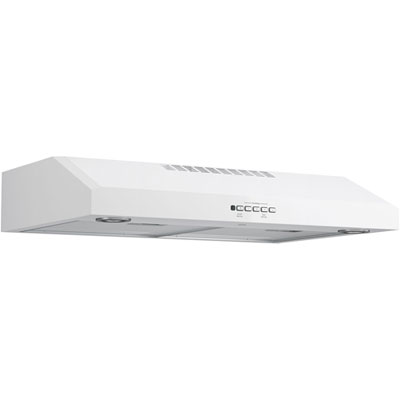
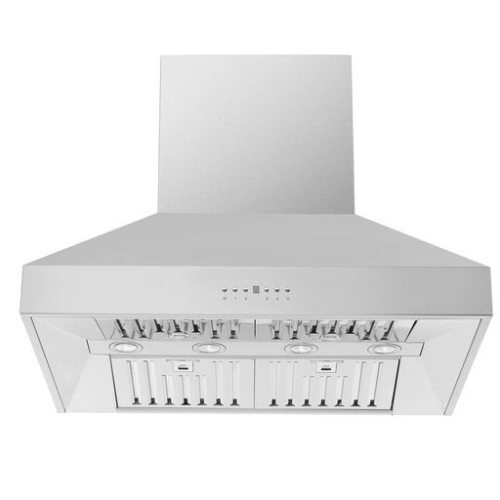
Stainless steel range hoods with baffle filters bring together practical ventilation and a polished, professional look for the kitchen. They are designed to capture smoke, steam, airborne grease, and cooking odours at the source, helping keep the surrounding area more comfortable when searing steak, simmering sauces, frying foods, or preparing meals over several burners. Stainless steel suits a wide range of kitchen styles, from contemporary spaces with flat-panel cabinetry to larger kitchens with restaurant-inspired appliances. Its reflective finish can brighten the area above the cooktop, while the sturdy metal construction gives the hood a substantial feel. For many home cooks, the most appealing feature is the baffle filter system. Instead of relying on a thin, porous mesh, stainless steel baffles use a series of curved panels and channels to redirect grease into collection areas while allowing air to continue moving through the filter. The panels are generally more rigid and easier to handle than disposable filters, and many are dishwasher safe when cleaned according to the manufacturer’s instructions. That makes them especially useful for households where cooking is a daily routine, where several people share kitchen duties, or where meals often involve high heat, frying, roasting, or grilling indoors. A range hood can also be a thoughtful housewarming gift for someone renovating a kitchen or moving into a new home, particularly when the recipient enjoys cooking and wants equipment that combines useful performance with a clean, coordinated appearance.
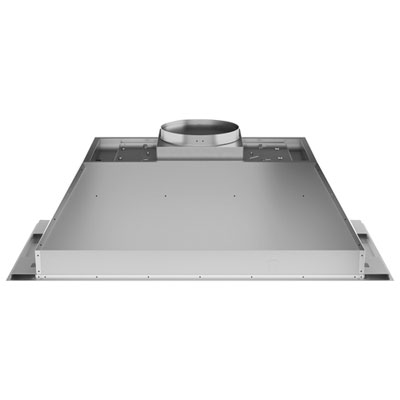
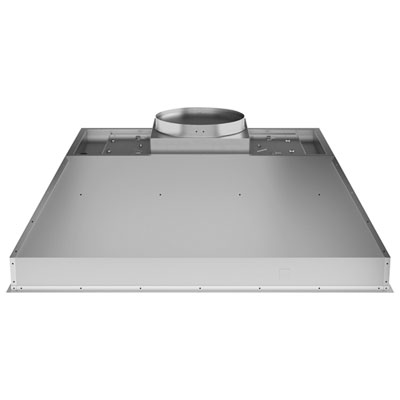
When comparing these range hoods, begin with the dimensions and installation style. The hood should be suitable for the width of the cooktop or range, with enough coverage to help draw cooking vapours upward rather than allowing them to drift into the room. Wall-mounted chimney designs are common above ranges positioned against a wall, while island models are made for cooktops located in the centre of the kitchen. If the cooking area is part of an island renovation, browse Island Range Hoods With Stainless Steel Filters for Durability for a related assortment. Ventilation requirements are another important consideration. Ducted models send air outdoors through a vent, while recirculating configurations pass air through filters before returning it to the room; installation options can vary depending on the kitchen layout and existing ductwork. Airflow is commonly expressed in CFM, or cubic feet per minute. A higher CFM rating may be helpful for frequent high-heat cooking, but the appropriate capacity depends on the size of the room, the cooktop, the ventilation setup, and local installation requirements. Noise ratings matter as well, since a hood that is unpleasantly loud may be used less often. Multiple fan speeds allow the user to choose a gentler setting for steam from a pot of pasta and a stronger setting for searing or frying. Look for controls that feel intuitive, whether they are push buttons, electronic controls, touch controls, or a remote, and consider features such as bright task lighting, a timer, automatic shutoff, and a filter-clean reminder. It is also worth checking the height range above the cooking surface and whether the chimney or duct cover will suit the ceiling. These details can make the difference between a straightforward installation and a project that requires additional planning, cabinetry adjustments, or professional help.
Baffle filters are valued not only for their appearance but also for the way they handle the residue produced during cooking. Grease is guided along the stainless steel channels toward collection points instead of becoming trapped throughout a flexible filter surface, which can help maintain airflow between cleanings. The filters still require regular attention, particularly in kitchens where bacon, stir-fries, deep-frying, or other greasy foods are prepared often. A practical routine is to inspect the baffles every few weeks and remove them for cleaning every two to three months, adjusting the schedule when there is visible buildup or heavier use. When the filters are dishwasher safe, place them in the dishwasher as directed; heavy residue can be loosened first by soaking the panels in warm, soapy water. Allow the filters to dry completely before reinstalling them, and make sure any grease collection trays are emptied and cleaned at the same time. The outer stainless steel surface is usually easiest to maintain with a soft microfiber cloth and a mild cleaner, wiping in the direction of the grain to reduce streaks. Avoid abrasive pads and harsh chemicals that may dull or scratch the finish, and follow the care instructions supplied with the hood. During the warmer part of the year, a well-functioning hood can help manage steam when windows are closed or the kitchen is busy, while during the cooler months it can help control cooking vapours without requiring a chilly breeze through the room. Whether the goal is to support everyday family meals, create a more comfortable space for entertaining, or complete a kitchen refresh, stainless steel range hoods with baffle filters offer a durable-looking, easy-care option with useful ventilation features to match a variety of cooking habits.
When comparing these range hoods, begin with the dimensions and installation style. The hood should be suitable for the width of the cooktop or range, with enough coverage to help draw cooking vapours upward rather than allowing them to drift into the room. Wall-mounted chimney designs are common above ranges positioned against a wall, while island models are made for cooktops located in the centre of the kitchen. If the cooking area is part of an island renovation, browse Island Range Hoods With Stainless Steel Filters for Durability for a related assortment. Ventilation requirements are another important consideration. Ducted models send air outdoors through a vent, while recirculating configurations pass air through filters before returning it to the room; installation options can vary depending on the kitchen layout and existing ductwork. Airflow is commonly expressed in CFM, or cubic feet per minute. A higher CFM rating may be helpful for frequent high-heat cooking, but the appropriate capacity depends on the size of the room, the cooktop, the ventilation setup, and local installation requirements. Noise ratings matter as well, since a hood that is unpleasantly loud may be used less often. Multiple fan speeds allow the user to choose a gentler setting for steam from a pot of pasta and a stronger setting for searing or frying. Look for controls that feel intuitive, whether they are push buttons, electronic controls, touch controls, or a remote, and consider features such as bright task lighting, a timer, automatic shutoff, and a filter-clean reminder. It is also worth checking the height range above the cooking surface and whether the chimney or duct cover will suit the ceiling. These details can make the difference between a straightforward installation and a project that requires additional planning, cabinetry adjustments, or professional help.
Baffle filters are valued not only for their appearance but also for the way they handle the residue produced during cooking. Grease is guided along the stainless steel channels toward collection points instead of becoming trapped throughout a flexible filter surface, which can help maintain airflow between cleanings. The filters still require regular attention, particularly in kitchens where bacon, stir-fries, deep-frying, or other greasy foods are prepared often. A practical routine is to inspect the baffles every few weeks and remove them for cleaning every two to three months, adjusting the schedule when there is visible buildup or heavier use. When the filters are dishwasher safe, place them in the dishwasher as directed; heavy residue can be loosened first by soaking the panels in warm, soapy water. Allow the filters to dry completely before reinstalling them, and make sure any grease collection trays are emptied and cleaned at the same time. The outer stainless steel surface is usually easiest to maintain with a soft microfiber cloth and a mild cleaner, wiping in the direction of the grain to reduce streaks. Avoid abrasive pads and harsh chemicals that may dull or scratch the finish, and follow the care instructions supplied with the hood. During the warmer part of the year, a well-functioning hood can help manage steam when windows are closed or the kitchen is busy, while during the cooler months it can help control cooking vapours without requiring a chilly breeze through the room. Whether the goal is to support everyday family meals, create a more comfortable space for entertaining, or complete a kitchen refresh, stainless steel range hoods with baffle filters offer a durable-looking, easy-care option with useful ventilation features to match a variety of cooking habits.
Top selling and popular products
-
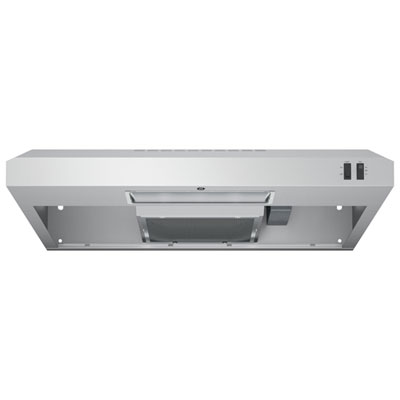 Your price for this item is $249.99
 -
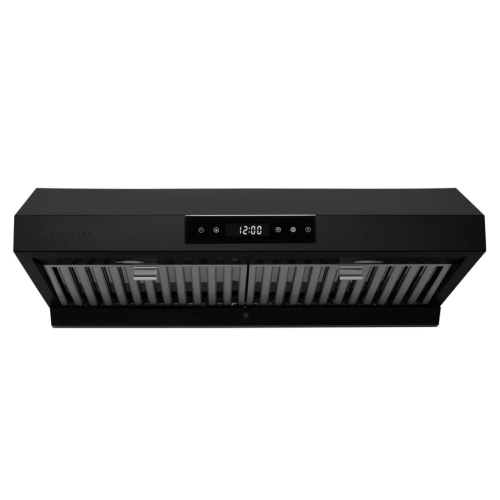 Your price for this item is $598.49
 -
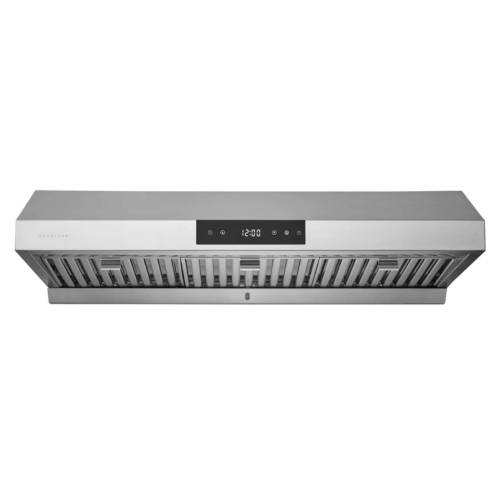 Your price for this item is $645.99
 -
 Your price for this item is $645.99
 -
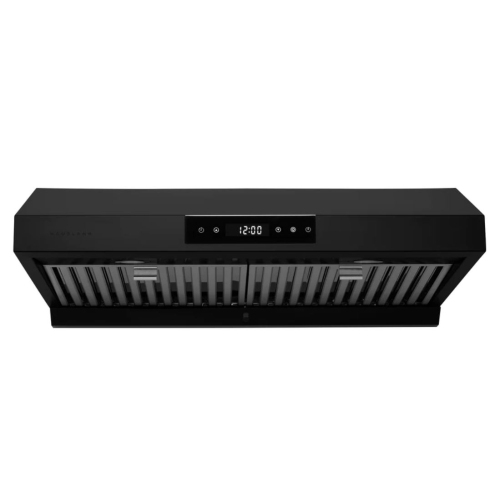 Your price for this item is $645.99
 -
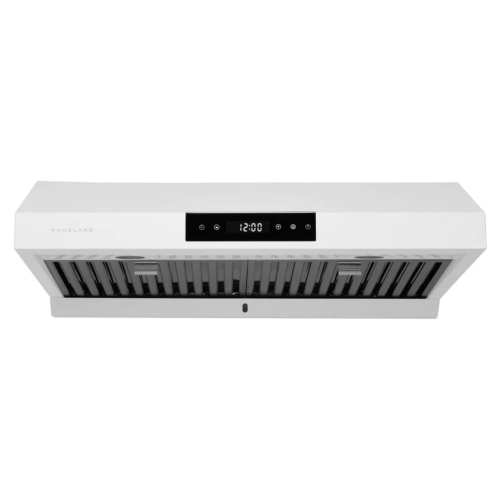 Your price for this item is $598.49
 -
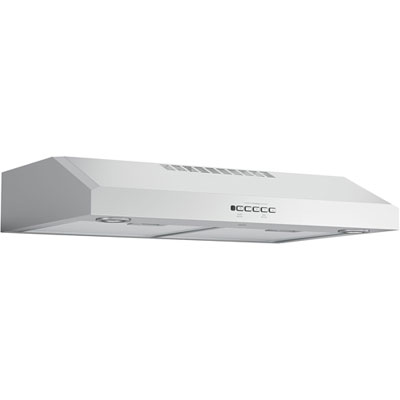 Your price for this item is $449.99
 -
 Your price for this item is $399.99
Discover more categories related to Stainless Steel Range Hoods With Baffle Filters for Easy Cleaning


Top Collections:
Pokemon Centers, Kindle Devices, Best Budget Office Chairs, Apple iPhones 16, Best Laptops for Writers, iPhone 15 Apple, Canon G7X Cameras, Refurbished Apple Laptops, Alarm Clock, Motorola Razr Phones
Some products may be subject to Environmental Handling Fees
(EHF) depending on your province.
Learn more about EHFs.