Steam Cleaners for Windows
Keeping your windows clean and streak-free has never been easier with our selection of steam cleaners. Harnessing the power of steam, these innovative devices effortlessly remove dirt, grime, and smudges from your windows, leaving them sparkling and crystal clear. Whether you're tackling large glass surfaces or hard-to-reach corners, our range of steam cleaners for windows offers versatile and efficient cleaning solutions that will transform your home or office space. Say goodbye to tedious scrubbing and hello to effortless window cleaning with our top-quality steam cleaners.
Sort



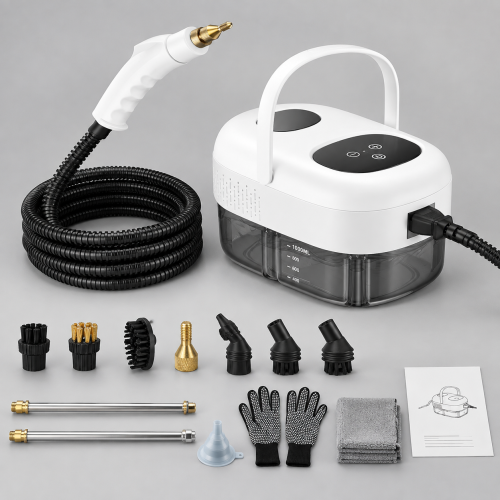
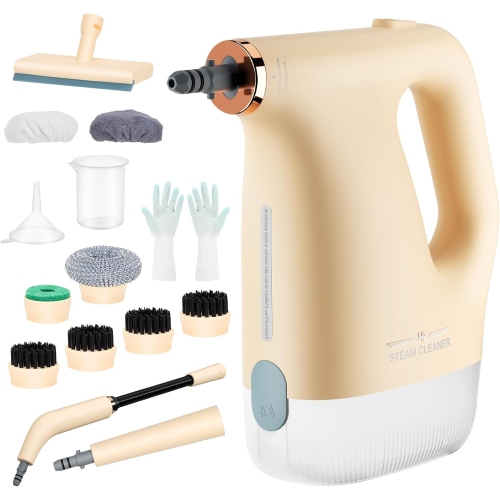
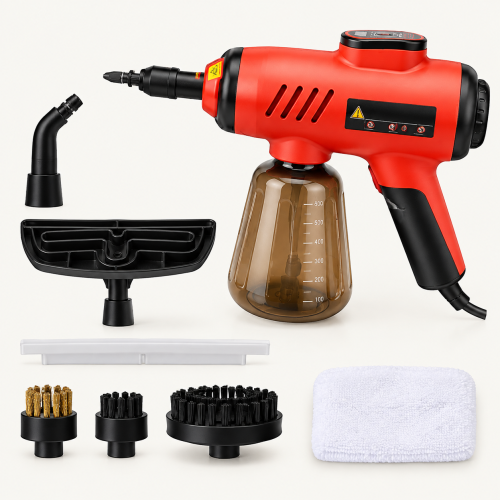
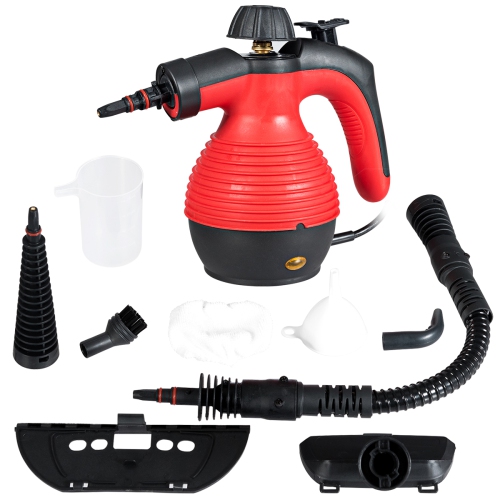

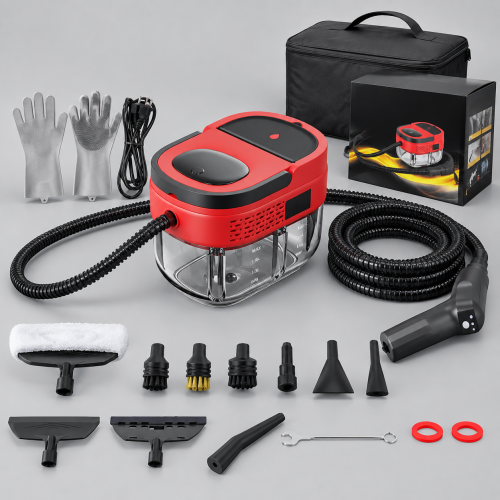
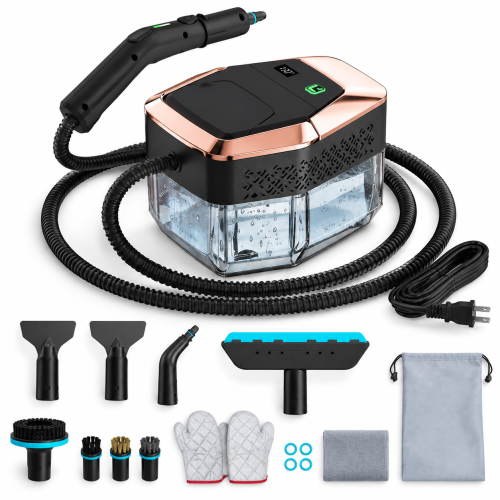
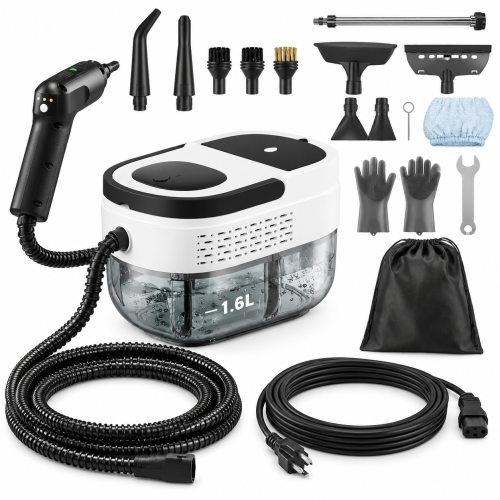
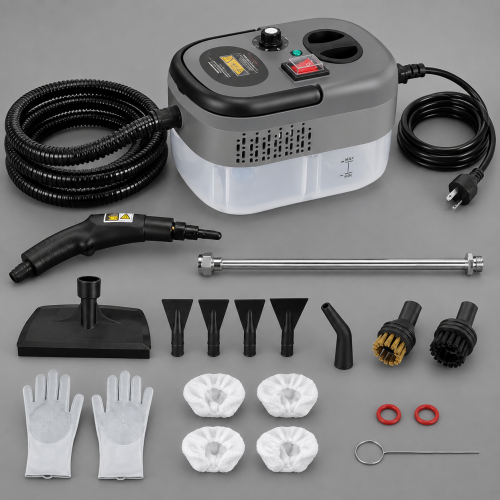


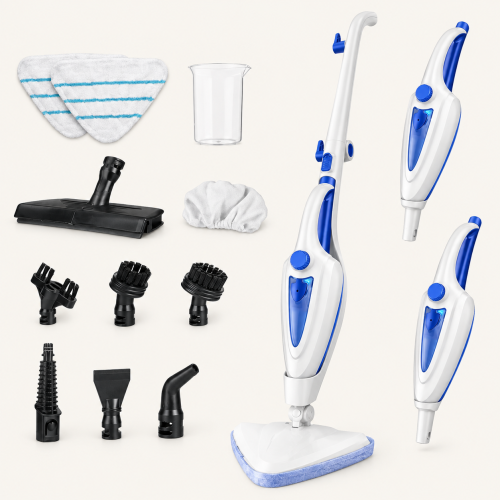
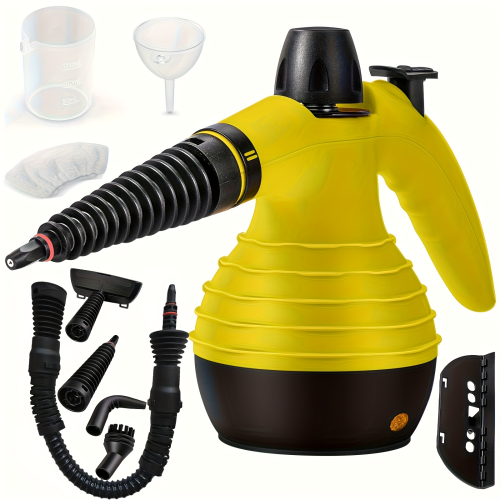
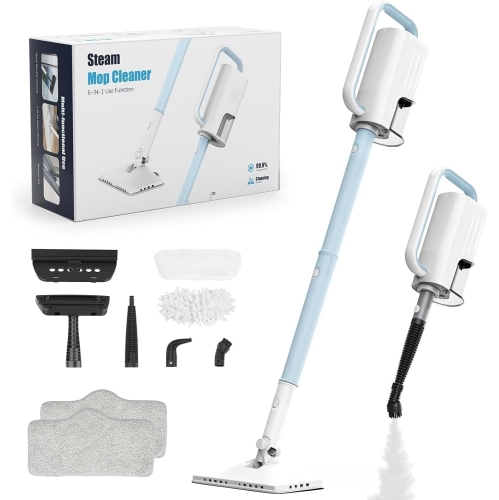
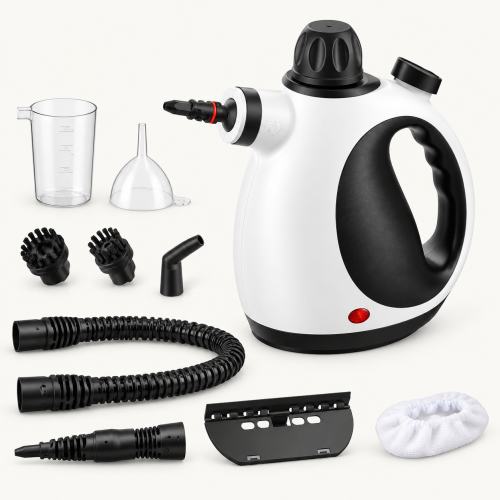
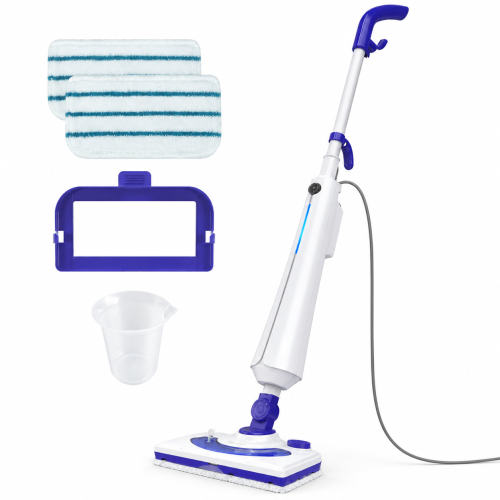
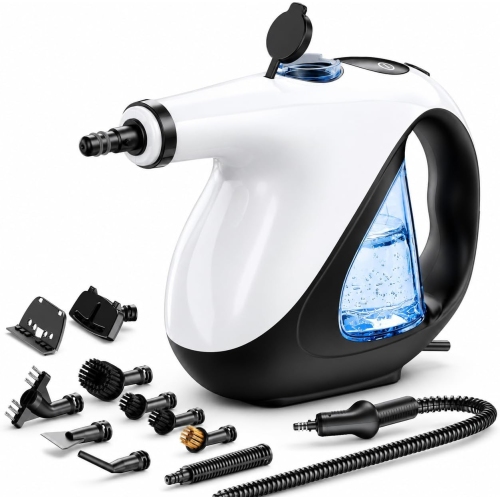
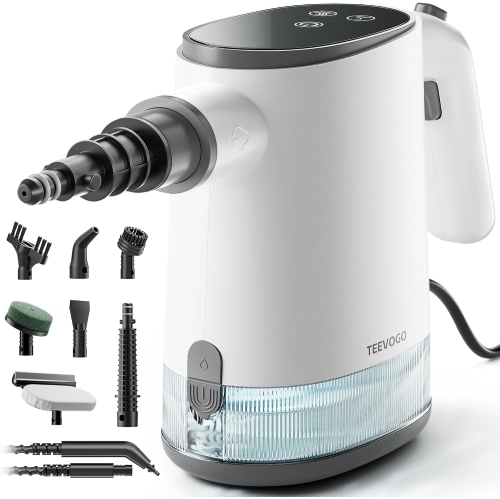
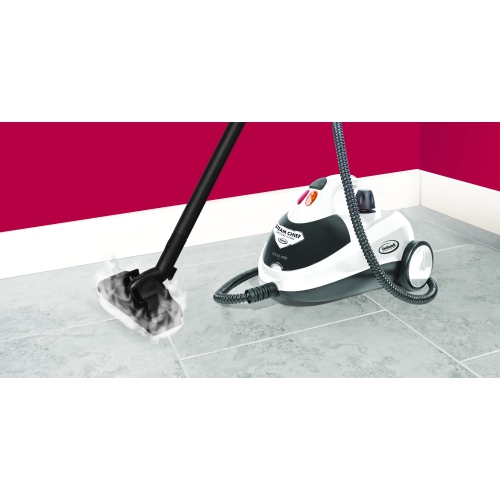
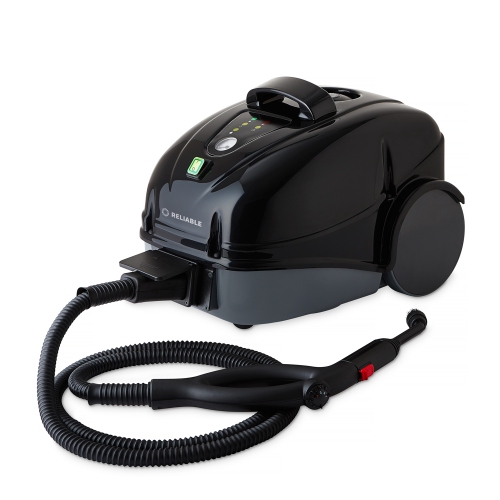

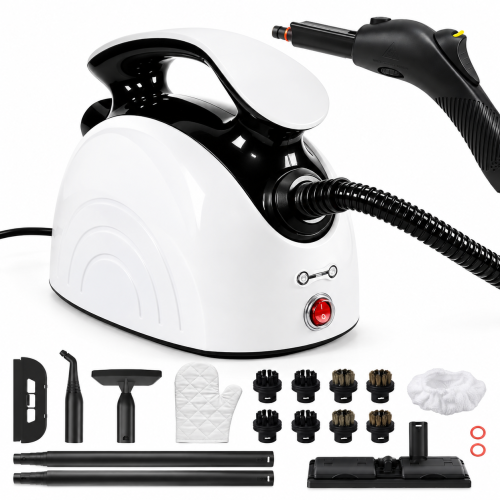
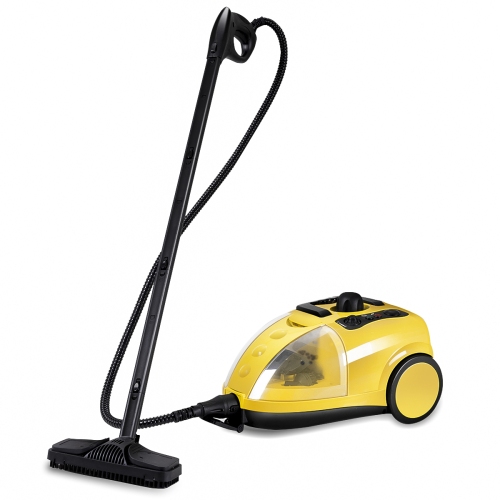


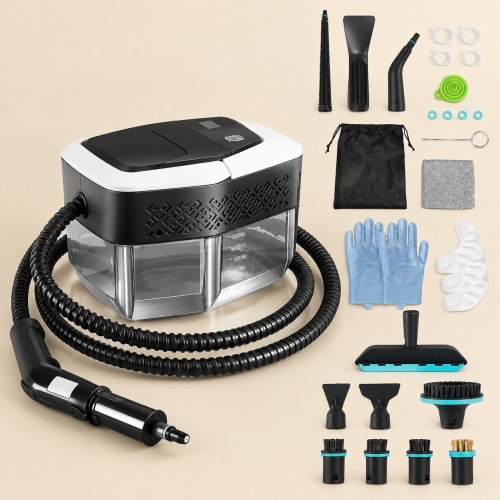
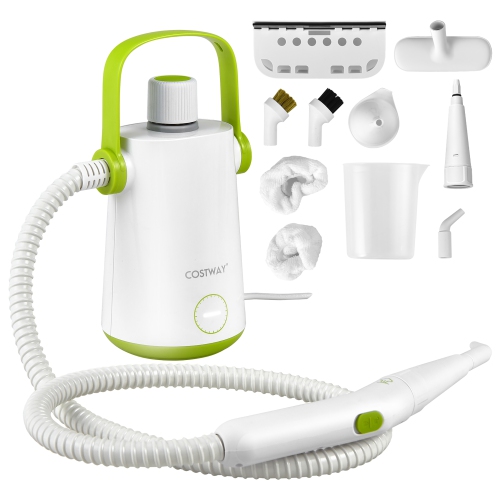
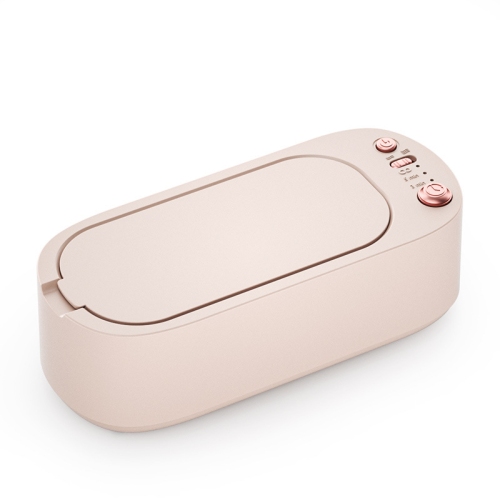
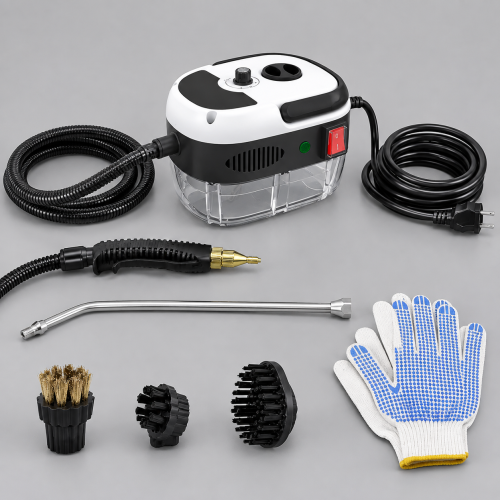
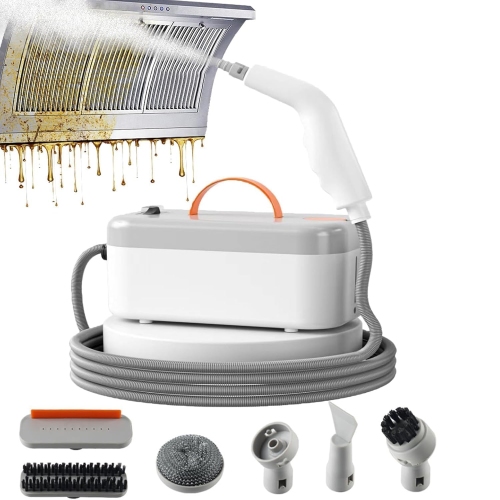














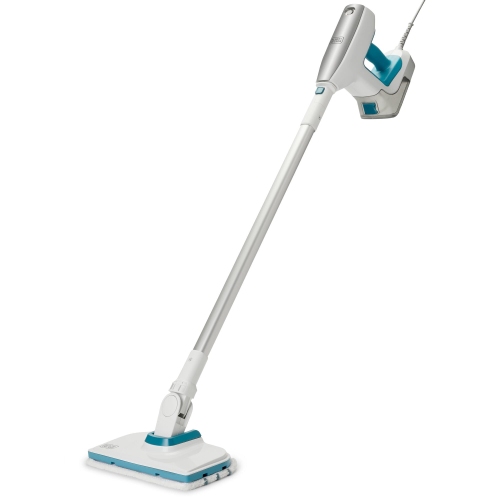
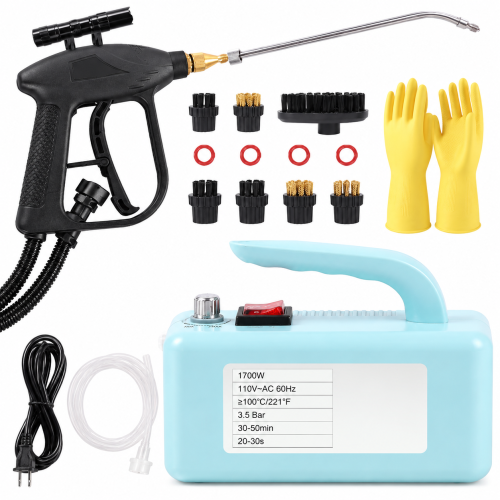
Clearer glass takes more than steam alone
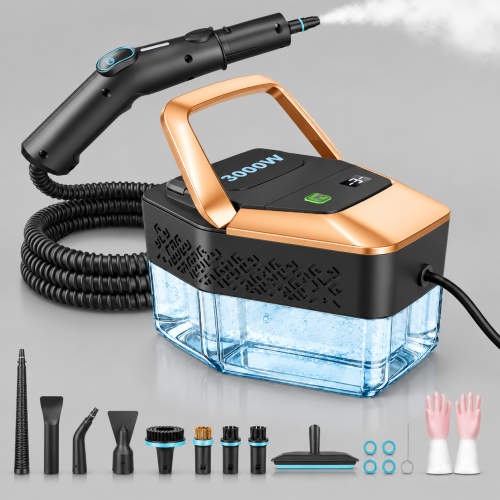
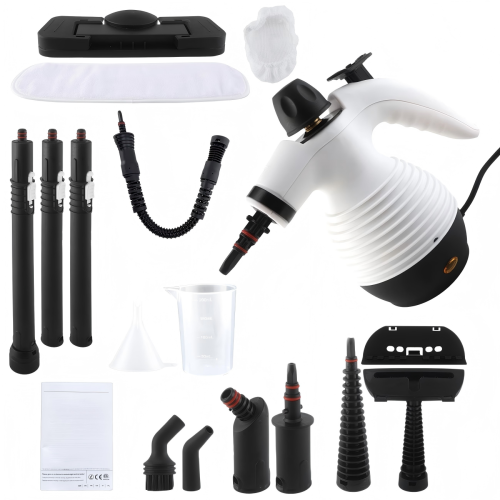
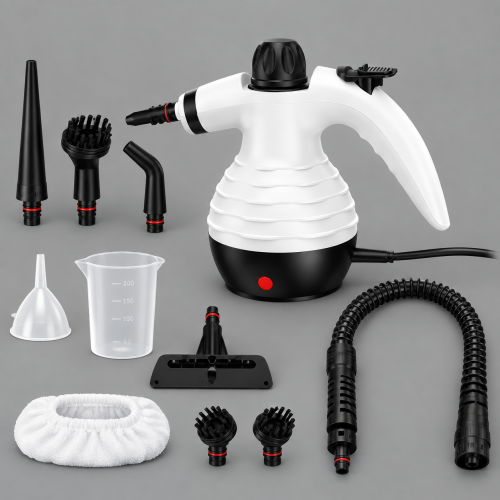
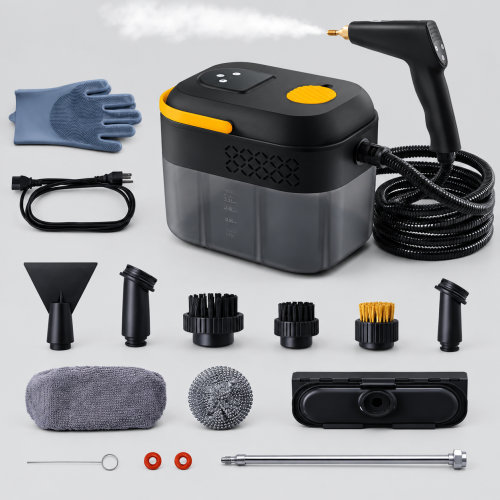
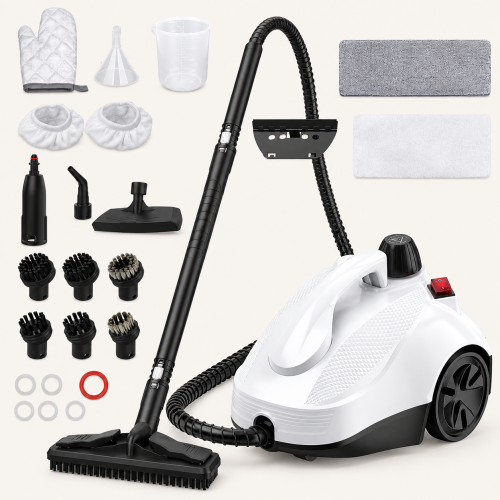
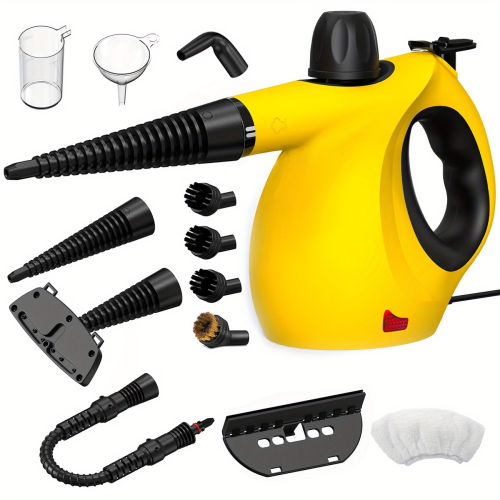
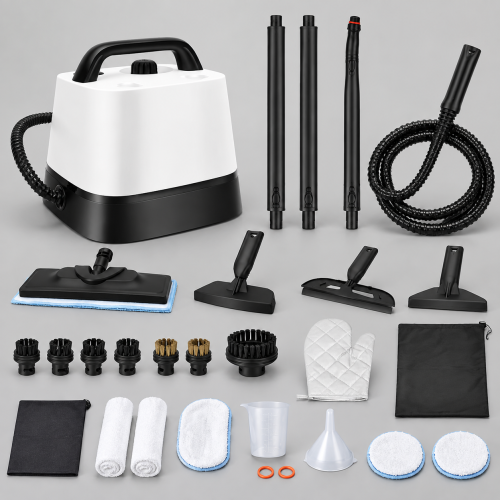
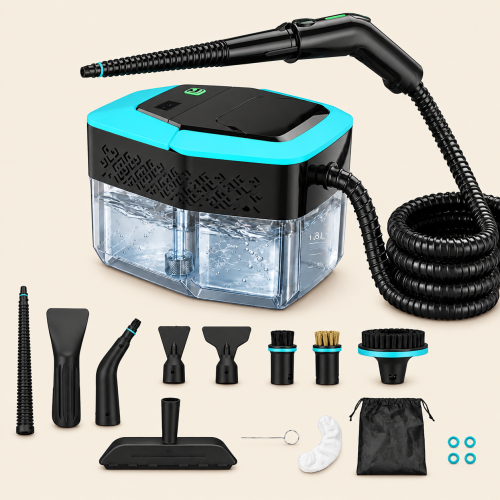
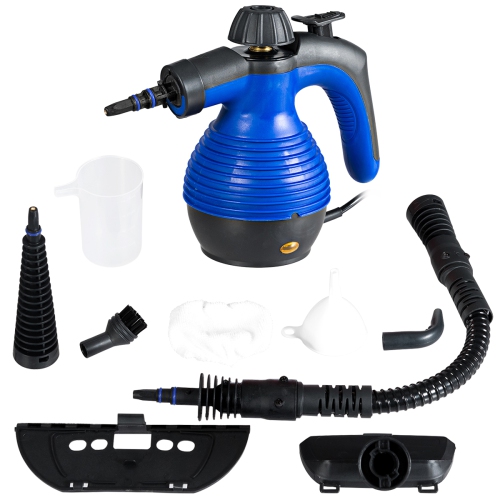
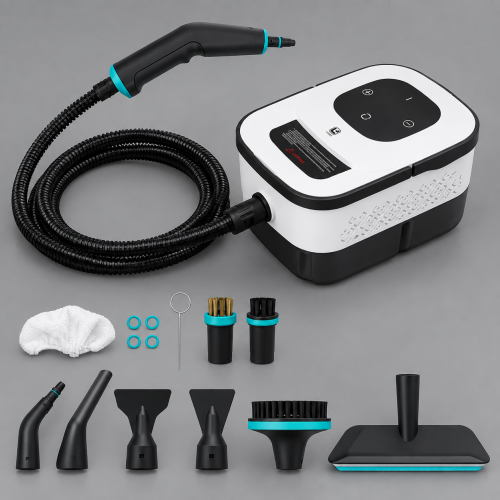
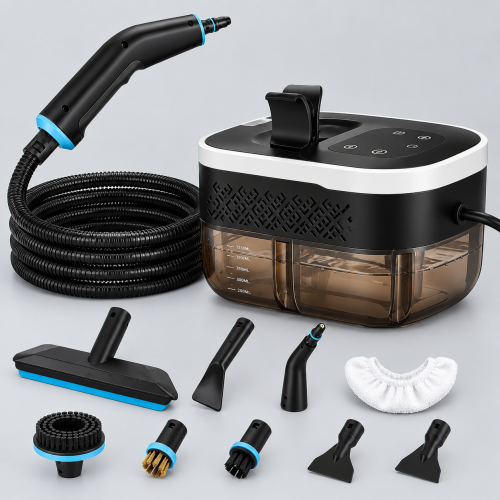
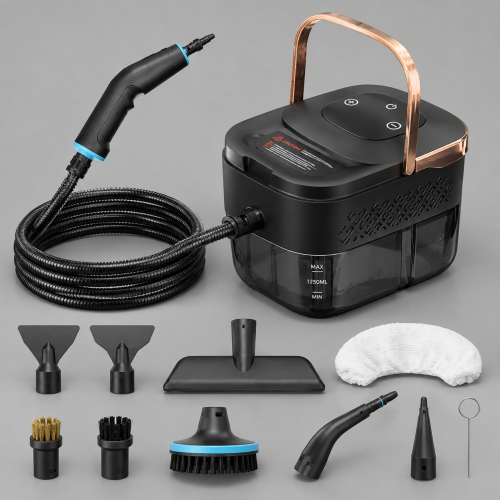
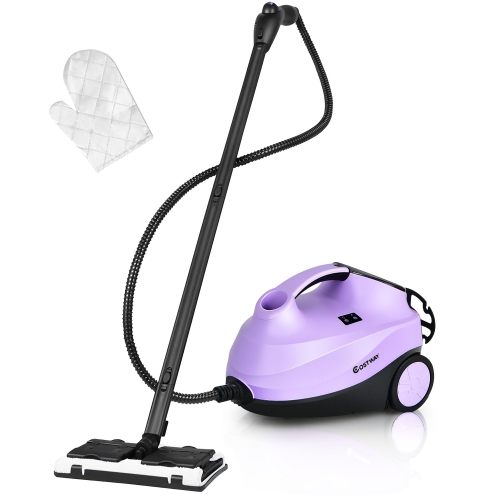
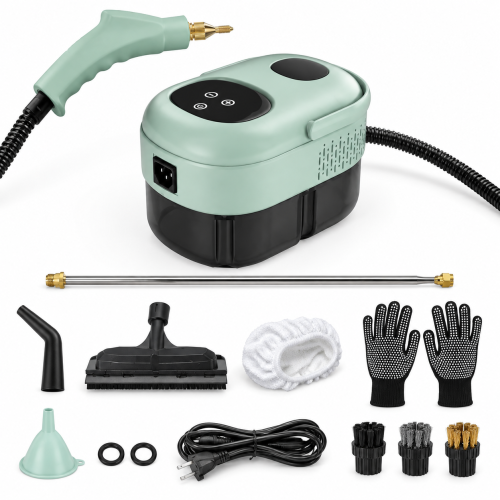
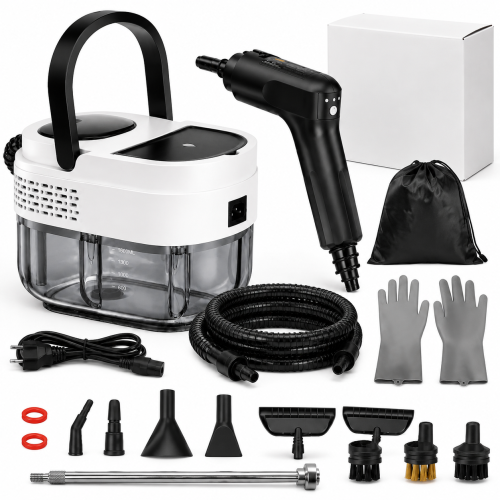
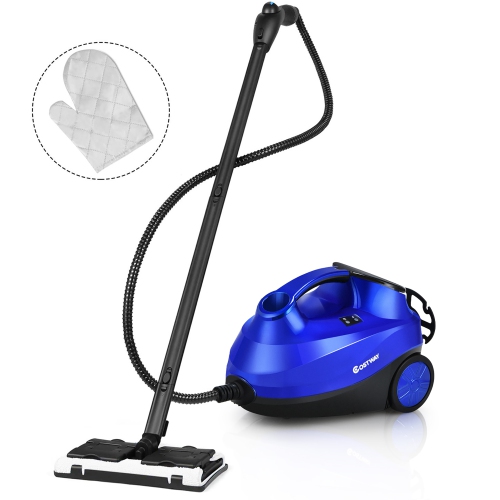
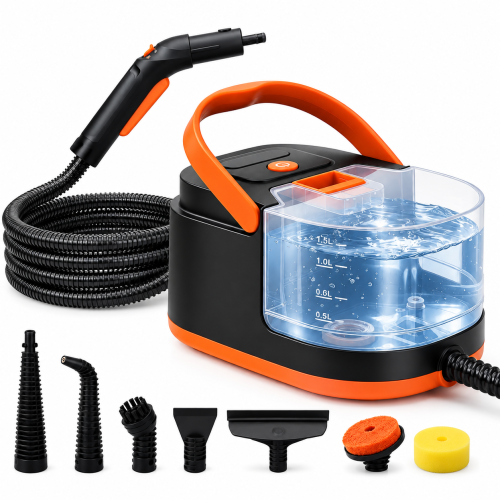
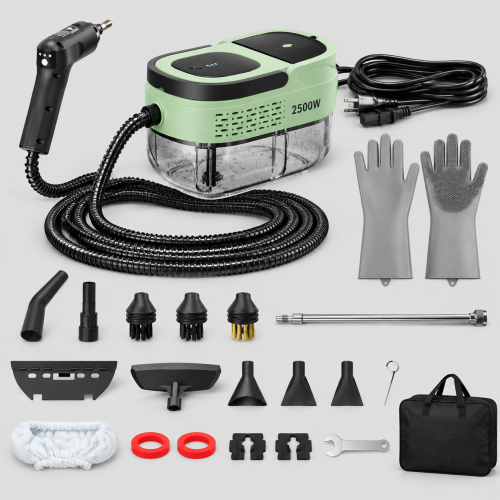
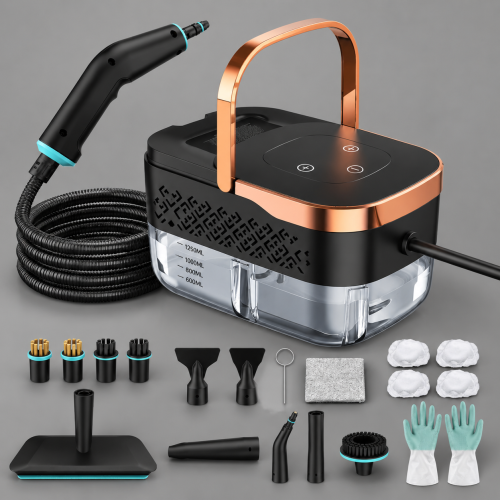
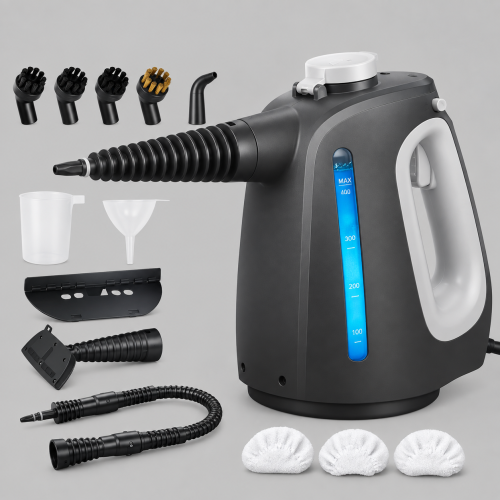
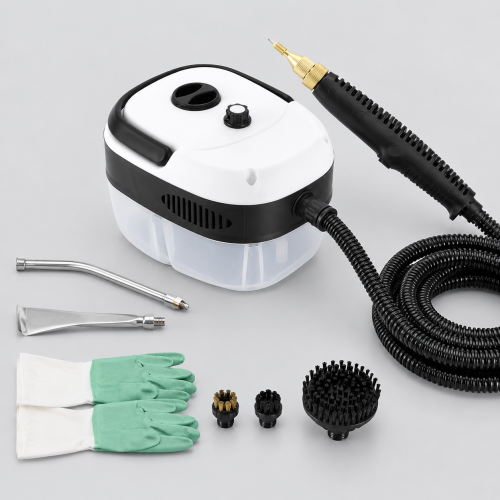
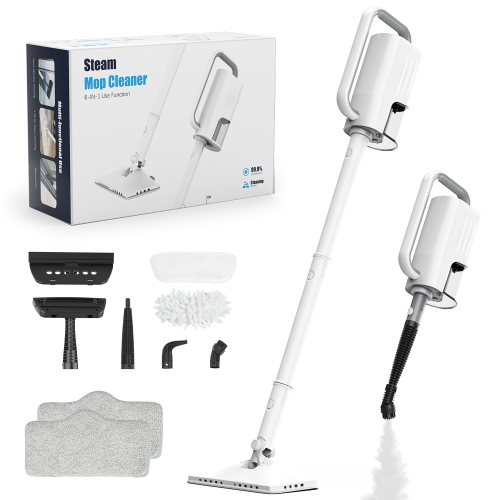
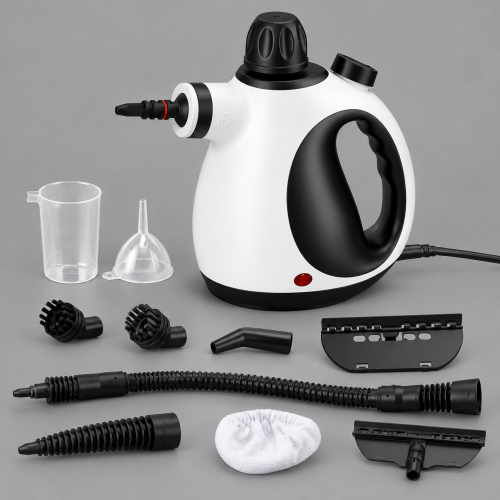
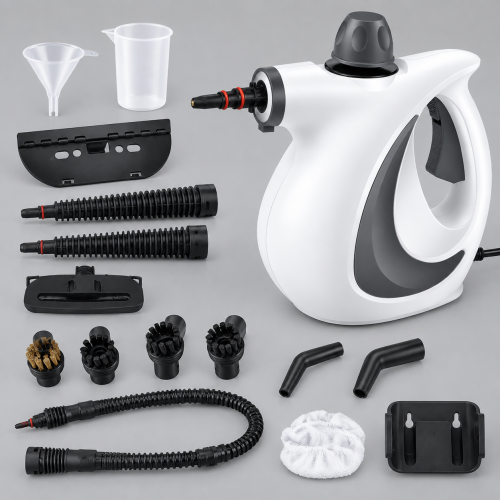
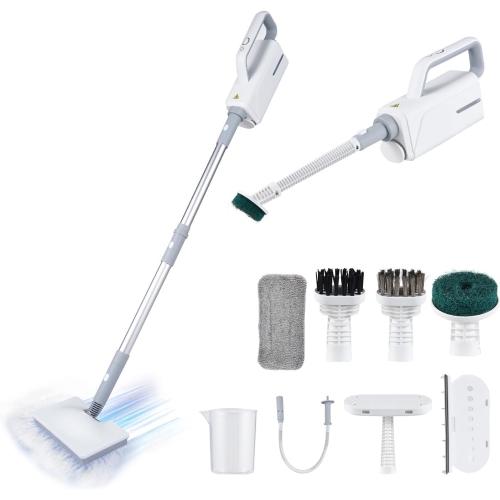
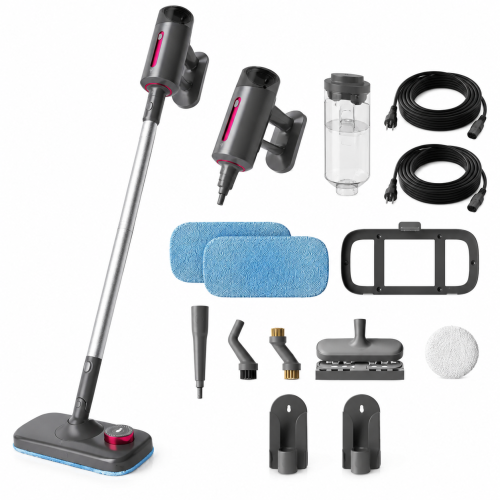
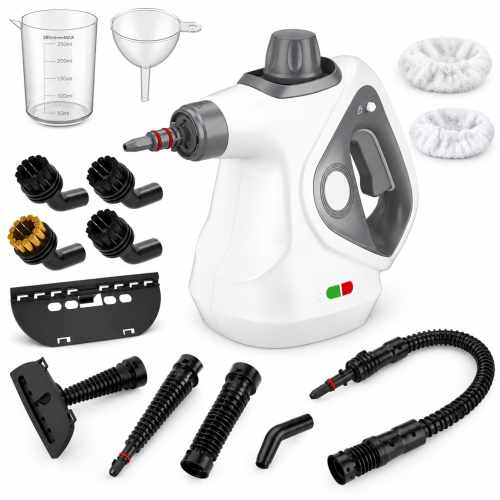
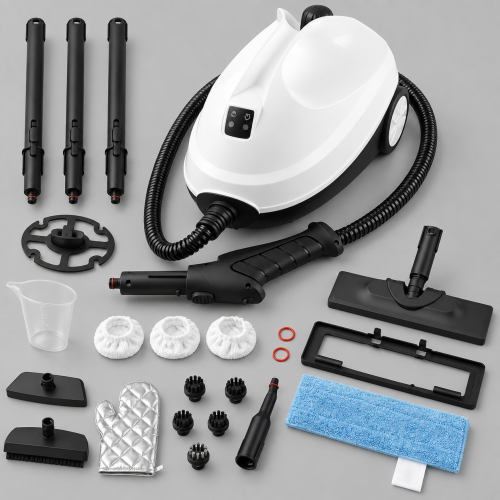
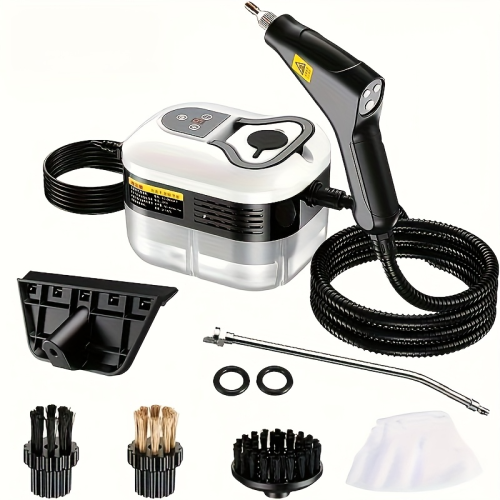
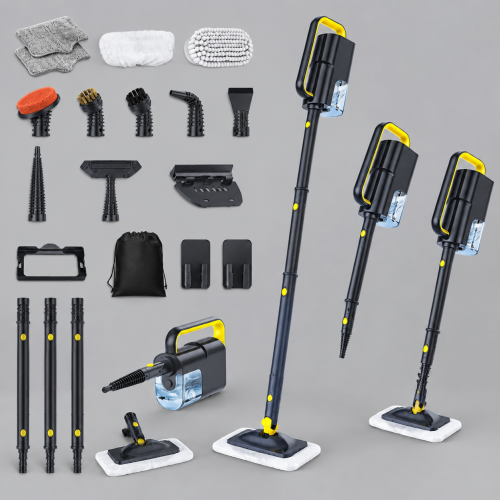
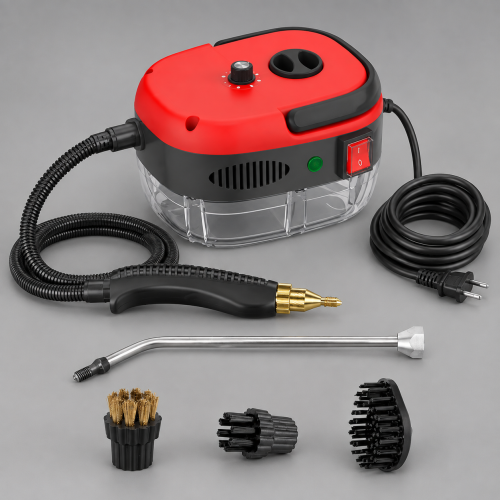
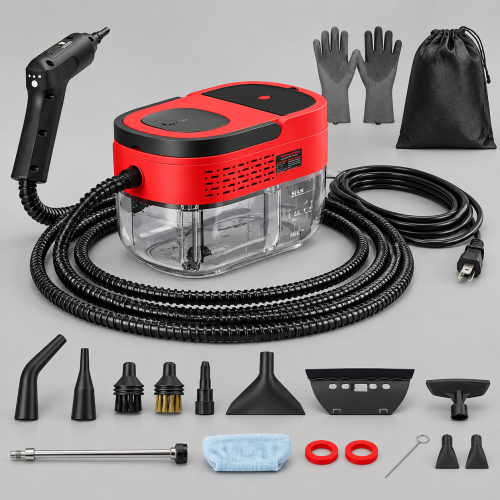
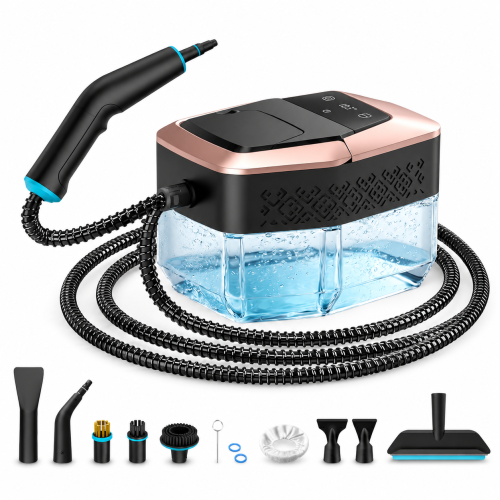
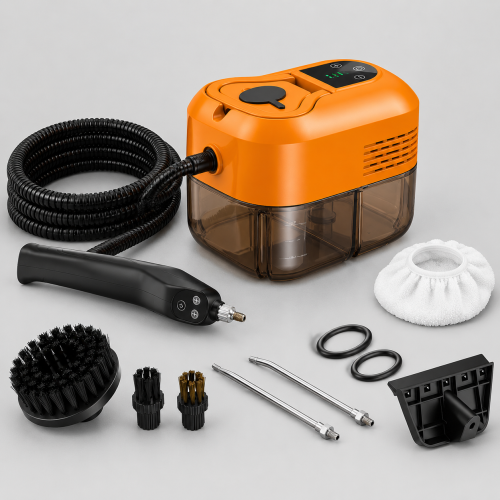
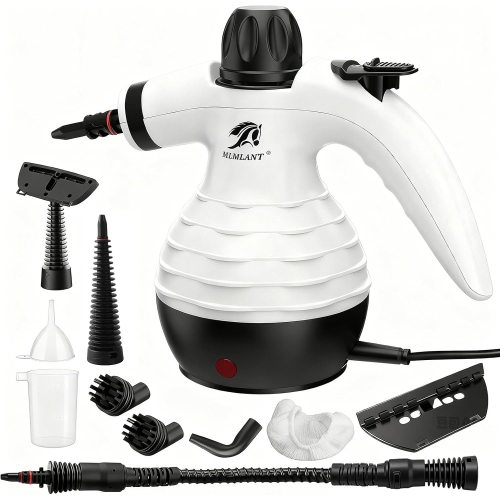
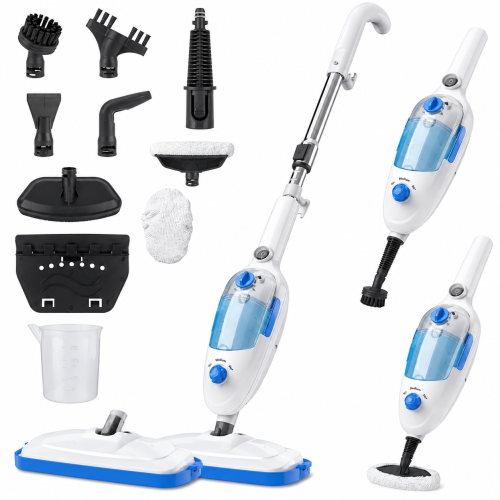
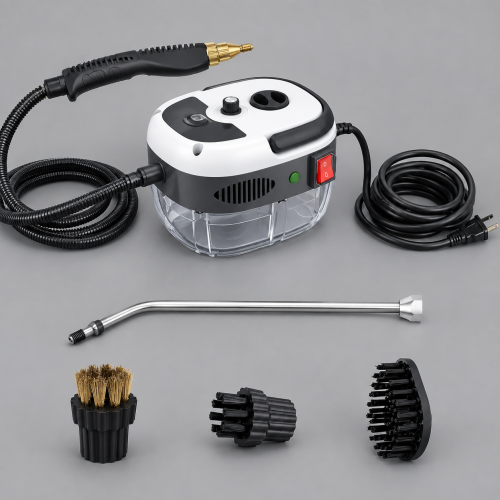
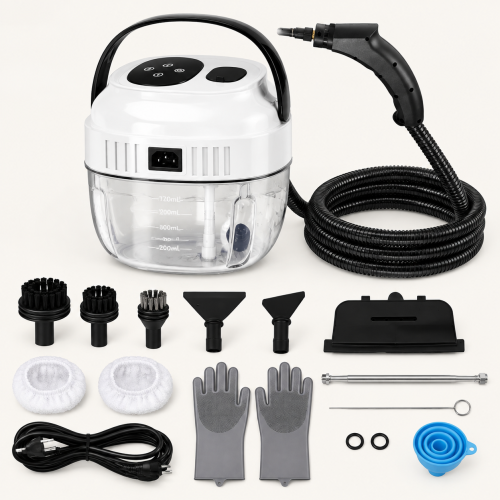
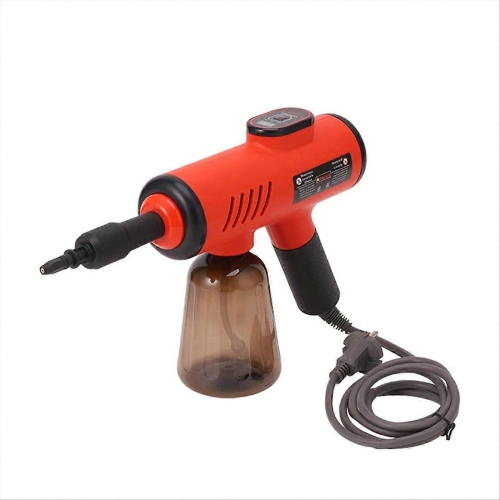
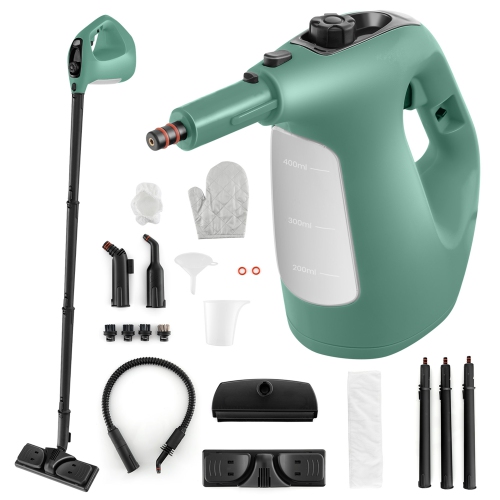
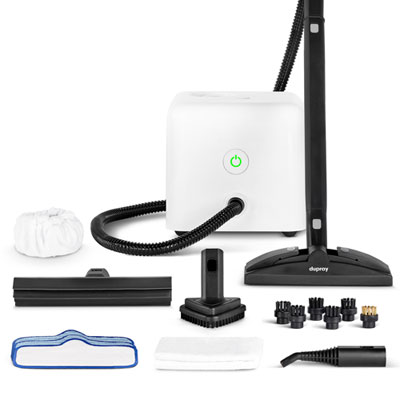
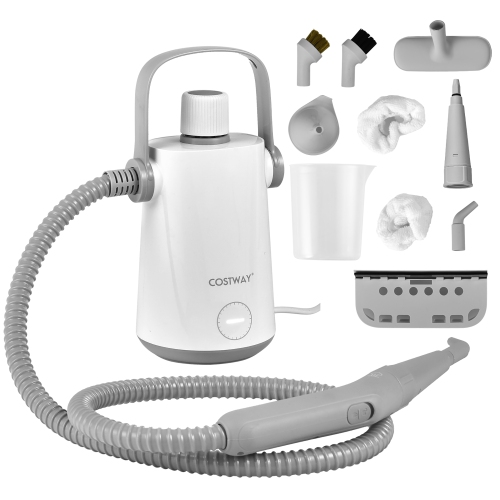
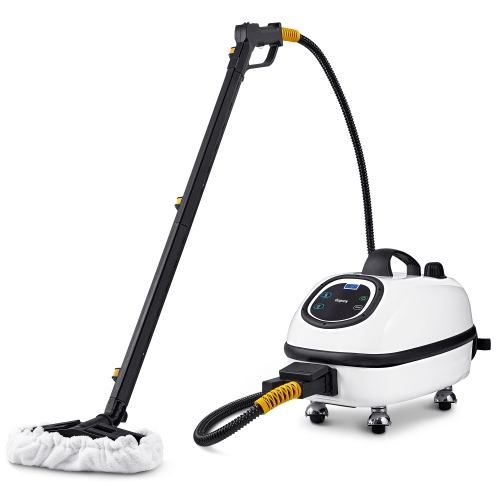
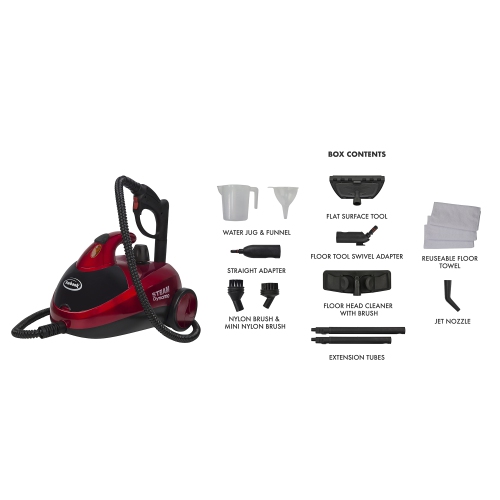
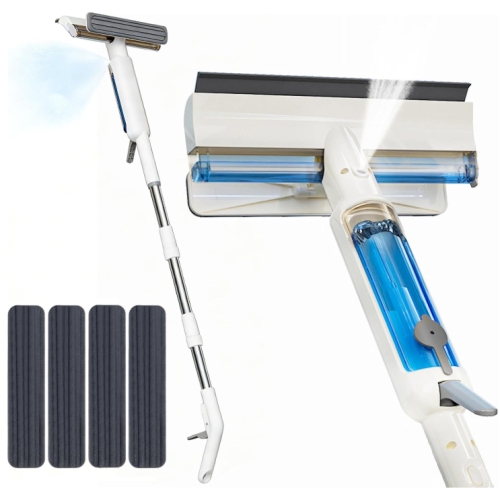
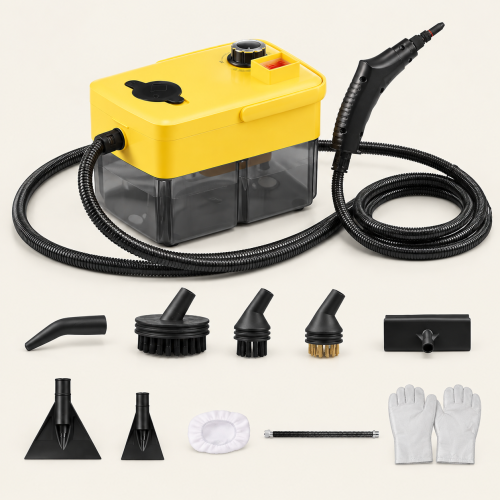
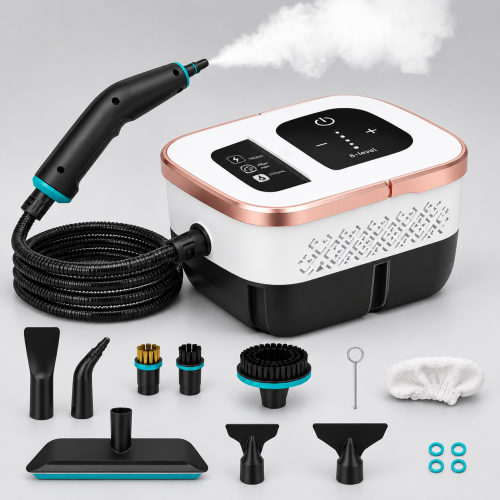
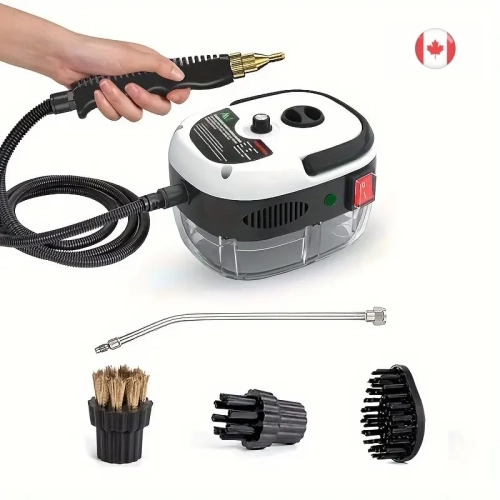
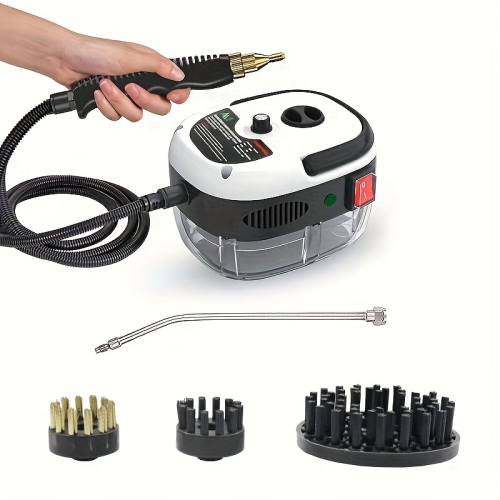
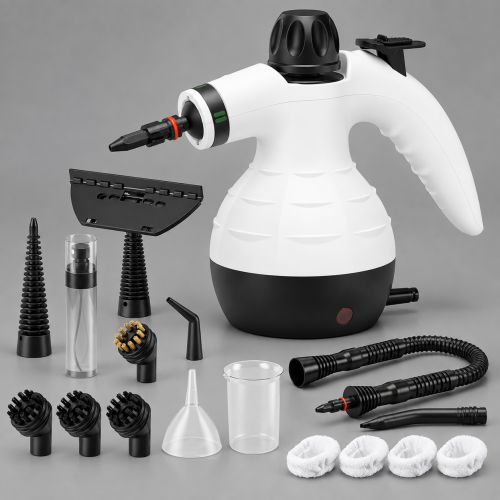
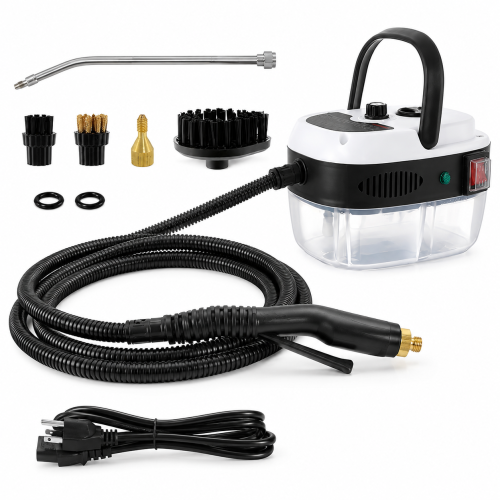
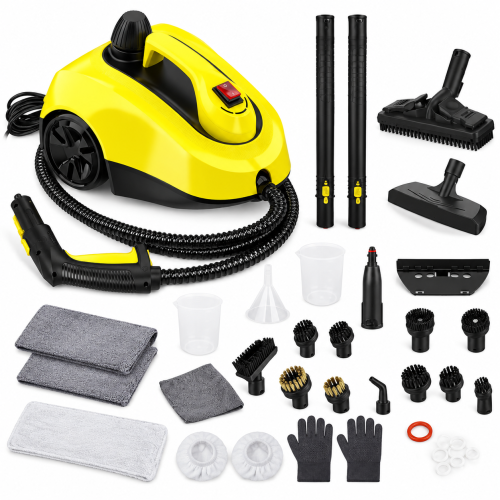
Steam cleaners for windows use heated water vapour to loosen dirt, fingerprints, and greasy residue on compatible glass, making the surface easier to finish with a squeegee or clean microfibre cloth. They can be useful for everyday marks on patio doors, smudges around window handles, and the thin film that collects on glass near cooking areas. The steam helps release the mess; removing the loosened dirt and moisture is what produces a clear finish. A window-cleaning attachment typically combines a broad cleaning head with a rubber blade or cloth-covered surface, although the exact design varies. Handheld steam cleaners suit smaller panes and occasional touch-ups, with a compact body that is relatively easy to carry between rooms. Their smaller water tanks may require more frequent refilling during larger jobs. Canister steam cleaners keep the main water reservoir on the floor and deliver steam through a hose, which can make longer cleaning sessions more manageable while adding equipment to move and store. For either format, suitability for windows depends on the manufacturer’s approved uses and the correct glass-cleaning accessory, not simply on the machine producing steam. A narrow detail nozzle designed for grout is not a substitute for a broad window tool. Tank capacity, heating time, steam adjustment, and the length of the working session between refills all affect how a cleaner fits into household routines. Higher pressure alone does not guarantee clearer glass, particularly if the cleaning head leaves excess moisture behind. For a home with several large panes, a comfortable handle, a smoothly moving head, and a useful working reach may matter more than a long list of attachments. In a smaller space, compact storage and an easy-to-manage cord can be more practical. The useful comparison is how the cleaner handles the glass surfaces that need regular attention, including pane size, access around furniture, and the distance to a suitable electrical outlet.
Glass compatibility is an important consideration because not every window or glazed surface is intended for steam cleaning. Coated, tinted, filmed, decorative, or damaged glass may have restrictions, and both the window manufacturer’s care instructions and the cleaner’s manual should permit the intended use. Concentrated heat can place stress on glass, while prolonged steam exposure may affect nearby seals, adhesives, painted trim, or wood finishes. Adjustable steam delivery and a well-fitting window attachment can help provide control, but they do not override those restrictions. A wide head can cover an uninterrupted patio-door pane efficiently; a smaller head may be easier to position within divided windows or close to handles. Flexible joints can improve contact with the surface, while a sound rubber blade helps draw moisture away without skipping. Even a suitable steam cleaner does not automatically leave glass streak-free. Residue on a cloth, debris along the blade, or dirty water left to dry can all leave visible marks. Washable microfibre pads and removable squeegee blades are useful features for keeping the parts that touch the glass clean. Some moisture may collect along the lower edge of a pane, so absorbent cloths and protection for nearby moisture-sensitive surfaces remain relevant. Steam can help loosen surface deposits, but it should not be expected to repair scratches, remove etched marks, or resolve cloudiness trapped between sealed panes. Window vacuums serve a different purpose: they suction liquid from glass rather than generate steam, and a battery-powered window vacuum is not necessarily a steam cleaner. Understanding that distinction helps separate tools that loosen dirt from tools that collect the resulting water. Related glass-cleaning needs extend to Steam Cleaners for Shower Doors, where suitable attachments and careful attention to coatings also matter, although soap residue and mineral buildup can require a different approach from ordinary window smudges.
Day-to-day ownership depends as much on handling and care as on cleaning performance. The weight of a handheld cleaner with a filled tank can feel quite different from its empty weight, especially when working across several panes. A balanced grip, an accessible steam trigger, and a hose that moves freely can make controlled movements easier. Extension tools may improve access within the manufacturer’s permitted reach, but they do not make an otherwise inaccessible window safe to clean or justify stretching from an unstable position. Cord length and hose length are separate measurements worth considering: one determines access to power, while the other affects movement between the cleaner and the glass. Secure attachment connections and clear refill instructions are practical details that become more noticeable with repeated use. Water requirements also vary by machine. Some manuals specify distilled or demineralized water, while others permit tap water or a particular mixture; following those directions helps manage mineral buildup without assuming that one water type suits every cleaner. Detergent, fragrance, vinegar, or descaling solution should not be added unless expressly permitted. Steam cleaners operate with hot water and may retain pressure after use, so the stated cooling, depressurizing, and refilling procedures are essential, particularly before opening a reservoir or changing accessories. Storage is easier when the tank can be cared for as directed, the cord has a tidy resting place, and attachments stay together rather than loose in a cupboard. Cloth pads need washing according to their care labels, and cleaning heads should be checked for grit that could mark a surface. Replaceable blades and pads can help keep a compatible attachment working well as its contact surfaces wear. For households with frequently handled glass doors, generous interior glazing, or recurring cooking film on nearby windows, these details support a repeatable cleaning routine. For occasional marks on a single pane, a simpler setup may be sufficient. The most suitable window steam cleaner is one whose approved uses, handling, attachments, and upkeep match the home, rather than one chosen for steam output alone.
Top selling and popular products
-
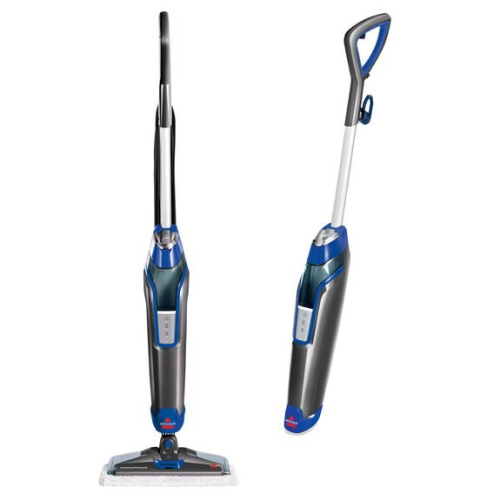 Your price for this item is $204.73
-
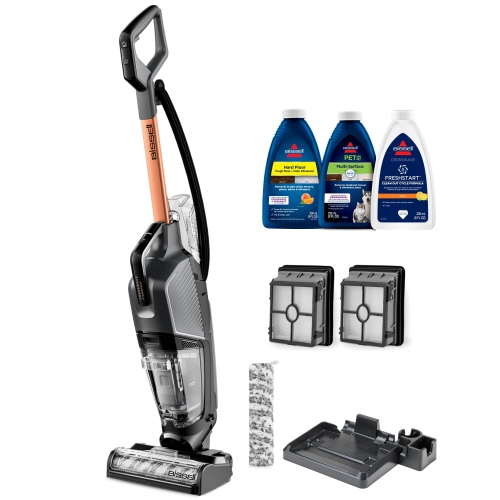 Your price for this item is $397.99
-
 Your price for this item is $399.99
-
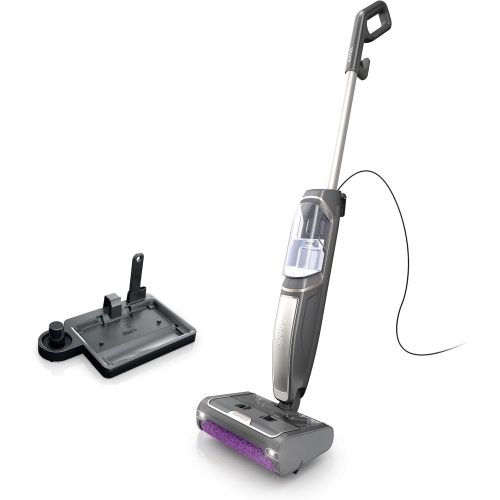 Your price for this item is $456
-
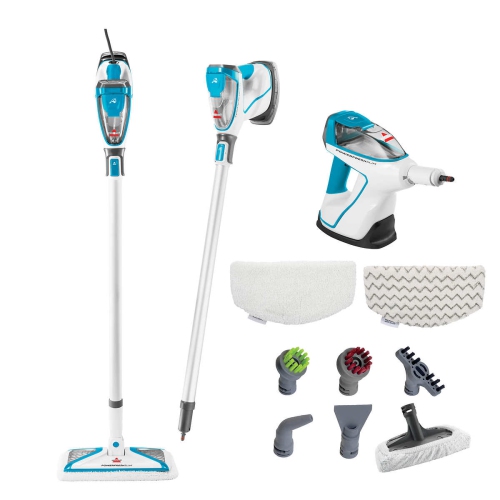 Your price for this item is $236.01
-
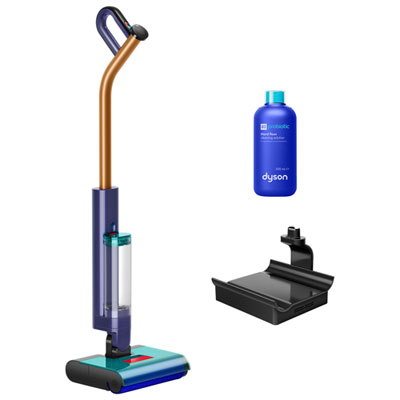 Your price for this item is $699.99
-
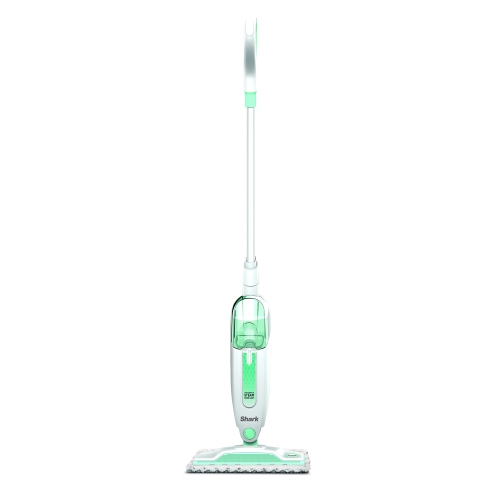 Your price for this item is $140.03
-
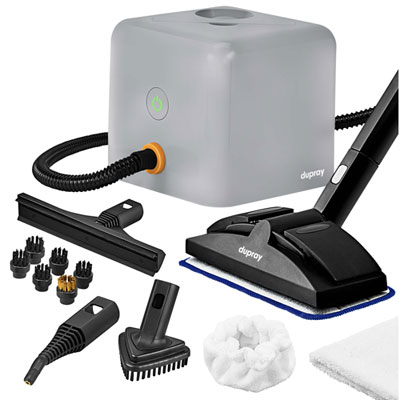 Your price for this item is $349.99
Discover more categories related to Steam Cleaners for Windows
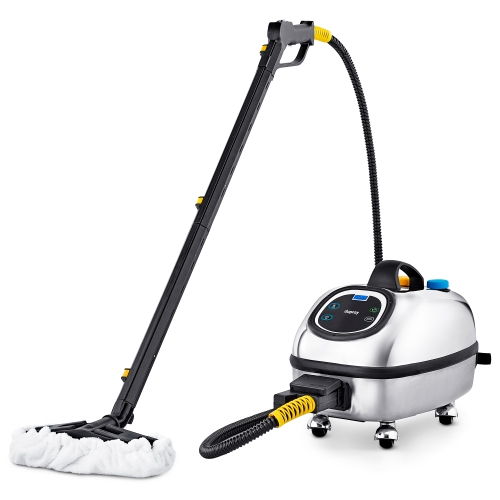
Top Collections:
Pokemon Centers, Kindle Devices, Best Cameras for Sports Photography, Best Budget Office Chairs, Pokémon 30th Celebration Cards, Apple iPhones 16, Canon G7X Cameras, iPhone 15 Apple, Flip Phones, Samsung Galaxy Phones
Some products may be subject to Environmental Handling Fees
(EHF) depending on your province.
Learn more about EHFs.