Top Ice Makers
Ice makers are a convenient way to keep your drinks cold, and they're also a great way to entertain. Whether you're hosting a party or just want to make sure your favorite beverage is always at the ready, an ice maker can be a great addition to your home. Here are some of the best ice makers on the market.
Sort



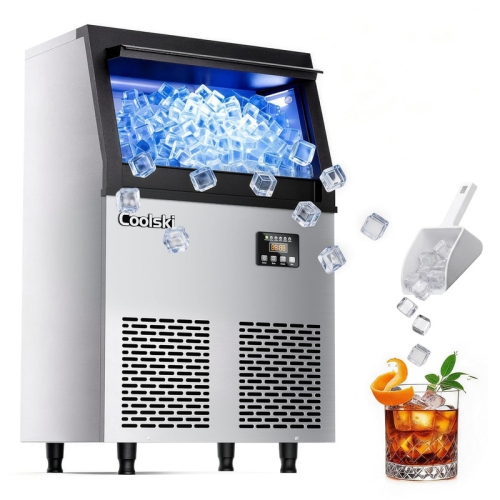
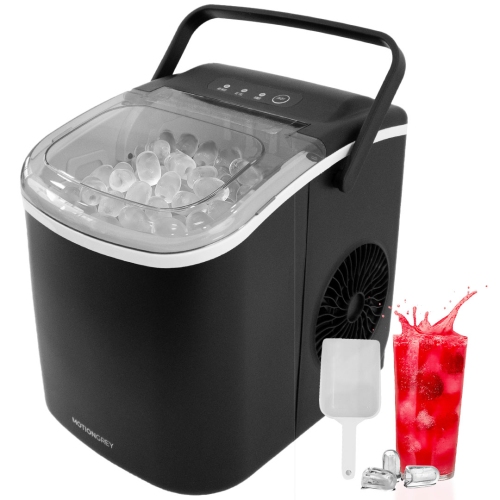
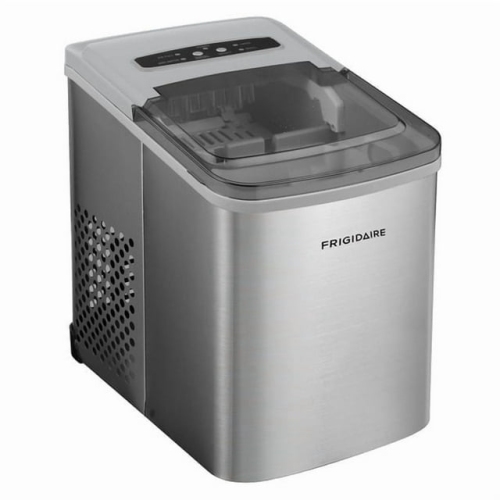
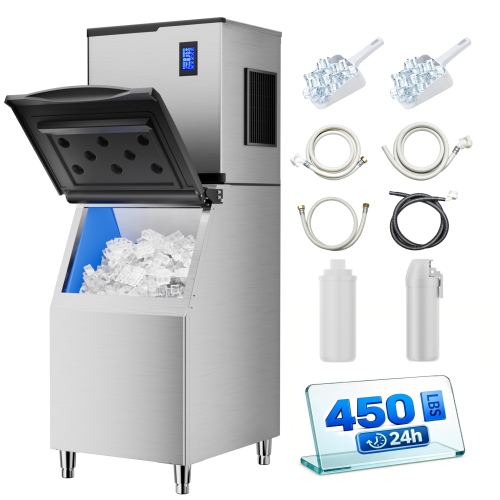
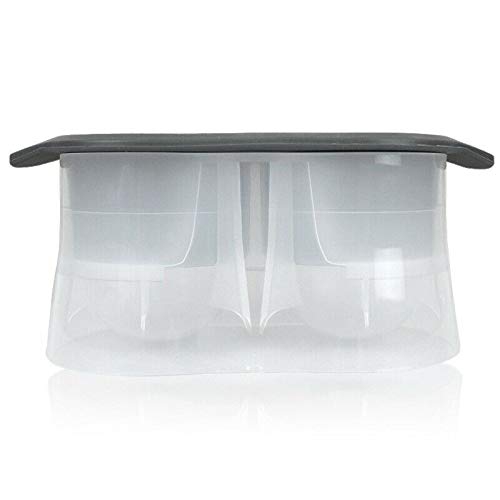
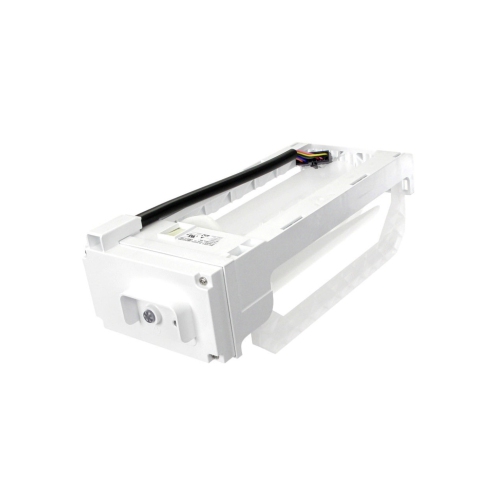
Why ice shape matters in your everyday drinks
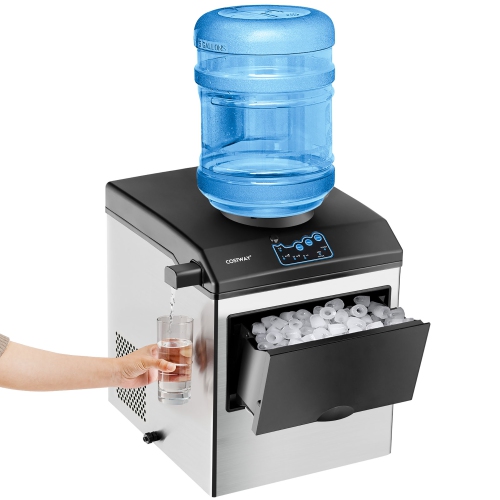
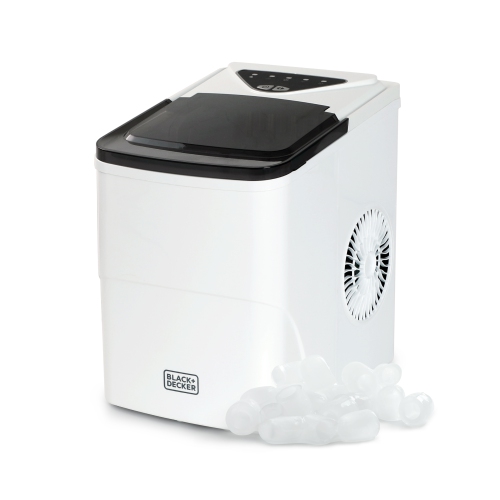
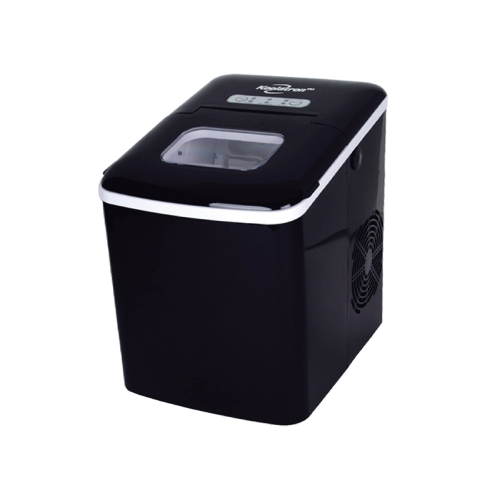
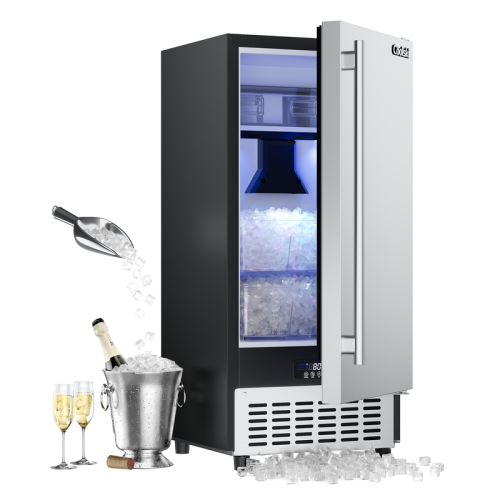
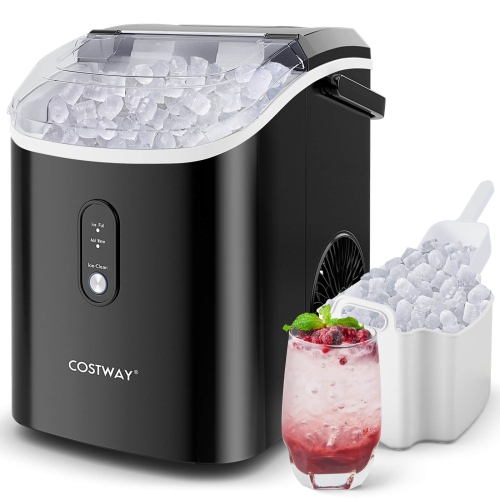
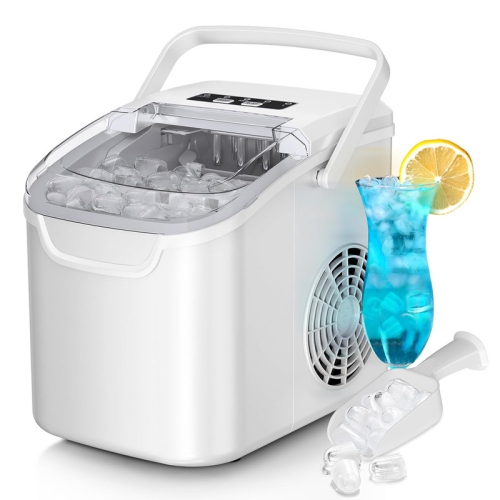
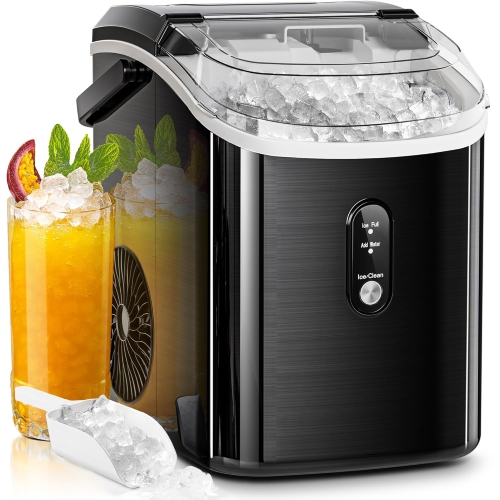
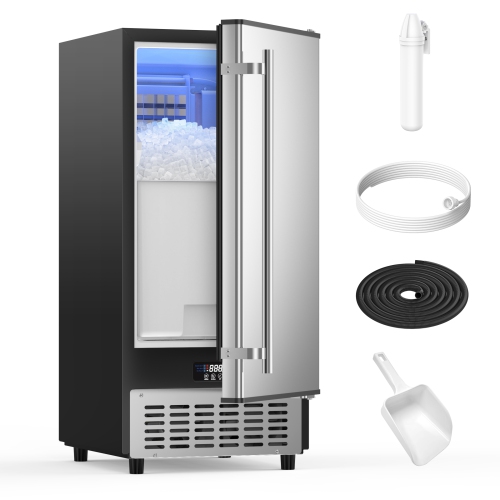
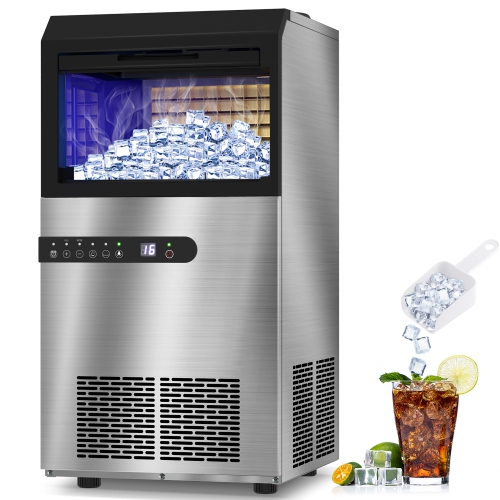
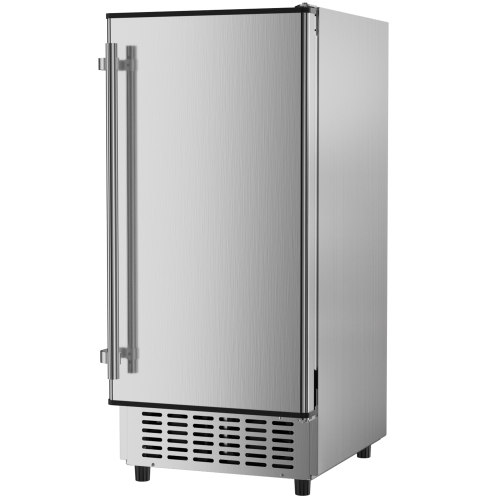
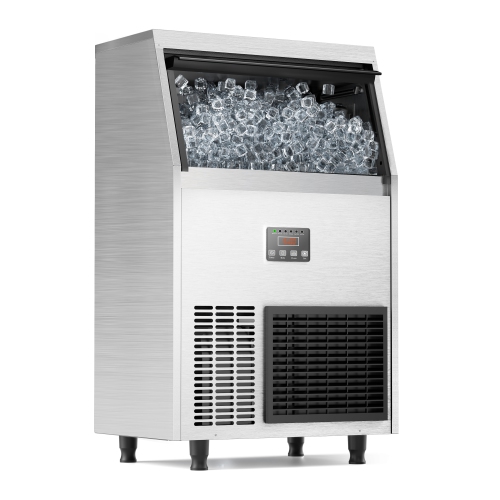
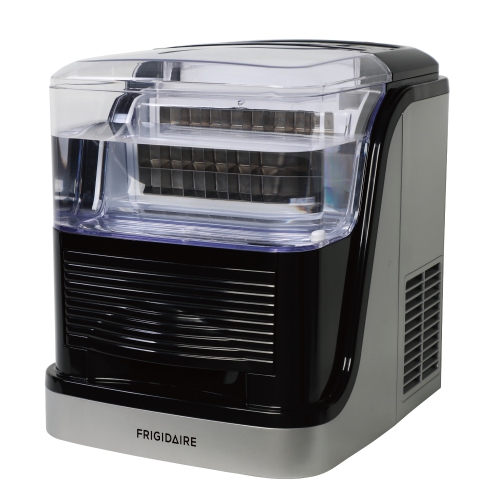
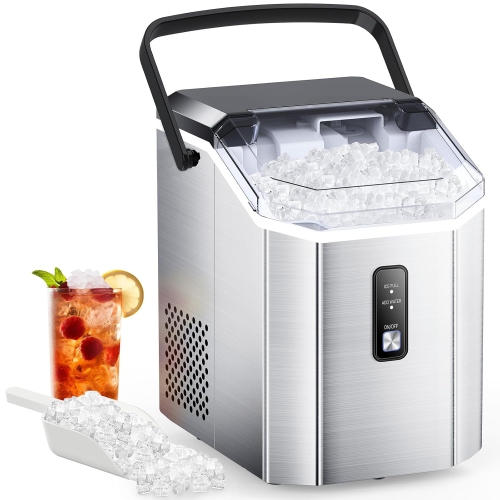
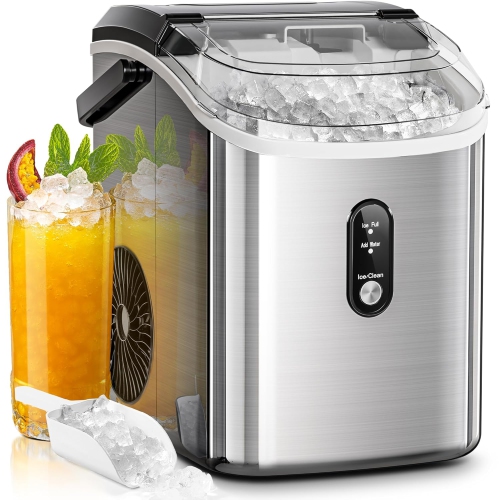
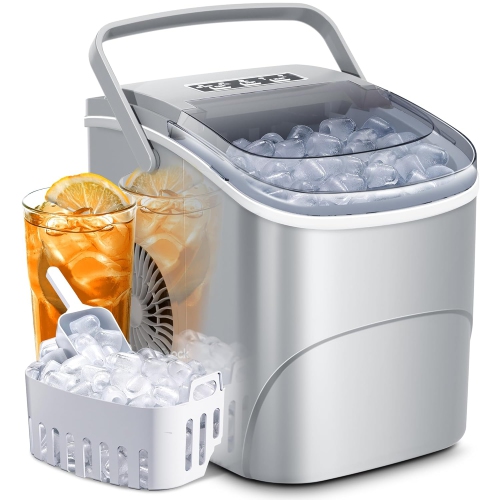
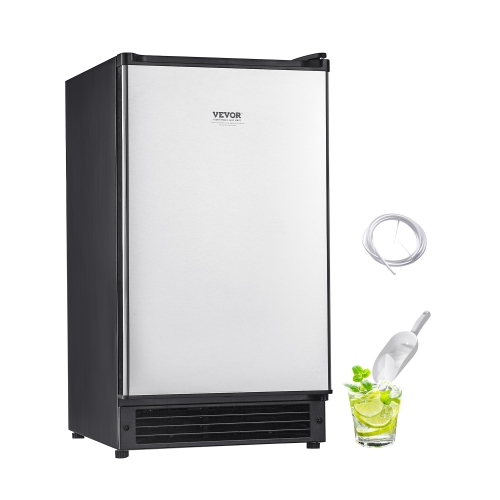
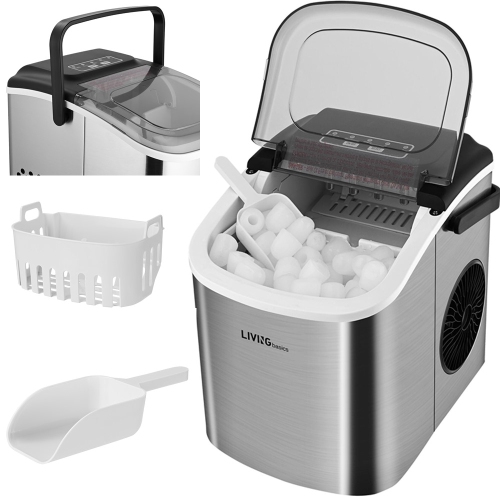
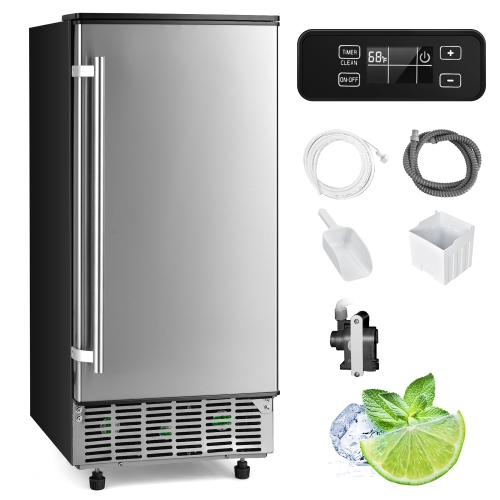
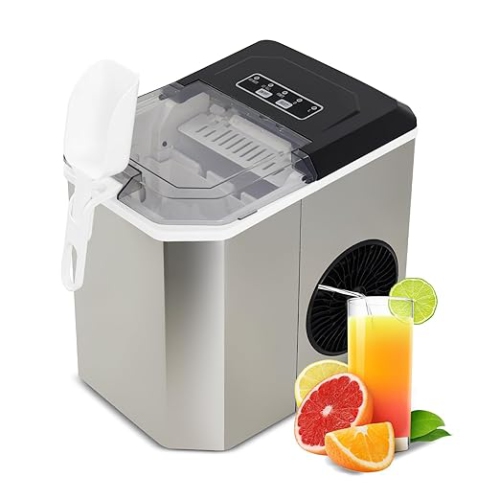
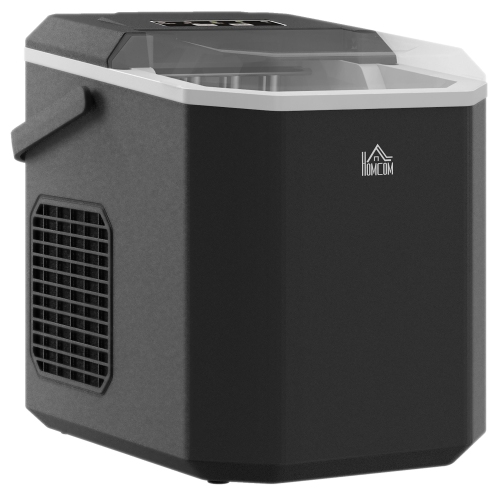
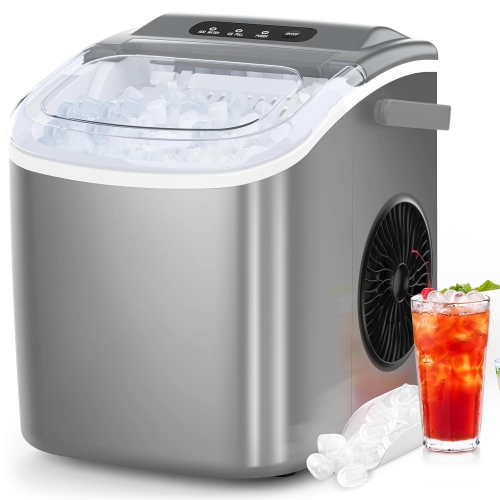
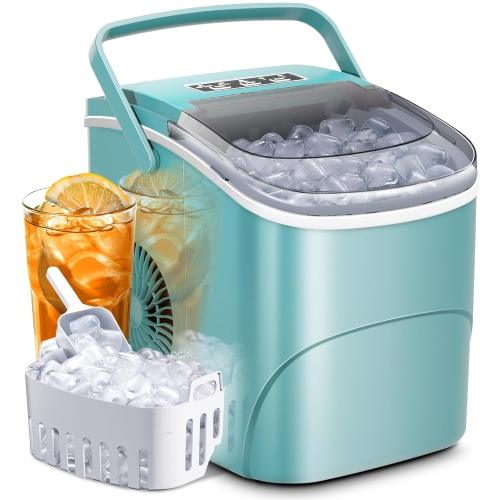
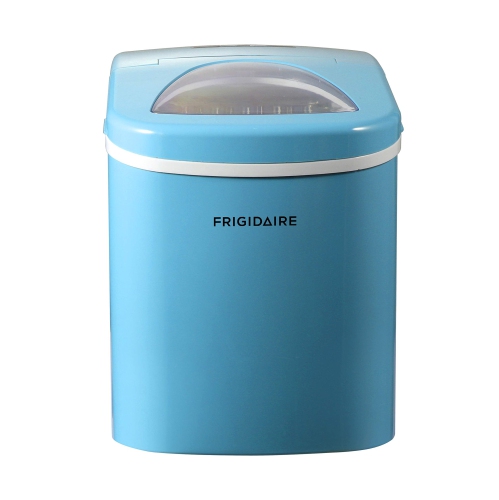
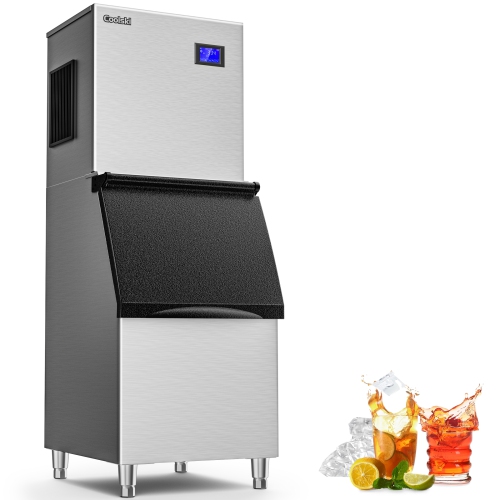
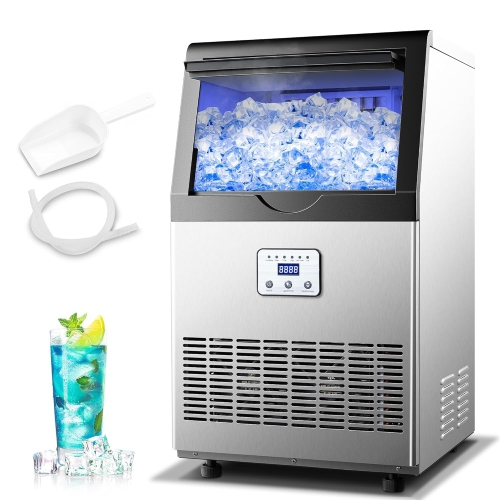
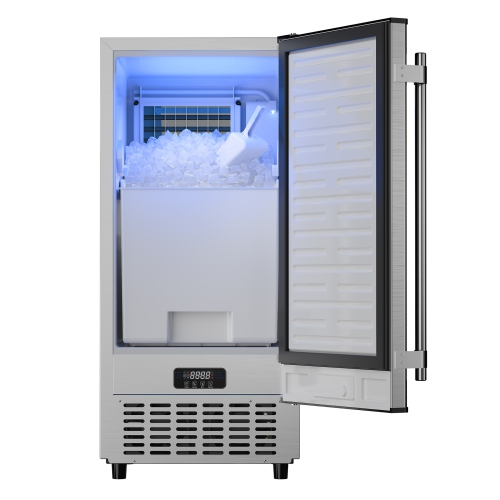
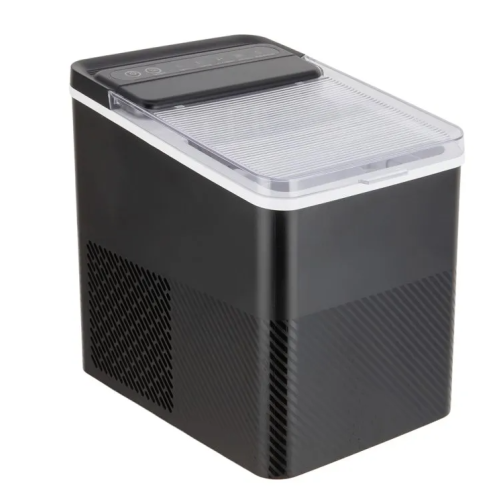
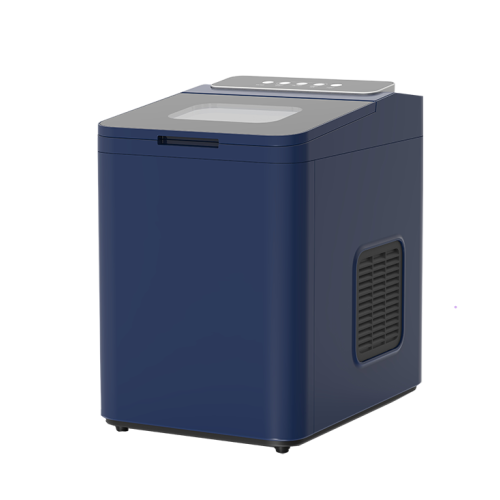
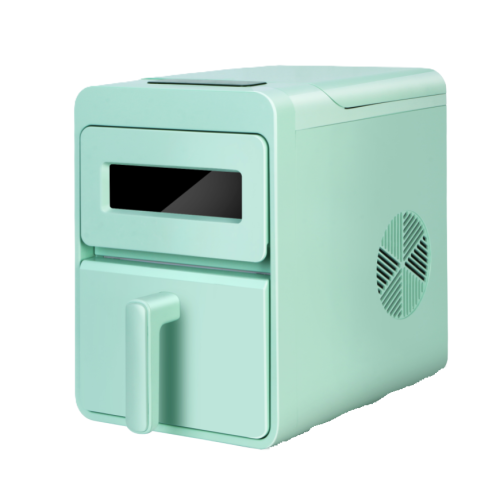
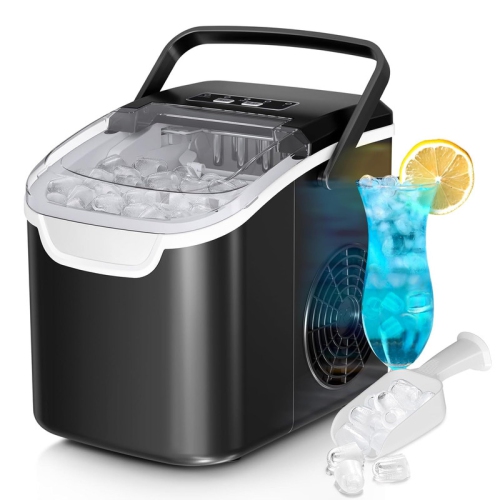
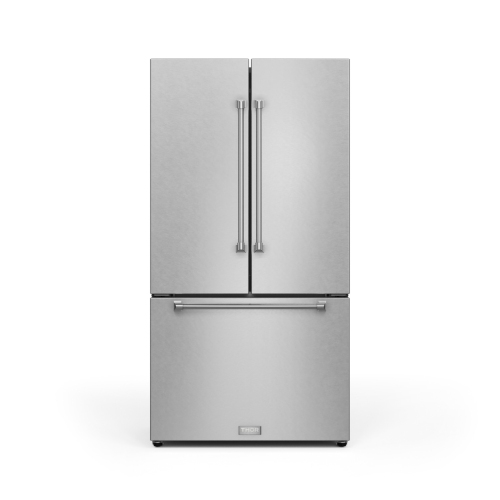
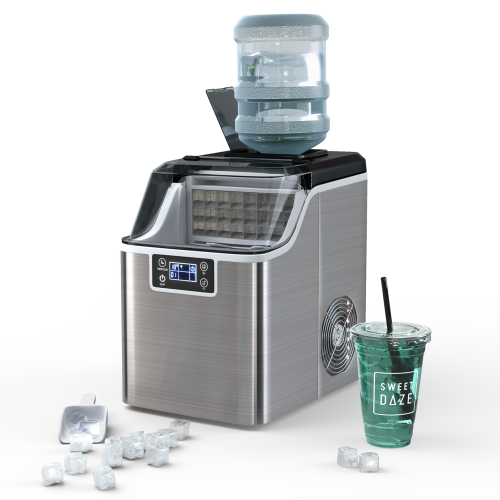
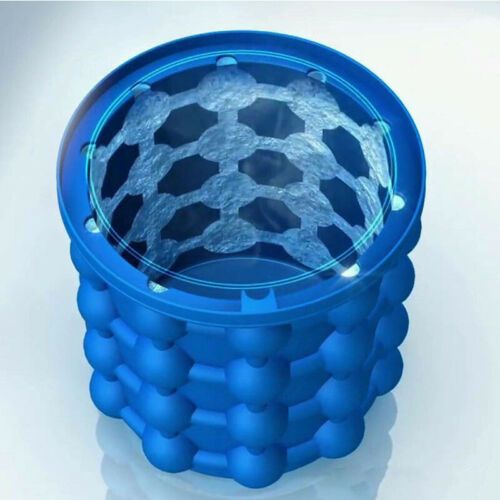
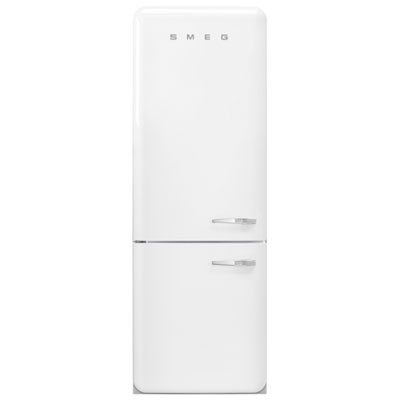
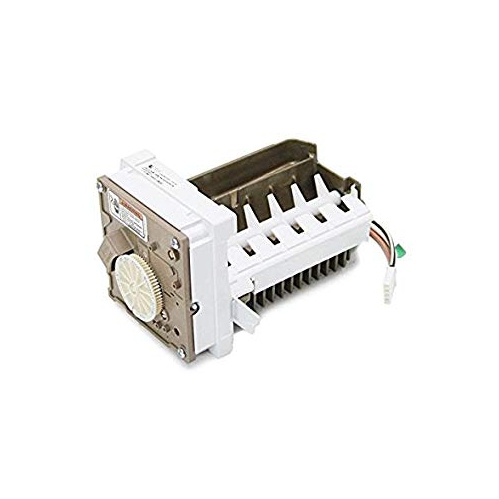
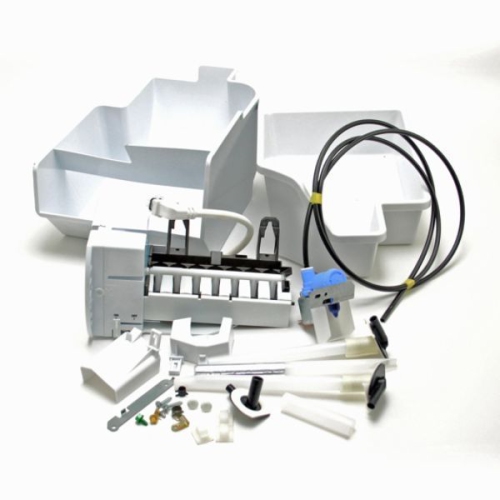
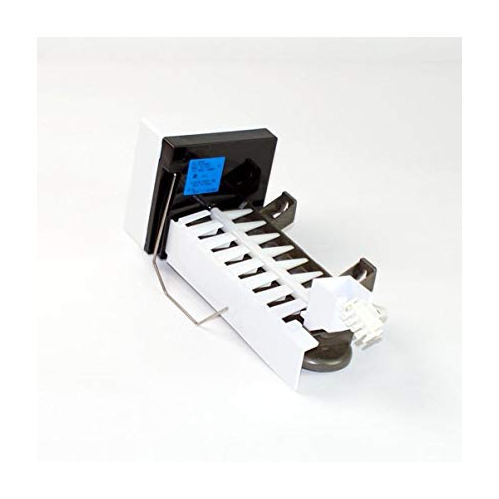
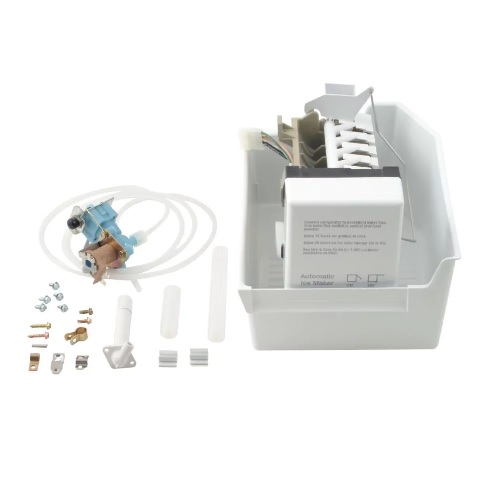
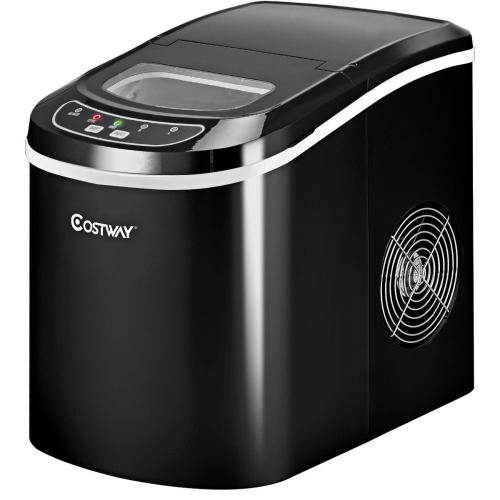
Top ice makers bring a steady supply of ice to everyday routines, from filling a tumbler before work to setting out drinks when friends come over. The best fit depends on the ice texture you enjoy, how much you use, and where the appliance will sit. Countertop ice makers suit kitchens, home bars, and shared break rooms where a refillable water reservoir is more practical than a permanent water connection. Many make small batches throughout the day, helping take the pressure off freezer trays without requiring a full kitchen installation. Ice shape is a useful starting point because it changes the experience in the glass. Bullet ice has a rounded exterior and a hollow centre; it is common in portable machines and works well for iced coffee, sparkling water, and everyday cold drinks. Nugget ice consists of small pieces of compressed ice flakes, giving it the softer, chewable texture often associated with fountain drinks. Its small pieces settle easily around a straw and pack into insulated cups, making it appealing to anyone who likes plenty of ice in each serving. Traditional cube ice offers a different feel, with solid pieces that suit mixed drinks, pitchers, and glasses served over ice. Larger, solid cubes generally melt more slowly than smaller pieces under similar conditions, although drink temperature and the amount of ice also affect dilution. Clear ice is another preference, especially for a home bar, but appearance depends on the machine’s freezing process as well as water quality. An ice maker described as producing cubes does not necessarily produce clear ice, so that feature is worth confirming in the specifications. During the cooler months, these appliances still earn their counter space: chilled drinks alongside a warm meal, iced lattes on a quiet morning, and a full ice bucket for an evening gathering all have their place. The most useful choice is less about a universal ranking and more about matching the machine to the drinks and routines you already enjoy.
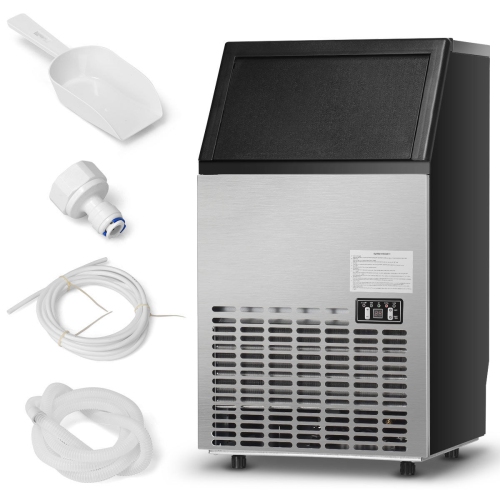
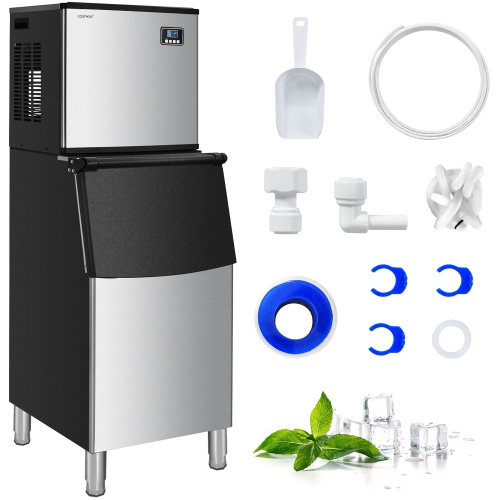
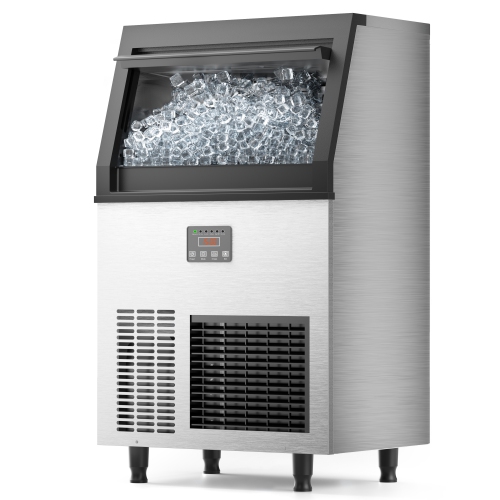
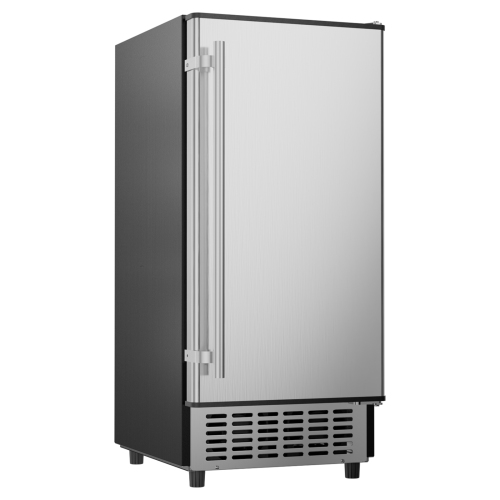
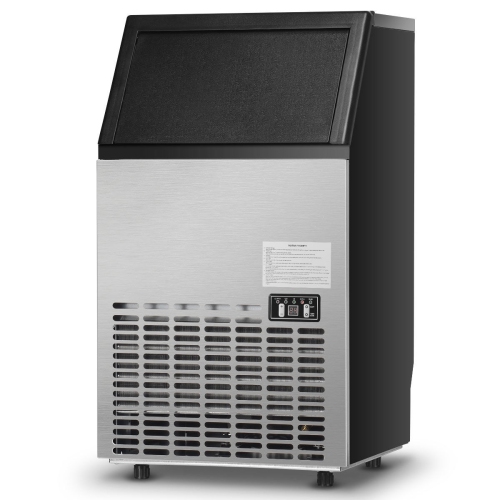
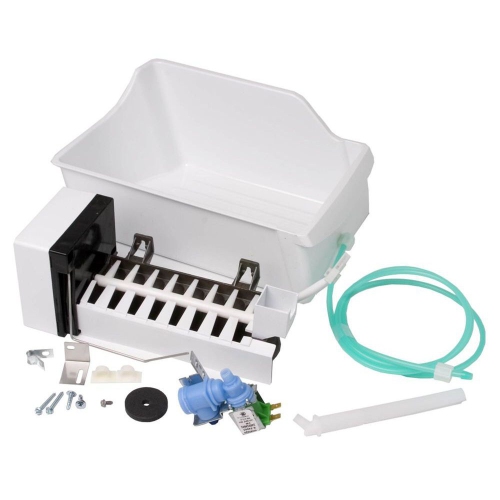
Production capacity, batch time, and bin size tell different parts of an ice maker’s story. A daily production rating describes how much ice a machine can make over a stated period under specified test conditions; it does not mean that amount will be sitting in the basket at once. Actual output can vary with room temperature, water temperature, ventilation, and how often the machine pauses because its basket is full. First-batch time is helpful for judging how soon you can start filling a glass, but a quick initial cycle may yield only a small serving. For a household that fills several large tumblers every morning, ongoing output and storage capacity deserve as much attention as speed. For occasional drinks with dinner, a smaller machine may be entirely sufficient. Many portable countertop ice makers have insulated baskets rather than refrigerated freezer compartments. Ice left inside gradually melts, and some machines return that water to the reservoir to make more ice. That is convenient during use, but it is not the same as keeping a frozen supply overnight. If you plan to save ice for later, allow freezer space and use a suitable food-storage container; freshly made, wet ice may freeze together in clumps. Physical dimensions matter just as much as output. Measure the available counter space, the clearance beneath cupboards with the lid open, and the ventilation space required by the manufacturer. A machine that fits neatly beside a coffee station still needs room to release heat. Check whether it fills from the top, has a removable reservoir, or needs access to a drain plug for emptying. Built-in and freestanding models can have different installation requirements, including a water supply, drainage, and specific airflow arrangements. For workplaces, hospitality settings, or other higher-volume needs, Commercial Ice Makers offer another category to explore, with capacity, sanitation requirements, and installation suitability assessed for the intended setting. A larger output rating alone does not establish that a machine is suitable for commercial use.
Day-to-day convenience often comes down to details that are easy to overlook until the appliance is part of your kitchen. A clearly marked water level, accessible controls, a removable basket, and a scoop that has a clean place to rest can make serving and refilling simpler. Full-basket and low-water alerts help reduce guesswork, while automatic shut-off can pause production when the machine needs attention. Some models offer timers, Wi-Fi connectivity, or app controls, but these features are most valuable when they support a routine you will actually use. Remote scheduling, for example, does not remove the need for water, available basket space, and regular cleaning. Sound is another practical consideration. Ice makers can produce compressor hum, fan noise, and the noticeable clatter of ice dropping into a basket. In an open-plan living area or a quiet office, placement may matter more than an extra setting on the control panel. Cleaning access also deserves a close look, particularly around the reservoir, basket, and any areas that stay damp. A self-cleaning cycle can simplify part of the process, but it does not necessarily replace manual cleaning, descaling, or sanitizing as directed by the manufacturer. Use potable water that meets the appliance’s requirements, follow the recommended cleaning schedule, and empty and dry the machine before longer periods without use. Water quality can affect taste and mineral buildup, so any filtration or water-treatment choice should be compatible with the model. For gifting, an ice maker can be a thoughtful match for the iced-coffee enthusiast, the frequent host, or someone setting up a home bar, provided there is enough space and an appropriate place to plug it in. Picture a busy kitchen before guests arrive: glasses lined up, a pitcher ready, and no need to loosen another tray under the tap. That everyday ease is the real appeal. The right ice maker offers the texture, output, and upkeep that fit comfortably into its owner’s home, whether it serves two daily drinks or helps keep a gathering running smoothly.
Production capacity, batch time, and bin size tell different parts of an ice maker’s story. A daily production rating describes how much ice a machine can make over a stated period under specified test conditions; it does not mean that amount will be sitting in the basket at once. Actual output can vary with room temperature, water temperature, ventilation, and how often the machine pauses because its basket is full. First-batch time is helpful for judging how soon you can start filling a glass, but a quick initial cycle may yield only a small serving. For a household that fills several large tumblers every morning, ongoing output and storage capacity deserve as much attention as speed. For occasional drinks with dinner, a smaller machine may be entirely sufficient. Many portable countertop ice makers have insulated baskets rather than refrigerated freezer compartments. Ice left inside gradually melts, and some machines return that water to the reservoir to make more ice. That is convenient during use, but it is not the same as keeping a frozen supply overnight. If you plan to save ice for later, allow freezer space and use a suitable food-storage container; freshly made, wet ice may freeze together in clumps. Physical dimensions matter just as much as output. Measure the available counter space, the clearance beneath cupboards with the lid open, and the ventilation space required by the manufacturer. A machine that fits neatly beside a coffee station still needs room to release heat. Check whether it fills from the top, has a removable reservoir, or needs access to a drain plug for emptying. Built-in and freestanding models can have different installation requirements, including a water supply, drainage, and specific airflow arrangements. For workplaces, hospitality settings, or other higher-volume needs, Commercial Ice Makers offer another category to explore, with capacity, sanitation requirements, and installation suitability assessed for the intended setting. A larger output rating alone does not establish that a machine is suitable for commercial use.
Day-to-day convenience often comes down to details that are easy to overlook until the appliance is part of your kitchen. A clearly marked water level, accessible controls, a removable basket, and a scoop that has a clean place to rest can make serving and refilling simpler. Full-basket and low-water alerts help reduce guesswork, while automatic shut-off can pause production when the machine needs attention. Some models offer timers, Wi-Fi connectivity, or app controls, but these features are most valuable when they support a routine you will actually use. Remote scheduling, for example, does not remove the need for water, available basket space, and regular cleaning. Sound is another practical consideration. Ice makers can produce compressor hum, fan noise, and the noticeable clatter of ice dropping into a basket. In an open-plan living area or a quiet office, placement may matter more than an extra setting on the control panel. Cleaning access also deserves a close look, particularly around the reservoir, basket, and any areas that stay damp. A self-cleaning cycle can simplify part of the process, but it does not necessarily replace manual cleaning, descaling, or sanitizing as directed by the manufacturer. Use potable water that meets the appliance’s requirements, follow the recommended cleaning schedule, and empty and dry the machine before longer periods without use. Water quality can affect taste and mineral buildup, so any filtration or water-treatment choice should be compatible with the model. For gifting, an ice maker can be a thoughtful match for the iced-coffee enthusiast, the frequent host, or someone setting up a home bar, provided there is enough space and an appropriate place to plug it in. Picture a busy kitchen before guests arrive: glasses lined up, a pitcher ready, and no need to loosen another tray under the tap. That everyday ease is the real appeal. The right ice maker offers the texture, output, and upkeep that fit comfortably into its owner’s home, whether it serves two daily drinks or helps keep a gathering running smoothly.
Top selling and popular products
-
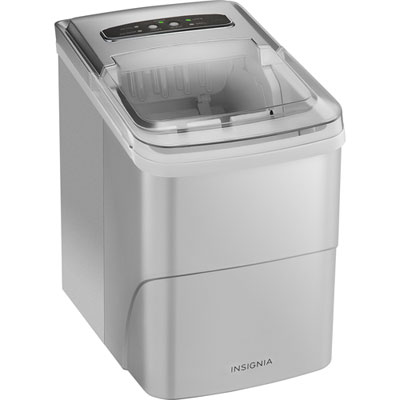 Your price for this item is $199.99
 -
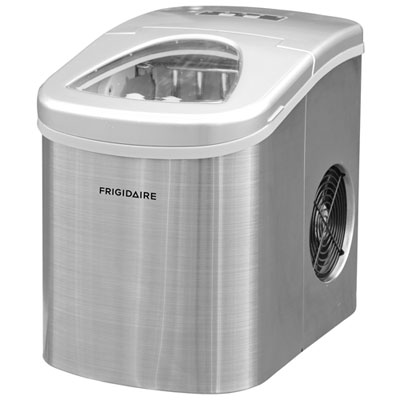 Your price for this item is $199.99
 -
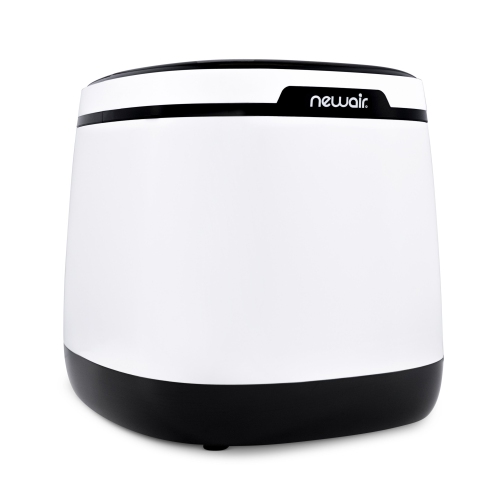 Your price for this item is $449.99
 -
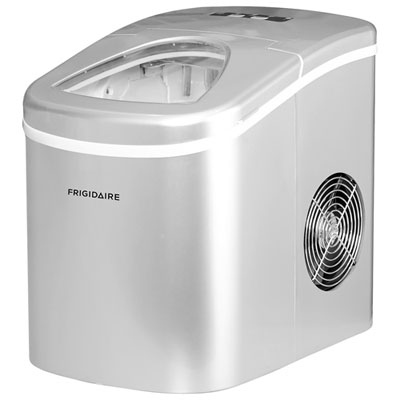 Your price for this item is $109.99
 -
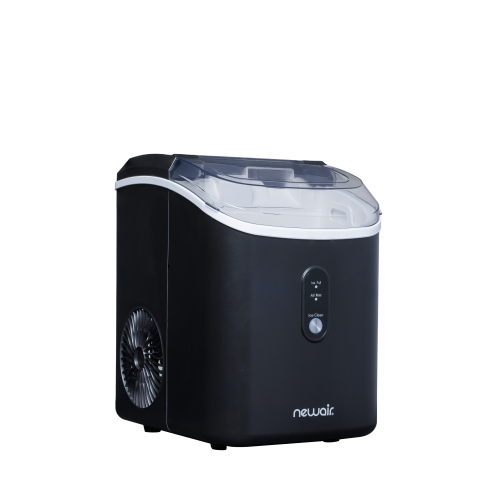 Your price for this item is $299.99
 -
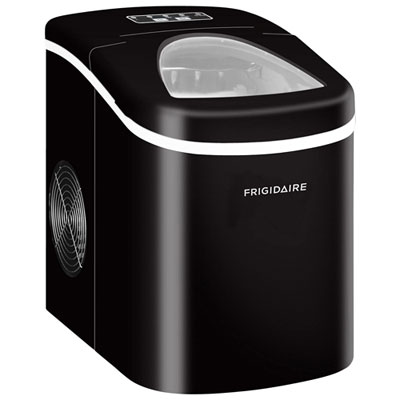 Your price for this item is $199.99
 -
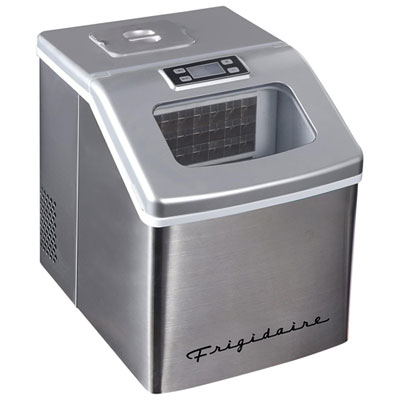 Your price for this item is $184.99
 -
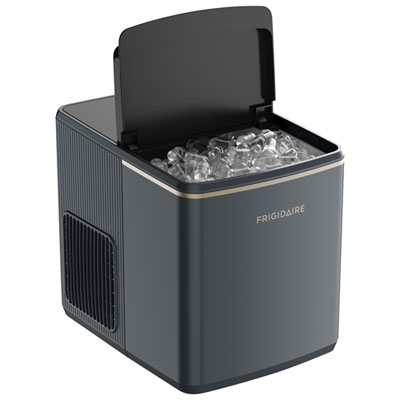 Your price for this item is $99.99
Discover more categories related to Top Ice Makers
Top Collections:
Pokemon Centers, Kindle Devices, Best Budget Office Chairs, Apple iPhones 16, Best Laptops for Writers, iPhone 15 Apple, Canon G7X Cameras, Refurbished Apple Laptops, Alarm Clock, Motorola Razr Phones
Some products may be subject to Environmental Handling Fees
(EHF) depending on your province.
Learn more about EHFs.