Under Cabinet Range Hoods With Aluminum Filters for Long-lasting Use
If you're in the market for a range hood that not only enhances your kitchen's aesthetic but also provides long-lasting functionality, look no further than under-cabinet range hoods with aluminum filters. These innovative appliances are designed to effectively remove smoke, odors, and grease from your cooking space, ensuring a clean and fresh environment while you whip up culinary creations. With their durable aluminum filters, these range hoods offer exceptional durability and efficiency, making them a smart investment for any home chef. Discover the benefits of under-cabinet range hoods with aluminum filters and elevate your cooking experience to new heights.
Sort
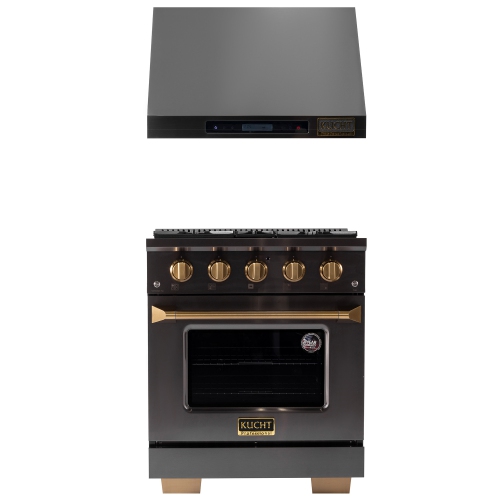
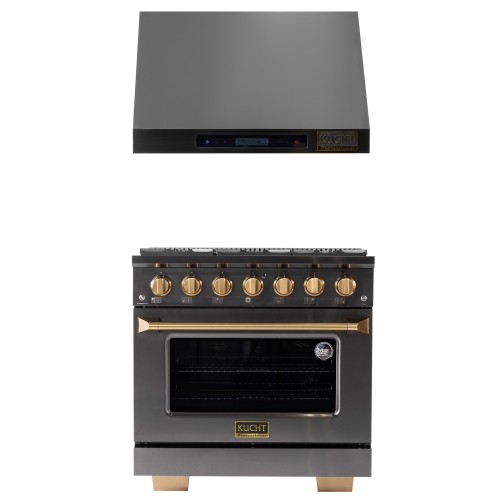
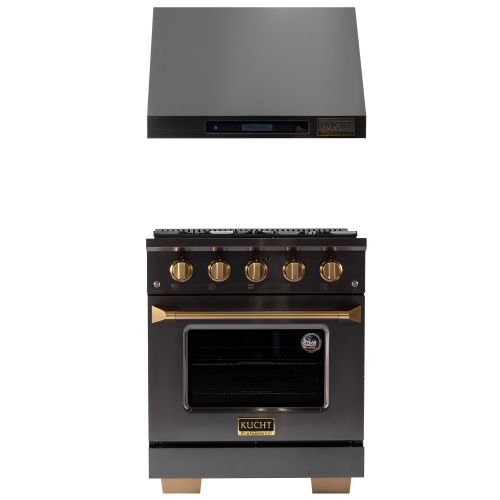
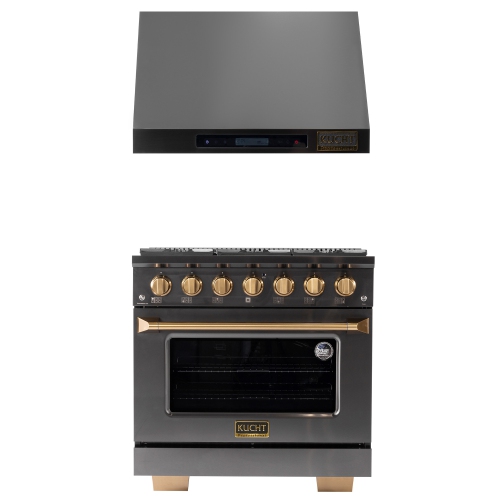
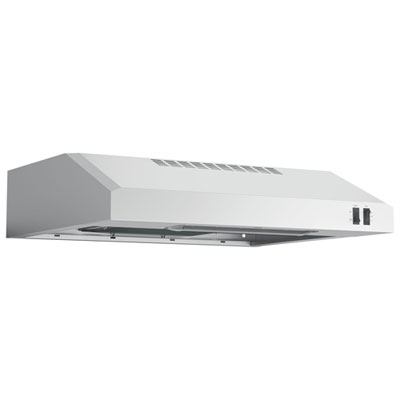
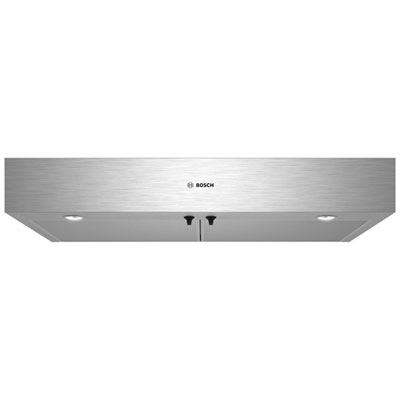
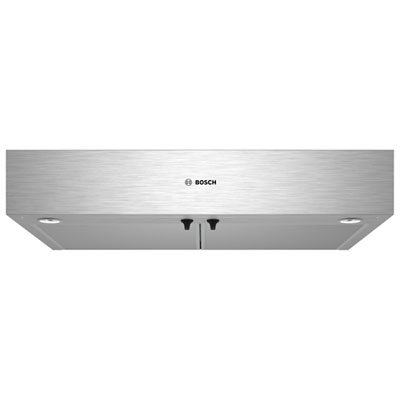
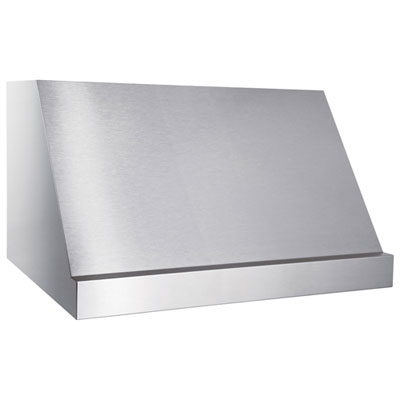

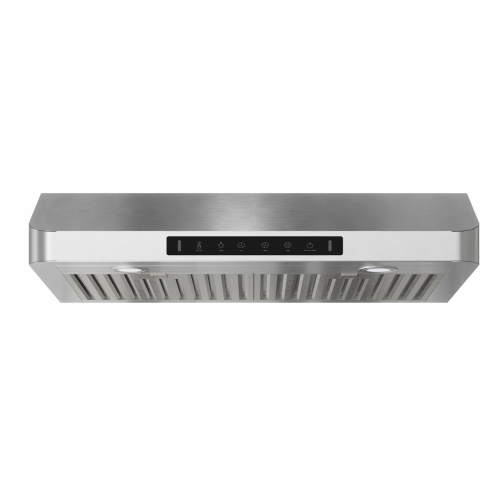
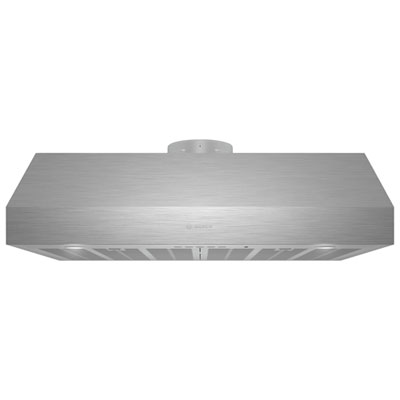
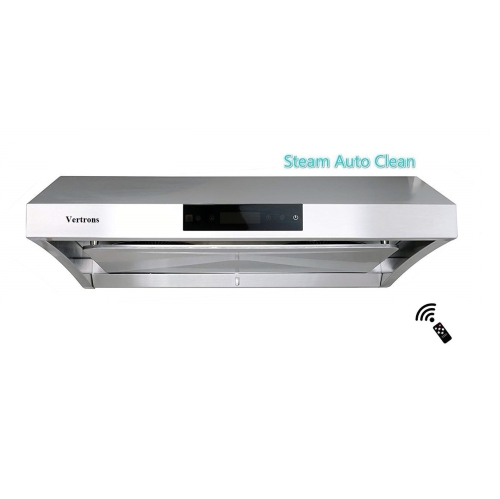
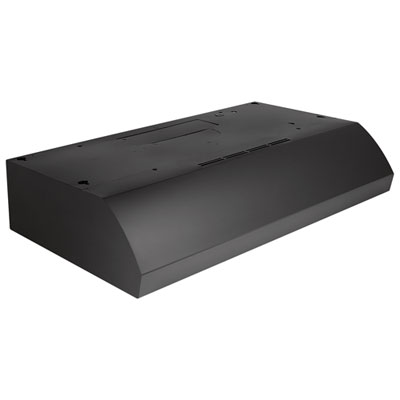

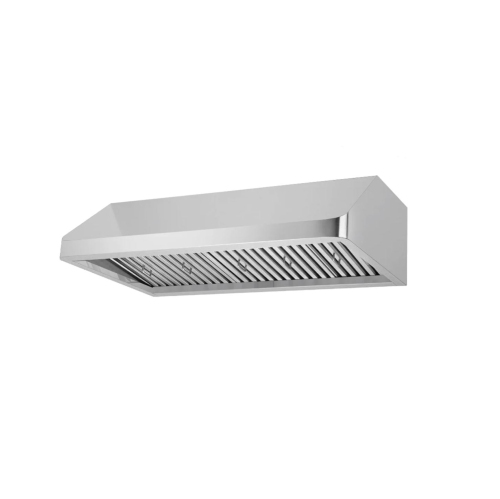
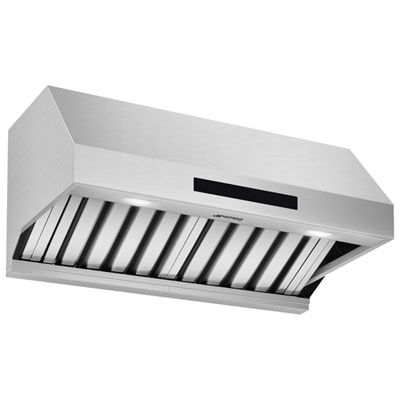
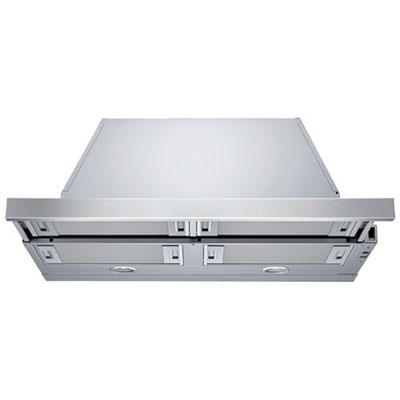
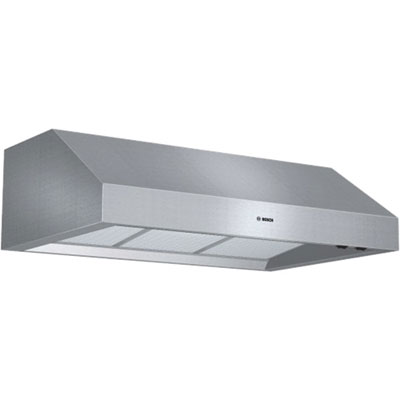
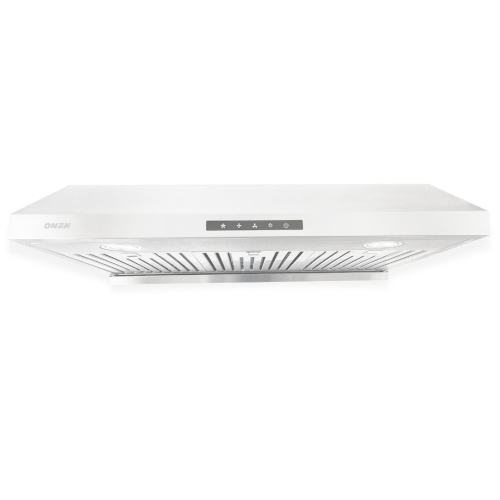
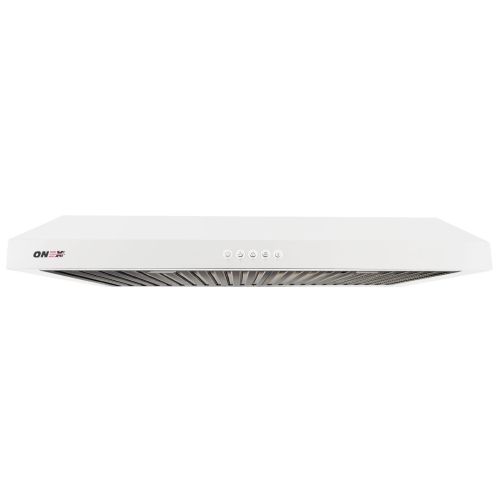
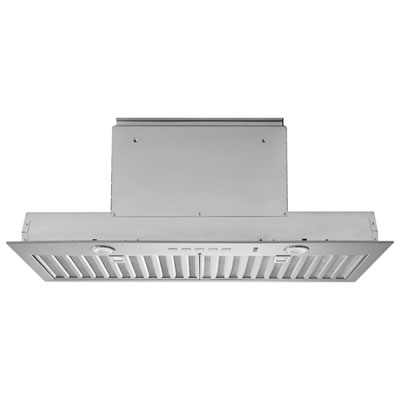
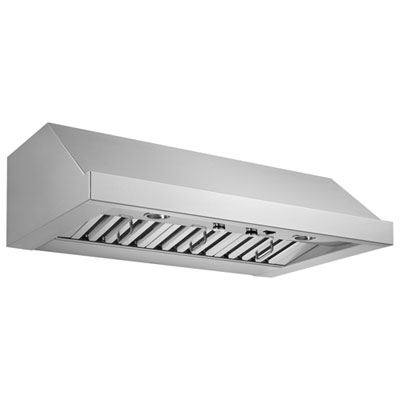
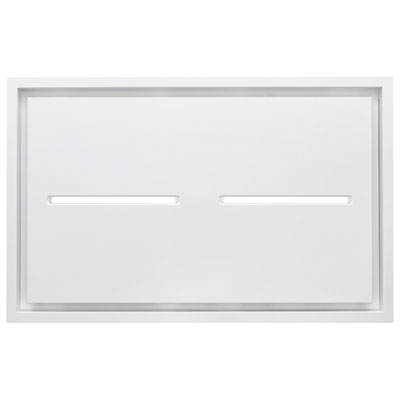
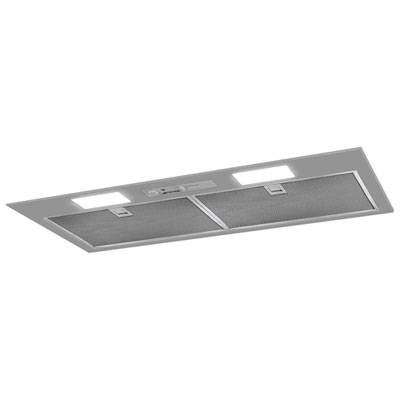
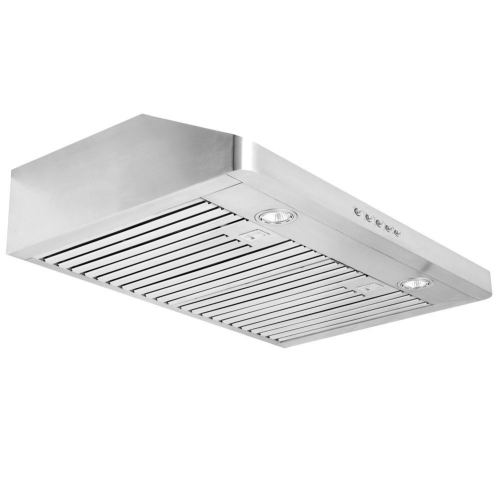
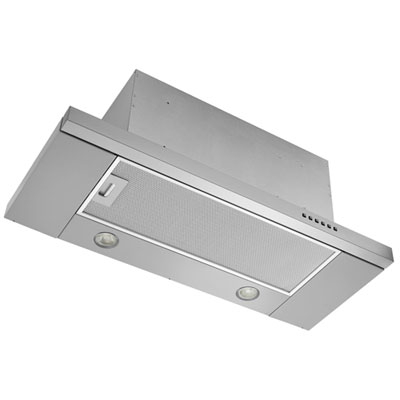
Practical ventilation and filter care for everyday cooking
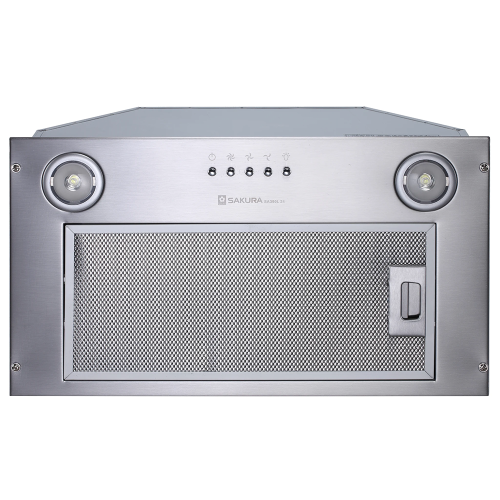
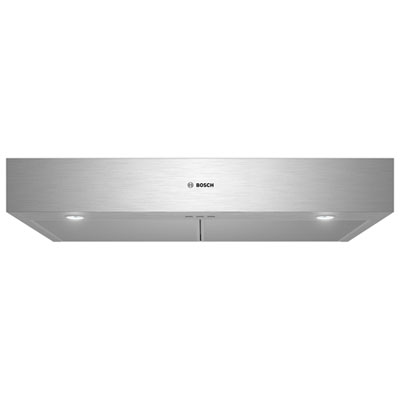
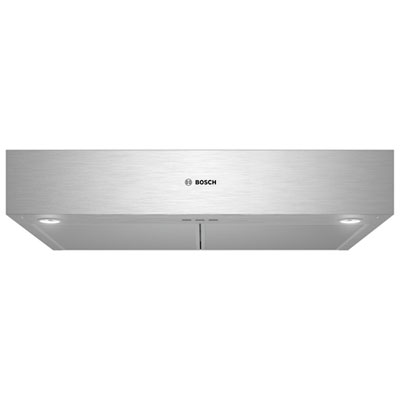
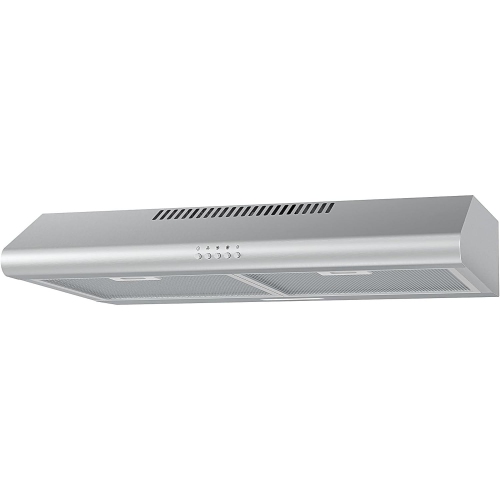
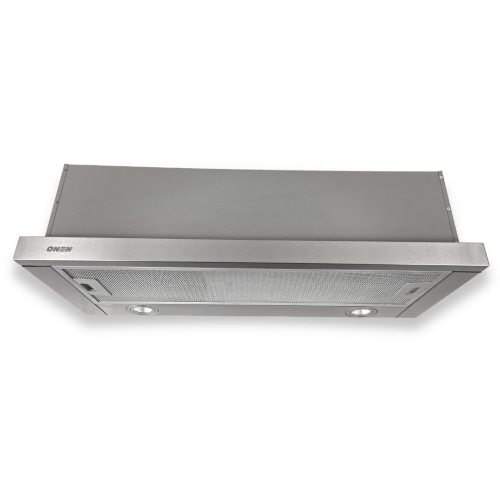
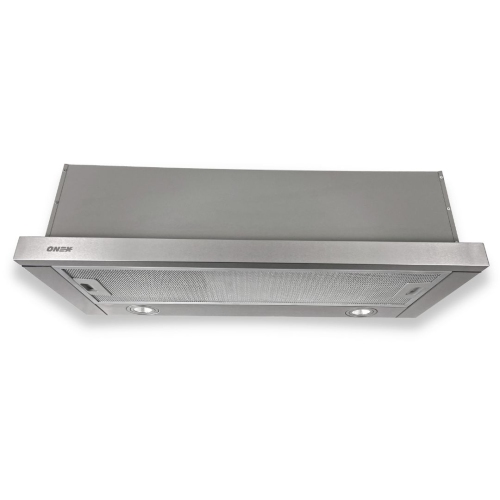
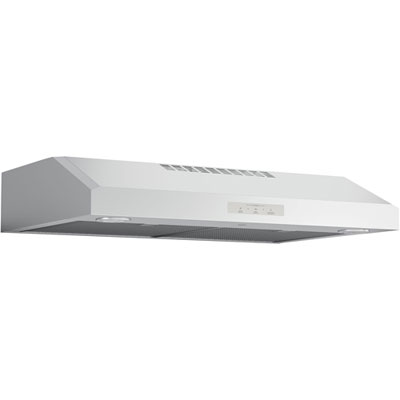
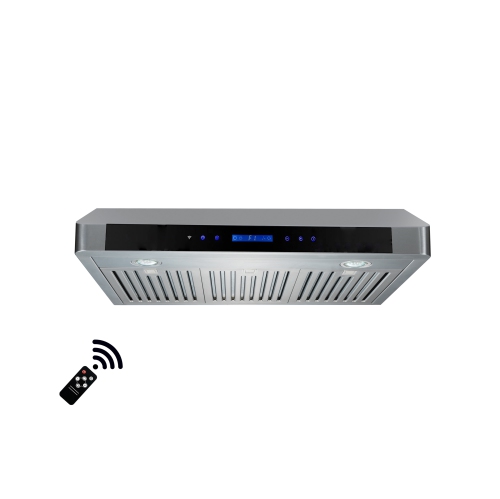
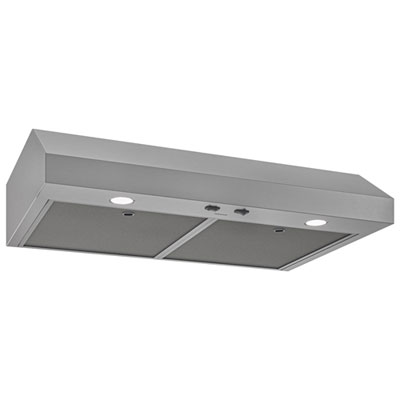
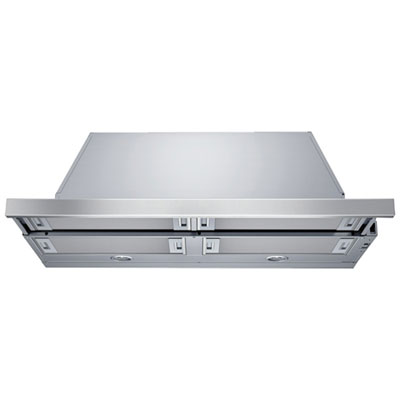
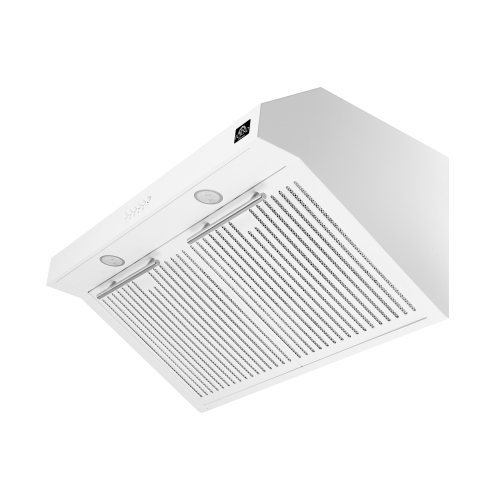
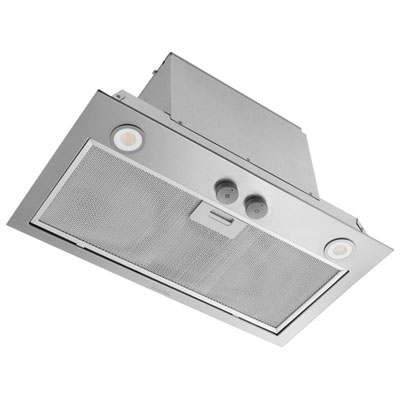
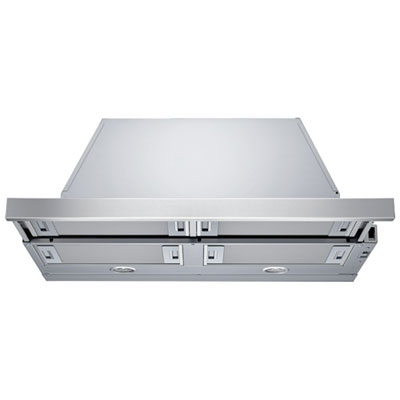
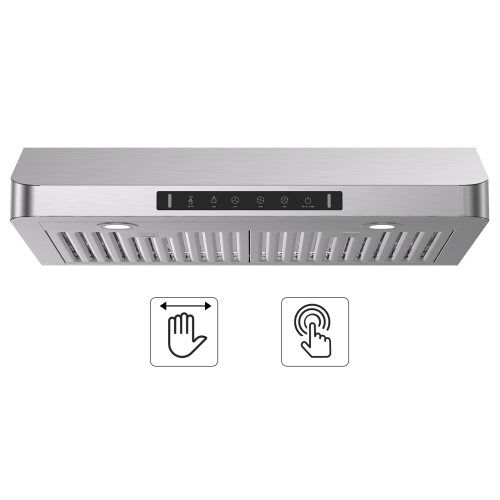
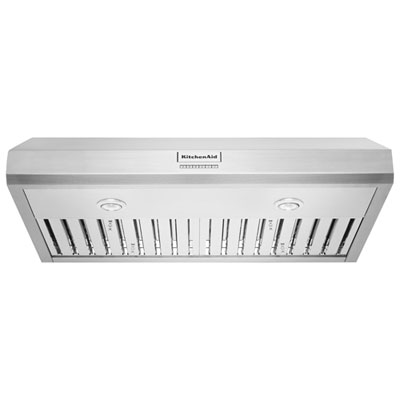
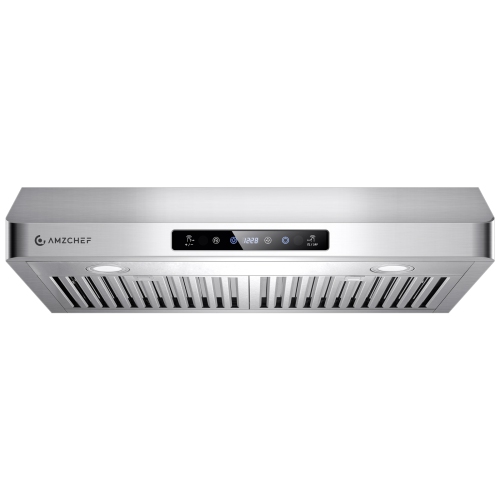
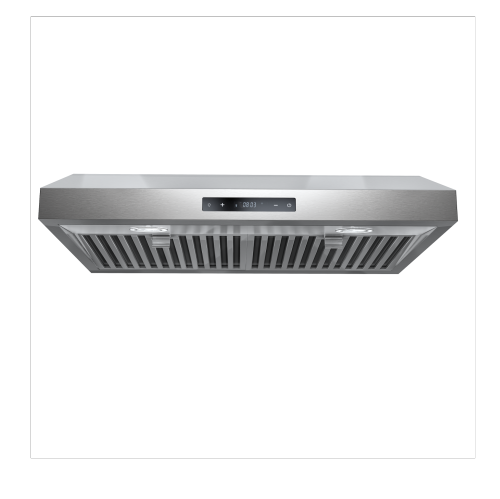
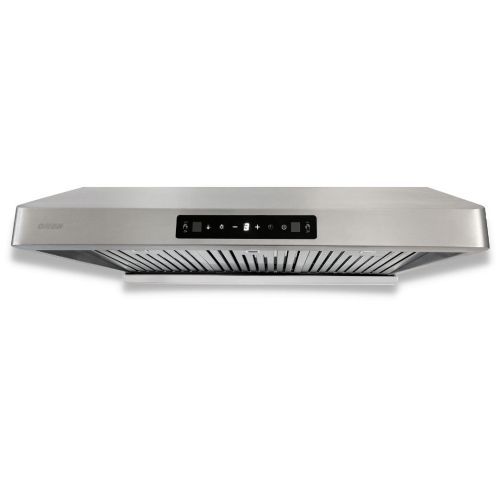
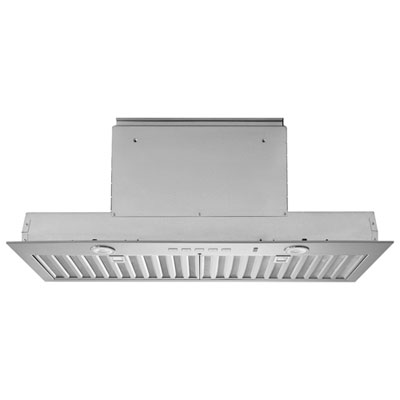
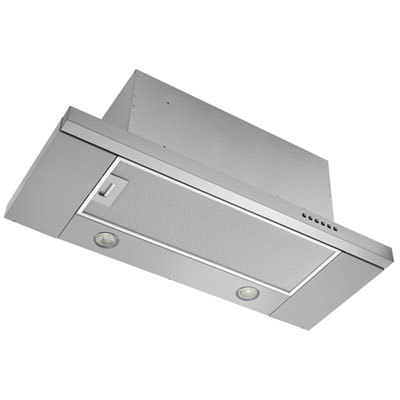
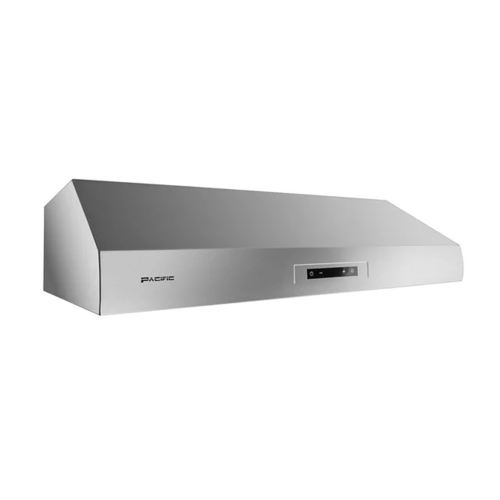
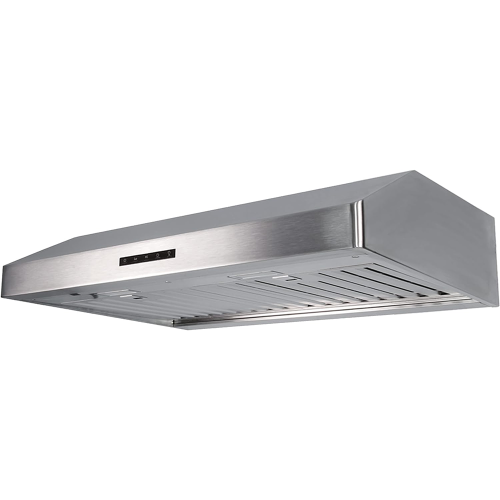
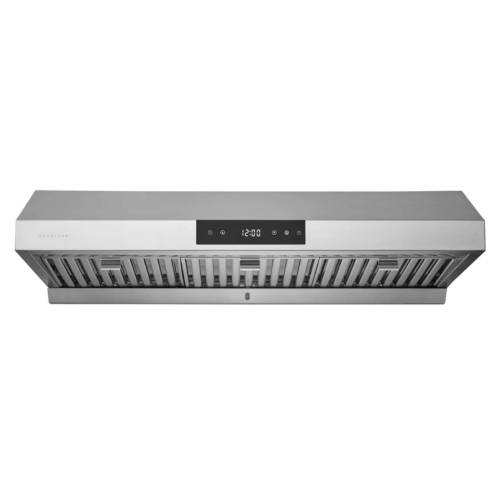
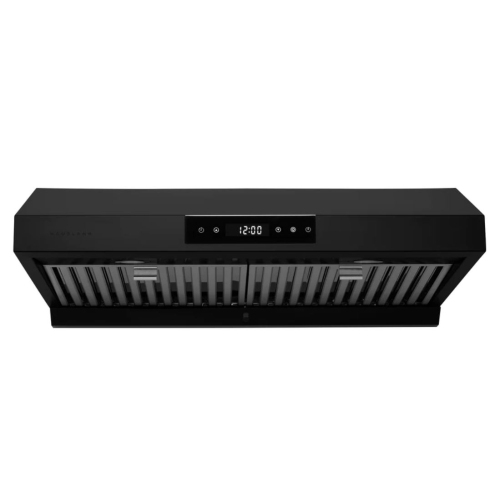
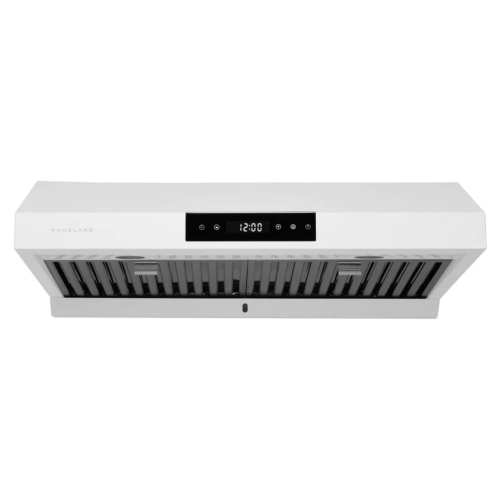
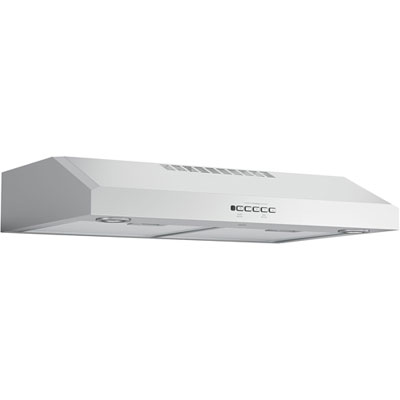
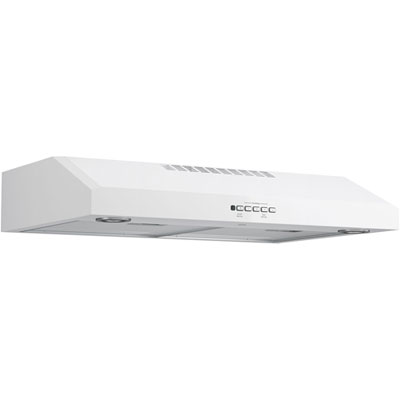
Under-cabinet range hoods with aluminum filters are a practical way to manage smoke, steam, grease and cooking odours without taking up valuable space above the cooking surface. Designed to mount beneath standard wall cabinets, these range hoods suit many kitchens in apartments, condos, townhomes and detached houses. Their compact format can be especially useful when a full chimney-style hood is not suitable for the room or when existing cabinetry needs to remain in place. Aluminum filters are lightweight and commonly made with layers of fine mesh that help capture airborne grease before it settles on cabinet doors, walls and ceilings. That makes them a helpful addition for everyday cooking, from simmering a pot of soup to searing vegetables in a hot pan. During the cooler months, when windows may stay closed more often, a range hood can help keep the kitchen feeling fresher while meals are prepared. As the weather warms, it can also help move heat and lingering aromas away from the cooking area. When choosing an under-cabinet range hood, begin by measuring the available space carefully. Common widths include 24 inch and 30 inch options, but the correct size depends on the width of the range or cooktop, the cabinet opening and the installation instructions. The hood should generally provide coverage across the cooking surface so that steam and smoke can be captured efficiently. Also check the hood’s depth, height clearance and electrical requirements before making a selection, particularly if it is replacing an older unit.
Ventilation type is another important consideration. Ducted range hoods move air through a vent and release it outdoors, which can be a strong choice for kitchens with suitable ductwork. Ductless or recirculating models draw air through the aluminum grease filter and may use an additional carbon filter to help reduce odours before returning filtered air to the room. A ductless setup can be convenient in a condo, rental or kitchen where exterior venting is not available, although filters need to be maintained according to the manufacturer’s instructions. Fan speed settings allow you to adjust airflow for different tasks. A lower setting may be comfortable while warming food, while a higher setting can be useful when frying, grilling or cooking dishes that create more steam. Noise level is worth checking as well, especially in open-concept homes where the kitchen connects to a living or dining area. Built-in LED lighting can brighten the cooktop and make it easier to see the colour and texture of food without turning on every light in the room. Think about the way the kitchen is used from day to day: someone who cooks elaborate meals most evenings may value stronger airflow and multiple speeds, while a household that prepares simpler meals may prefer a straightforward hood with easy controls and a slim profile. These range hoods can also be a thoughtful choice for a friend or family member moving into a first home, updating an older kitchen or completing a renovation where dependable ventilation is an important finishing detail. For a different kitchen layout, including spaces where the hood is installed above a central cooking island rather than beneath cabinetry, browse Island Range Hoods With Stainless Steel Filters for Durability.
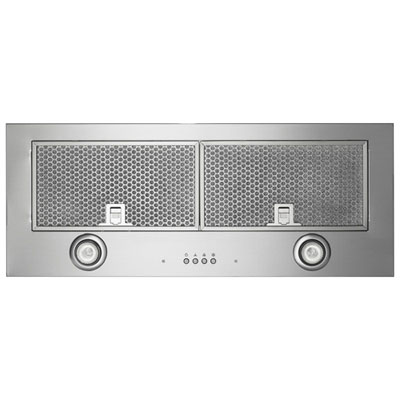
Regular filter care is central to getting long-lasting use from an aluminum filter. Grease gradually collects in the mesh during normal cooking, and a heavily coated filter can restrict airflow, create odours and make the fan work harder. A monthly cleaning routine is a useful starting point for many households, though frequent frying or high-heat cooking may call for more frequent attention. The filter is typically removed by releasing a latch or sliding it out of the underside of the hood. Soaking it in warm water with dish soap can help loosen the film that builds up around the mesh. A soft brush or non-abrasive sponge may be useful for stubborn residue, but harsh tools can bend the metal or damage the filter’s finish. Some aluminum filters are dishwasher-safe, while others should be washed by hand, so confirm the care directions for the specific range hood before cleaning. Allow the filter to dry fully before replacing it, and wipe the underside of the hood and nearby surfaces as part of the same routine. It is also wise to inspect the mesh periodically for dents, loose sections or signs of wear. A bent or worn filter may not sit securely or capture grease as effectively, and replacement timing depends on its condition and the manufacturer’s guidance; with regular cleaning, an aluminum filter can serve reliably for a long time, but it should be replaced when it is no longer in good shape. Installation should be completed with attention to the required clearance above the cooktop, the available power connection and the direction of the exhaust if the hood is ducted. When the fit, ventilation method and maintenance needs all match the kitchen, an under-cabinet range hood with an aluminum filter can provide everyday support for cleaner surfaces, clearer sightlines over the cookware and a more comfortable cooking area.
Ventilation type is another important consideration. Ducted range hoods move air through a vent and release it outdoors, which can be a strong choice for kitchens with suitable ductwork. Ductless or recirculating models draw air through the aluminum grease filter and may use an additional carbon filter to help reduce odours before returning filtered air to the room. A ductless setup can be convenient in a condo, rental or kitchen where exterior venting is not available, although filters need to be maintained according to the manufacturer’s instructions. Fan speed settings allow you to adjust airflow for different tasks. A lower setting may be comfortable while warming food, while a higher setting can be useful when frying, grilling or cooking dishes that create more steam. Noise level is worth checking as well, especially in open-concept homes where the kitchen connects to a living or dining area. Built-in LED lighting can brighten the cooktop and make it easier to see the colour and texture of food without turning on every light in the room. Think about the way the kitchen is used from day to day: someone who cooks elaborate meals most evenings may value stronger airflow and multiple speeds, while a household that prepares simpler meals may prefer a straightforward hood with easy controls and a slim profile. These range hoods can also be a thoughtful choice for a friend or family member moving into a first home, updating an older kitchen or completing a renovation where dependable ventilation is an important finishing detail. For a different kitchen layout, including spaces where the hood is installed above a central cooking island rather than beneath cabinetry, browse Island Range Hoods With Stainless Steel Filters for Durability.
Regular filter care is central to getting long-lasting use from an aluminum filter. Grease gradually collects in the mesh during normal cooking, and a heavily coated filter can restrict airflow, create odours and make the fan work harder. A monthly cleaning routine is a useful starting point for many households, though frequent frying or high-heat cooking may call for more frequent attention. The filter is typically removed by releasing a latch or sliding it out of the underside of the hood. Soaking it in warm water with dish soap can help loosen the film that builds up around the mesh. A soft brush or non-abrasive sponge may be useful for stubborn residue, but harsh tools can bend the metal or damage the filter’s finish. Some aluminum filters are dishwasher-safe, while others should be washed by hand, so confirm the care directions for the specific range hood before cleaning. Allow the filter to dry fully before replacing it, and wipe the underside of the hood and nearby surfaces as part of the same routine. It is also wise to inspect the mesh periodically for dents, loose sections or signs of wear. A bent or worn filter may not sit securely or capture grease as effectively, and replacement timing depends on its condition and the manufacturer’s guidance; with regular cleaning, an aluminum filter can serve reliably for a long time, but it should be replaced when it is no longer in good shape. Installation should be completed with attention to the required clearance above the cooktop, the available power connection and the direction of the exhaust if the hood is ducted. When the fit, ventilation method and maintenance needs all match the kitchen, an under-cabinet range hood with an aluminum filter can provide everyday support for cleaner surfaces, clearer sightlines over the cookware and a more comfortable cooking area.
Top selling and popular products
-
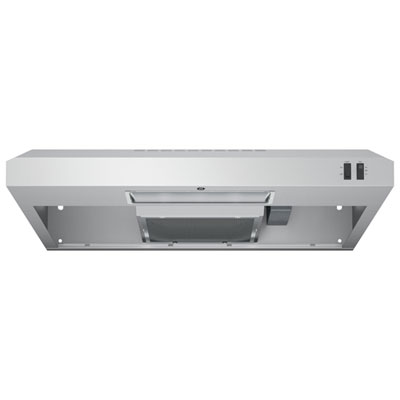 Your price for this item is $249.99
 -
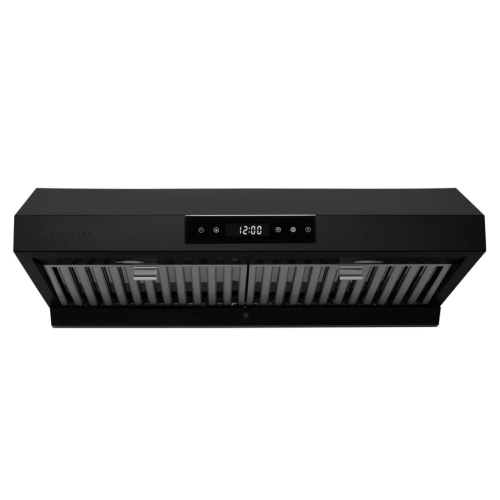 Your price for this item is $598.49
 -
 Your price for this item is $645.99
 -
 Your price for this item is $645.99
 -
 Your price for this item is $645.99
 -
 Your price for this item is $598.49
 -
 Your price for this item is $449.99
 -
 Your price for this item is $399.99
Discover more categories related to Under Cabinet Range Hoods With Aluminum Filters for Long-lasting Use
Top Collections:
Pokemon Centers, Kindle Devices, Best Budget Office Chairs, Apple iPhones 16, Best Laptops for Writers, iPhone 15 Apple, Canon G7X Cameras, Refurbished Apple Laptops, Alarm Clock, Motorola Razr Phones
Some products may be subject to Environmental Handling Fees
(EHF) depending on your province.
Learn more about EHFs.