Upright Vacuums
Discover the perfect cleaning companion with our range of upright vacuums, designed to make your household chores a breeze. Whether tackling stubborn pet hair or everyday dust, these versatile machines offer powerful suction and easy maneuverability to keep your home spotless. Ideal for both carpets and hard floors, upright vacuums provide convenience and efficiency, ensuring every corner of your living space is fresh and clean. Explore our selection to find the right fit for your cleaning needs and experience the satisfaction of a pristine home environment.
Sort


Why carpet cleaning takes more than strong suction
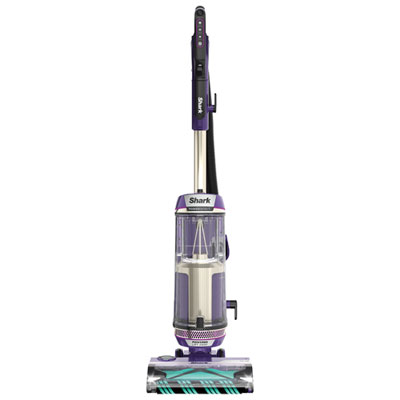
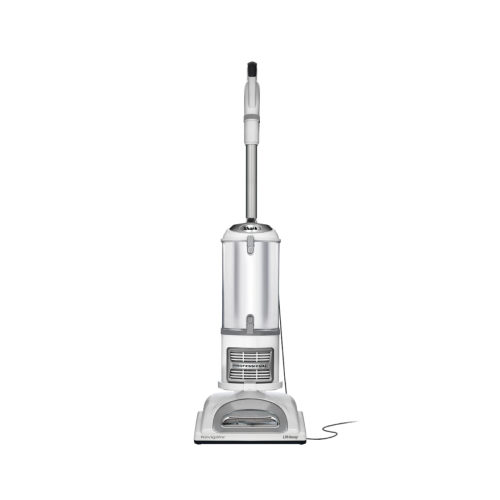
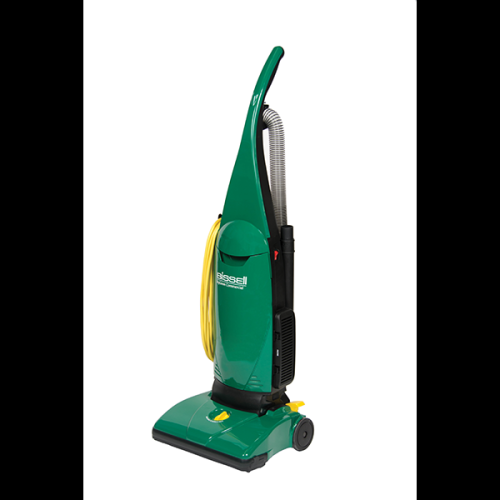
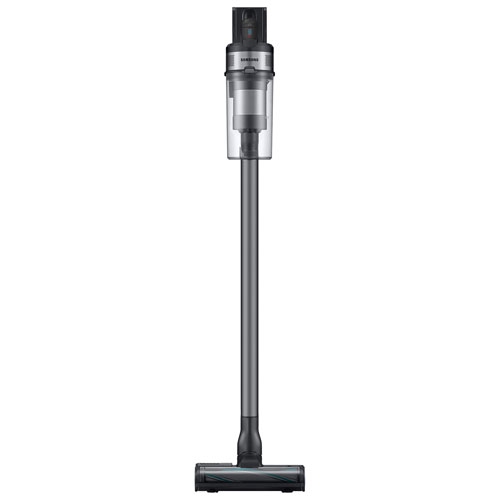
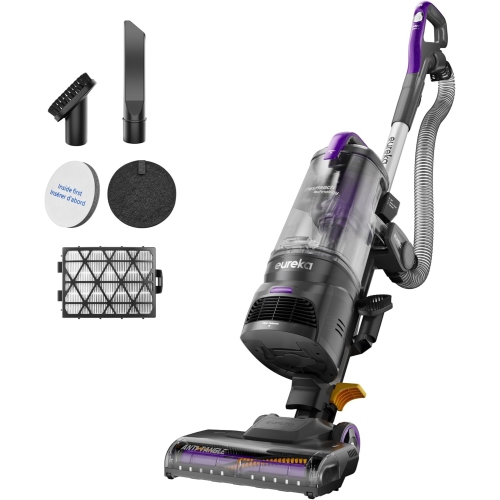
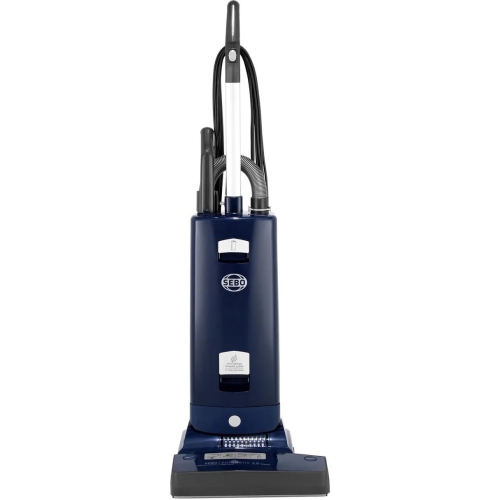
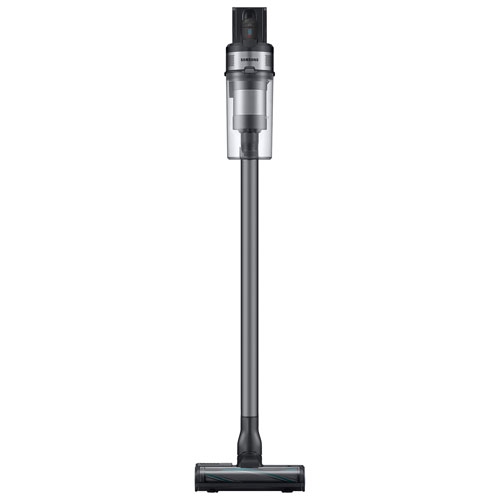
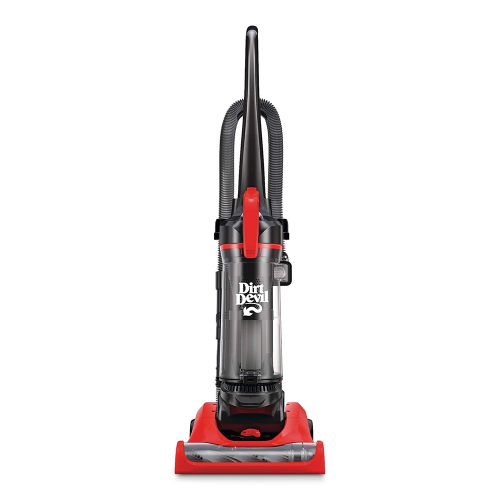
Upright vacuums are floor-cleaning appliances that combine the motor, main cleaning head, handle, and dust collection system in a single vertical body. Their push-and-pull design is particularly useful for cleaning larger carpeted areas, while models with suitable floor settings can also move between rugs, hardwood, laminate, and tile. A rotating brush roll loosens hair, crumbs, and dirt caught among carpet fibres so suction can carry the debris into a bag or dust cup. That combination makes an upright vacuum a practical choice for busy living rooms, carpeted bedrooms, and hallways where everyday foot traffic leaves visible trails. Cleaning performance depends on more than motor wattage: airflow, suction, brush design, and the seal between the cleaning head and floor all contribute. Adjustable head height helps accommodate different carpet piles, while suction controls can make some rugs easier to clean without pulling them up against the nozzle. Thick or delicate carpeting may have specific care requirements, so compatibility with the flooring manufacturer's recommendations matters more than simply choosing the strongest suction. For hard floors, a brush-roll shutoff or a dedicated hard-floor setting helps limit debris scattering and reduces unnecessary contact from stiff rotating bristles. Soft wheels and a clean underside also matter on surfaces that can scratch. Head width affects how many passes a room needs, but a wider nozzle may be less convenient between dining chair legs or beside a narrow bedside table. Swivel steering helps the body turn around furniture, and a low-profile head can reach farther beneath some furniture, although the upright housing may still limit clearance. In a home with mostly open, carpeted rooms, a full-size cleaning path can be useful; in a smaller space with closely arranged furniture, manoeuvrability may matter more. The best fit is an upright vacuum whose floor settings, dimensions, and handling suit the surfaces and layout it will clean regularly.
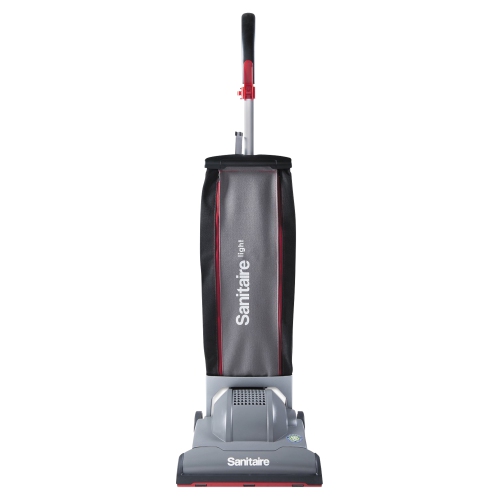
Dust collection and filtration shape the ownership experience just as much as floor-cleaning performance. Bagged upright vacuums collect debris in a replaceable bag, making them appealing to households that prefer to remove collected dirt without tipping an open dust cup into a waste bin. Some bags have closures that help contain dust during disposal, though the design varies. The Upright Bagged Vacuum Cleaners category brings this dust collection format together for shoppers who prefer bag changes to emptying a reusable container. Bagless upright vacuums use a removable dust cup, often with a clear wall that makes the fill level easy to see. They still require regular filter care, and fine dust can become airborne during emptying. Capacity is worth considering alongside the appliance's overall size: a household with several carpeted rooms or shedding pets may fill a small container quickly. Filtration also deserves attention when fine particles are a concern. A HEPA filter is designed to capture very small particles, but the filter alone does not establish how well the whole vacuum contains dust. A sealed air path helps prevent drawn-in air from escaping around the filter, so both filtration specifications and whole-machine construction are relevant. For pet owners, the challenge often includes hair woven into upholstery as well as loose fur on floors. A powered or turbine-driven upholstery tool can help agitate hair on suitable fabric surfaces, while a crevice tool reaches the narrow space beside sofa cushions or along baseboards. Brush rolls designed to reduce hair wrapping may shorten cleanup after vacuuming, but they still need inspection. Long human hair, thread, and string can also gather around the roller ends. Homes with pets, children, or frequent visitors may benefit from attachments that handle several cleaning tasks, provided those tools are suitable for the surface. Delicate upholstery, fringed rugs, and loose woven fabrics require particular care around rotating brushes.
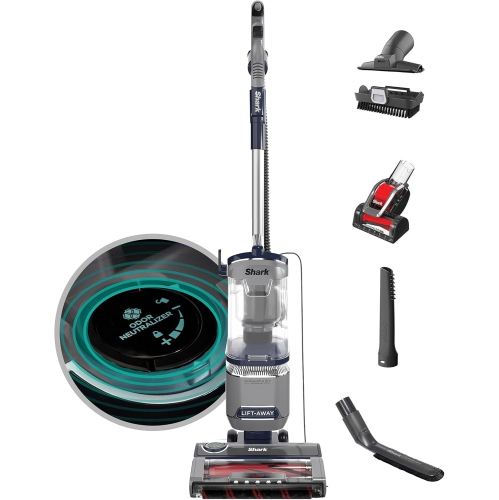
Comfort, construction, and maintenance help determine how useful an upright vacuum remains after the first few cleaning sessions. Overall weight matters, especially in a home with more than one storey, but carrying weight and the effort needed to push a vacuum are different considerations. Handle position, wheel movement, head adjustment, and steering all influence how the appliance feels during a longer pass through the house. A well-placed carry handle can make transport easier, while a detachable canister or lift-away body, where included, can make stairs and above-floor cleaning more manageable. Hose length also matters: a hose that reaches comfortably to a chair back or stair tread is more practical than one that requires constant repositioning. The body needs to remain stable when the hose is extended, rather than tipping whenever a tool moves farther away. Corded upright vacuums provide continuous power without battery charging, although cord length and outlet placement determine how often cleaning stops to change sockets. Cordless upright designs, where offered, trade that connection for battery limits, with runtime varying by suction setting and attachment use. Durable housings are commonly made from moulded plastic to balance strength and weight, while brush-roll assemblies, handles, and internal supports may combine plastic and metal components. Secure latches, firmly attached wheels, and accessible maintenance points are useful details to assess alongside the main specifications. Everyday care includes emptying the dust cup at its marked limit or changing the bag before it becomes overfilled, checking hoses for blockages, and removing tangled material from the brush roll with the vacuum switched off and disconnected from power. Filters should only be washed when the manufacturer identifies them as washable, and they need to dry completely before refitting. Damp filters and wet debris do not belong in an upright designed for dry household cleaning. Access to compatible bags, filters, belts, and brush components can also support long-term use. For a first apartment, a family household, or someone replacing an older cleaning appliance, an upright vacuum earns its place through a useful balance of floor compatibility, manageable handling, and straightforward care.
Dust collection and filtration shape the ownership experience just as much as floor-cleaning performance. Bagged upright vacuums collect debris in a replaceable bag, making them appealing to households that prefer to remove collected dirt without tipping an open dust cup into a waste bin. Some bags have closures that help contain dust during disposal, though the design varies. The Upright Bagged Vacuum Cleaners category brings this dust collection format together for shoppers who prefer bag changes to emptying a reusable container. Bagless upright vacuums use a removable dust cup, often with a clear wall that makes the fill level easy to see. They still require regular filter care, and fine dust can become airborne during emptying. Capacity is worth considering alongside the appliance's overall size: a household with several carpeted rooms or shedding pets may fill a small container quickly. Filtration also deserves attention when fine particles are a concern. A HEPA filter is designed to capture very small particles, but the filter alone does not establish how well the whole vacuum contains dust. A sealed air path helps prevent drawn-in air from escaping around the filter, so both filtration specifications and whole-machine construction are relevant. For pet owners, the challenge often includes hair woven into upholstery as well as loose fur on floors. A powered or turbine-driven upholstery tool can help agitate hair on suitable fabric surfaces, while a crevice tool reaches the narrow space beside sofa cushions or along baseboards. Brush rolls designed to reduce hair wrapping may shorten cleanup after vacuuming, but they still need inspection. Long human hair, thread, and string can also gather around the roller ends. Homes with pets, children, or frequent visitors may benefit from attachments that handle several cleaning tasks, provided those tools are suitable for the surface. Delicate upholstery, fringed rugs, and loose woven fabrics require particular care around rotating brushes.
Comfort, construction, and maintenance help determine how useful an upright vacuum remains after the first few cleaning sessions. Overall weight matters, especially in a home with more than one storey, but carrying weight and the effort needed to push a vacuum are different considerations. Handle position, wheel movement, head adjustment, and steering all influence how the appliance feels during a longer pass through the house. A well-placed carry handle can make transport easier, while a detachable canister or lift-away body, where included, can make stairs and above-floor cleaning more manageable. Hose length also matters: a hose that reaches comfortably to a chair back or stair tread is more practical than one that requires constant repositioning. The body needs to remain stable when the hose is extended, rather than tipping whenever a tool moves farther away. Corded upright vacuums provide continuous power without battery charging, although cord length and outlet placement determine how often cleaning stops to change sockets. Cordless upright designs, where offered, trade that connection for battery limits, with runtime varying by suction setting and attachment use. Durable housings are commonly made from moulded plastic to balance strength and weight, while brush-roll assemblies, handles, and internal supports may combine plastic and metal components. Secure latches, firmly attached wheels, and accessible maintenance points are useful details to assess alongside the main specifications. Everyday care includes emptying the dust cup at its marked limit or changing the bag before it becomes overfilled, checking hoses for blockages, and removing tangled material from the brush roll with the vacuum switched off and disconnected from power. Filters should only be washed when the manufacturer identifies them as washable, and they need to dry completely before refitting. Damp filters and wet debris do not belong in an upright designed for dry household cleaning. Access to compatible bags, filters, belts, and brush components can also support long-term use. For a first apartment, a family household, or someone replacing an older cleaning appliance, an upright vacuum earns its place through a useful balance of floor compatibility, manageable handling, and straightforward care.
Top selling and popular products
-
 Your price for this item is $179.99
 -
 Your price for this item is $399.99
 -
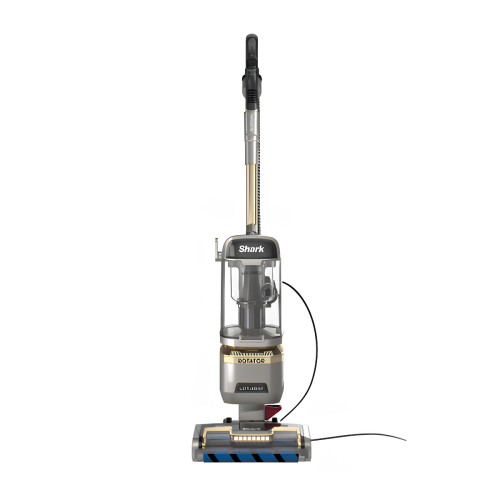 Your price for this item is $325
 -
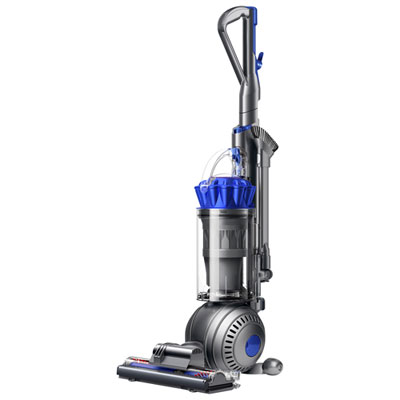 Your price for this item is $697.98
 -
 Your price for this item is $372.2
 -
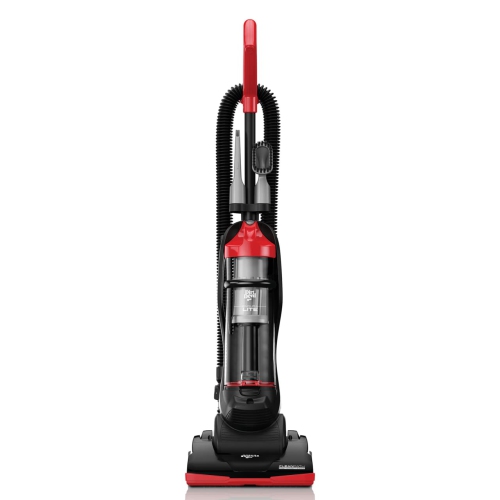 Your price for this item is $135.11
 -
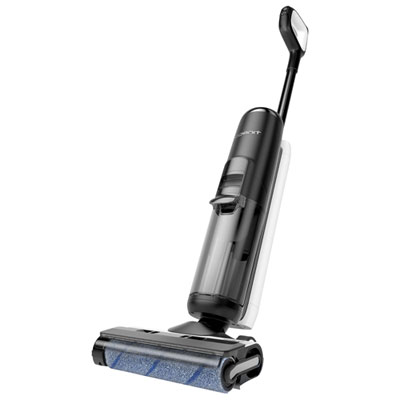 Your price for this item is $349.99
 -
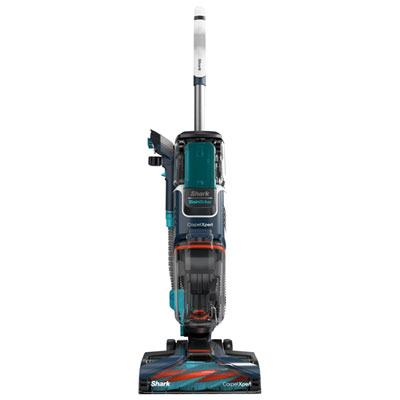 Your price for this item is $349.99
Discover more categories related to Upright Vacuums
Top Collections:
Pokemon Centers, Kindle Devices, Best Budget Office Chairs, Apple iPhones 16, Best Laptops for Writers, iPhone 15 Apple, Canon G7X Cameras, Refurbished Apple Laptops, Alarm Clock, Motorola Razr Phones
Some products may be subject to Environmental Handling Fees
(EHF) depending on your province.
Learn more about EHFs.