Washing Machine Control Boards
Washing machine control boards are essential components that help manage and regulate your appliance’s functions for smooth and efficient operation. Whether you’re looking to replace a faulty board or upgrade your current setup, finding the right washing machine control board ensures your laundry routine stays on track. Explore a wide selection designed to fit various models and keep your washing machine performing at its best.
Sort

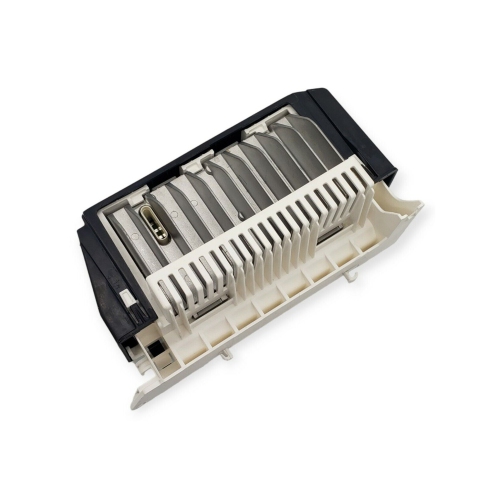
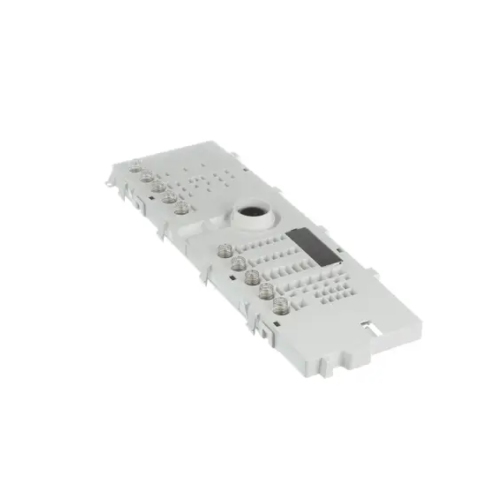
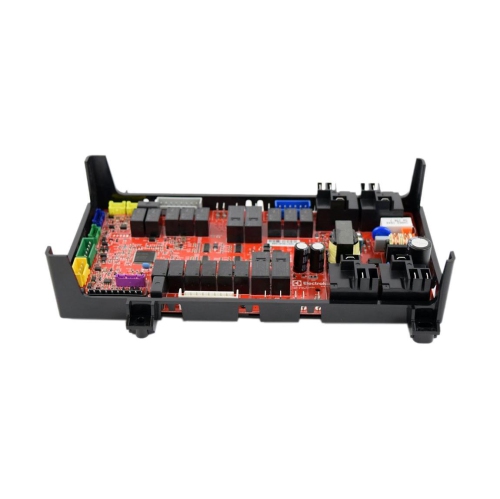
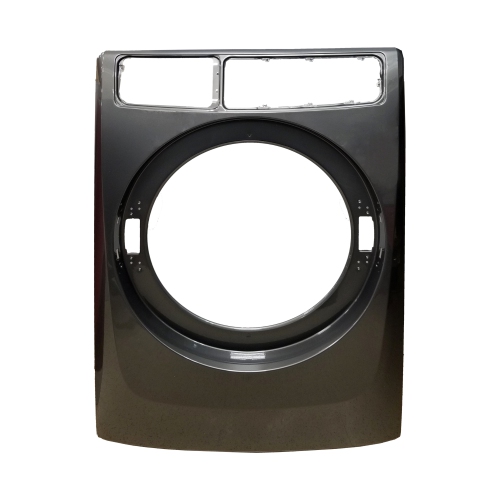
Why accurate diagnosis matters before replacing a control board
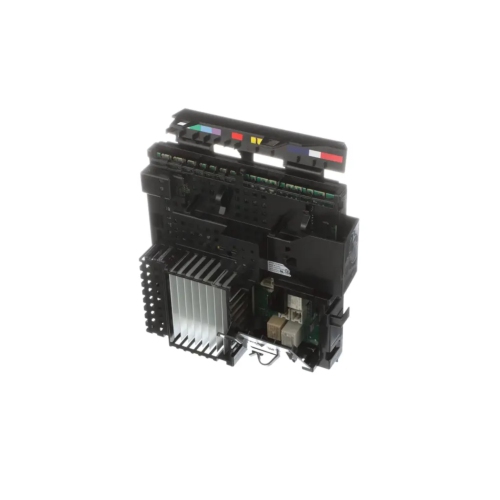
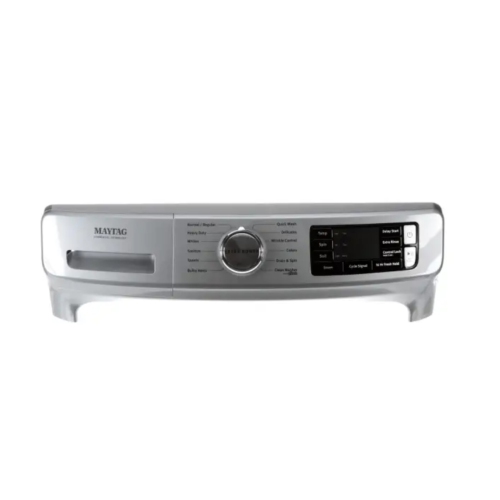
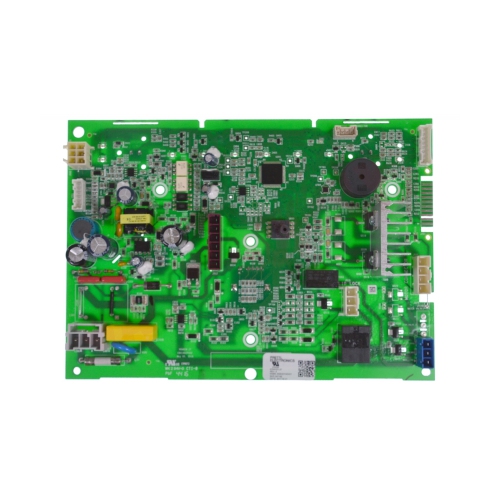
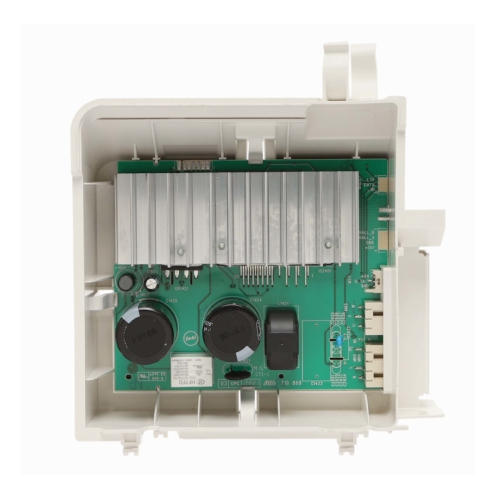
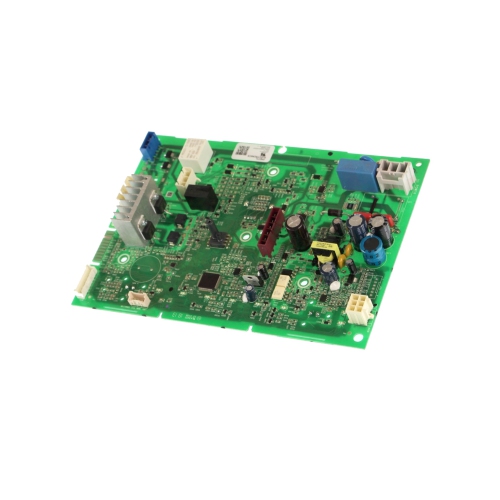
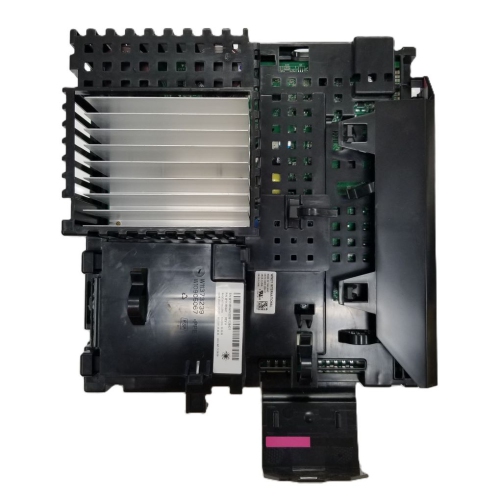
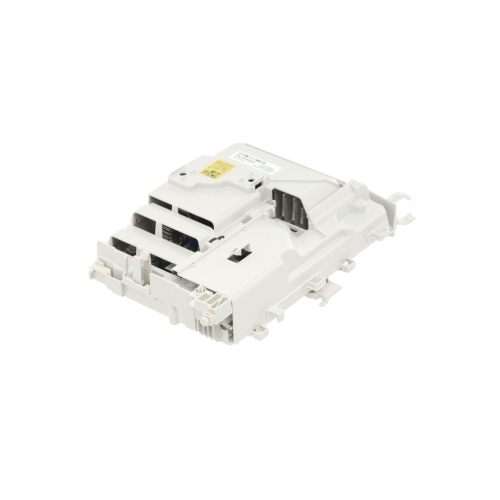
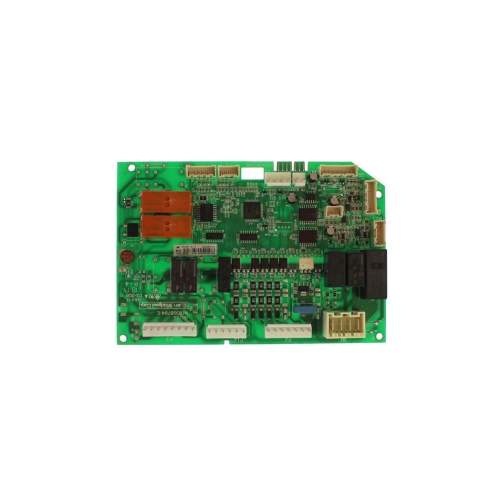
Washing machine control boards are the electronic components that coordinate many of a washer’s essential functions. Often described as the appliance’s control centre, a control board receives signals from the buttons, dial, sensors, lid or door switch, water-level system and motor, then directs the washer through each stage of a cycle. It can manage filling, agitation or tumbling, draining, rinsing and spinning, while also communicating information through indicator lights or a digital display. When a control board begins to fail, the symptoms may appear in several different ways. A washer may not turn on, lose power during a cycle, stop before draining, skip selected steps or refuse to respond when settings are changed. A blank display, persistent error code, flashing lights or buttons and dials that do not produce the expected response can also point to an issue with the control system. These symptoms may have other causes, including a faulty power supply, door or lid switch, drain pump, water inlet valve, wiring connection or sensor, so replacing a board should generally follow careful diagnosis rather than guesswork. If a washer is still covered by a service plan or warranty, consult the appropriate support before opening the appliance. For households comparing replacement parts, control boards can be useful when repairing an otherwise suitable washer and restoring normal operation without replacing the complete appliance. They may also be considered by appliance repair professionals, landlords managing rental homes, property managers maintaining laundry rooms and experienced do-it-yourselfers who are comfortable identifying appliance components and following technical instructions.
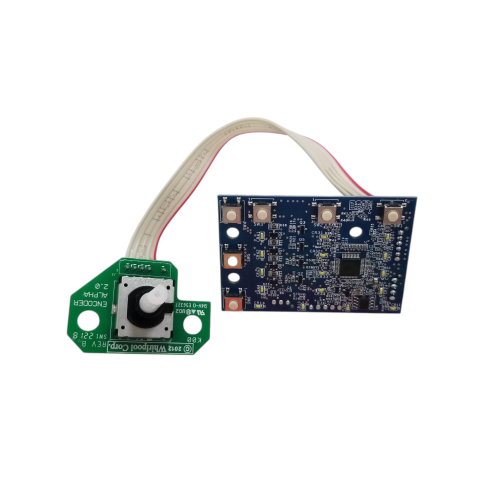
Compatibility is the most important consideration when choosing washing machine control boards. The part must match the washer’s manufacturer, model number and revision, and in some cases the exact serial-number range. Two washers with a similar appearance may use different boards because their capacities, cycle selections, motor systems, displays or wiring layouts are not the same. Before ordering, locate the model and serial information on the appliance frame, lid area, door opening, rear panel or owner’s documentation, then compare that information with the replacement part details. A clear photograph of the existing board, including its labels, connectors and mounting points, can be helpful, but visual similarity alone is not enough to confirm compatibility. Check whether the listing is for a main control board, user-interface board, timer or complete control assembly, since these components can perform different jobs. Consider the condition of related parts as well. A replacement board may not resolve a problem caused by damaged wiring, a blocked drain, an unreliable switch or a component that has sent an incorrect signal to the control system. It is also worth confirming whether the board is new, refurbished or removed from another appliance, and whether installation instructions, connector information or return coverage are provided. Households selecting a washer for future convenience may also browse features such as Washers With Water Level Control, while keeping in mind that washer features and replacement parts are separate purchasing decisions. A control board is not typically a gift item in the traditional sense, but it can be a practical purchase for someone who owns a washer, maintains a rental property or enjoys repairing appliances. In those situations, confirming the exact model and part number before presenting or ordering the component is more useful than choosing based on appearance or general washer type.
Safety should remain the first priority when inspecting or replacing a washing machine control board. Disconnect the washer from the electrical outlet, or switch off the correct circuit breaker, before removing panels or touching internal components. Turning off the water supply can provide additional protection during appliance service, particularly if access requires moving hoses or working near the inlet assembly. Even when the washer appears to be off, internal components may hold electrical energy, and live-voltage testing should be left to a qualified technician or a person with appropriate training and equipment. When access is permitted, service instructions should be followed closely; some boards are located behind the top console, rear panel or another protected housing, and the layout varies by appliance. Taking a clear photo of every wire harness connection before unplugging anything can make reassembly easier, but connectors should never be forced, pulled by their wires or moved into a different position. Inspect for burnt areas, loose terminals, corrosion or damaged harnesses, and stop if the cause of the failure is uncertain. After an exact replacement is installed, the washer may require a calibration, reset or diagnostic cycle according to the manufacturer’s instructions. Test the appliance with a small load and watch for proper filling, washing, draining and spinning, along with any returning error codes or unusual sounds. If the washer continues to stop mid-cycle, will not stay powered or fails to respond after the board has been replaced, additional diagnosis is needed. During the cooler months, dependable laundry equipment becomes especially noticeable as heavier clothing, towels and household linens move through regular wash cycles, making a properly matched control board a practical repair component for keeping an existing washer operating as intended.
Compatibility is the most important consideration when choosing washing machine control boards. The part must match the washer’s manufacturer, model number and revision, and in some cases the exact serial-number range. Two washers with a similar appearance may use different boards because their capacities, cycle selections, motor systems, displays or wiring layouts are not the same. Before ordering, locate the model and serial information on the appliance frame, lid area, door opening, rear panel or owner’s documentation, then compare that information with the replacement part details. A clear photograph of the existing board, including its labels, connectors and mounting points, can be helpful, but visual similarity alone is not enough to confirm compatibility. Check whether the listing is for a main control board, user-interface board, timer or complete control assembly, since these components can perform different jobs. Consider the condition of related parts as well. A replacement board may not resolve a problem caused by damaged wiring, a blocked drain, an unreliable switch or a component that has sent an incorrect signal to the control system. It is also worth confirming whether the board is new, refurbished or removed from another appliance, and whether installation instructions, connector information or return coverage are provided. Households selecting a washer for future convenience may also browse features such as Washers With Water Level Control, while keeping in mind that washer features and replacement parts are separate purchasing decisions. A control board is not typically a gift item in the traditional sense, but it can be a practical purchase for someone who owns a washer, maintains a rental property or enjoys repairing appliances. In those situations, confirming the exact model and part number before presenting or ordering the component is more useful than choosing based on appearance or general washer type.
Safety should remain the first priority when inspecting or replacing a washing machine control board. Disconnect the washer from the electrical outlet, or switch off the correct circuit breaker, before removing panels or touching internal components. Turning off the water supply can provide additional protection during appliance service, particularly if access requires moving hoses or working near the inlet assembly. Even when the washer appears to be off, internal components may hold electrical energy, and live-voltage testing should be left to a qualified technician or a person with appropriate training and equipment. When access is permitted, service instructions should be followed closely; some boards are located behind the top console, rear panel or another protected housing, and the layout varies by appliance. Taking a clear photo of every wire harness connection before unplugging anything can make reassembly easier, but connectors should never be forced, pulled by their wires or moved into a different position. Inspect for burnt areas, loose terminals, corrosion or damaged harnesses, and stop if the cause of the failure is uncertain. After an exact replacement is installed, the washer may require a calibration, reset or diagnostic cycle according to the manufacturer’s instructions. Test the appliance with a small load and watch for proper filling, washing, draining and spinning, along with any returning error codes or unusual sounds. If the washer continues to stop mid-cycle, will not stay powered or fails to respond after the board has been replaced, additional diagnosis is needed. During the cooler months, dependable laundry equipment becomes especially noticeable as heavier clothing, towels and household linens move through regular wash cycles, making a properly matched control board a practical repair component for keeping an existing washer operating as intended.
Top selling and popular products
-
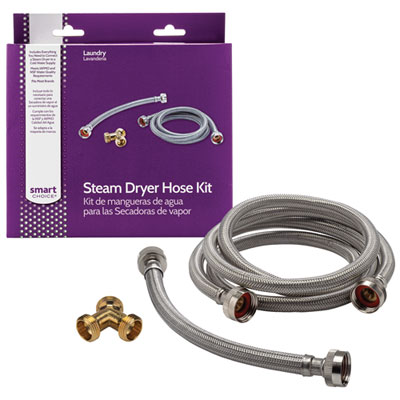 Your price for this item is $39.99
 -
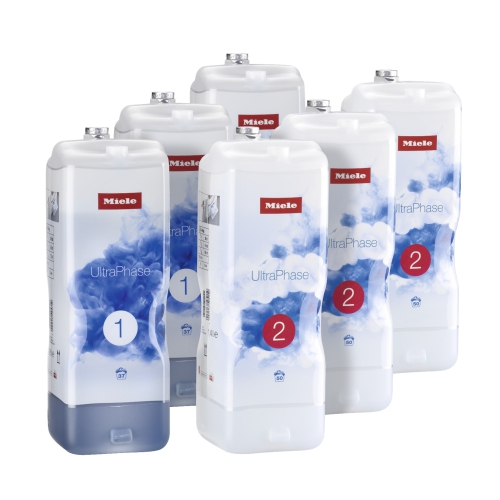 Your price for this item is $184.94
 -
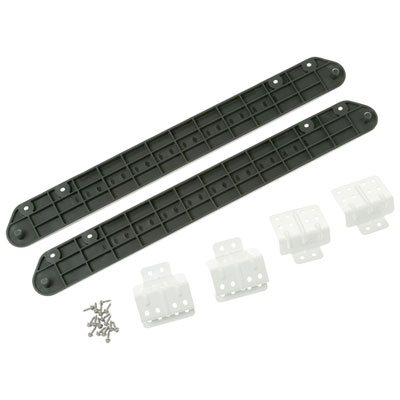 Your price for this item is $99.99
 -
 Your price for this item is $349.99
 -
 Your price for this item is $449.99
 -
 Your price for this item is $59.99
 -
 Your price for this item is $59.99
 -
 Your price for this item is $39.99
Discover more categories related to Washing Machine Control Boards
Top Collections:
Pokemon Centers, Kindle Devices, Best Budget Office Chairs, Apple iPhones 16, Best Laptops for Writers, iPhone 15 Apple, Canon G7X Cameras, Refurbished Apple Laptops, Alarm Clock, Motorola Razr Phones
Some products may be subject to Environmental Handling Fees
(EHF) depending on your province.
Learn more about EHFs.