Whirlpool Washer Parts
Keep your laundry routine running smoothly with Whirlpool Washer Parts designed to help you maintain and repair your appliance with ease. Find a wide selection of essential components to address everyday wear and tear or tackle unexpected issues. Whether you're looking to replace a single part or stock up for future needs, Whirlpool Washer Parts offer the compatibility and reliability you need to keep your washer performing at its best. Explore options that fit your model and get back to enjoying clean, fresh laundry in no time.
Sort



Why matching your washer’s model matters more than appearances
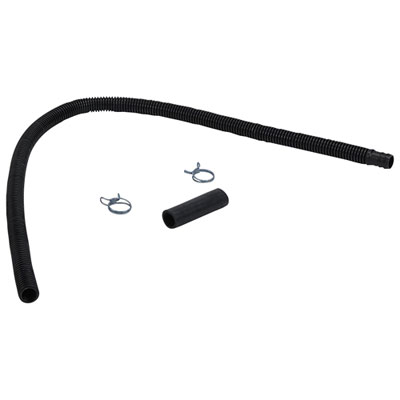
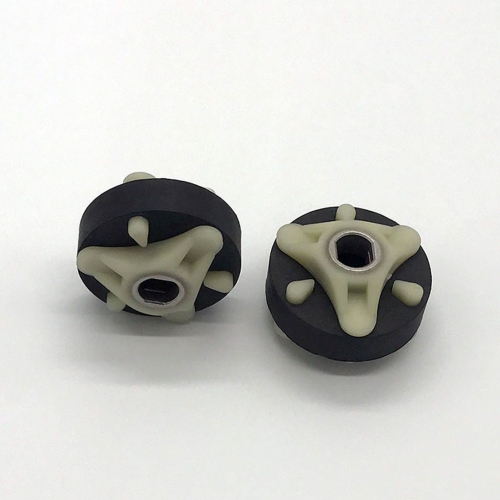
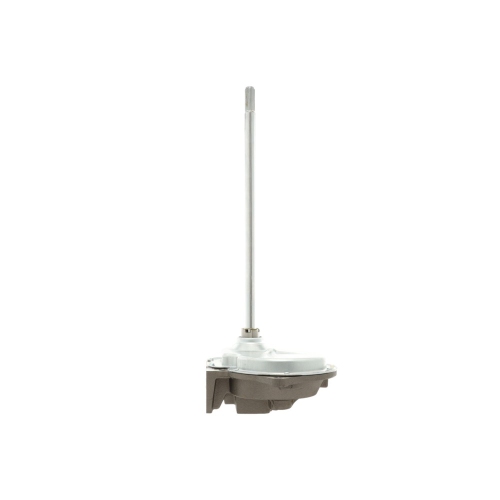
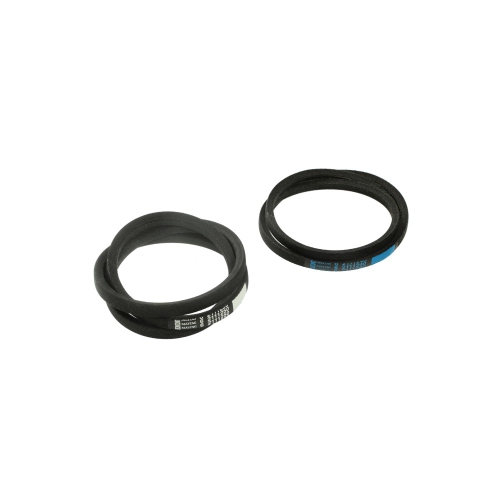
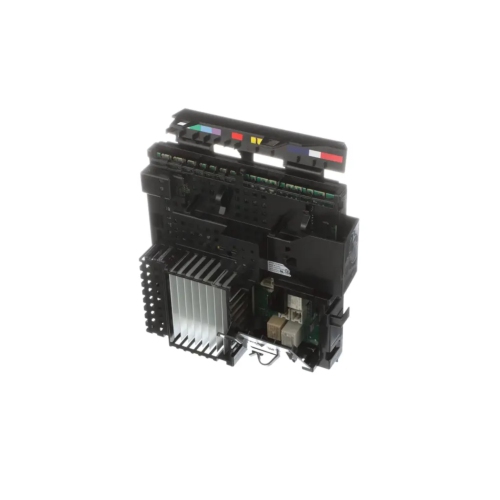
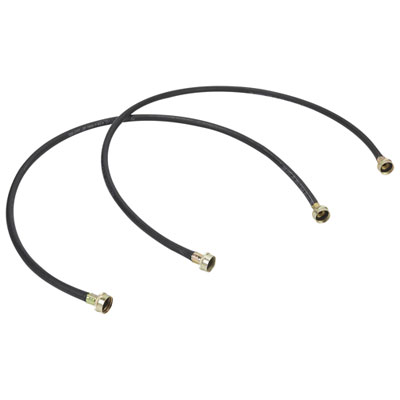
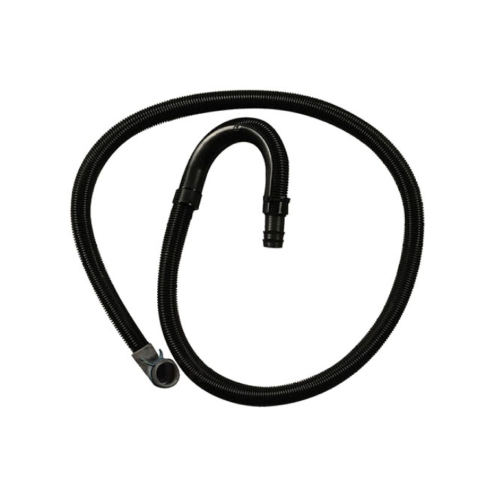
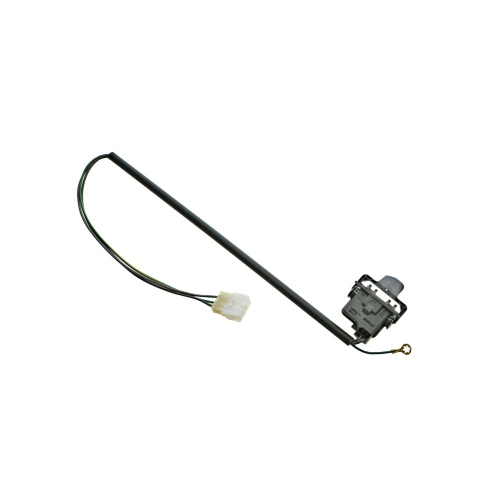
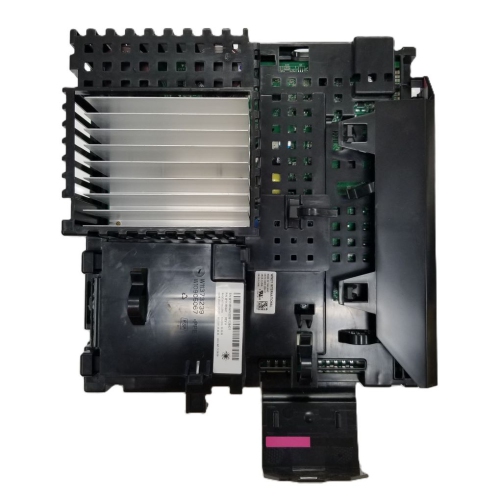
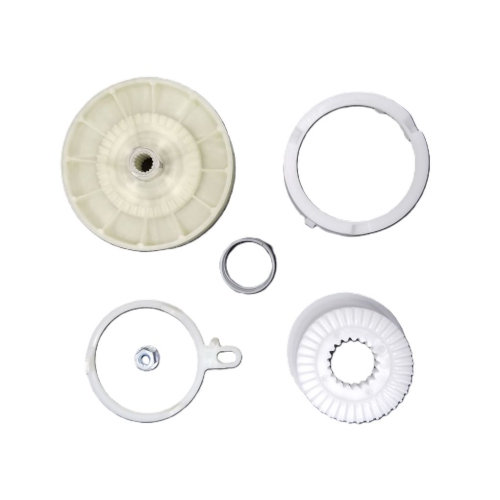
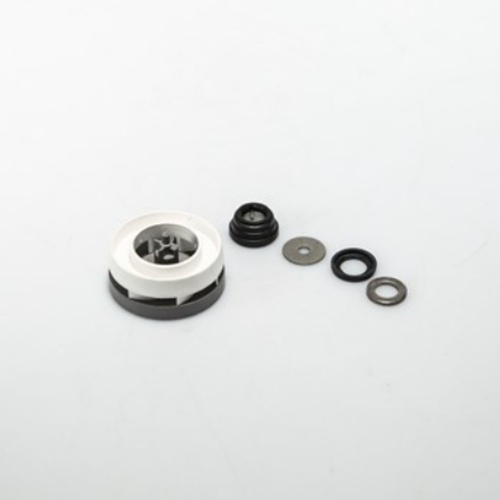
Washer parts support the everyday work of filling, washing, draining, and spinning, with each component designed for a particular role within the appliance. Replacement parts can range from small seals and agitator components to pumps, hoses, and assemblies that support the tub. Their suitability depends on the washer’s design, not simply its appearance or capacity. A top-load machine with a central agitator uses different wash-action components from a front-load machine with a tumbling drum, while machines that look nearly identical may have different internal connections. The complete model number, usually printed on a label around the door opening, beneath the lid, or elsewhere on the cabinet, is the most useful starting point for checking fit. A serial number may also matter when a manufacturer has changed a component during production. Model-specific compatibility information is more reliable than matching a photograph, measuring the old part alone, or assuming that a component suits every machine from the same manufacturer. Common washer parts have distinct functions: water inlet hoses carry water from household supply connections to the appliance, an inlet valve controls water entering the machine, and a drain pump moves used wash water towards the household drain. In top-load designs that use them, agitator dogs are small teeth that engage to help the upper agitator move in one direction. Some older direct-drive washers use a motor coupling between the motor and transmission; this coupling can act as a protective point of failure if the mechanism jams. Suspension rods support the tub assembly and help manage movement in certain top-load washers, while many front-load designs use springs and shock absorbers. These differences matter for homeowners maintaining a familiar appliance, landlords looking after rental laundry facilities, and repair professionals sourcing a correctly matched component. The right replacement is one that matches both the machine and the intended repair, whether the job involves an external hose connection or an internal mechanism that needs professional assessment.
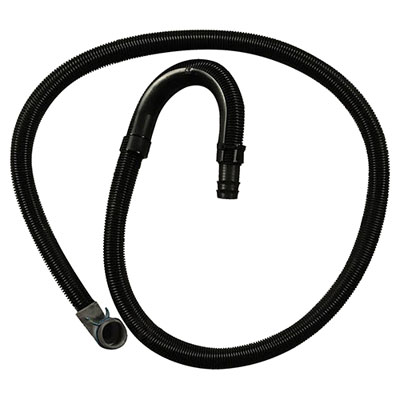
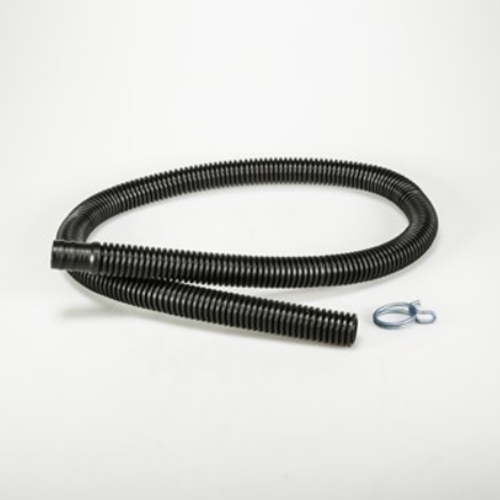
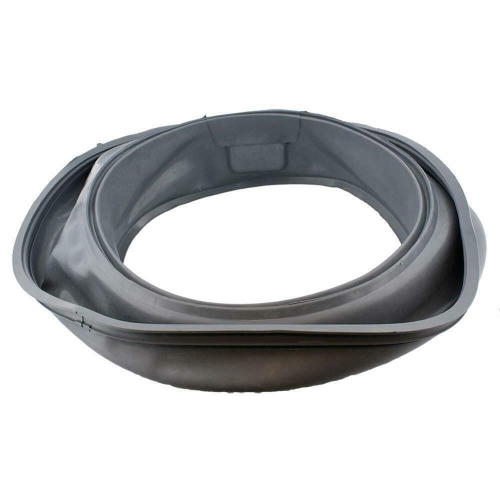
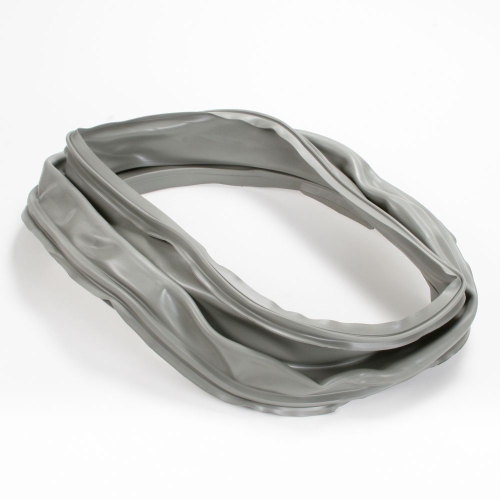
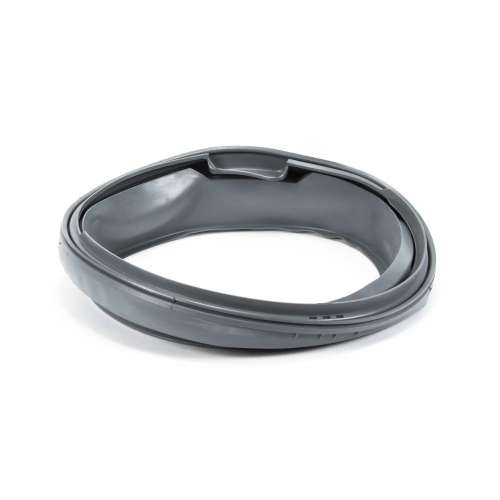
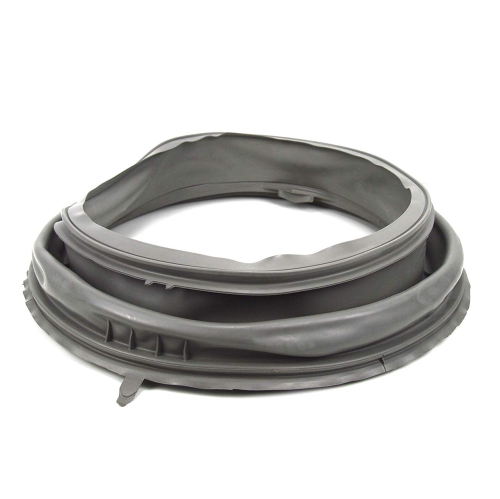
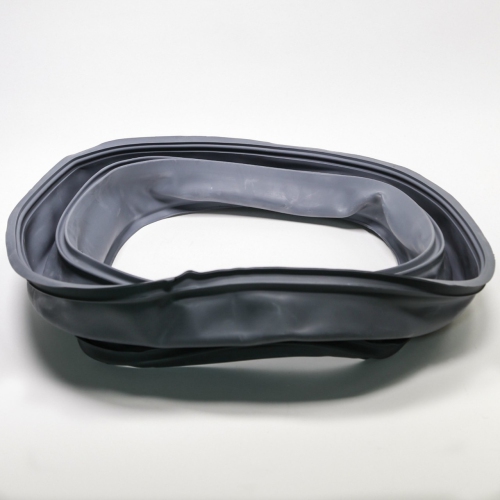
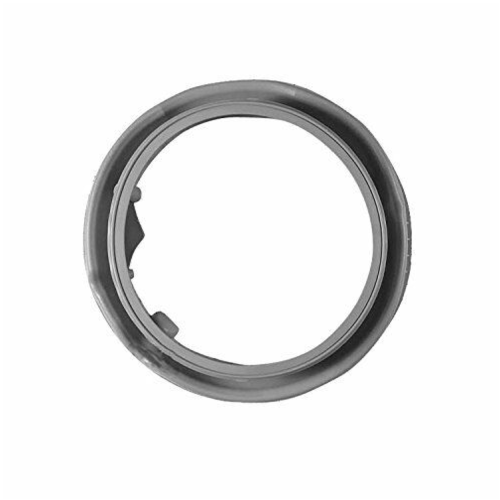
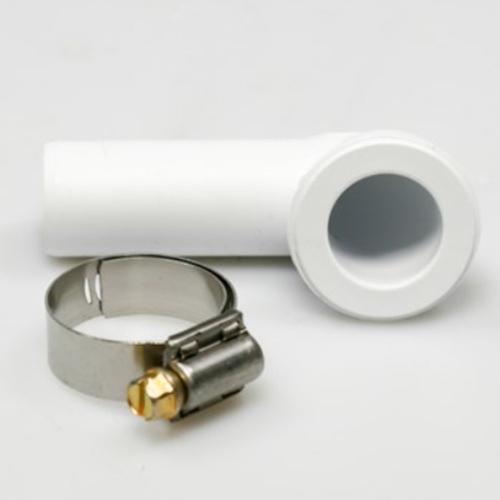
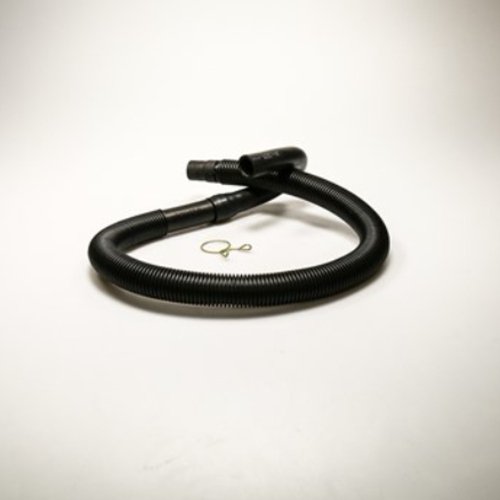
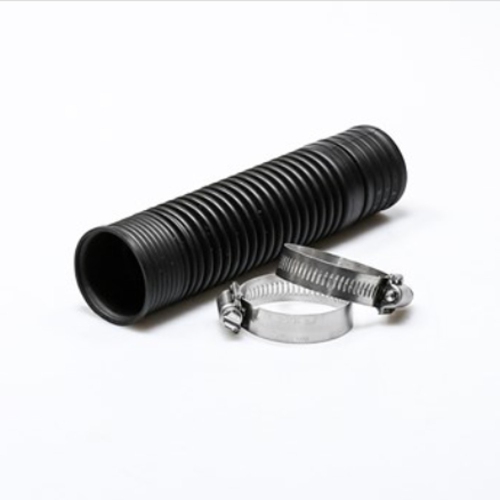
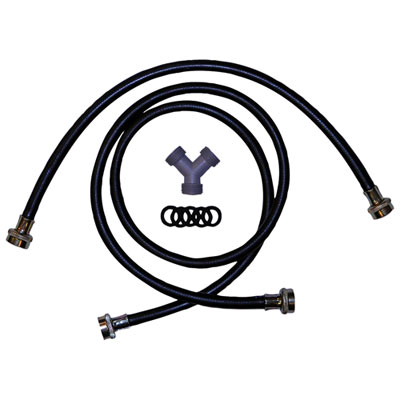
Materials and construction affect how washer parts handle repeated movement, moisture, detergent exposure, and the demands of a loaded drum. Water inlet hoses may use rubber or EPDM tubing, and some have a braided outer layer that helps resist external wear. Hose length, connection style, sealing washers, and the space behind the appliance all contribute to a suitable fit. A hose should reach its connection without being stretched, sharply bent, or trapped against the wall when the washer is in position. Drain hoses have their own requirements, including the correct diameter, attachment method, and routing specified for the machine. Door boots on front-load washers are flexible seals shaped to bridge the opening between the tub and the cabinet. Their moulded channels, attachment points, and drainage openings need to match the original design; a seal that looks close in size can still be unsuitable. Plastic agitator components are shaped for precise engagement, while metal brackets, springs, and suspension components are built around particular mounting points and loads. Durability therefore involves more than choosing a material that appears stronger. Correct dimensions, appropriate flexibility, and compatibility with neighbouring parts are equally important. A poorly matched component may place strain on another assembly or fail to address the original fault. Manufacturer-specified replacements and compatible alternatives should be assessed against documented model fit and part-number references rather than broad descriptions alone. Package contents also deserve attention, since an assembly may include associated seals or mounting hardware, while an individual component may require those pieces separately. For a household washing school clothes, towels, and bedding throughout the week, details such as a secure hose connection or a properly seated seal have practical importance. They help the appliance perform its intended function without introducing avoidable leaks or movement. Care remains specific to the component: accessible seals benefit from the cleaning method described in the appliance manual, hoses need periodic checks for visible deterioration, and replacement parts should not be exposed to cleaners or lubricants that their manufacturer has not approved.
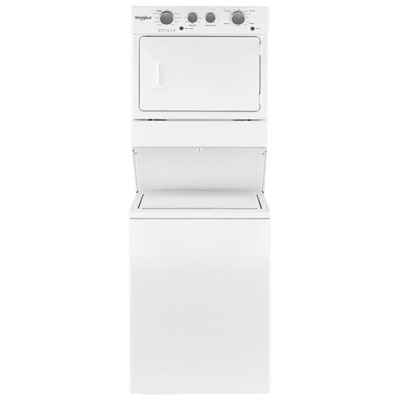
A useful distinction when considering washer replacement parts is the difference between a symptom and its cause. Water left in the drum can involve a drain restriction, a pump fault, or another issue that prevents the drain cycle from completing. Banging during a spin cycle can relate to an uneven load, the machine’s position, or worn support components; it does not automatically mean that suspension parts need replacing. Likewise, water on the floor may originate at a household connection, a hose, a door seal, or an internal joint. These familiar situations explain why an accurate diagnosis matters before selecting a replacement. A part that fits the model may still be the wrong part for the problem. Some external accessories and connections may be manageable for an owner following the appliance instructions, but repairs involving electrical components, heavy assemblies, or access inside the cabinet often call for a qualified appliance technician. Power and water supplies need to be safely isolated before service, and a washer should not be operated with safety switches bypassed or damaged connections left in place. After a repair, the checks specified by the manufacturer help confirm that connections are secure and the appliance works as intended. Ongoing care also supports the parts already in use. Appropriate detergent dosing, loads within the machine’s stated capacity, and removal of coins or other loose objects from pockets can reduce unnecessary strain or obstructions. For homes with a separate washer and dryer, each appliance needs its own compatibility check, even when the pair shares a matching finish and control-panel style. Related Whirlpool Dryer Parts address different mechanisms and should be matched to the dryer’s own model details. Keeping model information, previous repair records, and replacement part numbers together makes future maintenance easier to organize. With a confirmed diagnosis and a correctly matched component, washer parts offer a practical way to address wear while keeping a familiar laundry setup working as intended.
Materials and construction affect how washer parts handle repeated movement, moisture, detergent exposure, and the demands of a loaded drum. Water inlet hoses may use rubber or EPDM tubing, and some have a braided outer layer that helps resist external wear. Hose length, connection style, sealing washers, and the space behind the appliance all contribute to a suitable fit. A hose should reach its connection without being stretched, sharply bent, or trapped against the wall when the washer is in position. Drain hoses have their own requirements, including the correct diameter, attachment method, and routing specified for the machine. Door boots on front-load washers are flexible seals shaped to bridge the opening between the tub and the cabinet. Their moulded channels, attachment points, and drainage openings need to match the original design; a seal that looks close in size can still be unsuitable. Plastic agitator components are shaped for precise engagement, while metal brackets, springs, and suspension components are built around particular mounting points and loads. Durability therefore involves more than choosing a material that appears stronger. Correct dimensions, appropriate flexibility, and compatibility with neighbouring parts are equally important. A poorly matched component may place strain on another assembly or fail to address the original fault. Manufacturer-specified replacements and compatible alternatives should be assessed against documented model fit and part-number references rather than broad descriptions alone. Package contents also deserve attention, since an assembly may include associated seals or mounting hardware, while an individual component may require those pieces separately. For a household washing school clothes, towels, and bedding throughout the week, details such as a secure hose connection or a properly seated seal have practical importance. They help the appliance perform its intended function without introducing avoidable leaks or movement. Care remains specific to the component: accessible seals benefit from the cleaning method described in the appliance manual, hoses need periodic checks for visible deterioration, and replacement parts should not be exposed to cleaners or lubricants that their manufacturer has not approved.
A useful distinction when considering washer replacement parts is the difference between a symptom and its cause. Water left in the drum can involve a drain restriction, a pump fault, or another issue that prevents the drain cycle from completing. Banging during a spin cycle can relate to an uneven load, the machine’s position, or worn support components; it does not automatically mean that suspension parts need replacing. Likewise, water on the floor may originate at a household connection, a hose, a door seal, or an internal joint. These familiar situations explain why an accurate diagnosis matters before selecting a replacement. A part that fits the model may still be the wrong part for the problem. Some external accessories and connections may be manageable for an owner following the appliance instructions, but repairs involving electrical components, heavy assemblies, or access inside the cabinet often call for a qualified appliance technician. Power and water supplies need to be safely isolated before service, and a washer should not be operated with safety switches bypassed or damaged connections left in place. After a repair, the checks specified by the manufacturer help confirm that connections are secure and the appliance works as intended. Ongoing care also supports the parts already in use. Appropriate detergent dosing, loads within the machine’s stated capacity, and removal of coins or other loose objects from pockets can reduce unnecessary strain or obstructions. For homes with a separate washer and dryer, each appliance needs its own compatibility check, even when the pair shares a matching finish and control-panel style. Related Whirlpool Dryer Parts address different mechanisms and should be matched to the dryer’s own model details. Keeping model information, previous repair records, and replacement part numbers together makes future maintenance easier to organize. With a confirmed diagnosis and a correctly matched component, washer parts offer a practical way to address wear while keeping a familiar laundry setup working as intended.
Top selling and popular products
-
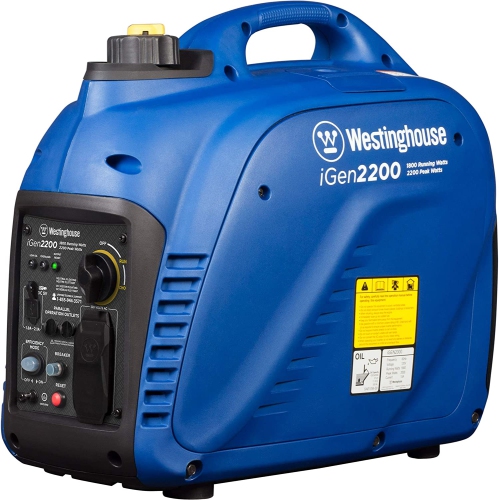 Your price for this item is $1699
 -
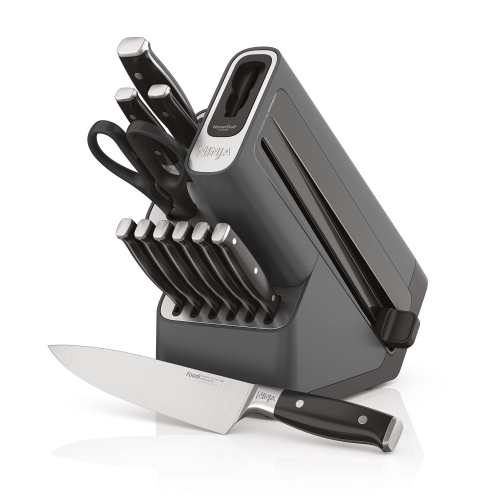 Your price for this item is $310
 -
 Your price for this item is $88.68
 -
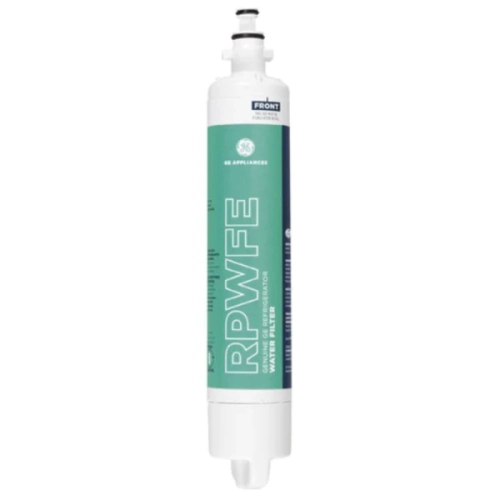 Your price for this item is $66.95
 -
 Your price for this item is $130.81
 -
 Your price for this item is $109.99
 -
 Your price for this item is $177.42
 -
 Your price for this item is $178.95
Discover more categories related to Whirlpool Washer Parts
Top Collections:
Pokemon Centers, Kindle Devices, Best Budget Office Chairs, Apple iPhones 16, Best Laptops for Writers, iPhone 15 Apple, Canon G7X Cameras, Refurbished Apple Laptops, Alarm Clock, Motorola Razr Phones
Some products may be subject to Environmental Handling Fees
(EHF) depending on your province.
Learn more about EHFs.