Window Air Conditioner And Heaters
Stay cool in the summer and cozy in the winter with our wide selection of window air conditioners and heaters. Whether you need to beat the heat during those scorching summer months or warm up your space when the temperatures drop, we have the perfect solution for you. Our range of window air conditioners and heaters are designed to provide efficient cooling and heating, ensuring maximum comfort all year round. With various sizes and features available, finding the ideal unit to suit your needs has never been easier. Upgrade your home's climate control system today with our top-notch window air conditioners and heaters.
Sort


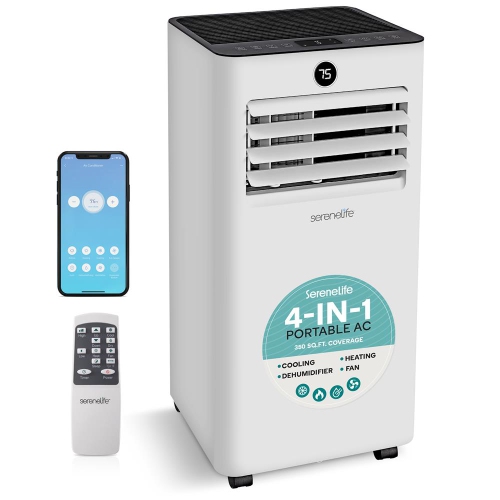

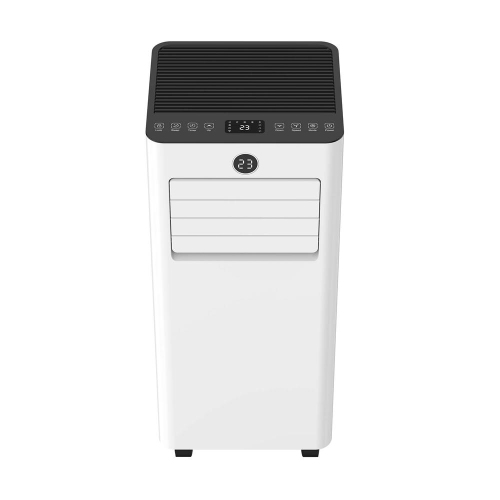

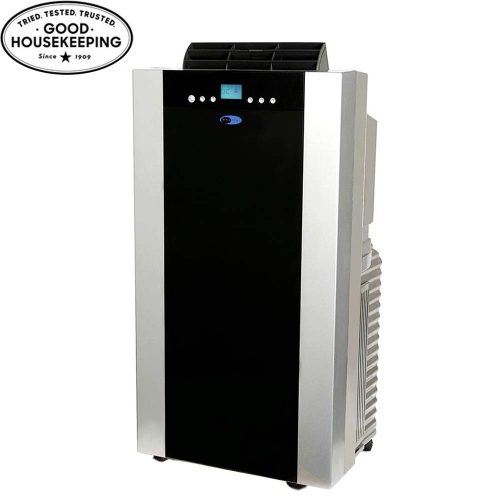
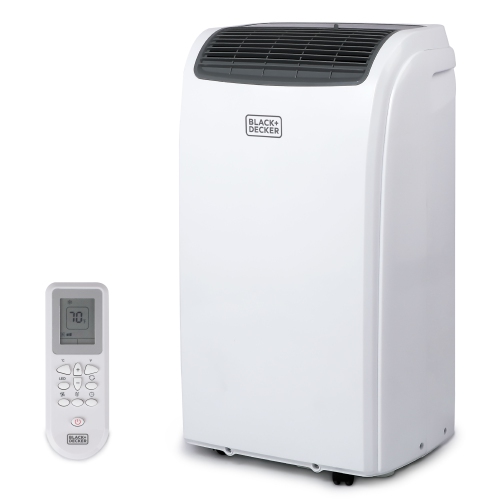


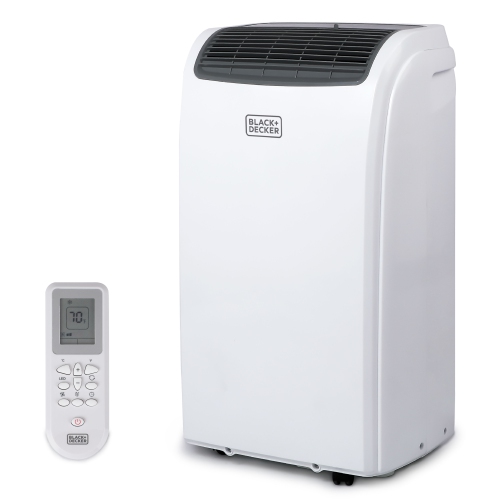
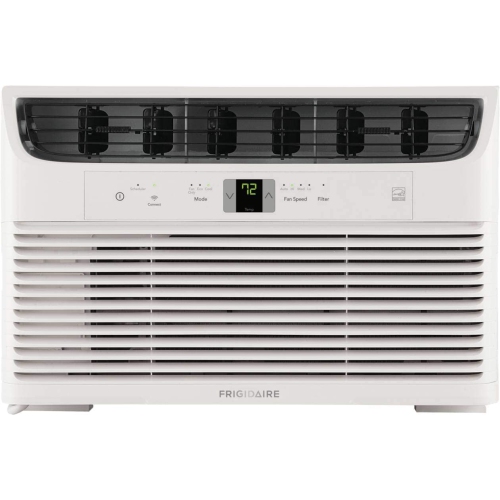


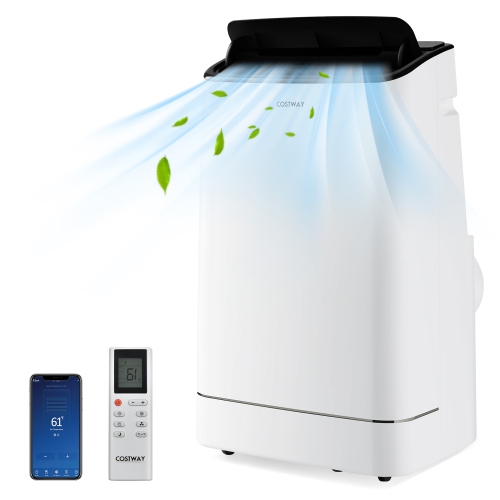

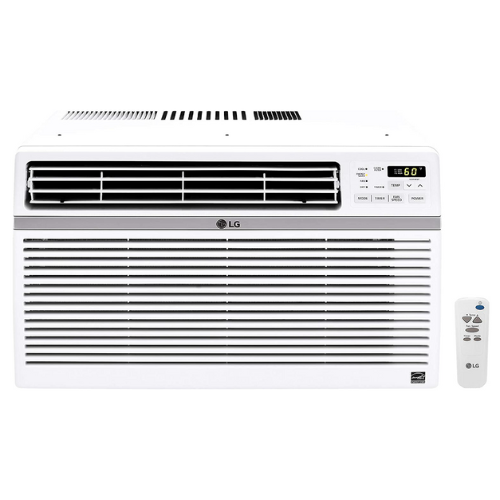

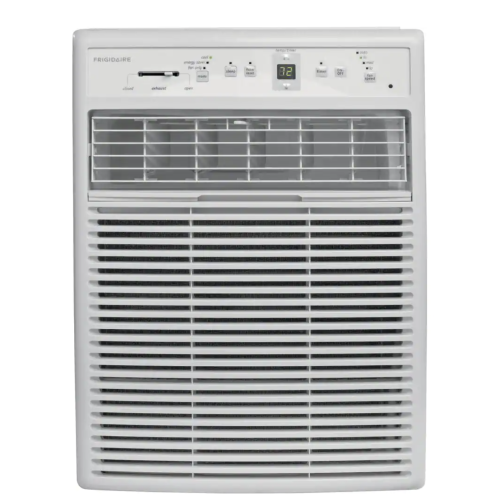
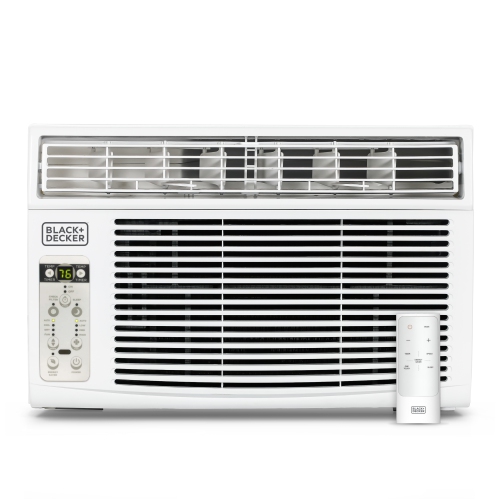
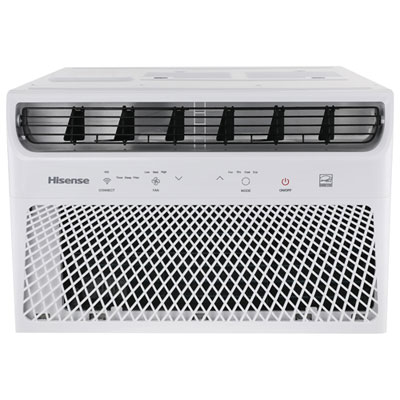
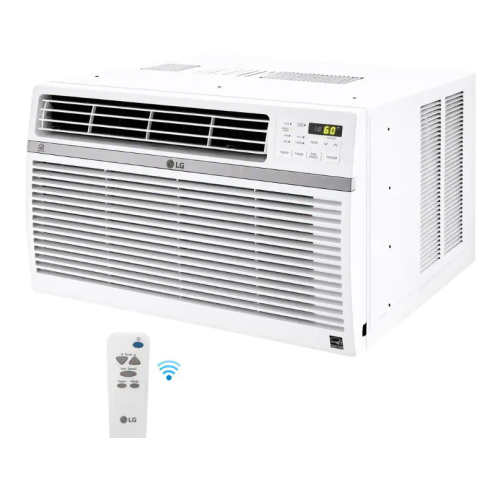



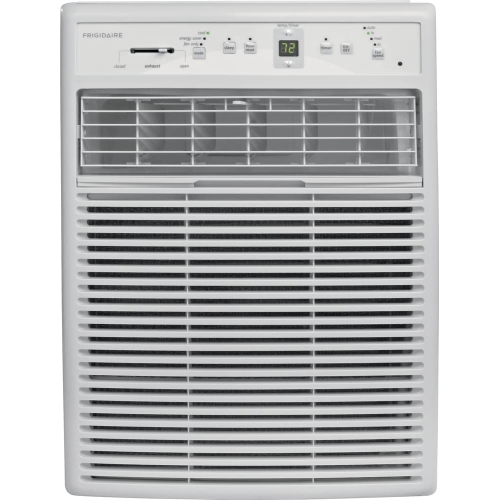
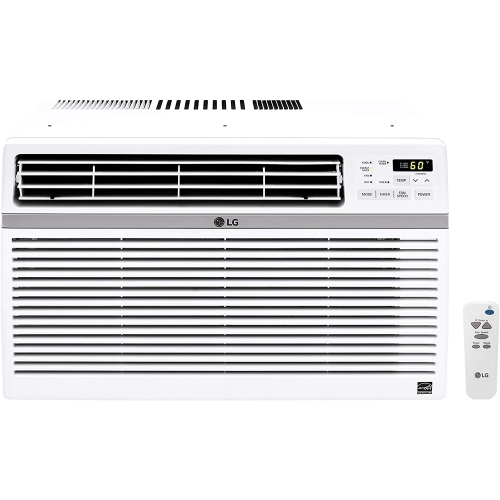
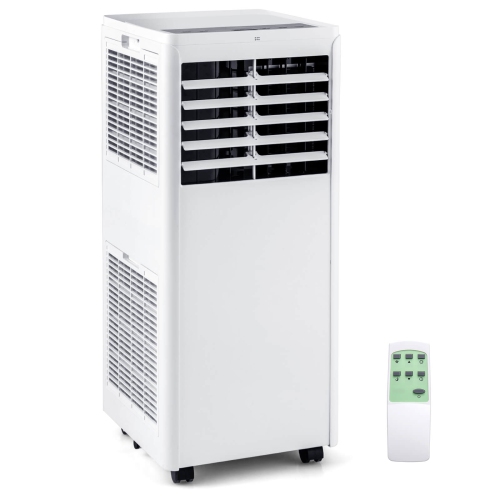
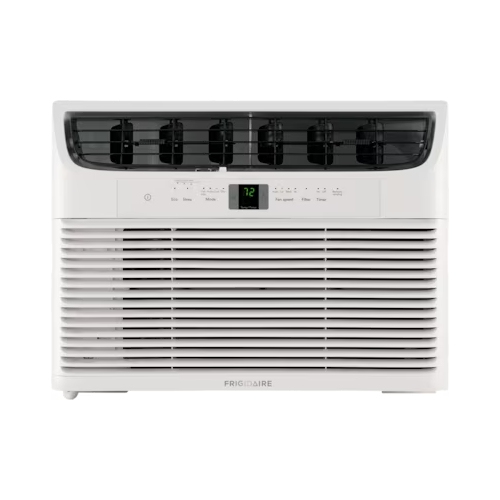


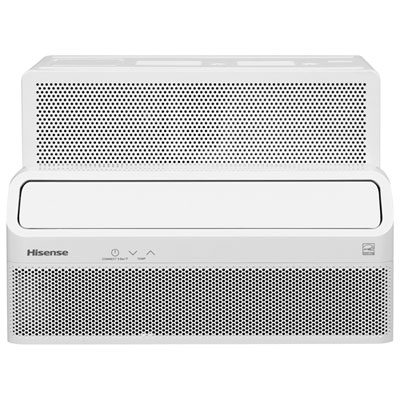
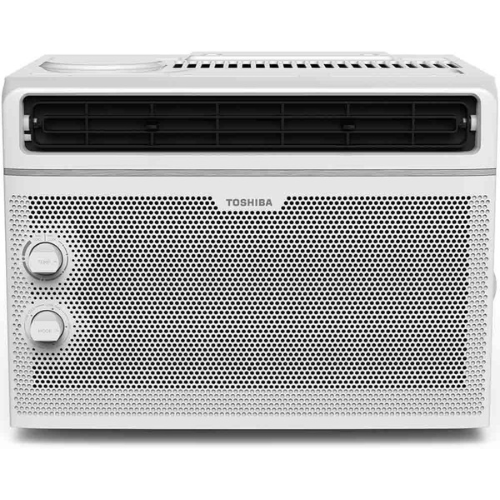

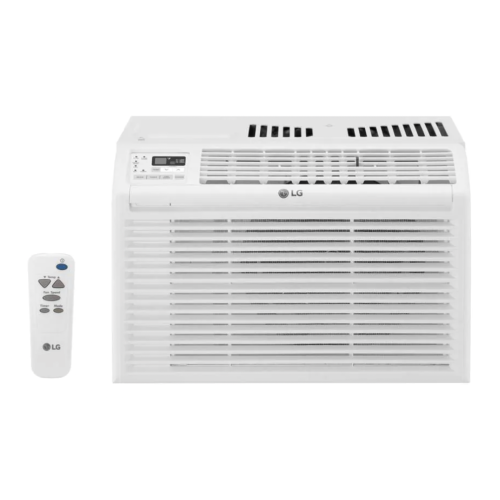
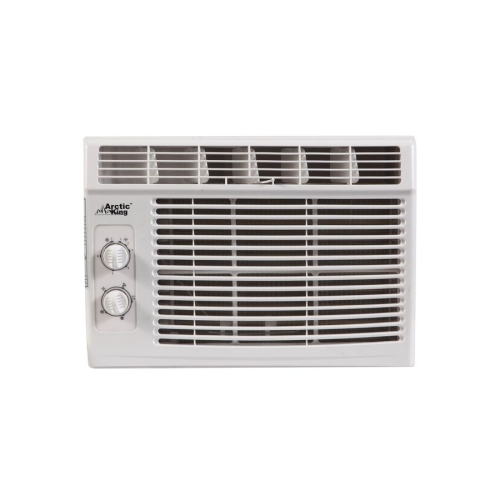


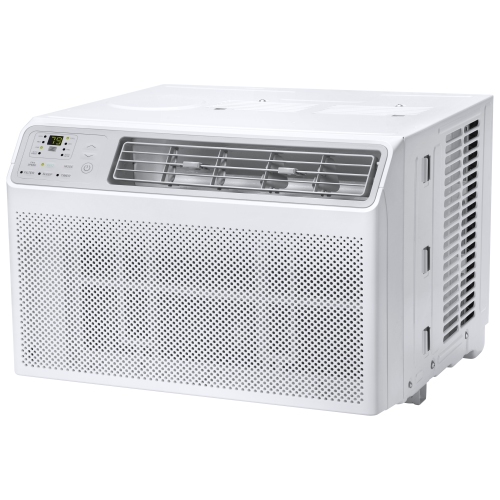
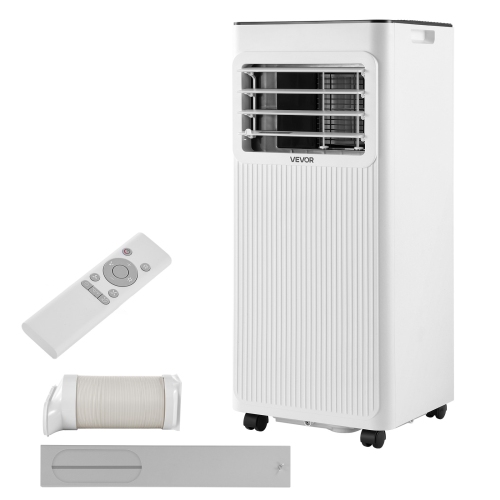
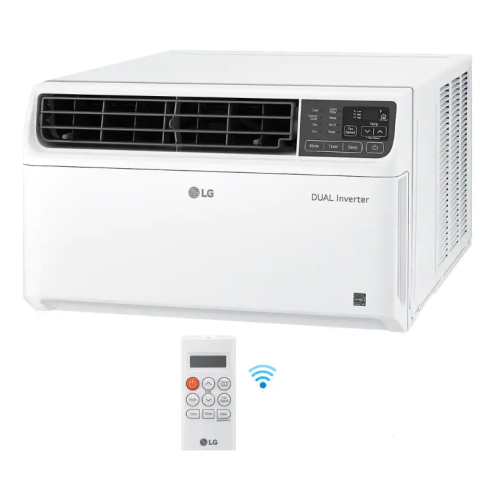

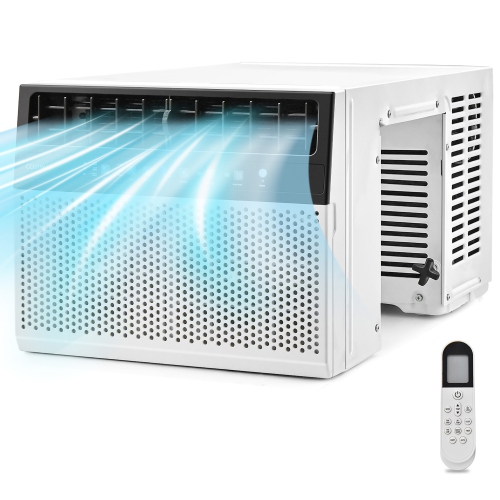
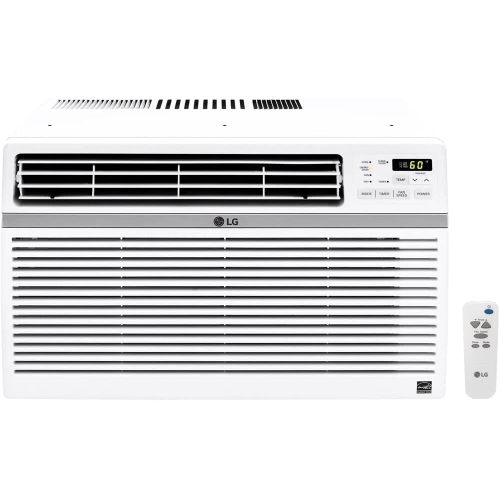
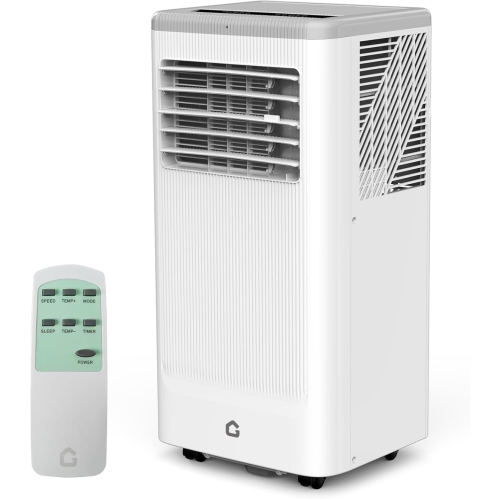
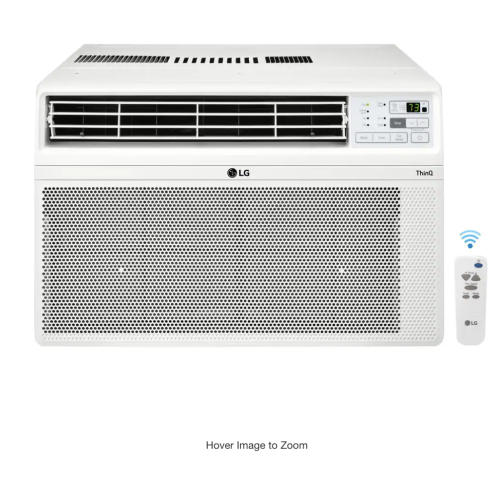

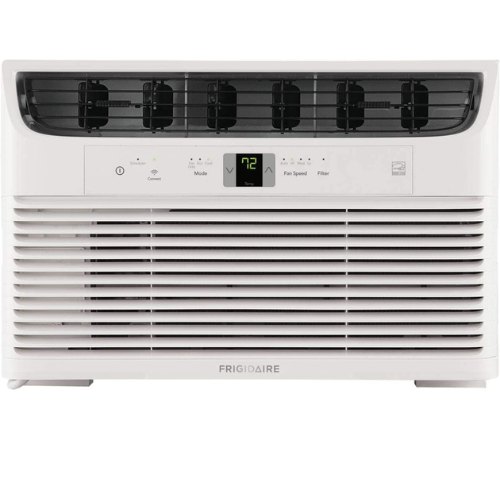

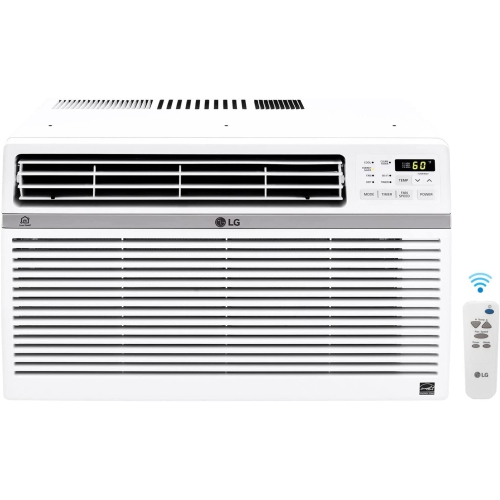
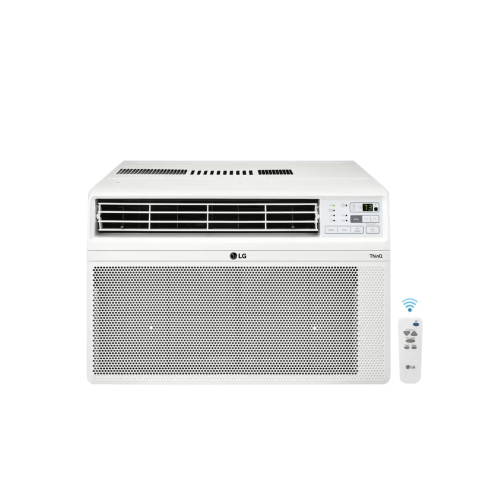
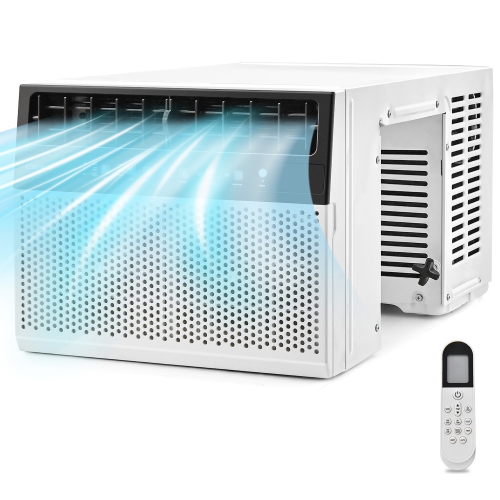


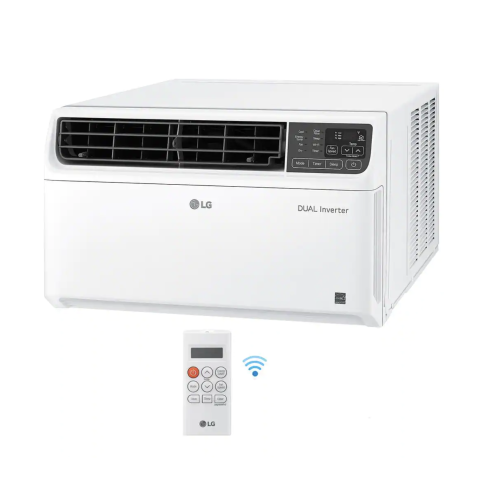
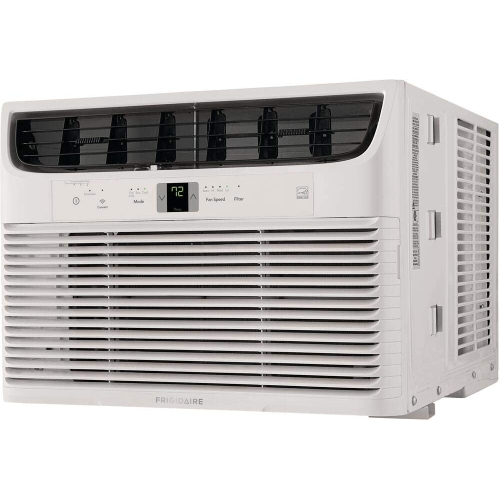
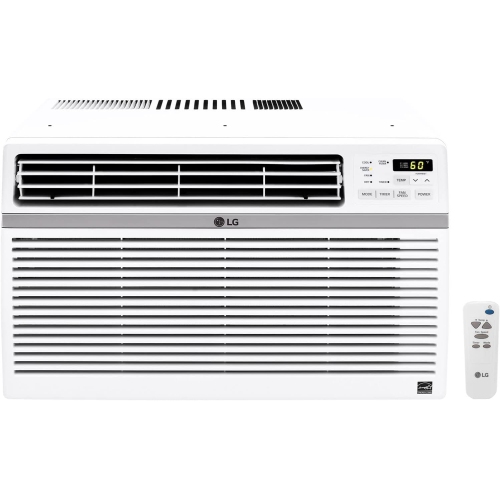
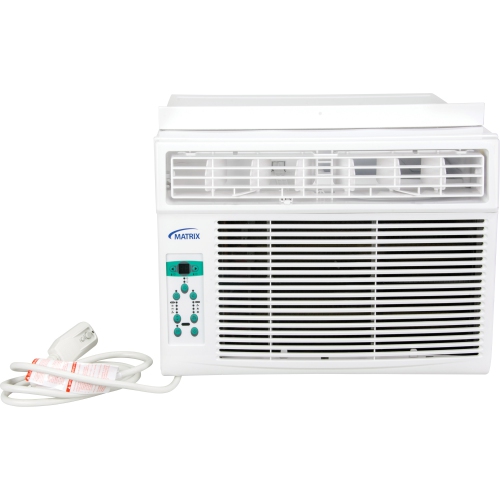
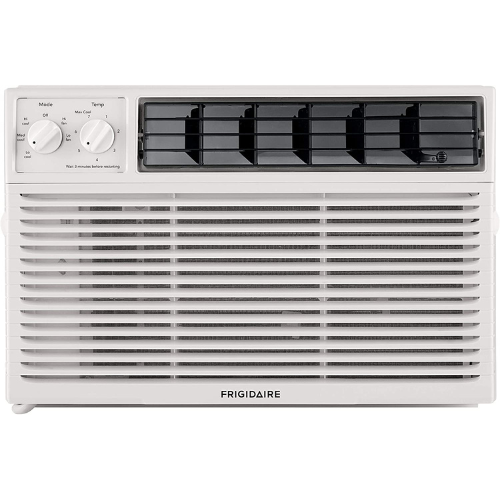
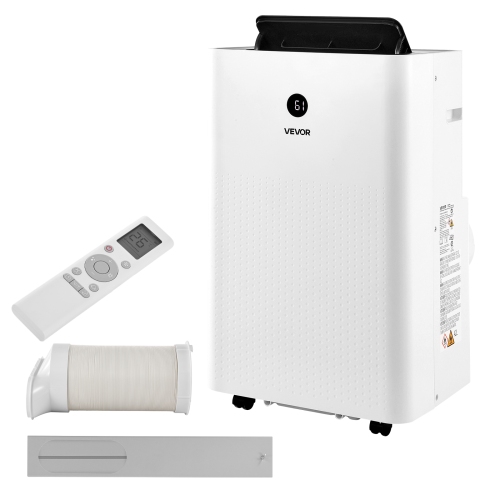

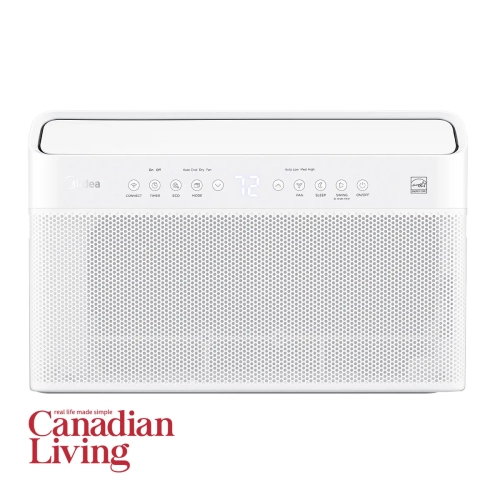
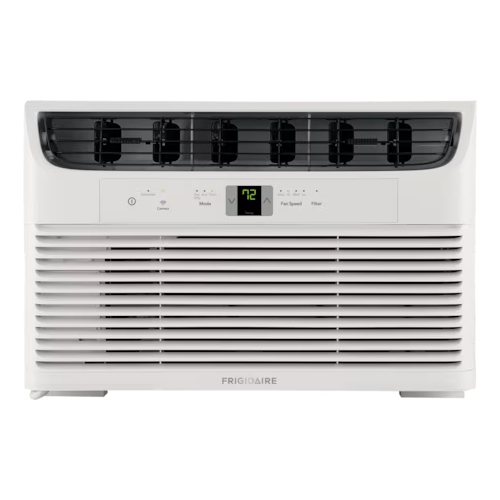


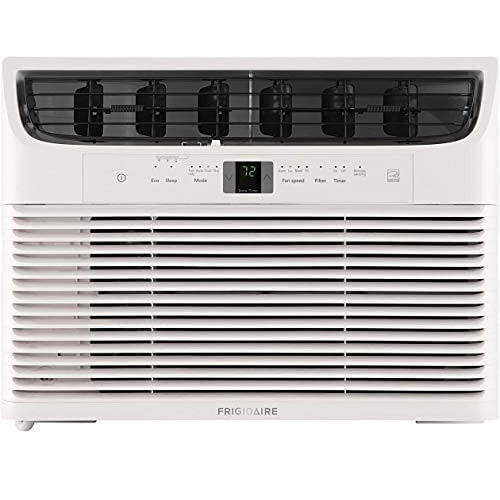



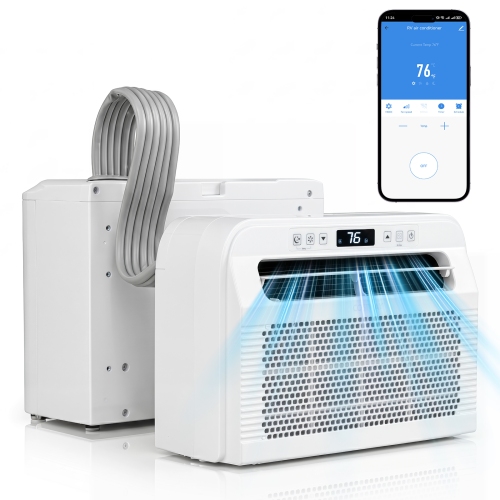
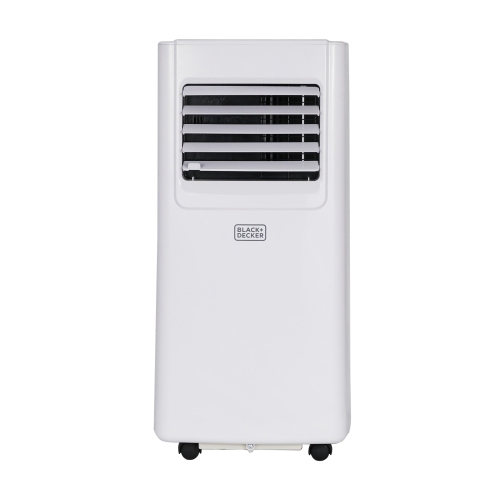


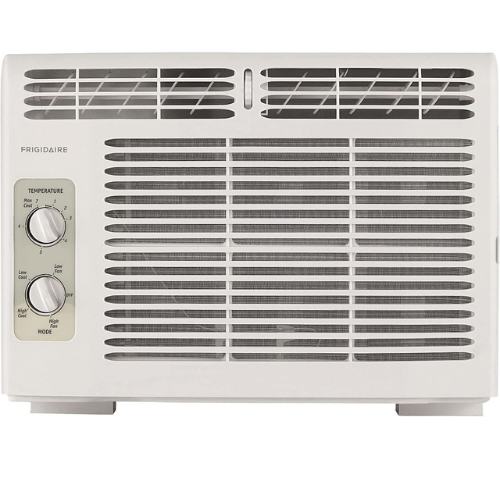
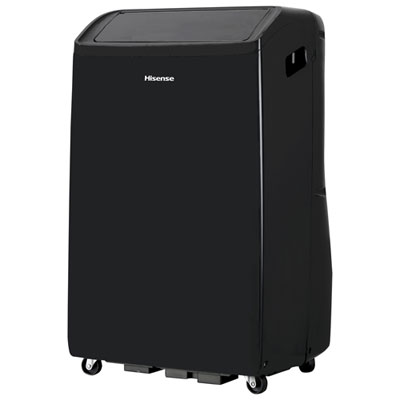
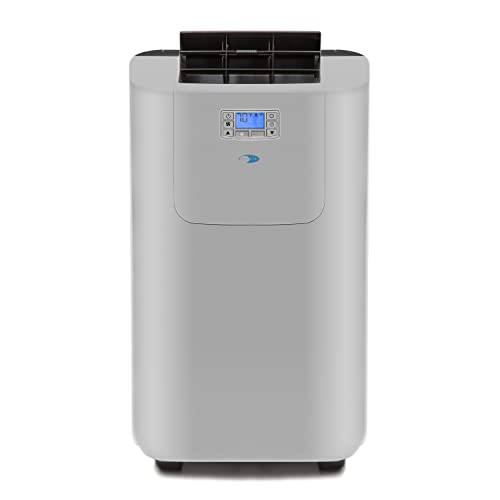


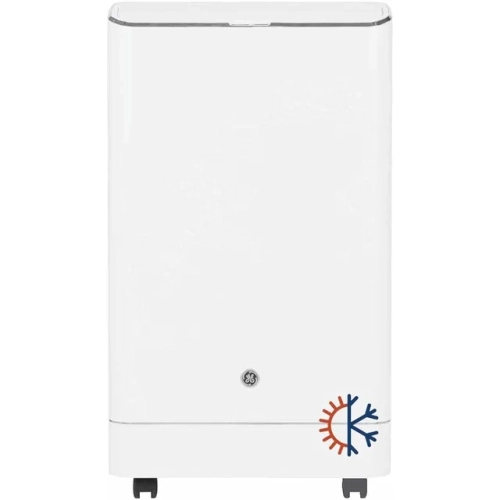

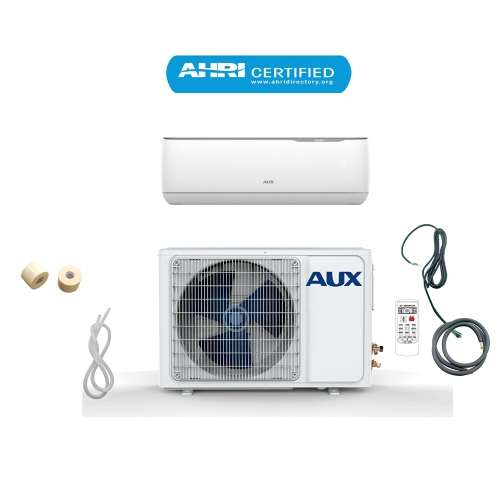
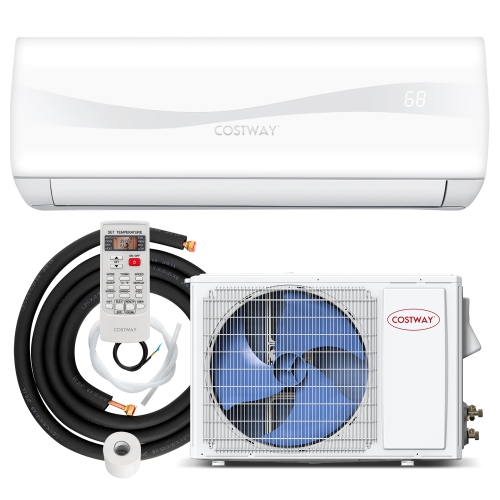







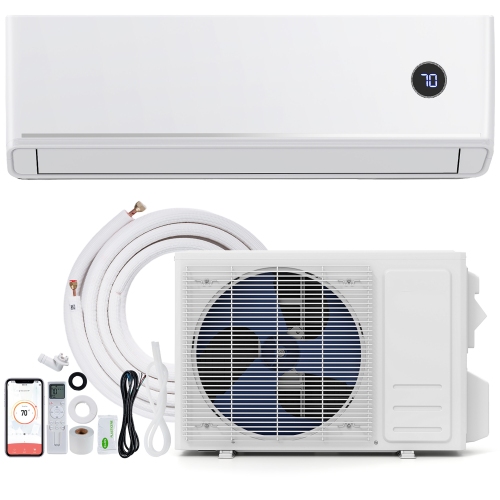
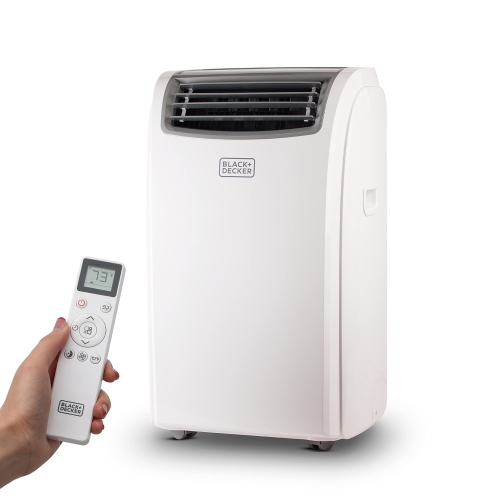


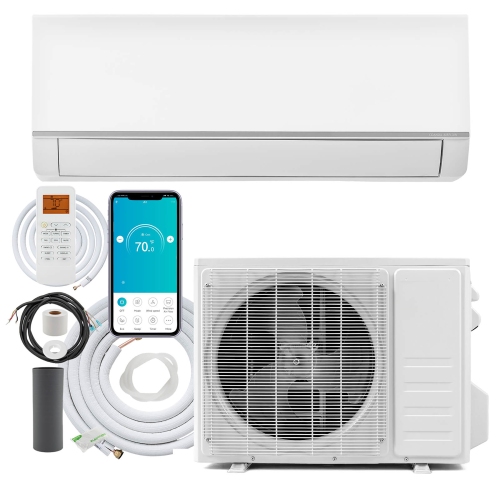
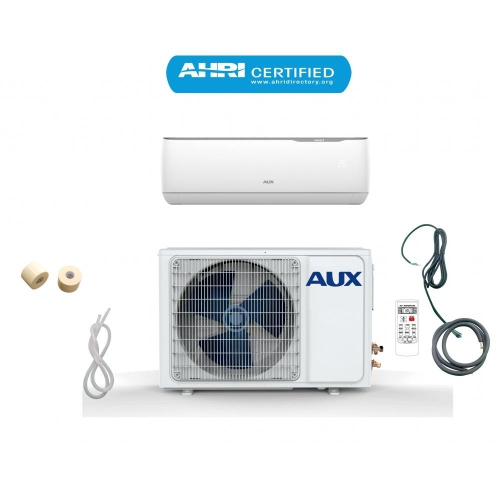
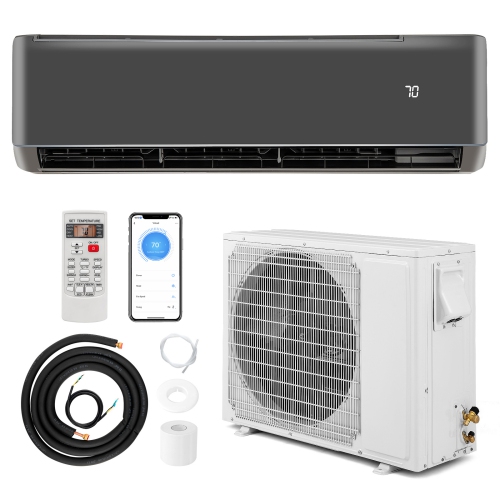
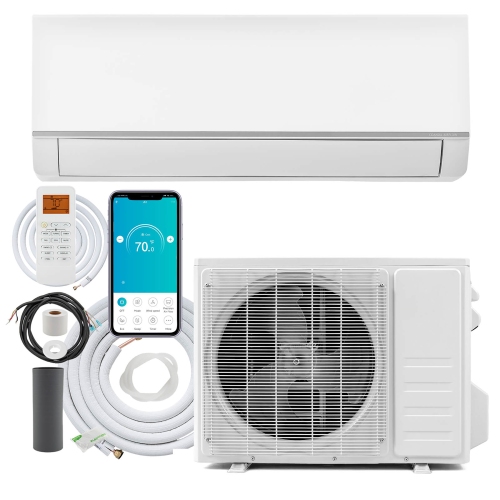

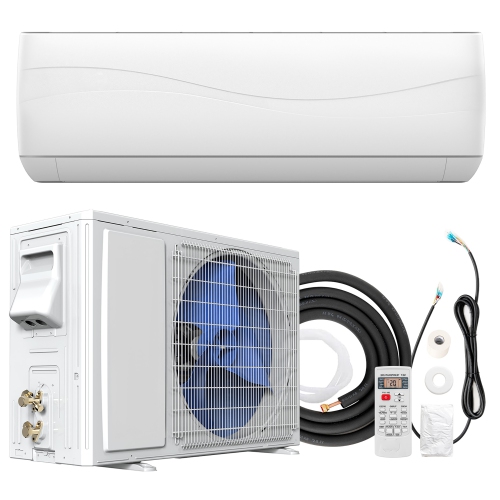






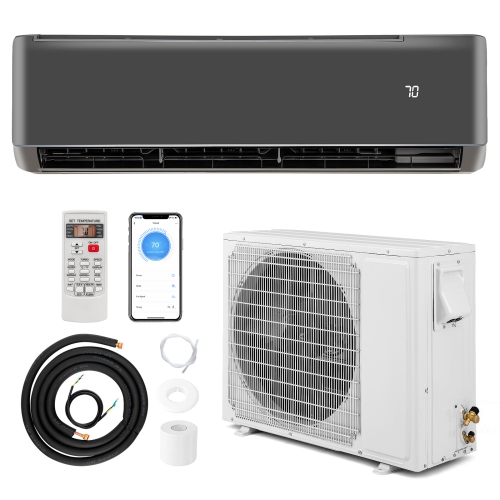
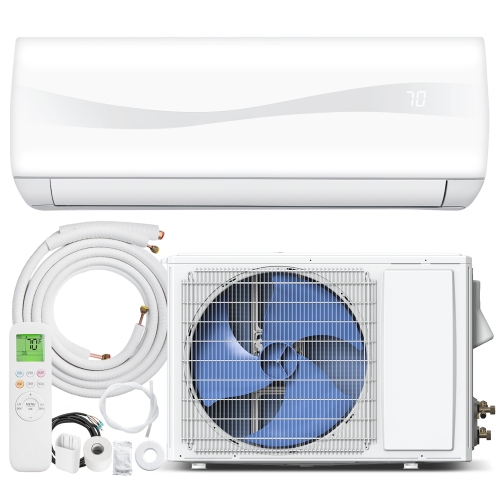
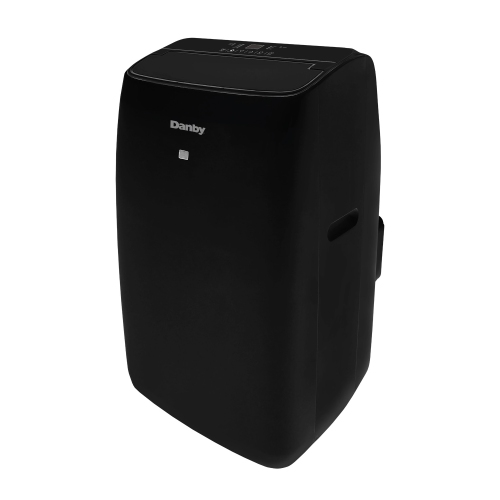
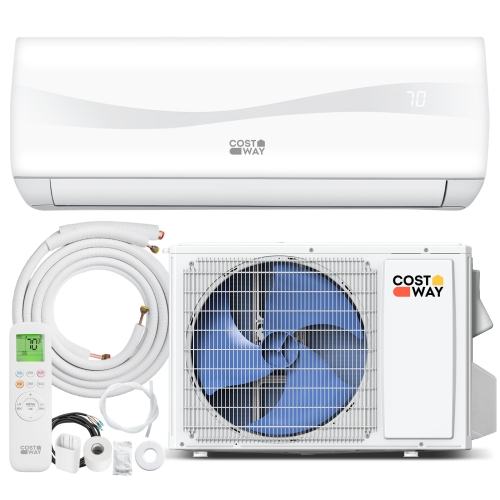


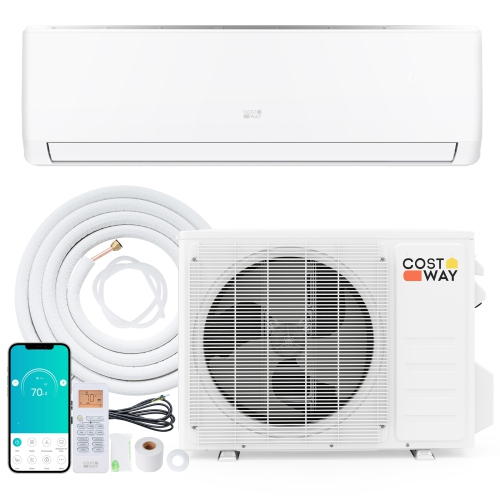
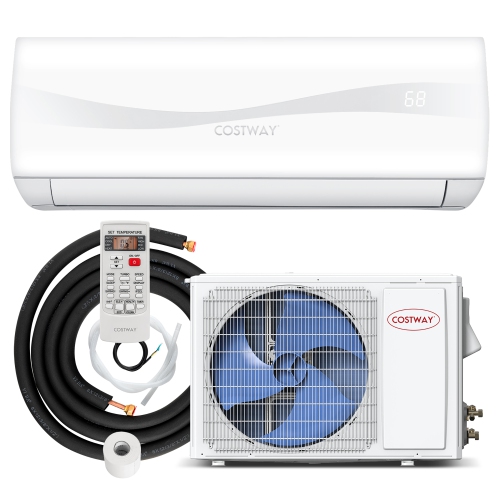


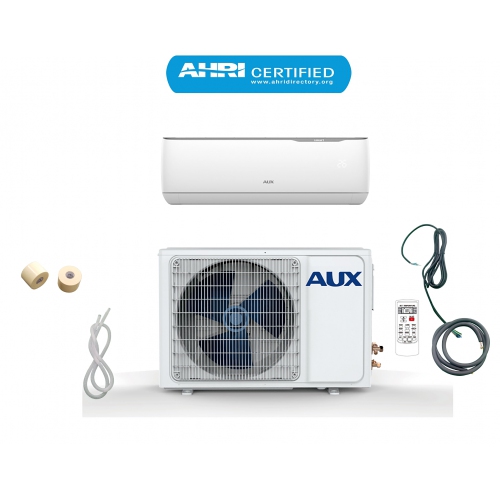
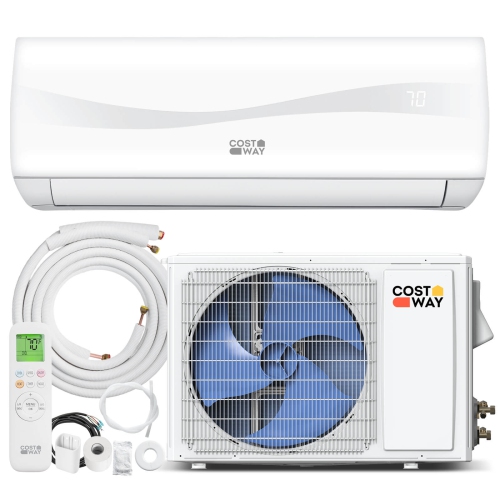






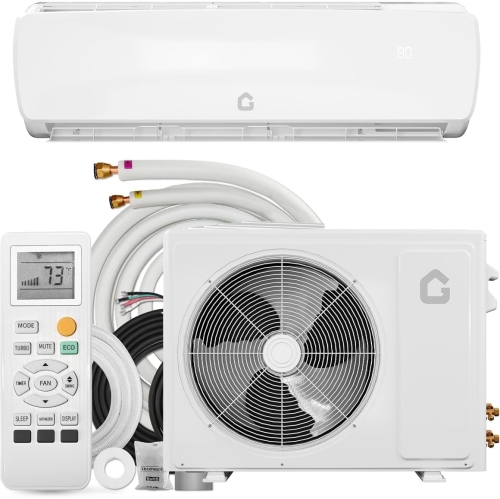

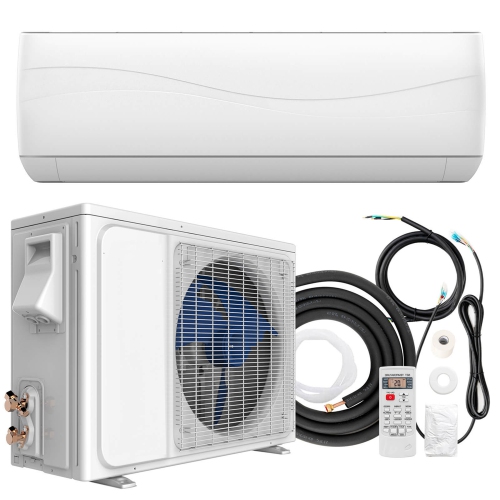
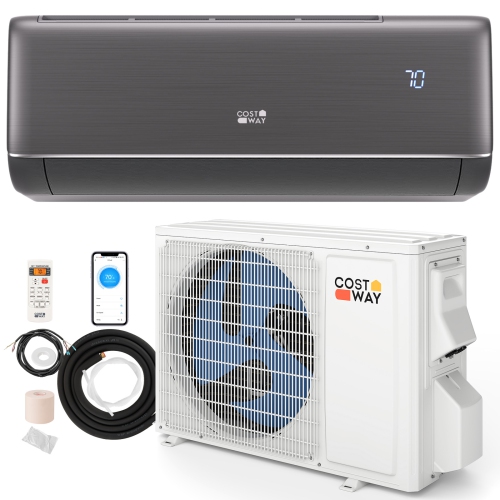
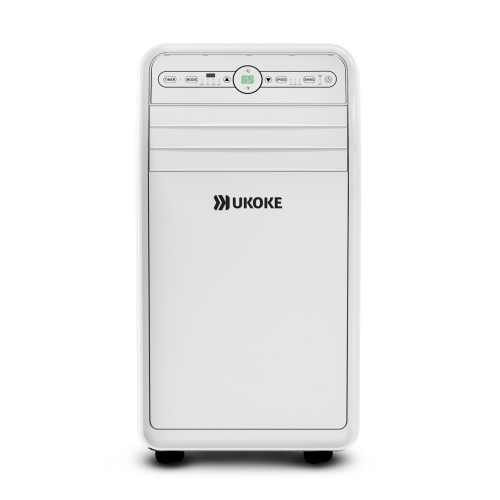
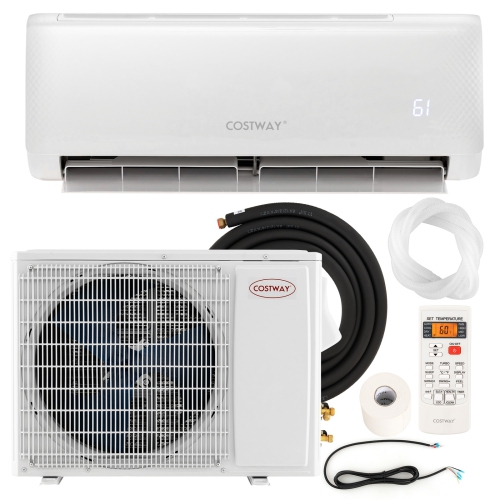
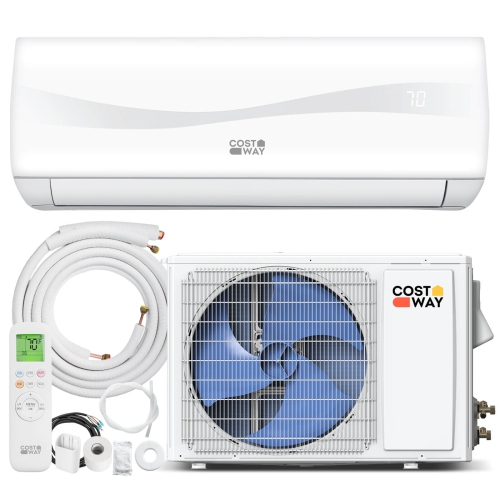
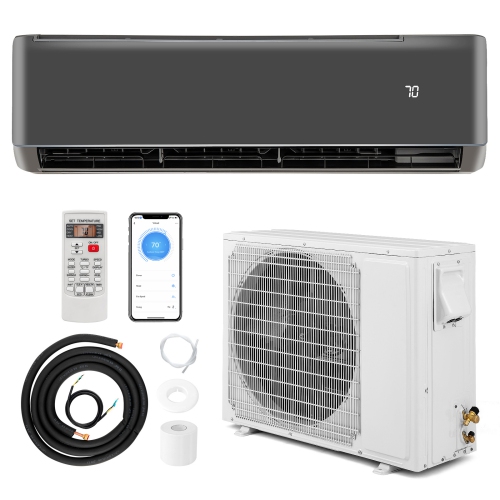
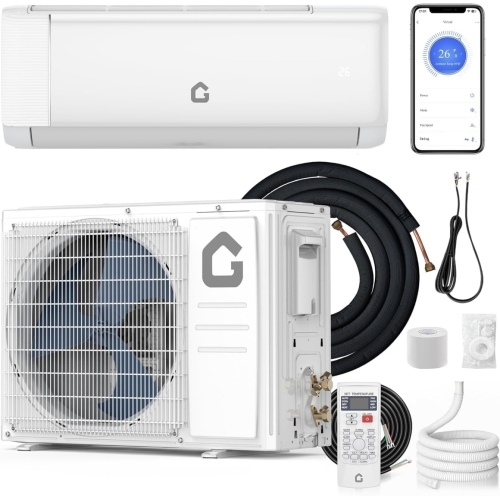
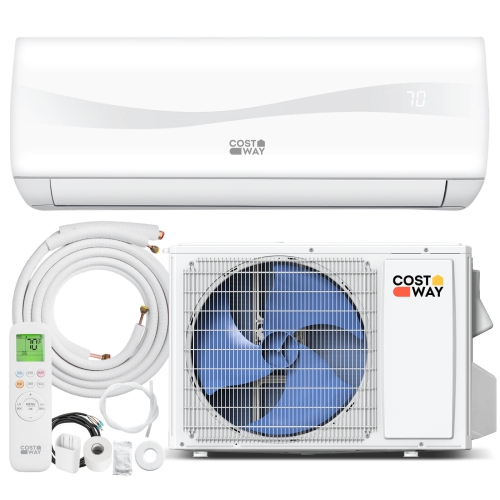
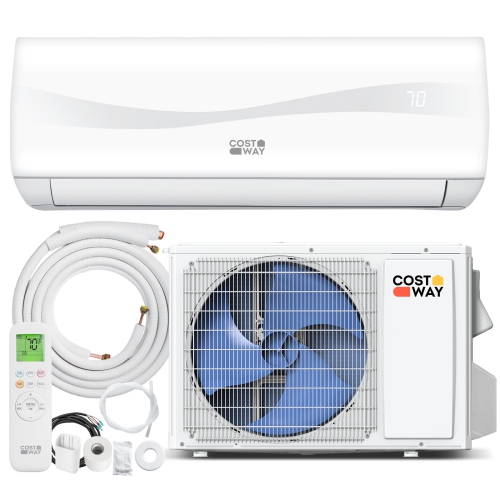
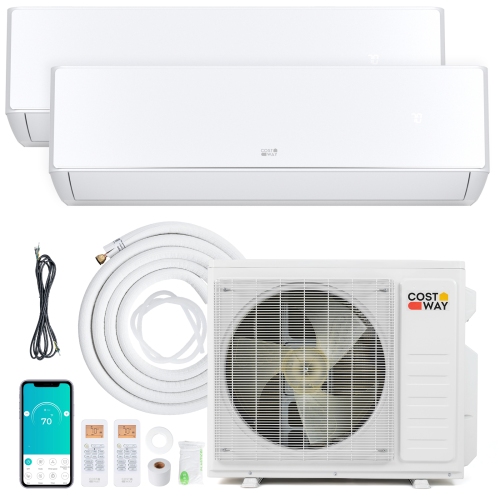
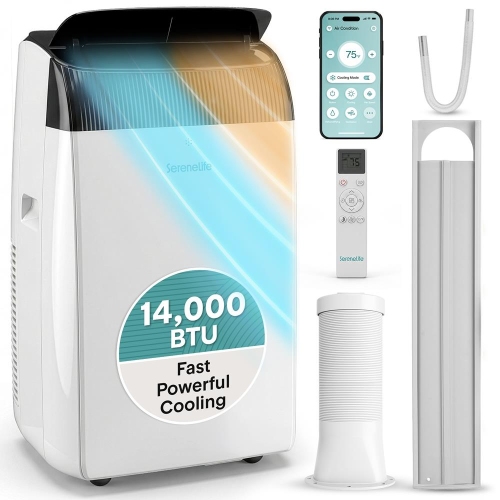
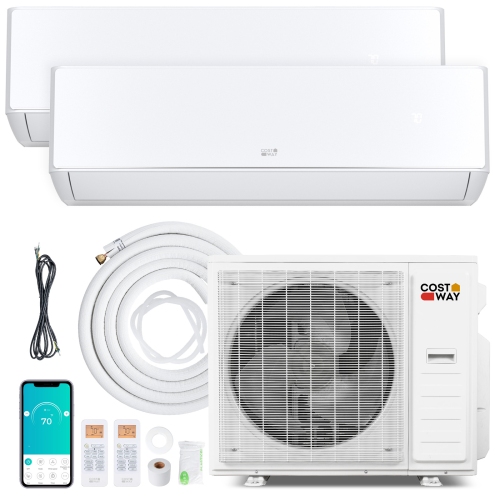
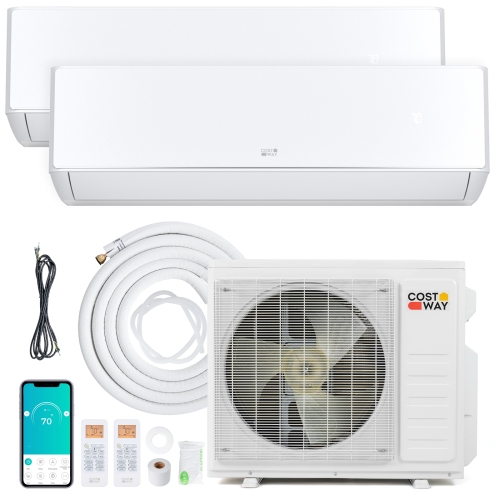
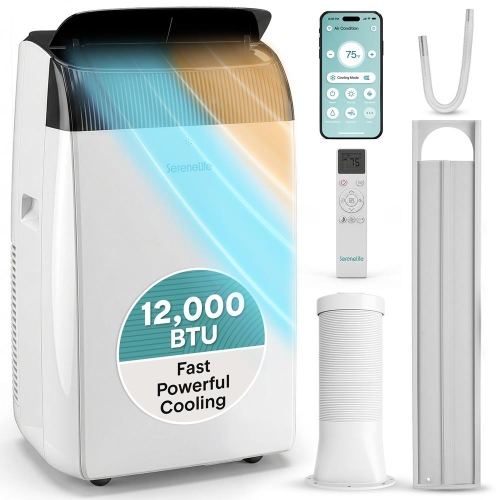

Why cooling capacity tells only half the story
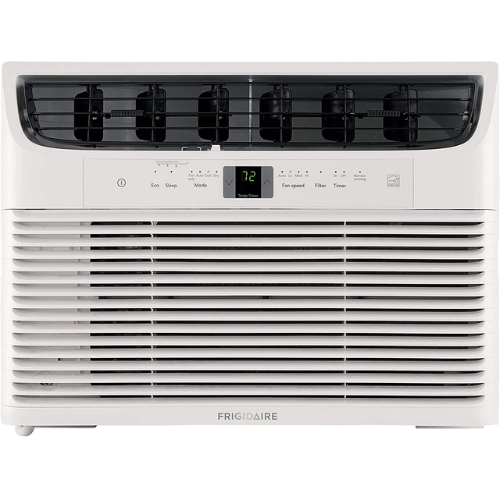
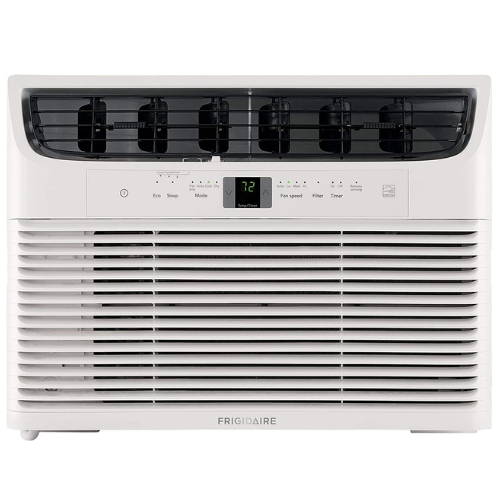
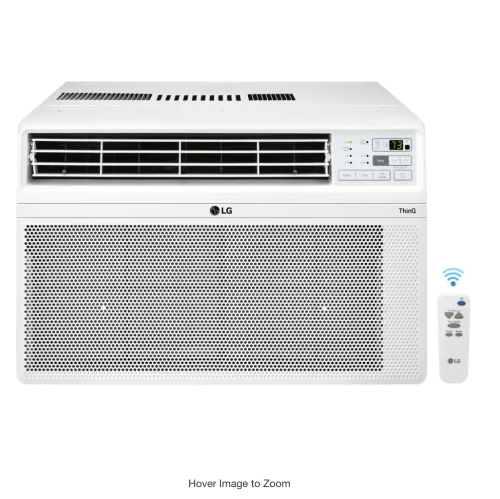
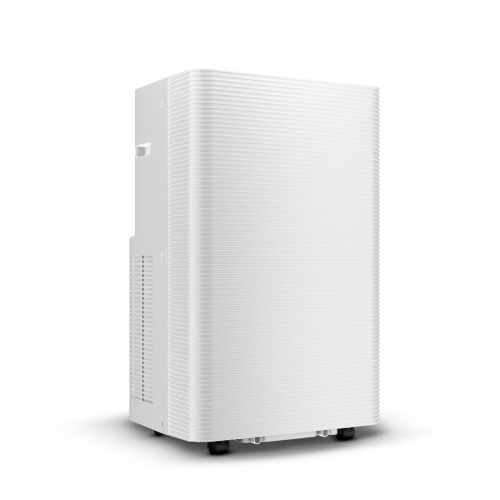
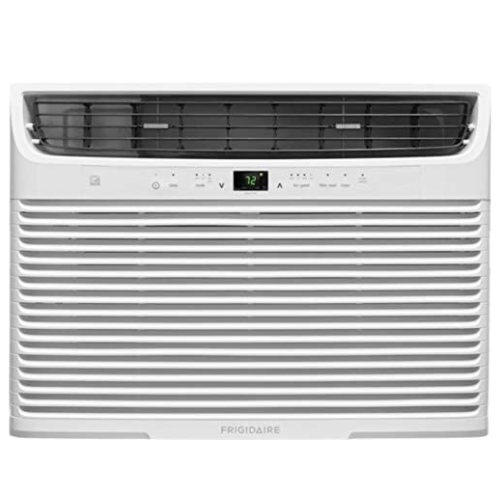
Window air conditioners with built-in heaters combine room cooling and supplemental heating in a single window-mounted appliance. In cooling mode, they remove heat from indoor air and release it outdoors; in heating mode, they use either an electric resistance element or a heat pump, depending on the design. Electric resistance heating produces warmth directly, while a heat pump transfers heat from outside into the room within its specified operating range. This distinction matters in Canadian homes because heating performance and permitted outdoor operating temperatures vary considerably. A cooling-and-heating window unit can help make a home office, bedroom, or living area more comfortable, but it should not be assumed to replace a home’s primary heating system through freezing conditions. Cooling and heating capacities are also separate specifications: a unit with a particular cooling output may have a substantially different heating output. Cooling capacity is usually expressed in British thermal units per hour, commonly labelled BTU, while heating output may be listed in BTU per hour, watts, or both. Matching both ratings to the intended room gives a clearer picture of what the appliance can do. Floor area is a useful starting point, but ceiling height, insulation, window size, direct sunlight, and open doorways also affect the load. A compact bedroom with a door that closes has different needs from an equally sized sitting area connected to a hallway and kitchen. An undersized unit may run for long periods without reaching the selected temperature, while an oversized conventional cooling unit can cycle off before removing enough moisture. Manufacturer room-size guidance helps narrow the fit, with adjustments for the actual space rather than floor area alone. For households that use one room more heavily than others, this type of appliance offers local temperature adjustment without changing the thermostat setting throughout the home. It can also suit a guest room where visitors appreciate separate controls, provided the window, electrical supply, and heating requirements are compatible.
Physical fit is just as important as heating and cooling output. Window air conditioner and heater combinations are designed for specific window types and opening dimensions, and a standard unit intended for a vertically sliding sash will not automatically fit a casement or horizontally sliding window. Relevant measurements include the clear opening width, the available opening height, and any sill or frame features that could interfere with the mounting assembly. Depth matters, too: the cabinet extends outdoors, where its vents need unobstructed airflow, and projects indoors far enough to affect blinds, curtains, or furniture placement. Adjustable side panels help close the remaining opening, but they do not replace the structural support required by the installation instructions. Metal cabinets, support brackets, fastening hardware, and weather seals work together to keep the appliance stable and limit draughts. A sound window frame and an approved support arrangement are particularly important because these units can be heavy. Installation should follow the specified position and drainage requirements rather than a guessed angle. Window-mounted and through-the-wall appliances are not interchangeable unless the manufacturer explicitly approves both uses; enclosing the wrong cabinet can block essential vents. In a rental apartment or condominium, building rules may also determine whether exterior brackets or window-mounted equipment are permitted. The electrical connection deserves equally close attention. Some smaller combinations use a compatible standard household receptacle, while larger units or those with higher heating output may require a dedicated circuit and a different voltage or outlet configuration. Cooling capacity alone does not establish the electrical requirements. The rated voltage, amperage, plug type, and circuit instructions must all match the intended location, with any necessary electrical work handled by a qualified electrician. Direct connection to the specified wall receptacle, without a power bar or an improvised adapter, is essential. Placement must also preserve any required emergency exit and keep bedding, upholstery, and curtains clear of the appliance’s airflow and heat outlet.
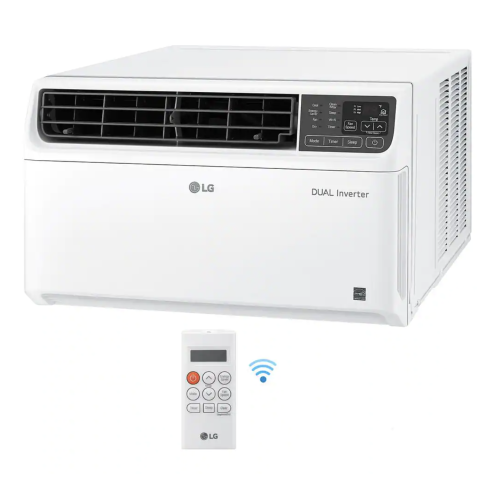
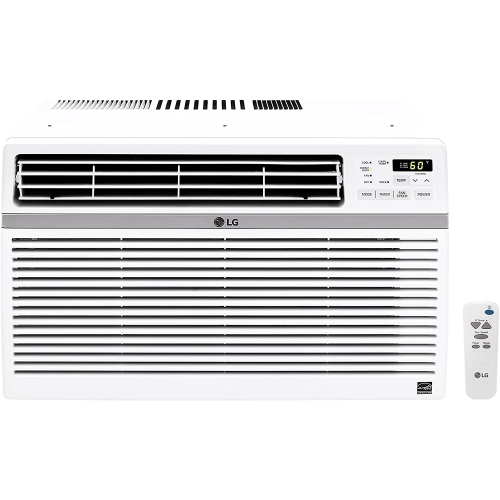
Everyday comfort depends on how the appliance distributes air and how easily its settings fit household routines. Adjustable louvers can direct cooling across a seating area instead of straight at someone’s chair, while multiple fan speeds offer flexibility between stronger circulation and a gentler flow. Noise ratings are worth comparing for bedrooms and workspaces, particularly when a desk sits beside the window or video calls are part of the day. Compressor operation, fan speed, installation quality, and room acoustics all influence perceived sound, so a low setting does not necessarily mean silent operation. Where offered, inverter-driven compressors can vary their output rather than relying solely on repeated full-output starts and stops. A thermostat, timer, and clearly marked mode controls make it easier to manage daily use, although an automatic fan setting is not necessarily the same as automatic switching between heating and cooling. A handheld remote is useful when furniture makes the control panel awkward to reach; Remote Air Conditioners offer another way to explore cooling appliances with convenient remote operation, with heating capability checked separately. Wi-Fi controls, where included, may support temperature adjustments and schedules through a compatible app, subject to network and device requirements. Care routines are generally straightforward but should follow the appliance’s manual. Accessible filters need regular attention because accumulated dust restricts airflow; washable filters must dry fully before being refitted, while replaceable filters require the specified replacements. Disconnecting power before permitted cleaning, wiping accessible surfaces with an appropriate cloth, and keeping outdoor vents free of leaves or other obstructions help maintain reliable operation. Water management varies by design, so drainage openings should not be modified or added without manufacturer direction. Periodic checks of seals, brackets, and visible corrosion can reveal wear before it becomes a larger problem. If outdoor temperatures fall below the unit’s approved operating range, follow its shutdown or removal instructions and rely on a suitable primary heat source. These practical details help distinguish a comfortable room-level solution from an appliance that merely fits the opening.
Top selling and popular products
-
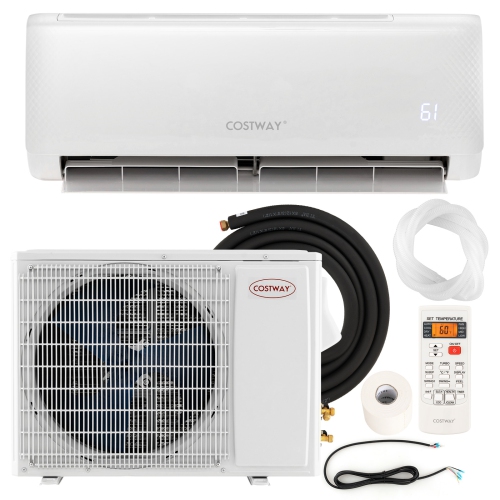 Your price for this item is $807.99
-
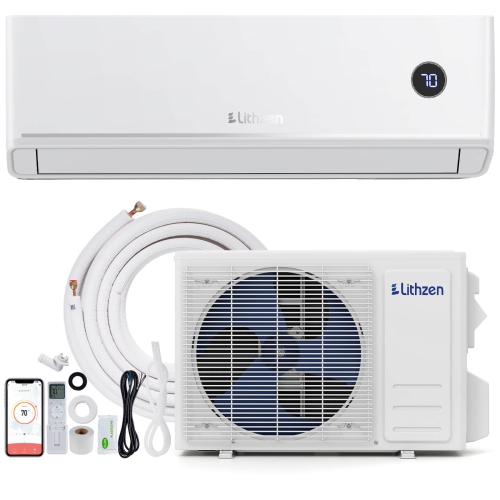 Your price for this item is $679.99
-
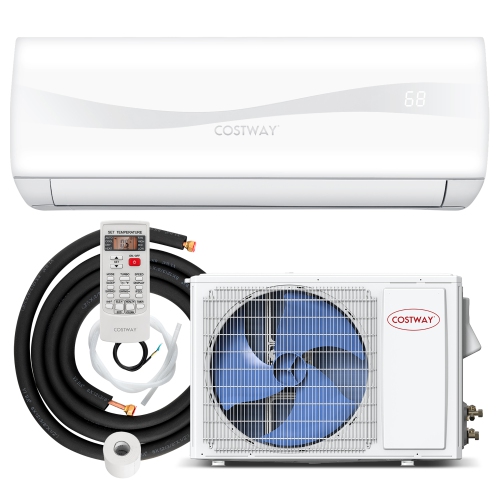 Your price for this item is $768.99
-
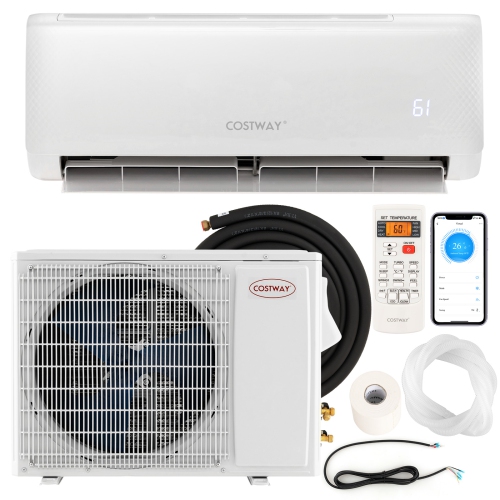 Your price for this item is $1575.99
-
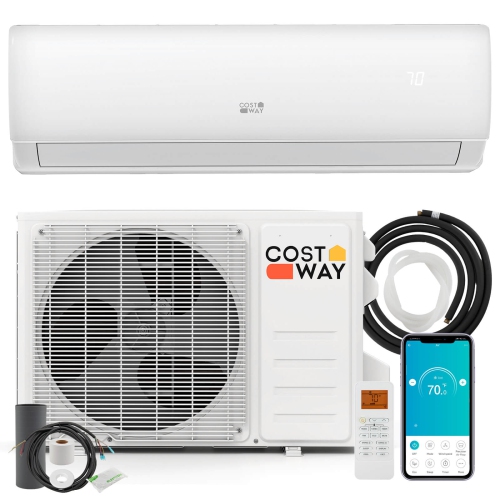 Your price for this item is $709.99
-
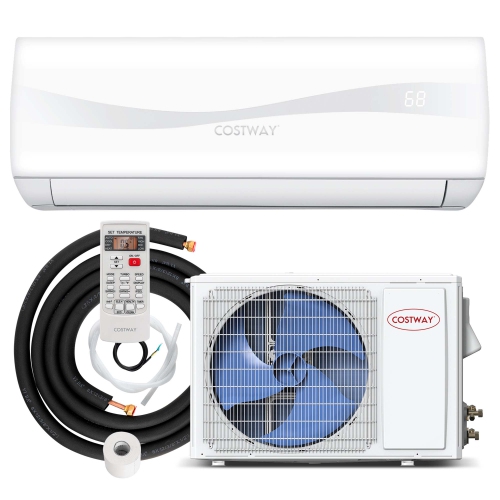 Your price for this item is $757.99
-
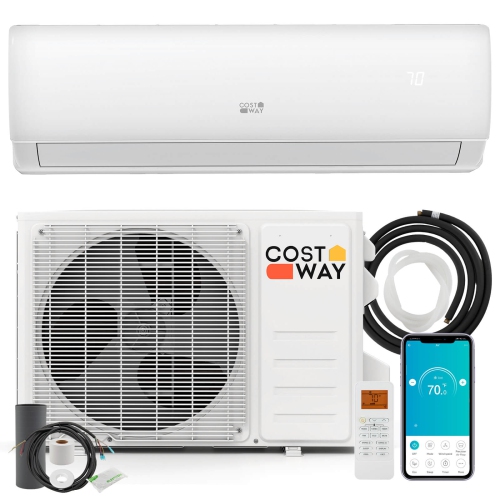 Your price for this item is $1029.99
-
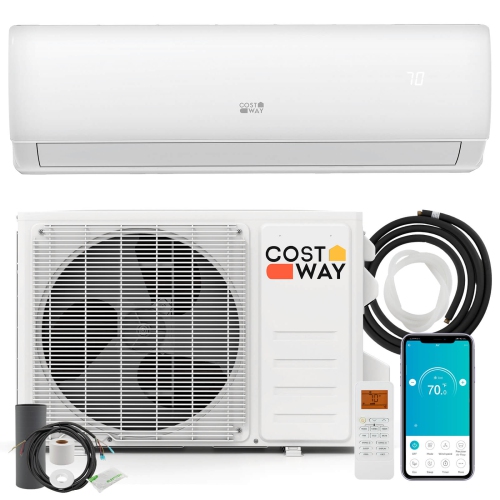 Your price for this item is $1369.99
Discover more categories related to Window Air Conditioner And Heaters

Top Collections:
Pokemon Centers, Best Budget Office Chairs, Kindle Devices, Best Cameras for Sports Photography, Pokémon 30th Celebration Cards, Best Laptops for Writers, Apple iPhones 16, Laptops for Business Work, Canon G7X Cameras, iPhone 15 Apple
Some products may be subject to Environmental Handling Fees
(EHF) depending on your province.
Learn more about EHFs.