Gaming Headsets for Music
If you're a gamer, you know that the right headset can make all the difference in your gaming experience. Whether it's for communicating with teammates or listening to music, a good headset can help you focus on your game and get into the zone.
Sort
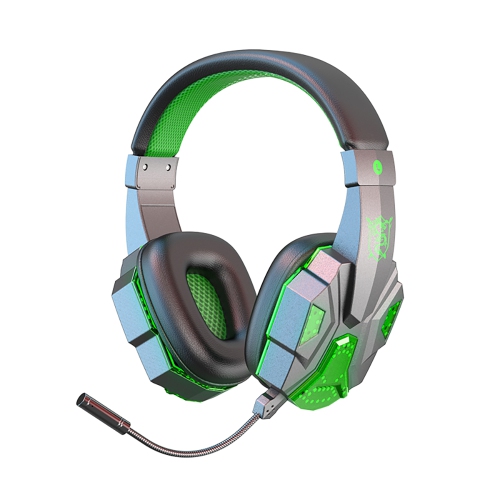
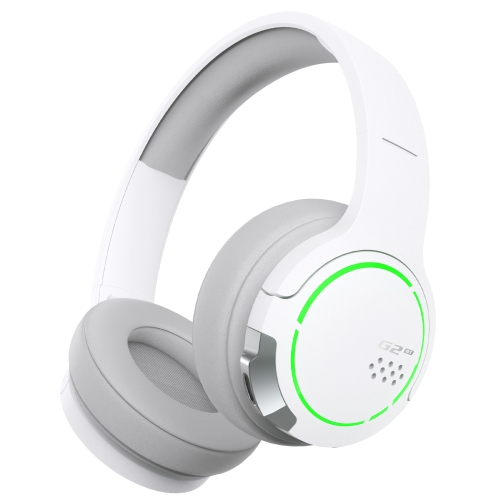
![GREEN SCENIC [E-Sports Immersion] X33 Glare Version Gaming Headset | High-Precision Driver | Noise Reduction Microphone | Free Line Control](https://multimedia.bbycastatic.ca/multimedia/products/500x500/192/19274/19274276.jpeg)
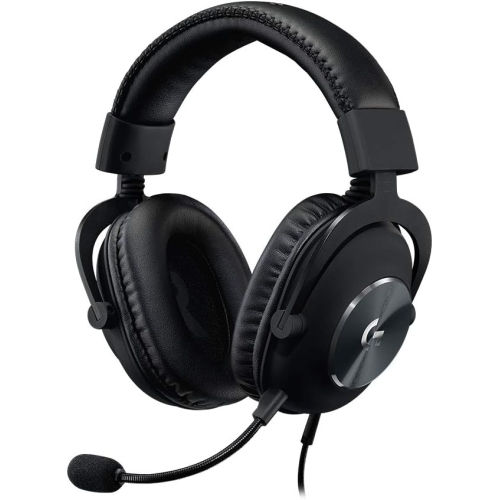
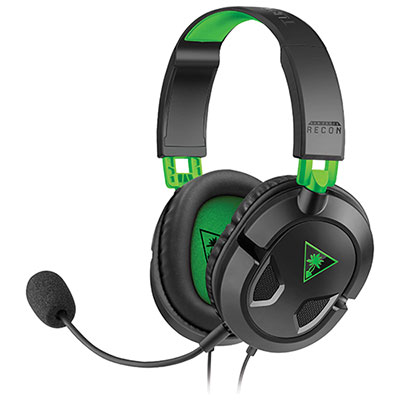
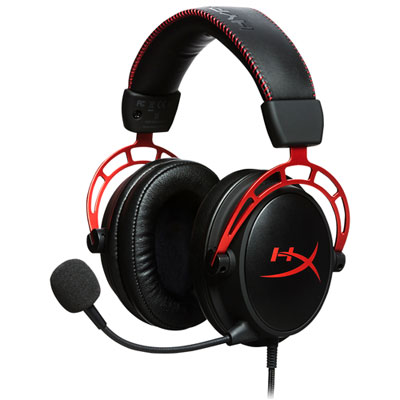
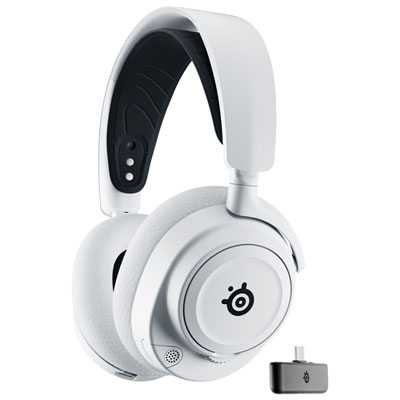
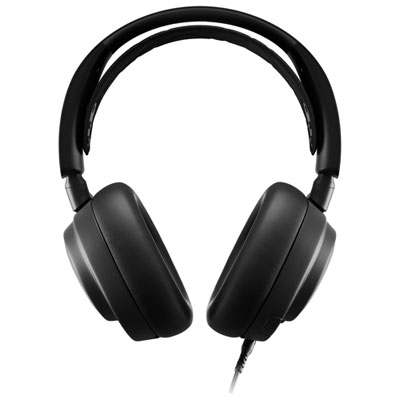
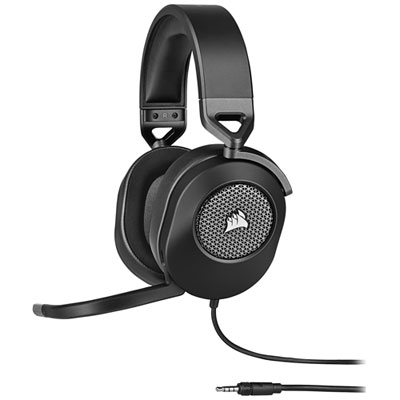
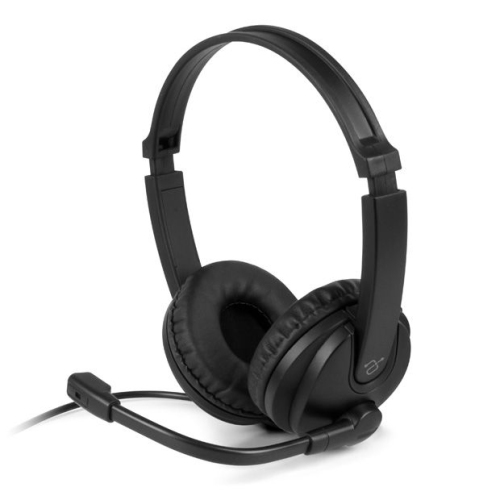
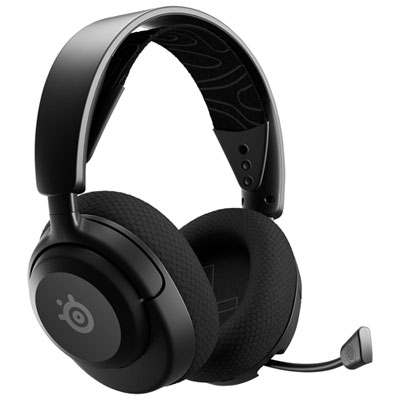
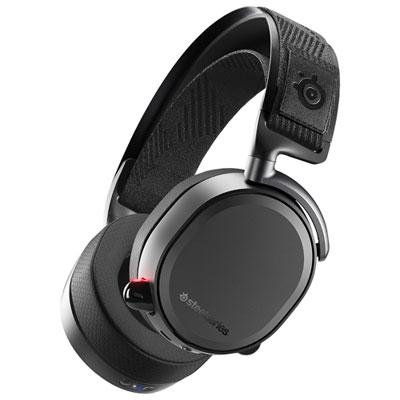
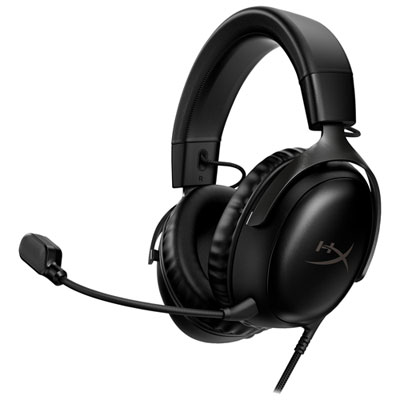
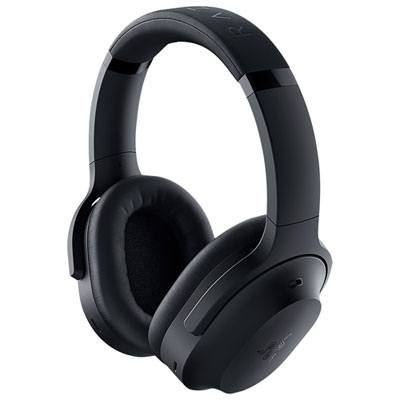
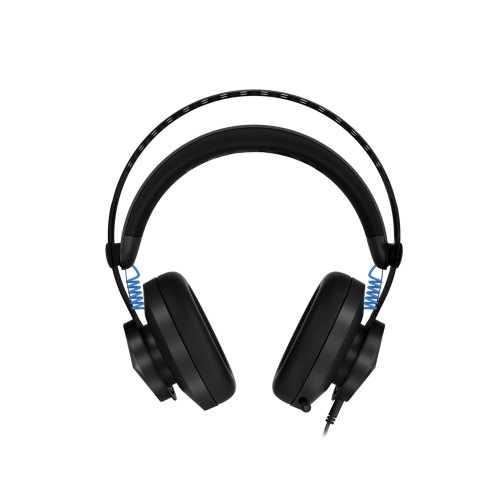
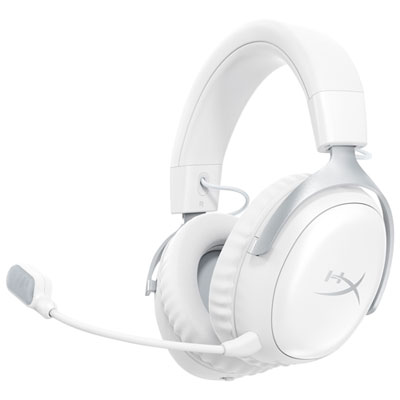
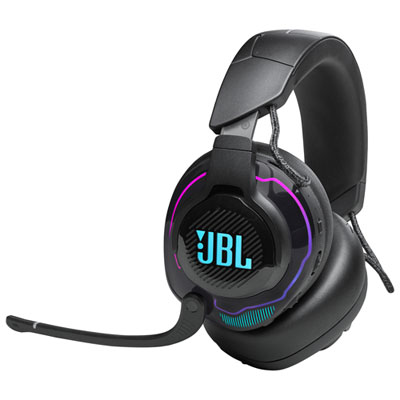
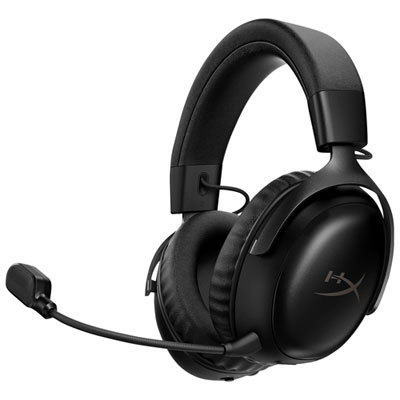
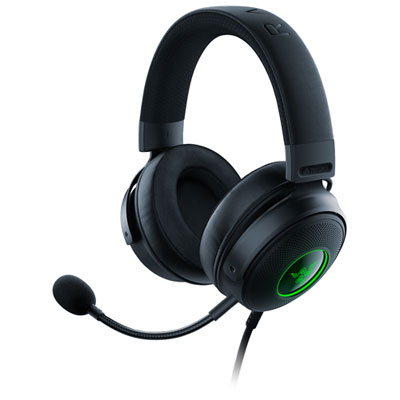
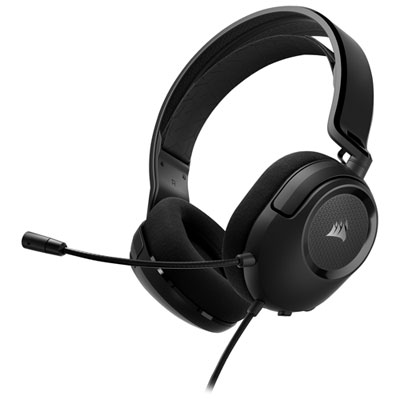

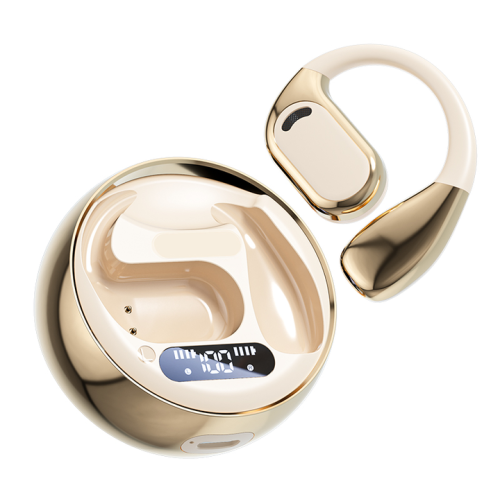
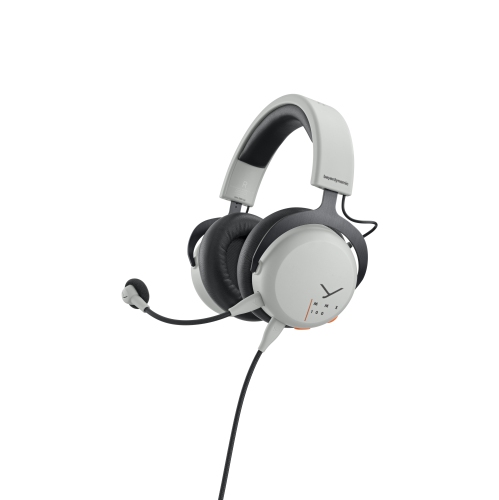
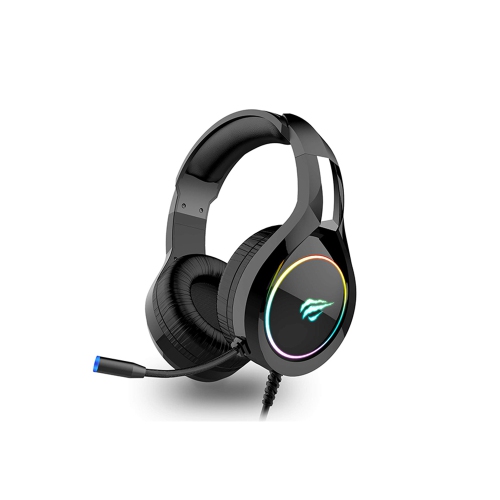
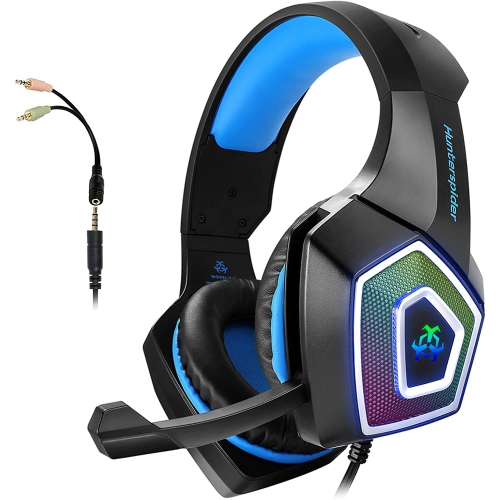
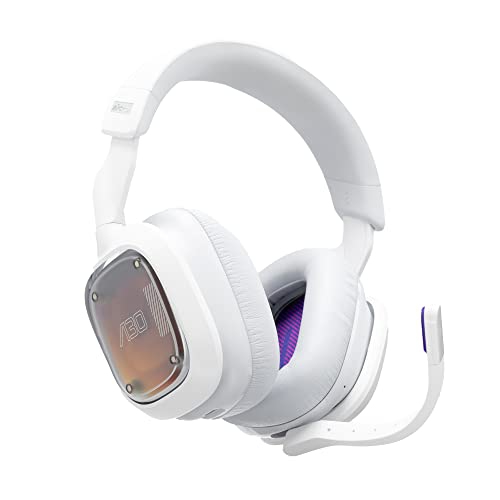
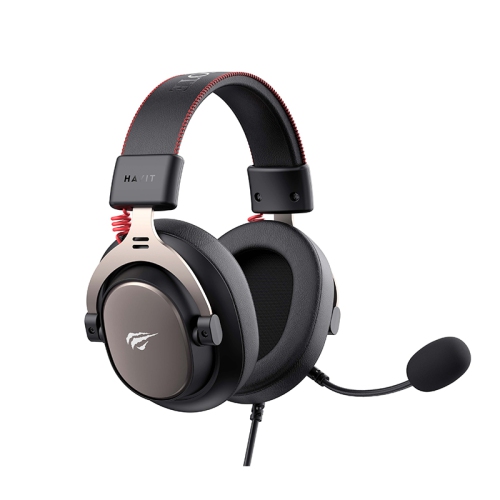
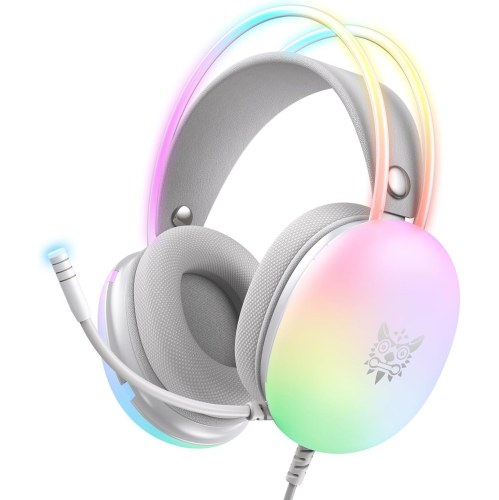
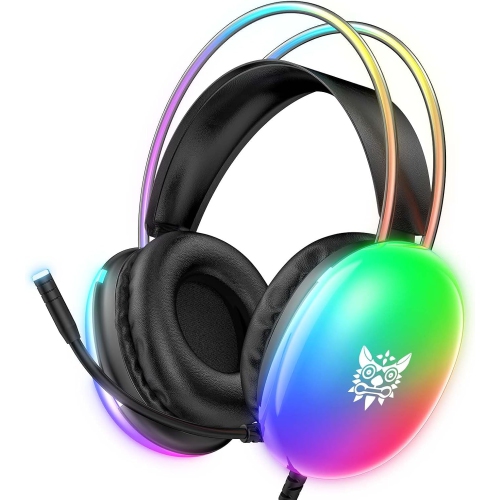
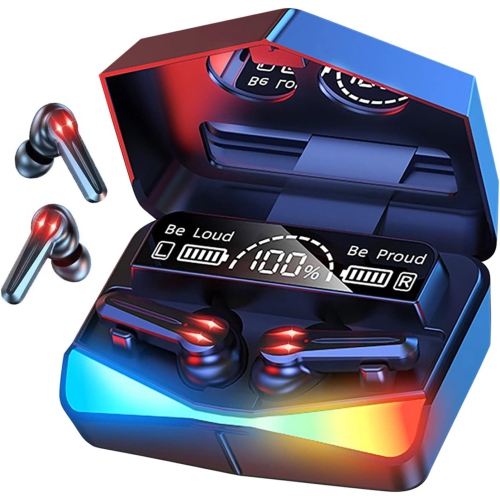
![GREEN SCENIC [ Girl] X33 Crystal Gaming Headset | Soft Led Lighting Effect | Ultra-Soft Memory Foam Earmuffs | Retractable Microphone | Plug And](https://multimedia.bbycastatic.ca/multimedia/products/500x500/192/19276/19276396.jpeg)
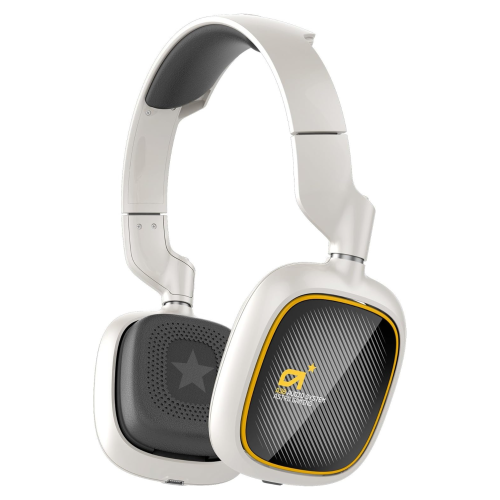
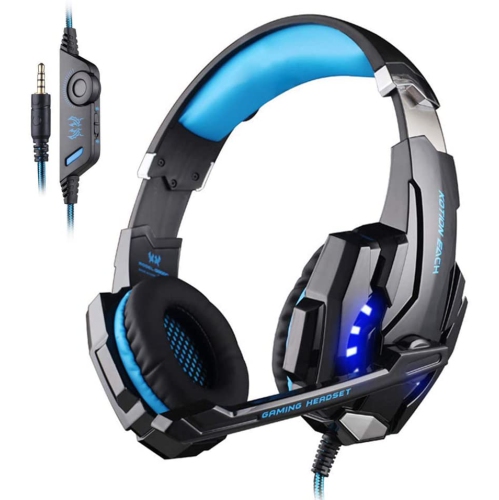
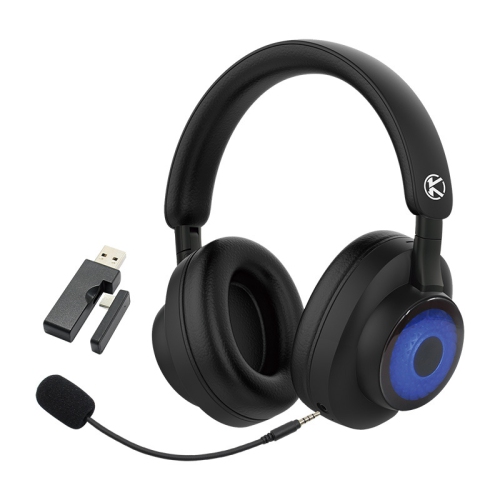
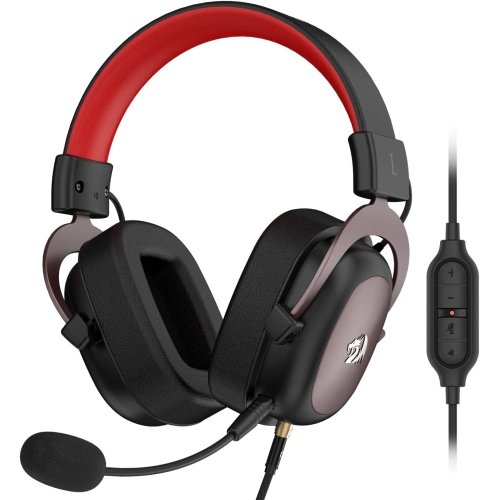
Balanced sound from competitive matches to favourite albums
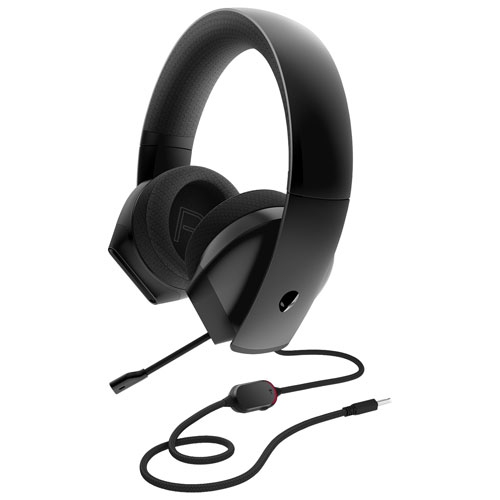
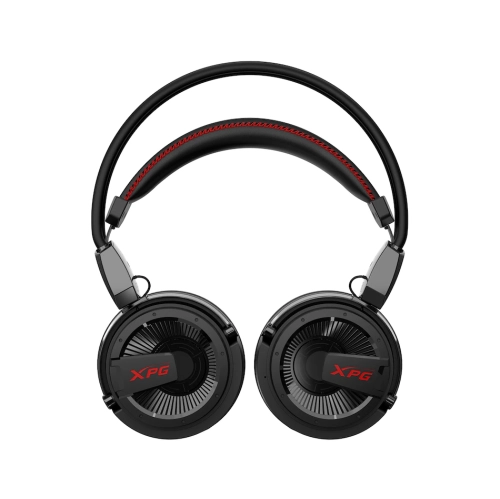
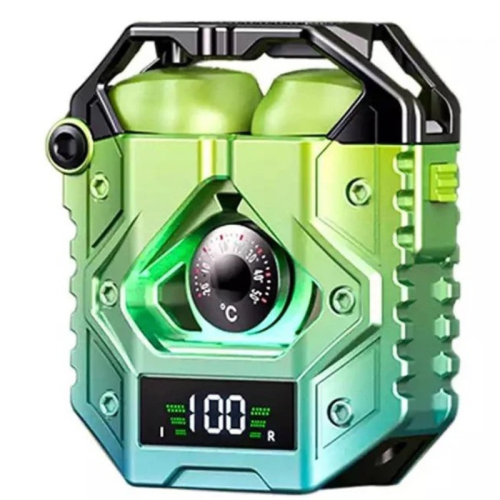
Gaming headsets for music bring game audio, voice chat, and everyday listening together in a single pair of headphones with a microphone. Their appeal goes beyond hearing footsteps clearly: a well-balanced headset can give vocals a natural presence, keep bass lines distinct from kick drums, and preserve the small details that make a familiar album worth another listen. The strongest fit for both music and gaming is not necessarily the headset with the biggest drivers or the most dramatic surround effects. Sound tuning, distortion control, fit, and connection quality all contribute to the result. A bass-forward sound can add weight to electronic tracks and action games, while a more neutral balance can make acoustic instruments and layered vocals easier to distinguish. Clear treble helps reveal cymbal texture and string detail, but an overly sharp presentation may become tiring during longer sessions. Dynamic drivers are common and can deliver engaging, detailed sound; planar magnetic drivers, found in some designs, can offer precise separation and controlled bass, although the driver type alone does not establish sound quality. Imaging describes how clearly sounds occupy different positions, while soundstage describes the impression of space around them. Both can contribute to the experience of a live recording as well as a busy multiplayer match. Stereo playback generally preserves the intended presentation of stereo music, whereas virtual surround processing can change instrument placement and tonal balance. Headsets that allow those effects to be switched off make it easier to move between games and albums. Adjustable equalizer settings can also help soften a prominent treble range or reduce bass that obscures voices. High-resolution audio support may be useful with compatible sources and connections, but it does not automatically make a headset sound better than a well-tuned alternative. For listeners who move from a competitive match to a favourite playlist without changing equipment, the useful combination is clear sound, practical controls, dependable voice pickup, and comfort that lasts beyond the first few songs.
Connection options shape how naturally a gaming headset fits into a music routine. A wired analogue connection can provide straightforward listening without depending on a battery for basic playback, though some active features still require power. Compatibility depends on the source device, its audio socket, and the headset’s plug configuration; separate headphone and microphone inputs may need an adapter. USB connections can carry audio and microphone signals together and may enable software controls, but support varies across computers and consoles. Wireless gaming headsets often use a dedicated USB transmitter for a low-latency connection, helping sound stay closely matched to on-screen action. Bluetooth can be convenient for music from a phone or tablet, although latency, audio quality, and microphone behaviour depend on the headset and connected device. On some Bluetooth connections, using the microphone changes the audio mode and reduces playback quality, which matters when music continues beneath a voice call. Support for both Bluetooth and a dedicated gaming connection can make a headset more versatile, but switching between sources is different from hearing two sources at once. Simultaneous audio mixing is a separate capability rather than a standard feature. Battery life also varies with listening volume, lighting, wireless mode, and other enabled functions. Charging while listening can be useful during a long session, provided the headset supports it and the cable reaches comfortably. Microphone design deserves attention even when music is the main attraction. A detachable or retractable boom can stay out of the way during solo listening, while a clearly positioned mute control helps when a chat becomes a private conversation. Microphone noise reduction is distinct from active noise cancellation for the listener: one aims to reduce unwanted sound in outgoing speech, while the other reduces certain sounds reaching the ears. Passive isolation comes from the physical seal of the ear cups and cushions. Closed-back designs often suit shared spaces because they limit leakage and outside distractions; open-back designs allow more sound through in both directions and are generally better suited to quieter, private listening. The broader Headsets for Music collection offers another way to explore listening-focused designs alongside the features associated with gaming.
Comfort and construction become especially noticeable when a headset stays on through an album, a group call, and an evening game. Over-ear cups need enough internal space to avoid pressing against the ears, while a padded, adjustable headband helps distribute weight across the head. Total weight matters, but so do balance and clamping force: a heavier headset with a well-shaped headband may feel more settled than a lighter design that concentrates pressure in one spot. Glasses can affect both comfort and the cushion seal, sometimes changing bass response as well. Fabric-covered cushions tend to feel breathable, while leatherette surfaces are often easier to wipe clean and can form a closer seal; either material can wear with repeated use. Foam density and cushion depth also influence fit, and replacement ear pads should match the design because changes in thickness or material can alter the sound. Metal reinforcement may add strength around a headband, while carefully designed plastic parts can keep weight manageable. Hinges, adjustment tracks, cable entry points, and microphone joints are useful places to assess construction, since these areas move frequently. Detachable cables and replaceable cushions can make routine wear easier to address without replacing the entire headset. Care usually means wiping contact surfaces with a soft cloth, following the manufacturer’s cleaning directions, and keeping moisture away from drivers, ports, and microphone openings. A stand or protective case helps prevent crushed cushions and strained cables, and loosely coiling a cable avoids sharp bends near its connectors. These details matter for students sharing a room, players who listen to music between matches, and people using one headset for entertainment and calls at a desk. As a gift, a gaming headset for music is most useful when its connections match the recipient’s devices and its fit suits their listening habits. Clear compatibility information, accessible controls, and a comfortable shape often make a greater everyday difference than a long feature list. Moderate listening levels and regular breaks help keep extended listening comfortable, whether the soundtrack is a quiet piano passage or a full band.
Connection options shape how naturally a gaming headset fits into a music routine. A wired analogue connection can provide straightforward listening without depending on a battery for basic playback, though some active features still require power. Compatibility depends on the source device, its audio socket, and the headset’s plug configuration; separate headphone and microphone inputs may need an adapter. USB connections can carry audio and microphone signals together and may enable software controls, but support varies across computers and consoles. Wireless gaming headsets often use a dedicated USB transmitter for a low-latency connection, helping sound stay closely matched to on-screen action. Bluetooth can be convenient for music from a phone or tablet, although latency, audio quality, and microphone behaviour depend on the headset and connected device. On some Bluetooth connections, using the microphone changes the audio mode and reduces playback quality, which matters when music continues beneath a voice call. Support for both Bluetooth and a dedicated gaming connection can make a headset more versatile, but switching between sources is different from hearing two sources at once. Simultaneous audio mixing is a separate capability rather than a standard feature. Battery life also varies with listening volume, lighting, wireless mode, and other enabled functions. Charging while listening can be useful during a long session, provided the headset supports it and the cable reaches comfortably. Microphone design deserves attention even when music is the main attraction. A detachable or retractable boom can stay out of the way during solo listening, while a clearly positioned mute control helps when a chat becomes a private conversation. Microphone noise reduction is distinct from active noise cancellation for the listener: one aims to reduce unwanted sound in outgoing speech, while the other reduces certain sounds reaching the ears. Passive isolation comes from the physical seal of the ear cups and cushions. Closed-back designs often suit shared spaces because they limit leakage and outside distractions; open-back designs allow more sound through in both directions and are generally better suited to quieter, private listening. The broader Headsets for Music collection offers another way to explore listening-focused designs alongside the features associated with gaming.
Comfort and construction become especially noticeable when a headset stays on through an album, a group call, and an evening game. Over-ear cups need enough internal space to avoid pressing against the ears, while a padded, adjustable headband helps distribute weight across the head. Total weight matters, but so do balance and clamping force: a heavier headset with a well-shaped headband may feel more settled than a lighter design that concentrates pressure in one spot. Glasses can affect both comfort and the cushion seal, sometimes changing bass response as well. Fabric-covered cushions tend to feel breathable, while leatherette surfaces are often easier to wipe clean and can form a closer seal; either material can wear with repeated use. Foam density and cushion depth also influence fit, and replacement ear pads should match the design because changes in thickness or material can alter the sound. Metal reinforcement may add strength around a headband, while carefully designed plastic parts can keep weight manageable. Hinges, adjustment tracks, cable entry points, and microphone joints are useful places to assess construction, since these areas move frequently. Detachable cables and replaceable cushions can make routine wear easier to address without replacing the entire headset. Care usually means wiping contact surfaces with a soft cloth, following the manufacturer’s cleaning directions, and keeping moisture away from drivers, ports, and microphone openings. A stand or protective case helps prevent crushed cushions and strained cables, and loosely coiling a cable avoids sharp bends near its connectors. These details matter for students sharing a room, players who listen to music between matches, and people using one headset for entertainment and calls at a desk. As a gift, a gaming headset for music is most useful when its connections match the recipient’s devices and its fit suits their listening habits. Clear compatibility information, accessible controls, and a comfortable shape often make a greater everyday difference than a long feature list. Moderate listening levels and regular breaks help keep extended listening comfortable, whether the soundtrack is a quiet piano passage or a full band.
Top selling and popular products
-
 Your price for this item is $79.98
 -
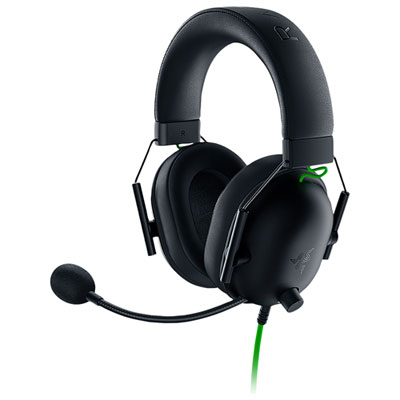 Your price for this item is $54.99
 -
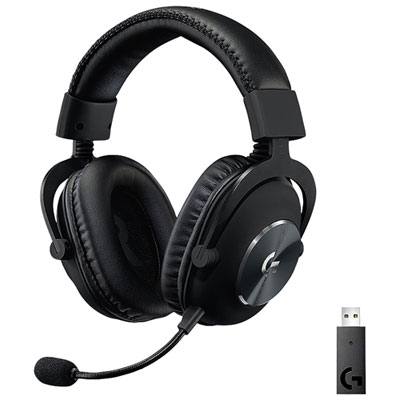 Your price for this item is $229.99
 -
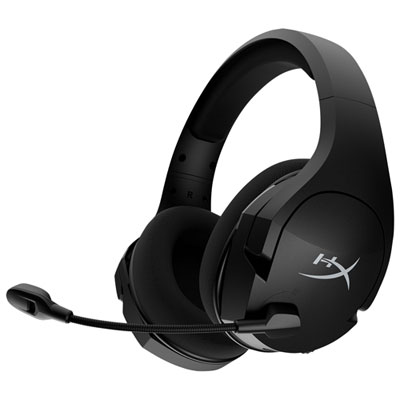 Your price for this item is $64.95
 -
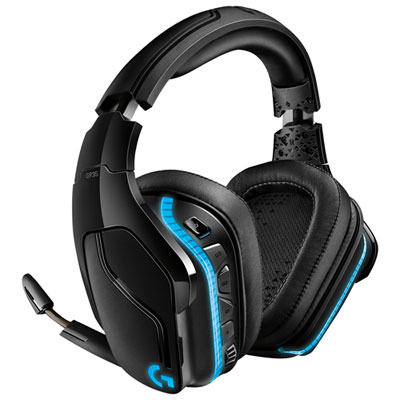 Your price for this item is $179.99
 -
 Your price for this item is $233.87
 -
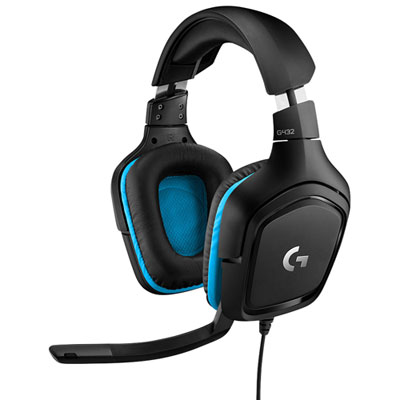 Your price for this item is $69.99
 -
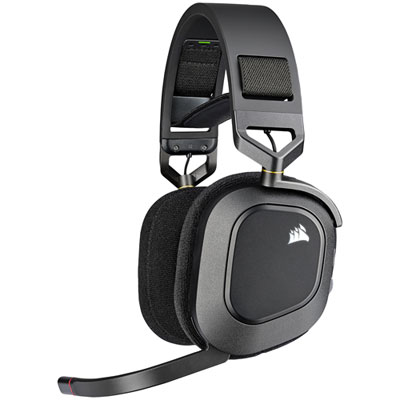 Your price for this item is $169.99
Discover more categories related to Gaming Headsets for Music
Top Collections:
Pokemon Centers, Kindle Devices, Best Budget Office Chairs, Apple iPhones 16, Best Laptops for Writers, iPhone 15 Apple, Canon G7X Cameras, Refurbished Apple Laptops, Alarm Clock, Motorola Razr Phones
Some products may be subject to Environmental Handling Fees
(EHF) depending on your province.
Learn more about EHFs.