3 Way Loudspeakers
Enhance your audio experience with our selection of 3-way loudspeakers, designed to deliver exceptional sound quality and clarity. Whether you're a music enthusiast, a movie buff, or simply looking to elevate your home entertainment setup, these speakers offer a dynamic range of frequencies that bring your favorite content to life. Explore our range of 3-way loudspeakers to find the perfect addition to your audio system and immerse yourself in rich, detailed sound like never before.
Sort
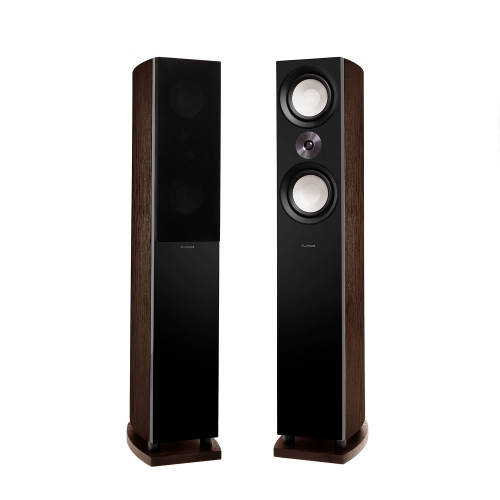
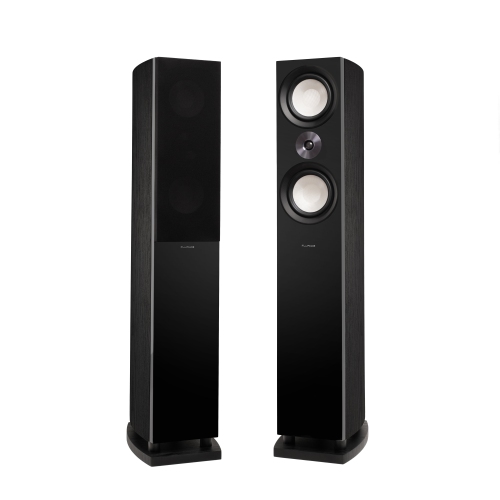

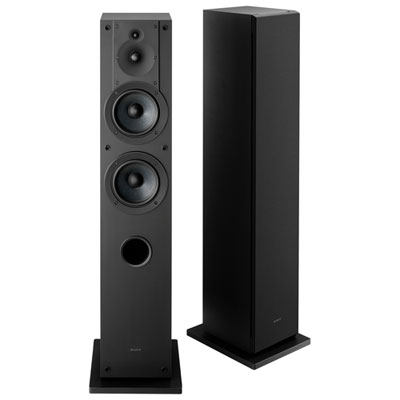
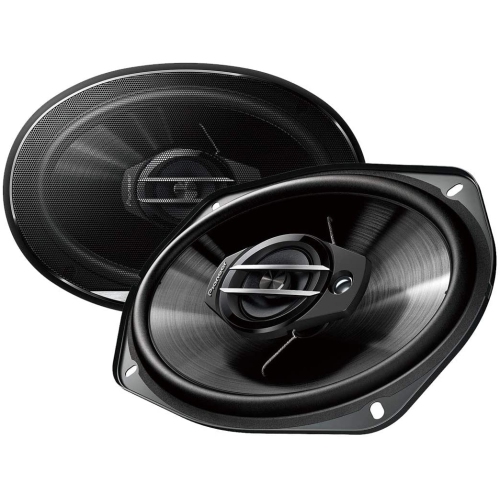

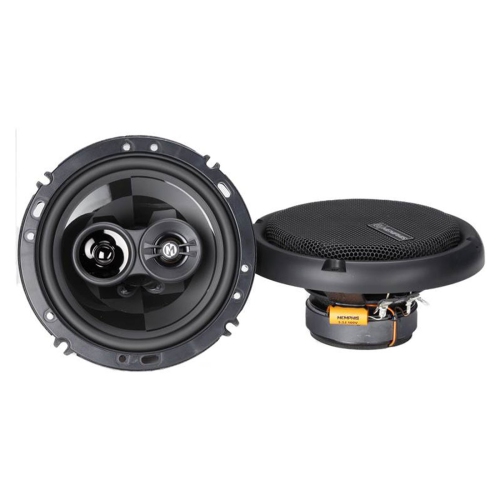
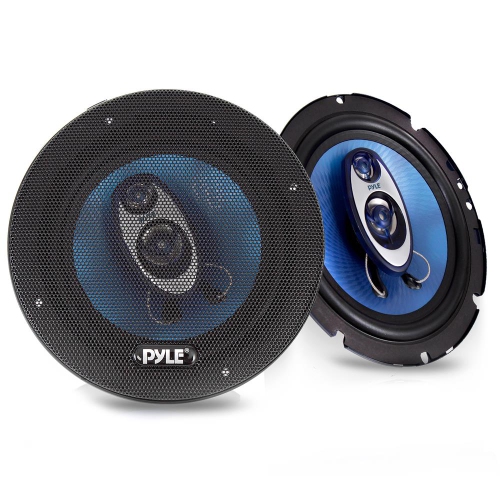
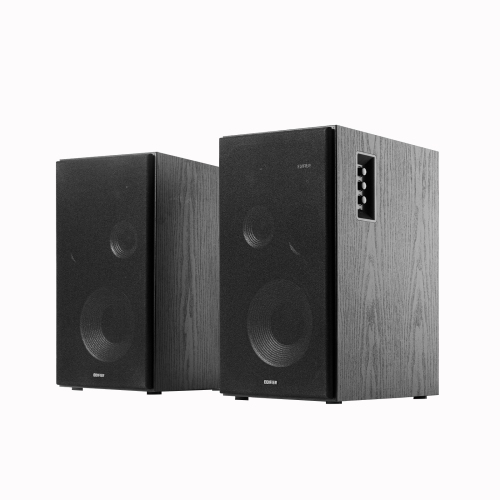
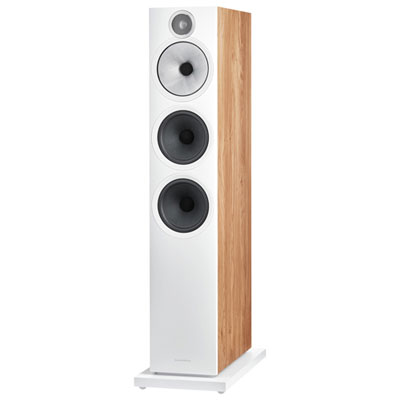
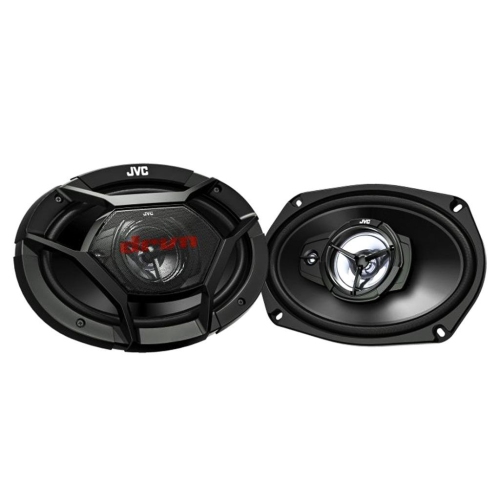

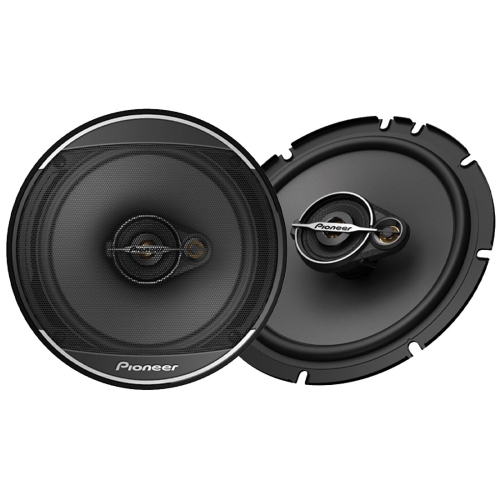
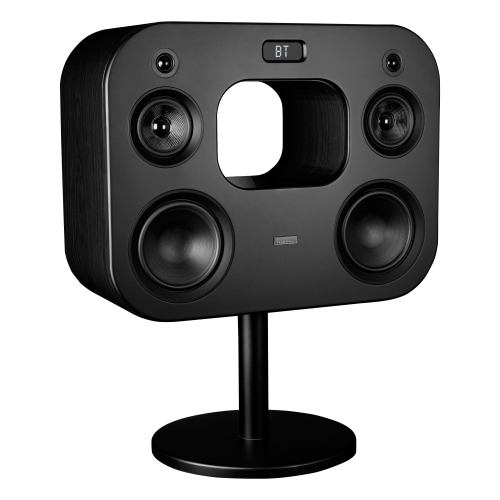
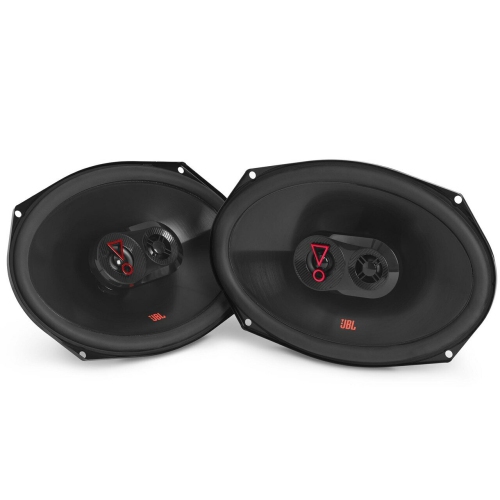
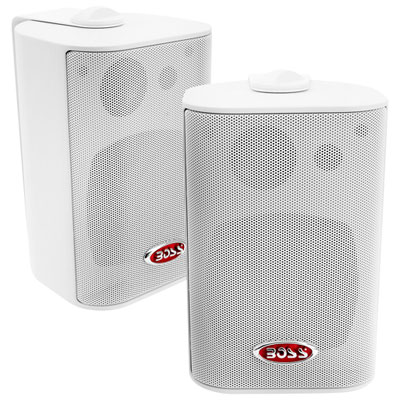

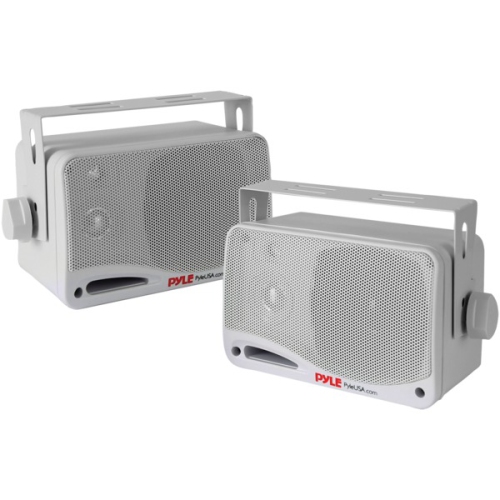
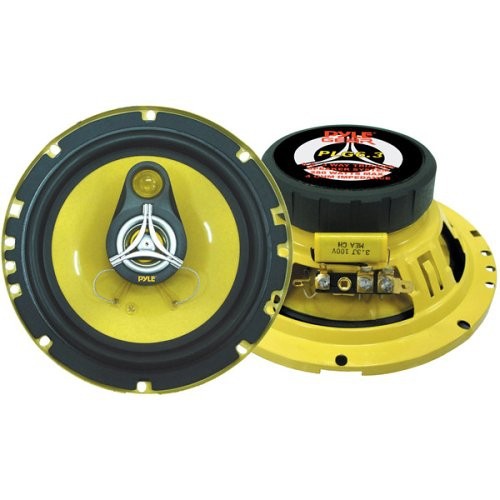
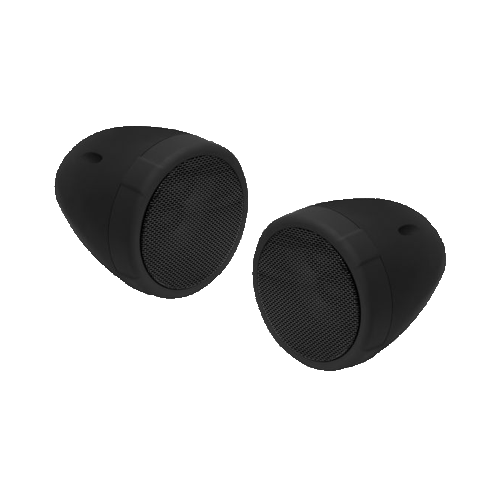
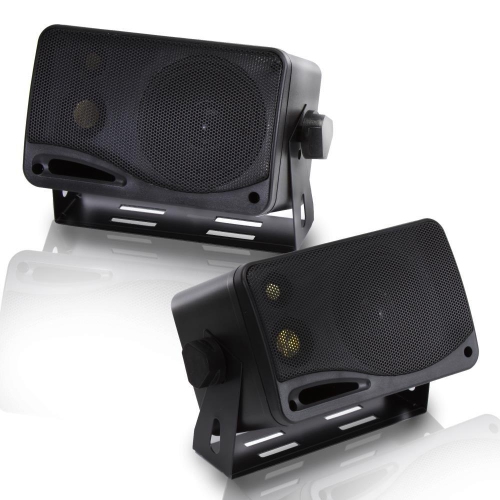
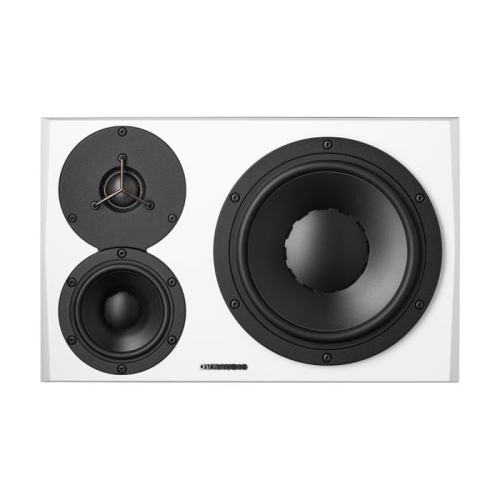
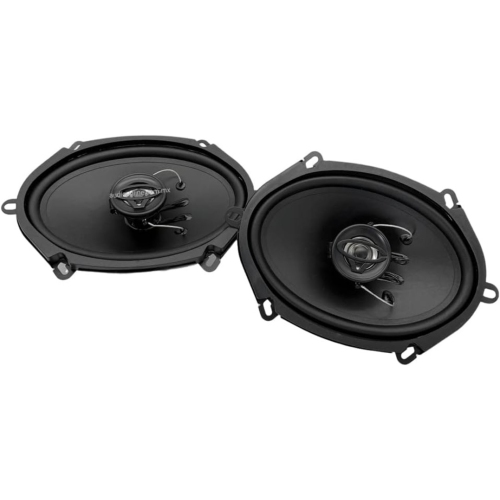
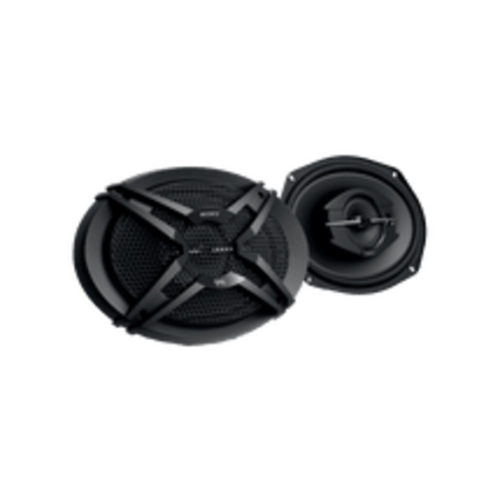
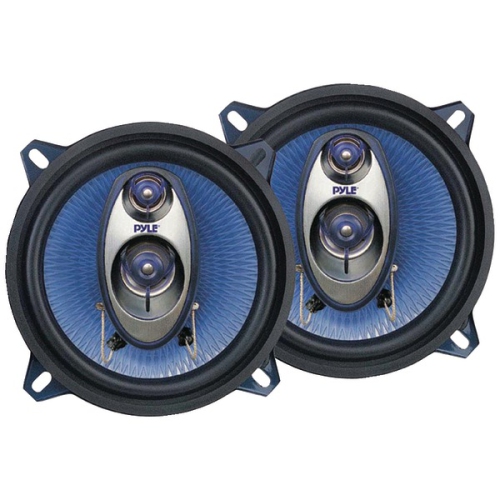
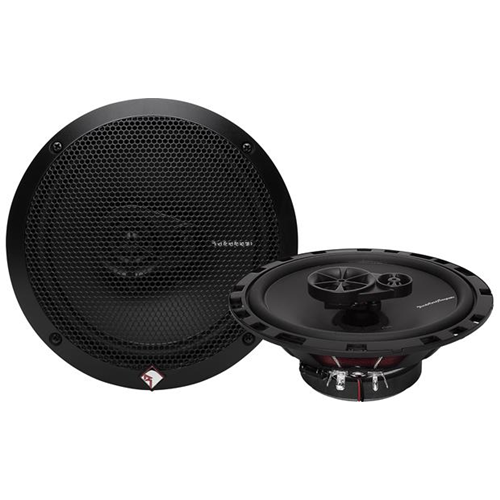
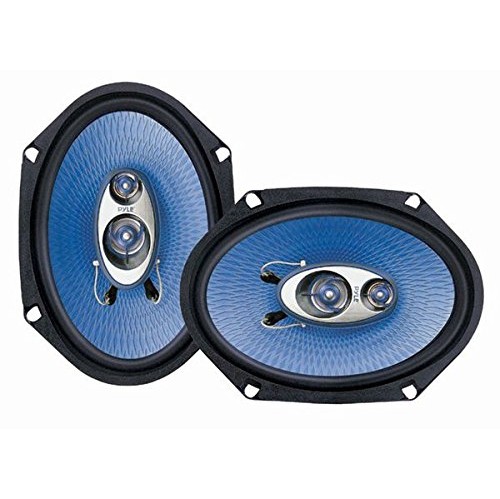
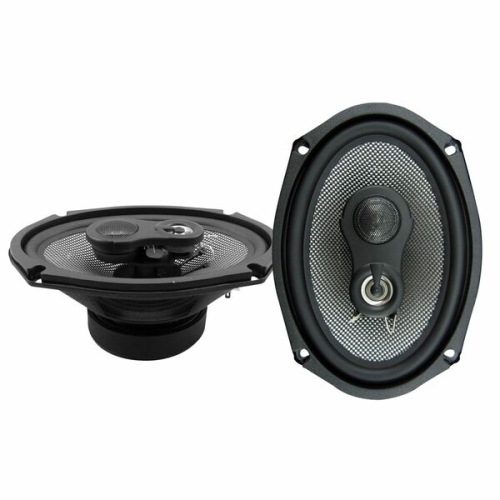
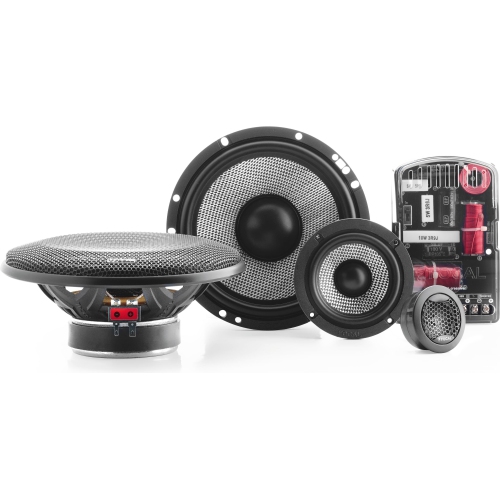
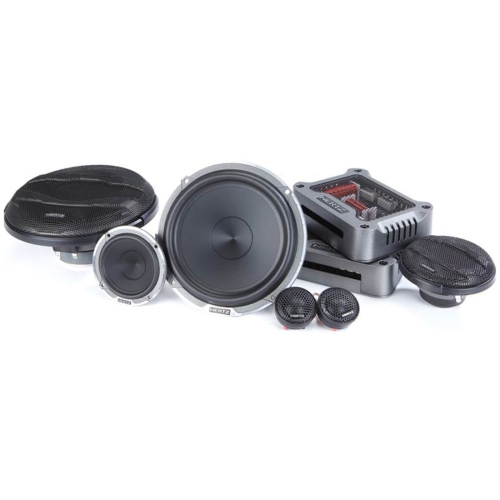
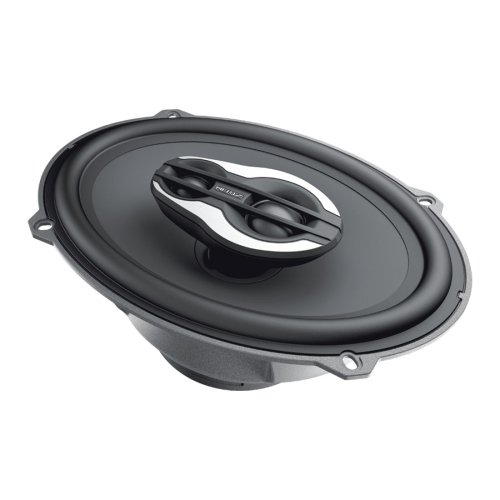
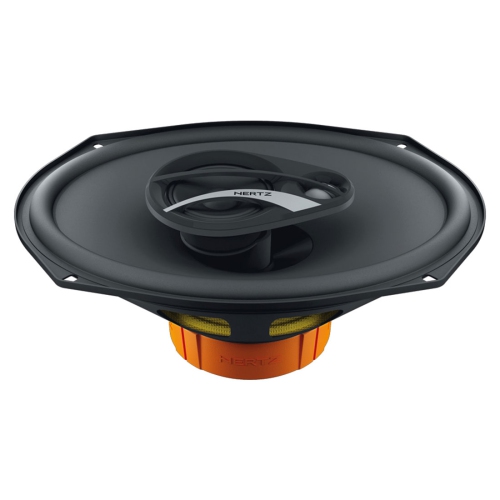
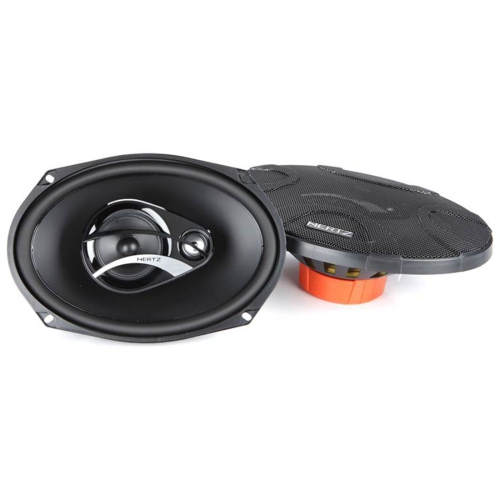
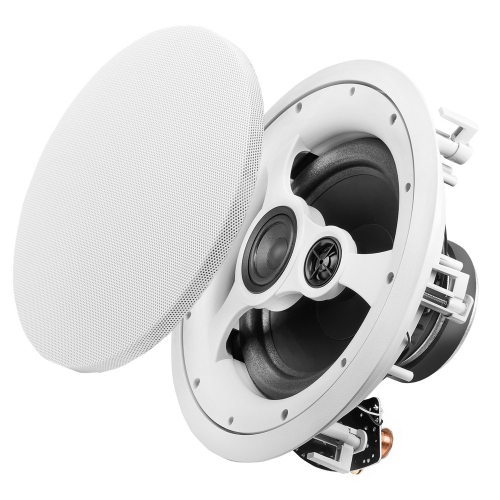
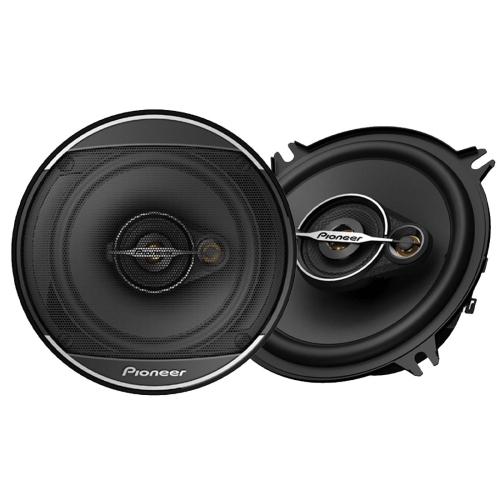
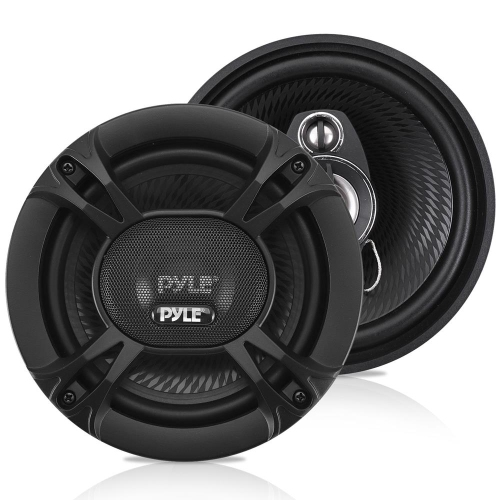
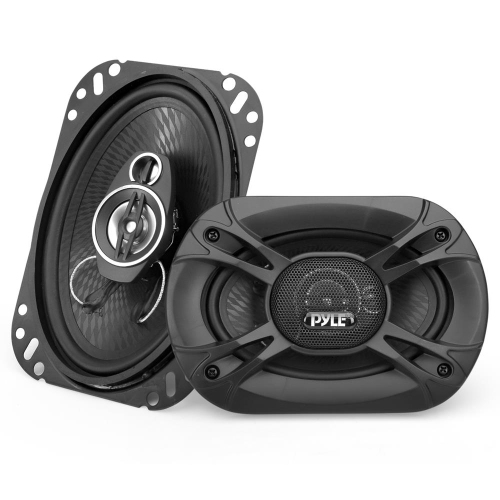
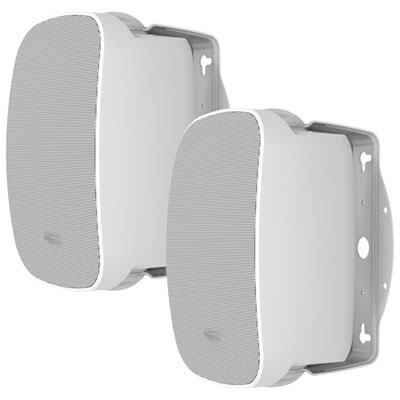
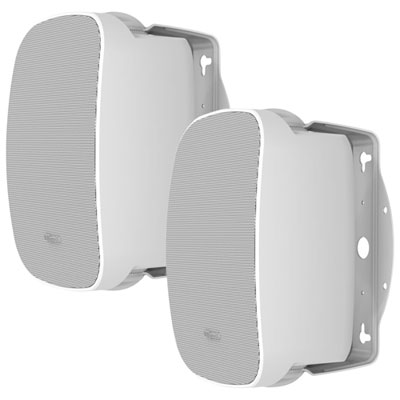
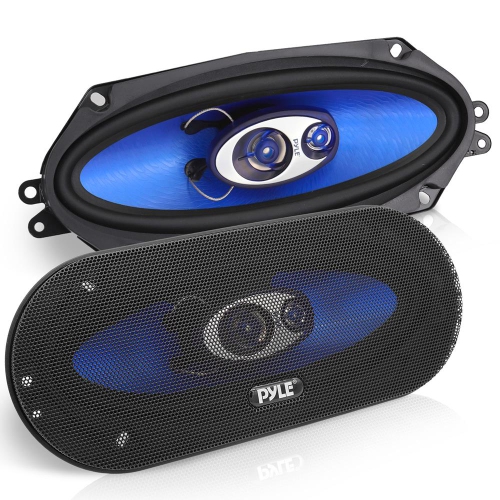
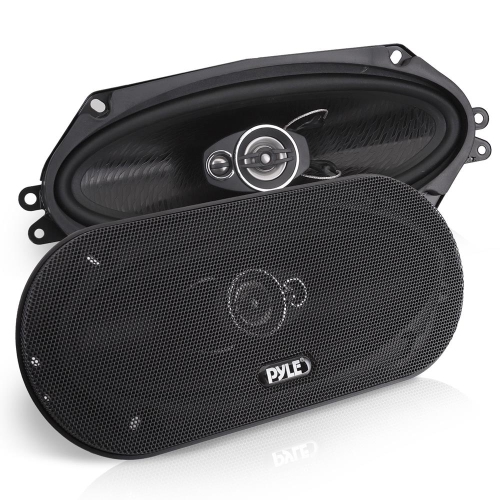
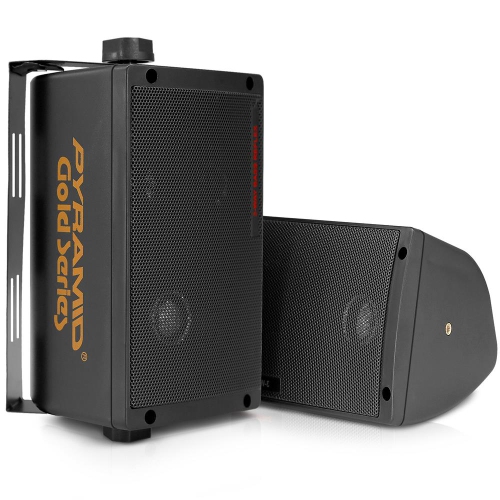
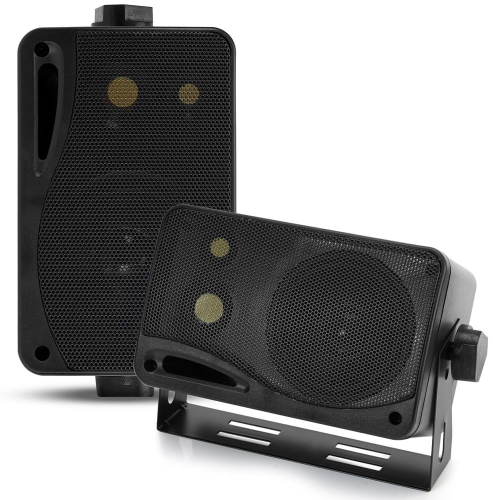
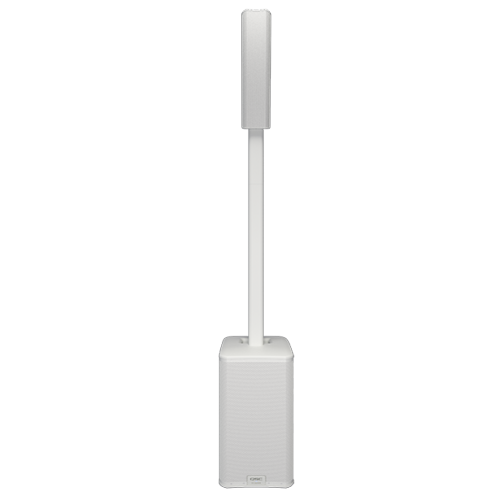
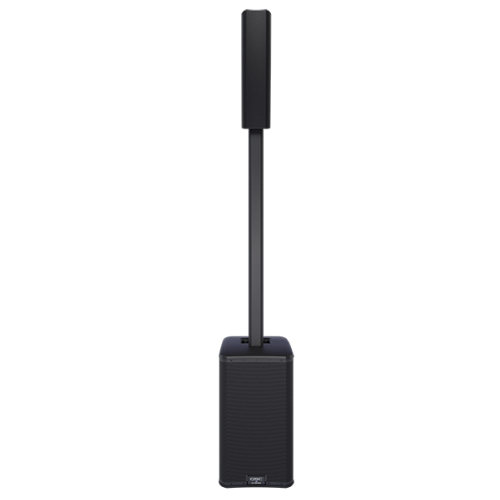
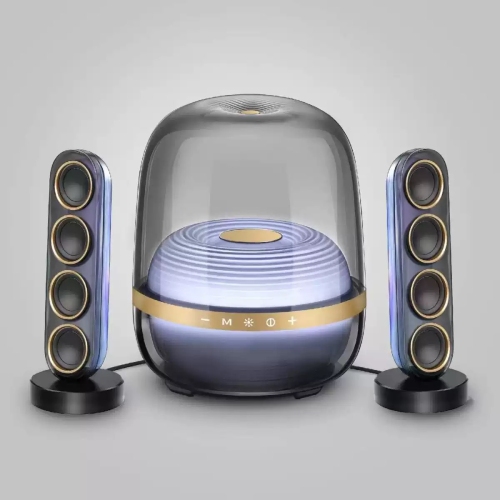
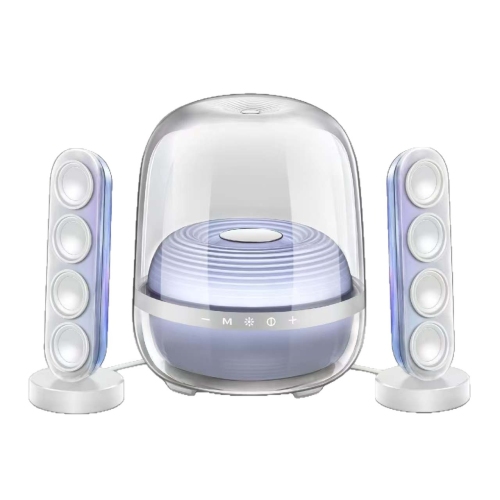
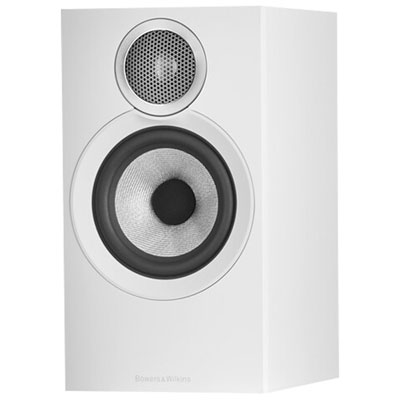
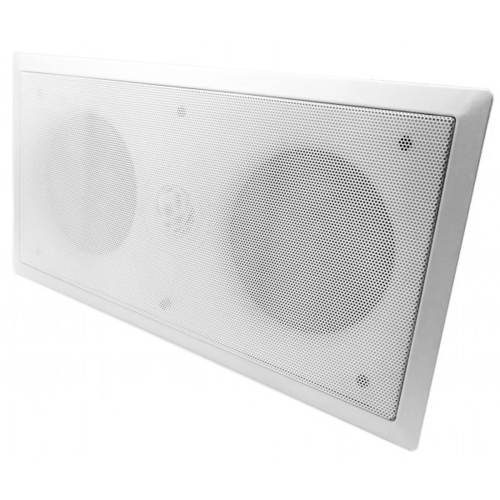
How three-way designs separate frequencies for clearer sound
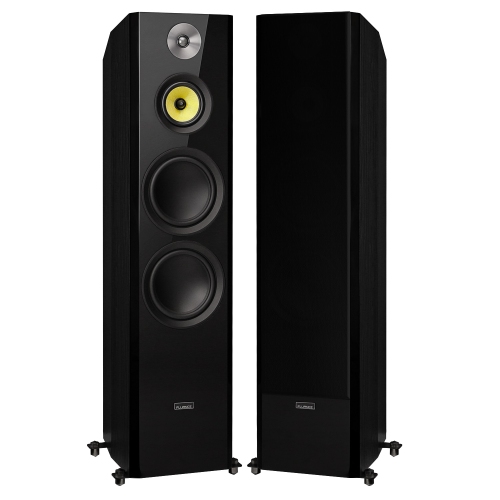
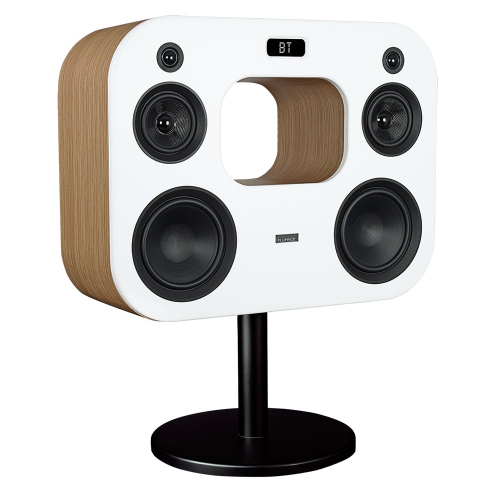
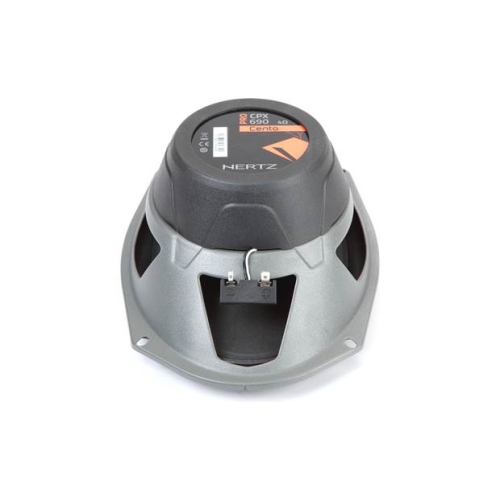
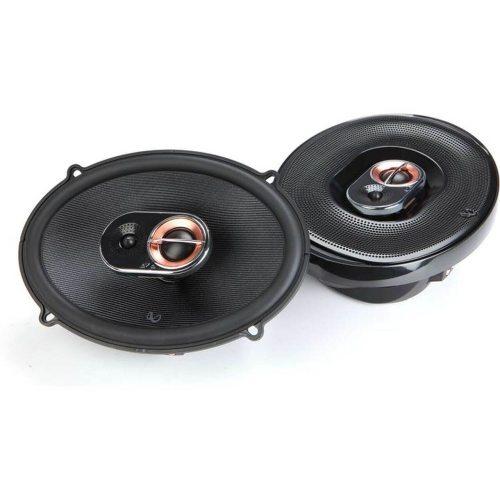
3-way loudspeakers are designed to separate the audio spectrum across three dedicated drivers, helping each part of the speaker system focus on the frequencies it handles best. A typical three-way design includes a tweeter for high frequencies such as cymbals, strings, and vocal detail; a midrange driver for the central range where most speech, singing, guitars, piano, and orchestral instruments sit; and a woofer for low frequencies, including bass lines, kick drums, and cinematic effects. An internal crossover network divides the incoming audio signal into these three bands before sending them to the appropriate drivers. This arrangement can produce a more balanced and spacious presentation than a basic two-way design, particularly when listening at higher volumes or with recordings that contain a lot of detail. A dedicated midrange driver is especially useful for keeping vocals and instruments clear while the woofer handles deeper bass, reducing the need for one driver to reproduce an unusually broad range. The result can be a fuller soundstage, smoother transitions between frequencies, and improved clarity in busy musical passages. Three-way loudspeakers are available in different cabinet sizes and configurations, so the right choice depends on the room, amplifier, listening habits, and preferred type of content. Larger cabinets may create a more powerful low-end response, while compact designs can be easier to place in smaller rooms. Some models are intended for home audio systems, some are built for professional recording environments, and others are designed for automotive applications, making it important to check the product description and connection requirements before purchasing.
When comparing 3-way loudspeakers, begin by considering where they will be used and how they will be connected. For a home stereo or home theatre setup, look at the speaker’s impedance, sensitivity, recommended amplifier power, and available terminals to ensure compatibility with the rest of the equipment. A speaker with higher sensitivity may reach a strong listening level with less amplifier power, while a compatible impedance rating helps the amplifier operate as intended. Frequency response specifications can provide useful guidance, although they should be viewed alongside cabinet construction, driver design, and real-world listening preferences rather than treated as the only measure of performance. Placement also has a noticeable effect on the sound. Floorstanding speakers generally benefit from a little space between the cabinet and the wall, allowing bass to develop without sounding overly boomy, while bookshelf-style speakers should be positioned on stable stands or secure furniture at approximately ear level. Keep the tweeters aimed toward the main listening position when possible, and leave enough room between the speakers to create a convincing stereo image. In a home theatre, matching the front speakers with the centre and surround channels can help dialogue, music, and effects move naturally across the room. If the speakers will be used for music production, mixing, or critical listening, active designs with built-in amplification may simplify the setup and provide a controlled, consistent signal path. Shoppers exploring that category can also browse 3 Way Active Studio Monitors for options intended for studio environments. Pay attention to cabinet dimensions as well as weight, since a speaker that fits comfortably in a room is more likely to be positioned correctly and used to its full potential.
Three-way loudspeakers can suit listeners who want a more involving system for albums, films, games, podcasts, live recordings, and everyday television viewing. They may be a good choice for someone upgrading from a compact stereo setup, building a dedicated listening space, or putting together a home theatre for shared entertainment during the cooler months. They can also make a thoughtful gift for a music lover, a film fan, or someone setting up a new home, provided the recipient’s amplifier, receiver, room size, and available space are considered first. For an open living room, a larger speaker may help sound carry evenly, while a smaller room may call for a more restrained cabinet and careful placement to avoid excessive bass. Listening preferences matter as well: some people value a warm, weighty presentation for rock, electronic music, and action films, while others prefer precise vocals, acoustic instruments, and detailed treble. Features such as removable grilles, bi-wiring terminals, sealed or ported cabinets, and adjustable controls may influence convenience and fine-tuning, depending on the design. A ported cabinet can extend low-frequency output, while a sealed cabinet may offer a tighter, more controlled bass character. Keep volume levels appropriate for the room and allow the speakers to settle into their intended position before making final adjustments. Whether they are used for a quiet evening of focused listening, background music while entertaining, or an immersive film night, 3-way loudspeakers can bring separation and depth to a wide range of audio. Reviewing the specifications, confirming equipment compatibility, measuring the available space, and considering the listener’s preferred sound will help make the selection more rewarding over the long term.
When comparing 3-way loudspeakers, begin by considering where they will be used and how they will be connected. For a home stereo or home theatre setup, look at the speaker’s impedance, sensitivity, recommended amplifier power, and available terminals to ensure compatibility with the rest of the equipment. A speaker with higher sensitivity may reach a strong listening level with less amplifier power, while a compatible impedance rating helps the amplifier operate as intended. Frequency response specifications can provide useful guidance, although they should be viewed alongside cabinet construction, driver design, and real-world listening preferences rather than treated as the only measure of performance. Placement also has a noticeable effect on the sound. Floorstanding speakers generally benefit from a little space between the cabinet and the wall, allowing bass to develop without sounding overly boomy, while bookshelf-style speakers should be positioned on stable stands or secure furniture at approximately ear level. Keep the tweeters aimed toward the main listening position when possible, and leave enough room between the speakers to create a convincing stereo image. In a home theatre, matching the front speakers with the centre and surround channels can help dialogue, music, and effects move naturally across the room. If the speakers will be used for music production, mixing, or critical listening, active designs with built-in amplification may simplify the setup and provide a controlled, consistent signal path. Shoppers exploring that category can also browse 3 Way Active Studio Monitors for options intended for studio environments. Pay attention to cabinet dimensions as well as weight, since a speaker that fits comfortably in a room is more likely to be positioned correctly and used to its full potential.
Three-way loudspeakers can suit listeners who want a more involving system for albums, films, games, podcasts, live recordings, and everyday television viewing. They may be a good choice for someone upgrading from a compact stereo setup, building a dedicated listening space, or putting together a home theatre for shared entertainment during the cooler months. They can also make a thoughtful gift for a music lover, a film fan, or someone setting up a new home, provided the recipient’s amplifier, receiver, room size, and available space are considered first. For an open living room, a larger speaker may help sound carry evenly, while a smaller room may call for a more restrained cabinet and careful placement to avoid excessive bass. Listening preferences matter as well: some people value a warm, weighty presentation for rock, electronic music, and action films, while others prefer precise vocals, acoustic instruments, and detailed treble. Features such as removable grilles, bi-wiring terminals, sealed or ported cabinets, and adjustable controls may influence convenience and fine-tuning, depending on the design. A ported cabinet can extend low-frequency output, while a sealed cabinet may offer a tighter, more controlled bass character. Keep volume levels appropriate for the room and allow the speakers to settle into their intended position before making final adjustments. Whether they are used for a quiet evening of focused listening, background music while entertaining, or an immersive film night, 3-way loudspeakers can bring separation and depth to a wide range of audio. Reviewing the specifications, confirming equipment compatibility, measuring the available space, and considering the listener’s preferred sound will help make the selection more rewarding over the long term.
Top selling and popular products
-
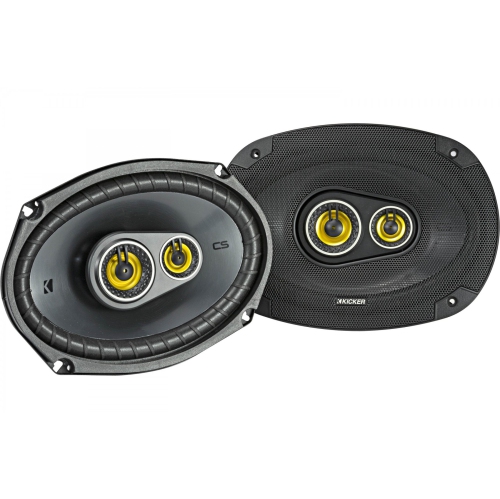 Your price for this item is $199.95
 -
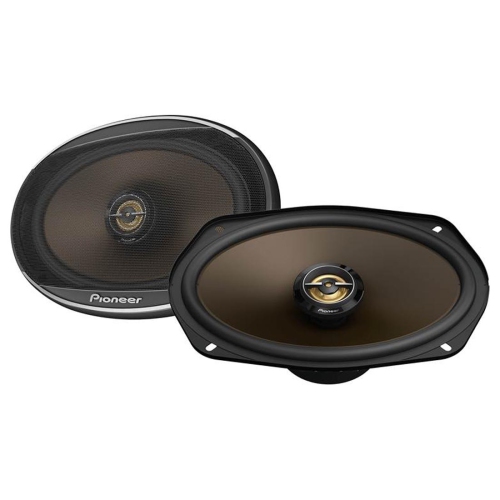 Your price for this item is $158.99
 -
 Your price for this item is $249.95
 -
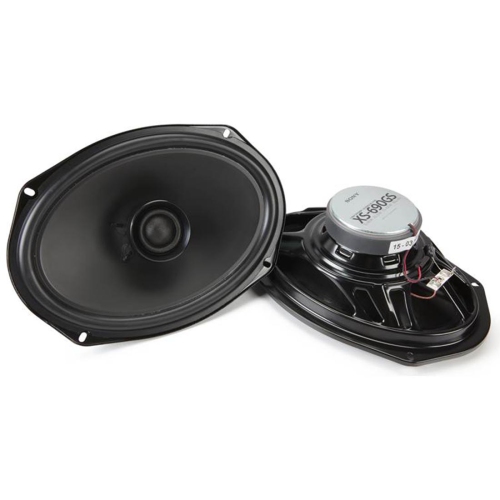 Your price for this item is $198
 -
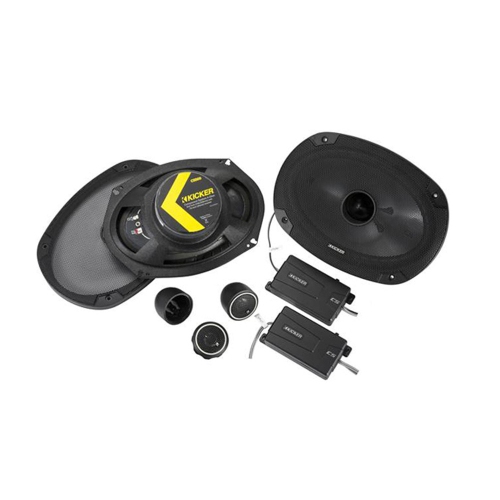 Your price for this item is $249.95
 -
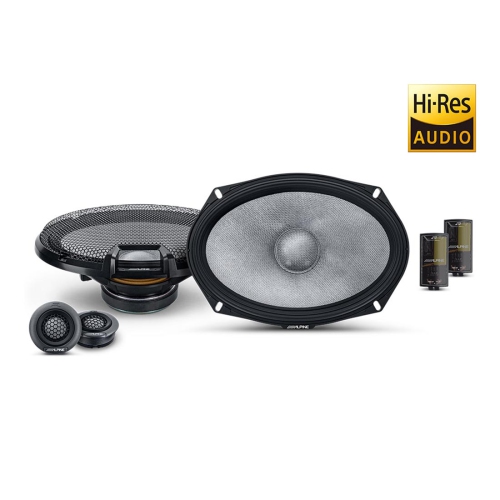 Your price for this item is $568
 -
 Your price for this item is $279.99
 -
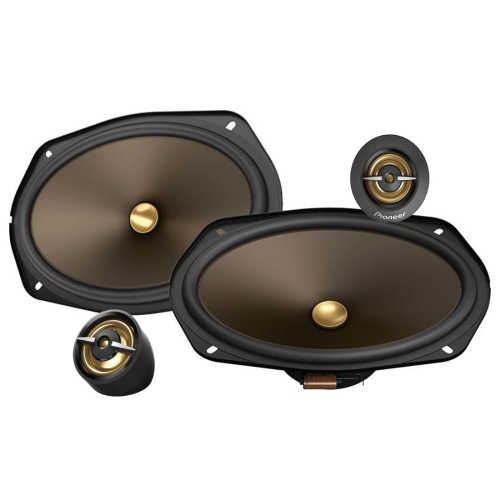 Your price for this item is $208.99
Discover more categories related to 3 Way Loudspeakers

Top Collections:
Pokemon Centers, Kindle Devices, Best Budget Office Chairs, Apple iPhones 16, Best Laptops for Writers, iPhone 15 Apple, Canon G7X Cameras, Refurbished Apple Laptops, Alarm Clock, Motorola Razr Phones
Some products may be subject to Environmental Handling Fees
(EHF) depending on your province.
Learn more about EHFs.