8 inch Ceiling Speakers
Ceiling speakers are a great way to bring audio into almost any room or space without taking up any extra floor or wall space. These speakers are designed to fit in tight spaces, and they're small enough to mount on the wall or ceiling directly above your head. 8-inch ceiling speakers are a great way to provide sound in a room without taking up too much space. Here are some great options available.
Sort


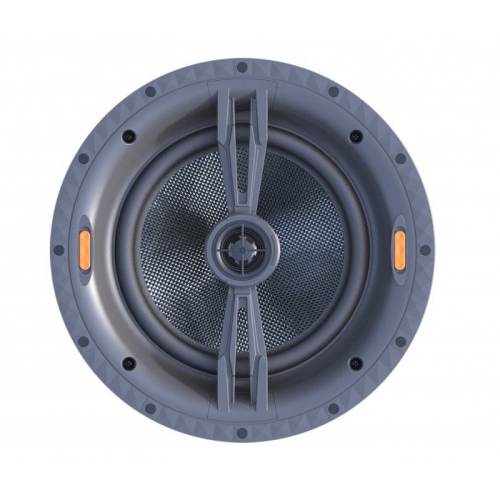
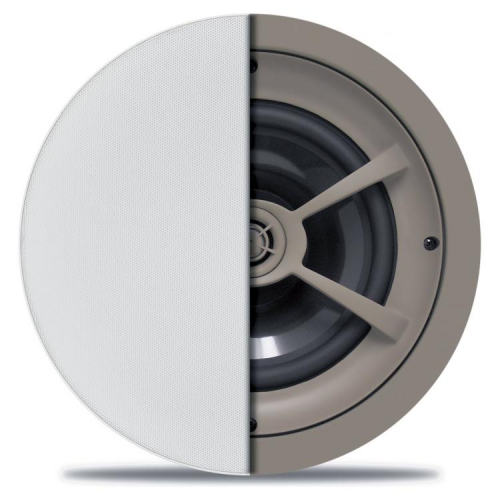

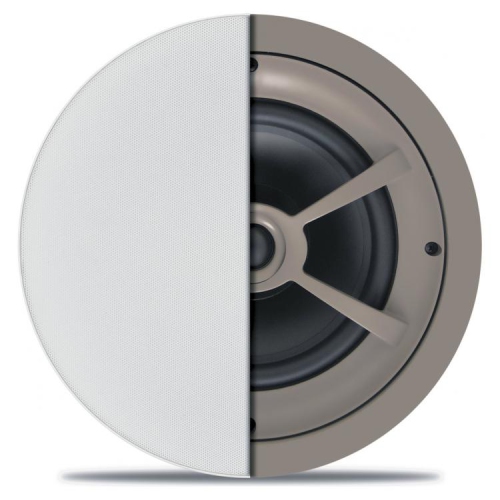


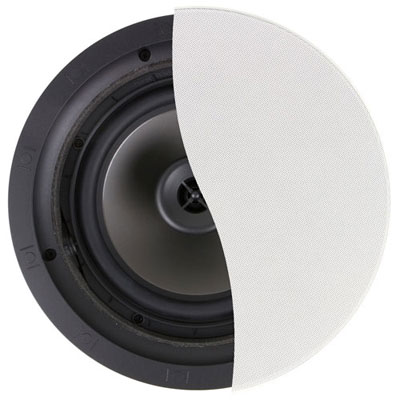

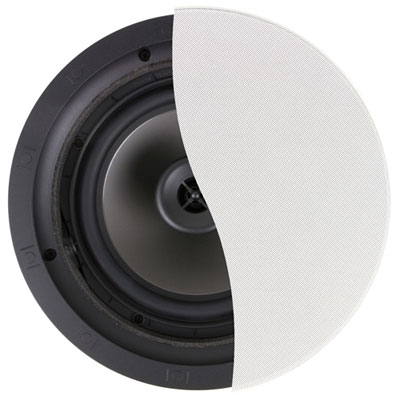
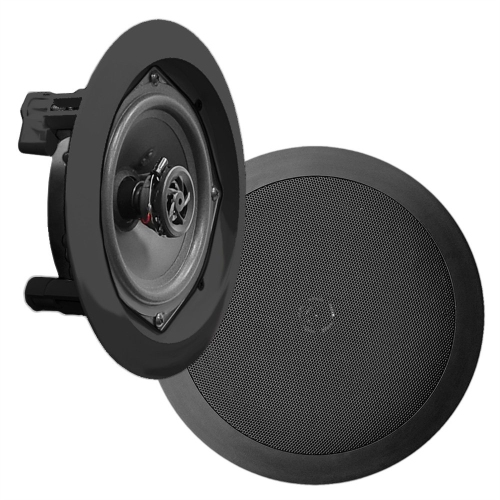
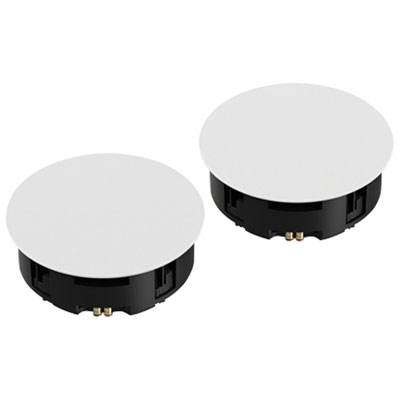

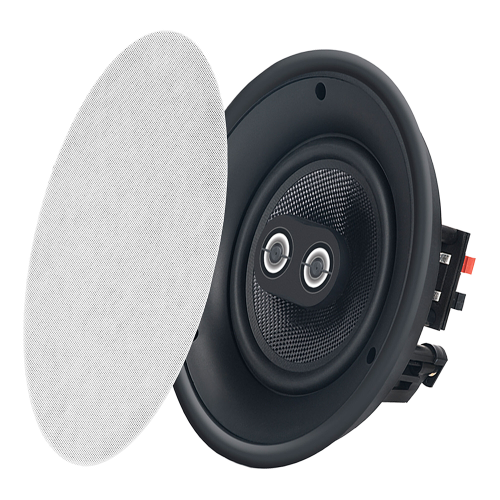


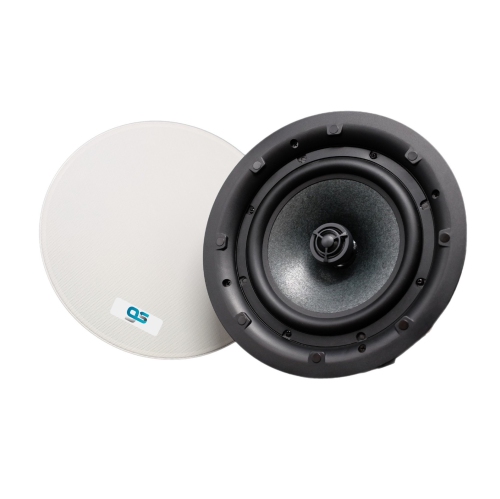


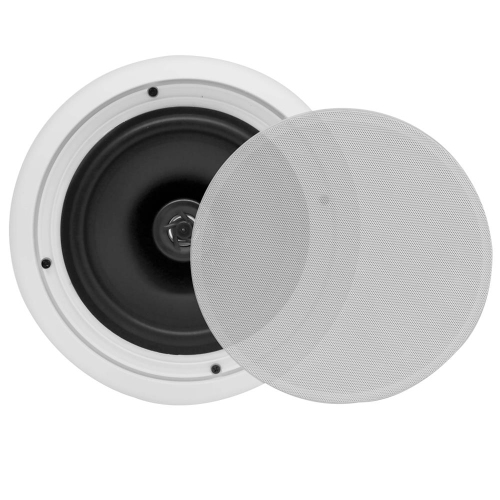

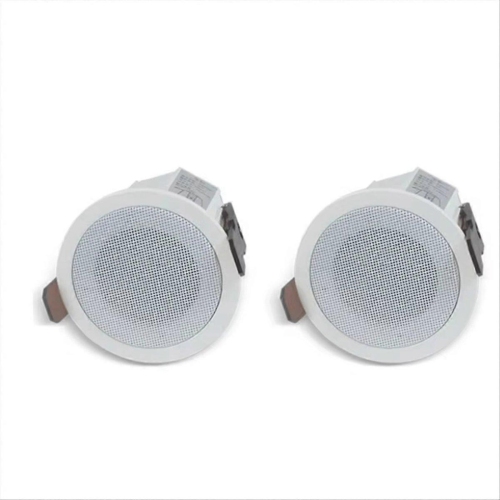
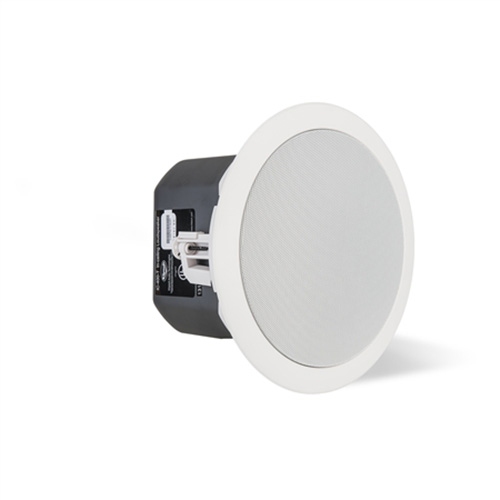
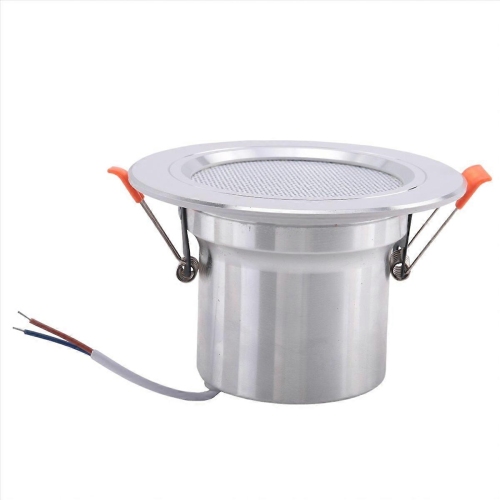

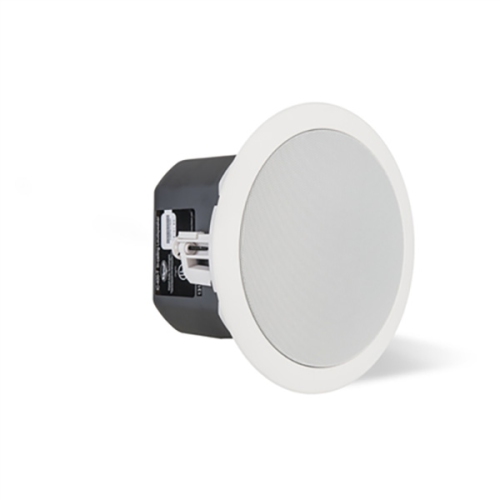


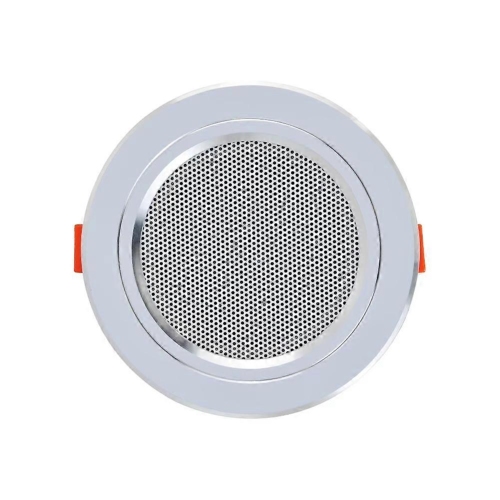

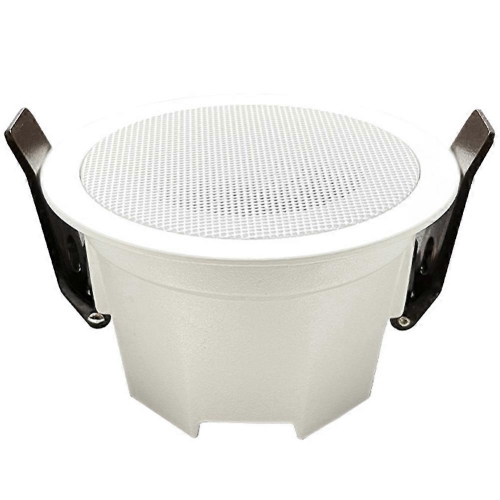


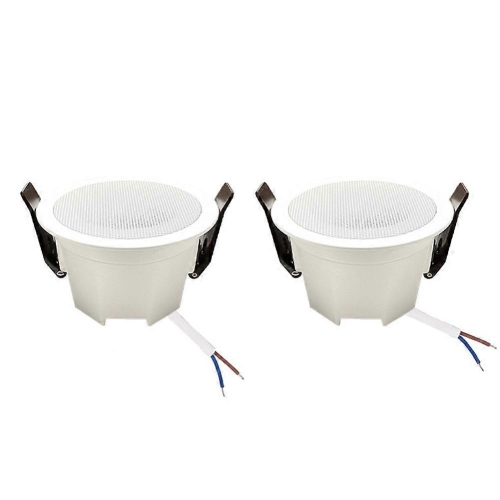
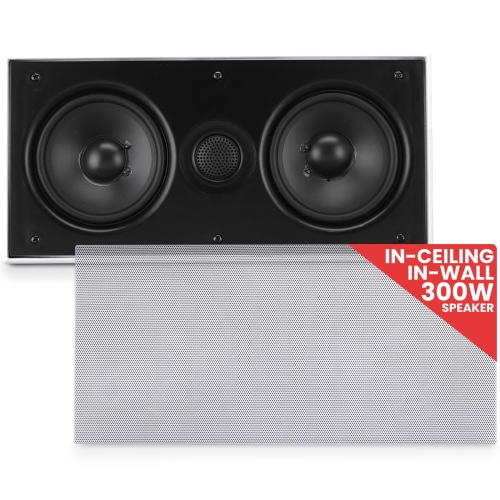


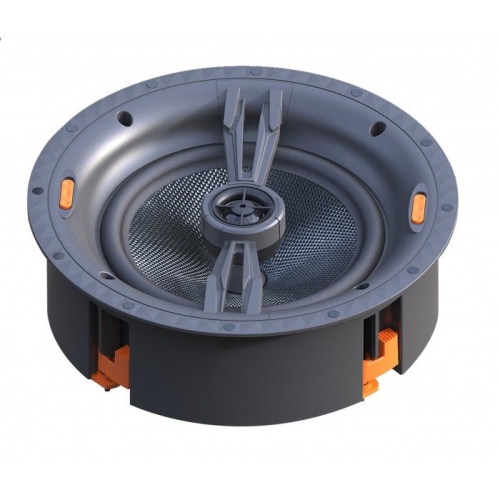
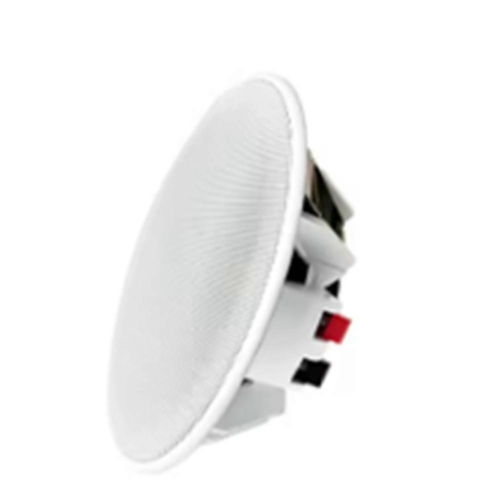








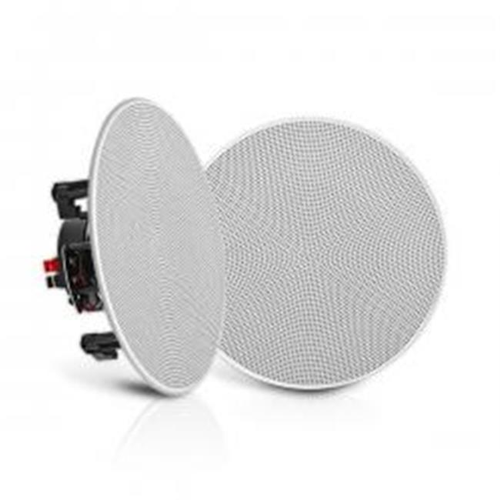
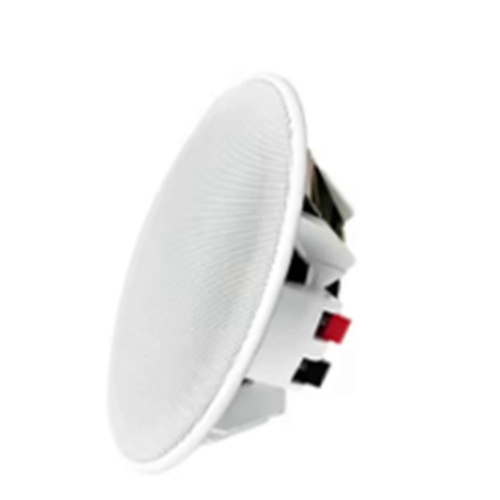

Discreet audio without taking up shelf or floor space
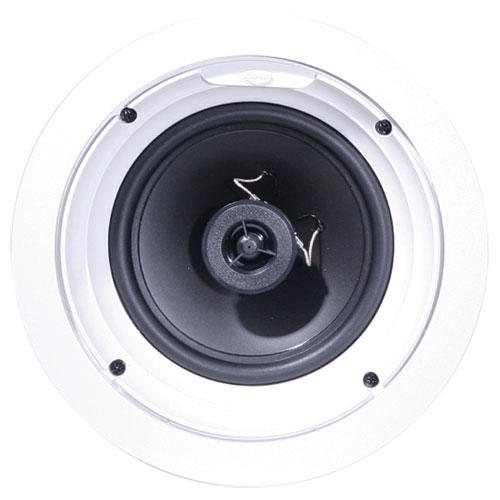
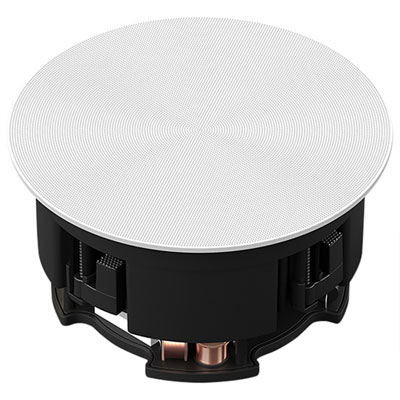
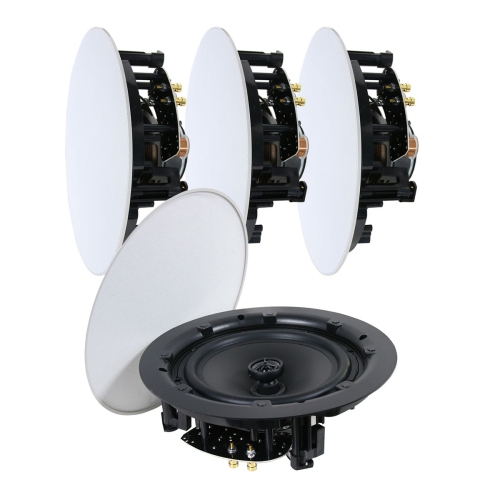
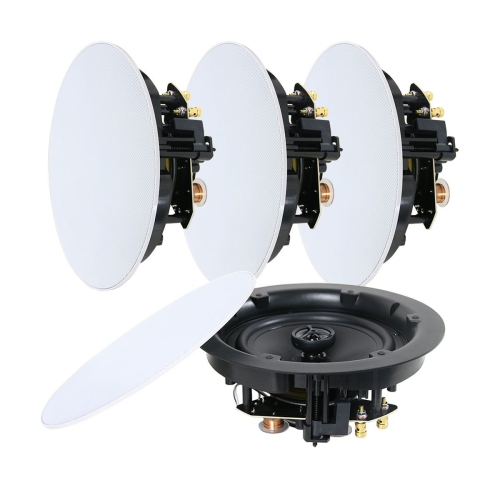
8 inch ceiling speakers bring music, dialogue, and movie effects into a room without taking up shelf or floor space. Their drivers sit above the ceiling surface, leaving a low-profile grille visible rather than a speaker cabinet. The 8 inch measurement generally refers to the nominal diameter of the main bass and midrange driver, not the overall grille diameter or the opening required for installation. That larger driver can move more air than a smaller driver with similar construction and excursion, giving music a fuller foundation and helping reproduce lower notes with greater presence. Actual bass performance depends on the speaker’s design, installation, and amplification, so diameter alone does not determine sound quality. These speakers can suit living rooms, finished basements, kitchens, and open-concept spaces where discreet audio matters as much as the furnishings. A pair can provide stereo playback in a defined listening area, while several carefully positioned speakers can distribute background music across a larger space. For someone preparing dinner while others gather around the kitchen island, even coverage makes it easier to hear the same playlist without making one part of the room much louder than another. In a home theatre, ceiling speakers can serve as overhead effects channels when the receiver and soundtrack support that layout. They are not automatically a substitute for front speakers positioned near the screen, where dialogue and on-screen action usually need to sound anchored. Nor does an 8 inch driver guarantee wider coverage than a smaller speaker: dispersion, ceiling height, placement, and tweeter design all influence what listeners hear. A subwoofer can still be useful for deep movie effects or bass-heavy music, allowing the ceiling speakers to handle their intended frequency range. The appeal is a permanent, visually understated audio system that serves everyday listening, entertaining, or dedicated viewing without adding more equipment at eye level.
Fit and construction are central to choosing ceiling speakers, especially when the installation becomes part of a finished room. Overall diameter, cutout diameter, mounting depth, and supported ceiling thickness are separate measurements, and each needs to match the space. A ceiling that looks clear from below may conceal joists, wiring, pipes, insulation, or ventilation ducts. Adequate clearance behind the mounting location matters just as much as the grille’s appearance from the room. Many designs use rotating clamps that secure the speaker against the ceiling material, though mounting systems vary and must be suitable for the surface. For a renovation, planning speaker positions before the ceiling is closed can simplify cable routing and make balanced placement easier. For an existing room, professional installation can help address access, wiring requirements, and the integrity of fire-rated or sound-rated assemblies. Materials also influence performance and longevity. Polypropylene cones are common, while other designs use treated paper, woven fibres, or composite materials to balance stiffness, weight, and damping. Flexible surrounds allow the cone to move, and their durability depends on the material and operating conditions. Tweeters may use soft-dome or metal-dome construction; neither material alone establishes how smooth or detailed the finished speaker will sound. An aimable tweeter can direct more high-frequency energy towards a seating area, although it cannot fully compensate for unsuitable speaker placement. Removable grilles make the visible surface easier to maintain, and paintable grilles can blend with the ceiling when finished according to the manufacturer’s directions. Heavy paint can obstruct the perforations and affect sound. In bathrooms or other locations exposed to moisture, only speakers explicitly rated for the intended conditions are appropriate; a moisture-resistant description does not necessarily mean waterproof or suitable for direct spray. Routine care is generally simple: gently remove surface dust, keep liquids away from the drivers, and avoid pressing on cones or tweeters. Grille cleaning and removal should follow the supplied instructions, particularly where magnetic fittings or delicate finishes are involved.
Most 8 inch ceiling speakers are passive, which means they need speaker cable and an external amplifier or AV receiver rather than simply plugging into a wall outlet. Wireless music playback can still be part of the system through a compatible connected amplifier or source, but that does not eliminate the wiring between a passive speaker and its amplifier. Compatibility involves more than matching wattage figures. Speaker impedance, amplifier load limits, sensitivity, and recommended power handling all affect how the system should be configured. Connecting several pairs to one amplifier requires particular care because the combined electrical load may fall outside its supported range. A suitable multi-zone amplifier or properly specified distribution system can provide a more practical foundation for whole-home audio. Separate zones are useful when music should play quietly in a dining area while another room has independent volume control or a different source. Larger layouts also involve speaker count as well as speaker size. The Ceiling Speakers 8 Speaker Bundle collection offers another way to explore multi-speaker setups; an eight-speaker count and an 8 inch driver size describe different things, so package contents and dimensions deserve separate attention. Within each room, placement should reflect the listening area, furniture, and acoustic surfaces rather than follow a fixed spacing rule. Hard floors, large windows, and bare walls can make sound more reflective, while upholstered seating and rugs can help soften those reflections. High ceilings increase the distance between the speakers and listeners, which can affect the output needed and the balance of direct and reflected sound. For a compact room with space for only one ceiling opening, a purpose-designed single-speaker stereo model can reproduce both channels without treating an ordinary mono speaker as a stereo pair. Whether the goal is unobtrusive music throughout shared living spaces or convincing overhead detail above a sofa, the strongest match combines suitable dimensions, appropriate amplification, thoughtful placement, and construction suited to the room.
Top selling and popular products
-
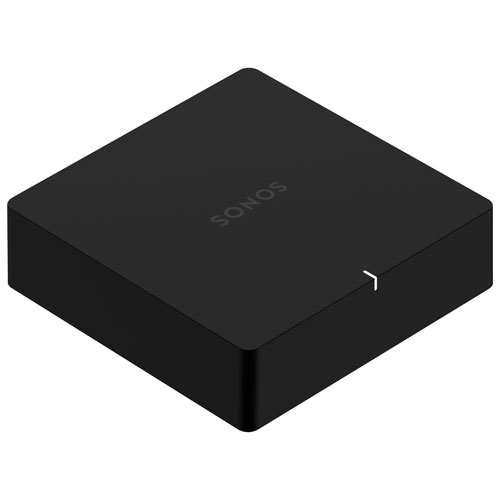 Your price for this item is $609.99
-
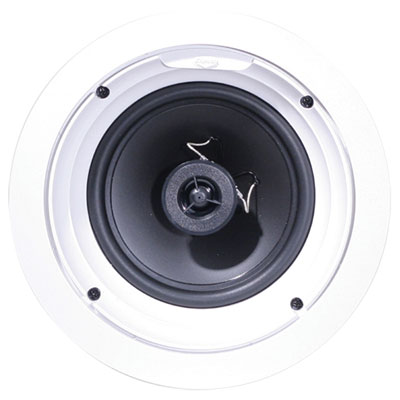 Your price for this item is $109.99
-
 Your price for this item is $89.99
-
 Your price for this item is $999.99
-
 Your price for this item is $399.88
-
 Your price for this item is $288.88
-
 Your price for this item is $875
-
 Your price for this item is $89.99
Discover more categories related to 8 inch Ceiling Speakers


Top Collections:
Pokemon Centers, Kindle Devices, Best Budget Office Chairs, Canon G7X Cameras, Apple iPhones 16, Samsung Galaxy Phones, Refurbished Apple Laptops, Laptops for Students, iPhone 15 Apple, Budget Smartphones
Some products may be subject to Environmental Handling Fees
(EHF) depending on your province.
Learn more about EHFs.