Alarm Clocks for Seniors
If you're in search of an alarm clock that caters to the specific needs of seniors, you've come to the right place. We understand the importance of a reliable and easy-to-use alarm clock for individuals who value simplicity and functionality. Whether you're looking for larger display numbers, louder alarms, or features that promote ease of use, our selection of alarm clocks for seniors has got you covered. Say goodbye to struggling with complicated settings or straining to read small numbers. With our range of thoughtfully designed alarm clocks, waking up refreshed and on time has never been easier.
Sort
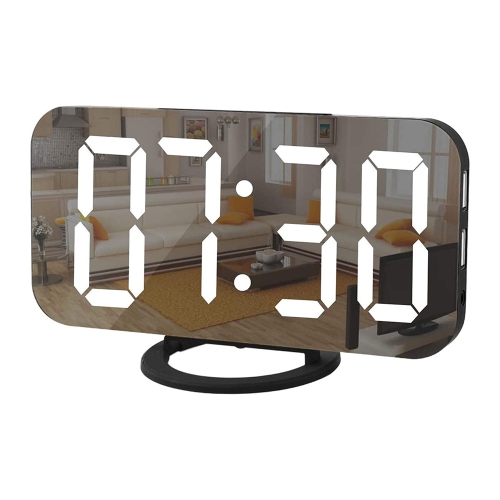
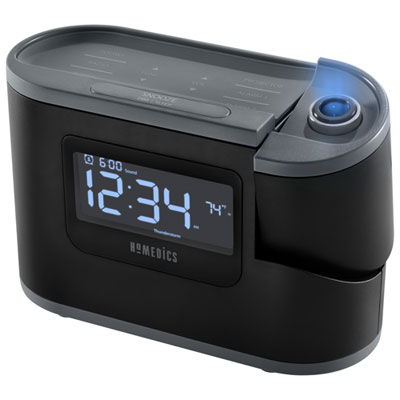
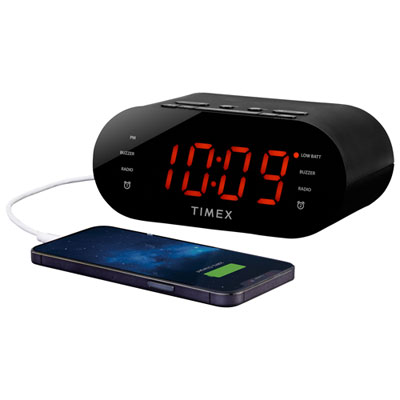
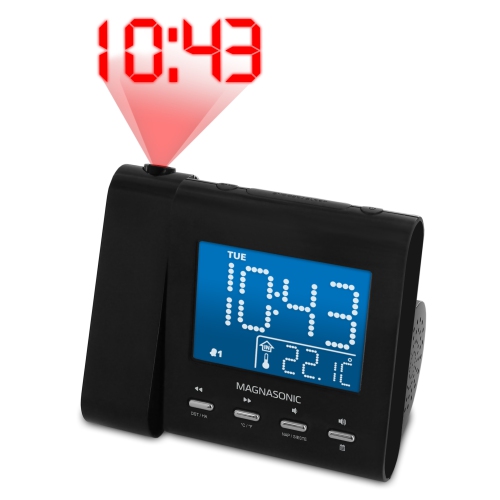
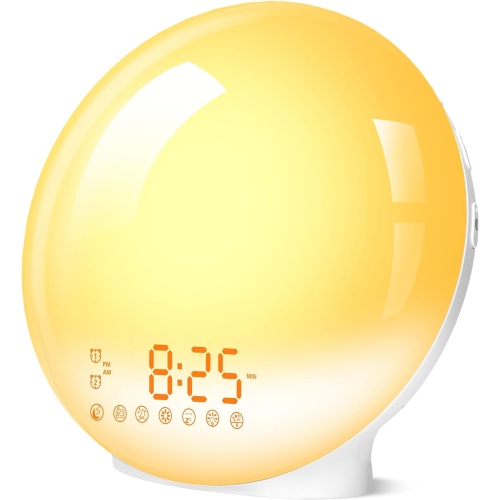
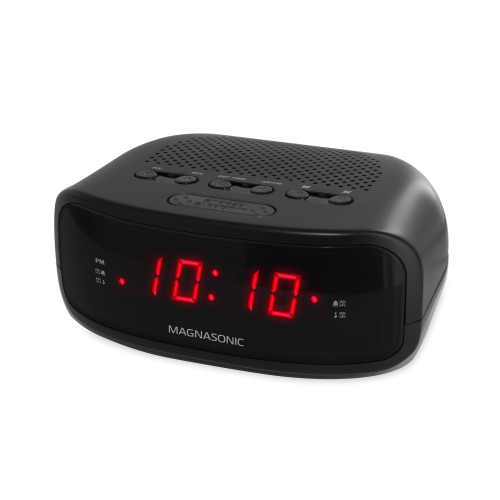
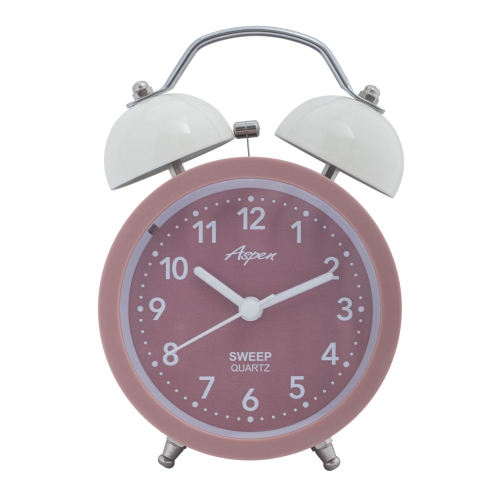
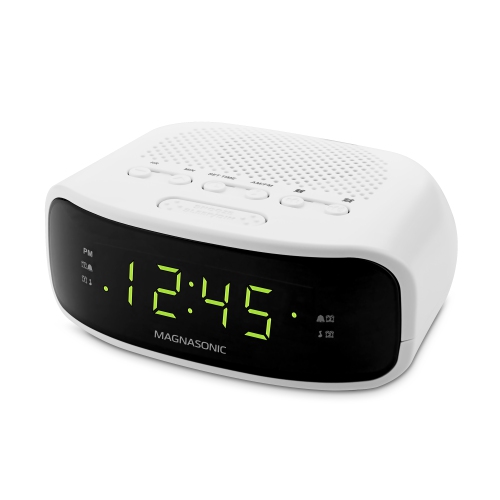
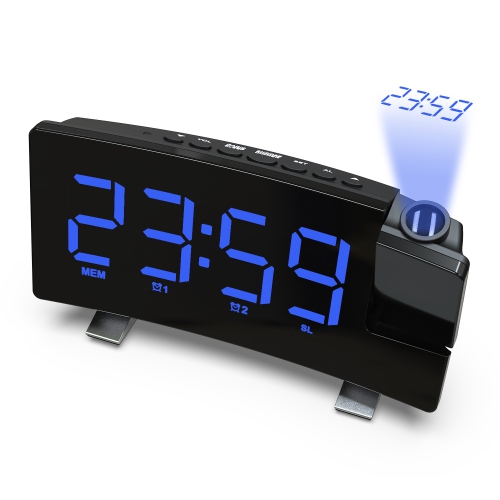
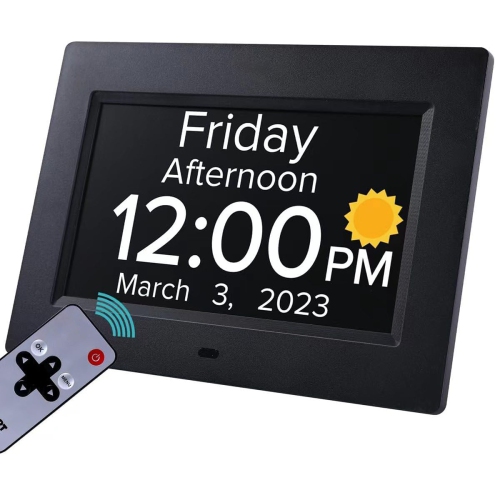
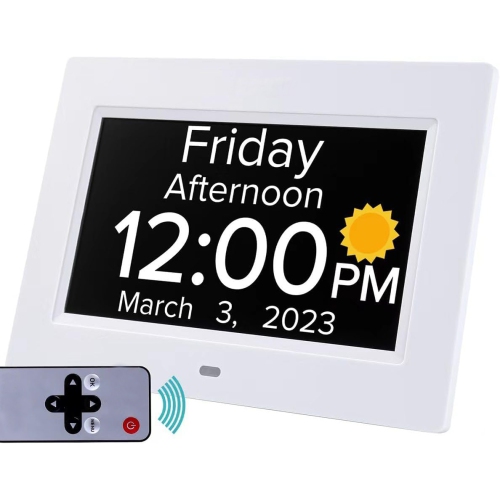
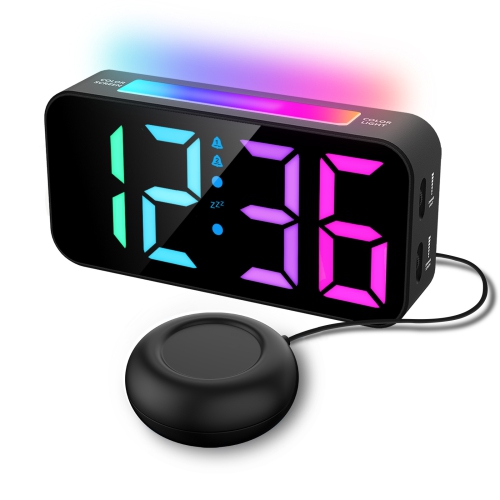
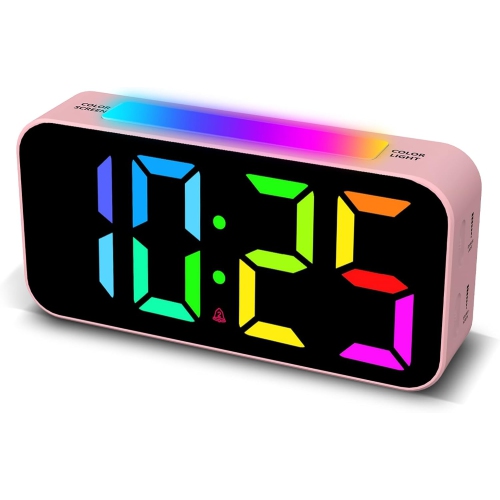
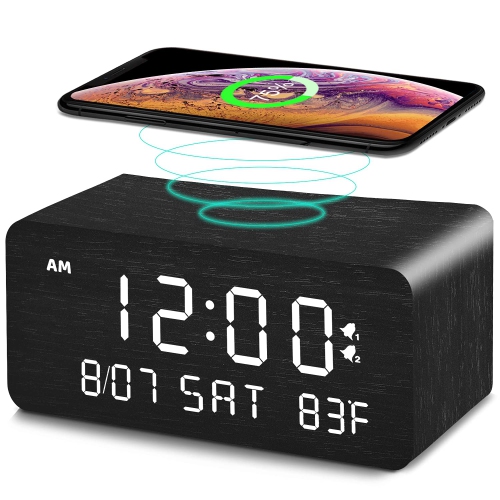
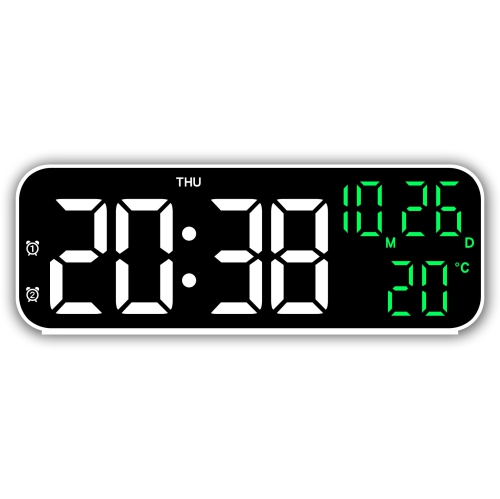
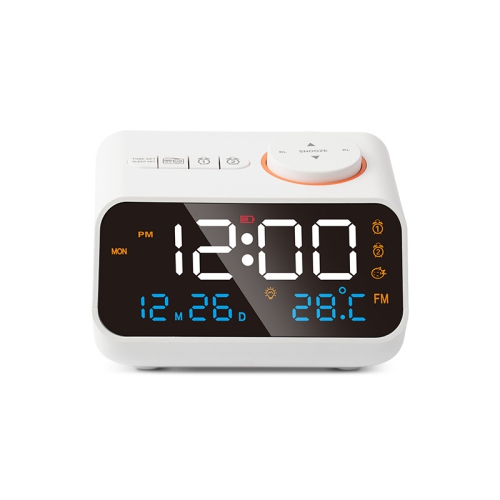
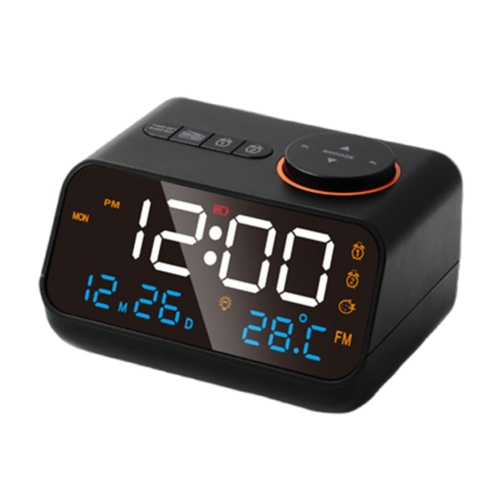
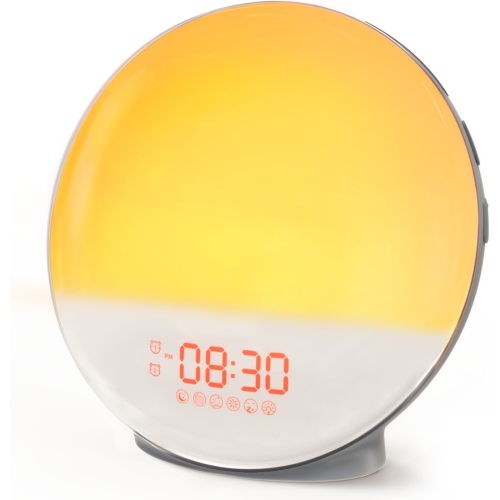
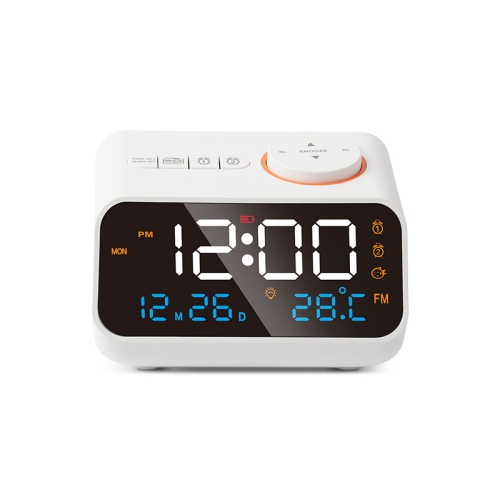
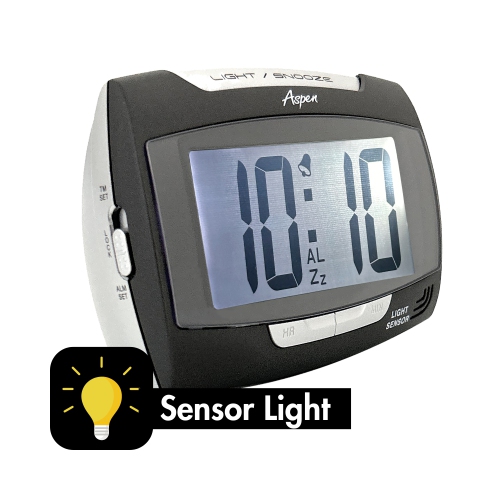
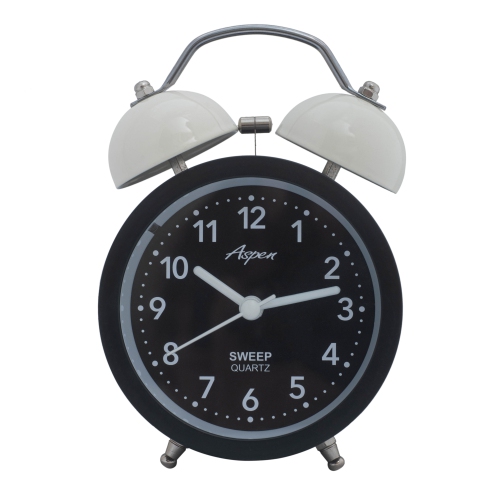
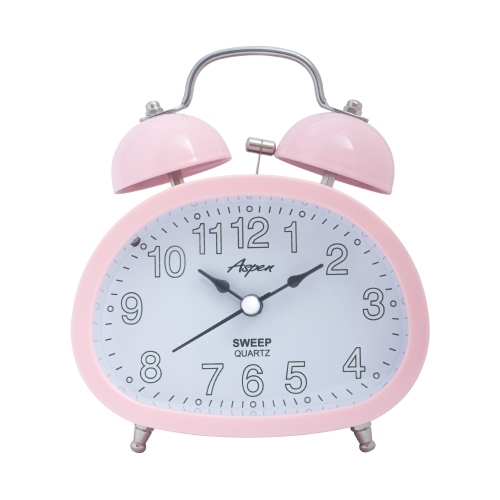
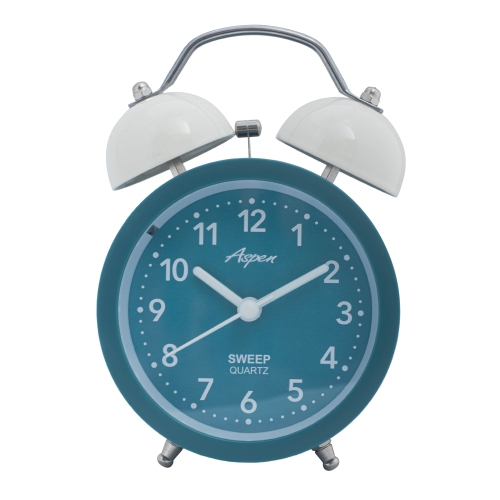
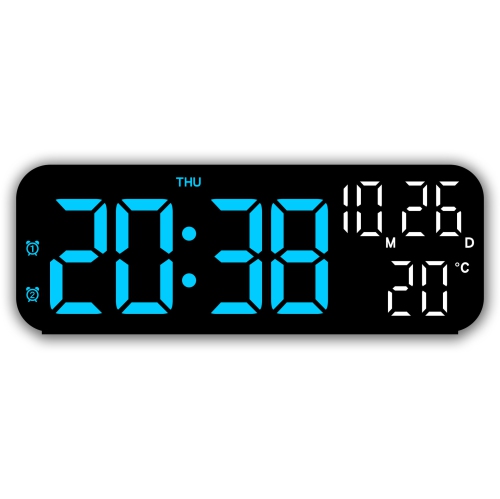

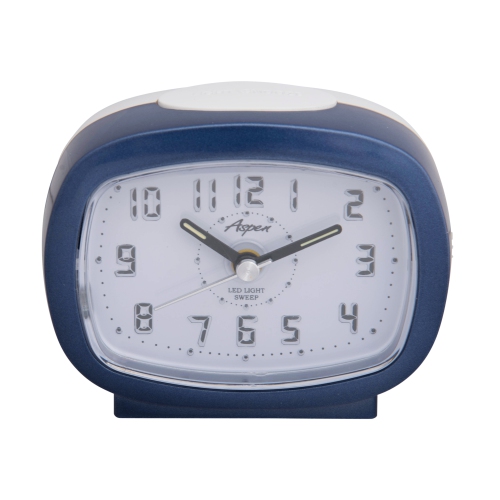
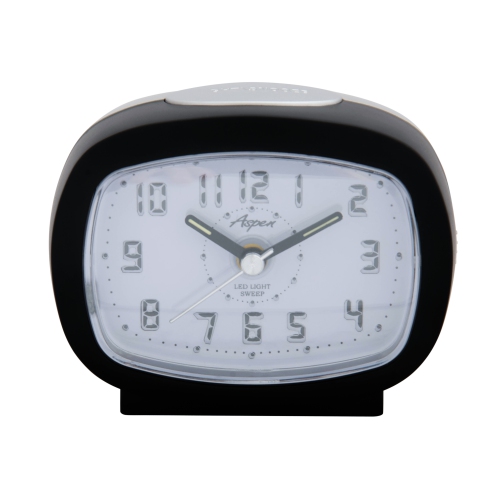
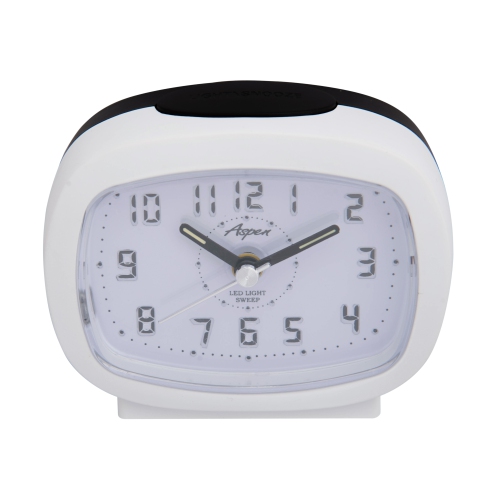
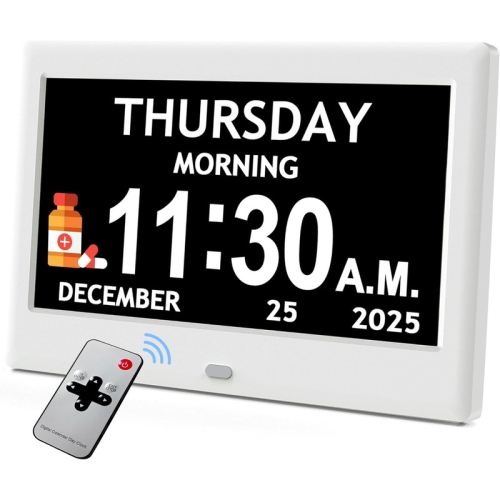
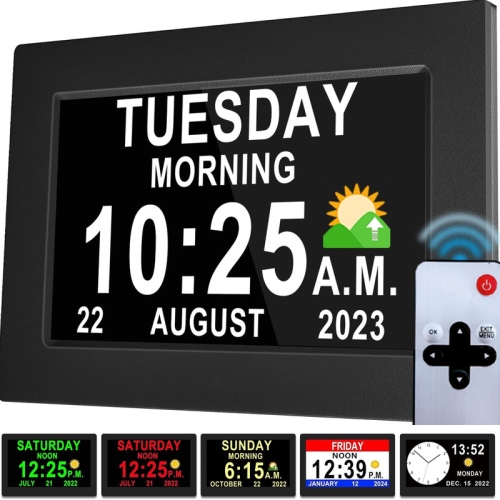
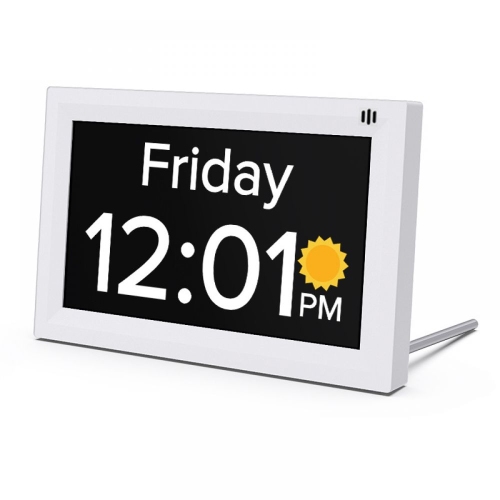
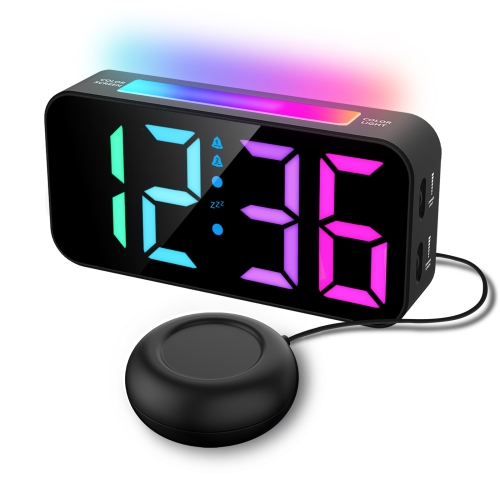
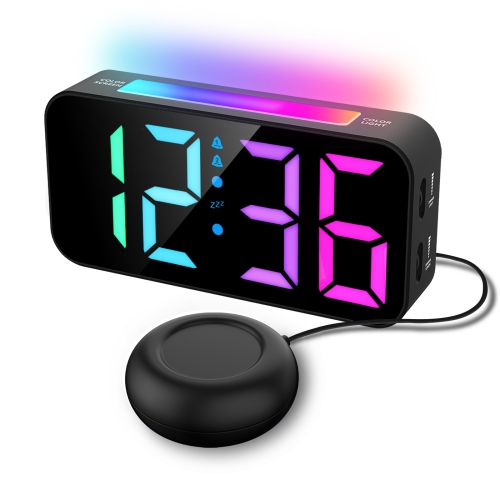
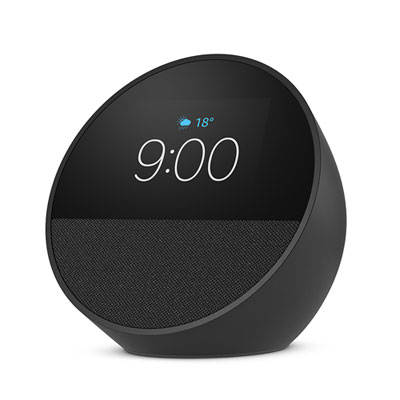
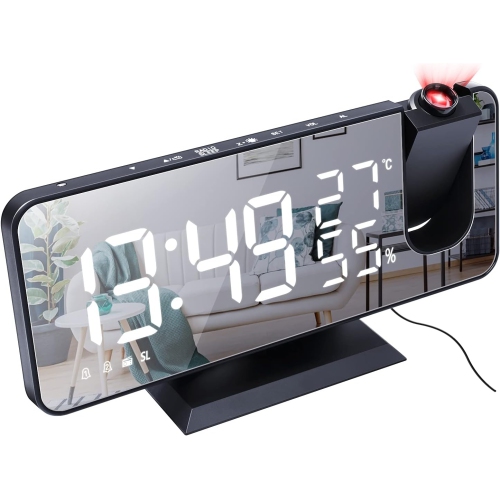
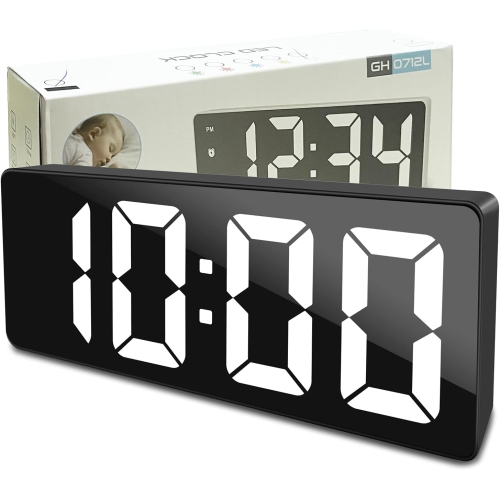
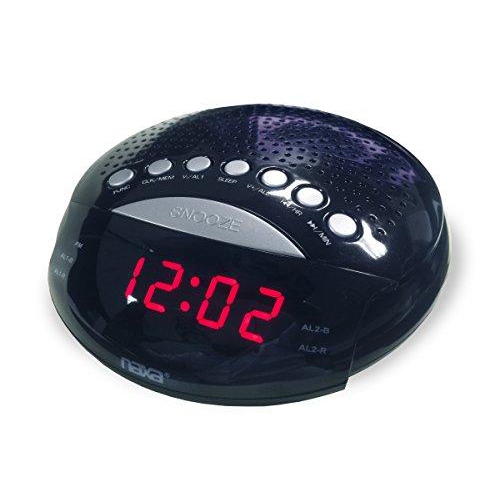
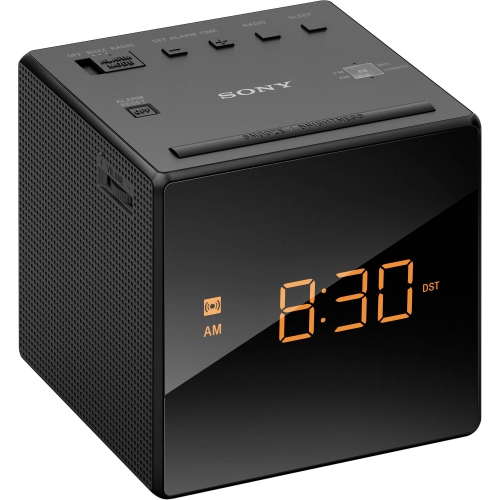
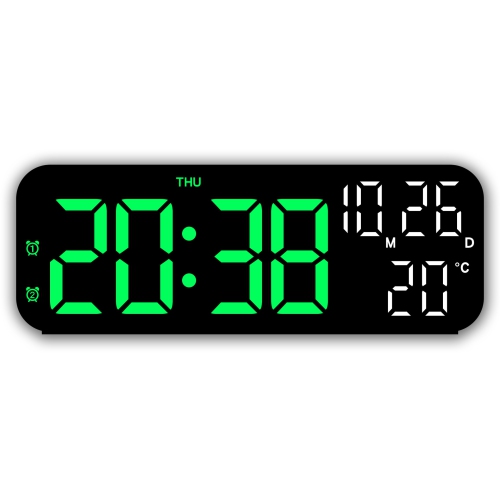
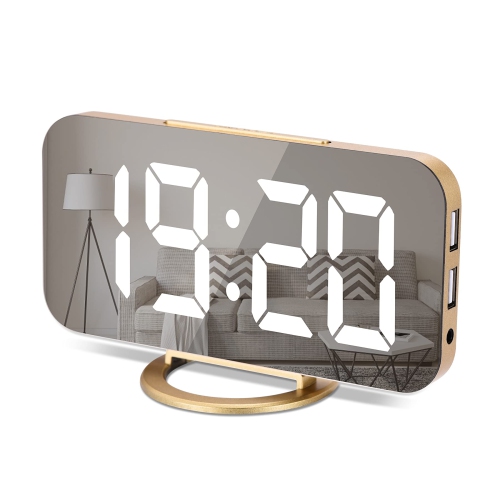
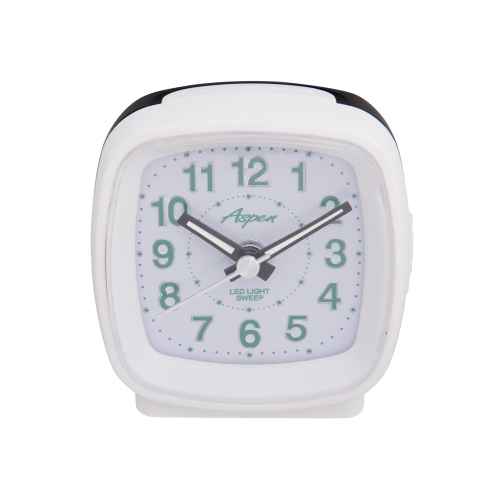
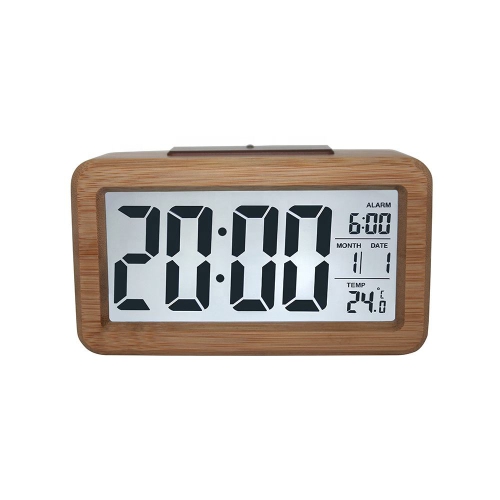
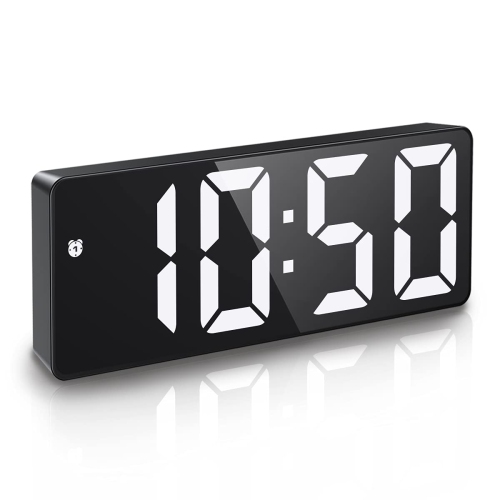
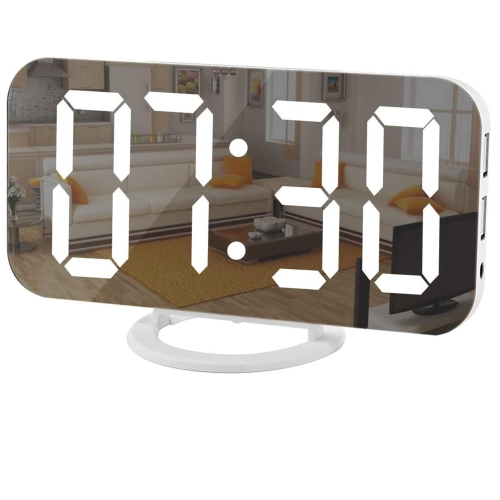
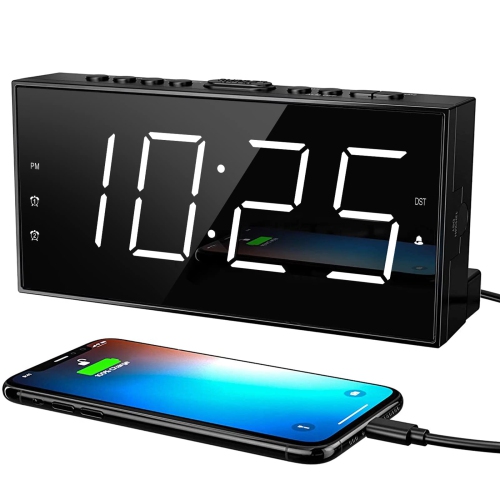
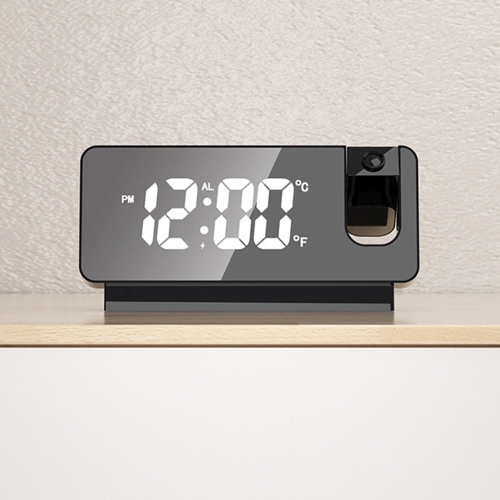
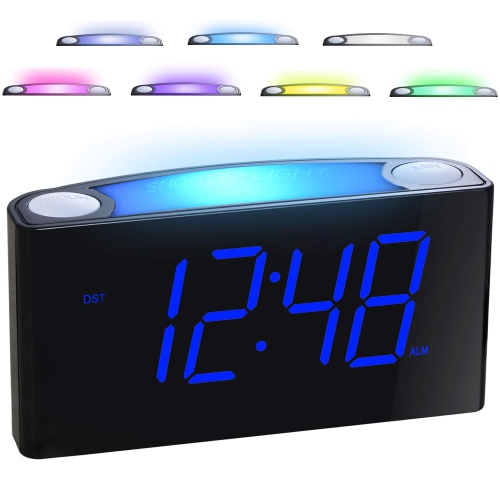
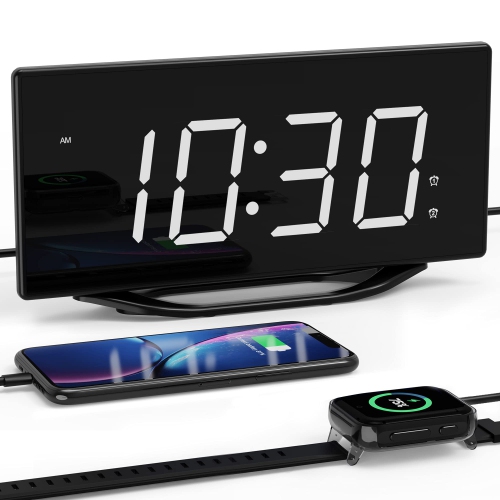
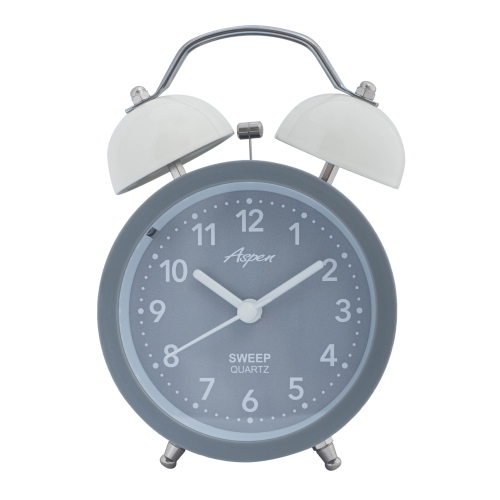
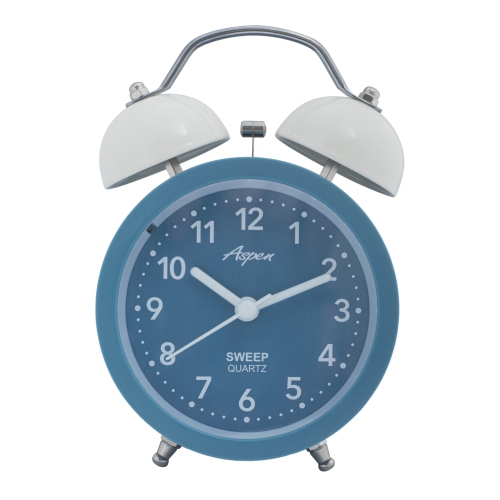

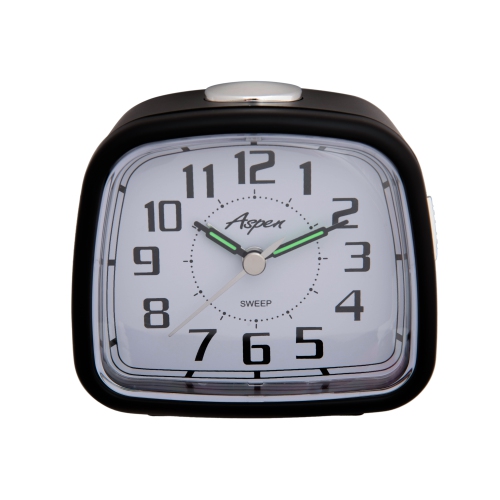

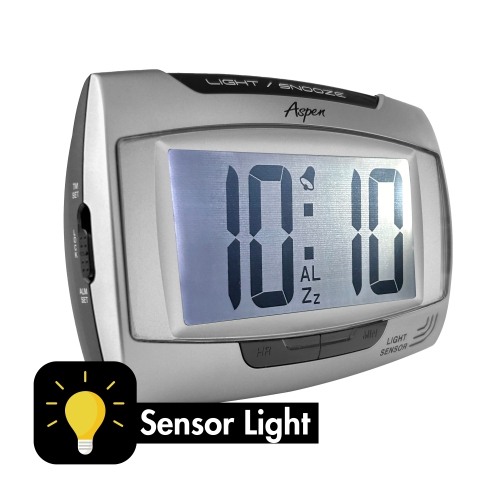
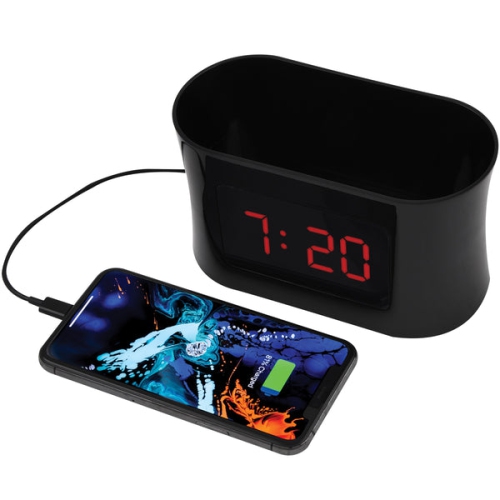

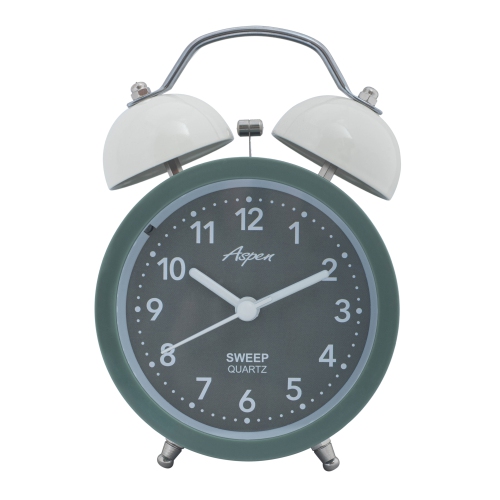
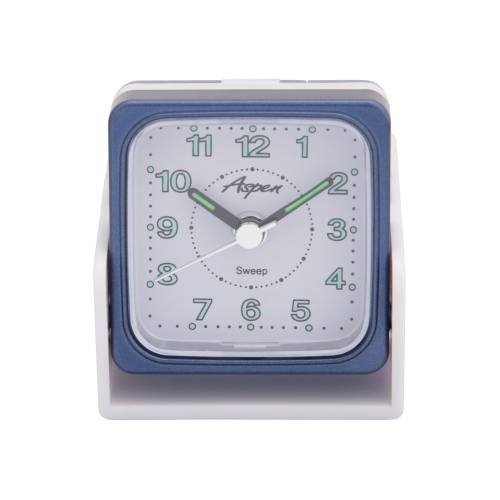


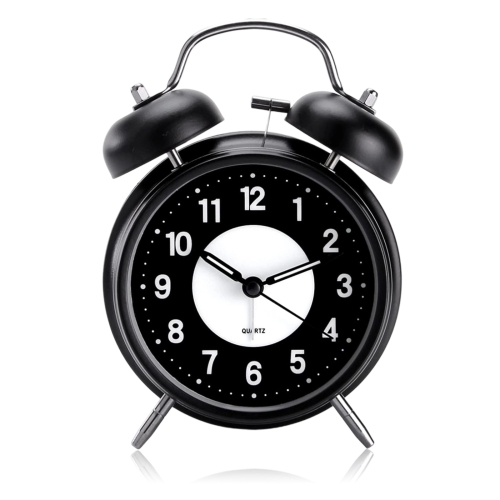
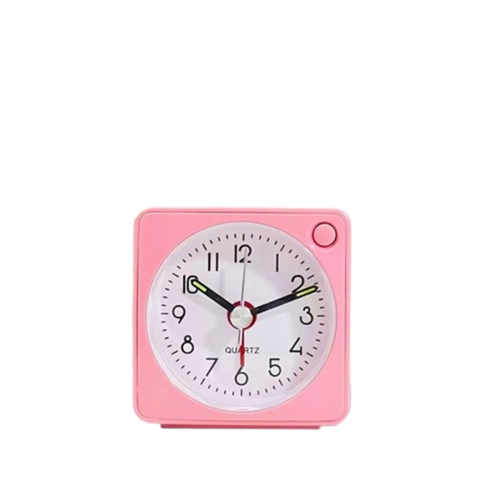

Readable displays and simple controls support everyday routines
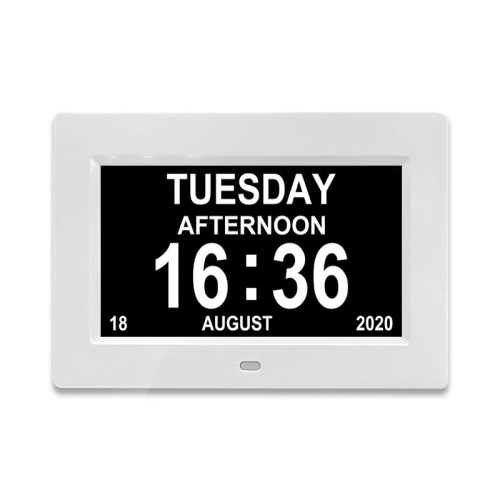
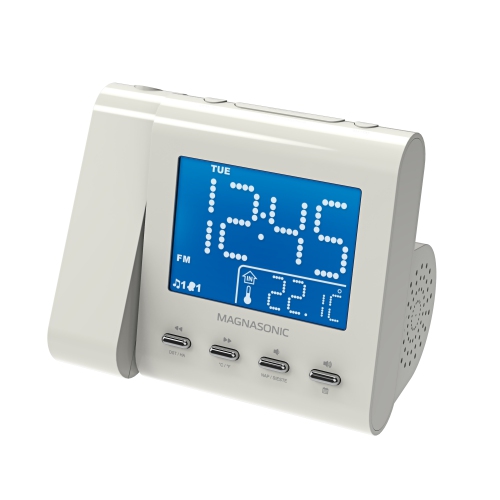
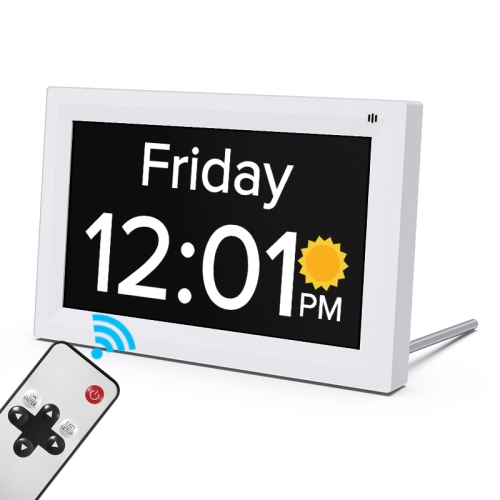
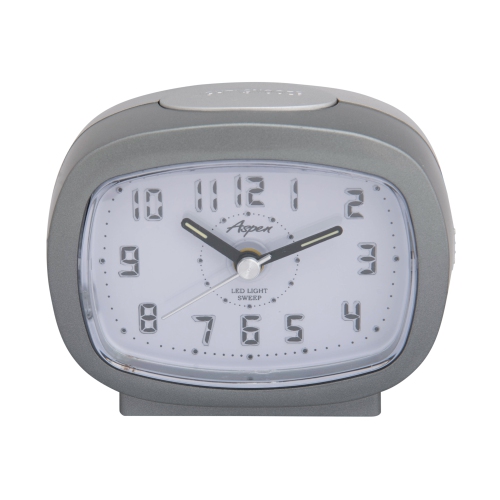
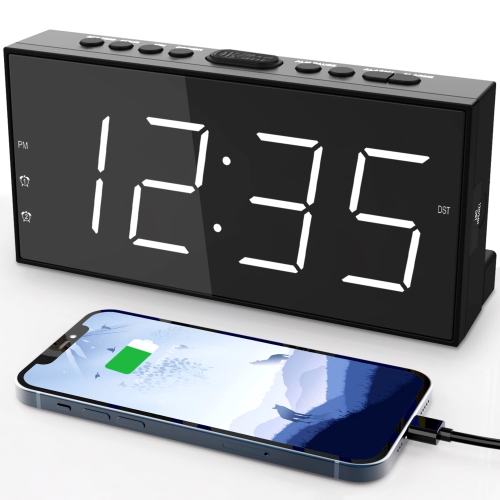
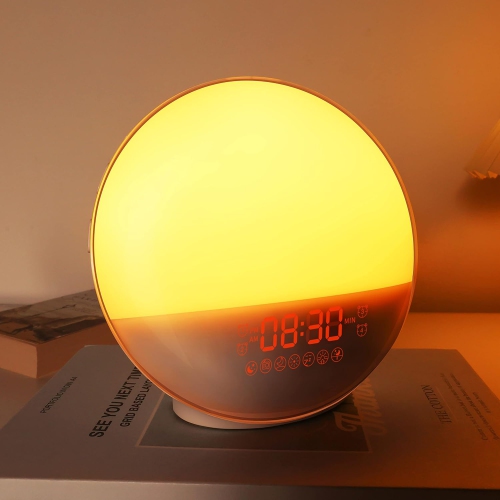
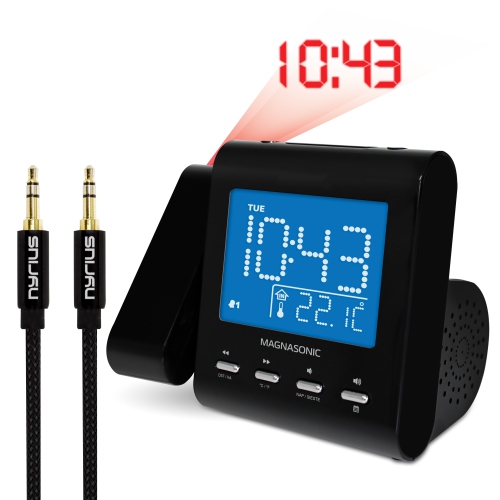
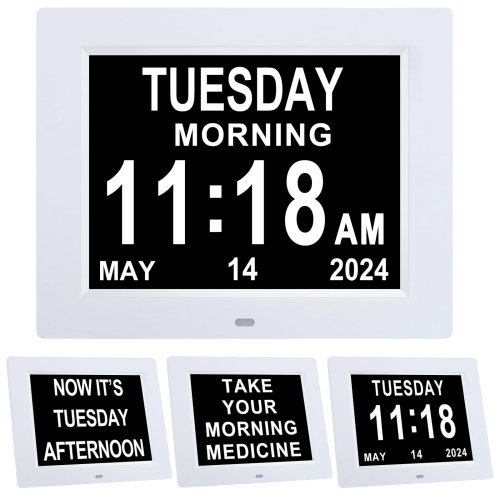
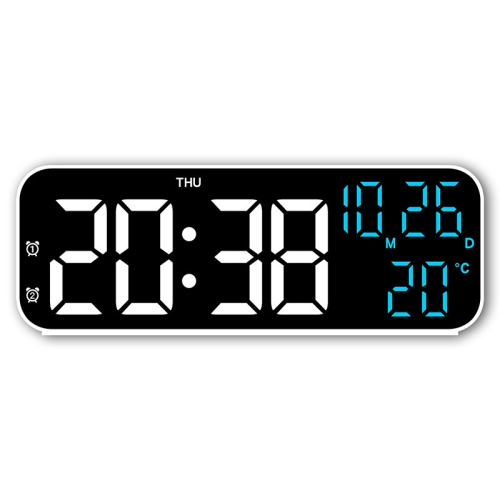
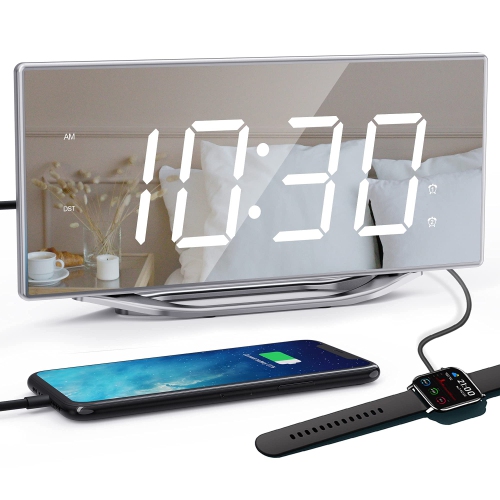
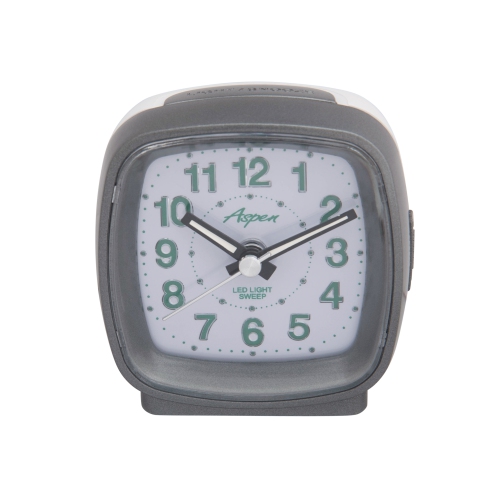
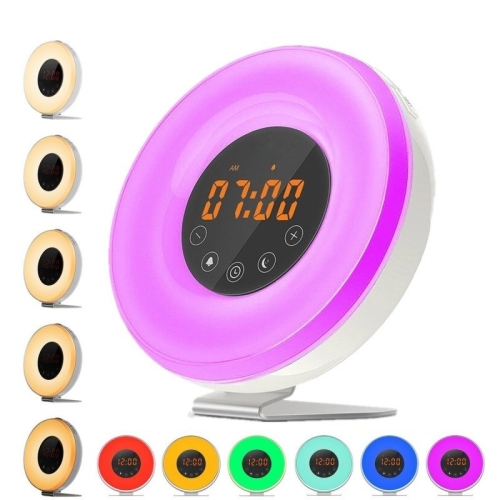
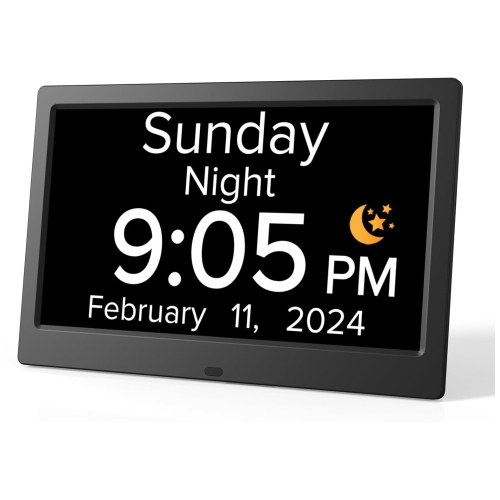
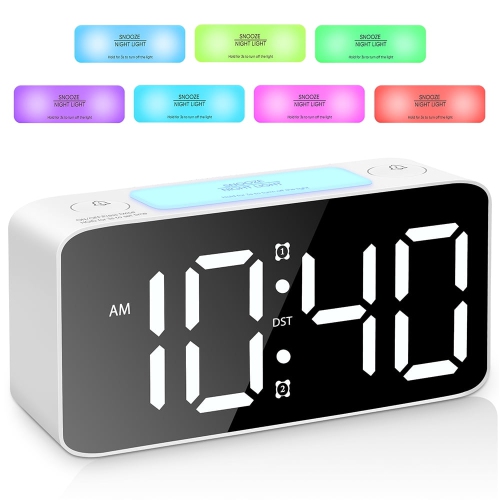
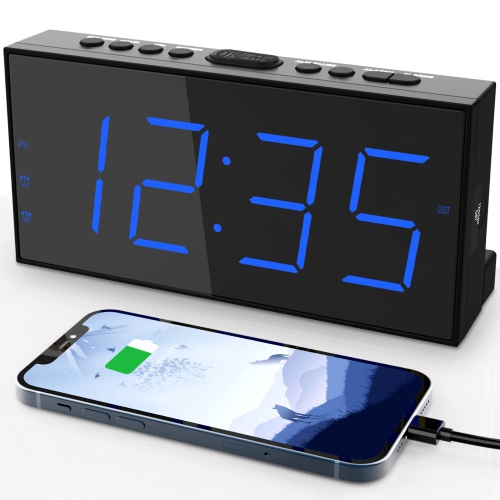
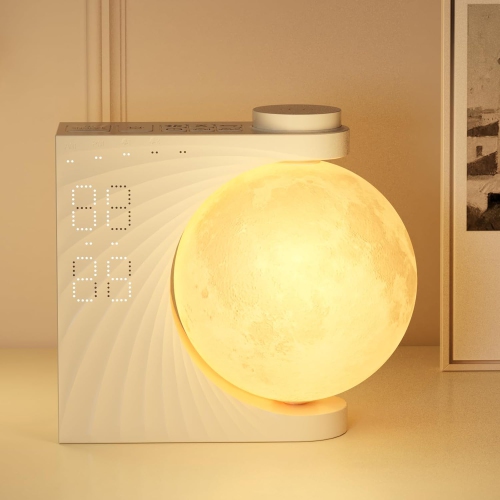
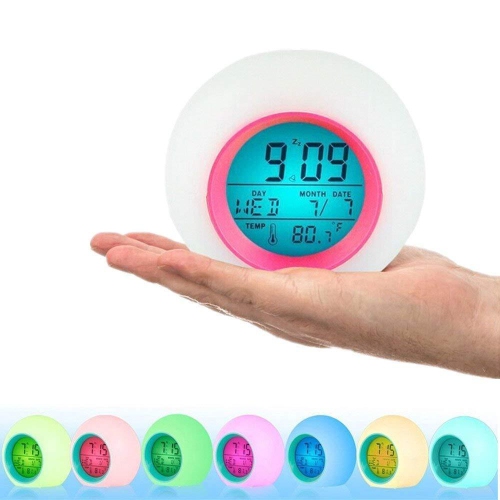
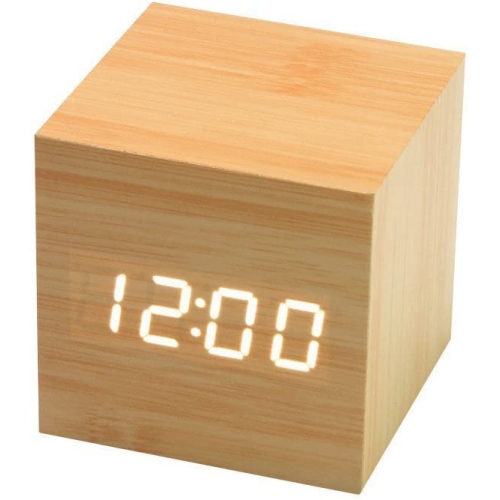
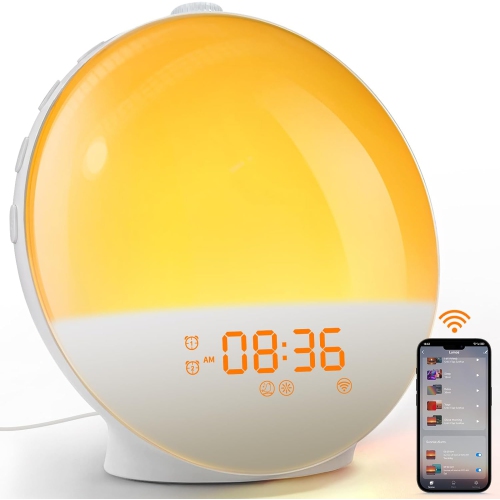
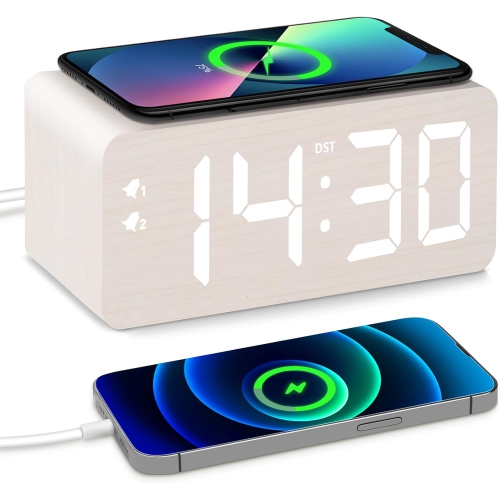
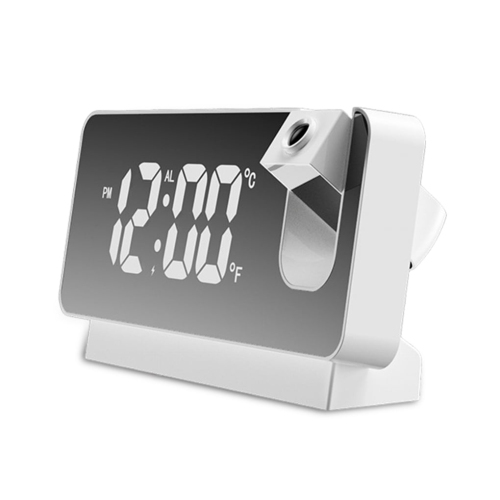
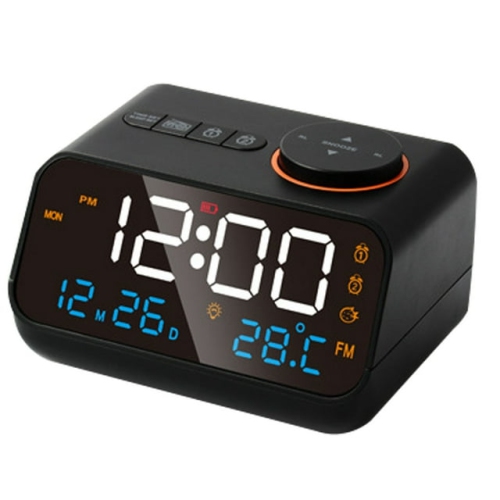
Alarm clocks for seniors can make mornings more comfortable, predictable, and easier to manage, especially when a bedside clock needs to do more than display a small set of numbers. The most helpful designs tend to put essential information where it is easy to see at a glance, with large numerals, strong contrast, and a display that remains readable from across the room. A clock that spells out the full day of the week, month, and date can be particularly useful for someone who occasionally loses track of the calendar or prefers not to interpret shortened day and date formats. Some models show the time in a 12- or 24-hour format, while others include indoor temperature, a day-and-night indicator, or a gentle brightness adjustment. Look for controls that are clearly labelled and easy to distinguish by touch, since tiny buttons and crowded layouts can be frustrating when setting an alarm before bed. One-touch alarm controls, straightforward menus, and an easily accessible snooze button can help reduce the number of steps involved in a simple morning routine. A clock with a battery backup can also keep the alarm settings available after a brief power interruption, while adjustable brightness lets the display remain visible without casting an overly bright glow across a dark bedroom. During the cooler months, when mornings can feel darker and it may take longer for natural light to reach the room, a clear bedside display can be especially reassuring. For shoppers comparing features, it is worth considering where the clock will be placed, how far away it will be viewed, and whether the user prefers a bright digital readout, a softer display, or a clock that speaks the time aloud.
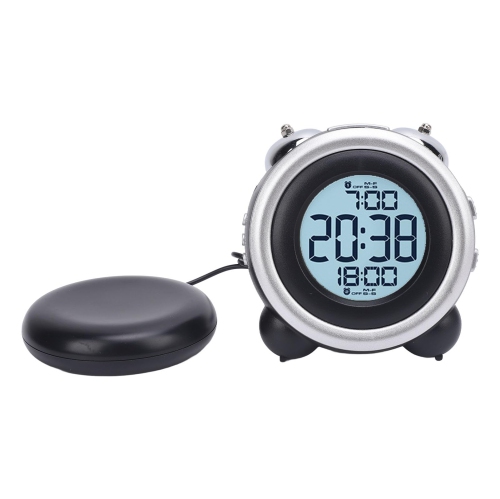
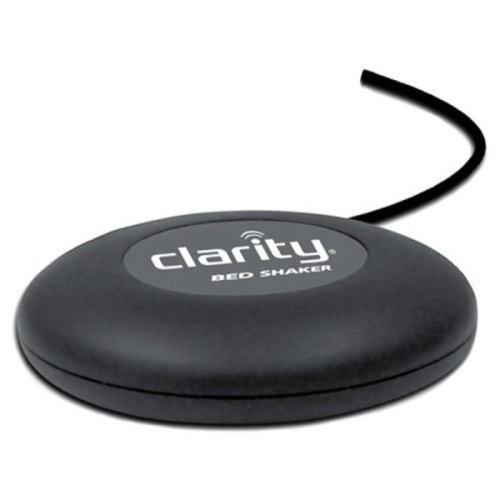
Hearing, vision, and memory needs can all influence which alarm clock feels most natural to use. For someone with low vision, a large display, bold digits, adjustable contrast, and full dimming can make the difference between checking the time independently and having to reach for a phone or ask for help. You can also explore Alarm Clocks for Visually Impaired for options focused on visibility and accessible viewing. For someone who may not hear a conventional alarm easily, consider features such as adjustable volume, a choice of alarm sounds, a vibrating function, or a bright flashing alert. A gradual alarm that begins quietly and increases in volume may feel less abrupt than a sharp buzzer, while a louder setting can be useful for a heavier sleeper or a clock placed farther from the bed. Voice-enabled clocks may suit people who find buttons difficult to navigate, allowing them to ask for the time, set a wake-up alarm, or create a reminder using spoken commands. These features can be helpful, but simplicity remains important: a complicated setup process may be more trouble than it is worth if the user does not regularly use connected devices. Families supporting an older relative often appreciate a clock that offers a clear daily rhythm without overwhelming the bedside table. A full calendar display can help distinguish morning from evening and make appointments, medication schedules, or visits easier to remember, although an alarm clock should complement—not replace—any care plan or advice from a health professional. When choosing a clock for a parent, grandparent, neighbour, or friend, consider asking how they currently check the time, whether they prefer a bedside or tabletop location, and which settings they would realistically use. A product that feels familiar and manageable is often more useful than one with a long list of advanced functions.
Alarm clocks for seniors can be practical gifts for a new bedroom, a move into a more accessible home, or a change in daily routine. They can also make thoughtful gifts for someone who enjoys having familiar objects within reach, particularly when the clock combines a readable display with controls that are easy to understand. Before purchasing, check the display size and viewing angle, the available power source, the length of the power cord, and whether the clock will retain its settings during an outage. Consider the bedroom environment as well: a clock on a low nightstand may need a wide viewing angle, while one on a dresser across the room may benefit from extra-large digits. A dimmable display is useful for light-sensitive sleepers, and a high-contrast screen can help in rooms with changing daylight. If the user shares a bedroom, look for an alarm that allows the display and sound to be adjusted independently so that the clock can remain visible without disturbing a partner. Multiple alarms may be convenient for different wake-up times, naps, appointments, or recurring routines, but separate controls should be clearly identified to avoid accidental changes. It can be helpful to set up the clock together, place a simple reminder of the alarm controls nearby, and test the sound or alert from the location where it will be used. As the weather changes and daylight patterns shift, adjustable alarms and brightness settings can help maintain a familiar routine without requiring constant repositioning. Whether selected for independent use, shared household planning, or added peace of mind for family members, the right alarm clock should make the time easy to read, the alarm easy to set, and the daily routine feel a little more settled.
Hearing, vision, and memory needs can all influence which alarm clock feels most natural to use. For someone with low vision, a large display, bold digits, adjustable contrast, and full dimming can make the difference between checking the time independently and having to reach for a phone or ask for help. You can also explore Alarm Clocks for Visually Impaired for options focused on visibility and accessible viewing. For someone who may not hear a conventional alarm easily, consider features such as adjustable volume, a choice of alarm sounds, a vibrating function, or a bright flashing alert. A gradual alarm that begins quietly and increases in volume may feel less abrupt than a sharp buzzer, while a louder setting can be useful for a heavier sleeper or a clock placed farther from the bed. Voice-enabled clocks may suit people who find buttons difficult to navigate, allowing them to ask for the time, set a wake-up alarm, or create a reminder using spoken commands. These features can be helpful, but simplicity remains important: a complicated setup process may be more trouble than it is worth if the user does not regularly use connected devices. Families supporting an older relative often appreciate a clock that offers a clear daily rhythm without overwhelming the bedside table. A full calendar display can help distinguish morning from evening and make appointments, medication schedules, or visits easier to remember, although an alarm clock should complement—not replace—any care plan or advice from a health professional. When choosing a clock for a parent, grandparent, neighbour, or friend, consider asking how they currently check the time, whether they prefer a bedside or tabletop location, and which settings they would realistically use. A product that feels familiar and manageable is often more useful than one with a long list of advanced functions.
Alarm clocks for seniors can be practical gifts for a new bedroom, a move into a more accessible home, or a change in daily routine. They can also make thoughtful gifts for someone who enjoys having familiar objects within reach, particularly when the clock combines a readable display with controls that are easy to understand. Before purchasing, check the display size and viewing angle, the available power source, the length of the power cord, and whether the clock will retain its settings during an outage. Consider the bedroom environment as well: a clock on a low nightstand may need a wide viewing angle, while one on a dresser across the room may benefit from extra-large digits. A dimmable display is useful for light-sensitive sleepers, and a high-contrast screen can help in rooms with changing daylight. If the user shares a bedroom, look for an alarm that allows the display and sound to be adjusted independently so that the clock can remain visible without disturbing a partner. Multiple alarms may be convenient for different wake-up times, naps, appointments, or recurring routines, but separate controls should be clearly identified to avoid accidental changes. It can be helpful to set up the clock together, place a simple reminder of the alarm controls nearby, and test the sound or alert from the location where it will be used. As the weather changes and daylight patterns shift, adjustable alarms and brightness settings can help maintain a familiar routine without requiring constant repositioning. Whether selected for independent use, shared household planning, or added peace of mind for family members, the right alarm clock should make the time easy to read, the alarm easy to set, and the daily routine feel a little more settled.
Top selling and popular products
-
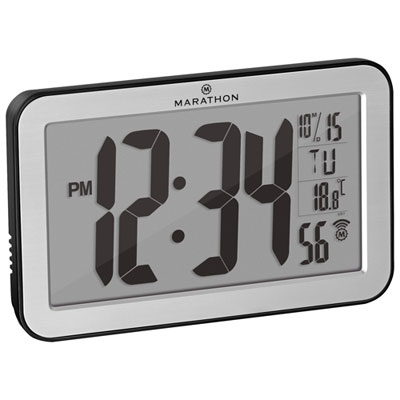 Your price for this item is $44.99
 -
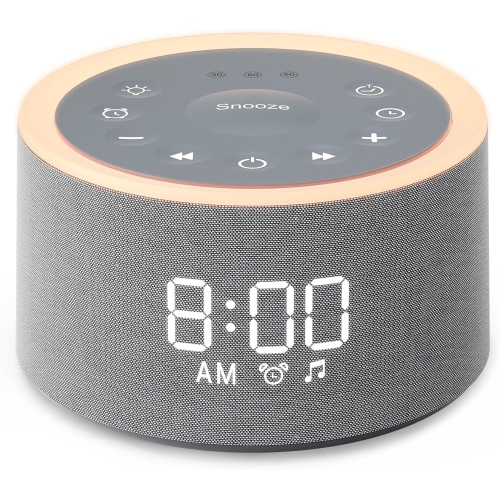 Your price for this item is $44.99
 -
 Your price for this item is $89.99
 -
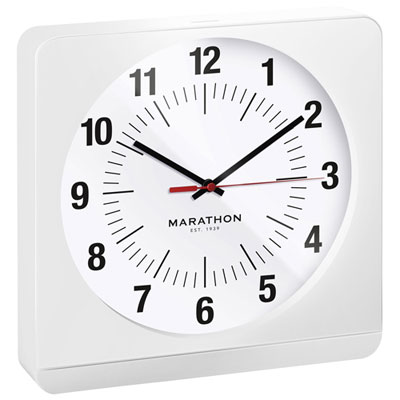 Your price for this item is $114.99
 -
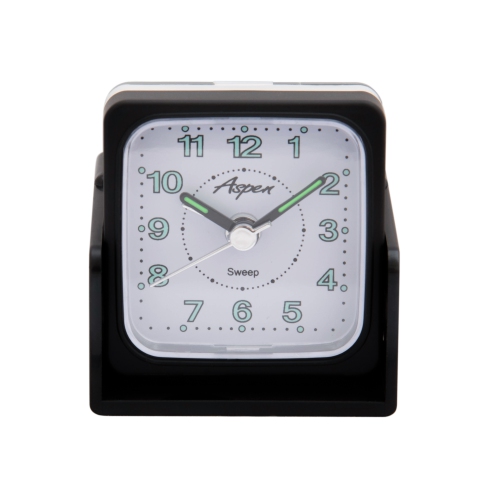 Your price for this item is $19.95
 -
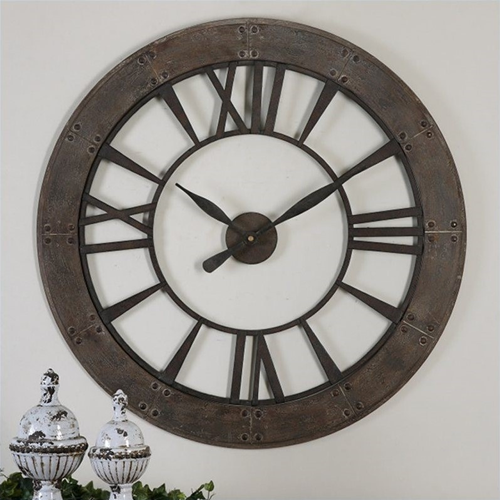 Your price for this item is $907.16
 -
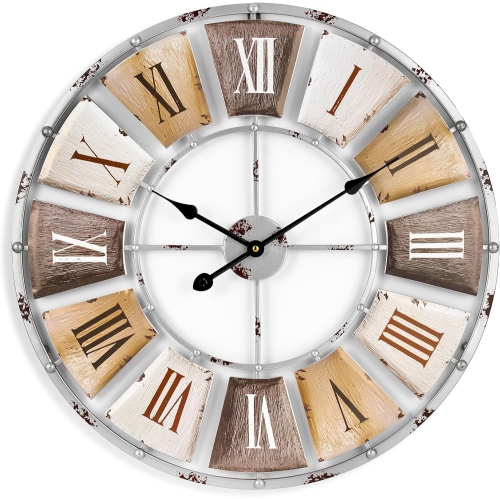 Your price for this item is $79.99
 -
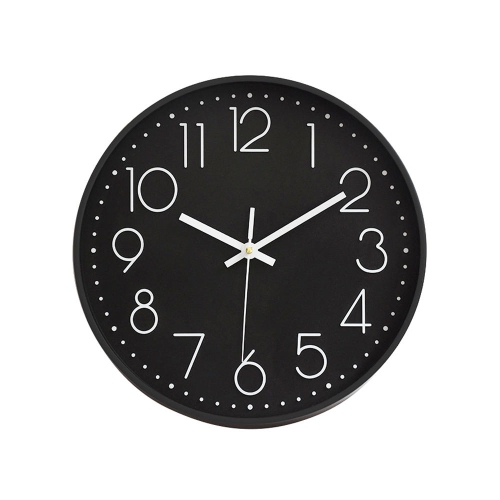 Your price for this item is $19.99
Discover more categories related to Alarm Clocks for Seniors
Top Collections:
Pokemon Centers, Kindle Devices, Best Budget Office Chairs, Apple iPhones 16, Best Laptops for Writers, iPhone 15 Apple, Canon G7X Cameras, Refurbished Apple Laptops, Alarm Clock, Motorola Razr Phones
Some products may be subject to Environmental Handling Fees
(EHF) depending on your province.
Learn more about EHFs.