Car Audio Accessories
Enhance your driving experience with our wide selection of car audio accessories. From speakers and subwoofers to amplifiers and wiring kits, we have everything you need to upgrade your in-car entertainment system. Whether you're a music enthusiast looking for crystal-clear sound or a tech-savvy individual seeking advanced connectivity options, our range of car audio accessories has got you covered. Explore our collection and take your on-road entertainment to the next level.
Sort

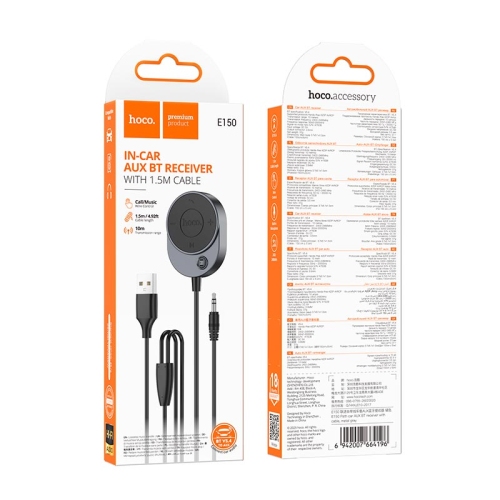
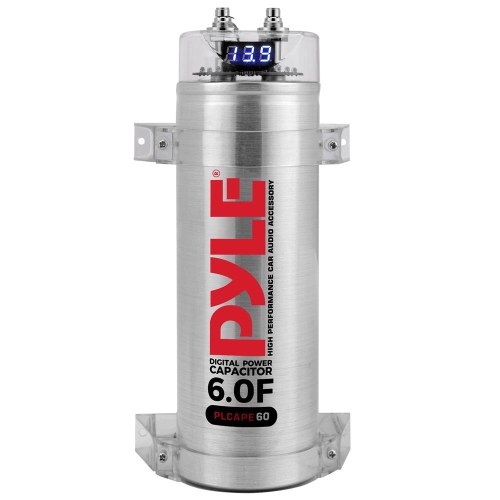
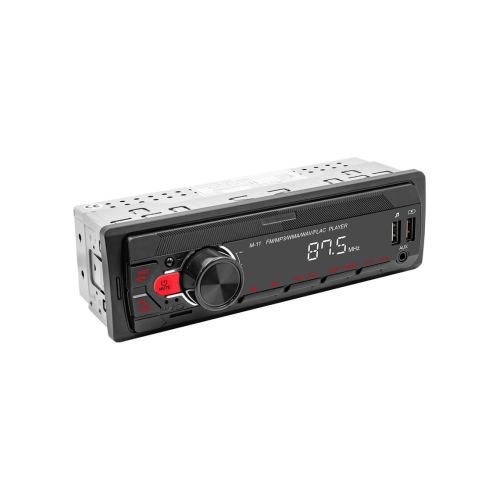
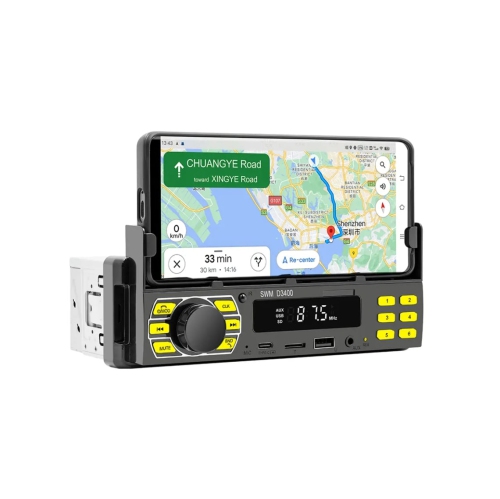





























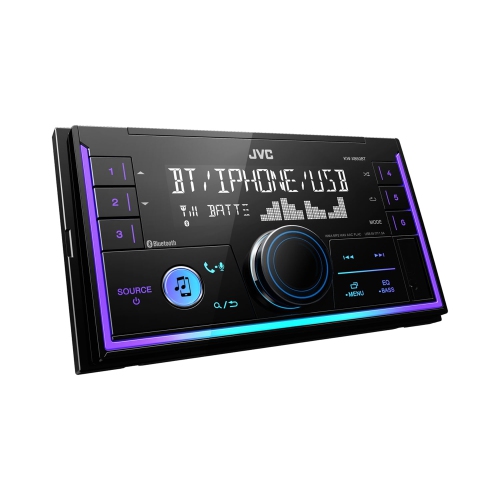
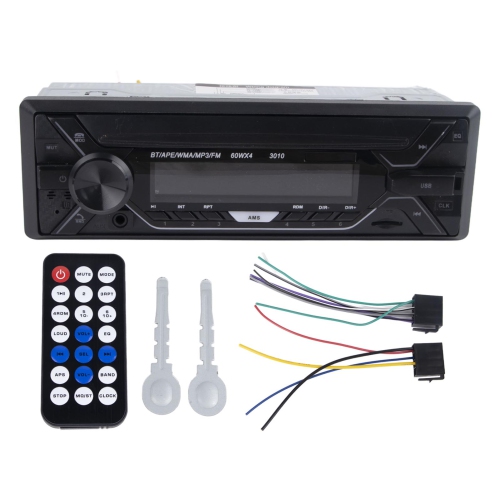














































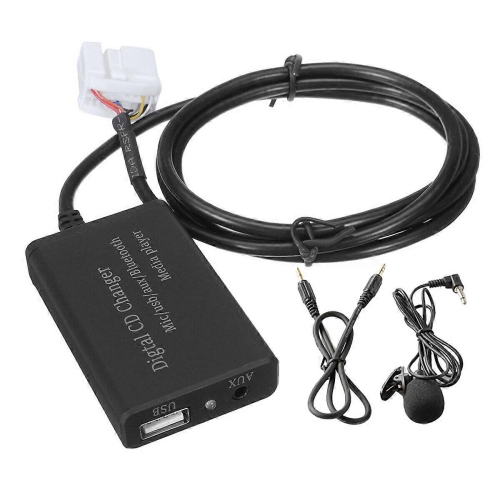
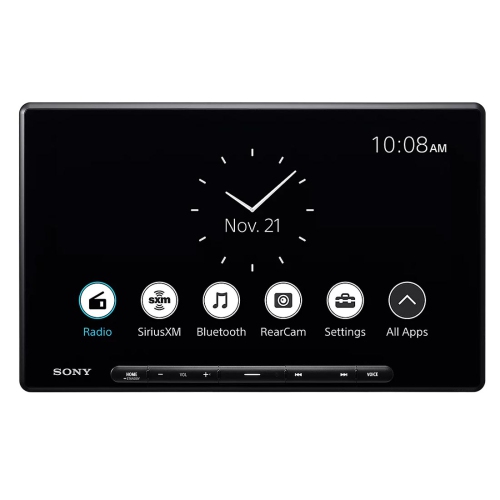


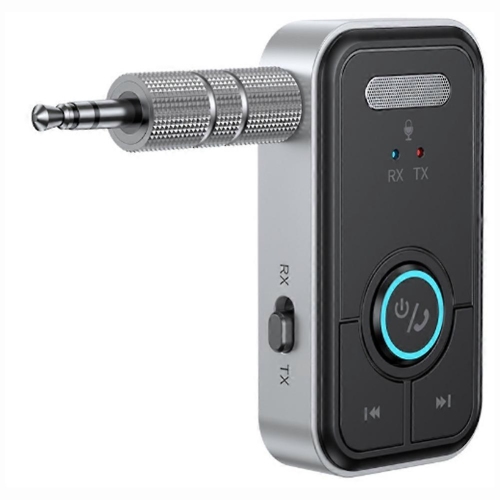
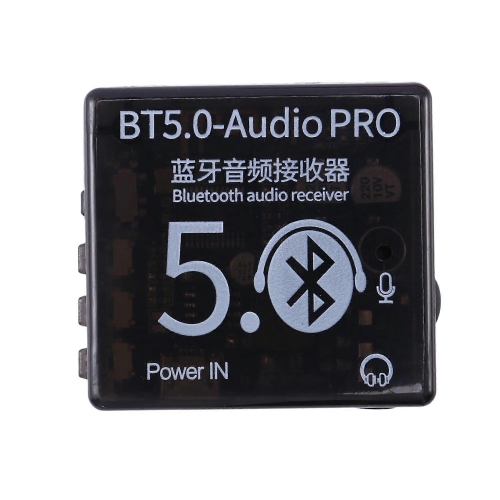








Why a tidy audio upgrade starts with vehicle fit
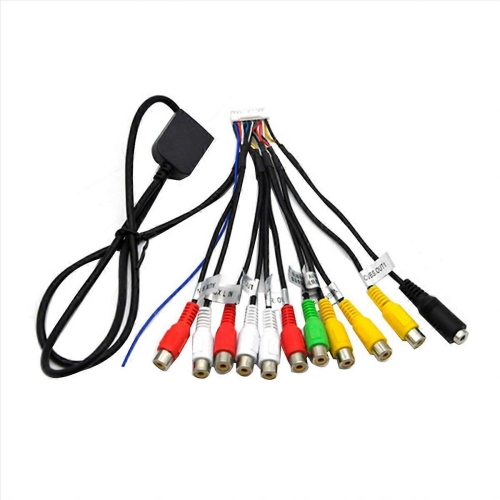
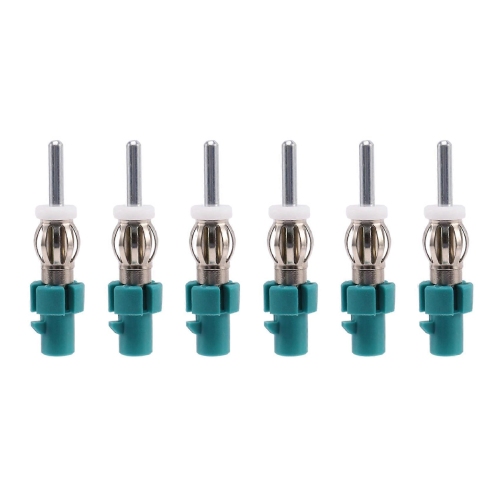
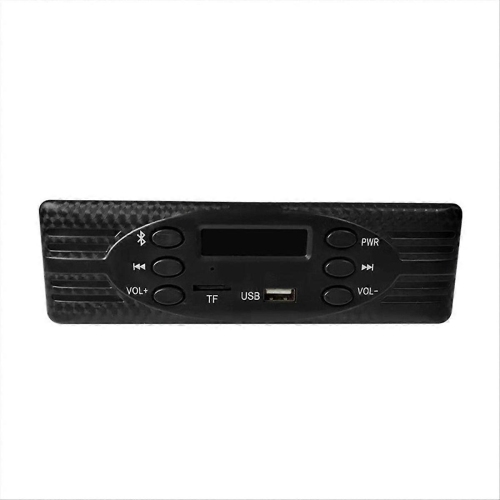
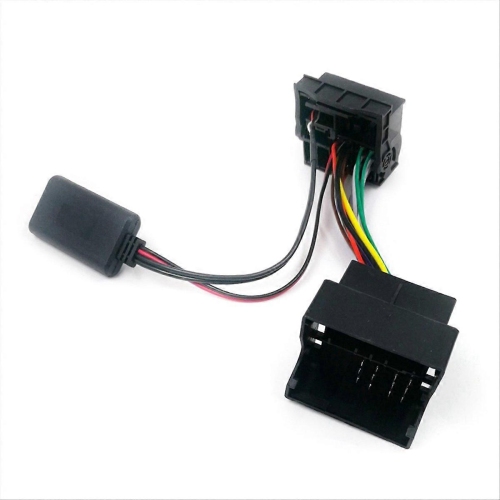
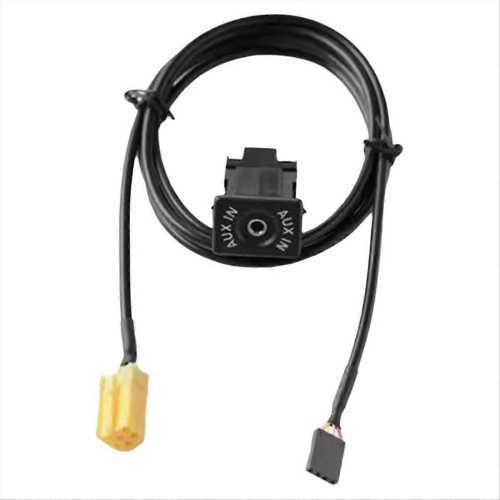
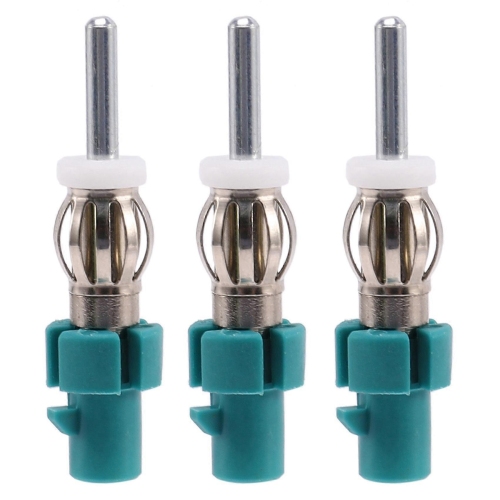
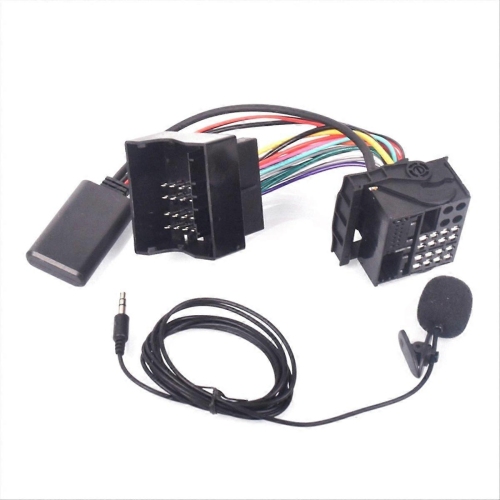
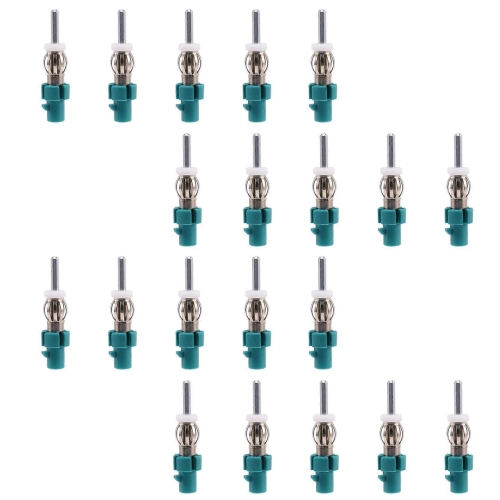
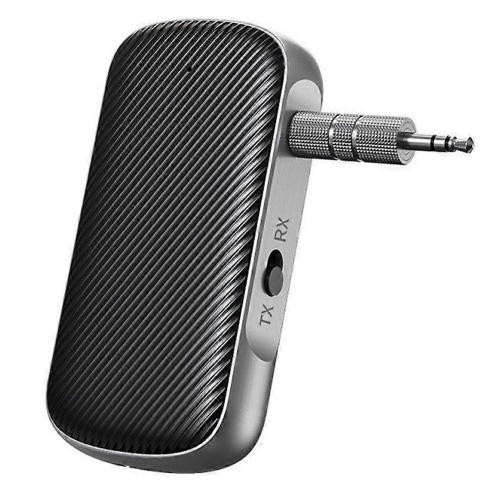
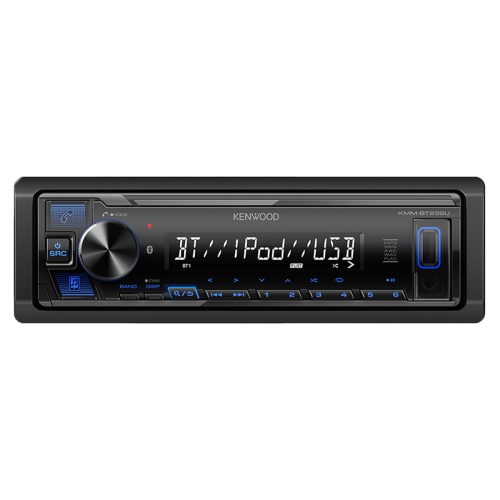
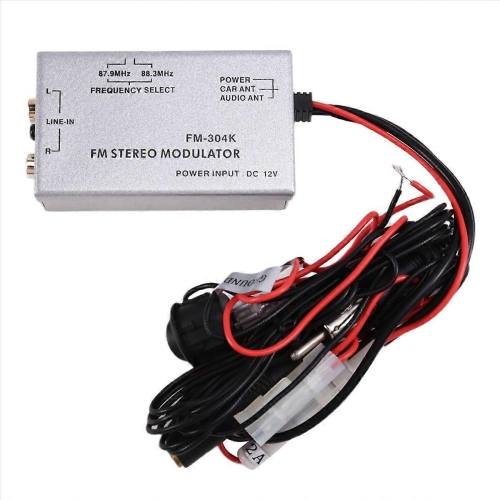
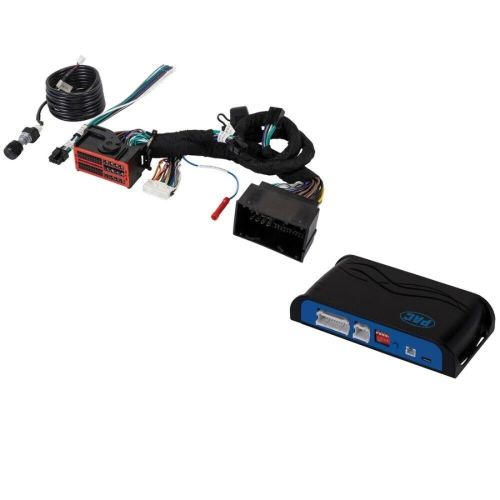
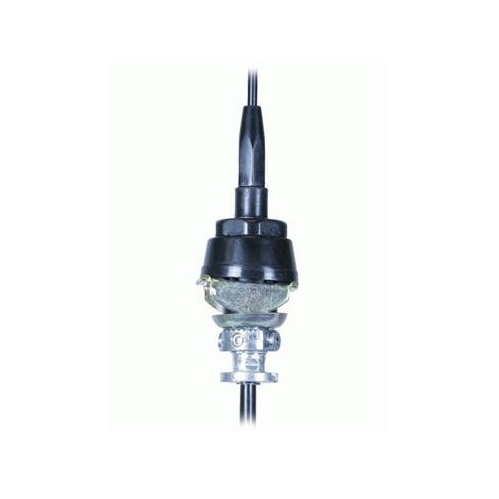
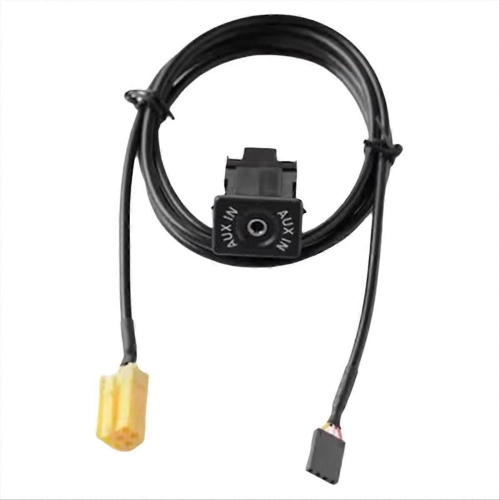
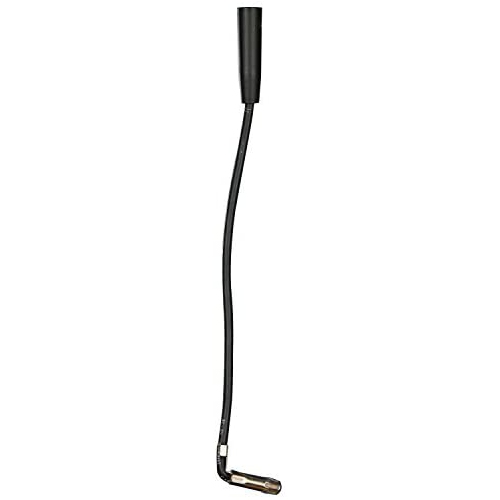
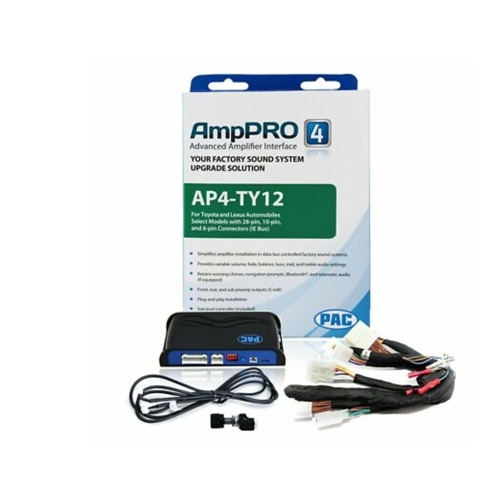
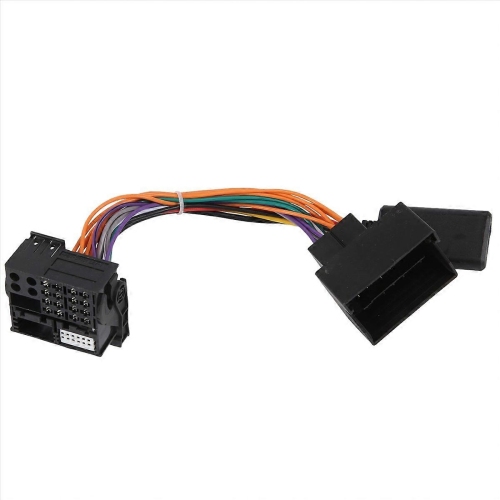
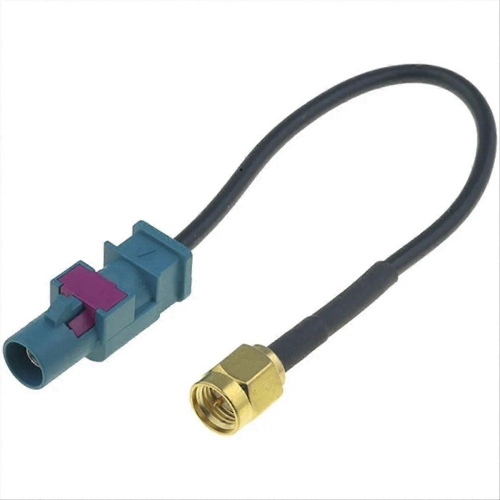
Car audio accessories bring the parts of an in-car sound system together, from the connections behind the dashboard to the fittings that hold speakers securely in place. They support everything from a straightforward receiver replacement to a more involved setup with an amplifier and subwoofer, helping the finished installation look tidy and work as intended. For someone who spends plenty of time behind the wheel, the difference can be practical as well as audible: a receiver that sits neatly within the dash, familiar steering-wheel controls that remain usable, or wiring that stays tucked away rather than trailing across the console. Fit depends on more than the size of the opening in the dashboard. Vehicle make, model, model year, trim level, and factory audio package can all affect which installation accessories are suitable. Two vehicles that look identical from the outside may have different amplified systems, connectors, or integrated controls inside. Dash kits provide a mounting surround for compatible receivers, while wiring harnesses and interface modules serve different roles in connecting replacement equipment to the vehicle. A harness may simplify the electrical connection without preserving every original function; retaining steering-wheel buttons, factory warning chimes, or other integrated features may require a compatible interface. Antenna connections can also vary, making the right adapter part of a complete installation. These details matter particularly when the original radio shares space or controls with other dashboard functions. A well-matched installation keeps necessary controls accessible and avoids a loose or unfinished appearance around the replacement receiver. Textured plastic surrounds, properly aligned mounting points, and a finish that suits the existing interior can make an upgrade feel like a natural part of the cabin. Whether the aim is easier access to music, clearer spoken audio on a daily commute, or support for additional sound equipment, installation accessories provide the bridge between the vehicle’s original layout and the system being added. Their value often lies in the details that are barely noticeable once everything is fitted correctly.
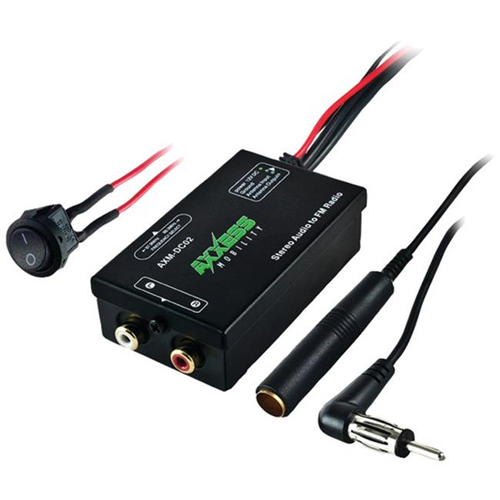
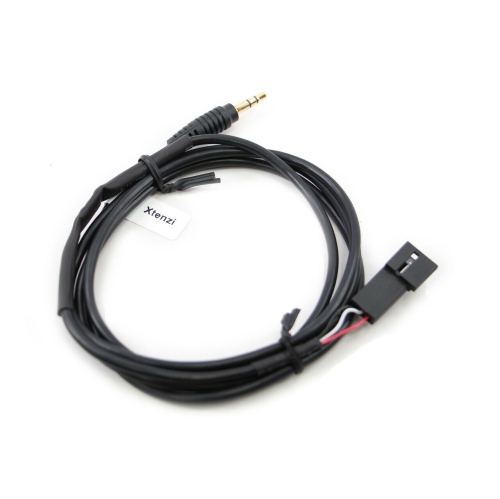
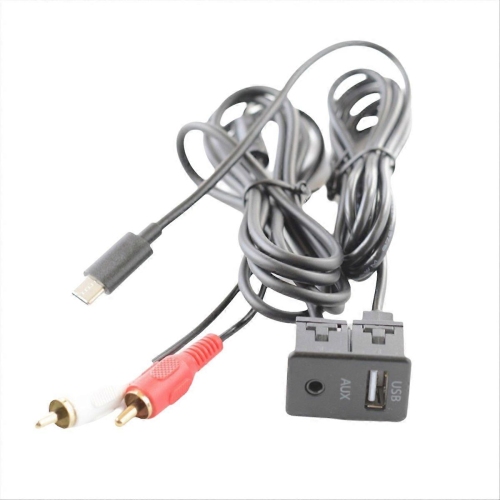
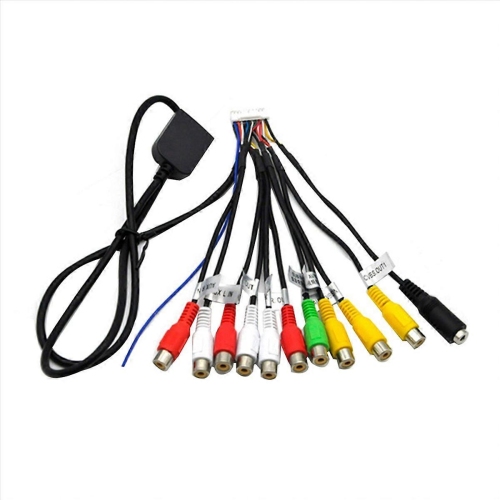
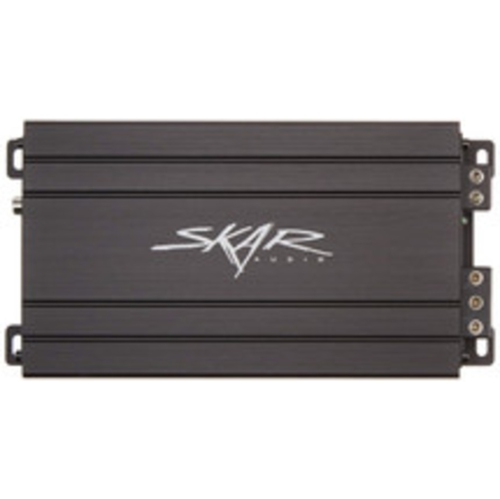
Behind the trim panels, the quality and suitability of cables, terminals, and mounting hardware affect how reliably a car audio system operates. Power wiring for an amplifier needs to suit the equipment’s electrical requirements and the length of the cable run, rather than simply looking substantial from the outside. Conductor material matters here: copper and copper-clad aluminium do not offer the same conductivity at an equivalent gauge, so cable specifications are more useful than insulation thickness alone. Flexible insulation can make routing easier through tight spaces, while protective sleeving and grommets help guard wiring where it passes near edges or through suitable openings. Fuse holders and correctly rated fuses are important parts of circuit protection, with placement and sizing determined by the installation requirements. A fuse is not a substitute for suitable wiring, secure connections, or proper routing. Terminals that match the conductor size and connection point help create a firm attachment, and insulated connections reduce the chance of accidental contact with nearby metal. Signal cables have a different job, carrying audio between compatible components; suitable shielding and thoughtful routing can help limit unwanted interference. Persistent hiss, hum, or alternator-related noise may also involve grounding or equipment compatibility, so changing a cable alone is not always the answer. The physical path through the cabin matters just as much as the connection at either end. Wiring should remain clear of pedals, seat tracks, airbag deployment areas, and other moving or safety-related parts. An installation that looks clean at the dashboard still needs secure cable runs beneath the panels and appropriate support around heavier components. For larger systems, additional power demands may warrant an assessment of the vehicle’s electrical capacity. These are useful distinctions for drivers planning a modest upgrade, enthusiasts building a system in stages, and anyone having equipment professionally installed. Vehicle-specific documentation and an installer familiar with the relevant audio system can help clarify what is needed, especially when factory amplification or integrated vehicle functions make the job more complex.
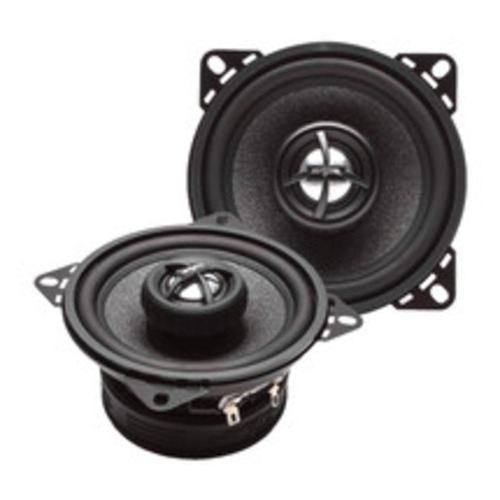
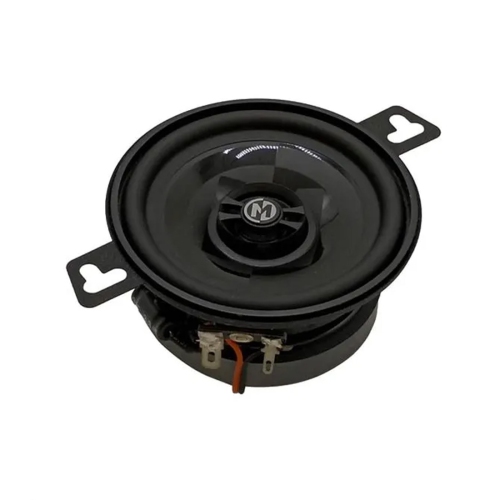
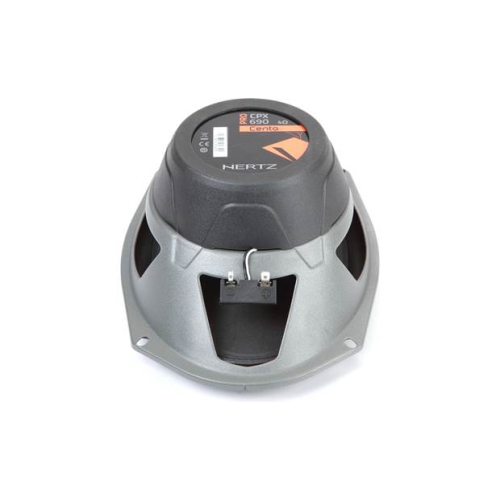
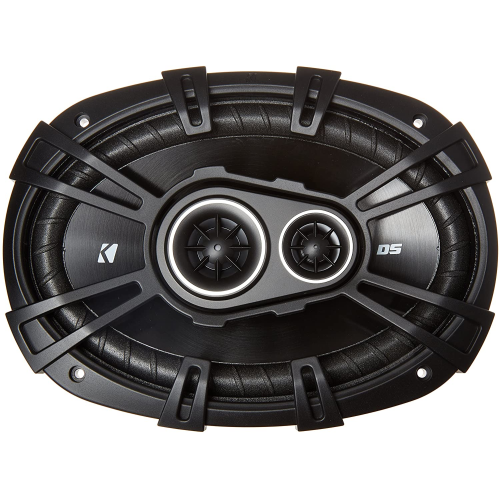
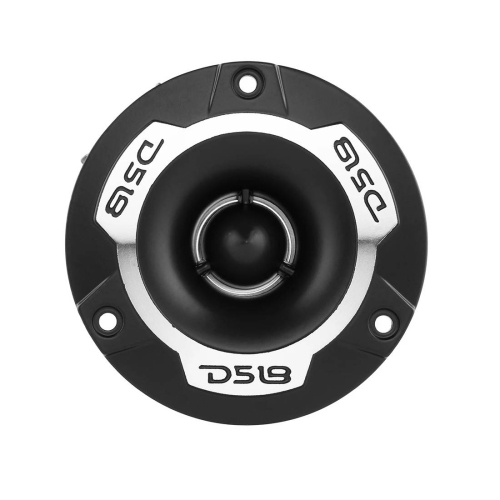
Speaker installation and cabin acoustics add another layer to the role of car audio accessories. A speaker’s nominal diameter does not describe its entire fit: mounting depth, screw locations, connector type, and clearance behind the panel all matter. Inside a door, there must also be room for the window mechanism to operate without contacting the speaker or its wiring. Speaker brackets and adapter rings can help position compatible replacements securely, while suitable connector adapters may reduce the need to alter original wiring. Rigid mounting materials and snug fastenings help prevent movement that can turn a bass note into an unwanted buzz. Foam sealing rings and gaskets can help close gaps around a mounting surface when they are appropriate for the installation, but they should not obstruct the speaker’s movement or interfere with the door panel. Sound-damping materials serve a separate purpose, helping reduce vibration in treated panels rather than simply making the system louder. Their results depend on the vehicle, the surfaces treated, and the quality of the application; they cannot remove every source of road noise or correct a poorly fitted component. Added materials also need to leave drainage paths, service access, and moving parts unobstructed. In the cargo area, secure mounting helps keep audio equipment from shifting during ordinary driving or sudden braking, while protective grilles can help shield exposed speaker cones from incidental contact with bags and other belongings. Everyday care is usually straightforward: accessible trim can be wiped with a soft cloth, liquids should be kept away from electrical connections, and visible wiring should be checked for pinching or abrasion after nearby interior work. Persistent rattles or loose fittings deserve attention rather than a higher volume setting. For gifts, vehicle-specific accessories are best chosen with the recipient’s exact vehicle and planned audio setup in mind, since appearance alone says little about compatibility. Alongside audio-focused fittings, Car Accessories cover broader needs within the vehicle. Together, carefully matched accessories support an interior that feels organized and a sound system suited to the way the vehicle is used.
Top selling and popular products
-
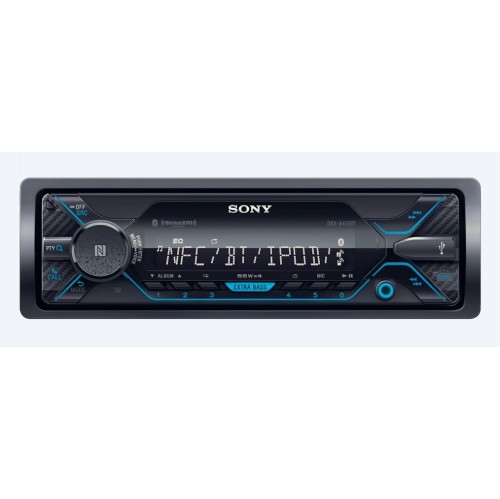 Your price for this item is $139.99
-
 Your price for this item is $208.99
-
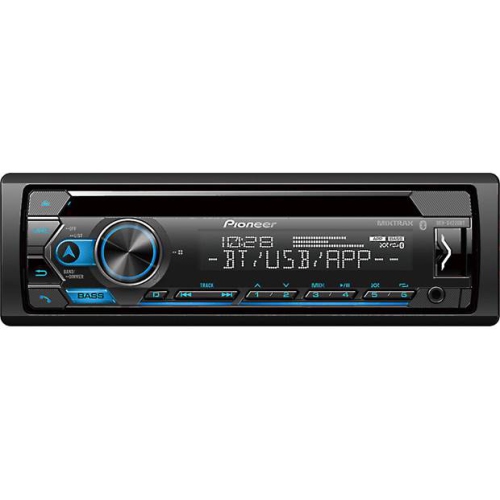 Your price for this item is $148.99
-
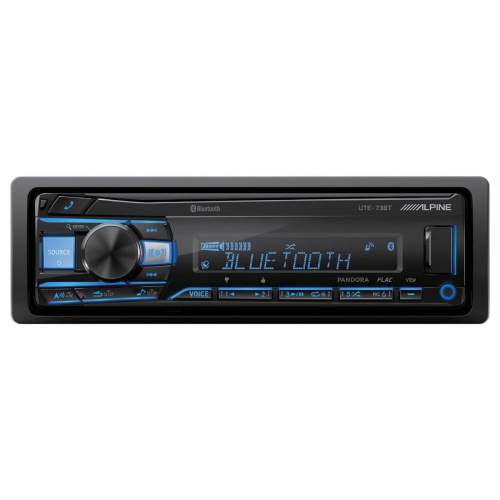 Your price for this item is $178
-
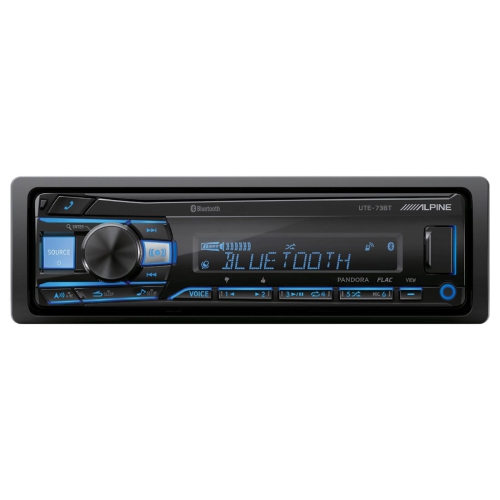 Your price for this item is $178
-
 Your price for this item is $129.97
-
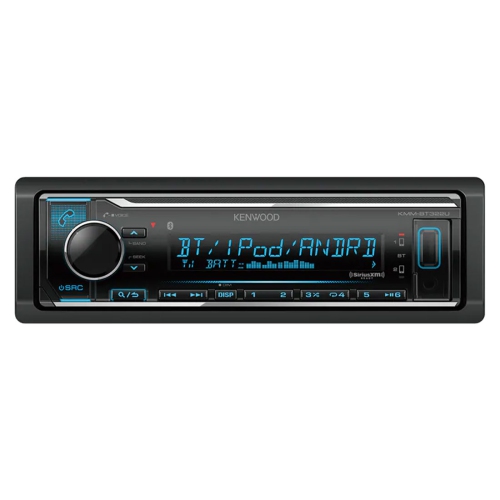 Your price for this item is $178
-
 Your price for this item is $159.97
Discover more categories related to Car Audio Accessories


Top Collections:
Pokemon Centers, Kindle Devices, Best Budget Office Chairs, Canon G7X Cameras, Apple iPhones 16, Samsung Galaxy Phones, Refurbished Apple Laptops, Laptops for Students, iPhone 15 Apple, Budget Smartphones
Some products may be subject to Environmental Handling Fees
(EHF) depending on your province.
Learn more about EHFs.