Compact In-Ear Headphones for Sleeping
Compact In-Ear Headphones for Sleeping are designed to help you unwind and enjoy your favorite sounds comfortably through the night. Whether you’re looking to relax with soothing music, block out background noise, or listen to calming podcasts as you drift off, these headphones offer a discreet and lightweight solution. Explore a variety of styles and options to find the perfect fit for your nighttime routine and enhance your sleep experience.
Sort
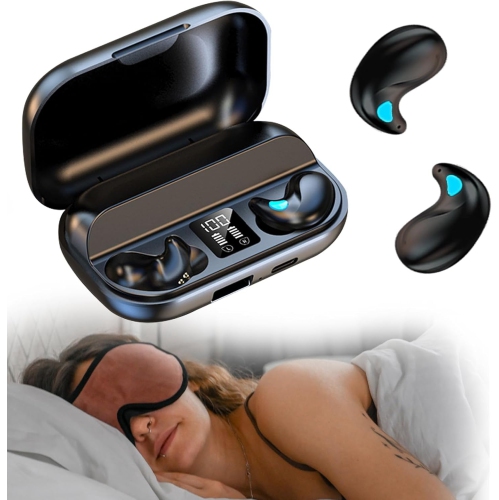
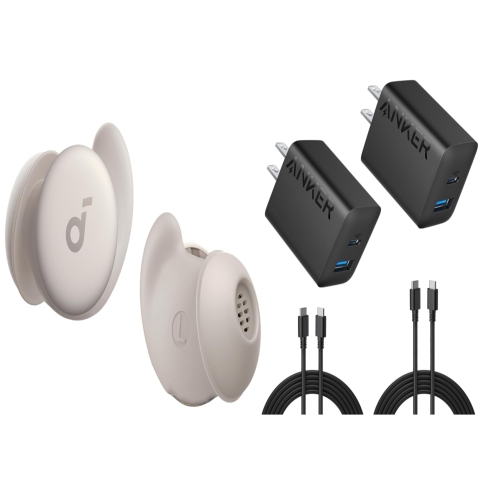
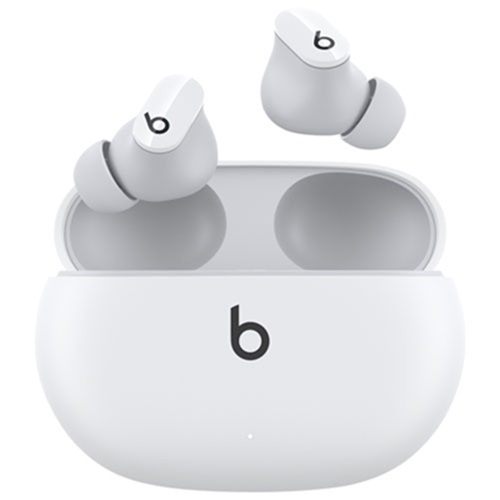

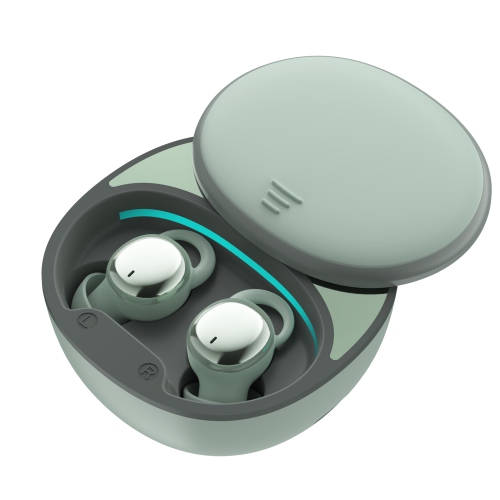
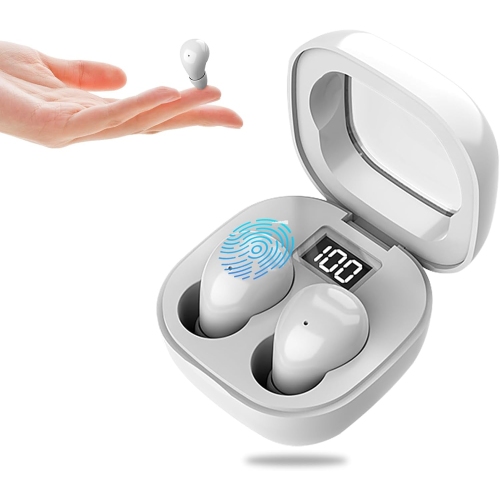
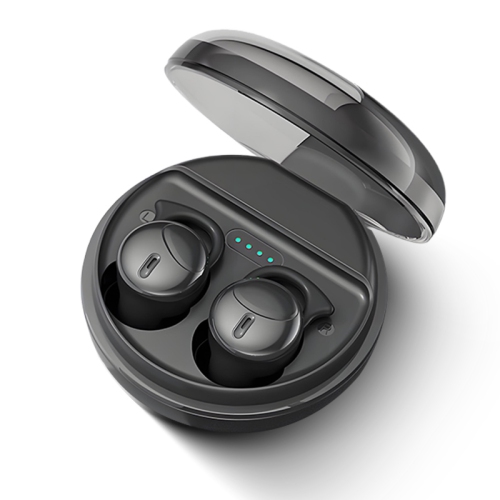
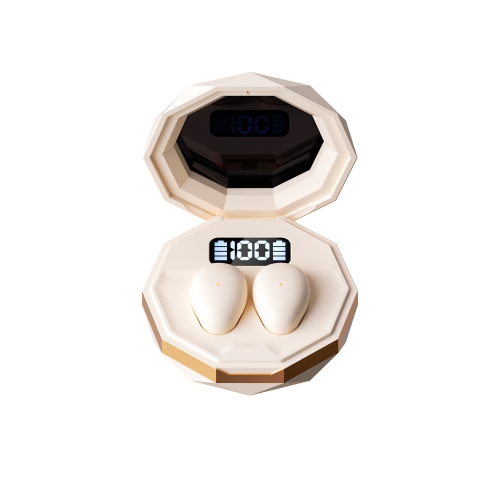
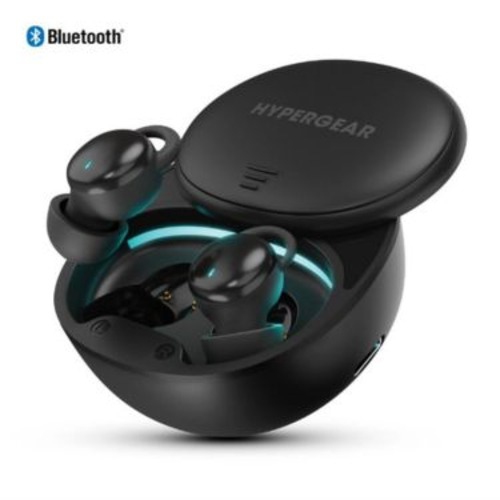
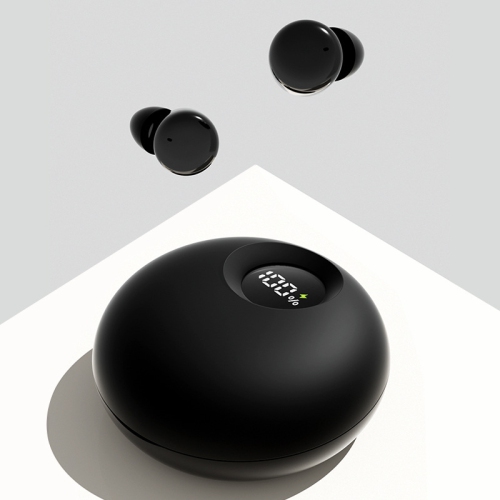
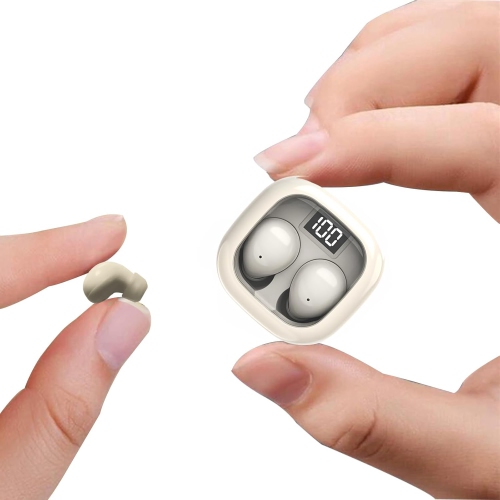
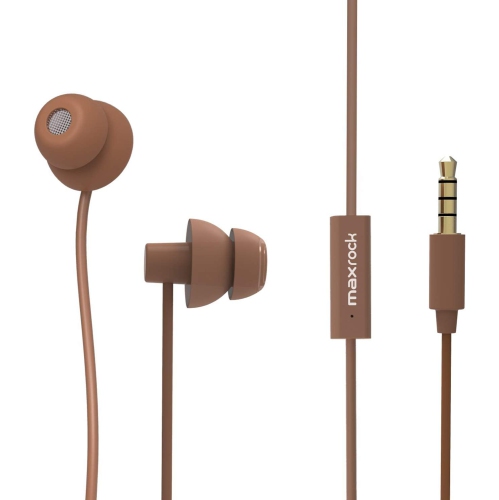
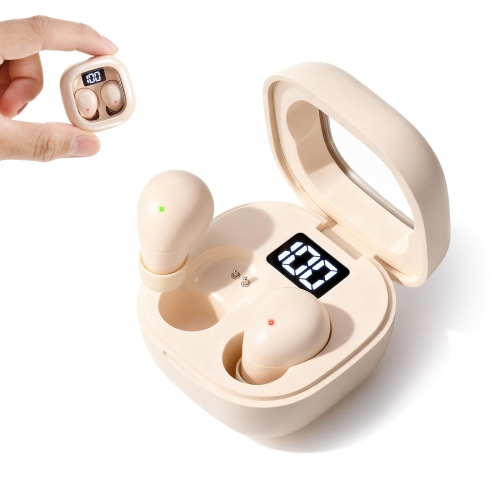
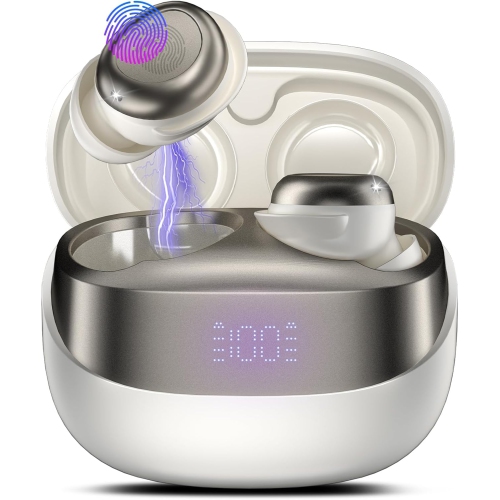
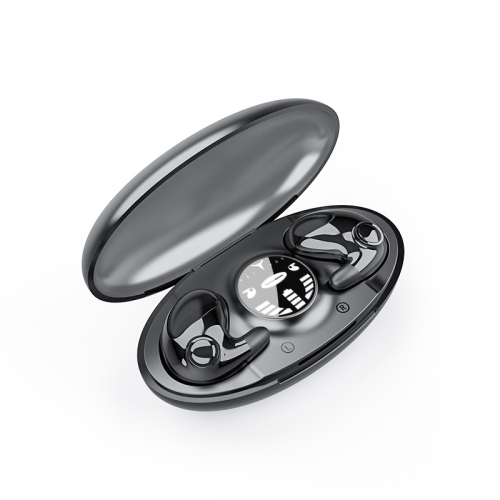
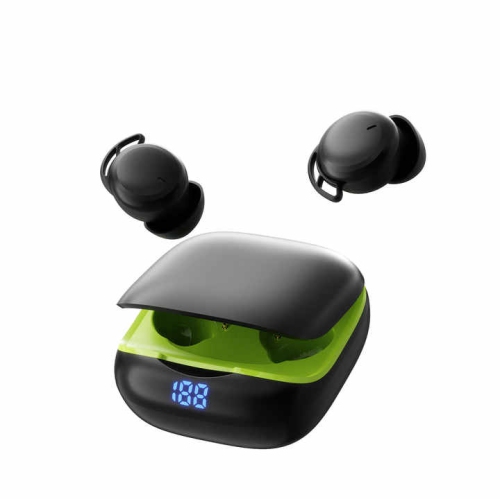
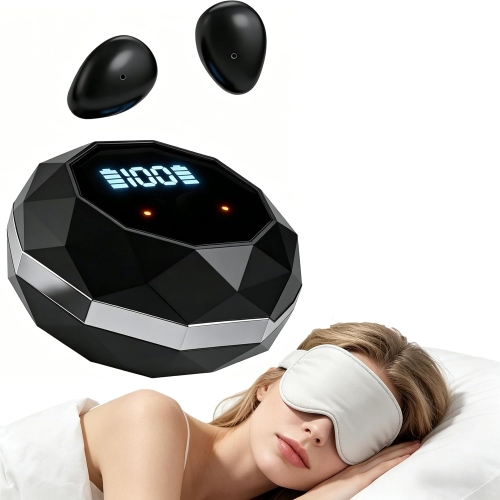
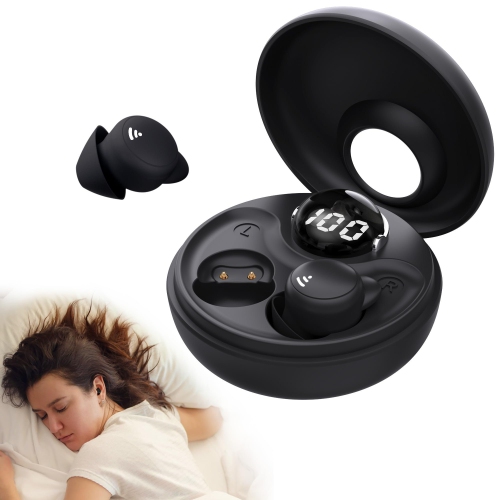
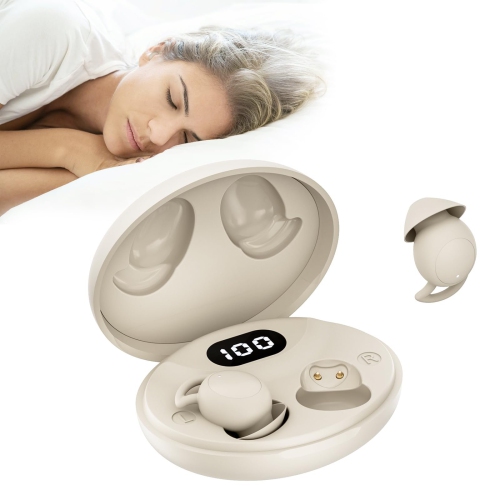
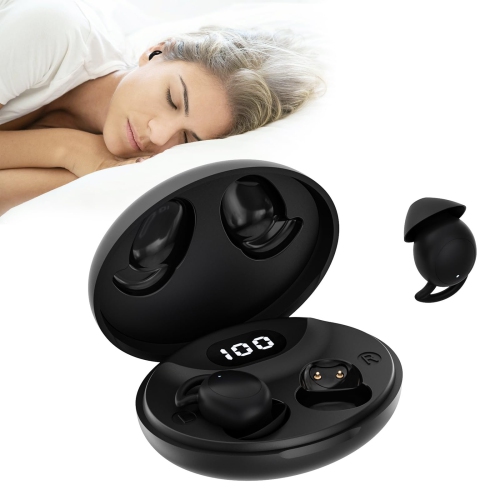
Bedtime listening comfort goes beyond a small earbud
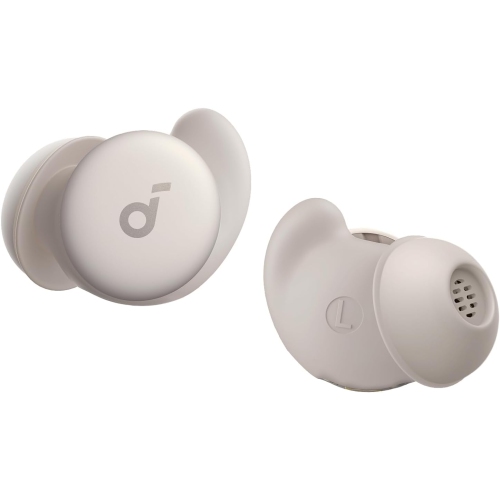
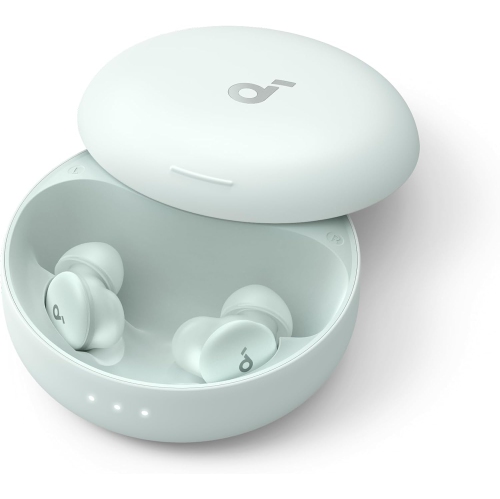
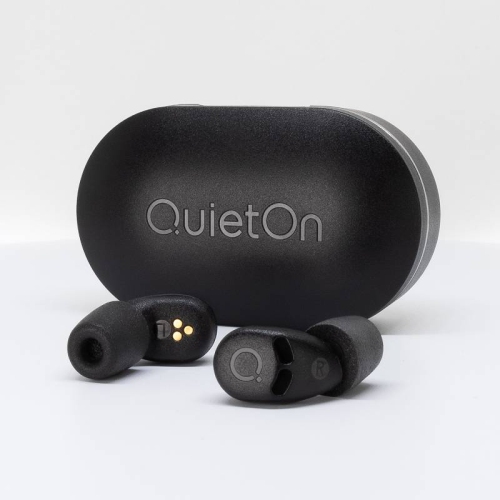
Compact in-ear headphones for sleeping bring quiet listening into a small, close-fitting design that takes up less space between the ear and the pillow than many everyday earbuds. Their appeal is practical: a softly spoken audiobook can stay private in a shared bedroom, a familiar soundscape can accompany a bedtime routine, and gentle audio can make an unfamiliar guest room feel more settled. For this type of listening, comfort depends on more than the size of the earbud. The shape of the housing, the softness of the ear tip, and how far the body extends beyond the outer ear all affect how it feels when lying down. A low-profile design that sits close to the ear is particularly relevant for side sleepers, since a protruding stem or bulky shell may press against the pillow. Back sleepers may have more flexibility in shape, although lightweight construction still matters during longer listening sessions. Soft silicone tips are common, while some designs accommodate foam tips that compress before expanding to form a seal. Neither material guarantees a comfortable fit for everyone; ear canal size, tip depth, and sensitivity to pressure vary from person to person. Multiple tip sizes can help achieve a secure seal without forcing the earbud too deeply into place, and some designs include flexible wings that rest against the outer ear for added stability. Even a very small housing can become uncomfortable if its edges press against the ear, so smooth contours matter as much as a compact footprint. Within the broader range of Headphones for Sleeping, in-ear designs suit people who prefer a discreet fit without a band around the head or cushions covering the ears. They may appeal to partners with different listening preferences, people who share a room, or travellers who want familiar bedtime audio away from home. The best fit for that routine is one that stays comfortably in place without requiring frequent adjustment whenever the head turns.
Sound control is another important distinction among compact sleeping earbuds, and the terms describe different functions rather than interchangeable benefits. Passive noise isolation comes from the physical seal of the ear tip, which reduces some outside sound without electronic processing. Active noise cancellation uses microphones and processing to reduce certain surrounding sounds, often working better on steady, low-frequency noise than on sudden voices or irregular snoring. Noise masking adds audio, such as rainfall, pink noise, or a soft fan-like sound, to make other noises less noticeable. None of these approaches guarantees silence, and a comfortable, well-seated tip can influence the result as much as the listed feature. In a bedroom where occasional hallway sounds interrupt a quiet routine, masking may make those sounds feel less prominent. Beside a partner who snores, the experience will depend on the type and loudness of the snoring, the seal, and the headphone design. Listening options also vary considerably. Some sleep-focused earbuds play only a built-in selection of sounds or audio transferred through a companion app, rather than streaming any content from a phone. Others support Bluetooth playback for music, podcasts, and audiobooks, making them more flexible for people who like to finish a chapter before drifting off. That distinction matters more than a long feature list if a particular listening app is part of the routine. Timers, gradual volume reduction, and automatic playback shut-off can be useful when audio is wanted only while settling down. Controls deserve attention, too: touch surfaces may react to bedding, while physical buttons can require pressure against the ear. A control lock or the option to disable touch input can reduce accidental changes, where supported. For bedtime listening, clear speech and smooth, unobtrusive sound at a low volume are often more useful than powerful bass. Noise control should not come at the expense of hearing essential alerts, including smoke alarms, a child calling, or another sound that requires a response.
Everyday ownership also depends on battery life, care, and how the headphones fit into the hours before and after sleep. Battery figures should be considered per charge of the earbuds, rather than only as a combined total that includes the charging case. Runtime can vary with volume, wireless streaming, noise cancellation, and other enabled features, so a stated maximum may not reflect every listening setup. For someone who wants audio through a full night's rest, that distinction can mean the difference between continuous playback and a low-battery interruption. For someone who listens briefly, a reliable sleep timer may matter more. A charging case gives tiny earbuds a consistent place to go in the morning and helps keep them from disappearing into bedding or being left loose on a bedside table. Before charging, the earbuds and their contacts should be clean and dry, following the manufacturer's care directions. Removable tips may need separate cleaning, and moisture should not be allowed into speaker openings or charging ports. Earwax and residue can affect the seal or obstruct the sound outlet, while worn, torn, or misshapen tips may need replacement. Access to compatible replacement tips is therefore a useful durability consideration alongside housing quality, secure charging contacts, and a sturdy case hinge. Water resistance, where specified, does not mean the earbuds can be washed or submerged. Intended use matters as well: ordinary compact earbuds are not automatically designed for prolonged wear against a pillow, and comfort during a short listening session does not guarantee comfort overnight. Pain, soreness, or irritation is a reason to remove them rather than tighten the fit or continue wearing them. Low listening levels and breaks from in-ear wear help keep the routine comfortable. As a gift, sleeping headphones are a personal choice best suited to someone whose listening habits and fit preferences are already familiar. A light sleeper who enjoys quiet soundscapes may value different functions from an audiobook listener, but both benefit from a comfortable shape, straightforward controls, and care that is easy to maintain.
Sound control is another important distinction among compact sleeping earbuds, and the terms describe different functions rather than interchangeable benefits. Passive noise isolation comes from the physical seal of the ear tip, which reduces some outside sound without electronic processing. Active noise cancellation uses microphones and processing to reduce certain surrounding sounds, often working better on steady, low-frequency noise than on sudden voices or irregular snoring. Noise masking adds audio, such as rainfall, pink noise, or a soft fan-like sound, to make other noises less noticeable. None of these approaches guarantees silence, and a comfortable, well-seated tip can influence the result as much as the listed feature. In a bedroom where occasional hallway sounds interrupt a quiet routine, masking may make those sounds feel less prominent. Beside a partner who snores, the experience will depend on the type and loudness of the snoring, the seal, and the headphone design. Listening options also vary considerably. Some sleep-focused earbuds play only a built-in selection of sounds or audio transferred through a companion app, rather than streaming any content from a phone. Others support Bluetooth playback for music, podcasts, and audiobooks, making them more flexible for people who like to finish a chapter before drifting off. That distinction matters more than a long feature list if a particular listening app is part of the routine. Timers, gradual volume reduction, and automatic playback shut-off can be useful when audio is wanted only while settling down. Controls deserve attention, too: touch surfaces may react to bedding, while physical buttons can require pressure against the ear. A control lock or the option to disable touch input can reduce accidental changes, where supported. For bedtime listening, clear speech and smooth, unobtrusive sound at a low volume are often more useful than powerful bass. Noise control should not come at the expense of hearing essential alerts, including smoke alarms, a child calling, or another sound that requires a response.
Everyday ownership also depends on battery life, care, and how the headphones fit into the hours before and after sleep. Battery figures should be considered per charge of the earbuds, rather than only as a combined total that includes the charging case. Runtime can vary with volume, wireless streaming, noise cancellation, and other enabled features, so a stated maximum may not reflect every listening setup. For someone who wants audio through a full night's rest, that distinction can mean the difference between continuous playback and a low-battery interruption. For someone who listens briefly, a reliable sleep timer may matter more. A charging case gives tiny earbuds a consistent place to go in the morning and helps keep them from disappearing into bedding or being left loose on a bedside table. Before charging, the earbuds and their contacts should be clean and dry, following the manufacturer's care directions. Removable tips may need separate cleaning, and moisture should not be allowed into speaker openings or charging ports. Earwax and residue can affect the seal or obstruct the sound outlet, while worn, torn, or misshapen tips may need replacement. Access to compatible replacement tips is therefore a useful durability consideration alongside housing quality, secure charging contacts, and a sturdy case hinge. Water resistance, where specified, does not mean the earbuds can be washed or submerged. Intended use matters as well: ordinary compact earbuds are not automatically designed for prolonged wear against a pillow, and comfort during a short listening session does not guarantee comfort overnight. Pain, soreness, or irritation is a reason to remove them rather than tighten the fit or continue wearing them. Low listening levels and breaks from in-ear wear help keep the routine comfortable. As a gift, sleeping headphones are a personal choice best suited to someone whose listening habits and fit preferences are already familiar. A light sleeper who enjoys quiet soundscapes may value different functions from an audiobook listener, but both benefit from a comfortable shape, straightforward controls, and care that is easy to maintain.
Top selling and popular products
-
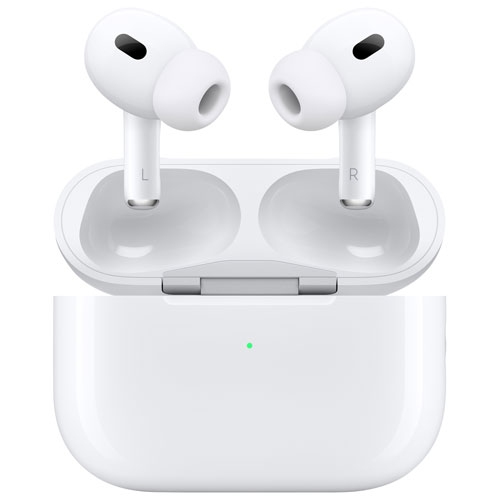 Your price for this item is $349.99
 -
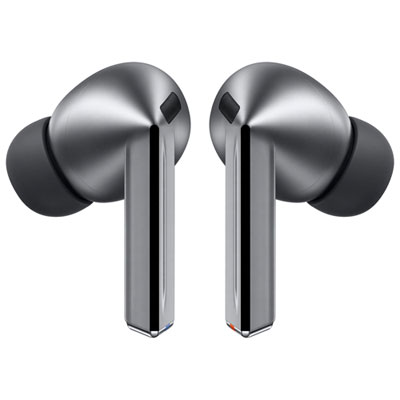 Your price for this item is $329.99
 -
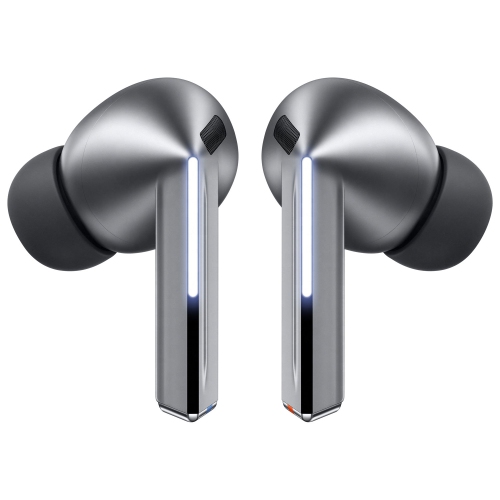 Your price for this item is $229
 -
 Your price for this item is $227
 -
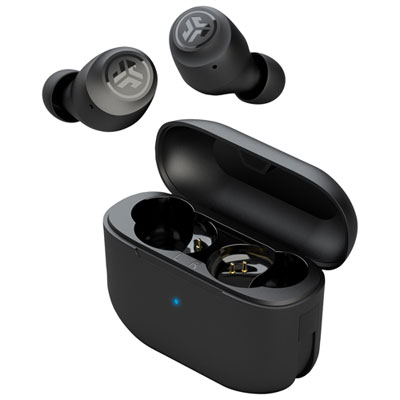 Your price for this item is $19.99
 -
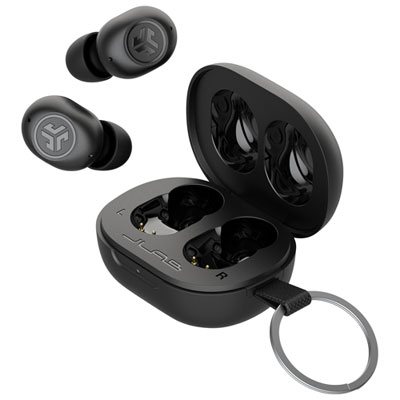 Your price for this item is $39.99
 -
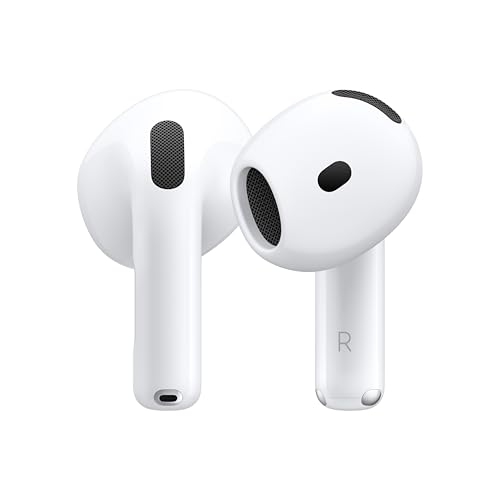 Your price for this item is $238.99
 -
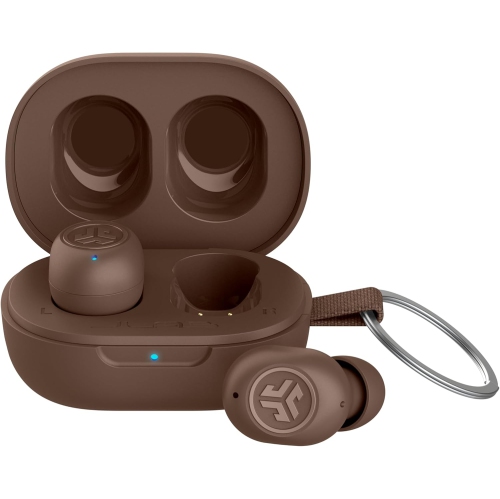 Your price for this item is $89.99
Discover more categories related to Compact In-Ear Headphones for Sleeping
Top Collections:
Pokemon Centers, Kindle Devices, Apple iPhones 16, Canon G7X Cameras, iPhone 15 Apple, Alarm Clock, Flip Phones, Refurbished Apple Laptops, iPhone 14 256GB, Lightweight On-Ear USB-C Headphones
Some products may be subject to Environmental Handling Fees
(EHF) depending on your province.
Learn more about EHFs.