Mp 3 Players With Large Storage
Discover the perfect solution for carrying your entire music library wherever you go with mp3 players with large storage. Ideal for audiophiles and music enthusiasts alike, these devices make it easy to enjoy thousands of your favorite tracks, podcasts, and audio files on the move. Whether you're commuting, working out, or relaxing at home, mp3 players with large storage offer the space you need to keep your entertainment at your fingertips. Explore options designed to fit your lifestyle and enjoy uninterrupted listening without worrying about running out of space.
Sort


![GREEN SCENIC [64GB] Portable Mp3 Player w Hi-Fi Sound, Fm Radio, Recording Function, E-Book Reader - 200Mah Battery, Color Display, Multi-Function](https://multimedia.bbycastatic.ca/multimedia/products/500x500/193/19394/19394374.jpeg)

![GREEN SCENIC Handheld Mp3 Player – Drag-And-Drop Music Playback, Fm Radio, E-Book Reading, Essential for Running [Iron 32GB (Bluetooth)] In Gray](https://multimedia.bbycastatic.ca/multimedia/products/500x500/192/19286/19286340.jpeg)

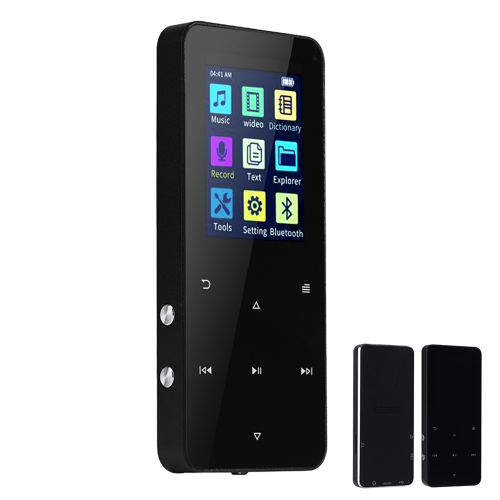
What storage capacity really means for your music
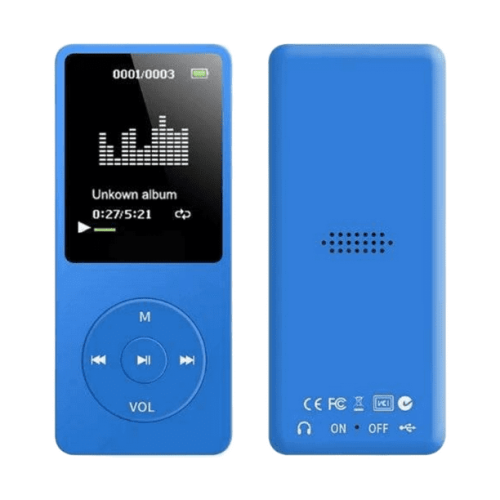
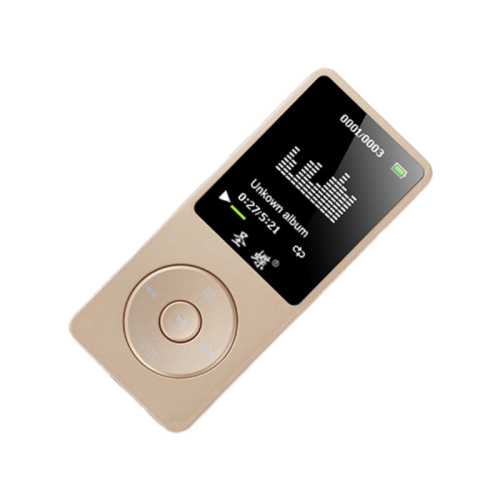
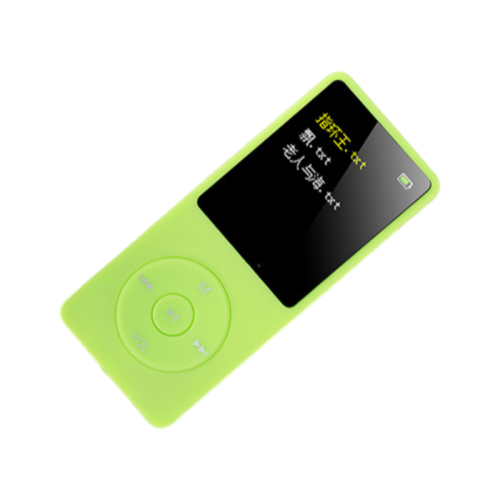
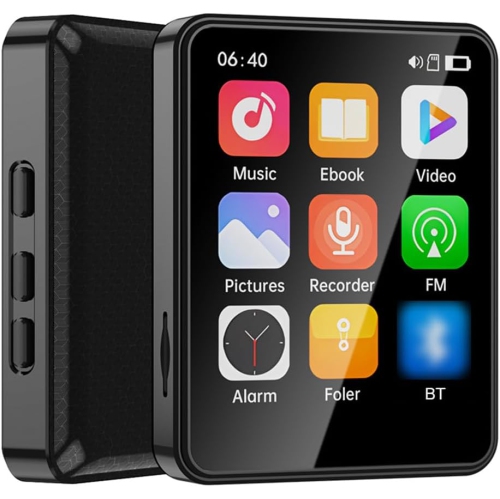
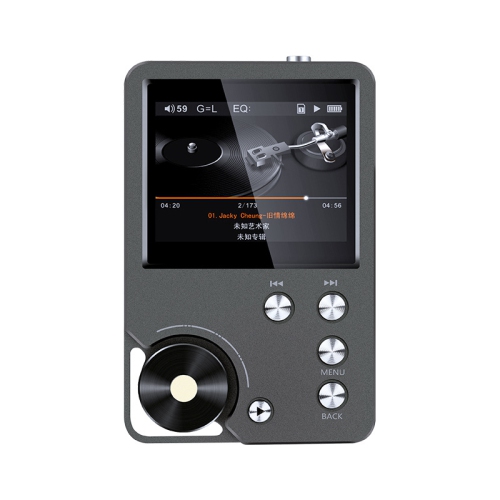
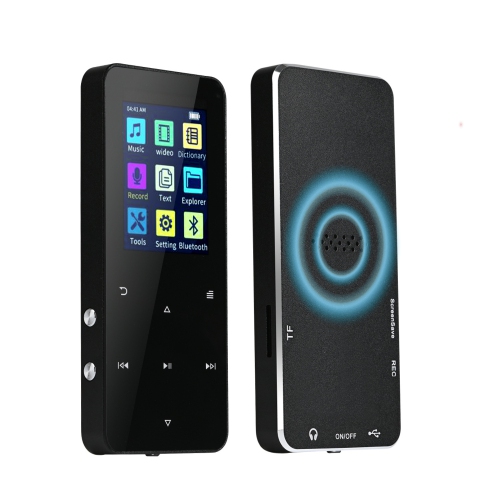
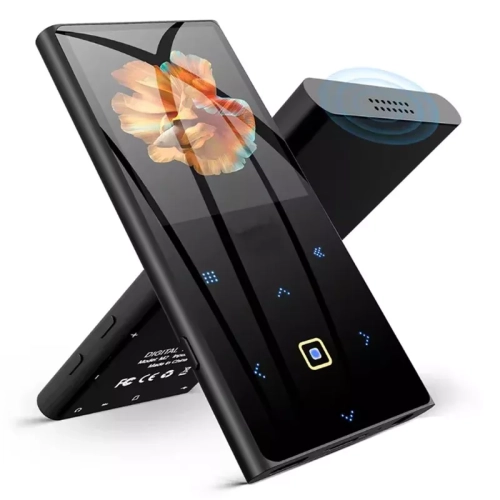
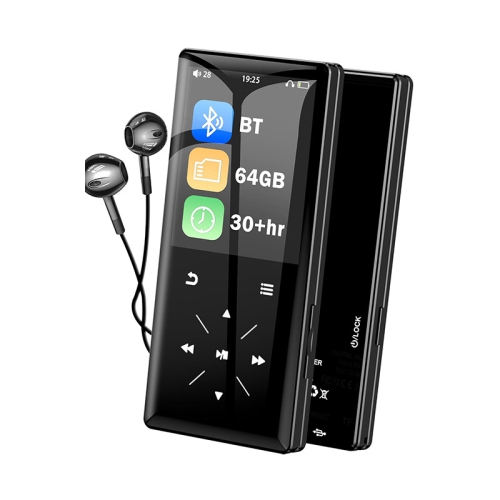
MP3 players with large storage keep extensive music libraries close at hand, with room for favourite albums, lengthy playlists, audiobooks, and podcasts on a dedicated listening device. Their appeal is straightforward: locally stored audio can play without a mobile data connection, and a separate player leaves a phone free for calls, messages, and navigation. Storage capacity deserves a closer look than the headline number alone. Built-in storage is the memory inside the player, while expandable storage comes from a compatible memory card. A stated total of 160GB, for example, may combine 32GB of internal storage with a 128GB card rather than represent 160GB built into the device. RAM serves a different purpose, helping a player run its software, and does not count as space for a music collection. Players with 128GB or more of usable storage can accommodate substantial libraries, although the number of tracks depends on file size, audio quality, and track length. A four-minute MP3 encoded at 320 kbps takes up approximately 9.6MB, so 128GB could theoretically hold around 13,000 tracks of that size before allowing for formatting, system files, and other content. Lossless and high-resolution files usually take up considerably more space, making additional capacity useful for listeners who prefer those formats. Some players support microSD cards up to 2TB, but that limit is model-specific and should not be assumed for every card slot. For a collection that continues to grow, MP3 players with microSD card slots offer a way to add compatible storage without replacing the entire player. The distinction between included storage and maximum supported capacity matters especially when transferring an established library. A listener with years of carefully sorted albums may value space for the whole collection, while someone carrying spoken-word recordings may want room for long listening sessions without regularly deleting finished files. Neither use requires streaming, provided the audio files are compatible and stored locally.
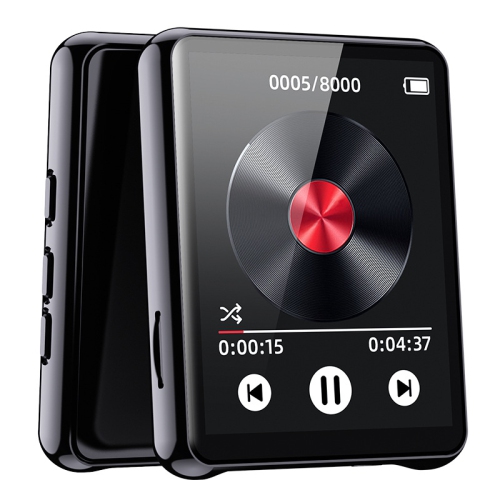
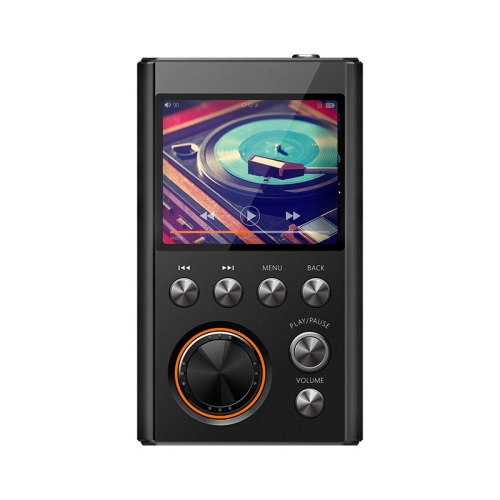
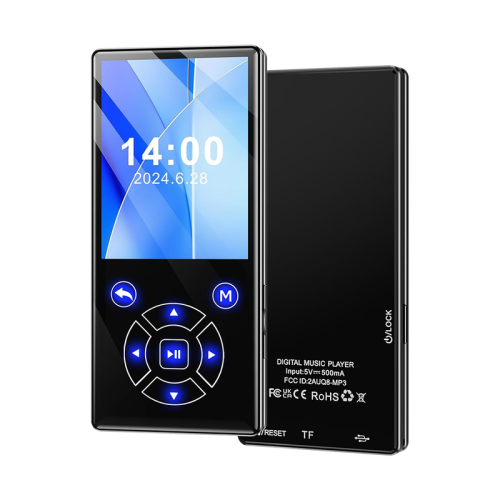
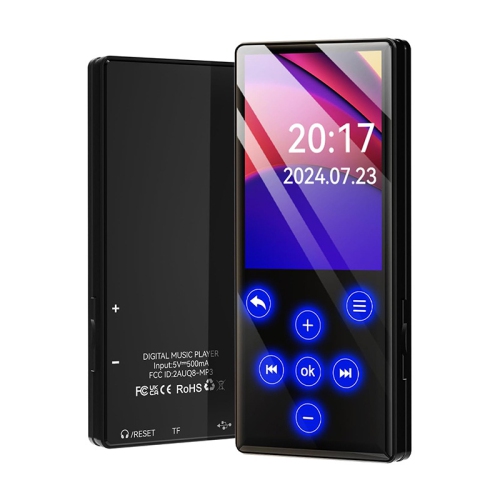
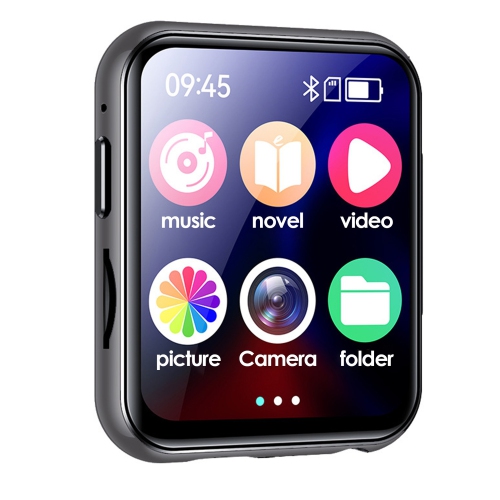
Large storage is most useful when the player makes a substantial library easy to navigate. Clear album, artist, genre, and folder views help turn thousands of files into a collection that feels familiar rather than crowded. Accurate track information, often called metadata, keeps albums together and preserves the intended track order; support for album artwork can make browsing more visual. For classical music, live performances, and continuous mixes, gapless playback can matter as much as capacity because it avoids added pauses between tracks when supported by the player and file format. Audiobook listeners may place greater value on bookmarking, playback-speed adjustment, and resume functions, which vary by device and application. File support also shapes everyday use. MP3 is widely supported, but compatibility with AAC, FLAC, ALAC, WAV, and other formats differs, and support for a file extension does not necessarily mean every resolution or encoding will work. Moving a library from a computer may involve straightforward USB file transfers, dedicated software, or a supported wireless method. Transfer speed and library-scanning time become more noticeable when copying hundreds of albums at once. A touch screen offers space for artwork and on-screen searches, while physical buttons can make pausing or adjusting volume easier without looking directly at the display. Bluetooth allows listening through compatible wireless headphones and speakers; a wired headphone output suits listeners who prefer a cable connection. Higher storage capacity alone does not improve sound quality. The source recording, file quality, audio circuitry, and headphones all contribute to the result. Wi-Fi and app support are separate features rather than standard parts of every large-capacity player. Where supported, streaming services may require an account, a subscription, and periodic internet access for downloaded content. Offline app downloads can also have different storage rules from ordinary music files. A simpler player focused on local playback may suit an uninterrupted listening routine, while an app-capable device can bring personal files and supported audio services together.
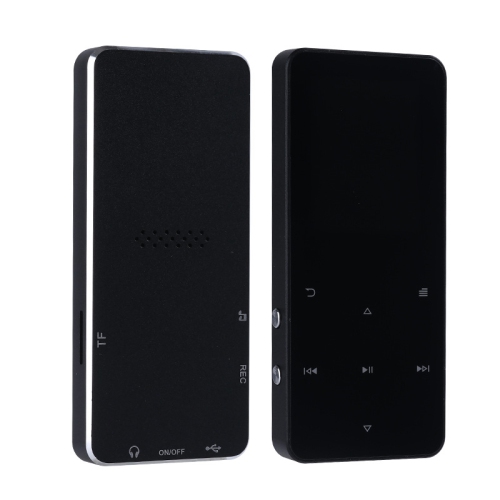
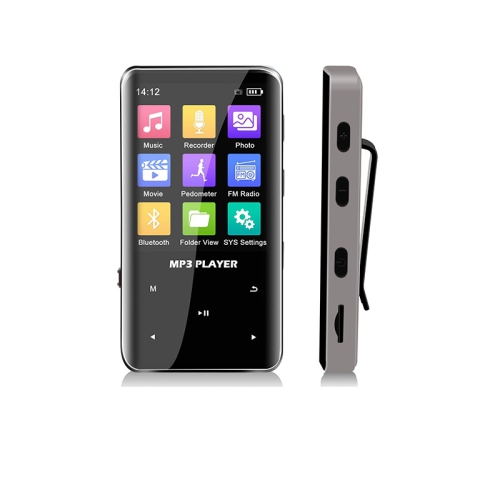
The physical design of a high-capacity MP3 player affects how comfortably it fits into daily life. A slim, lightweight body slips into a commuting bag or trouser pocket, while a larger screen can make detailed library browsing and touch controls easier to manage. Compact size is not the same as a comfortable fit: rounded edges, button placement, and the position of the headphone socket all influence how a player feels in the hand or sits in a pocket with a cable attached. Plastic housings can keep weight down, and metal housings may offer a firmer feel, although neither material alone establishes resistance to drops or moisture. Glass-fronted players benefit from careful handling, particularly when carried beside keys or other hard objects. A compatible case and screen protector can help limit everyday scuffs, and an attached clip or suitable carrying pouch may be useful for walking or exercising. Water resistance should only be relied on where a specific rating is stated; a small music player is not automatically designed for sweat or splashes. Routine care is usually simple: follow the manufacturer's cleaning directions, use a soft cloth, keep connections free of debris, and avoid forcing a memory card into its slot. Keeping a separate backup of audio files protects a carefully assembled collection if the device or card is lost or damaged. Battery life also deserves context, since advertised playback figures depend on conditions such as screen use, volume, Bluetooth, Wi-Fi, and file format. Charging connections and compatibility with existing cables can make a difference during travel or a long day away from home. These players can suit commuters, frequent travellers, music collectors, and listeners who prefer fewer phone interruptions. As a gift, a large-storage player is particularly thoughtful for someone with a personal digital music library, provided it supports their files, headphones, and preferred way of transferring audio. Generous capacity, practical controls, and a comfortable design work together to make that collection enjoyable to carry and use.
Large storage is most useful when the player makes a substantial library easy to navigate. Clear album, artist, genre, and folder views help turn thousands of files into a collection that feels familiar rather than crowded. Accurate track information, often called metadata, keeps albums together and preserves the intended track order; support for album artwork can make browsing more visual. For classical music, live performances, and continuous mixes, gapless playback can matter as much as capacity because it avoids added pauses between tracks when supported by the player and file format. Audiobook listeners may place greater value on bookmarking, playback-speed adjustment, and resume functions, which vary by device and application. File support also shapes everyday use. MP3 is widely supported, but compatibility with AAC, FLAC, ALAC, WAV, and other formats differs, and support for a file extension does not necessarily mean every resolution or encoding will work. Moving a library from a computer may involve straightforward USB file transfers, dedicated software, or a supported wireless method. Transfer speed and library-scanning time become more noticeable when copying hundreds of albums at once. A touch screen offers space for artwork and on-screen searches, while physical buttons can make pausing or adjusting volume easier without looking directly at the display. Bluetooth allows listening through compatible wireless headphones and speakers; a wired headphone output suits listeners who prefer a cable connection. Higher storage capacity alone does not improve sound quality. The source recording, file quality, audio circuitry, and headphones all contribute to the result. Wi-Fi and app support are separate features rather than standard parts of every large-capacity player. Where supported, streaming services may require an account, a subscription, and periodic internet access for downloaded content. Offline app downloads can also have different storage rules from ordinary music files. A simpler player focused on local playback may suit an uninterrupted listening routine, while an app-capable device can bring personal files and supported audio services together.
The physical design of a high-capacity MP3 player affects how comfortably it fits into daily life. A slim, lightweight body slips into a commuting bag or trouser pocket, while a larger screen can make detailed library browsing and touch controls easier to manage. Compact size is not the same as a comfortable fit: rounded edges, button placement, and the position of the headphone socket all influence how a player feels in the hand or sits in a pocket with a cable attached. Plastic housings can keep weight down, and metal housings may offer a firmer feel, although neither material alone establishes resistance to drops or moisture. Glass-fronted players benefit from careful handling, particularly when carried beside keys or other hard objects. A compatible case and screen protector can help limit everyday scuffs, and an attached clip or suitable carrying pouch may be useful for walking or exercising. Water resistance should only be relied on where a specific rating is stated; a small music player is not automatically designed for sweat or splashes. Routine care is usually simple: follow the manufacturer's cleaning directions, use a soft cloth, keep connections free of debris, and avoid forcing a memory card into its slot. Keeping a separate backup of audio files protects a carefully assembled collection if the device or card is lost or damaged. Battery life also deserves context, since advertised playback figures depend on conditions such as screen use, volume, Bluetooth, Wi-Fi, and file format. Charging connections and compatibility with existing cables can make a difference during travel or a long day away from home. These players can suit commuters, frequent travellers, music collectors, and listeners who prefer fewer phone interruptions. As a gift, a large-storage player is particularly thoughtful for someone with a personal digital music library, provided it supports their files, headphones, and preferred way of transferring audio. Generous capacity, practical controls, and a comfortable design work together to make that collection enjoyable to carry and use.
Top selling and popular products
-
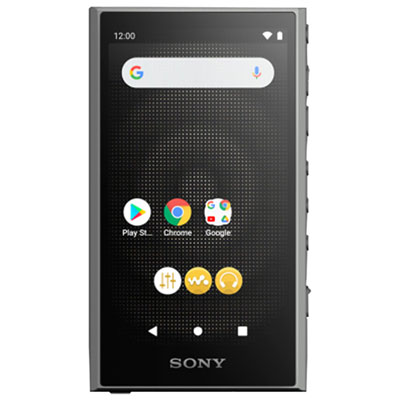 Your price for this item is $479.99
 -
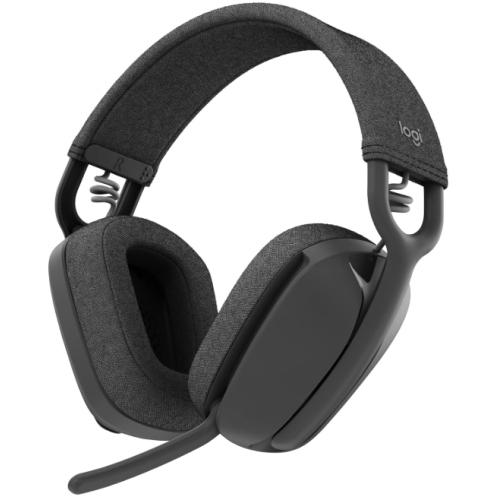 Your price for this item is $112.99
 -
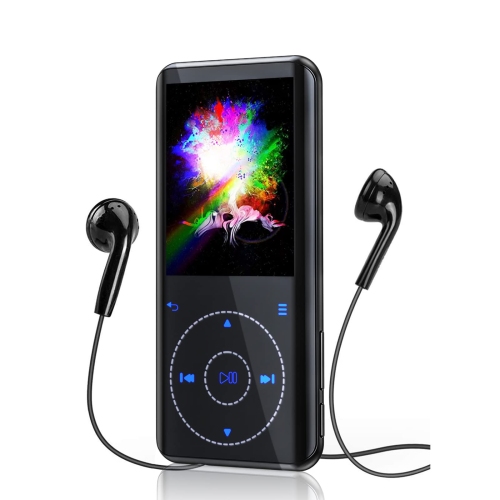 Your price for this item is $98.99
 -
 Your price for this item is $56.99
 -
 Your price for this item is $56.99
 -
 Your price for this item is $79.99
 -
 Your price for this item is $52.99
 -
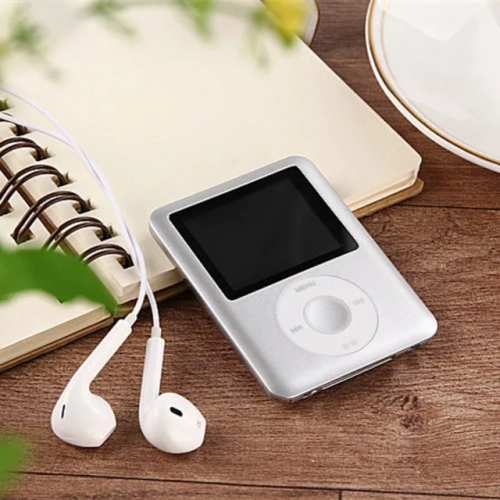 Your price for this item is $51.99
Discover more categories related to Mp 3 Players With Large Storage
Top Collections:
Pokemon Centers, Kindle Devices, Apple iPhones 16, Canon G7X Cameras, iPhone 15 Apple, Alarm Clock, Flip Phones, Refurbished Apple Laptops, iPhone 14 256GB, Lightweight On-Ear USB-C Headphones
Some products may be subject to Environmental Handling Fees
(EHF) depending on your province.
Learn more about EHFs.