Surround Sound Ceiling Speakers
Elevate your home entertainment experience with surround sound ceiling speakers, designed to seamlessly blend into your space while delivering immersive audio. Whether you're building a dedicated home theatre or upgrading your living room setup, these speakers offer a discreet solution that enhances every movie night, gaming session, or music playlist. Discover a range of options at Best Buy Canada to find the perfect match for your audio needs and room layout.
Sort





Why overhead effects deserve their own audio channels
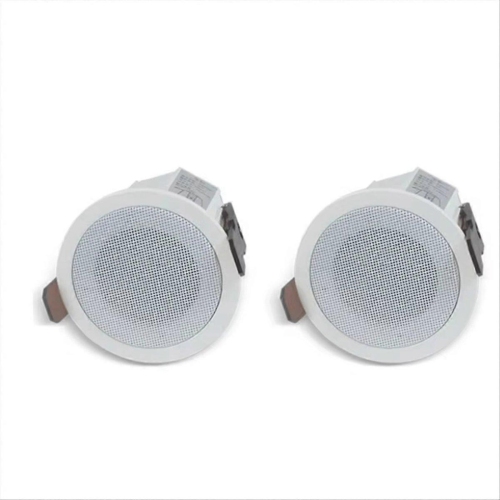
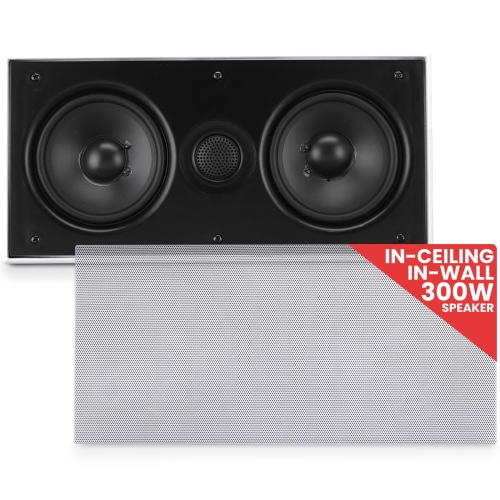
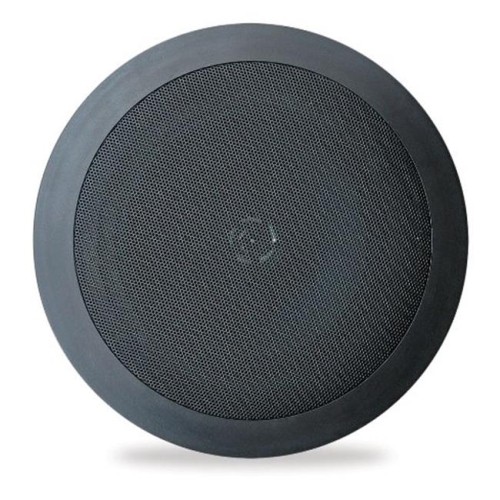
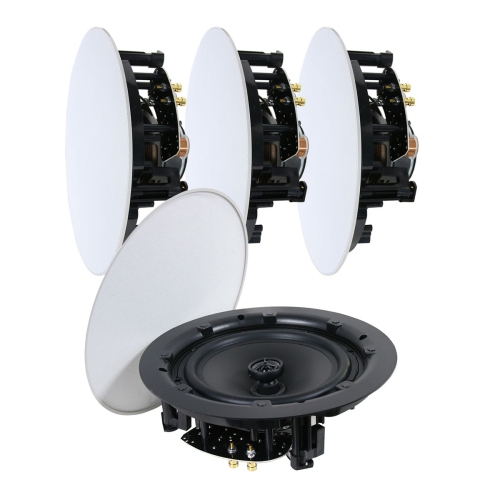
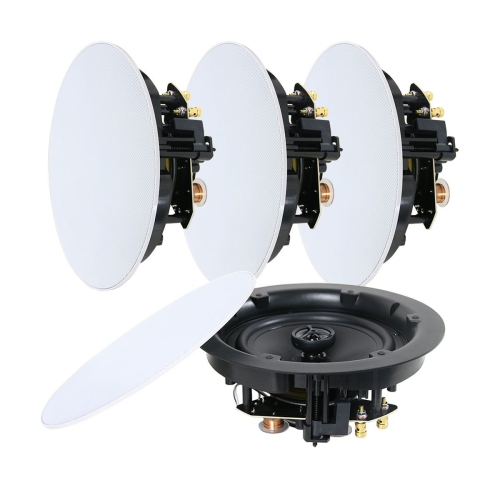
Surround sound ceiling speakers bring discreet, built-in audio to home theatres and shared living spaces, with grilles that sit close to the ceiling rather than cabinets occupying shelves or floor space. Their strongest role in a home theatre is usually as overhead height channels, adding a distinct layer of sound above the listener while conventional speakers handle dialogue, music, and effects around the seating area. In a typical 5.1 setup, the front left, centre, front right, and two surround channels belong near seated ear level, with a subwoofer handling deep bass. Moving all of those channels into the ceiling can make voices seem to come from above the screen and weaken the sense of movement around the room. By contrast, a system with separate overhead channels can place the sound of a helicopter above the sofa or carry the ambience of a large concert hall beyond the front wall, provided the soundtrack and receiver support that playback. A configuration described as 5.1.2 has five main channels, one subwoofer channel, and two height channels; 5.1.4 adds four height channels instead of two. That distinction matters because speakers used for background music are not automatically positioned or connected correctly for home theatre effects. Ceiling speakers can also serve as a practical compromise where doors, walkways, or furniture leave little space for conventional surrounds, although their elevated position remains an acoustic trade-off. Angled drivers and pivoting tweeters can help direct sound towards the listening seats rather than straight down at the floor, but they do not fully recreate an ear-level speaker layout. For movie fans, sports viewers, and gamers, the appeal is a more spacious listening experience without a room full of visible equipment. For a multipurpose family room, the same flush-mounted design can keep furniture arrangements flexible while preserving a clear separation between screen-level sound and overhead effects.
The right physical fit involves more than the diameter of the visible grille. In-ceiling speakers need enough mounting depth behind the finished surface, a correctly sized cut-out, and clearance from joists, wiring, plumbing, and other obstructions. A larger woofer may provide greater bass output or handle louder passages more comfortably, but driver size alone does not establish sound quality or determine whether a speaker suits a particular room. Ceiling height, listening distance, driver dispersion, and the number of seats all influence coverage. A broad dispersion pattern can help several people across a sectional hear a consistent balance, while an angled baffle may be useful when a speaker cannot sit directly above its intended listening area. Placement works best when it follows the receiver’s supported layout and the speaker manufacturer’s recommendations, with overhead channels remaining distinct from the main surround layer. Most passive ceiling speakers require speaker wire and an external amplifier or AV receiver; a wireless music connection to the receiver does not remove that wiring requirement. Receiver compatibility includes the number of channels it can process and power, its supported speaker impedance, and its ability to assign outputs to height speakers. Sensitivity and recommended amplifier power also help indicate how a speaker may perform at the desired listening level, though specifications need to be considered together rather than as isolated scores. Similar tonal character across the system helps an effect move between speakers without an obvious change in texture. A separate subwoofer generally remains important for the weight of a drumbeat, an engine rumble, or a film’s deepest effects. Receiver crossover settings route lower frequencies away from smaller ceiling drivers, while level and distance adjustments help integrate their output with the rest of the system. Automatic room calibration can make that integration easier, but it cannot fully correct unsuitable placement or an obstructed sound path.
Materials, mounting hardware, and grille construction influence both the finished appearance and long-term performance of surround sound ceiling speakers. Driver cones may use polypropylene, treated paper, or composite materials, while tweeters may use fabric or metal diaphragms. Each material forms part of a wider acoustic design, so the cone or tweeter material on its own is not a reliable measure of clarity, warmth, or durability. Secure mounting clamps and a rigid frame help keep the speaker stable, and a properly fitted grille reduces the chance of vibration during louder scenes. Low-profile magnetic grilles offer a tidy finish and straightforward access, while paintable grilles can blend with the ceiling colour when finished according to the manufacturer’s directions. Paint must not clog the perforations or reach the drivers, since blocked openings can affect sound. Some designs include an enclosure or support a compatible back box, which can help control the air space behind the driver and make performance more predictable; this does not, by itself, soundproof the room above. Installation needs to respect any applicable building requirements, including those concerning fire-rated assemblies and cable routing. Professionally installed wiring can be especially useful in finished rooms, where access is limited and avoiding unnecessary ceiling repairs matters. Routine care is generally simple: light dust removal from the grille with a soft, dry cloth, no cleaning spray directed into the openings, and occasional attention to loose fittings or new rattles. Moisture resistance is a separate specification, not something every ceiling speaker offers, so a model intended for a dry living room should not be assumed suitable for a bathroom or covered outdoor area. Households mainly interested in music across a kitchen, dining area, or smaller room may also find Stereo In Ceiling Speakers relevant, with the distinction that some single-speaker stereo designs reproduce both left and right signals from one location rather than acting as separate home theatre channels. Whether completing a dedicated media room or keeping a shared lounge visually uncluttered, well-matched ceiling speakers offer their greatest value when their coverage, installation needs, and intended channel roles suit the way the room is actually used.
Top selling and popular products
-
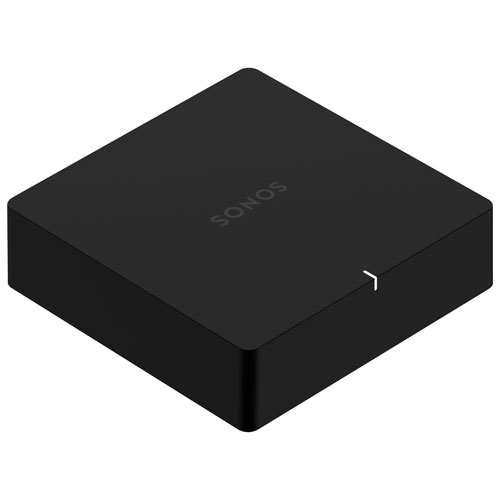 Your price for this item is $609.99
-
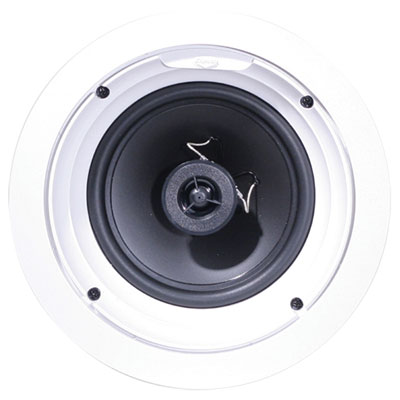 Your price for this item is $109.99
-
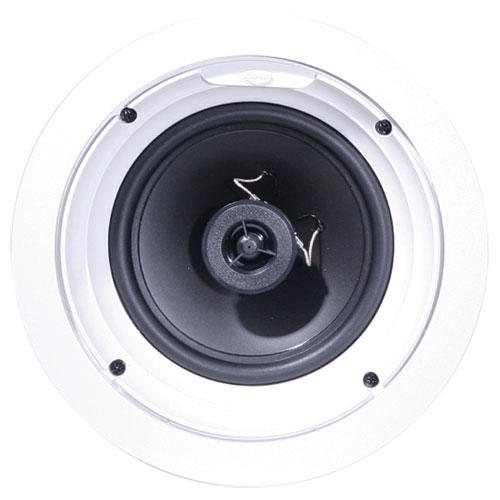 Your price for this item is $89.99
-
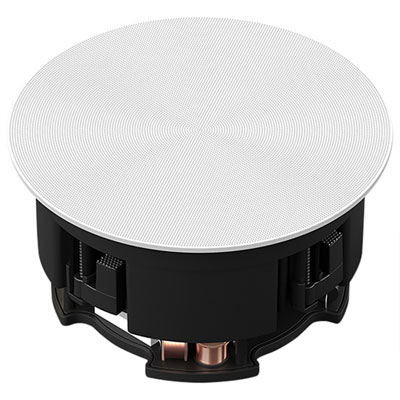 Your price for this item is $999.99
-
 Your price for this item is $399.88
-
 Your price for this item is $288.88
-
 Your price for this item is $875
-
 Your price for this item is $89.99
Discover more categories related to Surround Sound Ceiling Speakers

Top Collections:
Pokemon Centers, Kindle Devices, Best Budget Office Chairs, Canon G7X Cameras, Apple iPhones 16, Samsung Galaxy Phones, Refurbished Apple Laptops, Laptops for Students, iPhone 15 Apple, Budget Smartphones
Some products may be subject to Environmental Handling Fees
(EHF) depending on your province.
Learn more about EHFs.