Translator Devices
Break down language barriers and explore the world with confidence using translator devices, your ultimate travel companion for seamless communication. Whether you're navigating bustling city streets or engaging in business meetings across the globe, these innovative gadgets ensure you can connect effortlessly with people from diverse linguistic backgrounds. Translator devices offer a convenient and portable solution for real-time translations, making them an essential tool for avid travelers, multilingual professionals, and anyone eager to embrace new cultures. Discover how these cutting-edge devices can enhance your interactions and open up a world of possibilities.
Sort
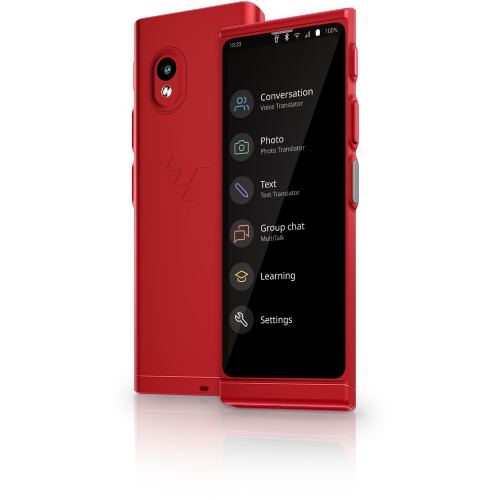
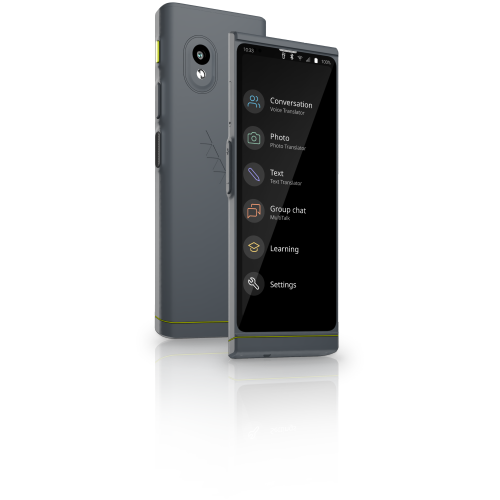
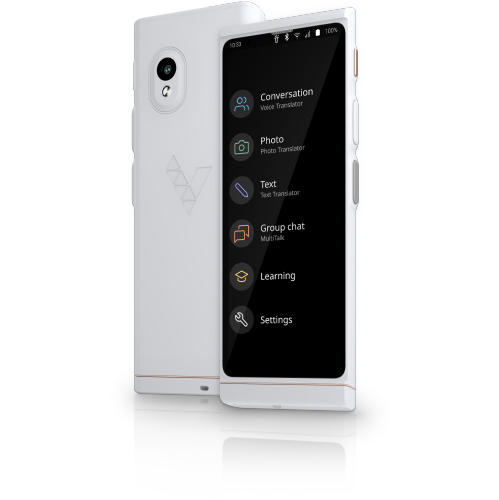
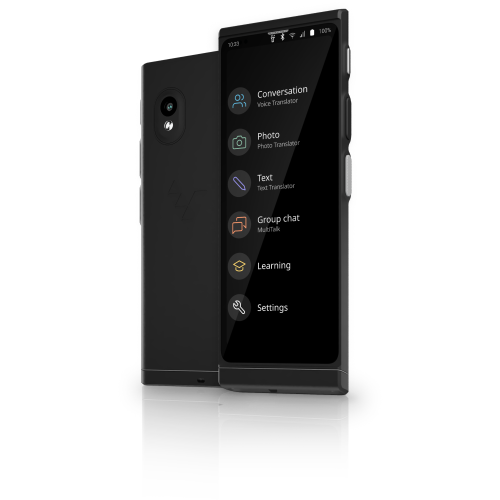


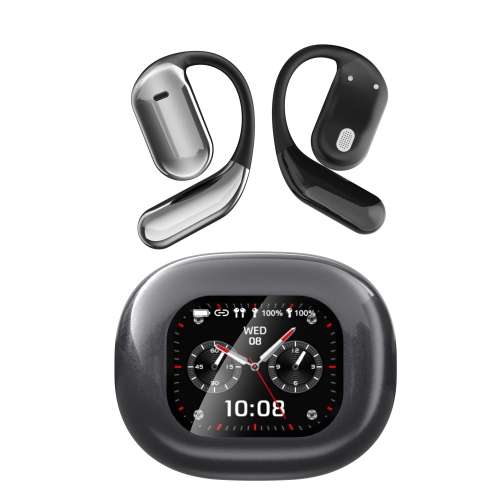
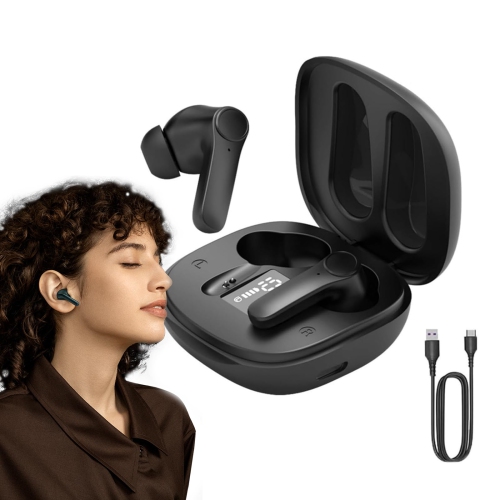
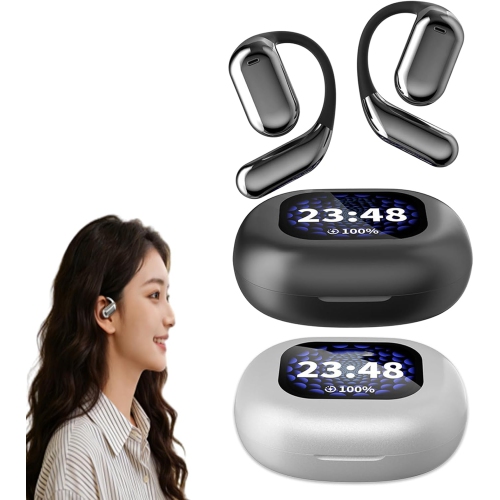
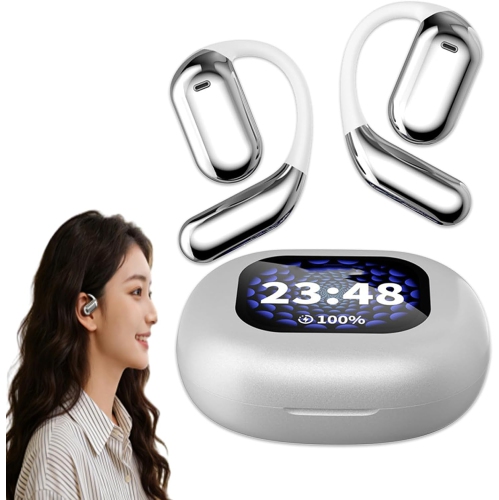
Everyday conversations across languages without passing your phone
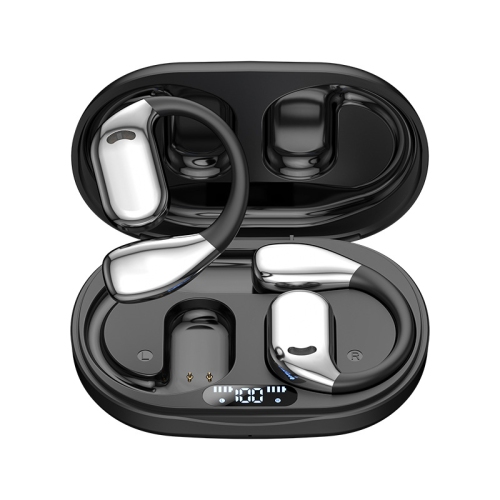
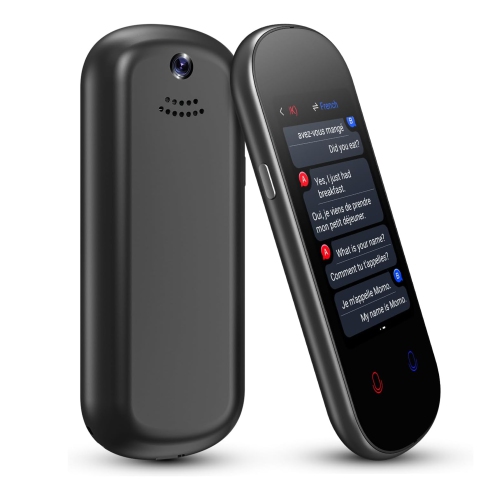
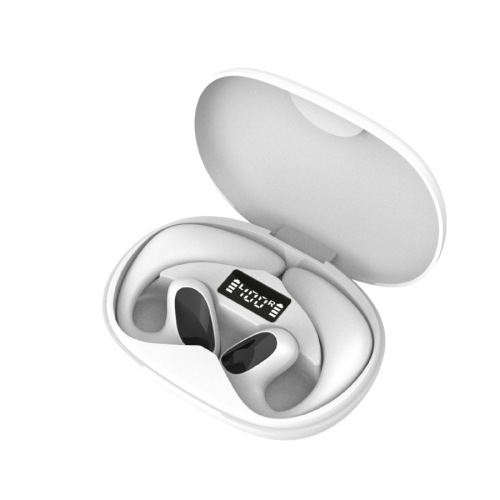
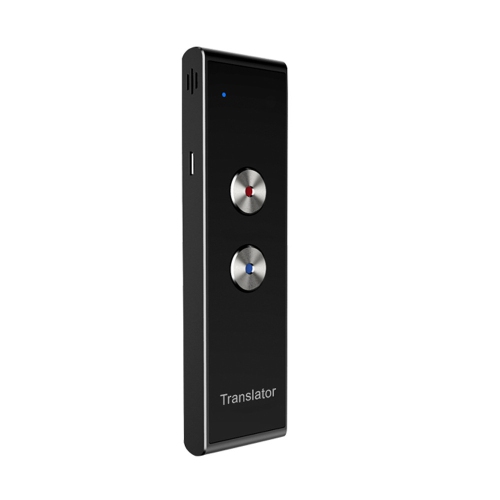
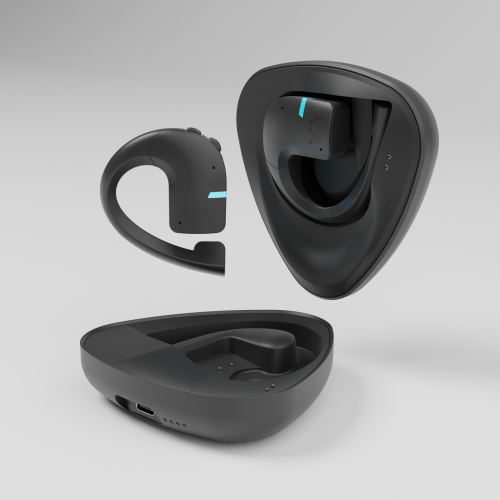
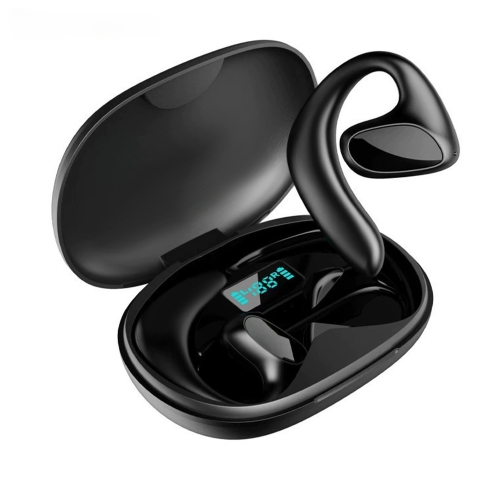
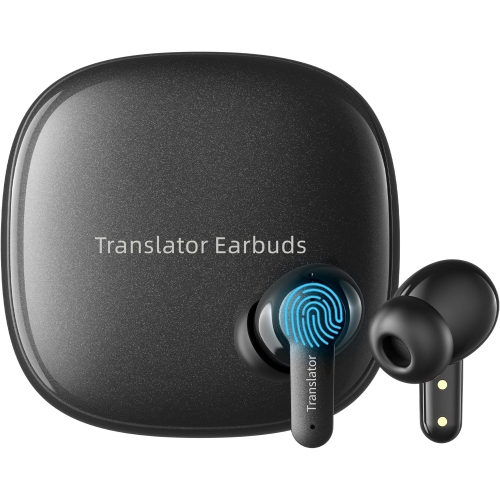
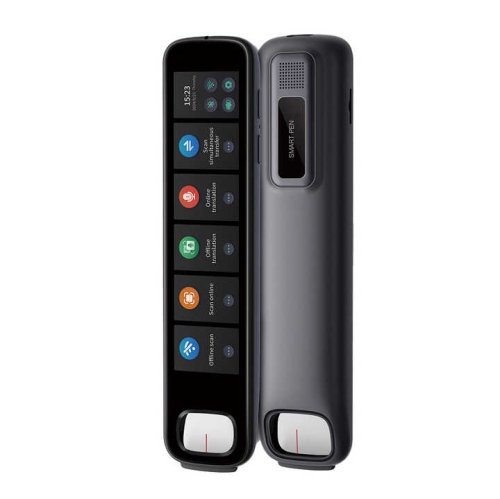
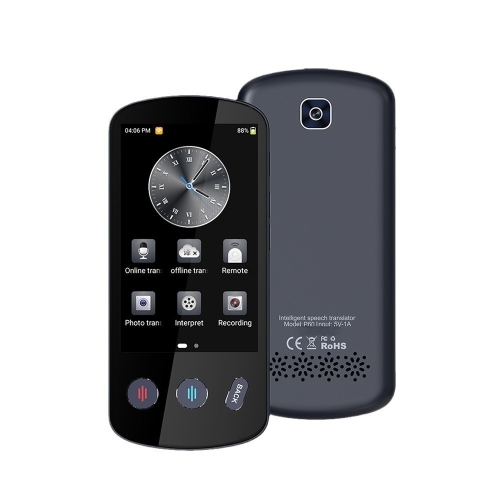
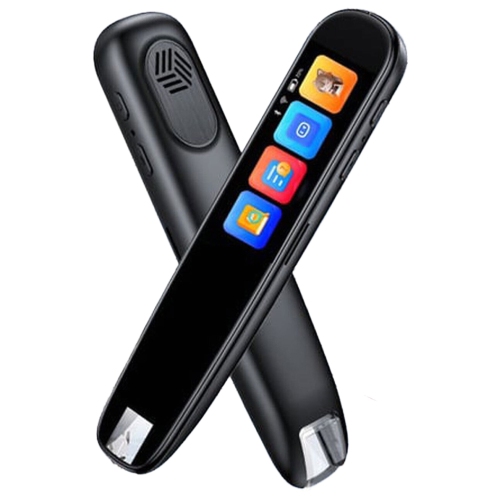
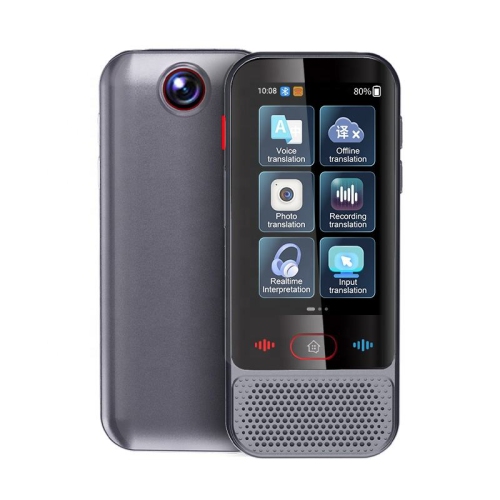
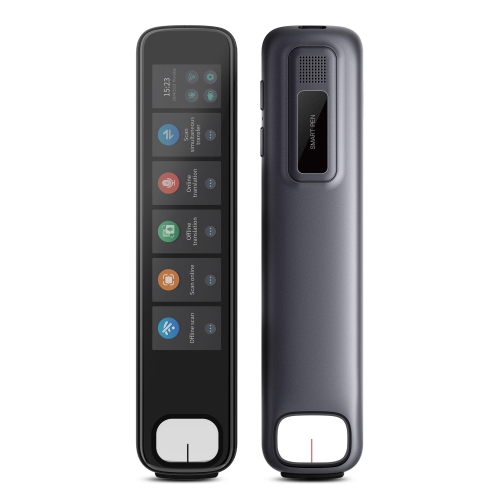
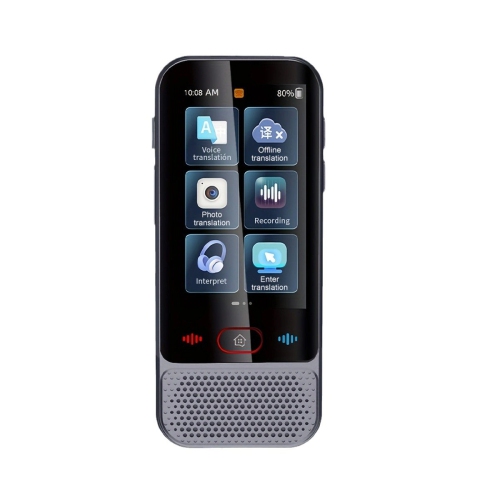
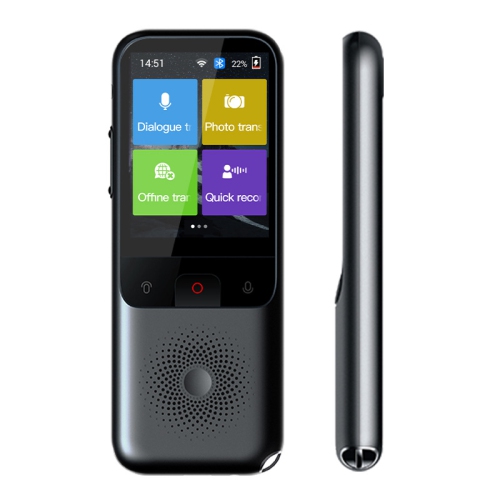
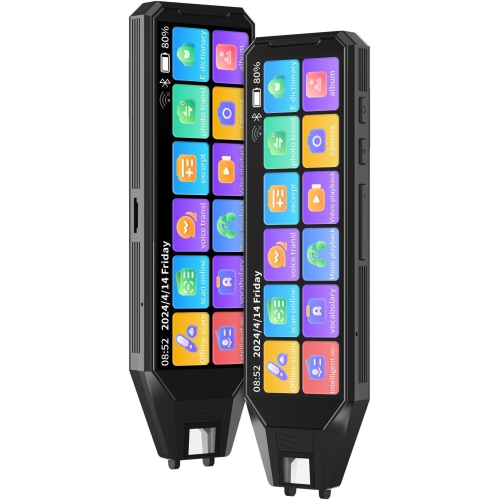
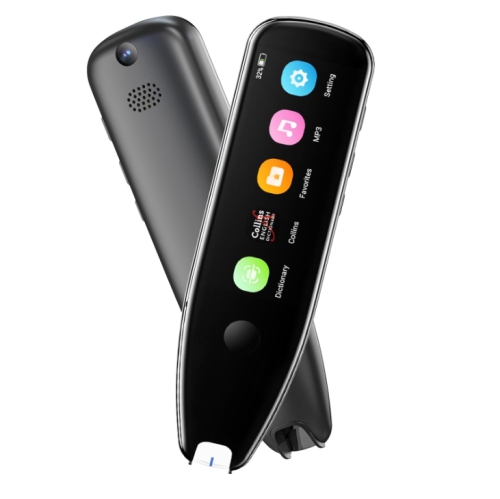
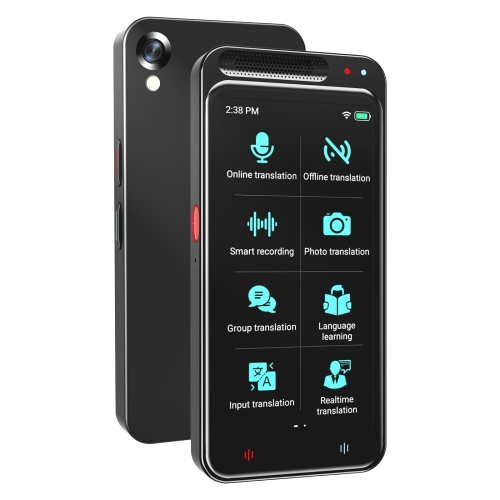
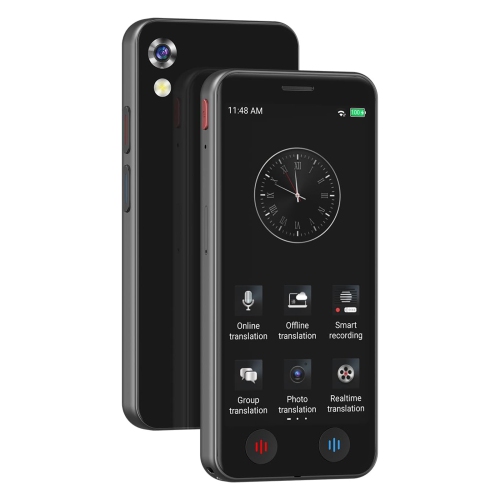
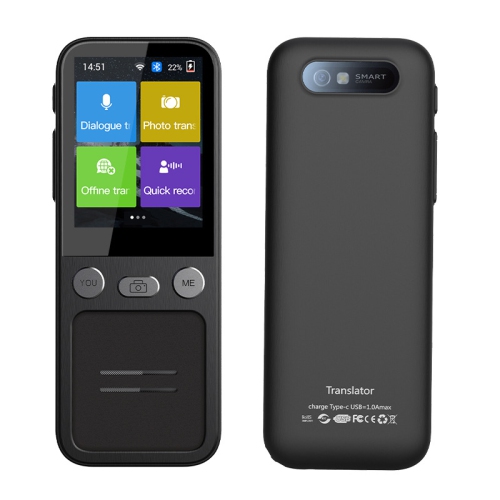
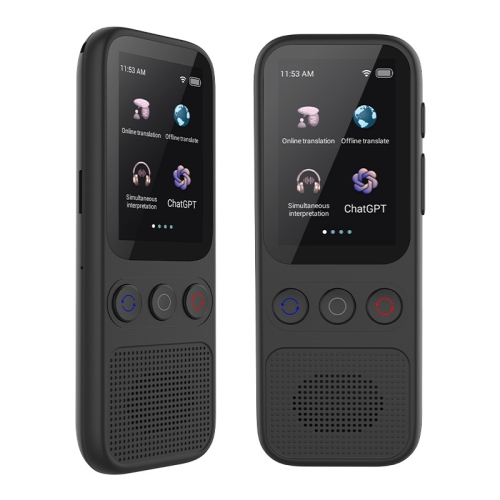
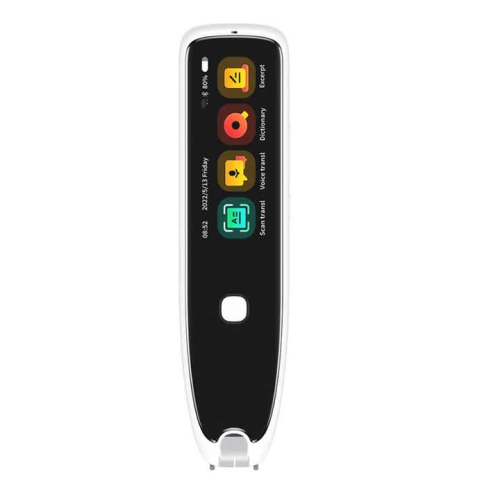
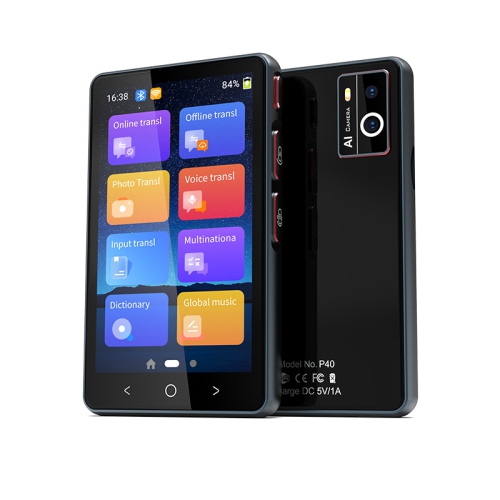
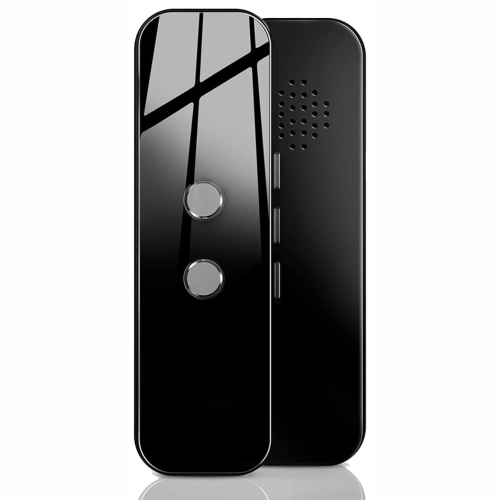
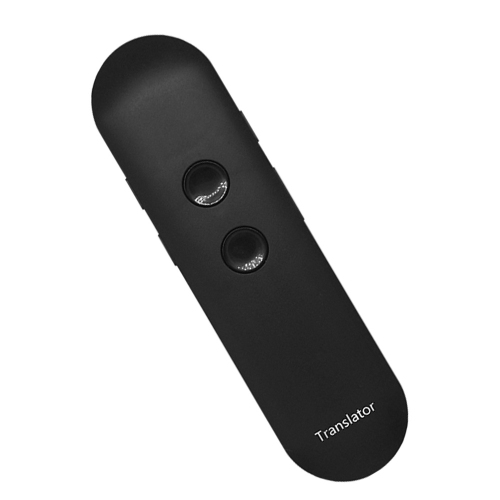
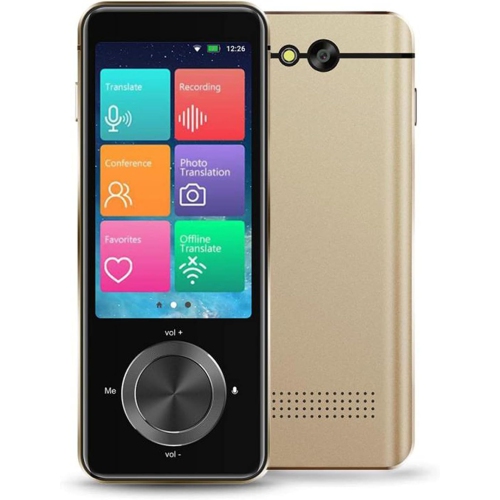
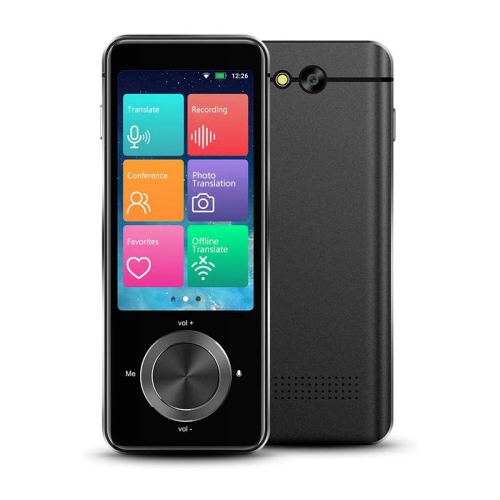
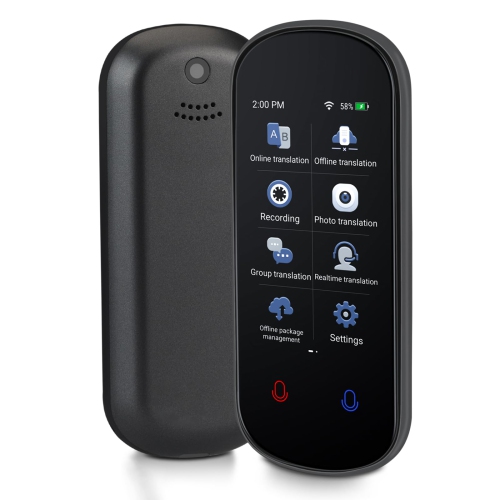
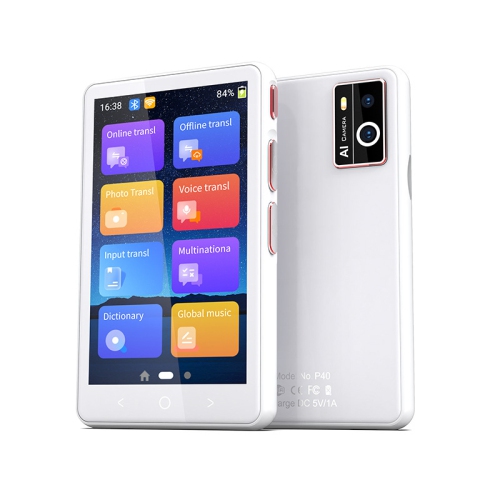
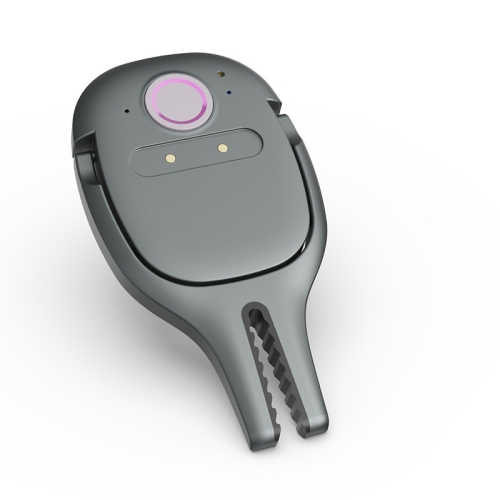
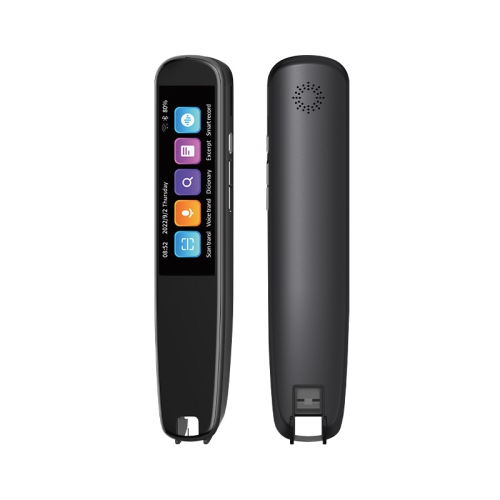
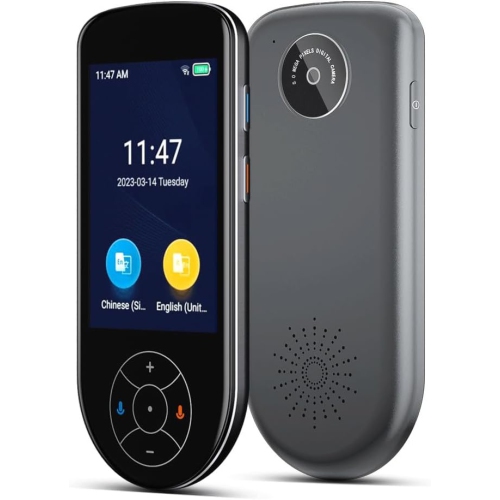
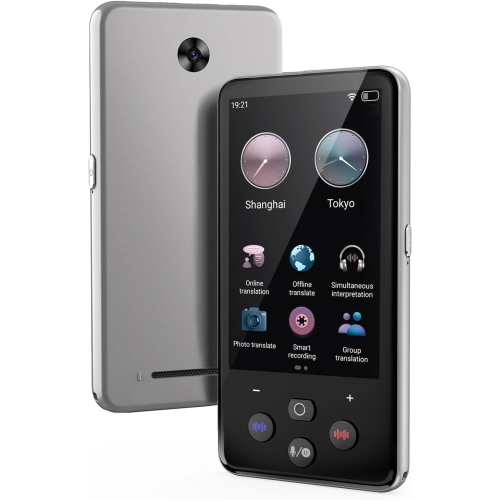
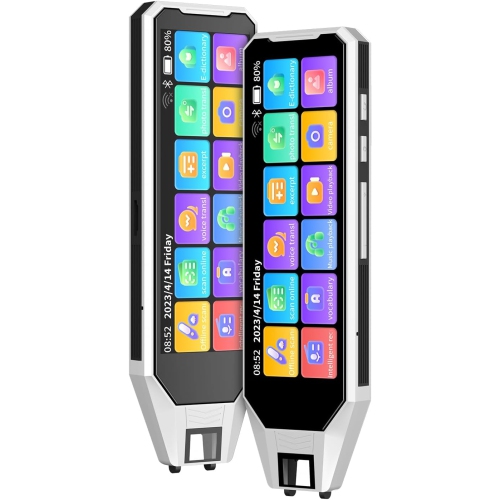
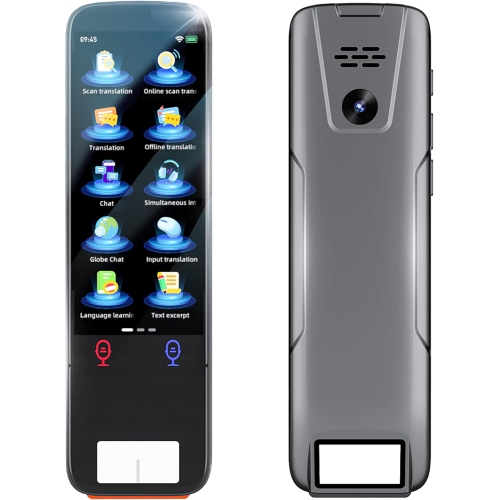
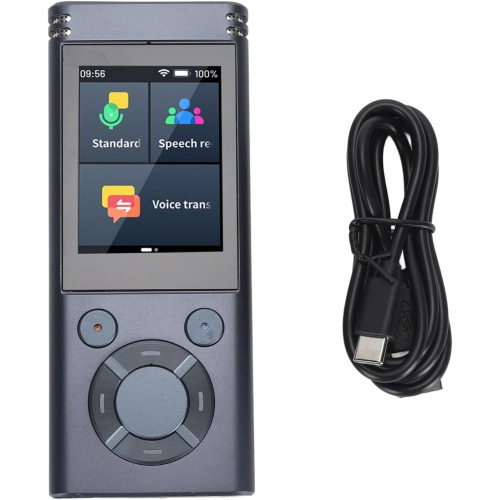
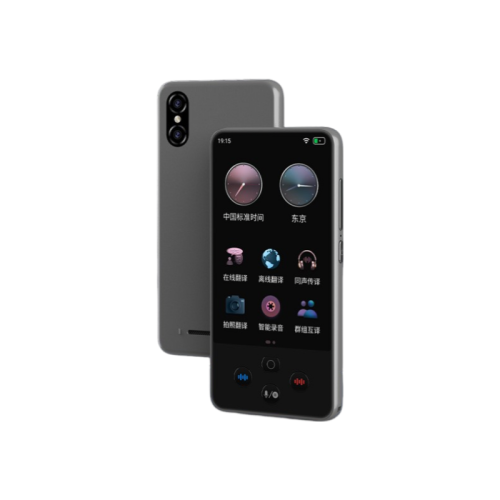
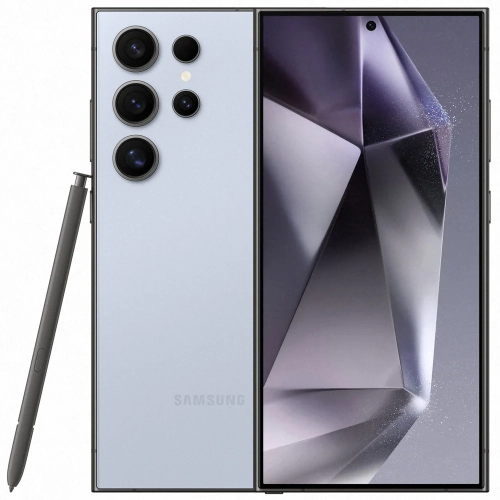
Translator devices help people communicate across languages by converting spoken words or written text into a language they can understand. Depending on the device, a translation may appear on a screen, play through a speaker, or arrive through an earbud. These portable tools can make everyday exchanges more manageable, from asking a station attendant which platform to use to discussing a delivery with a customer who speaks another language. Handheld language translators typically bring a microphone, speaker, and display together in a pocket-sized unit, with controls that let each person take a turn speaking. Translation earbuds offer a wearable alternative, while camera-equipped devices can translate printed text on menus, signs, and labels. Many connected translators use artificial intelligence and online language processing to interpret speech, though the number of supported languages and the functions offered differ by device. Speech translation, photo translation, and offline translation may each support a different set of languages, so a headline language count does not necessarily apply to every feature. Support for a particular language pair matters more than the largest total: someone communicating between English and French has different requirements from someone travelling between regions where several languages are spoken. Regional accents, dialects, and pronunciation can also affect results. Two-way translation allows both participants to speak in their own language, but it does not always mean that both can speak at once. Many devices work best with a clear pause between speakers. Translation speed varies with the length of the sentence, the processing method, and the connection, rather than following one universal response time. In practice, short, complete sentences and a microphone held at a comfortable speaking distance can make an exchange easier to follow. For travellers, multilingual households, students, and customer-facing workers, the appeal is having a focused communication tool close at hand without needing to pass a personal phone back and forth.
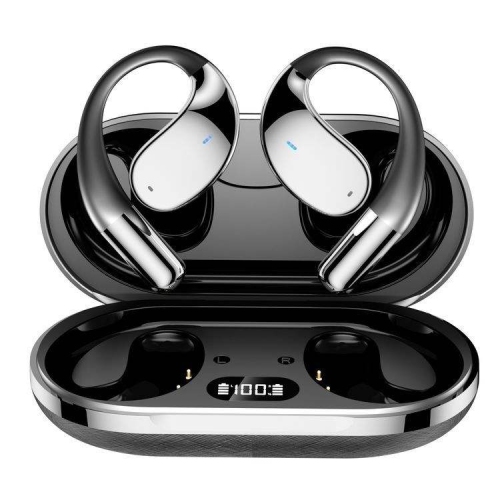
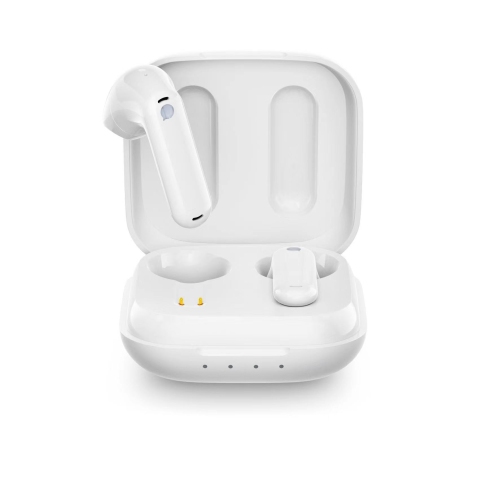
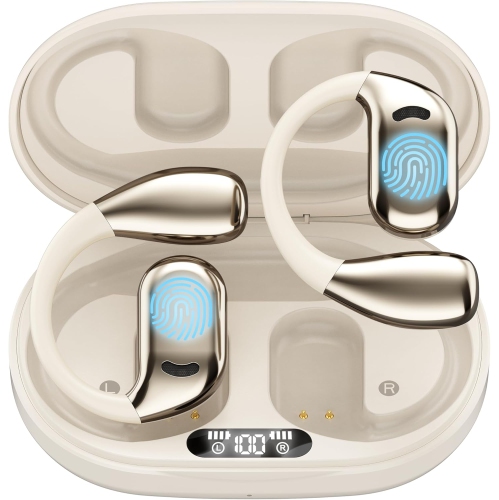
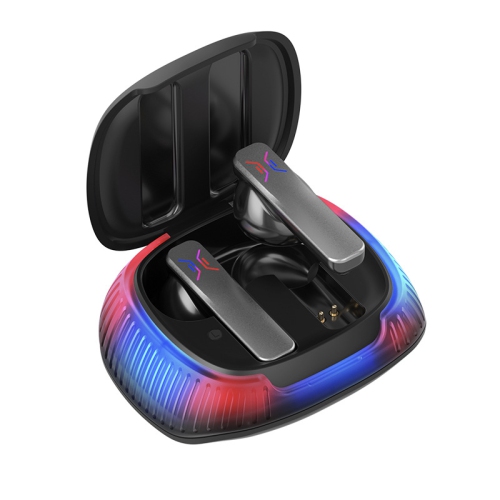
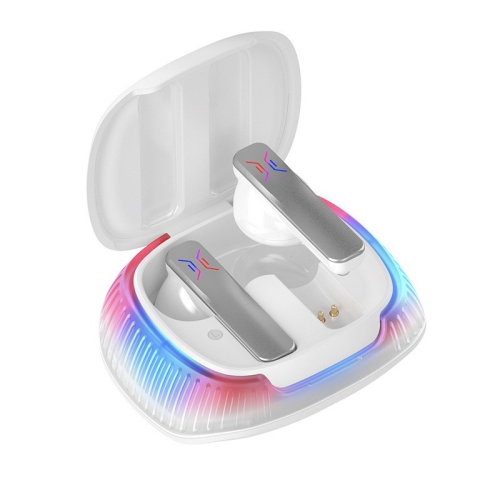
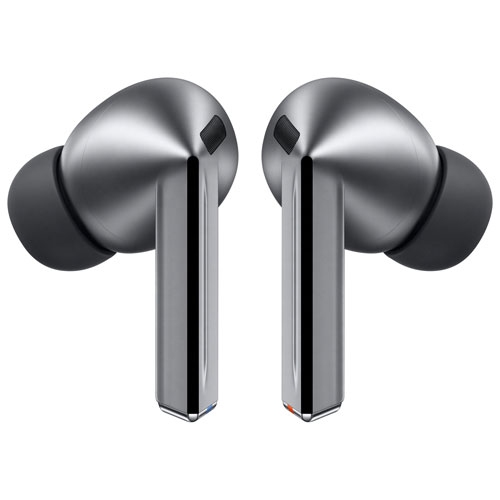
Connectivity shapes how a portable translator works away from home. Online translation generally provides broader language coverage and access to more functions, using Wi-Fi, a mobile hotspot, or a cellular connection where supported. Some handheld devices have built-in mobile connectivity, while others depend on a paired phone or an external network. Included data access, supported destinations, activation requirements, and the duration of any bundled service vary, making those details relevant for anyone planning to use a device across borders. Offline translator devices use downloaded language files to handle supported tasks without an internet connection. That can be useful inside a building with weak reception or while travelling between connected locations, but offline coverage is usually narrower, and some features may still require online access. The ability to download the required languages before departure is especially useful when the first conversation happens before a connection is established. Camera translation serves a different purpose from voice translation: it reads text within an image and displays a translated version. Clear print, good lighting, and a steady view of the page generally give it more useful information than decorative lettering, handwriting, or a blurred photograph. A screen large enough to compare the original wording with the translation can help when reading directions or identifying the relevant line on a menu. For spoken exchanges, speaker volume, microphone placement, and background-noise handling matter in places such as busy cafés and hotel lobbies. Wearable options, including real time language translation earbuds, can deliver translated audio more discreetly, although supported conversation modes and phone requirements differ. Some support an earbud for each participant; others use a phone’s microphone or speaker for one side of the exchange. Listening modes may help with a talk or presentation where supported, but overlapping voices and speakers farther from the microphone can be harder to interpret. Ordinary wireless earbuds do not provide translation on their own unless compatible hardware and software supply that function.
Physical design makes a noticeable difference when a translator is used repeatedly throughout a day. A compact handheld body is easy to tuck into a bag, while a textured surface, wrist strap attachment, or protective case can make it easier to hold during an exchange across a counter. Lightweight plastic housings are common, and touchscreens benefit from protection against scratches and impacts. Larger text, distinct conversation buttons, adjustable volume, and a readable display can be more useful than a very small footprint for someone who prefers straightforward controls. With translation earbuds, fit affects both comfort and how clearly translated speech can be heard. Interchangeable silicone tips, where supplied, offer different fits, while designs that rest outside the ear canal may suit people who dislike a sealed feeling. Shared-earbud conversation modes also bring hygiene into consideration; removable tips should be cleaned only as directed by the manufacturer. For handheld units, a soft, dry cloth is generally suitable for routine surface cleaning, with moisture kept away from openings and connectors unless the care instructions state otherwise. Water resistance should never be assumed, and a carrying case adds a practical layer of protection in a crowded bag. Battery specifications deserve similar attention: continuous translation time is different from standby time, and frequent screen use, speaker playback, or mobile connectivity can affect how long a charge lasts. Charging connections and any dependence on a phone are part of the everyday setup, particularly during extended outings. A translator can be a thoughtful gift for a frequent traveller, a relative connecting with family members across languages, or a student practising everyday conversation. It remains a communication aid rather than a substitute for language study or a qualified interpreter. Names, addresses, numbers, and important instructions are worth confirming on screen or in writing, since fluent-sounding output can still contain mistakes. Medical, legal, and other high-stakes discussions call for qualified language support. For work or personal conversations, whether audio and transcripts are stored or sent to an online service is another meaningful distinction. Clear privacy controls and an understanding of how each conversation mode works help keep the device suited to its intended use.
Connectivity shapes how a portable translator works away from home. Online translation generally provides broader language coverage and access to more functions, using Wi-Fi, a mobile hotspot, or a cellular connection where supported. Some handheld devices have built-in mobile connectivity, while others depend on a paired phone or an external network. Included data access, supported destinations, activation requirements, and the duration of any bundled service vary, making those details relevant for anyone planning to use a device across borders. Offline translator devices use downloaded language files to handle supported tasks without an internet connection. That can be useful inside a building with weak reception or while travelling between connected locations, but offline coverage is usually narrower, and some features may still require online access. The ability to download the required languages before departure is especially useful when the first conversation happens before a connection is established. Camera translation serves a different purpose from voice translation: it reads text within an image and displays a translated version. Clear print, good lighting, and a steady view of the page generally give it more useful information than decorative lettering, handwriting, or a blurred photograph. A screen large enough to compare the original wording with the translation can help when reading directions or identifying the relevant line on a menu. For spoken exchanges, speaker volume, microphone placement, and background-noise handling matter in places such as busy cafés and hotel lobbies. Wearable options, including real time language translation earbuds, can deliver translated audio more discreetly, although supported conversation modes and phone requirements differ. Some support an earbud for each participant; others use a phone’s microphone or speaker for one side of the exchange. Listening modes may help with a talk or presentation where supported, but overlapping voices and speakers farther from the microphone can be harder to interpret. Ordinary wireless earbuds do not provide translation on their own unless compatible hardware and software supply that function.
Physical design makes a noticeable difference when a translator is used repeatedly throughout a day. A compact handheld body is easy to tuck into a bag, while a textured surface, wrist strap attachment, or protective case can make it easier to hold during an exchange across a counter. Lightweight plastic housings are common, and touchscreens benefit from protection against scratches and impacts. Larger text, distinct conversation buttons, adjustable volume, and a readable display can be more useful than a very small footprint for someone who prefers straightforward controls. With translation earbuds, fit affects both comfort and how clearly translated speech can be heard. Interchangeable silicone tips, where supplied, offer different fits, while designs that rest outside the ear canal may suit people who dislike a sealed feeling. Shared-earbud conversation modes also bring hygiene into consideration; removable tips should be cleaned only as directed by the manufacturer. For handheld units, a soft, dry cloth is generally suitable for routine surface cleaning, with moisture kept away from openings and connectors unless the care instructions state otherwise. Water resistance should never be assumed, and a carrying case adds a practical layer of protection in a crowded bag. Battery specifications deserve similar attention: continuous translation time is different from standby time, and frequent screen use, speaker playback, or mobile connectivity can affect how long a charge lasts. Charging connections and any dependence on a phone are part of the everyday setup, particularly during extended outings. A translator can be a thoughtful gift for a frequent traveller, a relative connecting with family members across languages, or a student practising everyday conversation. It remains a communication aid rather than a substitute for language study or a qualified interpreter. Names, addresses, numbers, and important instructions are worth confirming on screen or in writing, since fluent-sounding output can still contain mistakes. Medical, legal, and other high-stakes discussions call for qualified language support. For work or personal conversations, whether audio and transcripts are stored or sent to an online service is another meaningful distinction. Clear privacy controls and an understanding of how each conversation mode works help keep the device suited to its intended use.
Top selling and popular products
-
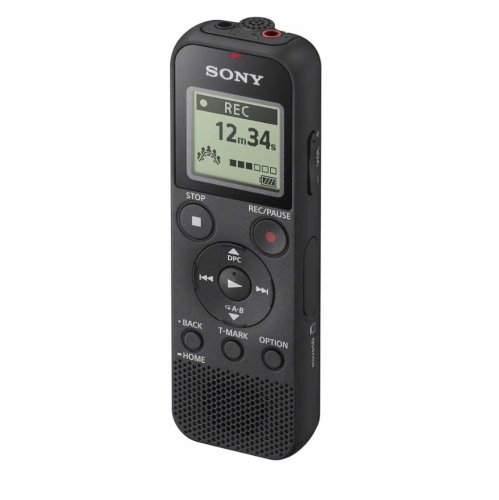 Your price for this item is $99
 -
 Your price for this item is $49.99
 -
 Your price for this item is $9.97
 -
 Your price for this item is $39.68
 -
 Your price for this item is $149.98
 -
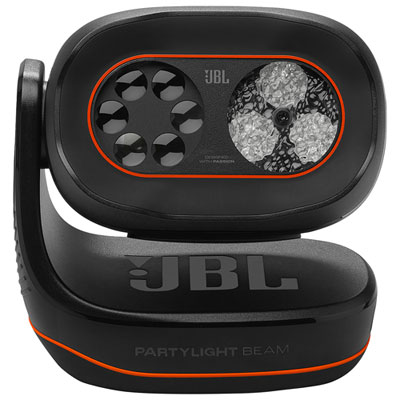 Your price for this item is $219.98
 -
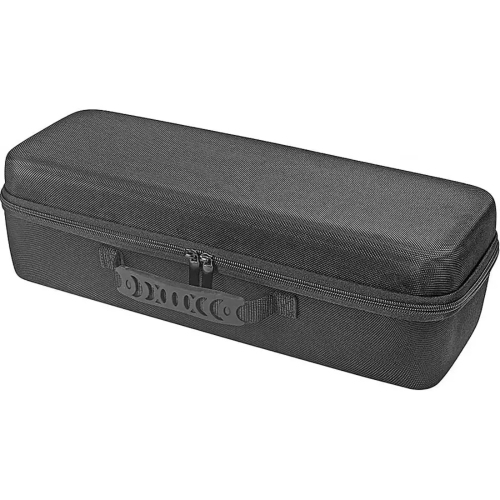 Your price for this item is $73
 -
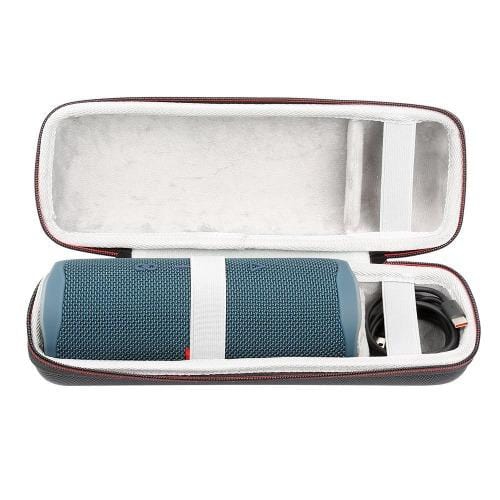 Your price for this item is $59
Discover more categories related to Translator Devices
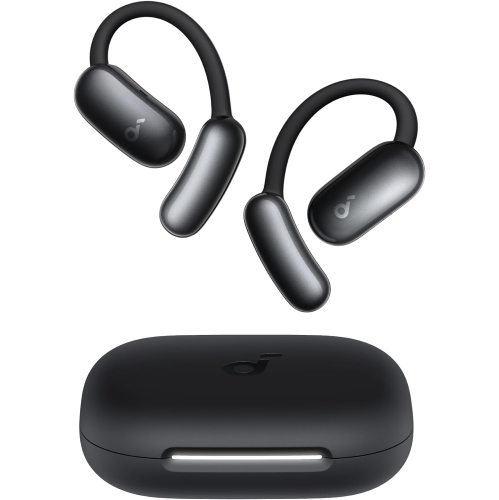
Top Collections:
Pokemon Centers, Kindle Devices, Best Budget Office Chairs, Apple iPhones 16, Best Laptops for Writers, iPhone 15 Apple, Canon G7X Cameras, Refurbished Apple Laptops, Alarm Clock, Motorola Razr Phones
Some products may be subject to Environmental Handling Fees
(EHF) depending on your province.
Learn more about EHFs.