Vinyl Cleaners
Vinyl Cleaner is essential for anyone looking to maintain the quality and sound of their vinyl record collection. Whether you’re a casual listener or a dedicated audiophile, keeping your records clean helps ensure smooth playback and reduces unwanted noise. Explore a wide selection of Vinyl Cleaner options designed to help you care for your records and enjoy your favorite albums at their best. Find the right solution to keep your vinyl in top condition and enhance your listening experience.
Sort
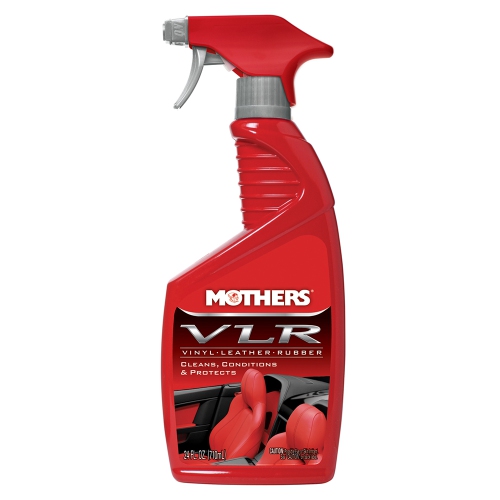
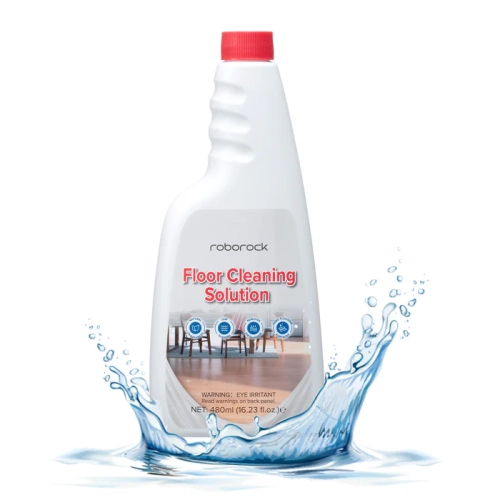
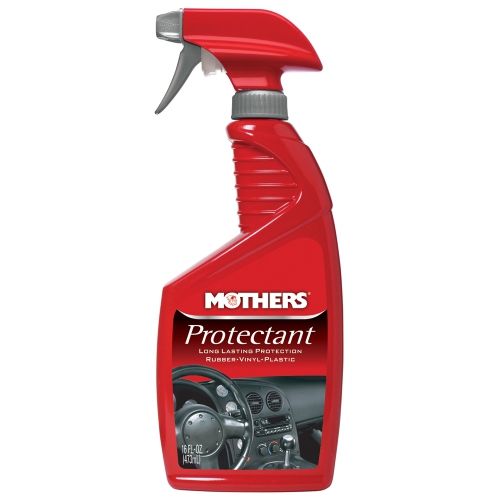
![CROSLEY : 5-In-1 Record Cleaning Set Ac1024A [Electronics] If you can't afford a record cleaning machine, this is the next best option](https://multimedia.bbycastatic.ca/multimedia/products/500x500/193/19383/19383312.jpeg)
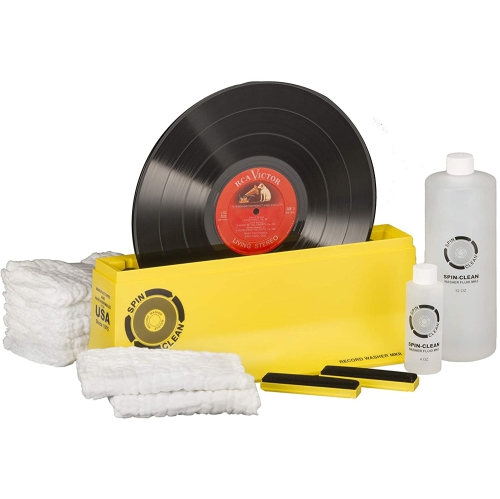
![CROSLEY : Record Cleaning Kit Ac20 [Electronics]](https://multimedia.bbycastatic.ca/multimedia/products/500x500/193/19383/19383303.jpeg)

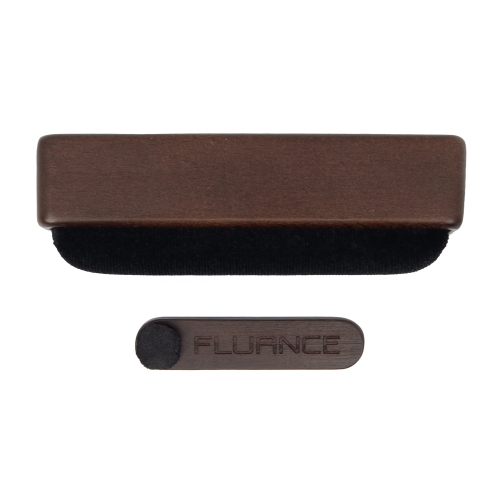
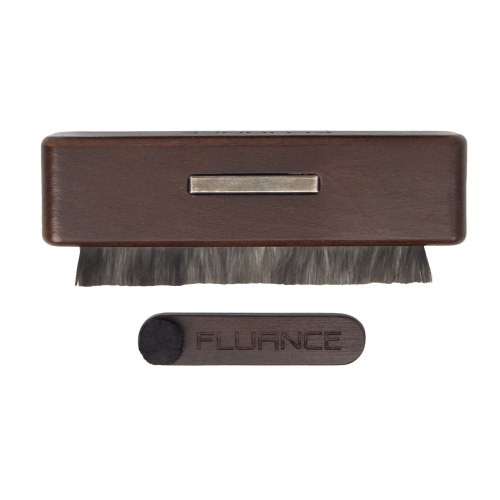
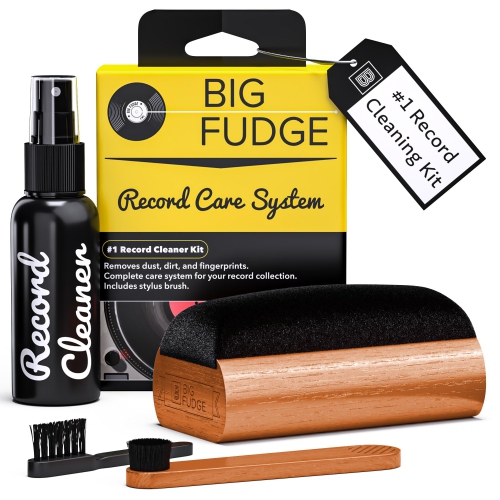
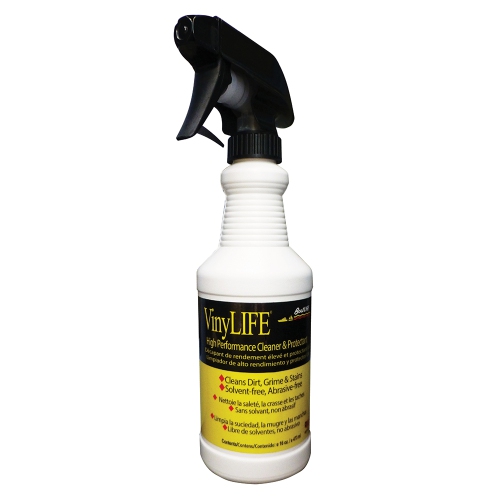
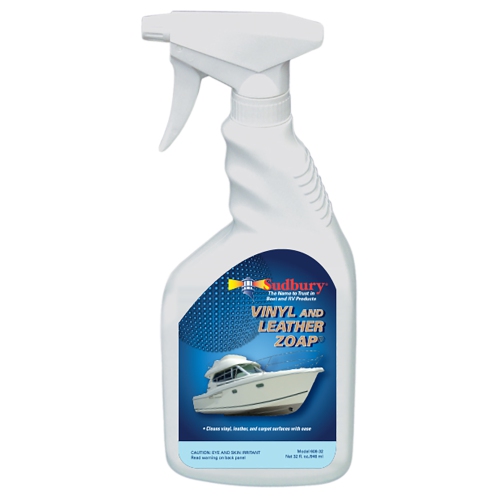
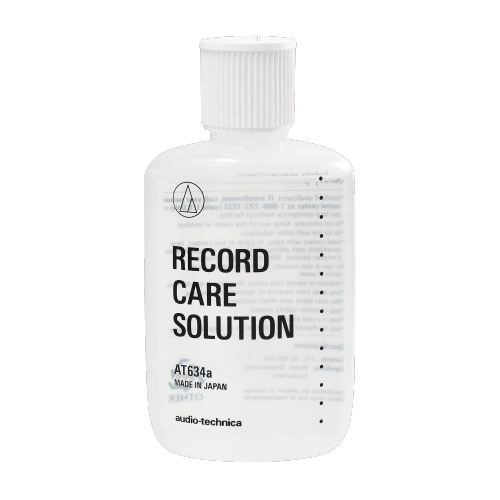
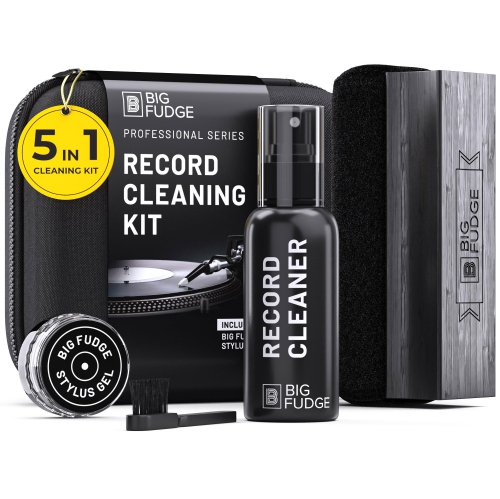
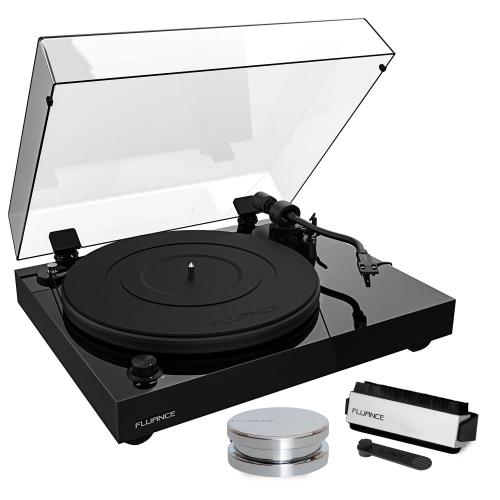
Cleaner grooves can mean fewer clicks during playback
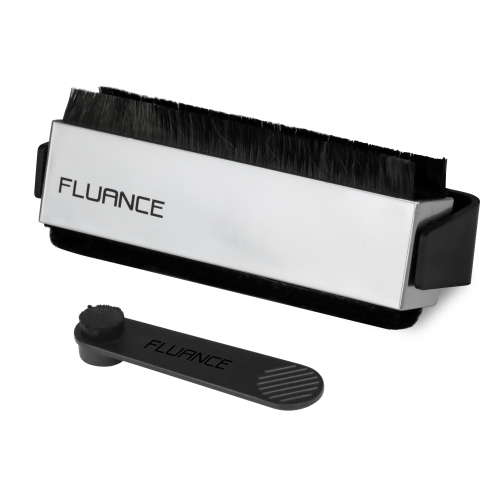
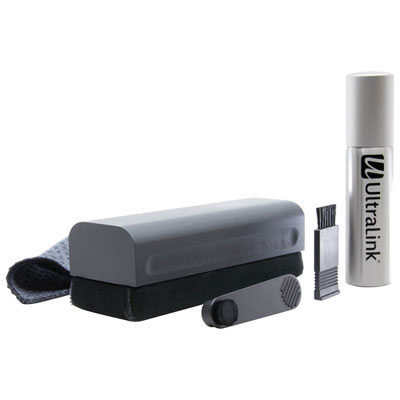
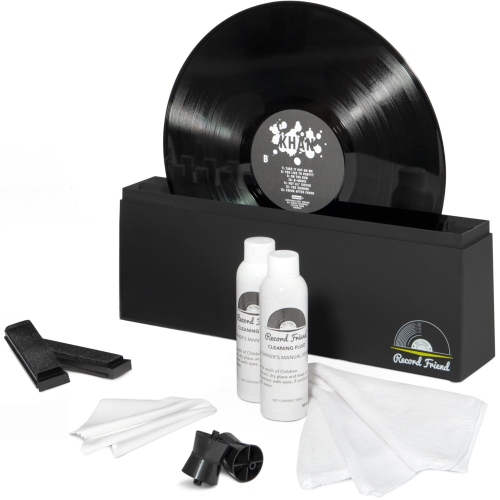
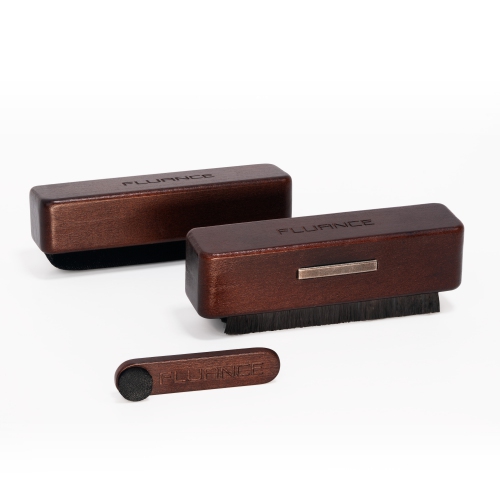
Vinyl cleaners are made to remove dust, fingerprints, and other residue from vinyl records, helping keep the grooves clean for playback. A speck of debris can contribute to an audible click, while accumulated grime may cause surface noise that distracts from quieter passages of music. Cleaning can reduce noise caused by contamination, but it cannot repair scratches, groove wear, or damage from previous handling. The category includes dry record brushes, cleaning fluids, soft cloths, manual record washers, and powered cleaning machines, each suited to a different level of care. For someone playing a few favourite albums, a compact brush and record-safe cleaning solution may suit routine maintenance. A collector working through a shelf of second-hand finds may prefer a system that washes more thoroughly and handles repeated cleaning sessions comfortably. Carbon-fibre brushes are commonly used to sweep away loose surface dust, with some designs also helping dissipate static when used as directed. Velvet cleaning pads provide a soft contact surface, while low-lint microfibre cloths can support wet cleaning or drying when approved for that purpose. The quality of the contact material matters: brushes should have even, gentle bristles, and cloths should not shed fibres or trap gritty particles against the playing surface. A comfortable handle and a protective brush cover are useful details for accessories that get used before almost every listening session. Cleaning kits bring several care tools together, although their contents and intended uses differ. A stylus brush, for example, is designed for the delicate pickup tip rather than the broad surface of an album. Keeping those tasks separate helps protect both the record and the cartridge. For a new turntable owner, a practical set of record-care tools can make a thoughtful gift; for a longtime listener, the better fit may be a cleaning system that addresses the size and condition of an established collection.
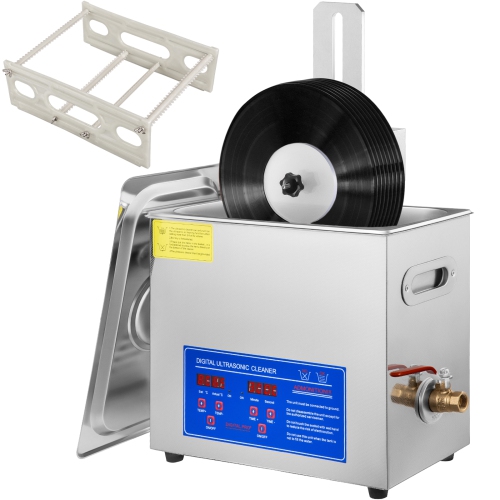
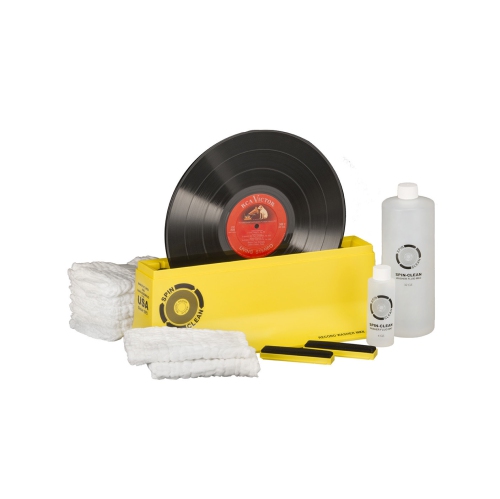
Wet vinyl record cleaners are intended to loosen material that a dry brush may leave behind, including fingerprints and dirt lodged within the grooves. Purpose-made fluids are formulated for use on compatible records, and their directions determine whether they are applied directly, diluted, rinsed away, or used only in a particular machine. A ready-to-use solution offers convenience for occasional cleaning, while a concentrate requires accurate mixing with the specified water. Distilled or deionized water is commonly specified because minerals in tap water can leave deposits as it dries; water described simply as purified is not necessarily suitable for every cleaning system. Household glass cleaners, furniture sprays, and general-purpose cleaning liquids are not substitutes for fluids expressly intended for vinyl records. Compatibility also matters within an audio collection: older shellac discs are not vinyl, and a solution intended for vinyl may be unsuitable for them. Manual basin-style washers typically hold the disc upright between cleaning surfaces, allowing it to rotate through a bath that cleans both sides. Rollers, brushes, and supports need to suit the record diameter, particularly for collections containing a mix of 7-inch singles, 10-inch releases, and 12-inch albums. Depending on the design, label protectors can help shield the paper centre label, which should remain dry to avoid staining, lifting, or peeling. Vacuum record-cleaning machines use suction to remove spent fluid and suspended dirt after the cleaning stage. Ultrasonic record cleaners use high-frequency sound waves in a liquid bath to loosen contamination through cavitation, reducing reliance on brushing alone. Neither method makes a damaged pressing new again, and results depend on the record’s condition, the cleaning cycle, and the fluid used. Differences in record capacity, drying method, drainage, and the amount of hands-on work are meaningful considerations. Someone cleaning one album before listening may value a simple setup, while someone sorting a large inherited collection may appreciate repeatable cycles and a convenient way to manage used cleaning fluid.
The best fit for a vinyl cleaning routine depends as much on the space and workflow as on the cleaning method itself. A small accessory tray can keep a brush, fluid bottle, and cloth close to the turntable without crowding the tonearm or controls. A basin or powered machine needs a stable surface, clearance for handling records by their edges, and somewhere safe for cleaned discs to dry. Machine dimensions alone do not tell the whole story: room for an open lid, a drying rack, or a drainage container can affect how comfortably the setup works. Operational noise may also matter when the cleaning area shares space with a listening chair or desk. For equipment used often, durable housings, secure supports, and replaceable pads or brushes are practical features. Washable cloths and removable cleaning components need care according to their instructions, since dirty tools can transfer residue back onto the next record. Used fluid also needs changing at the recommended interval rather than being treated as a permanent bath. Paper towels and ordinary household cloths can shed lint or carry abrasive debris; dedicated, clean record-care materials are better suited to the playing surface. After wet cleaning, a record should be fully dry before playback or storage, with the drying process matched to the cleaning system. Clean inner sleeves help keep freshly washed records from returning to dusty storage, and handling an album by its outer edge and label area limits fresh fingerprints. These details are especially relevant for shared collections, where several people may handle the same albums. Care for nearby audio equipment is a separate task: Electronics Cleaners may suit compatible equipment surfaces, but suitability for a screen or equipment housing does not establish safety for record grooves or a stylus. Vinyl cleaners work best as part of a consistent, manageable routine that respects the materials involved. Whether the collection is a handful of cherished albums or shelves of frequently played favourites, suitable cleaning tools help remove unwanted residue without adding unnecessary handling.
Wet vinyl record cleaners are intended to loosen material that a dry brush may leave behind, including fingerprints and dirt lodged within the grooves. Purpose-made fluids are formulated for use on compatible records, and their directions determine whether they are applied directly, diluted, rinsed away, or used only in a particular machine. A ready-to-use solution offers convenience for occasional cleaning, while a concentrate requires accurate mixing with the specified water. Distilled or deionized water is commonly specified because minerals in tap water can leave deposits as it dries; water described simply as purified is not necessarily suitable for every cleaning system. Household glass cleaners, furniture sprays, and general-purpose cleaning liquids are not substitutes for fluids expressly intended for vinyl records. Compatibility also matters within an audio collection: older shellac discs are not vinyl, and a solution intended for vinyl may be unsuitable for them. Manual basin-style washers typically hold the disc upright between cleaning surfaces, allowing it to rotate through a bath that cleans both sides. Rollers, brushes, and supports need to suit the record diameter, particularly for collections containing a mix of 7-inch singles, 10-inch releases, and 12-inch albums. Depending on the design, label protectors can help shield the paper centre label, which should remain dry to avoid staining, lifting, or peeling. Vacuum record-cleaning machines use suction to remove spent fluid and suspended dirt after the cleaning stage. Ultrasonic record cleaners use high-frequency sound waves in a liquid bath to loosen contamination through cavitation, reducing reliance on brushing alone. Neither method makes a damaged pressing new again, and results depend on the record’s condition, the cleaning cycle, and the fluid used. Differences in record capacity, drying method, drainage, and the amount of hands-on work are meaningful considerations. Someone cleaning one album before listening may value a simple setup, while someone sorting a large inherited collection may appreciate repeatable cycles and a convenient way to manage used cleaning fluid.
The best fit for a vinyl cleaning routine depends as much on the space and workflow as on the cleaning method itself. A small accessory tray can keep a brush, fluid bottle, and cloth close to the turntable without crowding the tonearm or controls. A basin or powered machine needs a stable surface, clearance for handling records by their edges, and somewhere safe for cleaned discs to dry. Machine dimensions alone do not tell the whole story: room for an open lid, a drying rack, or a drainage container can affect how comfortably the setup works. Operational noise may also matter when the cleaning area shares space with a listening chair or desk. For equipment used often, durable housings, secure supports, and replaceable pads or brushes are practical features. Washable cloths and removable cleaning components need care according to their instructions, since dirty tools can transfer residue back onto the next record. Used fluid also needs changing at the recommended interval rather than being treated as a permanent bath. Paper towels and ordinary household cloths can shed lint or carry abrasive debris; dedicated, clean record-care materials are better suited to the playing surface. After wet cleaning, a record should be fully dry before playback or storage, with the drying process matched to the cleaning system. Clean inner sleeves help keep freshly washed records from returning to dusty storage, and handling an album by its outer edge and label area limits fresh fingerprints. These details are especially relevant for shared collections, where several people may handle the same albums. Care for nearby audio equipment is a separate task: Electronics Cleaners may suit compatible equipment surfaces, but suitability for a screen or equipment housing does not establish safety for record grooves or a stylus. Vinyl cleaners work best as part of a consistent, manageable routine that respects the materials involved. Whether the collection is a handful of cherished albums or shelves of frequently played favourites, suitable cleaning tools help remove unwanted residue without adding unnecessary handling.
Top selling and popular products
-
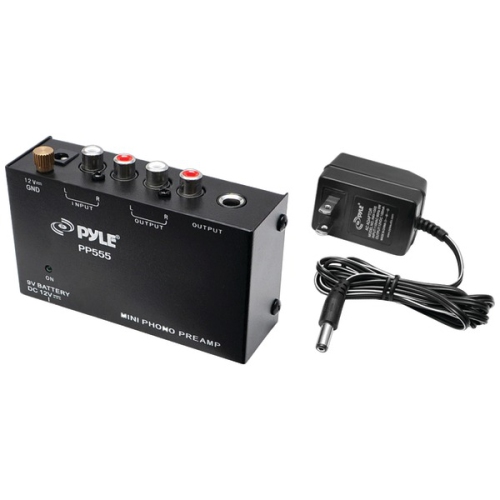 Your price for this item is $28.99
 -
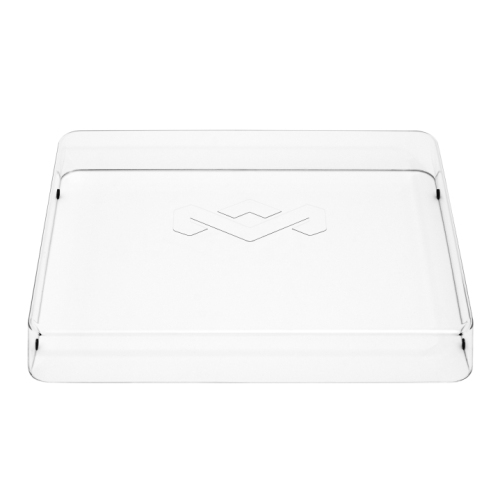 Your price for this item is $59.99
 -
 Your price for this item is $36.14
 -
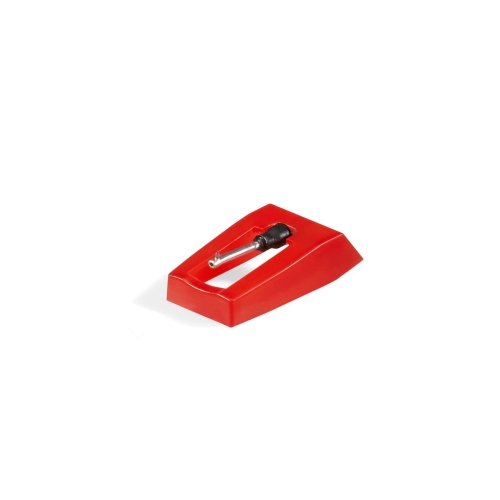 Your price for this item is $24.99
 -
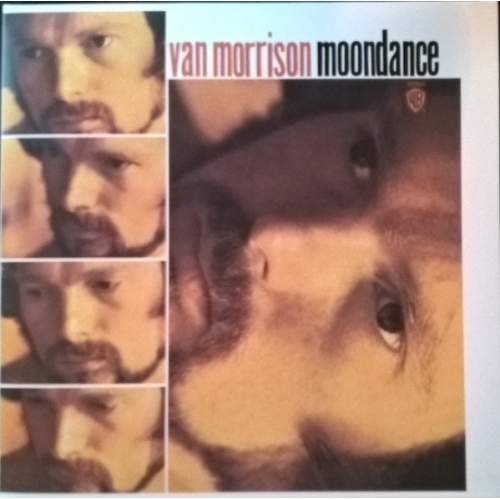 Your price for this item is $34.01
 -
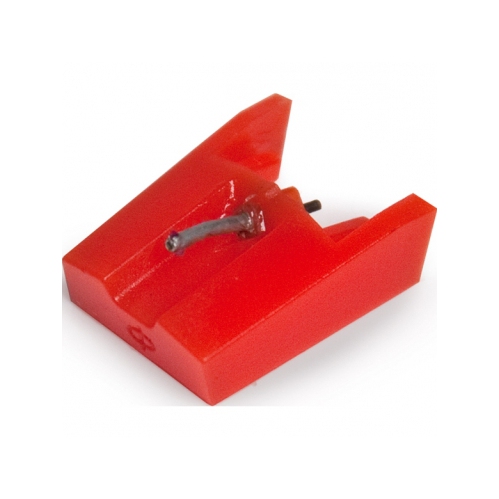 Your price for this item is $54.99
 -
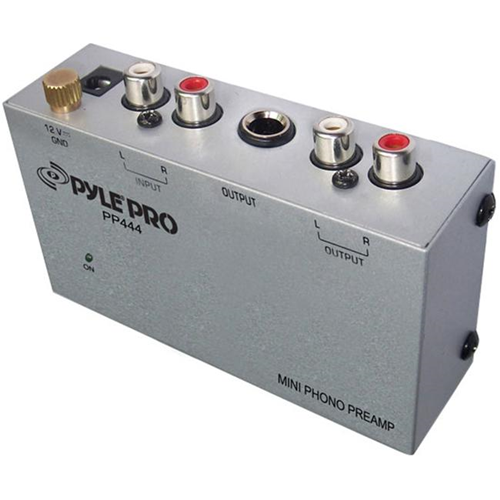 Your price for this item is $24.99
 -
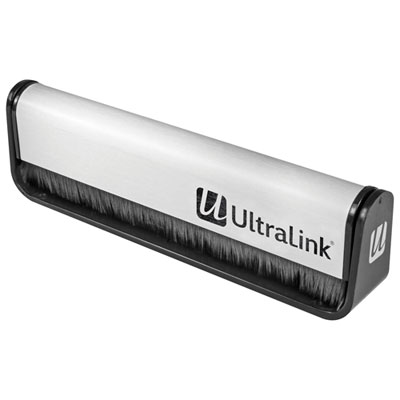 Your price for this item is $29.95
Discover more categories related to Vinyl Cleaners

Top Collections:
Pokemon Centers, Kindle Devices, Best Budget Office Chairs, Apple iPhones 16, Best Laptops for Writers, iPhone 15 Apple, Canon G7X Cameras, Refurbished Apple Laptops, Alarm Clock, Motorola Razr Phones
Some products may be subject to Environmental Handling Fees
(EHF) depending on your province.
Learn more about EHFs.