4 In 1 Crib
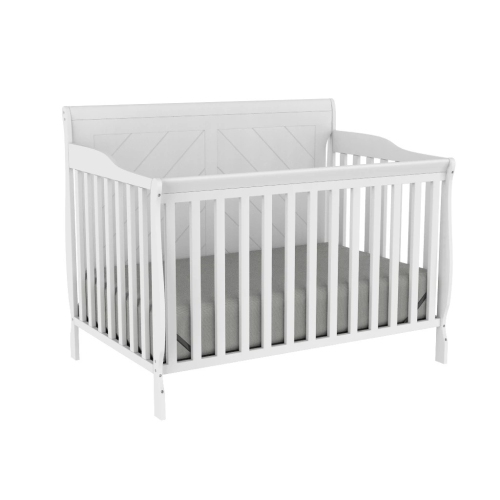
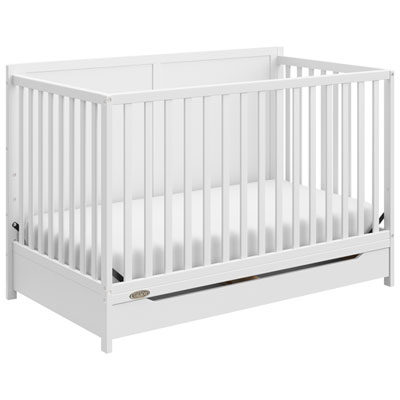
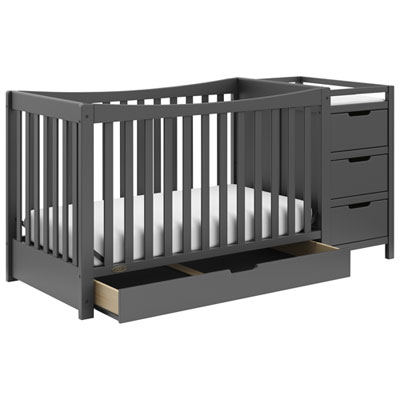
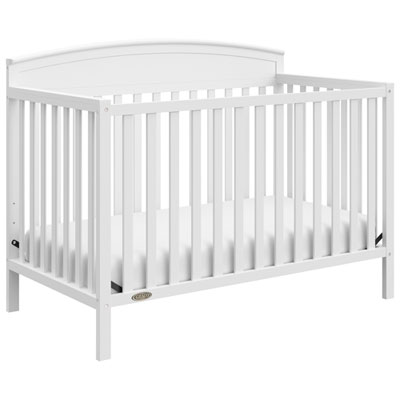
Looking for a versatile and stylish sleeping solution for your little one? Explore our selection of 4-in-1 cribs, designed to grow with your child from infancy through their toddler years and beyond. These convertible cribs offer functionality and longevity, seamlessly transitioning from a crib to a toddler bed, daybed, and even a full-size bed as your child grows. With a variety of finishes and styles to choose from, you're sure to find the perfect 4-in-1 crib to complement your nursery decor while providing a safe and comfortable sleeping space for your baby.
Sort
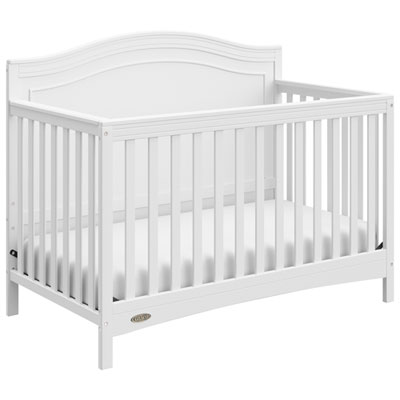
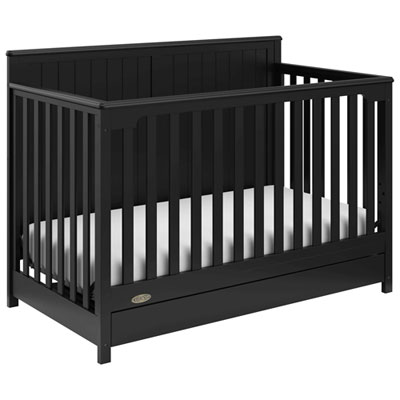
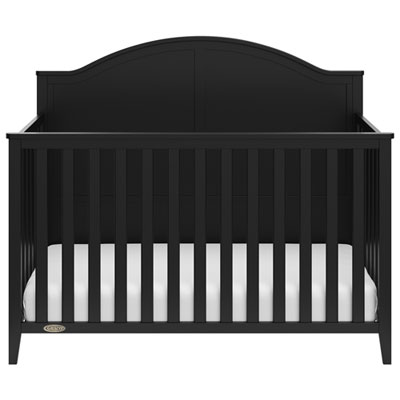
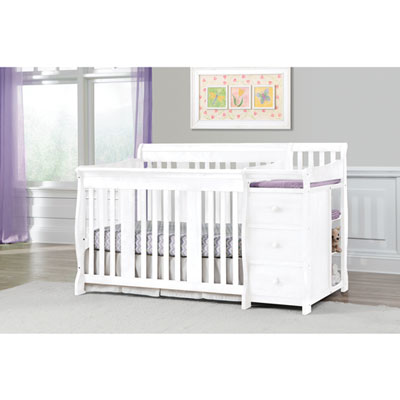
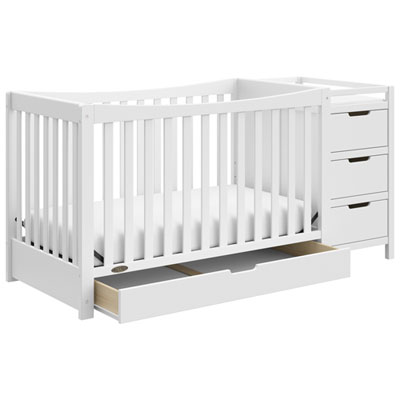
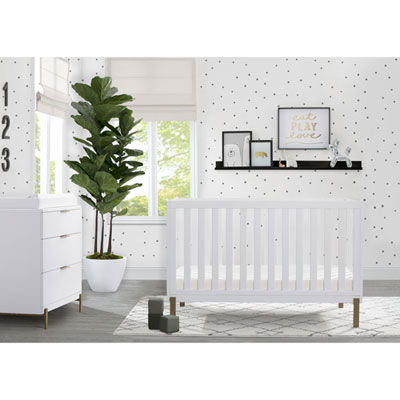
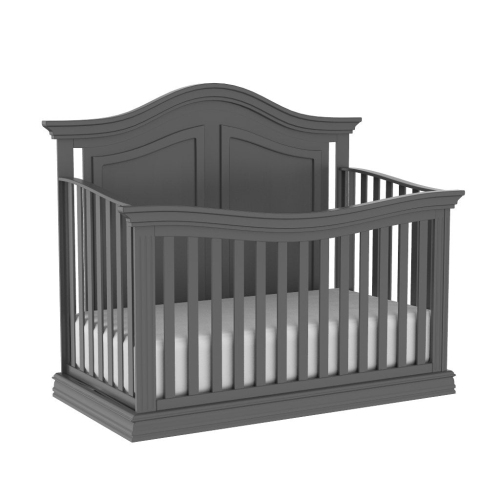
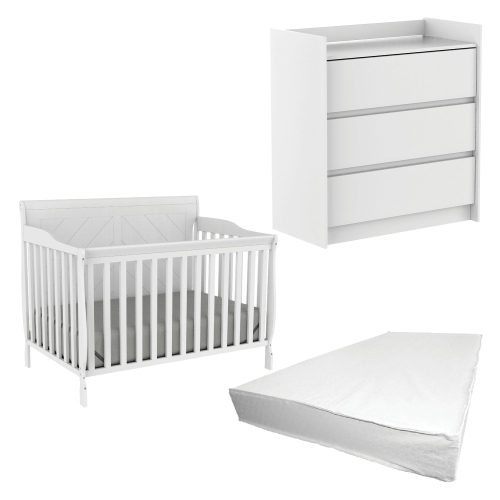
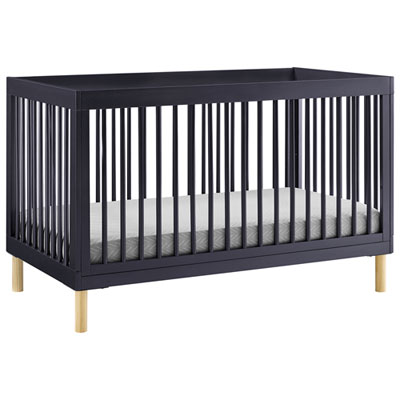
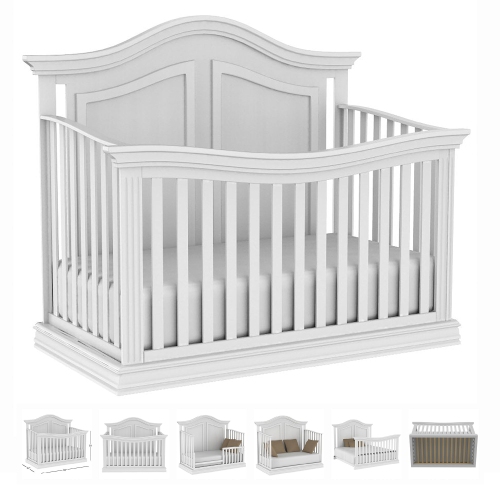
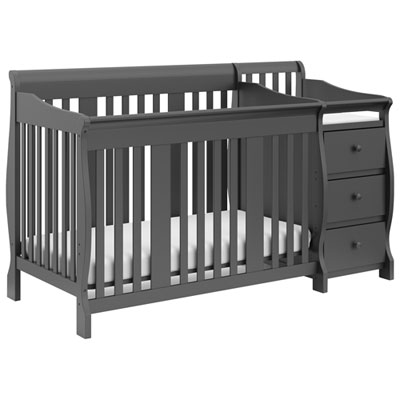
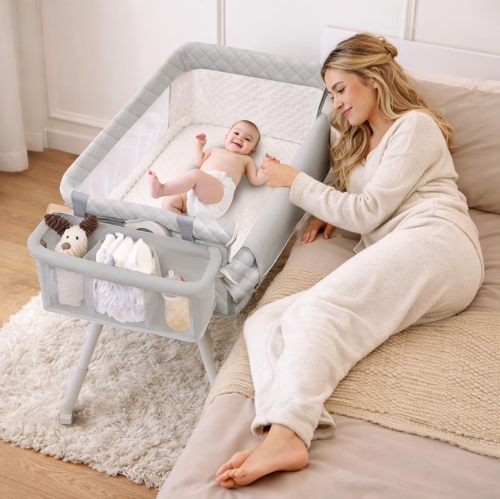
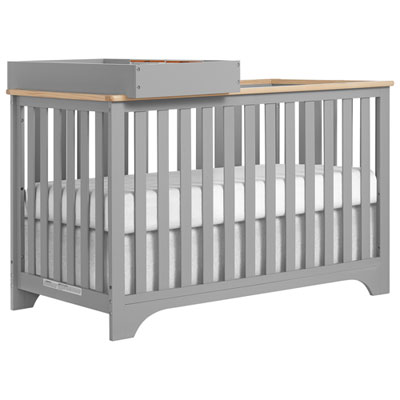
What to know about crib conversions and safety
A 4-in-1 convertible crib is designed to support a child through several important stages, making it a practical choice for families preparing a nursery or updating a child’s sleeping space. Depending on the model, the frame may convert from a standard crib into a toddler bed, daybed and full-size bed. The exact configurations can vary, so it is worth reviewing the included components, compatible conversion kits and recommended age or weight limits before making a decision. Some cribs include the pieces needed for one or more transitions, while rails or additional hardware for later stages may need to be purchased separately. Understanding what is included helps you plan the full cost and avoid surprises when your child is ready for the next sleeping arrangement. A convertible crib can be especially helpful in a smaller home, a shared nursery or a room that needs to serve different purposes over time. Instead of replacing the main bed frame after every milestone, families can adjust the crib as their child grows. The result is a familiar piece of furniture that remains part of the room through changing routines, from quiet newborn naps to story time beside a toddler bed and, eventually, a larger bed for an older child. For relatives and friends choosing a baby shower, newborn or first-birthday gift, a 4-in-1 crib can also be a thoughtful larger purchase when the family has confirmed the nursery’s size, style and required features.
Safety and fit should guide every crib decision. Look for a sturdy frame, secure hardware and a mattress platform that can be adjusted as your baby develops. A higher mattress position can make it easier to lift a young baby in and out of the crib, while a lower position helps prevent a standing child from climbing over the rail. Once a child can sit, pull up or stand, the mattress should be lowered according to the manufacturer’s instructions. The crib mattress should fit snugly, with no noticeable gaps between the mattress and the frame, and the sleeping surface should remain firm and flat. Keep the crib clear of pillows, loose blankets, bumper pads, toys and other soft items that could create a hazard. Always follow the assembly instructions closely, tighten hardware as directed and check the frame periodically, particularly after converting it into a different configuration. It can be useful to keep the manuals, unused components and conversion hardware together in a labelled container; a small bag of bolts can be surprisingly easy to misplace during a move or room rearrangement. Before buying, measure the intended space, including room for opening drawers, walking around the crib and positioning a chair or change table safely. Check doorways, stairwells and elevator dimensions if the furniture will be delivered to an upper floor. Finish, colour and design matter too, but they should complement practical features such as cleanable surfaces, adjustable mattress heights and a conversion process that feels manageable. A calm neutral frame can work in a nursery that changes with the child, while a more distinctive finish may become an anchor for the room’s décor. During the cooler months, when families often spend more time indoors, a comfortable and well-organized nursery can make feeding, settling and bedtime routines feel easier, especially when the crib is positioned away from drafts, heaters and direct sunlight.
When comparing 4-in-1 cribs, consider how each future stage will work in your home rather than focusing only on the newborn setup. A toddler bed generally uses a low frame that allows a child to get in and out independently, while a daybed may provide a useful resting spot for reading, quiet play or a caregiver sitting nearby. A full-size bed conversion can extend the furniture’s usefulness for years, but it may require a separate mattress and foundation, and the available room must be large enough for the expanded footprint. Confirm whether conversion rails, support pieces and any required mattress sizes are included or sold separately. It is also helpful to check the assembly requirements, the number of mattress height settings and the care instructions for the finish. Families moving between homes may appreciate a frame that can be disassembled and reassembled without complicated steps, while grandparents or caregivers setting up a second nursery may prefer a straightforward design with clearly marked components. A 4-in-1 crib can suit first-time parents who want a coordinated starting point, growing families preparing for a new arrival, or anyone furnishing a nursery with long-term flexibility in mind. If you are comparing additional configurations, a 5 In 1 Convertible Crib may offer another option to consider, with its own conversion stages and compatibility requirements. Whether the crib is being purchased for a new baby, a family member’s home or as a shared gift from several relatives, the best choice is one that fits the room, follows current safety guidance and matches the family’s plans for the years ahead. A thoughtfully selected crib can become more than a first bed: it can mark the everyday moments that shape early childhood, from the first sleepy transfer after a late-night feeding to the bedtime stories read beside a growing child’s bed.
Safety and fit should guide every crib decision. Look for a sturdy frame, secure hardware and a mattress platform that can be adjusted as your baby develops. A higher mattress position can make it easier to lift a young baby in and out of the crib, while a lower position helps prevent a standing child from climbing over the rail. Once a child can sit, pull up or stand, the mattress should be lowered according to the manufacturer’s instructions. The crib mattress should fit snugly, with no noticeable gaps between the mattress and the frame, and the sleeping surface should remain firm and flat. Keep the crib clear of pillows, loose blankets, bumper pads, toys and other soft items that could create a hazard. Always follow the assembly instructions closely, tighten hardware as directed and check the frame periodically, particularly after converting it into a different configuration. It can be useful to keep the manuals, unused components and conversion hardware together in a labelled container; a small bag of bolts can be surprisingly easy to misplace during a move or room rearrangement. Before buying, measure the intended space, including room for opening drawers, walking around the crib and positioning a chair or change table safely. Check doorways, stairwells and elevator dimensions if the furniture will be delivered to an upper floor. Finish, colour and design matter too, but they should complement practical features such as cleanable surfaces, adjustable mattress heights and a conversion process that feels manageable. A calm neutral frame can work in a nursery that changes with the child, while a more distinctive finish may become an anchor for the room’s décor. During the cooler months, when families often spend more time indoors, a comfortable and well-organized nursery can make feeding, settling and bedtime routines feel easier, especially when the crib is positioned away from drafts, heaters and direct sunlight.
When comparing 4-in-1 cribs, consider how each future stage will work in your home rather than focusing only on the newborn setup. A toddler bed generally uses a low frame that allows a child to get in and out independently, while a daybed may provide a useful resting spot for reading, quiet play or a caregiver sitting nearby. A full-size bed conversion can extend the furniture’s usefulness for years, but it may require a separate mattress and foundation, and the available room must be large enough for the expanded footprint. Confirm whether conversion rails, support pieces and any required mattress sizes are included or sold separately. It is also helpful to check the assembly requirements, the number of mattress height settings and the care instructions for the finish. Families moving between homes may appreciate a frame that can be disassembled and reassembled without complicated steps, while grandparents or caregivers setting up a second nursery may prefer a straightforward design with clearly marked components. A 4-in-1 crib can suit first-time parents who want a coordinated starting point, growing families preparing for a new arrival, or anyone furnishing a nursery with long-term flexibility in mind. If you are comparing additional configurations, a 5 In 1 Convertible Crib may offer another option to consider, with its own conversion stages and compatibility requirements. Whether the crib is being purchased for a new baby, a family member’s home or as a shared gift from several relatives, the best choice is one that fits the room, follows current safety guidance and matches the family’s plans for the years ahead. A thoughtfully selected crib can become more than a first bed: it can mark the everyday moments that shape early childhood, from the first sleepy transfer after a late-night feeding to the bedtime stories read beside a growing child’s bed.
Top selling and popular products
-
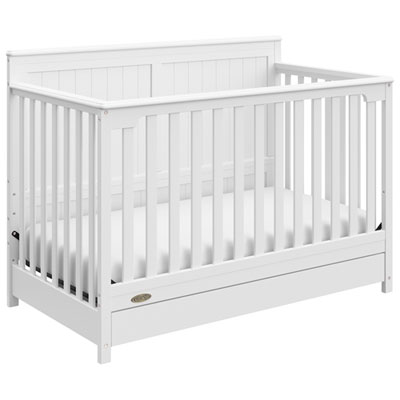 Your price for this item is $399.99
 -
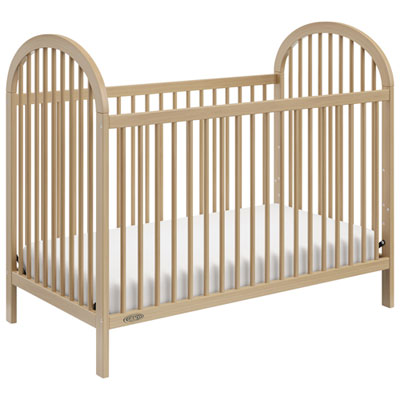 Your price for this item is $329.99
 -
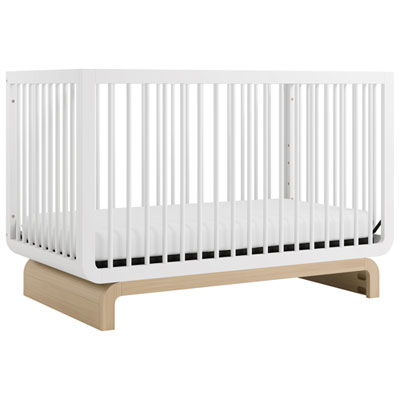 Your price for this item is $724.98
 -
 Your price for this item is $319.99
 -
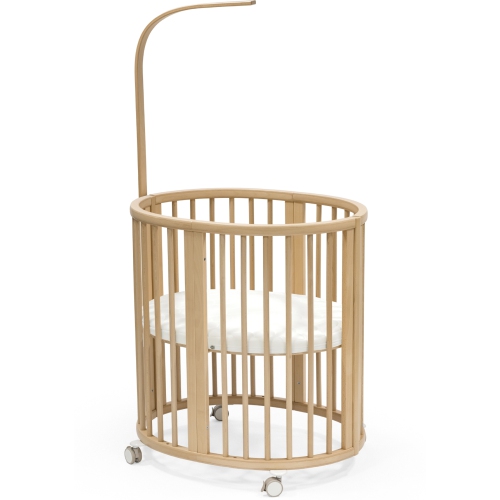 Your price for this item is $979
 -
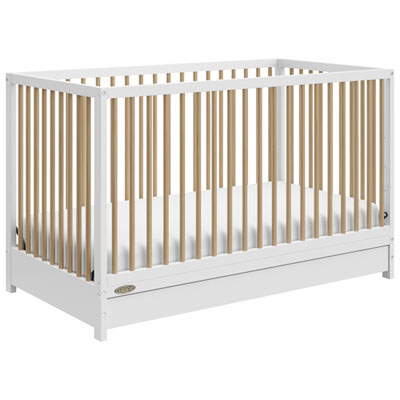 Your price for this item is $319.99
 -
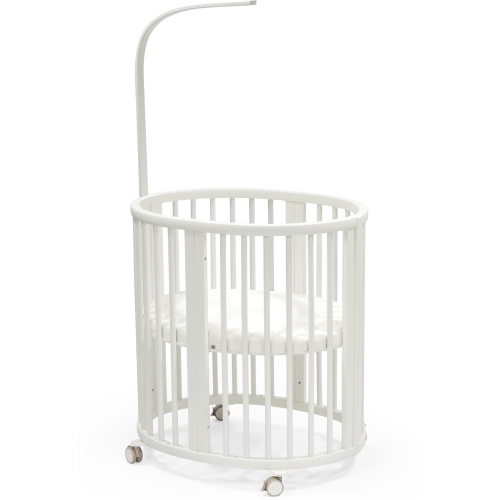 Your price for this item is $979
 -
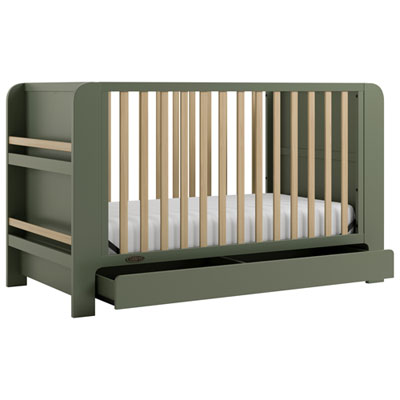 Your price for this item is $699.99
Discover more categories related to 4 In 1 Crib
Top Collections:
Best Laptops for Video Editing, Pokemon Centers, Samsung Z Fold, Kindle Devices, Best Cell Phones Under $300, Best Laptops for Writers, Best Budget Office Chairs, Best Cell Phones Under $500, Best Laptop Computers for Students, iPhone 15 Apple
Some products may be subject to Environmental Handling Fees
(EHF) depending on your province.
Learn more about EHFs.