Baby Gate
Creating a safe environment for your little one is a top priority, and a baby gate is an essential tool in achieving that peace of mind. Whether you're looking to secure staircases, doorways, or other areas of your home, baby gates provide a reliable barrier to keep curious toddlers out of harm's way. Available in various styles and sizes, they offer versatile solutions that blend seamlessly with your home decor while ensuring the utmost safety. Explore options that cater to different needs, from easy installation features to adjustable widths, making it easier than ever to create a secure space for your child to explore safely.
Sort


![LIONS GATE Dirty Dancing: 30Th Anniversary (Collector's Box) - [Blu-Ray] Everything works great](https://multimedia.bbycastatic.ca/multimedia/products/500x500/200/20063/20063860.jpeg)
Safety considerations for stairs, doorways, and growing toddlers
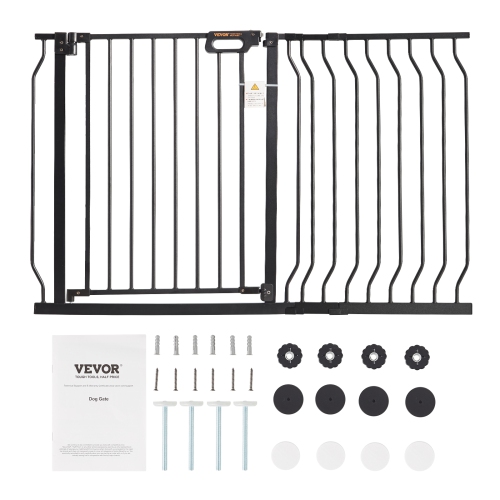
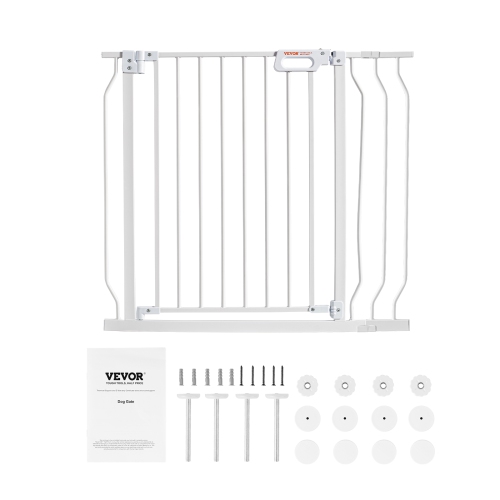
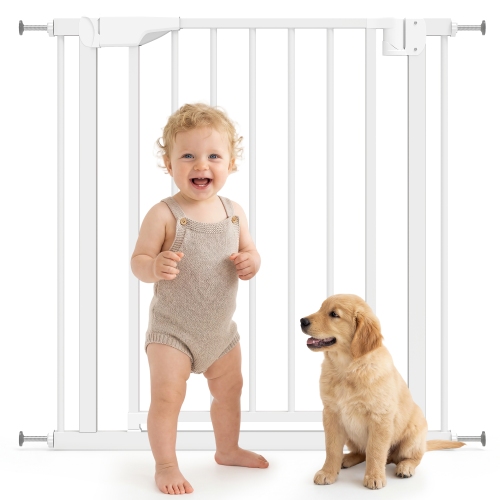
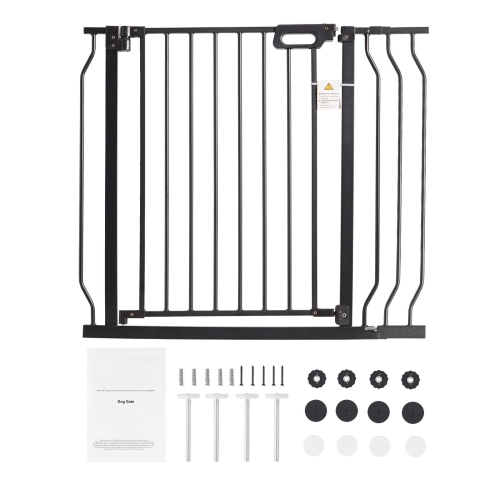
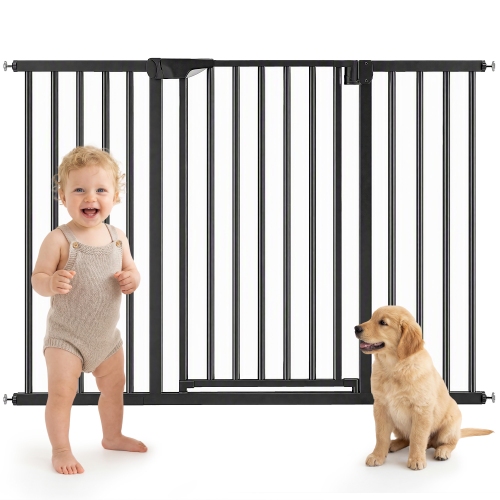
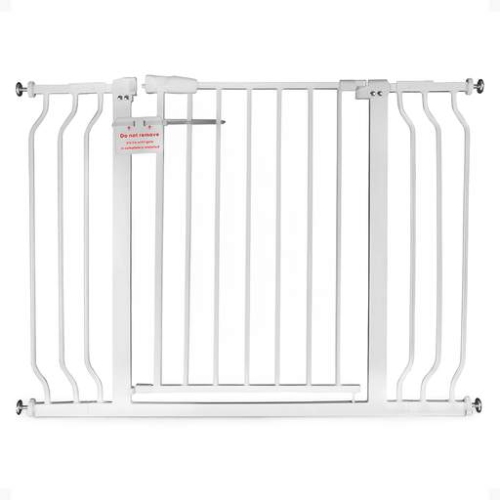
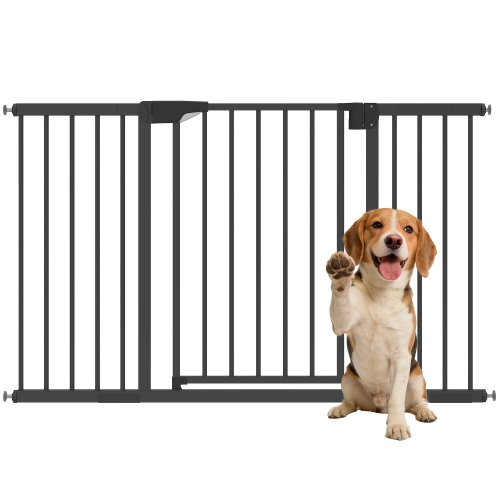
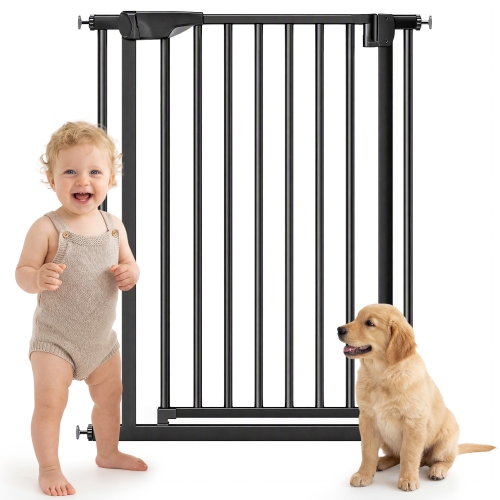
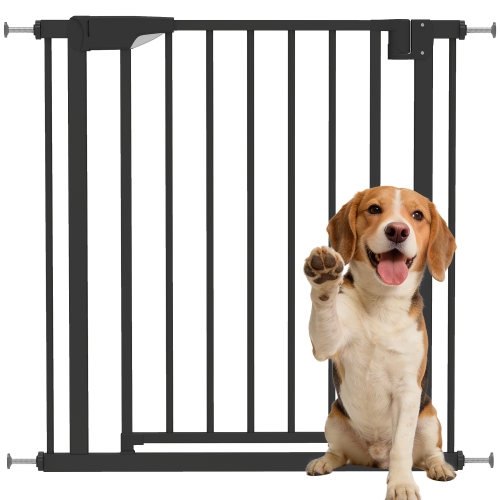
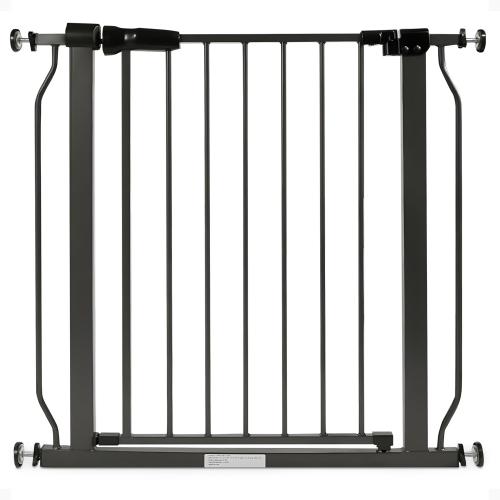
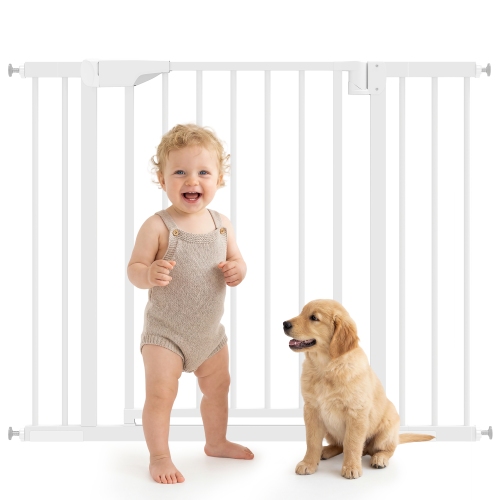
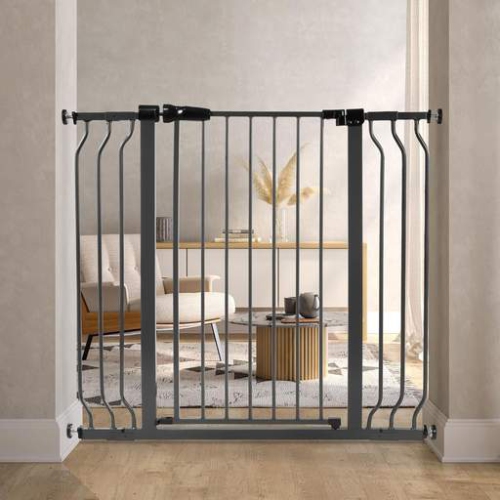
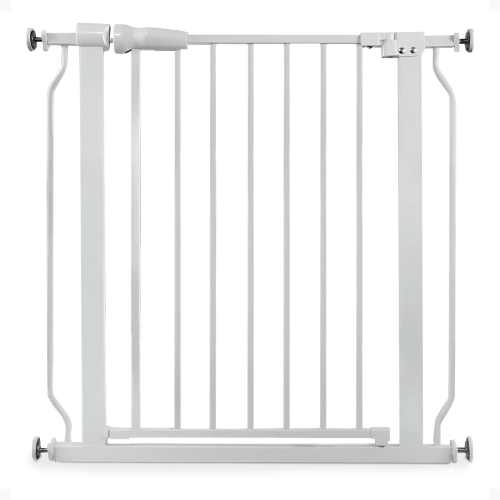
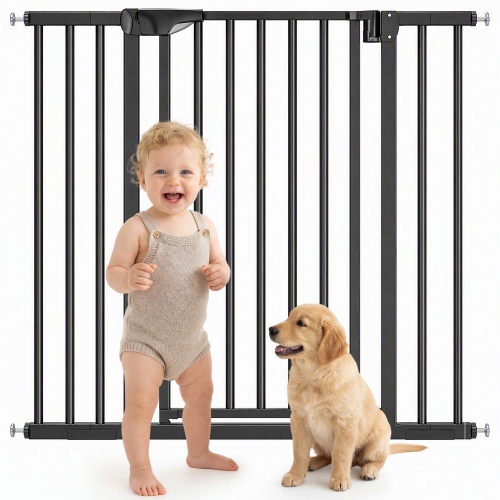
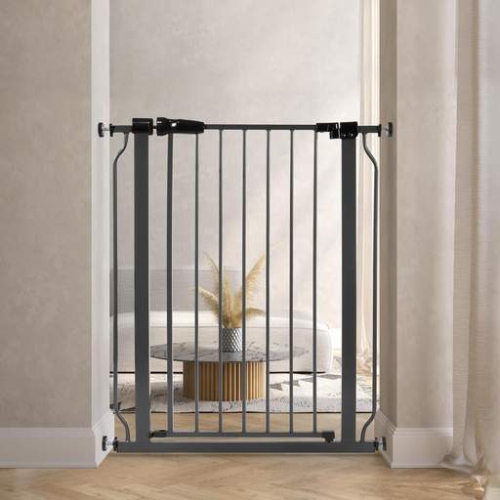
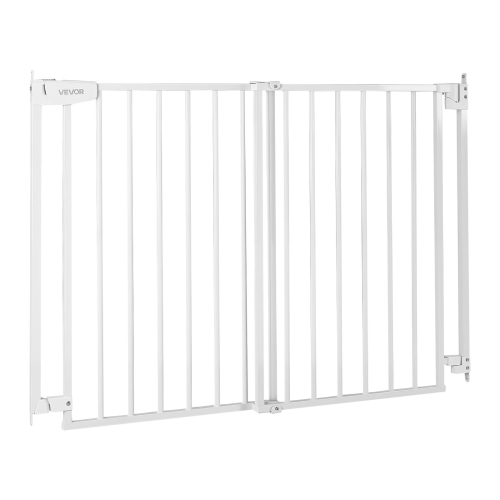
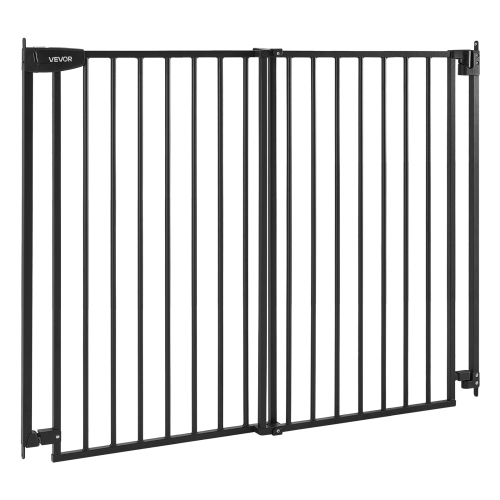
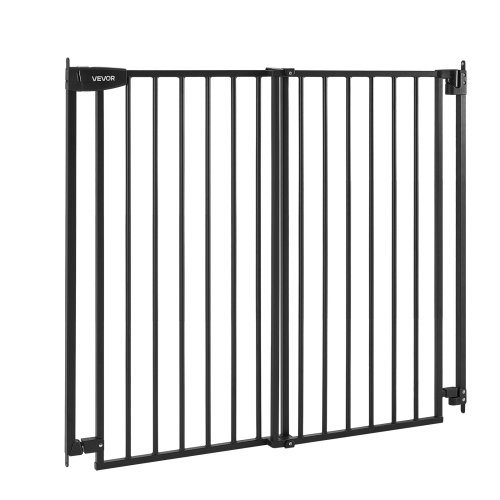
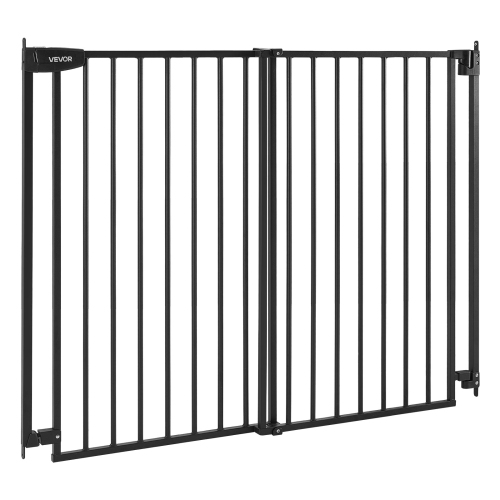
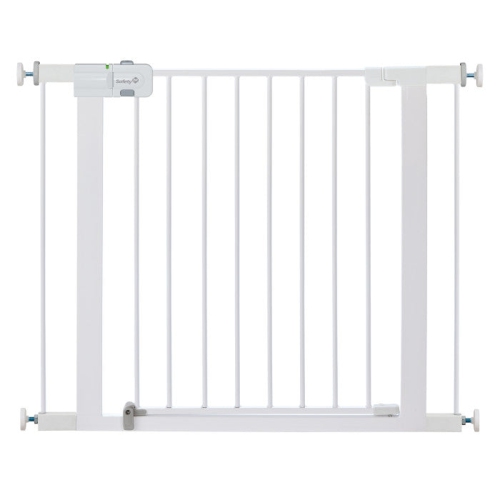
A baby gate, also called a stair gate, is a practical safety barrier that helps create a more manageable home environment for babies and toddlers who are learning to crawl, stand, and walk. It can be used to limit access to stairways, kitchens, laundry areas, home offices, bedrooms, bathrooms, and other spaces where everyday household features may present a risk for a young child. Many families begin using a gate when a baby becomes mobile, often around six months of age, and continue using one through the toddler years as their child develops new skills and greater reach. A gate can also be helpful in homes shared with pets, especially when you want to separate a child and pet during meals, rest periods, or busy family routines. When choosing a baby gate, start by measuring the opening carefully, including the width between walls, door frames, newel posts, or other surfaces where the gate will be installed. A pressure-mounted gate is held in place by tension and can be convenient for doorways and hallways where drilling is not preferred. These gates are often easy to move between rooms, making them useful for families living in rental homes or for grandparents who want a flexible barrier when children visit. Hardware-mounted gates are secured to the wall or frame and are generally the preferred style for the top of stairs, where a loose or shifting barrier could create an additional hazard. Always follow the installation instructions, use the supplied hardware, and check that the surrounding surface is suitable for a secure fit. A gate should sit firmly without wobbling, and its latch should close completely every time.
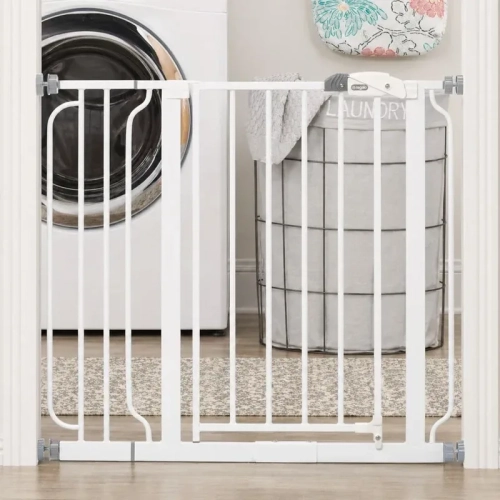
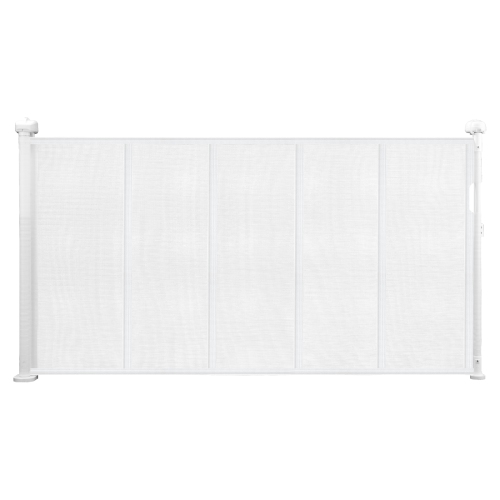
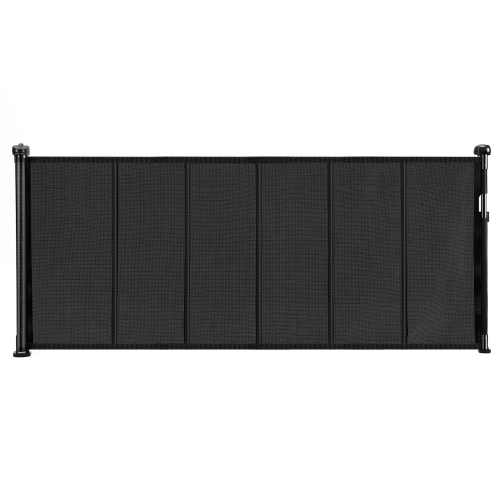
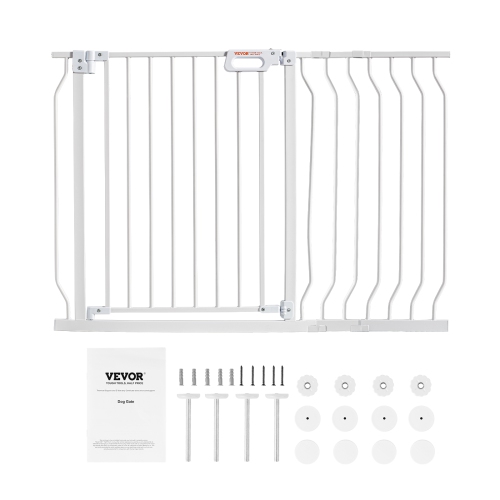
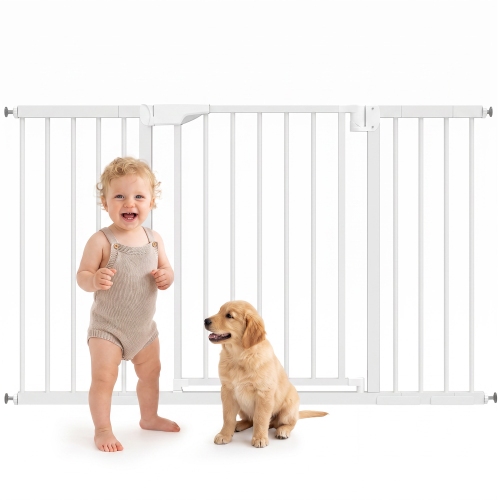
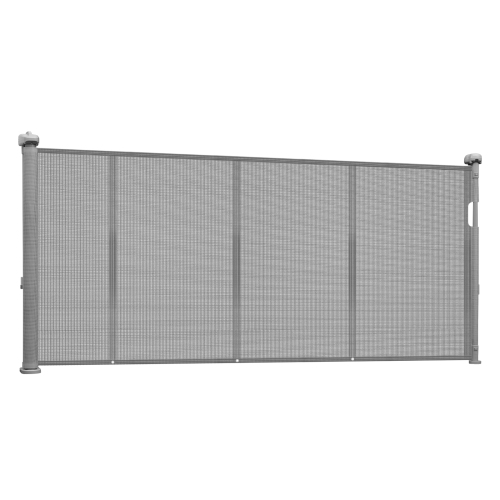
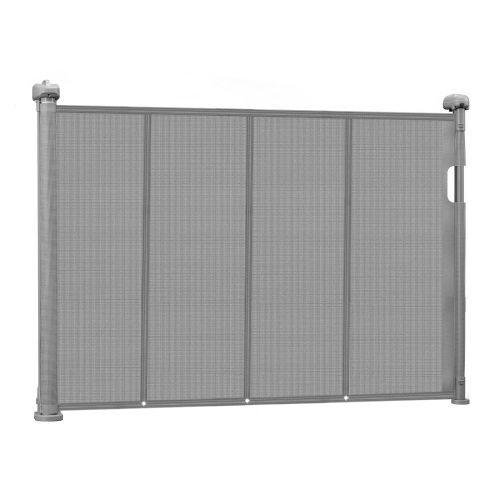
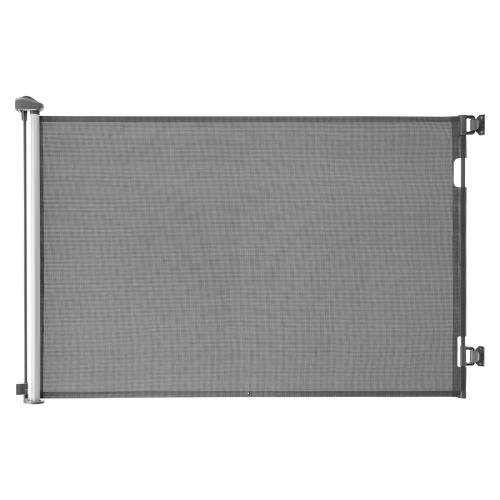
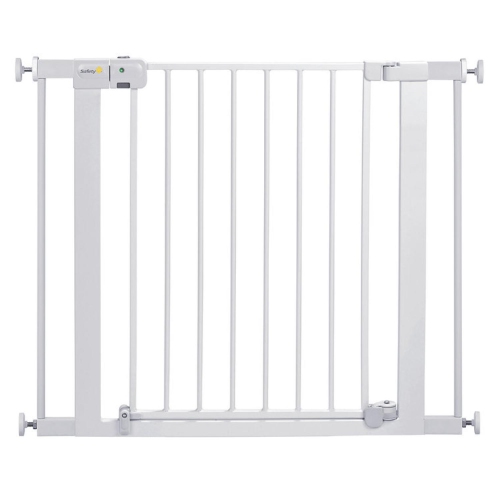
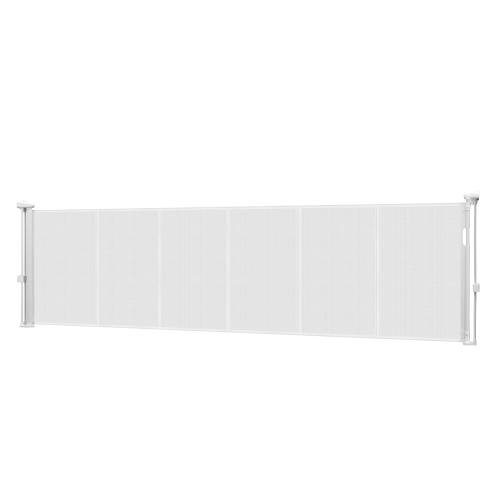
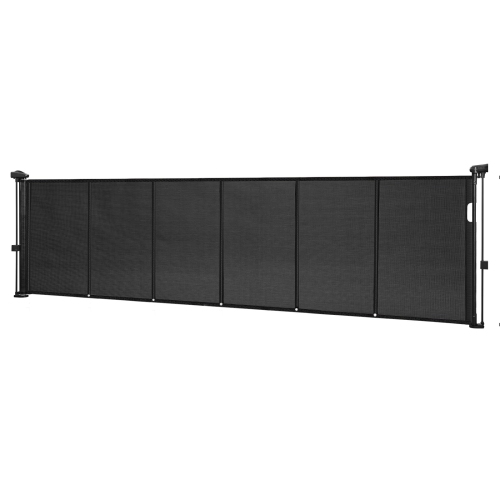
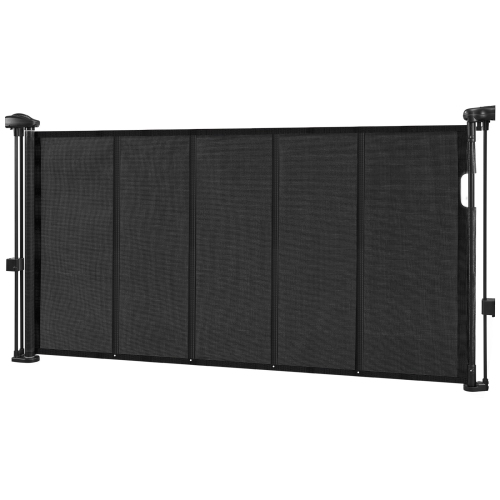
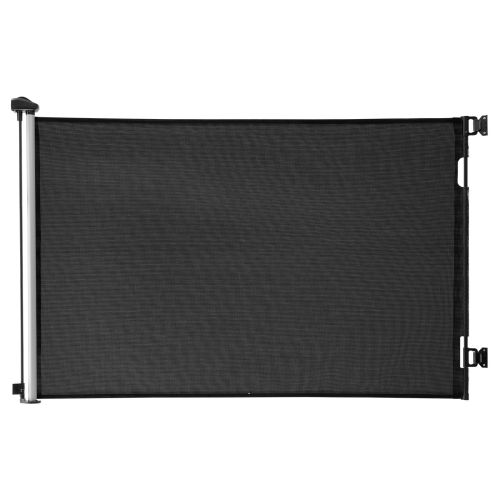
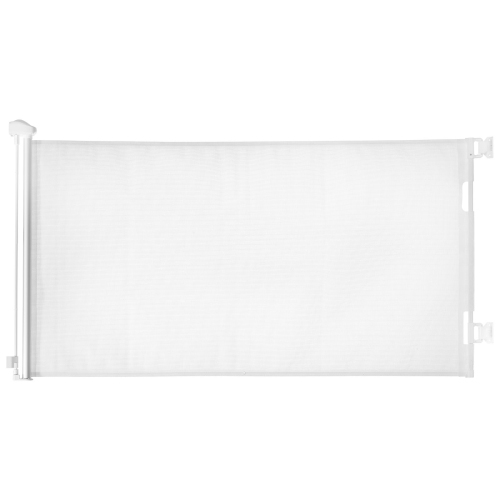
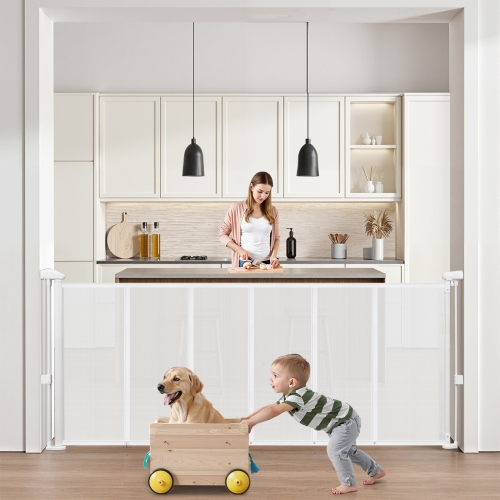
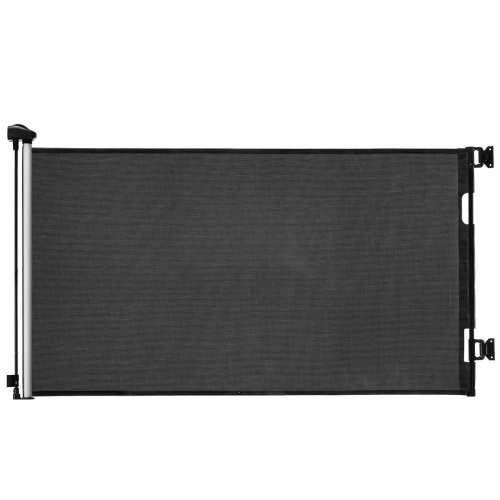
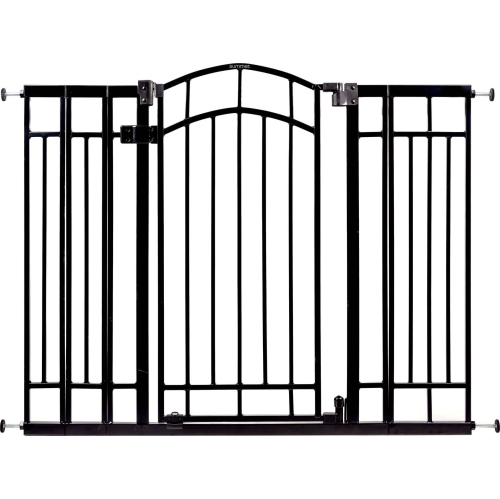
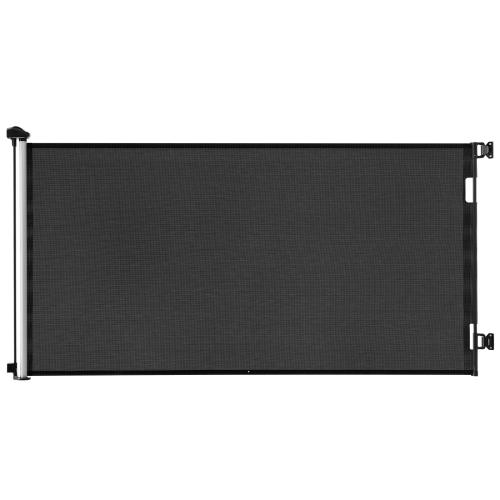
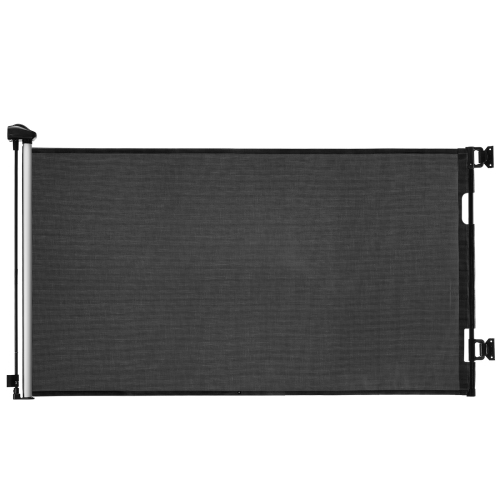
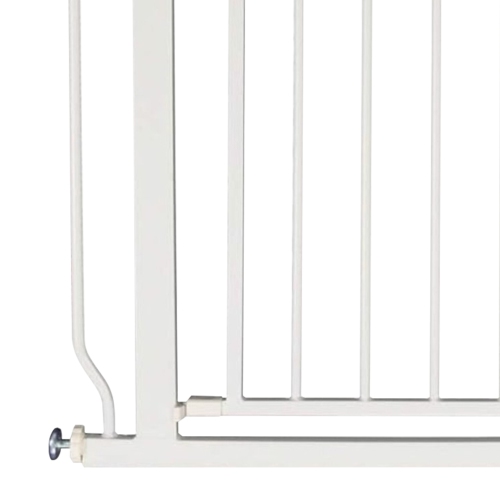
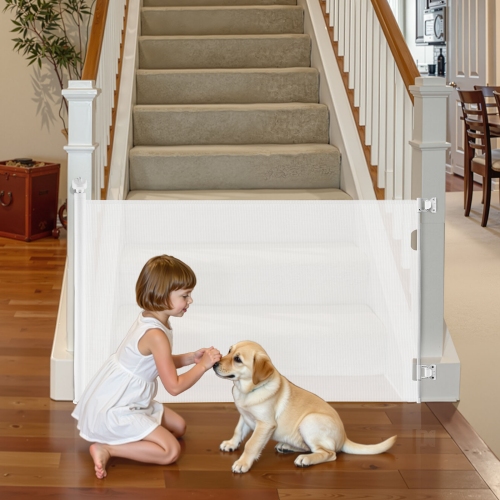
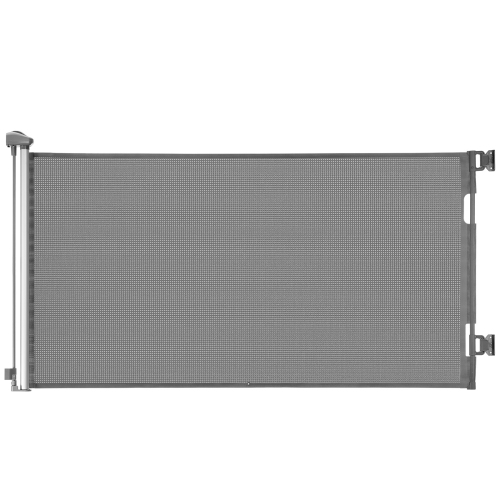
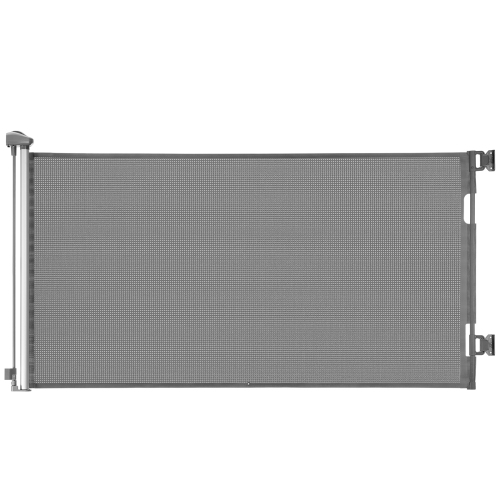
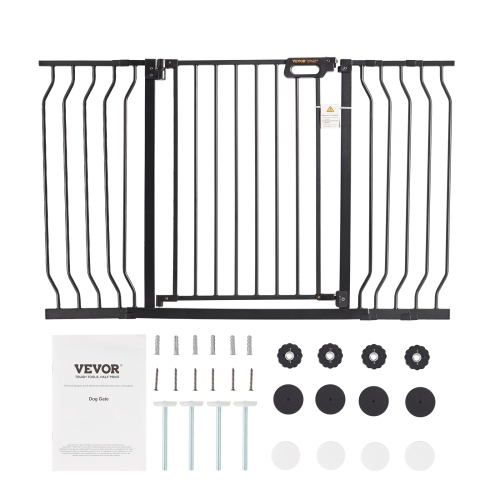
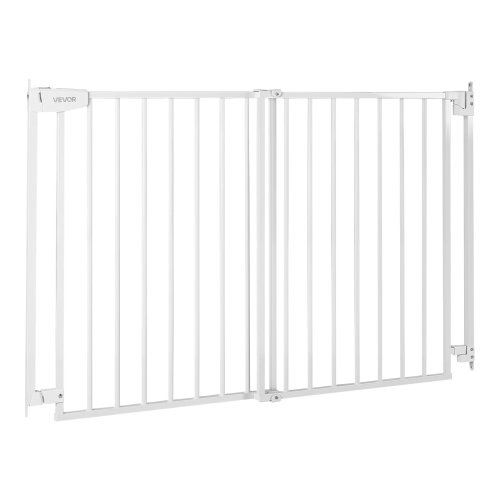
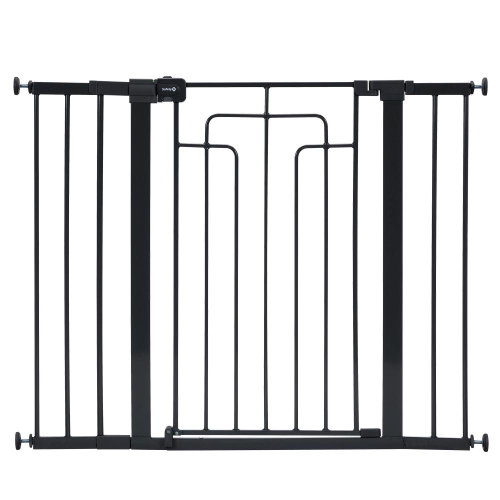
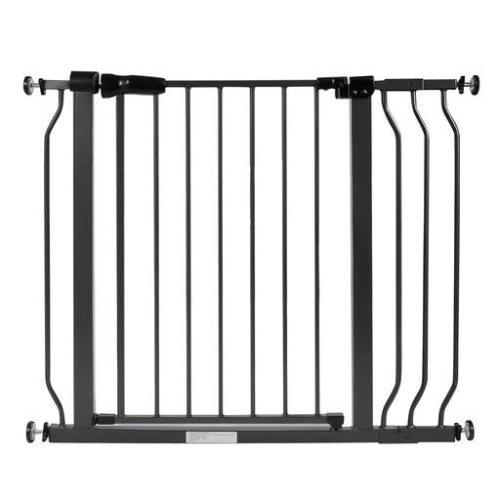
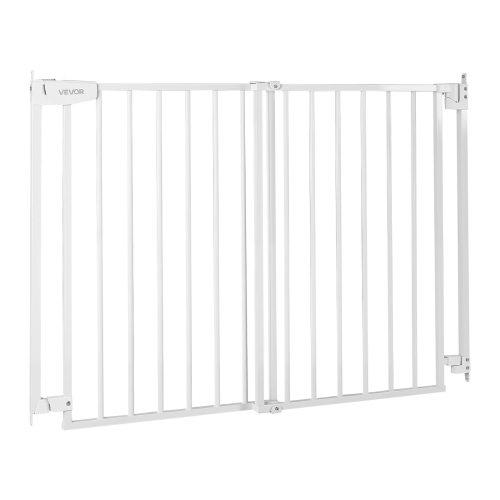
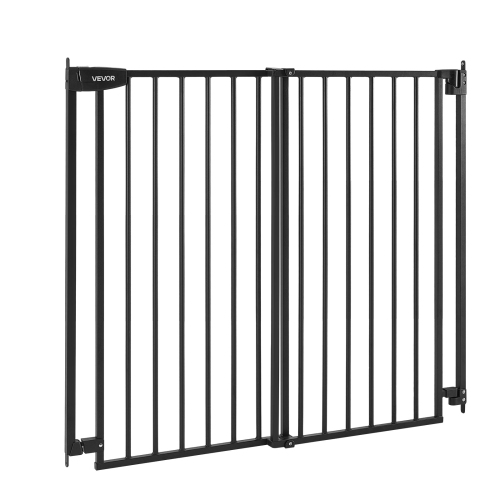
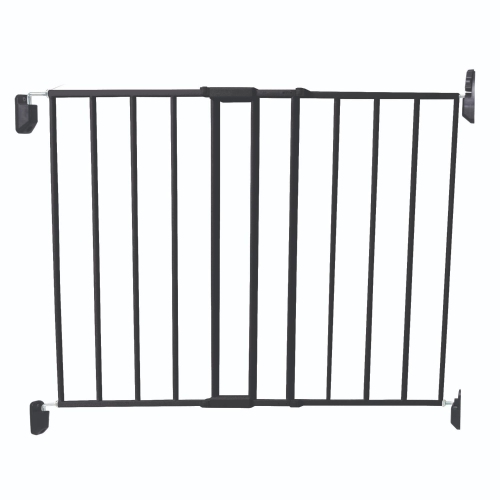
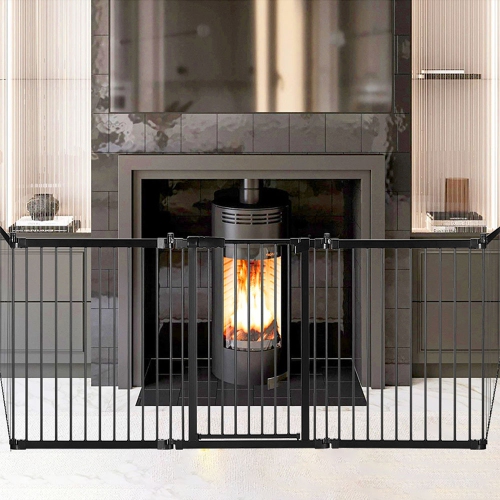
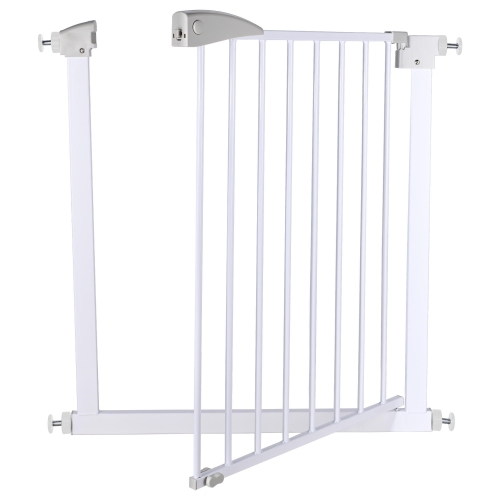
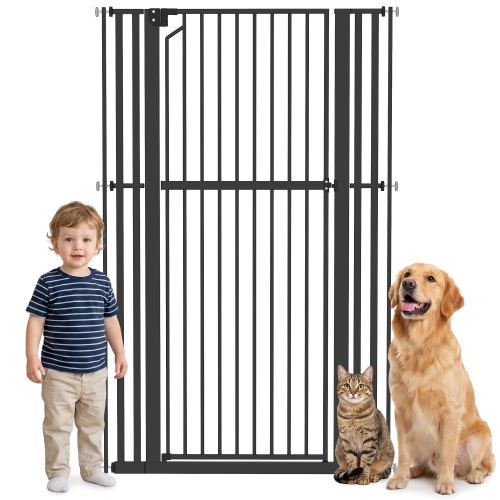
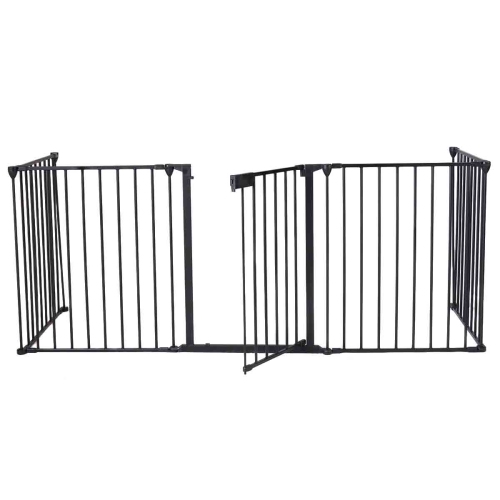
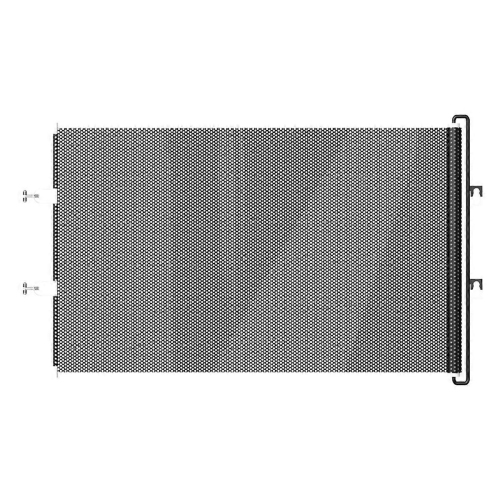
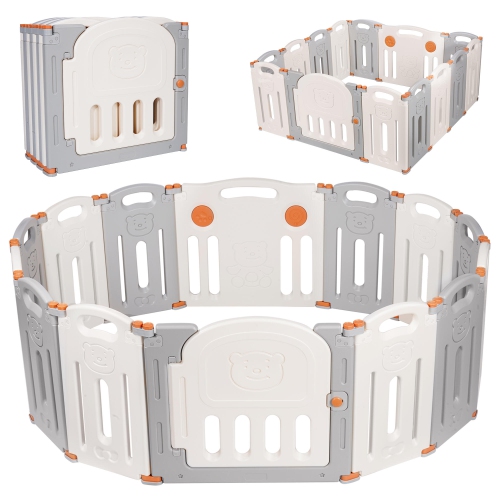
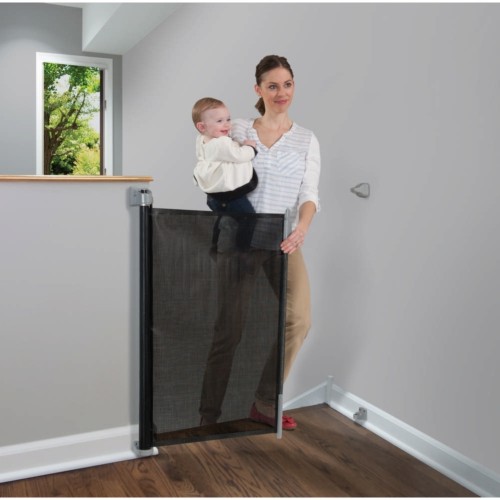
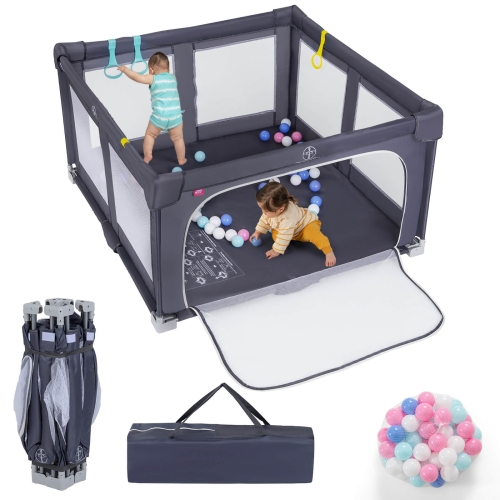
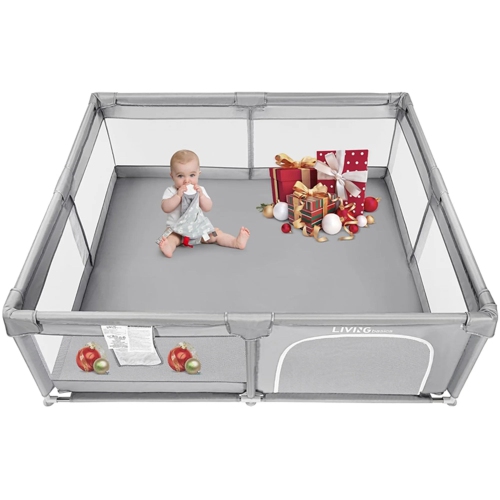
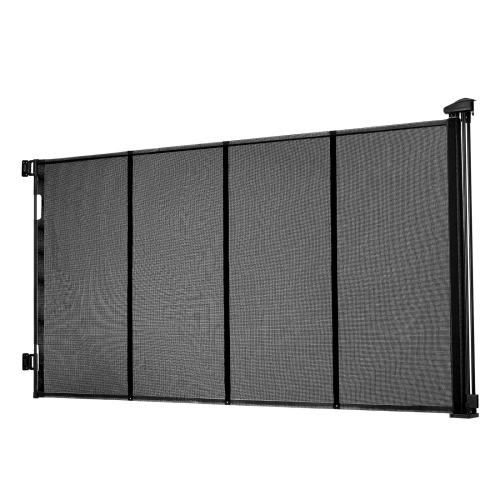
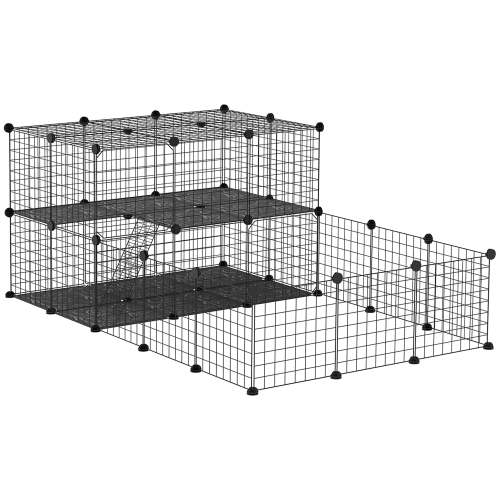
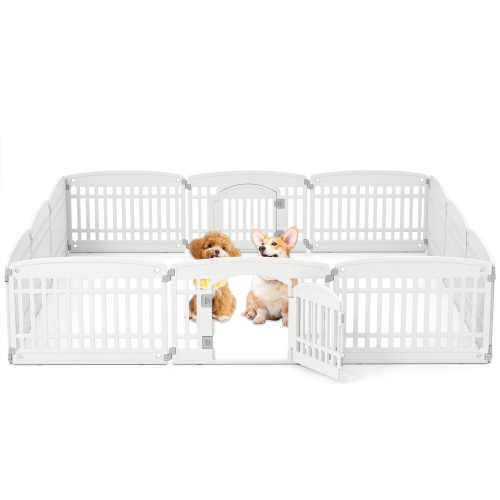
Baby gates come in several designs to suit different floor plans and daily routines. A walk-through gate has a built-in door that allows adults to pass without stepping over the barrier, which can be especially useful when carrying a baby, laundry basket, groceries, or a cup of coffee. Look for a latch that is straightforward for adults to operate but difficult for a curious toddler to open. Some models use one-hand operation, while others include an indicator to show whether the gate is properly closed. Extra-wide gates can cover broad openings between rooms, while expandable or configurable designs can be arranged around unusual spaces, fireplaces, play areas, or open-concept rooms. Certain versatile barriers can also be used to create a temporary play yard, although they should always be assembled according to the manufacturer’s directions and used on a safe, level surface. Retractable or roll-up styles can be useful where space is limited because the barrier can be stored more discreetly when it is not needed. Material and construction are also worth considering. Metal gates are often selected for strength and frequent use, while plastic gates may be lightweight and simple to relocate; wood gates can complement a home’s interior and offer a warm, furniture-like appearance. Whichever style you choose, inspect it for smooth edges, sturdy joints, reliable hinges, and openings that do not allow a child’s head, limbs, or clothing to become caught. Avoid placing furniture, toys, stools, or other climbable objects near the gate, and keep cords and loose items away from the barrier. A gate is intended to restrict access, not replace attentive supervision, and children should not be allowed to climb, swing on, or lean against it.
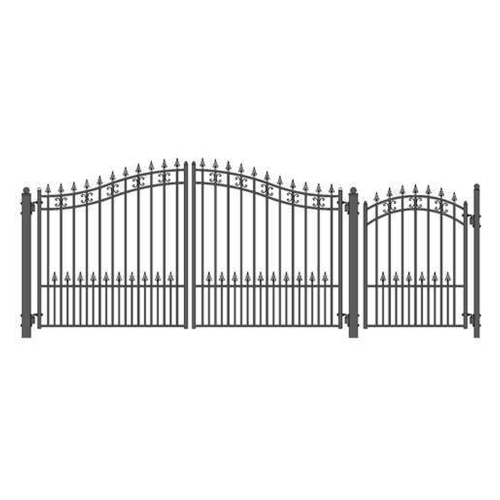
The best baby gate for a household depends on where it will be used, how often adults need to pass through, and whether the opening is standard or unusually wide. For a stairway, pay close attention to the manufacturer’s approved installation locations and choose a design intended for that position; a gate suitable for a hallway may not be appropriate at the top of stairs. At the bottom of a staircase, a barrier can help prevent a young child from beginning an unsupervised climb, while a gate at the top can help limit access to the stairs altogether. For doorways, a pressure-mounted option may provide convenient flexibility, but it should be checked regularly for movement, especially after being opened and closed many times. If you are buying a baby gate as a gift for new parents, grandparents, or caregivers, a versatile walk-through design or a gate that fits a commonly used doorway can be a thoughtful addition to a nursery or family room. A gate may also be useful for relatives preparing a guest room before a baby visits during the cooler months, or for families rearranging their living space as children spend more time indoors. Consider the recipient’s home layout, the locations of stairs, and whether they have pets or wide openings before choosing a style. It is also helpful to retain the instructions and hardware information, and to check the gate periodically as the child grows and the home’s needs change. Families furnishing a property may also encounter outdoor barriers with a different purpose, such as a Fence Gate, but these are designed for property boundaries rather than indoor childproofing. Whether the goal is to block off a kitchen during meal preparation, create a calmer space for a crawling baby, or add an extra layer of separation around stairs, a well-selected and correctly installed baby gate can support everyday routines while helping caregivers keep potentially hazardous areas out of reach.
Baby gates come in several designs to suit different floor plans and daily routines. A walk-through gate has a built-in door that allows adults to pass without stepping over the barrier, which can be especially useful when carrying a baby, laundry basket, groceries, or a cup of coffee. Look for a latch that is straightforward for adults to operate but difficult for a curious toddler to open. Some models use one-hand operation, while others include an indicator to show whether the gate is properly closed. Extra-wide gates can cover broad openings between rooms, while expandable or configurable designs can be arranged around unusual spaces, fireplaces, play areas, or open-concept rooms. Certain versatile barriers can also be used to create a temporary play yard, although they should always be assembled according to the manufacturer’s directions and used on a safe, level surface. Retractable or roll-up styles can be useful where space is limited because the barrier can be stored more discreetly when it is not needed. Material and construction are also worth considering. Metal gates are often selected for strength and frequent use, while plastic gates may be lightweight and simple to relocate; wood gates can complement a home’s interior and offer a warm, furniture-like appearance. Whichever style you choose, inspect it for smooth edges, sturdy joints, reliable hinges, and openings that do not allow a child’s head, limbs, or clothing to become caught. Avoid placing furniture, toys, stools, or other climbable objects near the gate, and keep cords and loose items away from the barrier. A gate is intended to restrict access, not replace attentive supervision, and children should not be allowed to climb, swing on, or lean against it.
The best baby gate for a household depends on where it will be used, how often adults need to pass through, and whether the opening is standard or unusually wide. For a stairway, pay close attention to the manufacturer’s approved installation locations and choose a design intended for that position; a gate suitable for a hallway may not be appropriate at the top of stairs. At the bottom of a staircase, a barrier can help prevent a young child from beginning an unsupervised climb, while a gate at the top can help limit access to the stairs altogether. For doorways, a pressure-mounted option may provide convenient flexibility, but it should be checked regularly for movement, especially after being opened and closed many times. If you are buying a baby gate as a gift for new parents, grandparents, or caregivers, a versatile walk-through design or a gate that fits a commonly used doorway can be a thoughtful addition to a nursery or family room. A gate may also be useful for relatives preparing a guest room before a baby visits during the cooler months, or for families rearranging their living space as children spend more time indoors. Consider the recipient’s home layout, the locations of stairs, and whether they have pets or wide openings before choosing a style. It is also helpful to retain the instructions and hardware information, and to check the gate periodically as the child grows and the home’s needs change. Families furnishing a property may also encounter outdoor barriers with a different purpose, such as a Fence Gate, but these are designed for property boundaries rather than indoor childproofing. Whether the goal is to block off a kitchen during meal preparation, create a calmer space for a crawling baby, or add an extra layer of separation around stairs, a well-selected and correctly installed baby gate can support everyday routines while helping caregivers keep potentially hazardous areas out of reach.
Top selling and popular products
-
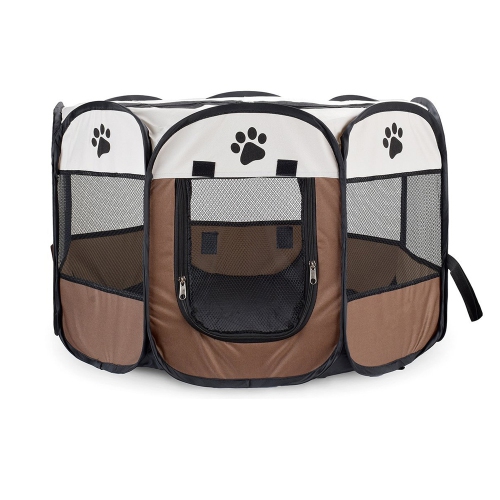 Your price for this item is $25.99
 -
 Your price for this item is $139.99
 -
 Your price for this item is $75.99
 -
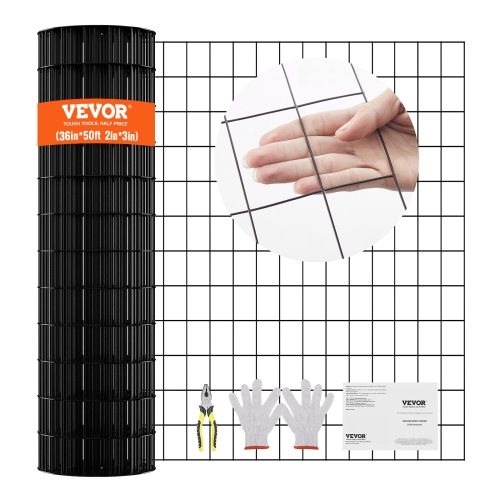 Your price for this item is $65.9
 -
 Your price for this item is $31.99
 -
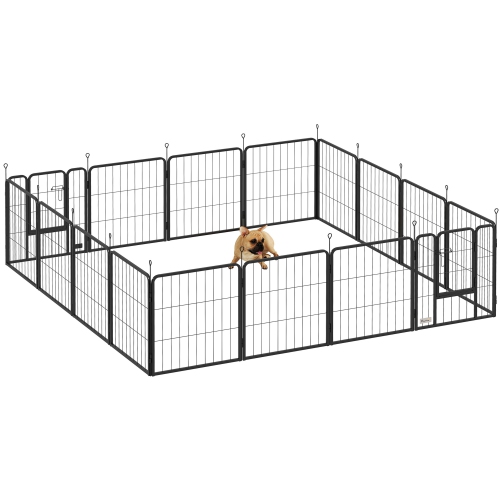 Your price for this item is $156.99
 -
 Your price for this item is $69.9
 -
 Your price for this item is $84.99
Discover more categories related to Baby Gate

Top Collections:
Pokemon Centers, Kindle Devices, Best Budget Office Chairs, Canon G7X Cameras, Apple iPhones 16, Samsung Galaxy Phones, Refurbished Apple Laptops, Laptops for Students, iPhone 15 Apple, Budget Smartphones
Some products may be subject to Environmental Handling Fees
(EHF) depending on your province.
Learn more about EHFs.