Car Seat Protectors
Keep your car seats looking clean and fresh with our wide selection of car seat protectors. Whether you have little ones who love to make a mess or simply want to safeguard your seats from spills, stains, and wear, our car seat protectors are designed to provide the ultimate protection. With various styles and materials to choose from, you can find the perfect car seat protector to suit your needs and keep your vehicle looking its best. Explore our collection today and give your car seats the defense they deserve.
Sort

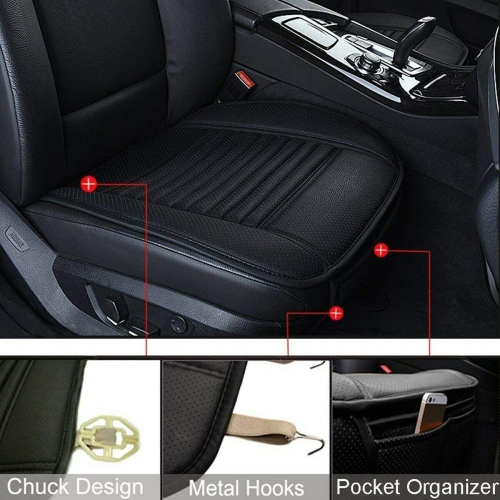
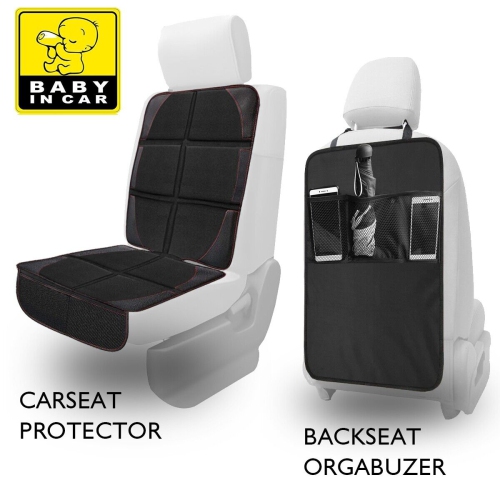
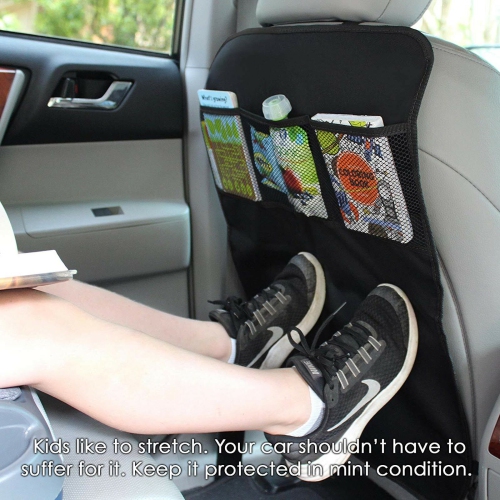
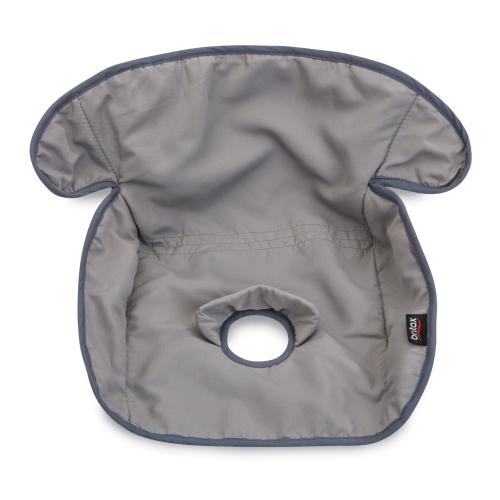
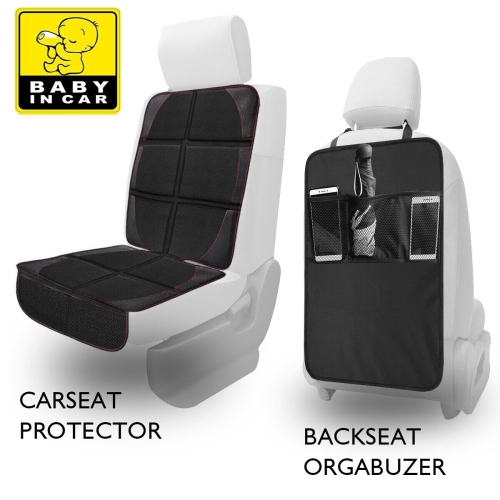
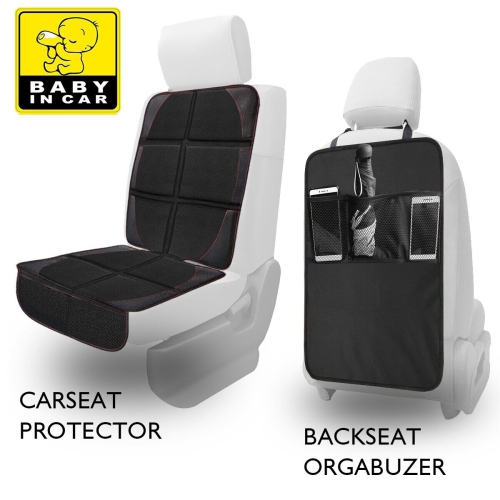
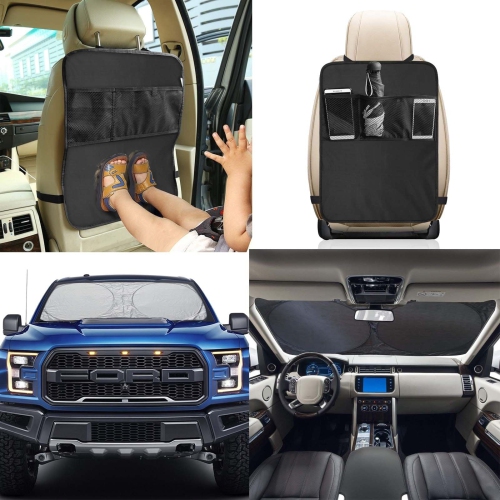
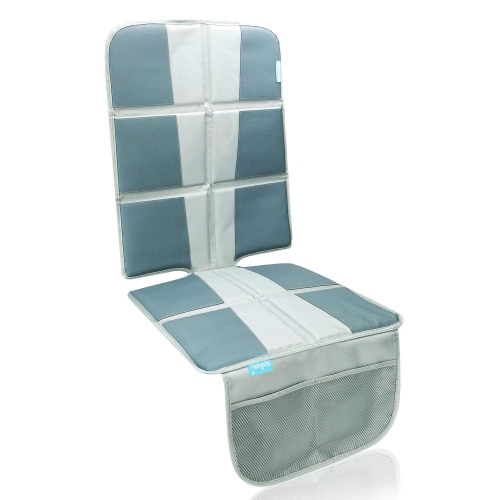
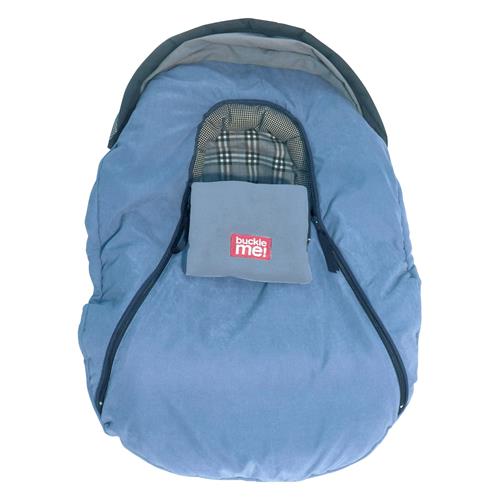
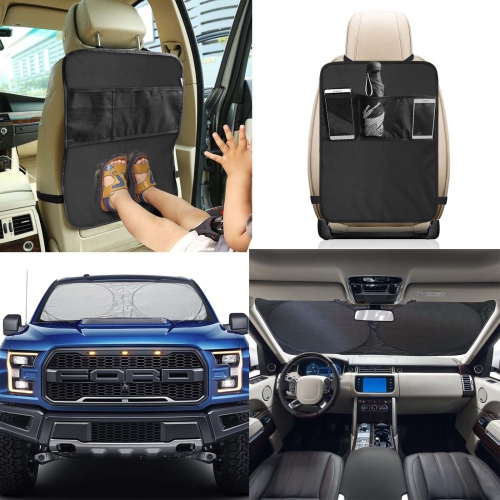
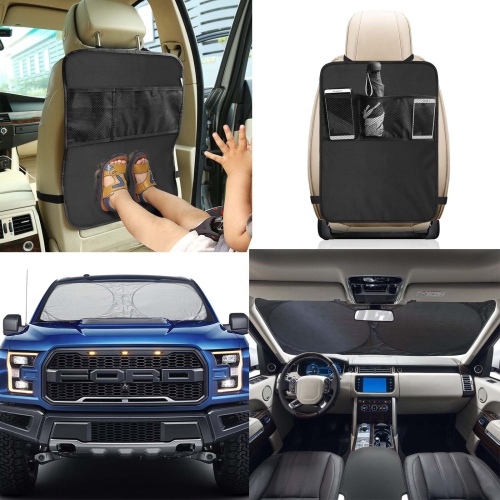
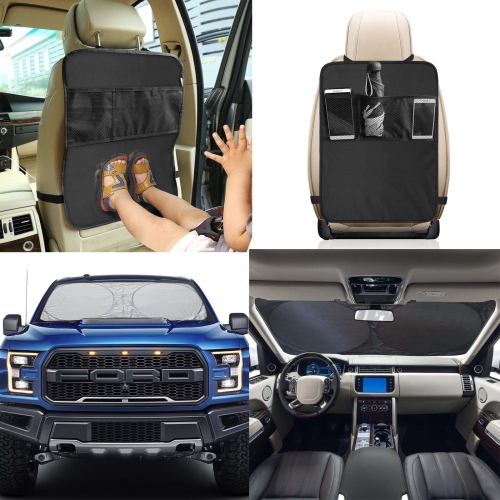
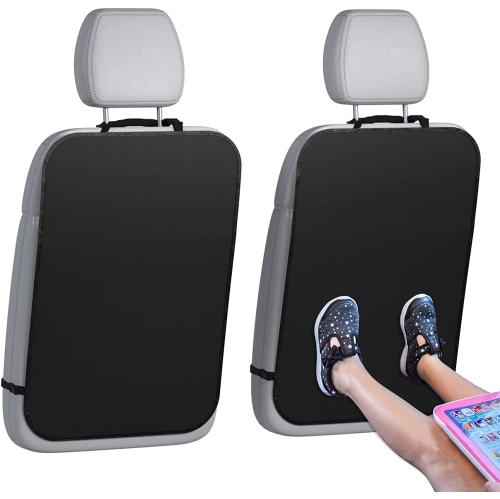
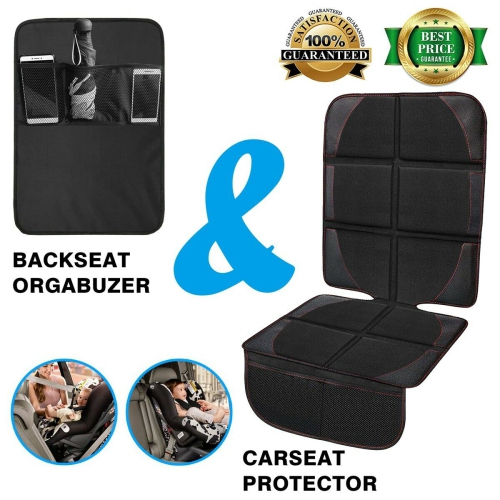
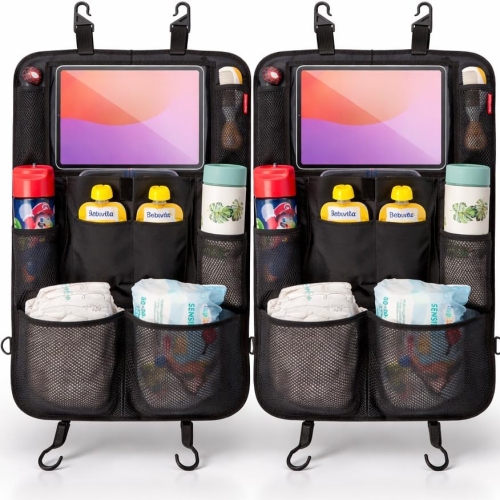
A removable layer between snack spills and upholstery
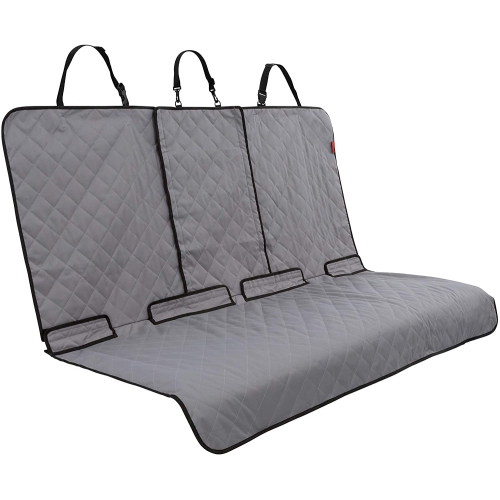
Car seat protectors are mats or covers placed between a child’s car seat and the vehicle’s upholstery to help catch crumbs, contain small spills, and reduce direct contact with the seat beneath. Their main purpose is to keep everyday messes from settling into fabric, leather, or other upholstery; they are not a replacement for a correctly installed child restraint. For families making frequent trips to daycare, visiting relatives, or heading out on longer drives, a protector can create a removable surface beneath the spot where snack crumbs and dropped drinks tend to collect. Coverage varies by design. Some mats cover only the vehicle seat cushion, while others extend up the seatback or include a front flap over the cushion’s edge. A seatback section may help limit marks from footwear when a child rides rear-facing, provided that placement is permitted by the child restraint and vehicle manufacturers. A lower flap can help shield the area that shoes brush against as children climb into the vehicle. Raised edges may help hold loose debris or small amounts of liquid, although seams, openings, and the mat’s position affect how well a spill stays contained. Protectors may also help reduce surface scuffs and pressure marks, but no mat can guarantee that upholstery will remain free of indentations beneath a tightly installed car seat. These accessories are particularly relevant to parents, grandparents, and other caregivers who regularly transport children. They can also be a practical gift for a growing family, as long as compatibility with the recipient’s vehicle and child restraint is confirmed first. Unlike a full vehicle seat cover, a child car seat protector is generally intended to cover a defined area beneath or behind the restraint. That distinction matters when comparing shapes and coverage: a mat for catching crumbs under a booster serves a different purpose from a kick mat attached to the back of a front seat.
Compatibility is the most important consideration for any protector used beneath a child restraint. Check both the child car seat manual and the vehicle owner’s manual before adding a mat, since some manufacturers prohibit anything between the restraint and the vehicle seat, while others allow only particular accessories or materials. If the instructions are unclear, confirmation from the manufacturer is more useful than a general claim that a protector fits most vehicles. A mat that looks tidy or feels secure is not necessarily permitted for a particular installation. Its thickness, texture, and shape must not interfere with the restraint’s contact with the vehicle seat, belt routing, Universal Anchorage System connections, or required recline angle. Nor should a protector obstruct the vehicle’s seat belt buckles, lower anchors, or top tether anchor, where applicable. Adjustable straps may keep a mat positioned during setup, but they do not secure the child restraint or replace any part of its installation. For a rear-facing or forward-facing harnessed car seat, follow the manufacturer’s installation instructions and check for no more than 1 inch of movement from side to side or front to back at the belt path. A textured backing must not be used to disguise a loose installation, and extra padding should never be added to fill gaps or alter the seat’s angle unless expressly permitted. Booster seats have different requirements, including proper lap and shoulder belt positioning and accessible buckles, so their instructions need separate attention. Fit also depends on the vehicle’s contours: a wide mat may bunch against a raised seat edge, while a long front flap may hang awkwardly in a compact rear seating area. In a shared back seat, the protector should not cover a neighbouring passenger’s buckle. Car seat protectors sit within the broader range of Car Seat Accessories, but each accessory needs its own compatibility check rather than an assumption that it can be combined with every other item.
Materials and construction influence how a car seat protector handles daily use and how much effort cleaning requires. Common designs use woven synthetic fabrics, coated surfaces, or moulded materials, sometimes with a textured backing and reinforced edges. A smooth, wipeable surface can make a sticky drink splash easier to remove, while a fabric-faced mat may need more attention around stitching and binding where crumbs collect. Water-resistant and waterproof descriptions are not interchangeable: a water-resistant surface may tolerate a minor splash without making the entire protector leakproof, particularly around seams or storage pockets. Upholstery compatibility deserves attention too, especially with pale leather or light-coloured fabric. The backing should be suitable for the vehicle seat material, and care instructions may identify restrictions intended to prevent marking or colour transfer. Thickness alone is not a measure of quality or suitability; a slim, well-finished mat that meets the relevant manufacturers’ requirements is preferable to bulky padding that changes how the restraint sits. Durable stitching, securely attached straps, and edges that remain flat are useful details for families whose back seats see frequent use. Front storage pockets can hold small, lightweight belongings, but their placement should leave buckles and foot space clear, and loose objects should be secured appropriately for travel. Routine care usually starts with removing loose debris and treating spills promptly according to the protector’s care label. Machine washing should only be used when expressly allowed, and harsh cleaners or abrasive brushes may damage coatings and backing. Moisture trapped beneath a mat can leave upholstery damp, so both the protector and vehicle seat should be dry before everything is put back into place. If cleaning requires removing the child restraint, it must be reinstalled and checked according to its instructions. Periodic inspection also helps reveal curling edges, split seams, worn backing, or accumulated grit beneath the mat. A well-matched protector balances manageable care and useful coverage with the non-negotiable requirement that the child restraint remain installed exactly as directed.
Compatibility is the most important consideration for any protector used beneath a child restraint. Check both the child car seat manual and the vehicle owner’s manual before adding a mat, since some manufacturers prohibit anything between the restraint and the vehicle seat, while others allow only particular accessories or materials. If the instructions are unclear, confirmation from the manufacturer is more useful than a general claim that a protector fits most vehicles. A mat that looks tidy or feels secure is not necessarily permitted for a particular installation. Its thickness, texture, and shape must not interfere with the restraint’s contact with the vehicle seat, belt routing, Universal Anchorage System connections, or required recline angle. Nor should a protector obstruct the vehicle’s seat belt buckles, lower anchors, or top tether anchor, where applicable. Adjustable straps may keep a mat positioned during setup, but they do not secure the child restraint or replace any part of its installation. For a rear-facing or forward-facing harnessed car seat, follow the manufacturer’s installation instructions and check for no more than 1 inch of movement from side to side or front to back at the belt path. A textured backing must not be used to disguise a loose installation, and extra padding should never be added to fill gaps or alter the seat’s angle unless expressly permitted. Booster seats have different requirements, including proper lap and shoulder belt positioning and accessible buckles, so their instructions need separate attention. Fit also depends on the vehicle’s contours: a wide mat may bunch against a raised seat edge, while a long front flap may hang awkwardly in a compact rear seating area. In a shared back seat, the protector should not cover a neighbouring passenger’s buckle. Car seat protectors sit within the broader range of Car Seat Accessories, but each accessory needs its own compatibility check rather than an assumption that it can be combined with every other item.
Materials and construction influence how a car seat protector handles daily use and how much effort cleaning requires. Common designs use woven synthetic fabrics, coated surfaces, or moulded materials, sometimes with a textured backing and reinforced edges. A smooth, wipeable surface can make a sticky drink splash easier to remove, while a fabric-faced mat may need more attention around stitching and binding where crumbs collect. Water-resistant and waterproof descriptions are not interchangeable: a water-resistant surface may tolerate a minor splash without making the entire protector leakproof, particularly around seams or storage pockets. Upholstery compatibility deserves attention too, especially with pale leather or light-coloured fabric. The backing should be suitable for the vehicle seat material, and care instructions may identify restrictions intended to prevent marking or colour transfer. Thickness alone is not a measure of quality or suitability; a slim, well-finished mat that meets the relevant manufacturers’ requirements is preferable to bulky padding that changes how the restraint sits. Durable stitching, securely attached straps, and edges that remain flat are useful details for families whose back seats see frequent use. Front storage pockets can hold small, lightweight belongings, but their placement should leave buckles and foot space clear, and loose objects should be secured appropriately for travel. Routine care usually starts with removing loose debris and treating spills promptly according to the protector’s care label. Machine washing should only be used when expressly allowed, and harsh cleaners or abrasive brushes may damage coatings and backing. Moisture trapped beneath a mat can leave upholstery damp, so both the protector and vehicle seat should be dry before everything is put back into place. If cleaning requires removing the child restraint, it must be reinstalled and checked according to its instructions. Periodic inspection also helps reveal curling edges, split seams, worn backing, or accumulated grit beneath the mat. A well-matched protector balances manageable care and useful coverage with the non-negotiable requirement that the child restraint remain installed exactly as directed.
Top selling and popular products
-
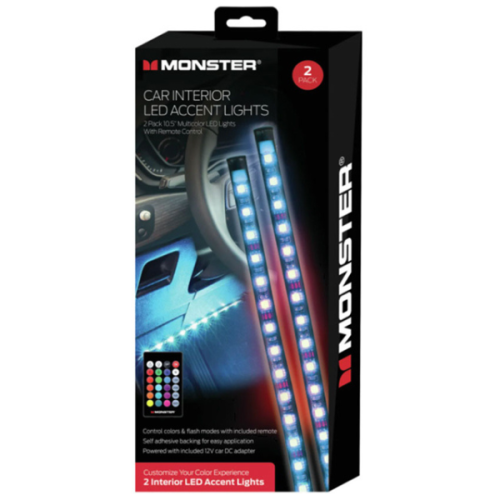 Your price for this item is $14.95
 -
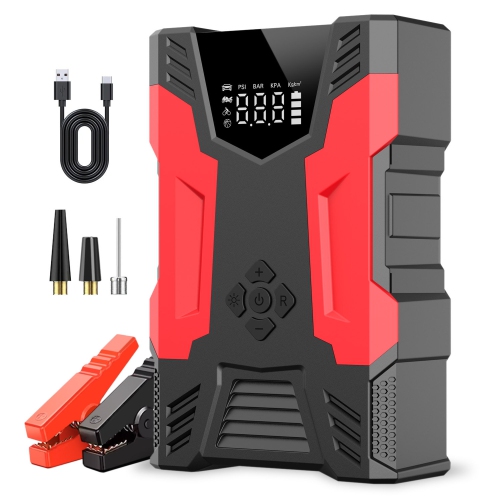 Your price for this item is $160.99
 -
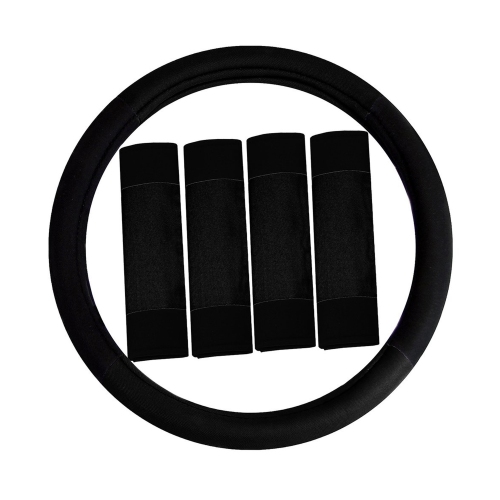 Your price for this item is $7.99
 -
 Your price for this item is $24.99
 -
 Your price for this item is $185.96
 -
 Your price for this item is $174.96
 -
 Your price for this item is $9.99
 -
 Your price for this item is $61.96
Discover more categories related to Car Seat Protectors
Top Collections:
Pokemon Centers, Kindle Devices, Best Budget Office Chairs, Apple iPhones 16, Best Laptops for Writers, iPhone 15 Apple, Canon G7X Cameras, Refurbished Apple Laptops, Alarm Clock, Motorola Razr Phones
Some products may be subject to Environmental Handling Fees
(EHF) depending on your province.
Learn more about EHFs.