Hands Free Breast Pumps
Our hands-free breast pumps are designed to provide busy moms with the freedom to express milk without being tethered to a traditional pump. With innovative technology and comfortable designs, these pumps offer flexibility and ease of use, making pumping sessions more manageable and discreet. Whether you're a new mom returning to work or simply looking for a hands-free pumping solution, explore our selection of hands-free breast pumps to find the perfect option for your lifestyle and needs.
Sort
What hands-free pumping means for your daily routine
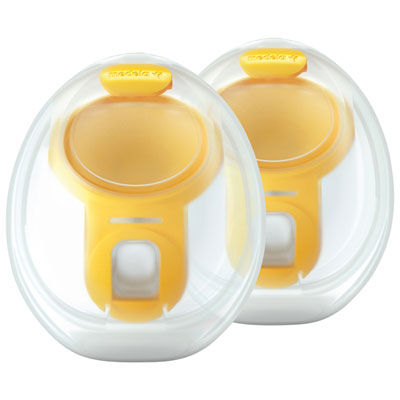
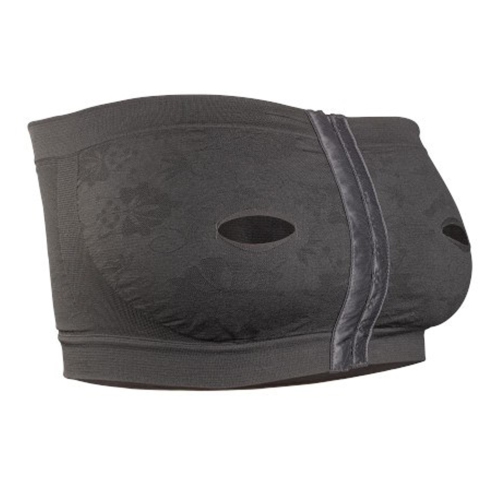
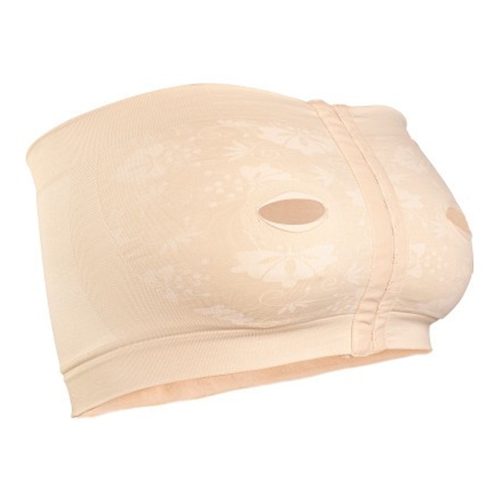
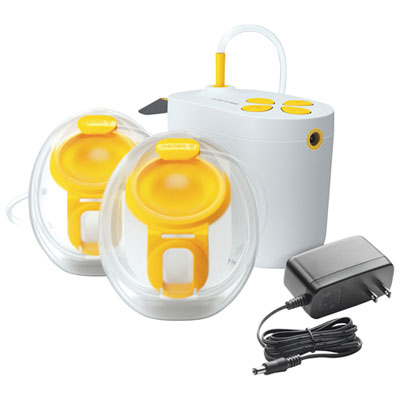
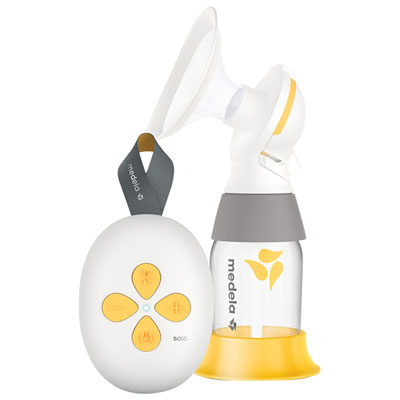
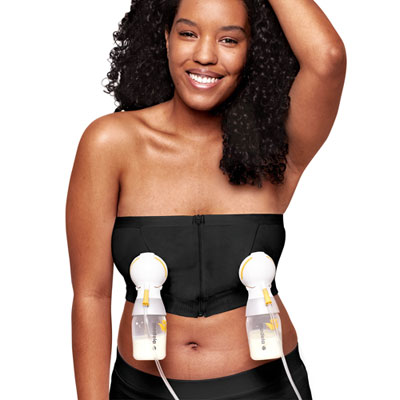
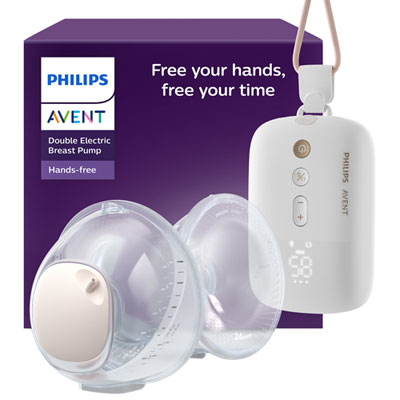
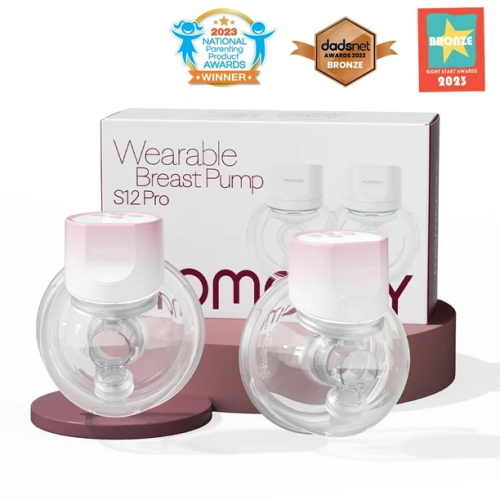
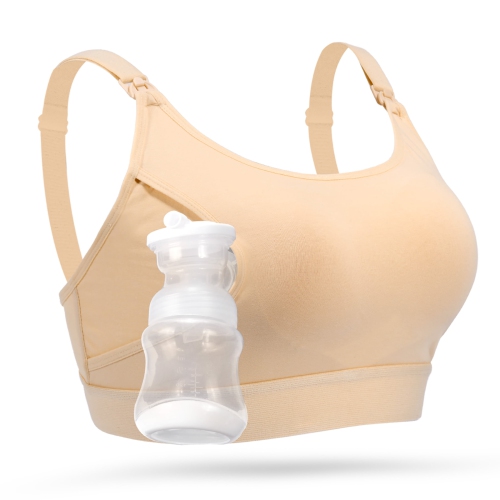
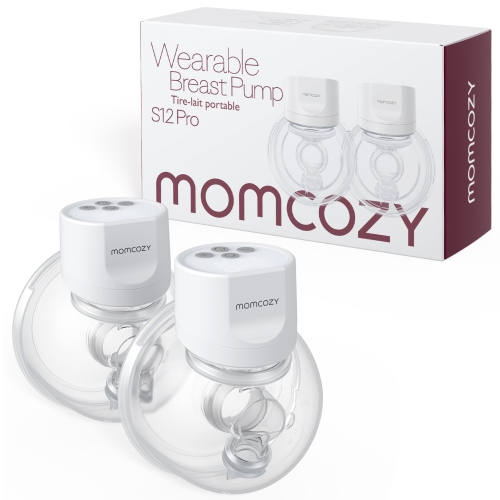
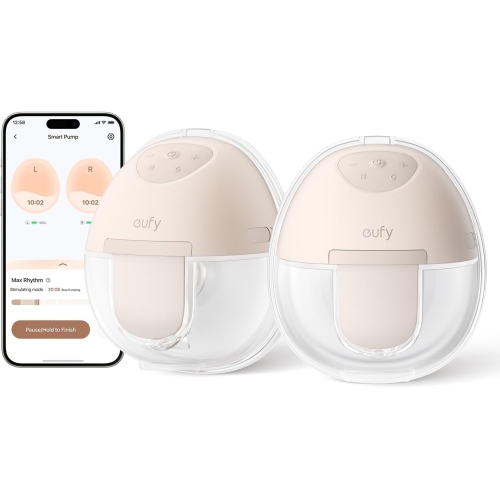
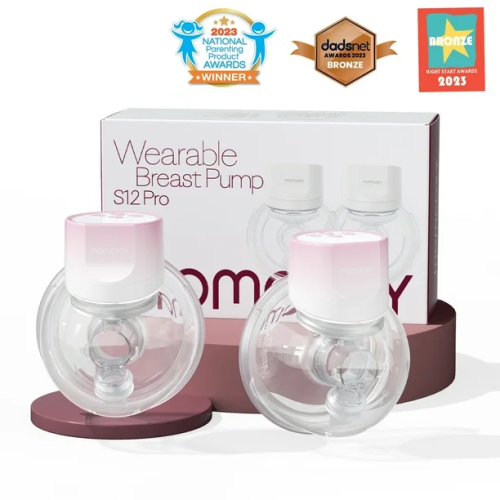
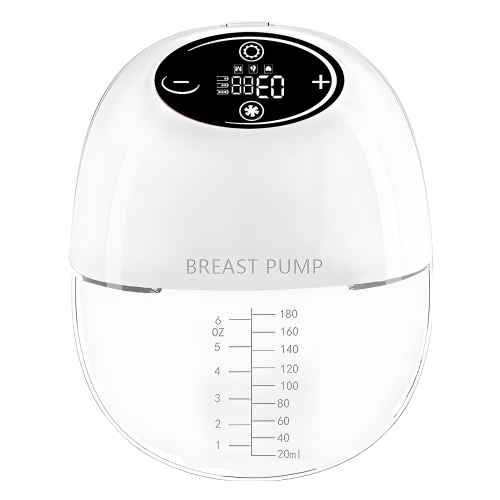
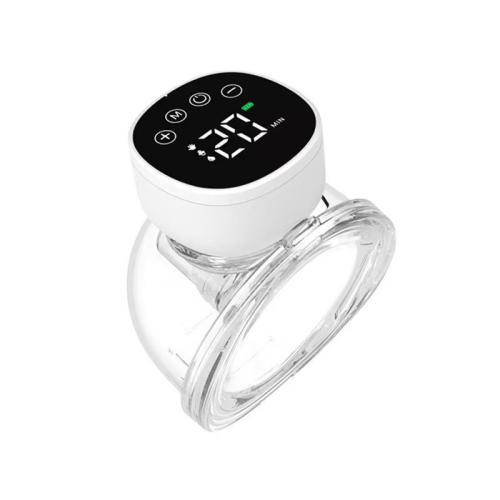
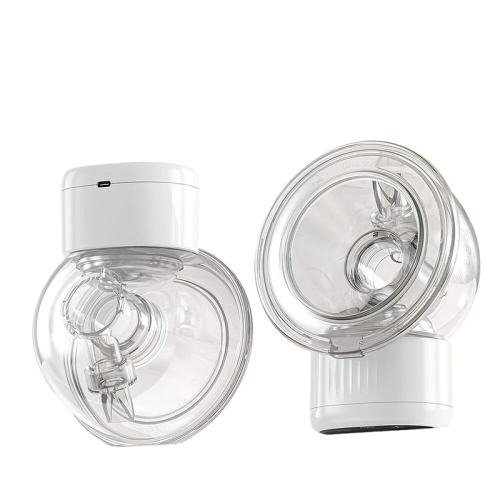
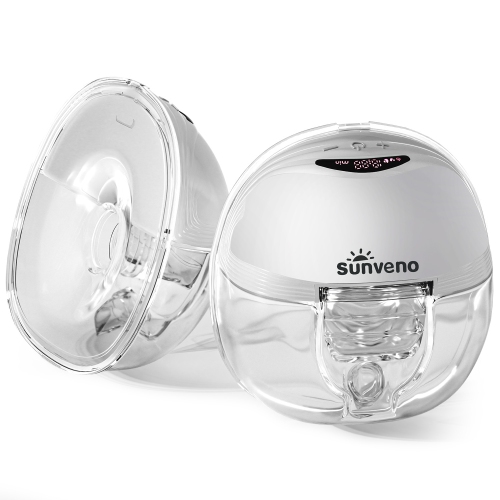
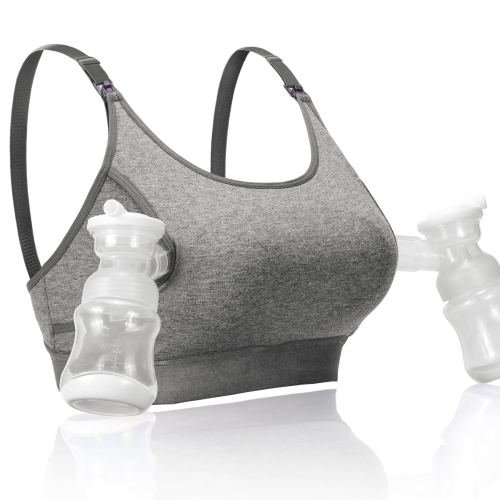
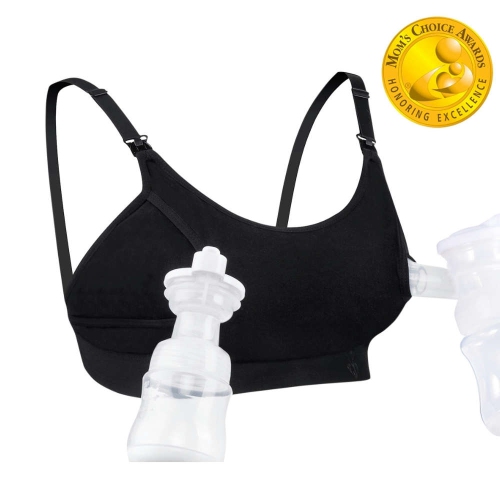
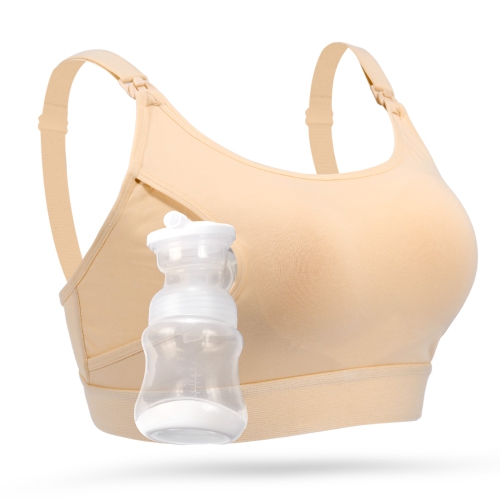
Hands-free breast pumps express breast milk without requiring you to hold collection bottles or breast shields in place throughout a session. They can make pumping easier to fit around everyday activities, whether that means answering emails at a desk, eating lunch, or sitting beside a baby during floor play. The category includes fully wearable pumps, with a motor and milk collection cup housed inside a bra, and systems with in-bra collection cups connected by tubing to a separate motor. Some conventional electric pumps can also be used hands-free with a compatible pumping bra that supports their shields and bottles. These designs offer different balances of weight, visibility, movement, and access to controls. A fully in-bra design keeps the motor close to the collection cup and avoids external tubing, while a separate motor may clip to clothing or sit nearby, depending on its design. For shoppers interested specifically in pumps that sit inside a bra, Wearable Breast Pumps represent a closely related category. Hands-free does not necessarily mean cordless, silent, or suitable for unrestricted movement: leaning forward, bending deeply, or reclining may cause leaks with some designs. Cup shape and pump weight also affect how comfortably a system sits under clothing, and a fitted top may show its outline more than a loose shirt. These pumps may suit parents expressing milk occasionally, building pumping into a return-to-work routine, or combining nursing with expressed-milk feeds. For someone pumping frequently or exclusively, comfort across repeated sessions and consistent milk removal matter more than a compact shape alone. Milk output varies between people and between sessions, so a wearable design is not automatically a replacement for another pump that already works well. The most useful choice fits the parent’s feeding routine, body, and daily setting rather than simply offering the smallest profile or the greatest number of settings. A parent who pumps at a shared workplace, for example, may value accessible controls and easy milk transfer as much as portability.
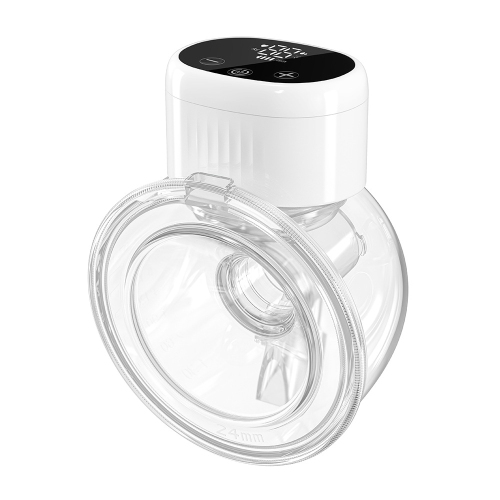
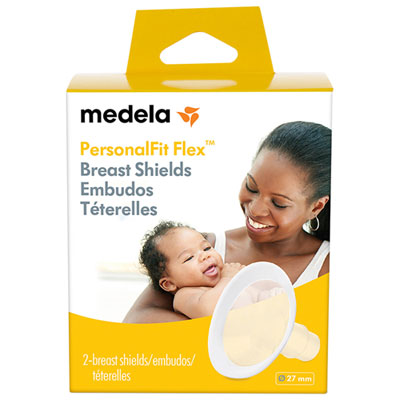
Fit is central to the comfort and function of a hands-free breast pump. The flange, sometimes called a breast shield, is the part that sits against the breast and guides the nipple into a tunnel during suction. An appropriately sized tunnel allows the nipple to move without rubbing against the sides or drawing in excessive surrounding tissue. Nipple size, rather than overall breast or bra size, helps determine flange fit, and each breast may need a different size. Fit can also change over time. Interchangeable shields or compatible sizing inserts provide adjustment options, but parts need to match the pump system rather than merely look similar. A supportive bra should hold the cups securely against the breasts without pressing them so tightly that they feel uncomfortable or distort their position. This balance becomes especially noticeable as the cups fill and gain weight. Before a session, centring the nipple and checking that each cup sits evenly can help prevent avoidable discomfort and leaks. Pumping should not cause pain; persistent soreness, rubbing, or difficulty removing milk warrants support from a lactation professional or healthcare provider. Adjustable suction and cycle settings let users tailor the sensation, while stimulation and expression modes offer different pumping patterns. Higher suction does not automatically mean better milk removal, and the strongest comfortable setting will differ from person to person. Materials also shape the experience. Collection cups commonly use rigid plastic, while valves, diaphragms, and some breast-contact components use flexible silicone. Smooth surfaces, clear assembly markings, and visible milk-level indicators can make everyday handling simpler. Collection capacity matters alongside fit, particularly for parents who need to pause and empty cups during longer sessions. A clear viewing window can help with alignment and monitoring, although visibility depends on the cup’s position and the clothing worn over it. Accessible buttons, readable displays, and controls that do not require removing the entire pump can be valuable when adjusting a session at a desk or in a private pumping space.
Daily care and practical details often determine how well a hands-free breast pump fits into a routine. Each session leaves milk-contact parts that need cleaning, so the number of valves, seals, cups, and shields is worth considering alongside motor size. Components that separate easily and have accessible surfaces can make washing and drying less fiddly, especially when there is limited counter space. Milk-contact parts should be cleaned after each use according to the manufacturer’s instructions and allowed to air-dry thoroughly before storage. Dishwasher compatibility and sanitizing methods vary by component; a motor housing or charging connection should never be treated like a washable collection cup. Additional sanitizing may be especially important for babies younger than two months, babies born prematurely, or those with a weakened immune system, following healthcare and public health guidance. A closed-system design uses a barrier intended to keep milk out of the tubing and motor, but it does not eliminate the need to clean milk-contact parts. Careful assembly matters just as much as cleaning: a valve that is not seated properly or a seal with trapped moisture can affect suction or contribute to leaks. Flexible parts may stretch, tear, or lose their shape with repeated use, so inspecting them and following replacement guidance helps maintain performance. For pumping away from home, battery runtime, charging time, and the ability to check the remaining charge are practical considerations. Stated runtime can vary with settings and use, and a charged pump still needs clean, fully assembled parts. A protective carrying case and separate storage for clean and used components help keep a work bag organized. Once a session ends, a stable cup base and a manageable pouring opening can make transferring milk into a suitable storage container easier. Hands-free operation does not replace safe milk handling; expressed milk still needs storage according to public health guidance. For a gift, the recipient’s preferred design and fit requirements are particularly important, since breast pumps are personal feeding equipment rather than one-size-fits-all accessories.
Fit is central to the comfort and function of a hands-free breast pump. The flange, sometimes called a breast shield, is the part that sits against the breast and guides the nipple into a tunnel during suction. An appropriately sized tunnel allows the nipple to move without rubbing against the sides or drawing in excessive surrounding tissue. Nipple size, rather than overall breast or bra size, helps determine flange fit, and each breast may need a different size. Fit can also change over time. Interchangeable shields or compatible sizing inserts provide adjustment options, but parts need to match the pump system rather than merely look similar. A supportive bra should hold the cups securely against the breasts without pressing them so tightly that they feel uncomfortable or distort their position. This balance becomes especially noticeable as the cups fill and gain weight. Before a session, centring the nipple and checking that each cup sits evenly can help prevent avoidable discomfort and leaks. Pumping should not cause pain; persistent soreness, rubbing, or difficulty removing milk warrants support from a lactation professional or healthcare provider. Adjustable suction and cycle settings let users tailor the sensation, while stimulation and expression modes offer different pumping patterns. Higher suction does not automatically mean better milk removal, and the strongest comfortable setting will differ from person to person. Materials also shape the experience. Collection cups commonly use rigid plastic, while valves, diaphragms, and some breast-contact components use flexible silicone. Smooth surfaces, clear assembly markings, and visible milk-level indicators can make everyday handling simpler. Collection capacity matters alongside fit, particularly for parents who need to pause and empty cups during longer sessions. A clear viewing window can help with alignment and monitoring, although visibility depends on the cup’s position and the clothing worn over it. Accessible buttons, readable displays, and controls that do not require removing the entire pump can be valuable when adjusting a session at a desk or in a private pumping space.
Daily care and practical details often determine how well a hands-free breast pump fits into a routine. Each session leaves milk-contact parts that need cleaning, so the number of valves, seals, cups, and shields is worth considering alongside motor size. Components that separate easily and have accessible surfaces can make washing and drying less fiddly, especially when there is limited counter space. Milk-contact parts should be cleaned after each use according to the manufacturer’s instructions and allowed to air-dry thoroughly before storage. Dishwasher compatibility and sanitizing methods vary by component; a motor housing or charging connection should never be treated like a washable collection cup. Additional sanitizing may be especially important for babies younger than two months, babies born prematurely, or those with a weakened immune system, following healthcare and public health guidance. A closed-system design uses a barrier intended to keep milk out of the tubing and motor, but it does not eliminate the need to clean milk-contact parts. Careful assembly matters just as much as cleaning: a valve that is not seated properly or a seal with trapped moisture can affect suction or contribute to leaks. Flexible parts may stretch, tear, or lose their shape with repeated use, so inspecting them and following replacement guidance helps maintain performance. For pumping away from home, battery runtime, charging time, and the ability to check the remaining charge are practical considerations. Stated runtime can vary with settings and use, and a charged pump still needs clean, fully assembled parts. A protective carrying case and separate storage for clean and used components help keep a work bag organized. Once a session ends, a stable cup base and a manageable pouring opening can make transferring milk into a suitable storage container easier. Hands-free operation does not replace safe milk handling; expressed milk still needs storage according to public health guidance. For a gift, the recipient’s preferred design and fit requirements are particularly important, since breast pumps are personal feeding equipment rather than one-size-fits-all accessories.
Top selling and popular products
-
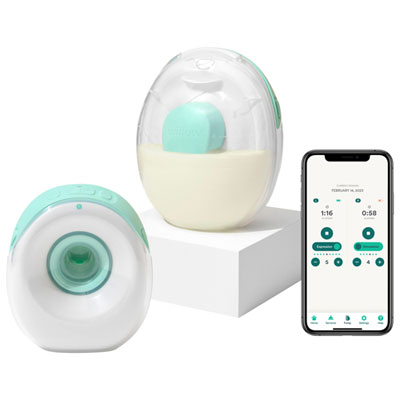 Your price for this item is $499.99
 -
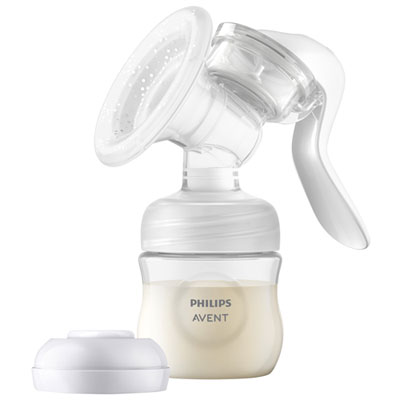 Your price for this item is $49.99
 -
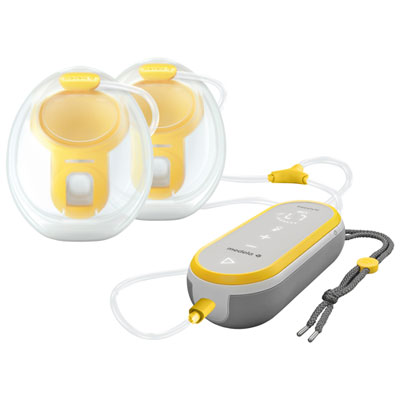 Your price for this item is $299.99
 -
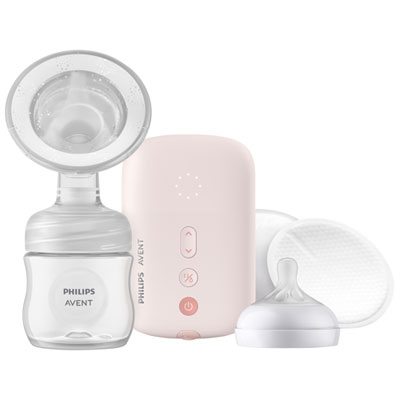 Your price for this item is $149.99
 -
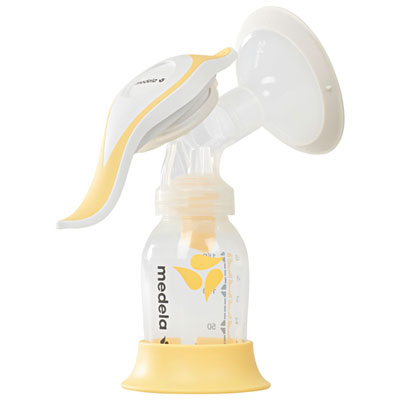 Your price for this item is $49.99
 -
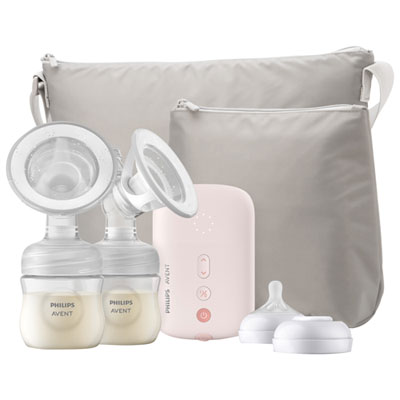 Your price for this item is $199.99
 -
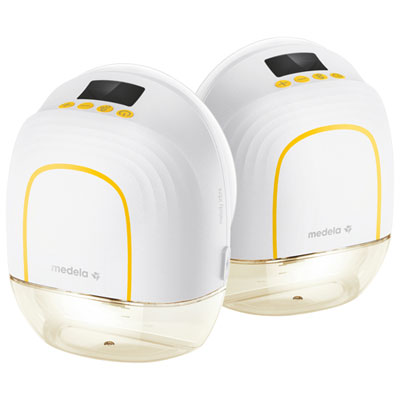 Your price for this item is $179.99
 -
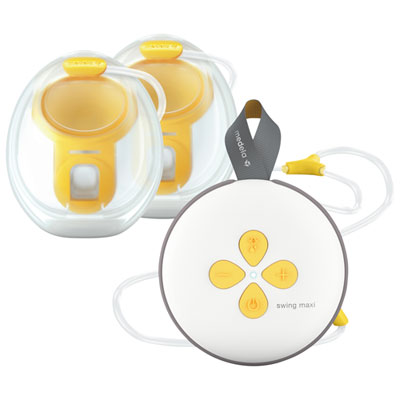 Your price for this item is $229.99
Discover more categories related to Hands Free Breast Pumps
Top Collections:
Pokemon Centers, Kindle Devices, Best Budget Office Chairs, Apple iPhones 16, Canon G7X Cameras, iPhone 15 Apple, Alarm Clock, Refurbished Apple Laptops, Flip Phones, Best Laptops for Writers
Some products may be subject to Environmental Handling Fees
(EHF) depending on your province.
Learn more about EHFs.