Infant Bouncers
Discover a world of comfort and entertainment for your little one with our selection of infant bouncers. Designed to provide a safe and soothing environment, these bouncers are perfect for keeping your baby content and engaged while you take care of daily tasks. With various features such as gentle vibrations, interactive toys, and adjustable settings, our infant bouncers offer a blend of relaxation and stimulation for your precious bundle of joy. Explore our range to find the perfect bouncer that suits your baby's needs and brings a smile to their face.
Sort


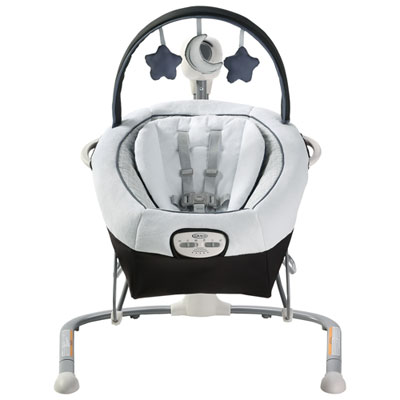

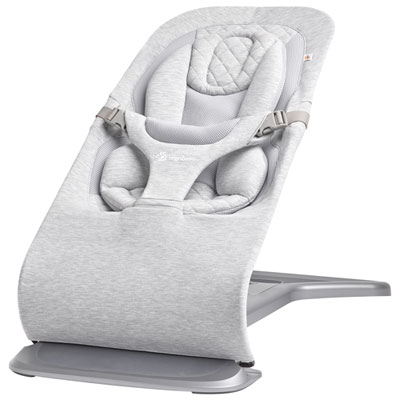
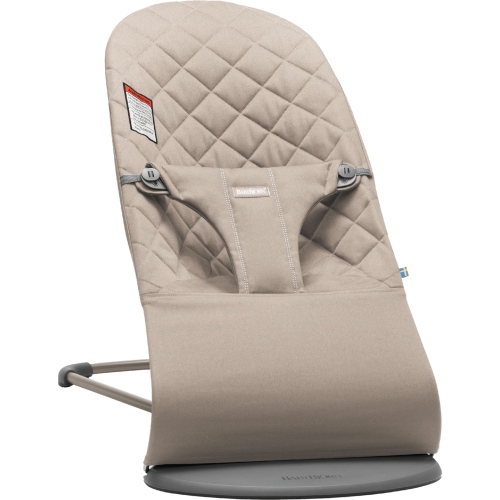
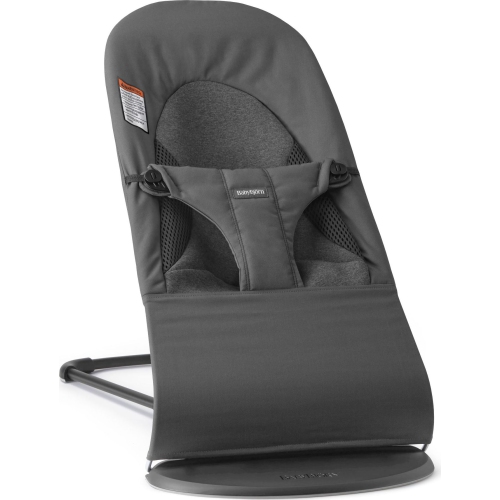
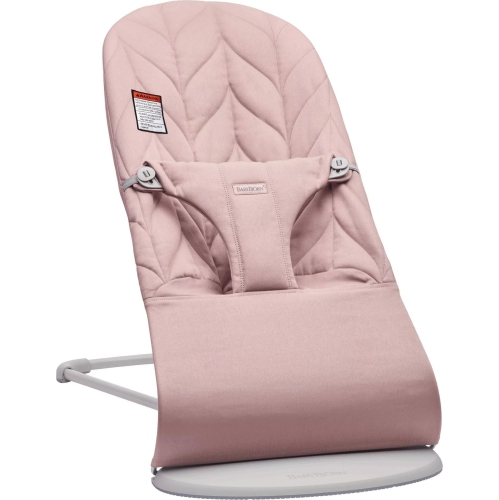

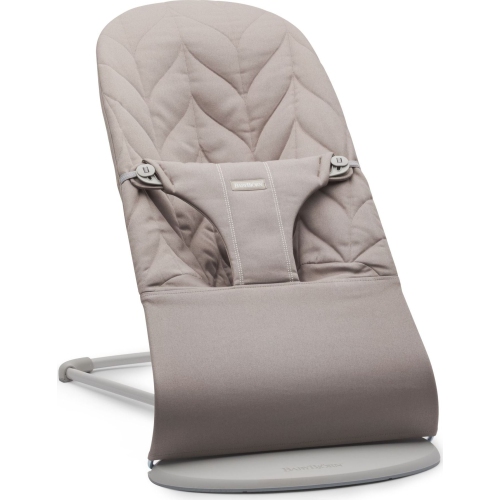
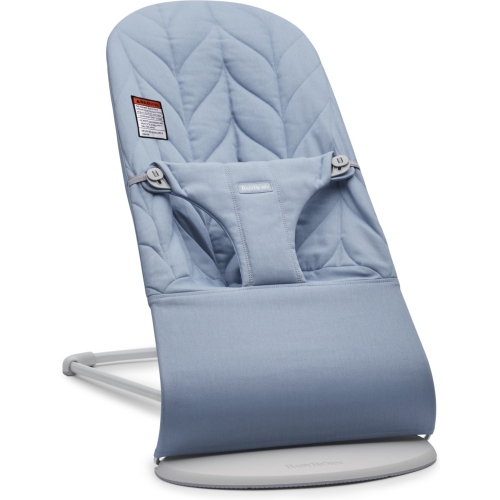
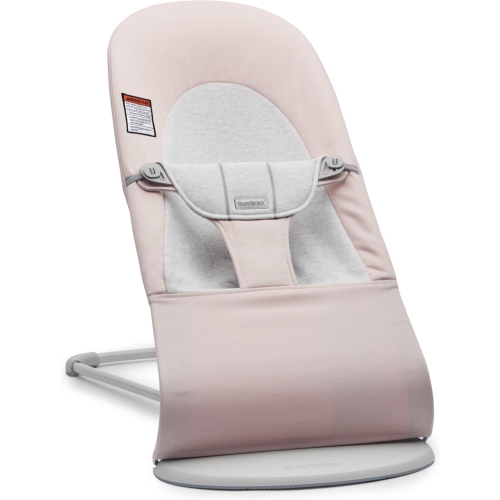
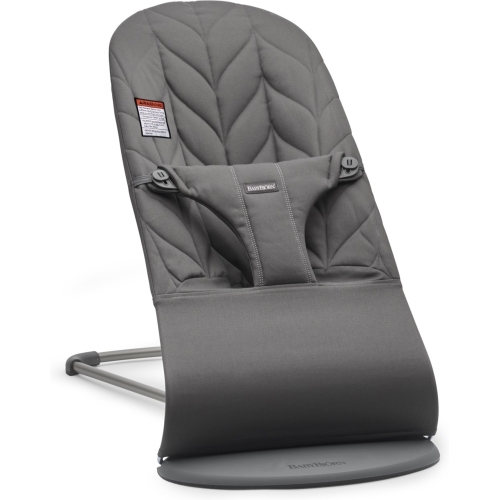
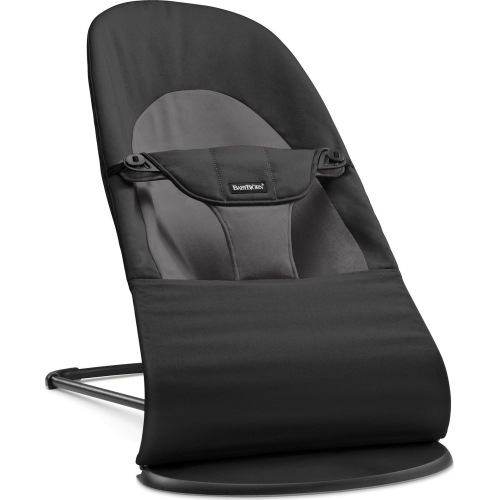
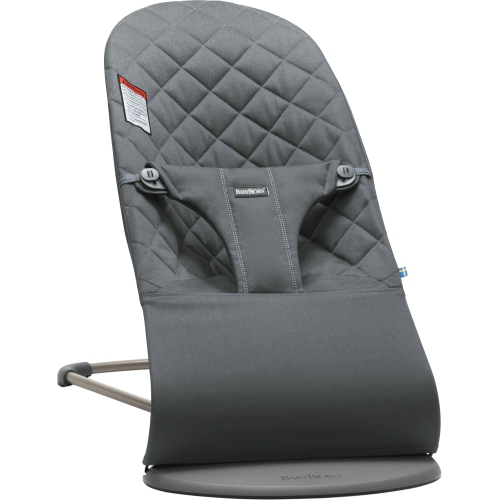
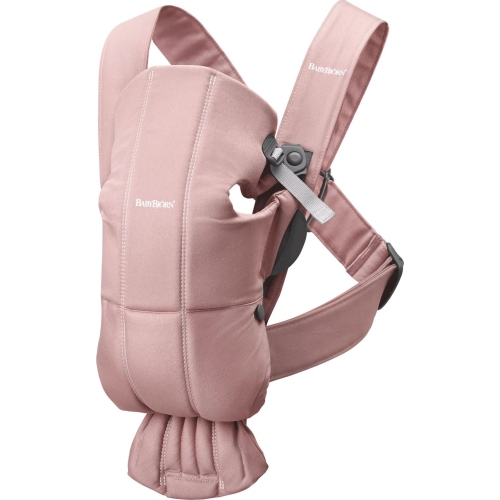
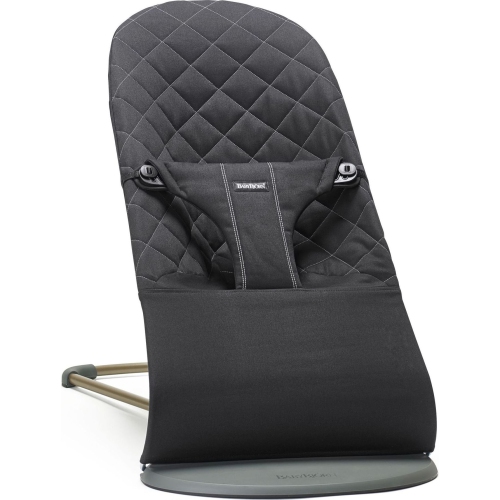
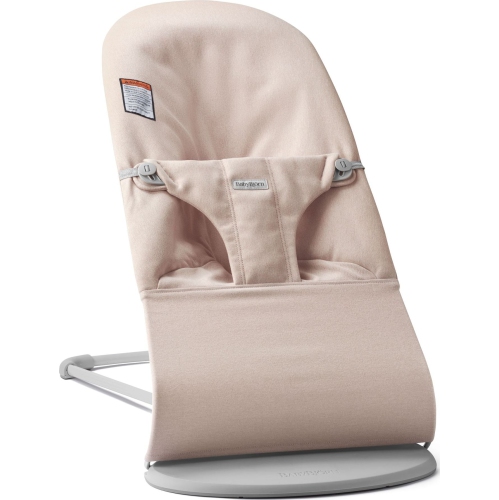
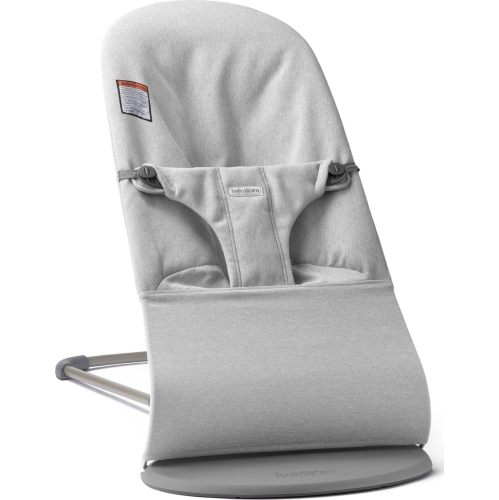
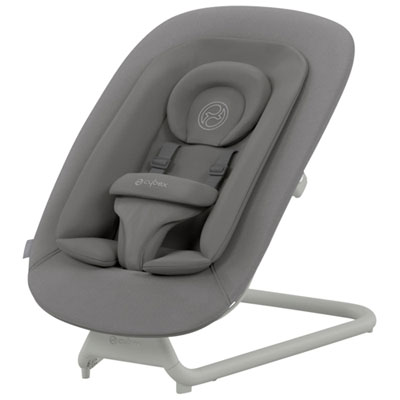
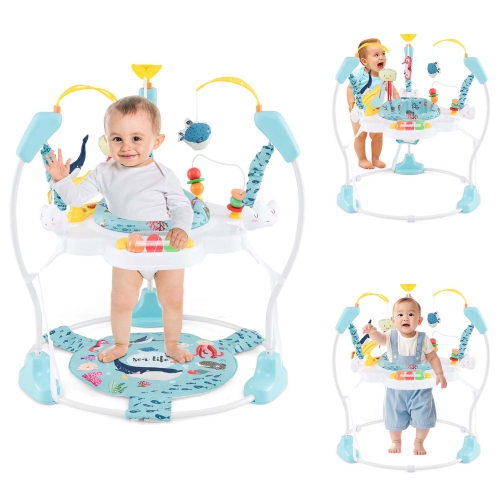
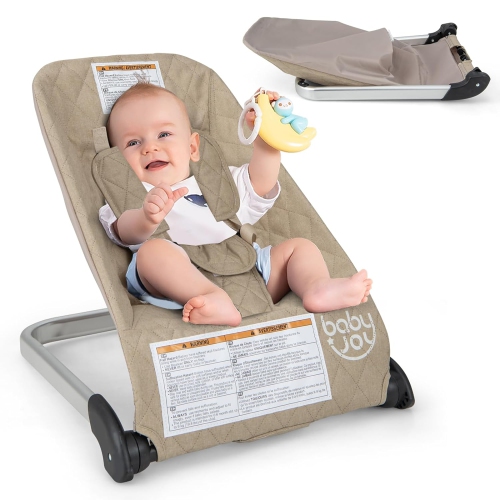
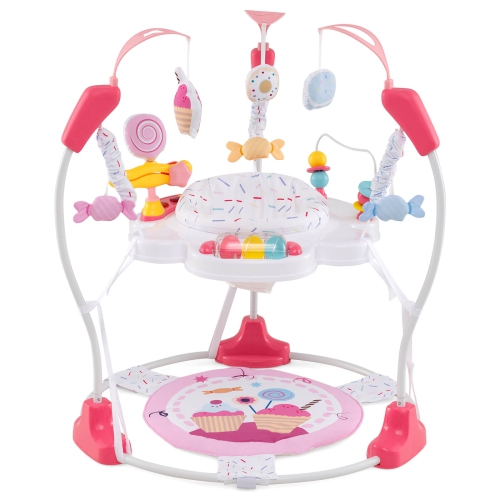
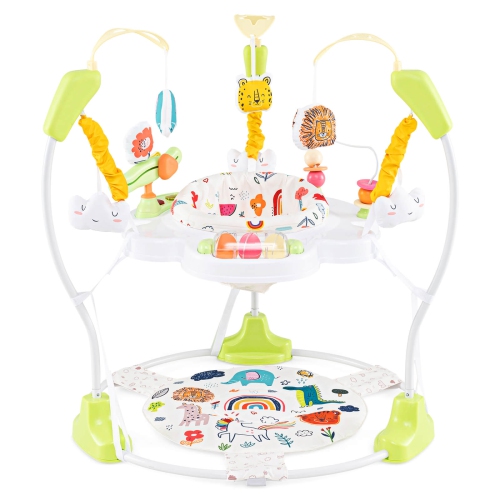
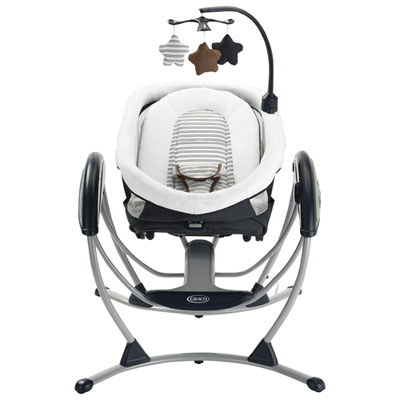
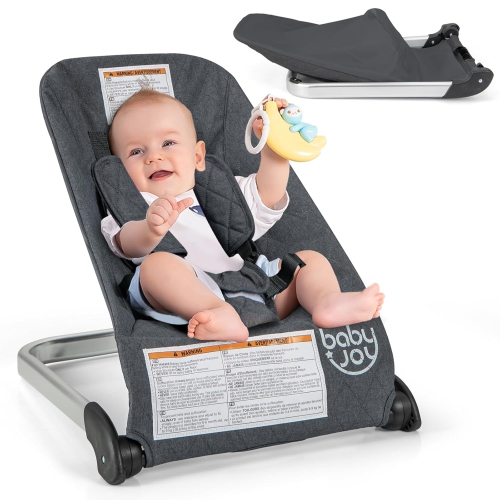
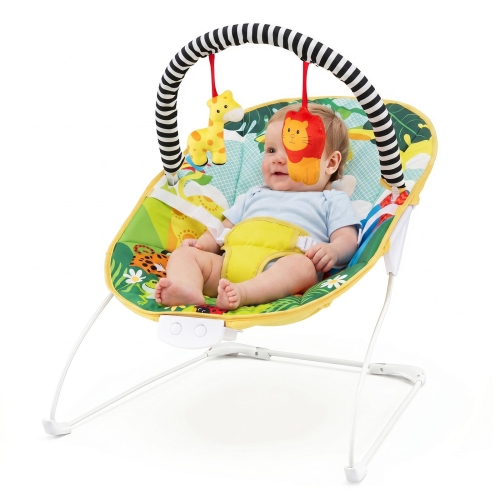
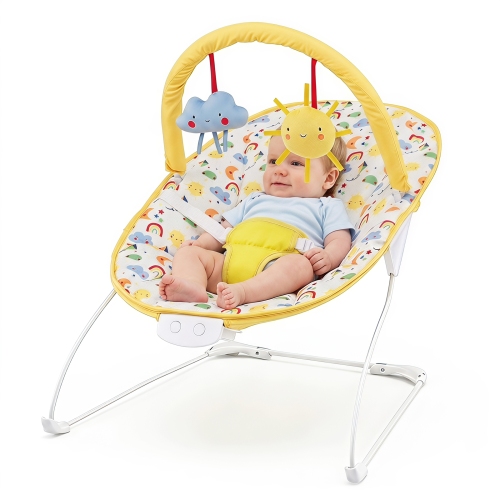
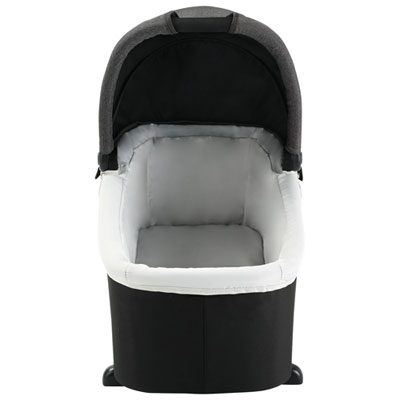
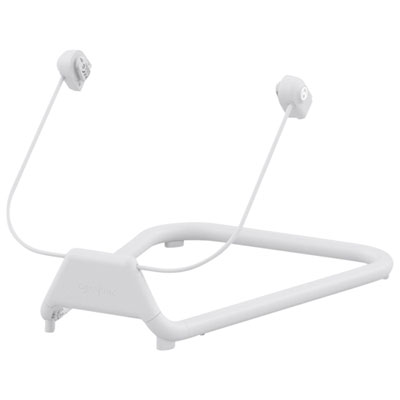
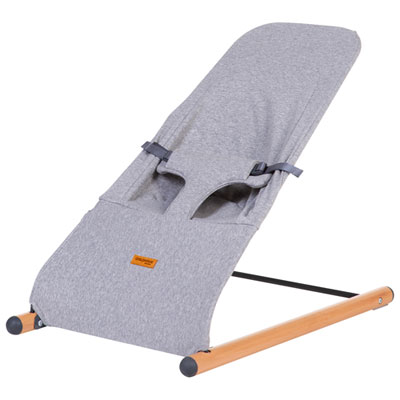
Gentle bouncing for supervised moments between cuddles
Infant bouncers are supportive, reclined baby seats that provide gentle bouncing motion while a baby is awake and supervised. Many move in response to a baby’s own kicks and wiggles or a light push from a caregiver, while some include battery-powered vibration as a separate feature. A bouncer can give a baby a place to watch familiar faces during a short break from being held, with a parent or caregiver close by. The appeal is often in the simplicity: a softly padded seat, a springy frame, and a small footprint that fits into everyday family life. Unlike a swing, which moves through a powered or manually initiated arc, a traditional bouncer generally has a smaller, spring-like movement. Unlike an activity jumper, it supports a baby in a reclined position rather than an upright position designed for pushing off with the feet. Suitability depends on the individual seat’s minimum and maximum weight limits, recline settings, and developmental requirements, not simply the age printed on its packaging. Some are designed for use from birth when all of the manufacturer’s requirements are met; others have different starting points. A well-fitting seat supports the baby without allowing them to slump, and its restraint system should adjust securely according to the instructions. Removable head supports or inserts should only be used if supplied or explicitly approved by the manufacturer for that seat. A bouncer is intended for short periods of supervised awake time, not sleep, and it does not replace floor play, tummy time, or time in a caregiver’s arms. If a baby falls asleep in a bouncer, they should be moved to a separate, firm, flat sleep surface intended for infants, such as an appropriate crib, cradle, or bassinet. This distinction matters even when a seat looks especially cushioned or has a deep recline: padding and gentle motion do not make an infant bouncer a safe sleeping space.
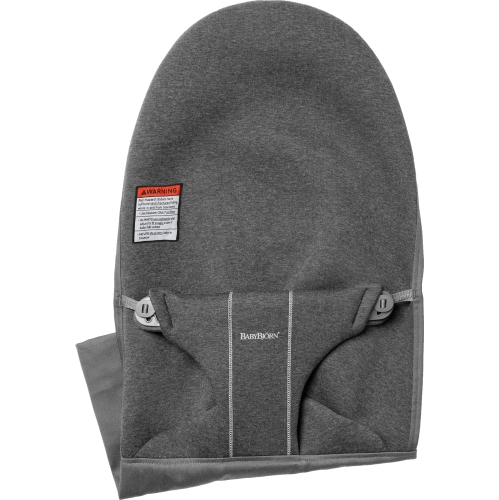
Materials and construction shape how an infant bouncer feels, how it handles daily use, and how much effort it takes to keep clean. Seat covers may use cotton, polyester, mesh, or blended fabrics, each with a different texture and care routine. Smooth, closely woven fabric can be easier to wipe after a little dribble, while a removable, machine-washable cover can simplify cleaning after spit-up or a nappy leak. Mesh panels allow airflow through the fabric, though the overall seat design and fit remain more important than any single material claim. Care labels are worth attention because some covers need air-drying, and some padded sections or electronic components cannot be immersed in water. A cover that comes off without complicated disassembly can make a noticeable difference when laundry is already a frequent task. Beneath the fabric, a stable frame, intact seams, secure fastenings, and a properly functioning harness are essential. Regular checks can reveal loose fittings, worn restraint webbing, or damage that means the seat should no longer be used. For families moving between rooms, the bouncer’s weight, folded dimensions, and carrying design may matter as much as its appearance. Folding frames can tuck away between uses, but the seat must be fully opened and locked as directed before a baby is placed inside. Always remove the baby before moving or carrying the bouncer, and never use a toy bar as a handle unless the manufacturer specifically identifies it for that purpose. Bouncers belong on a firm, flat floor, never on a table, kitchen island, bed, sofa, or other raised or soft surface. A clear spot away from stairs, cords, pets, and busy walkways makes supervision more manageable. In a smaller living room, a compact footprint can leave room for a play mat nearby; in a shared family space, a neutral colour or simple fabric pattern may blend with existing furniture. Neither convenience nor appearance should take priority over stable placement, correct assembly, and an unobstructed view of the baby.
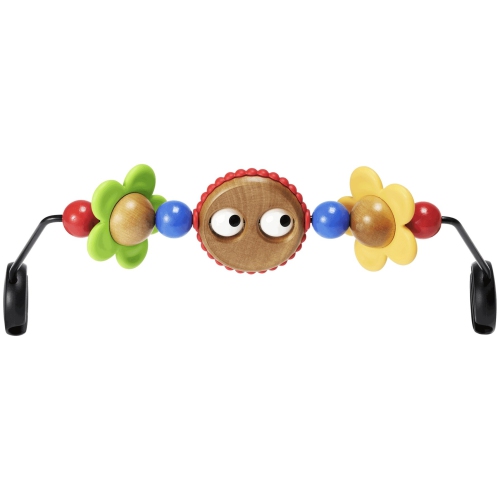
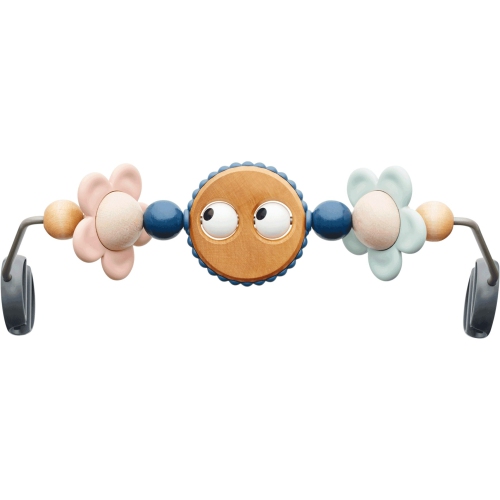
Features can make infant bouncers feel quite different in everyday use, even when their basic purpose is the same. A movement-powered design keeps the experience simple, with no batteries needed for the bouncing action. A seat with vibration may offer another sensation for babies who enjoy it, but preferences vary, and no motion setting can be expected to settle every baby. Removable toy bars can hold a baby’s attention with contrasting shapes, gentle rattles, or easy-to-see hanging toys, while a simpler seat leaves more space for face-to-face interaction. Toys should stay attached only as intended, without extra cords, ribbons, or improvised accessories. Adjustable recline can help accommodate permitted stages of use, but every position has its own requirements; the most upright setting is not automatically appropriate for a younger infant. For a caregiver sitting nearby and folding small clothes, a baby may be content watching hands move and listening to a familiar voice without lights or music. For another family, an easy-to-remove toy bar and a cover that washes readily may be the features used most often. Infant bouncers can be thoughtful baby shower gifts when chosen around the family’s space, preferences, and expected care routine, particularly when the giver checks whether a similar seat is already on the registry. Their useful period in bouncer mode is limited: use must stop at the manufacturer’s stated weight limit or developmental milestone, whichever comes first. Some seats offer a separate chair mode for later use, but that does not extend the permitted period for infant bouncing, and conversion must follow the instructions. Families looking for upright play for a baby with the required head and trunk control may also consider Infant Activity Jumpers, which serve a different purpose and have their own readiness requirements. A comfortable fit, straightforward cleaning, dependable construction, and appropriate use are what make a bouncer a practical addition to a baby’s everyday routine.
Materials and construction shape how an infant bouncer feels, how it handles daily use, and how much effort it takes to keep clean. Seat covers may use cotton, polyester, mesh, or blended fabrics, each with a different texture and care routine. Smooth, closely woven fabric can be easier to wipe after a little dribble, while a removable, machine-washable cover can simplify cleaning after spit-up or a nappy leak. Mesh panels allow airflow through the fabric, though the overall seat design and fit remain more important than any single material claim. Care labels are worth attention because some covers need air-drying, and some padded sections or electronic components cannot be immersed in water. A cover that comes off without complicated disassembly can make a noticeable difference when laundry is already a frequent task. Beneath the fabric, a stable frame, intact seams, secure fastenings, and a properly functioning harness are essential. Regular checks can reveal loose fittings, worn restraint webbing, or damage that means the seat should no longer be used. For families moving between rooms, the bouncer’s weight, folded dimensions, and carrying design may matter as much as its appearance. Folding frames can tuck away between uses, but the seat must be fully opened and locked as directed before a baby is placed inside. Always remove the baby before moving or carrying the bouncer, and never use a toy bar as a handle unless the manufacturer specifically identifies it for that purpose. Bouncers belong on a firm, flat floor, never on a table, kitchen island, bed, sofa, or other raised or soft surface. A clear spot away from stairs, cords, pets, and busy walkways makes supervision more manageable. In a smaller living room, a compact footprint can leave room for a play mat nearby; in a shared family space, a neutral colour or simple fabric pattern may blend with existing furniture. Neither convenience nor appearance should take priority over stable placement, correct assembly, and an unobstructed view of the baby.
Features can make infant bouncers feel quite different in everyday use, even when their basic purpose is the same. A movement-powered design keeps the experience simple, with no batteries needed for the bouncing action. A seat with vibration may offer another sensation for babies who enjoy it, but preferences vary, and no motion setting can be expected to settle every baby. Removable toy bars can hold a baby’s attention with contrasting shapes, gentle rattles, or easy-to-see hanging toys, while a simpler seat leaves more space for face-to-face interaction. Toys should stay attached only as intended, without extra cords, ribbons, or improvised accessories. Adjustable recline can help accommodate permitted stages of use, but every position has its own requirements; the most upright setting is not automatically appropriate for a younger infant. For a caregiver sitting nearby and folding small clothes, a baby may be content watching hands move and listening to a familiar voice without lights or music. For another family, an easy-to-remove toy bar and a cover that washes readily may be the features used most often. Infant bouncers can be thoughtful baby shower gifts when chosen around the family’s space, preferences, and expected care routine, particularly when the giver checks whether a similar seat is already on the registry. Their useful period in bouncer mode is limited: use must stop at the manufacturer’s stated weight limit or developmental milestone, whichever comes first. Some seats offer a separate chair mode for later use, but that does not extend the permitted period for infant bouncing, and conversion must follow the instructions. Families looking for upright play for a baby with the required head and trunk control may also consider Infant Activity Jumpers, which serve a different purpose and have their own readiness requirements. A comfortable fit, straightforward cleaning, dependable construction, and appropriate use are what make a bouncer a practical addition to a baby’s everyday routine.
Top selling and popular products
-
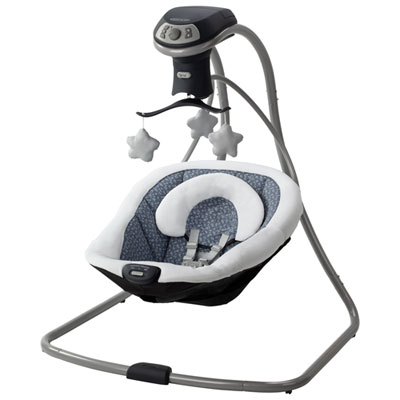 Your price for this item is $279.99
 -
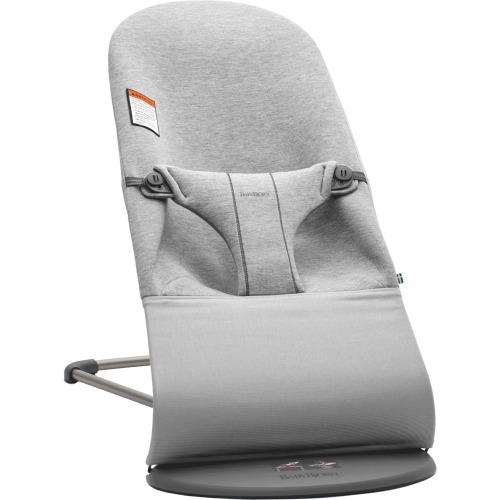 Your price for this item is $339.99
 -
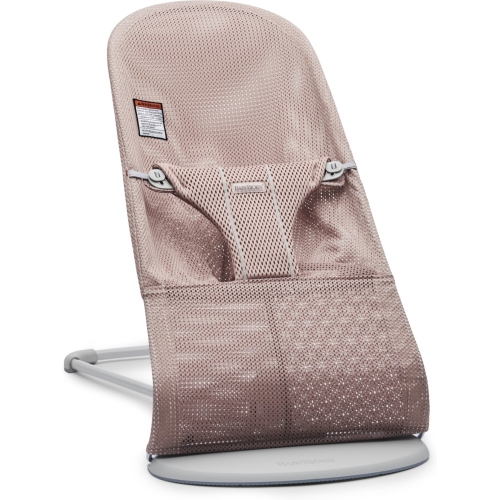 Your price for this item is $339.99
 -
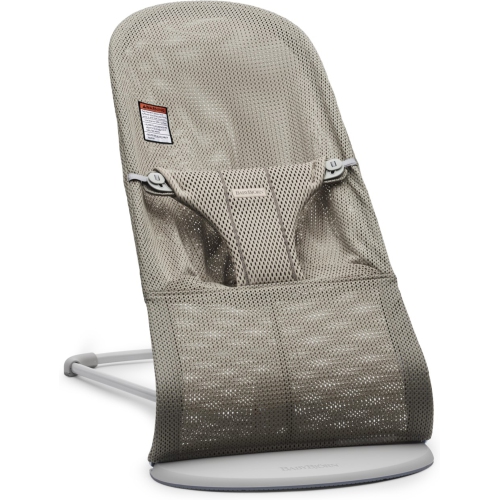 Your price for this item is $339.99
 -
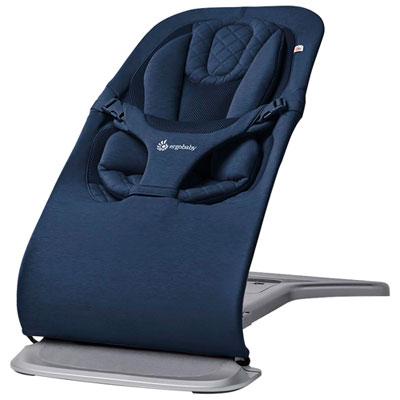 Your price for this item is $249.99
 -
 Your price for this item is $78.49
 -
 Your price for this item is $78.49
 -
 Your price for this item is $139.99
Discover more categories related to Infant Bouncers
Top Collections:
Pokemon Centers, Kindle Devices, Best Budget Office Chairs, Apple iPhones 16, Best Laptops for Writers, iPhone 15 Apple, Canon G7X Cameras, Refurbished Apple Laptops, Alarm Clock, Motorola Razr Phones
Some products may be subject to Environmental Handling Fees
(EHF) depending on your province.
Learn more about EHFs.