Ocean Creature Toys
Dive into a world of imagination and exploration with our captivating collection of ocean creature toys. Perfect for sparking curiosity and encouraging creativity, these aquatic-themed playthings bring the wonders of the deep sea right into your home. From vibrant fish to majestic whales, each toy is designed to inspire endless adventures and educational play for children of all ages. Whether you're looking to expand a budding marine biologist's knowledge or simply add some splashy fun to playtime, our selection offers something for every underwater enthusiast. Let the journey beneath the waves begin!
Sort
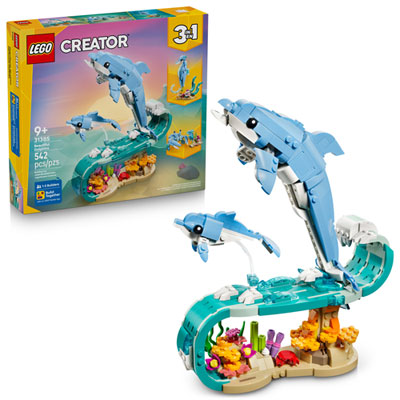
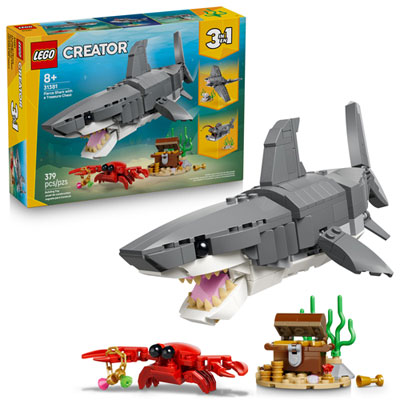
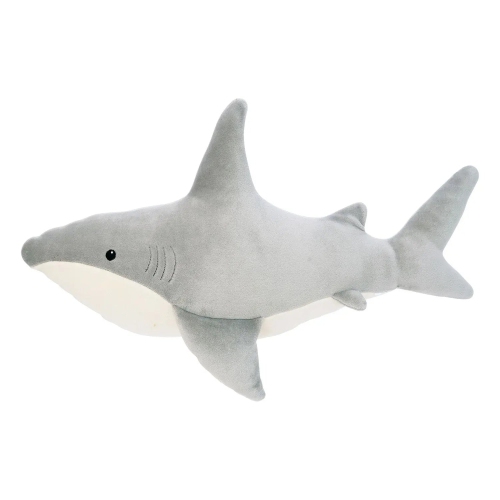
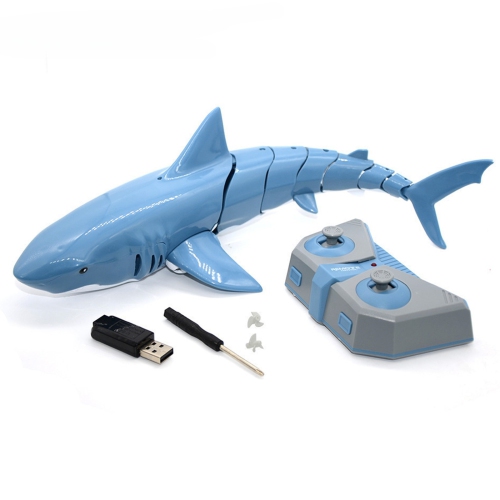
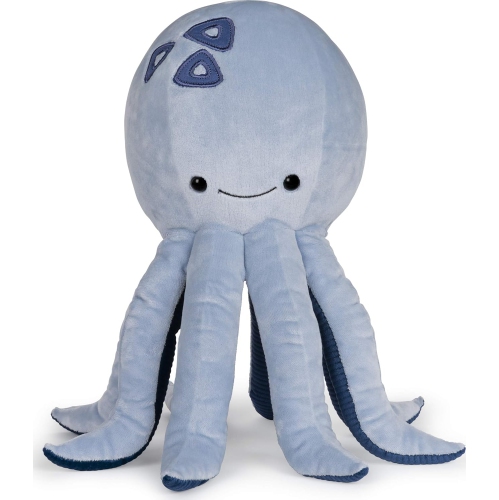
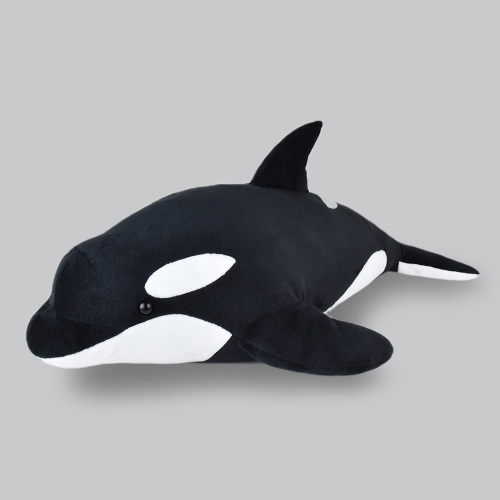
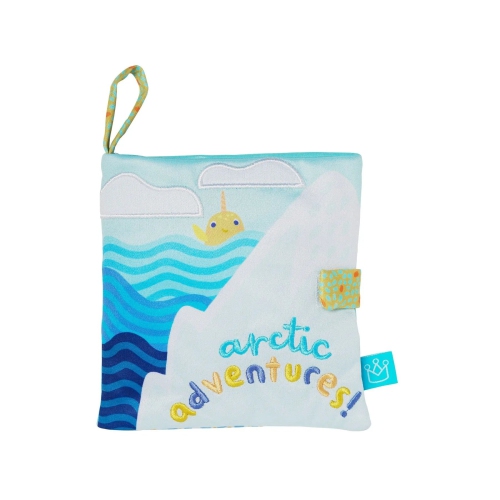
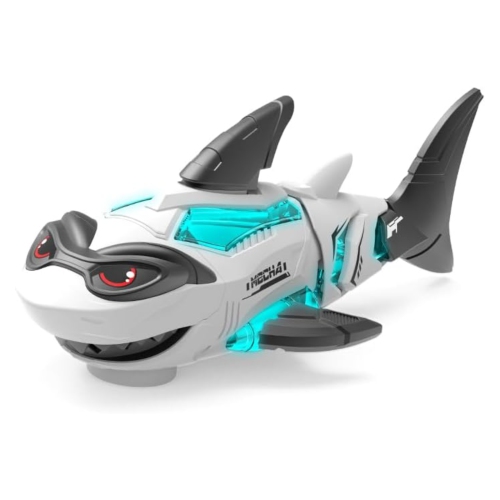
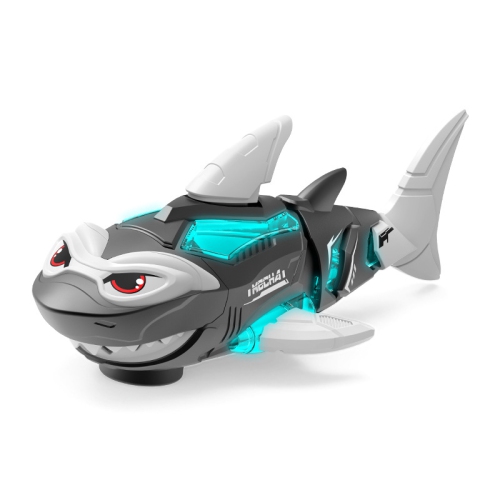
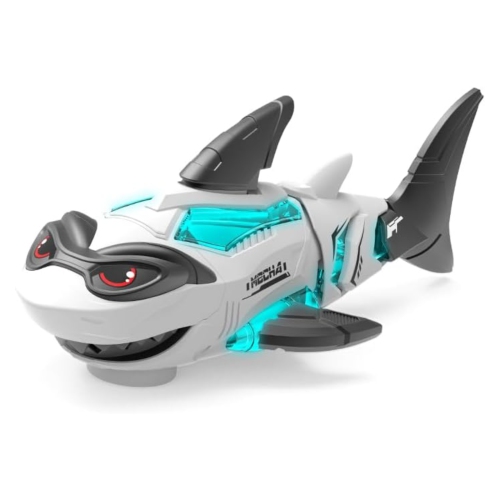
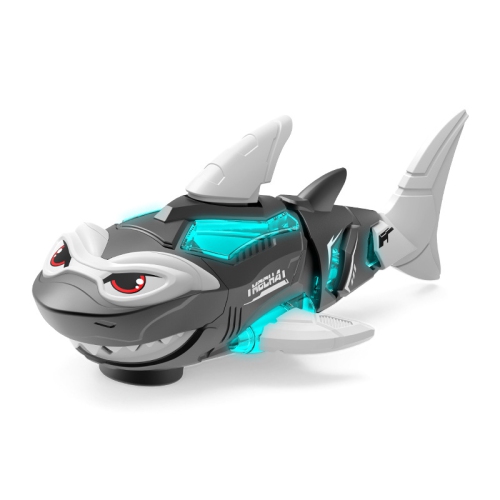
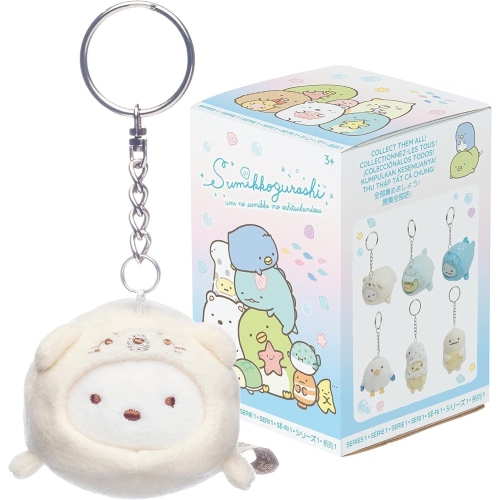
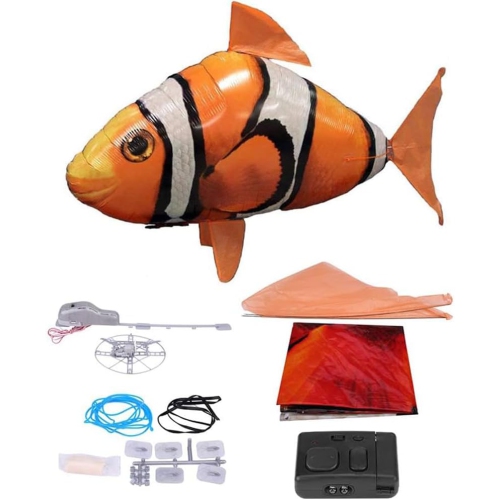
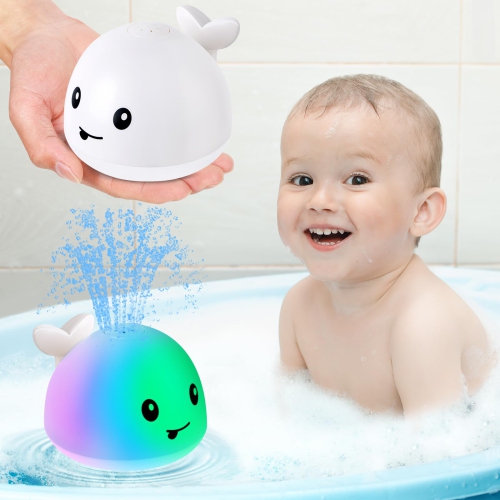


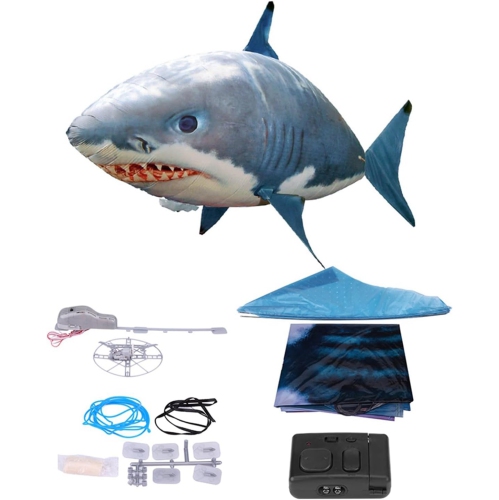
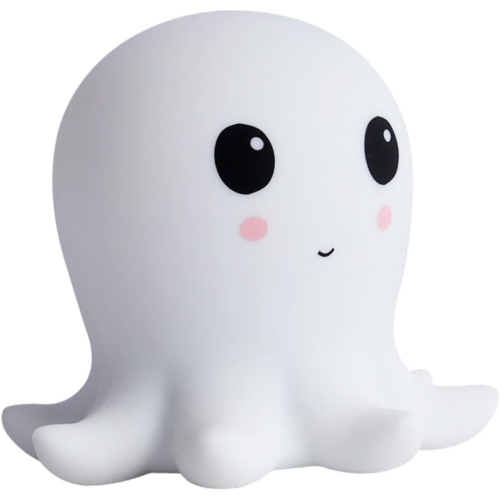

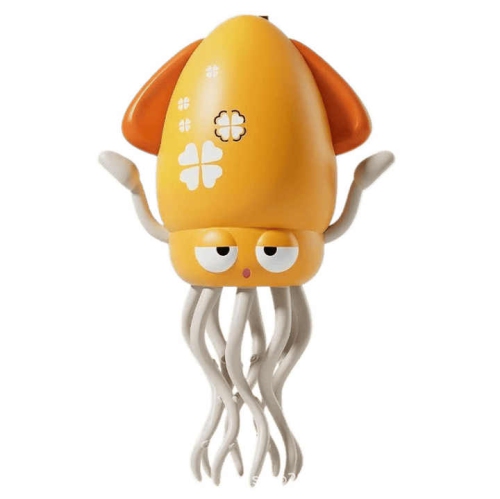
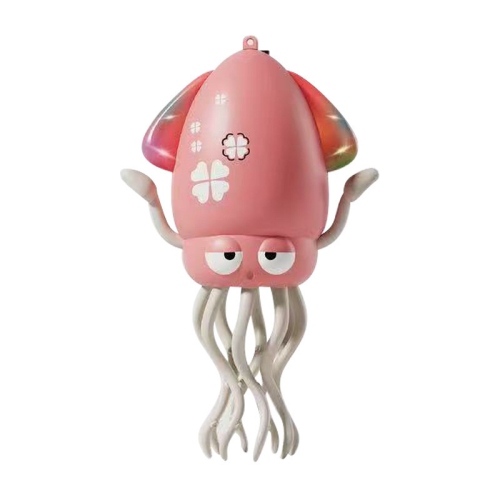

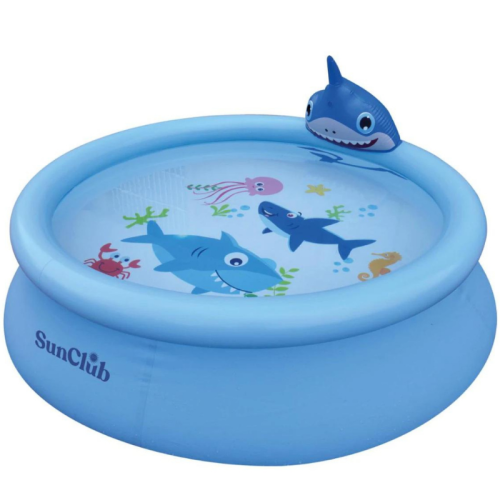
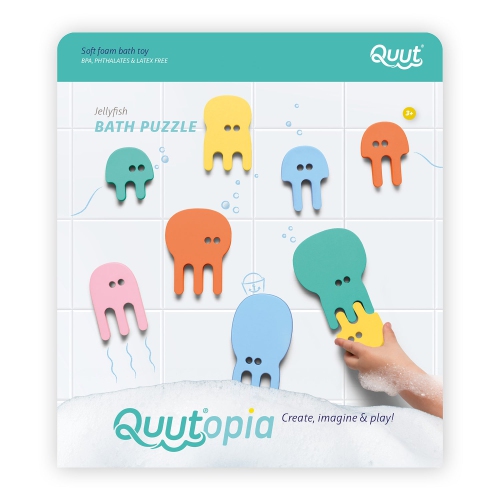
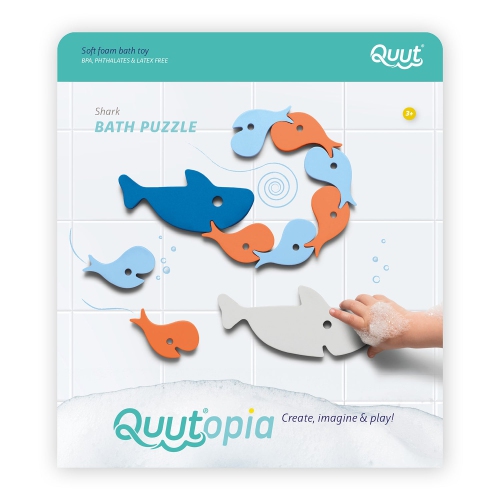
Little fins and flippers spark big pretend adventures
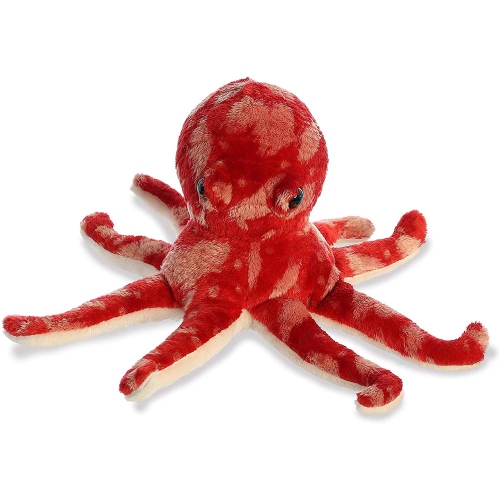
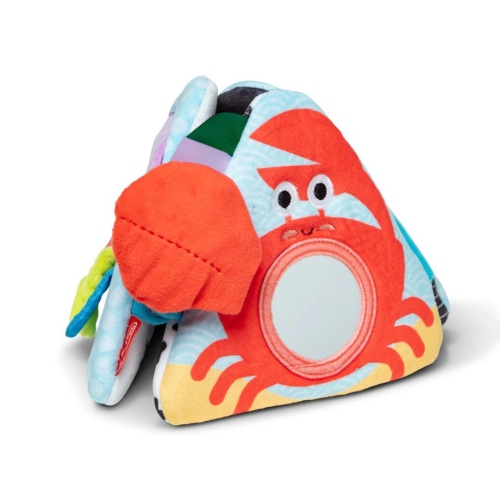
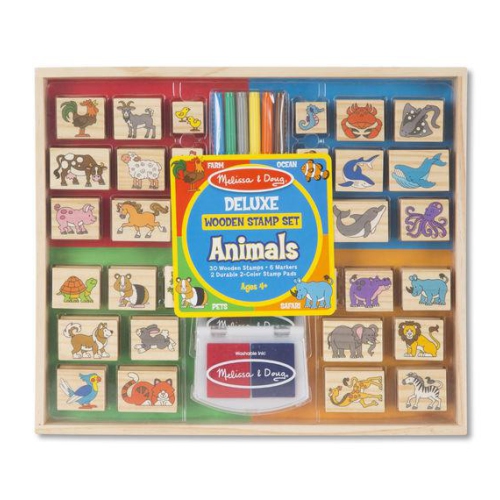
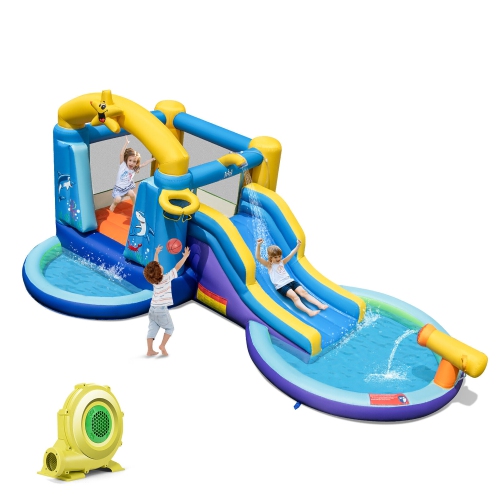
Ocean creature toys bring the shapes, colours, and movement of sea life into everyday play, from a whale gliding across a play mat to an octopus tucked inside a pretend underwater cave. The category spans realistic animal figurines, chunky toddler toys, soft plush companions, wooden play sets, puzzles, and toys designed specifically for water play. Each format offers a different way to explore the ocean: detailed figures invite close observation, plush animals suit cuddling and storytelling, and larger pieces can be easier for small hands to grasp and position. Sharks, dolphins, sea turtles, rays, and jellyfish also give children plenty to talk about as they compare fins, flippers, shells, and tentacles. A child might arrange animals by size, group creatures with similar body shapes, or invent a journey from a shallow shoreline to the deep sea. Realistic ocean animal figures can support conversations about familiar distinctions, such as the difference between fish that breathe through gills and marine mammals that surface for air. Stylized designs take a more playful approach, using friendly expressions and bright colours rather than close anatomical detail. Neither style needs an elaborate setup to become engaging. A blue cloth can suggest open water, a cardboard tunnel can become a hiding place, and a row of blocks can mark the edge of a pretend aquarium. For children who enjoy naming and sorting, a varied assortment of animal shapes can offer more possibilities than several figures with nearly identical silhouettes. Children who prefer stories may spend longer with a few recognizable characters, returning to the same turtle family or dolphin adventure across many play sessions. Ocean creature toys can therefore serve several purposes within a toy collection, including open-ended pretend play, simple matching activities, hands-on discovery, and quiet companionship. The most useful format depends on how the child likes to play, rather than on how many animals a set contains.
Materials, scale, and construction help determine where sea animal toys fit into those routines. Moulded plastic figures may have firm bodies that stand securely or softer, flexible forms that feel different in the hand. Smooth edges, secure parts, and a size suited to the intended user are important considerations, especially when figures have pointed fins, narrow tails, or long appendages. Wooden ocean toys often use simplified shapes with broad surfaces for stacking, arranging, or imaginative scenes; unless the manufacturer specifically permits water use, they belong in dry play. Plush sea creatures offer another tactile experience, with fabric textures and stuffing that can make them comfortable to hold. Their suitability for younger children depends on the age label and construction, including whether eyes and other details are embroidered or attached. For any material, the manufacturer's age recommendation and warnings take priority over appearance. A friendly-looking miniature shark may still be too small for a child who mouths toys, and larger animals may come packaged with small accessories that require the same attention. In households where siblings share a play area, keeping small figures separate from toddler toys makes supervised play easier to manage. Size also affects practical fit: a broad whale may work well on the floor but crowd a small tabletop scene, while miniature figures can disappear into deep storage baskets. For bath time or water-filled sensory play, choose toys expressly labelled for that purpose rather than assuming every plastic figure is waterproof. Solid designs without openings avoid cavities that can trap water, while toys that open for cleaning allow access to interior surfaces. Neither design removes the need for regular cleaning and drying. Durability matters differently across uses, too. A figure moved repeatedly through a busy playroom benefits from sturdy construction, whereas a detailed model used for display may have delicate features. Packaging details about materials, care, moving parts, and intended use offer a clearer picture than colour or shape alone.
Care and storage help keep ocean creature toys pleasant to use and make it easier to bring them back into play. Follow the cleaning directions for each toy, since painted surfaces, wooden pieces, plush fabrics, and electronic features can require different treatment. Where the manufacturer allows it, washable plastic figures can be cleaned with mild soap and water, rinsed, and left to dry thoroughly before storage. Pay attention to textured shells, grooves, and spaces beneath fins where residue can collect. Water-play toys need any retained water emptied after use, with removable sections left open to dry as directed. Persistent odours, visible mould, cracks, or loose components are reasons to stop using a toy and assess whether it should be replaced. Wooden pieces generally need a gentler approach without soaking, while plush toys should be spot-cleaned or machine-washed only as their care labels permit. A shallow tray or divided container keeps dry figurines visible, making it easier for children to choose an animal and return it when finished. Keeping water toys separate from dry-play pieces also reduces confusion during tidying. For gifts, ocean animal toys can suit children with an interest in aquariums, animal stories, puzzles, or pretend adventures, as well as older recipients who enjoy marine-themed plush or display figures. The recipient's age, preferences, and available play space matter more than a broad ocean theme on its own. A child who loves arranging scenes may appreciate figures with stable bases, while one who carries a favourite animal from room to room may prefer a soft companion. Shared play can involve taking turns naming animals, building a pretend aquarium, or telling a story together. For an imaginary underwater world that mixes sea creatures with storybook characters, Mermaid Toy Products offers a related theme to explore. Whether the focus is realistic animal detail or make-believe, well-matched ocean creature toys leave room for children to invent new uses, revisit familiar stories, and develop their own small world beneath the waves.
Materials, scale, and construction help determine where sea animal toys fit into those routines. Moulded plastic figures may have firm bodies that stand securely or softer, flexible forms that feel different in the hand. Smooth edges, secure parts, and a size suited to the intended user are important considerations, especially when figures have pointed fins, narrow tails, or long appendages. Wooden ocean toys often use simplified shapes with broad surfaces for stacking, arranging, or imaginative scenes; unless the manufacturer specifically permits water use, they belong in dry play. Plush sea creatures offer another tactile experience, with fabric textures and stuffing that can make them comfortable to hold. Their suitability for younger children depends on the age label and construction, including whether eyes and other details are embroidered or attached. For any material, the manufacturer's age recommendation and warnings take priority over appearance. A friendly-looking miniature shark may still be too small for a child who mouths toys, and larger animals may come packaged with small accessories that require the same attention. In households where siblings share a play area, keeping small figures separate from toddler toys makes supervised play easier to manage. Size also affects practical fit: a broad whale may work well on the floor but crowd a small tabletop scene, while miniature figures can disappear into deep storage baskets. For bath time or water-filled sensory play, choose toys expressly labelled for that purpose rather than assuming every plastic figure is waterproof. Solid designs without openings avoid cavities that can trap water, while toys that open for cleaning allow access to interior surfaces. Neither design removes the need for regular cleaning and drying. Durability matters differently across uses, too. A figure moved repeatedly through a busy playroom benefits from sturdy construction, whereas a detailed model used for display may have delicate features. Packaging details about materials, care, moving parts, and intended use offer a clearer picture than colour or shape alone.
Care and storage help keep ocean creature toys pleasant to use and make it easier to bring them back into play. Follow the cleaning directions for each toy, since painted surfaces, wooden pieces, plush fabrics, and electronic features can require different treatment. Where the manufacturer allows it, washable plastic figures can be cleaned with mild soap and water, rinsed, and left to dry thoroughly before storage. Pay attention to textured shells, grooves, and spaces beneath fins where residue can collect. Water-play toys need any retained water emptied after use, with removable sections left open to dry as directed. Persistent odours, visible mould, cracks, or loose components are reasons to stop using a toy and assess whether it should be replaced. Wooden pieces generally need a gentler approach without soaking, while plush toys should be spot-cleaned or machine-washed only as their care labels permit. A shallow tray or divided container keeps dry figurines visible, making it easier for children to choose an animal and return it when finished. Keeping water toys separate from dry-play pieces also reduces confusion during tidying. For gifts, ocean animal toys can suit children with an interest in aquariums, animal stories, puzzles, or pretend adventures, as well as older recipients who enjoy marine-themed plush or display figures. The recipient's age, preferences, and available play space matter more than a broad ocean theme on its own. A child who loves arranging scenes may appreciate figures with stable bases, while one who carries a favourite animal from room to room may prefer a soft companion. Shared play can involve taking turns naming animals, building a pretend aquarium, or telling a story together. For an imaginary underwater world that mixes sea creatures with storybook characters, Mermaid Toy Products offers a related theme to explore. Whether the focus is realistic animal detail or make-believe, well-matched ocean creature toys leave room for children to invent new uses, revisit familiar stories, and develop their own small world beneath the waves.
Top selling and popular products
-
 Your price for this item is $84.99
 -
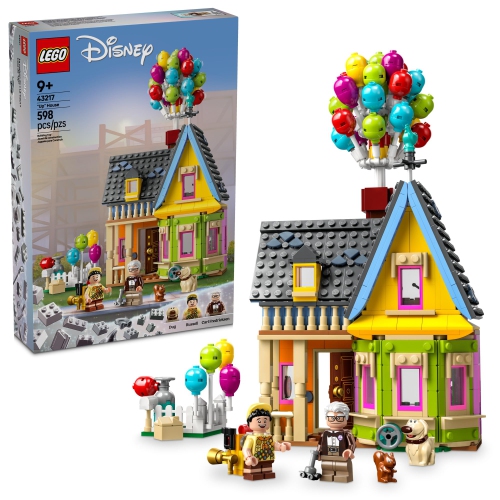 Your price for this item is $93.04
 -
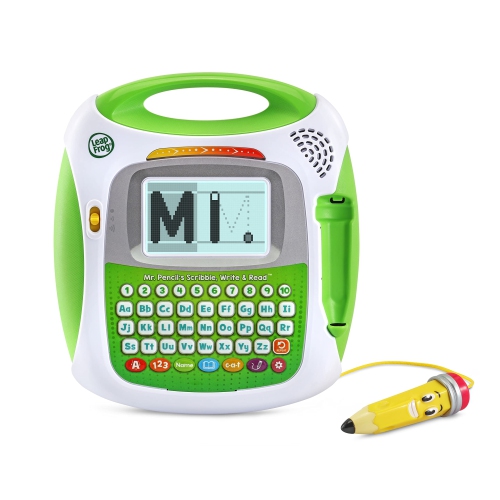 Your price for this item is $55
 -
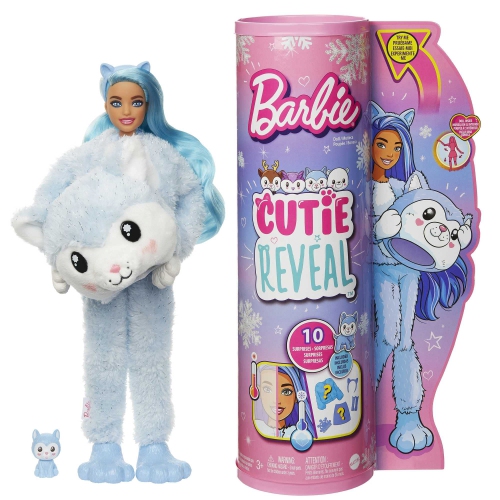 Your price for this item is $129.99
 -
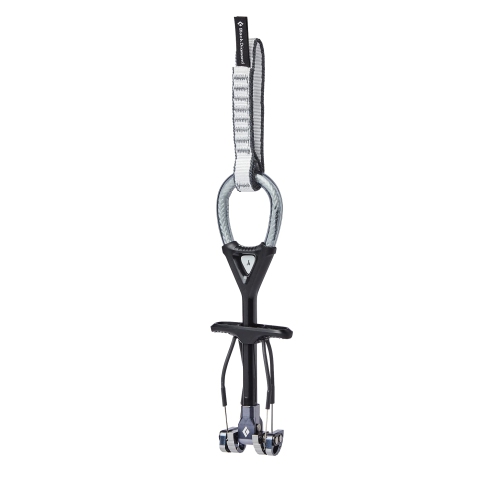 Your price for this item is $151.05
 -
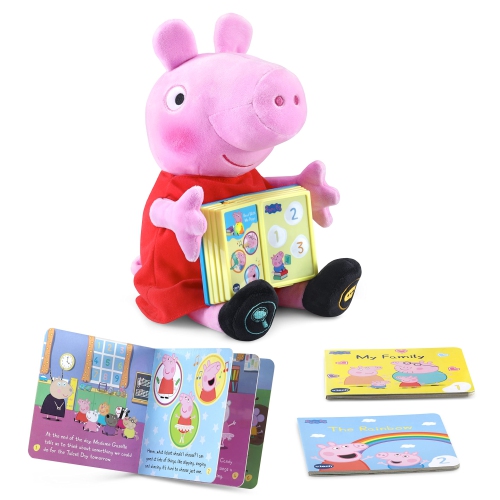 Your price for this item is $83.7
 -
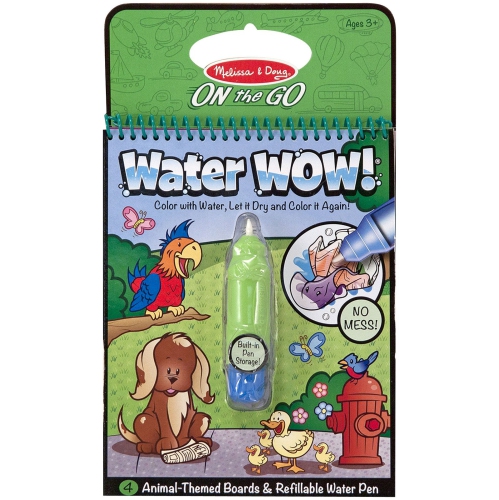 Your price for this item is $24.99
 -
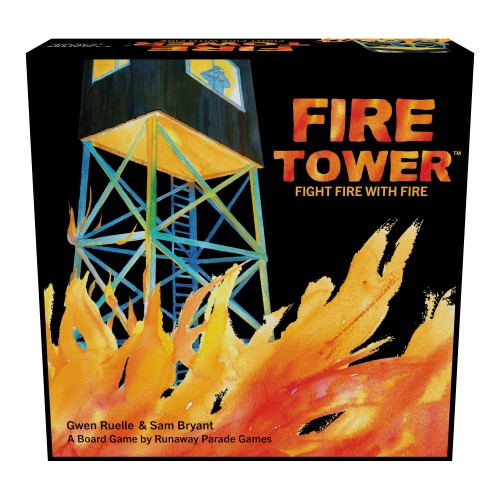 Your price for this item is $43.95
Discover more categories related to Ocean Creature Toys
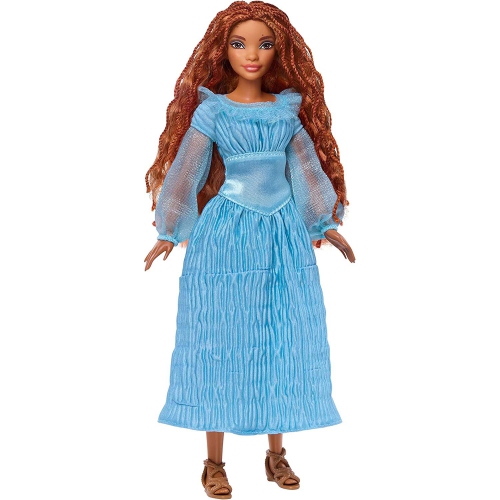
Top Collections:
Pokemon Centers, Kindle Devices, Best Budget Office Chairs, Apple iPhones 16, Best Laptops for Writers, iPhone 15 Apple, Canon G7X Cameras, Refurbished Apple Laptops, Alarm Clock, Motorola Razr Phones
Some products may be subject to Environmental Handling Fees
(EHF) depending on your province.
Learn more about EHFs.