Safest High Chairs
The best high chairs are designed to keep your child safe and comfortable while they're eating, which is why they come with features like padded seats, adjustable heights, and harnesses that keep kids in place. Here are some of our favorites.
Sort


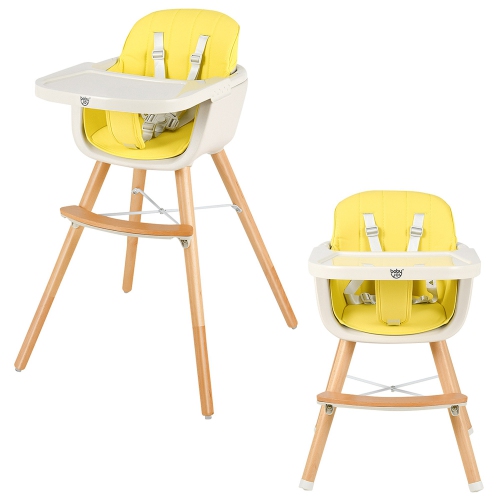
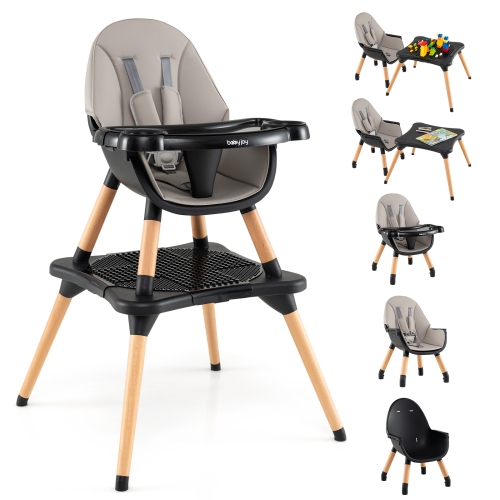
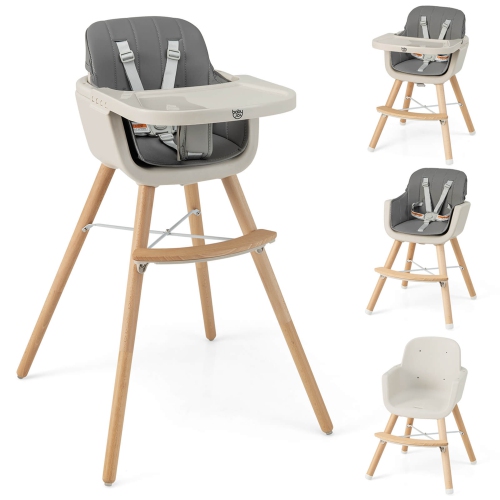
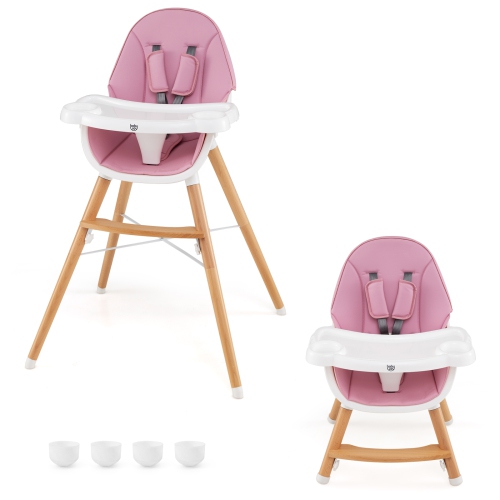
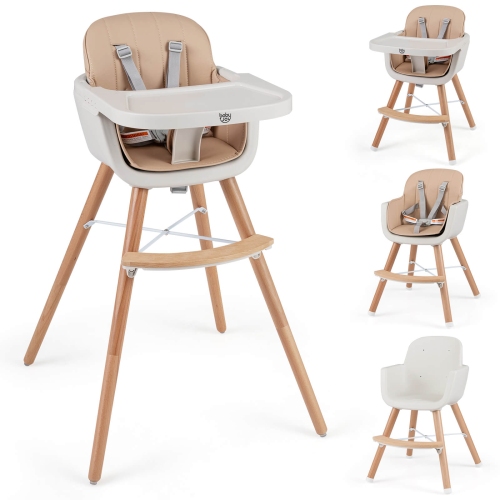
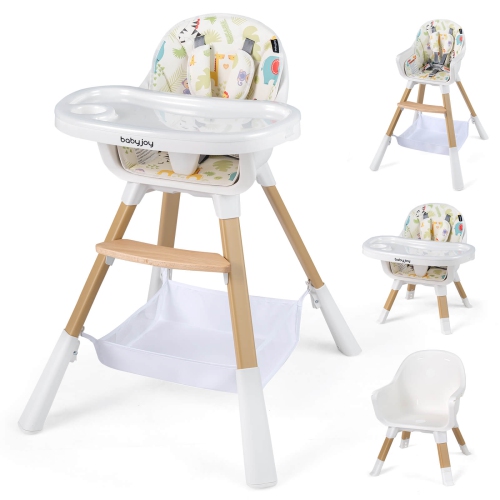
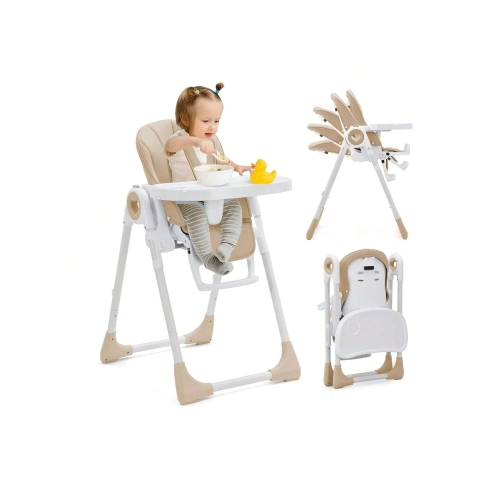
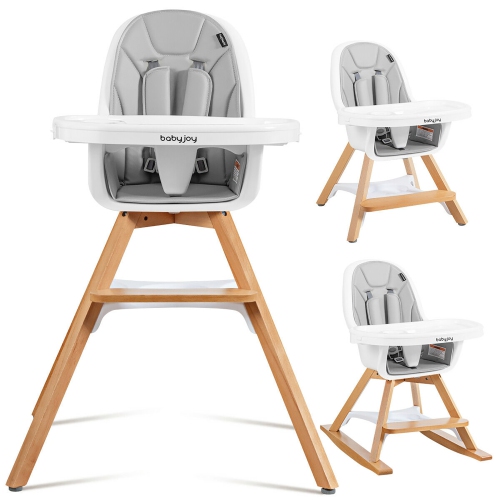
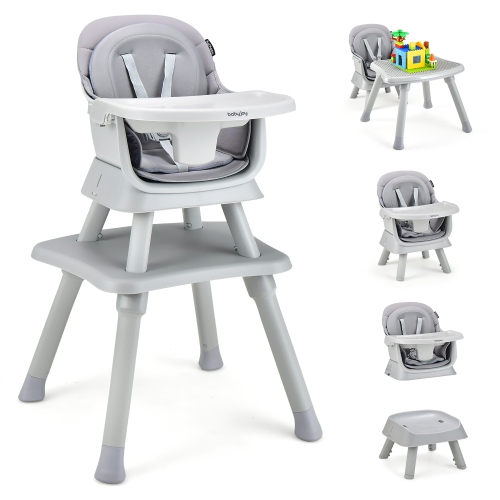
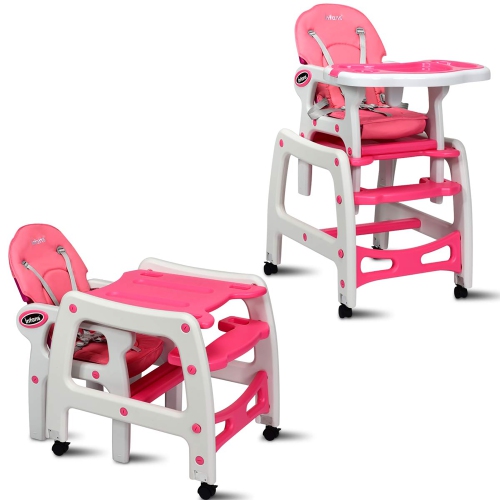
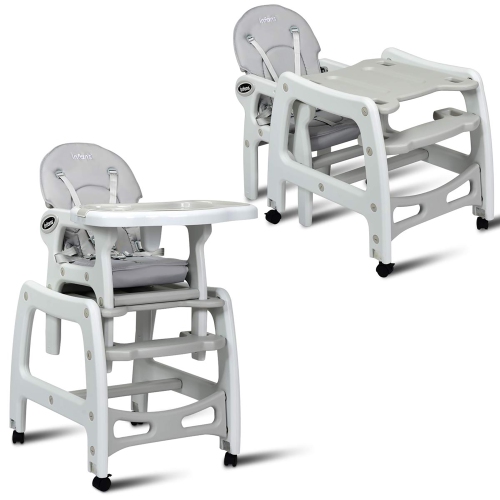

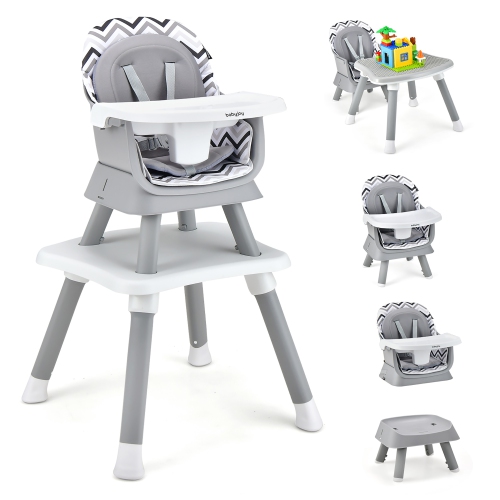

Why high chair safety goes beyond the harness
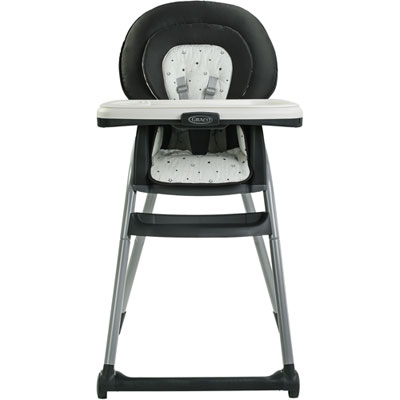
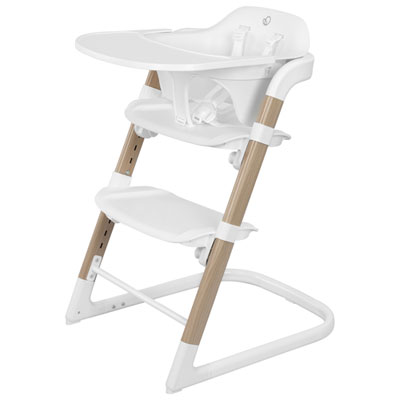
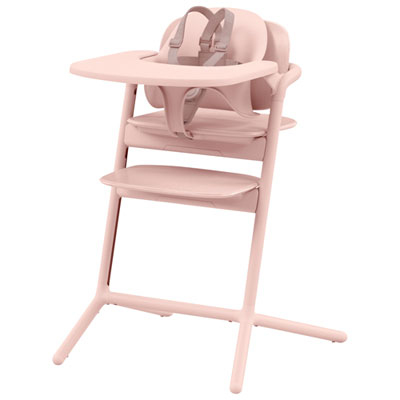
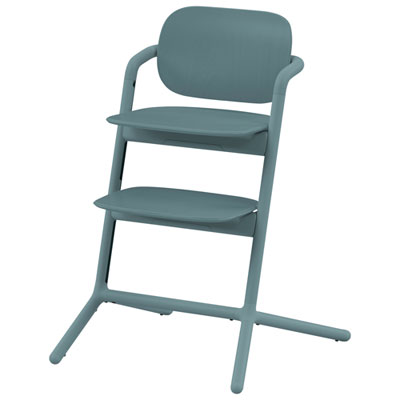
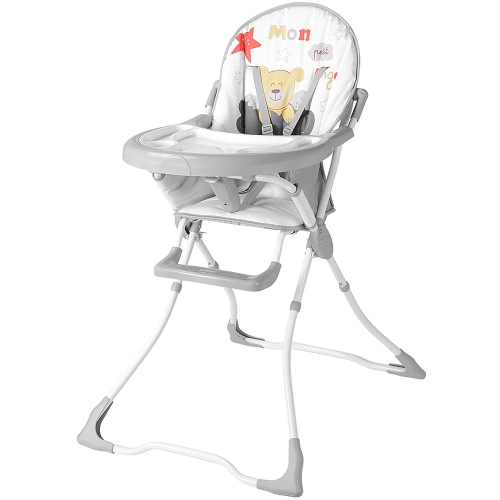
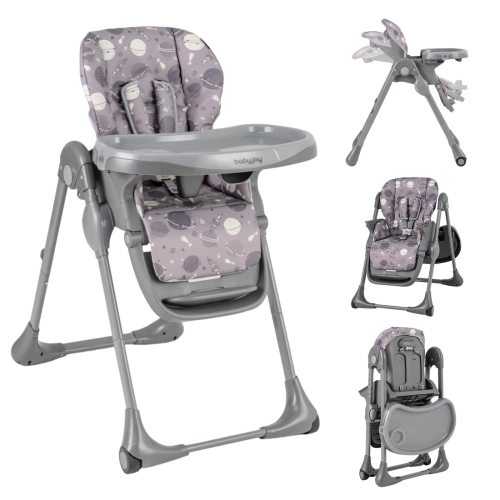
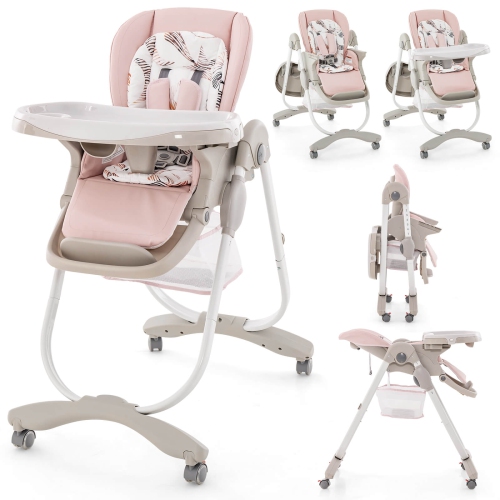
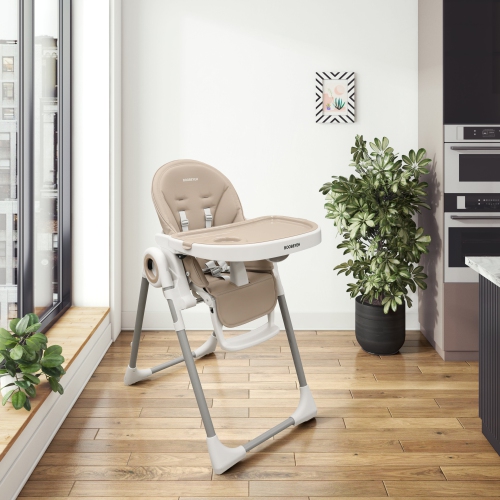
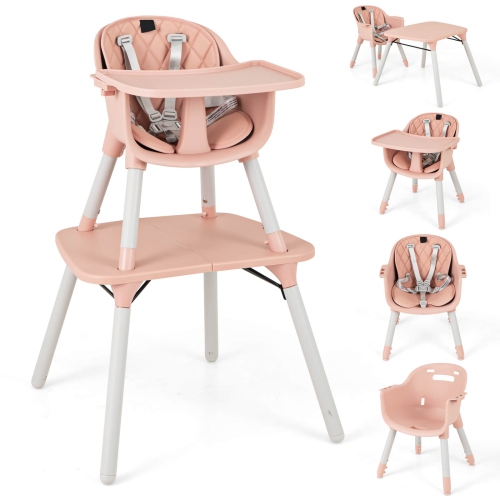
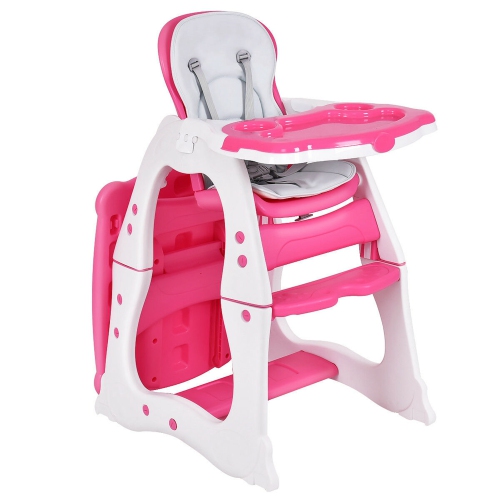
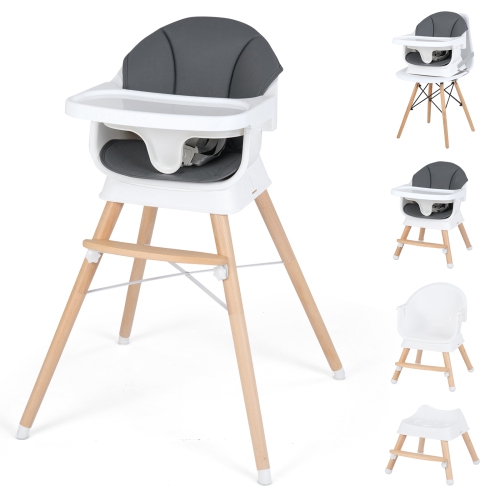
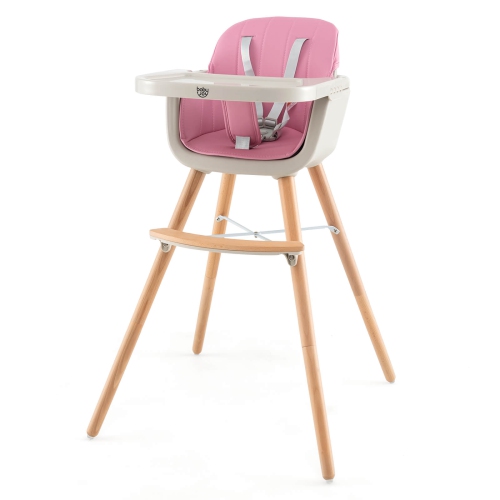
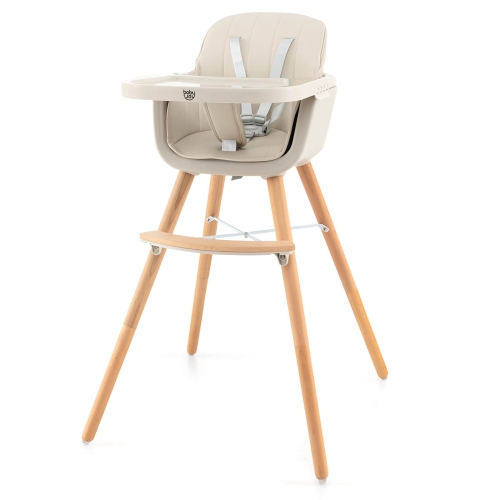
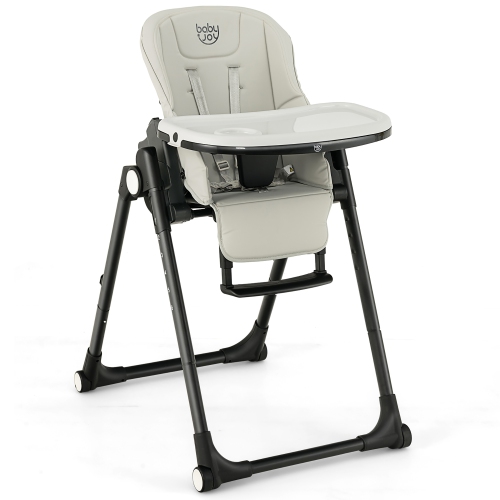
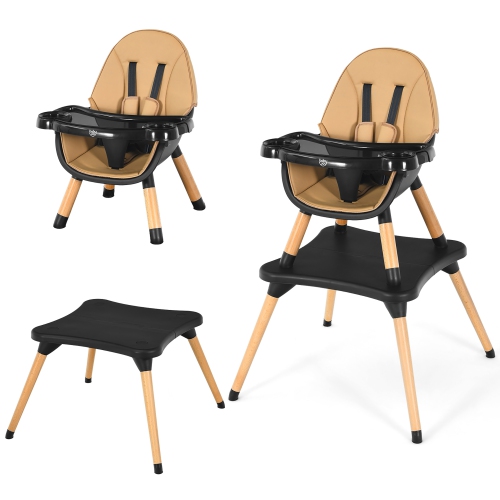
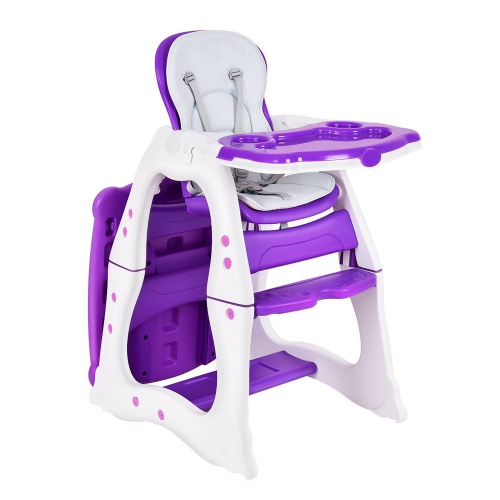
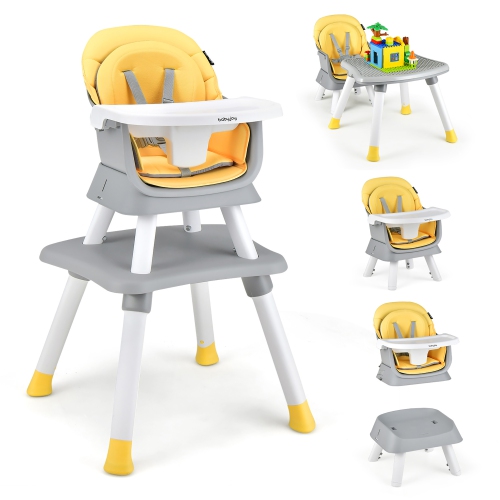
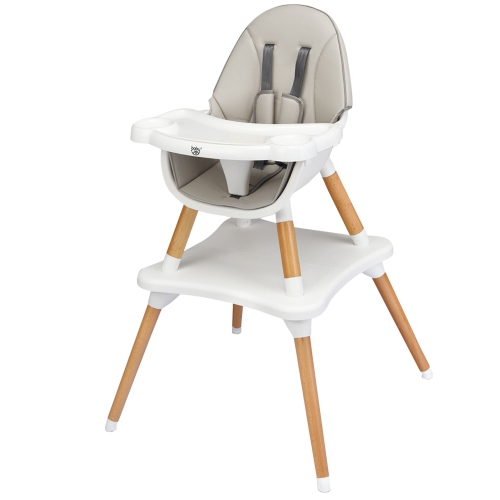
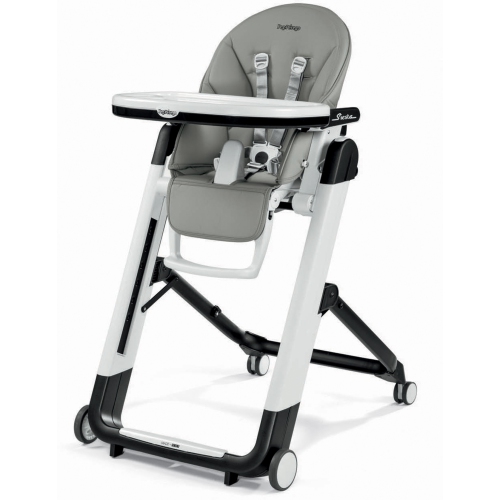
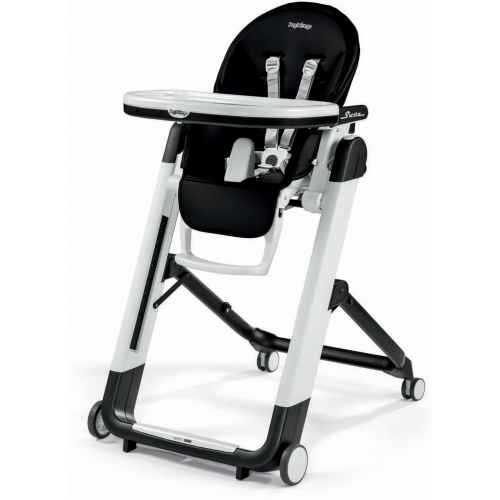
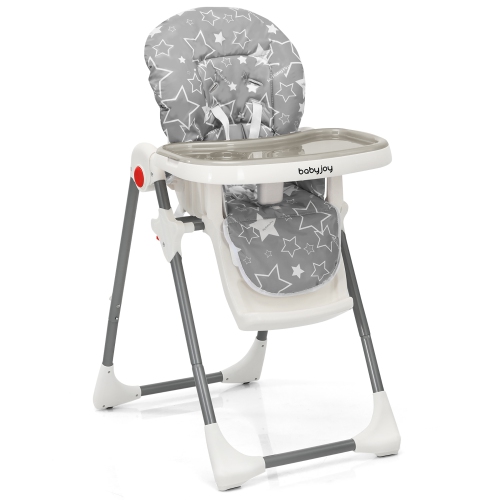
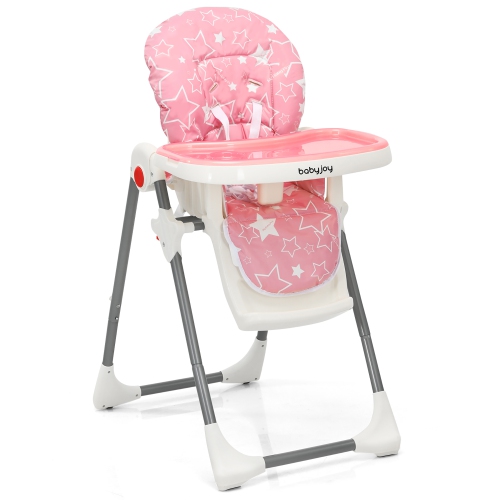
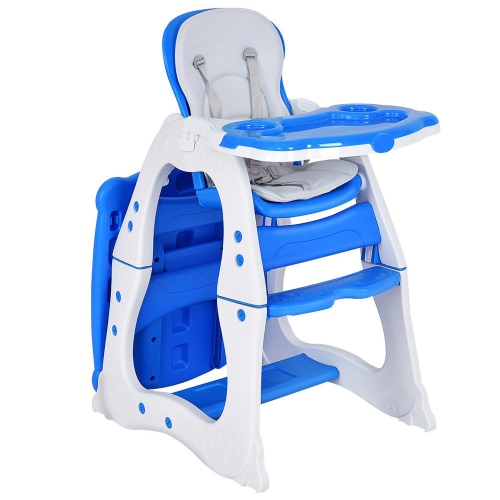
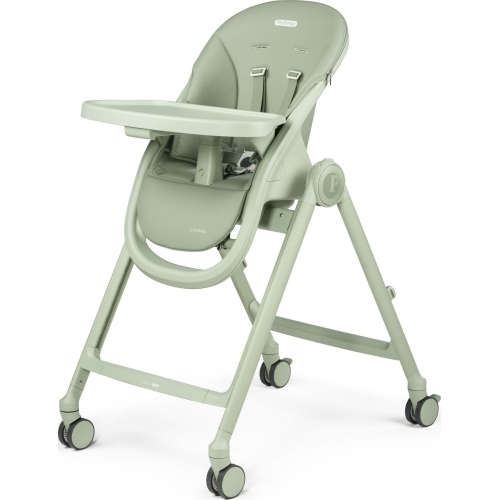
The safest high chairs combine a stable structure, a secure restraint system, and a seat that fits a child’s stage of development. No high chair can eliminate every risk, but these features help create a more secure place for supervised meals, from early spoonfuls to family dinners. A wide, well-balanced base helps resist tipping, while solid joints and a firmly supported seat limit unwanted movement. A five-point harness secures a child at the shoulders, hips, and between the legs, helping limit standing, leaning, and sliding when it is adjusted and fastened correctly. The tray provides a surface for food and utensils; it does not replace the harness, even when it sits close to the child’s body. Secure buckles, straps that adjust without twisting, and attachment points that are easy to inspect are useful details for everyday use. Fit matters just as much as the number of straps. A child should meet the manufacturer’s age, weight, and developmental requirements for the intended seating position, including being able to sit upright with appropriate head and trunk control for eating solid food. A supportive backrest and an adjustable footrest can help a child sit comfortably rather than slump or dangle their legs throughout a meal. Foot support contributes to a stable feeding posture, but it does not make a chair choke-proof or replace appropriate food preparation and supervision. Clear assembly directions, stated use limits, and documentation of applicable Canadian safety requirements provide more meaningful information than broad claims that a chair is the safest. ASTM standards and JPMA certification may also appear in product information, but they are distinct references rather than interchangeable guarantees. The strongest basis for comparing high chair safety is a combination of documented requirements, sound construction, proper fit, and correct use. For a parent fastening a wriggling baby into the seat while breakfast waits nearby, accessible harness straps and a buckle that closes securely are practical features that matter at every meal.
Materials and construction influence how a high chair feels, how well it stands up to repeated use, and how easily it can be kept clean. Wood can offer a firm, furniture-like structure, although its finish, joints, and care requirements deserve attention when food and water are part of the daily routine. Metal frames can provide sturdy support, with particular importance placed on secure fasteners, smooth edges, and protected moving parts. Moulded plastic seating often has fewer seams to wipe, while padded seats may offer extra cushioning at the cost of more creases where crumbs collect. None of these materials is automatically the safest; the design and condition of the complete chair matter more than the material alone. Rounded edges, intact surfaces, and accessible cleaning areas make a noticeable difference when porridge dries along a tray rim or mashed vegetables find their way beneath a seat pad. Removable tray inserts and washable covers can simplify care, provided they are cleaned according to the manufacturer’s directions. Dishwasher suitability should be confirmed rather than assumed, and restraint straps need their own approved cleaning method so that buckles and webbing continue to function as intended. A tray that releases easily for an adult should still lock firmly into its proper position before use. Height adjustment and multiple tray positions can accommodate different dining arrangements, but each setting needs to engage securely without leaving an unsuitable gap around the child. Adjustable footrests are most useful when they can continue supporting the feet as the child grows. Reclining positions, where provided, have separate intended uses and should not be treated as suitable positions for eating solid food. For households using a high chair several times a day, simple surfaces, sturdy hardware, and removable parts that fit back into place correctly can be more valuable than a long list of extras. Durable construction also makes routine inspection straightforward: loose screws, cracks, frayed straps, or a latch that no longer closes properly should be addressed before further use.
The space around a high chair is part of safe everyday use, whether meals happen beside a kitchen island or at a shared dining table. A level floor and enough room for the entire base help the chair sit as designed, without a leg resting on the edge of a rug or an uneven surface. The chair should be positioned away from counters, tables, and other surfaces a child could push against, as well as cords, hot dishes, and other reachable hazards. A broad footprint can offer stability, but it also needs a clear place where adults will not repeatedly catch a foot on the legs while carrying plates. Folding designs suit homes where the dining area serves several purposes, provided their locking mechanisms engage fully each time the chair is opened. Wheels may make an empty chair easier to reposition; any wheel locks should be used as directed, and the chair should never be moved with a child seated in it. Close adult supervision remains essential, even for a short snack, and siblings should not climb on the frame or hang from the tray. Convertible designs can support longer use when each configuration is appropriate for the child and assembled exactly as instructed. A transition to a toddler seat is not simply a matter of removing straps or taking off the tray; it depends on the approved configuration and its stated limits. Families interested in construction and daily practicality can also explore Good Quality High Chairs alongside considerations such as seat support, cleanability, and adjustment. A high chair can be a thoughtful gift for new parents or grandparents preparing a regular feeding space, especially when the household’s available room and care preferences are understood. For a chair passed between children, complete instructions, all original required parts, and a check for recalls are particularly important. Manufacturer-approved replacement parts help preserve the intended fit and function; improvised straps, cushions, or footrests can introduce hazards. A well-chosen high chair brings these details together in a comfortable, manageable seating space that supports attentive feeding and repeated daily use.
Materials and construction influence how a high chair feels, how well it stands up to repeated use, and how easily it can be kept clean. Wood can offer a firm, furniture-like structure, although its finish, joints, and care requirements deserve attention when food and water are part of the daily routine. Metal frames can provide sturdy support, with particular importance placed on secure fasteners, smooth edges, and protected moving parts. Moulded plastic seating often has fewer seams to wipe, while padded seats may offer extra cushioning at the cost of more creases where crumbs collect. None of these materials is automatically the safest; the design and condition of the complete chair matter more than the material alone. Rounded edges, intact surfaces, and accessible cleaning areas make a noticeable difference when porridge dries along a tray rim or mashed vegetables find their way beneath a seat pad. Removable tray inserts and washable covers can simplify care, provided they are cleaned according to the manufacturer’s directions. Dishwasher suitability should be confirmed rather than assumed, and restraint straps need their own approved cleaning method so that buckles and webbing continue to function as intended. A tray that releases easily for an adult should still lock firmly into its proper position before use. Height adjustment and multiple tray positions can accommodate different dining arrangements, but each setting needs to engage securely without leaving an unsuitable gap around the child. Adjustable footrests are most useful when they can continue supporting the feet as the child grows. Reclining positions, where provided, have separate intended uses and should not be treated as suitable positions for eating solid food. For households using a high chair several times a day, simple surfaces, sturdy hardware, and removable parts that fit back into place correctly can be more valuable than a long list of extras. Durable construction also makes routine inspection straightforward: loose screws, cracks, frayed straps, or a latch that no longer closes properly should be addressed before further use.
The space around a high chair is part of safe everyday use, whether meals happen beside a kitchen island or at a shared dining table. A level floor and enough room for the entire base help the chair sit as designed, without a leg resting on the edge of a rug or an uneven surface. The chair should be positioned away from counters, tables, and other surfaces a child could push against, as well as cords, hot dishes, and other reachable hazards. A broad footprint can offer stability, but it also needs a clear place where adults will not repeatedly catch a foot on the legs while carrying plates. Folding designs suit homes where the dining area serves several purposes, provided their locking mechanisms engage fully each time the chair is opened. Wheels may make an empty chair easier to reposition; any wheel locks should be used as directed, and the chair should never be moved with a child seated in it. Close adult supervision remains essential, even for a short snack, and siblings should not climb on the frame or hang from the tray. Convertible designs can support longer use when each configuration is appropriate for the child and assembled exactly as instructed. A transition to a toddler seat is not simply a matter of removing straps or taking off the tray; it depends on the approved configuration and its stated limits. Families interested in construction and daily practicality can also explore Good Quality High Chairs alongside considerations such as seat support, cleanability, and adjustment. A high chair can be a thoughtful gift for new parents or grandparents preparing a regular feeding space, especially when the household’s available room and care preferences are understood. For a chair passed between children, complete instructions, all original required parts, and a check for recalls are particularly important. Manufacturer-approved replacement parts help preserve the intended fit and function; improvised straps, cushions, or footrests can introduce hazards. A well-chosen high chair brings these details together in a comfortable, manageable seating space that supports attentive feeding and repeated daily use.
Top selling and popular products
-
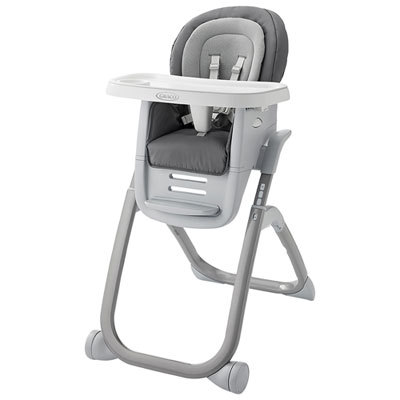 Your price for this item is $279.99
 -
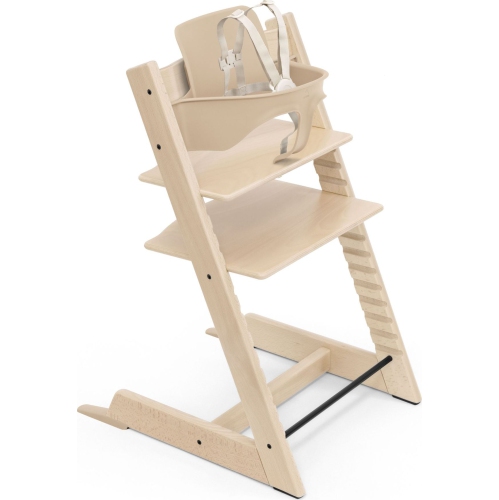 Your price for this item is $455
 -
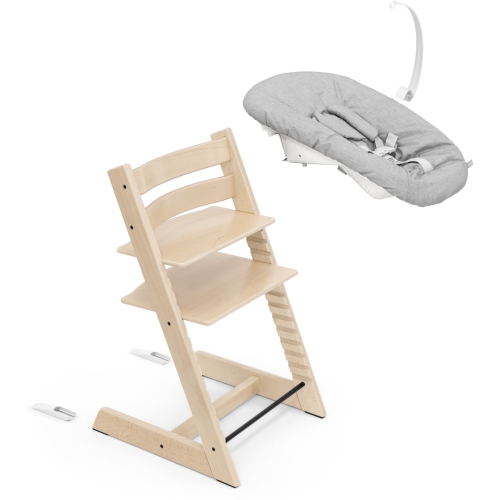 Your price for this item is $514.99
 -
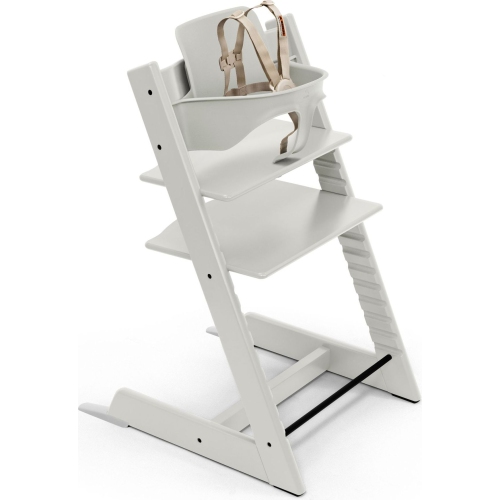 Your price for this item is $454.99
 -
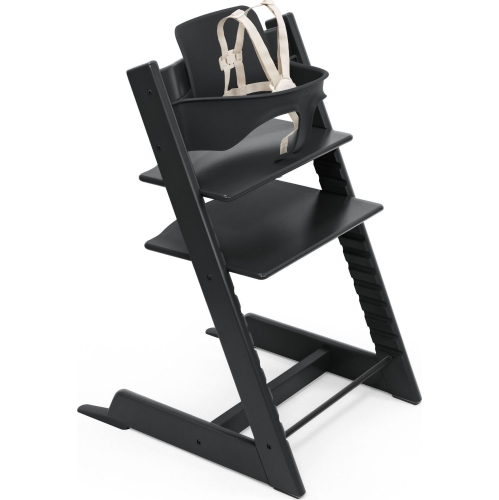 Your price for this item is $455
 -
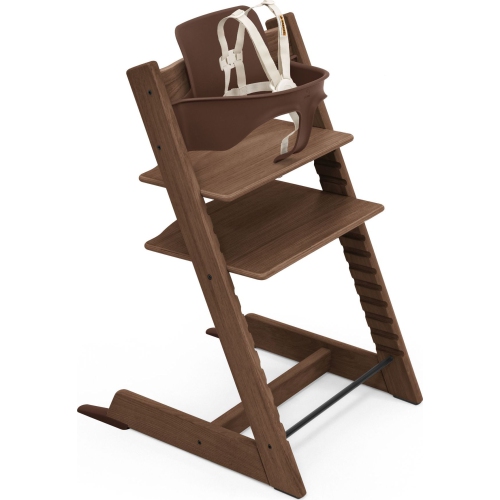 Your price for this item is $488.99
 -
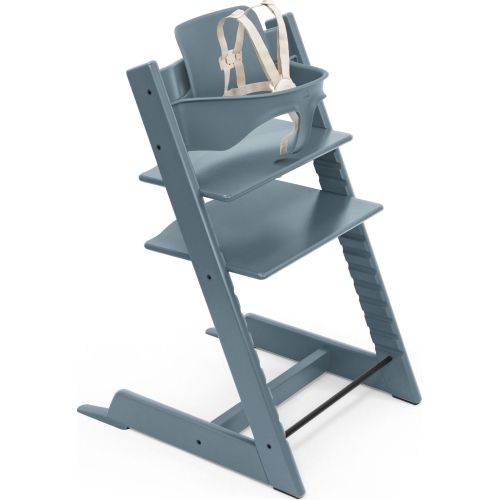 Your price for this item is $454.99
 -
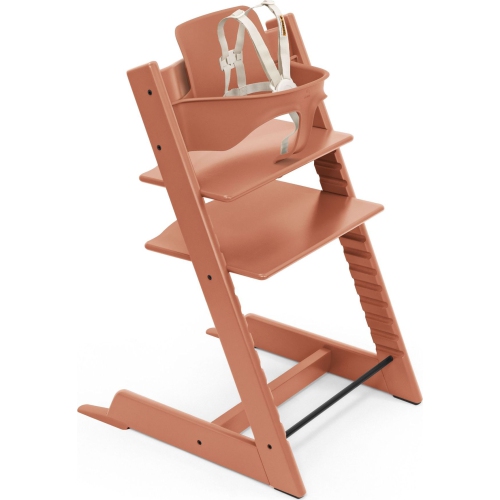 Your price for this item is $455
Discover more categories related to Safest High Chairs
Top Collections:
Pokemon Centers, Kindle Devices, Best Budget Office Chairs, Apple iPhones 16, Best Laptops for Writers, iPhone 15 Apple, Canon G7X Cameras, Refurbished Apple Laptops, Alarm Clock, Motorola Razr Phones
Some products may be subject to Environmental Handling Fees
(EHF) depending on your province.
Learn more about EHFs.