Snuggle Me
Discover the ultimate comfort experience with Snuggle Me, where coziness meets versatility in a whole new way. Perfectly designed to enhance your relaxation time, these plush essentials are ideal for any setting, whether you're curling up with a book, enjoying a movie night, or simply unwinding after a long day. With their inviting textures and soothing support, Snuggle Me products transform ordinary moments into extraordinary ones, offering a sanctuary of warmth and tranquility. Embrace the art of lounging with these must-have additions to your home that promise to elevate your comfort game effortlessly.
Sort
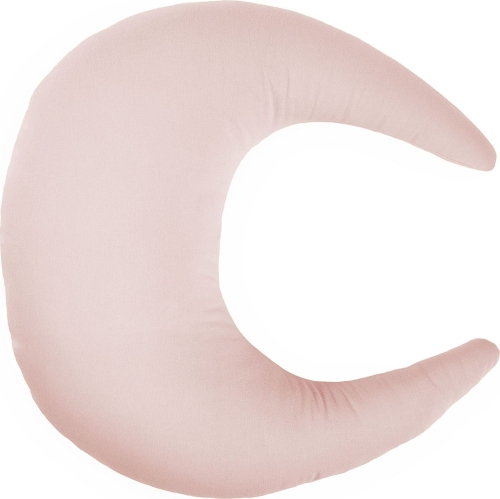
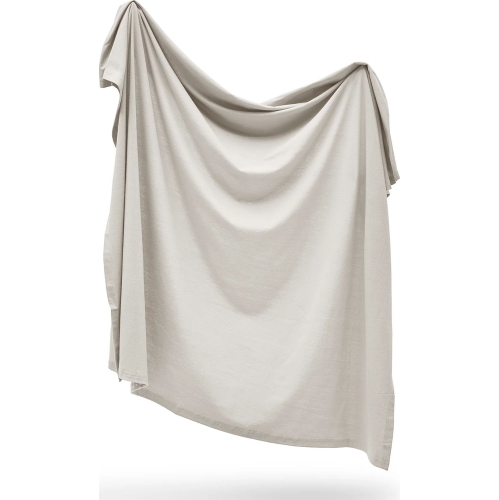
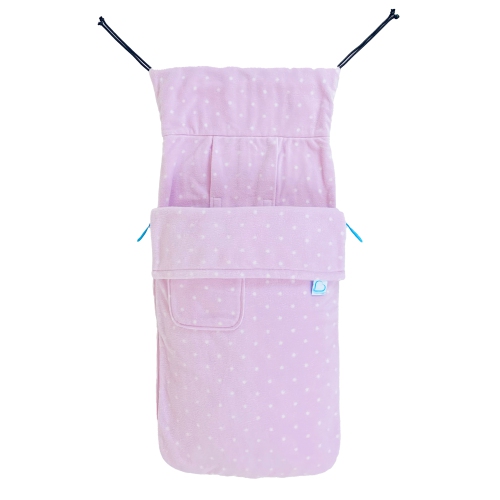
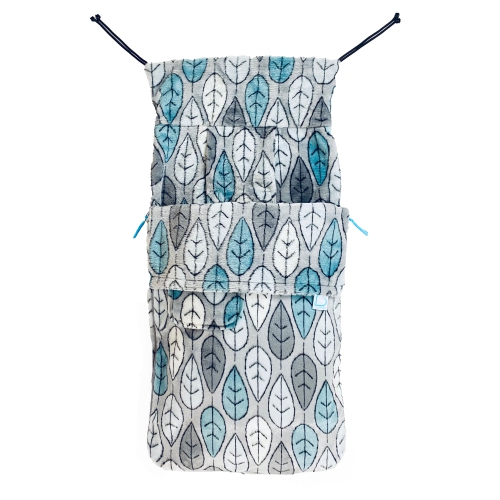
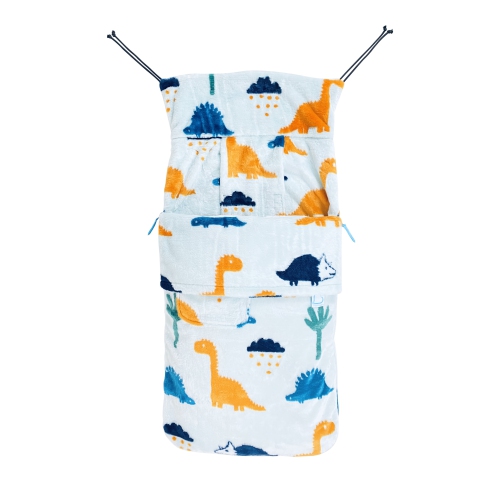
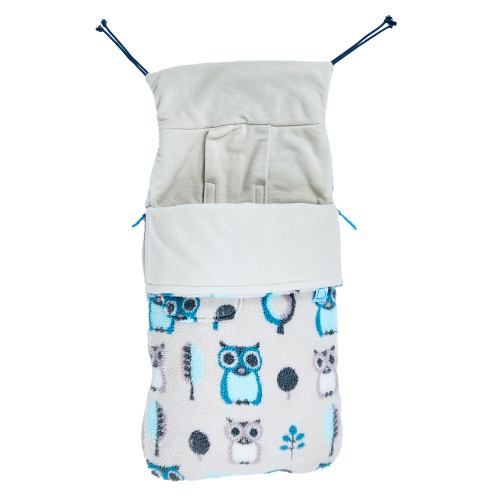
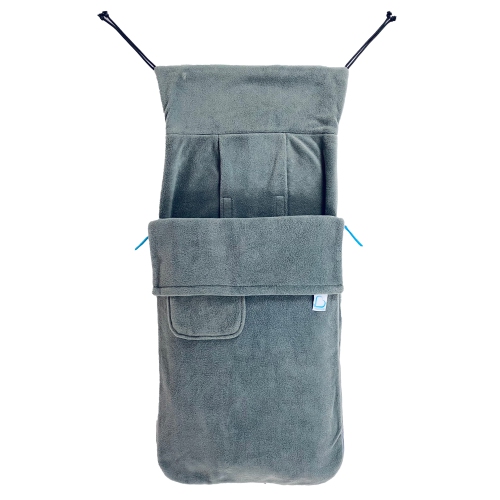

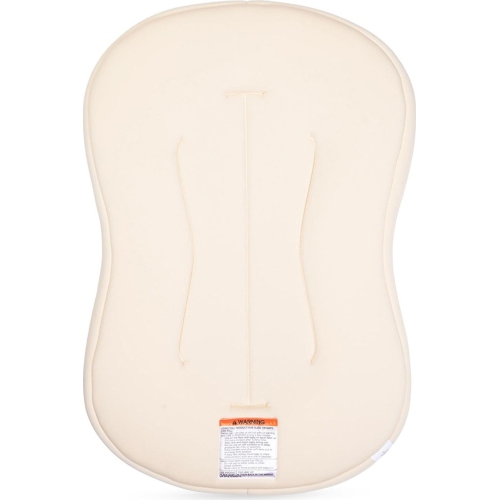
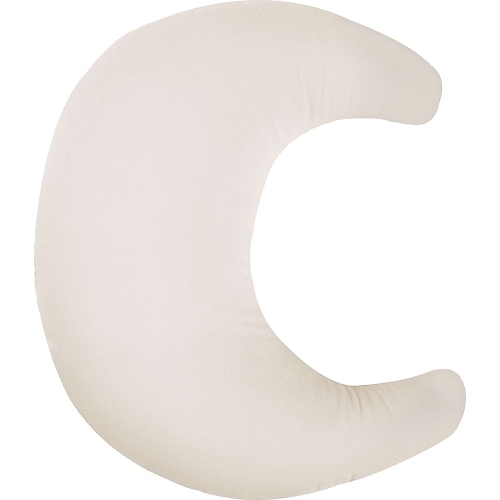
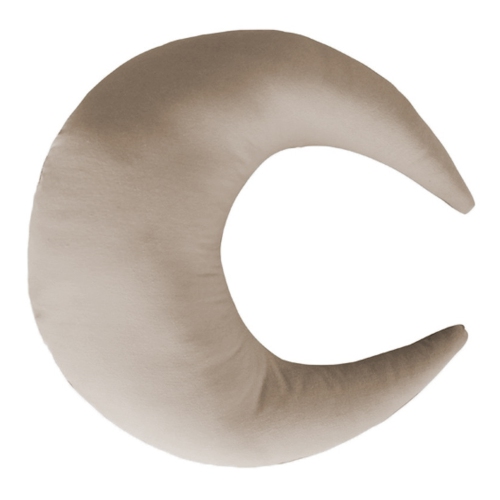
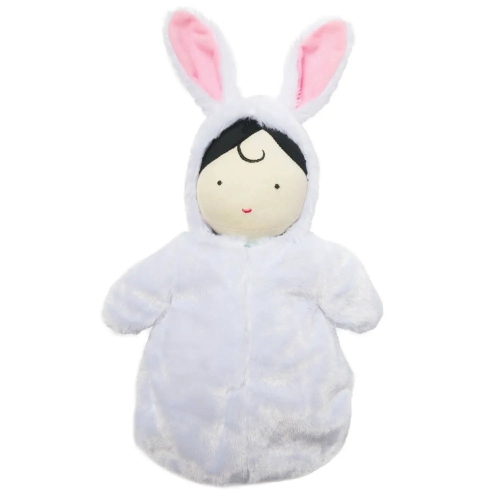
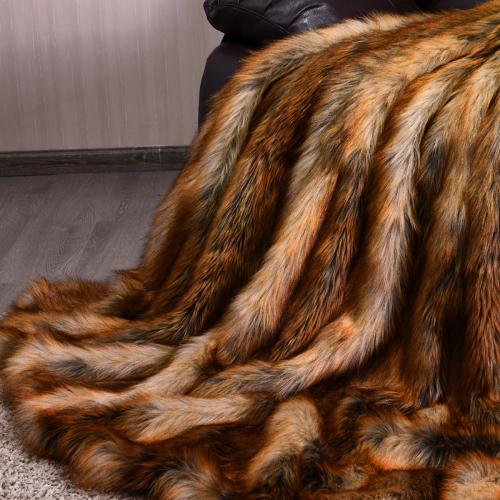
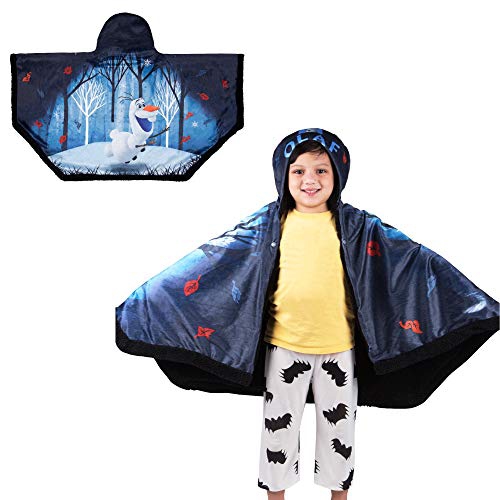
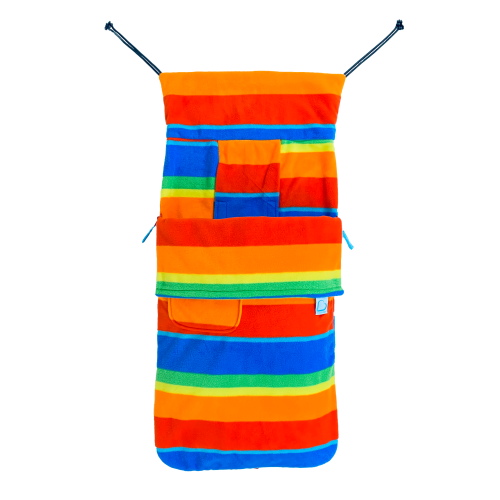
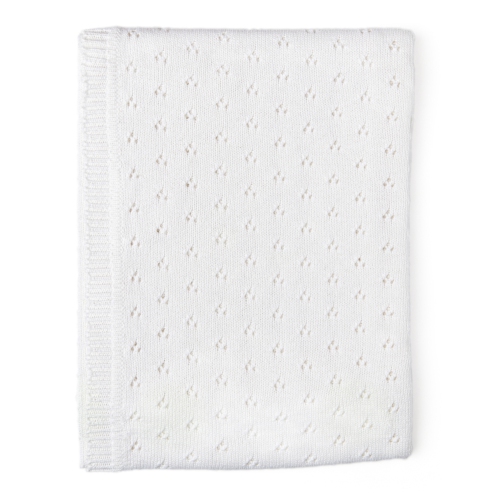
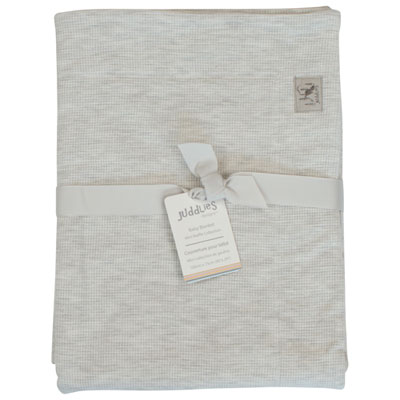
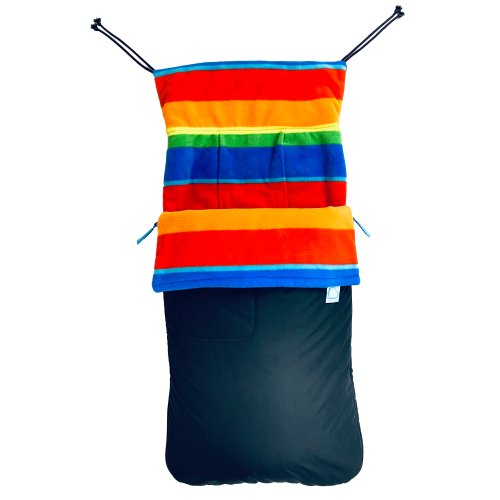
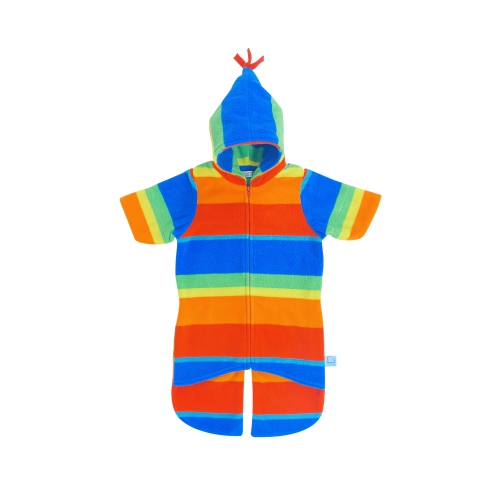
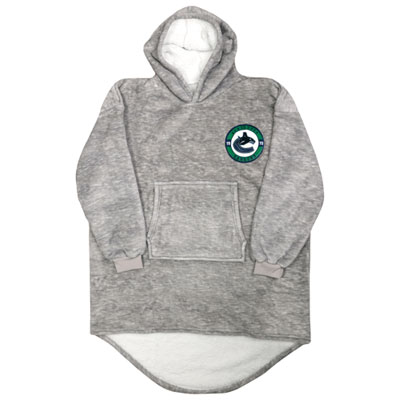
Where infant loungers fit into supervised awake time
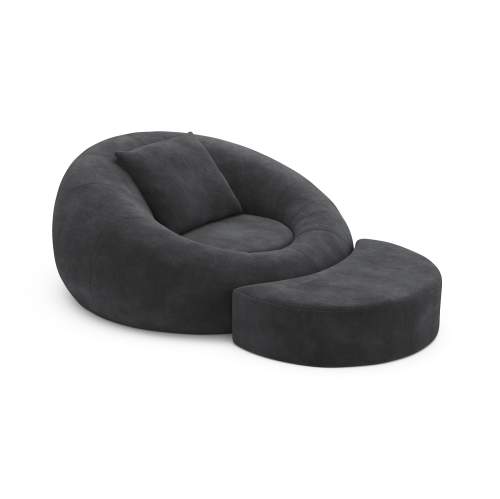
Infant loungers, fitted covers, and soft play accessories are designed around the small, closely supervised moments that fill a baby’s day: looking up at a familiar face, listening to a parent talk, or watching a caregiver move a toy slowly into view. A contoured infant lounger typically has a recessed centre and cushioned sides that create a close-fitting shape around a baby’s body. That shape is intended for awake lounging, not sleep, and it does not replace being held or having space to move freely on a suitable floor-level play surface. Infant loungers are not safe sleep spaces and should never be used for naps or overnight sleep, even when an adult is nearby. A baby who falls asleep needs to be moved to a crib, cradle, or bassinet that meets Canadian safety requirements, on their back, with a firm, flat mattress and no loose bedding or soft objects. For permitted awake use, a lounger belongs only on a firm, flat floor-level surface, following its manufacturer’s directions, with a caregiver staying close and watching continuously. Beds, sofas, counters, and tables are not appropriate places for a lounger because soft surfaces and raised edges introduce suffocation and fall hazards. Within those boundaries, the appeal of this category lies in its simple, tactile design and its place in face-to-face interaction. A caregiver sitting beside an alert baby can share expressions, sing, or offer a little visual interest without turning the moment into a complicated activity. Loungers are optional baby accessories rather than nursery necessities, and their usefulness depends on a family’s routines and ability to provide uninterrupted supervision. They are not a substitute for a safe sleep space, a car seat, a feeding support, or a clear play area. Understanding that intended use helps distinguish padded lounging accessories from products made for sleeping, transporting, or supporting a baby during other activities.
Materials, construction, and cover fit make a noticeable difference to the feel and upkeep of infant lounging accessories. Cotton fabrics can offer a soft surface against clothing and skin, while the weave, thickness, and finishing influence how smooth or textured a cover feels. Fibre content alone does not establish suitability for sensitive skin, and a soft or breathable fabric does not make a padded lounger safe for sleep. The fabric touching the baby, the inner filling, and the care requirements each deserve attention because they serve different purposes. A removable cover can simplify everyday cleanup after a small dribble or spit-up, but it does not necessarily keep moisture from reaching the cushion underneath. Some components may be machine washable, while others require a different cleaning method, so the separate care labels matter. Thorough drying before reuse or storage helps prevent dampness from lingering inside thick padding. A spare compatible cover can be practical when one is being washed, provided it matches the exact shape and size of the lounger. Covers that are too large can bunch or create loose folds, while an overly tight cover can distort the intended shape; a similar appearance is not enough to confirm compatibility. Secure seams, intact fabric, and filling that remains evenly distributed are useful signs of sound construction. Loose threads, opened seams, damaged fastenings, or misshapen padding call for attention before another use. Durability in this category is less about a cushion looking untouched and more about its ability to retain its specified form through the cleaning and handling allowed by the manufacturer. Fit also extends beyond the cover. Age descriptions are only one part of suitability: the manufacturer’s size limits, positioning directions, and developmental restrictions determine whether an accessory remains appropriate for a particular baby. A baby’s changing movement can affect safe use before a family expects it, making the stated stop-use milestones especially important. Extra cushions, rolled blankets, or improvised inserts should not be added to adjust the fit or extend the period of use.
Soft play accessories serve a different purpose from a contoured lounger, even when their colours and fabrics coordinate. An appropriate floor mat gives an awake baby room for movement, while an age-suitable play gym can provide shapes and textures to look at or reach towards as development allows. Tummy time takes place while a baby is awake and directly supervised on a firm, flat surface; a padded lounger should not be assumed suitable for it. Clear distinctions between lounging, floor play, feeding, and sleep make a collection of baby accessories more useful than treating every cushioned surface as interchangeable. In a shared living room, for example, a defined floor-play area can give a caregiver space to sit alongside the baby without placing them on furniture. Any setup still needs separation from cords, blind pulls, pets, and objects that could fall or be pulled within reach. Older siblings may enjoy joining a song or showing a toy, but an adult remains responsible for supervision. Families choosing nursery accessories as gifts often appreciate practical details such as washable fabrics, confirmed cover compatibility, and straightforward care requirements more than a perfectly matched decorative set. A gift for a baby shower or a growing family is most thoughtful when it suits the recipients’ actual routines and the baby’s developmental stage, rather than assuming every household needs a lounger. Soft toys from Cuddly Plush can complement an age-appropriate play collection, with the toy’s age grading, construction, and care directions guiding its use. Plush toys belong outside an infant’s sleep space, and loose toys should not be tucked around a baby in a lounger. Across these categories, restrained details often have the most everyday value: a cover that fits without adjustment, fabric that tolerates its specified wash routine, and accessories with clearly defined purposes. Those qualities support a thoughtfully arranged space for supervised interaction while keeping the baby’s separate sleep area firm, flat, and clear.
Materials, construction, and cover fit make a noticeable difference to the feel and upkeep of infant lounging accessories. Cotton fabrics can offer a soft surface against clothing and skin, while the weave, thickness, and finishing influence how smooth or textured a cover feels. Fibre content alone does not establish suitability for sensitive skin, and a soft or breathable fabric does not make a padded lounger safe for sleep. The fabric touching the baby, the inner filling, and the care requirements each deserve attention because they serve different purposes. A removable cover can simplify everyday cleanup after a small dribble or spit-up, but it does not necessarily keep moisture from reaching the cushion underneath. Some components may be machine washable, while others require a different cleaning method, so the separate care labels matter. Thorough drying before reuse or storage helps prevent dampness from lingering inside thick padding. A spare compatible cover can be practical when one is being washed, provided it matches the exact shape and size of the lounger. Covers that are too large can bunch or create loose folds, while an overly tight cover can distort the intended shape; a similar appearance is not enough to confirm compatibility. Secure seams, intact fabric, and filling that remains evenly distributed are useful signs of sound construction. Loose threads, opened seams, damaged fastenings, or misshapen padding call for attention before another use. Durability in this category is less about a cushion looking untouched and more about its ability to retain its specified form through the cleaning and handling allowed by the manufacturer. Fit also extends beyond the cover. Age descriptions are only one part of suitability: the manufacturer’s size limits, positioning directions, and developmental restrictions determine whether an accessory remains appropriate for a particular baby. A baby’s changing movement can affect safe use before a family expects it, making the stated stop-use milestones especially important. Extra cushions, rolled blankets, or improvised inserts should not be added to adjust the fit or extend the period of use.
Soft play accessories serve a different purpose from a contoured lounger, even when their colours and fabrics coordinate. An appropriate floor mat gives an awake baby room for movement, while an age-suitable play gym can provide shapes and textures to look at or reach towards as development allows. Tummy time takes place while a baby is awake and directly supervised on a firm, flat surface; a padded lounger should not be assumed suitable for it. Clear distinctions between lounging, floor play, feeding, and sleep make a collection of baby accessories more useful than treating every cushioned surface as interchangeable. In a shared living room, for example, a defined floor-play area can give a caregiver space to sit alongside the baby without placing them on furniture. Any setup still needs separation from cords, blind pulls, pets, and objects that could fall or be pulled within reach. Older siblings may enjoy joining a song or showing a toy, but an adult remains responsible for supervision. Families choosing nursery accessories as gifts often appreciate practical details such as washable fabrics, confirmed cover compatibility, and straightforward care requirements more than a perfectly matched decorative set. A gift for a baby shower or a growing family is most thoughtful when it suits the recipients’ actual routines and the baby’s developmental stage, rather than assuming every household needs a lounger. Soft toys from Cuddly Plush can complement an age-appropriate play collection, with the toy’s age grading, construction, and care directions guiding its use. Plush toys belong outside an infant’s sleep space, and loose toys should not be tucked around a baby in a lounger. Across these categories, restrained details often have the most everyday value: a cover that fits without adjustment, fabric that tolerates its specified wash routine, and accessories with clearly defined purposes. Those qualities support a thoughtfully arranged space for supervised interaction while keeping the baby’s separate sleep area firm, flat, and clear.
Top selling and popular products
-
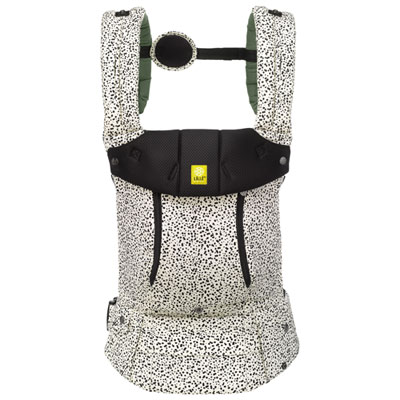 Your price for this item is $129.99
 -
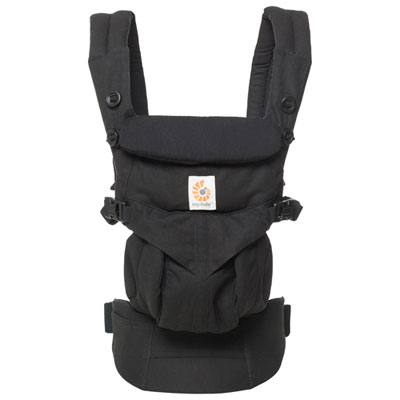 Your price for this item is $233.99
 -
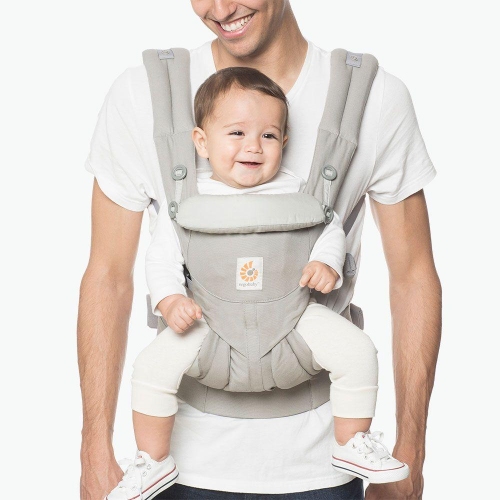 Your price for this item is $189
 -
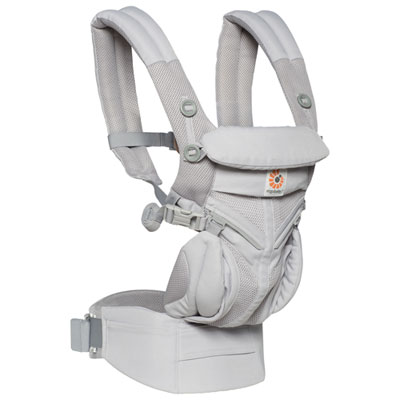 Your price for this item is $233.99
 -
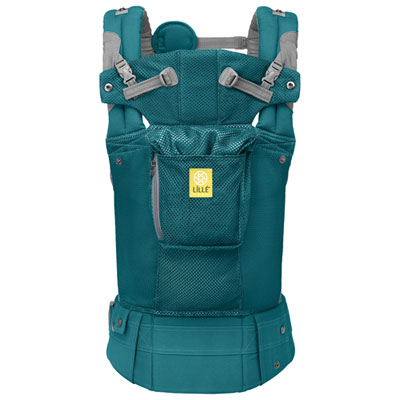 Your price for this item is $99.99
 -
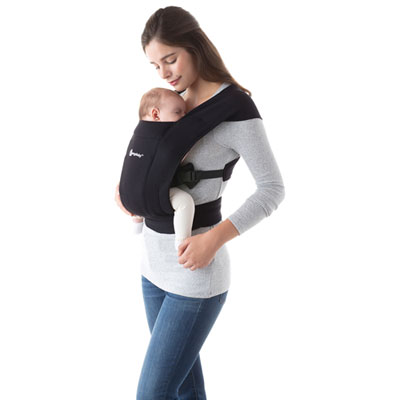 Your price for this item is $128.99
 -
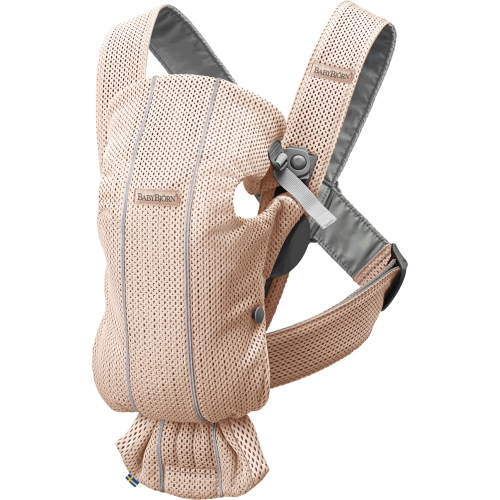 Your price for this item is $179.99
 -
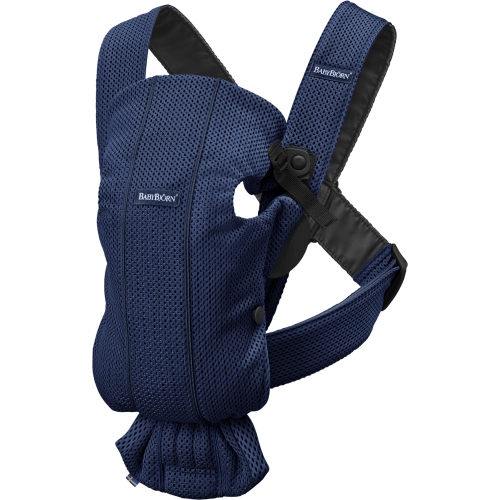 Your price for this item is $179.99
Discover more categories related to Snuggle Me
Top Collections:
Pokemon Centers, Kindle Devices, Best Budget Office Chairs, Apple iPhones 16, Best Laptops for Writers, iPhone 15 Apple, Canon G7X Cameras, Refurbished Apple Laptops, Alarm Clock, Motorola Razr Phones
Some products may be subject to Environmental Handling Fees
(EHF) depending on your province.
Learn more about EHFs.