Swing Sets Canada
Transform your backyard into a hub of fun and adventure with swing sets designed for Canadian families. Whether you're looking to create a space for imaginative play or encourage outdoor activity, swing sets offer endless opportunities for children to explore and enjoy the great outdoors. With various styles and configurations available, you can find the perfect set to match your yard's layout and your family's needs. Crafted to withstand the Canadian climate, these swing sets promise durability and enjoyment season after season. Dive into a world of excitement and let every day become an unforgettable adventure right at home.
Sort
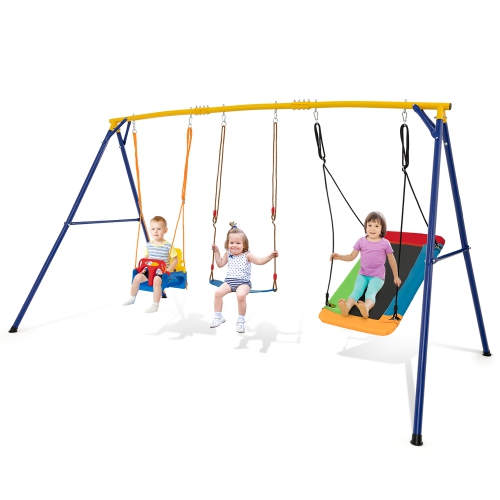
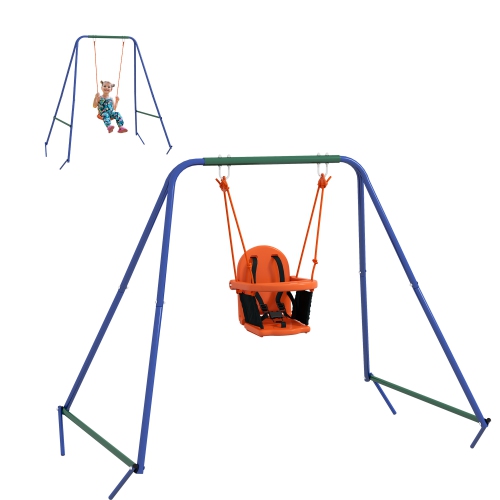
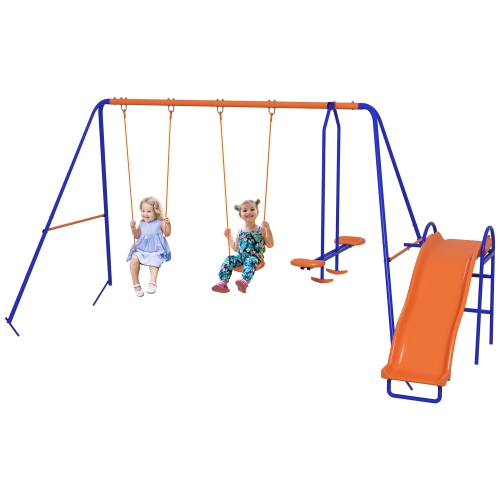
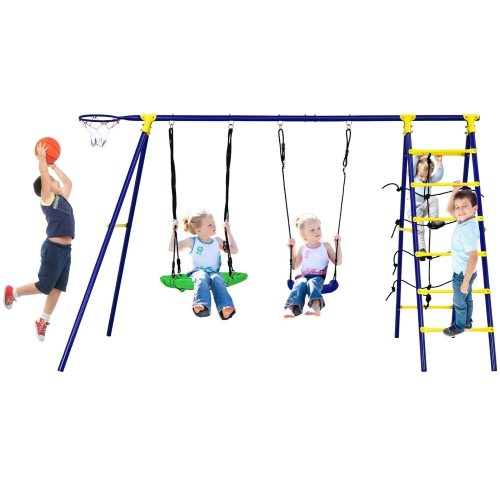

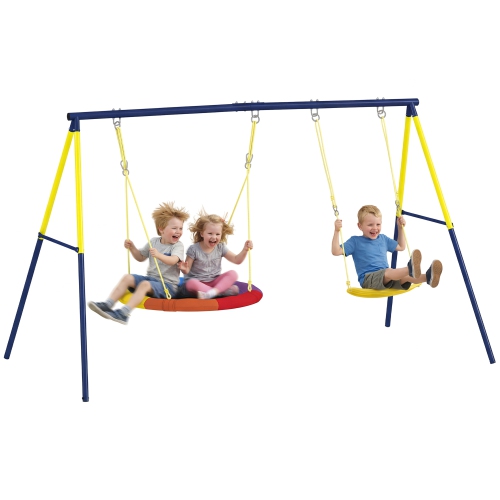
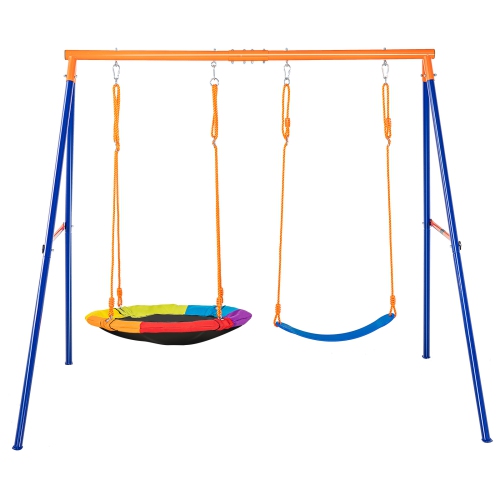
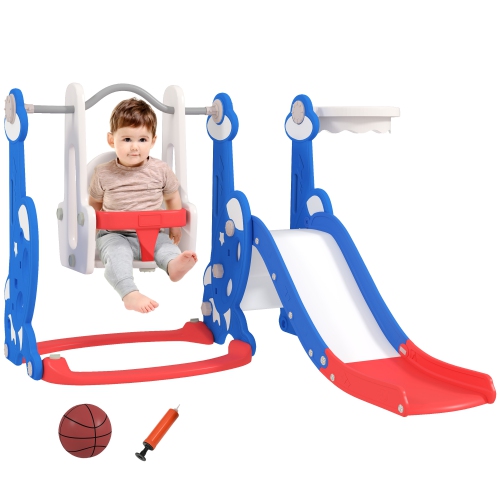
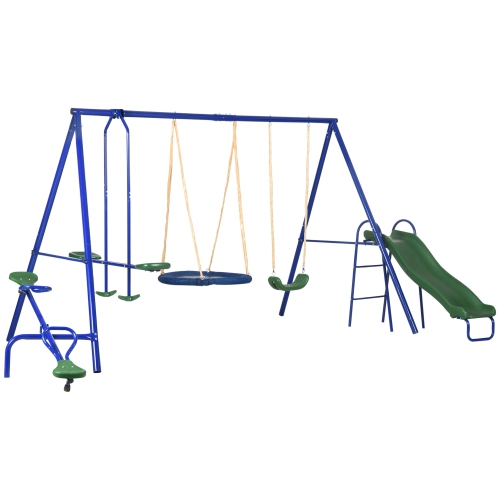



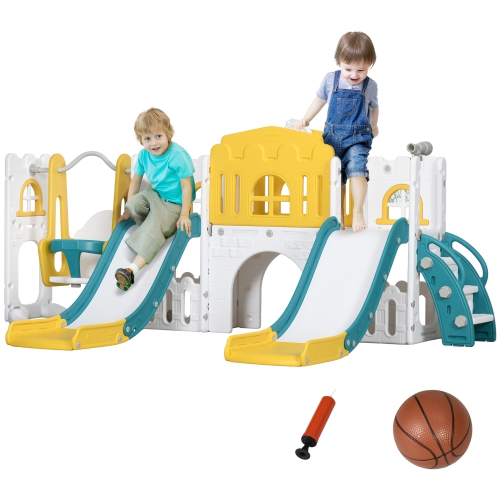
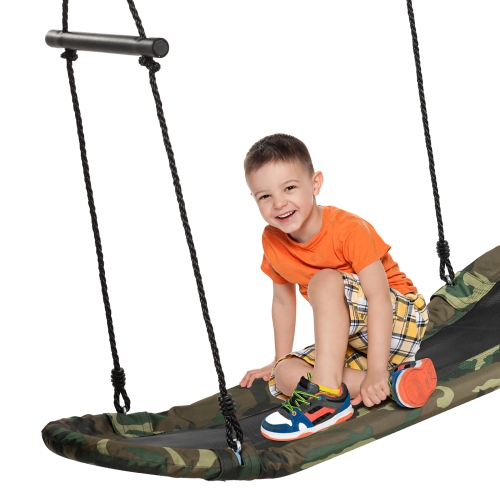
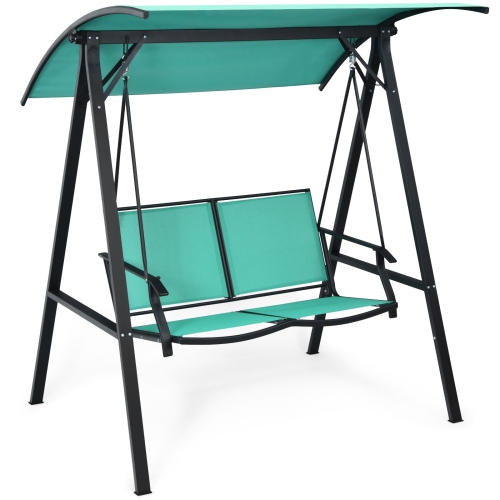
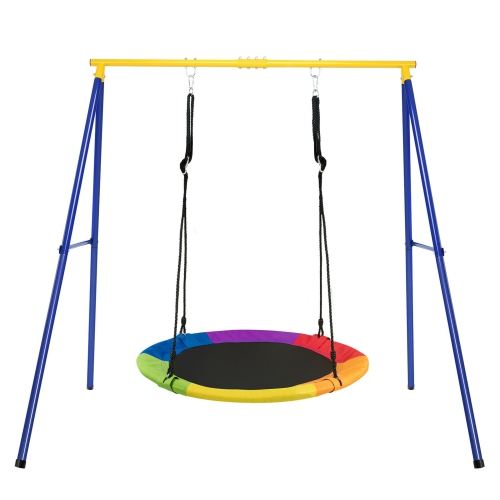
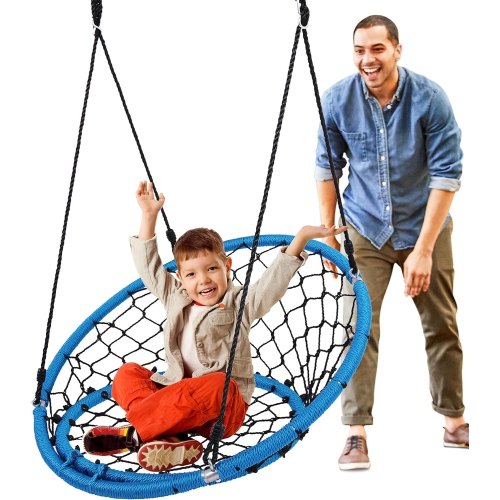
Backyard play that fits your children and your space
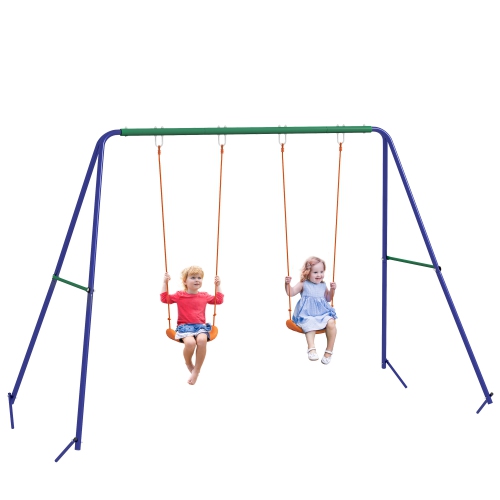
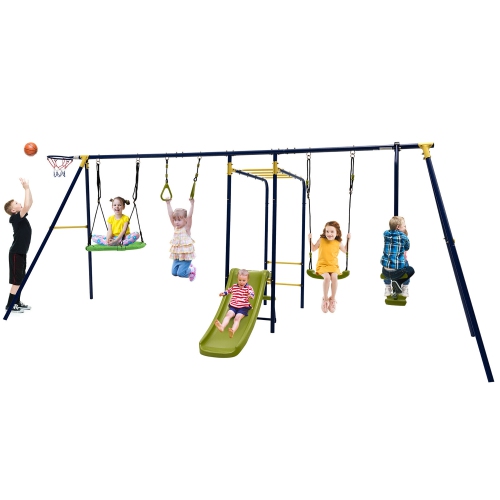
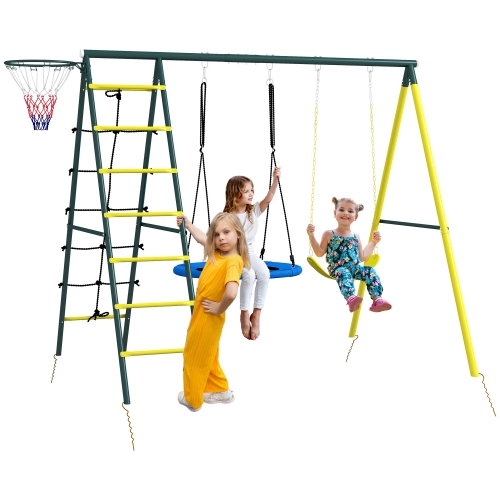
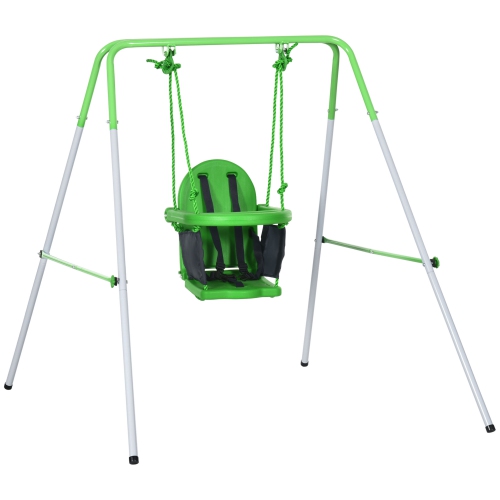
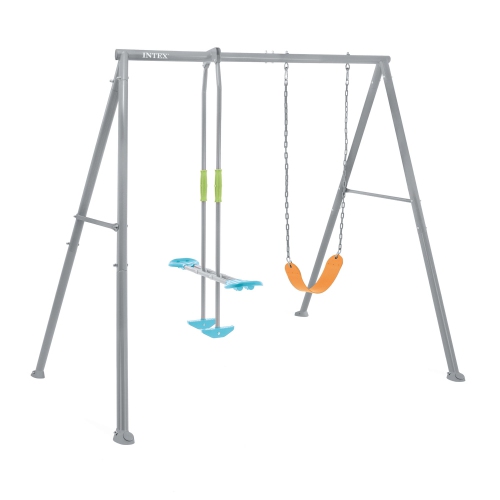
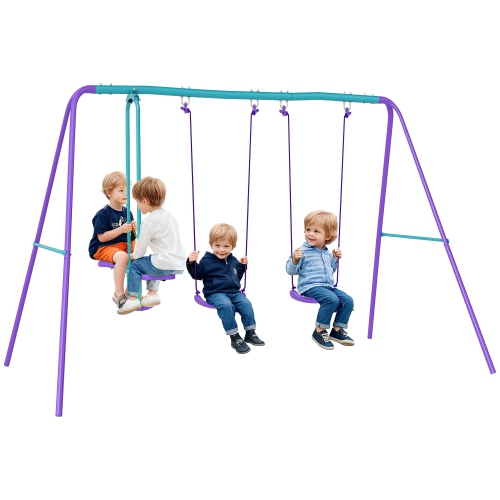
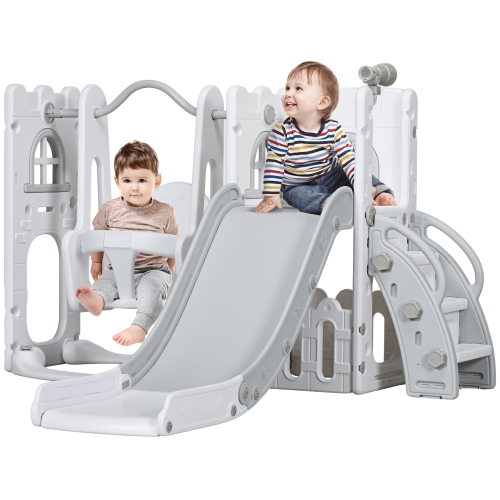
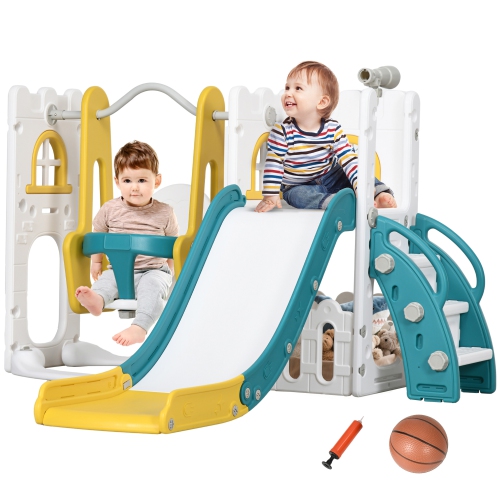
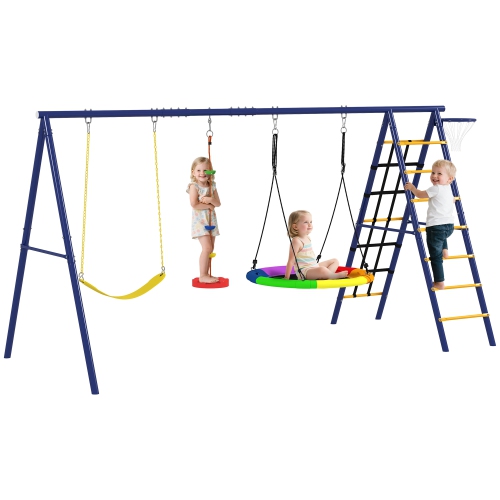
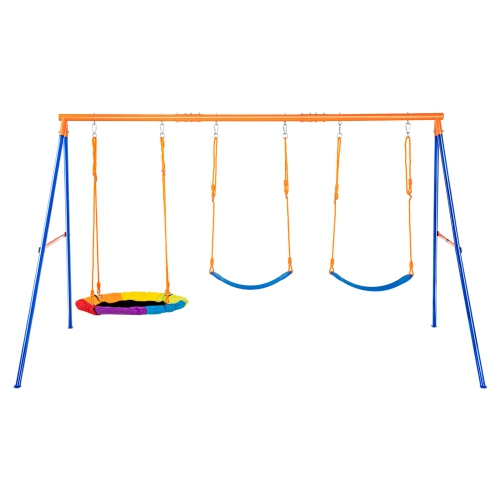
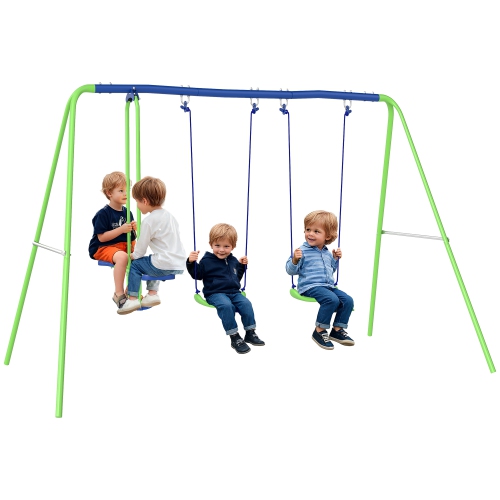
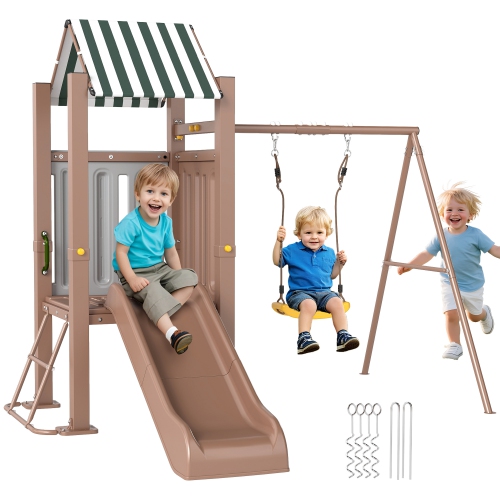
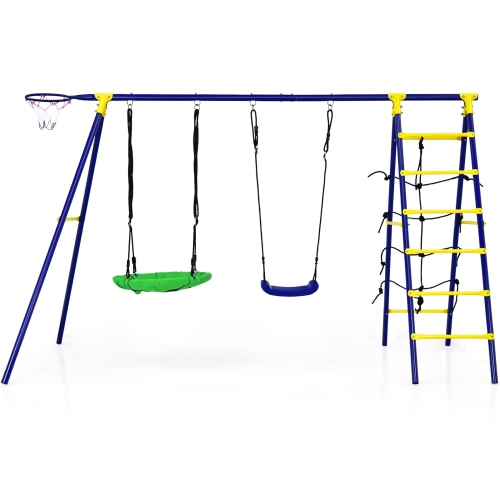
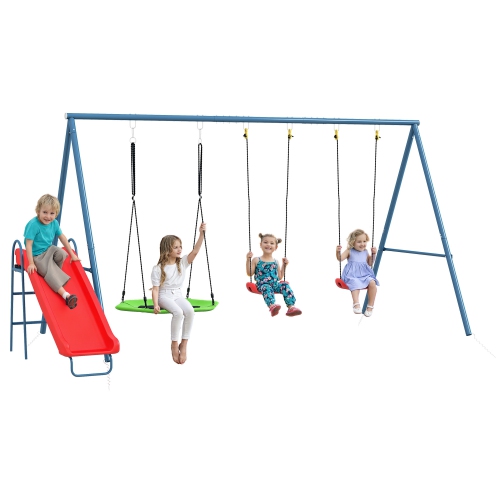
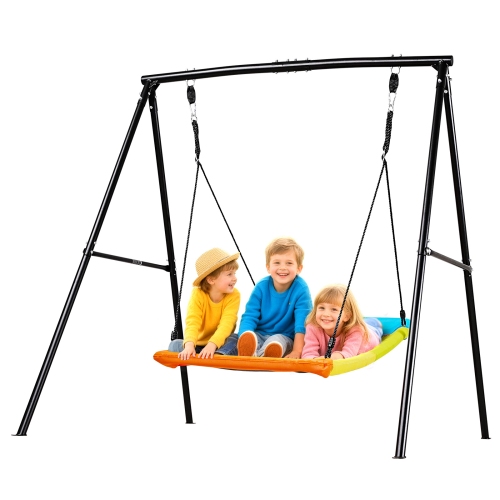
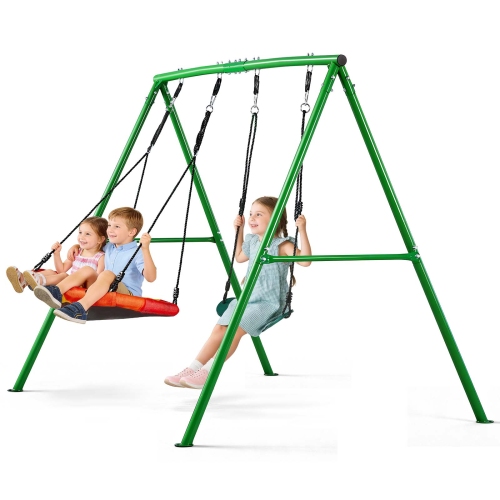
Swing sets bring familiar playground fun into the backyard, giving children a place to practise pumping their legs, share a play session with siblings, or enjoy a gentle push from a parent. Residential swing sets in Canada range from simple frames with one or two swing positions to larger structures that combine swings with slides, climbing features, and raised play platforms. The right fit depends on the children who will use the set, the usable space around it, and the kind of play a family wants to make room for. A straightforward swing frame can suit a household that already has other outdoor toys, while a combination playset offers several activities within one connected structure. Families interested in structures that extend beyond swinging can explore Playsets Canada for a broader range of backyard play options. Age recommendations matter because a seat designed for a confident school-age child is not interchangeable with a supportive toddler seat. Younger children may need an age-appropriate enclosed seat and hands-on help, while older children may prefer flexible belt seats that allow them to swing independently once they have learned the movement. Seat compatibility, attachment hardware, and the frame’s stated limits should all be checked before changing a swing attachment. Weight limits may apply to each seat, each activity station, and the structure as a whole, so the number of swing positions alone does not establish how many children can safely play at once. For siblings of different ages, separate activities can make shared play more practical, provided each child uses features suited to their abilities. A swing set can also be a memorable family gift, but it is best planned with the adults responsible for the property, assembly, and supervision rather than chosen as a surprise. Its appeal comes from repeated, everyday use: a few minutes of swinging after school, imaginative games around a play tower, or an afternoon spent taking turns with friends.
Materials influence a swing set’s appearance, upkeep, and construction, but the quality of the complete structure matters more than a material label alone. Wooden swing sets often have substantial posts and beams, with a warm appearance that sits comfortably beside a fence, garden, or patio. Cedar is commonly used for outdoor play structures because it has natural resistance to decay, although it still needs inspection and any protective treatment specified by the manufacturer. Other wood types may be treated or finished differently, making the care instructions an important part of understanding the set. Smooth surfaces, secure connections, and well-fitted hardware are especially relevant where small hands grip rails or children climb onto a platform. Wood can develop rough spots or splits over time; these should be assessed and addressed according to the manufacturer’s directions before they become a play hazard. Metal swing sets offer a different look, often using tubular steel frames with a protective coating. Their strength depends on factors such as frame construction, joints, anchoring, and stated load capacity, not simply whether the frame is metal. Scratches, exposed metal, or corrosion around connections deserve attention during routine checks. Moulded plastic may appear in seats, slides, handholds, and smaller structures, where rounded shapes and easy-to-wipe surfaces can be useful. These components should also be checked for cracks, distortion, and loose fittings. Chains, ropes, brackets, and fasteners are working parts that experience repeated movement, so durability includes the condition of the suspension system as well as the main frame. Coated chains can offer a more comfortable gripping surface, but they do not replace supervision or checks for wear. For any material, approved replacement parts help preserve the intended fit and function. Cleaning methods, finishing products, and lubrication requirements vary between designs; following the supplied care information avoids treating every surface in the same way. A set that is easy for the household to inspect and maintain is a more practical long-term choice than one selected on appearance alone.
Space planning is central to how comfortably a swing set fits into daily backyard life. The frame dimensions describe only the structure itself, not the full area needed for children to swing, step off, climb, and move between activities. Swings need clear space in front and behind their travel path, while slides and climbing features have their own clearance requirements. The manufacturer’s specified use zone should determine the layout rather than a general estimate based on the size of the lawn. A narrow yard may accommodate a compact frame but still lack enough unobstructed room for swinging; similarly, a large play tower can fit on paper while placing its slide exit too close to a fence. Gates, sheds, tree branches, washing lines, and routes across the yard all deserve consideration. Keeping the swing path separate from the route to a climbing ladder helps prevent children from walking directly in front of a moving seat. The installation area should meet the manufacturer’s requirements for level ground, anchoring, and protective surfacing. Grass or bare earth alone should not be assumed to provide adequate impact protection, and concrete, asphalt, or other hard surfaces are unsuitable beneath play equipment. Appropriate protective surfacing needs sufficient coverage and depth for the equipment’s fall height, with ongoing attention to areas where material can shift under active feet. Assembly is another part of the fit: larger structures can involve many components, substantial lifting, and more than one adult. Access to the site, room to lay out parts, and time to check each connection all affect the installation process. Once assembled, the set should be checked as directed before children use it, with regular inspections thereafter. Residential equipment is intended for private household use unless expressly rated otherwise, so shared, school, or public settings call for equipment designed for those demands. Thoughtful placement, age-appropriate features, and consistent adult supervision help make a backyard swing set a welcoming place for active play without crowding the rest of the outdoor space.
Materials influence a swing set’s appearance, upkeep, and construction, but the quality of the complete structure matters more than a material label alone. Wooden swing sets often have substantial posts and beams, with a warm appearance that sits comfortably beside a fence, garden, or patio. Cedar is commonly used for outdoor play structures because it has natural resistance to decay, although it still needs inspection and any protective treatment specified by the manufacturer. Other wood types may be treated or finished differently, making the care instructions an important part of understanding the set. Smooth surfaces, secure connections, and well-fitted hardware are especially relevant where small hands grip rails or children climb onto a platform. Wood can develop rough spots or splits over time; these should be assessed and addressed according to the manufacturer’s directions before they become a play hazard. Metal swing sets offer a different look, often using tubular steel frames with a protective coating. Their strength depends on factors such as frame construction, joints, anchoring, and stated load capacity, not simply whether the frame is metal. Scratches, exposed metal, or corrosion around connections deserve attention during routine checks. Moulded plastic may appear in seats, slides, handholds, and smaller structures, where rounded shapes and easy-to-wipe surfaces can be useful. These components should also be checked for cracks, distortion, and loose fittings. Chains, ropes, brackets, and fasteners are working parts that experience repeated movement, so durability includes the condition of the suspension system as well as the main frame. Coated chains can offer a more comfortable gripping surface, but they do not replace supervision or checks for wear. For any material, approved replacement parts help preserve the intended fit and function. Cleaning methods, finishing products, and lubrication requirements vary between designs; following the supplied care information avoids treating every surface in the same way. A set that is easy for the household to inspect and maintain is a more practical long-term choice than one selected on appearance alone.
Space planning is central to how comfortably a swing set fits into daily backyard life. The frame dimensions describe only the structure itself, not the full area needed for children to swing, step off, climb, and move between activities. Swings need clear space in front and behind their travel path, while slides and climbing features have their own clearance requirements. The manufacturer’s specified use zone should determine the layout rather than a general estimate based on the size of the lawn. A narrow yard may accommodate a compact frame but still lack enough unobstructed room for swinging; similarly, a large play tower can fit on paper while placing its slide exit too close to a fence. Gates, sheds, tree branches, washing lines, and routes across the yard all deserve consideration. Keeping the swing path separate from the route to a climbing ladder helps prevent children from walking directly in front of a moving seat. The installation area should meet the manufacturer’s requirements for level ground, anchoring, and protective surfacing. Grass or bare earth alone should not be assumed to provide adequate impact protection, and concrete, asphalt, or other hard surfaces are unsuitable beneath play equipment. Appropriate protective surfacing needs sufficient coverage and depth for the equipment’s fall height, with ongoing attention to areas where material can shift under active feet. Assembly is another part of the fit: larger structures can involve many components, substantial lifting, and more than one adult. Access to the site, room to lay out parts, and time to check each connection all affect the installation process. Once assembled, the set should be checked as directed before children use it, with regular inspections thereafter. Residential equipment is intended for private household use unless expressly rated otherwise, so shared, school, or public settings call for equipment designed for those demands. Thoughtful placement, age-appropriate features, and consistent adult supervision help make a backyard swing set a welcoming place for active play without crowding the rest of the outdoor space.
Top selling and popular products
-
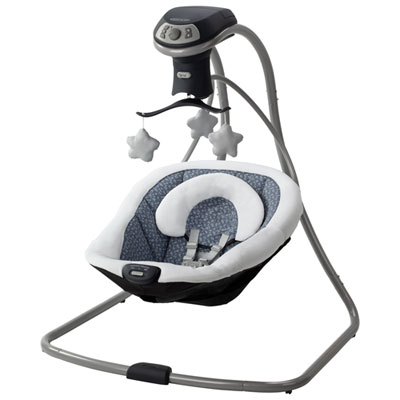 Your price for this item is $279.99
 -
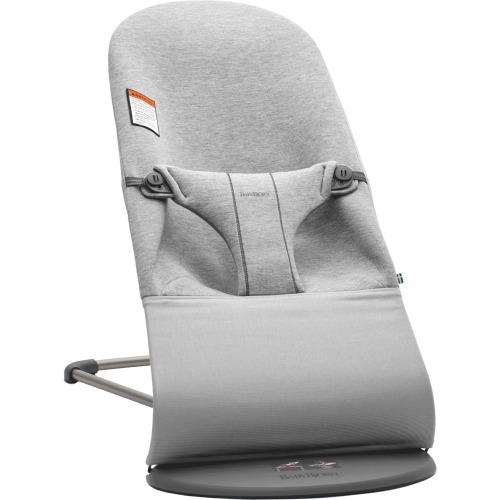 Your price for this item is $339.99
 -
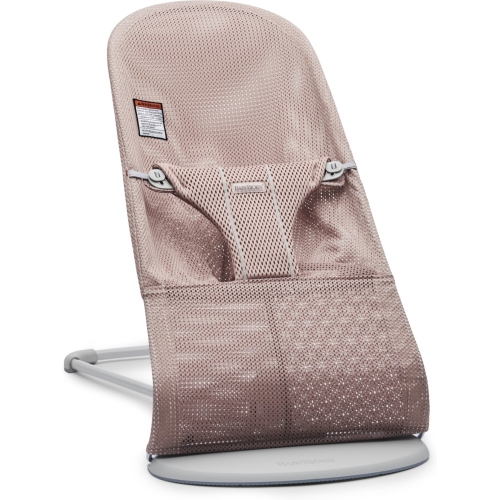 Your price for this item is $339.99
 -
 Your price for this item is $339.99
 -
 Your price for this item is $249.99
 -
 Your price for this item is $78.49
 -
 Your price for this item is $78.49
 -
 Your price for this item is $139.99
Discover more categories related to Swing Sets Canada
Top Collections:
Pokemon Centers, Kindle Devices, Best Budget Office Chairs, Apple iPhones 16, Best Laptops for Writers, iPhone 15 Apple, Canon G7X Cameras, Refurbished Apple Laptops, Alarm Clock, Motorola Razr Phones
Some products may be subject to Environmental Handling Fees
(EHF) depending on your province.
Learn more about EHFs.