Toy Monkeys
Toy monkeys are a delightful addition to any playtime adventure, sparking imagination and joy for children of all ages. With their charming designs and playful personalities, these cuddly companions offer endless opportunities for fun and creativity. Whether you're looking to inspire storytelling or simply provide a snuggly friend, toy monkeys bring a touch of the wild into your home. Explore our selection to find the perfect playmate that will swing into your child's heart and become a cherished part of their toy collection.
Sort
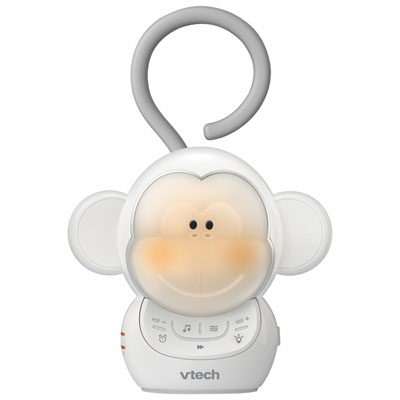
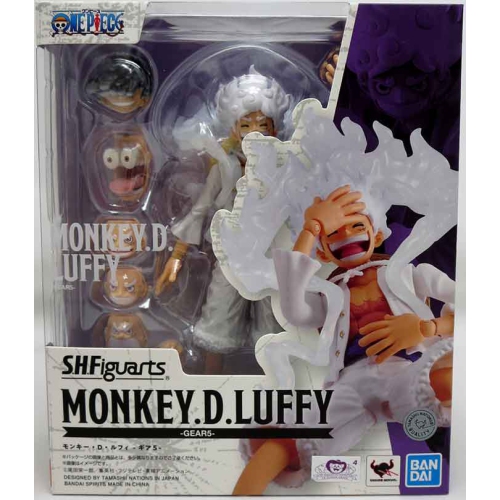
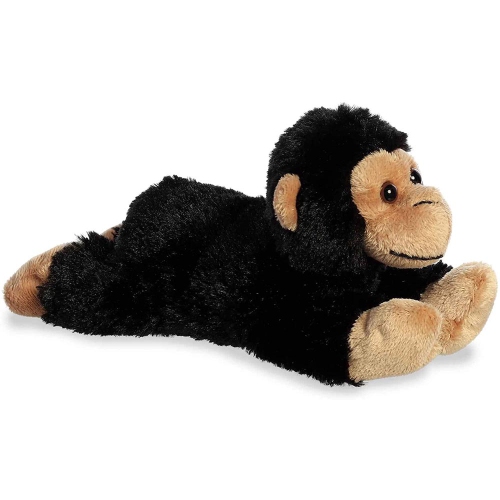
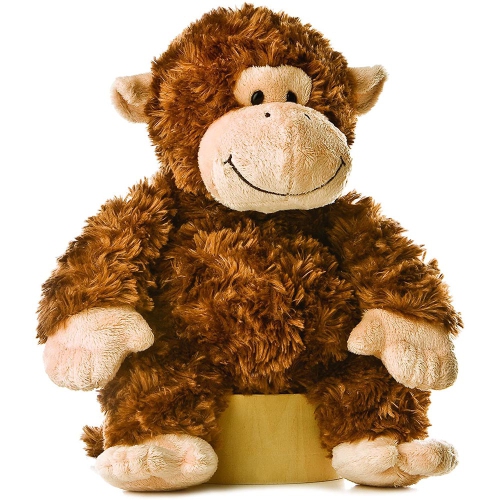
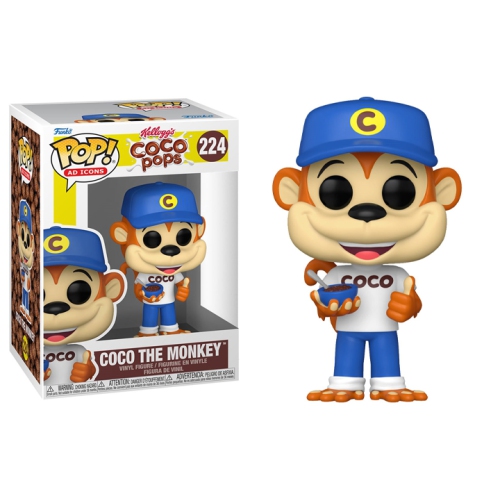
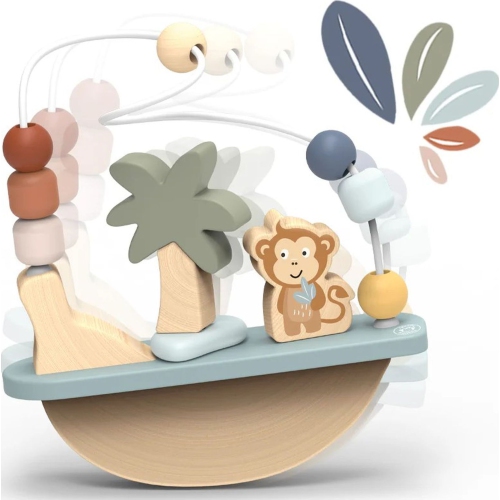
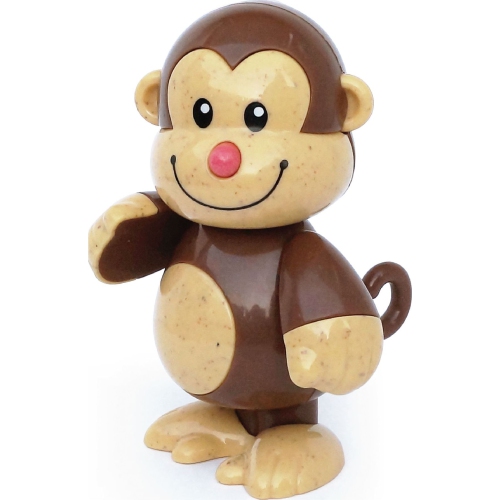
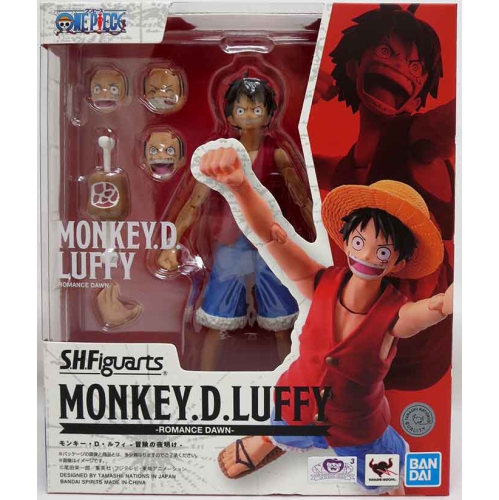
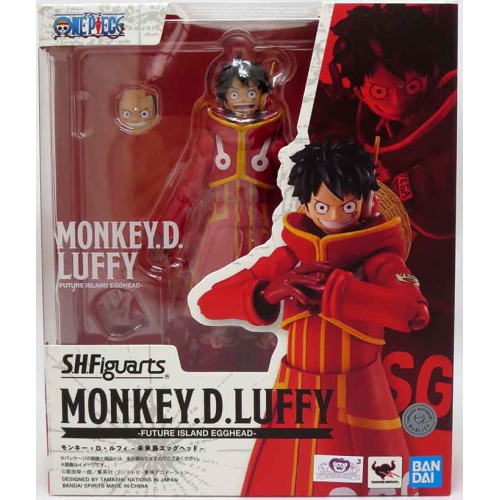
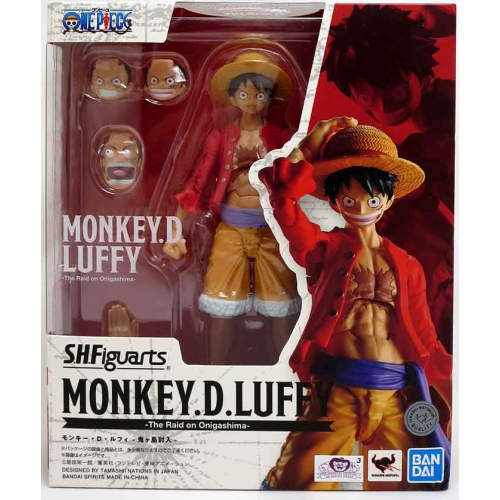
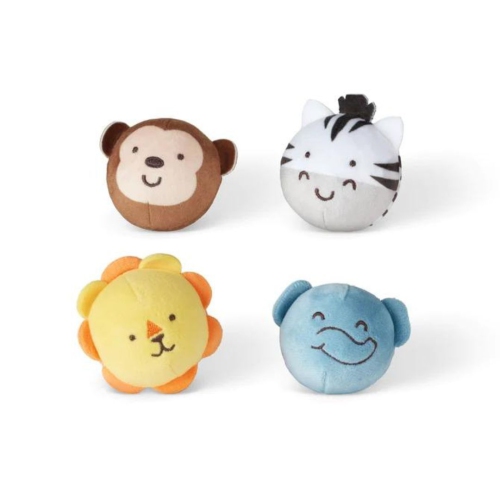
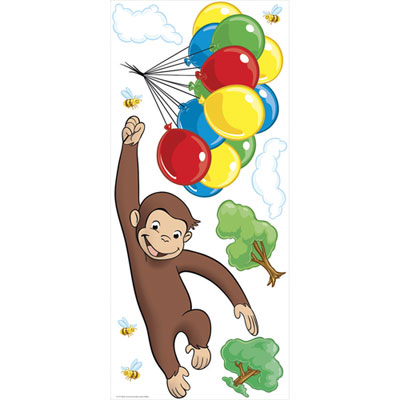

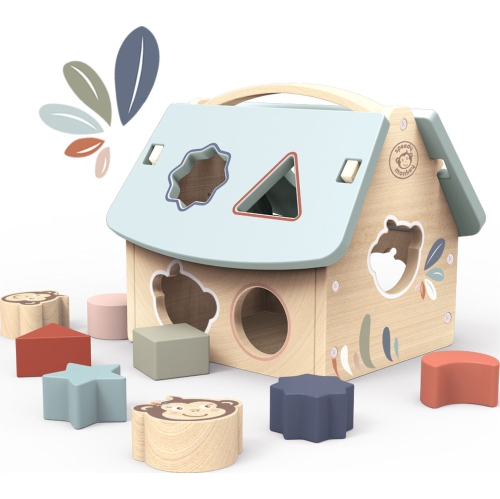
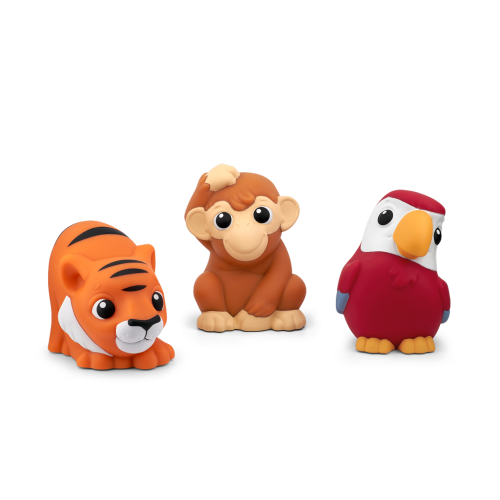
From story time cuddles to imaginary jungle adventures
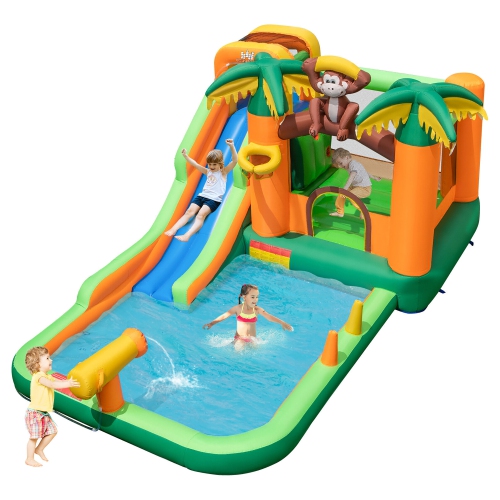
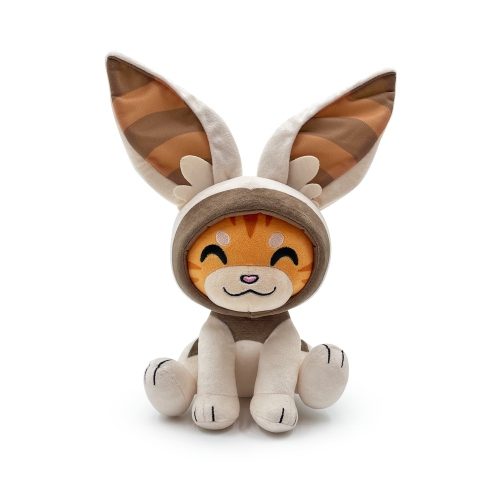
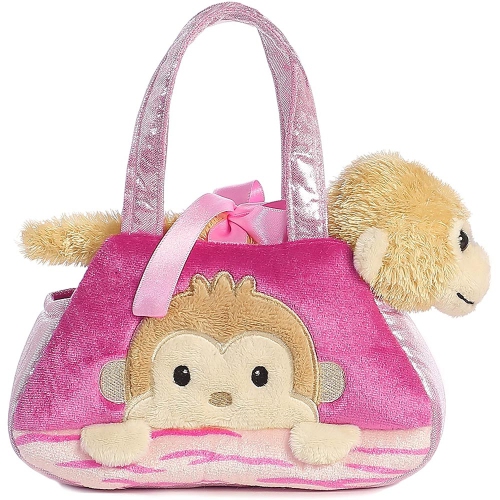
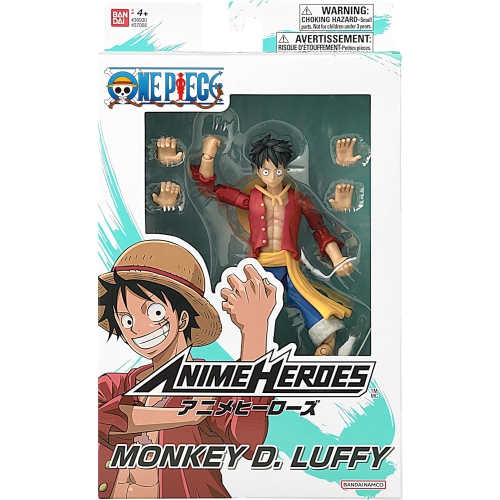
Toy monkeys bring familiar animal character to everything from cuddly companions to miniature play scenes. The main types include plush stuffed animals, realistic figures, interactive toys, and stretchy or squeezable designs made for hands-on play. Each offers a different experience: a soft monkey can become a familiar companion during story time, while a small figure might take the lead in an imaginary jungle adventure. Plush versions often emphasize expressive faces, long arms, rounded bodies, and soft textures that invite hugging. Some have floppy limbs that drape comfortably over a child’s arm; others have firmer stuffing that helps them sit upright on a shelf or beside a stack of books. Realistic monkey figures put more emphasis on posture, facial features, and details such as sculpted fur or a curled tail. They can add interest to animal collections, pretend habitats, and school projects, especially when the species is clearly identified. Monkeys vary widely in appearance, so a long-tailed capuchin and a sturdy macaque can introduce different shapes and proportions into play. Gorillas, chimpanzees, and orangutans are apes rather than monkeys, a useful distinction when the aim is learning about animals rather than simply choosing a friendly face. Interactive monkey toys may respond to touch, move, or make sounds, depending on their design, adding an element of surprise to familiar routines. Stretchy and fidget-style versions offer a more tactile experience through squeezing, pulling, or manipulating their shape within the limits described by the maker. These different formats suit different settings: a quiet plush companion works well during shared reading, while a collection of figures leaves plenty of room for storytelling on a play mat. For children building a broader animal world, Toy Birds can complement monkey characters in treetop scenes and imaginative adventures. The appeal lies as much in how a toy feels and moves as in the animal it represents, with playful expressions and distinctive silhouettes giving each style its own personality.
Materials, construction, and size influence how a toy monkey fits into everyday use. Plush toys commonly combine a textile outer layer with soft filling, but the feel can range from smooth, short pile to longer, shaggy fibres. Shorter pile can make surface dirt easier to spot, while longer fibres may need gentle attention to keep them looking tidy, following the care label. A softly filled body is easy to cuddle and tuck under an arm; denser stuffing gives more structure but may feel less flexible. For a child who likes carrying a toy from room to room, overall weight and body width matter as much as height. Long arms and tails add character, though they also take up space in a backpack and can catch on other belongings. A compact shape may travel more easily, while a larger plush monkey can become part of a reading corner or bedroom display. Embroidered facial details, attached accessories, and different fastening styles deserve a close look alongside the manufacturer’s age recommendation. No single feature makes a toy suitable for every age, and small detachable parts are unsuitable for children under three. Infant sleep spaces should remain free of plush toys and other soft objects. For figures, materials may include moulded plastic, vinyl, or wood, with different levels of flexibility, weight, and surface detail. Rounded edges, secure joints where present, and a base or stance that stays upright can make a difference during repeated play. Stretchy toys need particular attention to their outer covering and any filling inside; damaged toys should be taken out of use, and stretching should stay within the stated limits. Interactive designs add practical considerations such as a securely closed battery compartment, volume controls where provided, and whether the sound can be switched off for quiet play. Care also varies by construction. Some plush toys allow machine washing, while others require surface cleaning only, especially when they contain electronic components. The care label should determine the method, and washed toys need to dry thoroughly before being returned to play. Regular checks around seams, limb attachments, moving parts, and painted surfaces help identify wear before it interrupts a favourite activity.
The most enjoyable toy monkeys tend to match the recipient’s interests and the way they already play. A child who gives every stuffed animal a name may appreciate a plush monkey with a distinctive expression and limbs that are easy to arrange for pretend meals or tea parties. A child who enjoys sorting and comparing animals may spend longer with detailed figures, lining them up by size, noticing differences in tails, or creating a habitat from blocks and cardboard. For pretend zoo play, a sturdy figure can move between an enclosure, a make-believe veterinary station, and a transport vehicle without needing an elaborate setup. Monkey toys can also become characters in stories about friendship, sharing, and exploration, with children supplying the dialogue and deciding what happens next. Adults can join in by describing an action or introducing a new character without taking over the story. For tactile play, a squeezable monkey offers something to manipulate with the hands, although texture preferences are personal and a toy should not be assumed to provide a therapeutic benefit. Interactive features may appeal to children who enjoy cause and effect, such as discovering which action produces a movement or sound. For shared spaces, the intensity and repetition of those sounds are worth considering alongside the child’s enthusiasm. As gifts, toy monkeys can suit birthdays, milestones, or a simple gesture for someone who loves animals. Age suitability, available space at home, and the recipient’s preference for cuddling, collecting, or active pretend play make a more useful starting point than appearance alone. An older collector may value lifelike proportions and a pose that displays neatly, while a younger child may prefer an uncomplicated shape that feels comfortable to hold. A familiar monkey companion can also join ordinary outings, sitting beside a child during a supervised car journey or waiting in a bag until story time. Whether chosen for affection, animal learning, or open-ended adventures, a well-matched toy monkey has room to become part of everyday routines rather than being limited to a single way of playing.
Materials, construction, and size influence how a toy monkey fits into everyday use. Plush toys commonly combine a textile outer layer with soft filling, but the feel can range from smooth, short pile to longer, shaggy fibres. Shorter pile can make surface dirt easier to spot, while longer fibres may need gentle attention to keep them looking tidy, following the care label. A softly filled body is easy to cuddle and tuck under an arm; denser stuffing gives more structure but may feel less flexible. For a child who likes carrying a toy from room to room, overall weight and body width matter as much as height. Long arms and tails add character, though they also take up space in a backpack and can catch on other belongings. A compact shape may travel more easily, while a larger plush monkey can become part of a reading corner or bedroom display. Embroidered facial details, attached accessories, and different fastening styles deserve a close look alongside the manufacturer’s age recommendation. No single feature makes a toy suitable for every age, and small detachable parts are unsuitable for children under three. Infant sleep spaces should remain free of plush toys and other soft objects. For figures, materials may include moulded plastic, vinyl, or wood, with different levels of flexibility, weight, and surface detail. Rounded edges, secure joints where present, and a base or stance that stays upright can make a difference during repeated play. Stretchy toys need particular attention to their outer covering and any filling inside; damaged toys should be taken out of use, and stretching should stay within the stated limits. Interactive designs add practical considerations such as a securely closed battery compartment, volume controls where provided, and whether the sound can be switched off for quiet play. Care also varies by construction. Some plush toys allow machine washing, while others require surface cleaning only, especially when they contain electronic components. The care label should determine the method, and washed toys need to dry thoroughly before being returned to play. Regular checks around seams, limb attachments, moving parts, and painted surfaces help identify wear before it interrupts a favourite activity.
The most enjoyable toy monkeys tend to match the recipient’s interests and the way they already play. A child who gives every stuffed animal a name may appreciate a plush monkey with a distinctive expression and limbs that are easy to arrange for pretend meals or tea parties. A child who enjoys sorting and comparing animals may spend longer with detailed figures, lining them up by size, noticing differences in tails, or creating a habitat from blocks and cardboard. For pretend zoo play, a sturdy figure can move between an enclosure, a make-believe veterinary station, and a transport vehicle without needing an elaborate setup. Monkey toys can also become characters in stories about friendship, sharing, and exploration, with children supplying the dialogue and deciding what happens next. Adults can join in by describing an action or introducing a new character without taking over the story. For tactile play, a squeezable monkey offers something to manipulate with the hands, although texture preferences are personal and a toy should not be assumed to provide a therapeutic benefit. Interactive features may appeal to children who enjoy cause and effect, such as discovering which action produces a movement or sound. For shared spaces, the intensity and repetition of those sounds are worth considering alongside the child’s enthusiasm. As gifts, toy monkeys can suit birthdays, milestones, or a simple gesture for someone who loves animals. Age suitability, available space at home, and the recipient’s preference for cuddling, collecting, or active pretend play make a more useful starting point than appearance alone. An older collector may value lifelike proportions and a pose that displays neatly, while a younger child may prefer an uncomplicated shape that feels comfortable to hold. A familiar monkey companion can also join ordinary outings, sitting beside a child during a supervised car journey or waiting in a bag until story time. Whether chosen for affection, animal learning, or open-ended adventures, a well-matched toy monkey has room to become part of everyday routines rather than being limited to a single way of playing.
Top selling and popular products
-
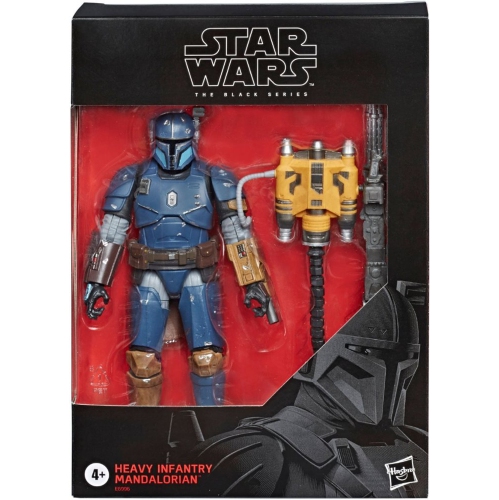 Your price for this item is $35.64
 -
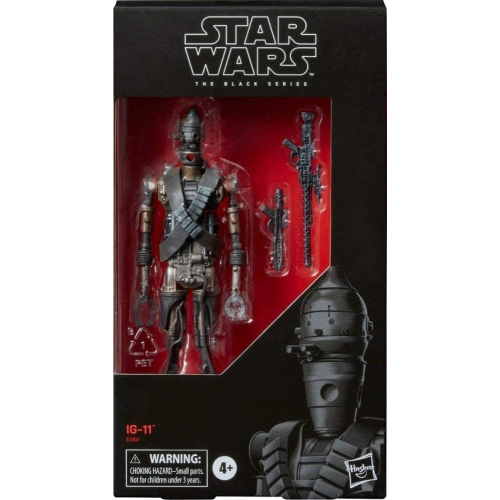 Your price for this item is $32.19
 -
 Your price for this item is $92
 -
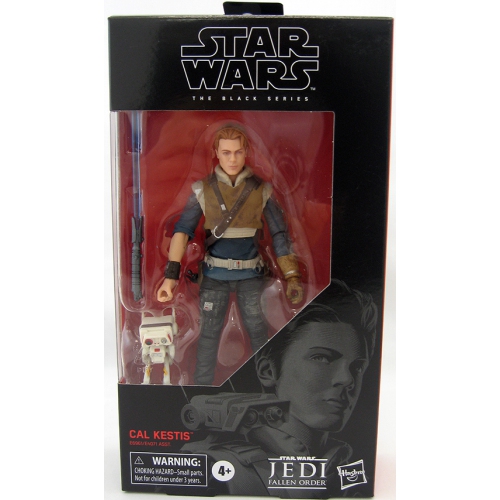 Your price for this item is $41.39
 -
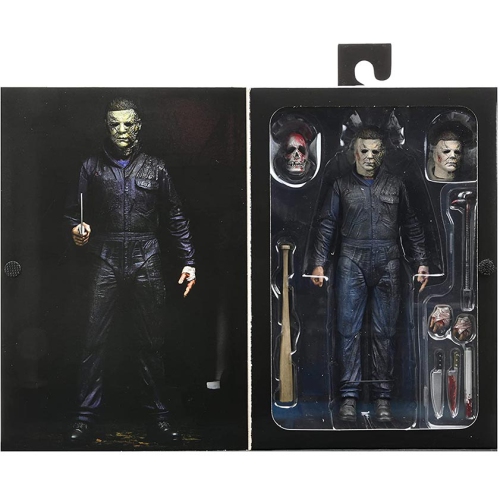 Your price for this item is $81
 -
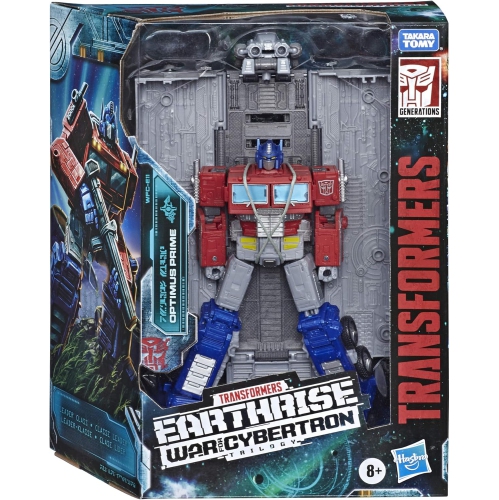 Your price for this item is $79.97
 -
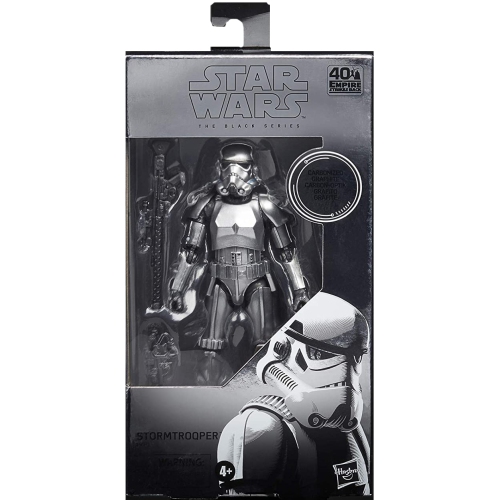 Your price for this item is $46
 -
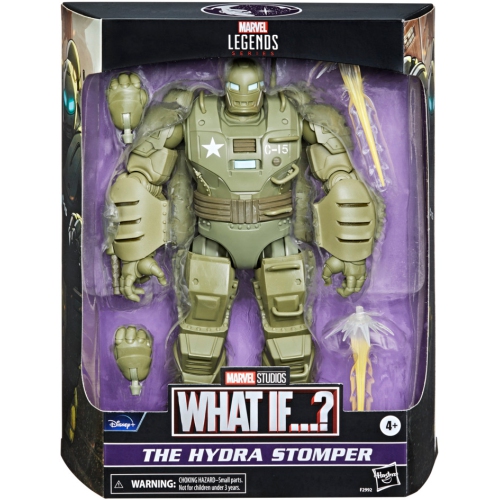 Your price for this item is $73.59
Discover more categories related to Toy Monkeys
Top Collections:
Pokemon Centers, Kindle Devices, Best Budget Office Chairs, Apple iPhones 16, Best Laptops for Writers, iPhone 15 Apple, Canon G7X Cameras, Refurbished Apple Laptops, Alarm Clock, Motorola Razr Phones
Some products may be subject to Environmental Handling Fees
(EHF) depending on your province.
Learn more about EHFs.